In a Vase on Monday – February Love

img_20200202_153009

This vase marks the first for February, the month of love. I challenged myself to create a  shades of red vase in honor of February.

The combination of plant material is unusual, to say the least, ordinarily (not sure why) I don’t like to combine tropical plants with non tropicals, but this is meant to be love struck pinks.

The construction of the vase is a bit unusual as well, the red container is from Christmas, too lightweight for the thick stemmed Shell Ginger. To conquer this issue, I placed a glass pickle jar inside the red container – it was too tall and I covered the jar with Bromeliad foliage. Here is a closer view:

00100lrportrait_00100_burst20200202152805395_cover

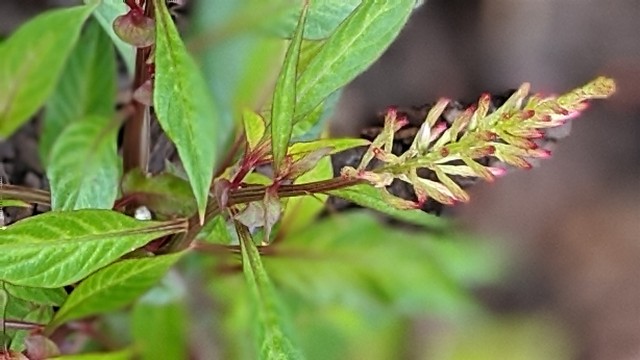
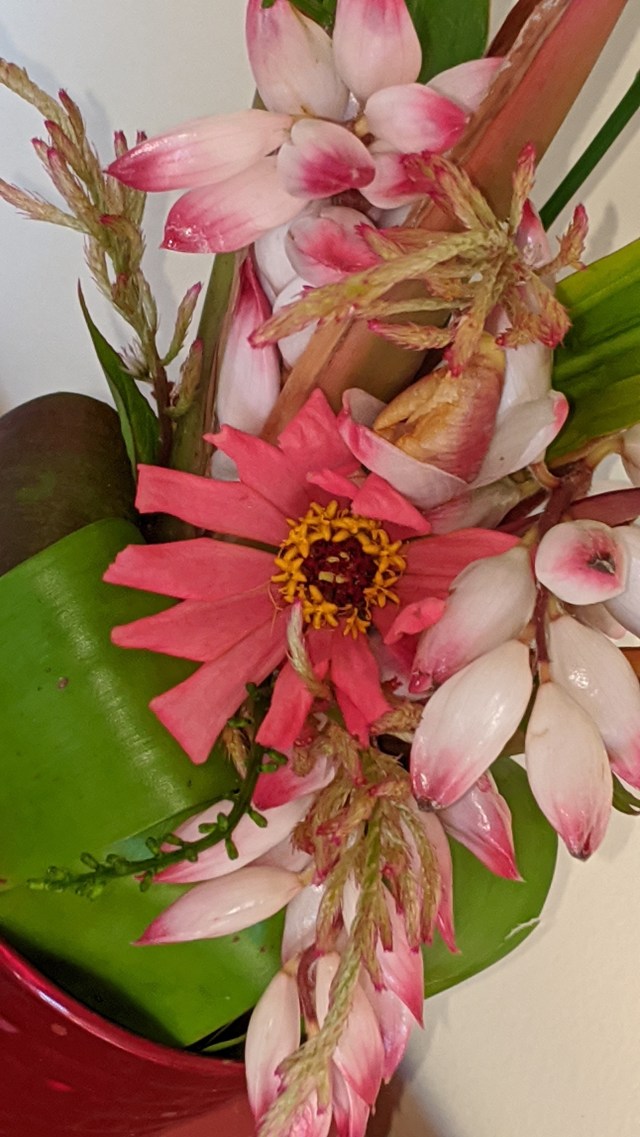
The  pink and white flowers are Shell Ginger (Alpinia zerumbet); these are just about to burst into full bloom, really buds. The center plant is a Zinnia of unknown heritage that looks a lot more pink in the garden. The beige and pink flowers are Texas Vintage Rose Mix Celosia grown from seed supplied by Floret. The green tracery in the background is the flower of Dracaena reflexa. The foliage around the base is from a Blushing Bromeliad (Neoregelia carolinae).

Another close up:
00000img_00000_burst20200202153105068_cover

Happy Month of  Love!

For more Vases on Monday filled with flowers from all over the world follow this link to Cathy’s blog In A Vase on Monday

Six on Saturday – Winter Color

00100lrportrait_00100_burst20200131154349825_cover

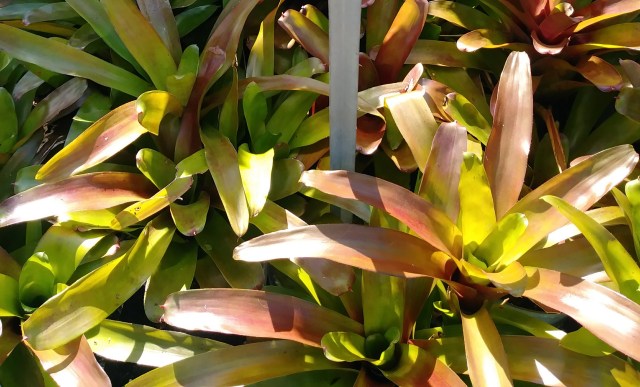
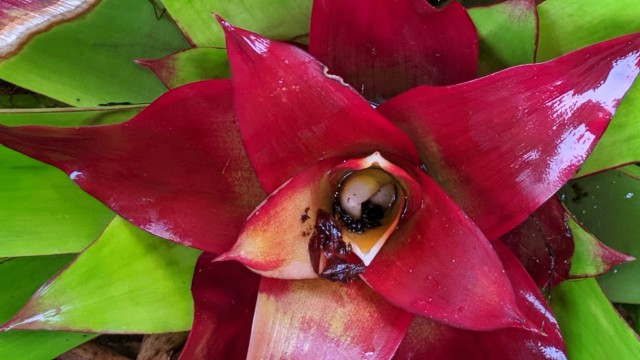
This is a Blushing Bromeliad (Neoregelia carolinae); they only blush in winter the rest of the year the foliage is solid green.

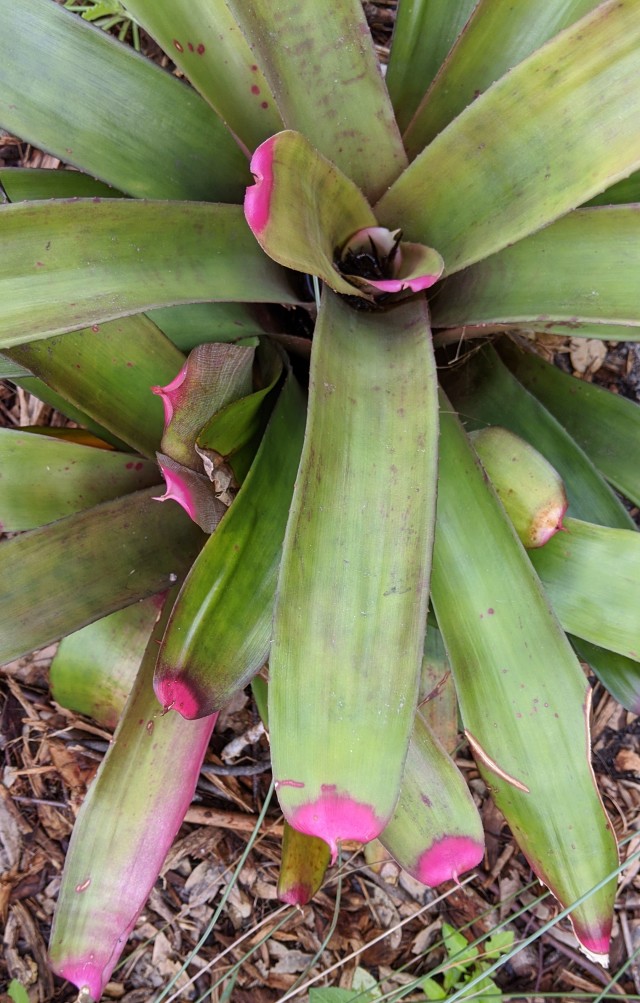
Here is another Bromeliad – the Hallelujah Billbergia, it’s flowers  are red, white and blue later in the year and are quite a sight with the purple spotted foliage. The green coloration comes out in winter.

00100lrportrait_00100_burst20200131154304310_cover

The fruit of Candy Portea Bromeliad, it flowers in the fall, the fruit is purple at first and later turns white. The foliage is also purple, so this is a striking plant.

00100lrportrait_00100_burst20200131154235943_cover

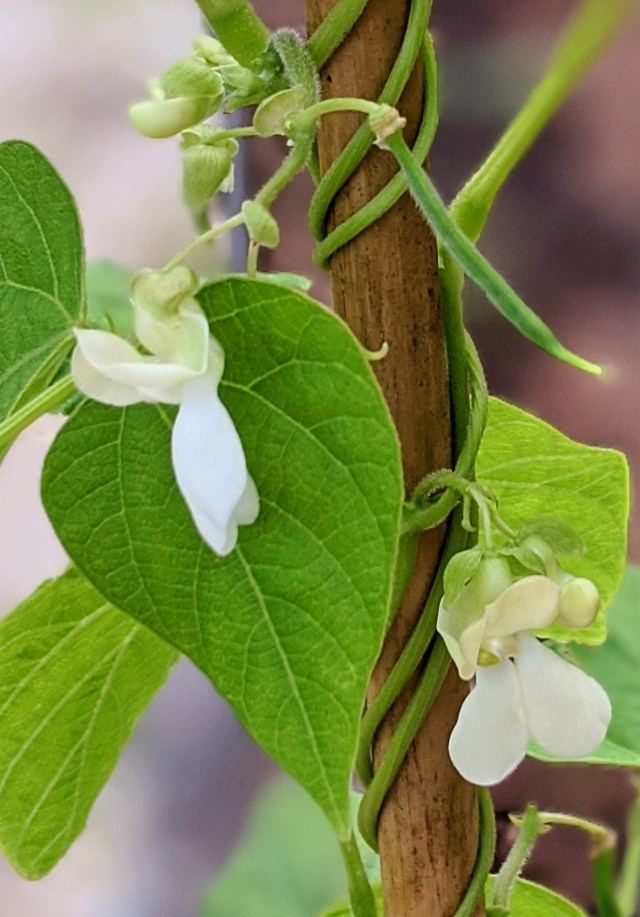
Real fruit in the form of a pole bean. I love fresh green beans and am looking forward to this.

00100lrportrait_00100_burst20200131153528481_cover

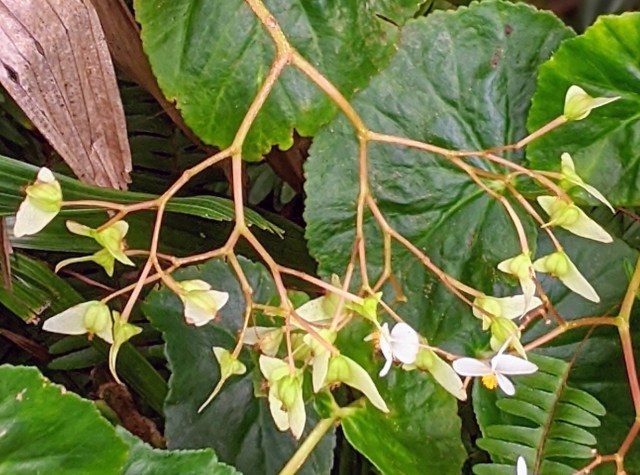
Seedheads on a Sweet Begonia (Begonia odorata ‘Alba’). I like the seeds as well as the flowers and use them in arrangements.

00100lrportrait_00100_burst20200131153951475_cover

It has been a surprisingly rainy dry season and here is the proof – a Rain Lily.

00100lrportrait_00100_burst20200131153816132_cover

That is my Six for this Saturday, for more photos of six things from gardens around the world, go to host blog, here is the link.The Propagator

In a Vase on Monday – Bromeliad Cachepot

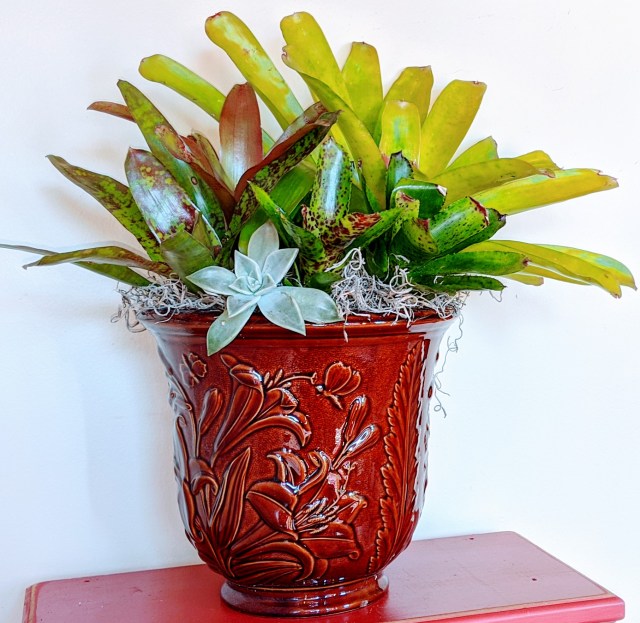
img_20200126_113117

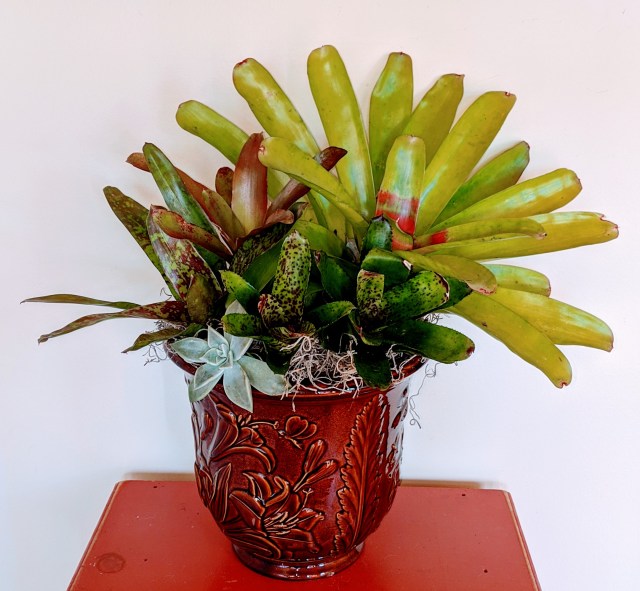
I decided to do something different this week. This is a pot of Bromeliad cuttings from my garden. The cuttings are in a 1 gallon nursery container double potted inside the cachepot. These Bromeliads are so bulletproof they are planted in old dried out potting soil and sand, a very well drained mix that will serve them well for months to come.

img_20200126_111010

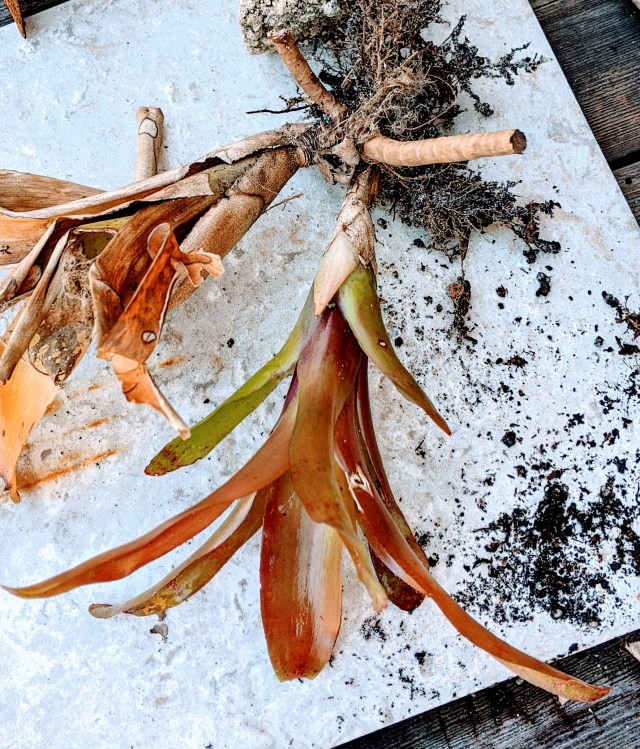
Here is one of the cuttings, a Super Fireball Neoreglia, wonderful groundcover and hard to kill. One of my favorites. It grows almost on a runner (actually a stolon), the mother plant (on the left) dies and generally makes two or three pups like this one. The mother plant is cut off and  thrown away, I always feel bad about this. The roots are left intact and placed inside the nursery container.

Super Fireball Neoregelia in the garden, cold weather makes the red and peach coloration come out, these are closer to green in summer.

20190119_114327-1

Another  view:

img_20200126_113315

The cachepot is Portmerion, bought years ago on an antiqueing mission with my mother. The pot is a favorite of mine, but I rarely have houseplants as I have a strong tendency to kill them. The Bromeliads should last for months and root into the pot.

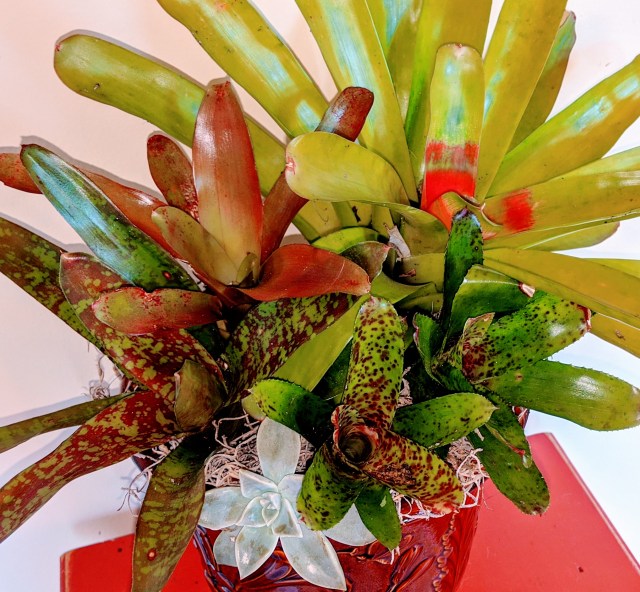
From above:

img_20200126_113423

These are all Neoregelia Bromeliads, grown primarily for foliage. The flowers are not very exciting. I know two of the four varieties – there are 3500 types of Bromeliads and I lost track of some or never knew the name ( i.e. bought at a garage sale for 5 bucks) The bigger chartruese plant with the red center (the center turns red with cooler weather) is a Blushing Bromeliad (Neoregelia carolinae). The Burgundy with green center and no spots is Super Fireball, the spotted ones I have not a clue the species. The grey plant in the foreground is a succulent – a Graptosedum of some kind that a friend gave to me, they enjoy the same soil conditions and I have a few in containers with Bromeliads on the porches at my house. Spanish moss is used for fill in the edges (and hide the black plastic nursery pot) is also a Bromeliad (Tillandsia usneoides)

Happy Gardening!

For more vases from around the world, visit Cathy at http://www.ramblinginthegarden.wordpress.com.

Six on Saturday – New Things

00100lrportrait_00100_burst20200124160828649_cover

I have some new things in my garden, flowers, foliage, fruit and non-toxic weedkiller. My Six for this Saturday.

Above, a  Texas Plume Vintage Rose Mix Celosia flower. I started these from seed last fall, the colors in the mix are Burgundy, Chartreuse and this – I suppose it is pink? I have not had Celosia in this garden, though it seems it is becoming popular. I will be interested to see how long it lasts.

The flower of a Guzmania Bromeliad just opening. I would love to know the variety of this one, it flowers every winter.

00000img_00000_burst20200124101306321_cover

Winter brings  color to Bromeliad foliage. These are aptly named Painted Fingernail Aechmea.

img_20200124_160539

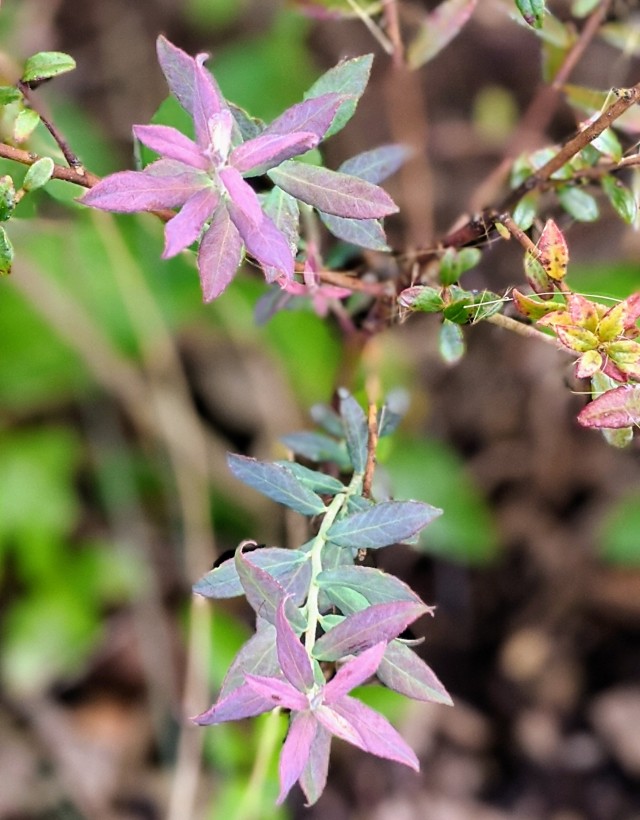
Color on new growth of Southern Highbush Blueberry (Vaccinium darrowii). This is a native Florida blueberry, I doubt it will bear fruit as it struggles in my sandy soil.

00100lrportrait_00100_burst20200124160633451_cover

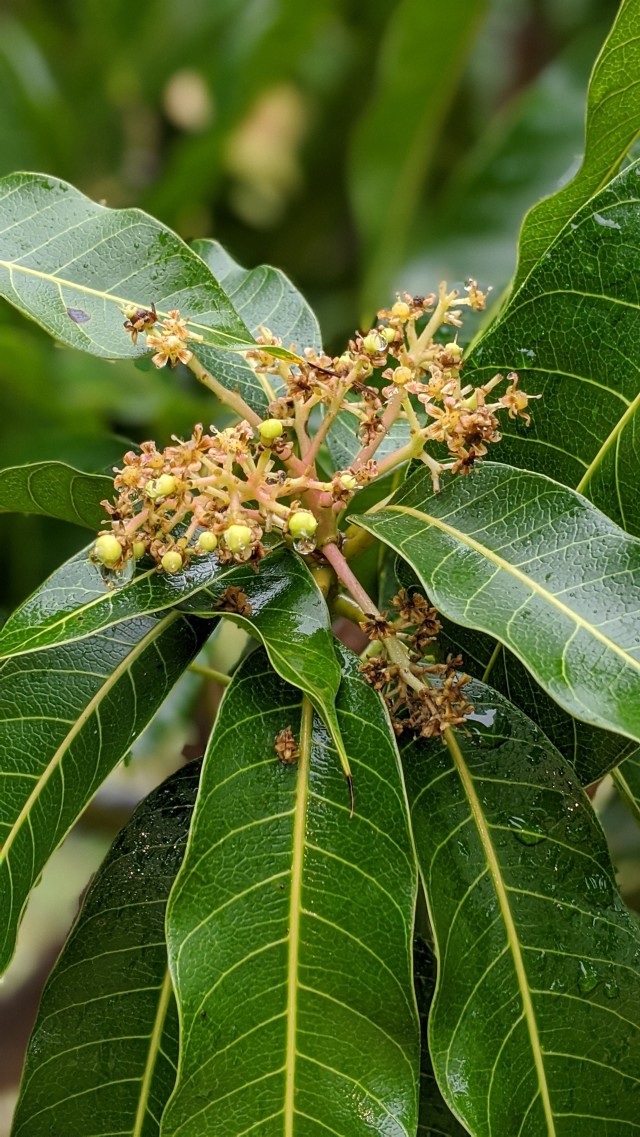
The fruit is setting on the Nam Doc Mai Mango. This is a Thai Dessert Mango and very tasty. Last year I did not have any as it was too windy for the flowers to pollinate.

00100lrportrait_00100_burst20200124101046354_cover

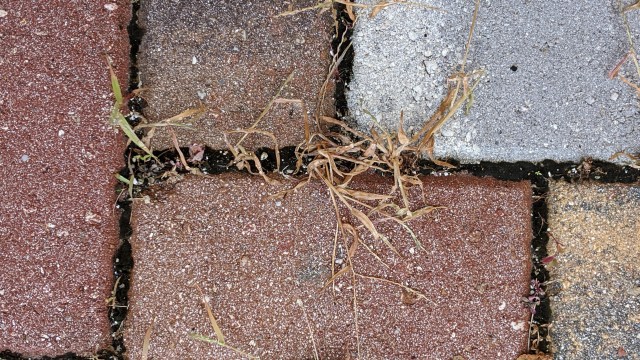
I discovered a non-toxic weedkiller that works like Glyphosate, which I refuse to use in my garden. My pathways will look a lot better now. This new weedkiller is EcoMIGHT http://ecomight.com/ and is peppermint oil based. Here is a lovely dead weed.

00000img_00000_burst20200122153638760_cover

That’s my Six for this Saturday. To see other gardeners take on Six on Saturday, follow  this link to  Visit the Propagator!!

Happy Gardening.

In a Vase on Monday – Holiday Upcycle

img_20200119_134719

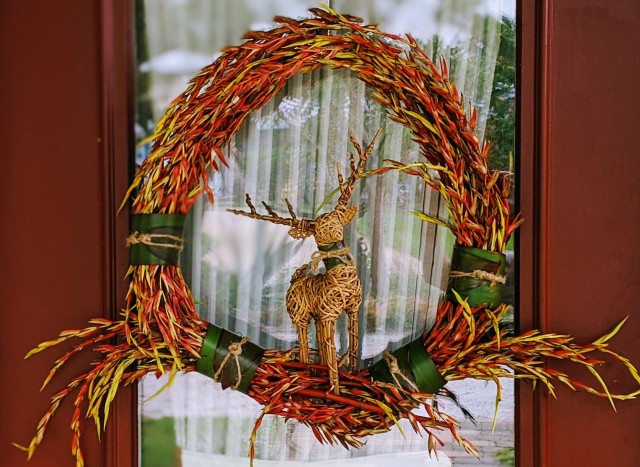
The  upcycle is the vase itself. Made from dried remnants of my front door Christmas wreath.  Here is the wreath in its previous life. The green bands are Blanchetiana Bromeliad foliage wrapped around the wreath and tied with jute. When I took this down the flowers had dried to brown and the bands were curly and retained their color. I saved them because I thought they might make an interesting addition to a vase. Instead, I covered a plastic water bottle with the curled leaves and made a vase.

00100lrportrait_00100_burst20191220124823831_cover

The flowers are a bright mix designed to counter any winter blues. Low temperatures in the 40s (F) are forecast this week, appalling weather to anyone Floridized (living in Florida for over 5 years, blood completely thins out). We might have to wear long pants and  (gasp)  turn on the heat. A closer view of  the vase:

00000img_00000_burst20200119133925401_cover

Another view of  the flowers:

00000img_00000_burst20200119134942300_cover

The yellow daisies are Beach Sunflowers (Helianthus debilis), a year round bloomer. The red and yellow daisies are Gallardia (Gallardia pulchella), another year round bloomer. Both are native and absurdly easy to grow. The pink flower is an unknown Zinnia. Deep pink and chartreuse spikes are Texas Vintage Rose Mix Celosia from Floret, I may really like these. I think they need cutting back, so here they are. Peachy and red spikes are from Tropical Red Salvia (Salvia coccinea). The more beige spikes are Juba Bush (Iresine diffusa) and funky stems with a bit of blue are Blue Porterweed (Stachytarpeta jamaicaensis), white daisies are another native Spanish Needles (Bidens alba).

I am really enjoying my winter garden this year and just planted another round of vegetable seeds. Hoping for more Zinnias and Celosia before the heat sets in.

Happy Gardening and thanks to Cathy at https://ramblinginthegarden.wordpress.com/ for hosting. For more vases, visit Cathy’s blog.

In a Vase on Monday – Not Summer Blues

img_20200112_114018-1

January in South Florida is not summer, it just seems like it today. The air conditioning is running; despite the fact this is the dry season, rain showers are making above 80 degrees (F) weather steamy and not conducive to gardening. My reward is flowers and vegetables in the garden. I have ripe tomatoes and Papayas; my second planting of green beans and first lettuces and spinach have come up. Some interesting flowers are also gracing the garden.

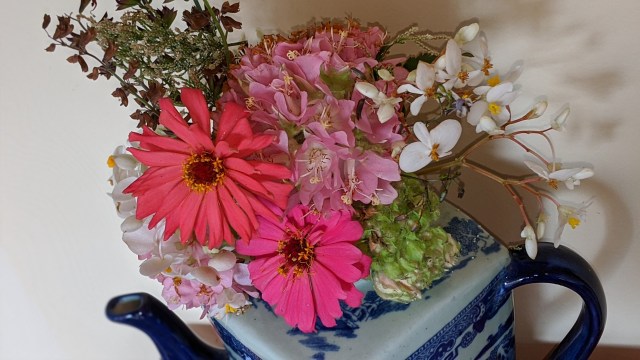
The Blue Willow teapot is a favorite of mine, bought with my mother on a long ago antiquing adventure (she referred to this as ‘Going to the junk store’).

img_20200112_114504-1

Zinnias grown from seed continue to boggle my mind – not sure what they are at all. These are much bigger than those in the smaller vase and have longer stems. I’ve added pink and green Dombeya (Dombeya wallachii) flowers. The green are the buds, the Dombeya itself is huge and I don’t mind cutting some buds, though I feel the bees would disagree. The flowers have an amazing honey fragrance and I have never seen as many bees on a plant. A closer view:

00100lrportrait_00100_burst20200112114620183_cover-1

The white flowers are Sweet Begonias (Begonia odorata ‘Alba’), another subtly fragrant flower and the spikes are seedheads from Tropical Red Salvia (Salvia coccinea)

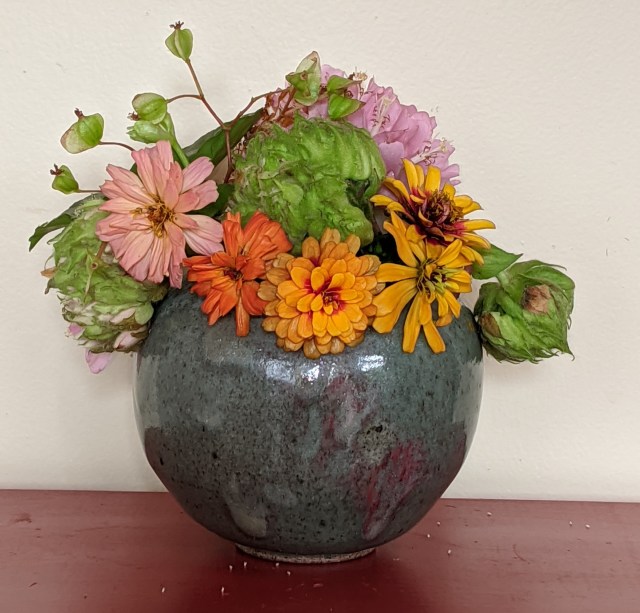
This vase, another ‘junk store’ find has Dombeyas and Zinnias, just the shorter-stemmed version. The green seed heads are from the Sweet Begonia. I like the seeds as well as the flowers.

img_20200112_114316-1

I have both vases in my foyer; the Dombeyas tend to be ephemeral in vases, not lasting more than a day. The fragrance from the combination of Dombeyas and Sweet Begonias is ethereal, I can imagine angels in flight leaving this scent. Worth every moment and curing the Not Summer Blues. Back outside tomorrow.

Six on Saturday – Too Windy

00000img_00000_burst20200111101024436_cover.jpg

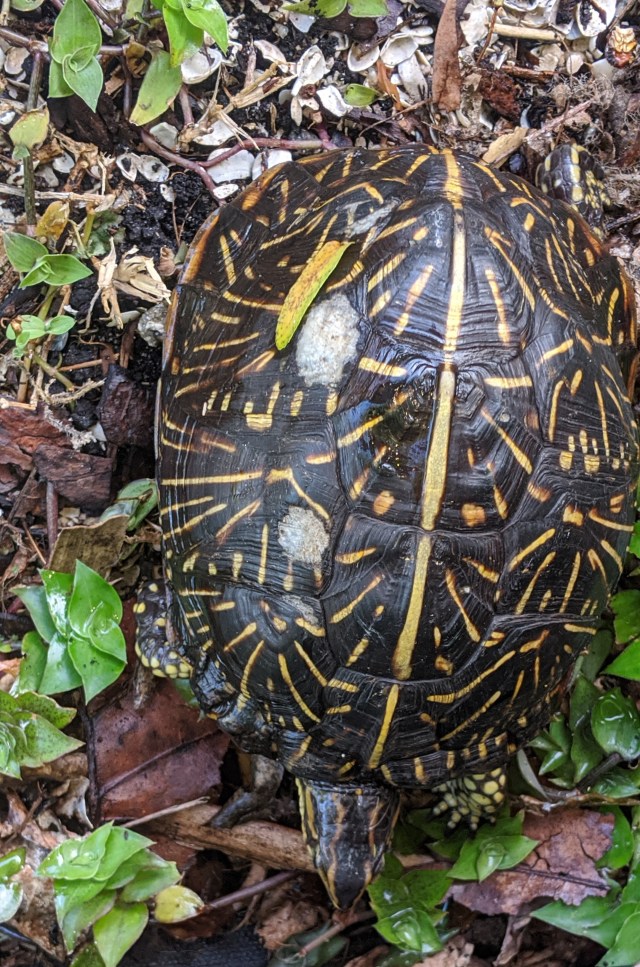
I have a Florida Box Turtle family in my garden, this one was scurrying (as fast as a turtle can scurry) away from me as I snapped the picture.

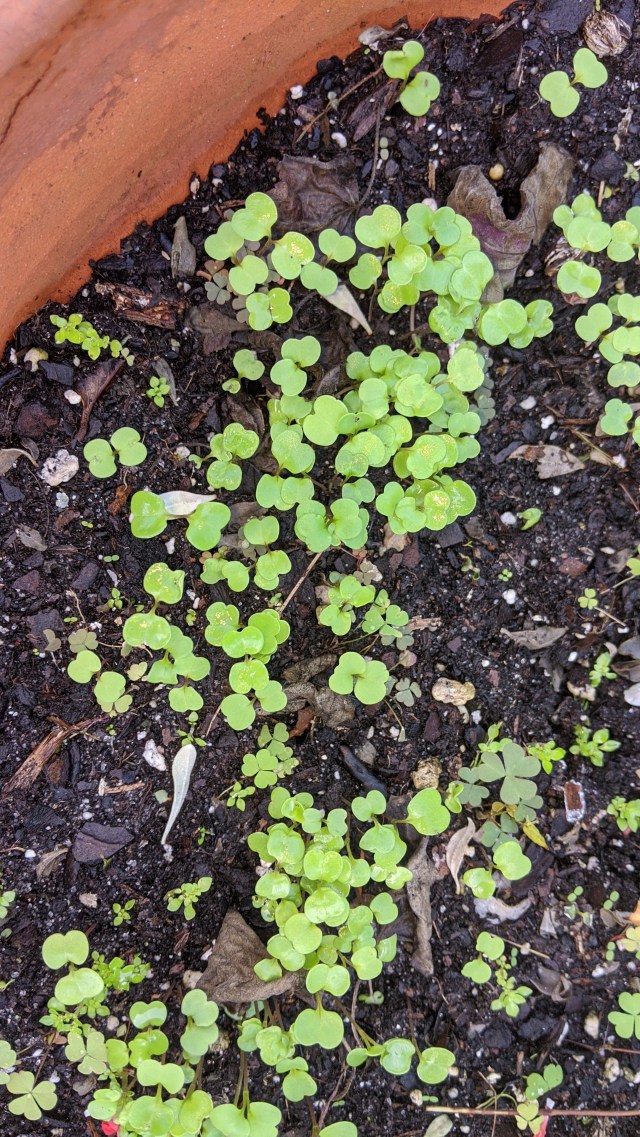
I have planted some seeds for lettuces and root vegetables and wanted to plant more, but the wind has been blowing steadily about 20 mph seemingly for the last week. Here are some Arugula seedlings, they need a major thinning, I dropped the seed packet into the pot.

img_20200111_100555

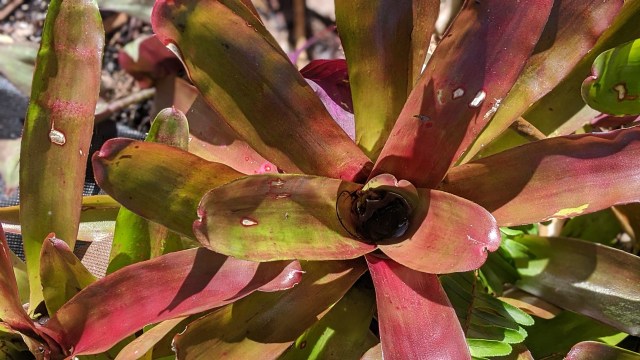
Winter brings a new color to Bromeliad foliage. These are Super Fireball Neoregelias, they are green in summer and go to reds and greens during the winter.

00100lrportrait_00100_burst20200111101008445_cover

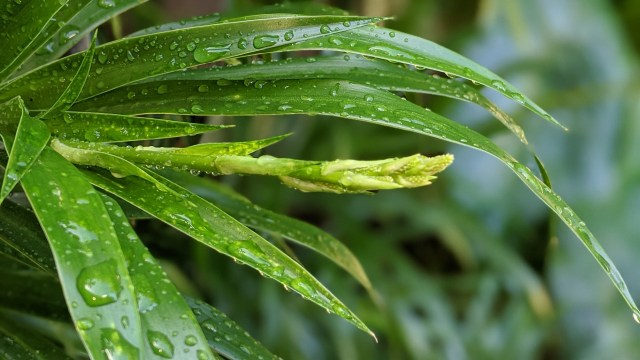
Winter also brings some new and different flowers, these are buds on a Dracaena reflexa.

00100lrportrait_00100_burst20200111101410743_cover

The New Zealand Flax Lily (Dianella) has finally started flowering. It suffered through the summer sitting on the ground without a pot. Amazing survivor.

00100lrportrait_00100_burst20200111100928114_cover

My one Passionfruit. I planted a Passiflora edulis vine for larval hosting of butterflies. I have seen very few butterflies on it, two flowers and one fruit. I am interested to taste the fruit; it has been ripening for at least a month and I am told you must wait until they fall off to eat them. I hope I see it before the turtle does.

00100lrportrait_00100_burst20200111101050340_cover

That is my Six on Saturday, for more posts go to thepropagatorblog.wordpress.com to see six items of interest from gardens all over the world.

Happy Gardening.

In a Vase on Monday – From Florida with Love

img_20200105_110936

As I was putting this vase together it occurred to me there probably isn’t another garden with this mix of plants in January unless it is in Florida. It is a season spanning  concoction. Spring and Summer flowers, some fall berries and pineapple foliage. My husband and I refer to this time of year as Not Summer. The rest of the year is Summer.

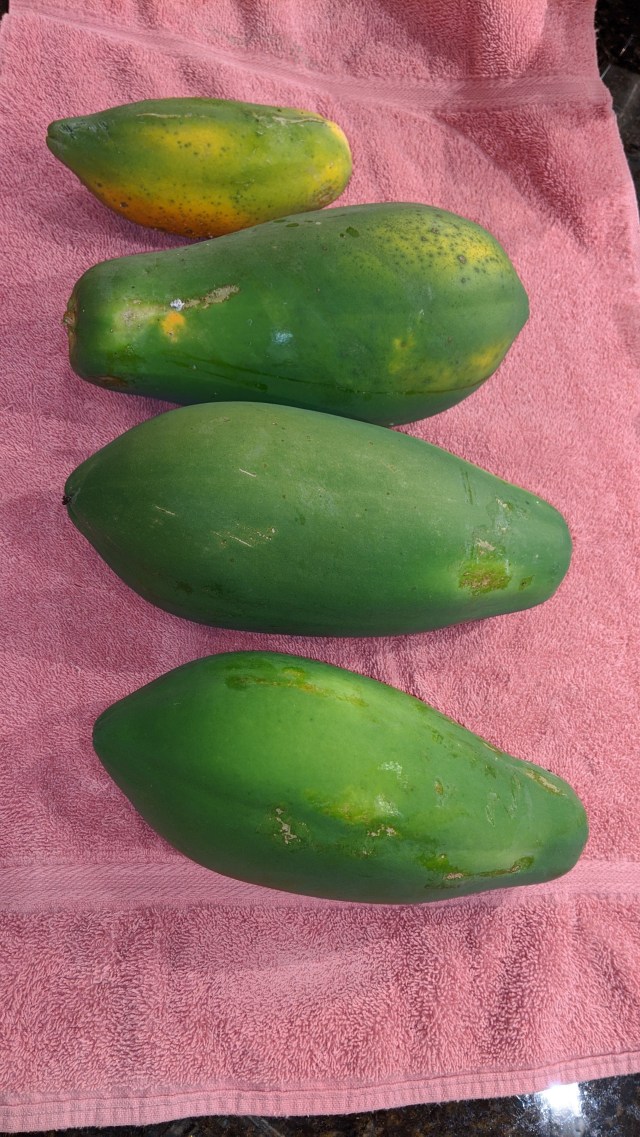
The weather during Not Summer is delightful for gardening, highs in the 70s with low humidity and ocean breezes. The climate is not without drawbacks, I cannot let my cat outside as there are several things that might eat her, I believe I have nematodes in my vegetable garden (disastrous), persnickety rabbits ate most of my radishes but only one kind of Basil and I am slightly overrun with Papayas. Not to mention the possibility of hurricanes. I will persevere. Actively looking for Papaya fans. Few takers.

img_20200105_164920

A closer view of the vase:

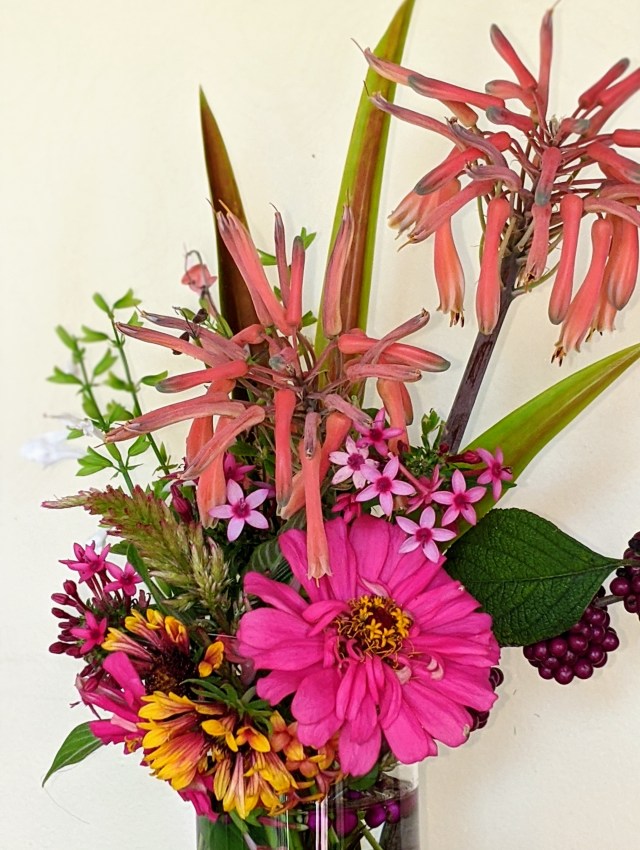
00100lrportrait_00100_burst20200105111020363_cover

The big pink flowers are Zinnias, despite my best efforts I have no idea what kind. Popsicle sticks labeled everything blah, blah, blah. Planted some free mixed seeds,  but I labeled them something else.  Ironically, my favorite Zinnia thus far.

The  yellow and orange flowers are Gallardia (Gallardia pulchella), Florida natives that reseed freely and invent new colors every year. The chartreusy spike above the Gallardia is a new Celosia (Texas Vintage Rose Mix) from Floret. Described as heart breakingly beautiful like faded velvet or something like that; my heart is not broken yet though  I will  monitor these. Pink stars are Heirloom Pentas (Penta lanceolata). There are a few white  and  peach Tropical Red Salvia (Salvia coccinea). The big orange flowers are from Soap Aloe (Aloe saponaria), red and green foliage from a Miniature Pineapple, purple berries are still hanging around on the Beautyberry (Calliocarpa americana). Birds  have eaten the berries on the other shrubs further out in the garden. These are closer to the house and my dogs may be keeping the birds away.

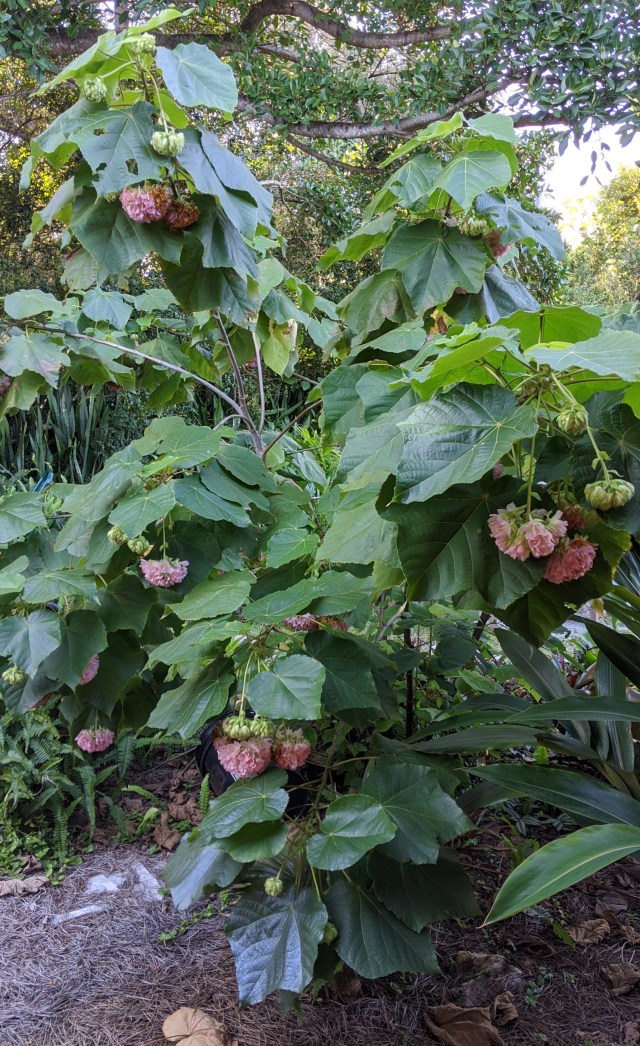
From last weeks vase, the Dombeya everyone  was interested in. The  wind  died down a bit and here is the whole shrub.

img_20191231_154047

From Florida with Love.

Happy Gardening.

Six on Saturday – New Year’s Projects

For 2020, I decided to add more vegetables to the garden, containers to my screen porch and fix an ongoing drainage problem.

img_20200101_124151

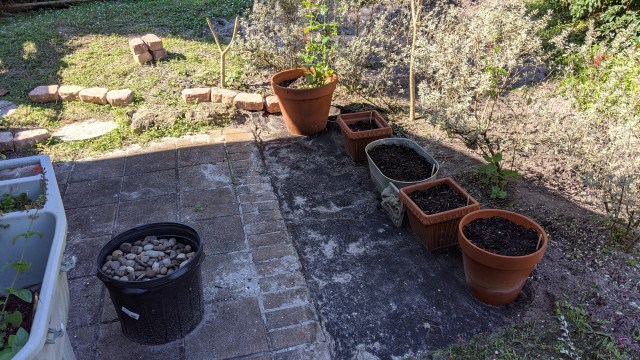
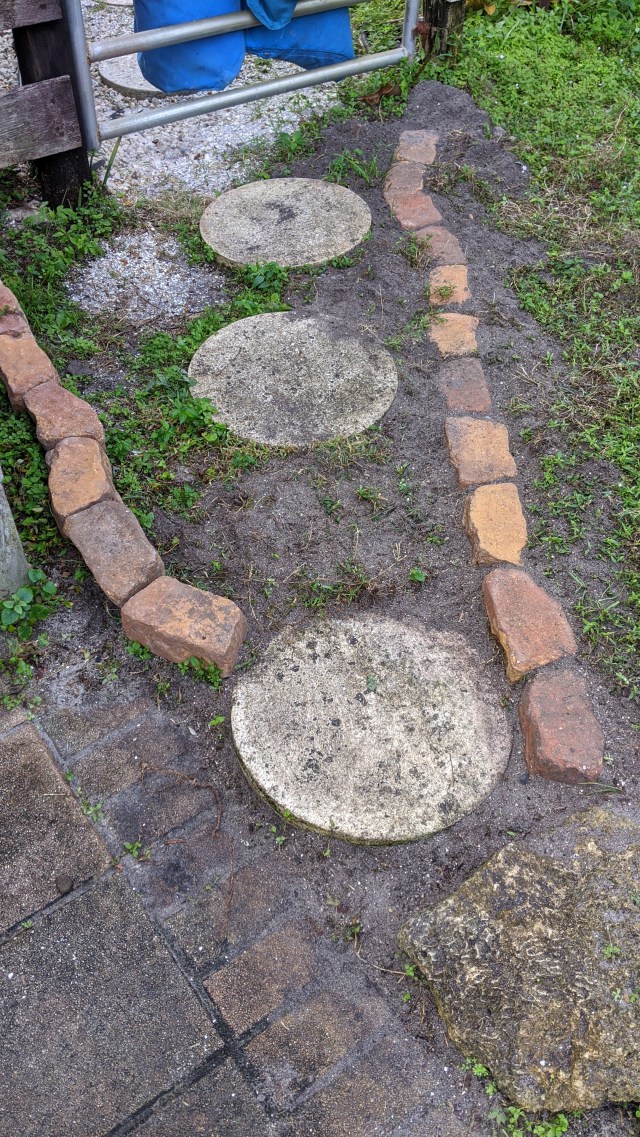
See all  the sand on the porch? I am adding a walkway and a wall to hopefully capture most of it. I have planted the pots with vegetable seeds – lettuce, spinach and  root vegetables.
The walkway under construction, landscape fabric filled with drainage gravel will go under the area where most of the water flows.img_20200104_095639

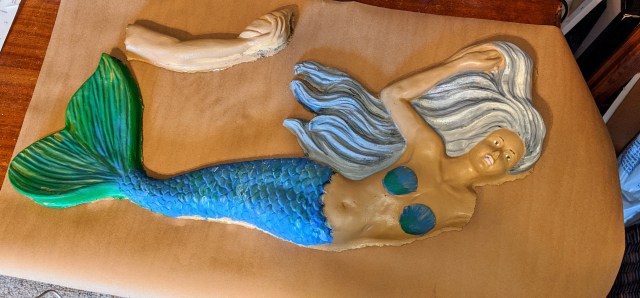
A concrete mermaid will be added  along with crushed shell and stone in front of the pots to help with drainage. Here is the mermaid, I call her me-maid as I have grey hair and brown eyes, considering adding glasses. And  fixing her arm, oops

img_20200104_095250


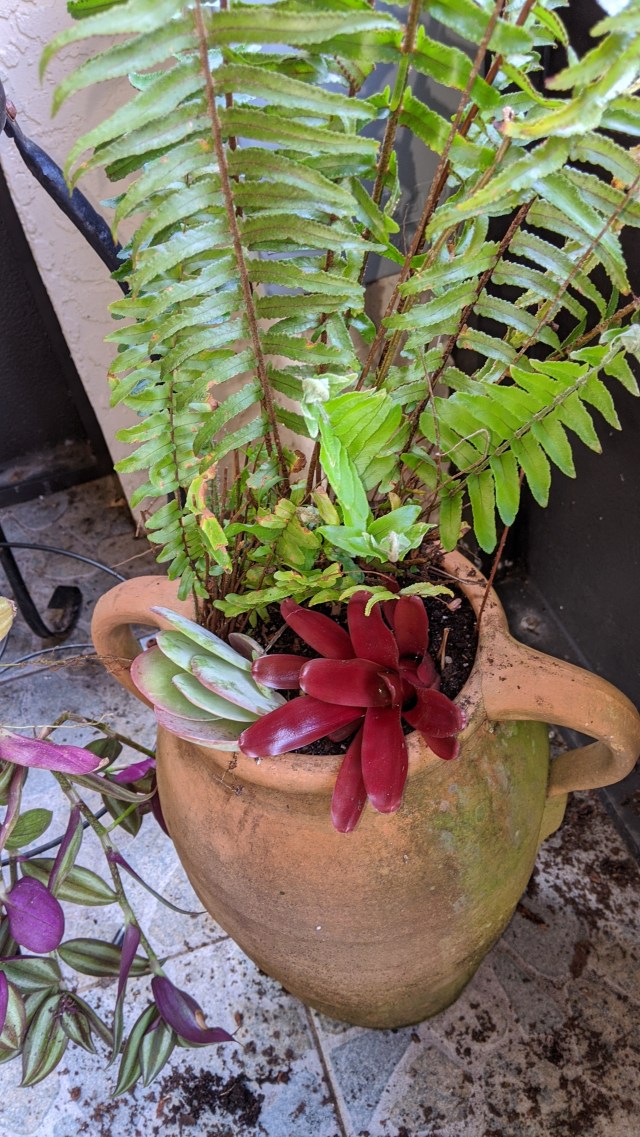
Replanted pots on the screen porch: A Fireball  Neoregelia Bromeliad, Flapjack Kalanchoe and Boston Fern. All transplanted from the garden.


img_20200104_095730

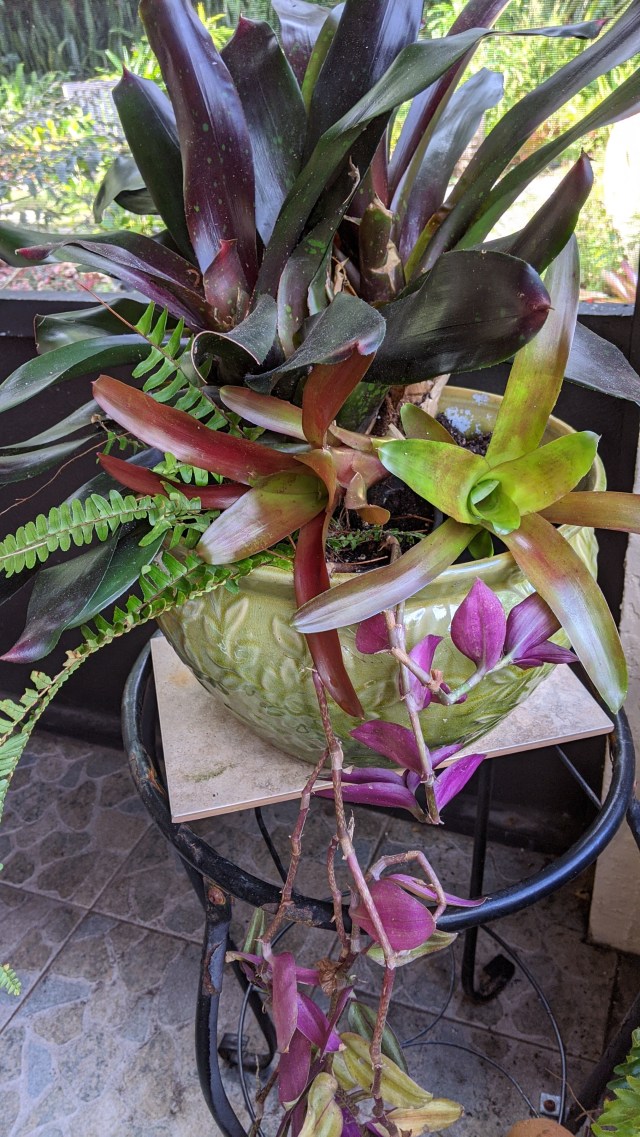
Another pot. The dark Bromeliad is Luca Neoregelia, the green one is Super Fireball, a bit of Asian Sword Fern and Wandering Jew (Transcandentia zebrina) More garden transplants.

img_20200104_095725

Papaya seedlings grown from the fruit of my tree. Papaya trees grow fast and don’t last long so you need back up trees for continous Papayas.

img_20200104_095423

That’s my New Year’s SOS, join the Saturday fun at  http://www.thepropagatorblog.wordpress.com.

Happy New Year and  Happy Gardening.

Dirty Little Secrets in the Garden

img_20191231_111429

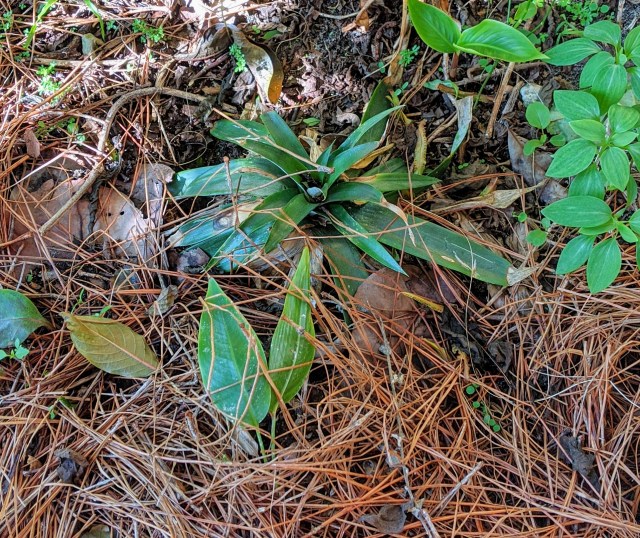
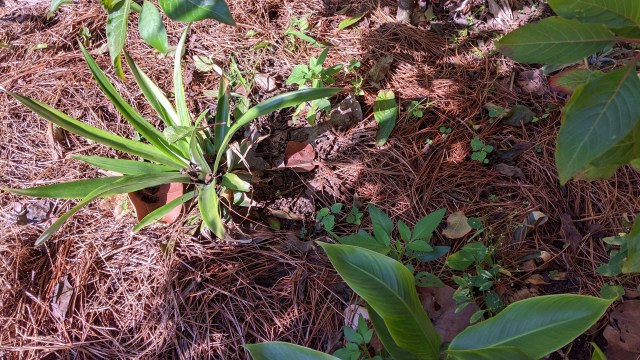
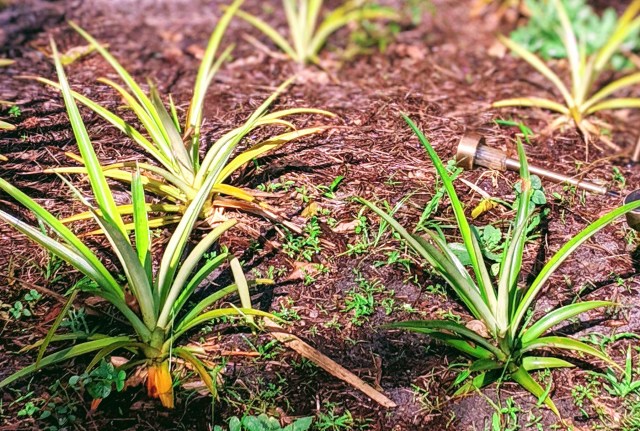
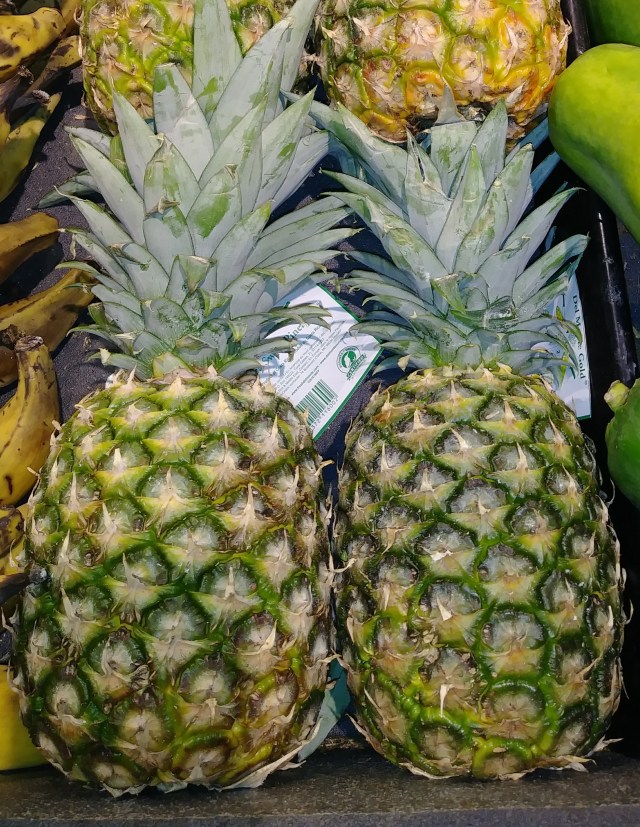
Since I live in the former ‘Pineapple Capital of the World’ I feel compelled to eat a lot of the fruit; and then attempt to grow more. The dirty secret? I cut the tops off and throw them into the front foundation planting in my garden. If they take root, yay! Then they get moved to the pineapple patch in my pollinator garden.

These two are coming along nicely and will join their friends in the backyard. Eventually, I will have homegrown pineapple.

img_20191231_111345

Here is their destination:

00100lportrait_00100_burst20191025102234585_cover-1


Here is a link to more information about pineapples.

Pineapples and their Cousins

Happy New Year, I think I need some pineapple in a festive cocktail later….

20190123_091413-1