In a Vase on Monday – Winter Cheer

img_20200216_112153

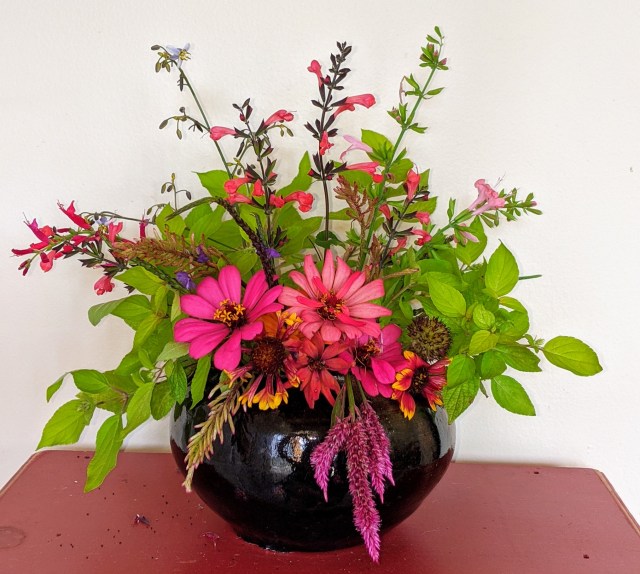
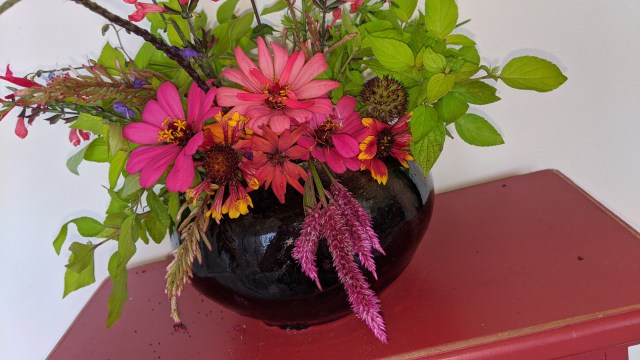
Our air conditioner has been running today, this always seems odd to me given the month is February. This explains why I have Summer flowers to provide Winter cheer. It’s warm in South Florida!

Despite the black vase, the colors of the flowers are so bright and happy and the foliage is Pineapple Sage – It’s like a bowl of summer radiating an herbal fruity scent of the tropics in my foyer. During the completion of the arrangement I had to relocate two whitish green garden spiders  (with the long front legs) outside and suffer a proper foliage selection dither (chartreuse or deep green?) Pineapple Sage won based on color and scent.  I was cheered by this vase once I finished it.

img_20200216_112346

The vase is a thrift store find I have enjoyed tremendously, I hope whoever made it feels the happiness it generates for me. I placed a glass flower frog inside the vase to support my Zinnias; they are oddly short stemmed (day length not long enough?) A majority of the flowers were grown from seed by me. This is a first for me as I usually buy plants and not seeds. The seeds were a bit of work – the results have been fun to witness.

img_20200216_112201

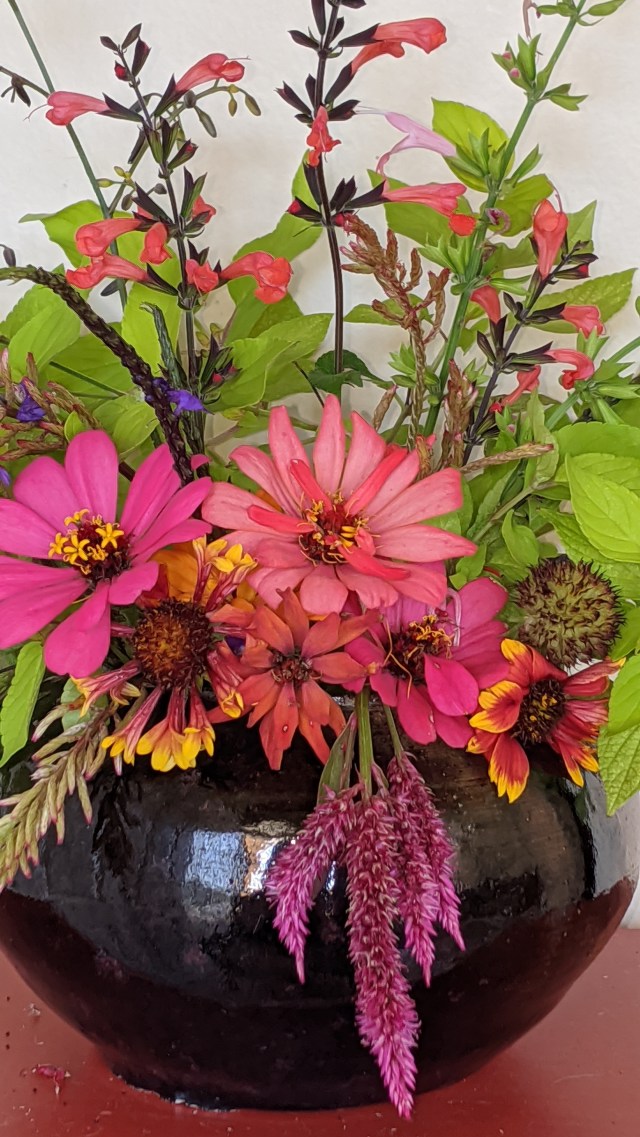
There are two colors from the Texas Vintage Rose Celosia mix hanging over the edge, the  jury is still out on this series of seed. The plants are just not that attractive, and in my heart, I think Celosia is weird. Trying to keep an open mind as is does thrive in my sugar sand. So far, anyway, I will be interested to see what summer brings.

The Zinnias are a mystery – I  planted several kinds of seeds and these don’t really look like any of the pictures on the seed packets. Yellow and red Gallardia (Gallardia pulchella) and a seedhead are stalwarts in my garden and provide nectar  for many butterflies – the Tropical Red Salvia  (Salvia coccinea) in the background (in peachy mode) does as well. The thick stems with blue flowers are Blue Porterweed (Stachytarpheta jamaicaensis) another amazing nectar plant for butterflies. The backdrop of fragrant chartreuse foliage is from Pineapple Sage (Salvia elegans) there is a red Pineapple Sage flower in there as well.

I have been having trouble commenting on blogspot blogs  – if anyone knows how to fix this please let me know! Thanks.

Happy Gardening!

In a Vase on Monday – February Love

img_20200202_153009

This vase marks the first for February, the month of love. I challenged myself to create a  shades of red vase in honor of February.

The combination of plant material is unusual, to say the least, ordinarily (not sure why) I don’t like to combine tropical plants with non tropicals, but this is meant to be love struck pinks.

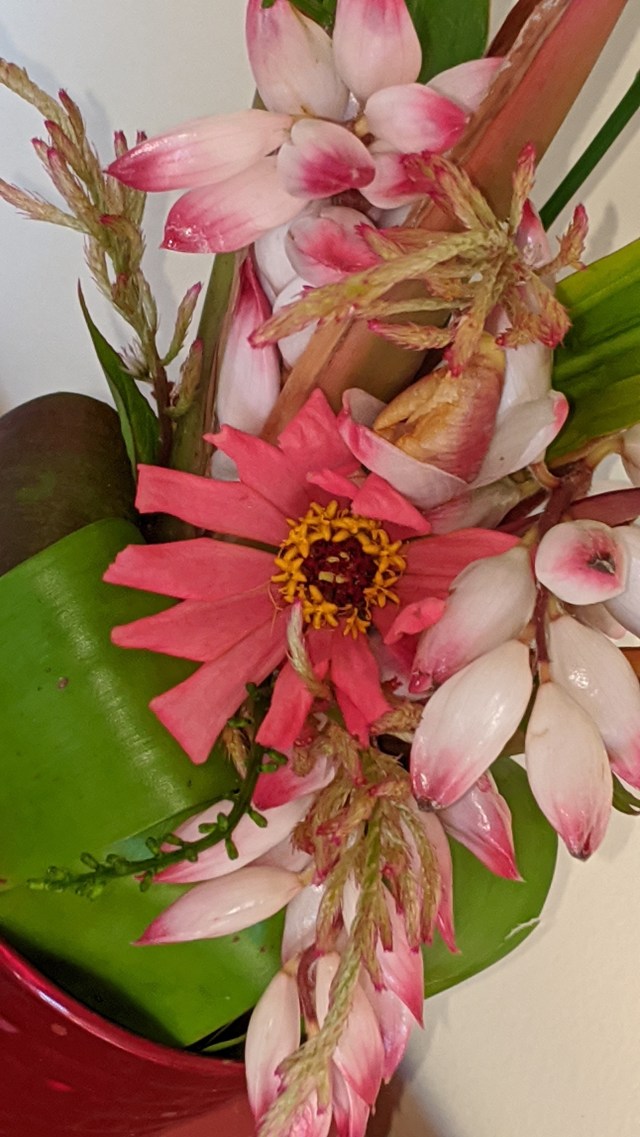
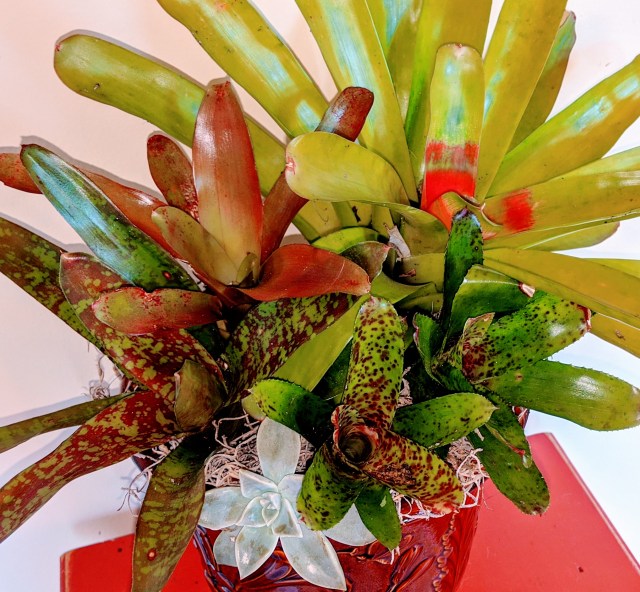
The construction of the vase is a bit unusual as well, the red container is from Christmas, too lightweight for the thick stemmed Shell Ginger. To conquer this issue, I placed a glass pickle jar inside the red container – it was too tall and I covered the jar with Bromeliad foliage. Here is a closer view:

00100lrportrait_00100_burst20200202152805395_cover

The  pink and white flowers are Shell Ginger (Alpinia zerumbet); these are just about to burst into full bloom, really buds. The center plant is a Zinnia of unknown heritage that looks a lot more pink in the garden. The beige and pink flowers are Texas Vintage Rose Mix Celosia grown from seed supplied by Floret. The green tracery in the background is the flower of Dracaena reflexa. The foliage around the base is from a Blushing Bromeliad (Neoregelia carolinae).

Another close up:

00000img_00000_burst20200202153105068_cover

Happy Month of  Love!

For more Vases on Monday filled with flowers from all over the world follow this link to Cathy’s blog In A Vase on Monday

Six on Saturday – Winter Color

00100lrportrait_00100_burst20200131154349825_cover

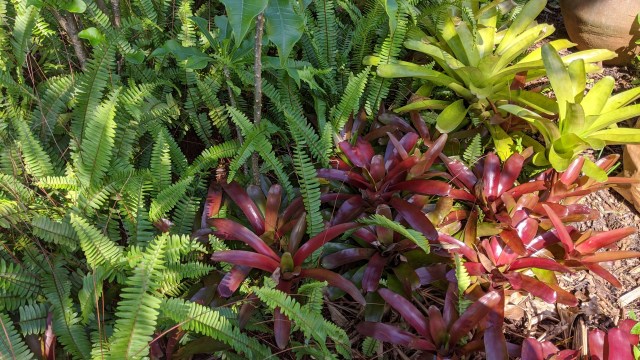
This is a Blushing Bromeliad (Neoregelia carolinae); they only blush in winter the rest of the year the foliage is solid green.

Here is another Bromeliad – the Hallelujah Billbergia, it’s flowers  are red, white and blue later in the year and are quite a sight with the purple spotted foliage. The green coloration comes out in winter.

00100lrportrait_00100_burst20200131154304310_cover

The fruit of Candy Portea Bromeliad, it flowers in the fall, the fruit is purple at first and later turns white. The foliage is also purple, so this is a striking plant.

00100lrportrait_00100_burst20200131154235943_cover

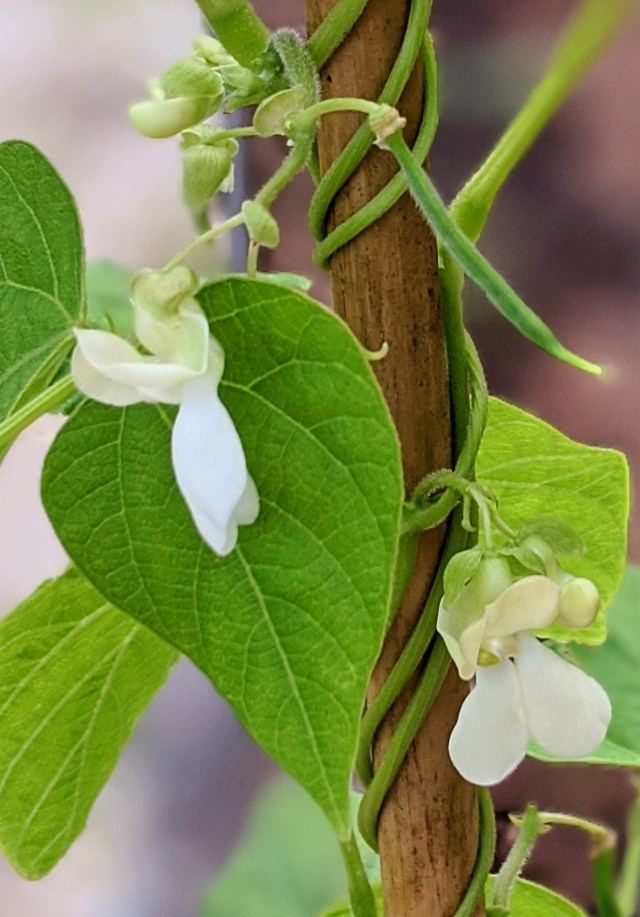
Real fruit in the form of a pole bean. I love fresh green beans and am looking forward to this.

00100lrportrait_00100_burst20200131153528481_cover

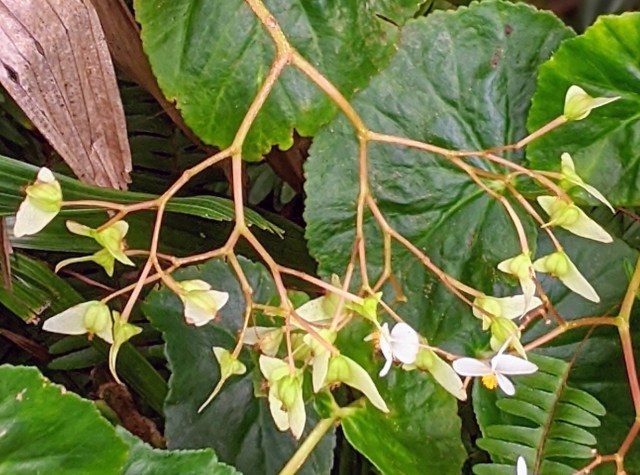
Seedheads on a Sweet Begonia (Begonia odorata ‘Alba’). I like the seeds as well as the flowers and use them in arrangements.

00100lrportrait_00100_burst20200131153951475_cover

It has been a surprisingly rainy dry season and here is the proof – a Rain Lily.

00100lrportrait_00100_burst20200131153816132_cover

That is my Six for this Saturday, for more photos of six things from gardens around the world, go to host blog, here is the link.The Propagator

In a Vase on Monday – Bromeliad Cachepot

img_20200126_113117

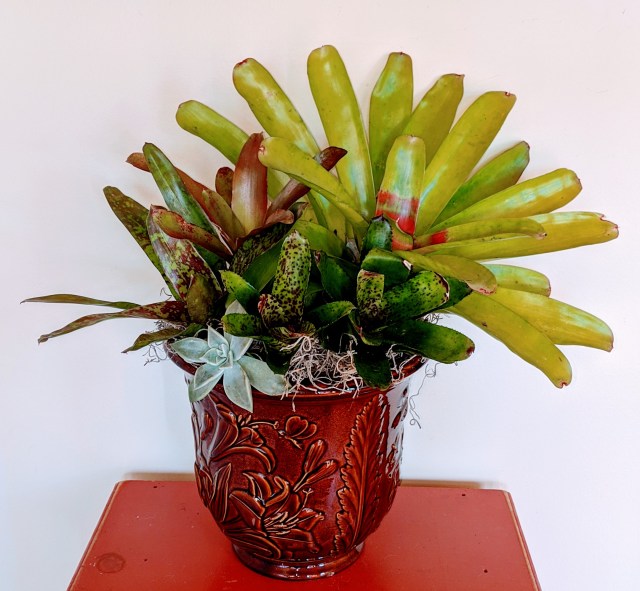
I decided to do something different this week. This is a pot of Bromeliad cuttings from my garden. The cuttings are in a 1 gallon nursery container double potted inside the cachepot. These Bromeliads are so bulletproof they are planted in old dried out potting soil and sand, a very well drained mix that will serve them well for months to come.

img_20200126_111010

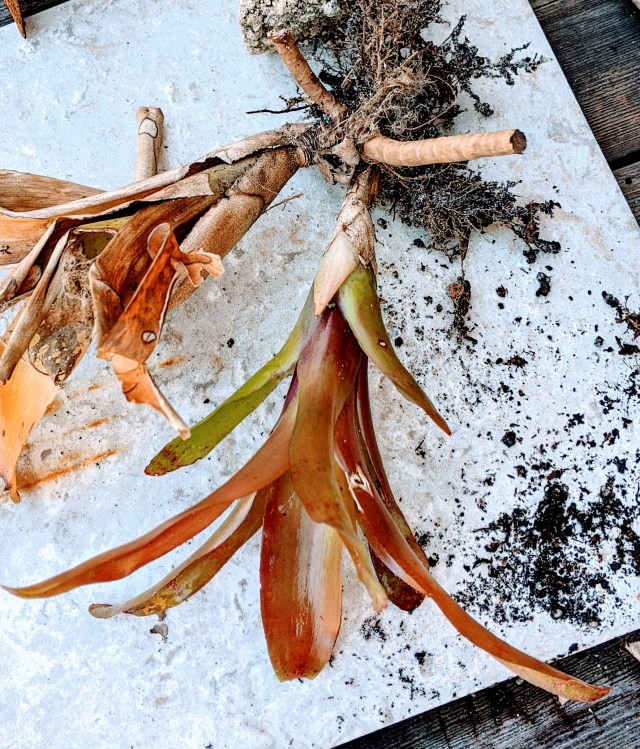
Here is one of the cuttings, a Super Fireball Neoreglia, wonderful groundcover and hard to kill. One of my favorites. It grows almost on a runner (actually a stolon), the mother plant (on the left) dies and generally makes two or three pups like this one. The mother plant is cut off and  thrown away, I always feel bad about this. The roots are left intact and placed inside the nursery container.

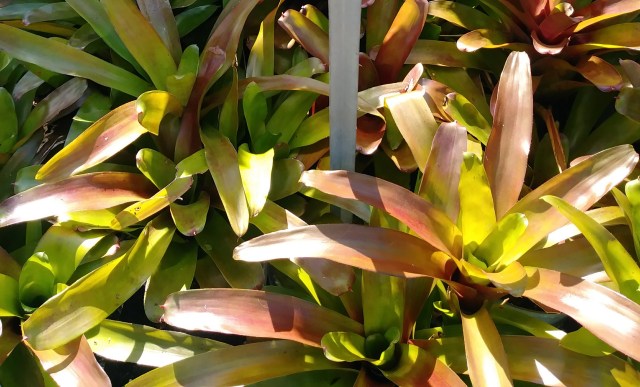
Super Fireball Neoregelia in the garden, cold weather makes the red and peach coloration come out, these are closer to green in summer.

20190119_114327-1

Another  view:

img_20200126_113315

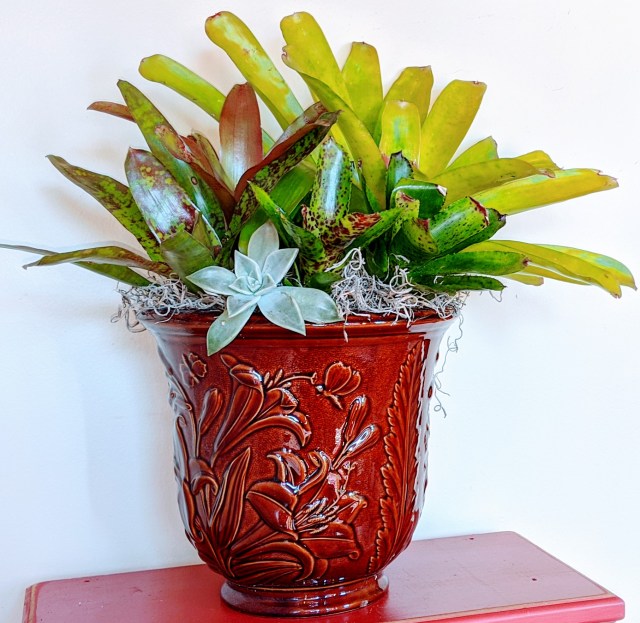
The cachepot is Portmerion, bought years ago on an antiqueing mission with my mother. The pot is a favorite of mine, but I rarely have houseplants as I have a strong tendency to kill them. The Bromeliads should last for months and root into the pot.

From above:

img_20200126_113423

These are all Neoregelia Bromeliads, grown primarily for foliage. The flowers are not very exciting. I know two of the four varieties – there are 3500 types of Bromeliads and I lost track of some or never knew the name ( i.e. bought at a garage sale for 5 bucks) The bigger chartruese plant with the red center (the center turns red with cooler weather) is a Blushing Bromeliad (Neoregelia carolinae). The Burgundy with green center and no spots is Super Fireball, the spotted ones I have not a clue the species. The grey plant in the foreground is a succulent – a Graptosedum of some kind that a friend gave to me, they enjoy the same soil conditions and I have a few in containers with Bromeliads on the porches at my house. Spanish moss is used for fill in the edges (and hide the black plastic nursery pot) is also a Bromeliad (Tillandsia usneoides)

Happy Gardening!

For more vases from around the world, visit Cathy at http://www.ramblinginthegarden.wordpress.com.

In a Vase on Monday – Holiday Upcycle

img_20200119_134719

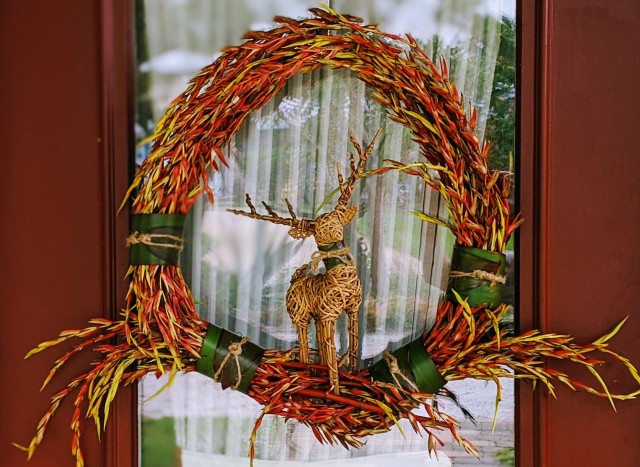
The  upcycle is the vase itself. Made from dried remnants of my front door Christmas wreath.  Here is the wreath in its previous life. The green bands are Blanchetiana Bromeliad foliage wrapped around the wreath and tied with jute. When I took this down the flowers had dried to brown and the bands were curly and retained their color. I saved them because I thought they might make an interesting addition to a vase. Instead, I covered a plastic water bottle with the curled leaves and made a vase.

00100lrportrait_00100_burst20191220124823831_cover

The flowers are a bright mix designed to counter any winter blues. Low temperatures in the 40s (F) are forecast this week, appalling weather to anyone Floridized (living in Florida for over 5 years, blood completely thins out). We might have to wear long pants and  (gasp)  turn on the heat. A closer view of  the vase:

00000img_00000_burst20200119133925401_cover

Another view of  the flowers:

00000img_00000_burst20200119134942300_cover

The yellow daisies are Beach Sunflowers (Helianthus debilis), a year round bloomer. The red and yellow daisies are Gallardia (Gallardia pulchella), another year round bloomer. Both are native and absurdly easy to grow. The pink flower is an unknown Zinnia. Deep pink and chartreuse spikes are Texas Vintage Rose Mix Celosia from Floret, I may really like these. I think they need cutting back, so here they are. Peachy and red spikes are from Tropical Red Salvia (Salvia coccinea). The more beige spikes are Juba Bush (Iresine diffusa) and funky stems with a bit of blue are Blue Porterweed (Stachytarpeta jamaicaensis), white daisies are another native Spanish Needles (Bidens alba).

I am really enjoying my winter garden this year and just planted another round of vegetable seeds. Hoping for more Zinnias and Celosia before the heat sets in.

Happy Gardening and thanks to Cathy at https://ramblinginthegarden.wordpress.com/ for hosting. For more vases, visit Cathy’s blog.

In a Vase on Monday – From Florida with Love

img_20200105_110936

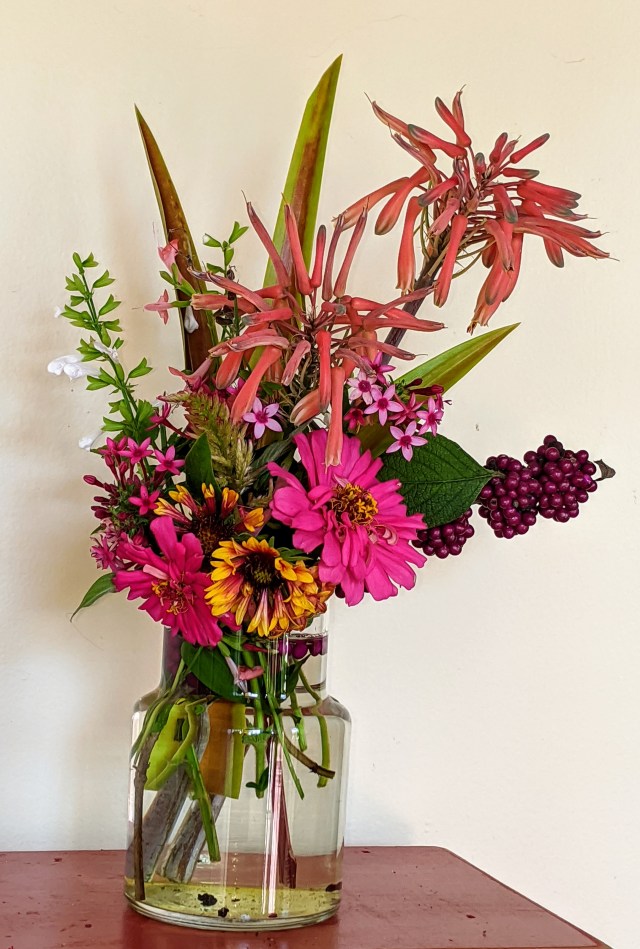
As I was putting this vase together it occurred to me there probably isn’t another garden with this mix of plants in January unless it is in Florida. It is a season spanning  concoction. Spring and Summer flowers, some fall berries and pineapple foliage. My husband and I refer to this time of year as Not Summer. The rest of the year is Summer.

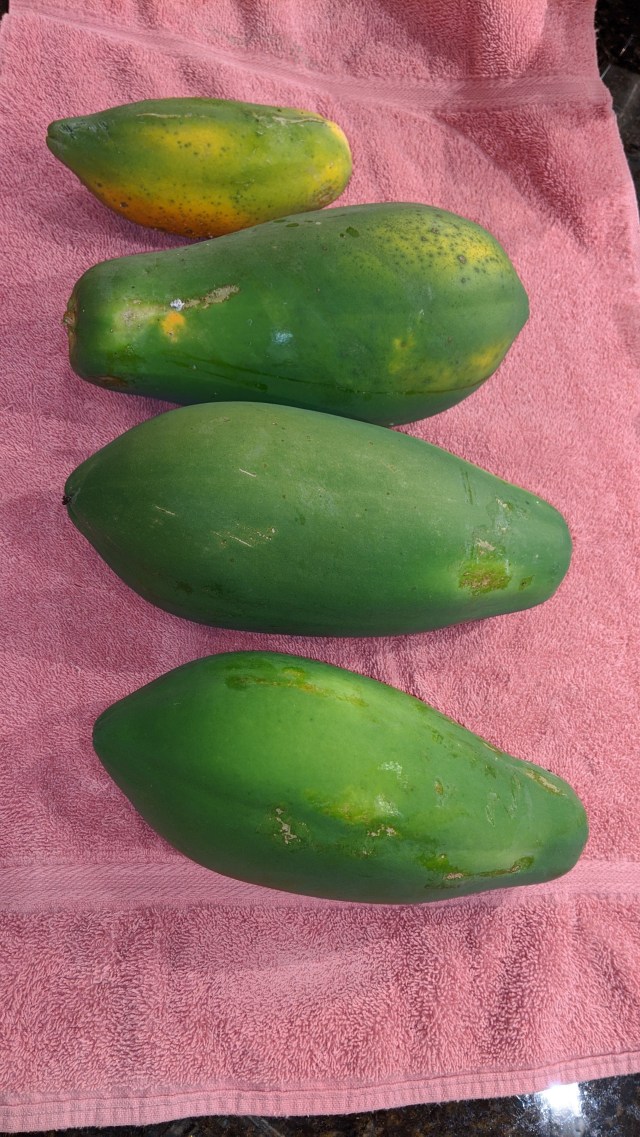
The weather during Not Summer is delightful for gardening, highs in the 70s with low humidity and ocean breezes. The climate is not without drawbacks, I cannot let my cat outside as there are several things that might eat her, I believe I have nematodes in my vegetable garden (disastrous), persnickety rabbits ate most of my radishes but only one kind of Basil and I am slightly overrun with Papayas. Not to mention the possibility of hurricanes. I will persevere. Actively looking for Papaya fans. Few takers.

img_20200105_164920

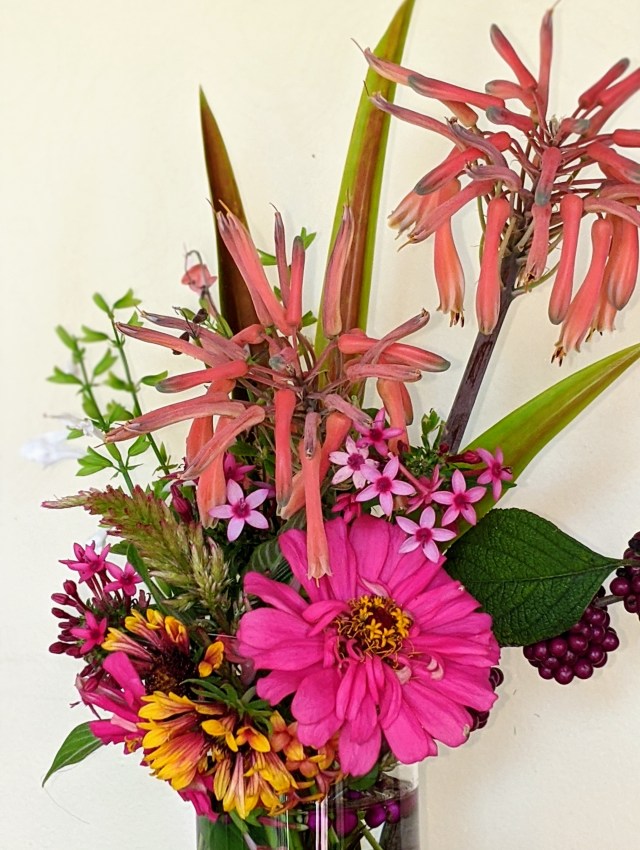
A closer view of the vase:

00100lrportrait_00100_burst20200105111020363_cover

The big pink flowers are Zinnias, despite my best efforts I have no idea what kind. Popsicle sticks labeled everything blah, blah, blah. Planted some free mixed seeds,  but I labeled them something else.  Ironically, my favorite Zinnia thus far.

The  yellow and orange flowers are Gallardia (Gallardia pulchella), Florida natives that reseed freely and invent new colors every year. The chartreusy spike above the Gallardia is a new Celosia (Texas Vintage Rose Mix) from Floret. Described as heart breakingly beautiful like faded velvet or something like that; my heart is not broken yet though  I will  monitor these. Pink stars are Heirloom Pentas (Penta lanceolata). There are a few white  and  peach Tropical Red Salvia (Salvia coccinea). The big orange flowers are from Soap Aloe (Aloe saponaria), red and green foliage from a Miniature Pineapple, purple berries are still hanging around on the Beautyberry (Calliocarpa americana). Birds  have eaten the berries on the other shrubs further out in the garden. These are closer to the house and my dogs may be keeping the birds away.

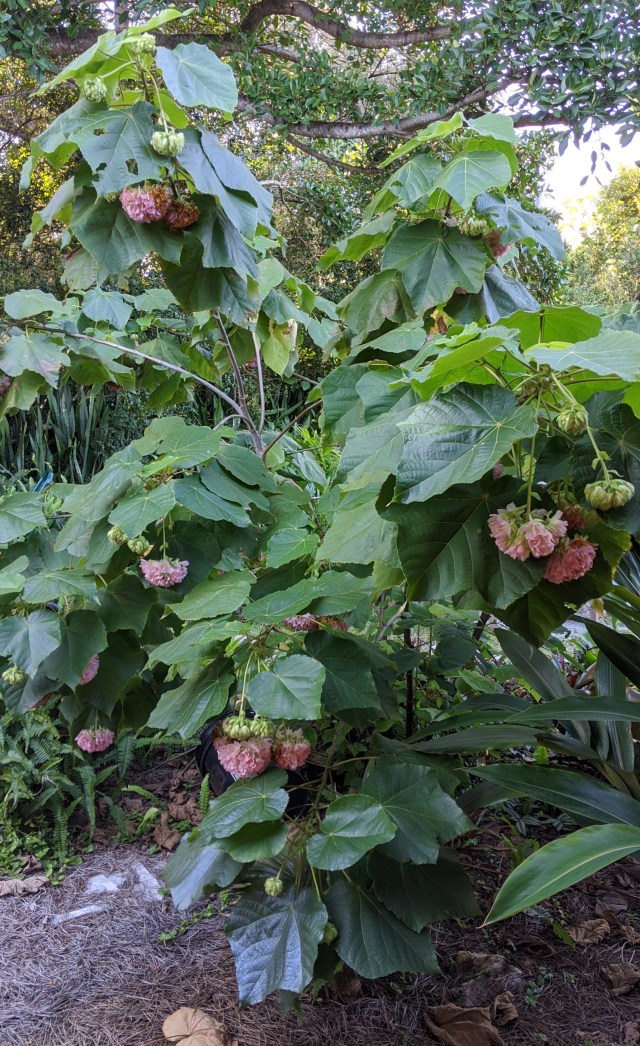
From last weeks vase, the Dombeya everyone  was interested in. The  wind  died down a bit and here is the whole shrub.

img_20191231_154047

From Florida with Love.

Happy Gardening.

Six on Saturday – Fruits and Flowers

20170304_140011.jpg

It has been a rainy and windy week in South Florida, Christmas is over and I am looking forward to a new decade in my tropical paradise. Winter brings changes to the flora and is the most enjoyable time of the year to be outdoors. We live on our screen porch, my next task is to plant some containers for the porch.

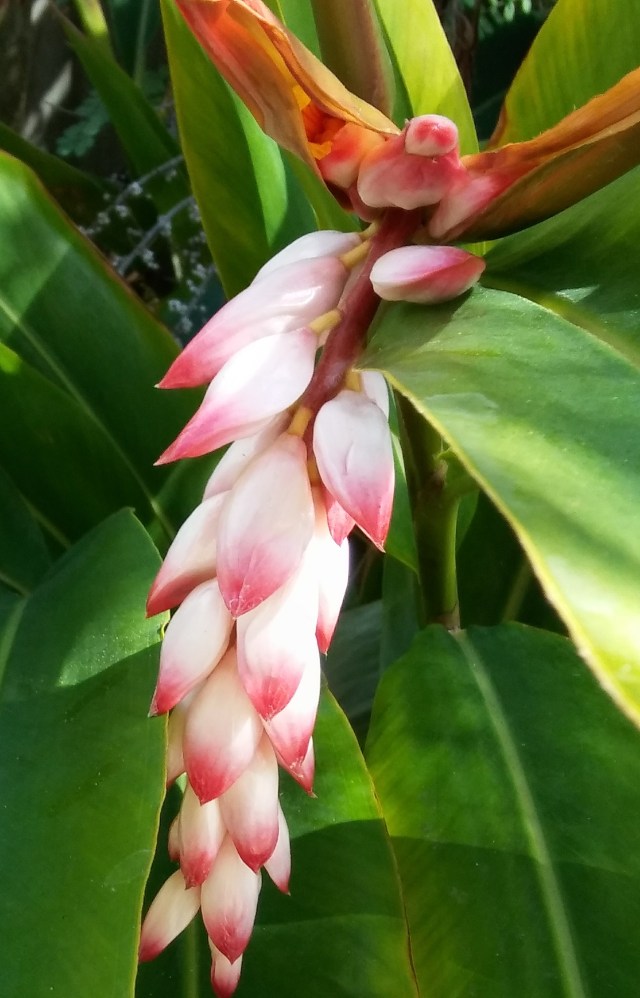
Above is a Shell Ginger (Alpinia zerumbet), I cut these  frequently in the winter; they have a light, gingery scent and are very reliable in the garden. Other Gingers suffer in silence in my garden.

Below is a Hong Kong Orchid Tree (Bauhinia purpurea) These are common parking lot trees and produce a lot of seeds and seedlings.

20161130_095020

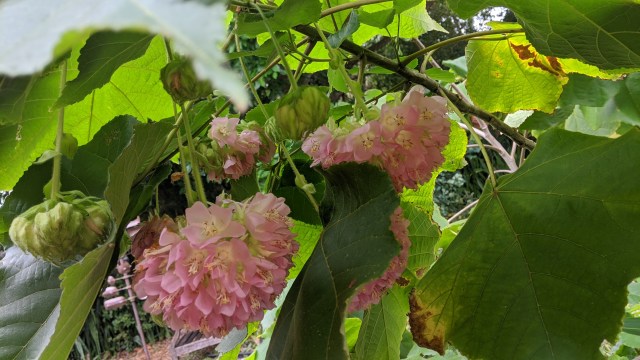
The Dombeya (Dombeya wallichii) finally opened  on Christmas Day, a wonderful gift. It is so windy it makes pictures difficult to take as the flowers swing in the wind.

img_20191228_092859

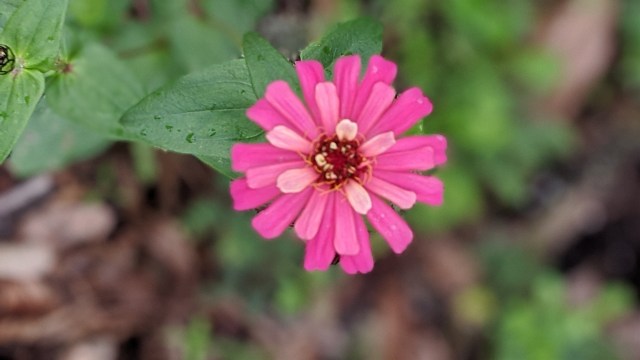
Zinnia of unknown origin. In December.

00100lrportrait_00100_burst20191228093114521_cover

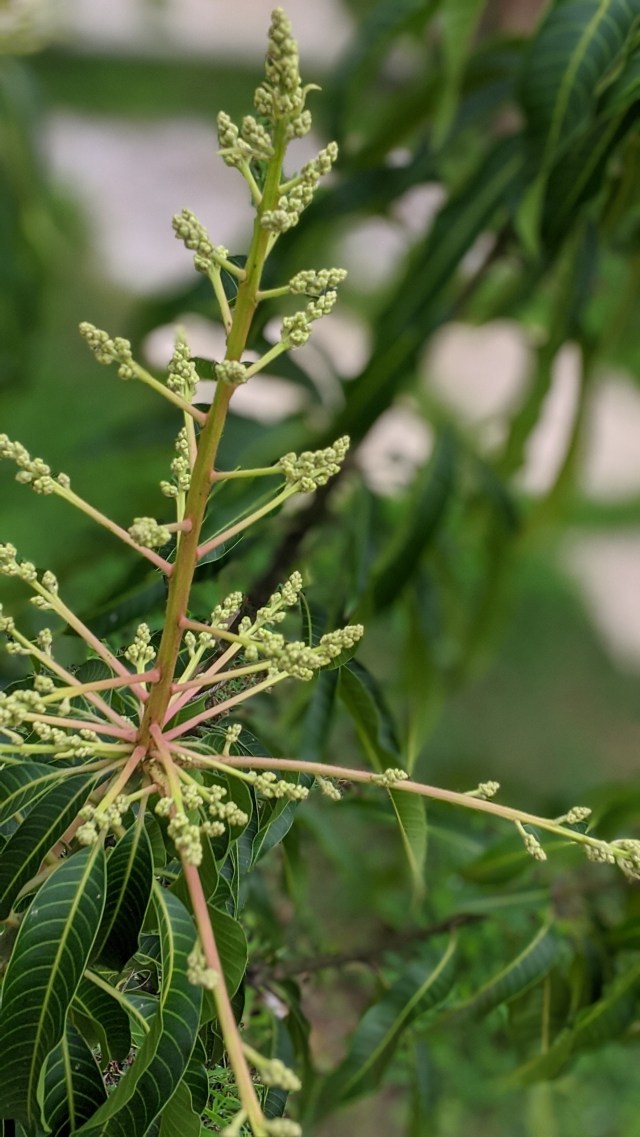
I have three types of Mango trees in my garden, all are flowering, it is a bit early.  Here is the flower of the Glenn Mango. These are panicle flowers, if pollinated produce numerous small Mangoes.

00100lrportrait_00100_burst20191228092540632_cover

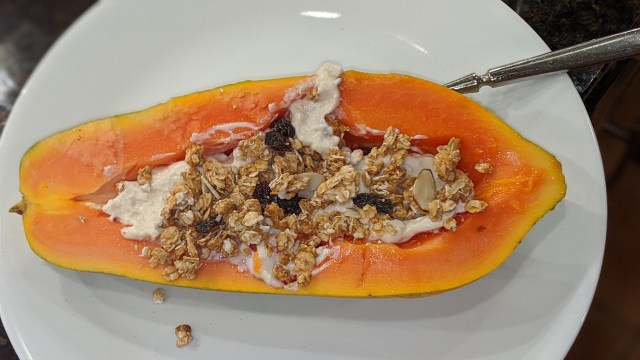
And  finally, my first homegrown Papaya breakfast – with honey vanilla yogurt and granola. A very satisfying end to my gardening year.

00100lrportrait_00100_burst20191228084000909_cover

Six on Saturday is a gardening meme hosted by The Propagator. For more posts, go to http://www.thepropagatorblog.wordpress.com.

Happy New Year!!

Amelia

Six on Saturday – Gifts from the Garden

img_20191221_084837

It’s  time for Six on Saturday. Six pictures of anything interesting from your garden.

Just in time for Christmas the garden is gifting me with some wonderful things. Above, finally a nearly ripe Papaya.

Below, green beans and radishes:

00100lrportrait_00100_burst20191214164145845_cover

In honor of the holidays, a few red flowers are blooming. The weather is dreadful today,  howling wind and rain, so pictures were taken inside.

This is Nodding Hibiscus (Hibiscus malvaviscus)

00100lrportrait_00100_burst20191201153744562_cover-1

Red Shrimp Plant (Justicia brandegeana)

00100lportrait_00100_burst20191013163634634_cover

The garden provided plenty of Blanchetiana flowers (and foliage) to make this wreath.

00100lrportrait_00100_burst20191220124823831_cover

And a greyhound to watch over the front porch:

00100lrportrait_00100_burst20191220132202744_cover

Merry Christmas and Happy Holidays to all!

For more Six on Saturday posts go to http://www.thepropagatorblog.wordpress.com

Six on Saturday – Waiting

It’s Saturday morning and time for The Propagators garden meme featuring six items of interest from your garden. For more interesting sixes, follow this link SIXES

I  think Tom Petty said ‘The waiting is the hardest part’. If there is one thing gardening teaches you it is patience. Our weather has cooled a bit and this slows everything down. Here are six things from my garden that I am waiting for:

The Dombeya,  I  had the buds in last weeks post,  they are tormenting me by just getting bigger and staying green. This uber tropical small tree should be covered in pink hydrangea like flowers soon.

img_20191206_143357Green Beans, not quite big enough  to eat:

00100lrportrait_00100_burst20191206142939664_cover

Radishes, again not quite big enough to eat:

00000img_00000_burst20191206143140856_cover

Tomatoes, every so slowly turning red:

00100lrportrait_00100_burst20191206142959061_cover

Papayas refusing to turn yellow or doing so at the moment a hungry bird flys by. These must have yellow streaks before  picking or they never get ripe.

00100lrportrait_00100_burst20191206143034935_cover

Lastly, fancy Zinnias grown from seed (Macrenia),  these are supposed to be an excellent cut flower – double and 3 inches across bronzy orange with scarlet tips. Waiting to see the flowers!

00100lrportrait_00100_burst20191206143117027_cover

That’s six from my garden. Happy Gardening.

Six on Saturday – Walking the Dogs

img_20191130_090747

I walk my greyhounds frequently, they like to walk around the neighborhood and my garden. Here are some of  the plants we have encountered recently. Some are not to be sniffed by dogs or people. Above  is one of those plants, a Blue Agave (Agave tequilana) grown by a friend and gifted to me, this is the plant that tequila is made from and is very spiny with spines  on the leaf  tips.

Here’s another sharp plant,  my neighbor’s Natal Plum (Carissa macrocarpa). A poisonous plant with thorns, paradoxically having edible fruit and gardenia scented  flowers.

img_20191130_090715

Another Agave, not quite as sharp as the Blue one. This one is a Sisal Agave (Agave sisalana) – yes, where Sisal for rugs, ropes, etc. comes from. This is on a vacant lot on our walk and is shooting up a  bloom stalk that is at least 10 feet tall and not showing a bud yet. Somewhere south of here an enterprising soul started a Sisal plantation, the Sisal reseeded and took over an island in the Florida Keys and has blown seeds all the way to my neighborhood.
img_20191130_090657

Another sharp  plant, the Soap Aloe (Aloe saponaria). These can be used  to make  shampoo and are foamy if the leaves are snapped. After reading about these, I decided against the shampoo as it seems most people are allergic to it.

20170621_110336

The Autograph Tree (Clusia rosea), waiting to be planted – one of  the potted orphans that lurk in everyones garden, not sharp at all.

img_20191130_091059

Buds on the Dombeya (Dombeya wallachi). This is a pink tropical Hydrangea tree, if you can imagine that – and  they bloom in December! I walk by everyday looking for flowers.

img_20191130_091122

Happy gardening!

To see more Six on Saturday posts featuring six items of interest from gardens around the  world go to: https://thepropagatorblog.wordpress.com/