This slideshow requires JavaScript.
Author Archives: theshrubqueen
Toad in my Freezer
Florida, like other tropical environments has some peculiar wildlife, both native and introduced. The introduced kind seems to cause the most problems. The photo is of a Cane Toad, or Bufo Toad. The one I found in my driveway is currently residing in my freezer.
I am not necessarily fond of amphibians in my freezer or the unnecessary demise of wildlife. I had been warned about these toads, called Giant Killer Toads in the media, but had not seen one in my yard until recently. This is a toad that can literally kill your dog or cat. They were introduced to Florida to eat sugar cane pests. I have read they came from Puerto Rico or Australia.
The toads have large poison filled glands on either side that they shoot when disturbed. It is highly toxic to pets causing seizures and heart problems and eventually death if not treated.
A toad hopped into my Living Room the other night after my husband went out the side door. One of my greyhounds was sitting there looking at it when it dawned on me what it might be. I threw it out in the yard and went online to find a picture to identify it.
Sure enough, it was a Bufo Toad. My husband had gone to sleep so I was running around in my driveway (in my bathrobe) trying to capture the toad with a plastic tub. I managed to get the tub over him and decided to read up on the toads until morning. The following morning the toad was gone.
Having seen the interest my dog had in the toad I decided the best course was to get rid of it if I ever saw it again. After researching the most humane way to achieve this (chilling the toad until it falls asleep, then freezing it for at least two days because they can reanimate?!) And people imported these things voluntarily.
Last night we came home after dark and there was the toad sitting in the driveway. My husband picked it up, got sprayed with the venom (wearing gloves) and put it in a bucket. I chilled the bucket and left it alone for a couple of hours to find that the toad had indeed gone to sleep. Then I triple bagged it and stowed it in the freezer.
That is how I came to have a toad in my freezer.
Propagating Plumerias
I have a Bridal Bouquet Plumeria I like so much I decided to plant a hedge of them to screen my neighbor’s monumentally ugly fence. These are evergreen Plumeria with an upright habit, when planted about three feet apart, they are perfect for a six foot height skinny hedge.
Given the plant’s reputation for ease of propagation, I decided to try growing the new plants from cuttings rather than buying them. I had such good luck with the plants I gave some as gifts.
Propagation is simple, clip 4- 6″ long cuttings from the tips of the branches:
Next, strip all the leaves with the exception of the two or three at the top:
The cuttings tend to ooze white liquid so, put them on some cardboard and let them dry in a shady area until the stems appear to have healed.
After drying place the cuttings into 4-6″pots and keep moist for several weeks. The cuttings will start to produce leaves when they are rooted. Then they can be planted in the garden.
I have three left from my original six, one succumbed to unknown causes and two were gifted to other gardeners. I still need six for my hedge – so it’s time to get the clippers again.
Cordias
Last week I posted about spring flowering trees in Tropic Florida. One was a new plant to me, White Geiger or Cordia, the other is a Geiger Tree which I have encountered fairly frequently. Both trees belong to the Genus, Cordia.
This is the Geiger Tree, named shockingly for a guy named Geiger, who was a prominent Conch (resident of Key West) in the 1800’s. The botanical name is Cordia sebestena. These are reported to grow to 25′ tall, I have yet to see one that size. This may be due to a fairly recent availability in the nursery trade. These trees are native to South Florida and the Caribbean. I see them flowering off and on during the year – the floral display seems more prolific in the spring.
The tree always seems a bit gangly to me, but the flower certainly gives an orange burst of tropical vibe to the surroundings.
In my opinion, the White Geiger Tree or Cordia (also called Texas Wild Olive, for reasons unknown to me) is a more attractive tree with a more formal shape. The botanical name being Cordia boissieri, this tree is native to the Rio Grande Valley and South Texas. Reportedly more cold hardy but still evergreen and about 25 feet tall, White Cordias are not very popular yet in South Florida. I think they will be.
I have sourced a local grower with one of these in stock. It is just a matter of time before a White Geiger Tree appears in my garden.
Epiphany at the Grocery Store
I stopped by the grocery store this afternoon to pick up some things for dinner. After shopping I went back to my car and was stopped by the beautiful flowering trees in the parking lot.
Having experienced Tropic Florida’s winter for the past several years, it is difficult to conceive of the season of spring. Winter is a whisper in your ear one night in February. In my mind, the season following winter is a literal release from the prison of your house. Standing in the parking lot was evidence of spring occurring further south than my mind had grasped.
The first clue was a Purple Hong Kong Orchid Tree, here is the flower. Botanically speaking this is the Bauhinia purpurea, although there are many varieties. Capturing this tree with photography has been eluding me.
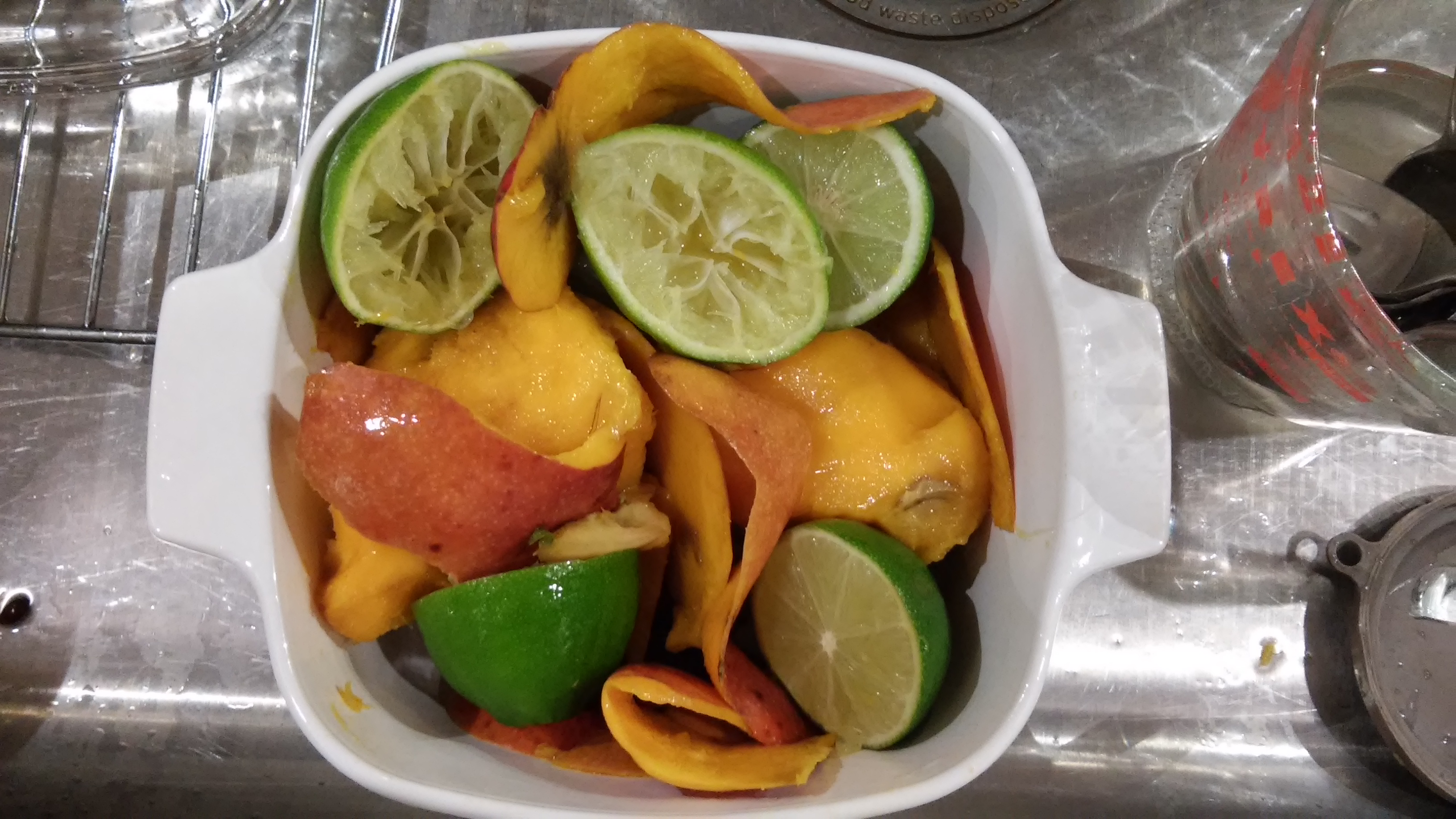
The failure of the photo to do the tree justice may be a difficulty with purple, but this tree is spectacular. Draped with the purple orchid like flowers, it appears large purple and pink butterflies have landed in graceful groups along the tops of the branches.
The next tree in the lot was a White Geiger Tree. I would characterize these trees as semi evergreen. The genus is Cordia, I am not sure exactly which one this is as one is from Brazil and another from Texas. Nevertheless, a good addition to the landscape.
The next tree I spied was a Tabebuia, nothing shouts spring like the golden trumpets of the Tabebuia.
My Epiphany was that spring does come to the Tropics of Florida. I suppose it is my North American predisposition to think of Spring flowering trees as Redbuds, Dogwoods and Cherries, but before my eyes the trees were evidence of spring blossoming everywhere.
Winter Starburst Clerodendrum – garden fruition
Winter Starburst Clerodendrum in bud
This is my favorite burst of winter color and it has finally bloomed, the cold snap slowed it down, then the rain slowed it down. I have been waiting (somewhat patiently) for the full flower. Here is the next phase:
And finally the full Starburst effect:
The Latin name for this plant is Clerodendrum quadriloculare. This is an interesting group of plants, ranging in size from vines to perennials then shrubs up to small trees. Mostly native to tropical South Asia and with a tendency towards creepy habits you must be careful who among them is invited into your garden. I have seen some gardens overrun by a perennial orange version of Clerodendrum which is beautiful but really creepy.
I am glad to have this shrub in my garden, I think of it as a Tropical Rhododendron, and it is so much easier…
View original post 79 more words
Winter Starburst Clerodendrum – garden fruition
This is my favorite burst of winter color and it has finally bloomed, the cold snap slowed it down, then the rain slowed it down. I have been waiting (somewhat patiently) for the full flower. Here is the next phase:
And finally the full Starburst effect:
The Latin name for this plant is Clerodendrum quadriloculare. This is an interesting group of plants, ranging in size from vines to perennials then shrubs up to small trees. Mostly native to tropical South Asia and with a tendency towards creepy habits you must be careful who among them is invited into your garden. I have seen some gardens overrun by a perennial orange version of Clerodendrum which is beautiful but really creepy.
I am glad to have this shrub in my garden, I think of it as a Tropical Rhododendron, and it is so much easier to grow than the cursed Rhododendrons (my former garden had heavy clay that was impossible to grow Rhodos in) The coarse textured leaves have an added bonus of deep plum colored backsides which make the foliage attractive year round.
So far the Winter Starburst has not exhibited any bad behavior, I have sited it in the prescribed partial shade, but the soil like substance in my garden isn’t given to over production of anything except Heliconias as of yet.
Halloween Heliconia
Pink is the New Orange
Most of our gardening power tools are a really lovely shade of orange I call “War Damn Eagle Orange” In honor of, or perhaps to spite the fans of my alma mater’s rival Auburn University in Alabama. An Eagle is their mascot, team colors blue and orange. Southeastern Conference college football is serious business. WDE Orange is very practical in that if you drop something into a green hedge it can be easily found. There is a new and disturbing trend in color for gardening tools. Pink.
Should really practical tools be pink? Some of these saccharine sweet garden implements are starting to get on my nerves. As a woman in the garden do you really need a pink trowel? Or does it match your Yorkie’s pink leopard outfit?
Or is your gardener using an entirely different trowel as you admire his work while having a pink cocktail with said Yorkie? The next question is does the dog have pink painted toenails? If so, then things have gone entirely too far and it is time to order one of these:
To complete the ensemble I have found pink fringed cowhide chaps and an appropriate hardhat:
Once all is assembled, we will need a lady who can actually lift that chainsaw.
Native Plants Class-
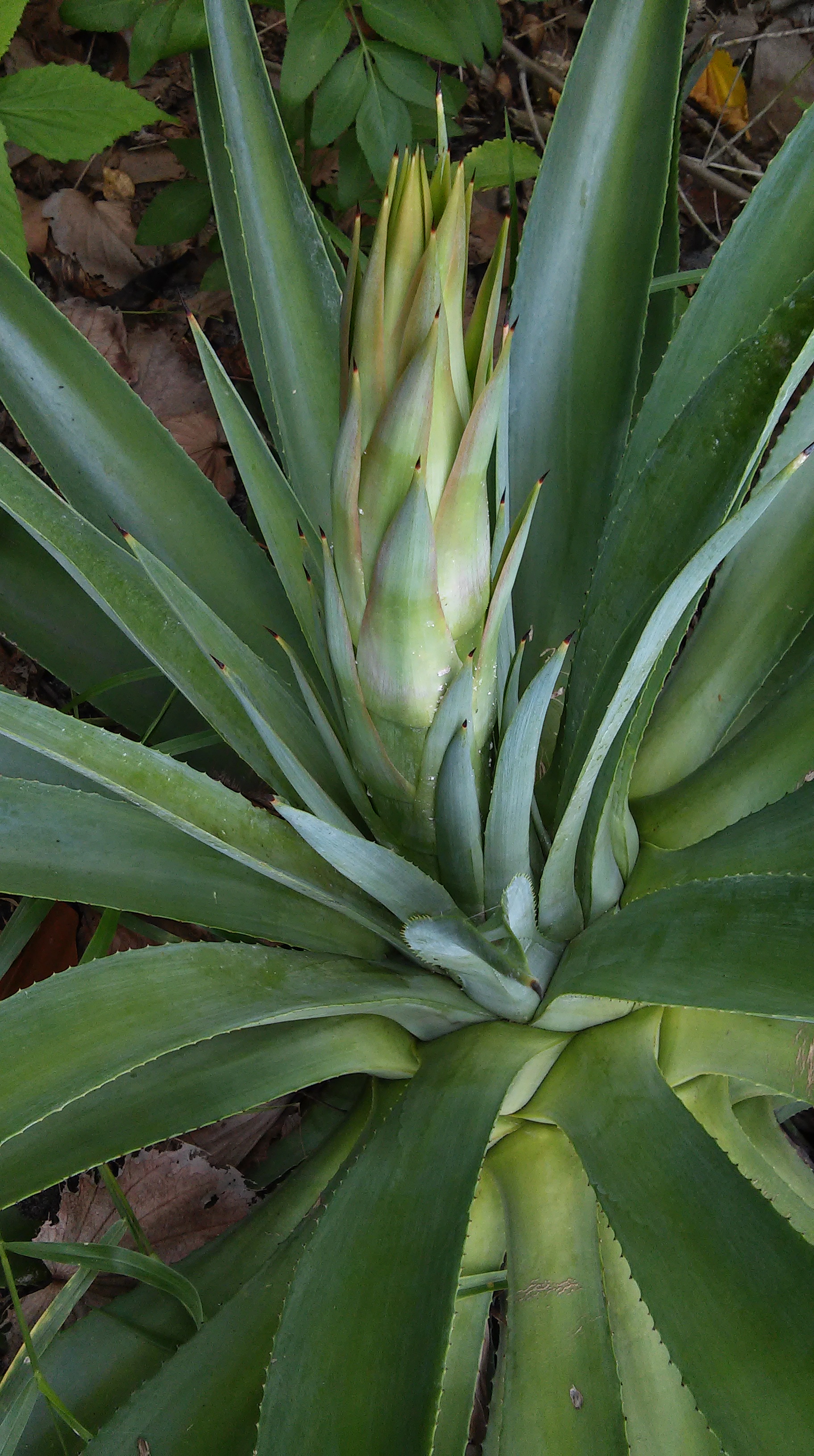
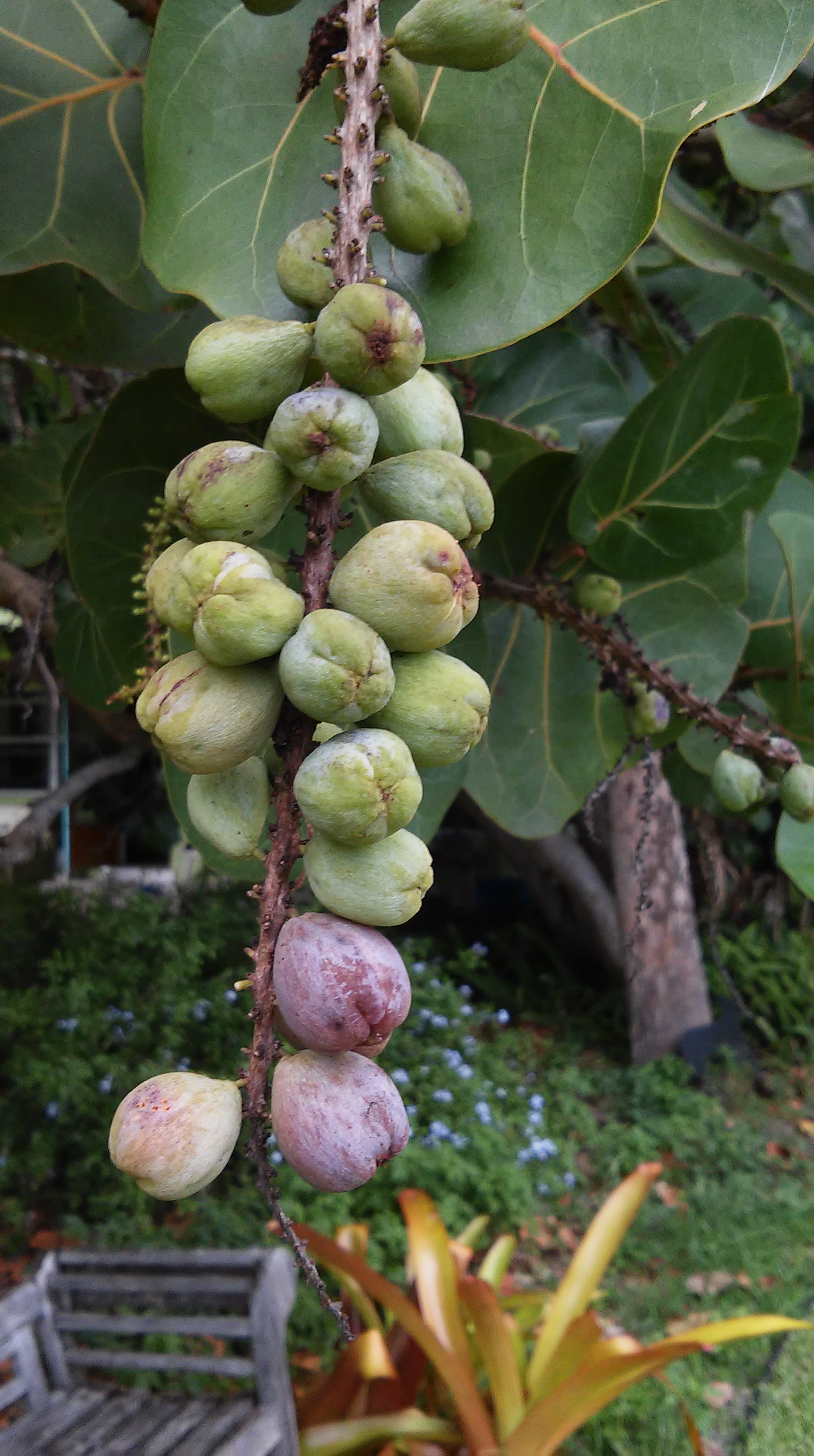
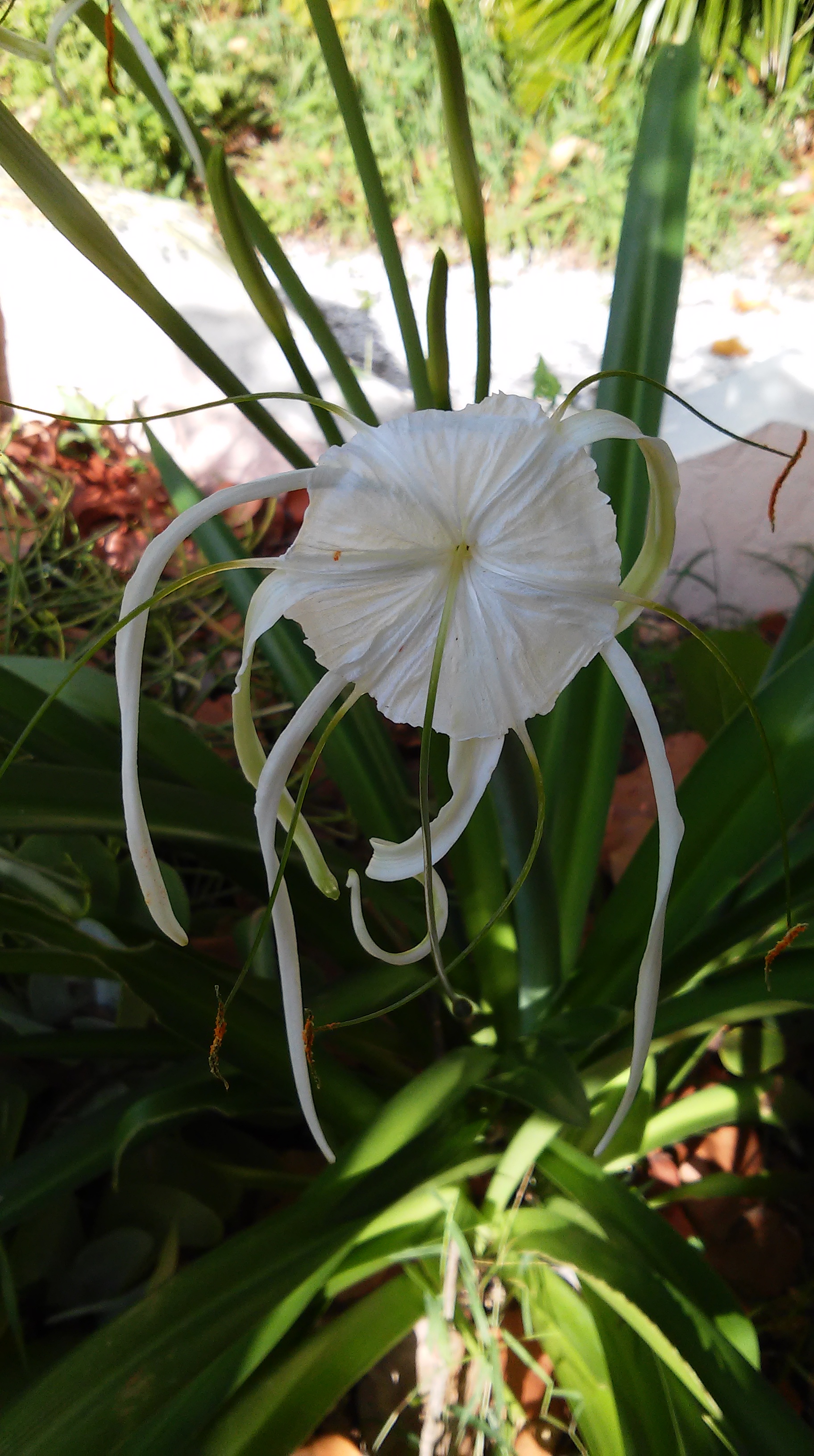
I think I have mentioned the natives plants class I have been taking. I decided to look around my neighborhood to see what natives I could find, here they are.