Dirty Little Secrets in the Garden

img_20191231_111429

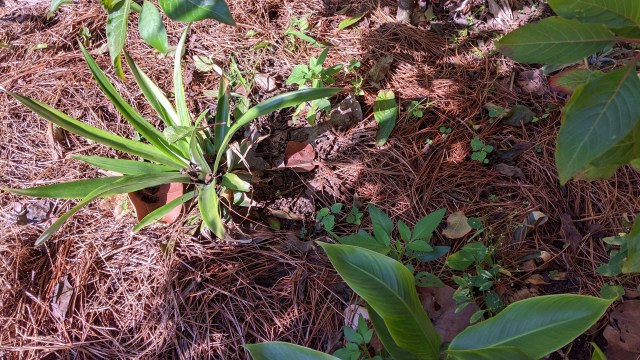
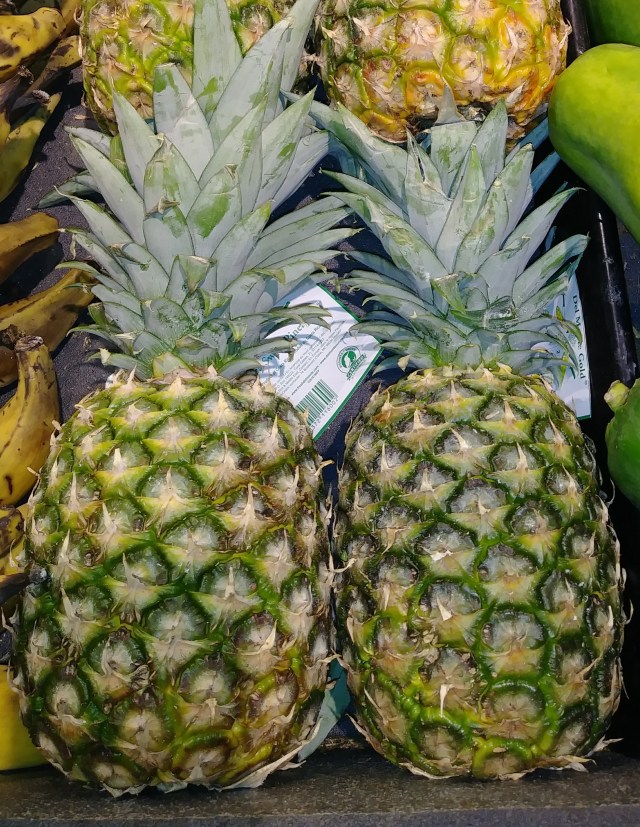
Since I live in the former ‘Pineapple Capital of the World’ I feel compelled to eat a lot of the fruit; and then attempt to grow more. The dirty secret? I cut the tops off and throw them into the front foundation planting in my garden. If they take root, yay! Then they get moved to the pineapple patch in my pollinator garden.

These two are coming along nicely and will join their friends in the backyard. Eventually, I will have homegrown pineapple.

img_20191231_111345

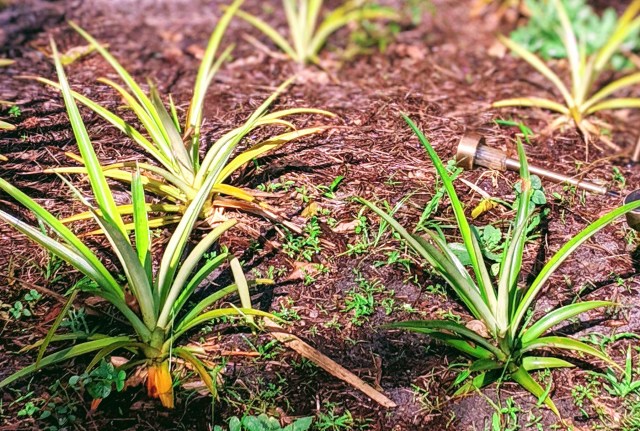
Here is their destination:

00100lportrait_00100_burst20191025102234585_cover-1


Here is a link to more information about pineapples.

Pineapples and their Cousins

Happy New Year, I think I need some pineapple in a festive cocktail later….

20190123_091413-1


Six on Saturday – Fruits and Flowers

20170304_140011.jpg

It has been a rainy and windy week in South Florida, Christmas is over and I am looking forward to a new decade in my tropical paradise. Winter brings changes to the flora and is the most enjoyable time of the year to be outdoors. We live on our screen porch, my next task is to plant some containers for the porch.

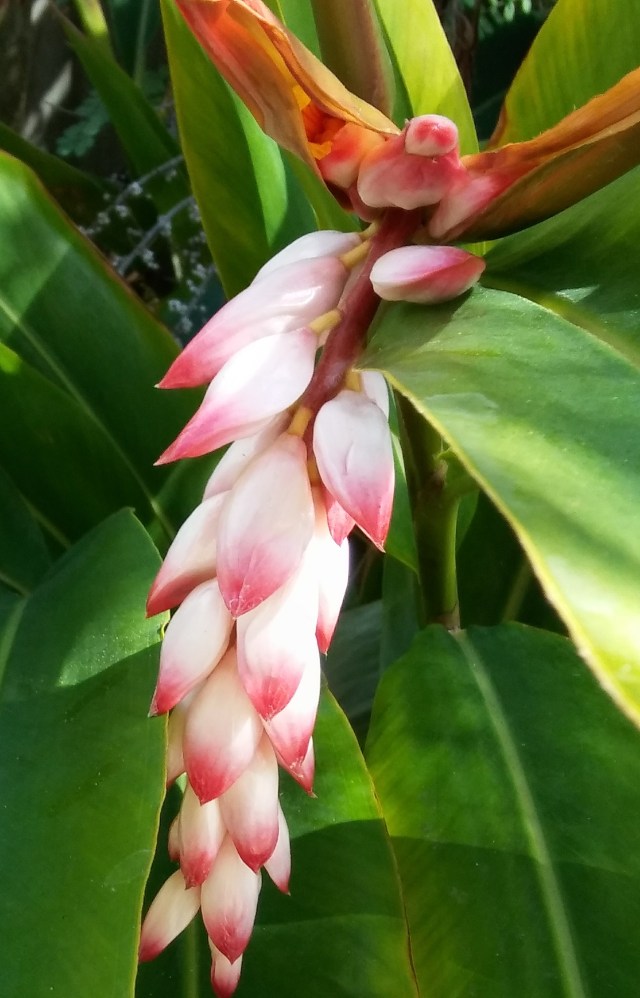
Above is a Shell Ginger (Alpinia zerumbet), I cut these  frequently in the winter; they have a light, gingery scent and are very reliable in the garden. Other Gingers suffer in silence in my garden.

Below is a Hong Kong Orchid Tree (Bauhinia purpurea) These are common parking lot trees and produce a lot of seeds and seedlings.

20161130_095020

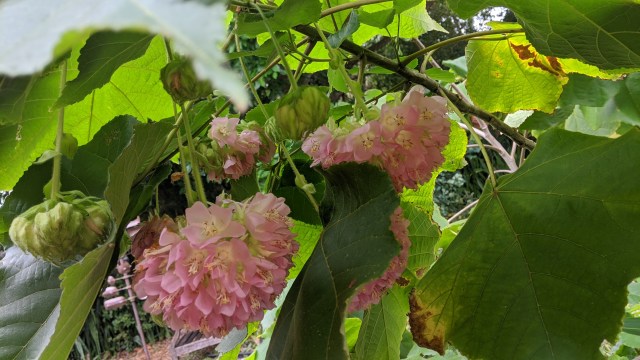
The Dombeya (Dombeya wallichii) finally opened  on Christmas Day, a wonderful gift. It is so windy it makes pictures difficult to take as the flowers swing in the wind.

img_20191228_092859

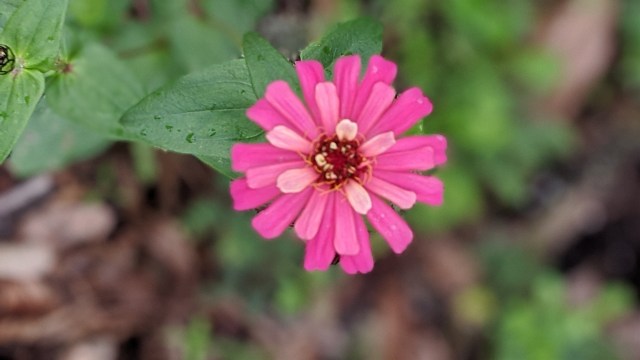
Zinnia of unknown origin. In December.

00100lrportrait_00100_burst20191228093114521_cover

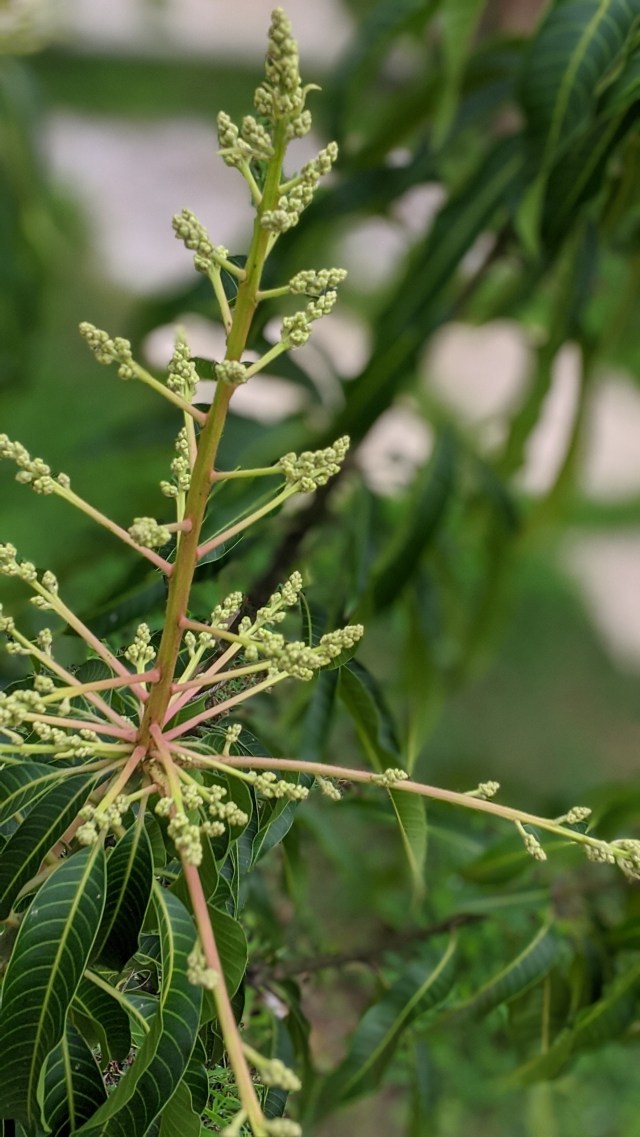
I have three types of Mango trees in my garden, all are flowering, it is a bit early.  Here is the flower of the Glenn Mango. These are panicle flowers, if pollinated produce numerous small Mangoes.

00100lrportrait_00100_burst20191228092540632_cover

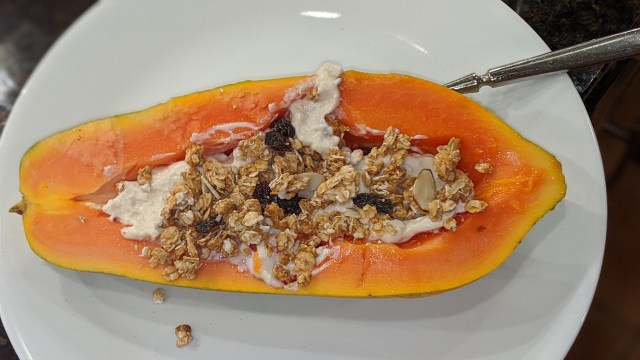
And  finally, my first homegrown Papaya breakfast – with honey vanilla yogurt and granola. A very satisfying end to my gardening year.

00100lrportrait_00100_burst20191228084000909_cover

Six on Saturday is a gardening meme hosted by The Propagator. For more posts, go to http://www.thepropagatorblog.wordpress.com.

Happy New Year!!

Amelia

In a Vase on Monday – della Robbia Memories

img_20191124_144806

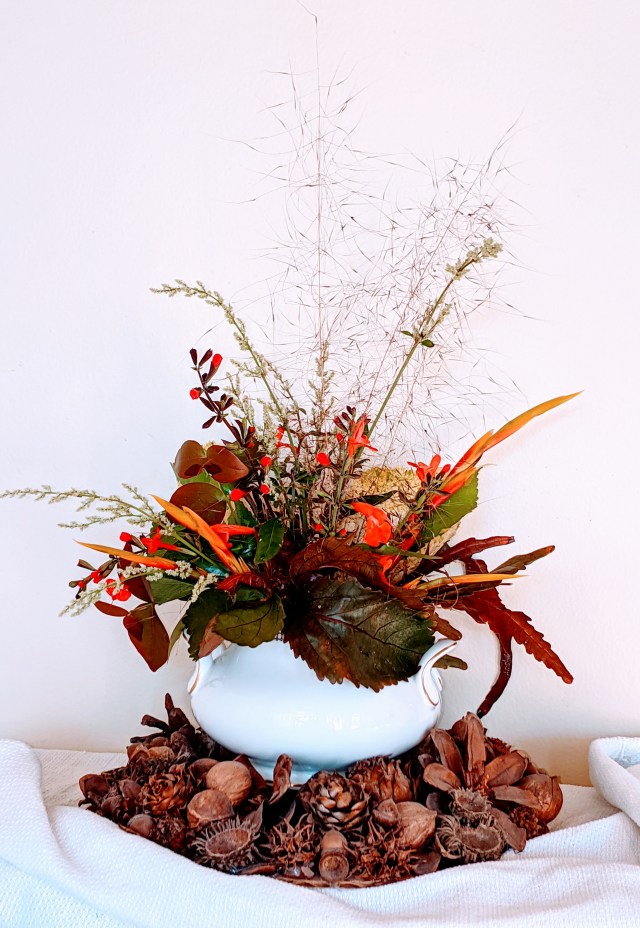
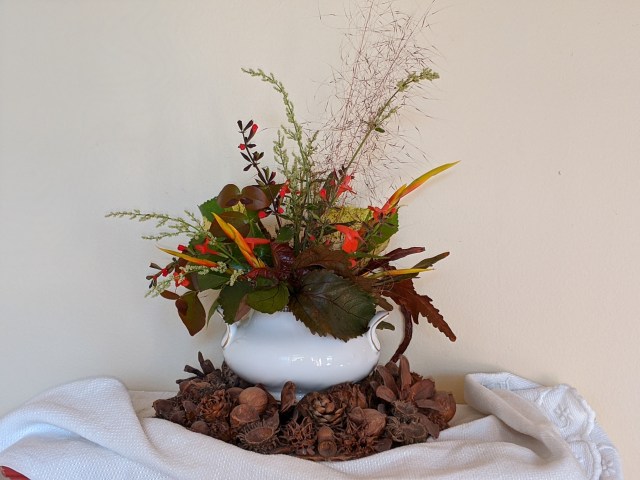
It is a holiday week in the US, we celebrate Thanksgiving on the last Thursday of November. I  live in South Florida, but in my mind, there should be a celebration with a vase of red and orange leaves and nuts and cones. These things are scarce in South Florida. I always think of my mother, a great gardener and Southern Lady this time of year.  She always had the perfect seasonal centerpiece on the dining room table. So I  went in search of a little bit of not so tropical flowers for this vase.

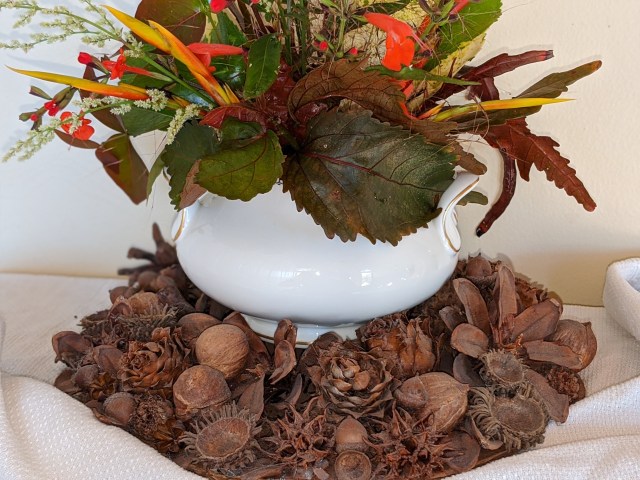
The vase in the picture is a sugar bowl from my formal wedding china, nestled in a della  Robbia candle ring I made from nuts and cones collected near the townhouse my husband and I lived in when we first married, almost thirty years ago. My mother had a similar ring made by my father’s mother, though I can’t recall what became of it, the ring is one of the holiday touchstones of my youth, usually sporting a  red or green pillar candle during the holidays.

I wonder if others call these della Robbia’s? I  think that term applies to garland decorated terracotta pots. I was working towards a fall arrangement with tropical plants that did not look tropical!  Hope it worked.

00100lrportrait_00100_burst20191124144743762_cover

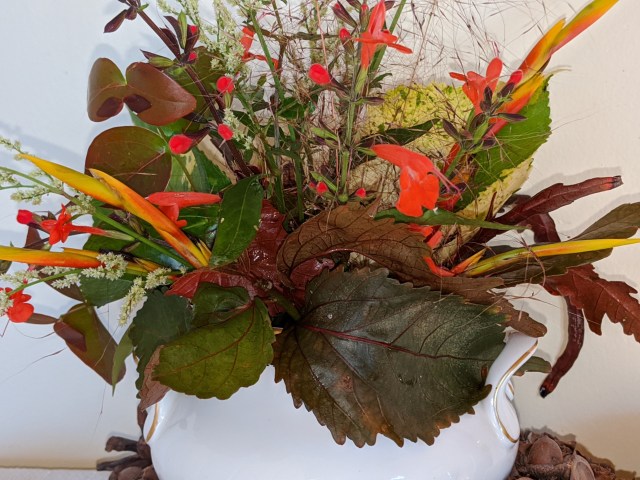
The leaves are from Copperleaf (Acalphya wilkesiana); red flower spikes, Tropical Red Salvia (Salvia coccinea); the linen towel from a very dear friend lost to cancer seven years ago this October.

00000img_00000_burst20191124144737294_cover

Orange spikes are from Blanchetiana Bromeliad flowers; off white spikes from Juba Bush (Iresine diffusa); and grass flowers from Muhly Grass  ( Muhlbergia capillaris). There is a stem of foliage with new red growth from Surinam Cherry (Eugenia uviflora)

00100lrportrait_00100_burst20191124144659659_cover

Tropically, not tropical ?

Happy  Thanksgiving, whenever celebrated and I am thankful for my garden blog friends.

In a Vase on Monday – Fringe Benefits

IMG_20191117_130852

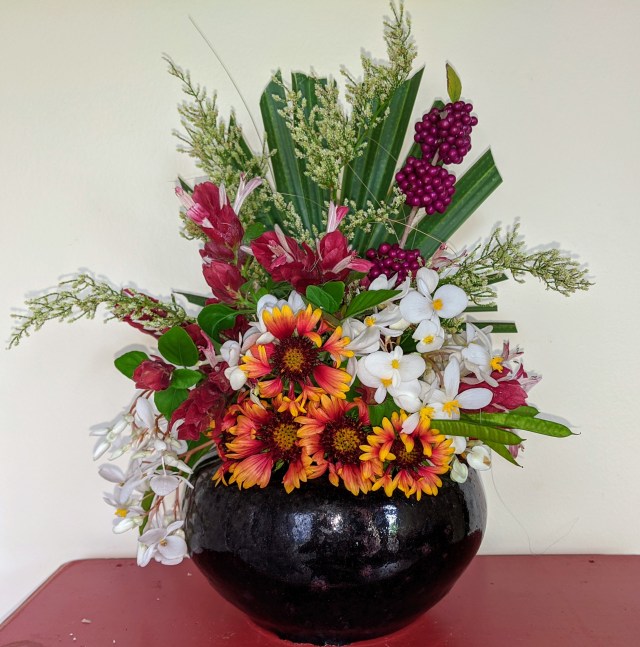
While searching for vase materials this morning it dawned on me, I would not have most of these flowers without making a vase every Monday. I cut flowers from everything except the palm frond and Beautyberries in the past month or for other vases. Hand pruning for a vase inspires the plants to produce more flowers. Fringe benefits from In a Vase on Monday.

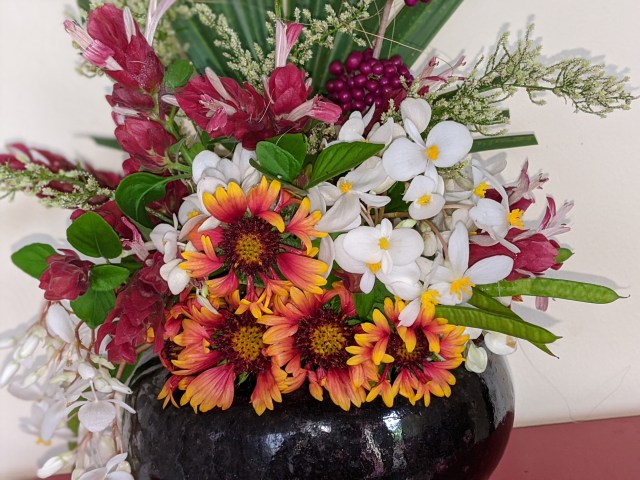
Here’s a  close up:

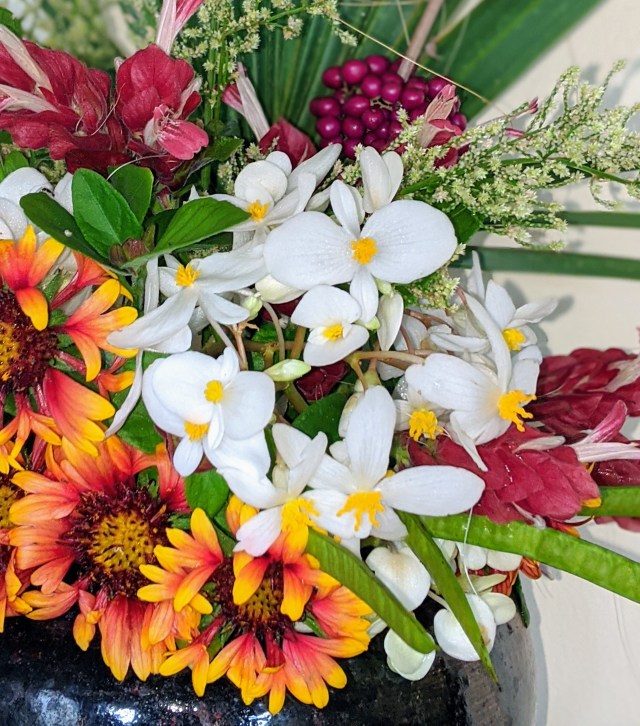
00100lrPORTRAIT_00100_BURST20191117130923032_COVERThe red and white shrimp-like flowers are  Red Shrimp Plants (Justicia brandegeana), a nearly indestructible perennial. White flowers with yellow centers are  Sweet Begonia (Begonia odorata), another great indestructible. Yellow and red daisies are native Gallardias (Gallardia pulchella) they change their colors with the pollinator – or maybe via the pollinator.

00100lrPORTRAIT_00100_BURST20191117130942887_COVER

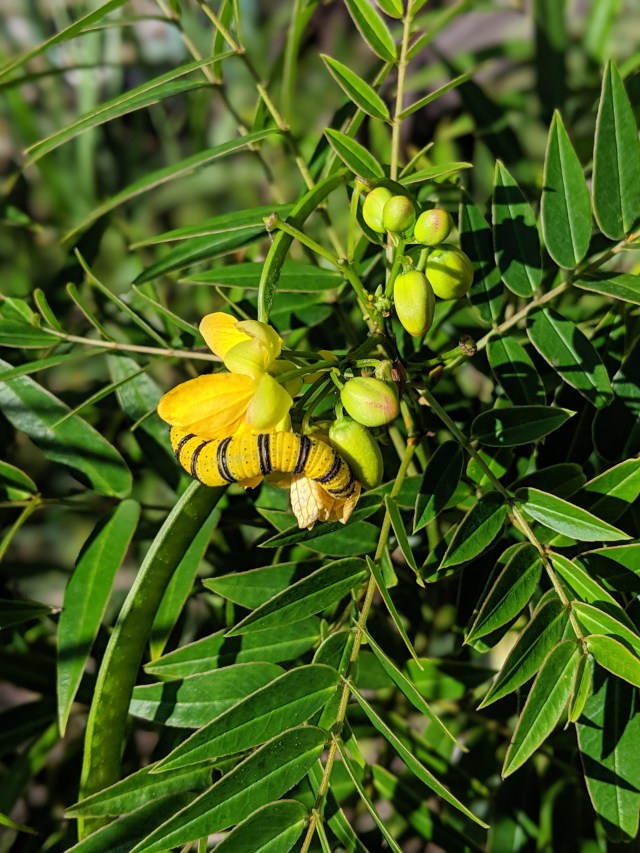
The palm frond in the back of the arrangement is a seedling from a Sabal or Cabbage Palm (Palmetto sabal) that popped up in the garden. The purple berries are still going strong on the Beautyberry (Calliocarpa americana) – I have had berries on one since August, the birds have eaten most of the fruit from the one further out in the garden. The green pods are from a native Senna (Senna ligustrina) I planted for hosting Sulphur Butterflies. Off white spikes are from the native Juba Bush (Iresine diffusa)

Here is the caterpillar from the Senna, one of my favorites:

00100lPORTRAIT_00100_BURST20190928100058153_COVER

Happy Gardening and Thanks to Cathy for hosting IAVOM and the fringe benefits, more flowers! Here is a link to more vases: IAVOM more

In A Vase on Monday – Jar of Weeds

IMG_20190818_120559

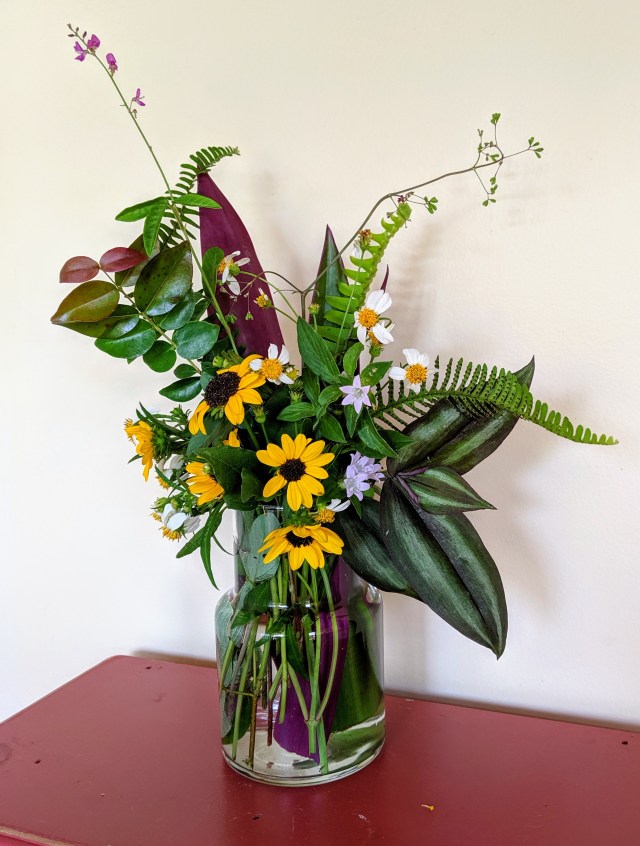
This is my final Jar of the August garden, featuring the weeds- an inevitable feature this time of year. It has rained just shy of 11 inches in my garden since the first of August. The weeds are thriving and having a joyous outbreak of reproduction. ACK.

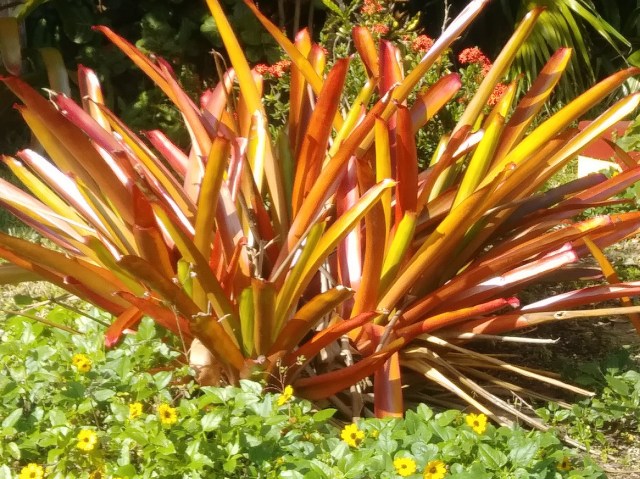
Recently, the mailman (a native of the Florida Keys) informed me that his mother would have pulled out all of the Beach Sunflowers in my front yard, pronouncing them weeds.  He thinks I am a gardening radical. These are the yellow daisies in the vase. I cultivate them in masses in my garden, they grow with or without irrigation in plain sugar sand and form a mat that reduces the less desirable weed population. I trim them with electric hedge clippers to maintain a low mass. 20190107_102831-1I suppose beauty is in the eye of the weed holder. Beach Sunflowers surround a Blanchetiana Bromeliad.
00100lPORTRAIT_00100_BURST20190818120609082_COVER

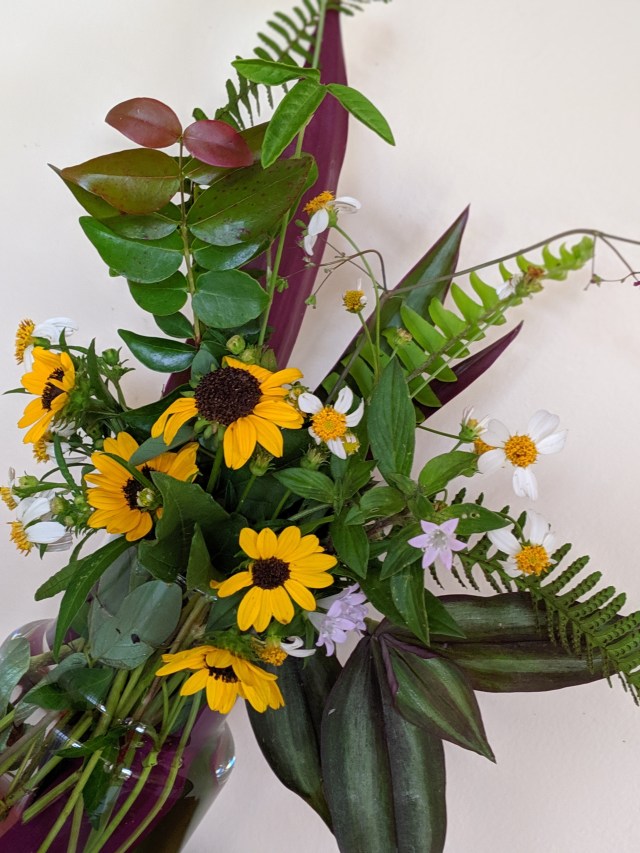
A closer view of my weeds: the white daisies are Bidens alba, a native Bidens prolific (producing an average of 1200 seeds per plant) to the point of making it difficult to like the flowers as well as the bees do. The pinkish-white, small, lily shaped flowers are from Florida Snow (Richardia grandiflora) – a Brazilian native that reportedly blew in with the hurricanes from the early 2000s. A low growing perennial weed that infests lawn creeping through the blades of grass then flowering until it looks like snow on the lawn. I have pulled a zillion of these, they also reseed and will grow from cuttings (lawn mower cuttings)

Tropical plants also get loose in Florida gardens, purple foliage is from Oyster Plants or Moses in a Cradle (Transcandentia spathacea). I happen to like this plant, but it reseeds with vigor and is considered invasive. Purple striped foliage is another Transcandentia I like, T. zebrina also appears unbidden in shady areas. Ferns are Asian Sword Ferns, spread by birds and tending to take over our native Boston Fern. The red tipped leafy foliage is from Surinam Cherries (Eugenia uniflora) also called Pitanga. Pitanga is a small red cherry-like fruit with an (in my opinion) not so tasty tang of turpentine spread everywhere by grateful wildlife. The wispy flowers at the top are from a plant I am not recalling the name of, have a carrot like taproot and produce hitchhiker seeds that stick to my pant legs and greyhound noses. These have different colored flowers and can be pretty – but, are always asked to leave the garden if the soil is moist enough to pull the taproot out.

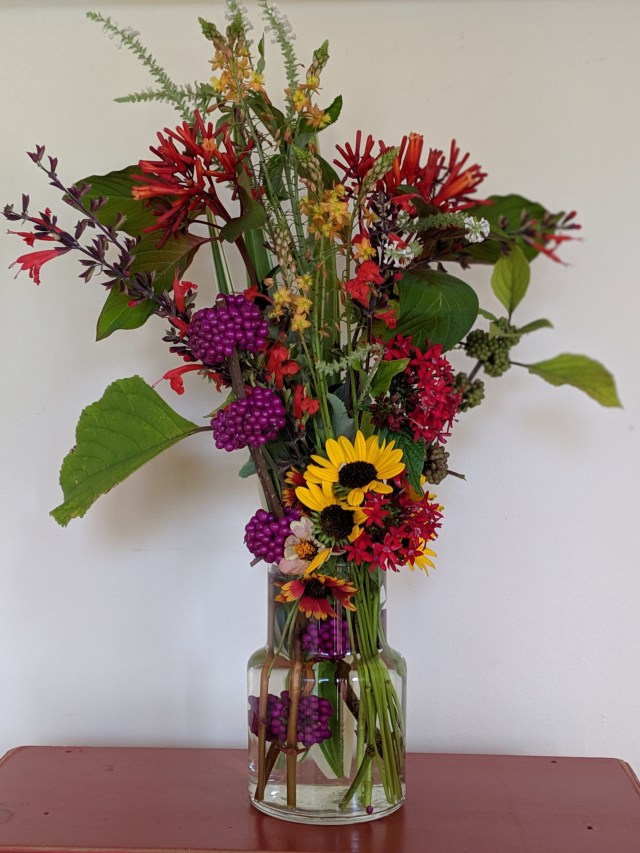
Here are the three jars of August – appearing in the same repurposed pasta jar – The first, flowers:
00100lPORTRAIT_00100_BURST20190804094909230_COVER

The second, tropical flowers:

IMG_20190811_103347

And this week, the weeds.

IMG_20190818_120559

You may notice the weeds appear in more than one jar.

Maybe I am a gardening radical.
Funky Florida Flora – Jamaican Caper

00000img_00000_burst20190522092749300_cover

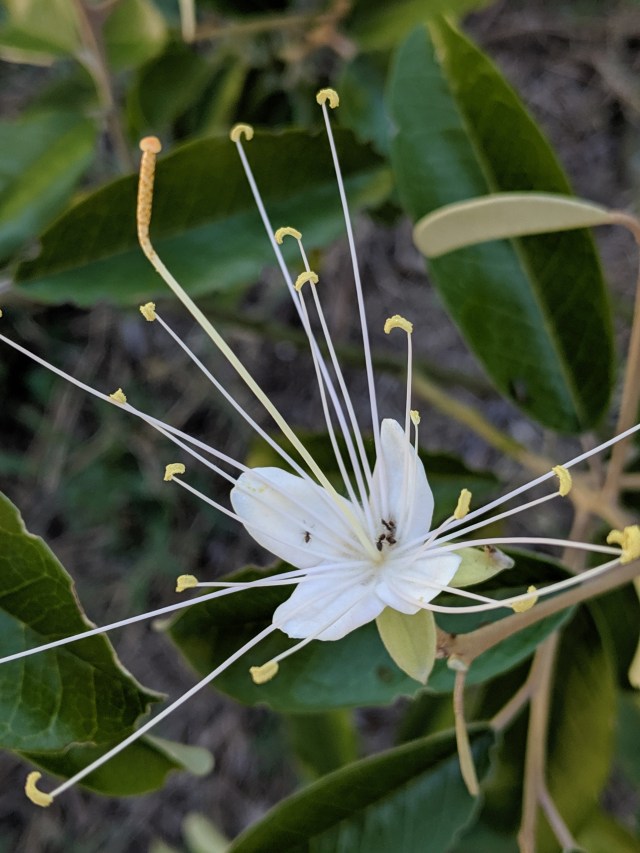
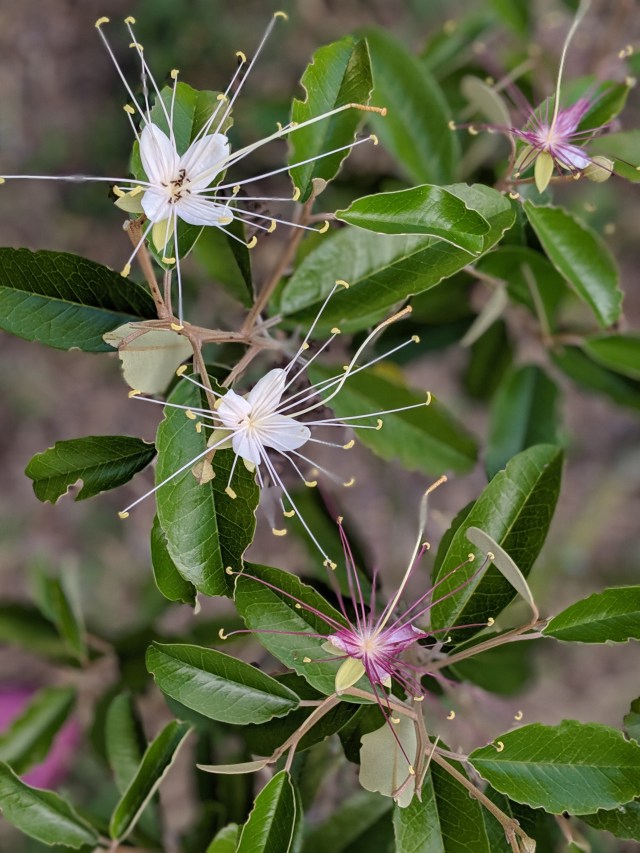
One of my favorite Florida natives (people not included) started to flower last week, the Jamaican Caper (Capparis cynophallophora). This plant is related to the culinary caper, but is not edible for humans – though birds enjoy the fruit. One of the interesting things about this plant is the flowers start white and the next day turn purple.

00100lportrait_00100_burst20190523085230238_cover

The different colors make for a more colorful show and contrast nicely with the olive green and brown backed evergreen foliage. If you look closely at the foliage you can tell something has been munching on it. This is also a host plant for the Florida White Butterfly, many have stayed in my garden after starting life on the Jamaican Caper.

Screenshot 2019-05-23 at 2.42.52 PM

The Jamaican Caper is reported to be a large shrub/small tree. I think it must be fairly slow growing as I have had one several years and it is only 3 feet tall. Although, my husband ran over it with the lawn mower and I moved it during the dry season.

This is a pretty good plant.

In a Vase on Monday – Spring Salad Surprises

20190303_101101-1

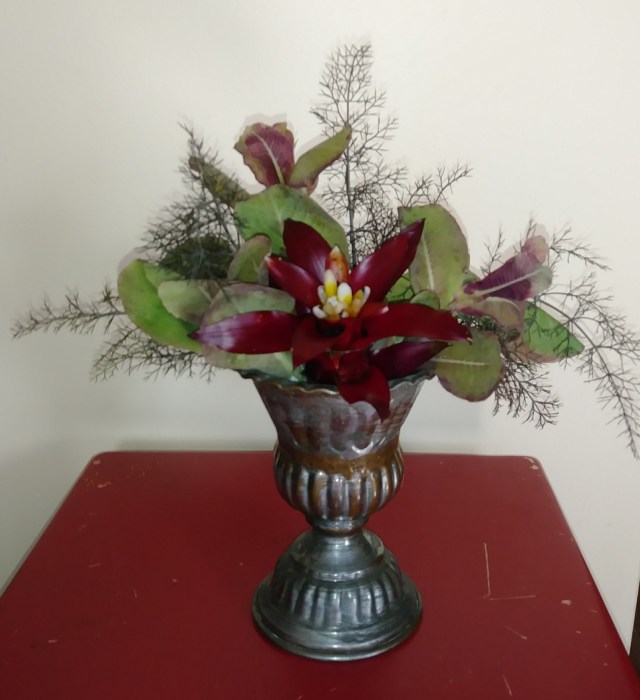
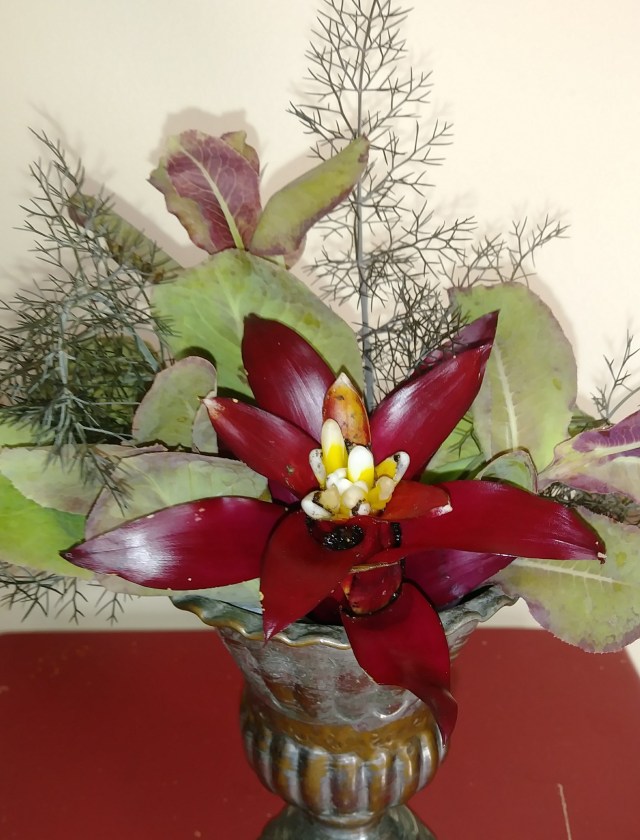
Winter in South Florida (or as I call it, Not Summer) is winding down. As I was planting my last crop of vegetable seeds, I noticed the lettuces fading and bolting. I grew Red Romaine lettuce this winter and was surprised to see how pretty the flowers are. While picking them, I could tell by the scent that the Romaine had turned bitter, no need to taste it. Even the rabbits have quit eating it and turned to munching on my Bromeliads and eating the old green beans.

20190303_100841-1Another surprise in the garden was the emergence of 5 flowers on a Guzmania Bromeliad I left in a container for a little too long. I did not know Guzmanias would even put out multiple flowers, so I cut one since it went so well with the Romaine.
In keeping with the salad theme, I added some Copper Fennel (Foeniculum vulgare) to the arrangement. The vase is a junk store silverplate heirloom from my mother, gaining patina (rust) with every use.

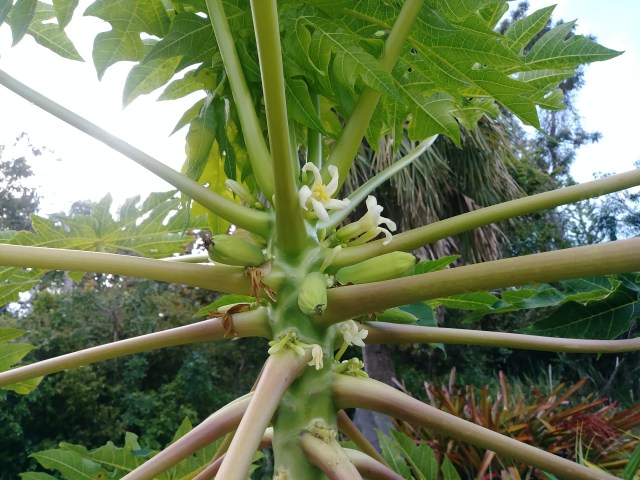
Here is the Papaya update: More surprises, six fruit so far. I think there will be more.20190303_162431

The Mulchmeister

20190110_151300I could be the Mulchmeister, given the love/ hate relationship with mulch that I have nurtured for years. I love the appearance mulch gives the garden – a soothing blanket of hopefully brownish material, tucking all the plants in for good growth, saving water and helping keep weeds at bay.
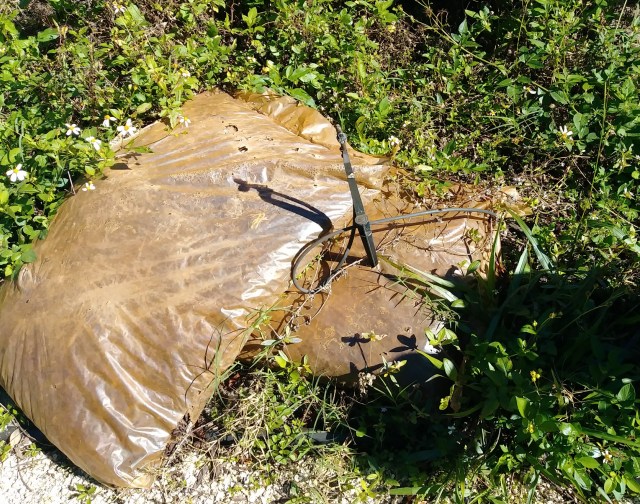
Unfortunately, I hate to mulch. Below is the usual result of me buying 5 bags of bark mulch. After 3, I can’t deal with schlepping the bags around anymore and it stays in the garden so long the plastic bags are rendered rust colored from the iron in the well water. And the weeds! Arggh. Florida Jurassic weeds. Oddly, the bark is still fresh as a daisy inside the bag – making me wonder what is on the stuff and in the vegetables I grow?

20190110_131051-1


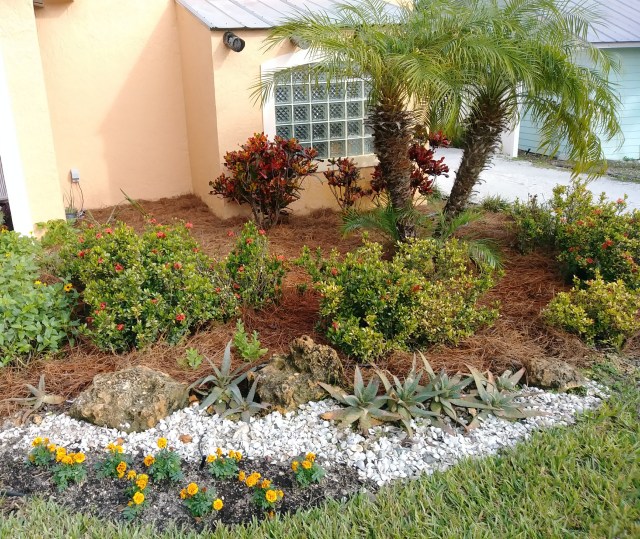
I am learning to love again with an old friend, pinestraw. Some call it pine needles, naturally shed by Pine trees! A good thing and more sustainable than chopping down and chopping up trees to use for mulch. It occurred to me to seek out pinestraw as I was working on a project in Atlanta, using pinestraw as mulch. For some reason, pinestraw is very uncommon in South Florida-even though it is harvested in North Florida.

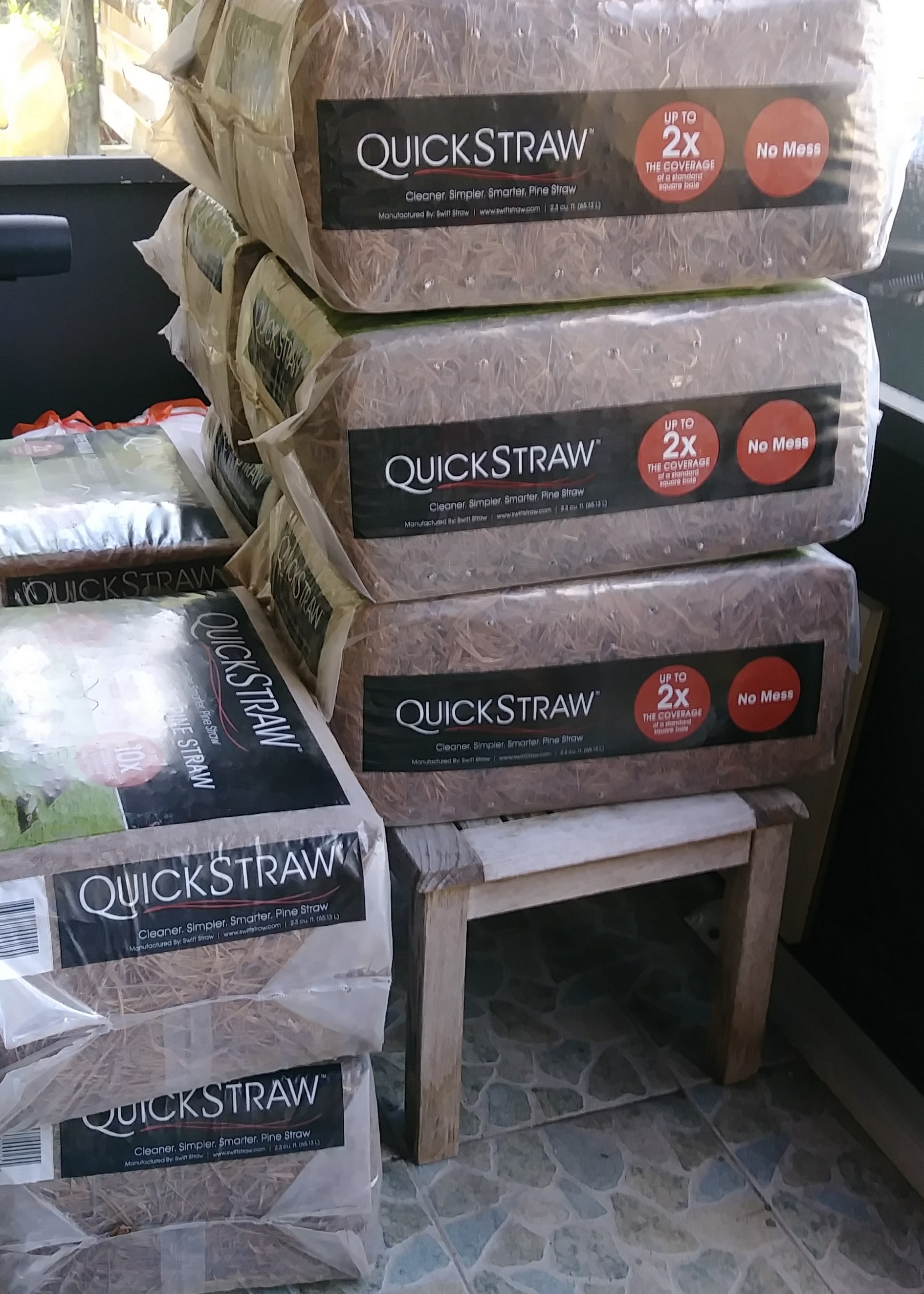
I began the search and after a bit of asking around was gifted with 10 bags of QuickStraw, just in time for Christmas. Compressed and bagged for storage, I can move these around easily and am not ending up covered in mulch.

20181219_123131-1

I scraped the Jurassic weeds off, put down some brown woven (the key to long lasting fabric) weed control fabric and mulched with the QuickStraw.

20190103_094620-1

Ahhh, cozy plants, just waiting for everything to grow together.

In A Vase on Monday – Winter White

20181202_112235

Winter lasted for about two days here. The temperature was 87 degrees Fahrenheit this morning. I gave up gardening in hopes of cooler weather later in the week. My vegetable seeds were planted this week along with lettuce plants (the lettuce probably has wilted and needs water by now).

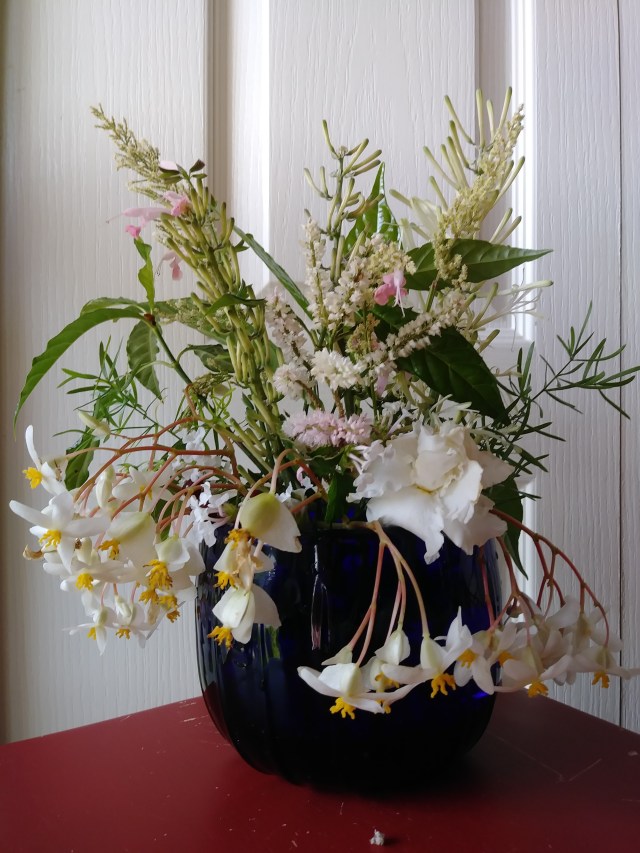
My task this morning, moving Orchids to strategic areas, so I can see the flowers from inside the house. As I was wheeling pots around, I noticed most of the flowers in the garden are white currently, no idea why. I have been watching this native wildflower called Octoberflower bloom for about a month, it started right on time, October 31st.

20181128_110712Octoberflower is native to an area called Scrub in Florida – my garden is in Scrub, so you would think these plants would enjoy my garden. Not so much.  I find them very difficult to place and grow, moving them into the native pollinator garden, one out of five made it. Although, they are great cut flowers.

20181202_111804

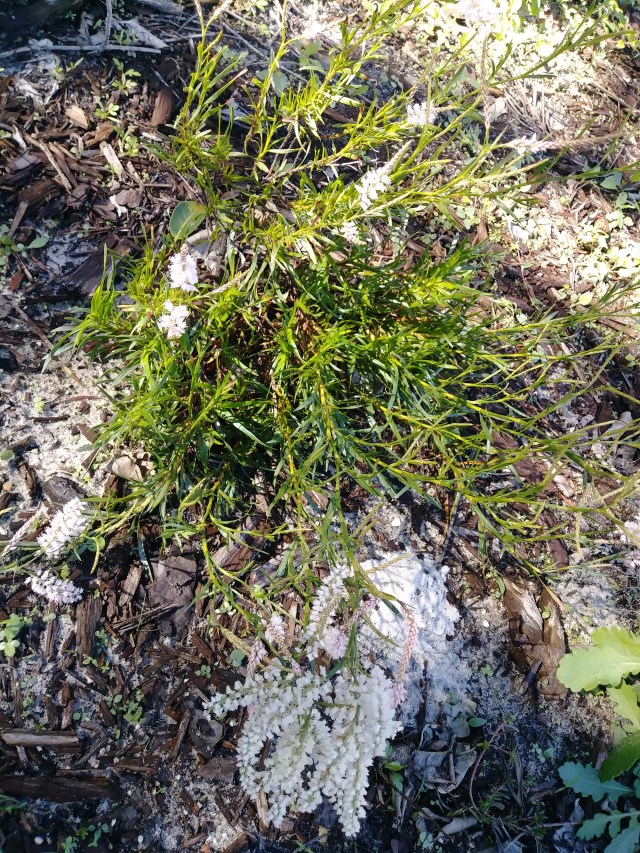
Here is a close up of the vase, the blue glass bowl, a Christmas gift from long ago. The Octoberflower is on the right side of the photo, tinged with pink. Next to those, probably the last flower of the Tropical Gardenia (Tabernaemontana divericata); draping the vase are Sweet Begonias (Begonia odorata ‘Alba’); some clusters of White Lantana (Lantana montevidensis ‘Alba’); the bigger spikey flowers are from Snake Plant AKA Mother In Law’s Tongues (Sansiveria cultivar ‘It Took Over My Yard’); smaller white spikes from Juba Bush (Iresine diffusa); a few sprigs of pale pink Tropical Red Salvia (Salvia coccinea). The foliage in the vase is Asparagus Fern (Asparagus densiflorus ‘sprengeri’) and another native, Wild Coffee (Psychotria nervosa) – the berries look like coffee, but you can tell by the botanical name, not something you want to drink.

I am from the American South. Wondering how many gardeners relate to the term ‘Winter White’?

My mother, a well raised lady of proper breeding:?! – would have said Winter White is an off white color appropriate to be worn in winter; whereas wearing pure white after Labor Day (early September) is an abomination.

Comments?


The photos, Snake Plant and Wild Coffee.