In A Vase on Monday – Bourbon and Branch for Easter

20160327_141901 (2)

I was born and raised in Atlanta, Georgia; the Deep South. Celebrating Easter has some traditions. There is usually an arrangement of flowers centered around Spring featuring pastel colors and bulbs, maybe some forced branches from Cherry trees if Easter is early.

The traditional Easter fare is a ham criss crossed with a knife, canned pineapple rings centered in the squares, cloves inserted (and sometimes a maraschino cherry) the entire ham is then doused in brown sugar and baked. The women are madly working in the kitchen while the men are outside having a Bourbon and Branch.

Bourbon and Branch is a cocktail, branch is water from the pure running creek in the backyard.

I have eschewed the ham tradition and the bourbon tradition. This leaves me looking for some other kind of branches as the creeks I would drink water from are few and far between. What is currently blooming in my garden is mostly orange, not what I had in mind for an Easter arrangement.

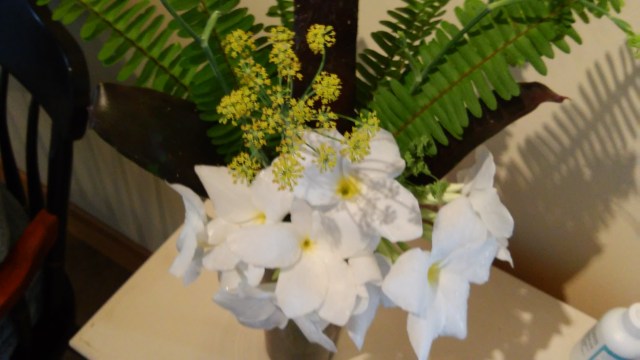
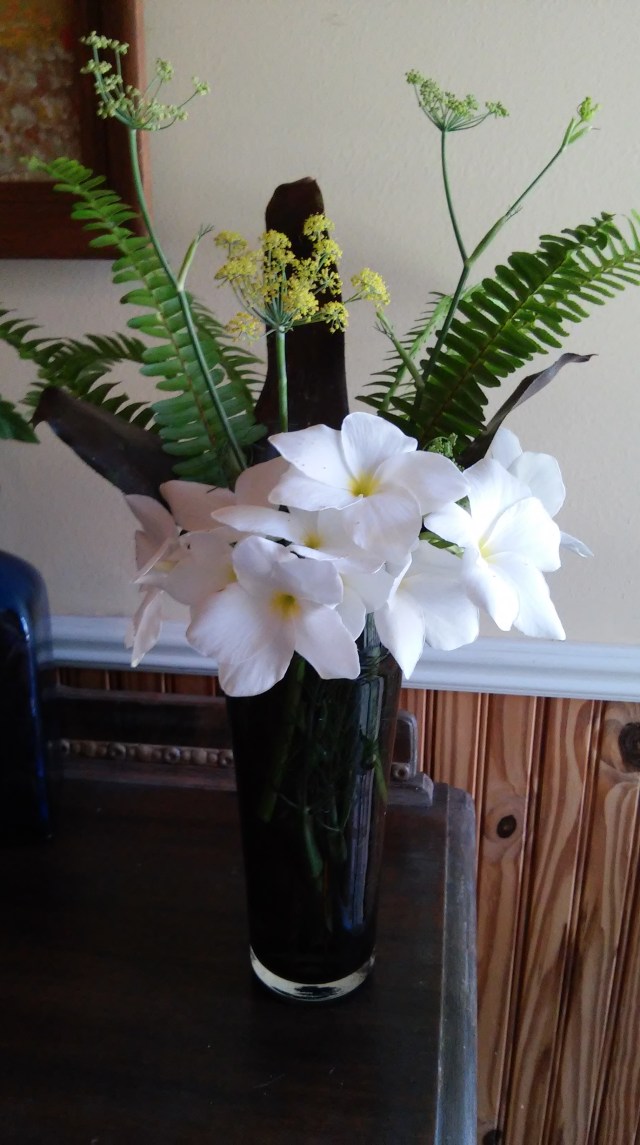
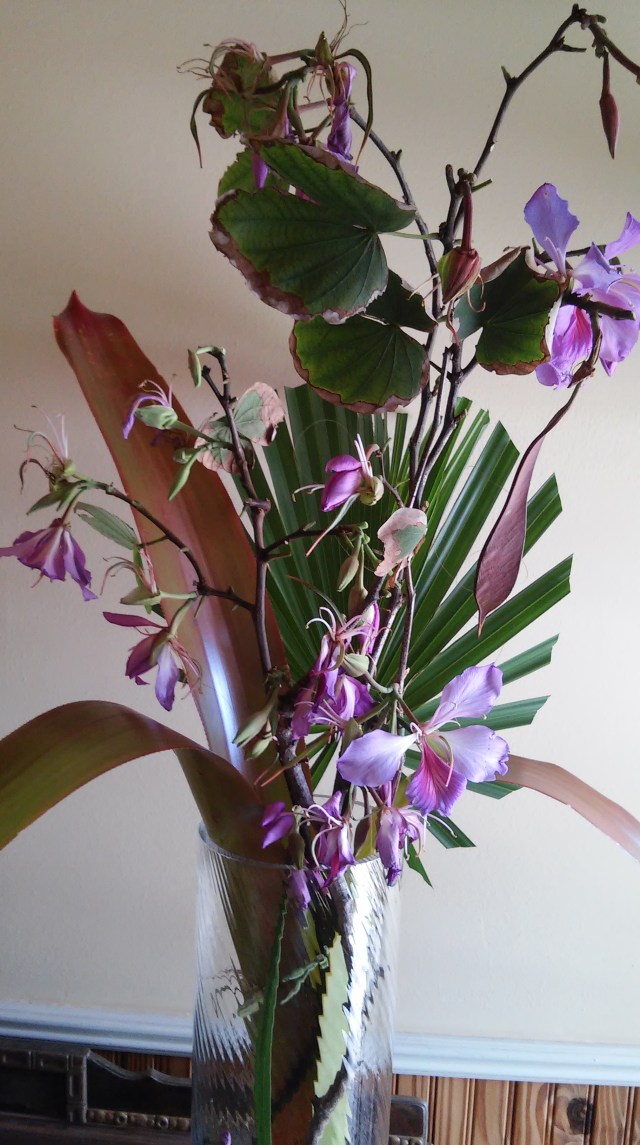
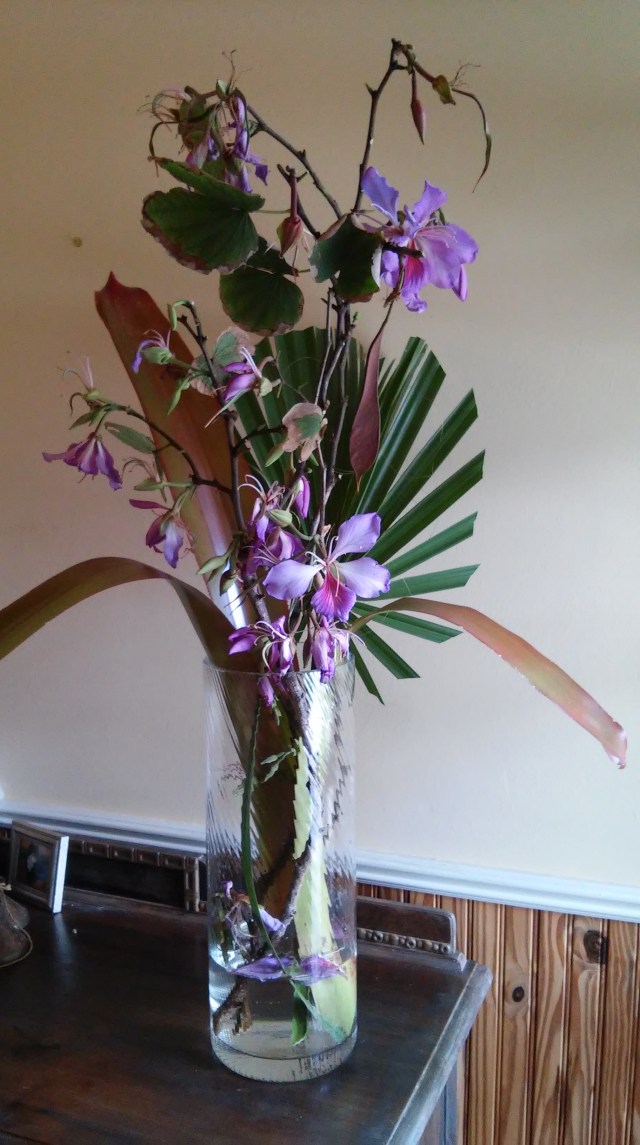
The Hong Kong Orchid tree has been flowering for a couple of weeks, a nice lavendar color and has a gnarled branch look about it. I decided to try one of those large branch arrangements that appear effortless. Ha, the branches are twisty and uncooperative and have to be pruned into submission. Then I decided to add a Palm frond, it is Easter, just a bit late for the palm part. The frond overwhelms everything so I cut it down to a smaller size and add some russet Bromeliad foliage to pick up the darker color in the Orchid flowers.
Here is the result, I thought this was a bit weird, but I like it. I left the pods and some browning foliage on Orchid tree branches and crushed the ends a bit to see if they would last longer that way. A semi traditional Easter arrangement, as I have the branch part covered, maybe I should try to find the bourbon.

20160327_142327

In A Vase on Monday – Refugees from the Potting Bench

20160313_103341-1

I have had a trying dental week, culminating in a root canal followed by pain medication. Never having experienced a root canal, I had not realized the need for pain medication. Vicodin and I usually do not get along, but the drug came highly recommended by the doctor and his staff, so I relented and took some. My problem with these sorts of medications is – if 3 steps are needed to complete a task, only 2 are retained by my mind. Example, to set the timer on the stove it has to be turned on, time set, then started. The loss of any step results in no time. Then you are left wondering if the pasta is done and when you started it. On the other hand, the teeth feel really fine. I have, wisely, stayed away from my car.

I awoke this morning feeling much better, put some cat food in my cereal bowl, got a fork to eat it, then realized it was time for more coffee and a walk around the garden.

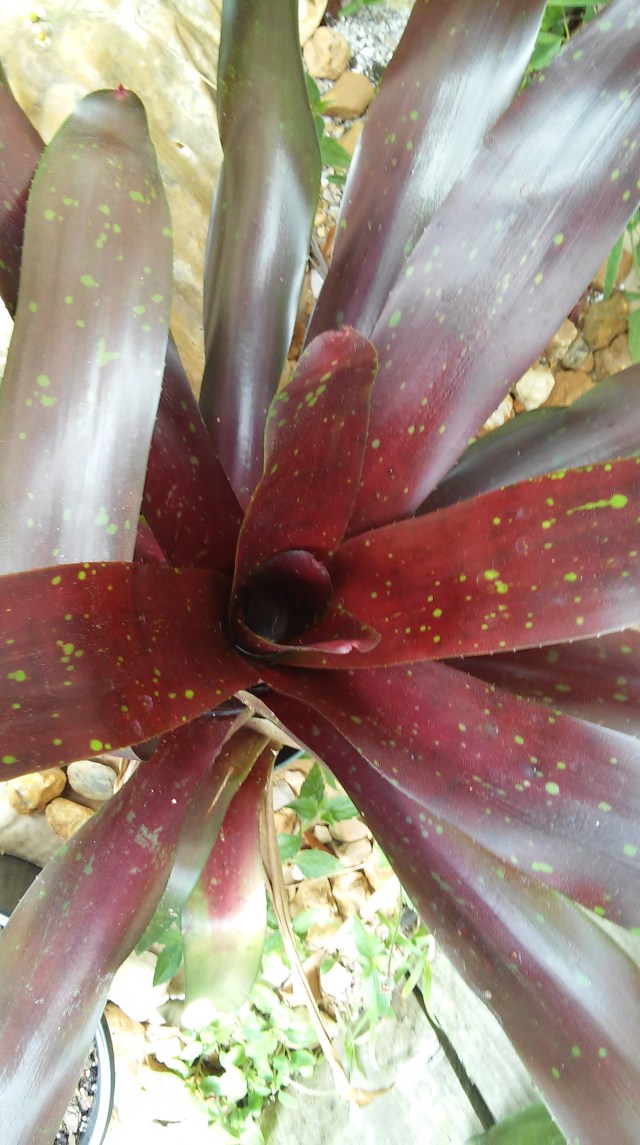
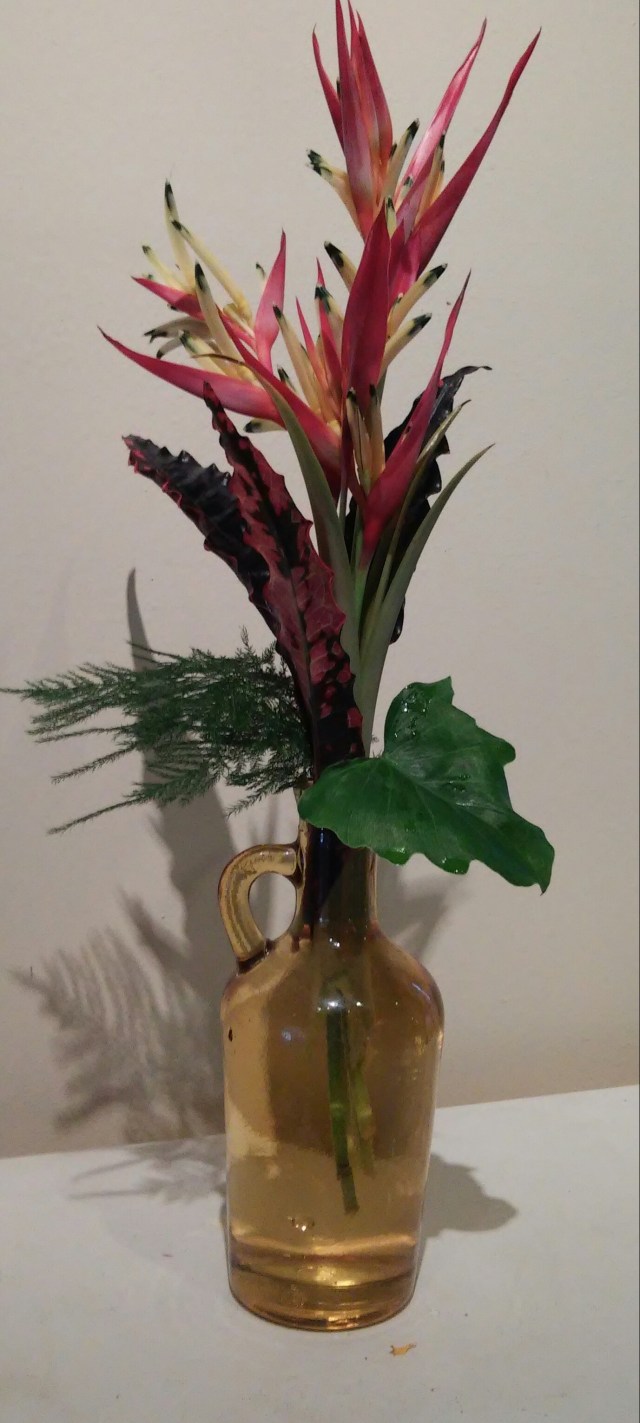
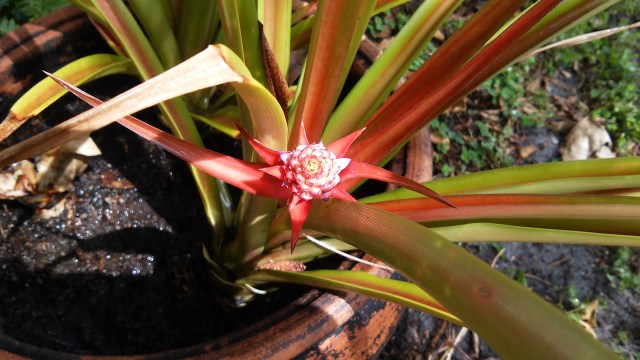
The search for vase materials was on and I stopped at my potting bench where all my plant refugees looking for a home live until they are planted. Sometimes it takes years to find a home as I tend to buy plants without considering where they should go. This Bromeliad had bravely put up a flower after languishing on the bench for quite some time. The fluorescent salmon color is quite lovely. Here is the unnamed Bromeliad, I think it is an Aechmea, burgundy and olive green foliage accent the salmon flower:

20160311_090319 (1)

20160313_102733-1

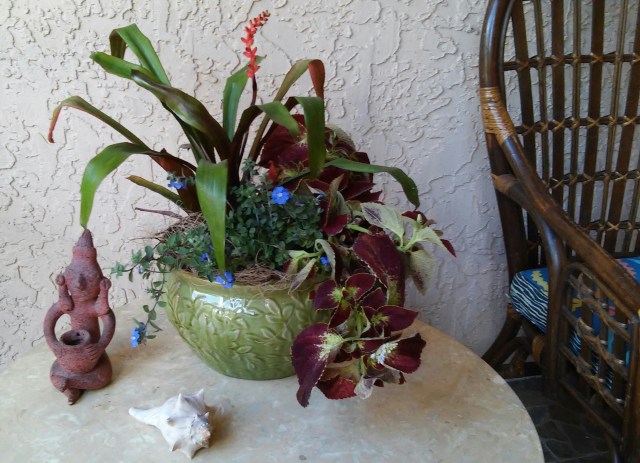
At the same time I have been rooting some cuttings from an overgrown Solar Sunrise Coleus and thought they looked nice together in this big olive green container I bought at GoodWill (charity shop). The Blue Daze Evolvulous was  left over from a new bed that I am working on in the garden.

I like the combination and have added some other refugees for company. The shell is from the ocean, of course, and the pseudo Mayan sculpture is an incense burner from my brother, circa 1975 and Pier One. I keep this around for sentimental reasons, and it looks great with the Salmon Bromeliad.

In case of culinary concerns, I gave the cat the cat food and she was quite happy, had another cup of coffee and no more Vicodin. Now all I need is a filling to seal the root canal. Joy and Bliss later this week.


Art in the Garden

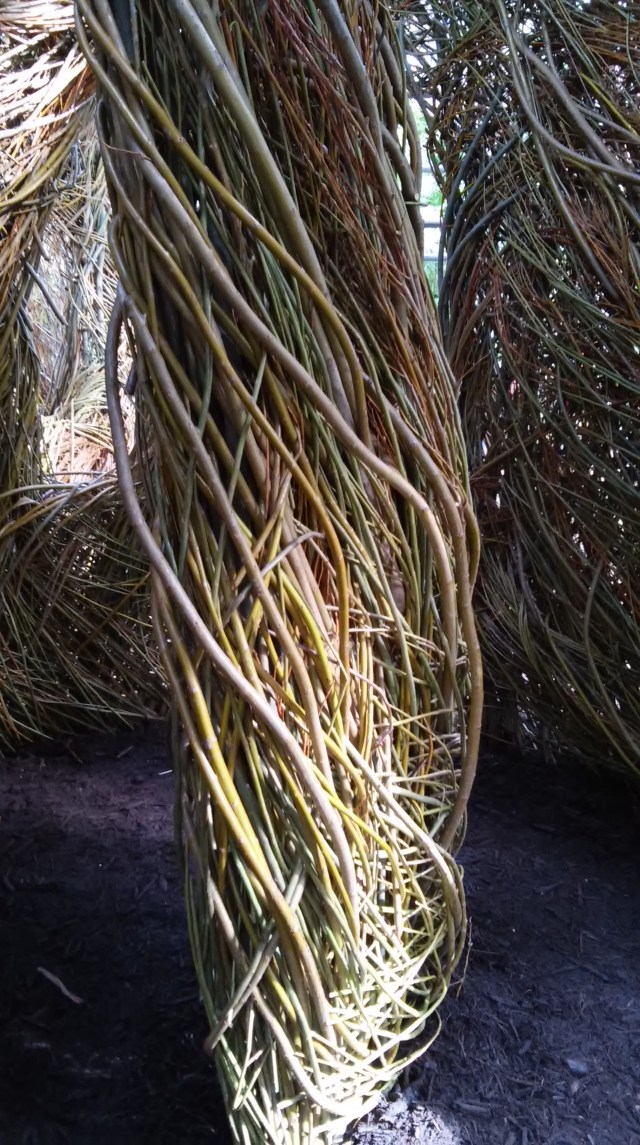
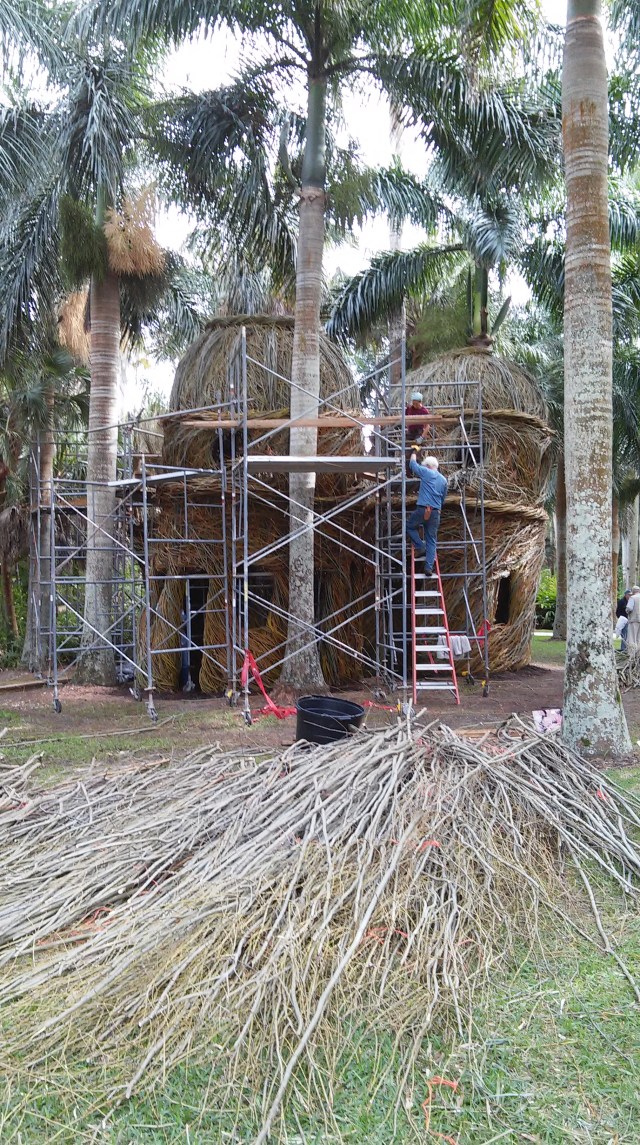
I usually write about the art of the garden, but here is a bit of art in the garden. The above photos are of a woven willow structure currently under construction at the McKee Botanical Garden in Vero Beach, Florida. This piece of environmental art is nestled in a grove of palms and constructed of willow saplings and bendable twigs woven together to form a temporary structure. The structure will eventually have three willow towers. Here is a close up of the twig structure:
20160121_142043

And here is an overall view:

20160121_141502


The artist is Patrick Dougherty and the concept is STICKWORK, here is a link to more information on the artist and installation,  http://www.mckeegarden.org/current-exhibition.php

I am usually not very enthralled with environmental art, but I love this. The organic willow towers complement the formality of the palms and I like the facts that the structure is built from willows grown in a sustainable tree farm and after a few years the structure will be evaluated to decide to keep it or compost it. I have visions of the entire thing rooting into the ground and growing a twisted fairy tale castle in the palm grove.

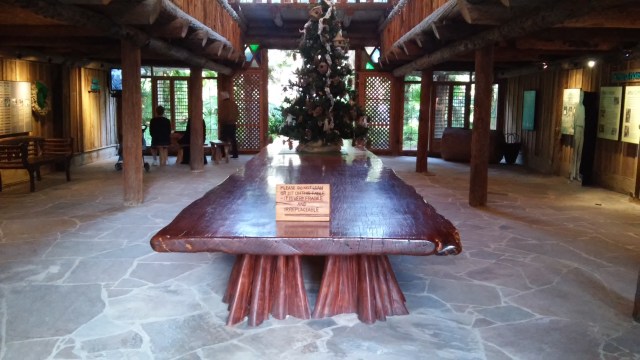
The rest of the garden has a bit of a fairy tale feel as well. Conceived by pioneer developers in South Florida during the first half of the twentieth century – the first buildings were based on Polynesian structures in keeping with the “Jungle” theme. The garden fell into disrepair and was reborn in the early 2000’s shepherded by a dedicated group of garden enthusiasts. Below is one of the original buildings, a great hall centered around a table constructed from a 38 foot long single piece of Mahogany:

20160121_145652


The rest of McKee is well worth touring and has a wealth of tropical plants. I saw many types of Bromeliads I had never seen before and an array of Palms, Orchids and tropical trees. The garden began in a mature forest hammock and boasts some incredible native trees and a pathway meandering through the garden inviting you to stop and study the flora. Here are some of my favorite photos from my trek through the garden.


The Heat is On

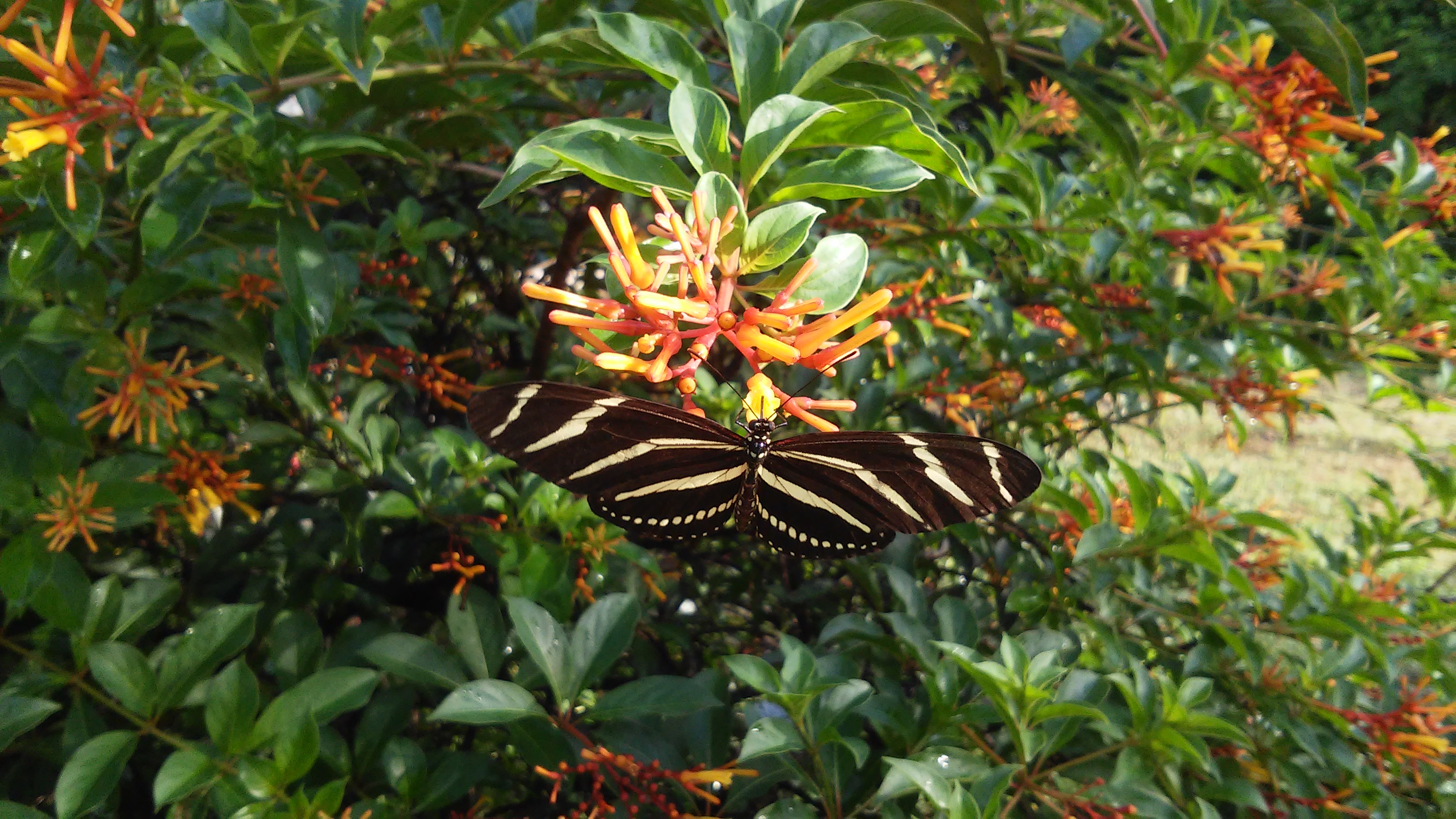
The rainy season officially started about a month ago here on the Treasure Coast in South Florida. It just didn’t start raining until the past week. Plants were getting crispy and I was having to provide supplemental water, even in the irrigated areas. My appreciation for the native plants has gone up. Here is the native shrub, Firebush, Hamelia patens, not missing a beat and attracting butterflies and a large selection of bees.

Firebush and Friend

Firebush and Friend

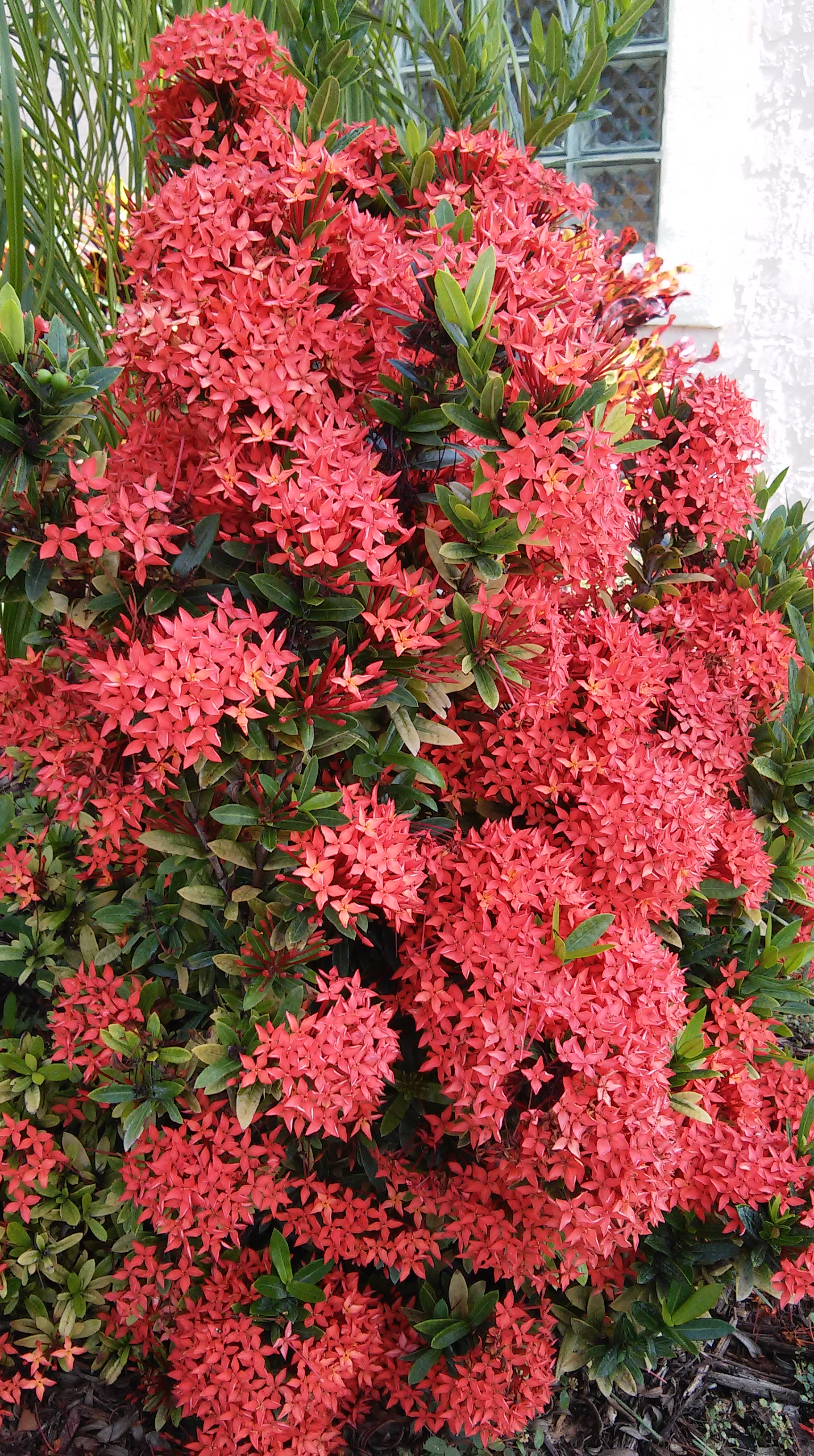
I have been waiting for precipitation to move plants around in the garden. Now the dilemma is the humidity – it has hit 100 percent several times already., not pleasant gardening weather. Some of the plants are enjoying the heat and humidity more than me. The Ixora burst forth as soon as the rain started, I take back all my grumbling about the special Ixora fertilizer I had been faithfully applying – it clearly works. I can’t recall having a shrub with more flowers, ever.

Dwarf Red Ixora

Dwarf Red Ixora

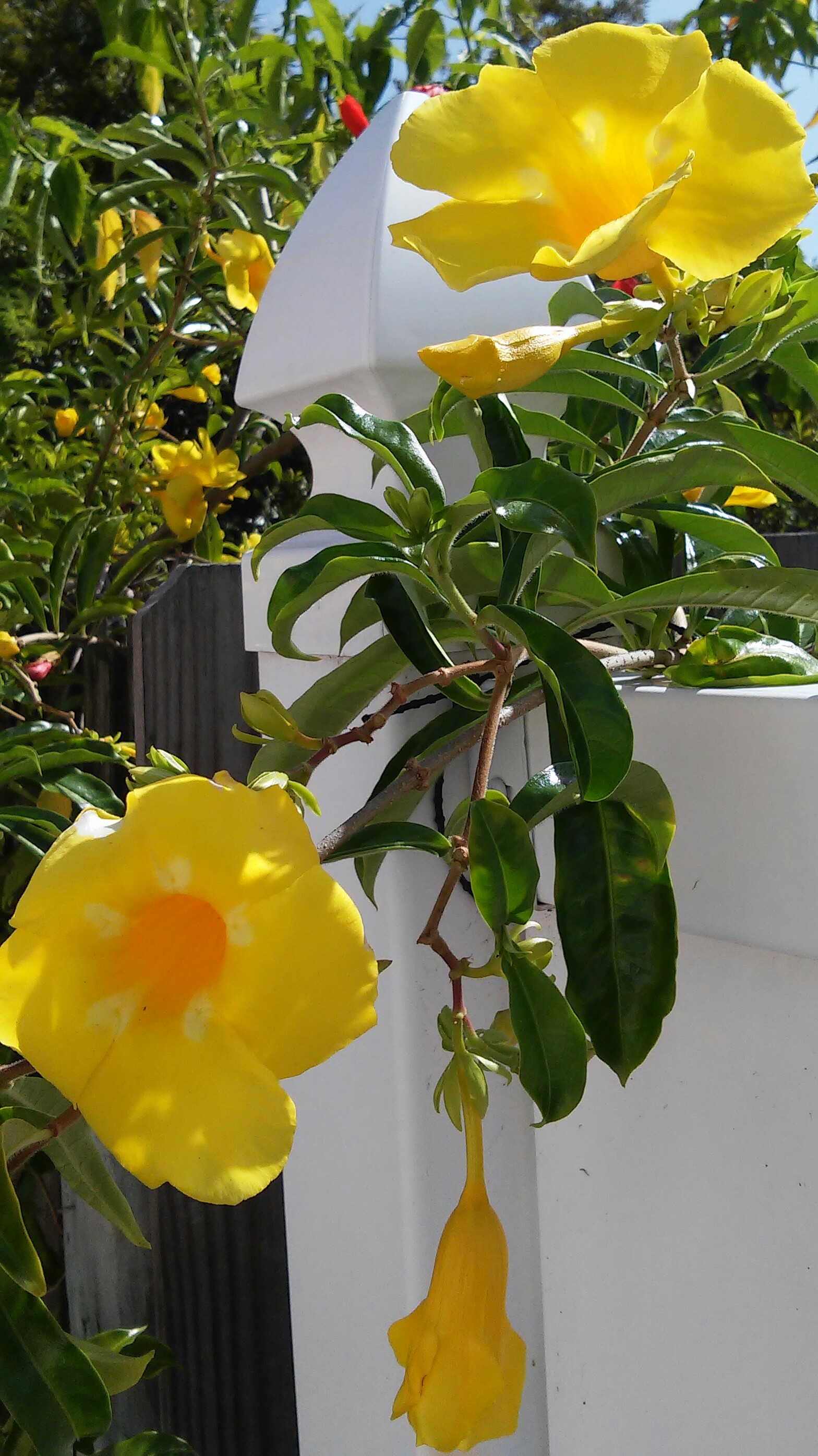
The Yellow Allamanda I trained to the fence liked the rain as well. Interestingly enough, the native version of this Allamanda was completely eaten by caterpillars! I think it hosts a good butterfly, so caterpillars were probably good.

Yellow Allamanda

Yellow Allamanda

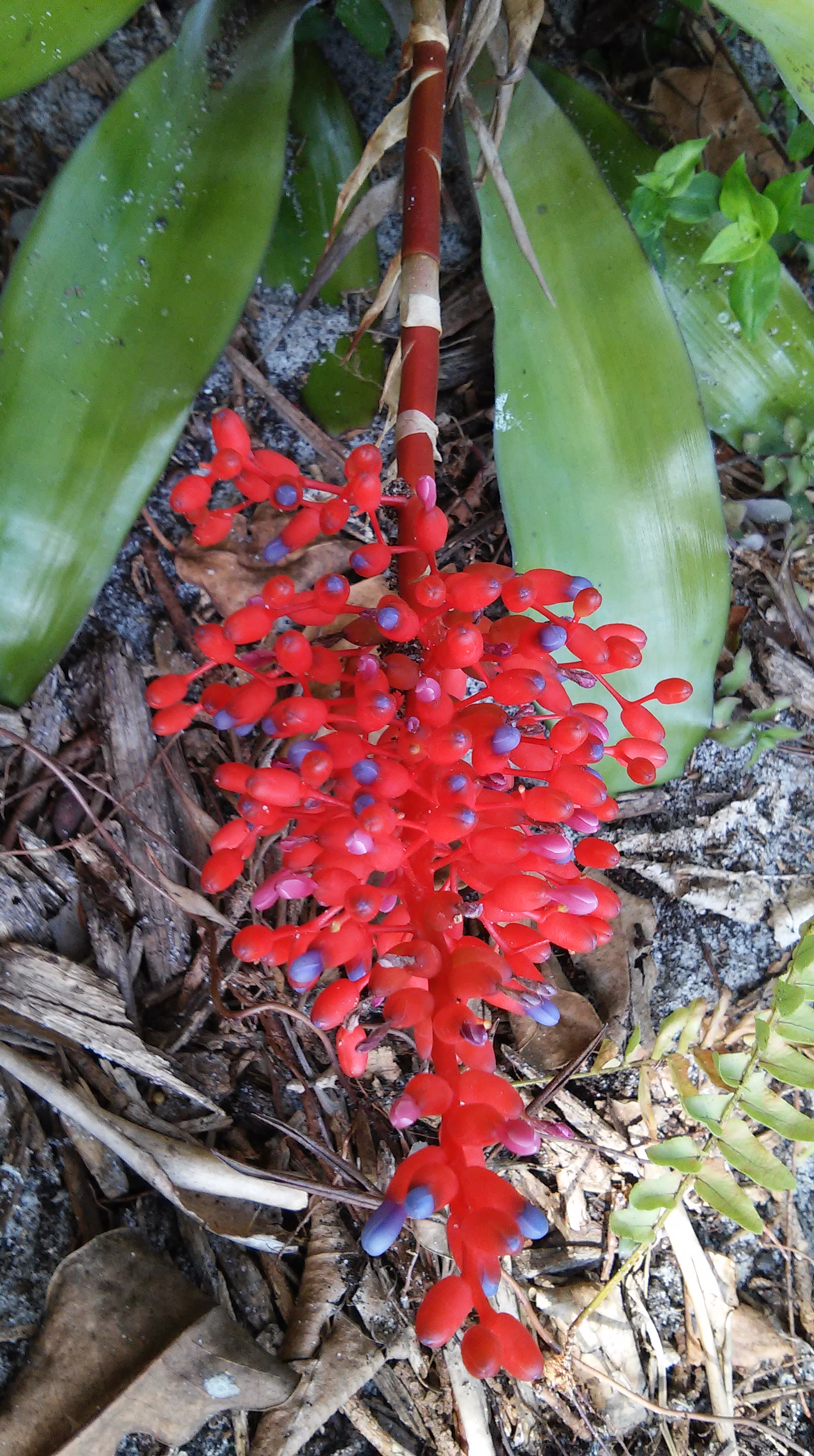
The rainforest Bromeliads also enjoy the summer. This is a Miniata Aechmea, it reminds me of red hots and is painfully easy to grow.

Miniata Bromeliad

Miniata Bromeliad

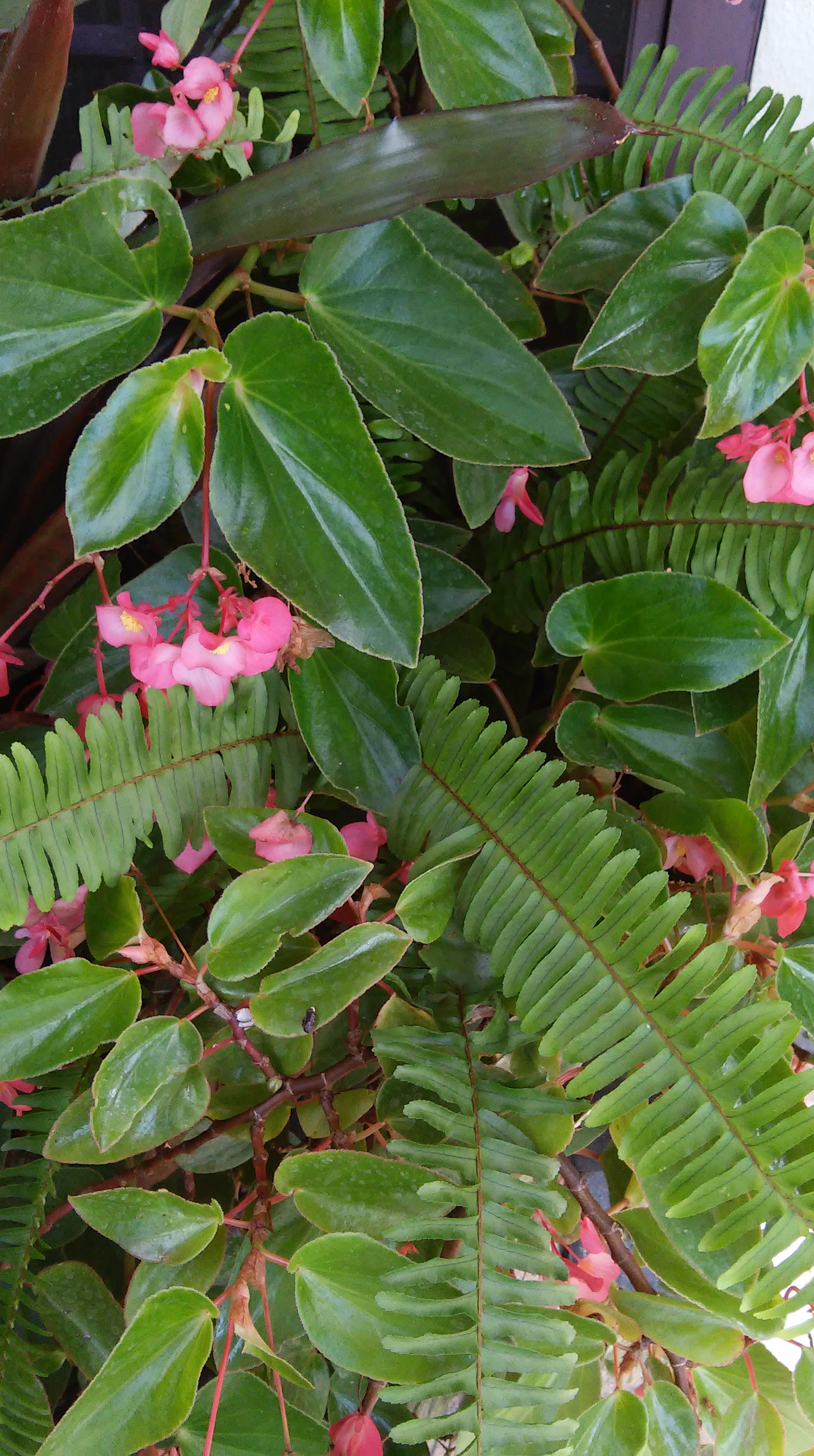
My final happy plant is a container garden actually. I have had this Dragonwing Begonia around for a couple of years, it was getting puny so I cut it back, found some Boston Fern in the yard (another wonderful native plant, it just comes up!) and put it on my front porch in part shade.

Dragon Wing Begonia and  Boston Fern.

Dragon Wing Begonia and Boston Fern.

Dragon Wings are a long time favorite of mine and I am happy I can grow them here, where they are apparently a perennial. I rooted some cuttings and they are quite happy as well. Heat and humidity are good for something!

I just looked at the weather app on my phone, it said 88 degrees but it feels like 108! I am going to stay inside and perhaps join my dogs on the cool tile floor. Although there is a promising looking group of clouds forming to the south.

Throw the books away

The sunsets and the dogs on the beach are great reasons to live in South Florida. Trying to figure out how to garden here might be another story. Having spent most of my life 600 miles north of here, I thought I would be able to buy some books about what grows here and figure it out. Come to find out there really aren’t any good books.

The title sounds like something Hitler might have done. Actually, it was a bit of advice given to me by a longtime Treasure Coast gardener a few years ago. I had been lamenting the lack of good gardening information for our area and frustrated by what I had been reading in the Florida Gardening books. She said ‘throw the books away, they have no meaning here’.

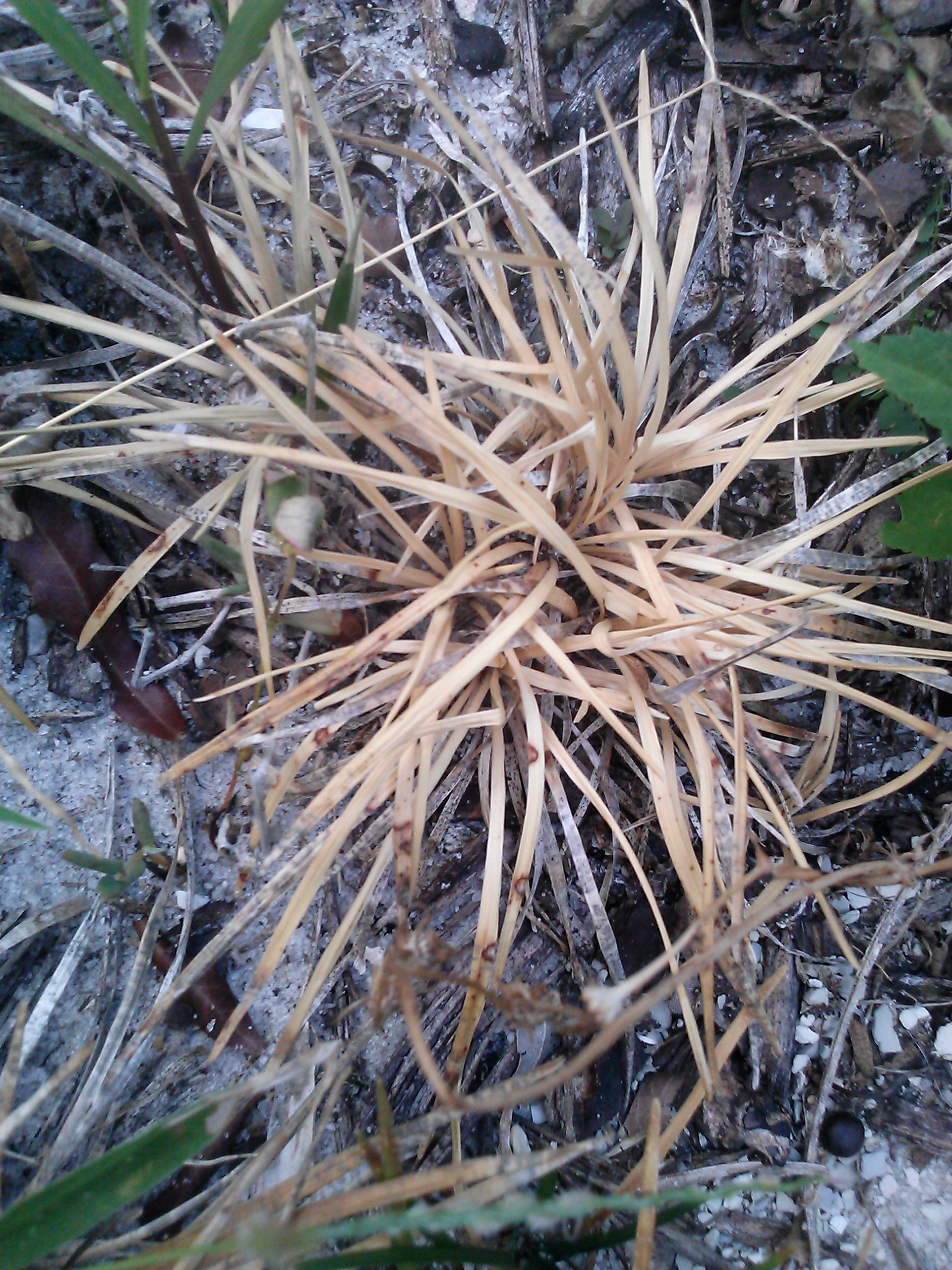
Mondo that has seen better days

Mondo that has seen better days

This kernel of knowledge proved correct and popped into my brain this morning as I was looking at the charred remains of my Mondo Grass (that supposedly grows in Zone 10 – where I live) My suspicion is Mondo Grass will grow in Zone 10 if you import soil and water for it and keep an umbrella over it at all times, otherwise, forget about it. I had Mondo Grass further north and it was a reliable nearly indestructible groundcover. It was used as lawn in places too shady for turfgrass.

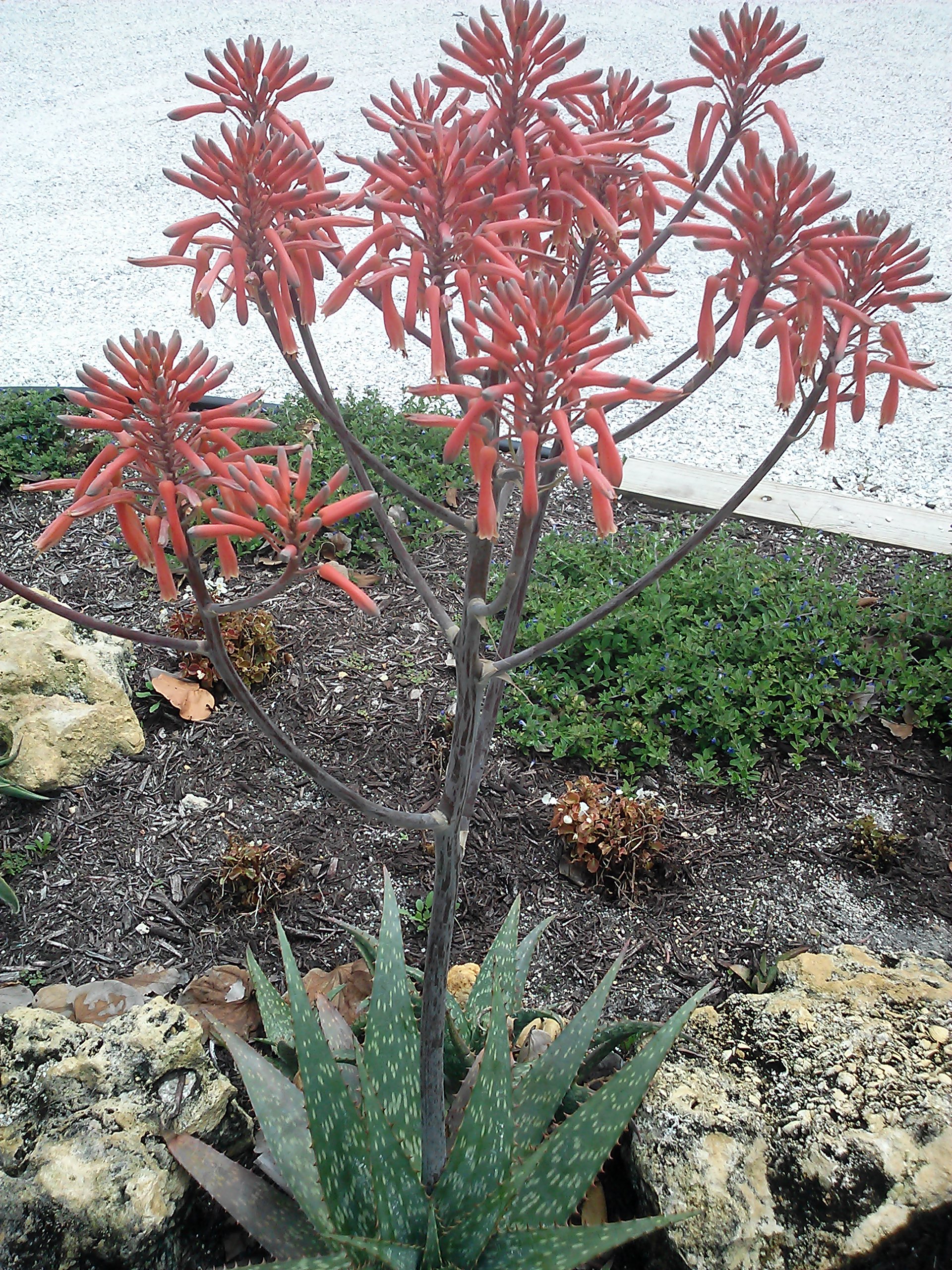
The Mondo Grass was my last rely on the books installation. My other major char broil was Bronzeleaf Begonias, which I did not even know could be burned up. I planted them in front of my Soap Aloe in my South facing front yard. Once the summer started they curled, browned, withered and unceremoniously died. The Aloe looked and still looks great. I feel bad about throwing away the offshoots sometimes, but not everybody wants a Soap Aloe. Instead of gaining sea legs on a ship, I am gaining sand legs in gardening. And usually end up covered in it.

Our Soapy Friend

Our Soapy Friend

This had left me wondering if it is really possible to write a useful gardening book with plant selection advice for a wide geographical area. I think not.

Collecting Treasure Coast Passalongs

It is entirely possible the term “Passalongs” is Southern American slang. In the Deep South gardeners typically pass along their favorite plants to friends and neighbors by seed, cutting or division. Once I was the happy recipient of an air layered old fashioned Gardenia. Hence the term Passalong Plants.

There are varying superstitions about proper receipt of these plants. One is you never say ‘Thank you’ because this will result in the plant’s immediate demise – this seems so strange to me as Southerns are, if anything, polite.

Many of these plants might be considered ‘Roadsidea’ as they are superhardy and likely to have been collected by an intrepid gardener for their outstanding flower or other characteristics.

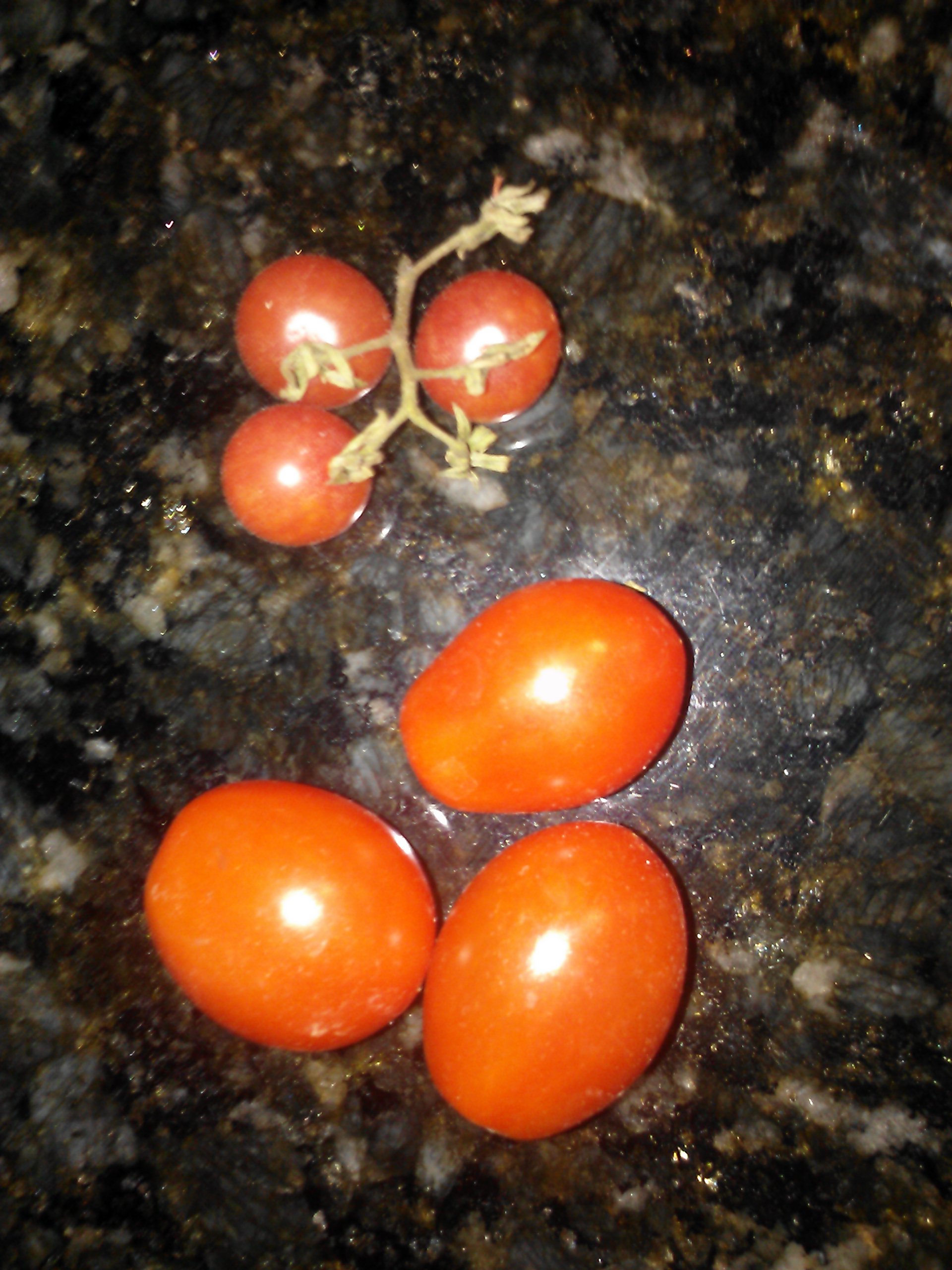
Everglades Tomatoes

Everglades Tomatoes

Here in South Florida, contrary to most of the Northern Hemisphere, the gardening season is winding down and gardeners are sharing plants for installation before the rainy season begins. In the case of the Everglades tomatoes, the seeds will be saved for planting next fall.

I am not so sure about the Everglades Tomato. They are the small tomato at the top of the picture, the bigger ones are Grape Tomatoes. These are native to the Everglades, hence the name, some people grow them year round. To me, they have a beefy taste and are too small to get the full tomato experience. I want a burst of sunshine when I bite into a tomato. I may have to stick with my favorite Sweet 100s.

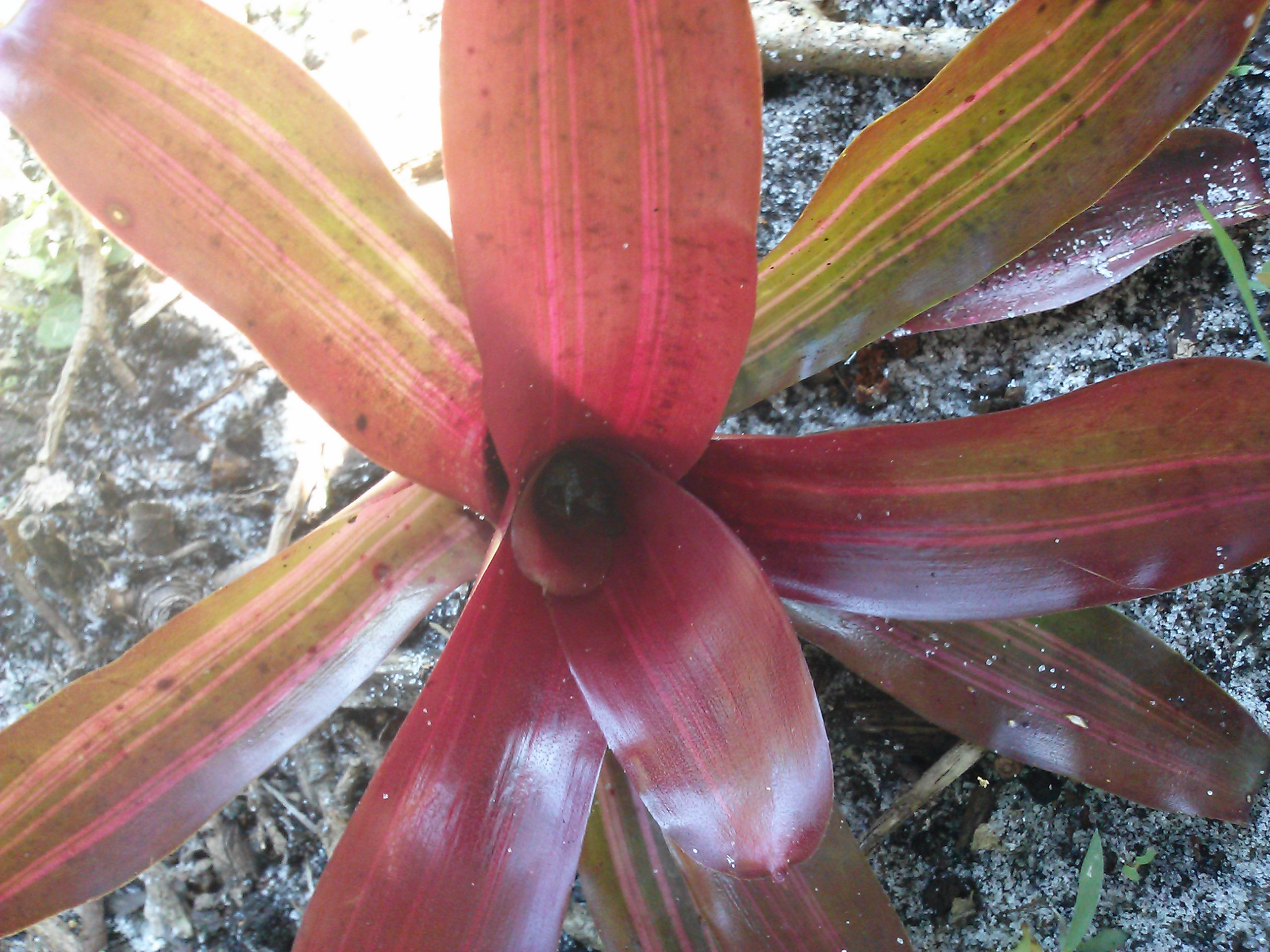
I call these Groundcover Bromeliads, they are some type of Fireball Neoregelia, maybe Atomic. Commonly sold at Garage Sales and passed along by division. I have striped, spotted and red. They spread and form a groundcover. I find that I am not worried as many gardeners about botanical nomenclature when I find a great deal at a garage sale. Please forgive me for spreading ambiguity.

Groundcover Bromeliad

Groundcover Bromeliad

Groundcover Bromeliad

Groundcover Bromeliad

Painted Fingernail Bromeliad

Painted Fingernail Bromeliad

This is the aptly named Painted Fingernail Bromeliad, an Aechmea variety. My neighbor gave me a few pups from her plants. I saw these growing by the side of the road for a long time before I managed to find out what they were. Like many passalong plants, these prove to be pretty indestructible and will grow in sun or shade.

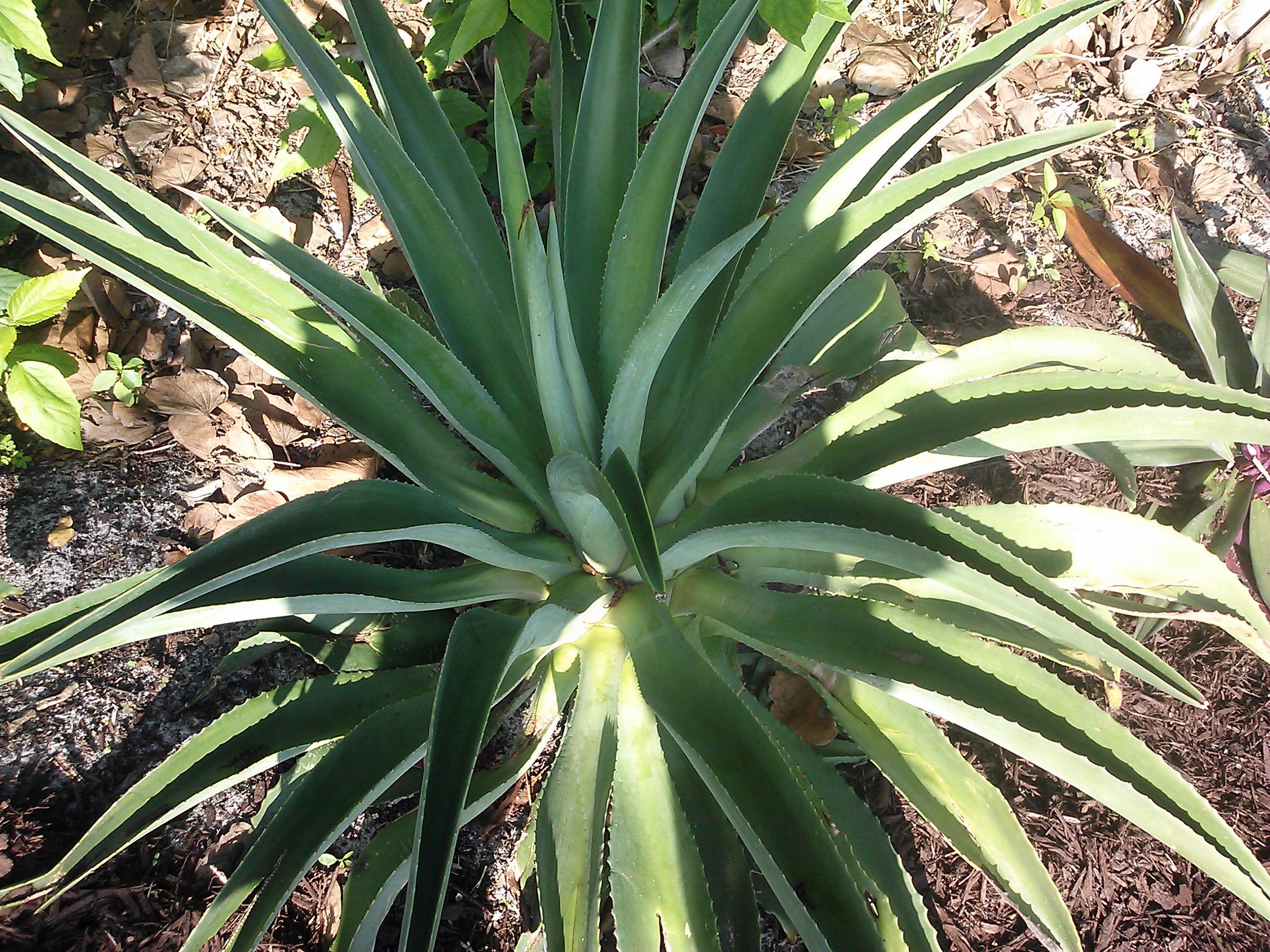
Succulents are another excellent passalong as they reproduce quickly with side shoots. Just break one off and replant in hot sun and infertile soil. They may need water once or twice. The Agave and Soap Aloe are from my friend, Eddie.

To a certain extent all of these plants are a double edged sword. Yes, they thrive in our difficult environment. Maybe a little too well. If not maintained through careful sharing, the garden could be at risk of being overrun. I wouldn’t mind with the Bromeliads, except they are pretty sharp as are the succulents. So, mine are kept at bay and cleared from the edges of walkways.

Now that I have collected all these plants, I have some ready to pass along, should anyone need a new plant or two t try. I do hate to throw plants away.

Chopped Gardening

One of my guilty pleasures is watching Foodtv. I have a few favorite shows that are religiously recorded for later viewing, Chopped is one. For those of you not familiar with Chopped, a group of four chefs is given a basket of sometimes bizarre food items – say, venison, gumdrops, cinnamon liqueur, broccoli rabe and rice cereal, then the goal is to make a gourmet three course meal  (using the basket ingredients) within a certain timeframe. Other ingredients may be added, but all the basket items must be used. The chef’s food is reviewed on a course by course basis until all but one is left. That chef wins and the rest are chopped.

I was standing outside contemplating where to plant the odd assemblage of plants I had acquired when I realized that my garden is a continuous episode of Chopped. My ingredients are plants. Gardening in Florida adds a few wrinkles to the design process – interesting things just tend to pop up in the garden and there are numerous irresistible plant sales. Then a friend or neighbor leaves an interesting plant on the doorstep. It’s a dilemma.

After two years of dreadful well water, we joyfully hooked up to our public water system last year. I had left a blank spot down our side property line for the purpose of running the line to our house. After the water line installation was complete the plan was to finish the side landscaping.

Life intervened and I had to have hernia surgery. Doctor said in four weeks it should heal. Sounds great, by the way it could take up to six months. It took 5 months, two weeks and then I could move things around in the garden that weighed more than 2 pounds.

The side garden is now weed o rama and I have more than the usual stockpile of odd plants to use in the landscaping:

From friends:

American Agave

American Agave

Large  Orange Blanchetiana Bromeliad

Large Orange Blanchetiana Bromeliad

Things that have just popped up in the yard: Orange Clerodendrum, Pink Pentas, Boston Fern, White Spider Lilies, Pink Rain Lilies and Purple Oyster Plants. A Plant Palette I could not have dreamed up.

How to combine all of these plants in addition to my usual collection of 5 or so Bromeliads is taxing my brain. It’s a real episode of Gardening Chopped. I hope I make it through the first round.

Fallout from Botanica

South Florida is rife with Garden fairs during the winter. This past weekend I went to Botanica in Port St. Lucie. Port St. Lucie is not what I would consider a garden spot, but for some reason they have a great botanical garden run by a very enthusiastic group of volunteers.

Botanica was held at the McKee Botanical Garden. At other times of the year they have a propagation area that sells rooted cuttings from their gardens. It is fun to meet fellow plant nerds and pick up a few Bromeliad cuttings.  Not this time, I pulled into the parking lot and realized this was a bigger event than a few cuttings. At least 4o vendors and a food court. I was in trouble. I had been to the bank.

I walked through most of one side and was not really tempted then through the propagation area. The prices had doubled since last summer, so I was again not tempted. Then I got to the other side of the lake..

The three for 10 dollar Bromeliads! One of the issues with buying Bromeliads in this manner is the sellers tend to have no idea what kind of Bromeliad they have. The seller advised me the larger one had blue flowers and was adaptable to light. Which really means do not plant in full sun or you will charco-broil the plant and be out three bucks. The others I am pretty sure are some sort of Fireball Neoregelia, I have some similar ones in the garden. Now potted, they have joined their friends from my last foray in plant shopping at Gardenfest.

My Growing Collection

My Growing Collection

The Palm Man, I believe he was called, grows Palms in his backyard nearby. The Palms were beautiful and so were the prices. I succumbed, and bought two Palms.

One of my favorite interior Palms, a Lady Palm – I can now grow these outside, so I bought one.

Lady Palm

Lady Palm

This is a Rhaphis excelsa, native to Southeast Asia Rainforests and highly shade tolerant. I have just the spot.

My next purchase was a Florida Thatch Palm, a new plant to me. One of the three palms native to Florida, this is a Thrinax radiata. Tolerant of sand, sea and alkaline soils. All things I have in abundance. Again, I have just the spot.

Florida Thatch Palm

Florida Thatch Palm

I did not quite violate my ‘never get a cart’ rule. Two nice young men from Junior ROTC showed up with a cart and met me at my car.

I have some planting to do this weekend, lest these palms turn into potted plants and spare parts for future use.

Proper Attire for H***strip Gardening

I learned a new term this week: Hellstrip. Hellstrip refers to the baking hot area between the street and sidewalk or driveway. A book has been published about these gardens and there is a Facebook page. Hellstrip has hit social media! Usually narrow and not easily watered these areas require some special consideration and are difficult for gardeners to conquer.

I had not realized I even had a HELLSTRIP and the truth is I kind of like it. When my husband and I bought our house there was a Jacaranda in the strip that could literally be seen through. The top of the tree had been blown out and the crotch had rotted to the point you could catch glimpses of the house through the trunk from the street. Fearing an unstructurally sound tree, I had the Jacaranda removed. What grew under the tree might kindly be referred to as sand spurs.

The sand spurs took a bit of work to get rid of as nothing really kills them except removal and they reseed heavily. Gallons of vinegar later and with the construction of a new driveway, I had a blank palette.

With a bit of research and observation I determined the plant list and began to install.

First, a native and very drought tolerant tree, The Gumbo Limbo. Gumbo Limbos are wonderful Shade Trees but pretty basic. Then to the underplantings, I searched native beach plants and looked for extremely tolerant passalongs, here is what I found:

The Sunflowers and Muhly Grass are native, the rest are imports that are very drought tolerant. Worst comes to worst, I can make some tequila from the Agave..

Dune Sunflower Helianthus debilis

Dune Sunflower
Helianthus debilis

Painted Fingernail Bromeliad

Painted Fingernail
Bromeliad

Blue Agave

Blue Agave

Martin Bromeliad

Martin Bromeliad

Muhly Grass

Muhly Grass

The composition might seem a bit weird, but I have color year round and throw some water around every now and again. All the plants are doing well, with no irrigation whatsoever and growing in the poorest excuse for soil I have ever encountered.

Now, the question, the attire for Hellstrip Gardening, I propose this:

Animal Print Bustiers

Animal Print Bustiers

Maybe worn with Combat boots? I’ve been meaning to get a tattoo, maybe of my favorite Bromeliad….


New Years Day in My Garden

The turning of the year is a time for taking stock of what you have and looking forward to the future of what will be added to the garden. Here is what is currently in bloom in my garden.

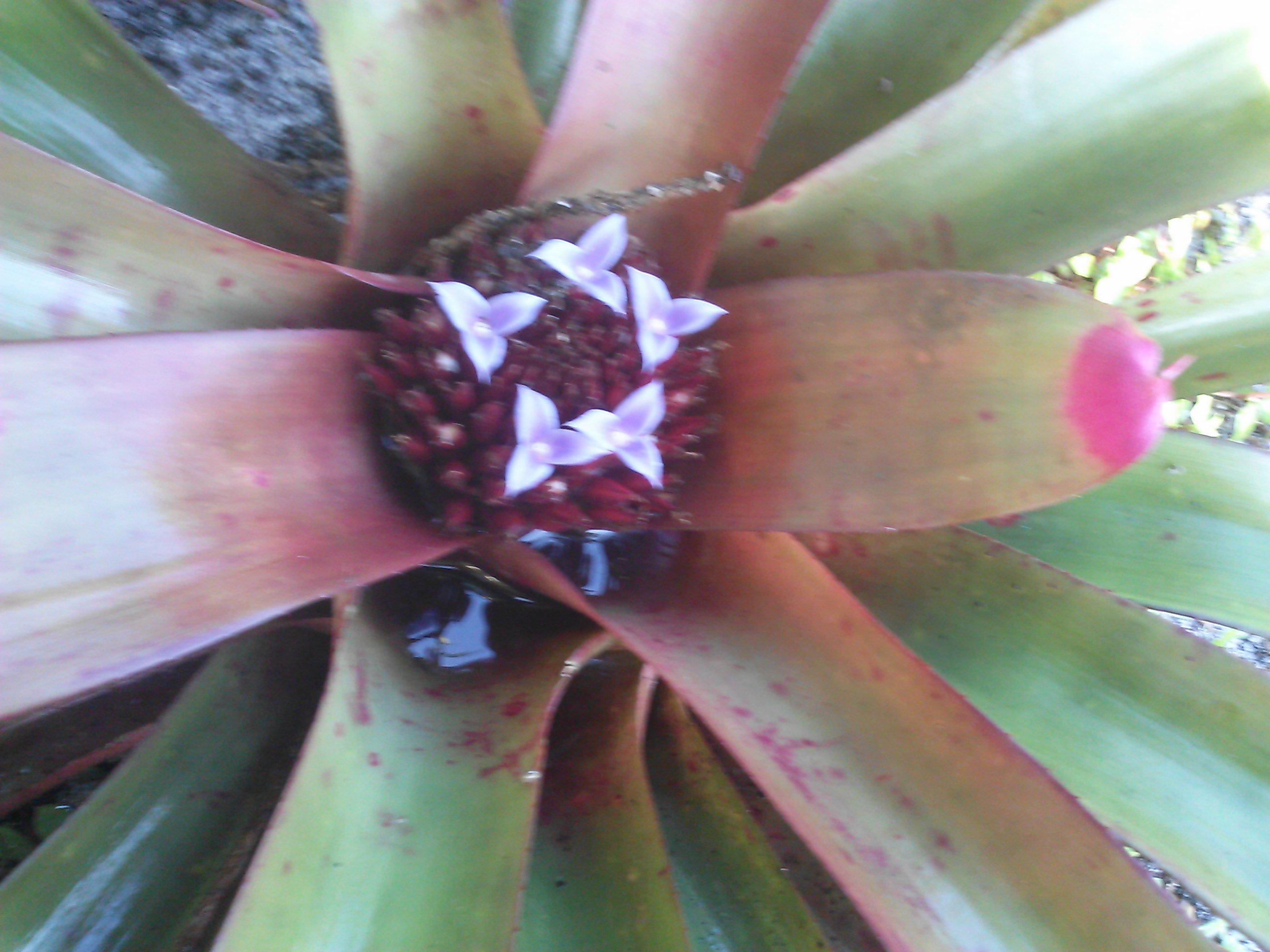
This is an Aechmea Bromeliad and outstanding in its interesting flower. I have a feeling I am going to find out that is a bract or something.

Blanchetiana Bromeliad

Blanchetiana Bromeliad

This is an unnamed cultivar of Heliconia, I see it called Parrotflower in the trade. I have yet to see a parrot.

Sweet Begonias are new to me, Begonia odorata, I rarely catch the scent from this, but it has been blooming nearly nonstop since last spring.

Heliconia psittacorus

Heliconia psittacorus

Sweet Begonias

Sweet Begonias

Doesn’t everyone have a Purple Oxalis?

Purple Oxalis

Purple Oxalis

This may be my new favorite plant, a native groundcover used for controlling beach erosion, the Dune Sunflower was planted in the middle of summer in an unirrigated bed by the side of the road. I bought the plants on sale for $1.oo(US) each because they looked bad and the grower wanted to get rid of them. A couple of months later and a little TLC and these are madly blooming with little care. What’s not to like?

Dune Sunflower Helianthus debilis

Dune Sunflower
Helianthus debilis

The Tibouchina is another sporadic bloomer, love the purple though. The Shrimp Plants have been blooming nearly nonstop since last spring on my porch. I have unsuccessfully tried to root them.

The Glory of the Princess Flower

Tibouchina

Shrimp Plant Pachystachys lutea

Shrimp Plant
Pachystachys lutea


Some of these plants bloom nearly year round like the Ixora below, I call this the Azalea of South Florida because most people who garden have a few. A reliable plant that comes in several colors and sizes.

Dwarf Red Ixora Ixora taiwanensis
Dwarf Red Ixora
Ixora taiwanensis


I feel as if I have been making steady progress in the garden having started it almost three years ago. I have definitely learned a lot about tropical plant material, and am looking forward to learning more.

My next project is to divide the bromeliads as the cooler weather has them sending up pups:

Burgundy Aechmea Bromeliad

Burgundy Aechmea Bromeliad

Then replant my herb garden, I found Lemon Thyme here last week after a three year quest and am very happy.

Happy New Year and Happy Gardening.