Collecting Treasure Coast Passalongs

It is entirely possible the term “Passalongs” is Southern American slang. In the Deep South gardeners typically pass along their favorite plants to friends and neighbors by seed, cutting or division. Once I was the happy recipient of an air layered old fashioned Gardenia. Hence the term Passalong Plants.

There are varying superstitions about proper receipt of these plants. One is you never say ‘Thank you’ because this will result in the plant’s immediate demise – this seems so strange to me as Southerns are, if anything, polite.

Many of these plants might be considered ‘Roadsidea’ as they are superhardy and likely to have been collected by an intrepid gardener for their outstanding flower or other characteristics.
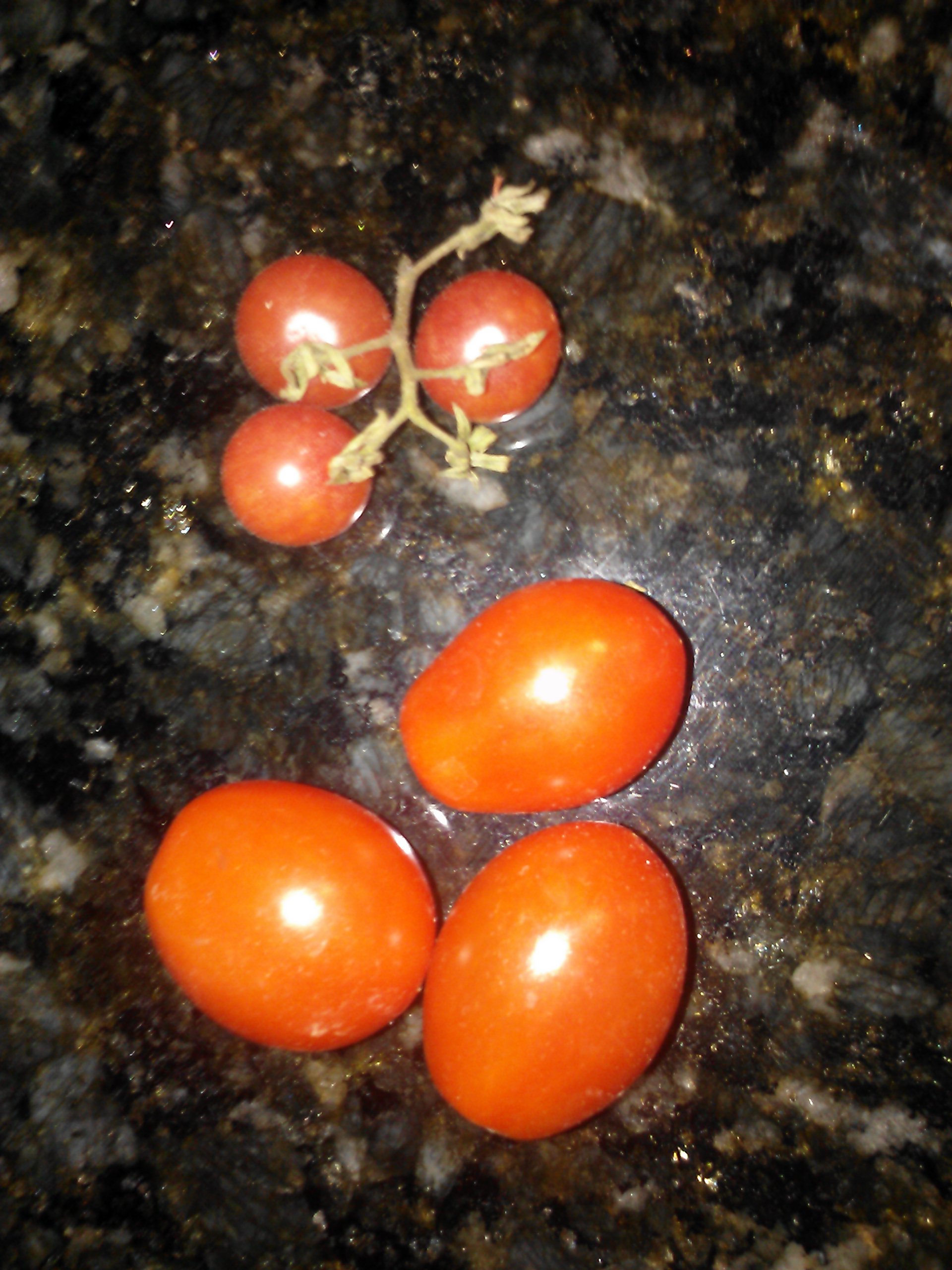
Everglades Tomatoes

Everglades Tomatoes

Here in South Florida, contrary to most of the Northern Hemisphere, the gardening season is winding down and gardeners are sharing plants for installation before the rainy season begins. In the case of the Everglades tomatoes, the seeds will be saved for planting next fall.

I am not so sure about the Everglades Tomato. They are the small tomato at the top of the picture, the bigger ones are Grape Tomatoes. These are native to the Everglades, hence the name, some people grow them year round. To me, they have a beefy taste and are too small to get the full tomato experience. I want a burst of sunshine when I bite into a tomato. I may have to stick with my favorite Sweet 100s.

I call these Groundcover Bromeliads, they are some type of Fireball Neoregelia, maybe Atomic. Commonly sold at Garage Sales and passed along by division. I have striped, spotted and red. They spread and form a groundcover. I find that I am not worried as many gardeners about botanical nomenclature when I find a great deal at a garage sale. Please forgive me for spreading ambiguity.

Groundcover Bromeliad
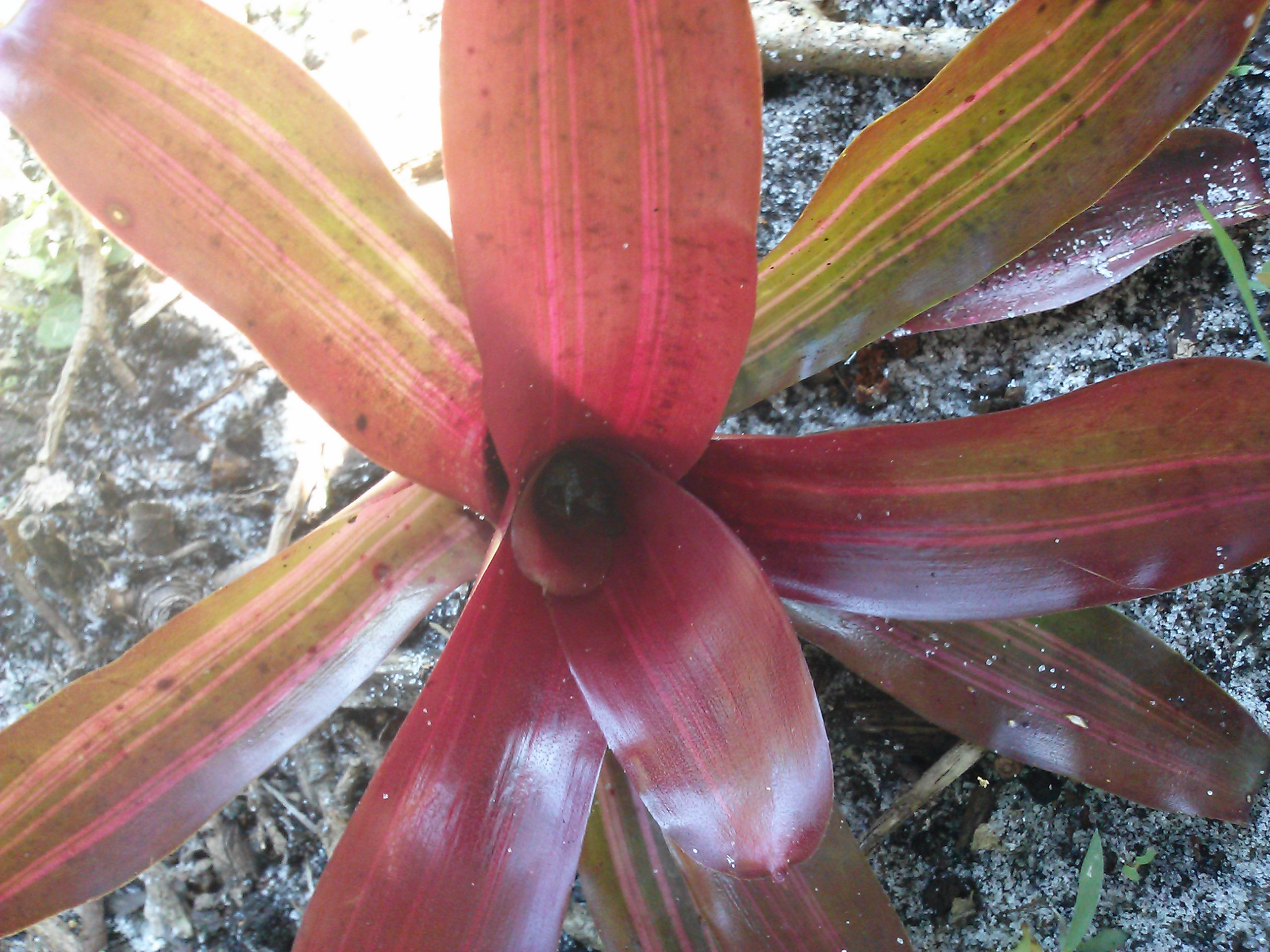
Groundcover Bromeliad
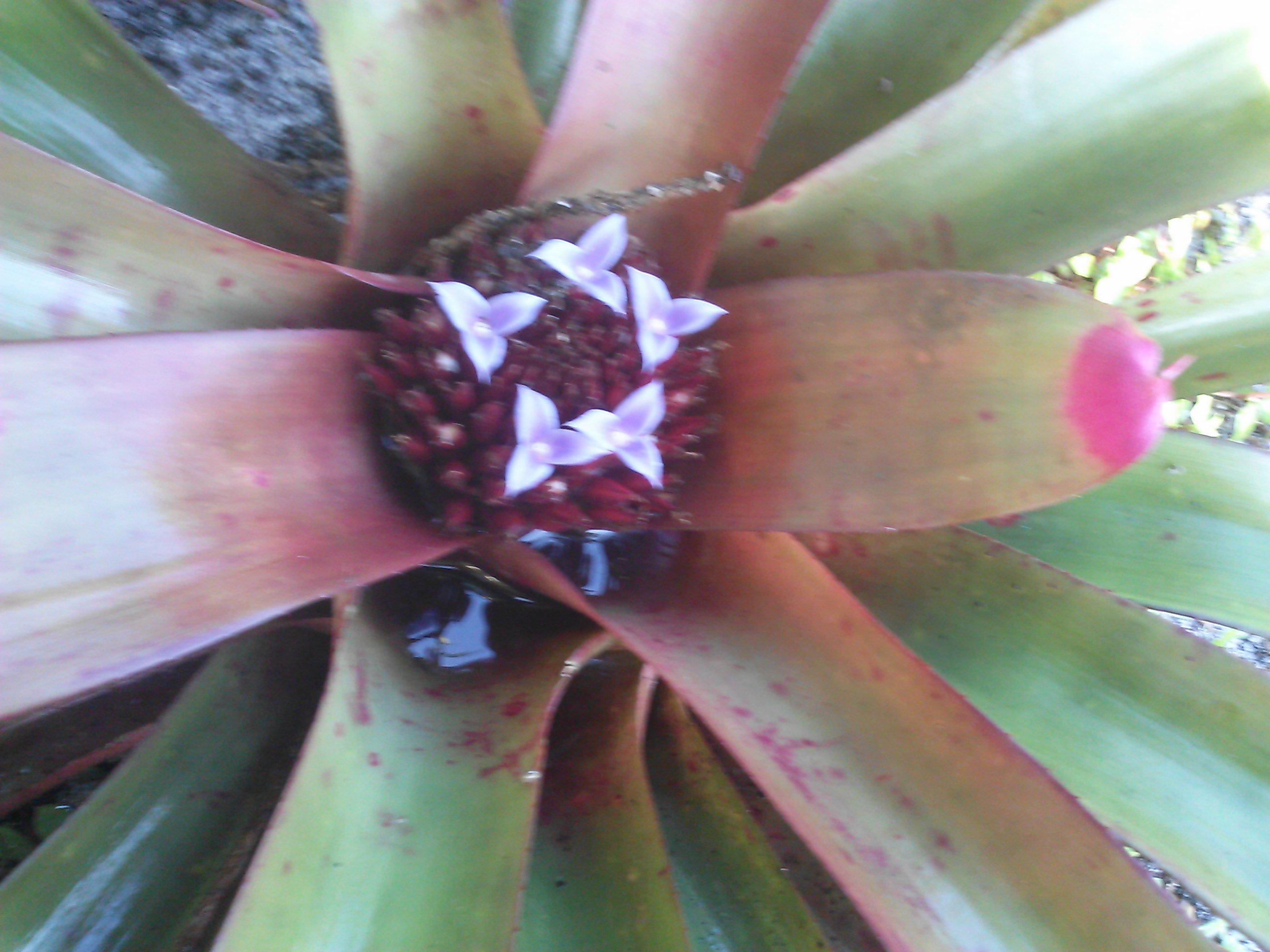
Groundcover Bromeliad

Groundcover Bromeliad

Painted Fingernail Bromeliad

Painted Fingernail Bromeliad

This is the aptly named Painted Fingernail Bromeliad, an Aechmea variety. My neighbor gave me a few pups from her plants. I saw these growing by the side of the road for a long time before I managed to find out what they were. Like many passalong plants, these prove to be pretty indestructible and will grow in sun or shade.

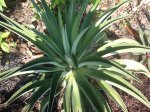
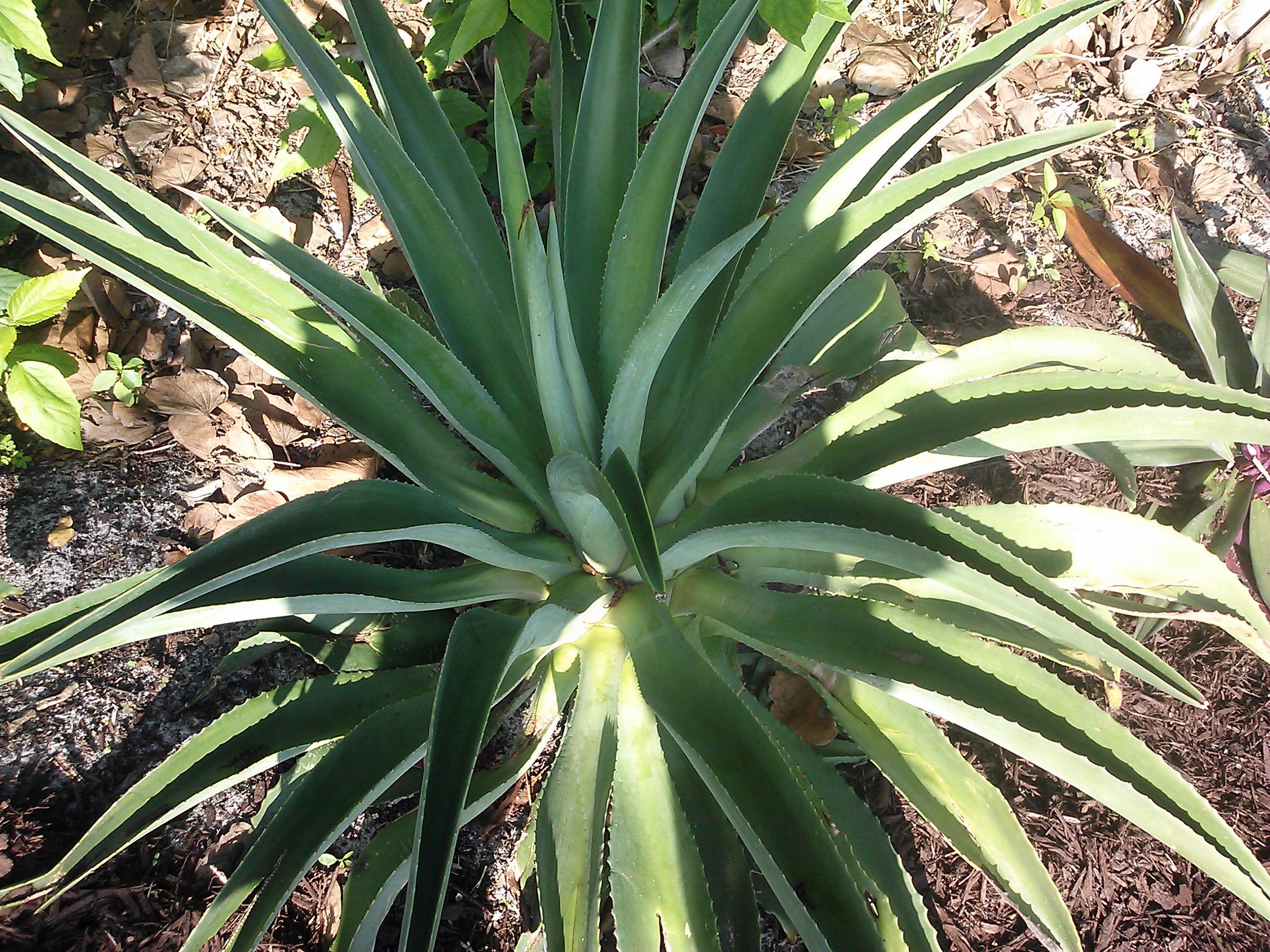
Succulents are another excellent passalong as they reproduce quickly with side shoots. Just break one off and replant in hot sun and infertile soil. They may need water once or twice. The Agave and Soap Aloe are from my friend, Eddie.

To a certain extent all of these plants are a double edged sword. Yes, they thrive in our difficult environment. Maybe a little too well. If not maintained through careful sharing, the garden could be at risk of being overrun. I wouldn’t mind with the Bromeliads, except they are pretty sharp as are the succulents. So, mine are kept at bay and cleared from the edges of walkways.

Now that I have collected all these plants, I have some ready to pass along, should anyone need a new plant or two t try. I do hate to throw plants away.

Avoiding the Technicolor Yawn

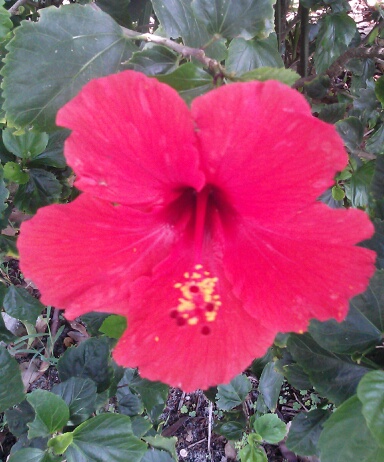
Red Hibiscus

Red Hibiscus Flower

One of my horticulturally oriented friends used to say “those annual beds look like Mickey Mouse threw up”. You know the ones; the aptly named “Cocktail Mix” Begonias backed up by Multi colored Caladiums. A kaleidoscope of red, pink, white and green so variegated you can’t focus and then start feeling queasy.

I realized the bed I was trying to use my entire assorted collection of plants waiting to be planted (that I bought because they were interesting or a great bargain or I had never seen one before or..) in was headed in that direction and decided to settle the colors down before I planted something ghastly. Colors were edited to this:

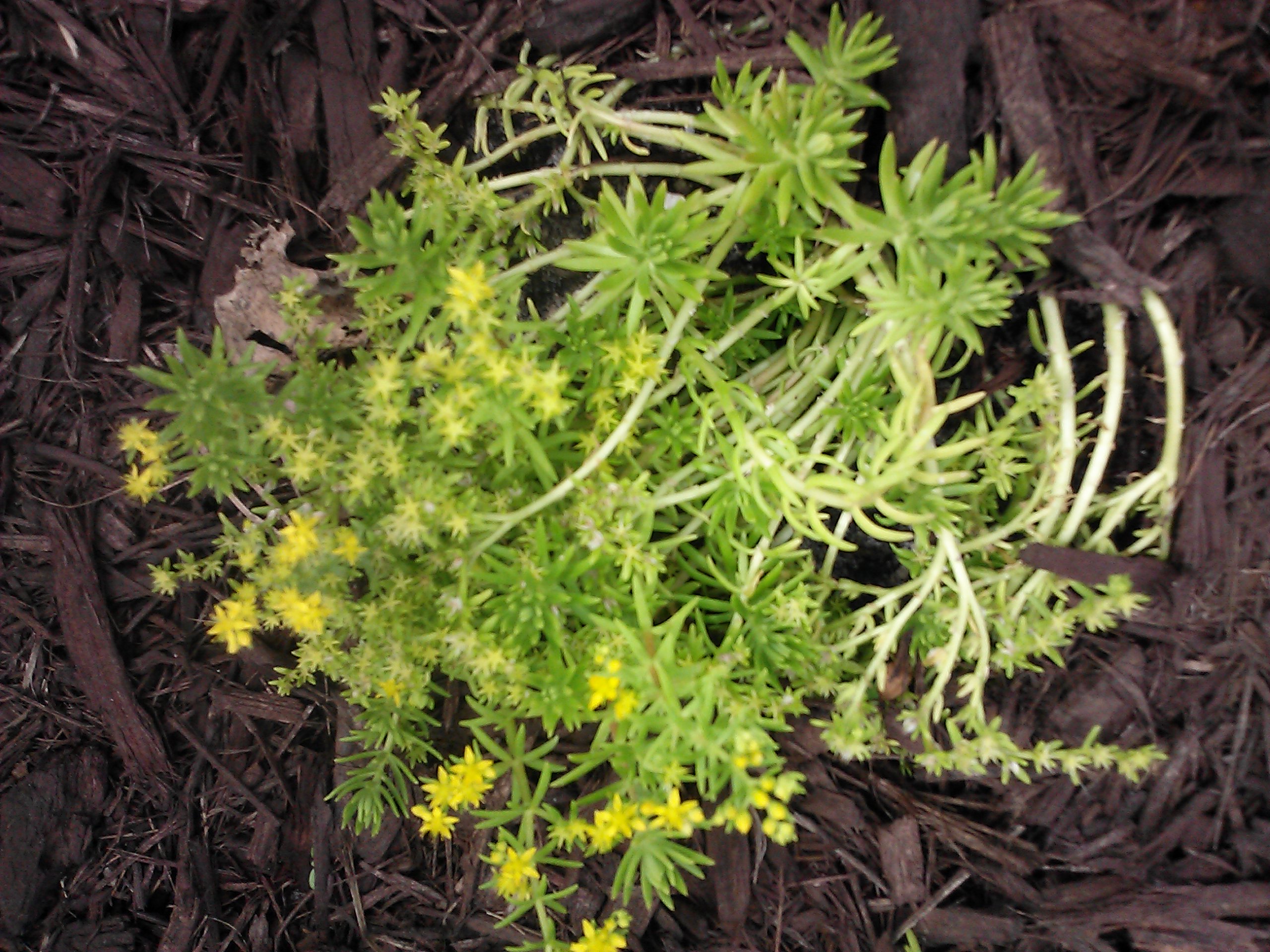
Then I added two green textures:

Sedum

Sedum

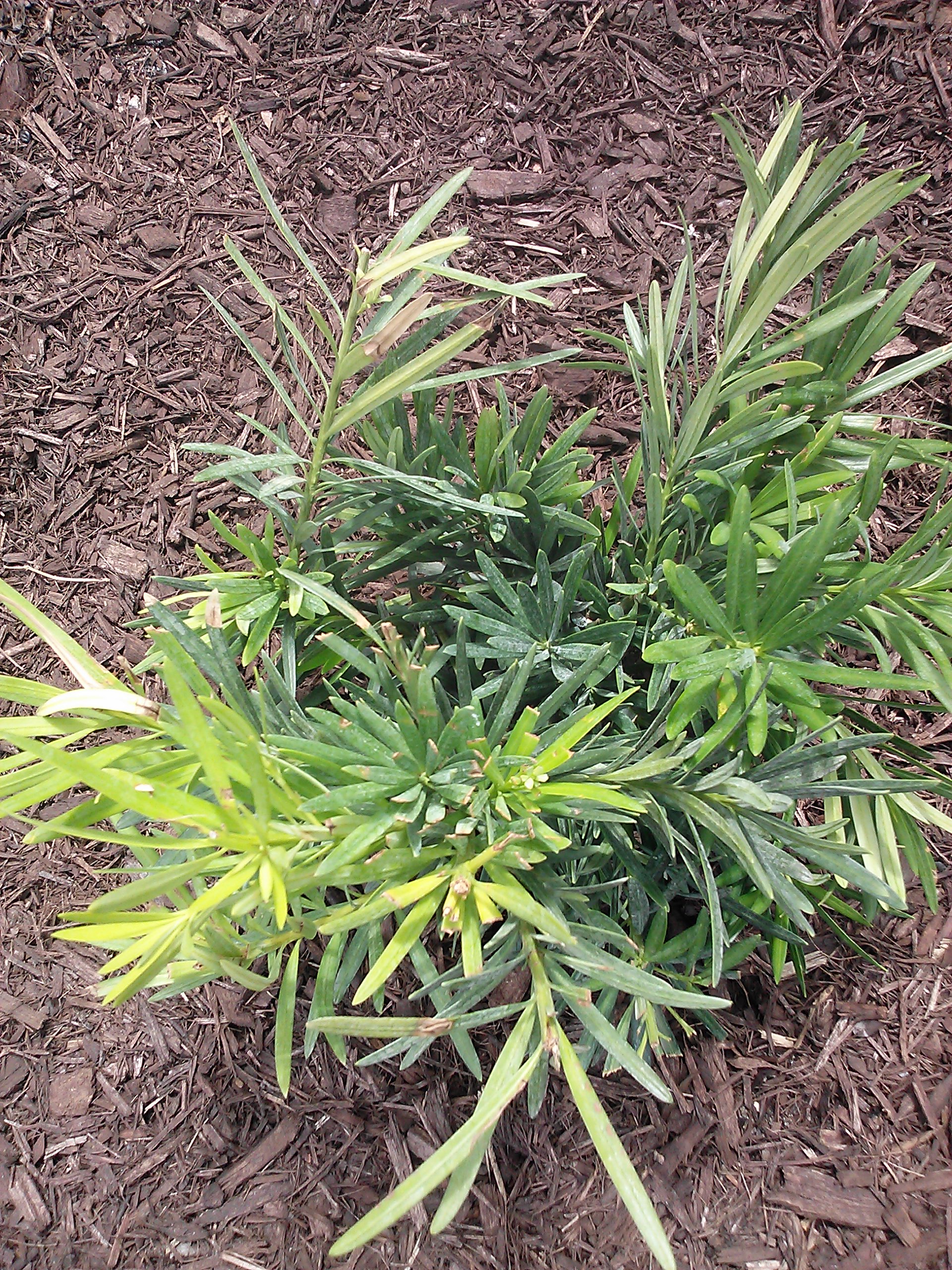
Pringles Dwarf Podocarpus

Pringles Dwarf Podocarpus

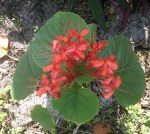
There is an ancient Red Hibiscus at the end of the bed (the top photo) it doesn’t bloom often, so I am hopeful no one ends up nauseated. My problem is I still have 10 or 15 assorted plants around and I just bought two more.

Weirdness Wednesday

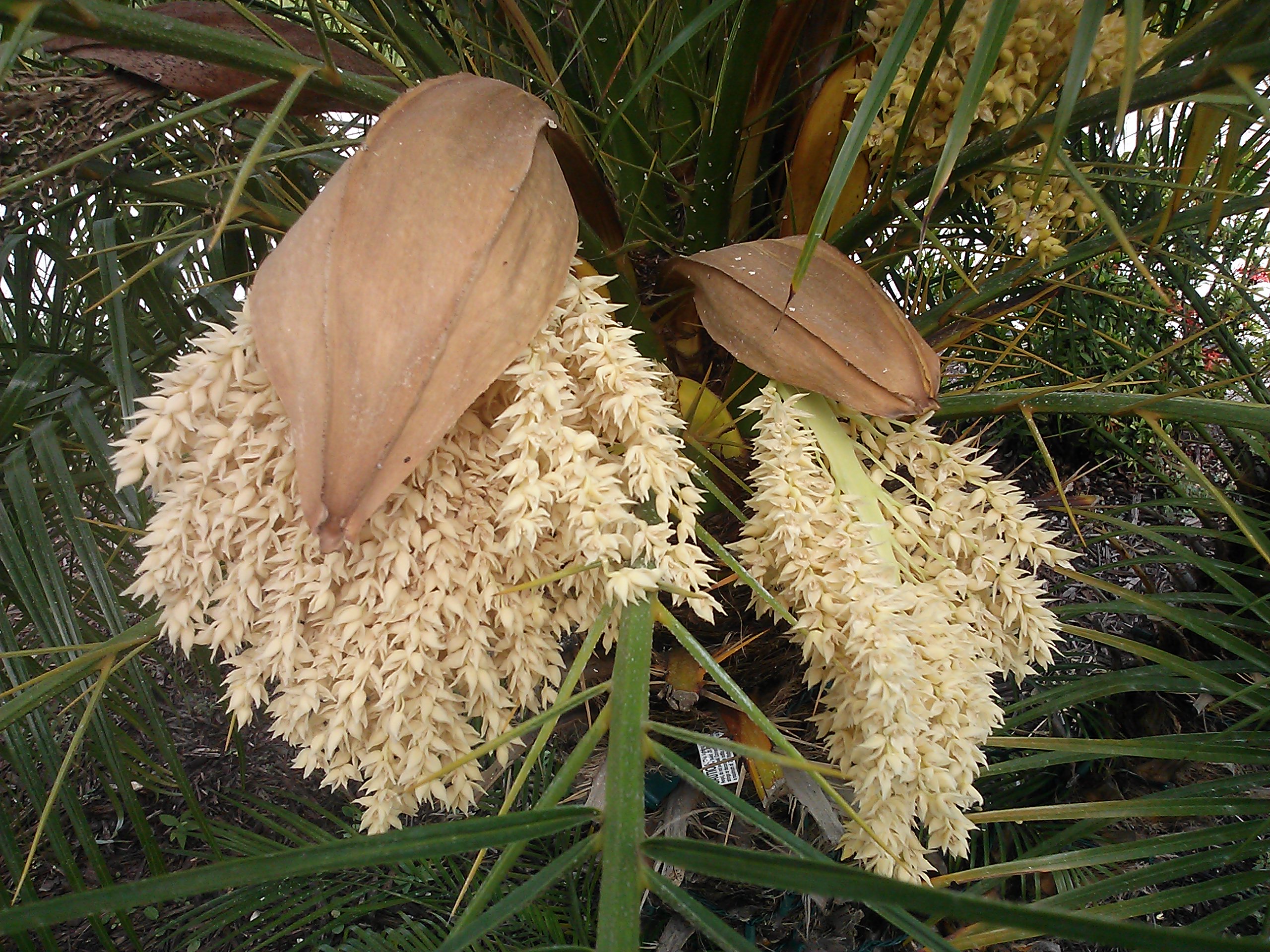
Pygmy Date Palm Flowers

I was walking through my house this morning and glanced out the side door for a moment and spied a large bird walking down the driveway. Like four feet long. Upon further study, I realized it was a Peacock! Very strange. I grabbed my camera and went out the front door to sneak up on the bird and get a picture.
And the bird was gone. Vanished. Had I dropped some acid last night and forgotten?

I did see the Pygmy Date Palm flowering and took a picture of that (above) Because, well, that is pretty weird as well.

Later I realized that Peacock must have been one of the ancestors of Frances Langford’s famous flock. Frances Langford was a movie star who lived nearby in the 1950’s and had a Polynesian style resort with a flock of Peacocks.

No acid was taken here. I did have another cup of coffee.

Chopped Gardening

One of my guilty pleasures is watching Foodtv. I have a few favorite shows that are religiously recorded for later viewing, Chopped is one. For those of you not familiar with Chopped, a group of four chefs is given a basket of sometimes bizarre food items – say, venison, gumdrops, cinnamon liqueur, broccoli rabe and rice cereal, then the goal is to make a gourmet three course meal  (using the basket ingredients) within a certain timeframe. Other ingredients may be added, but all the basket items must be used. The chef’s food is reviewed on a course by course basis until all but one is left. That chef wins and the rest are chopped.

I was standing outside contemplating where to plant the odd assemblage of plants I had acquired when I realized that my garden is a continuous episode of Chopped. My ingredients are plants. Gardening in Florida adds a few wrinkles to the design process – interesting things just tend to pop up in the garden and there are numerous irresistible plant sales. Then a friend or neighbor leaves an interesting plant on the doorstep. It’s a dilemma.

After two years of dreadful well water, we joyfully hooked up to our public water system last year. I had left a blank spot down our side property line for the purpose of running the line to our house. After the water line installation was complete the plan was to finish the side landscaping.

Life intervened and I had to have hernia surgery. Doctor said in four weeks it should heal. Sounds great, by the way it could take up to six months. It took 5 months, two weeks and then I could move things around in the garden that weighed more than 2 pounds.

The side garden is now weed o rama and I have more than the usual stockpile of odd plants to use in the landscaping:

From friends:

American Agave

American Agave

Large  Orange Blanchetiana Bromeliad

Large Orange Blanchetiana Bromeliad

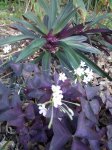
Things that have just popped up in the yard: Orange Clerodendrum, Pink Pentas, Boston Fern, White Spider Lilies, Pink Rain Lilies and Purple Oyster Plants. A Plant Palette I could not have dreamed up.

How to combine all of these plants in addition to my usual collection of 5 or so Bromeliads is taxing my brain. It’s a real episode of Gardening Chopped. I hope I make it through the first round.

Toad in my Freezer

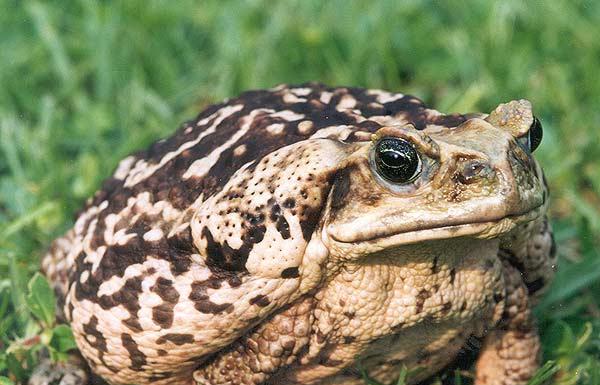
Florida, like other tropical environments has some peculiar wildlife, both native and introduced. The introduced kind seems to cause the most problems. The photo is of a Cane Toad, or Bufo Toad. The one I found in my driveway is currently residing in my freezer.

I am not necessarily fond of amphibians in my freezer or the unnecessary demise of wildlife. I had been warned about these toads, called Giant Killer Toads in the media, but had not seen one in my yard until recently. This is a toad that can literally kill your dog or cat. They were introduced to Florida to eat sugar cane pests. I have read they came from Puerto Rico or Australia.

The toads have large poison filled glands on either side that they shoot when disturbed. It is highly toxic to pets causing seizures and heart problems and eventually death if not treated.

A toad hopped into my Living Room the other night after my husband went out the side door. One of my greyhounds was sitting there looking at it when it dawned on me what it might be. I threw it out in the yard and went online to find a picture to identify it.

Sure enough, it was a Bufo Toad. My husband had gone to sleep so I was running around in my driveway (in my bathrobe) trying to capture the toad with a plastic tub. I managed to get the tub over him and decided to read up on the toads until morning. The following morning the toad was gone.

photo by Bill Waller, from Wikimedia Commons

photo by Bill Waller, from Wikimedia Commons

Having seen the interest my dog had in the toad I decided the best course was to get rid of it if I ever saw it again. After researching the most humane way to achieve this (chilling the toad until it falls asleep, then freezing it for at least two days because they can reanimate?!) And people imported these things voluntarily.

Last night we came home after dark and there was the toad sitting in the driveway. My husband picked it up, got sprayed with the venom (wearing gloves) and put it in a bucket. I chilled the bucket and left it alone for a couple of hours to find that the toad had indeed gone to sleep. Then I triple bagged it and stowed it in the freezer.

That is how I came to have a toad in my freezer.

Propagating Plumerias

I have a Bridal Bouquet Plumeria I like so much I decided to plant a hedge of them to screen my neighbor’s monumentally ugly fence. These are evergreen Plumeria with an upright habit, when planted about three feet apart, they are perfect for a six foot height skinny hedge.

Bridal Bouquet ready for a lei

Bridal Bouquet Plumeria

Given the plant’s reputation for ease of propagation, I decided to try growing the new plants from cuttings rather than buying them. I had such good luck with the plants I gave some as gifts.

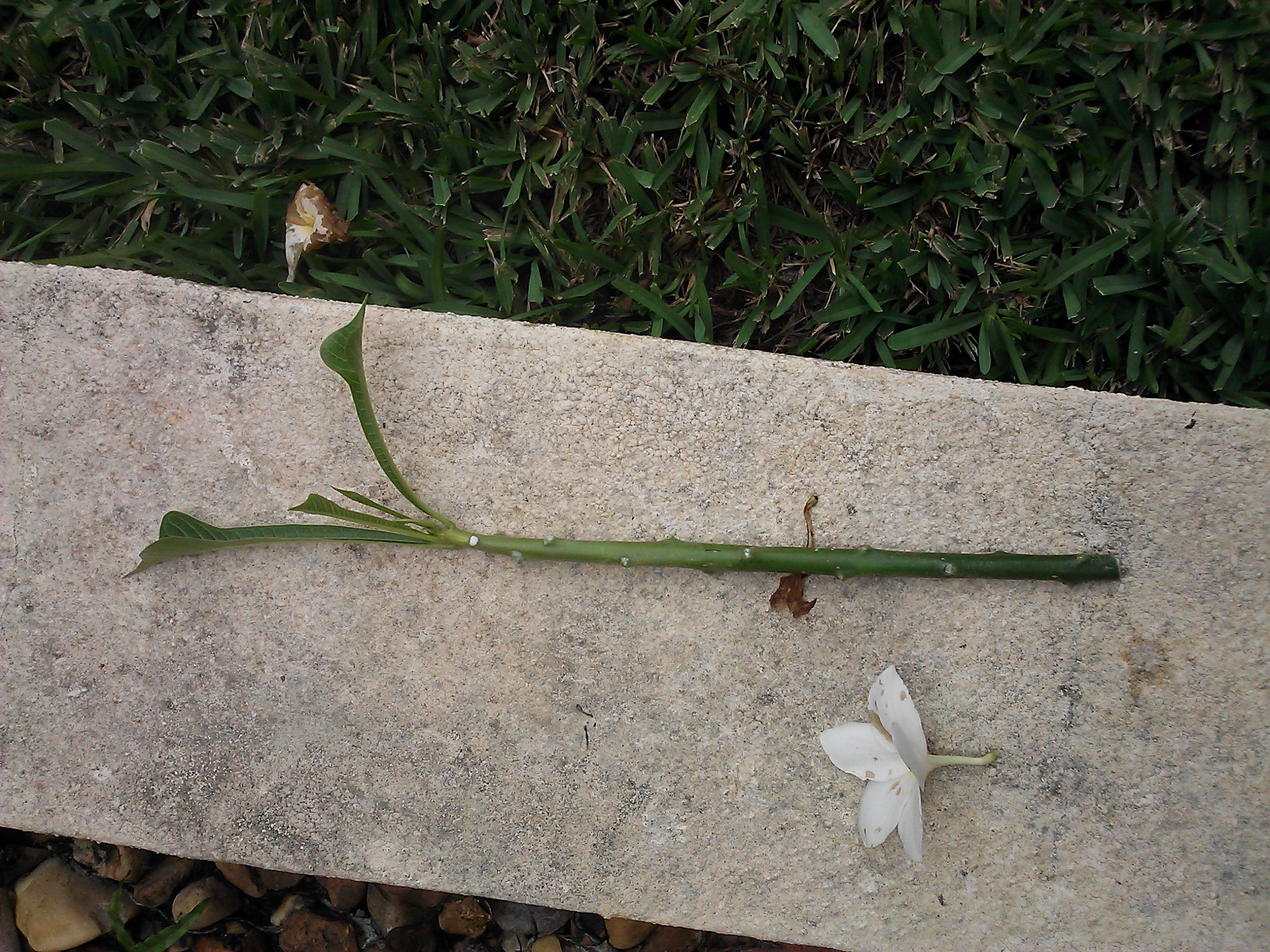
Propagation is simple, clip 4- 6″ long cuttings from the tips of the branches:

Cuttings

Cuttings

Next, strip all the leaves with the exception of the two or three at the top:

Stripped

Stripped

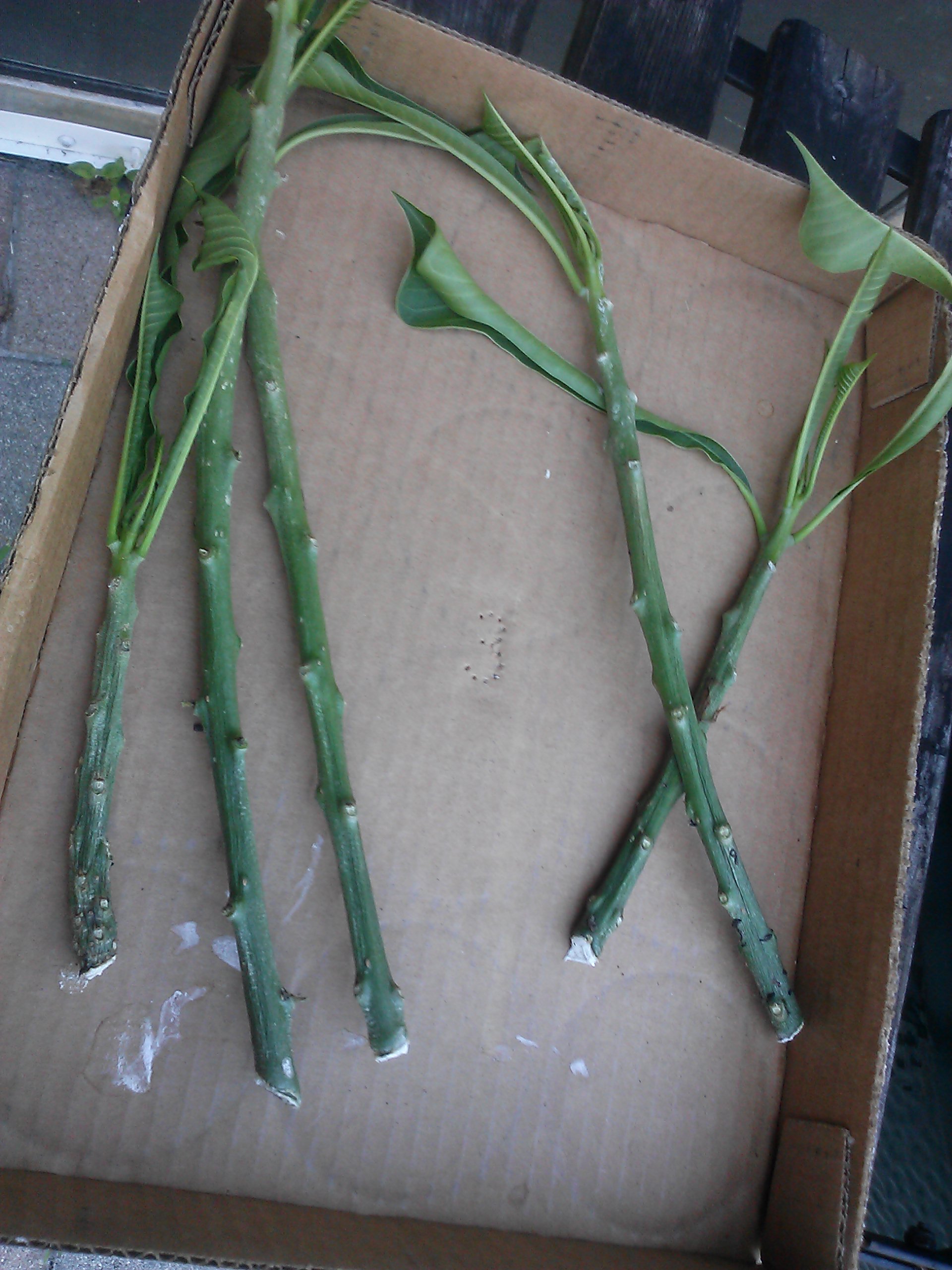
The cuttings tend to ooze white liquid so, put them on some cardboard and let them dry in a shady area until the stems appear to have healed.

Drying Cuttings

Drying Cuttings

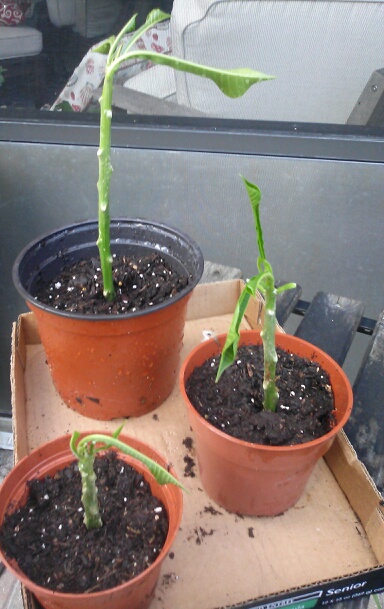
After drying place the cuttings into 4-6″pots and keep moist for several weeks. The cuttings will start to produce leaves when they are rooted. Then they can be planted in the garden.

Potted

Potted

I have three left from my original six, one succumbed to unknown causes and two were gifted to other gardeners. I still need six for my hedge – so it’s time to get the clippers again.

Cordias

Last week I posted about spring flowering trees in Tropic Florida. One was a new plant to me, White Geiger or Cordia, the other is a Geiger Tree which I have encountered fairly frequently. Both trees belong to the Genus, Cordia.

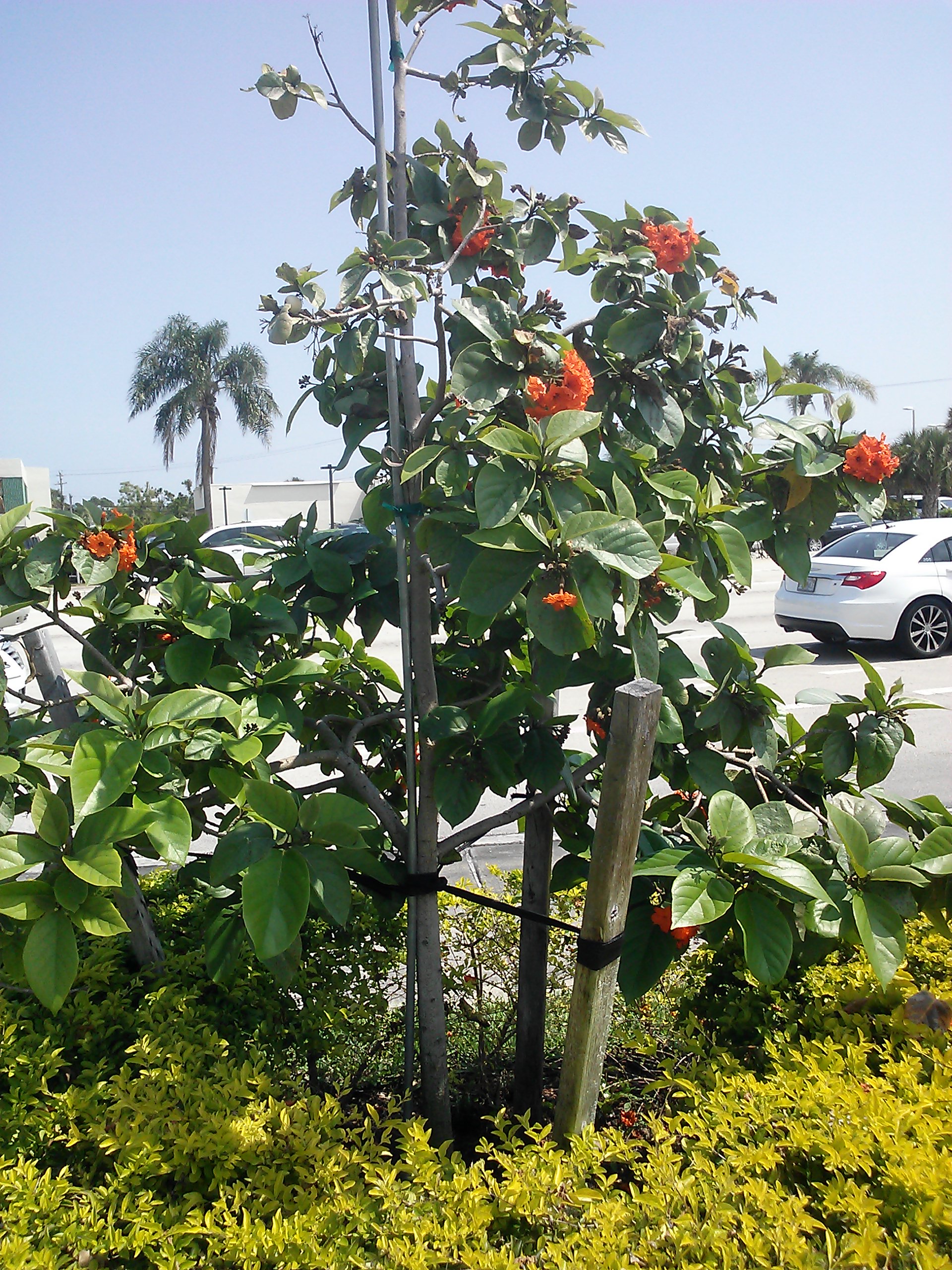
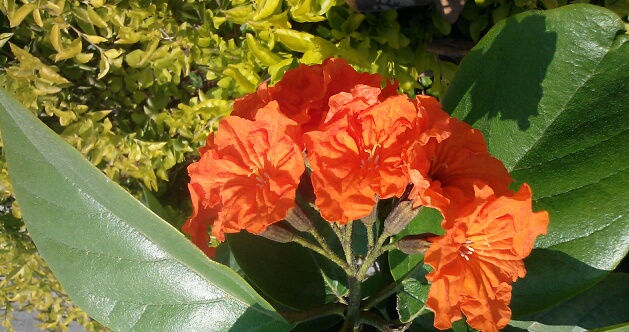
This is the Geiger Tree, named shockingly for a guy named Geiger, who was a prominent Conch (resident of Key West) in the 1800’s. The botanical name is Cordia sebestena. These are reported to grow to 25′ tall, I have yet to see one that size. This may be due to a fairly recent availability in the nursery trade. These trees are native to South Florida and the Caribbean. I see them flowering off and on during the year – the floral display seems more prolific in the spring.

Geiger Tree

Geiger Tree

Geiger Flower

Geiger Flower

The tree always seems a bit gangly to me, but the flower certainly gives an orange burst of tropical vibe to the surroundings.

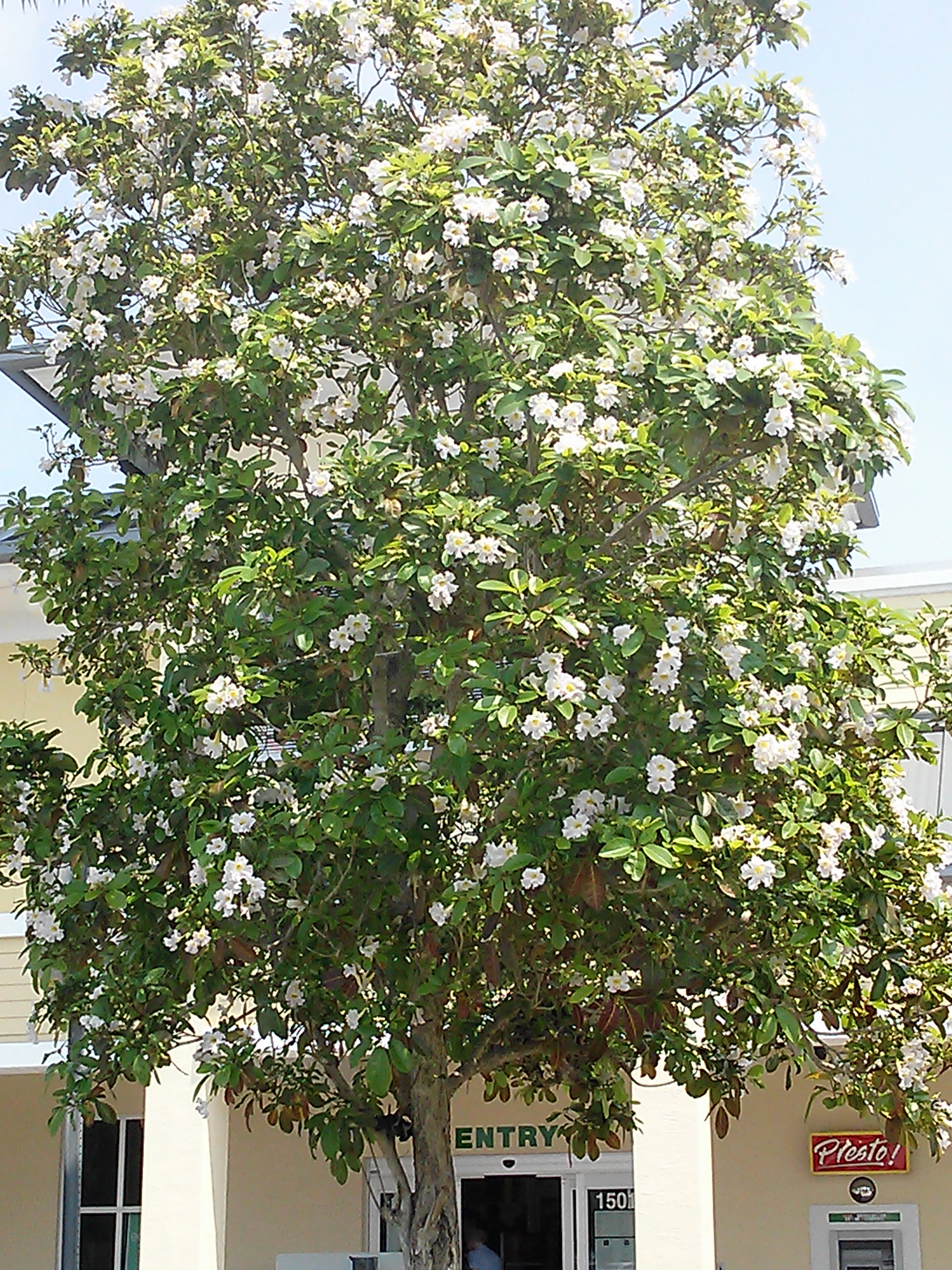
White Geiger Tree

White Geiger Tree

In my opinion, the White Geiger Tree or Cordia (also called Texas Wild Olive, for reasons unknown to me) is a more attractive tree with a more formal shape. The botanical name being Cordia boissieri, this tree is native to the Rio Grande Valley and South Texas. Reportedly more cold hardy but still evergreen and about 25 feet tall, White Cordias are not very popular yet in South Florida. I think they will be.

I have sourced a local grower with one of these in stock. It is just a matter of time before a White Geiger Tree appears in my garden.

Epiphany at the Grocery Store

I stopped by the grocery store this afternoon to pick up some things for dinner. After shopping I went back to my car and was stopped by the beautiful flowering trees in the parking lot.

Having experienced Tropic Florida’s winter for the past several years, it is difficult to conceive of the season of spring. Winter is a whisper in your ear one night in February. In my mind, the season following winter is a literal release from the prison of your house. Standing in the parking lot was evidence of spring occurring further south than my mind had grasped.

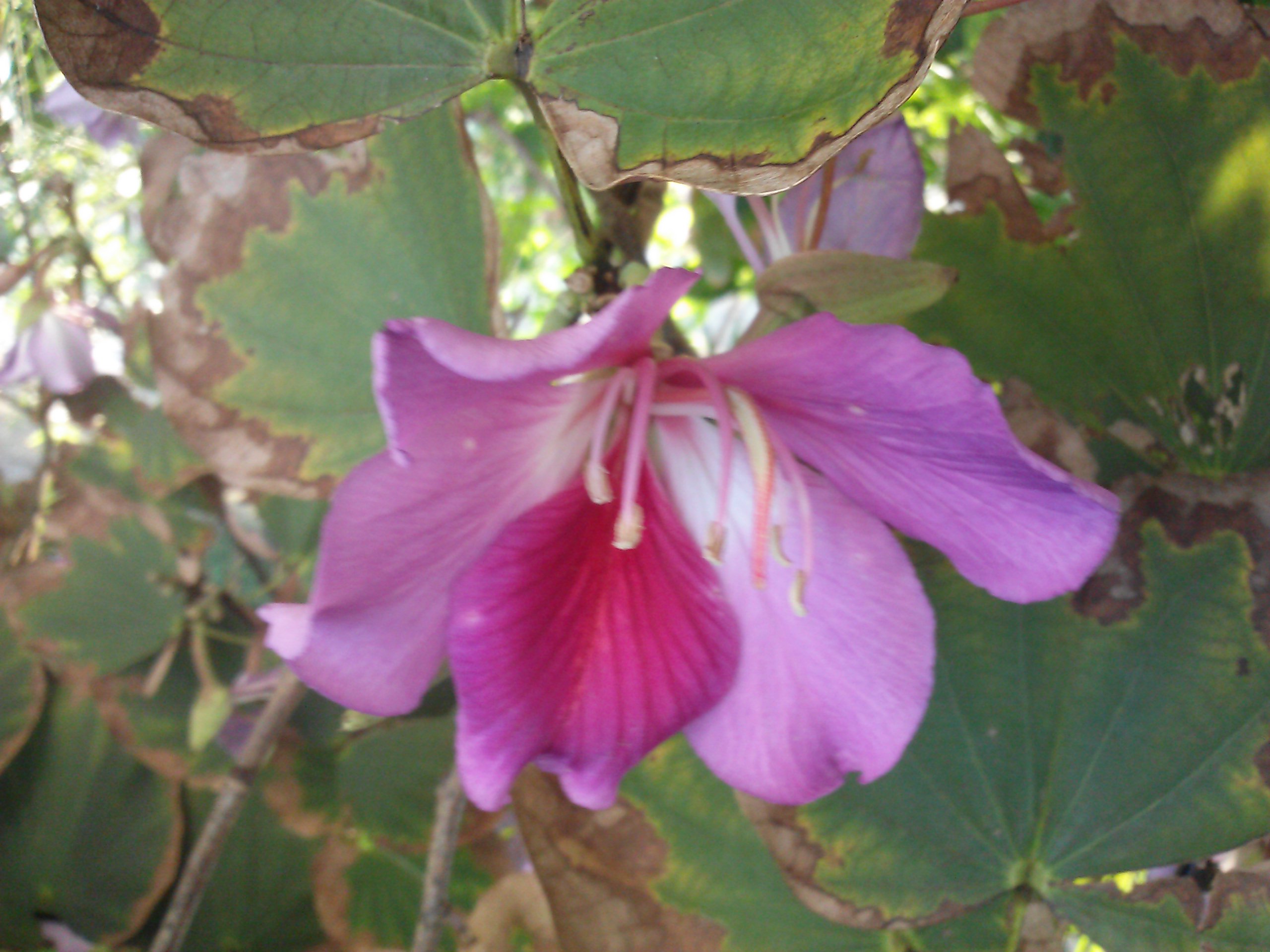
The first clue was a Purple Hong Kong Orchid Tree, here is the flower. Botanically speaking this is the Bauhinia purpurea, although there are many varieties. Capturing this tree with photography has been eluding me.

Hong Kong Orchid Flower

Hong Kong Orchid Flower

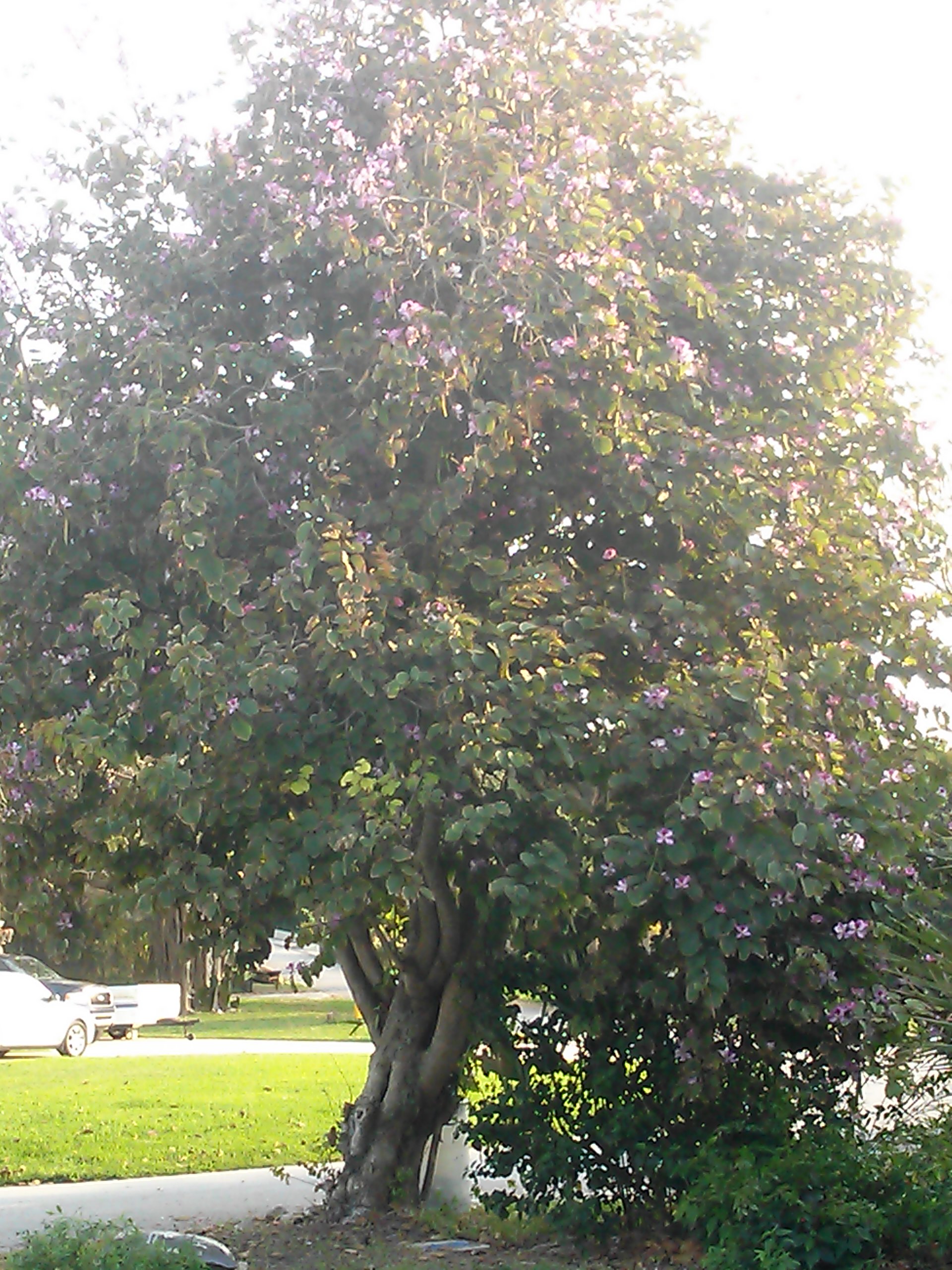
Hong Kong Orchid Tree

Hong Kong Orchid Tree

The failure of the photo to do the tree justice may be a difficulty with purple, but this tree is spectacular. Draped with the purple orchid like flowers, it appears large purple and pink butterflies have landed in graceful groups along the tops of the branches.

The next tree in the lot was a White Geiger Tree. I would characterize these trees as semi evergreen. The genus is Cordia, I am not sure exactly which one this is as one is from Brazil and another from Texas. Nevertheless, a good addition to the landscape.

White Geiger Tree

White Geiger Tree

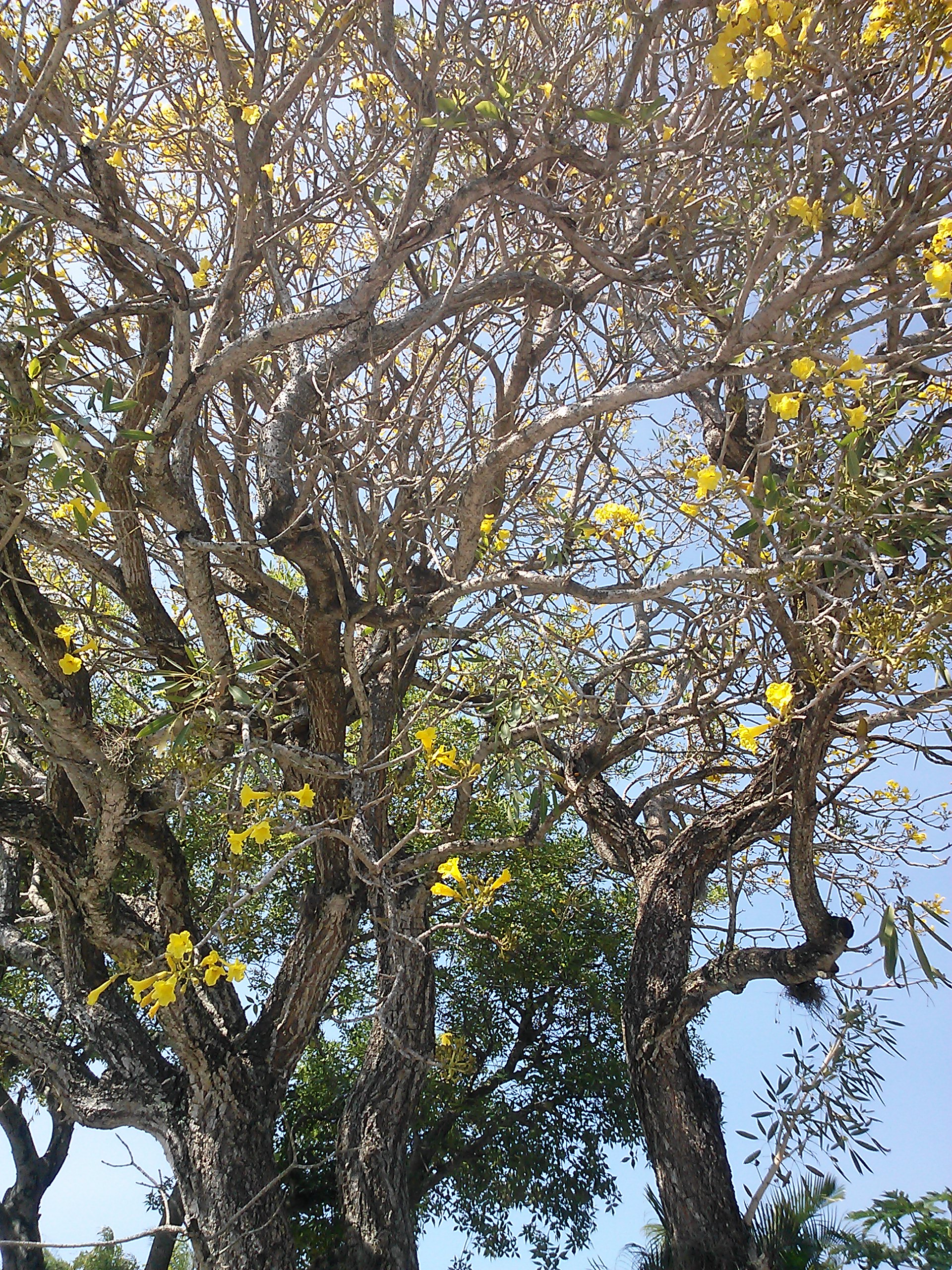
The next tree I spied was a Tabebuia, nothing shouts spring like the golden trumpets of the Tabebuia.

Tabebuia

Tabebuia

My Epiphany was that spring does come to the Tropics of Florida. I suppose it is my North American predisposition to think of Spring flowering trees as Redbuds, Dogwoods and Cherries, but before my eyes the trees were evidence of spring blossoming everywhere.

Winter Starburst Clerodendrum – garden fruition

theshrubqueen's avatarThe Shrub Queen

Winter Starburst Clerodendrum Winter Starburst Clerodendrum in bud

This is my favorite burst of winter color and it has finally bloomed, the cold snap slowed it down, then the rain slowed it down. I have been waiting (somewhat patiently) for the full flower.  Here is the next phase:

Half Bloom Half Bloom

And finally the full Starburst effect:

Starburst Starburst

Bursted Bursted

The Latin name for this plant is Clerodendrum quadriloculare. This is an interesting group of plants, ranging in size from vines to perennials then shrubs up to small trees. Mostly native to tropical South Asia and with a tendency towards creepy habits you must be careful who among them is invited into your garden. I have seen some gardens overrun by a perennial orange version of Clerodendrum which is beautiful but really creepy.

I am glad to have this shrub in my garden, I think of it as a Tropical Rhododendron, and it is so much easier…

View original post 79 more words