Propagating Plumerias

I have a Bridal Bouquet Plumeria I like so much I decided to plant a hedge of them to screen my neighbor’s monumentally ugly fence. These are evergreen Plumeria with an upright habit, when planted about three feet apart, they are perfect for a six foot height skinny hedge.

Bridal Bouquet ready for a lei

Bridal Bouquet Plumeria

Given the plant’s reputation for ease of propagation, I decided to try growing the new plants from cuttings rather than buying them. I had such good luck with the plants I gave some as gifts.

Propagation is simple, clip 4- 6″ long cuttings from the tips of the branches:

Cuttings

Cuttings

Next, strip all the leaves with the exception of the two or three at the top:
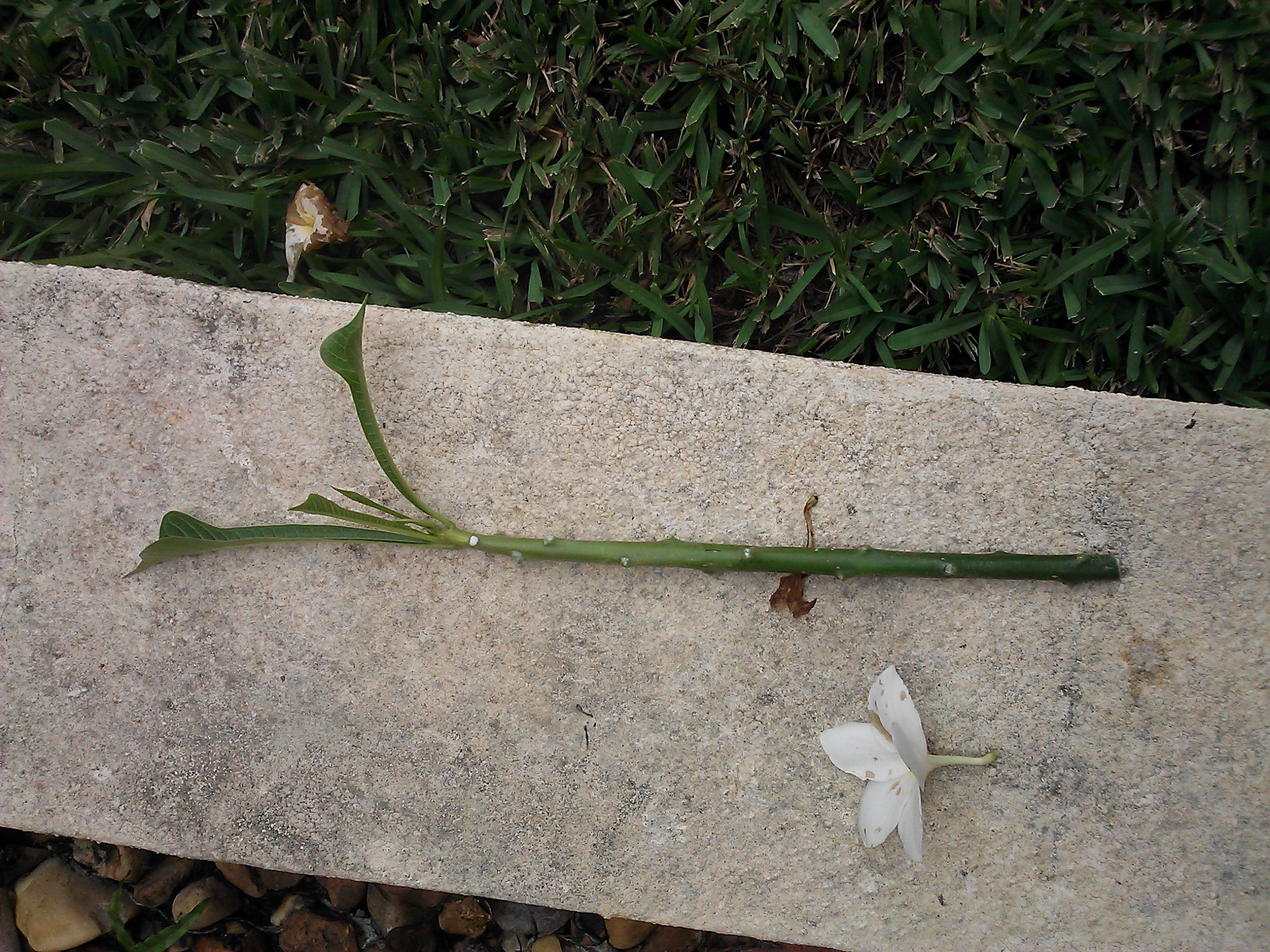
Stripped

Stripped

The cuttings tend to ooze white liquid so, put them on some cardboard and let them dry in a shady area until the stems appear to have healed.
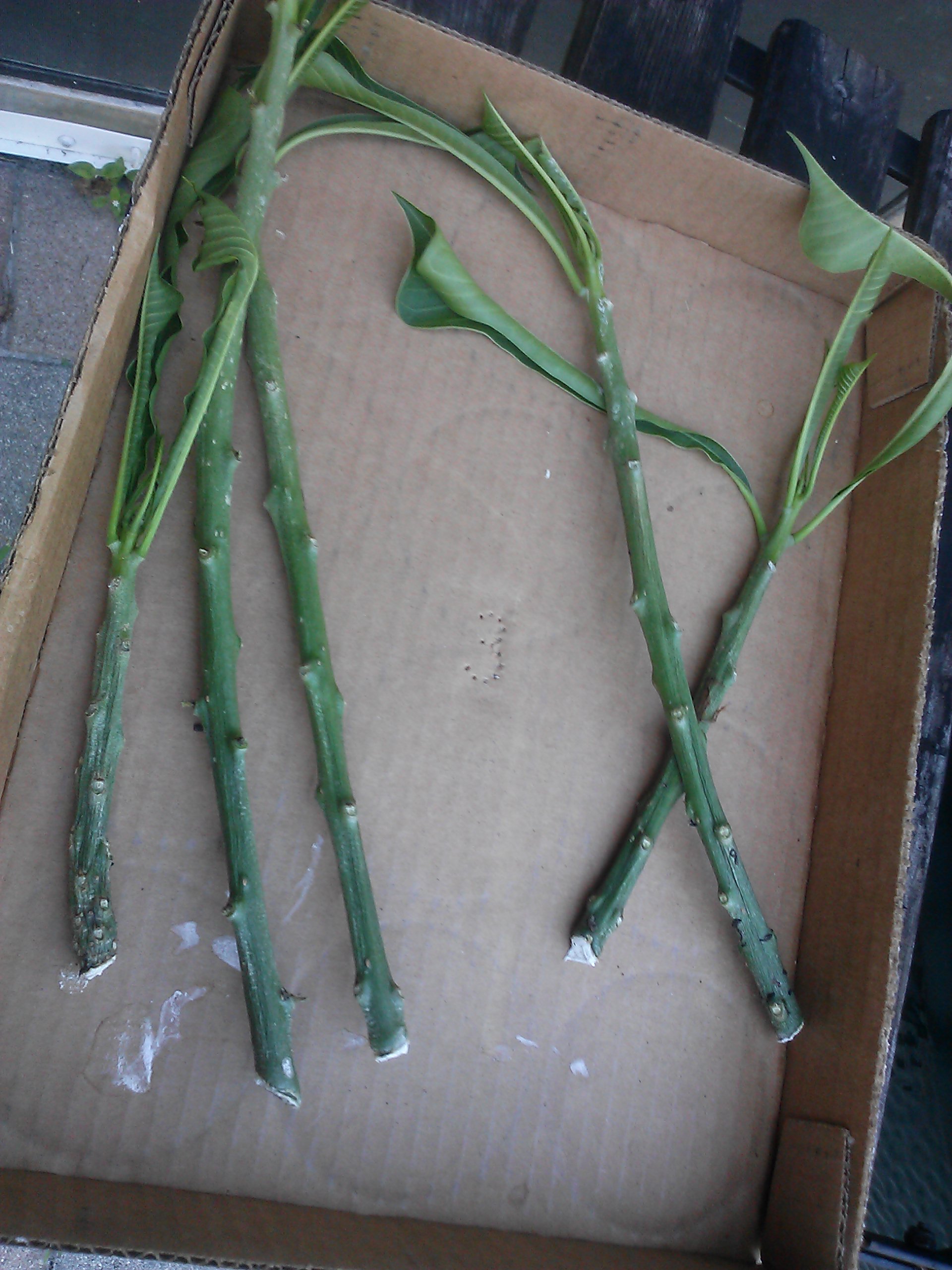
Drying Cuttings

Drying Cuttings

After drying place the cuttings into 4-6″pots and keep moist for several weeks. The cuttings will start to produce leaves when they are rooted. Then they can be planted in the garden.
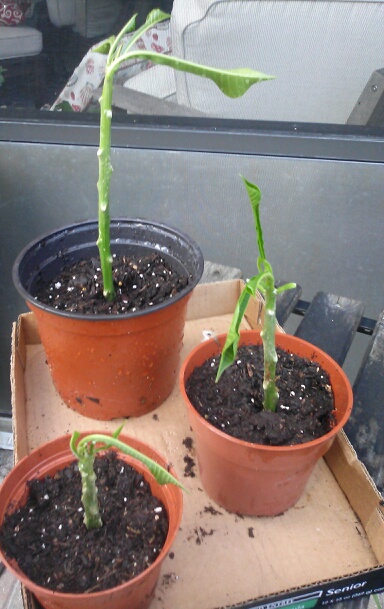
Potted

Potted

I have three left from my original six, one succumbed to unknown causes and two were gifted to other gardeners. I still need six for my hedge – so it’s time to get the clippers again.

Cordias

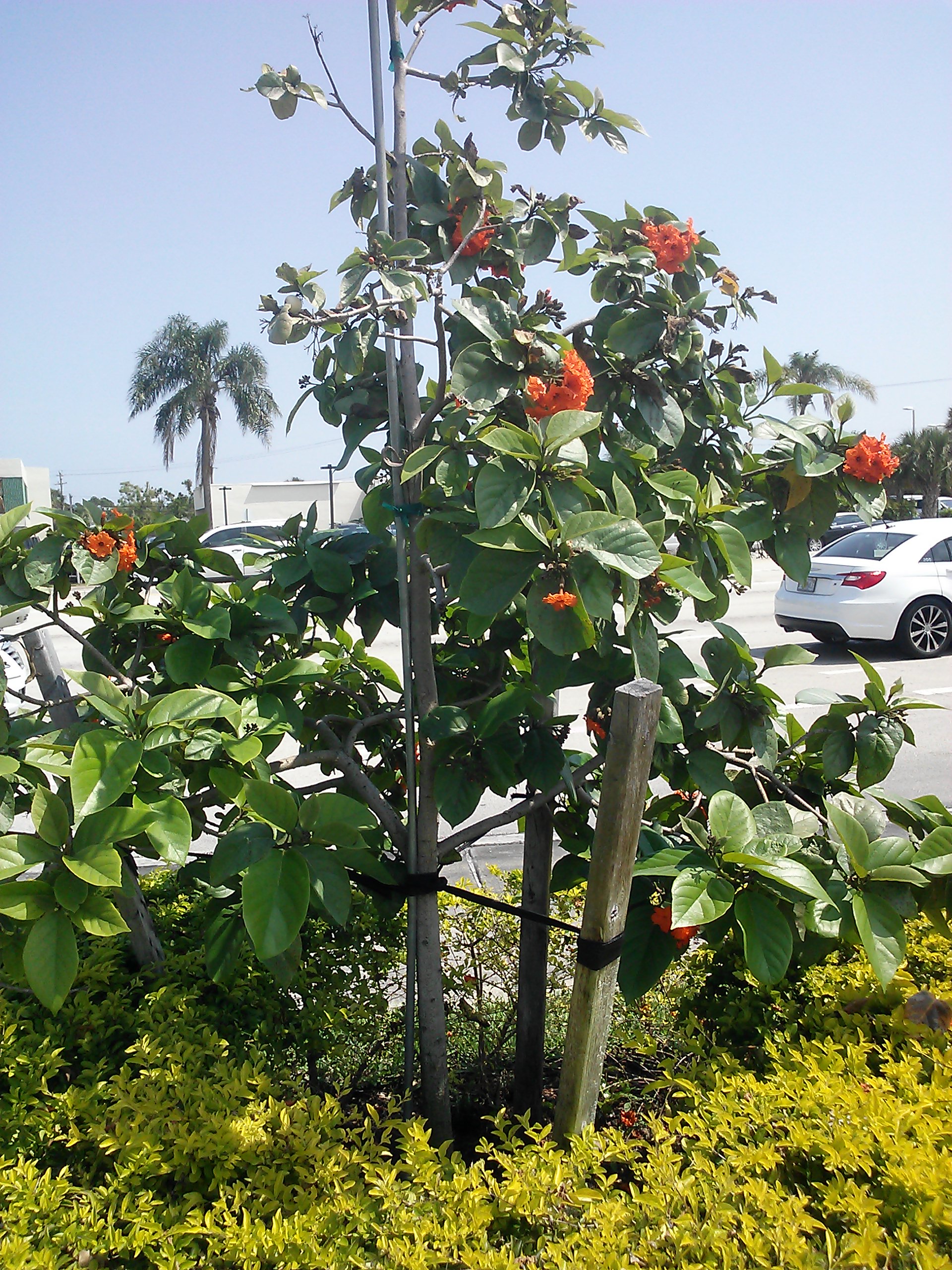
Last week I posted about spring flowering trees in Tropic Florida. One was a new plant to me, White Geiger or Cordia, the other is a Geiger Tree which I have encountered fairly frequently. Both trees belong to the Genus, Cordia.

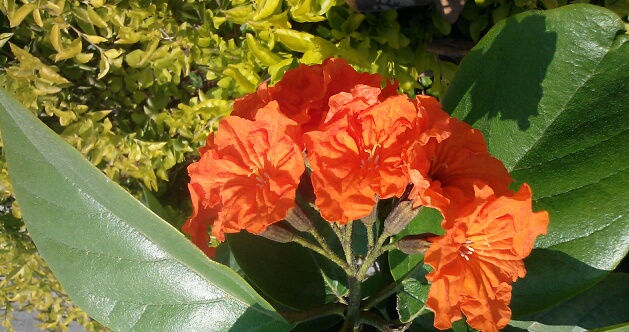
This is the Geiger Tree, named shockingly for a guy named Geiger, who was a prominent Conch (resident of Key West) in the 1800’s. The botanical name is Cordia sebestena. These are reported to grow to 25′ tall, I have yet to see one that size. This may be due to a fairly recent availability in the nursery trade. These trees are native to South Florida and the Caribbean. I see them flowering off and on during the year – the floral display seems more prolific in the spring.

Geiger Tree

Geiger Tree

Geiger Flower

Geiger Flower

The tree always seems a bit gangly to me, but the flower certainly gives an orange burst of tropical vibe to the surroundings.

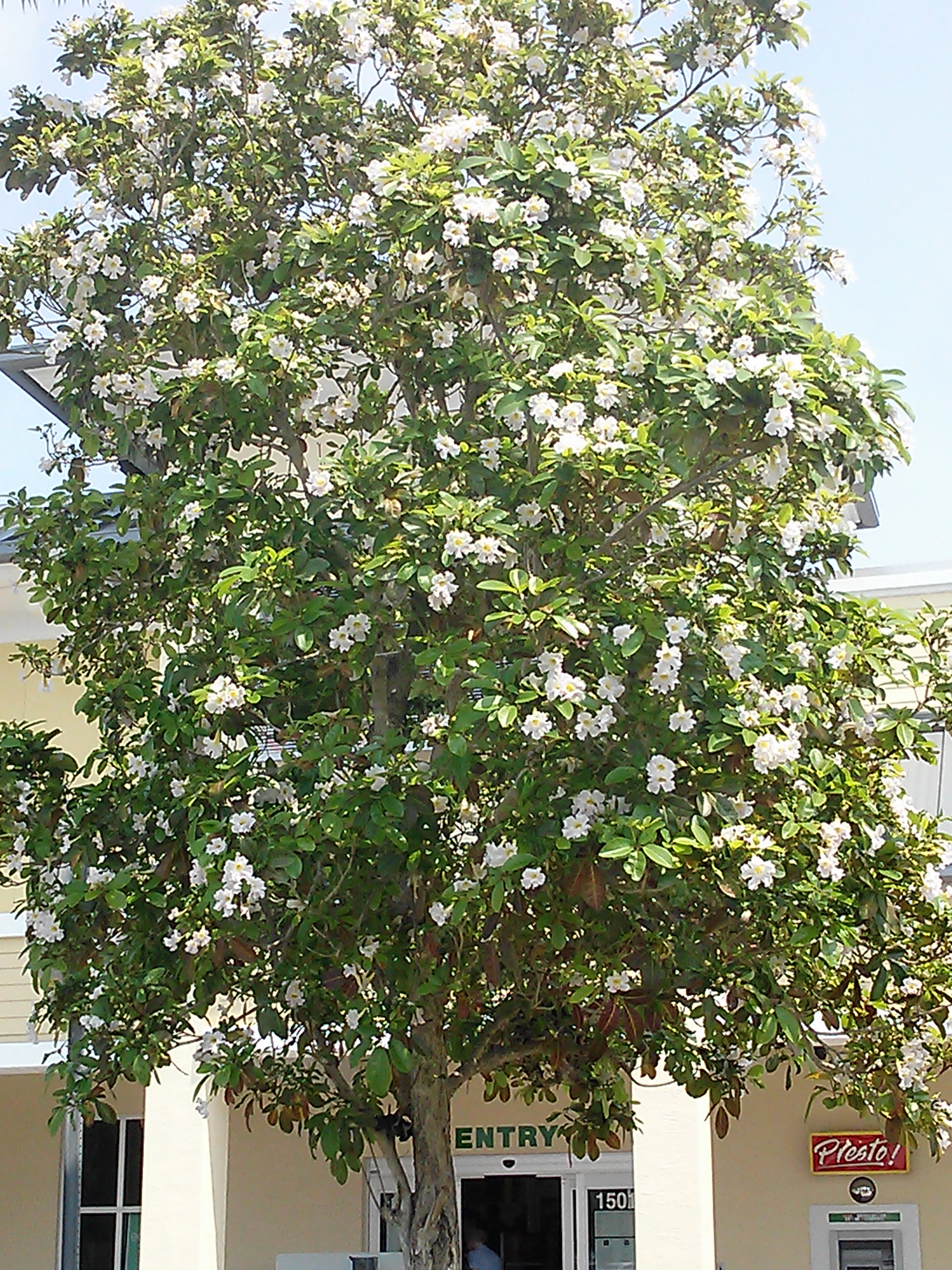
White Geiger Tree

White Geiger Tree

In my opinion, the White Geiger Tree or Cordia (also called Texas Wild Olive, for reasons unknown to me) is a more attractive tree with a more formal shape. The botanical name being Cordia boissieri, this tree is native to the Rio Grande Valley and South Texas. Reportedly more cold hardy but still evergreen and about 25 feet tall, White Cordias are not very popular yet in South Florida. I think they will be.

I have sourced a local grower with one of these in stock. It is just a matter of time before a White Geiger Tree appears in my garden.

Epiphany at the Grocery Store

I stopped by the grocery store this afternoon to pick up some things for dinner. After shopping I went back to my car and was stopped by the beautiful flowering trees in the parking lot.

Having experienced Tropic Florida’s winter for the past several years, it is difficult to conceive of the season of spring. Winter is a whisper in your ear one night in February. In my mind, the season following winter is a literal release from the prison of your house. Standing in the parking lot was evidence of spring occurring further south than my mind had grasped.

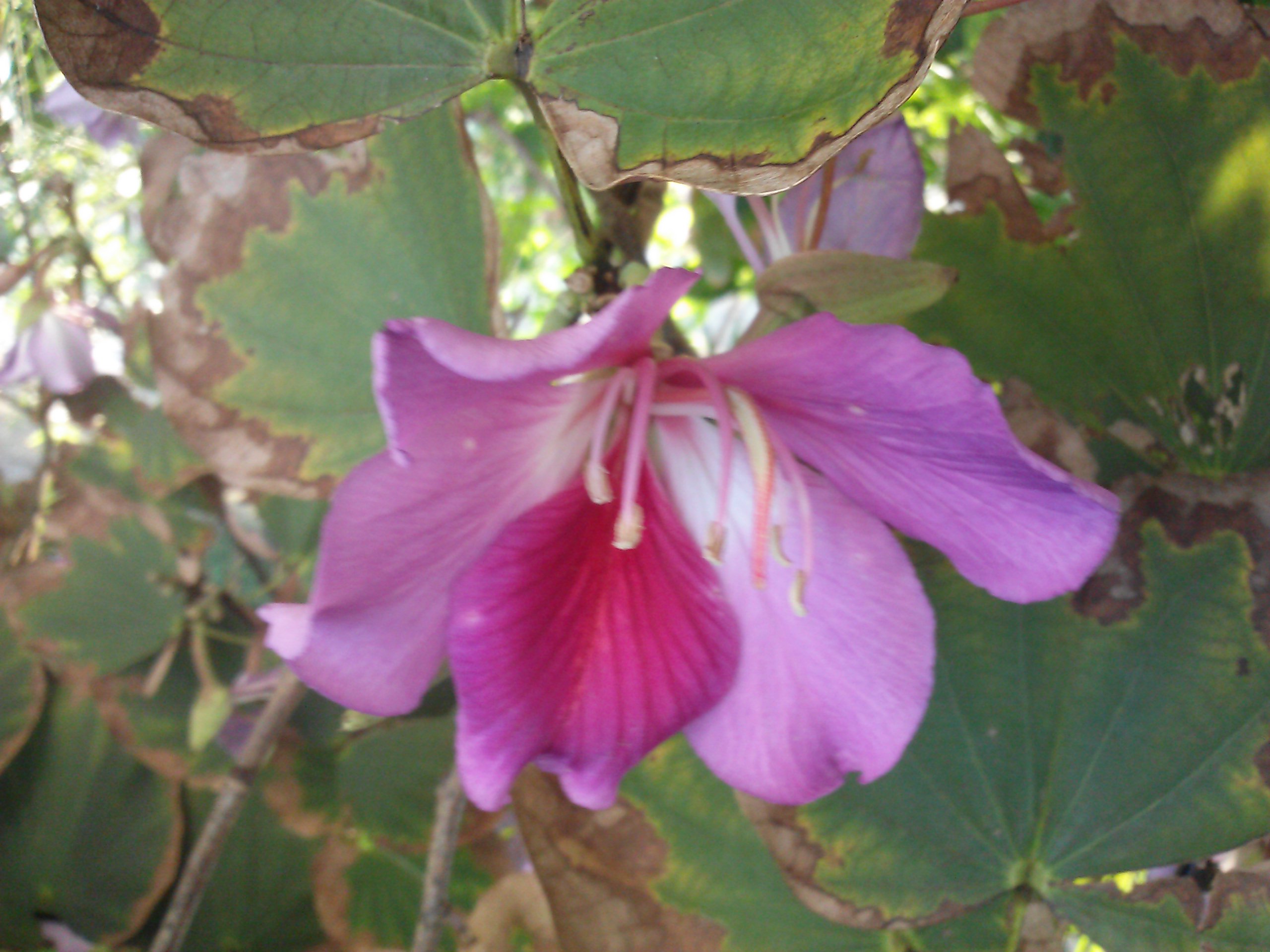
The first clue was a Purple Hong Kong Orchid Tree, here is the flower. Botanically speaking this is the Bauhinia purpurea, although there are many varieties. Capturing this tree with photography has been eluding me.

Hong Kong Orchid Flower

Hong Kong Orchid Flower

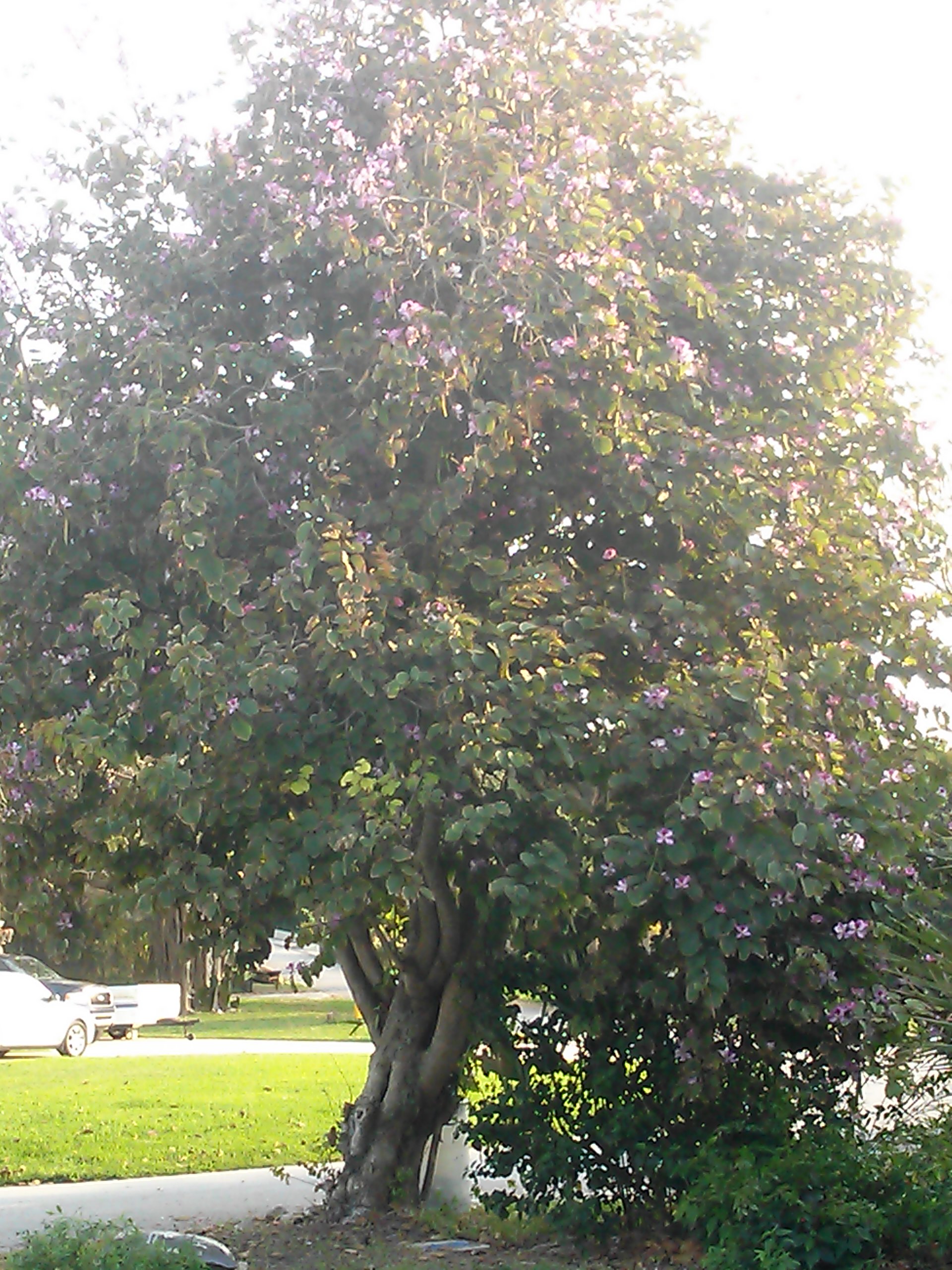
Hong Kong Orchid Tree

Hong Kong Orchid Tree

The failure of the photo to do the tree justice may be a difficulty with purple, but this tree is spectacular. Draped with the purple orchid like flowers, it appears large purple and pink butterflies have landed in graceful groups along the tops of the branches.

The next tree in the lot was a White Geiger Tree. I would characterize these trees as semi evergreen. The genus is Cordia, I am not sure exactly which one this is as one is from Brazil and another from Texas. Nevertheless, a good addition to the landscape.

White Geiger Tree

White Geiger Tree

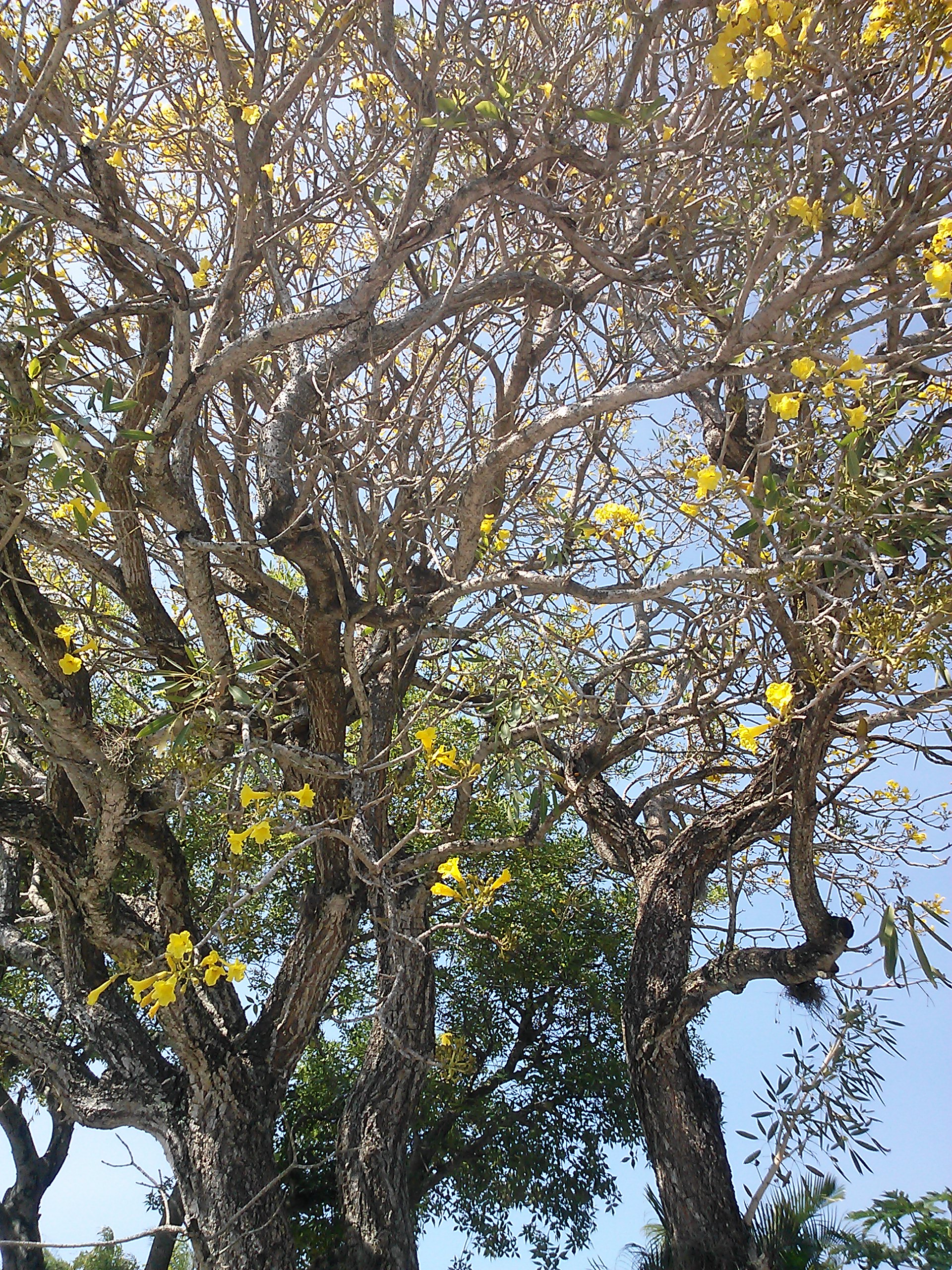
The next tree I spied was a Tabebuia, nothing shouts spring like the golden trumpets of the Tabebuia.

Tabebuia

Tabebuia

My Epiphany was that spring does come to the Tropics of Florida. I suppose it is my North American predisposition to think of Spring flowering trees as Redbuds, Dogwoods and Cherries, but before my eyes the trees were evidence of spring blossoming everywhere.

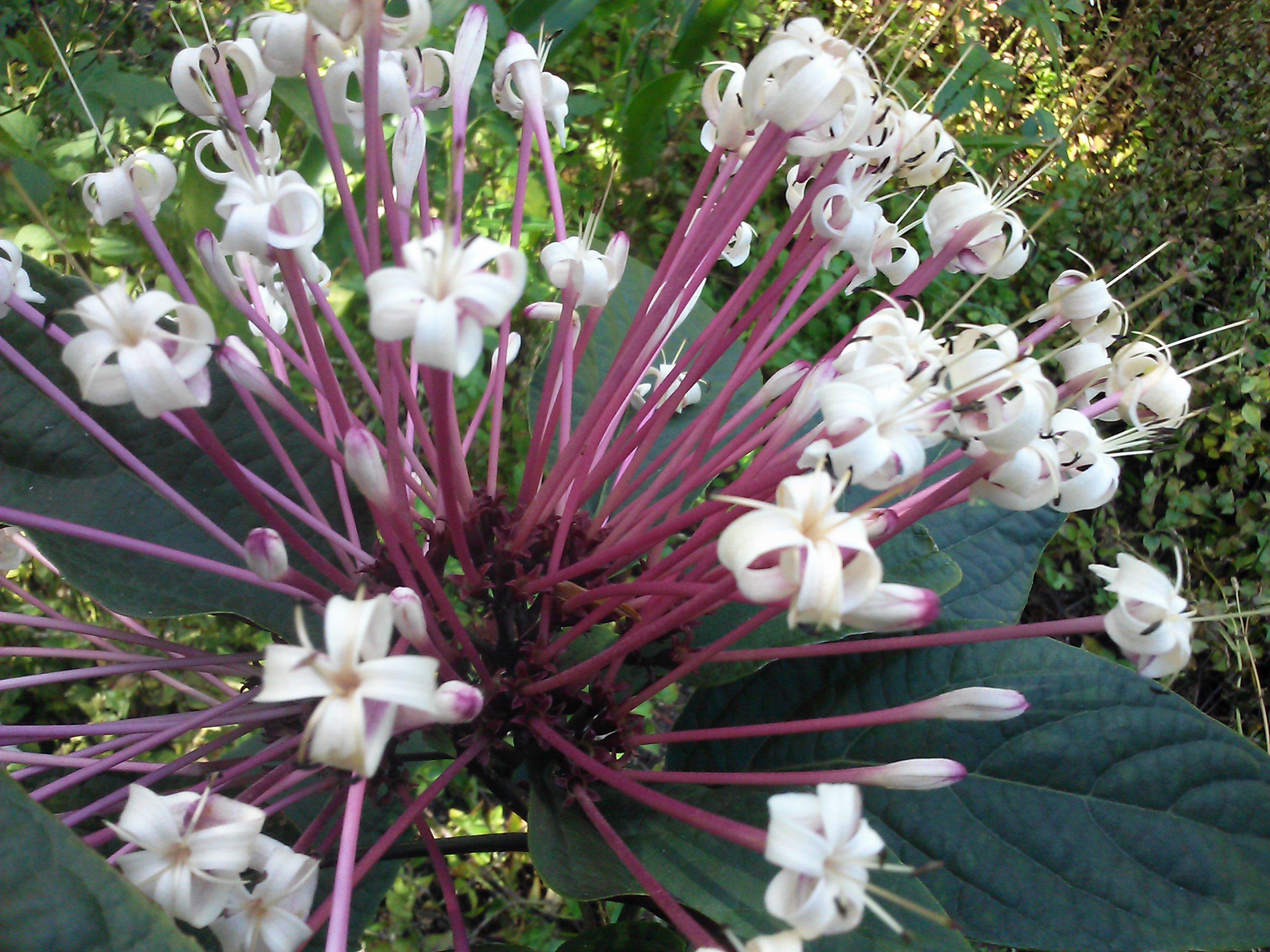
Winter Starburst Clerodendrum – garden fruition

theshrubqueen's avatarThe Shrub Queen

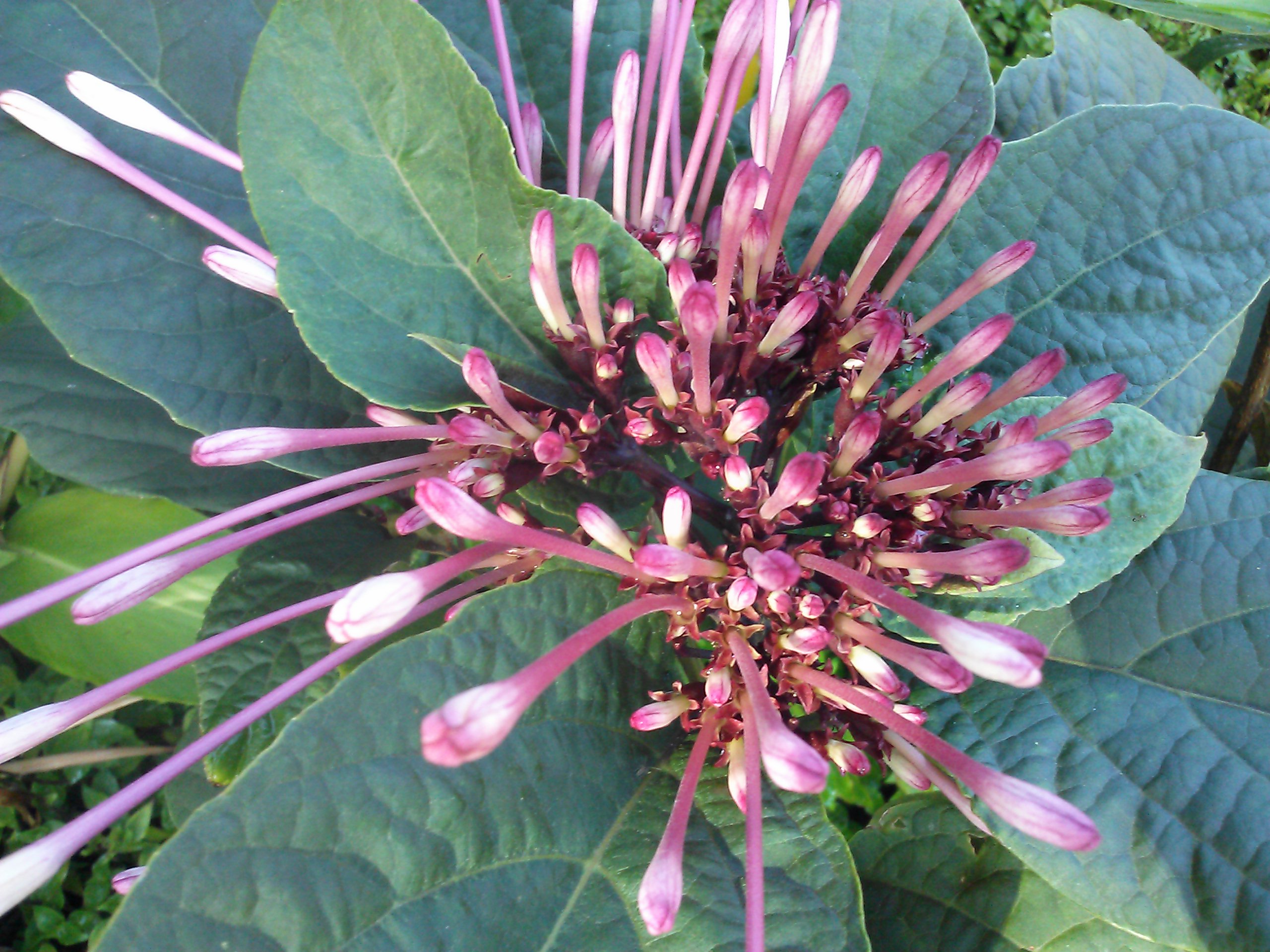
Winter Starburst Clerodendrum Winter Starburst Clerodendrum in bud

This is my favorite burst of winter color and it has finally bloomed, the cold snap slowed it down, then the rain slowed it down. I have been waiting (somewhat patiently) for the full flower.  Here is the next phase:

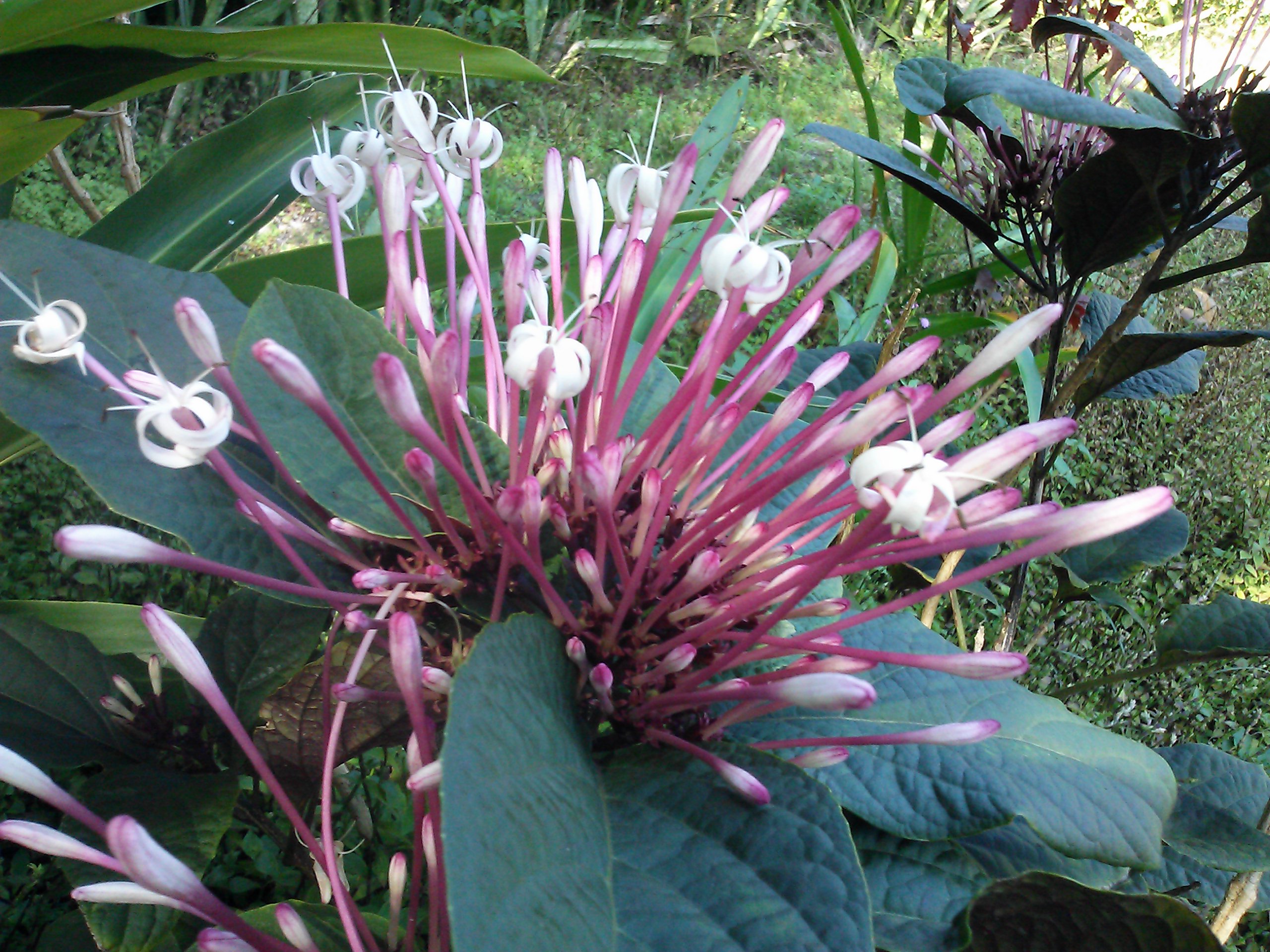
Half Bloom Half Bloom

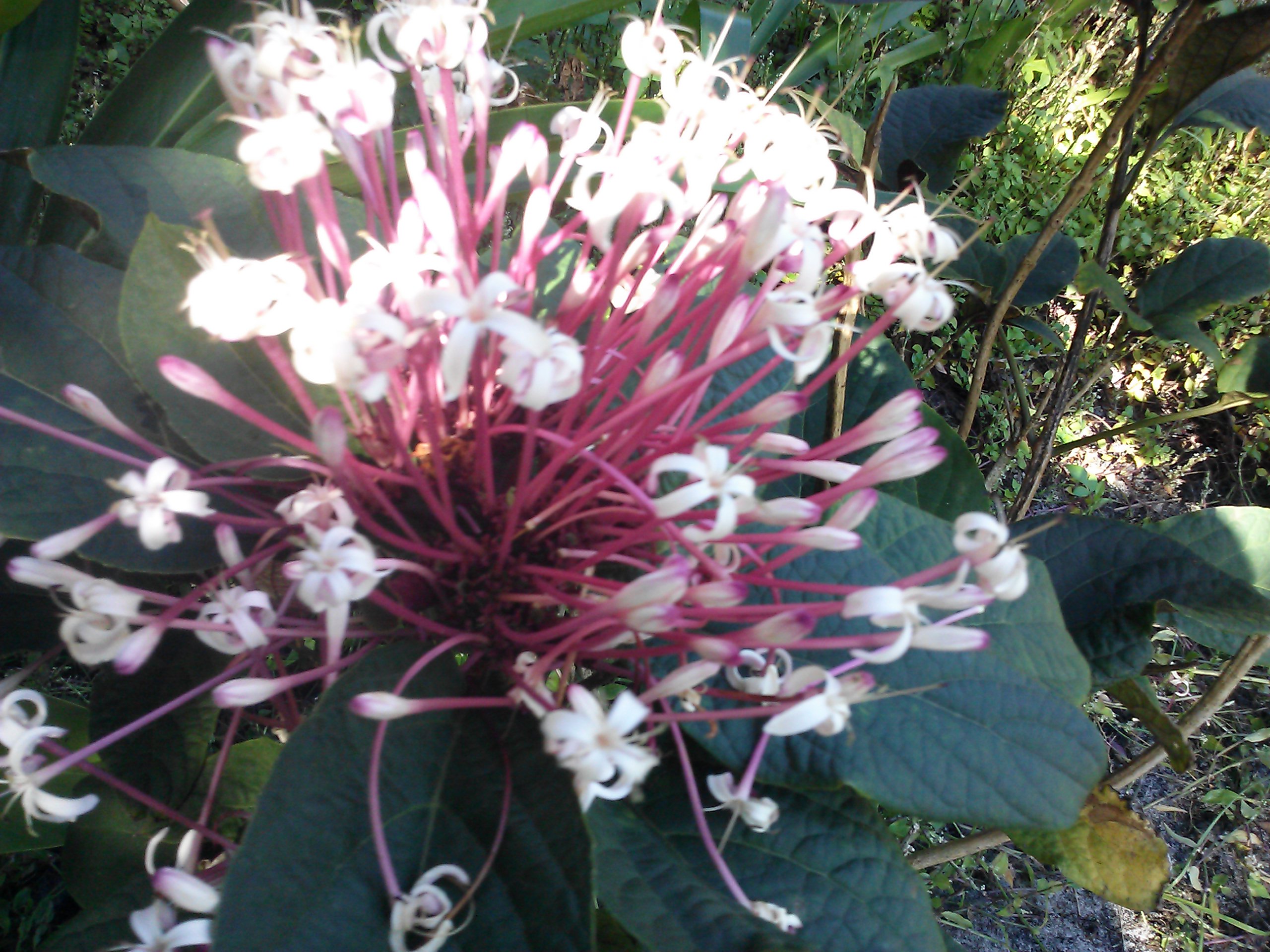
And finally the full Starburst effect:

Starburst Starburst

Bursted Bursted

The Latin name for this plant is Clerodendrum quadriloculare. This is an interesting group of plants, ranging in size from vines to perennials then shrubs up to small trees. Mostly native to tropical South Asia and with a tendency towards creepy habits you must be careful who among them is invited into your garden. I have seen some gardens overrun by a perennial orange version of Clerodendrum which is beautiful but really creepy.

I am glad to have this shrub in my garden, I think of it as a Tropical Rhododendron, and it is so much easier…

View original post 79 more words

Winter Starburst Clerodendrum – garden fruition

Winter Starburst Clerodendrum

Winter Starburst Clerodendrum in bud

This is my favorite burst of winter color and it has finally bloomed, the cold snap slowed it down, then the rain slowed it down. I have been waiting (somewhat patiently) for the full flower.  Here is the next phase:

Half Bloom

Half Bloom

And finally the full Starburst effect:

Starburst

Starburst

Bursted

Bursted

The Latin name for this plant is Clerodendrum quadriloculare. This is an interesting group of plants, ranging in size from vines to perennials then shrubs up to small trees. Mostly native to tropical South Asia and with a tendency towards creepy habits you must be careful who among them is invited into your garden. I have seen some gardens overrun by a perennial orange version of Clerodendrum which is beautiful but really creepy.

I am glad to have this shrub in my garden, I think of it as a Tropical Rhododendron, and it is so much easier to grow than the cursed Rhododendrons (my former garden had heavy clay that was impossible to grow Rhodos in) The coarse textured leaves have an added bonus of deep plum colored backsides which make the foliage attractive year round.

So far the Winter Starburst has not exhibited any bad behavior, I have sited it in the prescribed partial shade, but the soil like substance in my garden isn’t given to over production of anything except Heliconias as of yet.

Pink is the New Orange

Most of our gardening power tools are a really lovely shade of orange I call “War Damn Eagle Orange” In honor of, or perhaps to spite the fans of my alma mater’s rival Auburn University in Alabama. An Eagle is their mascot, team colors blue and orange. Southeastern Conference college football is serious business.  WDE Orange is very practical in that if you drop something into a green hedge it can be easily found. There is a new and disturbing trend in color for gardening tools. Pink.

Should really practical tools be pink? Some of these saccharine sweet garden implements are starting to get on my nerves. As a woman in the garden do you really need a pink trowel? Or does it match your Yorkie’s pink leopard outfit?

Or is your gardener using an entirely different trowel as you admire his work while having a pink cocktail with said Yorkie? The next question is does the dog have pink painted toenails?  If so,  then things have gone entirely too far and it is time to order one of these:

The Proverbial Pink Powertool

The Proverbial Pink Powertool

To complete the ensemble I have found pink fringed cowhide chaps and an appropriate hardhat:

Once all is assembled, we will need a lady who can actually lift that chainsaw.

Head gear

Head gear

Native Plants Class-

I think I have mentioned the natives plants class I have been taking. I decided to look around my neighborhood to see what natives I could find, here they are.

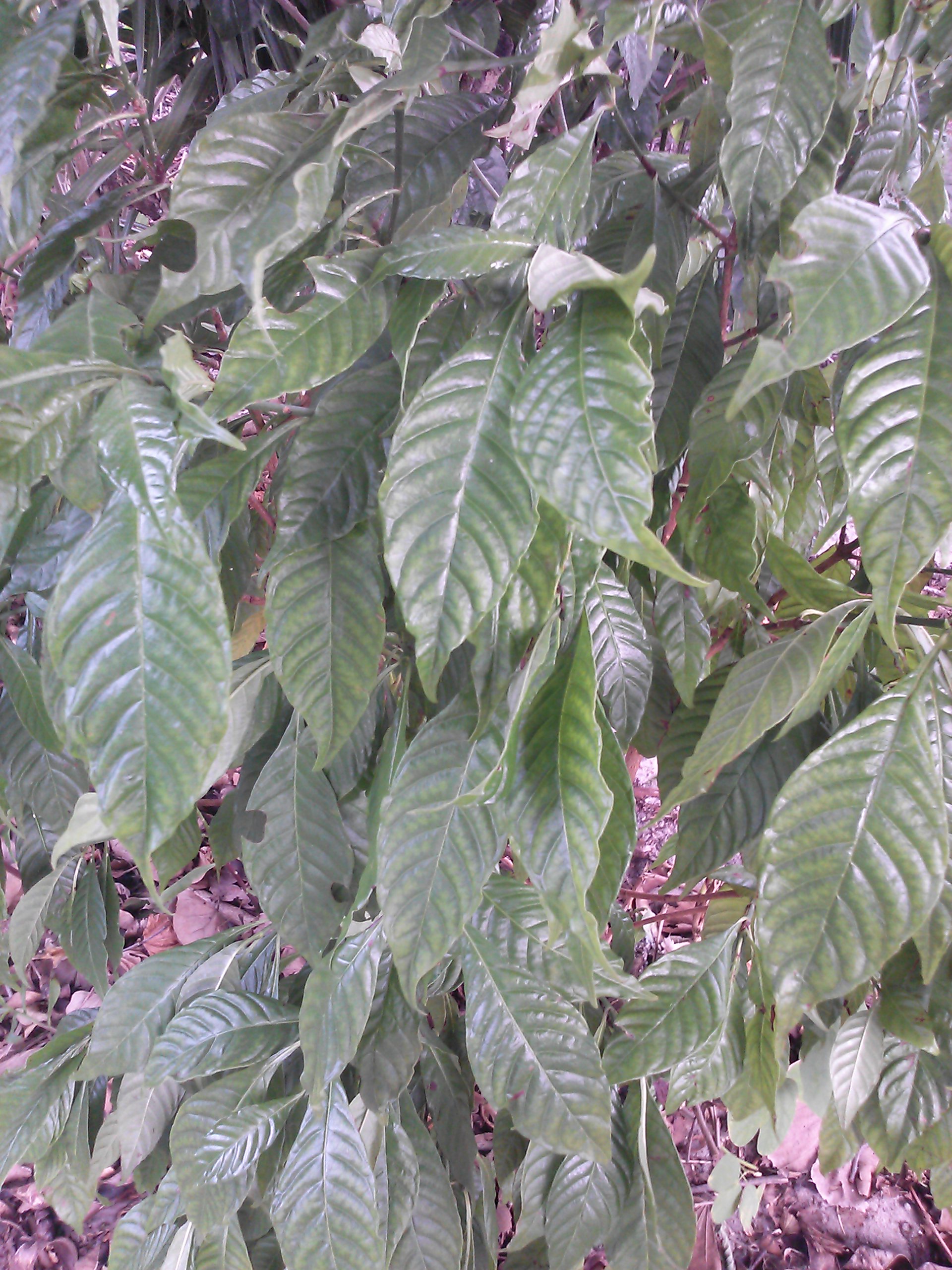
Wild Coffee Psychotria nervosa

IWild Coffee
Psychotria nervosa

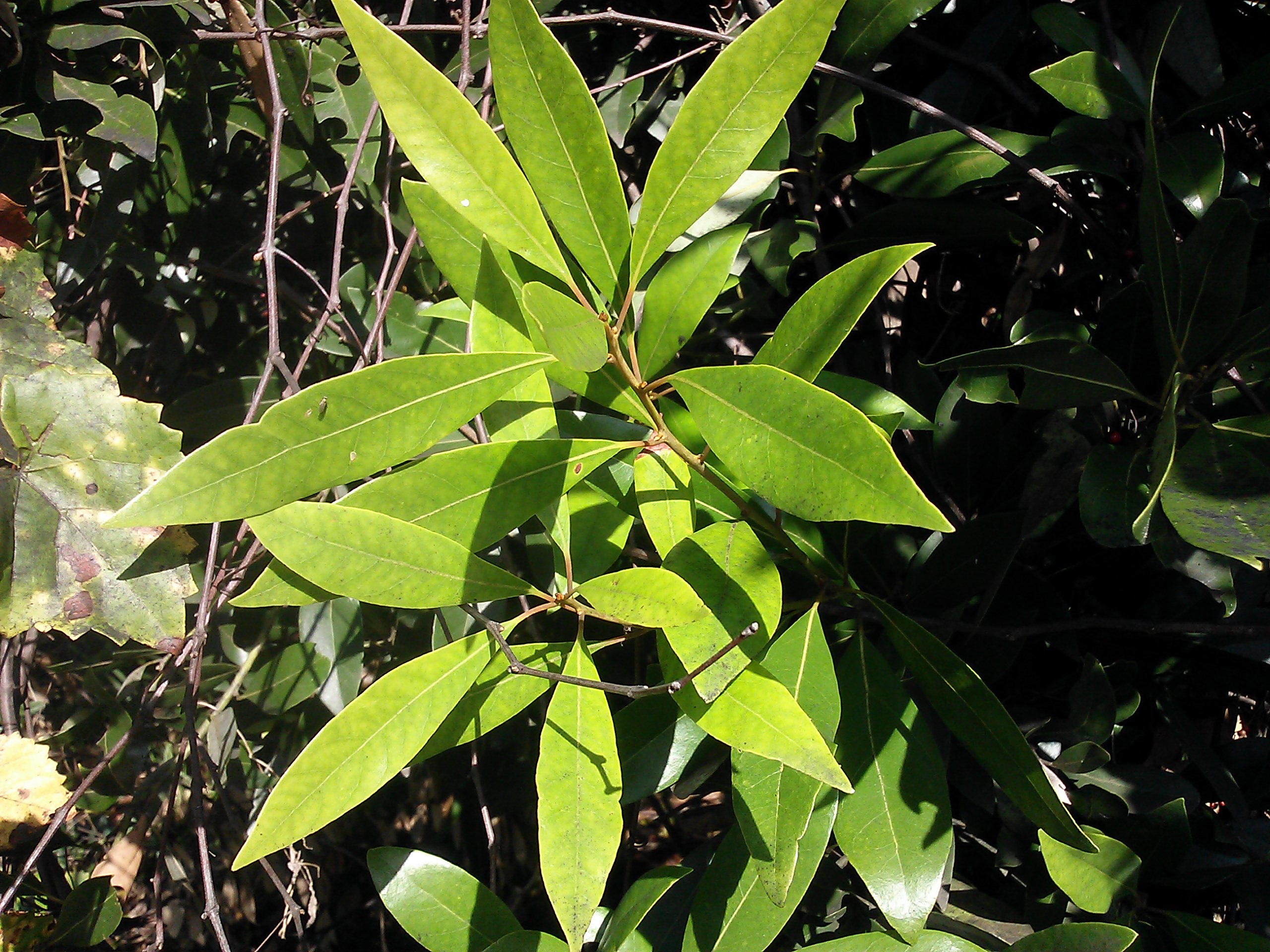
Lancewood Ocotea coriacea

Lancewood
Ocotea coriacea

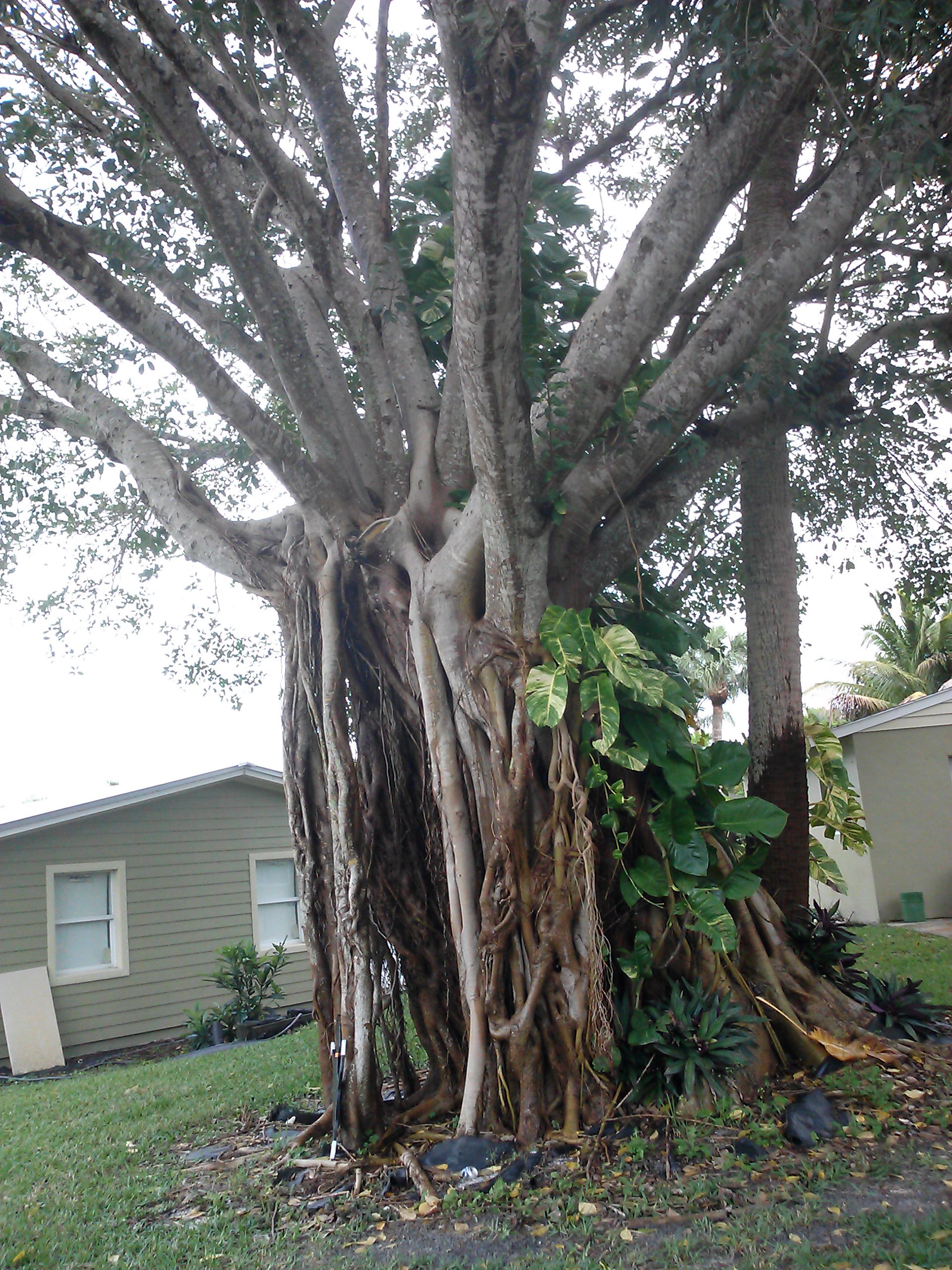
Ficus aurea Strangler Fig

Ficus aurea
Strangler Fig

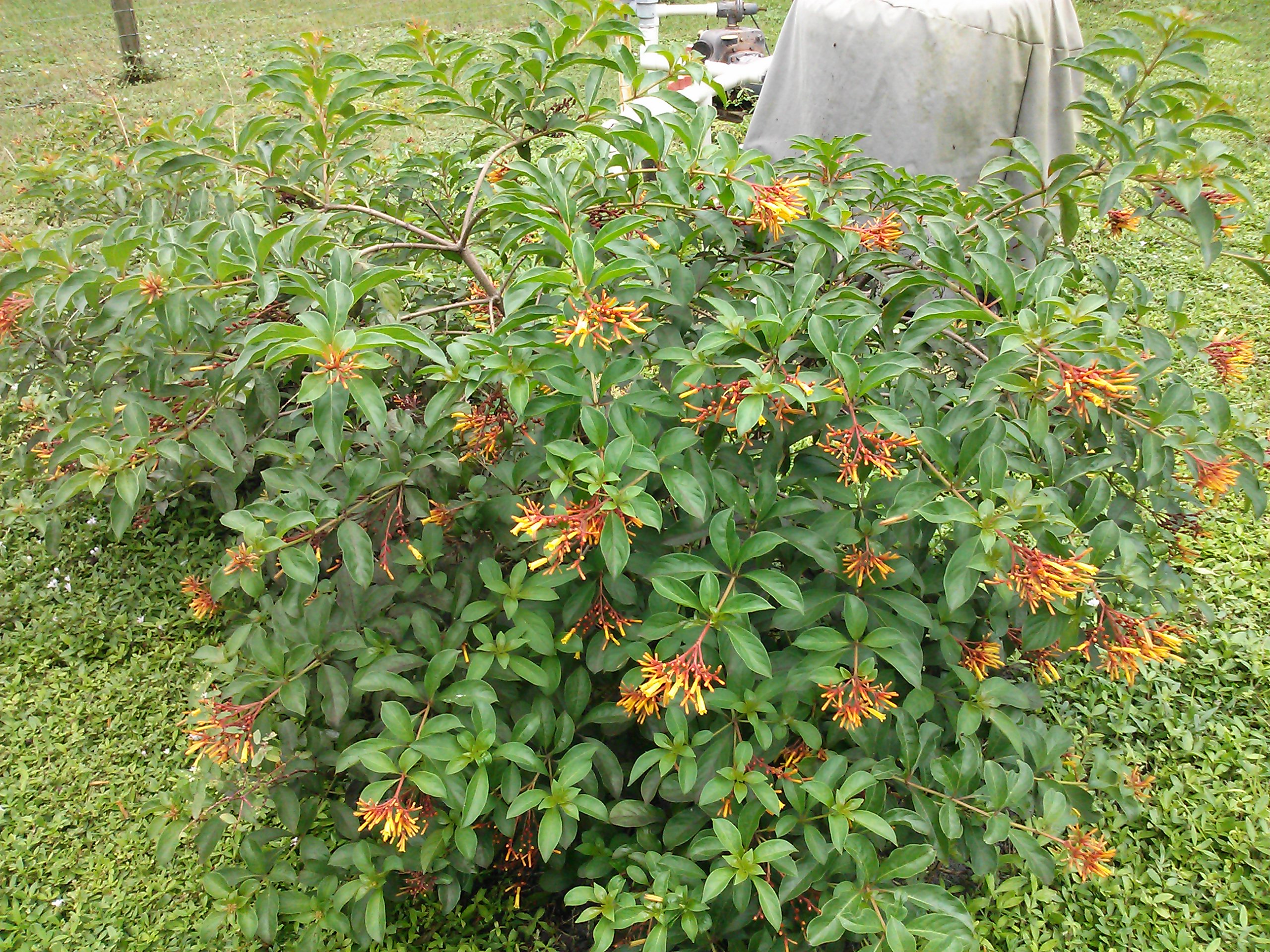
Firebush Hamelia patens

Firebush
Hamelia patens

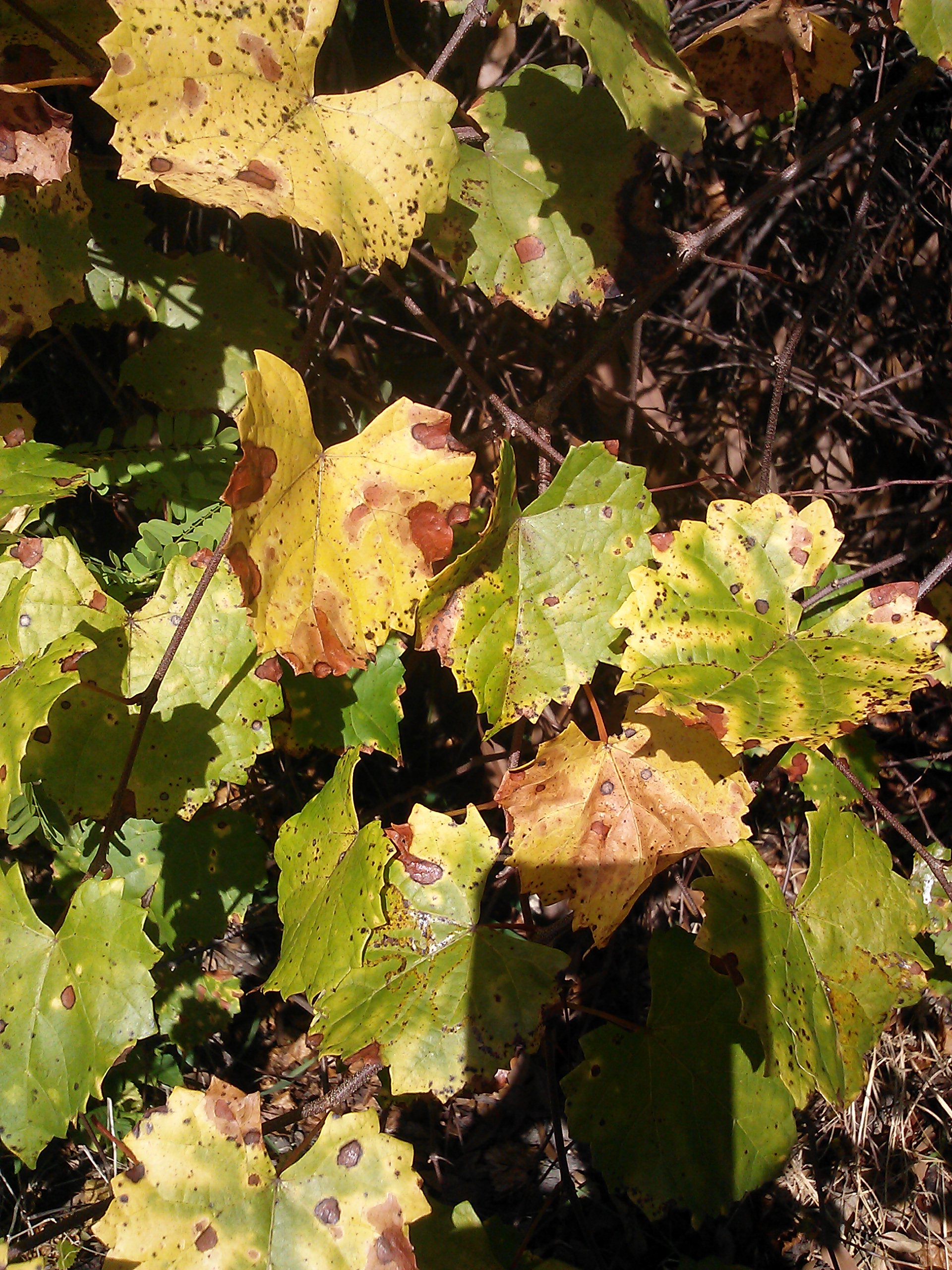
Muscadine Vitis rotundafolia

Muscadine
Vitis rotundafolia

Earleaf Greenbrier Smilax auriculata

Earleaf Greenbrier
Smilax auriculata

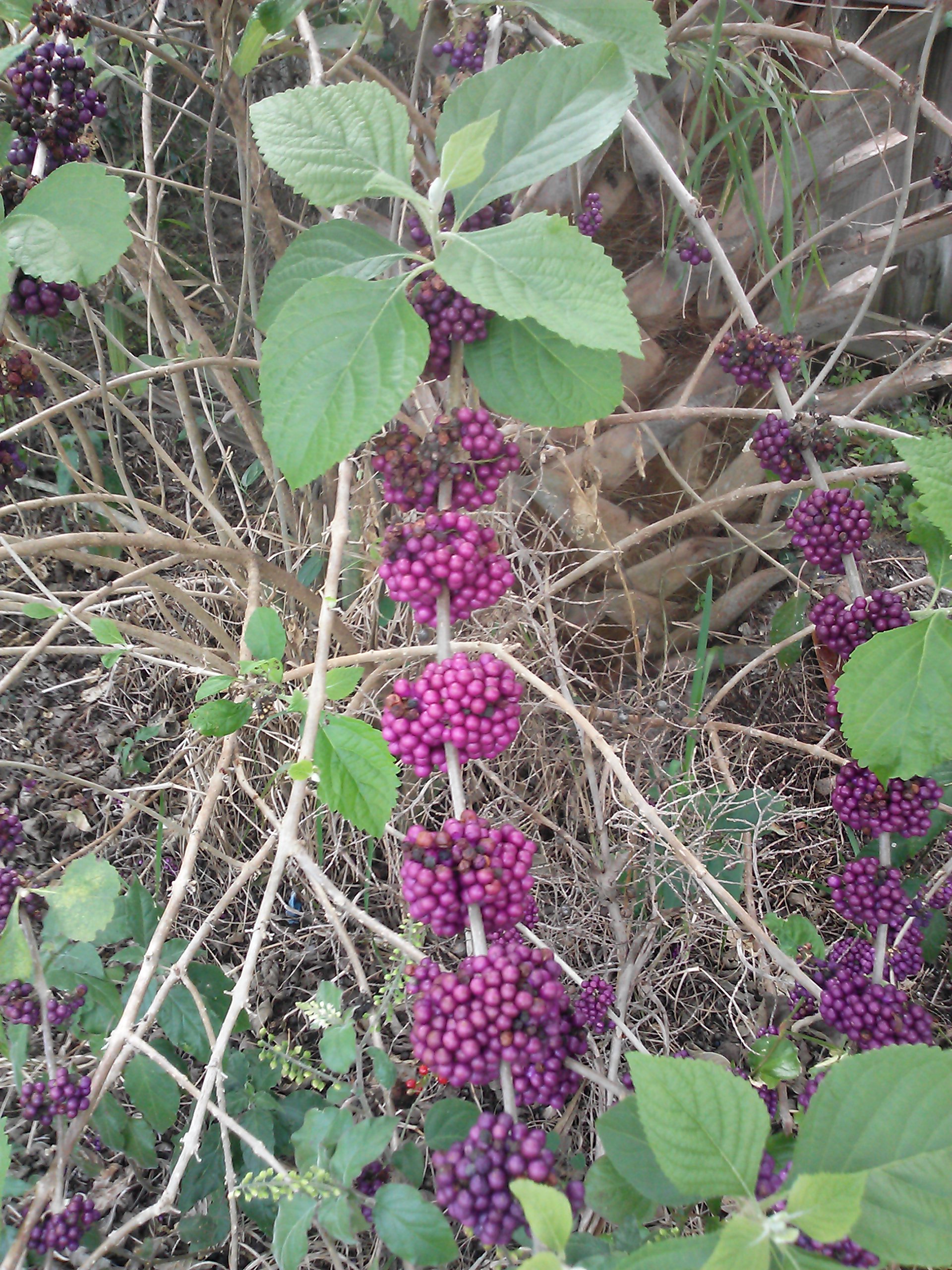
Beautyberry Calliocarpa americana

Beautyberry
Calliocarpa americana

Nephrolepis exaltata Boston Fern

Nephrolepis exaltata
Boston Fern

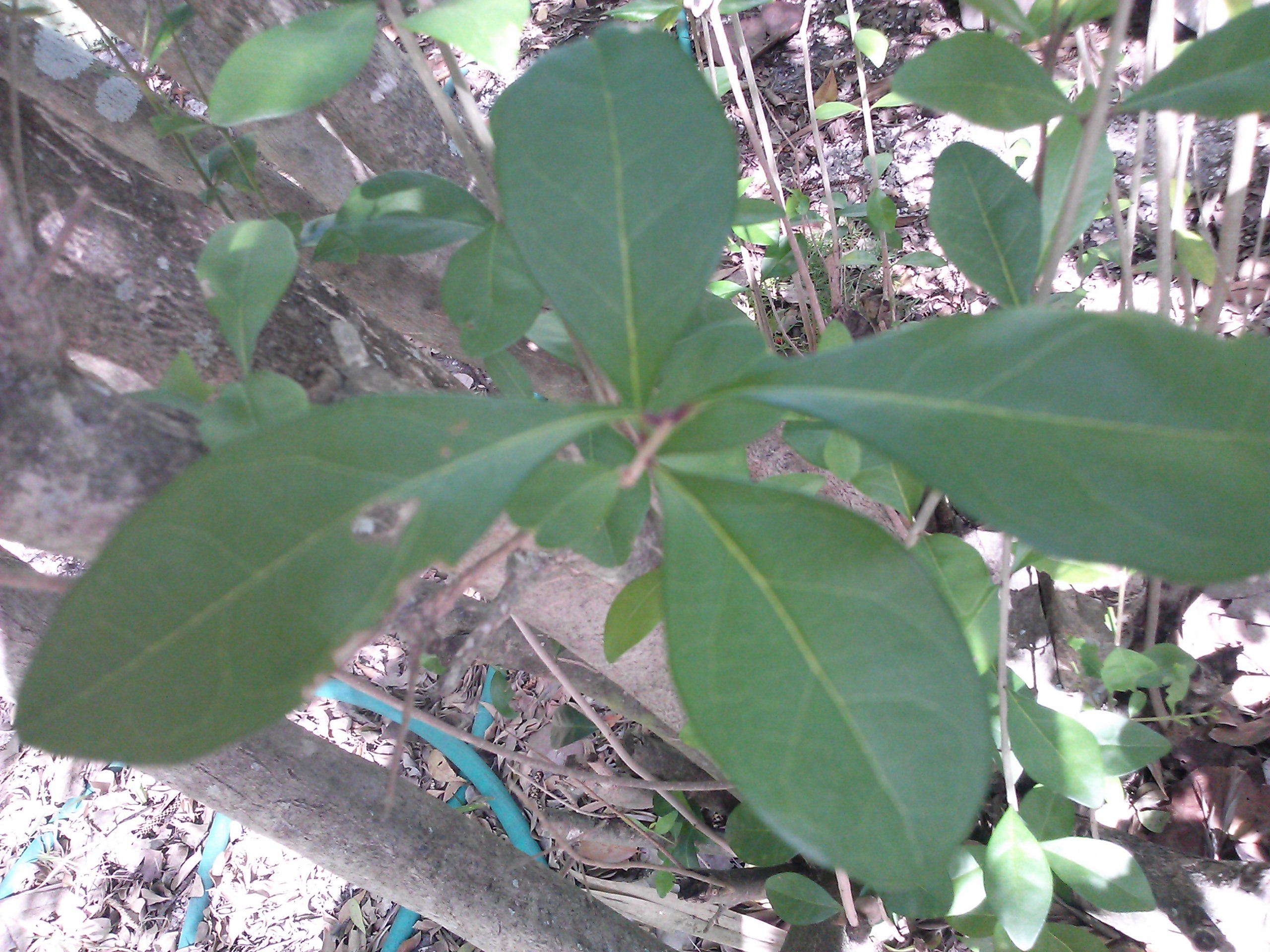
Florida Privet Foresteria segregata

Florida Privet
Foresteria segregata

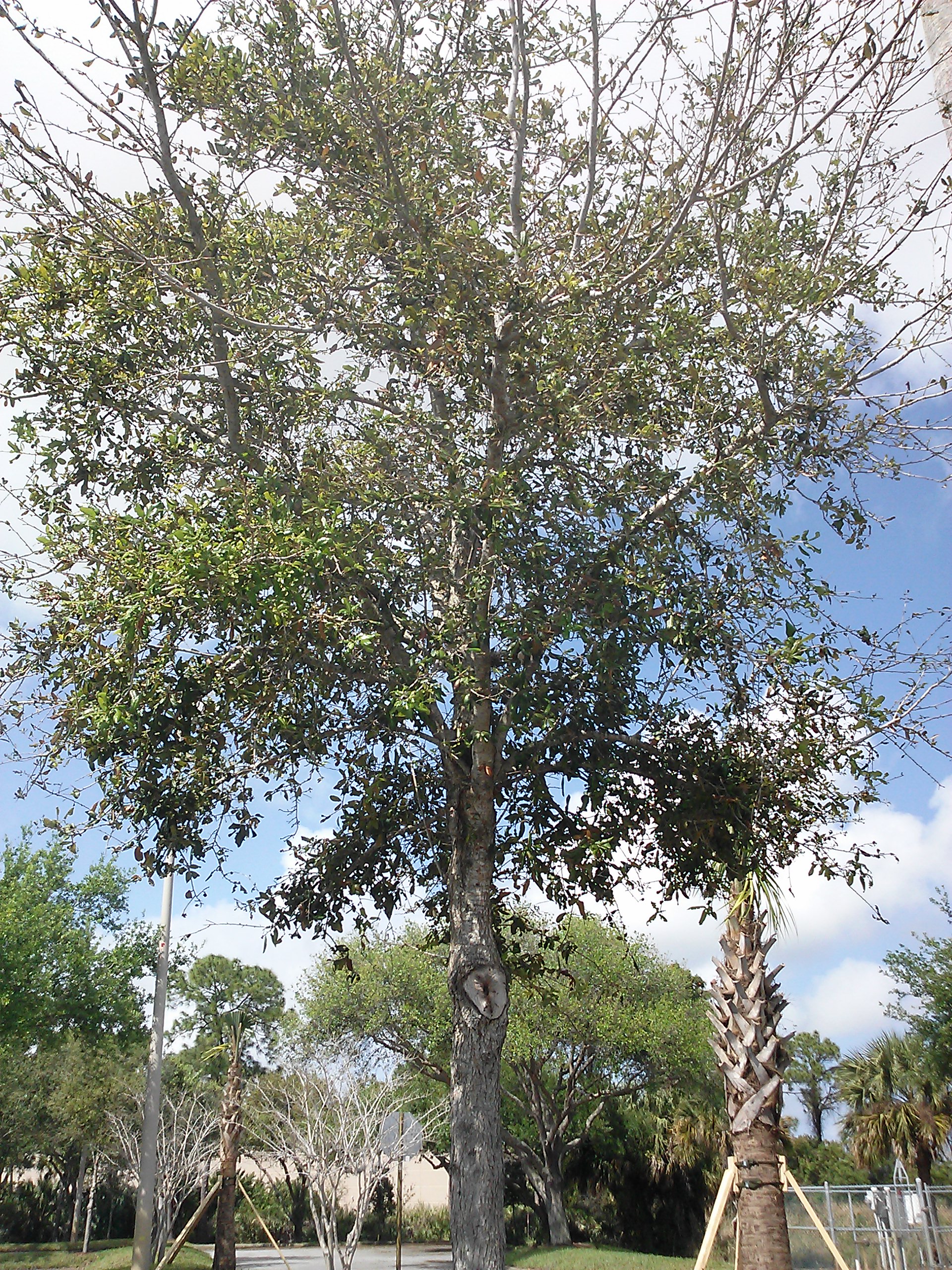
Live Oak Quercus virginiana

Live Oak
Quercus virginiana

The reason we Garden

This evening, my husband went to join his motorcycling friends for dinner. The purpose of their outing is more about riding the motorcycles than it is about dinner. I am all about dinner. I decided to keep our dog company as he had recently lost his companion. There was not much in the fridge for dinner and I wasn’t up for cooking. Chopping and assembling works for me.

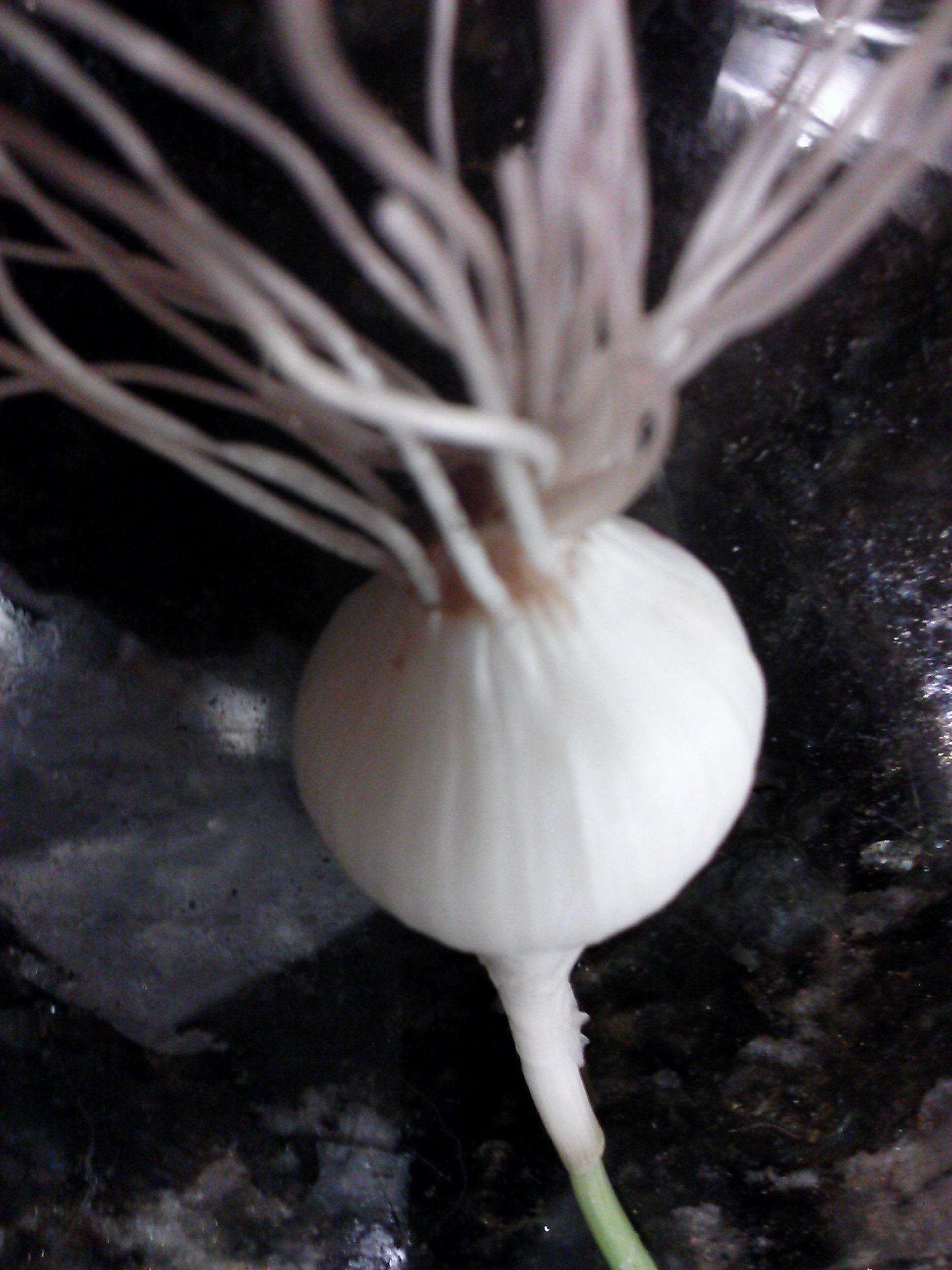
After looking in the refrigerator, I went to look at the garden, where I had Romaine lettuce, radishes, Basil and Dill. I pulled up what appeared to be ripe garlic while digging around in the garden. I think I should paint a picture of this, a pure white bulb with a bit of cerise around the edges…

My Beautiful Garlic Clove

My Beautiful Garlic Clove

In my refrigerator I found leftover Rosemary Garlic Pork Roast, Grape Tomatoes, Baby Peppers, Carrots, Celery and Cremini Mushrooms. There was some Asiago Peppercorn salad dressing as well.

All Southern ladies should gasp and turn their heads now…I chopped the Romaine and everything else. (Southern ladies tear their lettuce, so sorry) added the leftover pork roast and some Helluva Good Cheese (sharp). The salad was dressed with Asiago Peppercorn and admired:

The Salad

The Salad

Dinner

Dinner

The Garlic will be saved for another day.

Memoirs of garden gloves

CAM00568-1

After nearly two years of service I am retiring my leather gloves. I began life in my Florida garden with fabric gloves that were almost immediately destroyed by my enthusiastic removal of undesirable plants. The chain saw and I became well acquainted with the load of Brazilian Pepper in the backyard, 15-20 feet deep in some spots.

The next pair was cotton knit with plastic coated fingers and palms. Apparently whoever buys and stocks the gloves in this area has never actually tried to use these. These gloves, while waterproof, turn into a sweaty mess in about fifteen minutes. Gardening with garbage bags over your hands is a more pleasant experience. These were sent to the street with the garbage.

I have always liked split cowhide gloves and have been unable to find them in ladies sizes here. I finally found some small men’s leather gloves and they have stood strong for two years. It is evident that I am right handed by the darker shade of filth on that glove. The tip of the index finger finally gave way and was funneling sand into the glove instead of keeping it out. The color of these gloves is interesting as there is no actual dirt in my yard. It is all sand.

These gloves have seen and been responsible for a lot of change in my new garden. Primarily demolition and weeding. The Brazilian Pepper is mostly gone. I don’t think South Florida will ever be rid of this scourge, but I feel I have done my part. I have also gotten rid of some uglies, Schefflera arboricolas, yes the house plant. The previous owners had dotted these around the yard for no apparent reason. I kept cutting it back thinking that would help. It didn’t. Sometimes removal is the only answer.

These gloves have planted some good things. My Mango tree now has some tiny Mangoes and the Lime tree is bearing fruit. Herbs and vegetables are flourishing in raised beds.

Baby Mangoes

Baby Mangoes

Romaine Lettuce

Romaine Lettuce


With the help of my gloves I was able to grow the Romaine. (That is where the dirt came from – it had to be imported to grow the vegetables) And finally,

My First Homegrown Salad.

My First Homegrown Salad.