Muhly Grass – Muhlenbergia capillaris or filipes

Muhly Grass

Muhly Grass

I planted Muhly Grass recently for its interesting pink mist fall flowers and reputation for indestructibility. The Grass started blooming nearly as soon as I planted it in September and has been slowly filling out with misty pink plumes. This is an interesting grass – it grows as far north as Massachusetts west to Kansas and south to Florida. A huge range, at least 5 USDA hardiness zones, apparently with a native habitat on the edges of marshes. I found in previous attempts that it is virtually impossible to grow in heavy clay soil. So, it should be really happy in my front yard atop a sand dune.

I am getting a feeling I might have to water it a bit. Plants that are designated drought tolerant with conditions usually are not as drought tolerant as you would like.

Another common name for this is Sweetgrass, supposedly when dried it has a sweet fragrance like hay. I haven’t noticed the smell, but I haven’t dried any either. I think I prefer the Sweetgrass name to Muhly Grass. Muhly sounds like beer or something. Muhly Ale?!

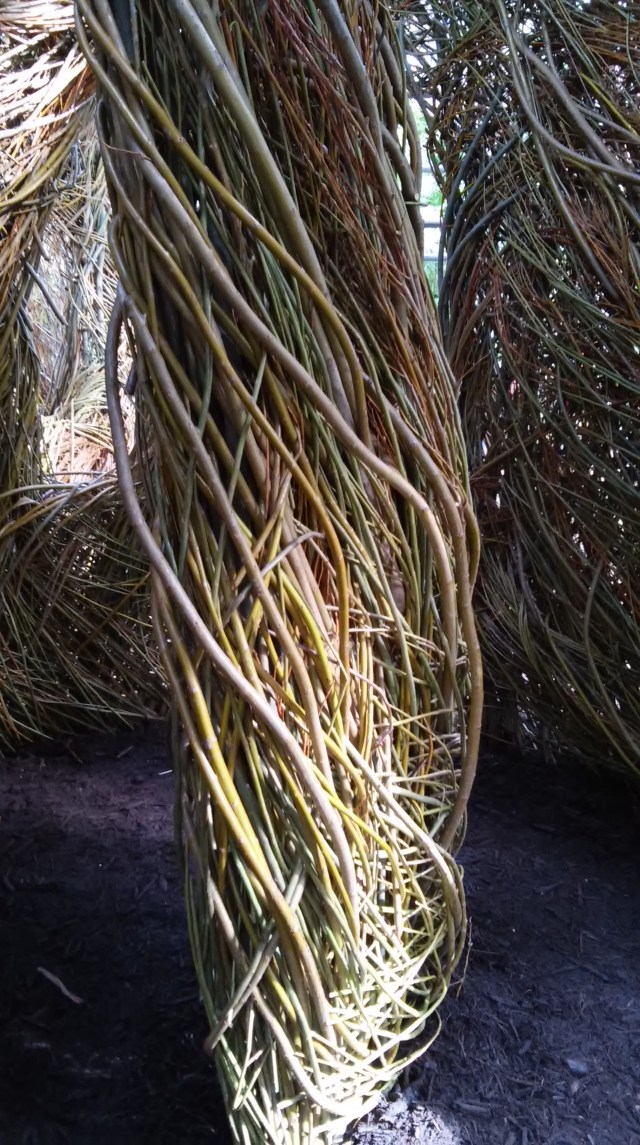
This grass is the source of material for basketry by the Seminole Indians in Florida and the famous Sweetgrass baskets of the Low Country of South Carolina. The Low Country basketry tradition was started by slaves from West Africa imported to the American South to work in the rice plantations in the 1800s. The tradition continues and to this day sweetgrass baskets are made and sold in the Low Country. The grass is sewn in ropes, then coiled to make a basket – a time consuming task that produces a beautiful basket.

According to the Seminole tribe website they started making sweetgrass baskets 60 years ago. Their baskets are based on grass from the Everglades, which is dried and constructed in a similar way to the Low Country baskets.

Given that I now possess a mass of Muhly I might try a basket. I suspect this is a lot harder than I think it is.. and my backyard has been blessed with an overabundance of Muscadines (a native grape) – the local wildlife population eats all the fruit, but I have such a large amount of grapevine I may take up basketweaving or wreathmaking..

Winter Containers for South Florida

Here comes the Work Shop

Here comes the Work Shop

My husband likes to work with his hands, when we moved to South Florida there wasn’t enough room in our house for a workshop so we had one craned it. The picture is the shop being lifted over the house..I’ll get to the containers in a minute.

The shop ends up looking a bit like a trailer but with some landscaping and a porch it fits in. These sheds are fairly common in South Florida, I have never seen them before – they are even built and attached to the ground to resist hurricanes.

The whole adventure left me feeling a bit like Dorothy in The Wizard of Oz. Maybe in reverse.

After all this, my husband who has clearly been living with me too long decided he wanted some flower pots (containers if you are a landscape professional) on his shop porch. I put some containers together with the usual suspects last year sometime – yes, the annuals last that long here. It seems crazy to me as well. They last so long you get tired of them. When I lived further north I always did the containers twice a year, changed the colors with the seasons and enjoyed the variety.

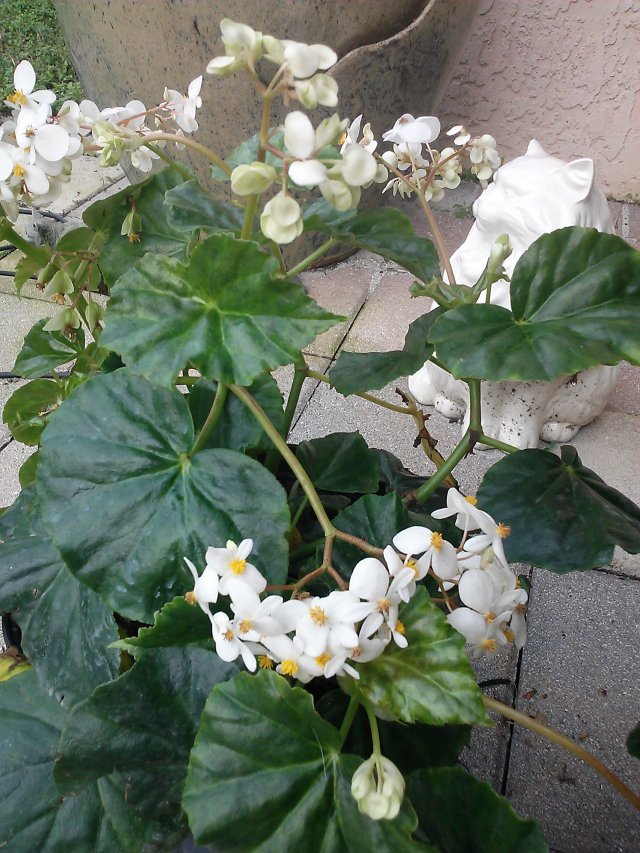
Imagine my surprise when the old summer reliables, Bronzeleaf Begonias, rolled over and died in the summer heat. Time to revise thinking to plants that live in say, the Sahara. Pentas and Lantanas. I had gotten bored with Lantanas in Atlanta and really still am, they just smell funny. If I want fragrance, that is so not it.

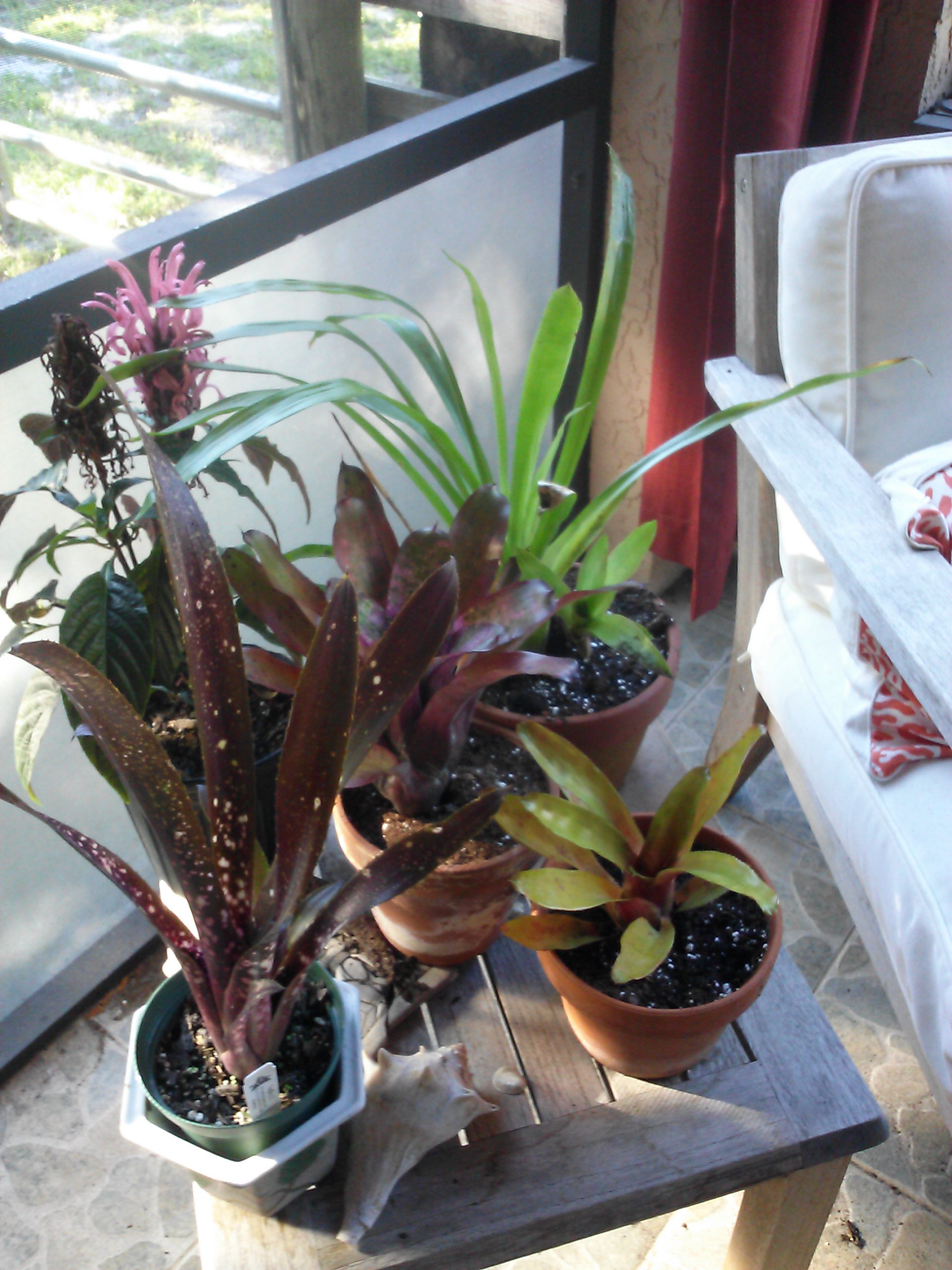
The Lantana and Pentas were pooping out so I was trolling around in our yard to see what I could find to replace the spent annuals. One of the fun things about living in Florida is you never know what you might find growing in the yard. Boston Fern grows wild in the side yard so I dug a start of that and then found some Purple Wandering Jew (Zebrina), a Burgundy Bromeliad and an unknown groundcover Bromeliad (from a garage sale) that needed to be divided  and added them to the ‘Florida Friendly’ (this is a Florida Extension Service sort of approved plant) chartreuse Sedum that was already in the pots. As an aside, who ever heard of a sedum that does well in partial shade – this does. Whatever it is.

Groundcover Bromeliad and Sedum

Groundcover Bromeliad and Sedum

Voila, a purple and chartreuse themed container garden. The Bromeliads seem to be perennial in containers – the big Burgundy one was divided from a container I have had on my front porch for a year or so – I started with one and now there are three in there. You just never know what you will find growing outside…

Newly planted containers

Newly planted containers


Rain Gardens on the Treasure Coast

We have a local environmental blogger here on the Treasure Coast who posted  about Rain Gardens and inspired this.

I have been designing Rain Gardens for about 10 years. It is a great idea for the environment, but aesthetically it is difficult to cope with the fact that unless carefully planned it looks like a big drainage ditch in your front yard. Not a good look.

I decided to put some Rain Gardens around our house after discovering that the areas right around the house were not irrigated and the house had no gutters so the rain collected on the ground around the house and was not really concentrated by gutters into 4 or 5 spots.

The lack of gutters on the roof is relatively common here, this is new to me. I am not quite sure why – maybe Hurricanes blow them off. Anyway, we bought the house without gutters and I always, always hated dealing with getting the gutters cleaned, etc. on our house in Atlanta. I was happy not to have gutters.

Then it rained, like seven inches. Wow, there were pits in the areas under the valleys of the roof where the water came off the roof. Luckily the yard was so gruesome there was no question about redoing the driveway and landscaping. And we live on a Sugar Sand Dune, highly pervious no water stands anywhere. A big ditch was not really necessary.

My father taught Geology at Emory University. He passed on and I inherited his love of rocks, but in a more decorative way. I love stone, boulders and natural materials incorporated into the garden. I brought his rocks to Florida and planned to use them in my gardens. In Florida, I have added seashells and cap rocks in an effort to be more sustainable by using locally available material.

My Rain Gardens are in my front yard in a planter:

Rocks for Splashing

Rocks for Splashing

The valley of the roof drains onto these rocks, the rocks break the speed of water and then it splashes on down the Egg Rock, waters my plants and drains back into the sand. This planter is not irrigated, a bit of a sin in South Florida – it is maintained for the most part by rain. I occasionally water the Plumeria in  winter. The plants are placed out from under the edge of the roof  so they get watered and not beaten by a big rainstorm.

Rain Garden Planter

Rain Garden Planter

This is the whole garden. A Bridal Veil Plumeria is centered on the house flanked by Lemon Blanchiata Bromeliads then FlapJack plants. A Pencil Cactus anchors the corner. The plant selection is mostly succulents or low water tolerant plants. I had to have the Plumeria for aesthetic reasons and suffer through the watering.

Rockcentric Rain Garden

Rockcentric Rain Garden

This is my other Rain Garden. Again the water comes off the corner valley and lands on the large sized Egg Rock and flows over the Black Mexican Pebbles and drains to the driveway. The driveway is made from pervious shell and drains onto a turf area with a french drain beneath it.

The Rocks are from my father’s collection and one piece of coral rock from Jensen Beach. Plants are newly planted -a Tibouchina and a Leafless Bird of Paradise. I am watering these plants to establish them.

Tropical Ranch

I went on a mini garden tour yesterday to the Tropical Ranch Botanical Garden in nearby Stuart, Florida. This is a two acre garden owned by a local couple who are Master Gardeners; they live in the garden and open it every month or so.

The garden is beautifully maintained and available for events. Here are a few plants from my meander through the garden:

'Queen Emma' Crinum

This is a ‘Queen Emma’ Crinum – this plant is 5 or 6 feet tall.

Blanchietta Aechmea Bromeliad

Blanchetiana Aechmea Bromeliad

Another enormous tropical in bloom,  these are very popular around town and are available in Lemon, Orange and Raspberry. I am not sure which one this is but, I am guessing Lemon as the leaves have a yellow cast. The flower is almost 5 feet tall and out of this world. I have had these for a couple of years and mine refuse to bloom. One of the owners told me they used to have cows – maybe that is the secret.


Hala

Hala 

Hawaiians call this Hala, it is used for everything from hats to huts, not native to Florida it will grow here. Floridians tend to call this Screw Pine, not sure why, it seems odd – when I first heard the term I thought it was some weird tropical version of a Japanese Black Pine, not so. I have one in my garden, it is about 12″ tall, unlike this beauty.

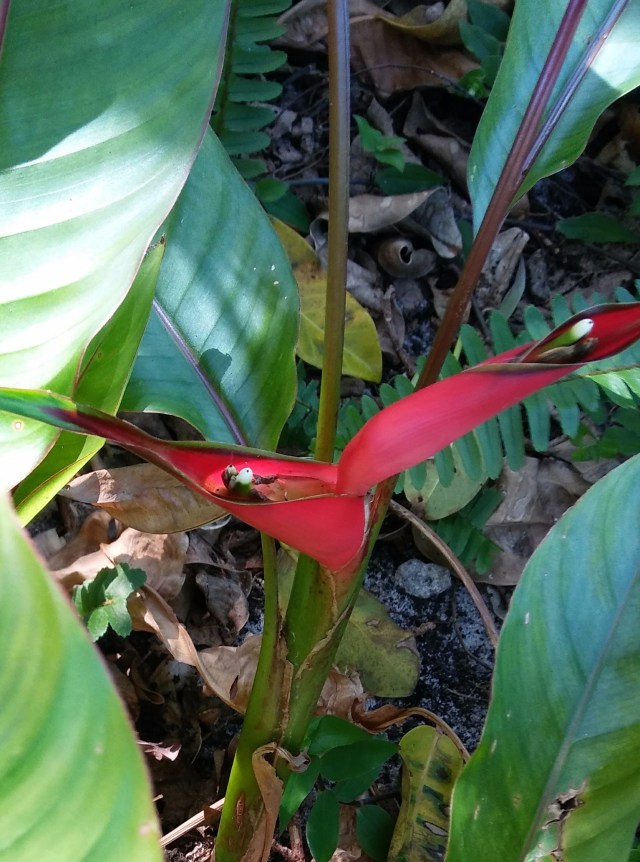
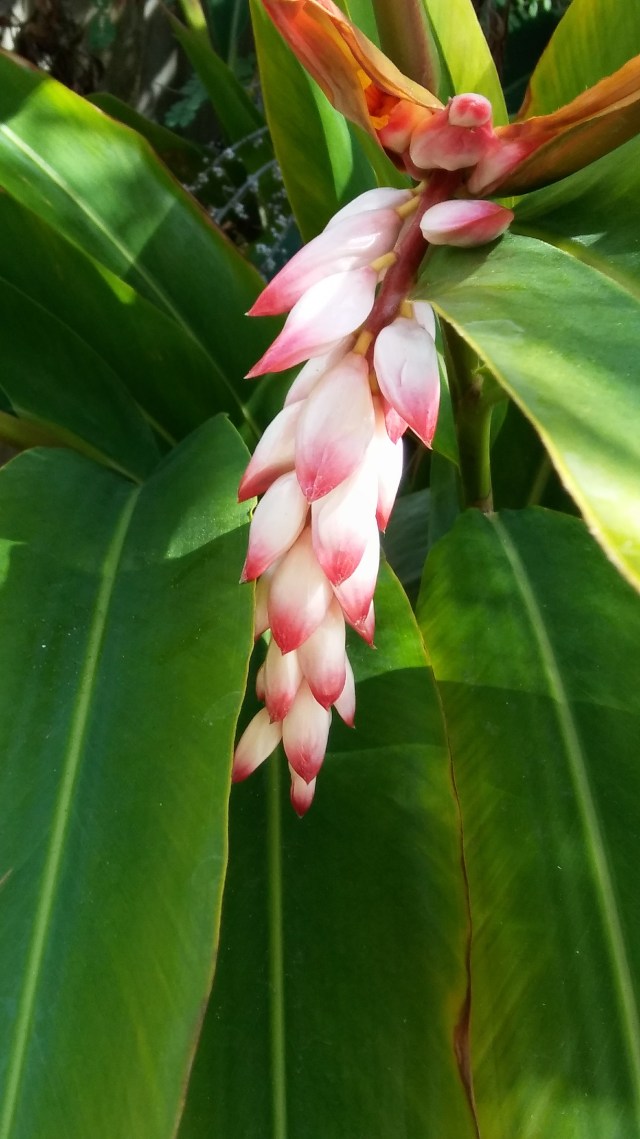
And last but not least, another favorite, the Heliconia. I think it is some variety of Lobsterclaw. Another thing I am waiting for a flower from; I read the other day these shouldn’t be pruned or you cut the flowers off. That could be my problem – excessive pruning. But, the plant is seven feet tall. Gardening teaches patience, right?

Heliconia

Heliconia

Bromeliad update – Matchstick and Aechmea idon’tknowwhatitis

Pink Bromeliad

Pink Bromeliad

This is a close up of an Aechmea Bromeliad I bought two years ago. Totally pink and as weird looking as these things are sometimes. I used this in a an article that never got published. Being a cooperative plant it put out a pup and the mother plant died after hanging around for a while. I waited for the thing to bloom again and set in the ground in a relatively shady, sandy bed with some Bromeliad friends.

A month or so ago,  it started sending up a stalk -yes, it looked like a girl power corn cob.

Second Generation Pink Bromeliad

Second Generation Pink Bromeliad

I am calling this Aechmea idon’tknowwhatitis because the guy I bought it from did not know either. And there are a zillion of these things and from this I guess that they are not clones from the mother plant.

Here is a close up of the flower from Second Generation

Pink and Yellow Bromeliad

Pink and Yellow Bromeliad

Curiouser and curiouser, this flower just stays pink and yellow and has been around for a couple of weeks now.

An additional Bromeliad note, the Matchstick Bromeliads I planted in nearly full sun have all burned up with the exception of one that looks great. So, take the ‘this one likes the sun’ advice with a grain of salt and try a little shade.

The Sustainable Garden: Perennial Thoughts

I perennially have thoughts about flowers. In terms of sustainability I am not sure the native ones are always best. Many of the natives are simply weeds with attractive flowers or characteristics we like. I have a deep respect for Black Eyed Susan from a previous experience – as in being nearly overrun by them. I used to live in their native habitat and had bought some “improved” Goldstrum Variety and they bolted back to their native selves and then ran amok on a well drained sunny hill. A recipe for landscape disaster. As beautiful as they were in full bloom, it took a long time to get rid of the Black Eyed Susans. I could not cope with their joyful abundance anymore. So easy on the natives and seek those that do well in your climate without too much water and too much abundance. Easier to take care of and maintain.

In South Florida irrigation is a big deal. We have a rainy season and a dry season. While there are many native plants this is a tropical climate and some of them can go wild. I have found some escaped houseplants in my yard going wild. Mother in Laws tongues is an invasive species. Many plants commonly grown here will not survive without irrigation. I chose not to irrigate my entire yard to save water and to save my sanity. The areas in lawn and vegetables are irrigated; areas with lower water perennials are drip irrigated and I have some unirrigated low maintenance areas that I still want to plant with beautiful perennials. I am just looking at things a bit differently. So, I am paying close attention to who I am inviting to live in my garden.

Beach Sunflower

The Beach Sunflower from Wikipedia

I am about to plant some Beach Sunflower in an unirrigated portion of my garden, I live on a sand hill and these are native to our area – I believe if I planted them in an irrigated area I would be overrun in short order. So, it is time for some more garden experimentation. The Beach Sunflower is going to look great with the existing Blue Agave, Red Martin Bromeliad and Painted Fingernail Bromeliad. Eventually providing shade is a native Gumbo Limbo tree; if that doesn’t get you in the mood for a Margarita nothing will. All these plants are extremely drought tolerant and will survive without regular irrigation. The Gumbo Limbo and Beach Sunflower are native, the Blue Agave is from Mexico, and the Martin and Painted Fingernail Bromeliads are Neoregelia type Bromeliads that originated in South America.

Painted Fingernail Bromeliad

Painted Fingernail Bromeliad


Martin Bromeliad

Martin Bromeliad

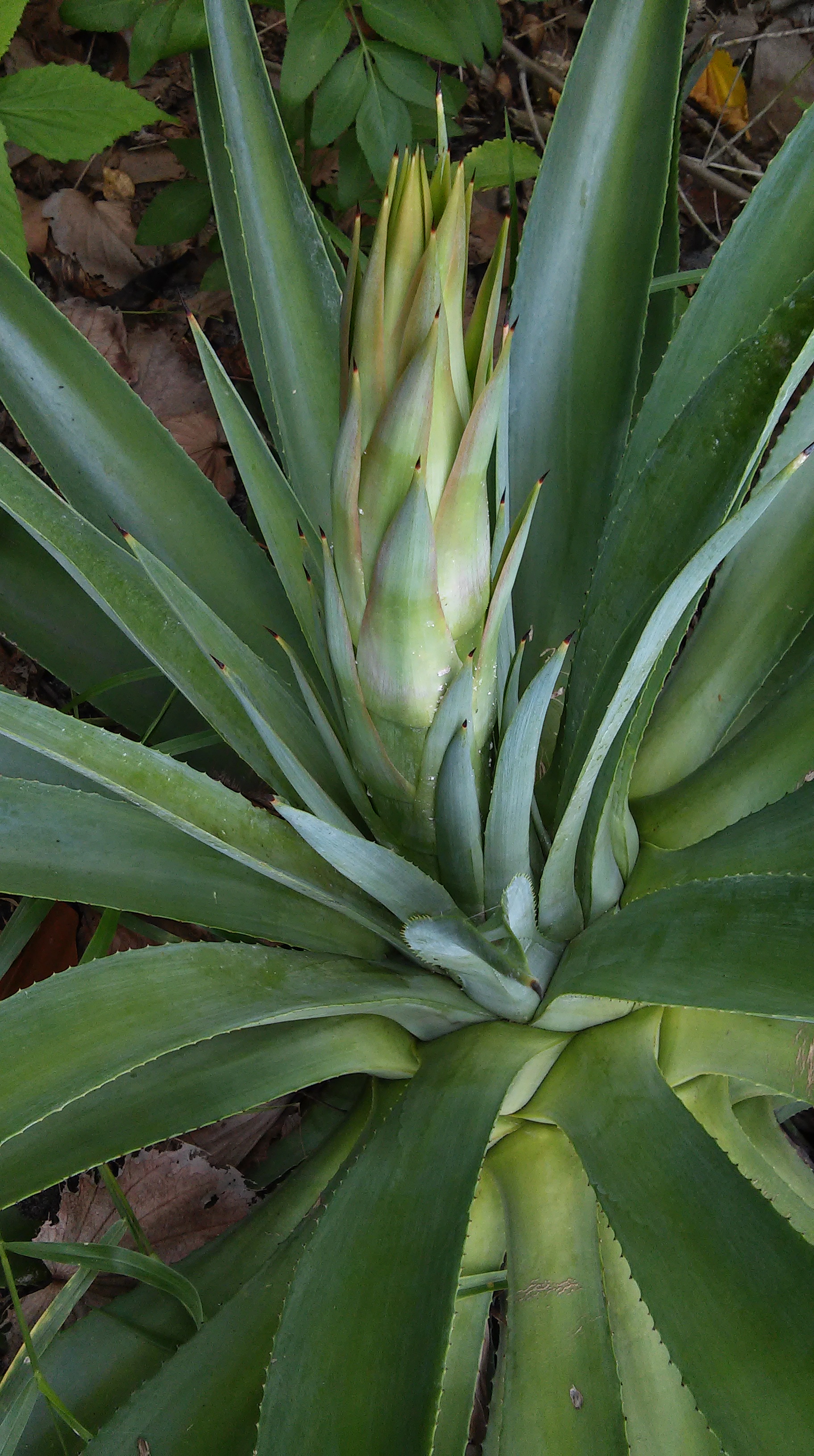
Blue Agave

Blue Agave

It seems strange to me that Bromeliads, in my mind a rainforest plant, would thrive in the sun with little supplemental water, but they do. The Painted Fingernail Bromeliad is a passalong plant around here and I have seen large masses of it planted around mailboxes on the side of the road. A great example of a not native plant working in a sustainable way. The result of my selection of plant material is an evergreen perennial bed that blooms or provides year round color while being very drought tolerant and using very little fertilizer or maintenance.
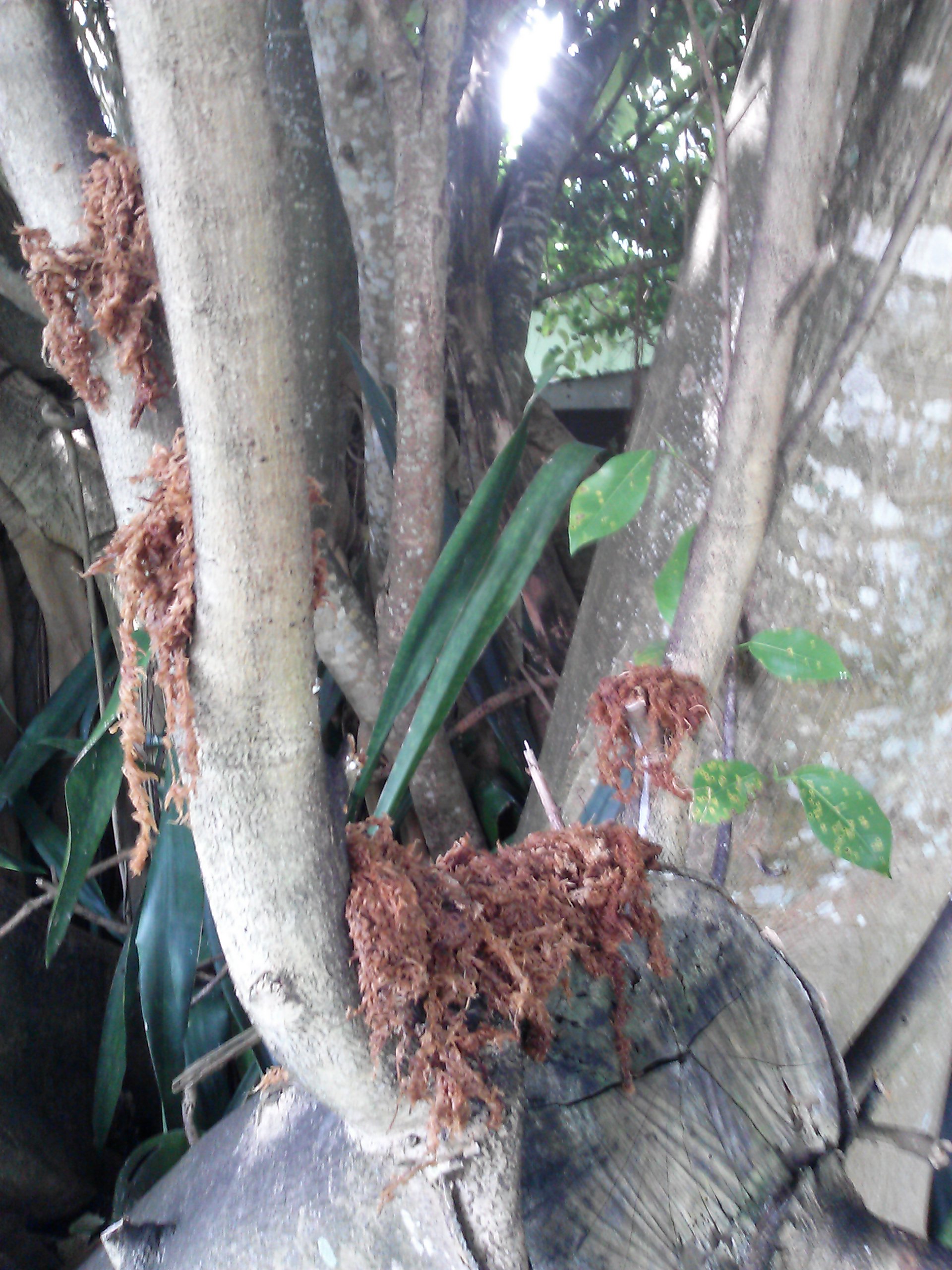
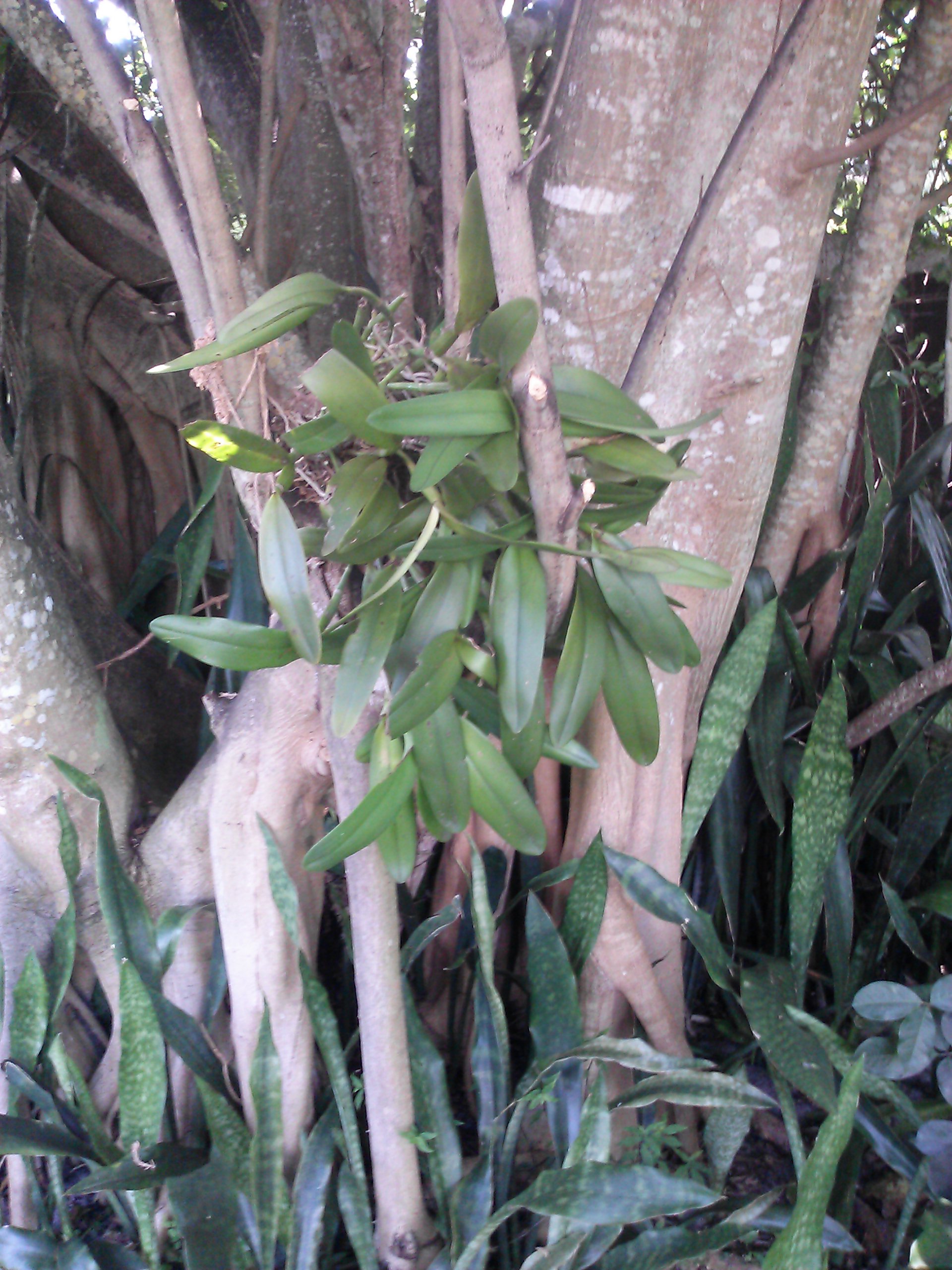
Sustainability is about more than native plants – it is about selecting the right plants.


Miniata Bromeliad-Aechmea miniata

Miniata Bromeliad flowers

Flowers

These are currently blooming in my garden and have been for a week or so. The flowers look a bit like a panicle of red hots with a few touches of periwinkle blue. In the realm of Bromeliads, these are terrestrial, which means they root in the soil, and they have tanks, botanically speaking, the leaves form a rosette creating a reservoir in the center of the plant that holds water and traps various insects and debris feeding the bromeliad. The image below is looking down into the tank. The foliage has a nice grey green variation and is attractive year round.

 Foliage and Tank

The tanks are a bit of a maintenance chore sometimes because they trap more junk than you would think. I have some tongs to fish debris out and then I usually put some BT granules in to discourage any mosquitoes from hatching out.

The plant itself ends up about 18 x 18″ , so it is a nice size for addition to a shady perennial bed. These have reliably reproduced one or two pups per year, so not really invasive, but they are living among friends now.