In a Vase on Monday – Celebrating Garden Mystery

wp-17657475845451625946170417636948

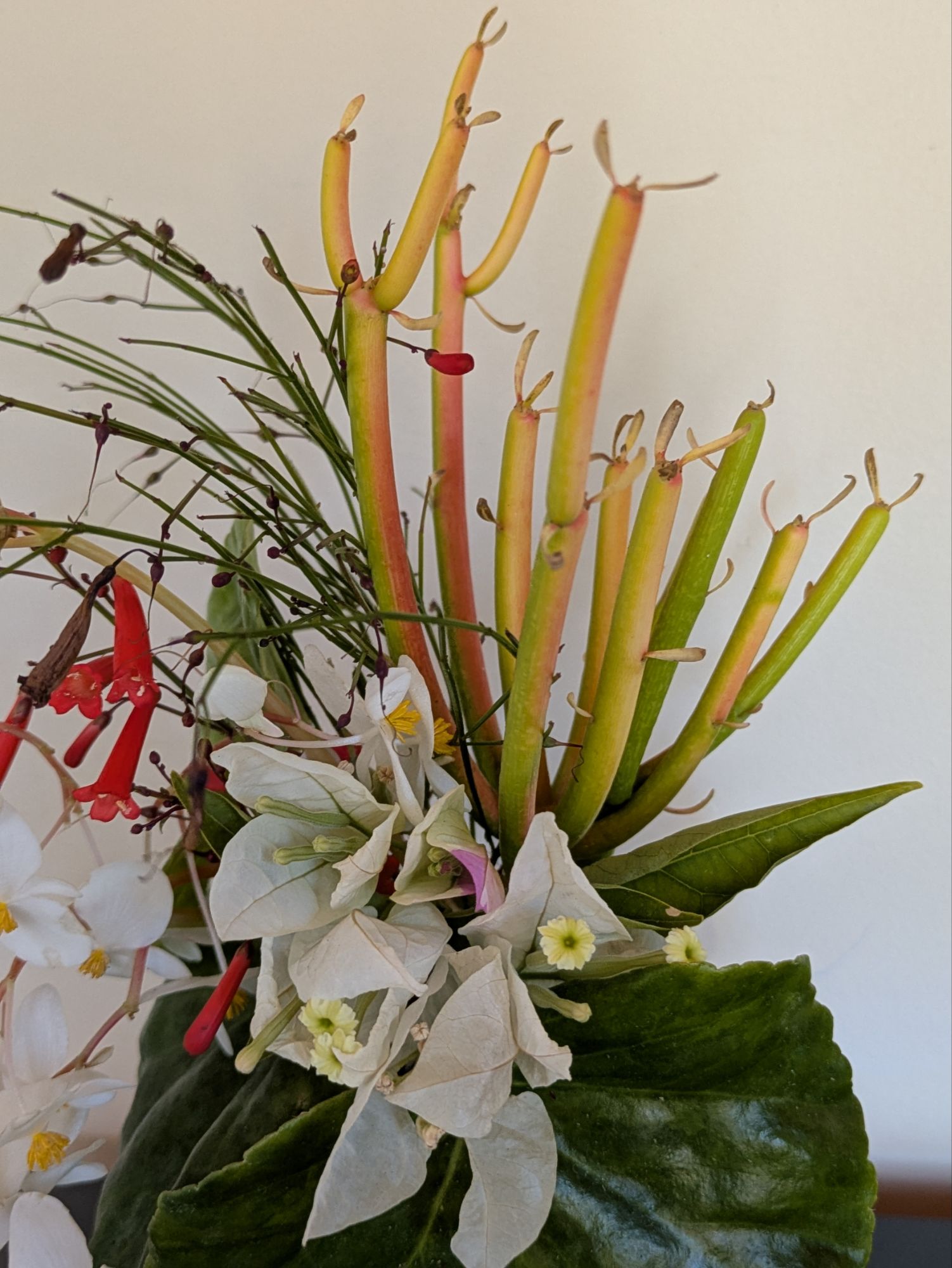
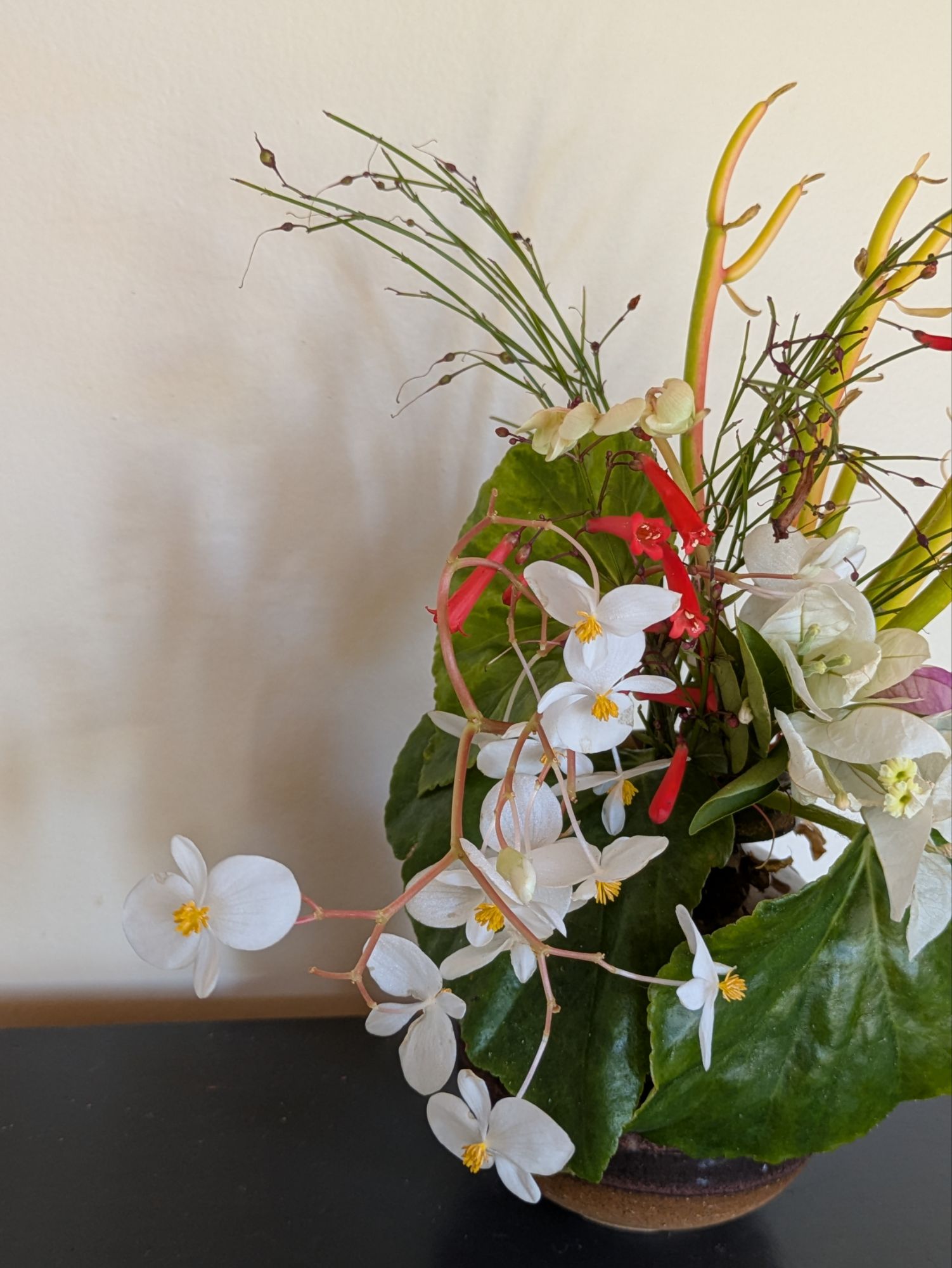
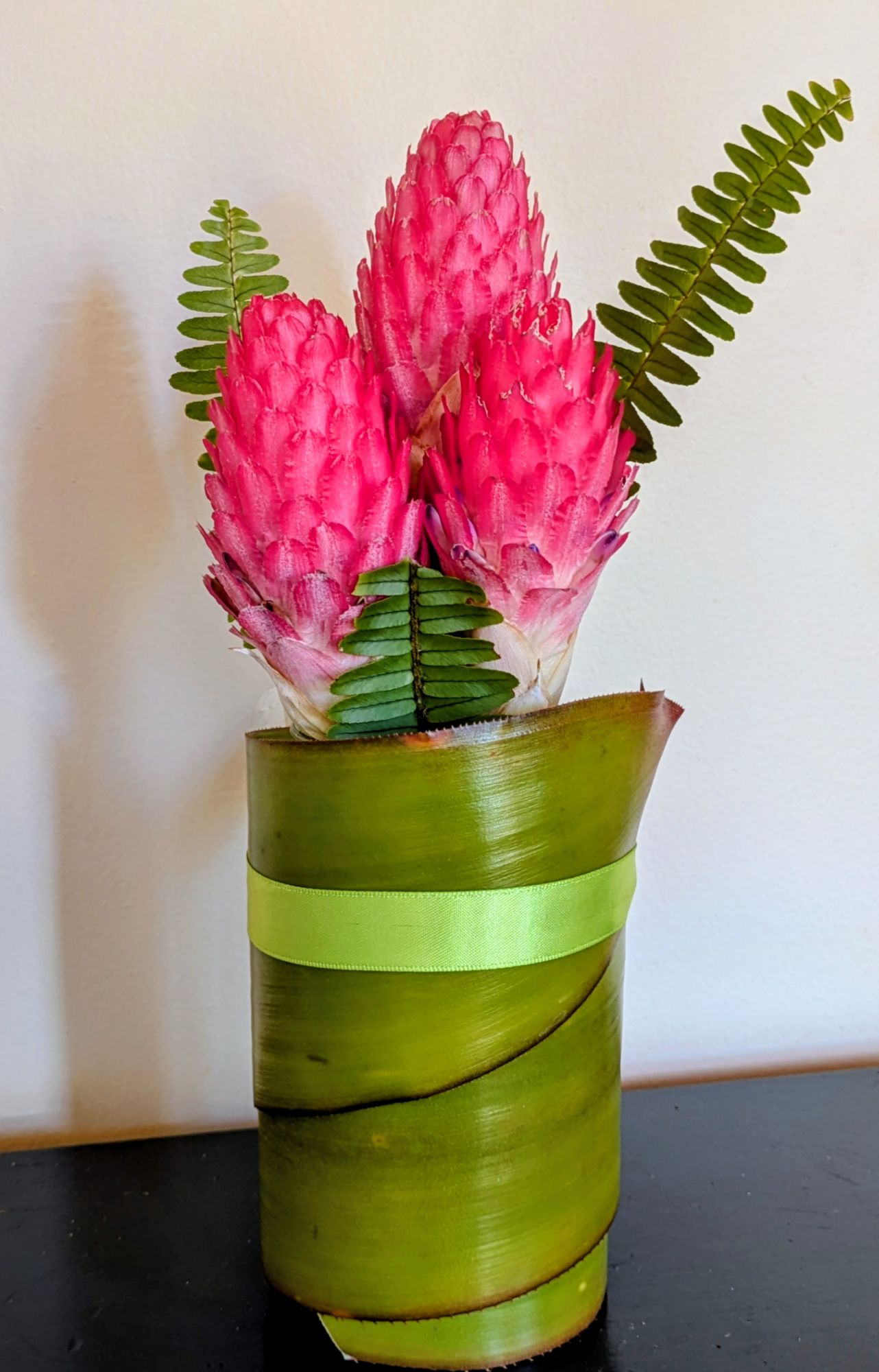
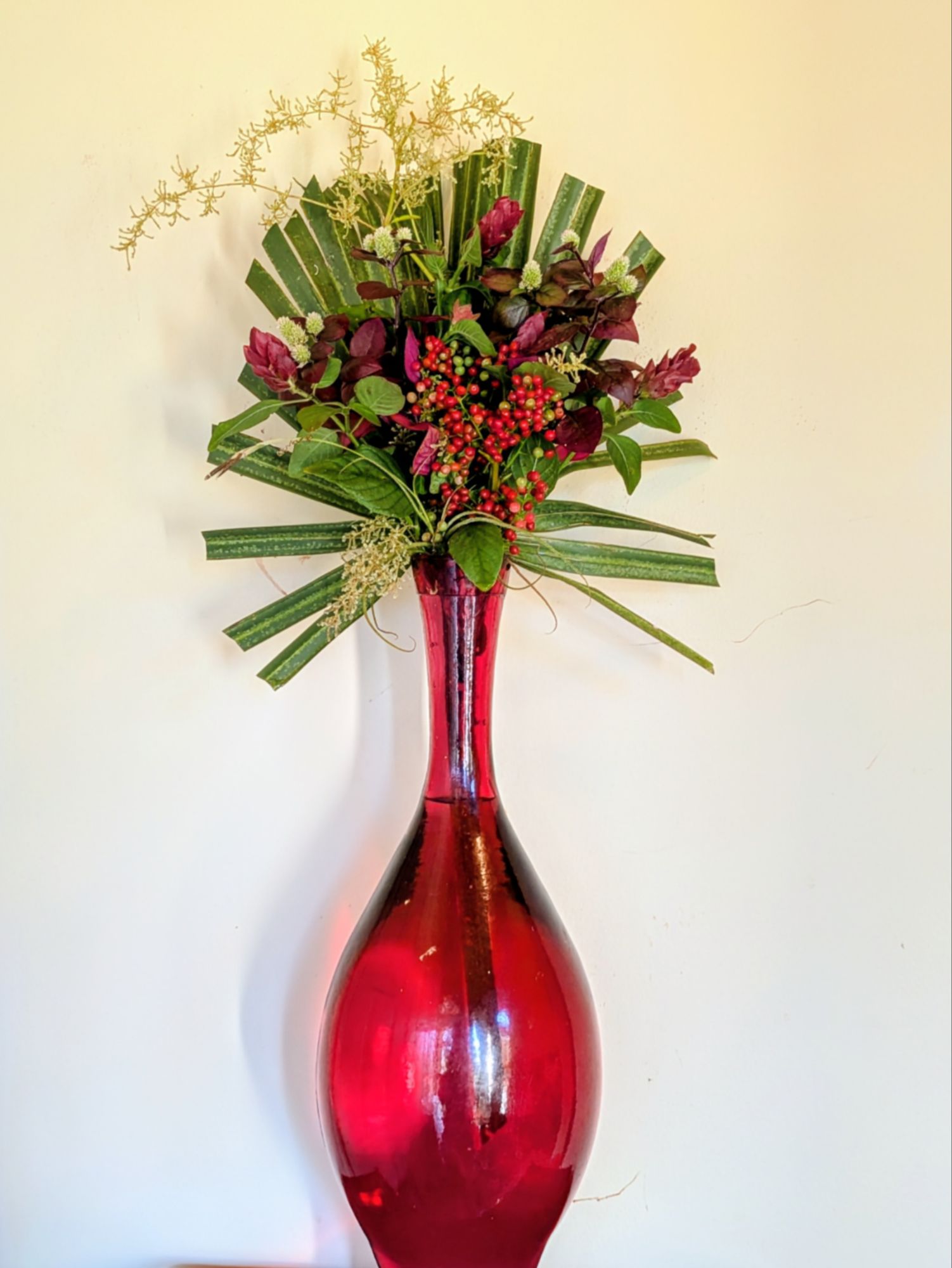
The holiday mood usually kicks in for me around December 15. True to form, I reached for the big red vase and went in search of some ‘Christmasy’ flowers. This vase presents a challenge. It is very tall and has a very narrow opening.

The hunt was on for holiday mood flowers with skinny stems. In South Florida! A challenge, to say the least. My garden provided several selections. Not one of them was planted by me. Where did they come from?? An unanswerable question.

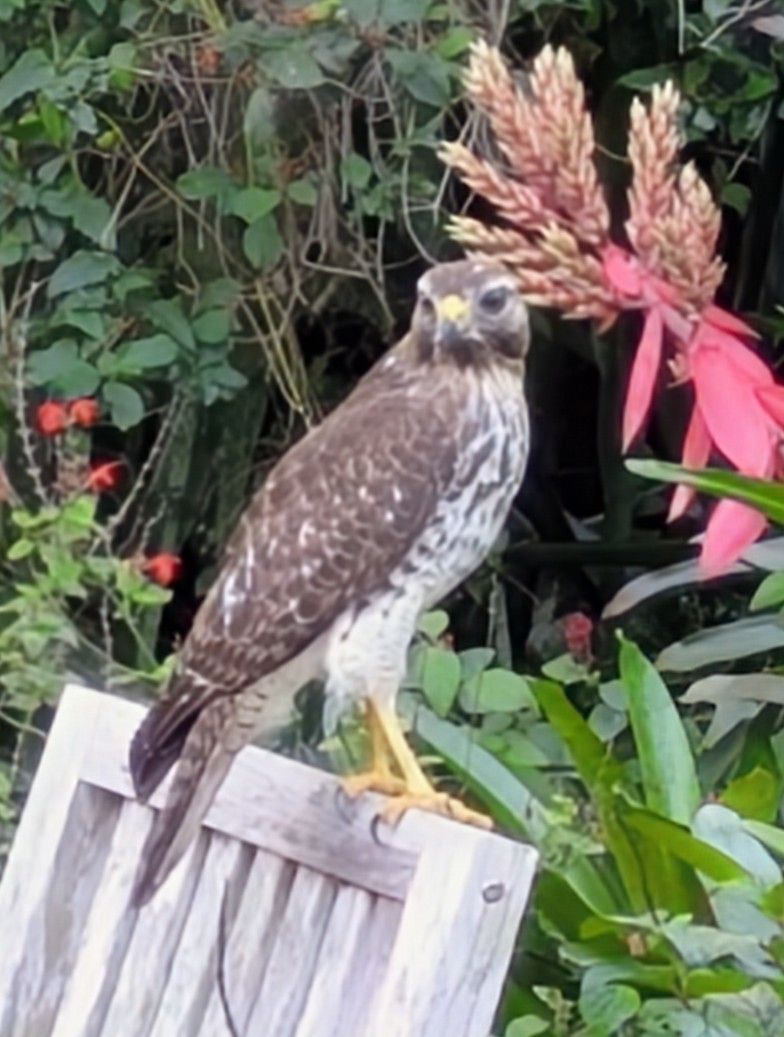
I suppose the birds have been planning to provide me with holiday vase clippings! Every December I remember how many birds pass through. The numbers are truly astounding as well as the variety and lengths of the commutes.

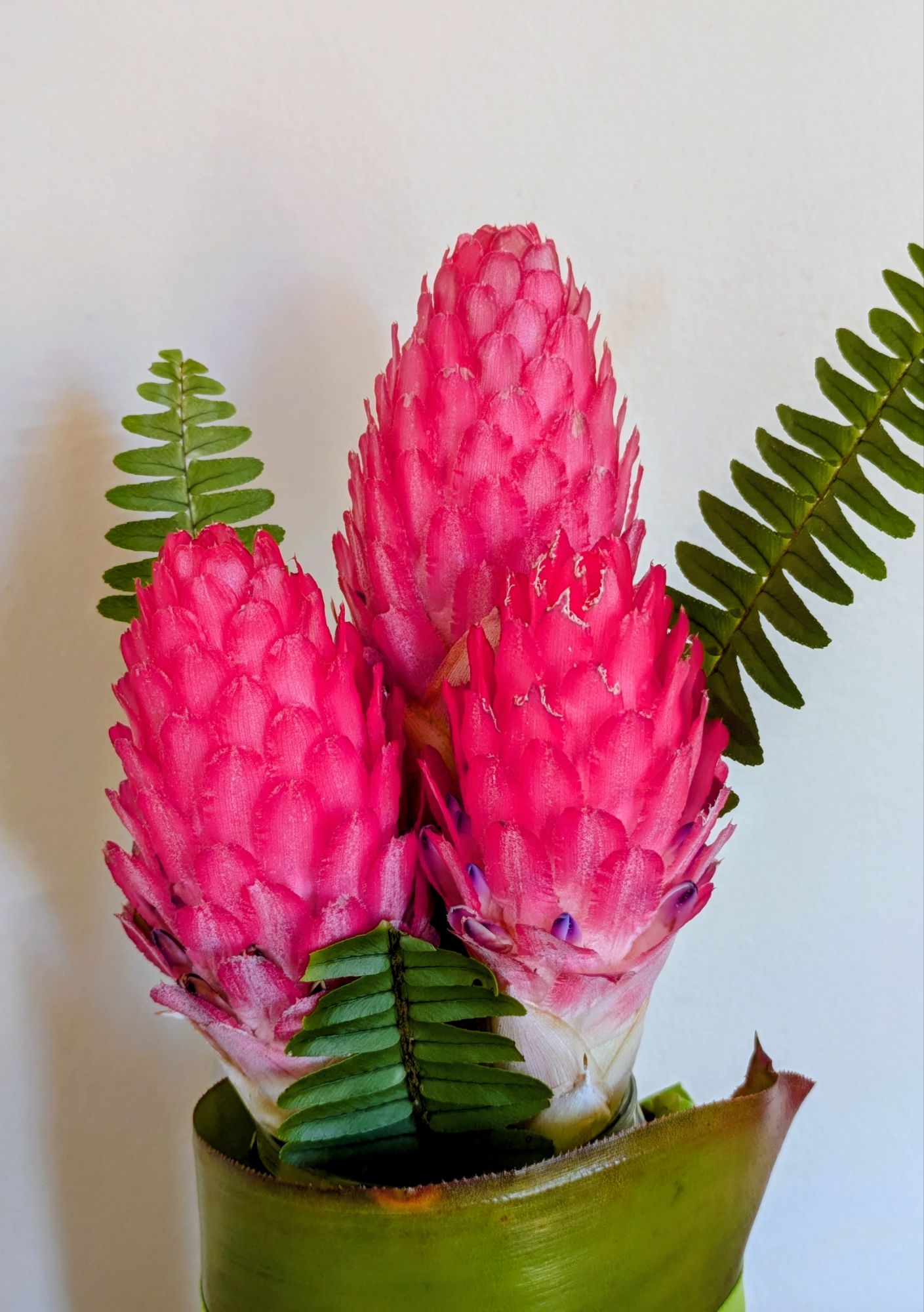
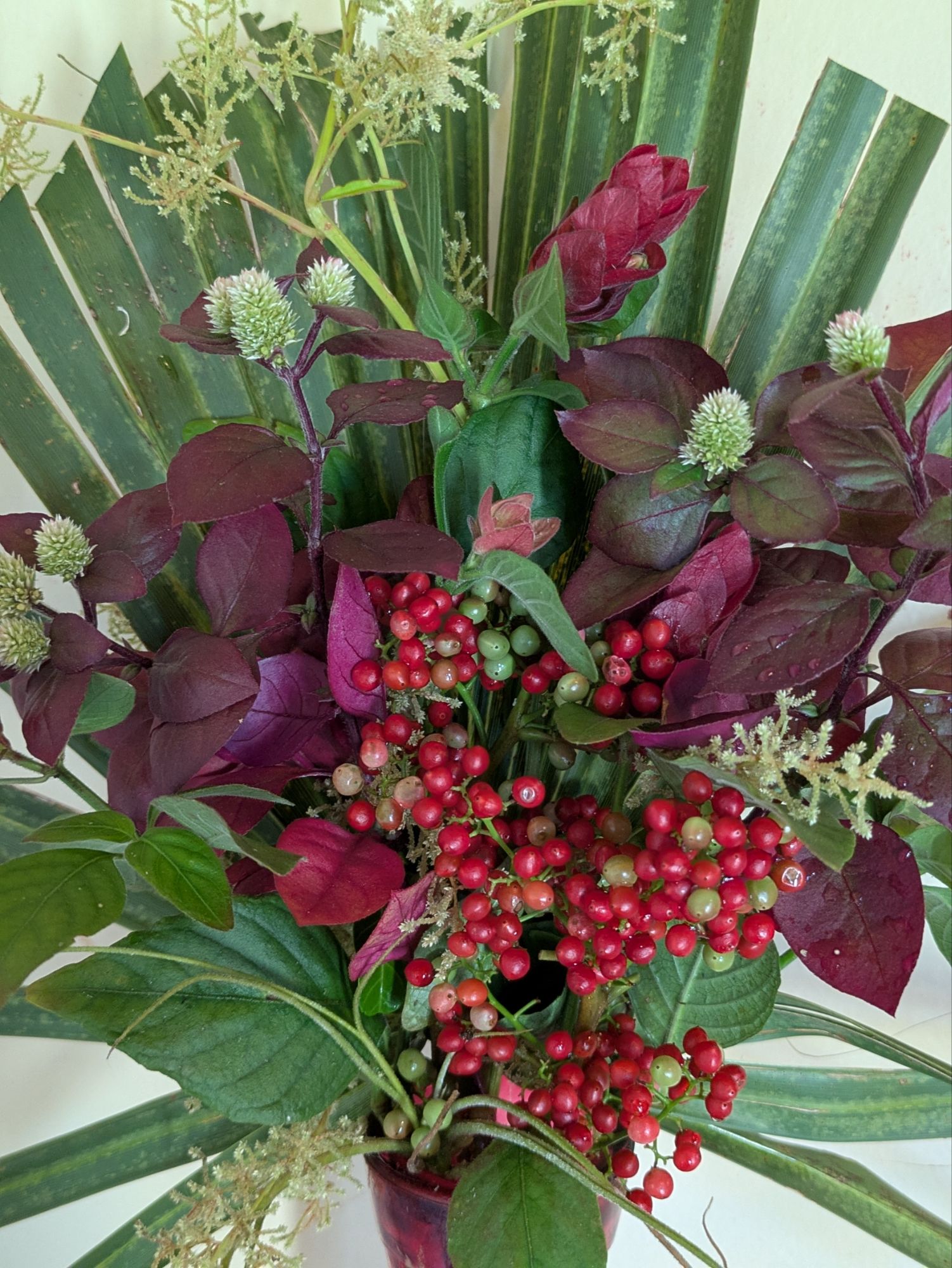
A closer view:

wp-17657481503322437926745075707183

The red berries are Brazilian Pepper (Schinus terebinthifolia) – a dreadful invasive plant in my garden. I am certain these were planted for their lovely berries and frighteningly quick growth habit. There are now untold zillions of these growing wild while we try to get rid of them. I may have saved the planet from 60 with this vase. Sigh. The purple foliage is ‘Purple Prince’ Alternanthera – planted as an annual color some years ago these appear intermittently growing from crevices in paving stones. Red flowers are Shrimp Plants (Justicia brandegeana) – my neighbor gave me one about ten years ago and it keeps going on. The trimmed palm frond, another seedling Cabbage Palm (Palmetto Sabal). Cream colored flower spikes are Juba Bush (Iresine diffusa), a gift from an unknown benefactor I have been diligently trying to propagate (no results). Long grey foliage at the neck of the bottle is a native air plant (Tillandsia spp). This is a relative of Spanish Moss and just appears. No idea why.

The ending of another year is always a good time for reflection. The unanswerable questions are a bit troublesome. I plan to enjoy whatever gifts the universe has to offer.

Thanks to Cathy for hosting. Follow this link RamblingintheGarden to see more vases.

In a Vase on Monday – Turks Caps and Wildflowers

wp-1763329425028706889522261596729

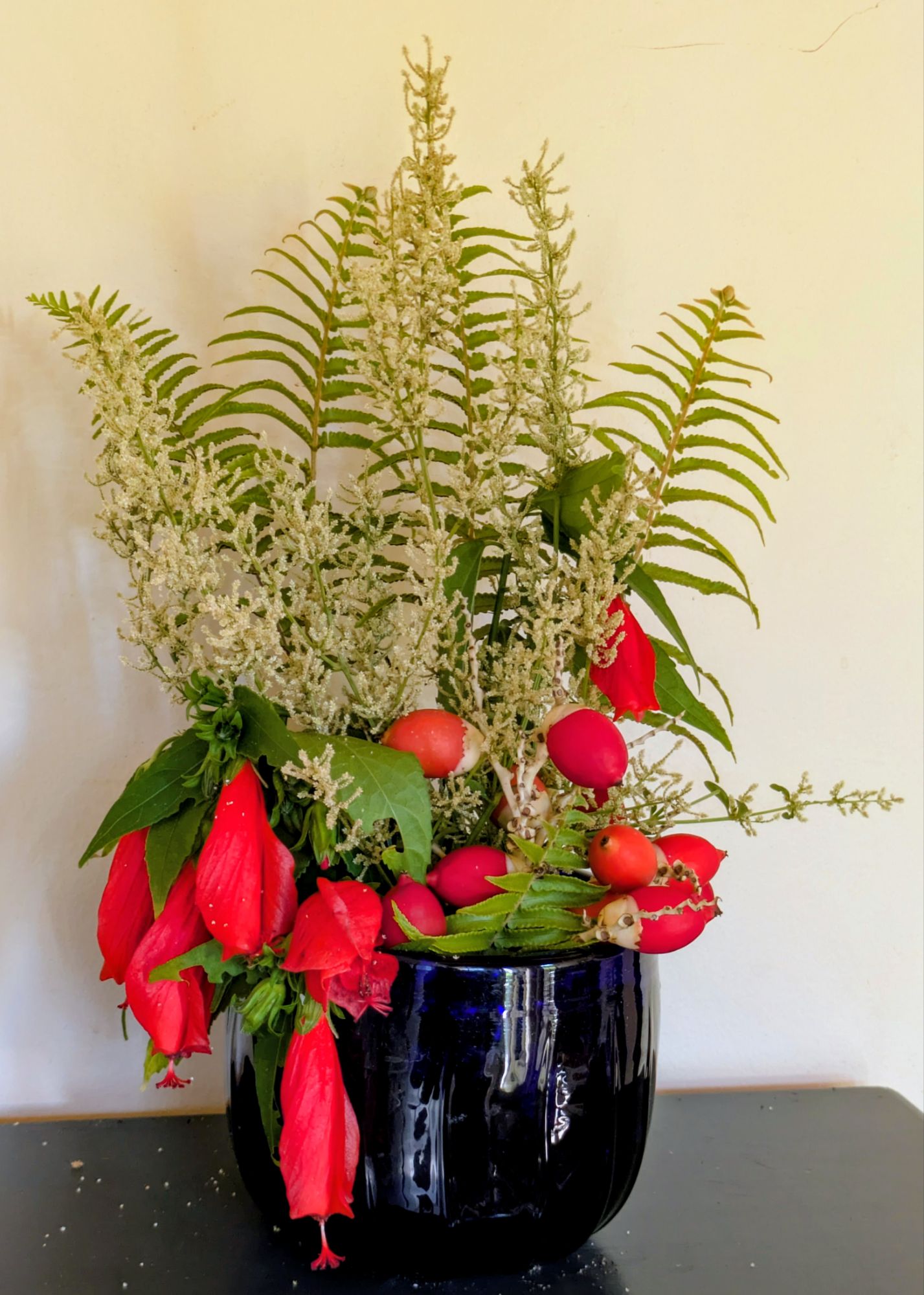
It’s that time of year – the holidays are approaching and the red flowers and berries are making their annual appearances. This vase is a good reflection of what is going on in the garden – the odd dichotomy of South Florida landscapes. Some plants go to seed in the fall and others celebrate the cooler season with flowers and growth. I realize there are cool season plants in other climates, but these are a little different..a bit more oomph.

South Florida is home to some fantastic native and acquired plants. I let everything come up and edit- a lot. It’s truly amazing what just appears. I am very opposed to lawn chemicals and plant for pollinators. I believe if you think that way birds and butterflies follow and proliferate, a good thing. My older brother, a lifelong gardener, was somewhat mystified by my enchantment with the caterpillars eating my plants. I have countless butterflies to enjoy and I suppose he is still worrying about how to get rid of the caterpillars.

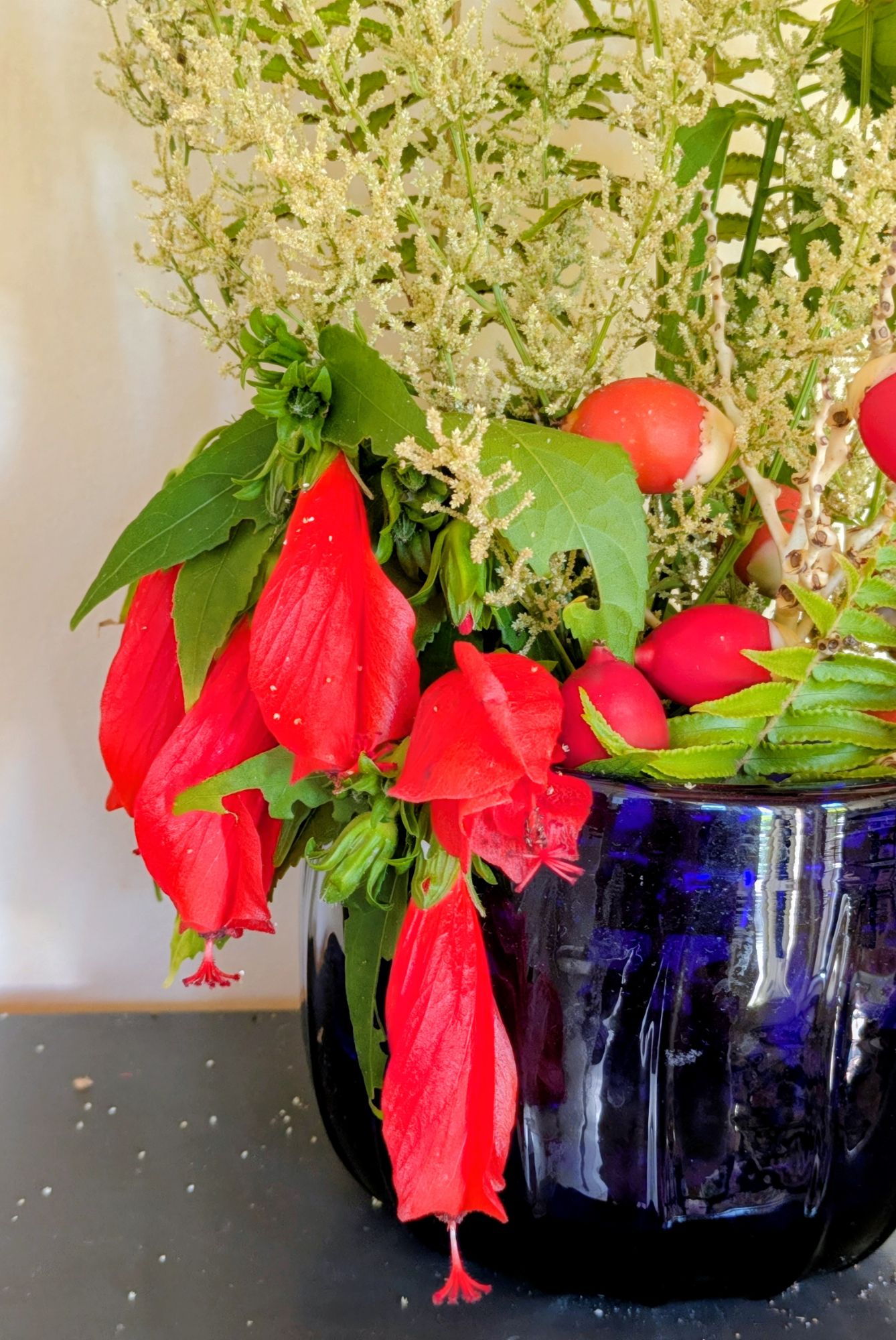
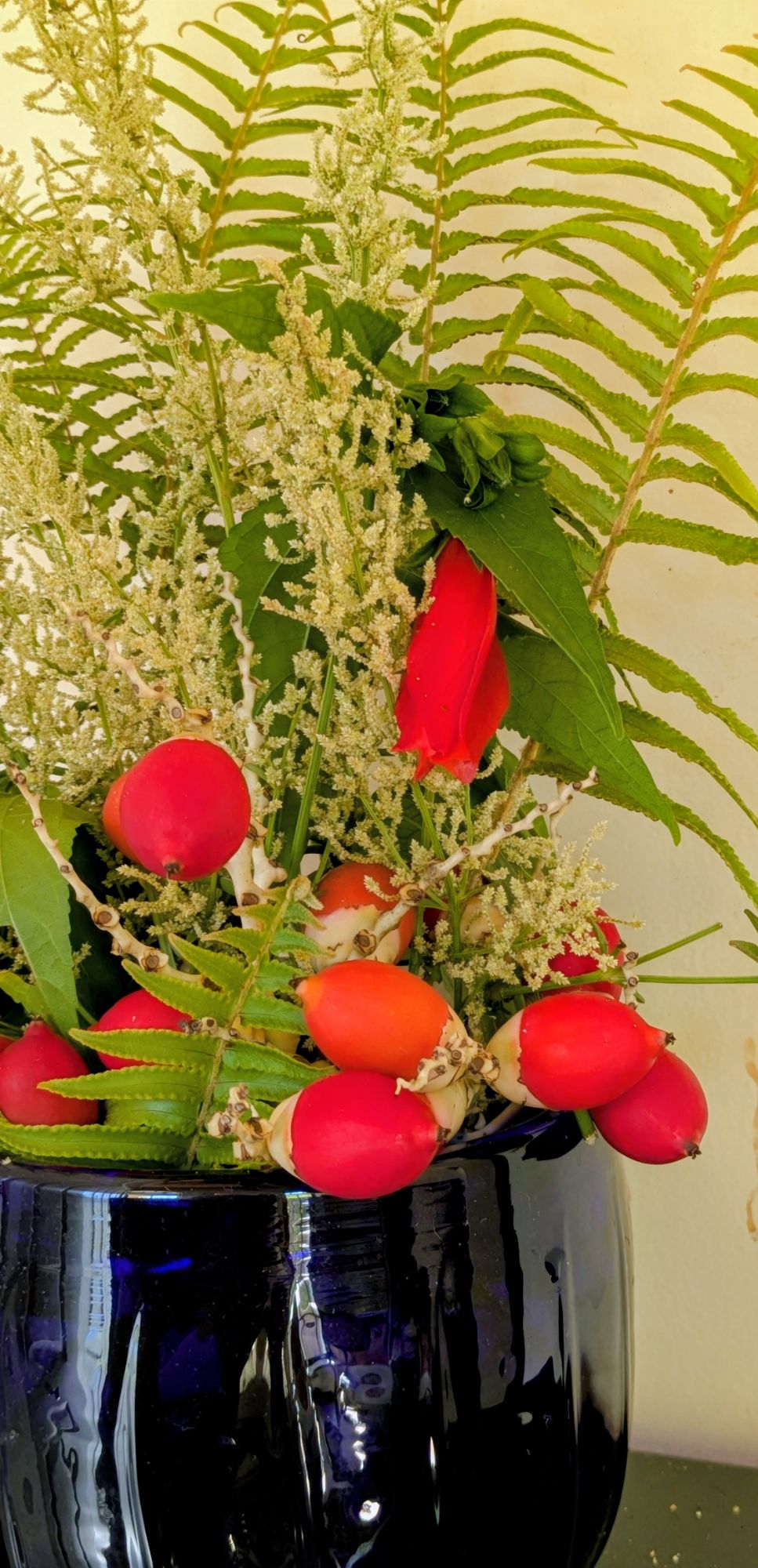
Closer views:

wp-17633345311566434938745195014806

The hanging red flowers are Turks Cap Hibiscus (Malvaviscus something). The older I get, the less interest I have in botanical name drama. Off white flowers are Juba Bush (Iresine diffusa). Both of these plants just appeared in my garden to my delight. I do nothing and they carry on.

wp-17633380292501660604040861652854

The berries are from a Christmas Palm (Adonidia merrillii), grown from seed by my friend Eddie. My husband refers to this tree as the Eddie Palm. This was planted by me. The ferns in the back are Boston Fern (Nephrolepis exaltata) They are native here and just appeared. What they have to do with Boston is a mystery to me.

Follow this link to visit Cathy’s blog and view vases from gardens around the world. RamblingintheGarden

In a Vase on Monday – Tempest in a Teapot

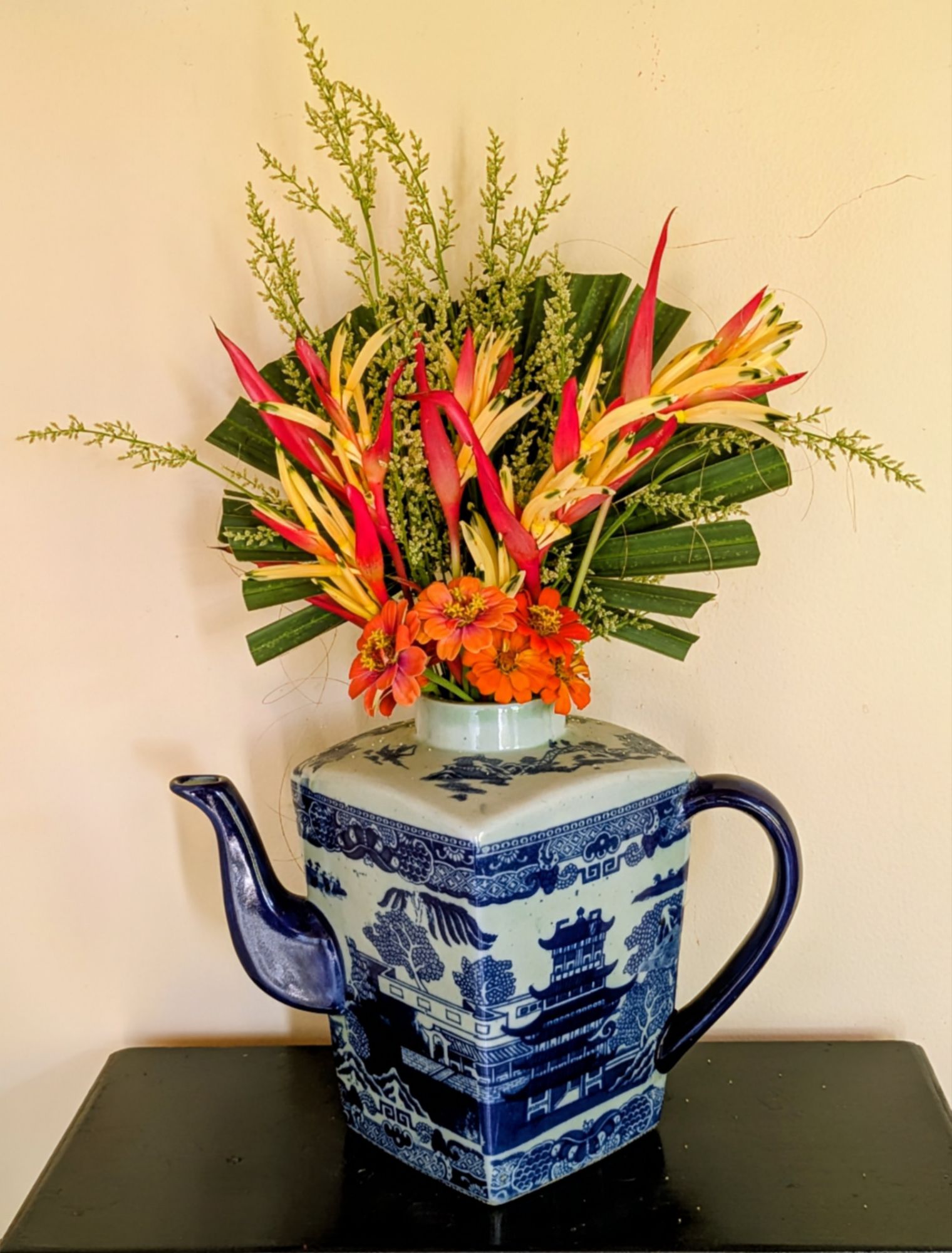
It seems like there is a lot going on in my Blue Willow teapot this Monday.The Parrotflowers are flying, the Juba Bush is swaying and the Zinnias are celebrating their escape from the leaf cutting bees. A lone palm frond holds it all together.

The height of hurricane season has passed, yay! It’s not time to celebrate quite yet as we still have the wind down until the end of November. October is usually more active in the Gulf of Mexico (yep, not changing the name on my blog) I usually start my sigh of relief in mid October and start cleaning the screen porch and setting up the outdoor furniture for winter. We had permanent accordion shutters put on our windows last week so we can be storm ready in a short period of time. That will probably prevent storms for a while!

wp-17596972977362091631263726107409

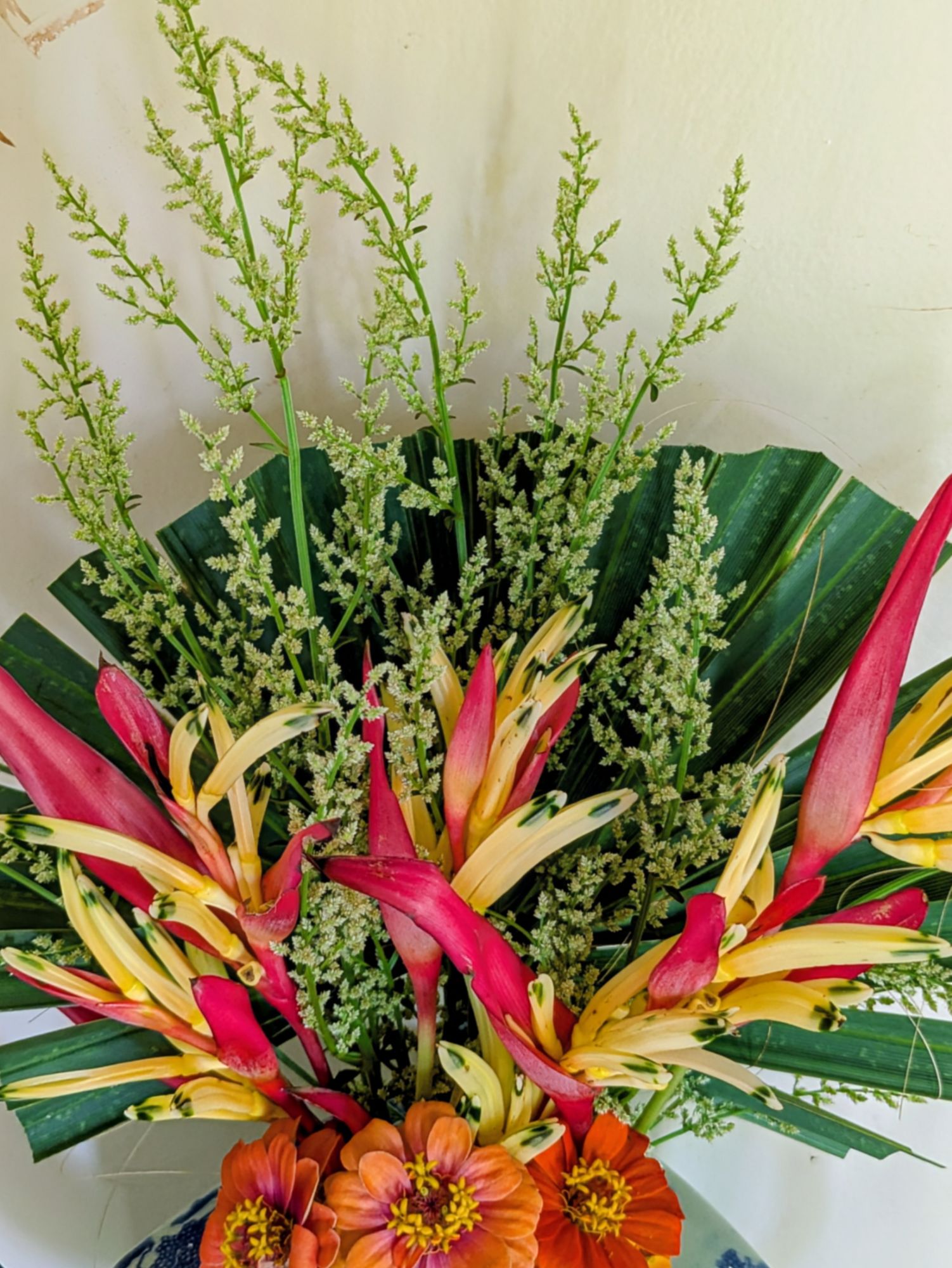
The cream colored flowers are from the Juba Bush (Iresine diffusa). This is a lightly fragrant native wildflower that has a mind of its own and shows up uninvited. I have no idea how to propagate it, but somehow ended up with a spectacular plant beside my porch. It’s named after a Caribbean dance – the Juba as the plant sways gracefully in the wind. The Parrotflower (Heliconia psittacorum) flower when it rains and I have difficulty resisting cutting them, so here they are. The trimmed palm frond is from a Sabal Palm (Palmetto Sabal)

wp-17596977136669080037109591014680

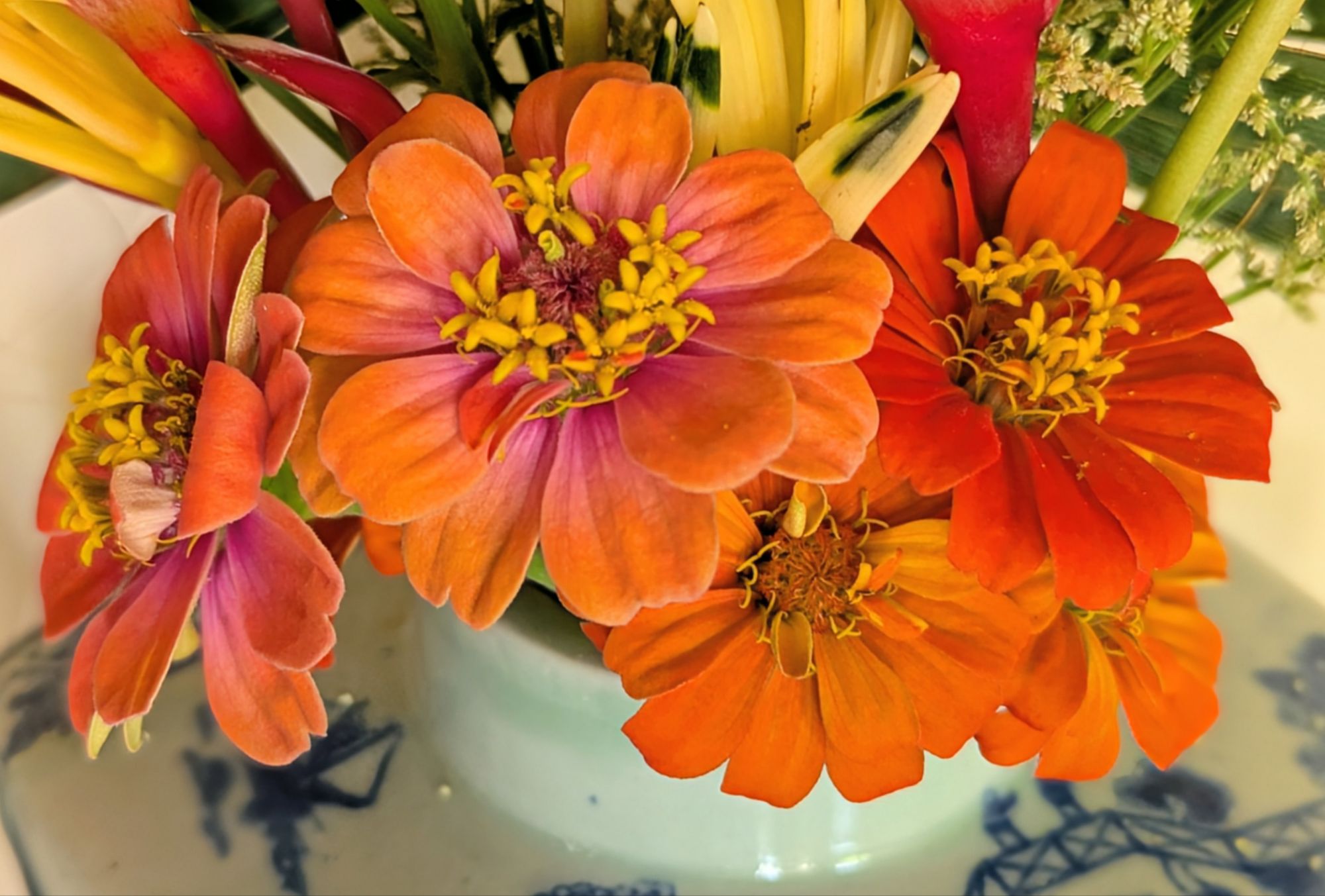
The stalwart Giant Benary Zinnias. We have leaf cutting bees here and they seem to love the zinnias, the bees are even eating the flowers. This is new to me, the flower eating. I’m going to keep watching to see what happens.

That is all from my garden this Monday. Visit Cathy at RamblinintheGarden to join in the fun or view more vases.

Six on Saturday – Return to 6

I haven’t been sixing lately as August was a frying, hot and dry month and the garden was looking dismal. Things are looking up in September. For whatever reason, our late afternoon showers have returned, temperatures are moderating and the plants are much happier. I even went plant shopping!

wp-17571685629035335346086708936076

One of my purchases, a Chinese Perfume Tree (Aglaia odorata). These are the flowers. I love the scent. The nursery did an excellent job of marketing, having the shrubs here and there so you wondered ‘what is that lovely fragrance’? It’s lemony and reminds me of Southern Magnolias (Magnolia grandiflora)

wp-1757168770596903303947143791922

Here is the Chinese Perfume Tree. I planted it in a big terracotta pot as it seems they like some moisture. I am very hopeful this works and the shrub thrives. The soil in the garden is probably too well drained to sustain this plant.

New growth in the succulent containers. The Haworthias, now green, were brown through August. Grey plants are Graptosedums.

wp-17571692039337722063924598973516

Rejuvenated Tropical Red Salvia (Salvia coccinea) This reseeds freely in the garden to the point of needing to be thinned.

wp-17571694071354142211860547733724

‘Little Harv’ Aechmea Bromeliad in full bloom.

wp-17571695069544801748625884847785

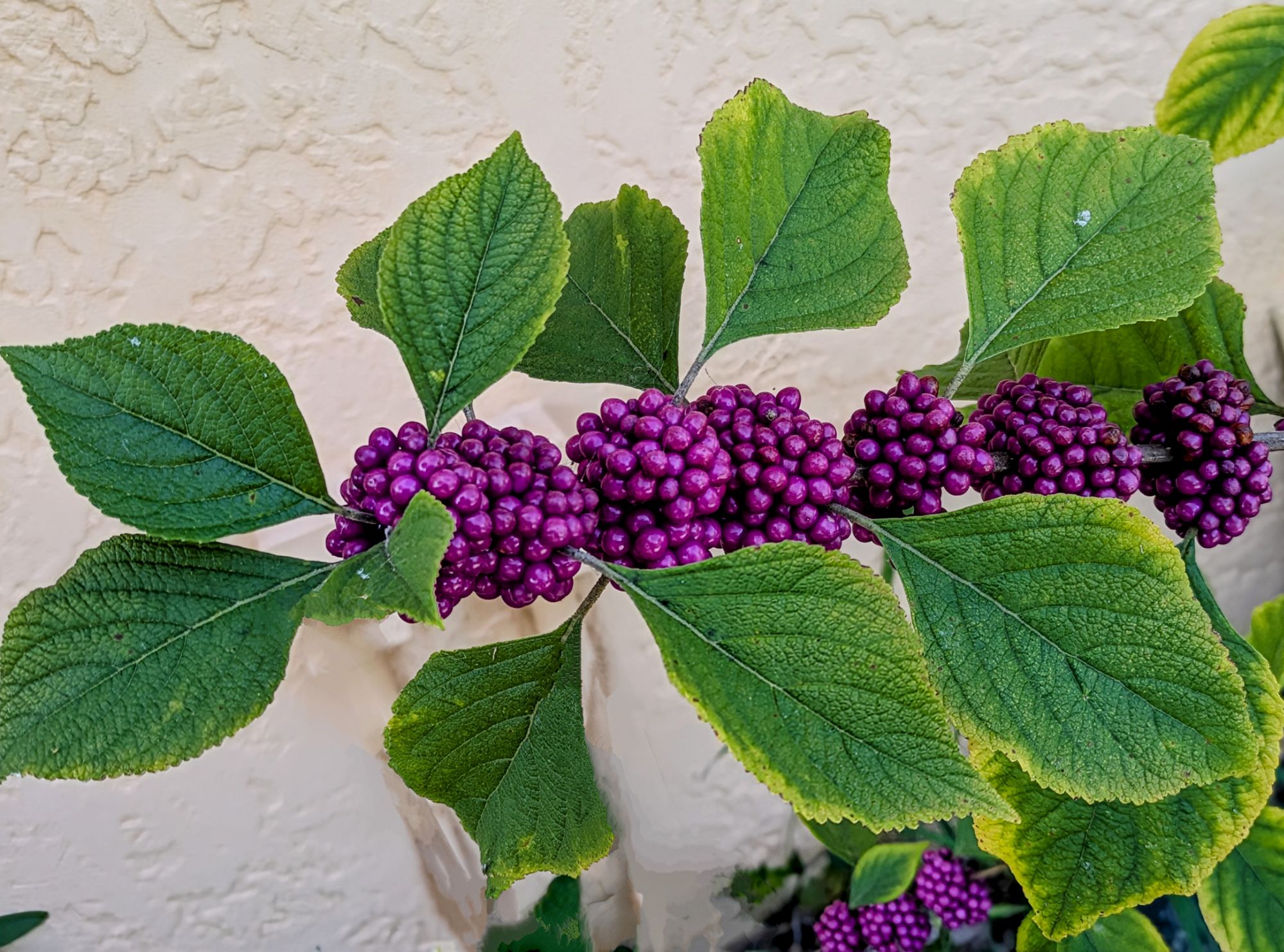
A little fall color and masses of purple berries on the Beautyberry (Calliocarpa americana)

That’s all from my garden this week. Visit Jim’s blog GardenRuminations to see more SOS posts.

Happy Fall Y’all!!

In a Vase on Monday – Torched!

wp-17560607079067789127960769710320

At long last our dry spell was broken last week. Locals swear that those of us who live on the limestone ridge (the highest point on the East Coast of Florida) are in the doughnut hole – a place where rain goes around us. Sometimes I believe this. This summer it has been true, the rain just wasn’t quite getting here. The garden gratefully soaked up all the moisture from the sky and promptly asked for more. This afternoon is looking quite promising for a rain shower. Things are looking a bit torched around here, so it seems a perfect time to introduce the Flaming Torch Bromeliad.

wp-17560618500168763385533843842498

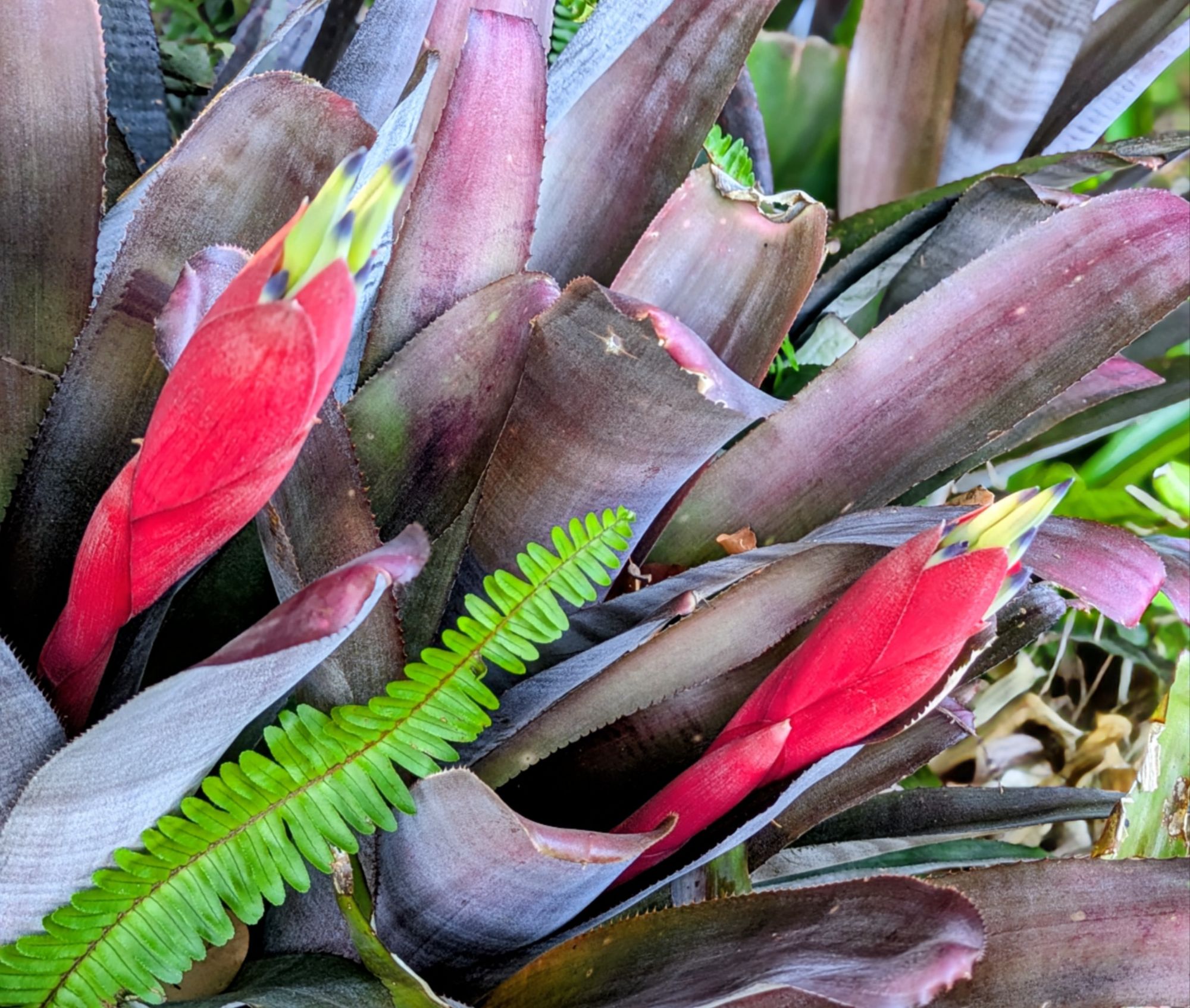
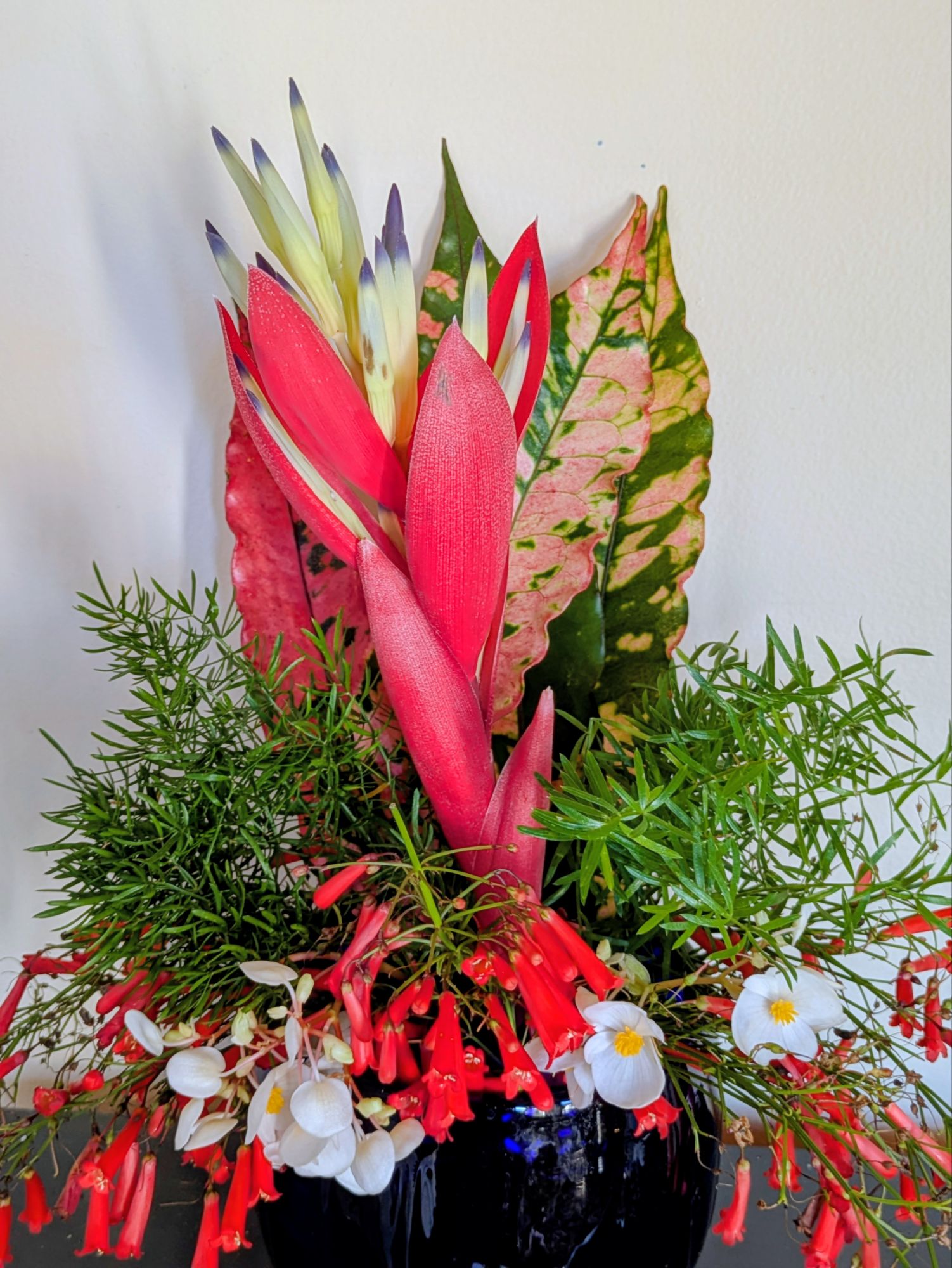
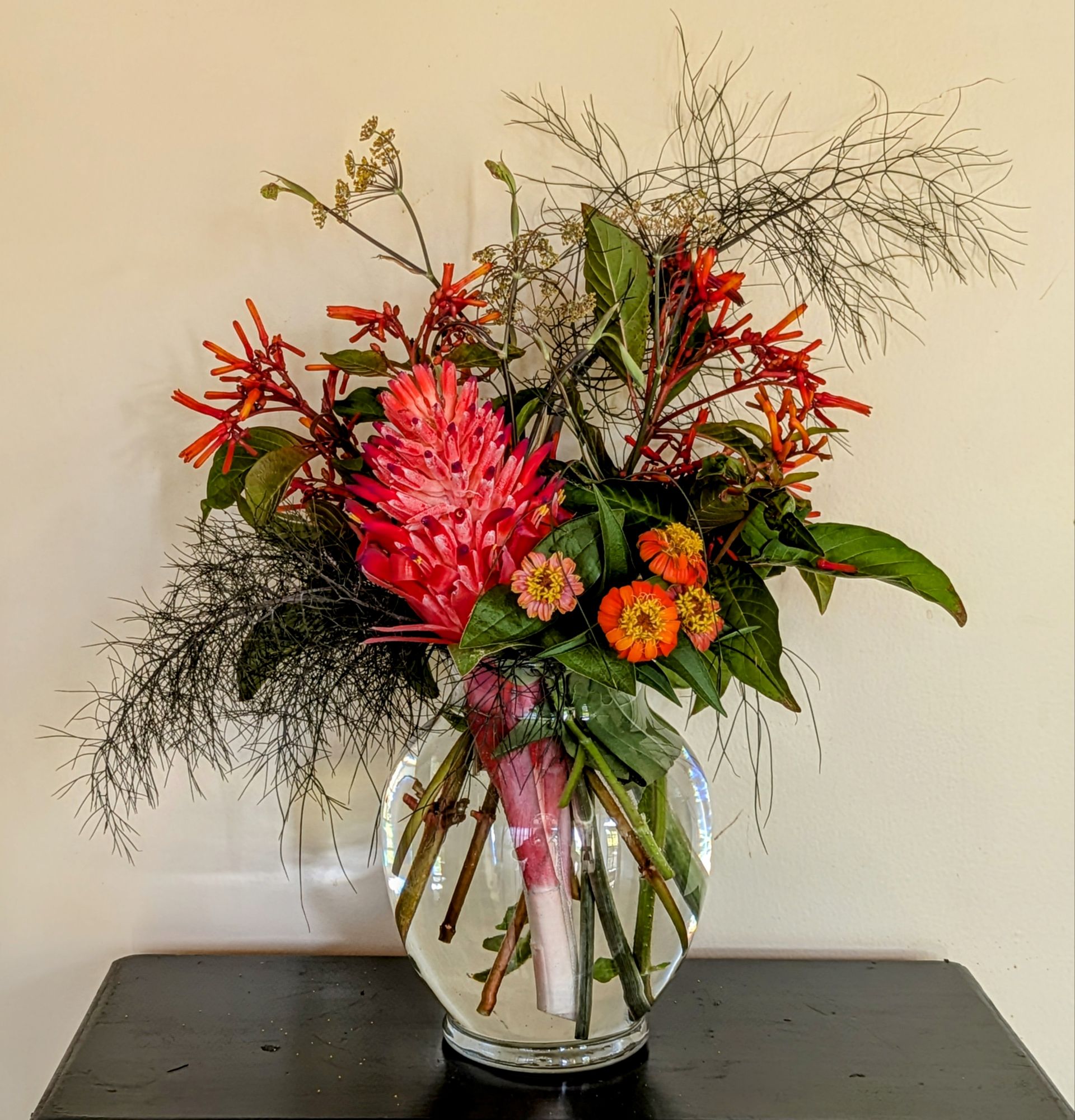
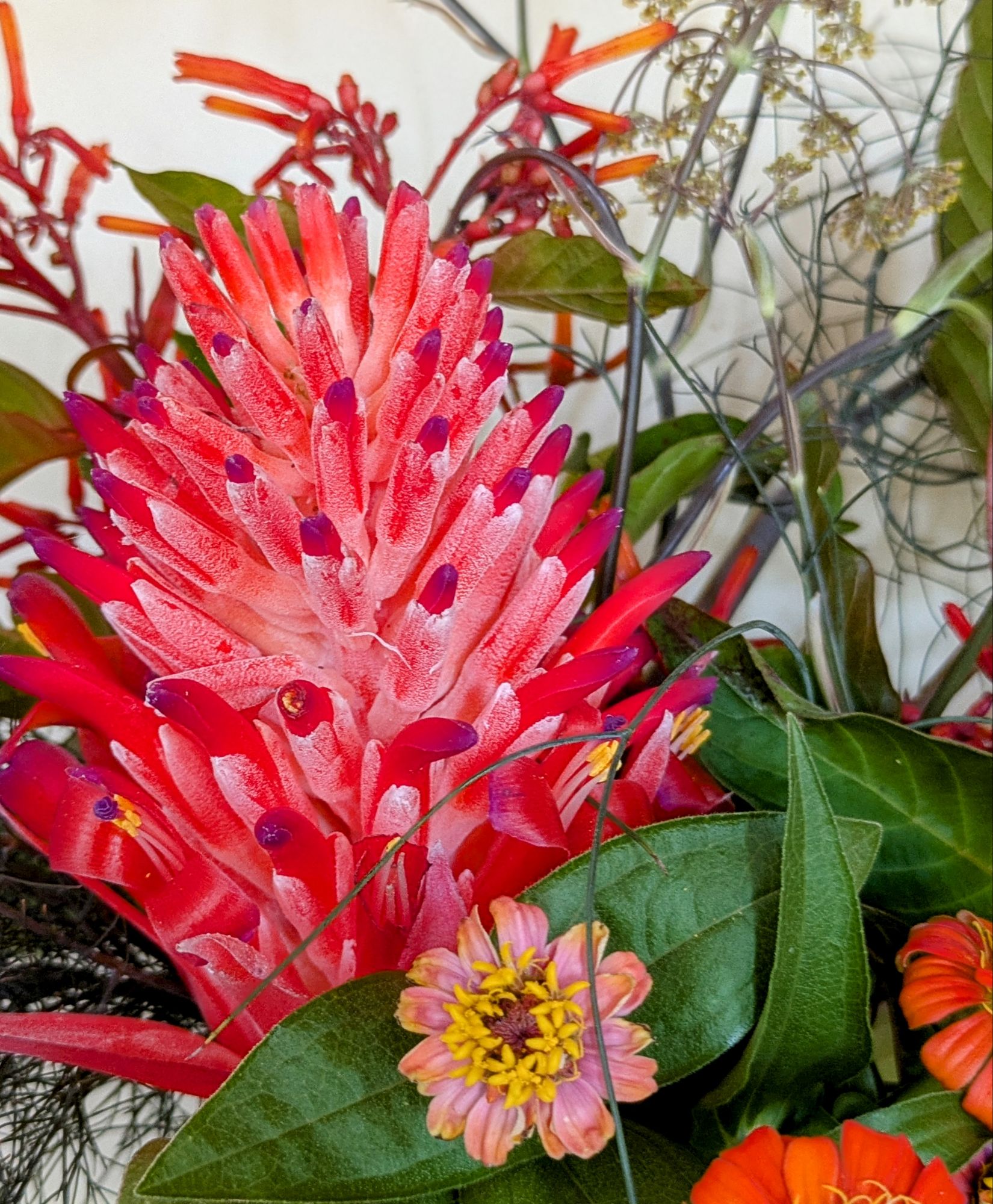
Meet the Flaming Torch (Billbergia pyramidalis). These are very aptly named, when the sun hits them just right, they look exactly like that. Another common name is Hurricane or Foolproof plant. The peak of hurricane season is September 6th, so I can get that. As far as being foolproof, I have killed a number of these following directions that they grow in full sun. This is not true. Those planted in full sun were torched!

wp-17560623362342940522274473387633

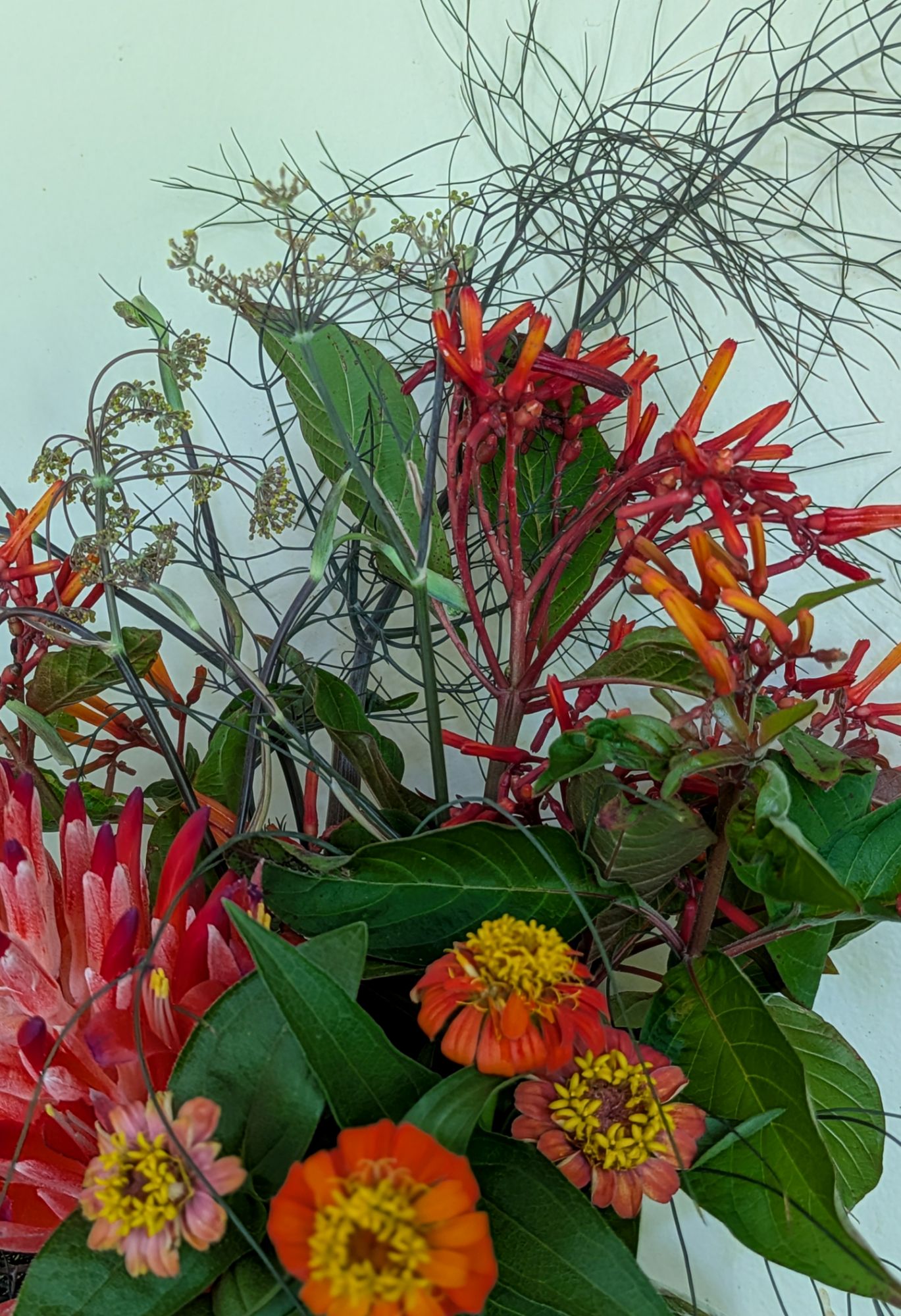
The rest of the arrangement has Zinnias, in pink and orange. Firebush (Hamelia patens) is orange tubular flowers. Dark foliage and pale yellow flowers are from Bronze or Copper Fennel (Foeniculum vulgare). The vase is a non heirloom florist vessel from somewhere..

That is all from my garden this morning. To see more vases, visit Cathy at RamblingintheGarden

Really looking forward to FALL!!

In a Vase on Monday – Sirius Survivors

wp-17536401381537041945189114663262

We are deeply entrenched in the dog days of summer in my garden. Some Saharan dust meandered in and shut down our cooling clouds and showers. Every time I look at the weather it says “feels like 108 F” Surprisingly, it is much warmer further north. I feel fortunate to live close enough to the Atlantic Ocean to catch a breeze. The breezes make it less hot, not cooler!

The dog star, Sirius, rises during the hottest part of the summer. Modern definitions of the dog days of summer have them occurring from July 11-August 3. The scope must be greatly expanded for South Florida! In ancient times the dog days lasted longer. I agree with the ancient philosophers. It is hot in my garden well past the first of September.

The flowers in this vase are Sirius or even serious survivors. Thriving in sun and heat and going with or without hand watering by the fickle gardener they still shine.

The fittest:

wp-17536435069965831624130163653886

Some tried and true summer favorites, Gardenias and Zinnias. Gardenias are the Tropical variety that is deciduous here, Tabernaemontana diviricata. Zinnias are grown from seed I saved last year hoping for pink and orange flowers.

The tropical part:

wp-17536437549887614784228876706670

Orange flowers are Parrotflowers (Heliconia psittacorum Choconiana) Red flowers are Red Shrimp Plant (Justicia brandegeana). Dark ferny foliage is Copper Fennel (Foeniculum vulgare) Maybe that is not so tropical.

I inherited the vase from my mother and have enjoyed using it for years.

Visit Cathy at the link RamblingintheGarden to visit more gardens via vase.

For those wondering about Gopher Tortoises mentioned in last week’s vase post, here is one ambling up the walk to my front porch. Once he or she arrives near the potted herbs any basil hanging over the edge of the pot will be trimmed to turtle height. This turtle also enjoys charteuse Coleus and melons. A bit of an odd salad!

Six on Saturday – The Last Mango

wp-17517298955632381365051353700327

There it is. The final perfectly tree ripened Thai dessert mango of the summer. I am not sure who or what ate it, but it wasn’t me. I will count my blessings. We had a wonderful crop of three varieties of mangoes from May to July and I have learned to make a new dessert, Mango Coconut Cream pie. I will confess I have been shopping for a Keitt mango to extend the season through September…the pie.

wp-17517303133705245759681757529901

Now for some pretty garden images:

wp-17517304148766365959833773595542

This is a Vriesea bromeliad. The botanical name has been changed to Goudaea ospinae, it used to be V. ospinae cv. gruberi. Maybe it is not a Vriesea anymore. These are planted primarily for foliage, the color really lights up the shade garden. It is reported to have a yellow flower, but I have never seen one.

wp-17517308468974126009297813183793

This is a Buttercup Bush (Turnera ulmifolia) – I think. These grow wild here and it popped up to replace an Angel Trumpet that didn’t grow here at all.
wp-17517344283508642472794646558439

This is a Golden Dewdrop (Durant erecta). This rarely flowers in my garden and the butterflies are really enjoying it. I am wondering what inspired the flowers. The Dewdrop is a bit of a mystery to me. It is supposed to be a large shrub to a small tree sized plant. I would guess it has been in the garden for 8 or 10 years and might be two feet tall. More puzzles to ponder.

wp-17517347416372287417699683235350

A Royal Ponciana (Delonix regia); also called Flamboyant tree. My neighbor has one and a seedling popped up in the garden, so I potted it, coddled it and waited for the rainy season to plant it. In a few years it will be covered in flowers like this. Flamboyant is a good name! Hopefully.

That is all from South Florida. The rainy season continues….

To see more SOS posts, follow the link to visit Jim’s blog Garden Ruminationshttp://garden ruminations.co.uk.

Six on Saturday – Summer Fun

My garden tour this Saturday was quick. The humidity descended this morning after sunrise, the kind that fogs your glasses upon exiting the air conditioning. A few quick snaps with the phone followed a twirl around the block with Rob the Greyhound and I’m posting six items of garden interest once again.

To see more Six on Saturday posts or to join in, visit Jim at Garden Ruminations.

wp-1751118394085397368414743224937

The pink flamingo was our college mascot, so I have to have one in the garden. This one lives in a mass of Soap Aloe.

wp-17511185436554003291673022669493

Continuing the pink theme with the flower of Silver Urn Bromeliad (Aechmea fasciata)

wp-17511186746288823469154406754382

My lawn replacement project from last year is finally looking lawnish. This is Turkeytangle Frogfruit (Phyla nodiflora) This plant is an evergreen wildflower that provides food and habitat for several butterflies. The butterflies do love it – but, they are shy about photography.

wp-17511189239333529154199021301499

More butterfly habitat. These are Maui Red Ixora. The vines rambling through the shrubs are Corkystem Passionflower (Passiflora suberosa). The flowers of the Ixora provide nectar for the butterflies while the Passionflower vines provide food for the caterpillars. Given that the vines have been completely denuded I think we are having a good butterfly year. The vines host Zebra Longwing and Gulf Fritillary butterflies. The Gulf Fritillary butterflies are known for their aggressive mating behavior (foursomes!) It’s a wonderful aerial acrobatics show in the garden every sunny day.

Another pollinator plant is doing well. Green berries are formed on the Beautyberry (Calliocarpa americana) The butterflies love the flowers and later these berries will turn a deep purple color and birds.

‘Lady Di’ Heliconia (Heliconia psittacorum) in place in the garden. These skirt another lady ‘Miss Alice’ Bougainvillea.

That is all from my garden. I will be pursuing cooler pursuits this Saturday.

Six on Saturday – Solstice Joy

Truth be told, I think the days are a little too long. I am happy the sun is heading back down in the sky. Living as far south as we do there can be a dramatic shift in light, especially on the due north side of the house. Full sun in summer followed by full shade in winter. A plant selection dilemma. I’m still finding a lot of joy in the garden . Here are my six tidbits of joy from this morning.

wp-17505193278398184289448876338065

Buds are shooting up on the Soap Aloe (Aloe saponaria). I love these buds, so architectural. They are taking over the garden and have thorny foliage, so I leave them be for the most part.

wp-17505196152294498808183142960747

The Bridal Bouquet Frangipani (Plumeria pudica) is ready for June brides. I may cut a bouquet for myself as I think this one is a bit too tall.

I am not sure a bridal bouquet from this plant would be a great idea. The drip toxic sap after cutting. But it would smell great.

The Firebush (Hamelia patens) is underplanted with lush Alligator Lilies (Hymenocallis latifolia). The Firebush is a major pollinator nectar source, so I have masses of butterflies. This is the best Alligator Lily foliage I have had – these are shy about flowering and seem to enjoy being crowded. Fingers crossed for fragrant, white lilies that open at dusk later this summer.

wp-17505204813564481269808753966156

A true summer joy and a symbol of endurance. A nice array of hot colors from zinnias

wp-17505206171091581087069411224585

More garden joy. This is as late in the year as I have ever had tomatoes. Many South Florida gardeners grow tomatoes October through May. I planted a second crop and will plant another crop in August. Hoping for year round cherry tomatoes. These are yellow pear, sweet 100, and Brad’s Atomic. Brad’s is off the list for the next crop, just a bit weird tasting and not very prolific.

I’m still harvesting Nam Doc Mai mangoes and have pounds of mango in the freezer. Also doing rain dances. Things are looking more promising for next week.

Thanks to Jim at Garden Ruminations for hosting. Follow the link for more garden tours.

Six on Saturday – Tropical Fruits and Flowers

Last Saturday I didn’t think there was very much going on in the garden, then the temperature heated up a bit and the more tropical plants responded. This week is a different story, ripening fruit on the trees and the sweet scent of Frangipani in the air. To see more SOS posts, visit Jim in his garden and follow the link GardenRuminations

It doesn’t get much more tropical than this. ‘Aztec Gold’ Frangipani (Plumeria rubra) These are sometimes called Key West Yellow or South Florida Gold. They are a very common passalong around here. A friend gave me cuttings some years ago, now I have a 5 foot tree.

Miss Alice Bougainvillea is back in her full glory. I am giving the last two branches a little more time to leaf out.

The summer tomato experiment has begun. On the right, the tomatoes are at the end of the season. On the left, some new cuttings that are just starting to bear fruit. I usually stop growing tomatoes during the summer and start seeds in late summer to grow in winter. This year, I researched and found the most heat tolerant cherry tomatoes, started cuttings on a staggered schedule and just started a few seeds. The types are Sungold, Yellow Pear and Sweet 100 in pots. I am trying the native Everglades tomatoes in the ground. These are currant tomatoes and a bit weird.

The cuttings and seeds. Instructions say to add mulch and cages. Fingers crossed for homegrown tomatoes through the summer. Sometimes the night temperatures are too high for the flowers to be pollinated.

The first Thai Dessert Mangoes (Nam Doc Mai) of the year. Varmints eat the mangoes if they ripen on the tree. These are apricot colored when fully ripe.

Desert Rose (Adenium obesum) perking up with the warming temps.

These are all succulents that hang out under a roof. This is east facing and the roof prevents over watering from rain. The grey plants are Graptosedum. There is some Green Haworthia and a bit of Flapjack Kalanchoe in the strawberry pot.

Happy gardening to all!