Six on Saturday – Future Fruit

Saturday morning finds me in the garden taking pictures to share with the SOS gang that meets at Jim’s Blog Garden Ruminations on a weekly basis. Follow the link to tour other gardens.

I have been planting fruit trees this week. It is hard not to want to grow tropical fruit if you live in South Florida. My collection continues to grow.

Citrus fruit, especially oranges, has taken a beating from the Asian citrus psyllid. This insect carries the citrus greening disease. This disease basically makes the fruit inedible and then causes the tree to die, affecting the phloem.

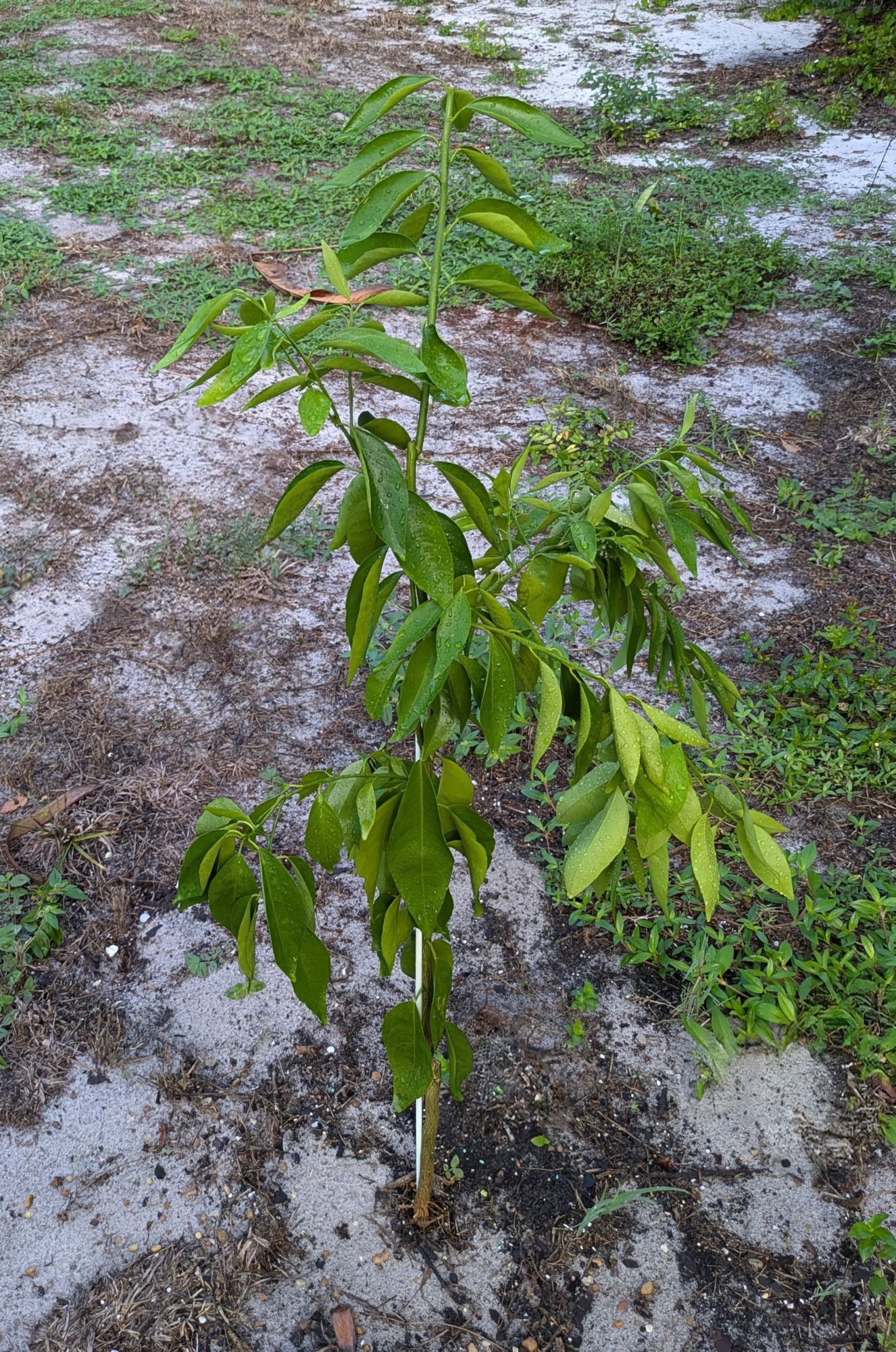
I attended a lecture that included a new variety of mandarin orange, Sugar Belle and a protective device to keep the insects off the tree until it was six feet tall. This variety of citrus is resistant to the psyllid. Here is the tree just planted. I have not installed the cover yet.

wp-1758982124471760248311509075297

I was directed to plant the tree directly in the sand, then water and fertilize the heck out of it. It took a while to get the tree hydrated, but it looks pretty good now so I am going to install the cover.

wp-17589823888492248553975152218485

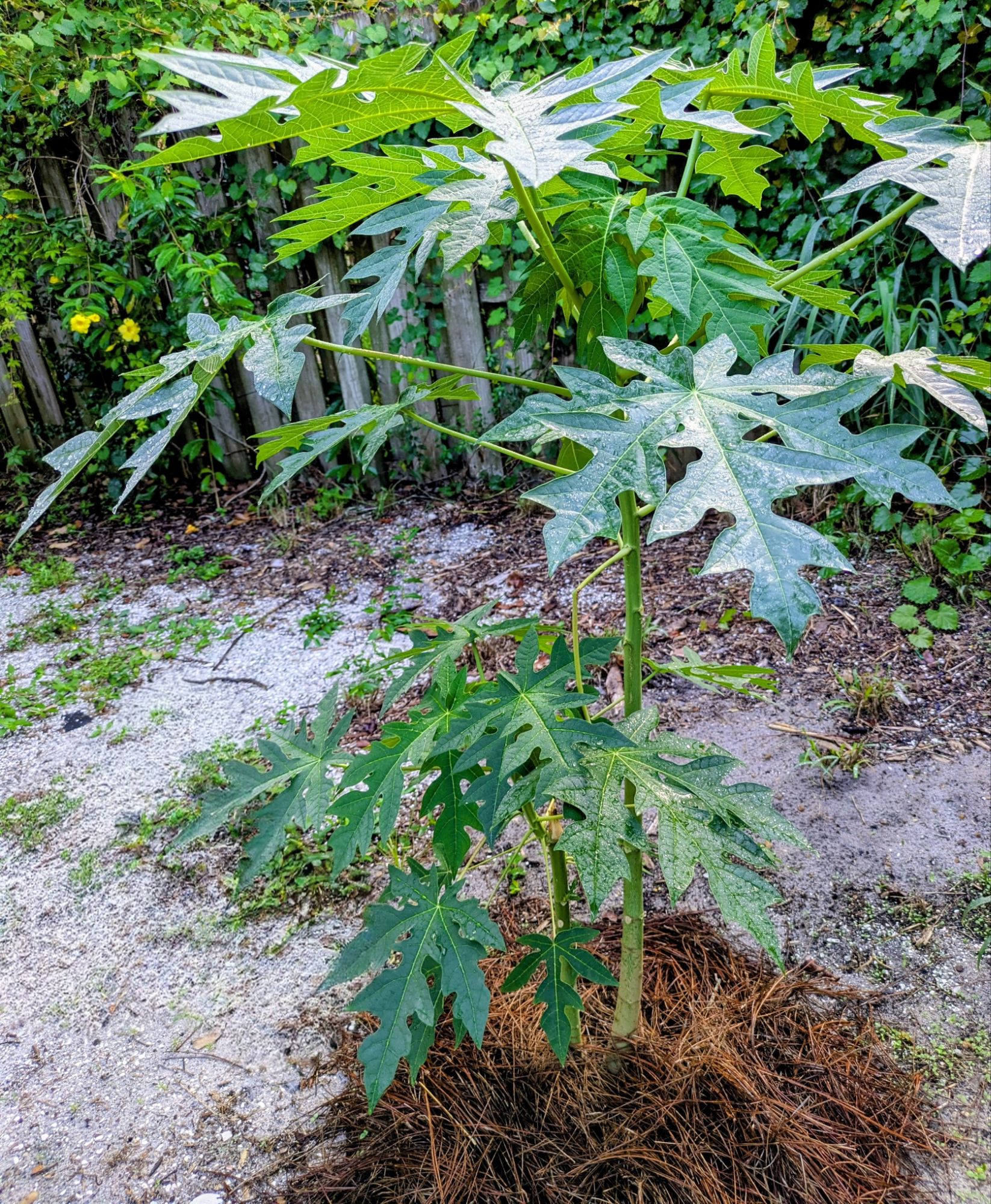
This is a Nemesis Papaya, the name sounds a bit scary. I think it is resistant to nematodes and that is the reason for the name. Papayas bear fruit quickly and the trees don’t last but a few years. I have had several and the fruit is worth it. It already has buds and it takes about four months to get fruit. I am hoping it will self pollinate. This is a hermaphrodite variety, most Papayas are male or female and it can be a trial to get the right two from seed.

wp-17589827220741511129590359674242

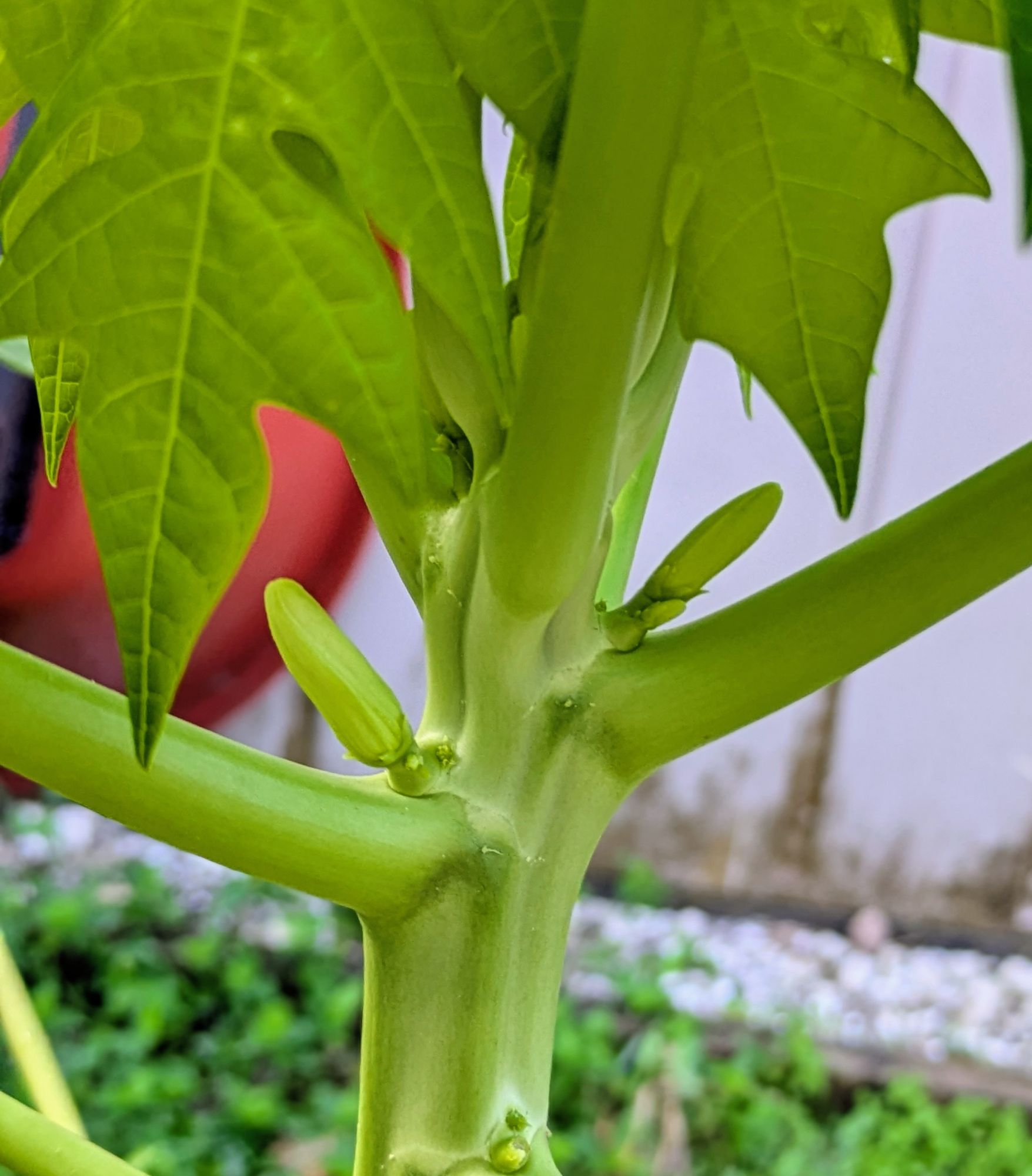
Papaya buds. Fingers crossed.

wp-17589828190641584582261013601675

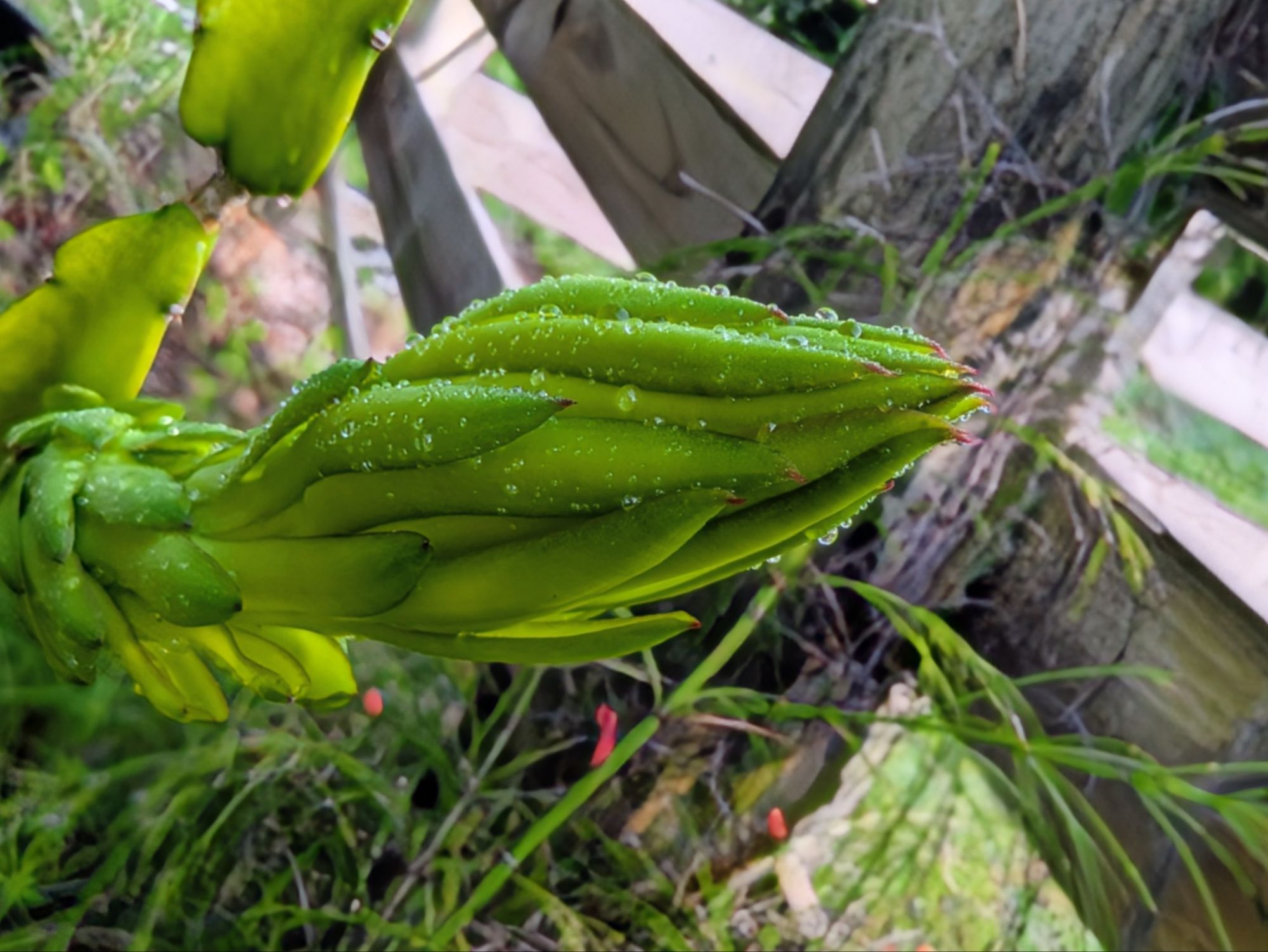
A very nice surprise. The yellow dragonfruit actually set fruit! I have had this for years and many flowers but this is the first fruit. Fingers crossed again.

wp-17589829391656474458373688605109

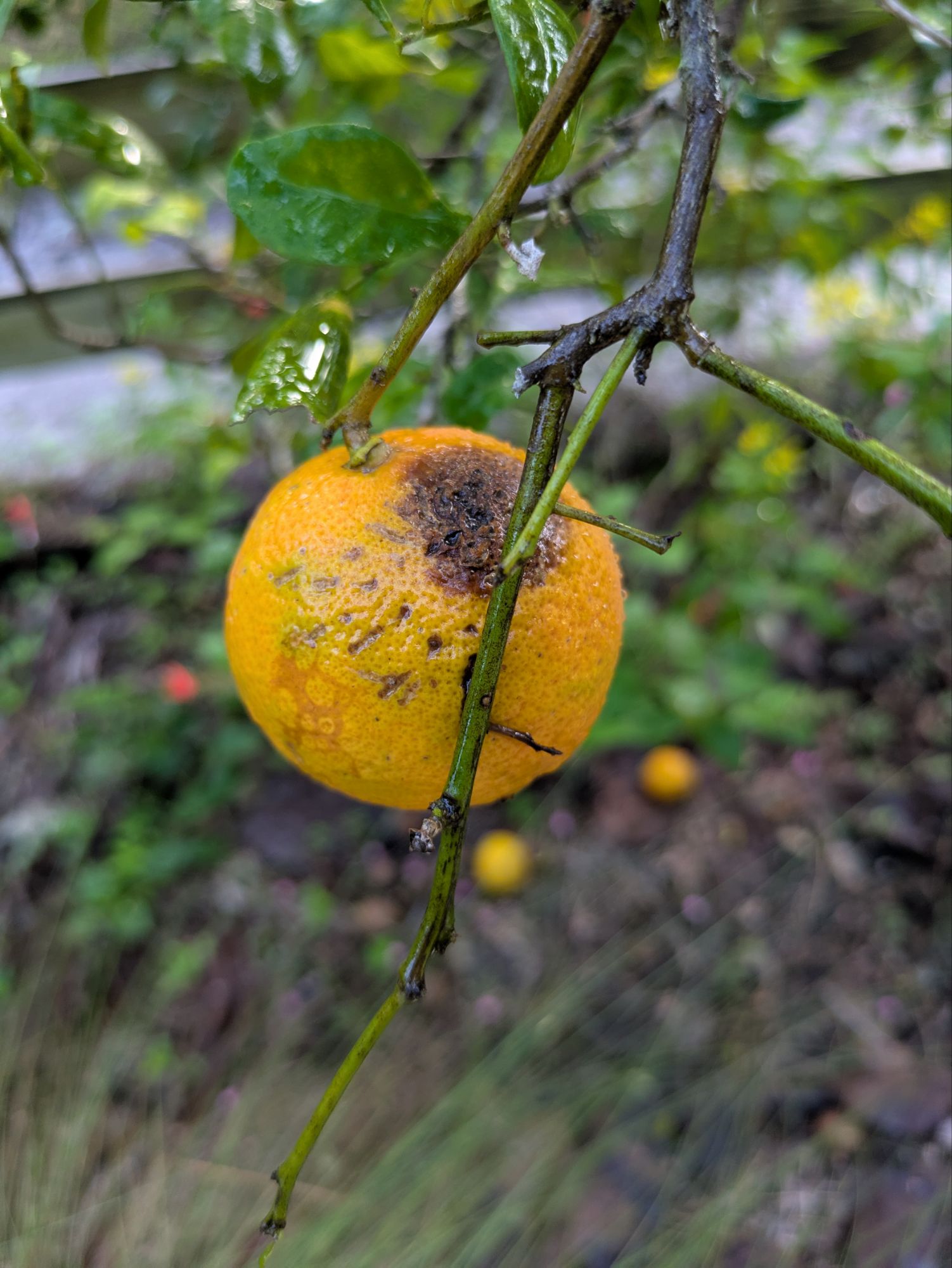
The Rangpur lime was plagued by lizards trying to suck the juice out of the fruit during our hot and very dry month of August. I had about 50 limes and am down to 10. Still hoping for pies in December.

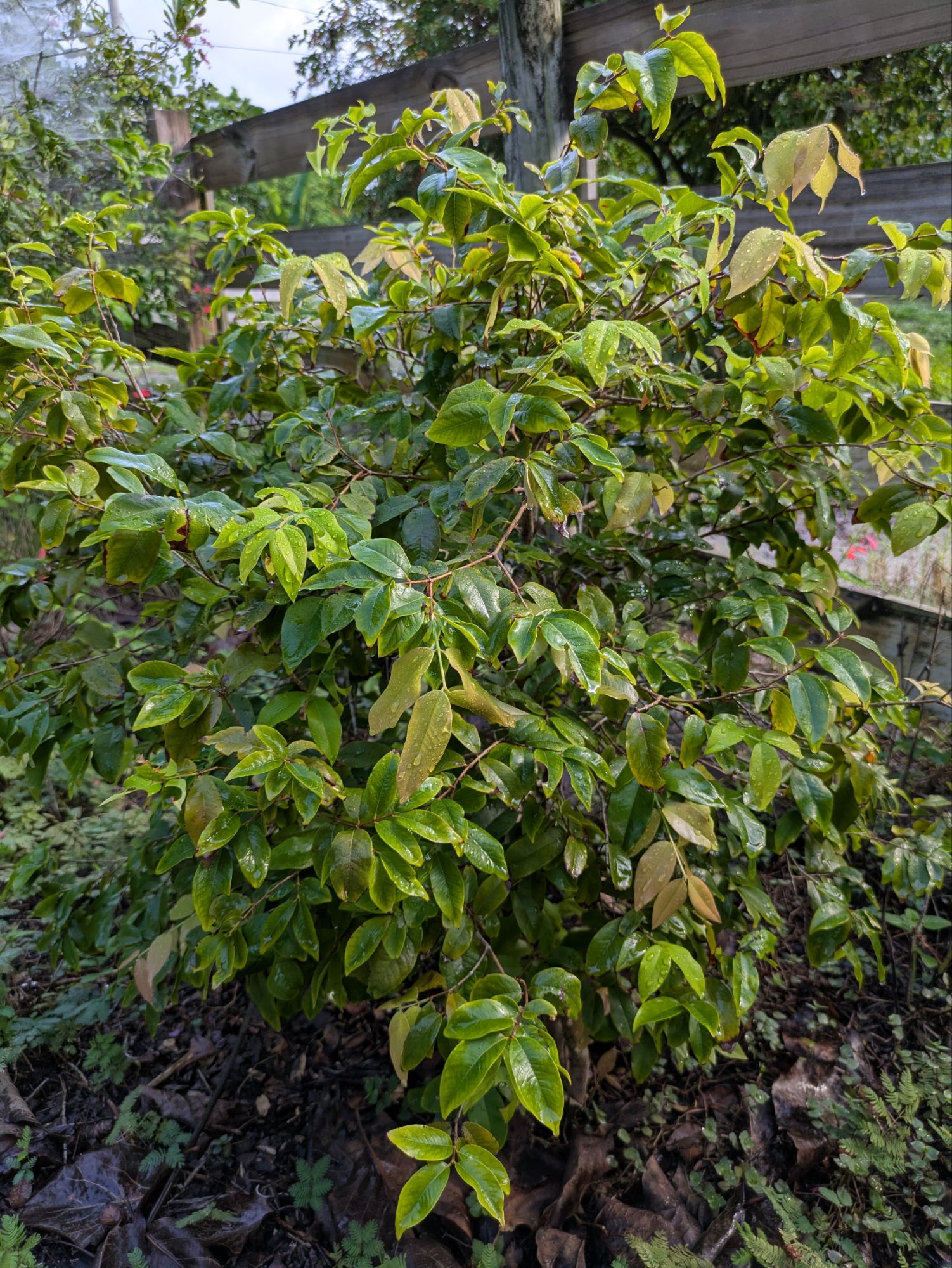
This is a Red Jaboticaba, a nice little shrub from Brazil. These produce a grape like fruit on the trunk. I am not sure how long I have had this, but am still waiting for the fruit! These also are available in tree form and are quite a sight. Clusters of grapes attached to the trunk in swirling patterns. Brazilians make wine from this fruit.

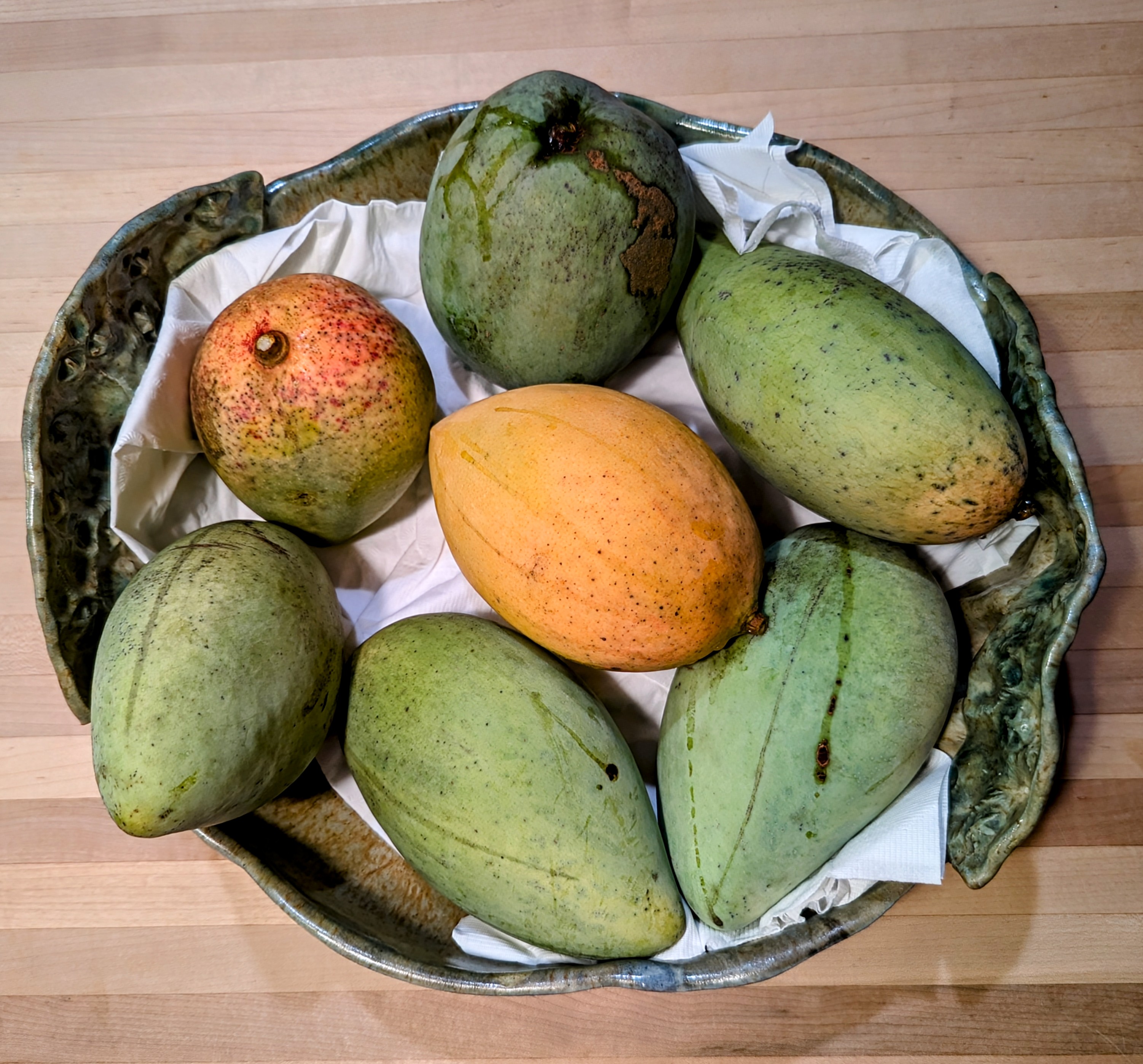
That’s all from my garden this morning. Be advised I am shopping for late season mango trees..Kent or Keitt, any opinions?

Six on Saturday – High Summer Rising

June has actually been very pleasant, all things considered. I am suspicious July will not be, the wet blanket of sweaty humidity has arrived and the second tropical storm of the season is predicted to form next week. High Summer in South Florida has arrived. The good news, we get great tropical fruit and flowers. The bad news, we have to leave the air conditioning to see them. For a grand summer (or in some cases winter) garden tour follow this link GardenRuminations to Jim’s blog and visit the comments.

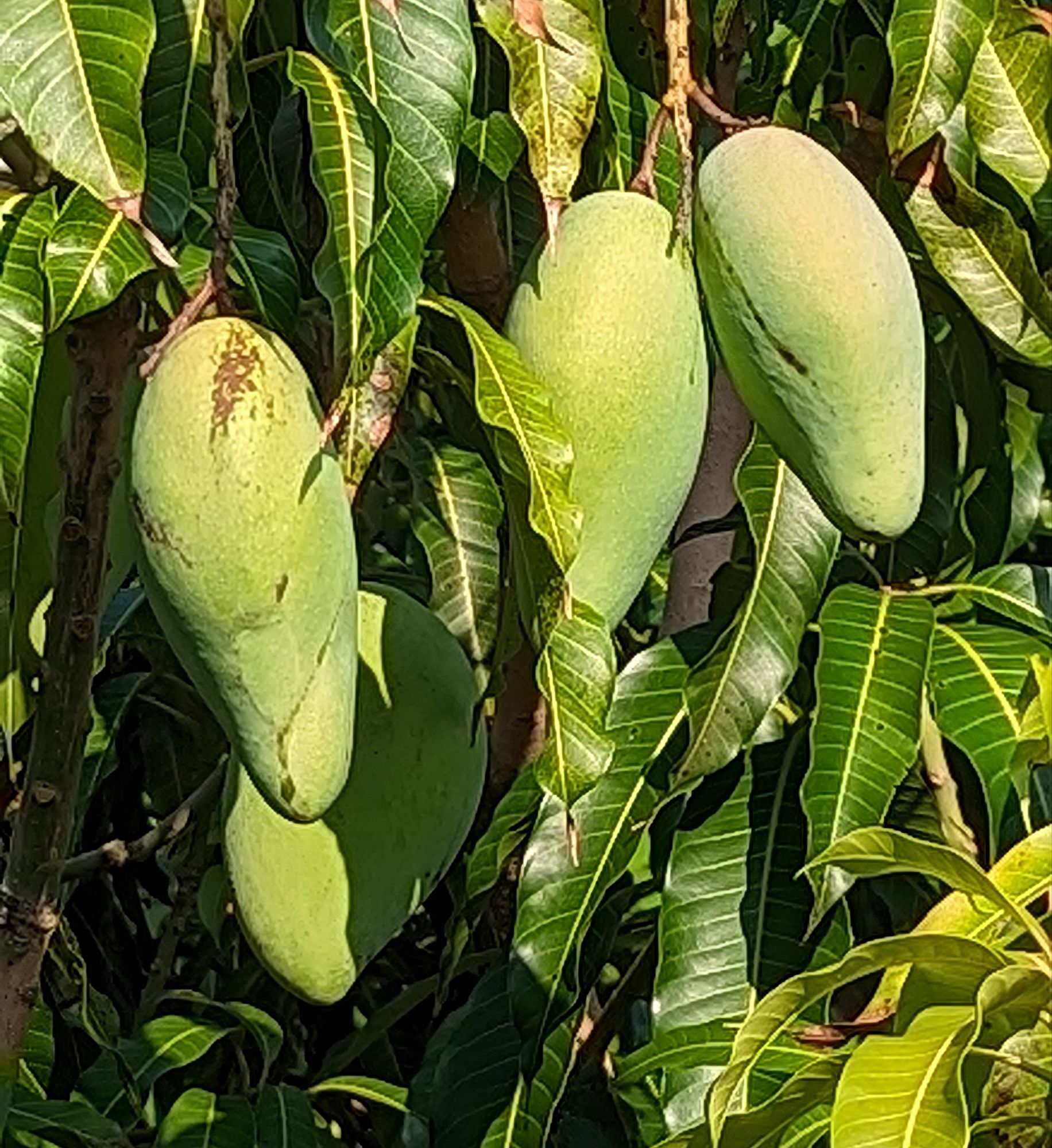
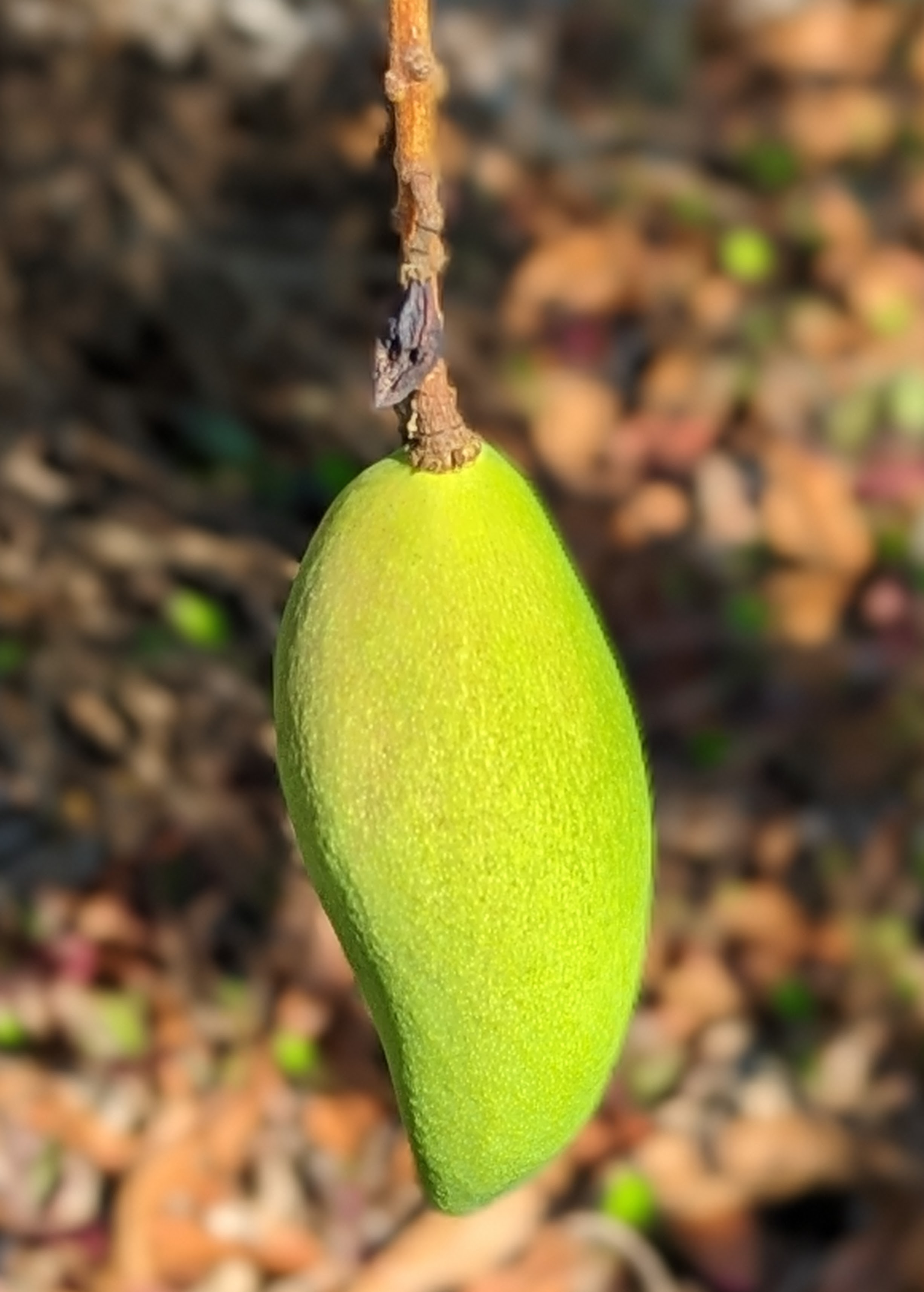
I am picking mangoes every morning. So many that I have started freezing them and giving them away. I’m currently waiting for a ripe one to make mango blackberry pie. There are 3 different types of mango here – Nam Doc Mai, Thai dessert mangoes, long and green; Pickering mangoes are peach colored; one Glenn mango in the top middle. Mangoes should be picked as they start to change color and easily come off the tree and then ripened on the counter.

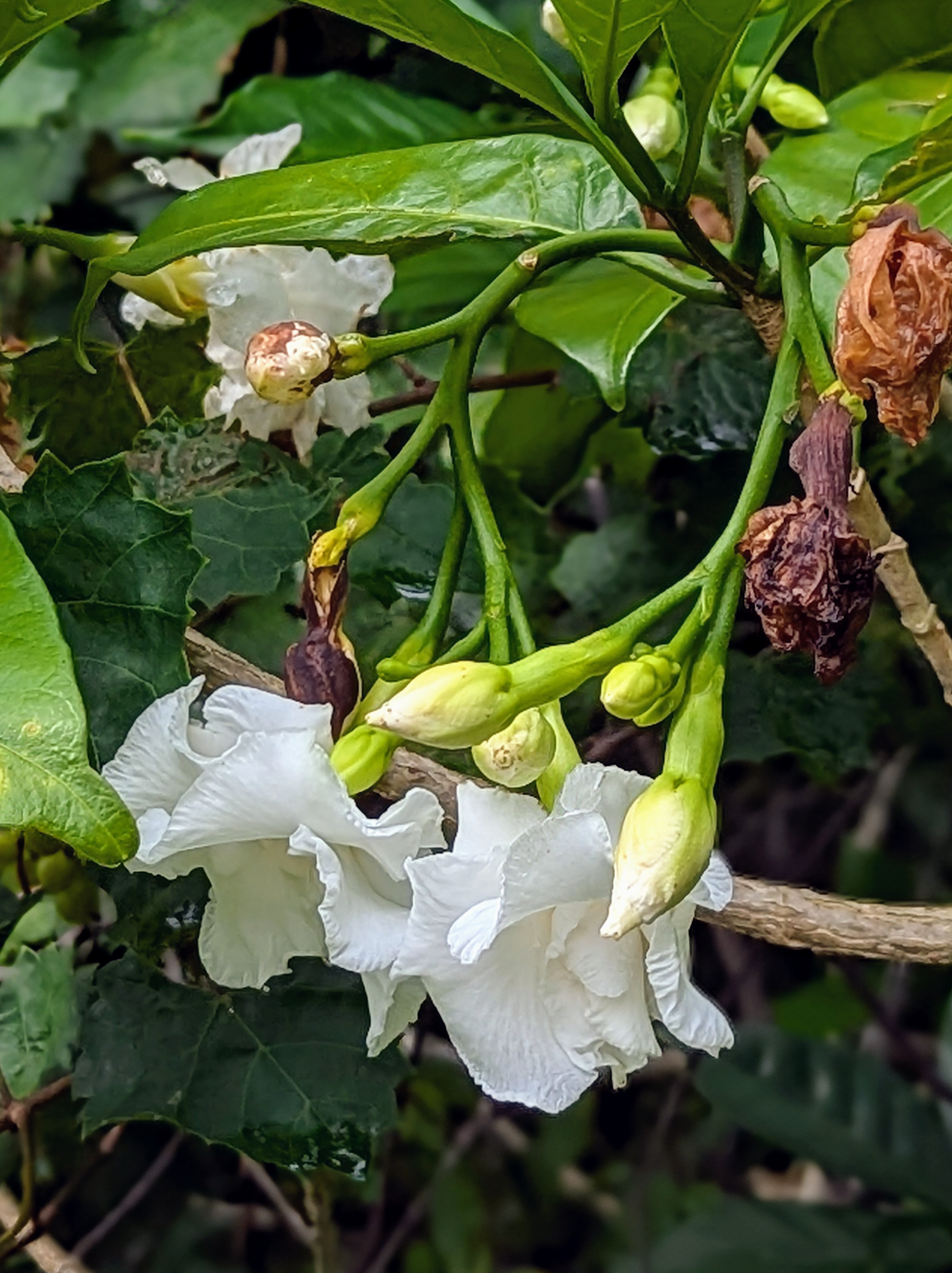
Tropical or Florida Gardenias (Tabernaemontana diviricata) are loving the summer heat and rain.

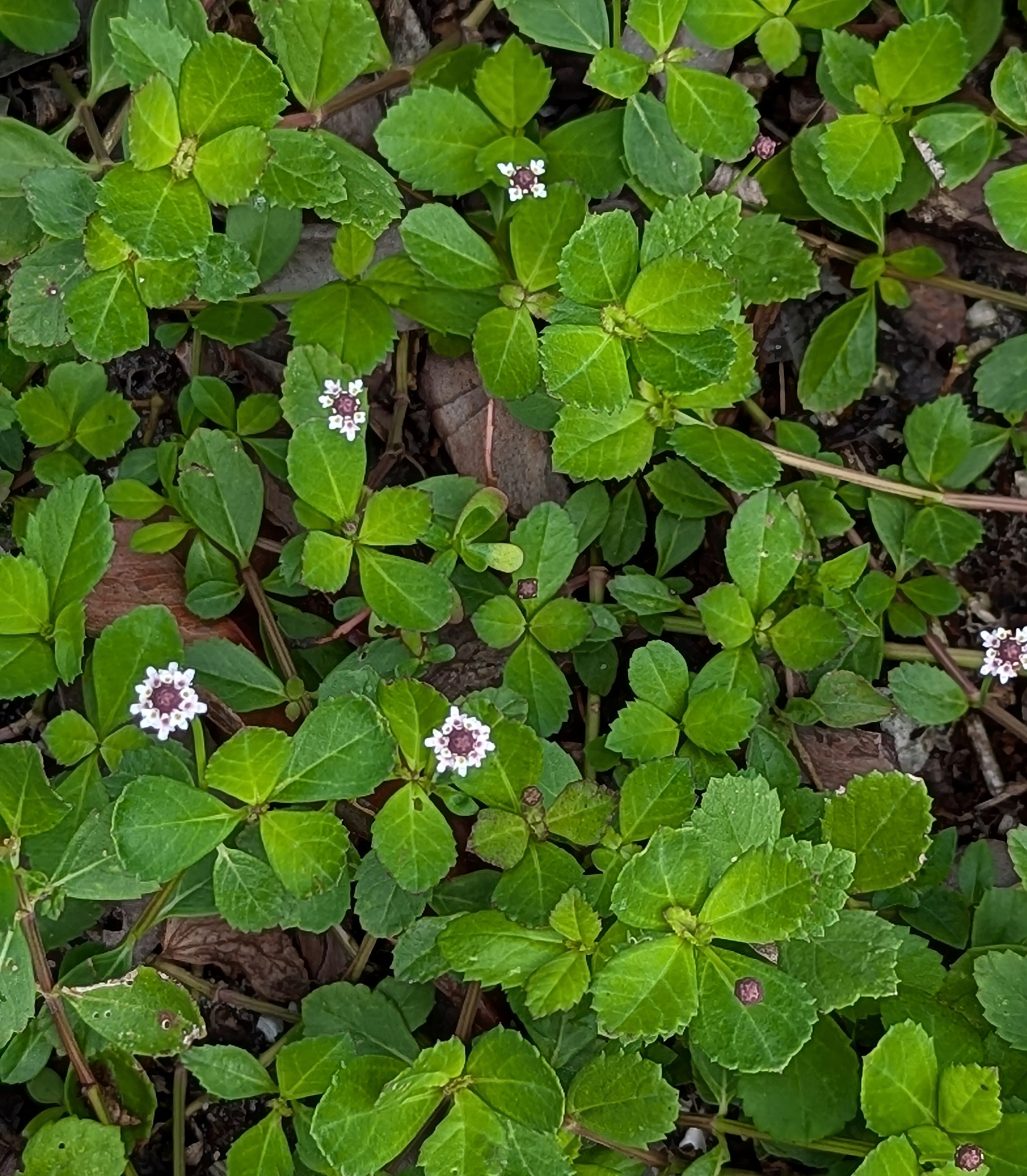
Turkey Tangle Frog Fruit (Phyla nodiflora) “lawn” is flourishing and flowering.

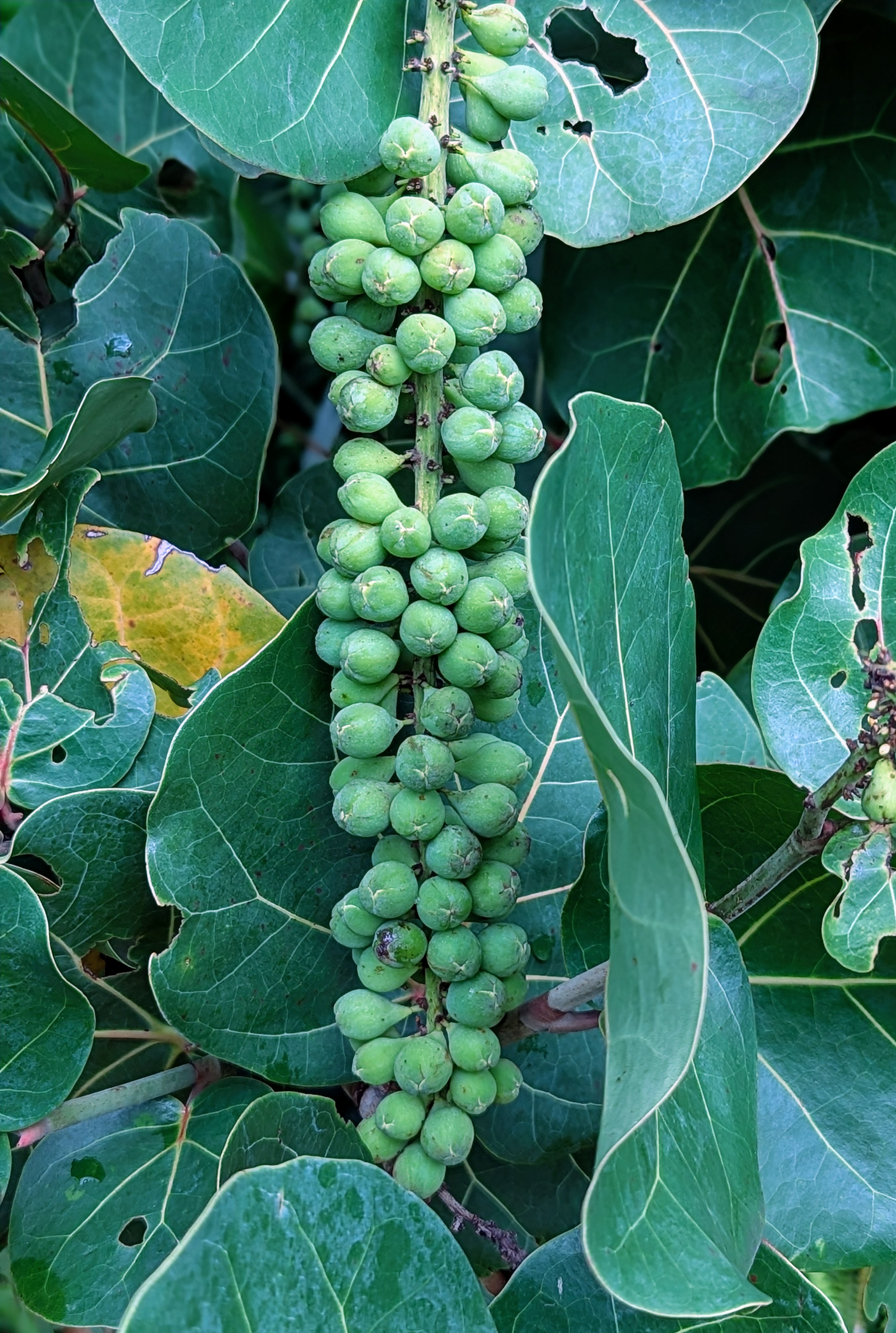
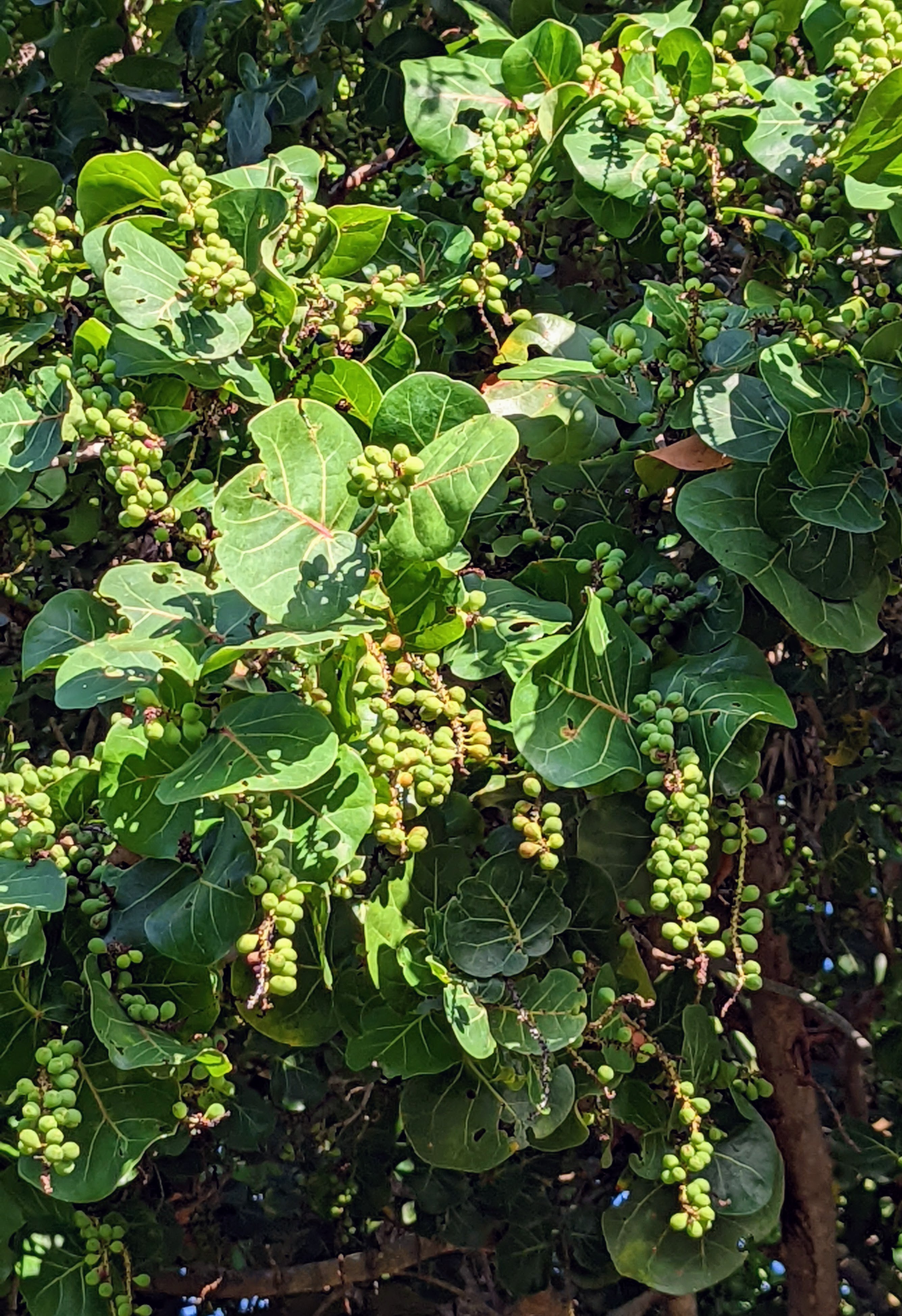
Sea Grapes (Coccoloba uvifera), a native tree that seemingly will grow anywhere is making tons of fruit and dropping it everywhere. I like the tree, but wish someone would come up with a fruitless one. This is food for wildlife, the fruit is edible and I am told it tastes like figs – but, it is mostly seed. One of my numerous greyhounds was the only household member to enjoy it.

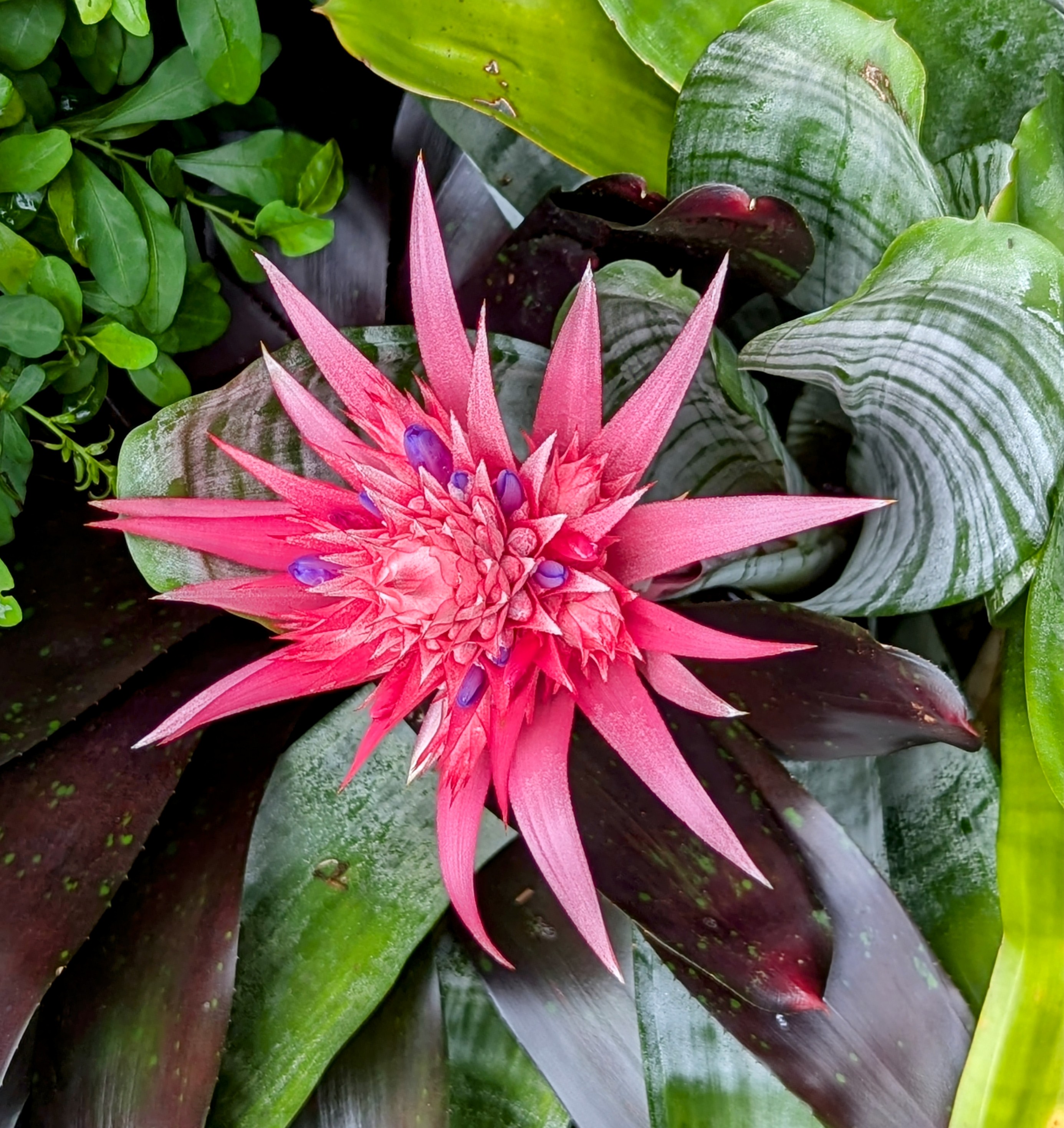
Silver Urn Bromeliad (Aechmea fasciata) is almost in full bloom.

That is all from South Florida this Saturday. I went out and looked at the weeds, plucked a few, and came back inside.

Happy Gardening!!

Six on Saturday – Treats in the Trees

South Florida gardens provide some interesting treats from trees. I was looking up during my garden tour this morning and took note of the flowers and fruits on the trees. Some are treats for me, others for birds and bees. To see more SOS garden treats visit Jim’s blog, Garden Ruminations.

The Thai dessert mangoes are tantalizing to me. Every morning I walk out to see if they are changing color yet. This morning I noted a slight peach haze on the one on the far right. I’m waiting with baited breath.

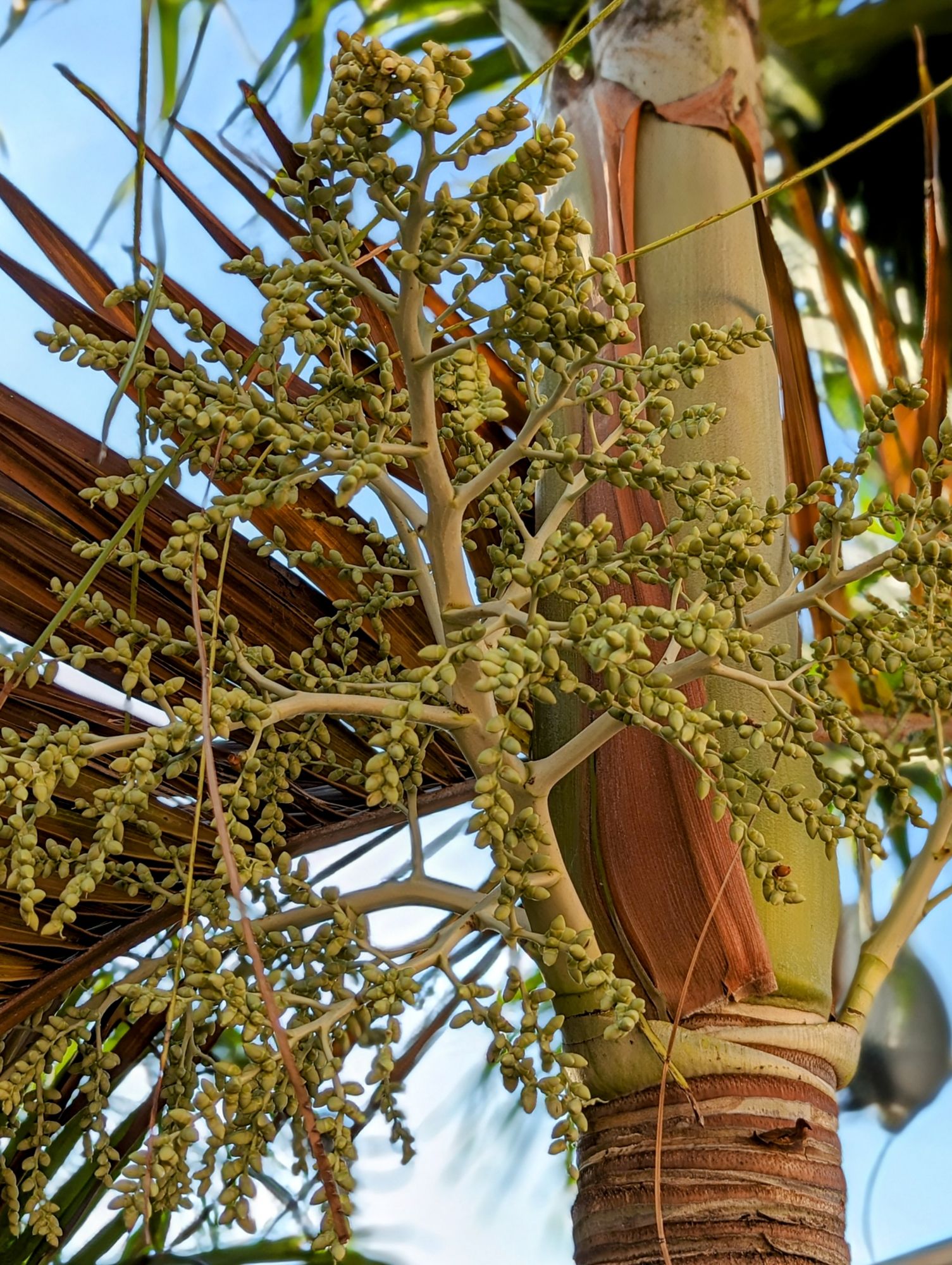
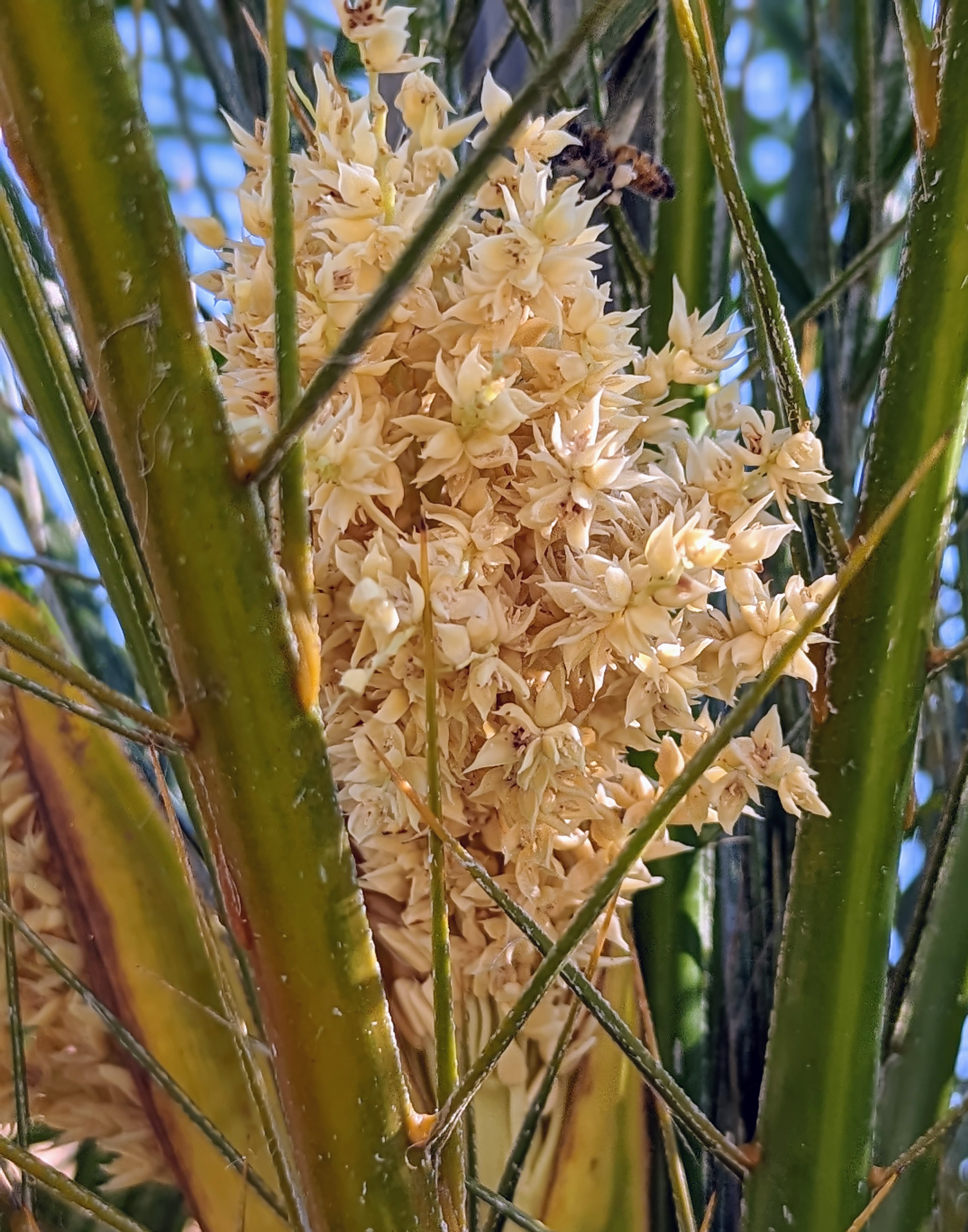
I like palm flowers. Talk about different. These are Dwarf Pygmy Date Palms (Phoenix roebellini) flowers. They need a male and female tree to produce dates and I have one, so no go on dates in the garden.

Another palm flower. The Christmas Palm or Adonidia merrillii. Most people cut these off so they don’t have to deal with the fruit. I use them in flower arrangements and enjoy the fruit. It looks like Christmas ornaments.

Flowers on the White Geiger tree (Cordia boissieri). I enjoy this little tree, though it is a puzzle to prune.

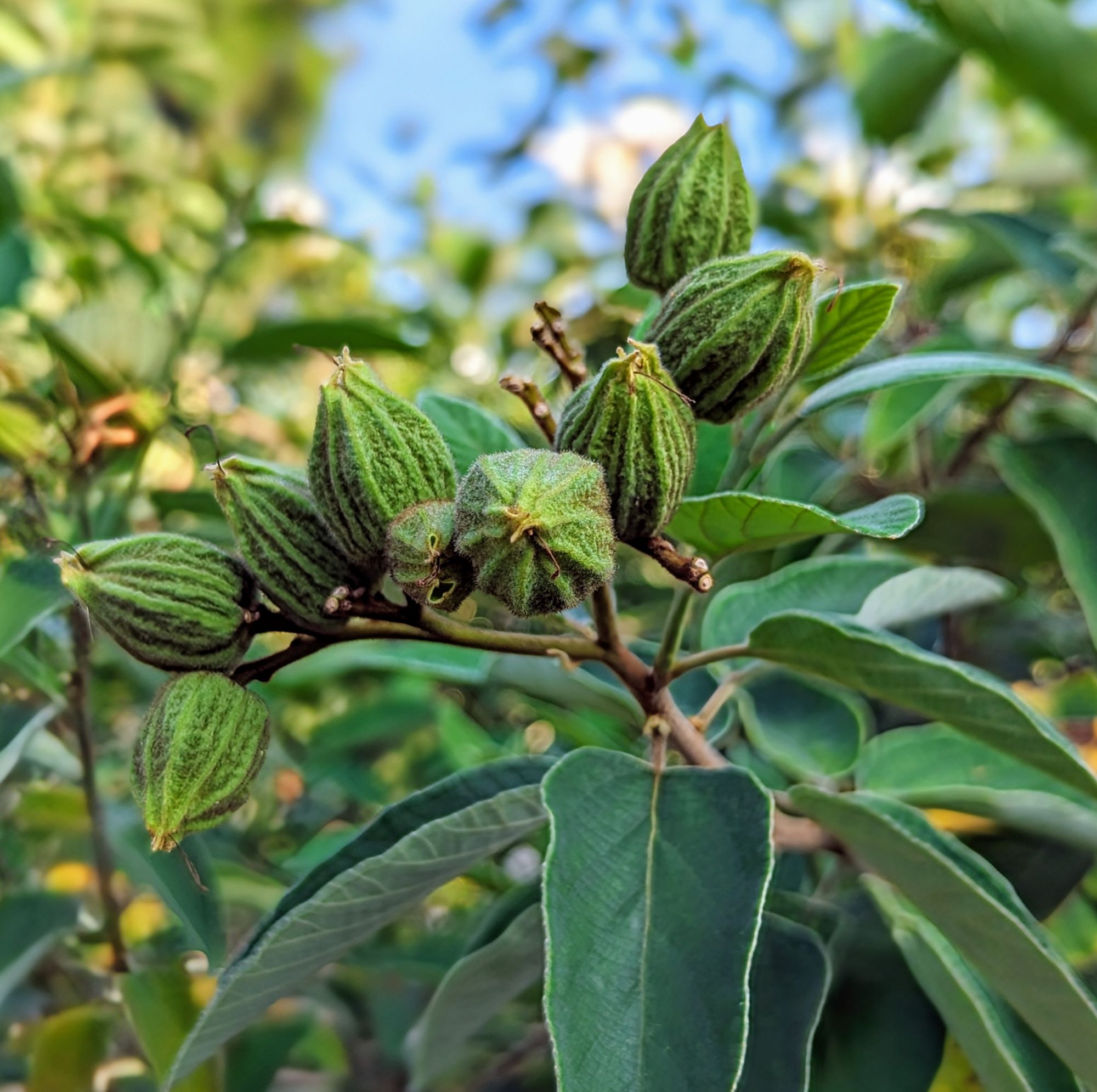
Fruit on the White Geiger tree. These eventually turn into good sized white berries and the varmints eat them all. I am told they are edible but not tasty.

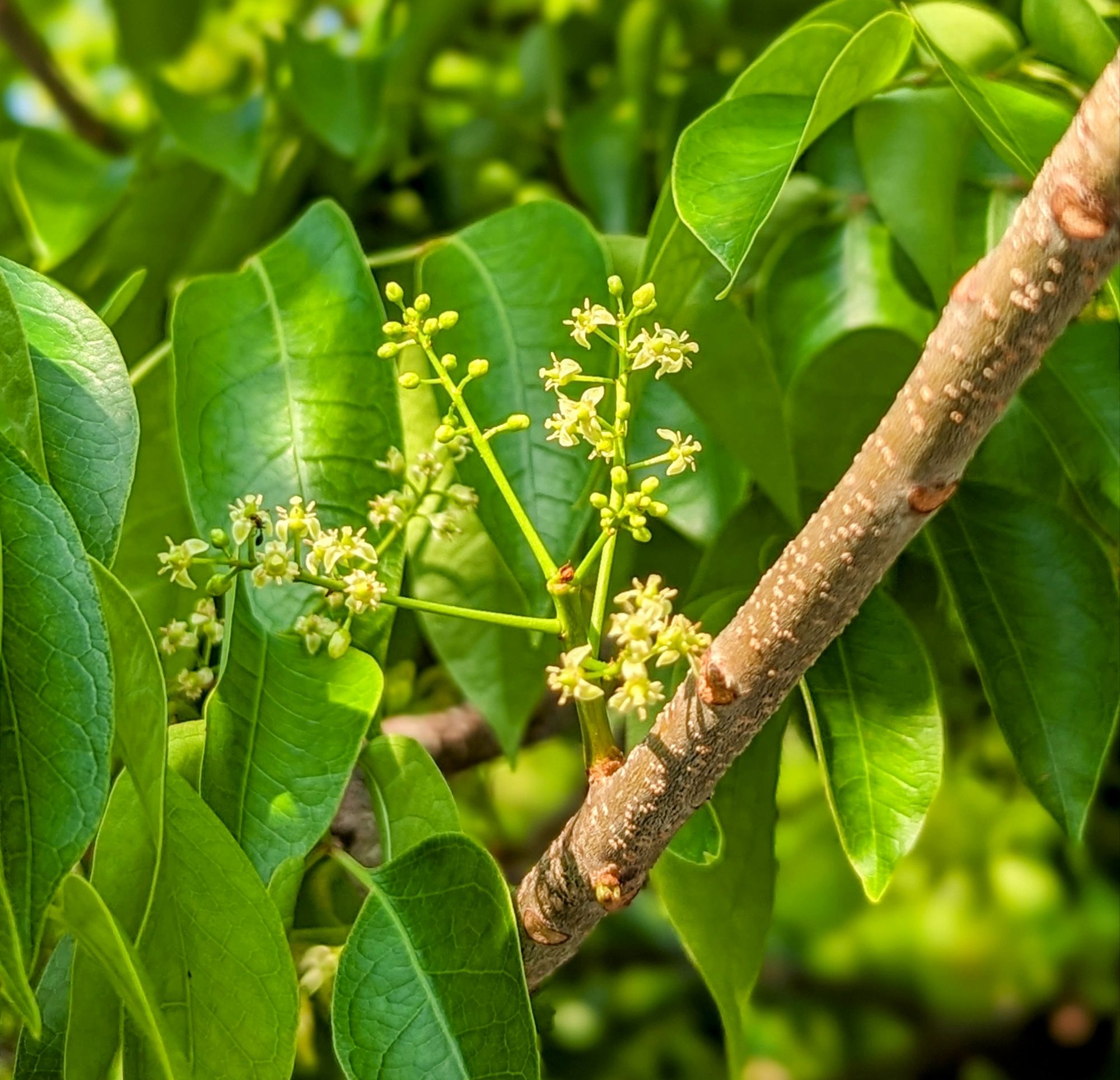
The Gumbo Limbo (Bursea simarouba) is currently the bee magnet in the front garden. The entire tree is buzzing with bees pollinating the flowers.

Happy Gardening!!

Six on Saturday – Not Hogwarts

Some Six on Saturday garden tours make me feel like there should be a garden wizard around the corner or behind the shrubbery. It has started raining again and the tropical creeping has started. I was contemplating my Strangler Fig and the cactus that produces Dragonfruit (there must be a wizard here somewhere!) winding its way around my fence. To see more magical SOS garden tours, visit Jim’s blog by following this link – garden ruminations.

The Dragon fruit (Hylocereus megalanthus). This is a night blooming cactus, a yellow flowered variety that is supposed to produce a fruit that is lemon sorbet flavored. It flowered last year, but produced no fruit. I am finding the fruit producing plants here will often flower for the first time and not produce and then the next year flower and produce fruit. Fingers crossed! It has been so long since I bought this I had forgotten about the lemon sorbet flavor. Thai dessert mango tree in background.

We had our rather magnificent Strangler Fig (Ficus aurea) pruned. Talk about a Harry Potter tree! These are quite interesting and don’t really strangle anything. It is amazing how quickly they can grow – 15-20 foot long branches (4-6 inch diameter) were trimmed back to the trunk from our roof line. I think it has been a year and a half since it was last pruned.

Fruit from the Strangler Fig. These are edible, but only wildlife enjoy them. And I think about a million of them fall to the ground. This is followed by fruit flies who are followed by birds. Wildlife enjoys this tree. It is also larval host to the Ruddy Daggerwing butterfly.

The birds take the figs up into other trees, commonly Sabal Palms and deposit them in the crown of the tree. The figs germinate, take root followed by a small branch growing out of the side of the palm. These branches eventually get long enough to reach the ground and a new Strangler Fig puts roots down and grows up right beside the palm. It is common to see a palm engulfed in a Strangler Fig. Maybe it should be called an Engulfing Fig.

The leafy branch is from the Strangler Fig seedling growing out of the palm trunk.

These trees also make buttress trunks. They are growing in a bed of Snake plants, an impossible to get rid of weed here that I have embraced rather than argue with.

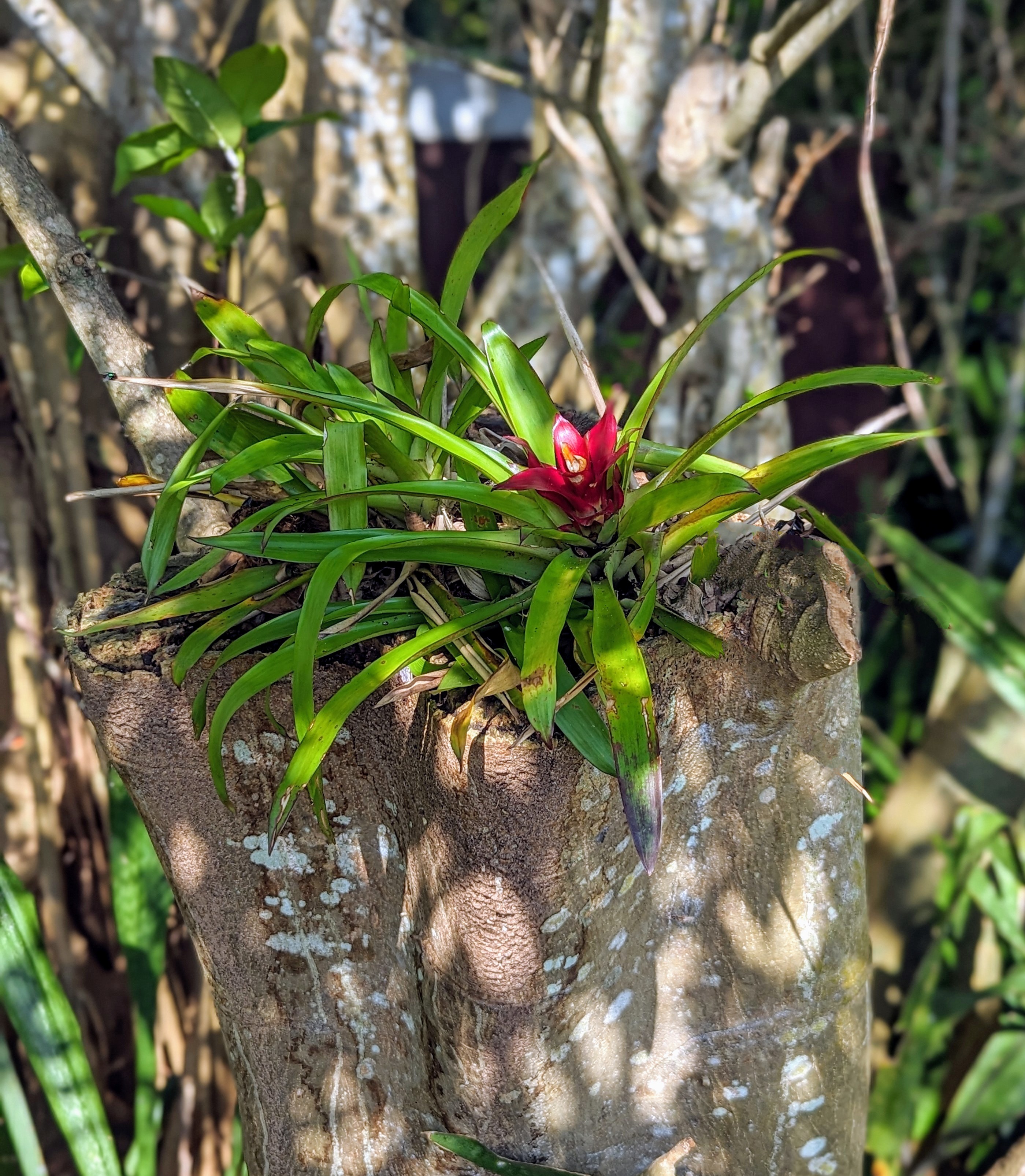
I have just added some Guzmania bromeliads to some pruning made planters. These trees are known for hosting epiphytic plants, so I will add more.

That’s all from my magical tropical garden this Saturday. Wishing everyone Happy Gardening.

Six on Saturday – Balmy and Palmy

Summer is settling in on the Treasure Coast of Florida. Afternoon thundershowers are keeping the garden watered and everything is flourishing, even the weeds. Especially the weeds! Though it is very green. Palms and cycads are hard to resist planting in a tropical garden, so I have several to explore today. To see other Saturday garden explorations visit Jim at http://gardenruminations.co.uk

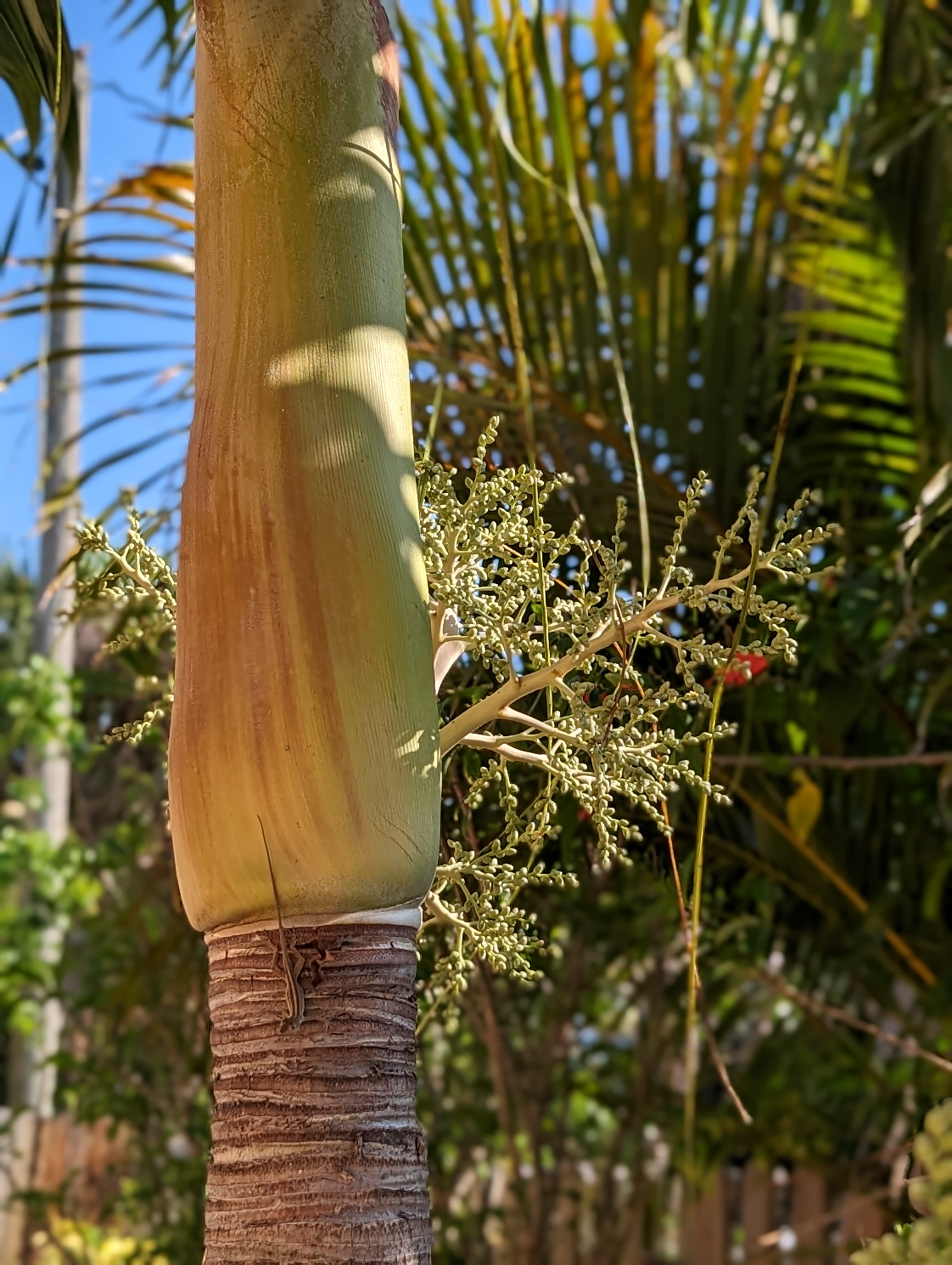
This is an Adonidia Palm (Veitchii merrilli). Grown from seed by my college friend Eddie, it has been in the ground for about 10 years. The off white things on the trunk are flowers, if left in place they make red fruits that look like Christmas ornaments – it is sometimes called Christmas Palm for this reason.

The Lady Palm (Rhapis excelsa). This one is starting to run in my Rainforest Garden. Super Fireball Bromeliads in the foreground.

A Bottle Palm (Hyophorbe lagenicaulis) just starting to make the bottle. The old fronds eventually fall off revealing a green bottle shaped trunk. The process takes about five years. This palm has been in the garden for at least that long, so I am hoping the fronds will come off soon. They are impossible to pull off now. One thing I have learned about palms – they are slow growing. This was a surprise.

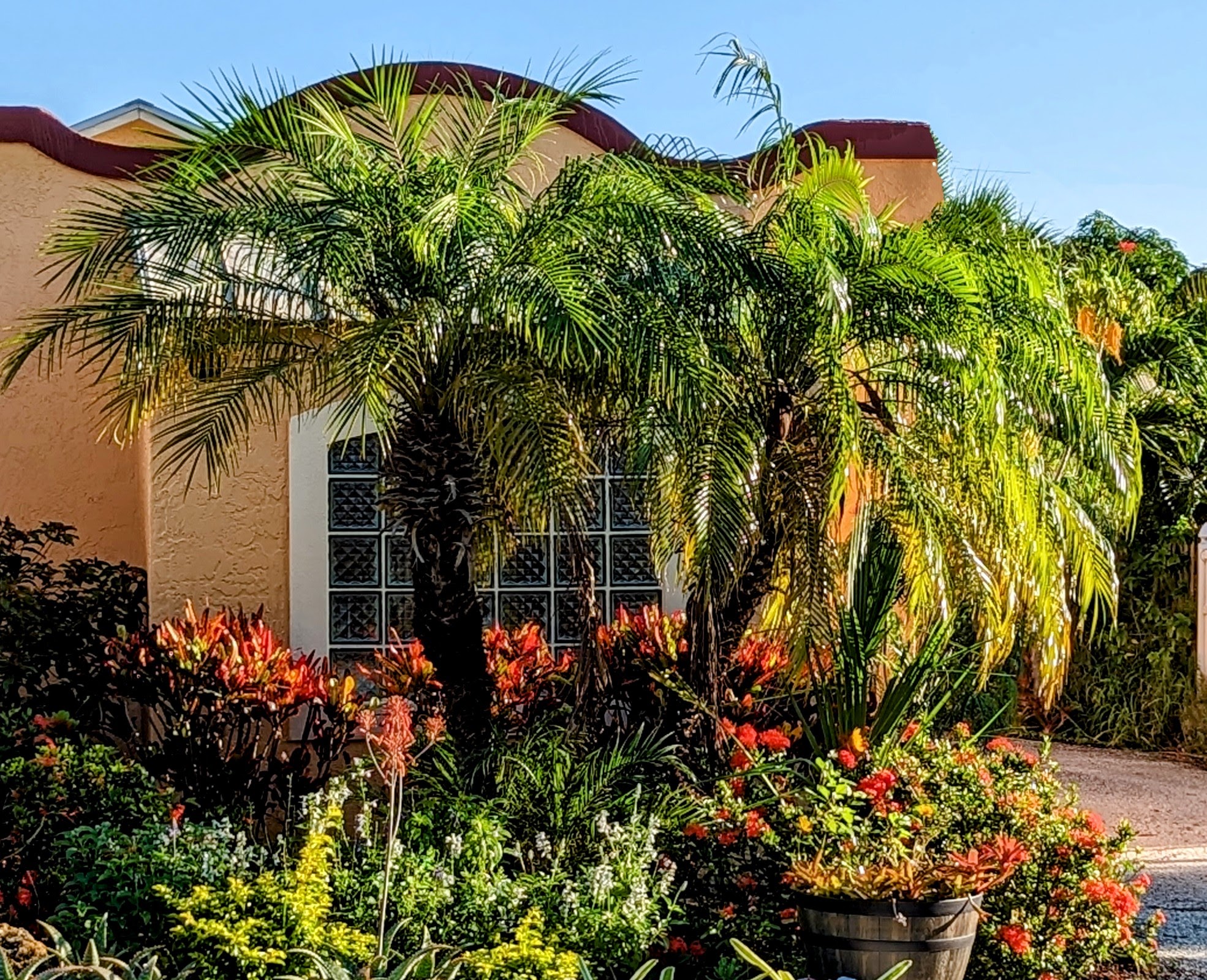
The Dwarf Pygmy Date Palm (Phoenix roebellini). This is one of those plants that needs a friend to make dates. I have read that they will produce dates here, but have never seen any. One thing I did not realize when this was installed was the size of the thorns on the fronds, ouch!

This is a Coontie (Zamia integrifolia) an interesting cycad native to the state of Florida. These were harvested nearly to extinction in the quest to make arrowroot flour from the roots. The roots are deadly toxic and must be washed extensively before milling into flour.

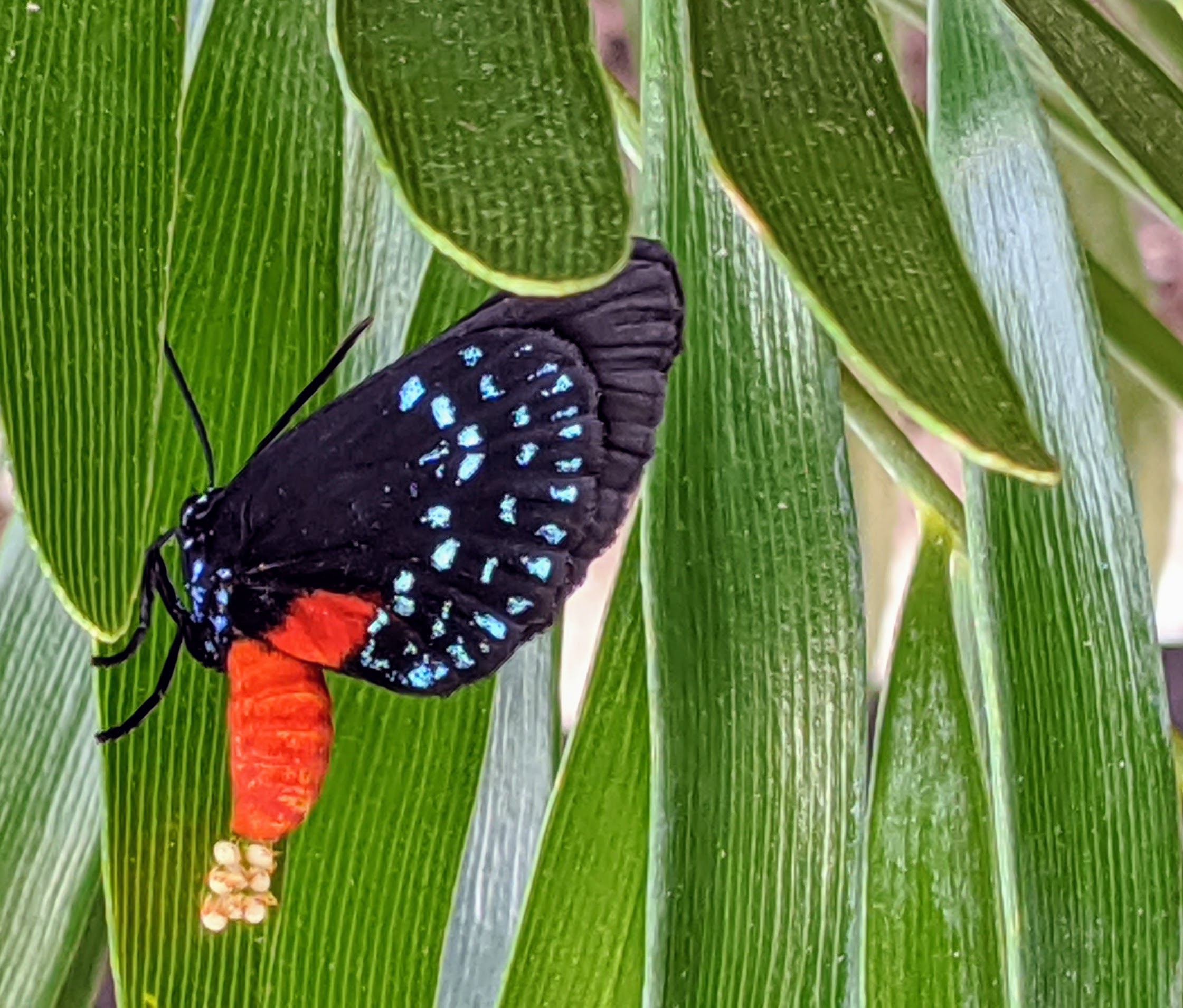
Another near victim of extinction from the arrowroot flour quest is the Atala butterfly whose larvae host exclusively on the foliage of the Coontie. The butterflies were thought to be extinct until a small group was found on an uninhabited key in South Florida in the 60s. Gardeners embraced the plight of the Atala and planted Coonties for them. The Atala population has rebounded, while still considered rare, I see them in my garden from time to time.

The Atala butterfly laying eggs…

Atalas are around in January or June here; so I look for them every day. So far, I have seen some cicadas in the Coontie. Hope springs eternal.

That is all from palm infested South Florida this Saturday. I hope everyone is enjoying summer and experiencing garden happiness.

Six on Saturday – The Bugs are Back

Thankfully, we had a couple of inches of rain fall this week. Flowers are bursting out and the buzzing of bees in this flower on my Dwarf Pygmy Date Palm (Phoenix roebellini) caused me to look up and take note. It is a pretty flower though not easy to see unless you are a gardener standing under it looking at other plants. Note the thorns on the stems of the fronds, I wear a hard hat when pruning this one. The butterflies are also back – I have been chasing them but as of yet unable to catch one.

Flowers on the Adonidia Palm (Veitchia merrilli). If left on the palm these get much bigger and turn into bright red fruits in December. This is also called Christmas Palm for that reason. Most people cut them off. There is actually a palm pollen advisory in effect.

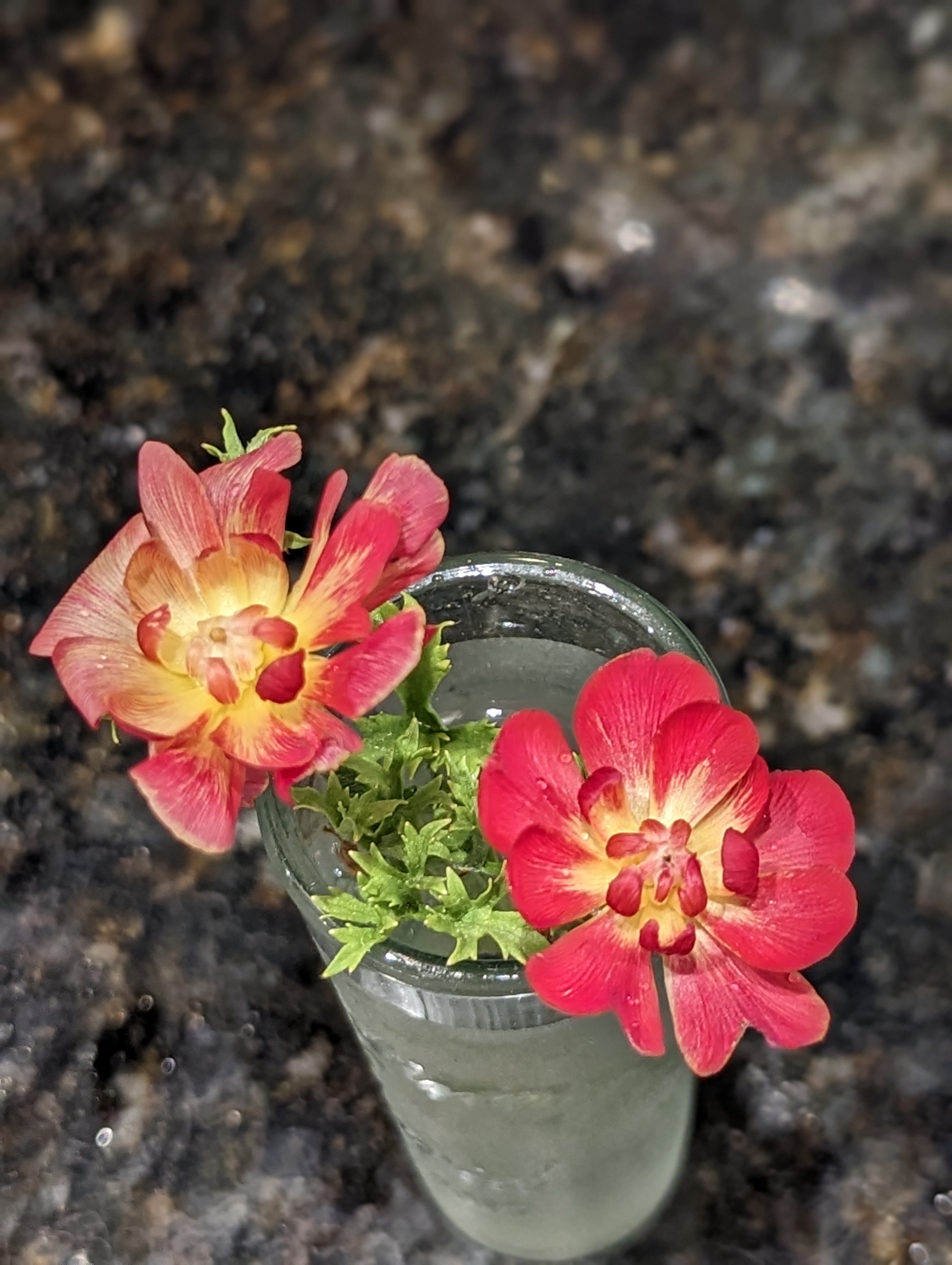
The final Ranunculus, about a quarter of the size of the first two. No clue why.

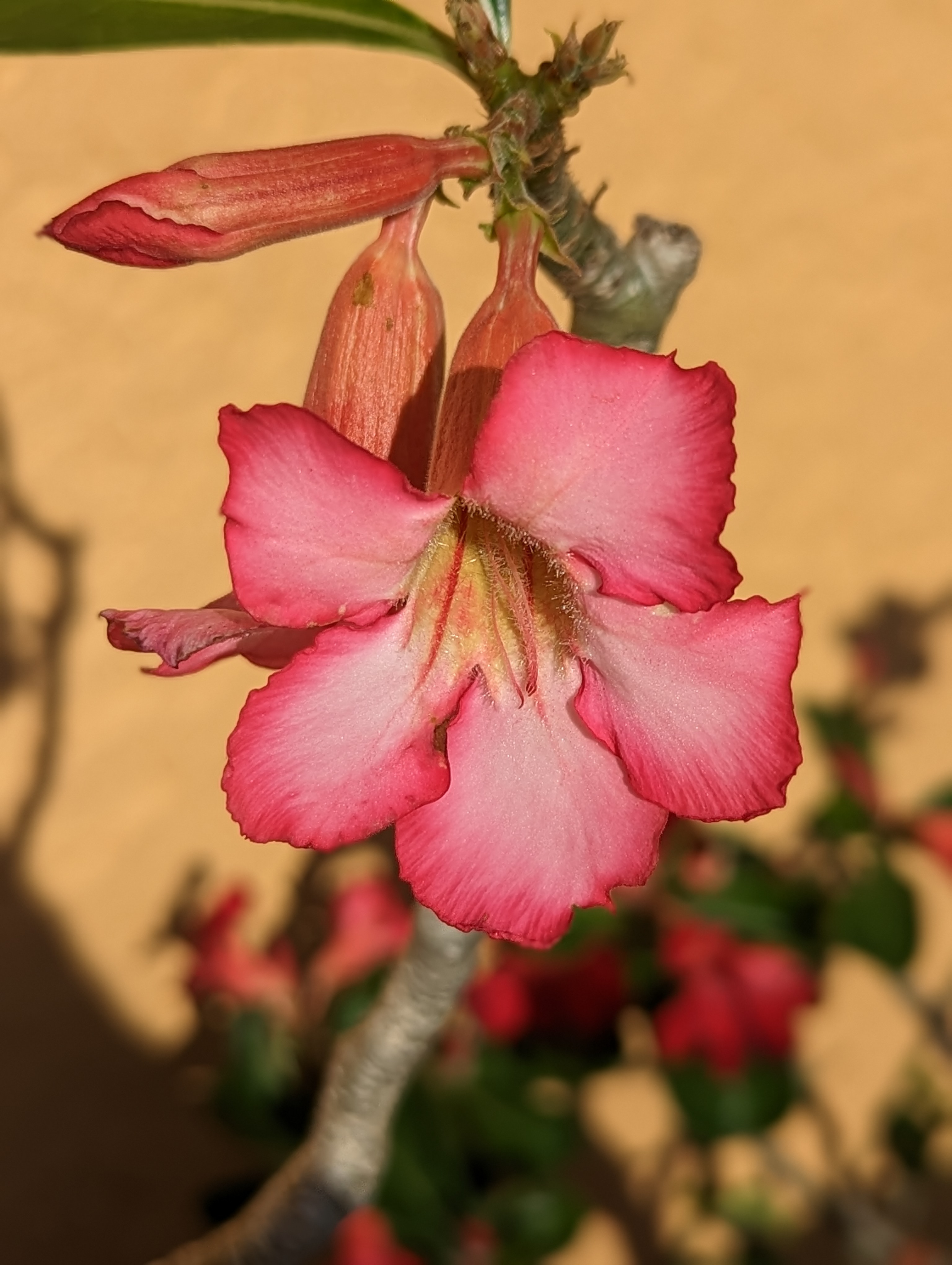
The Desert Rose (Adenium obesum) has been spectacular this year. Again, no idea why.

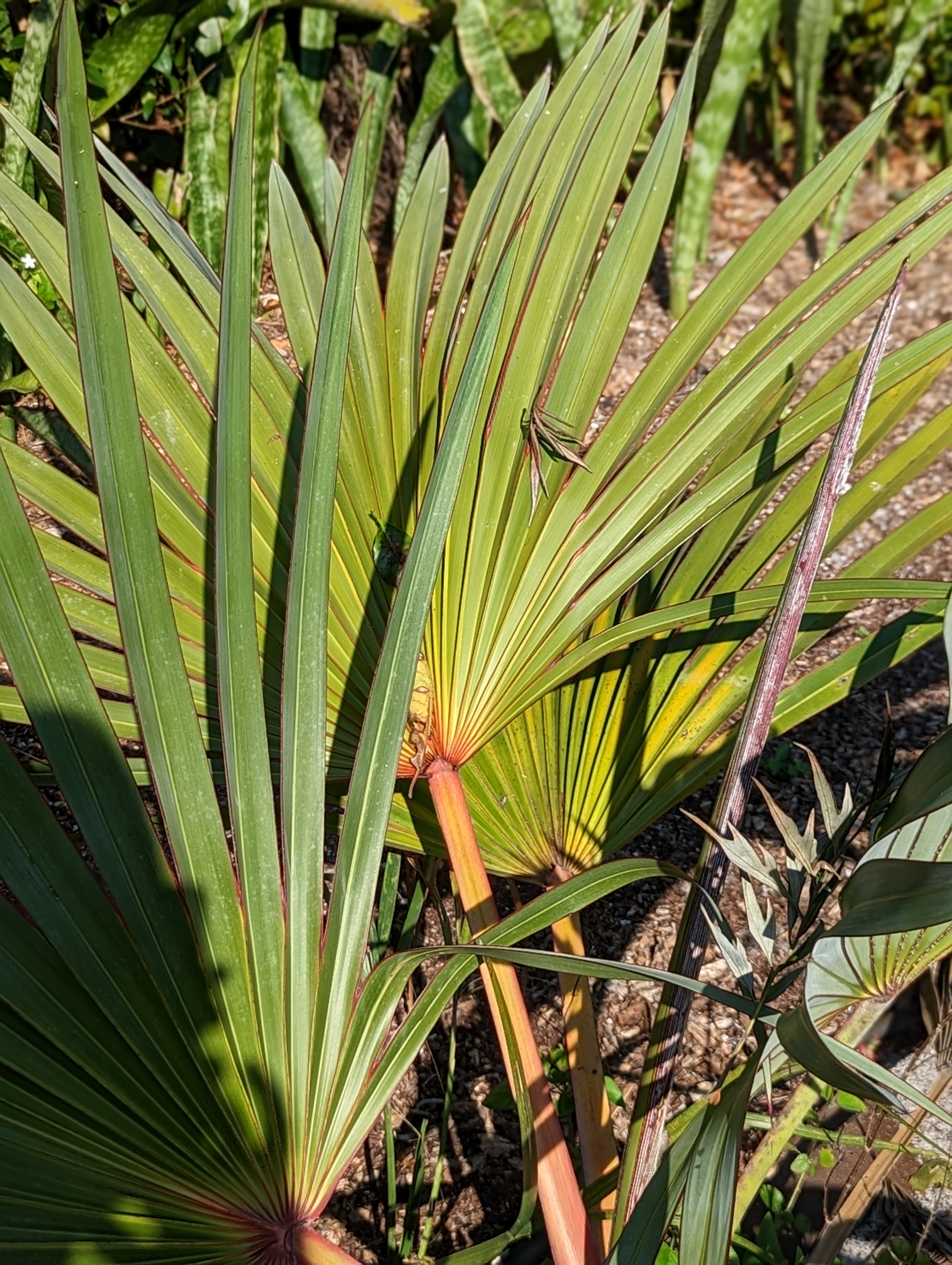
A Latania Palm (Latania loddigesii) I bought as Blue Latan is probably a Red Latan – due to the red leaf margins. This has been in the garden for years and years and has not developed a trunk. I did not realize how slowly palms grow. I hope to see a tree someday. Right now it is still a shrub – palmetto?

Nam Doc Mai Mango ripening. The wind and rain knocked the mango crop from maybe 50 to about 15, which is normal and expected. I was concerned about what to do with 50! Waiting for one of the 15.

That’s my Six this Saturday from South Florida. Where are yours? To see more SOS posts, visit http://gardenruminations.co.uk

Happy Gardening!!

Six on Saturday – Wilting and Watering.

The July heat remains unabated. My garden has had no rain for two weeks! I have given up on some lawn (I use that term loosely and am happy I did not put any sod down this spring). Some of the more drought tolerant plants are looking wonderful and others have shut down to wait for rain. Fingers crossed for an actual thundershower every day! Below is my fabulous Labyrinth Dahlia, faithfully watered twice a day.

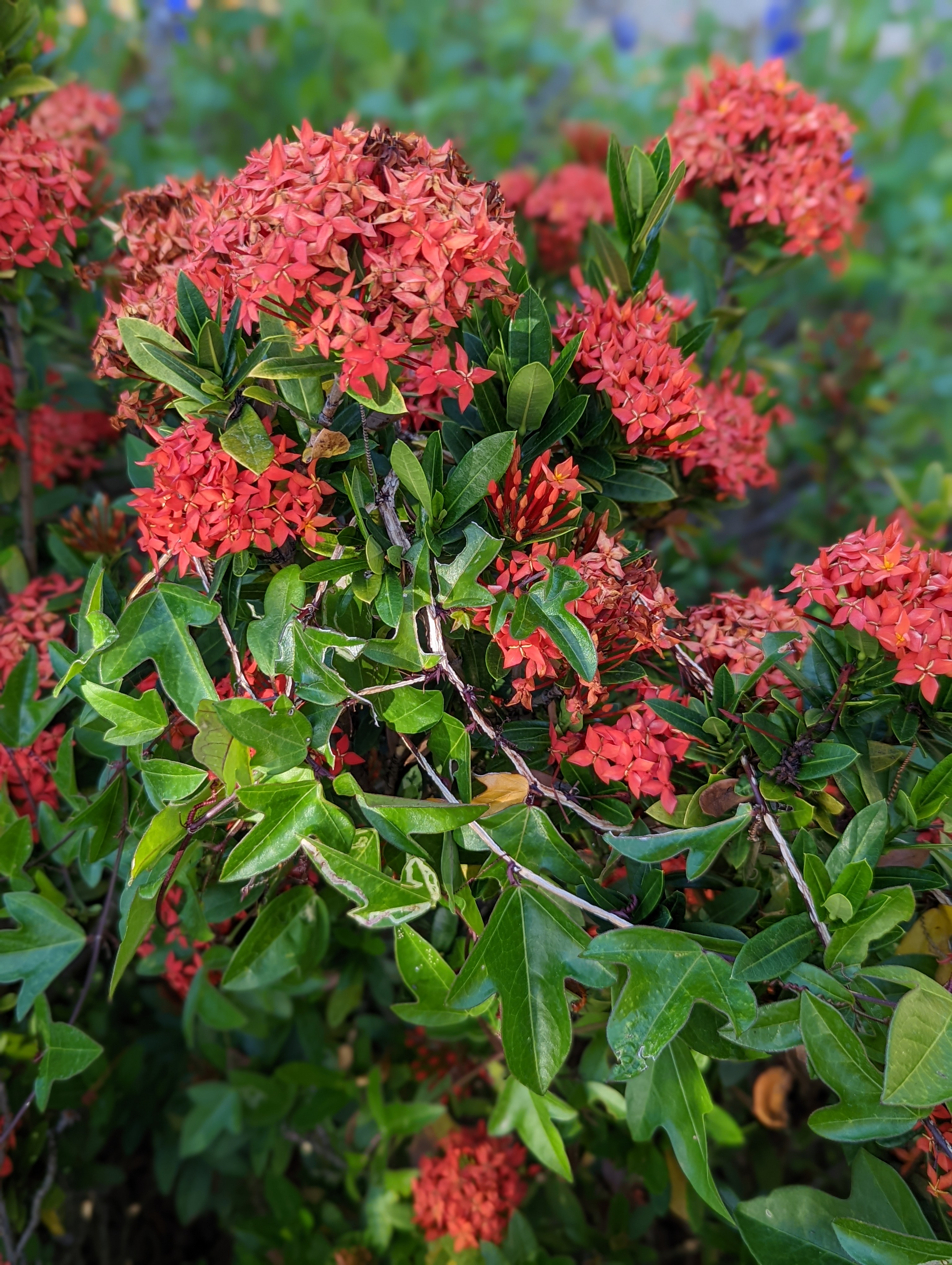
Next up, a native of the South Pacific, Dwarf Red Ixora (Ixora chinensis) – these shrug off the heat and love to flower all summer, but must be watered and fed. I have allowed our native Corkystem Passionvine to ramble through the shrubs; providing a larval food source for butterflies while the flowers from the Ixora provide nectar. The invasive lizards (only in Florida!) had staked out my Passionfruit vine and ate most of the caterpillars, so I got rid of that vine and the evil lizards haven’t figured this out – yet.

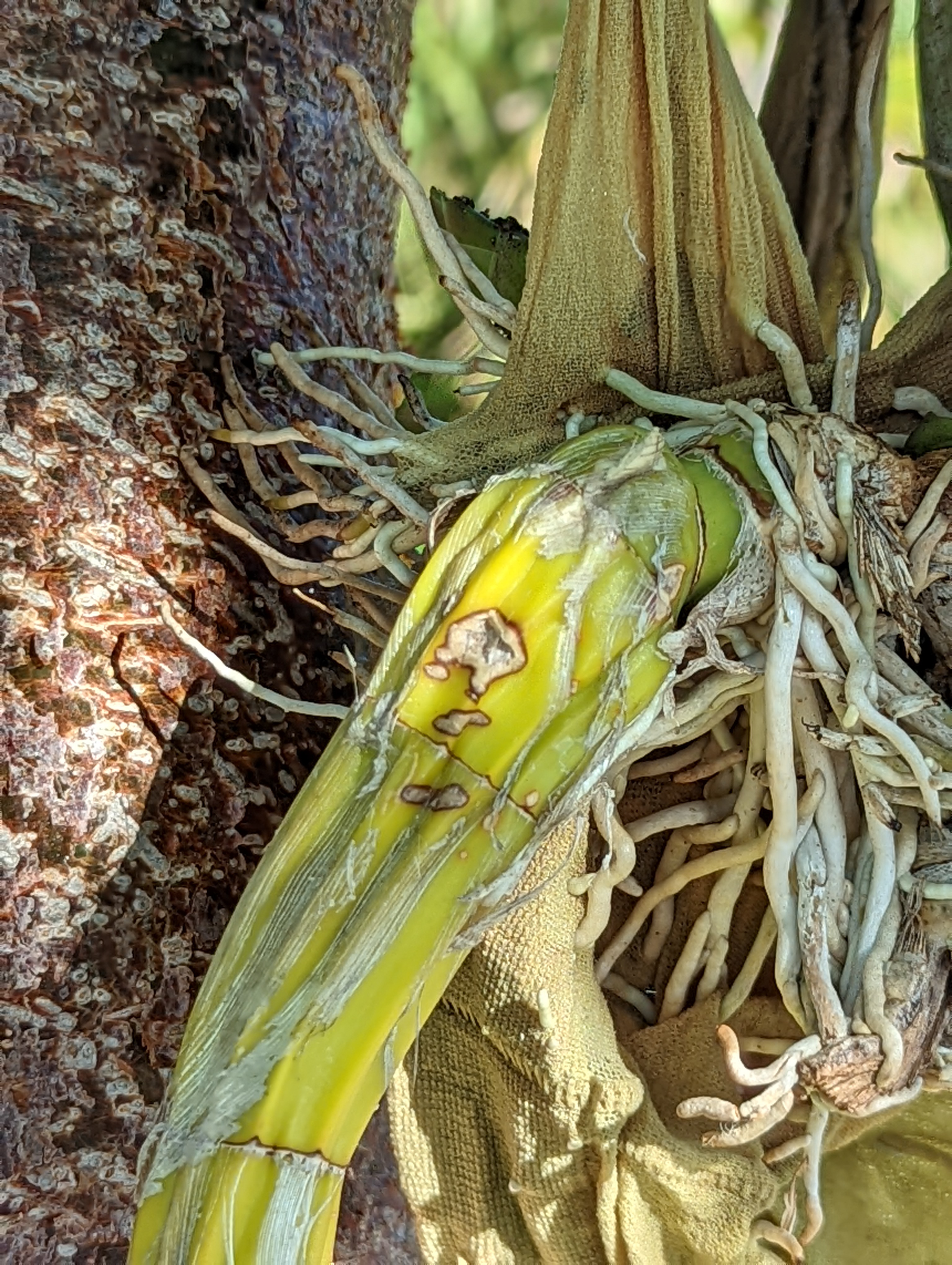
Last week I posted some pictures of the orchids growing in my Gumbo Limbo tree. Here is a close up of the roots growing into the trunk. They are not quite attached, but getting there.

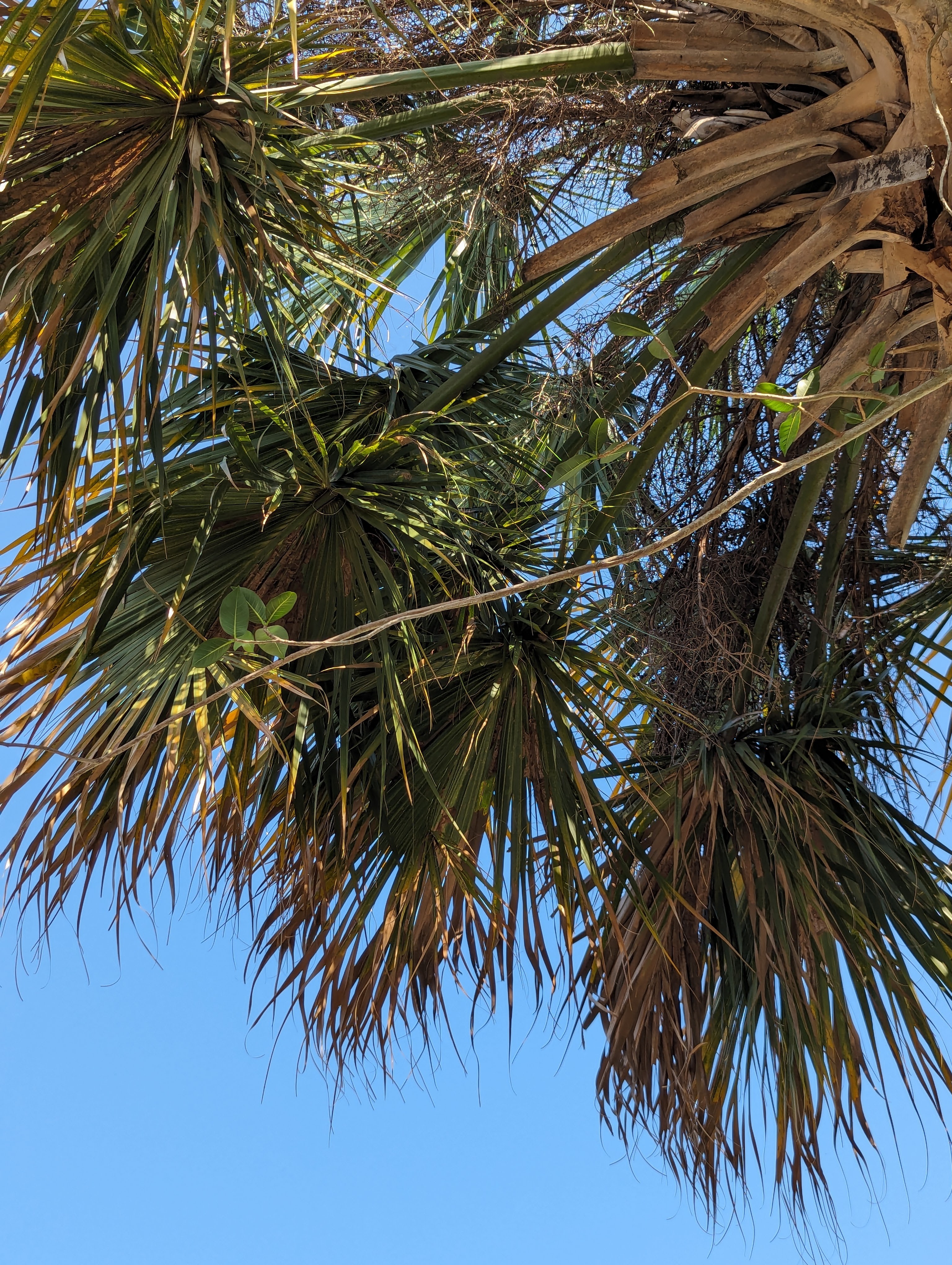
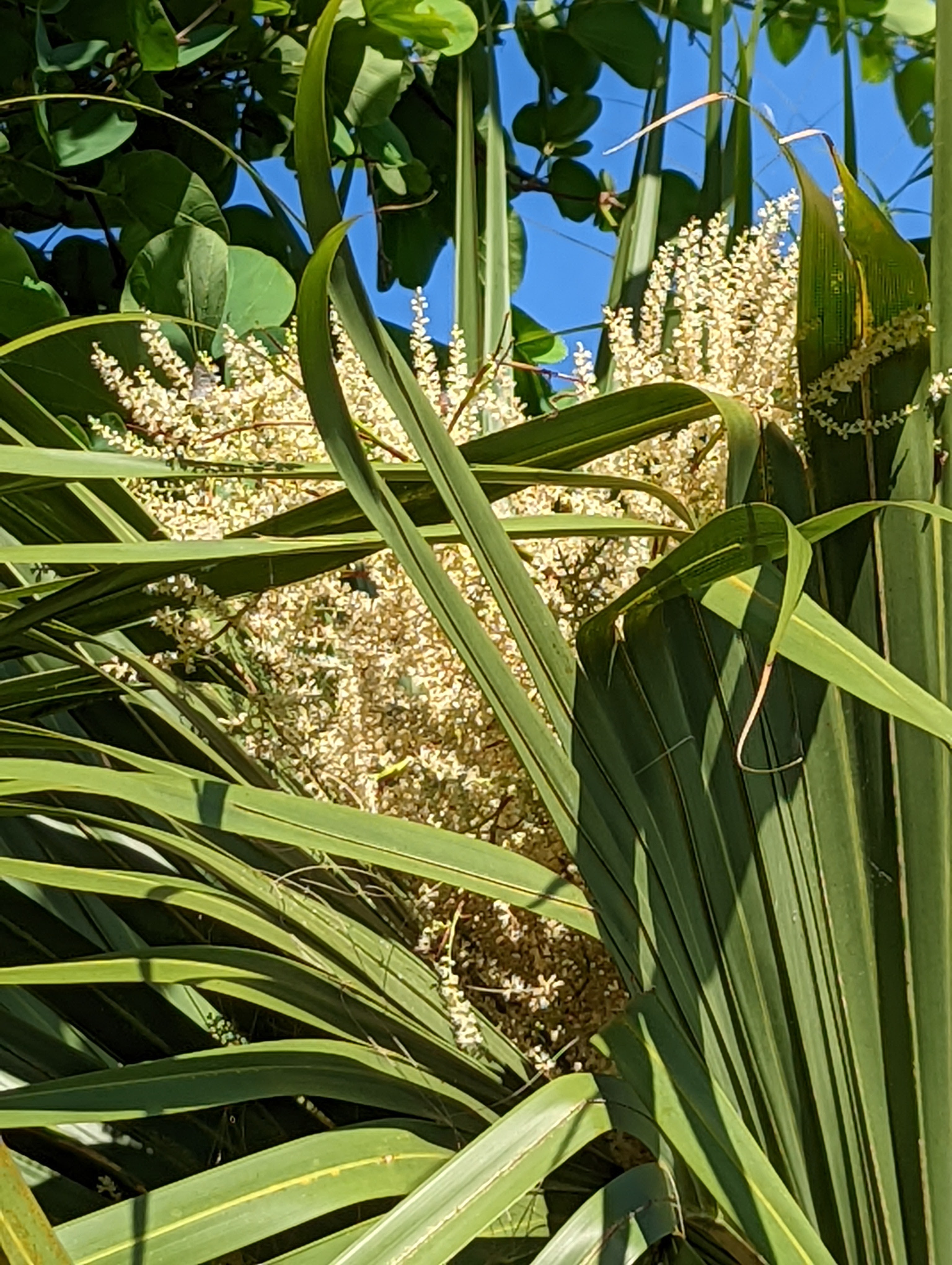
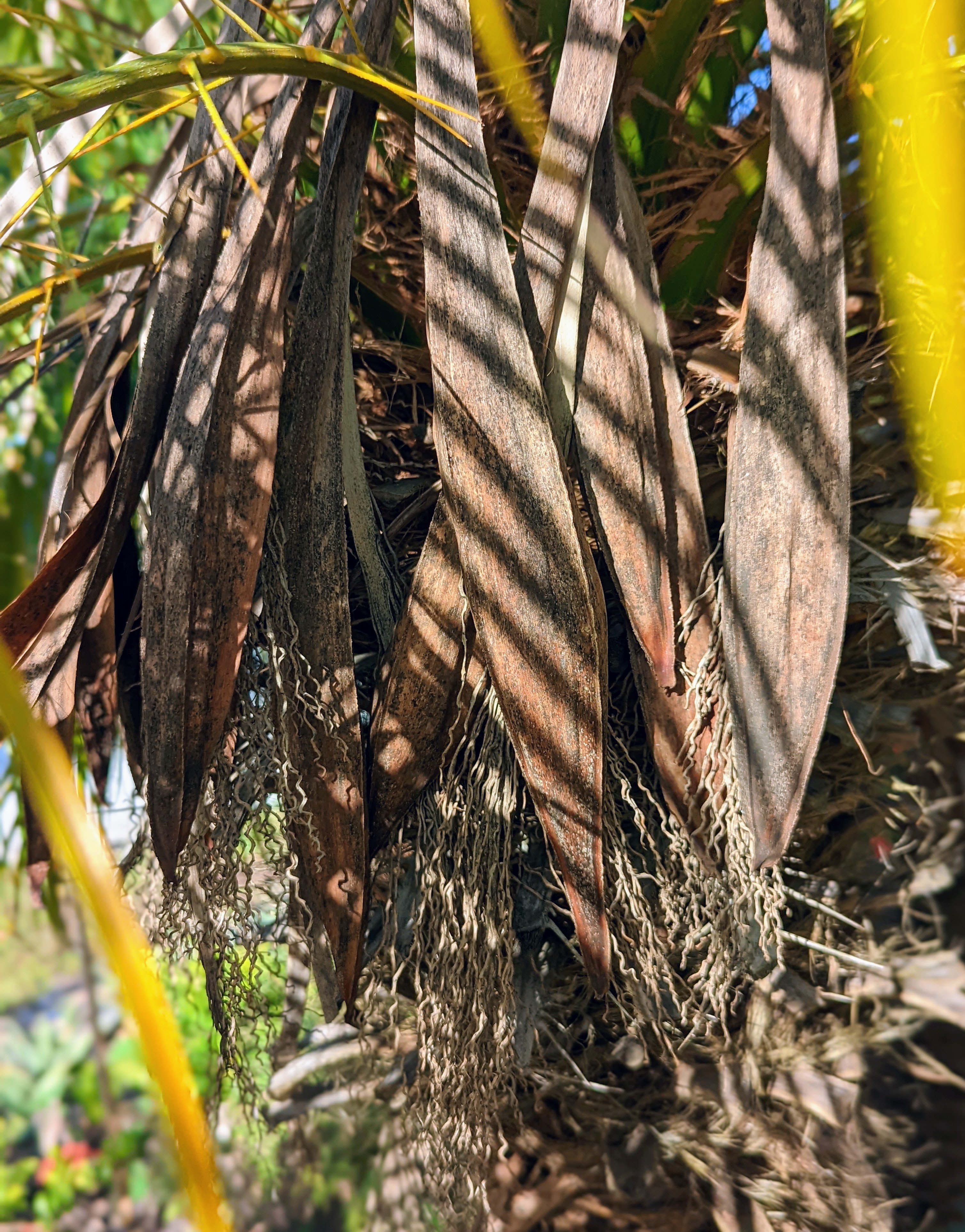
The native Cabbage Palms (Sabal palmetto) are indestructible. These are the flowers, the bees love them. Eventually, black berries are formed on long boughs from the crown of the palms. People used the skin of the berries to make flour – which must have been difficult!

Flowers on a Dwarf Pygmy Date Palm (Phoenix roebellini) This palm has male and female plants and will make dates if both are present. These are very common here and I have yet to see any dates. No idea what sex this is.

More happy natives. This is a Sea Grape (Coccoloba uvifera). These hardy plants are used for anything from clipped hedges to trees, this one is about 25 feet tall and covered in grapes. The grapes are edible with a huge seed and taste like figs. Another of those things you have to grow up eating to appreciate. I leave them for the critters. One of my greyhounds loved them and would stand under the tree and graze.

There, Six for Saturday. Rain dance starts later.

Thanks to Jon at http://www.thepropagatorblog.wordpress.com for hosting. Follow the link for more SOS posts.

Happy Gardening.

Six on Saturday – New Things

It’s Saturday again, I am joining the SOS crowd at http://www.thepropagatorblog.wordpress.com. I have some new blooms in my garden this week.

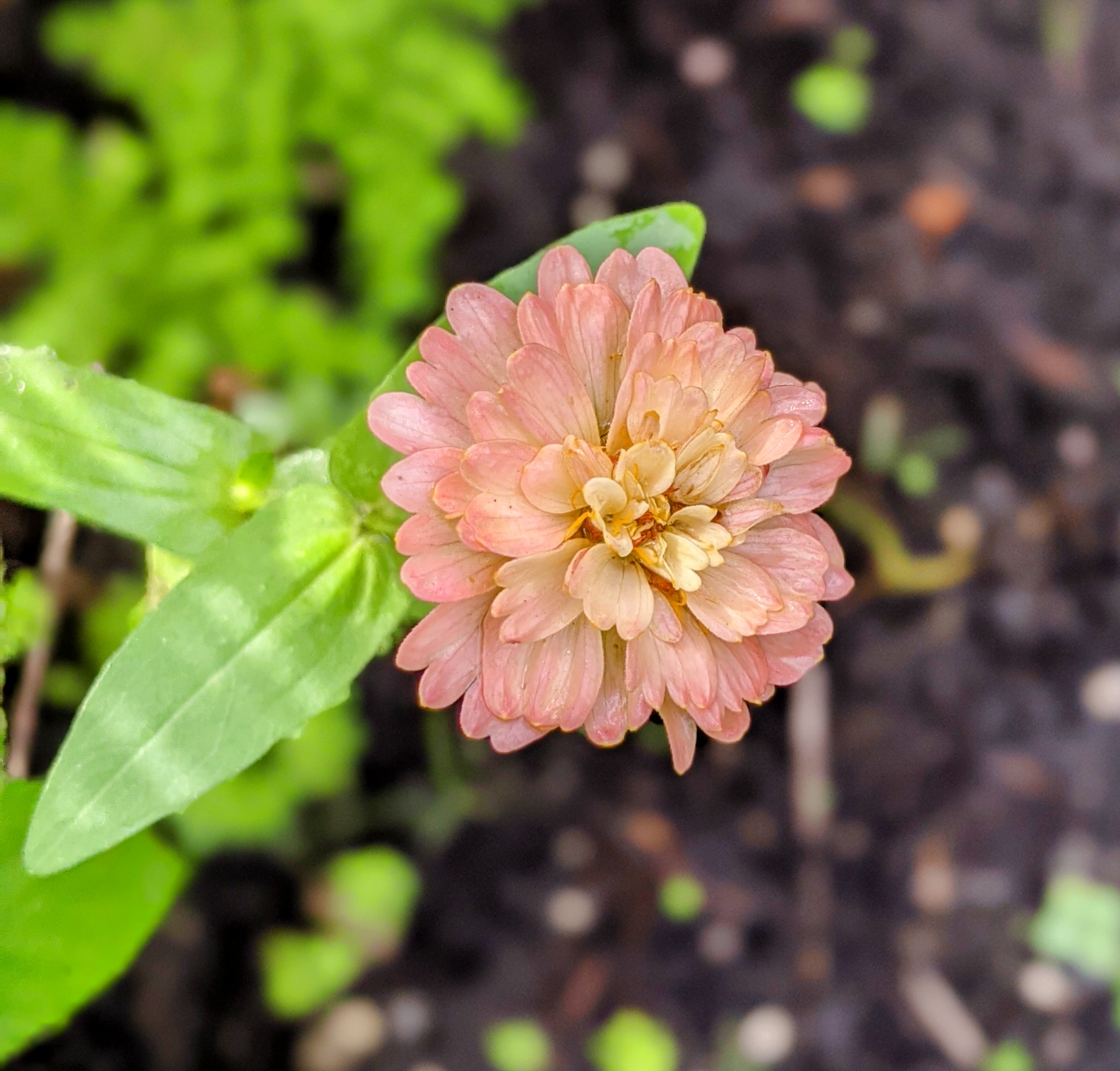
This is a Zinderella Peach Zinnia – these seeds are open pollinated, the flowers are fully double, semi double and single. None of them look like the photo on the seed package.

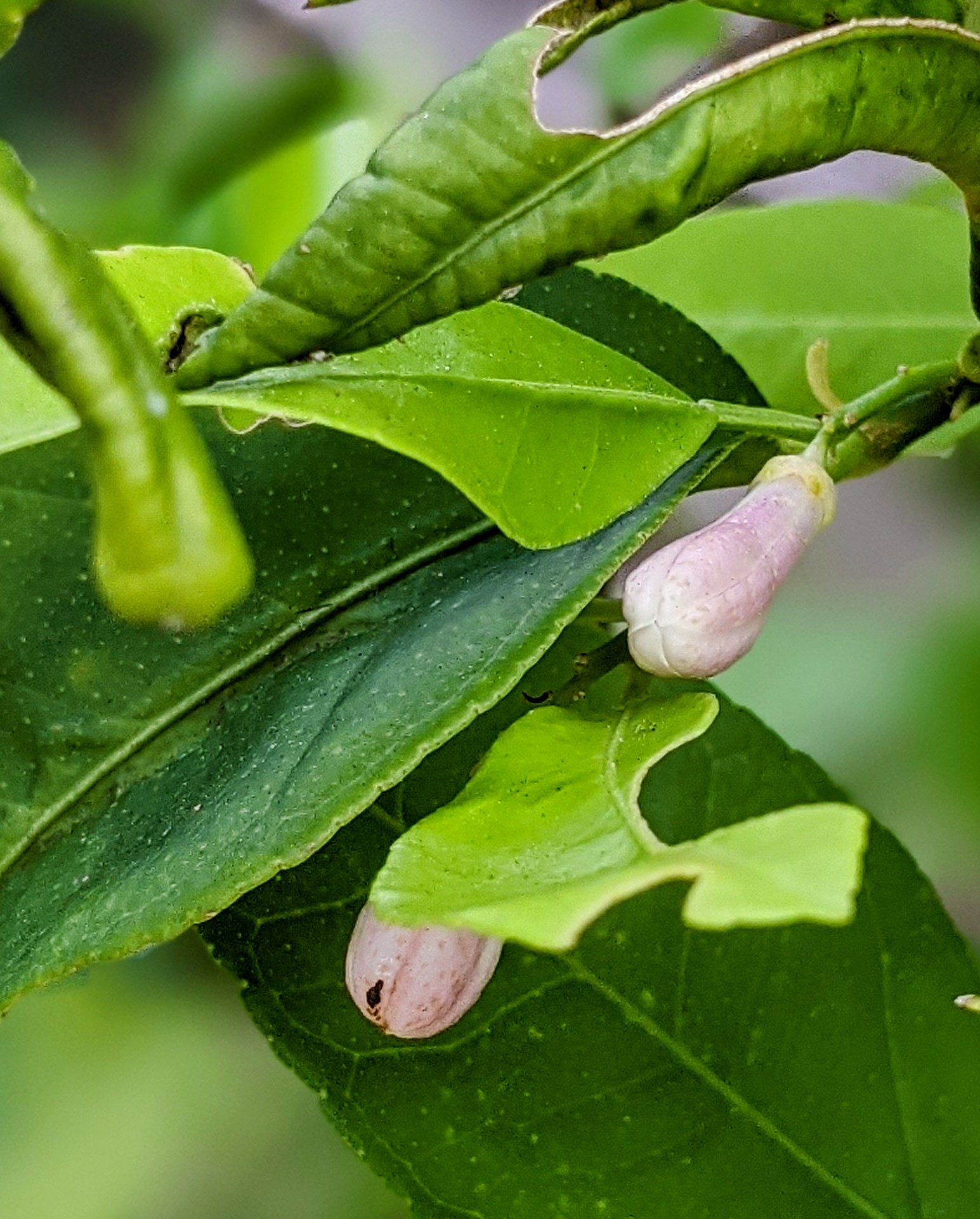
First ever buds on the Rangpur Lime tree. My neighbor planted the seed five years ago – it is seemingly well known it takes five years from seed to fruit. I have a Cuban Avocado tree the same age, they flower until April. I am watching the Avocado daily, leaf buds so far. I am excited about limes from the garden. The holes in the leaves are from Giant Swallowtail butterflies, citrus are the larval host plant.

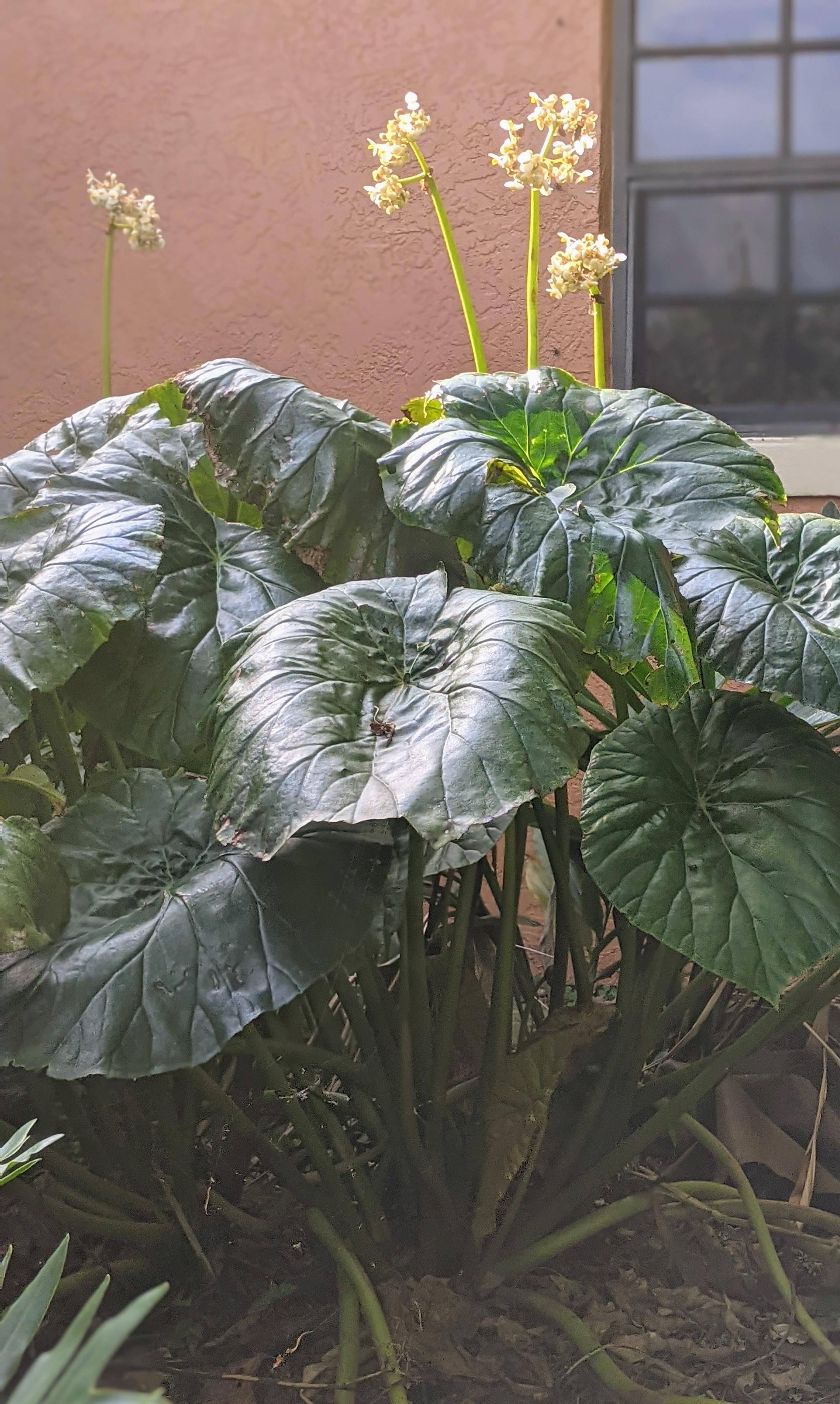
The Jurassic Begonia is flowering..it is really a Lotusleaf Begonia (Begonia nelumbiifolia). It is easily four feet tall.

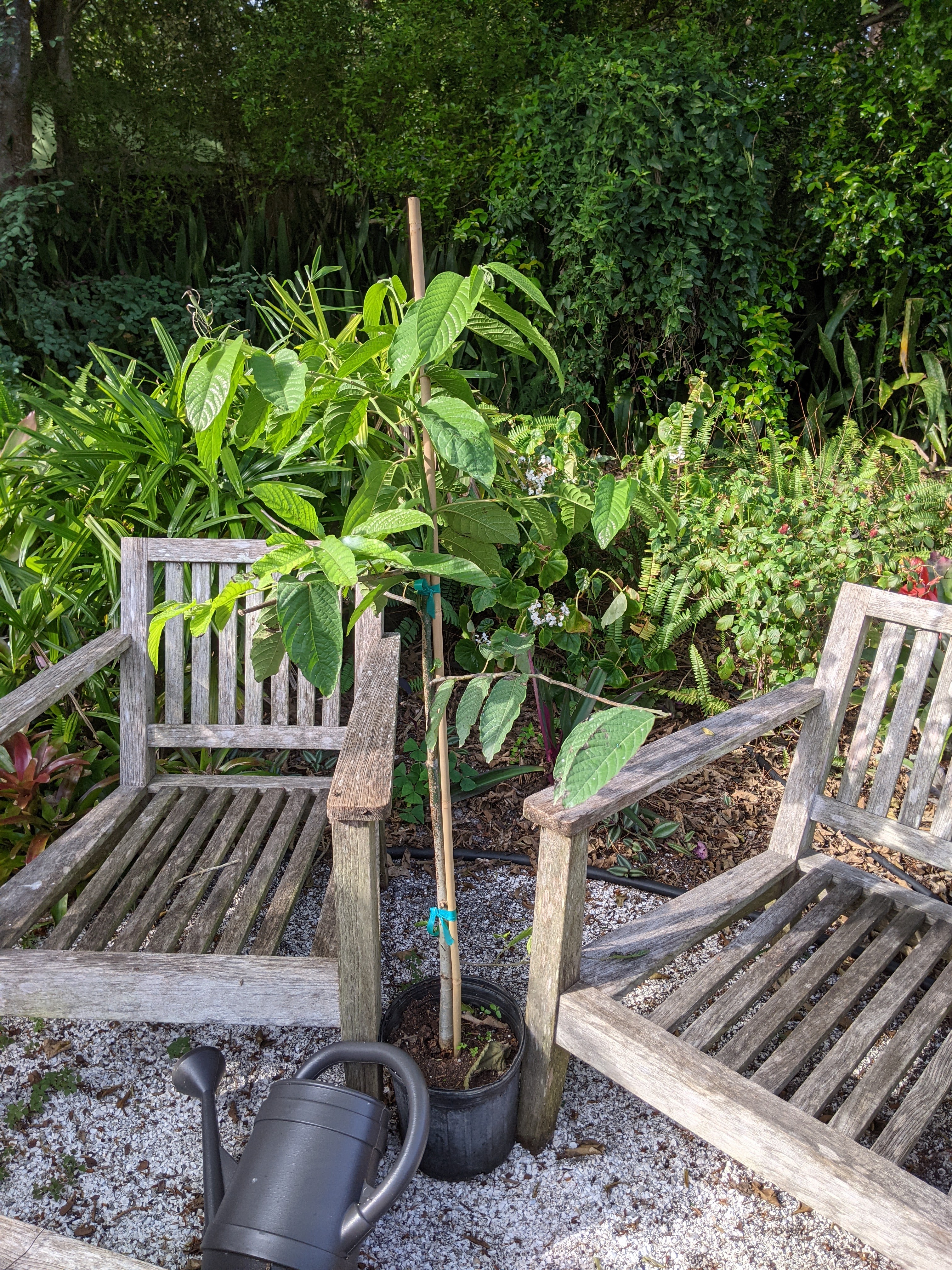
A Ylang Ylang tree (Cananga odorata) acclimating to sun, waiting for determination of its final location. This is the flower that supplies the fragrance for Chanel No. 5 perfume. The directions stated it takes one, two or three years to flower. Waiting some more….

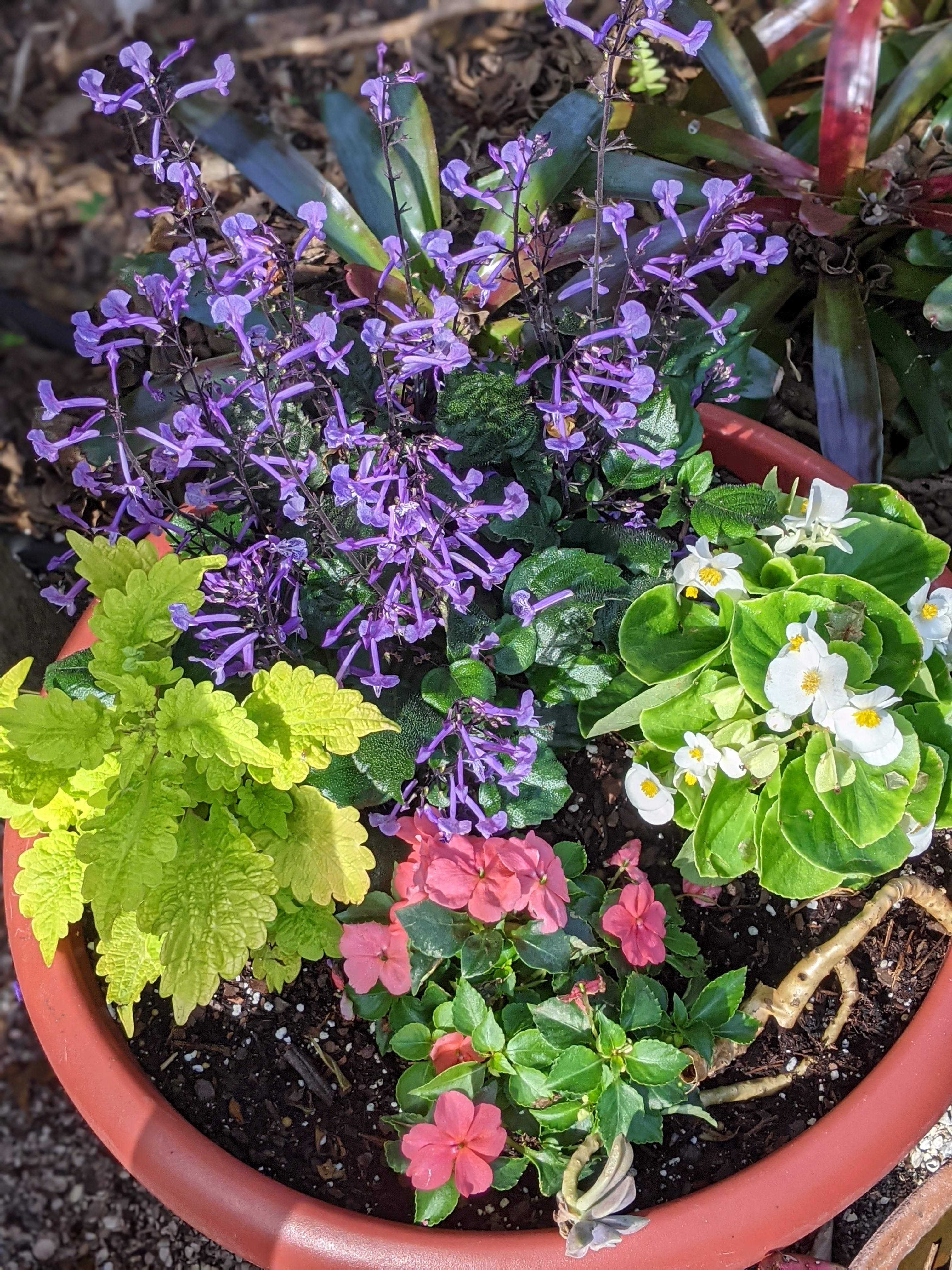
A new spring container planting. This has brightened my day everytime I see it. In purple, Mona Lavendar Plectranthus, the chartruese is another Plectranthus (can’t we just call them Coleus!?) Peach Impatiens, a white Begonia and a bit of Graptosedum for the spiller.

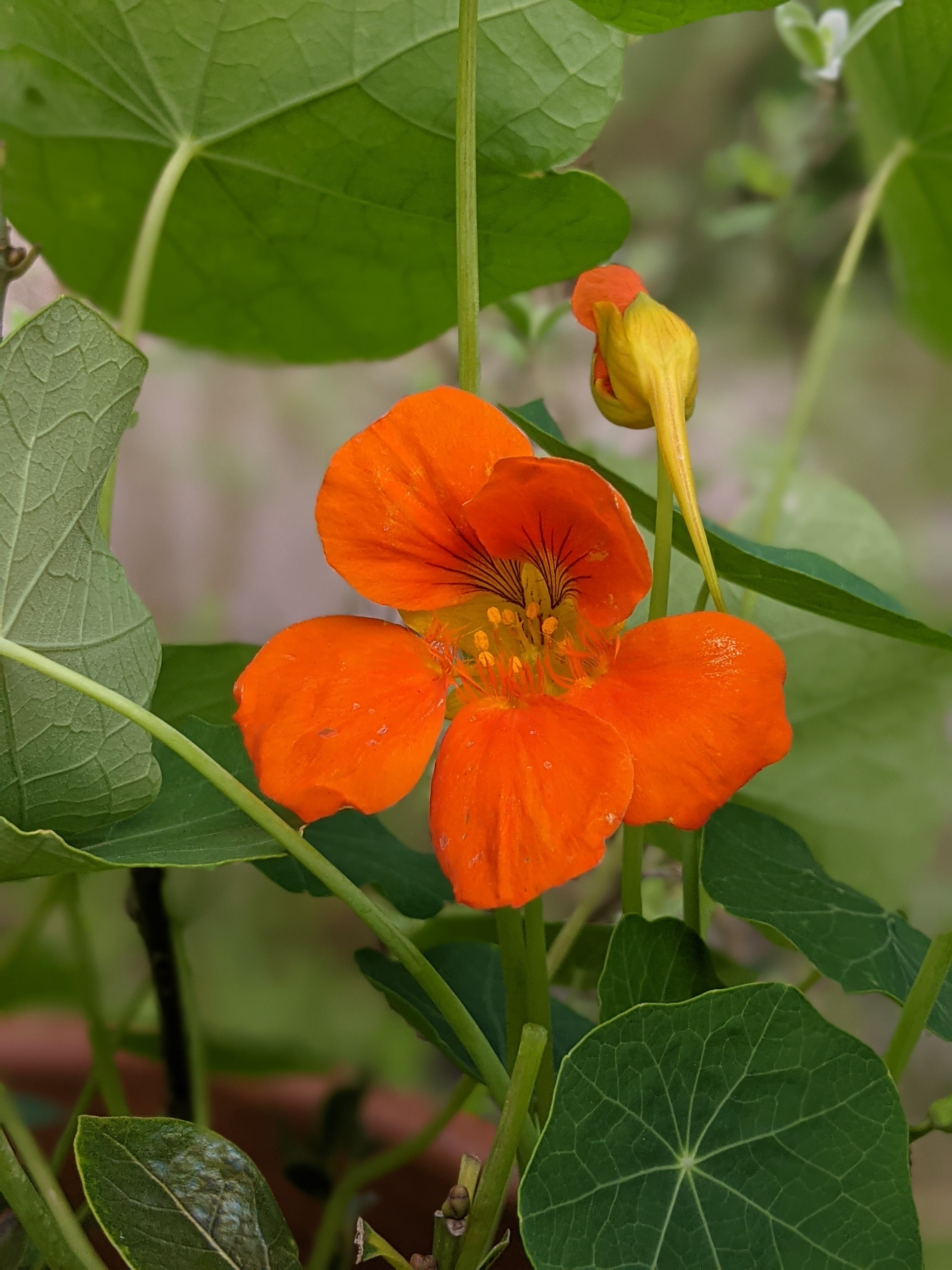
My first Nasturtiums, I kept planting them at the wrong time of year..going to try some poor mans capers from the seeds. Should be another first.

In a Vase on Monday – Harvest Mood


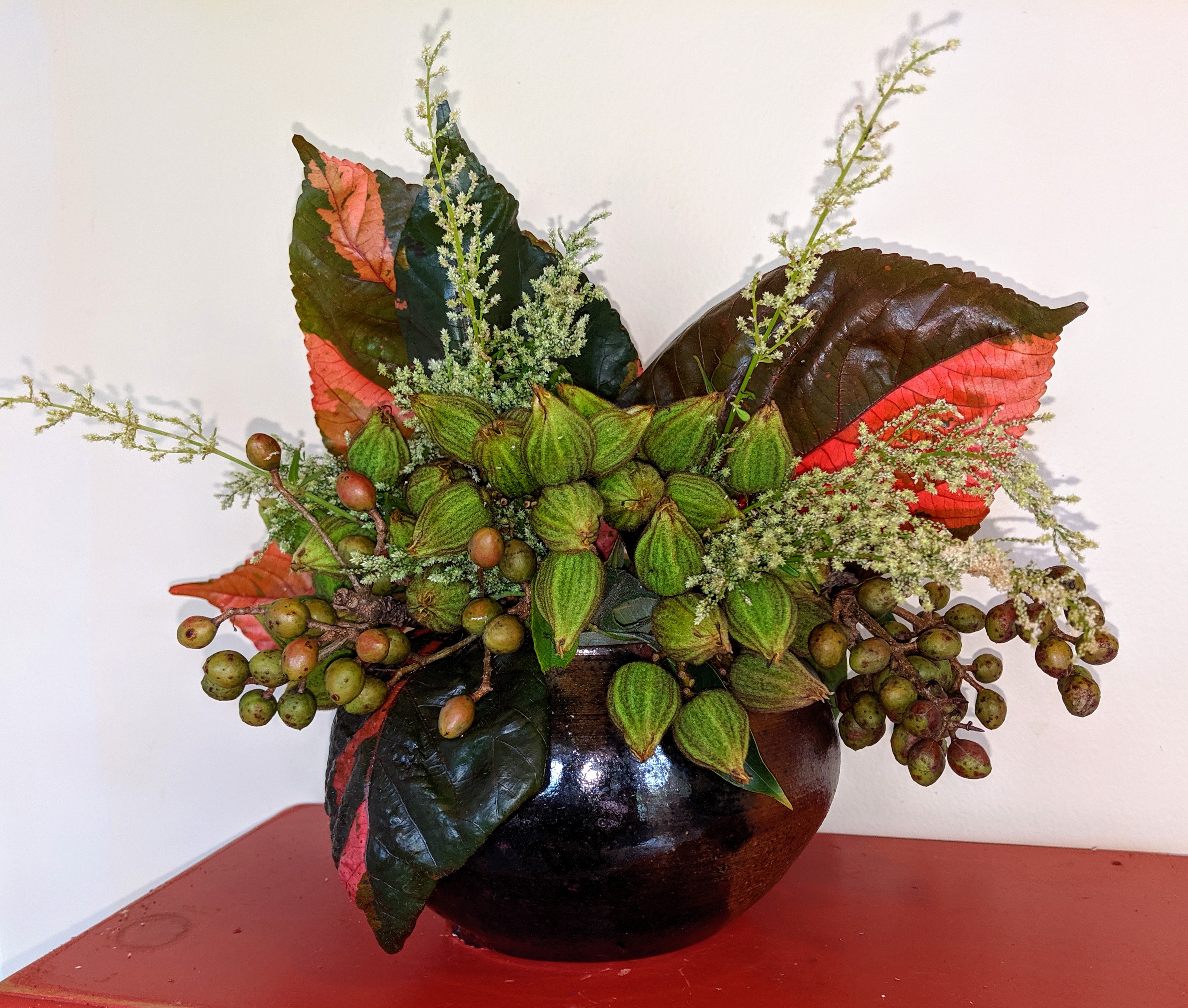
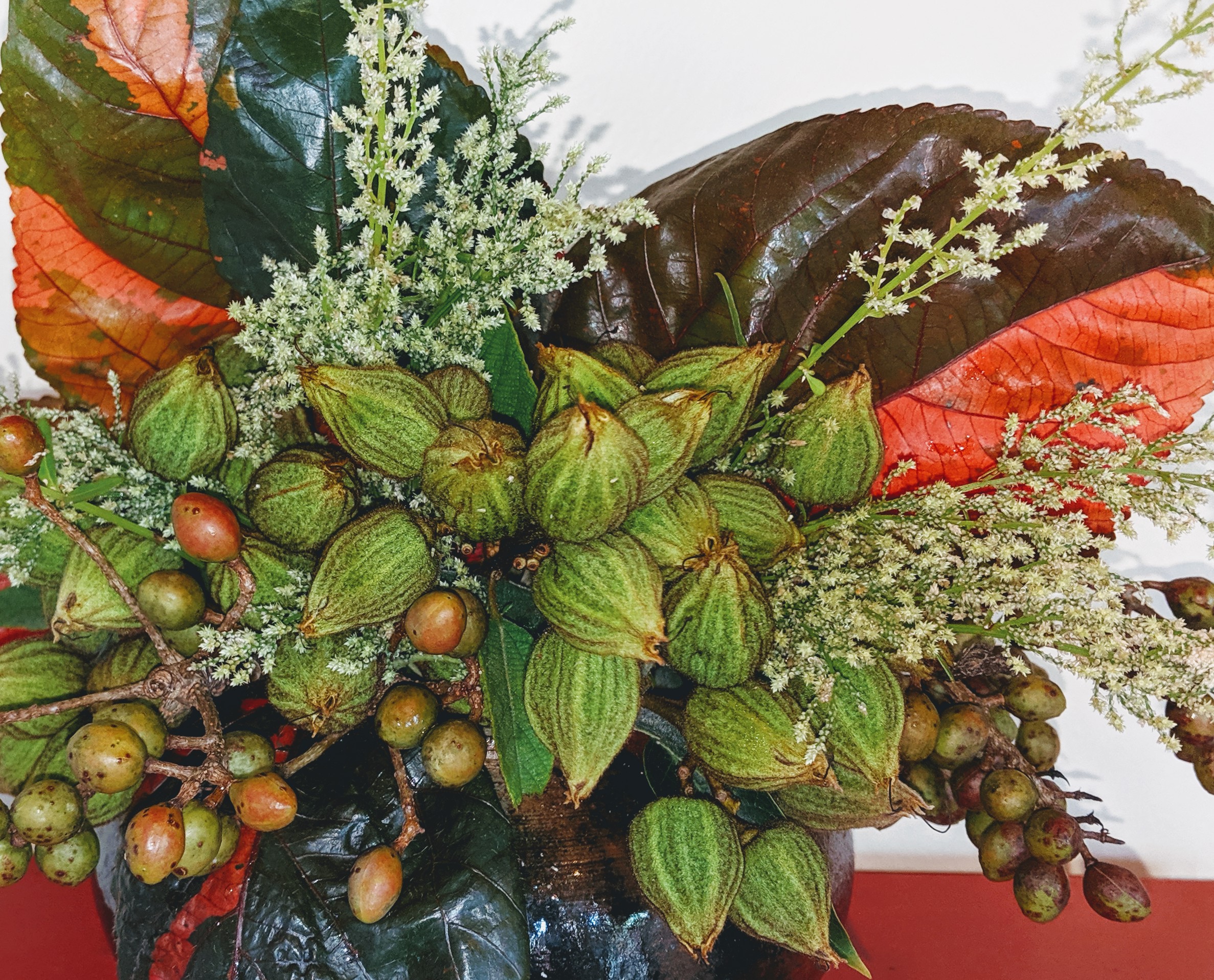
img_20191103_135728It has been a rainy, overcast, blustery weekend in my garden. Feeling like a somewhat warmer and more humid version of fall further north. I went searching for some vegetation to fit the moody weather. The plants in the arrangement speak of fall in Florida – fruits from flowering and shade trees and “fall” leaves.

img_20191103_135720

The green fruit is from a White Geiger tree (Cordia boissieri) a smallish white flowering evergreen tree. The berries are from the Gumbo Limbo (Bursera simaruba) a native shade tree affectionately called the Tourist Tree because of its red, peeling bark is similar to sunburned skin. The fruit is not edible from either tree. The “fall” leaves are from “Louisiana Red” Copperleaf (Acalypha wilkesiana) they are this color year-round. This is a recent addition to the garden and has just started showing color.

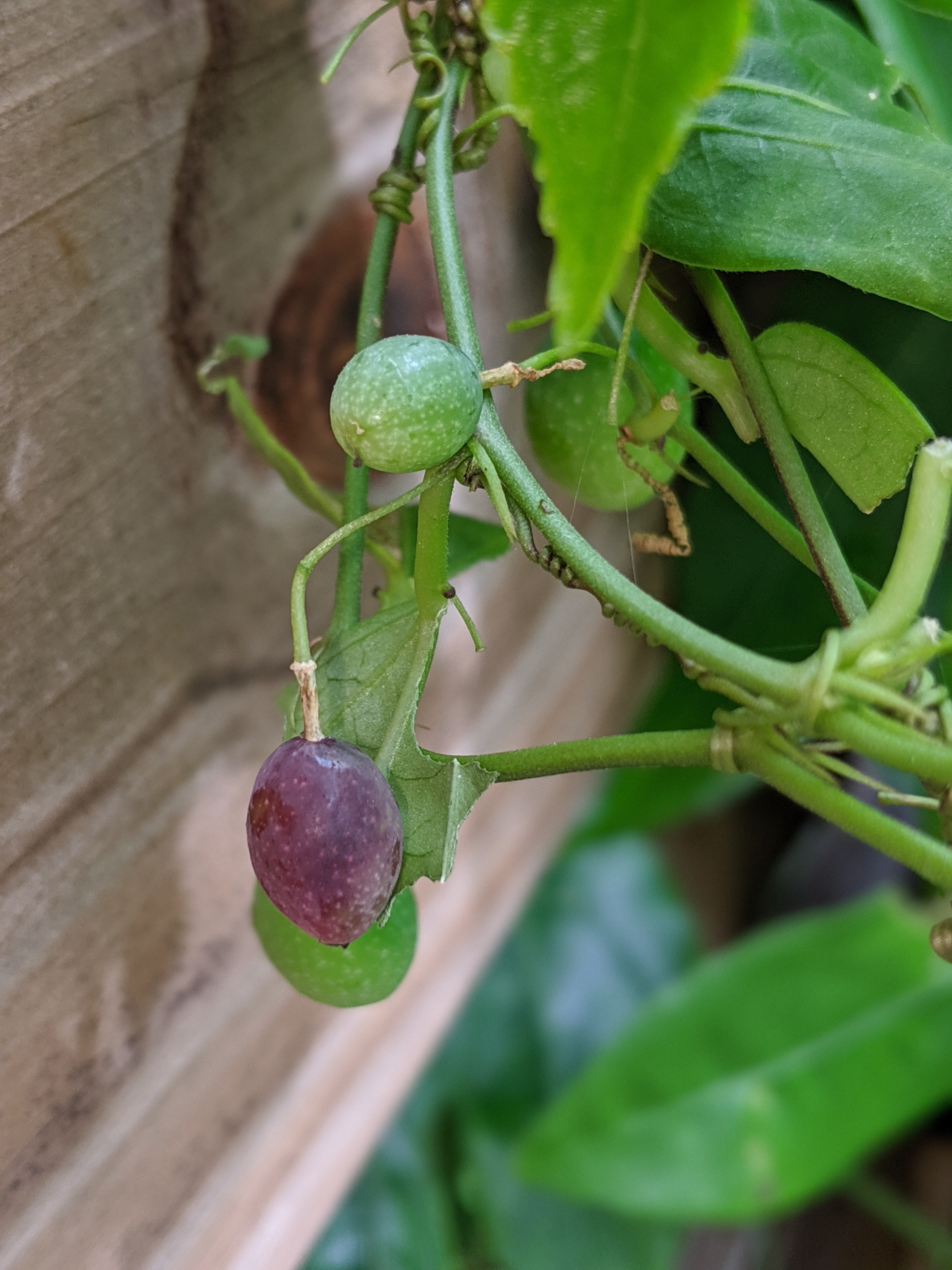
Here is a more edible fall fruit, my first Corkystem Passionfruit, something other than me ate it. I planted it as a larval butterfly plant, the butterfly caterpillars have been eating the leaves, not sure who ate the fruit.

00100lportrait_00100_burst20191102153241243_cover

Happy Gardening!!

The Harbinger of Winter

20161130_095020

My Northern Hemisphere concept of the harbinger of winter has changed along with the latitude I now call home. We have Christmas Palms starting to bear red berries and many plants coming into bloom as the seasons change. A sled pulled by a team of flamingos has appeared on a front lawn up the street and the flamingos are wearing red capes! I laugh everytime I see this bit of holiday yard art.
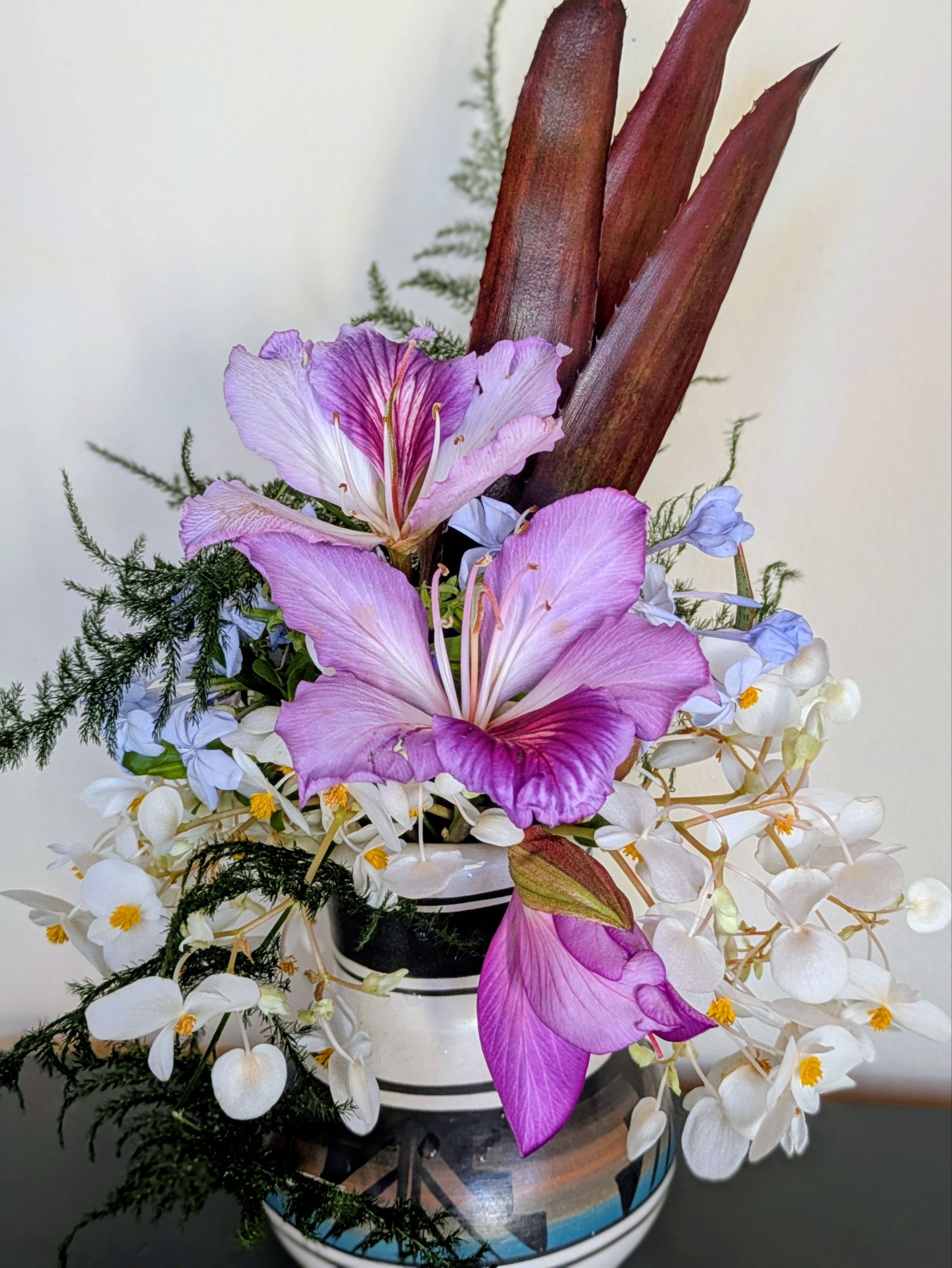
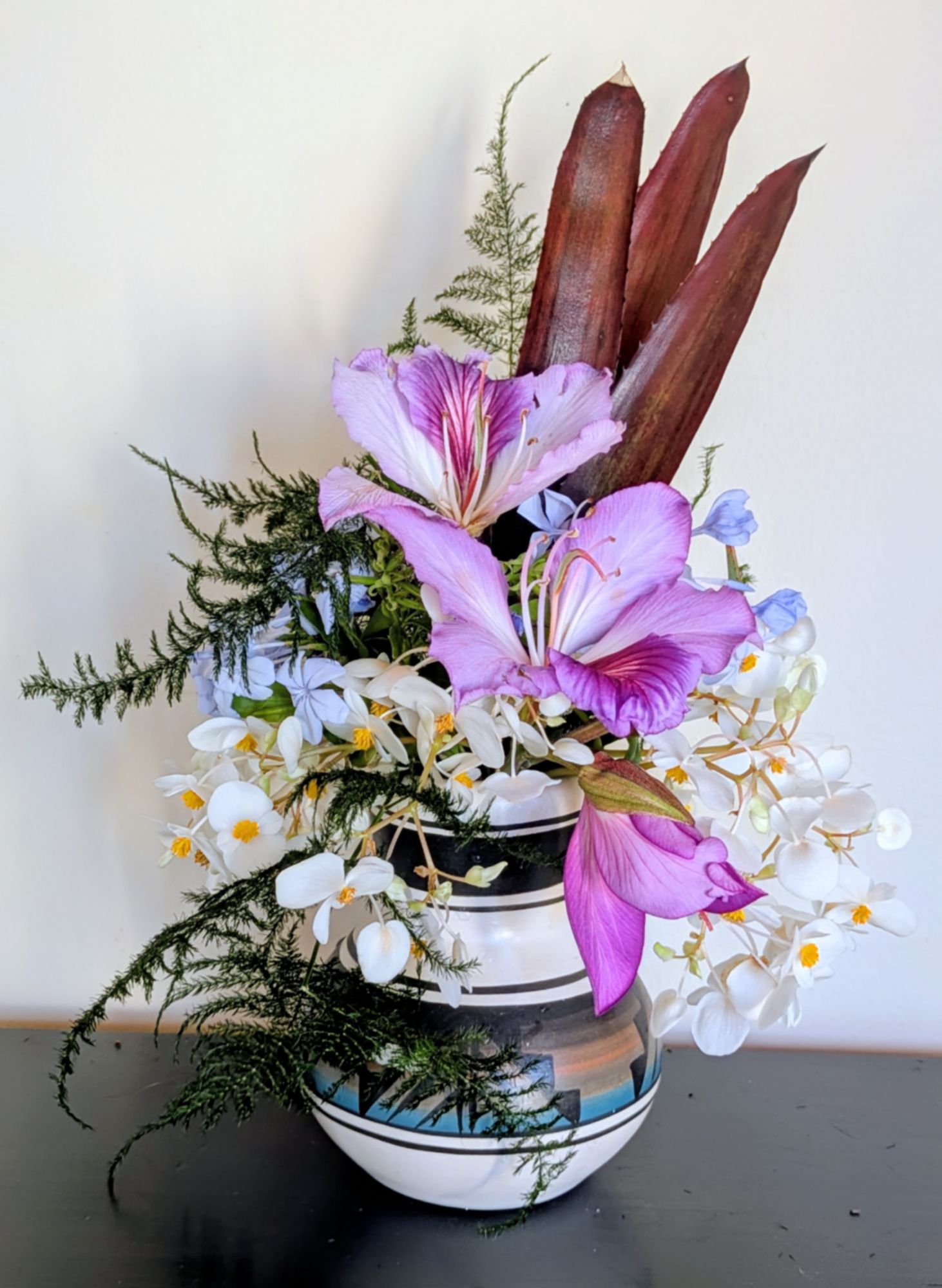
Hong Kong Orchid (Bauhinia) trees start to flower in December and I spied my first one this morning while walking my hounds. The first one was white and as I walked back into my driveway, I noticed my neighbors purple one had just started to flower as well. In the next month or so this tree will be covered in what appears to be purple butterflies.

Winter is just around the corner.