Another Lovely Surprise

Liebster Award Logo (2014-12-30)


My year end blogging  just gets better everyday, this is the last day – so this is it. I was nominated for a Liebster Award by railwayparade.wordpress.com. Thank you for the nomination and thank everyone for reading. One of the required Liebster questions has totally stumped me so I will get to that part later.

I was just out in the garden with my hounds in the rain thinking I will take pictures of what is blooming to share for the first blog of the new year. 2015. Wow. Seems like just yesterday I was sitting in elementary school thinking about how old (nearly dead!) I was going to be in the year 2000 and here it is 15 years later.

It is really time for some champagne! Happy New Year Everyone

Amy

The Shrub Queen

Merry Kitschmas and Flapjack Plants


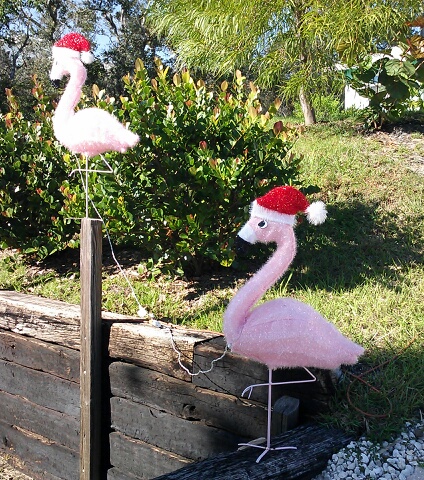
CAM00060-1If you are in search of kitschy Christmas decorations, South Florida should be your destination. Within walking distance of my house we have lighted Flamingo Santas, Santa on a surfboard full of presents crashing into a palm tree and my favorite, a full sized sled with Santa pulled by 8 Flamingos (pink, of course) Very festive and very kitschy.

I have to say I really love the Flamingos, having spent many years in the company of proper design professionals a few Kitschy Flamingos just make the holidays more enjoyable. The mascot for my Landscape Architecture class in college was the Pink Flamingo.

Tonight Santa arrives in my neighborhood in a convertible Mustang complete with Christmas lights and the stereo blaring Christmas carols, drives around and gives candy to the children in the neighborhood.

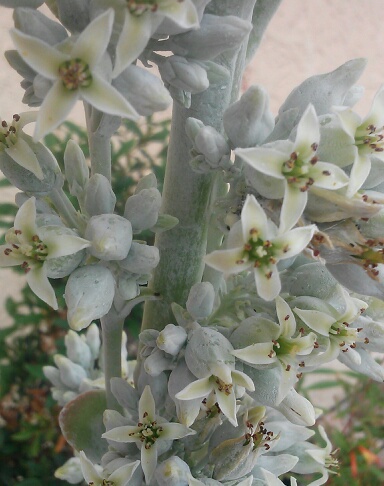
Blooming in the garden is another sort of kitschy plant, the Flapjack Plant. I had originally thought this was a variety of Jade Plant (Crassula, for botanical name lovers) The Flapjack Plant turns out to be a Kalanchoe thyrsiflora, hmmm, interesting. These are used as summer annuals further north,  but are perennial in South Florida. I had never seen one bloom, the flower spike makes the plant about four feet tall.

Flapjack Flowers

Flapjack Flowers

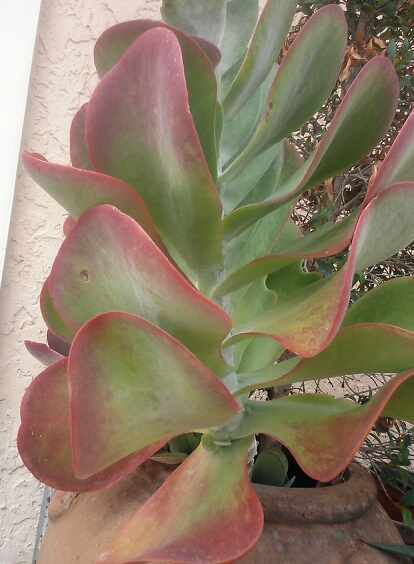
The foliage looks less like flapjacks as it gets bigger:

Flapjack Foliage

Flapjack Foliage

Kind of red and green in the spirit of Christmas?!

Happy Holidays, Merry Kitschmas, er, Christmas and Happy Gardening..


True Gardeners

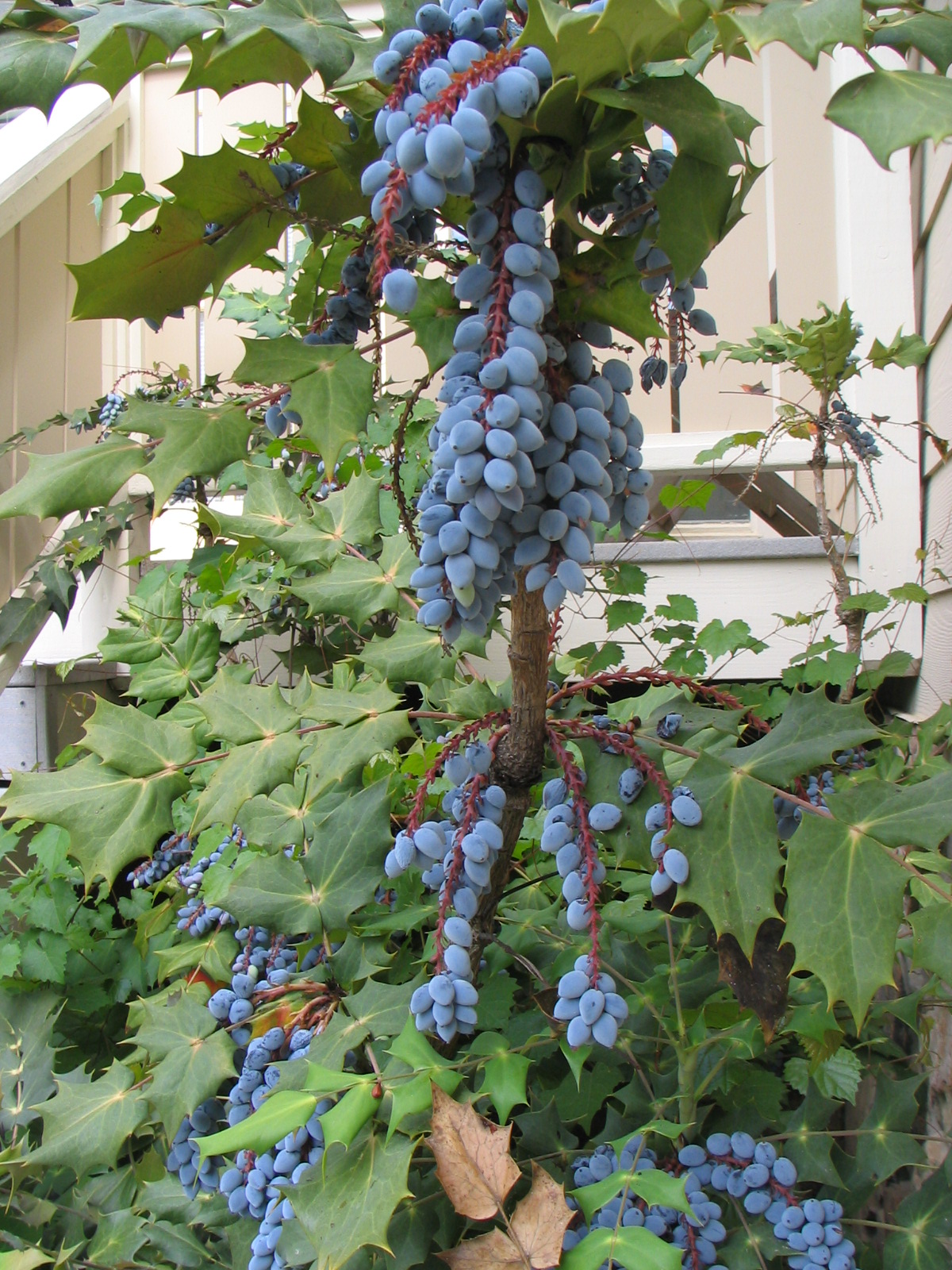
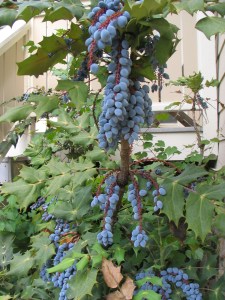
Fruit of the Mahonia bealei

Fruit of the Mahonia bealei

For many years I thought the plant that separated True Gardeners from posers was the Mahonia bealei. I provided six Landscape Design Consultations weekly for years, talking with many, many people and over the years the appreciation of that particular plant rang true for me and separated the True Gardeners in my mind.

True Gardeners are people who have the ability to separate the beauty of the plant from its less attractive attributes. Sometimes this is a seasonal thing sometimes it is purely the ability to appreciate nature.

Mahonia bealei is commonly known in the US as Leatherleaf Mahonia. It is one of those plants that is difficult to kill except in full sun. It doesn’t really die in full sun it just suffers and turns red. Probably sunburn. Otherwise, it is thorny, reproduces copiously via birds and generally stabs the passerby. Many people detest this plant and for good reason.

The reasons we appreciate this plant are many. Reliable under most circumstances, it remains cheerfully Evergreen through the iciest of weather. The holly like foliage can be used in holiday arrangements. I have spray painted the leaves metallic colors for wreaths (leather gloves required). The yellow flowers are borne in winter and are followed by grape like fruits that are enjoyed by numerous species of birds. Hence, another common name, the Oregon Grape Holly.

My mother had an enormous specimen she tree-formed to screen her garbage cans. We usually admired the flowers at Christmas, New Years or even Valentine’s Day depending on the weather. The only other flowers in the garden were pansies planted as annuals or Hellebores.

Oddly enough, almost everyone who enjoyed these referred to them as Mahonias. That was it. This may be ascribed to Americans not being particularly concerned with botanical nomenclature or just simply that was the most prolific Mahonia in the area. That said, plant taxonomy hasn’t worried me too much unless it defines a plant that I need to specify. Botanical nomenclature I love, plant tax not so much.

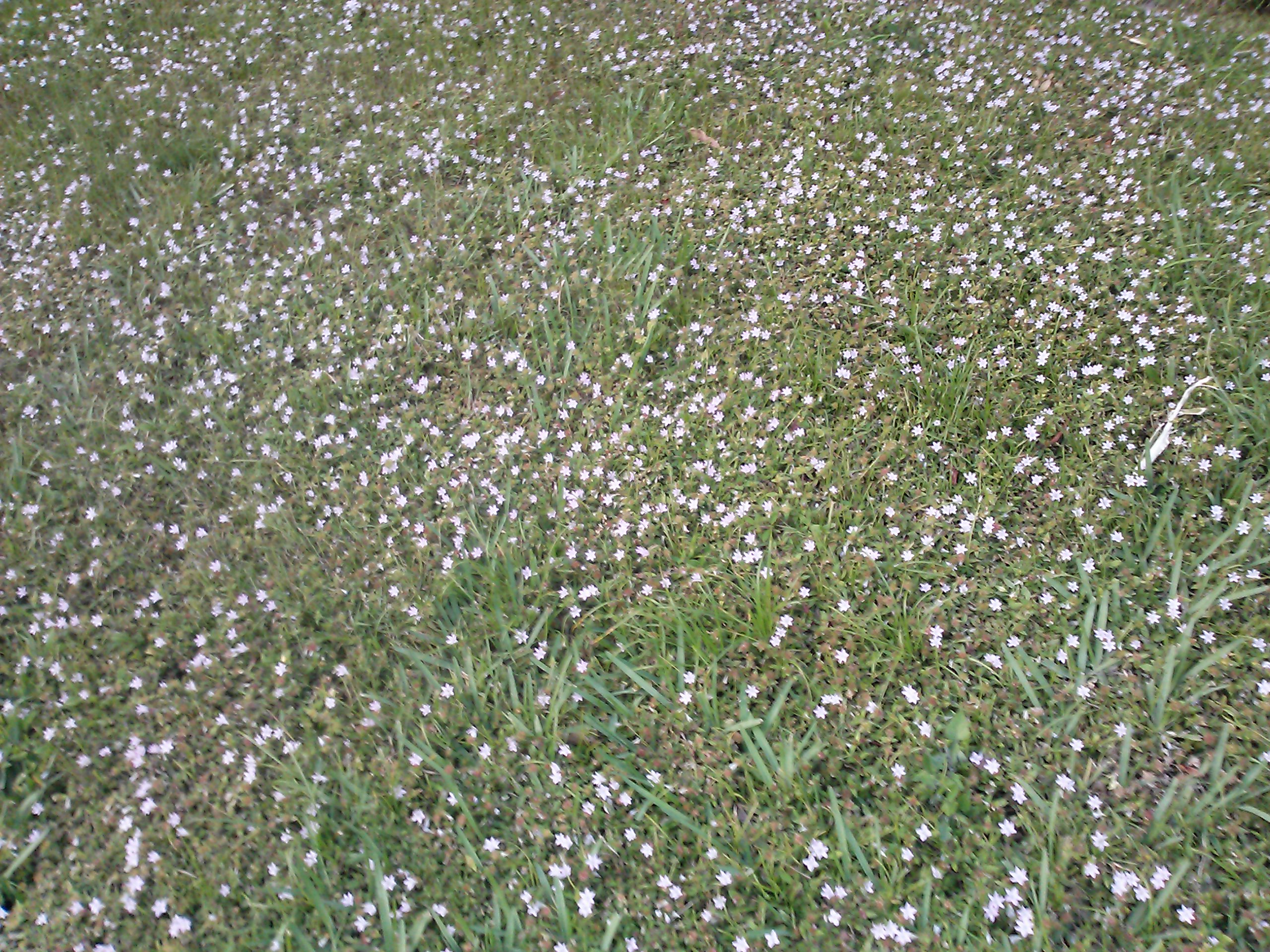
I think there is a plant like the Leatherleaf Mahonia the world over..not sure what it is in the UK or Australia; I was emailing with Karen (smallhouse/BIGGARDEN), a fellow Florida blogger about a weed we both like yesterday – Florida Snow. Karen identified this as Richardia grandiflora, which works for me. It is a horrible creeping weed if you are a turf purist, as gardeners we love the white flowers that look like snow in our backyard meadows..and we need no chemicals! My greyhounds run amuck in this and I have no worries.
Florida Snow

Florida Snow

And really if you have moved this far south, I think this is sufficient snow. My husband, the turf purist, is not really enjoying the flowers.

Holiday Hounds

For many years I have held a dream of taking an oh so cute picture of my Greyhounds with Christmas antlers and using it as a Holiday card. Here is the result of my latest attempt.

Charles not enjoying headgear

Charles not enjoying headgear

The cat was asleep so I tried it on her:

Cat not even wearing headgear

Cat not even wearing headgear

A few years ago I tried with two dogs, Bullitt and My Girl:

IMG_1863

And they got bored:

Is there a treat in the house?

Is there a treat in the house?

I finally got one good picture of Bullitt:

Bullitt as Reindog

Bullitt as Reindog

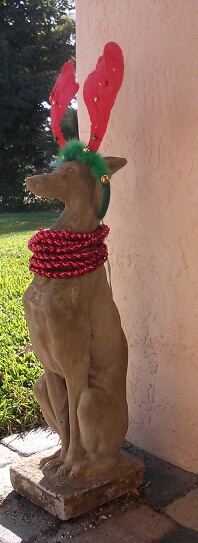
Then realized the antlers should have been behind his ears. After thinking it over, perhaps this is the best solution:

The most cooperative Greyhound

The most cooperative Greyhound

Buy some cards and put the antlers on the concrete Greyhound.


Pygmy Date Palm – Friend or Foe

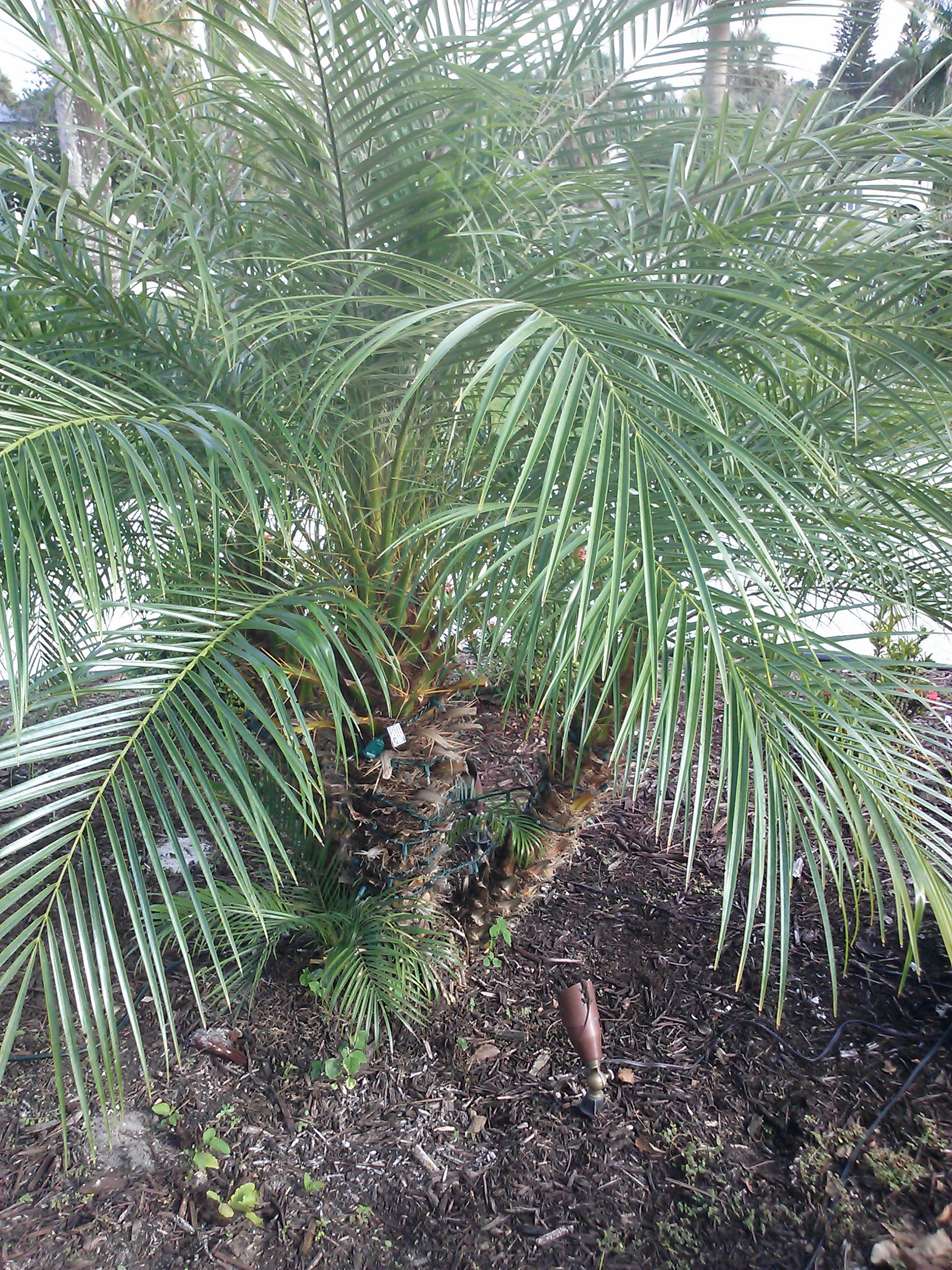
Pygmy Date Palm Phoenix roebellini

Pygmy Date Palm
Phoenix roebellini

I had a Pygmy Date Palm installed last year in front of my house. This is a dwarf palm rarely exceeding 10 feet in height and it looks great in front of my bathroom window. I selected a triple trunk palm to accent the house and landscape because as the largest element in the foundation planting  it needed some mass.

These palms are native to Southeast Asia and are common in South Florida. They actually do bear dates, but a male and female plant is required. I am perfectly happy without dates. Dates have always reminded me of roaches and I just don’t like to eat them.

I let the palm grow for about a year before attempting to prune it. Pruning done right reveals a trunk that resembles neatly stacked rows of whole wheat crackers- I have heard these called Triscuit Trees. What is not mentioned is the enormous spines at the base of the palm fronds. The spines are up to two inches long. Somewhere in a jungle I think Pygmies used these for poison darts. Later in the week I was talking to a physician, these palms are well known to the medical community due to the thorns. Wounds from the thorns tend to fester and cause infection.

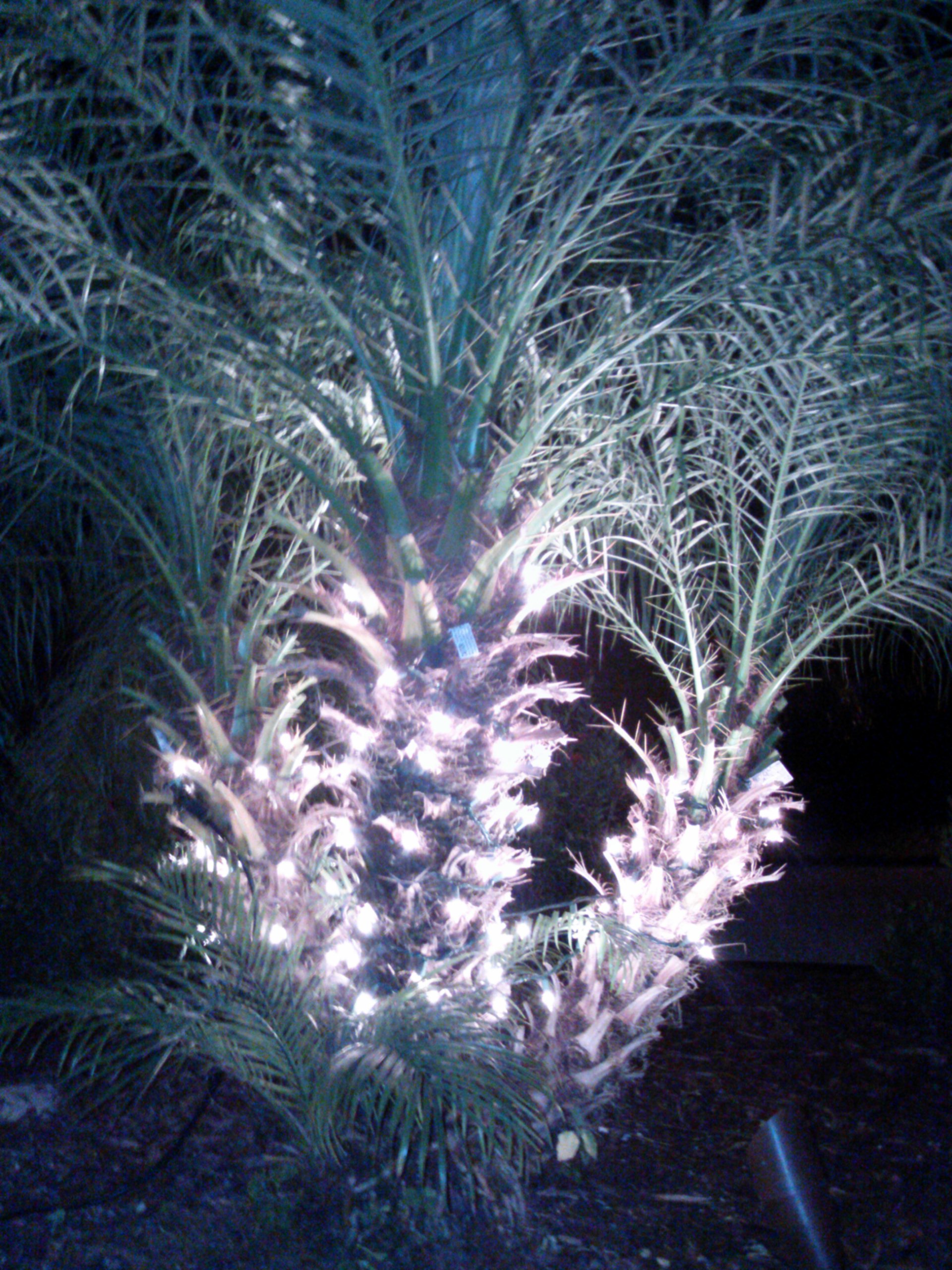
While getting into the holiday spirit I decided to wrap the trunks with miniature white lights. It would have been wise to drink some spirits and don opera length leather gloves before attempting this. As I was decorating I was skewered through the hand and the thorn hit a vein; I now have a 3 inch bruise on my hand that looks terrible. Then I got stabbed in the head and decided to stop for a moment and go in the house. It took a while to get the thorn out of my hand and the bleeding from my head wound staunched. Duly anointed with antibiotic ointment, I persevered and completed my light display, then waited for darkness.

Ahh, holiday magic.

CAM00410

Strange Fruits

Passionflower

Passionflower

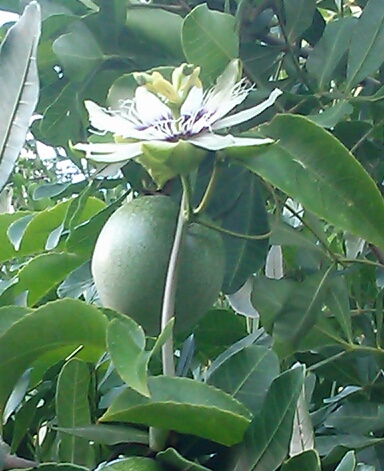
Here it is almost December and I walked out into my backyard to find a Passionflower in full bloom and fruiting. Very nice and so typical of the landscape in South Florida. Just when you are wrapping your brain around the fact that the holidays are here and the temperature outside is around 80 degrees – there is a Passionflower.

I was wondering if this was a culinary Passionfruit and apparently it is not. This is called a May Pop in northern climes. My father in law was from Northern Ohio and one of his favorite childhood memories was stomping May Pops on the way home from school. Probably in May and not December.

Passionfruit comes from Passiflora edulis, which is native to South America. The North American version is Passiflora incarnata, the May Pop. There are an additional eight varieties native to North America, the culinary variety is tropical and may be grown in South Florida.

Ponciana Pods

Poinciana Pods

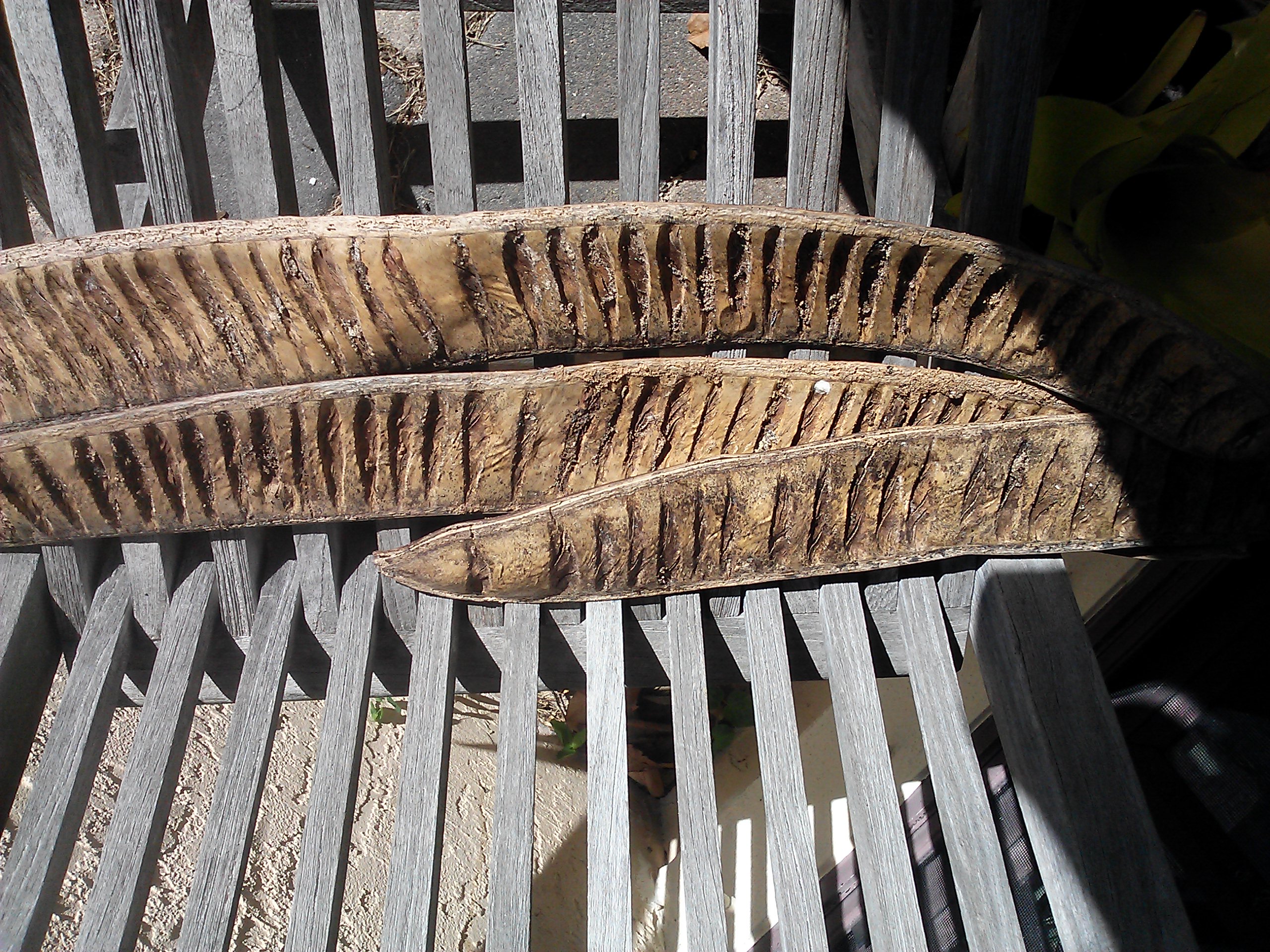
Here is some more interesting fruit. These are the dried pods of the Royal Poinciana tree, a member of the bean family. The pods are about two feet long and I enjoy spray painting them a metallic color and using them in Holiday decorations. I am truly getting in touch with my inner Martha Stewart.

The last bit of strange fruit I spotted at my local library. I have watched these trees bloom for the past couple of years, but had not noticed the fruit (it is strange that I did not notice this fruit)

Golden Shower Fruit

Golden Shower Fruit

My husband was snickering when I showed him this photo. It is pretty strange fruit, the whole thing is around 3 feet long and looks like someone has been making green sausages and hanging them on the tree. The tree is a Golden Shower (Cassia fistula) – in the spring and summer it has chains of yellow flowers that resemble Hawaiian leis hanging down from the branches. Beautiful and kind of peculiar. Like many things in South Florida.

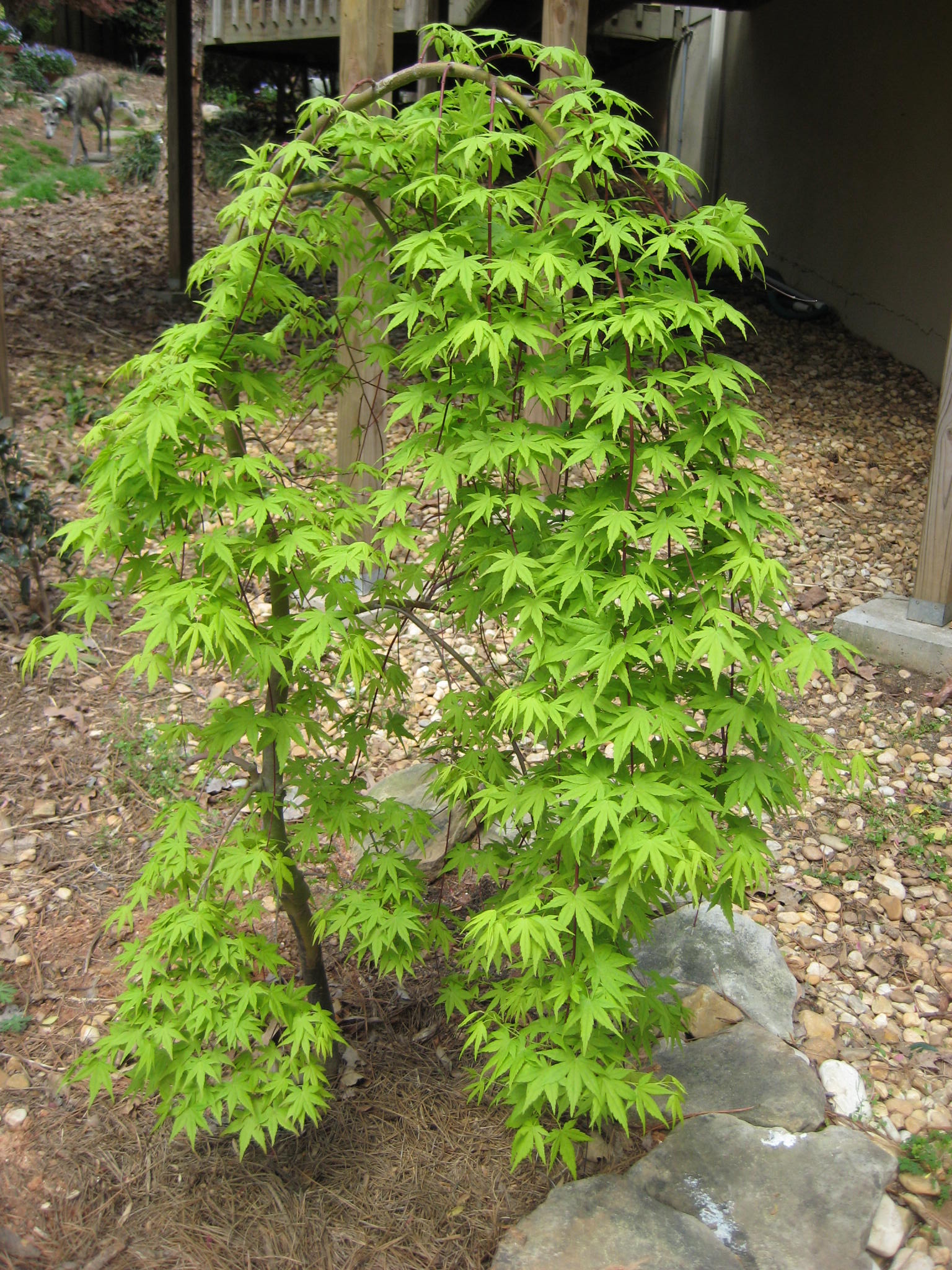
My Former Japanese Maple (s)

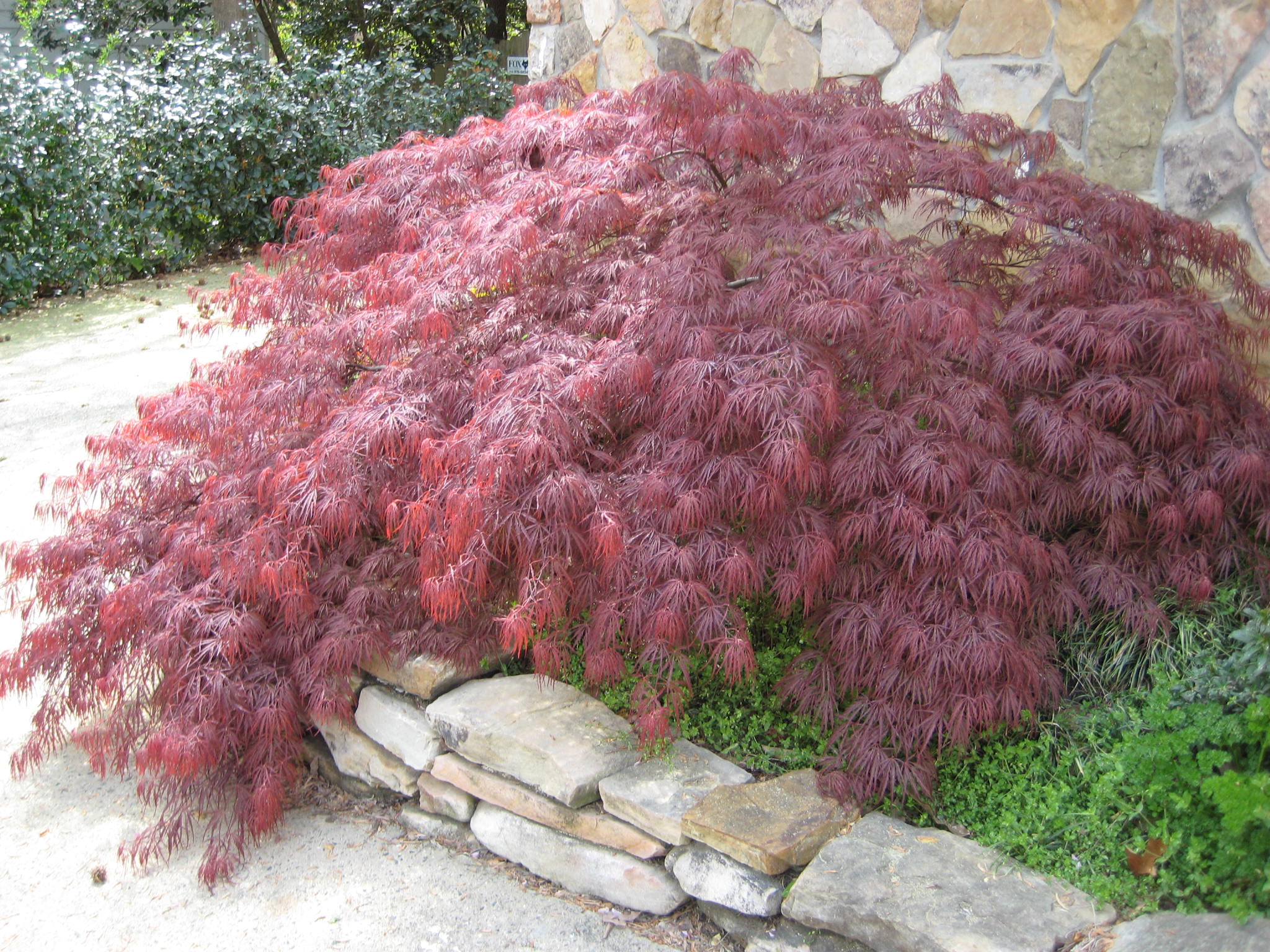
Best Red Dissectum Maple

Having moved to South Florida a few years back there are some things I miss about living in a more temperate climate. Spring flowers, for example. The thing, I think that is so enticing about spring flowers is the living proof winter is ending. Now, truthfully, I don’t miss winter at all and there are really a lot of flowers year round here that are so interesting it makes up for the lack of Yoshino Cherries (my all time favorite)

Ryusen Japanese Maple


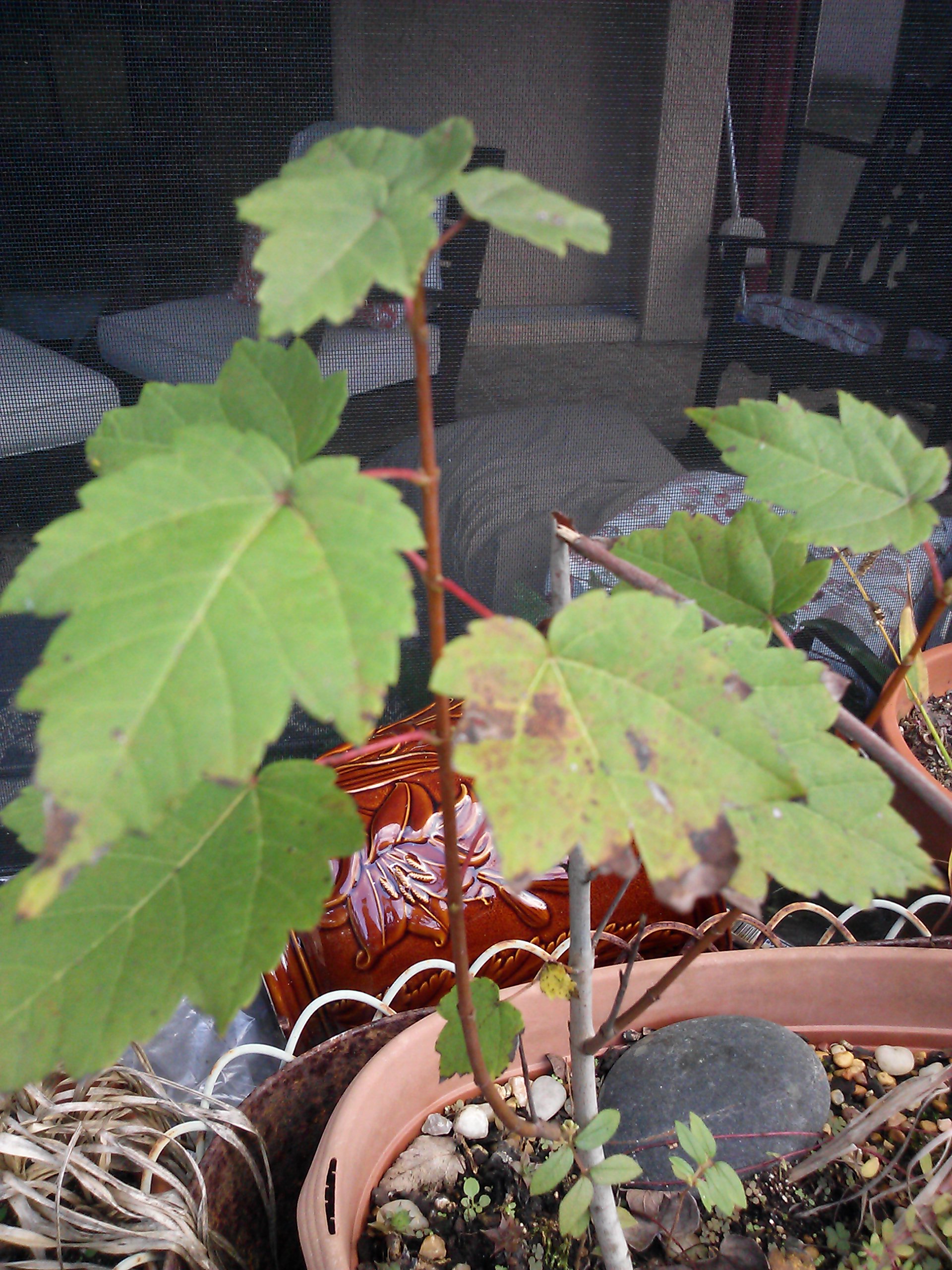
The thing I can’t come to terms with is the lack of Japanese Maples. When I first married, we lived in urban townhouse, there was a seedling Japanese Maple in a weasley back garden. Weasley is the operative word. This Maple had a spectacular fall color and when we moved to a bigger house I took a seedling with me. This Maple grew to 10 or 12 feet tall over a period of 17 years and is one of my all time favorite trees. The above Japanese Maples are from my former garden, a ‘Best Red’ and the Green is ‘Ryusen’. When we moved to South Florida I decided to chance it and dug up a seedling and carted it down here only to find out it was a Red Maple!

The Red Maple

The Red Maple

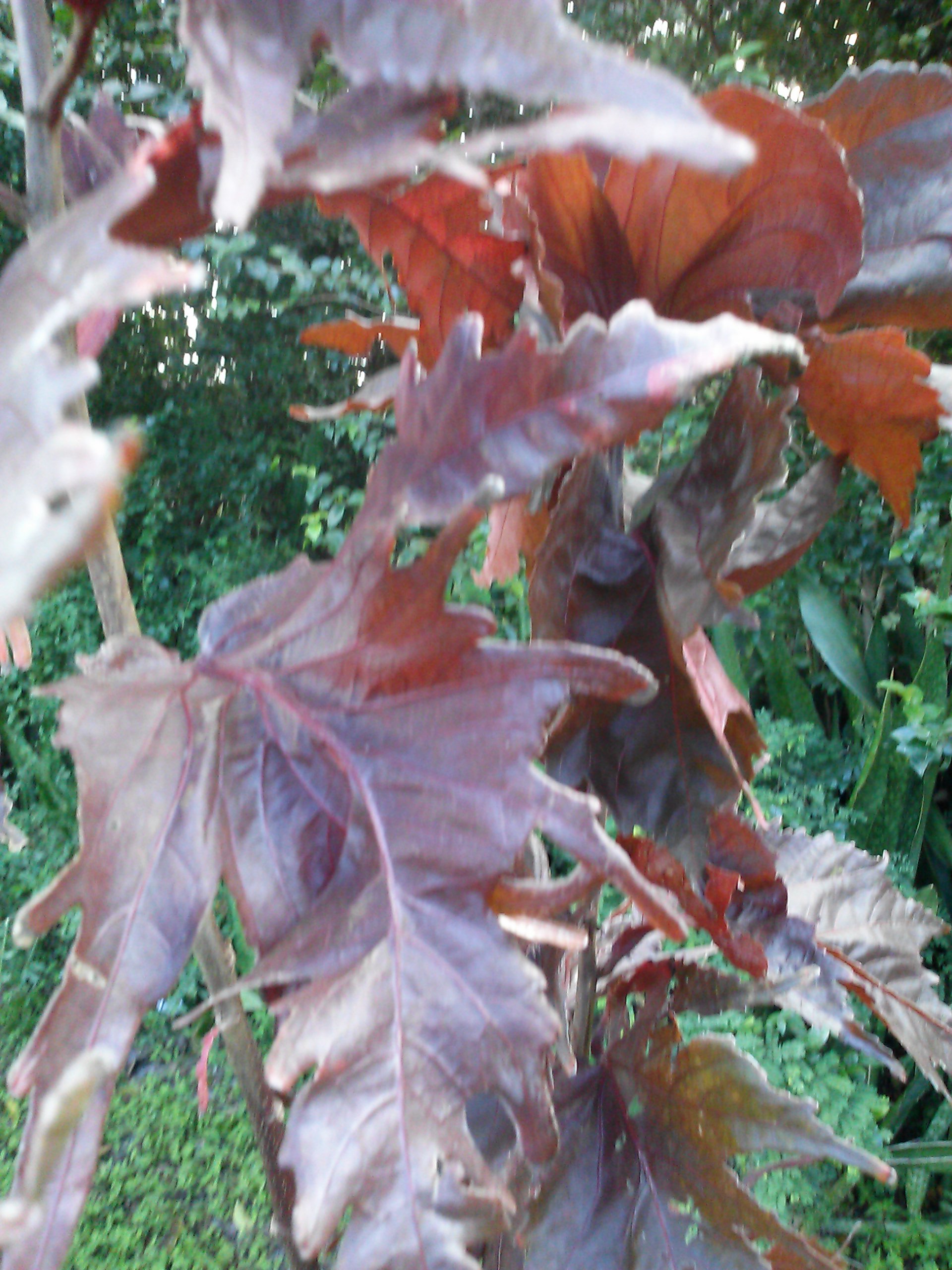
Bah! Undeterred by my lack of Japanese Maple I decided to buy and prune into tree form a ‘Raggedy Ann’ Copperleaf. This is a burgundy and red tropical shrub with raggedy edged foliage kind of like a Dissectum Maple.

Raggedy Ann

Raggedy Ann

Raggedy Ann turns out to be uncooperative and less than graceful. The tree form pruning attempt produced an ungainly shrub 5 feet tall with 5 stems,  with perhaps a width of 10 inches. However, the color is pretty good.

Some things just cannot be replaced.


Another Bromeliad for South Florida – Aechmea blanchetiana

The Whole Plant

The Whole Plant

I found this on my doorstep earlier today and it is my birthday, so this was a great present. It is a Blanchetiana Bromeliad – another beauty from the rainforests of Brazil. The flower spike on this plant looks to be about 4 feet tall. These are fairly common on the Treasure Coast and they start blooming around Labor Day, I consider this a Fall color plant!

I know it seems weird thinking of a Rainforest plant as a Fall indicator, but, hey, they have fall in the tropics. The days shorten and things that are red and orange flower. Not much in the way of leaves changing color, but other things do.

The Flower

The Flower

The Flower is a funky thing that makes me think of crustaceans, King Crab legs or something like that. Now I just need to decide where to plant this…..

Fall Color in South Florida – Bolivian Sunflowers

The Sunflower Hedge

The Sunflower Hedge

I have been noticing these plants for the past few years and it always seems weird to me to associate Sunflowers with November. Gigantic Sunflower Shrubs, at that. I also assumed incorrectly they were some sort of Helianthus. Not the case, this is a Tithonia, Tithonia diversifolia – the Bolivian Sunflower. In another perversity of plant naming, the Bolivian Sunflower is native to Mexico and Central America. I am fairly certain Bolivia is in South America.The name Mexican Sunflower is already taken for a smaller perennial.

One of my neighbors has a hedge of Bolivian Sunflowers screening the yard. This Sunflower hedge is at least 12 tall and in full bloom right now. This plant grows Spring and Summer and blooms all Fall and Winter. It has just really started blooming in earnest and should continue for a couple of months. Another one of those kooky benefits of living in South Florida, Sunflowers all winter.

Since the possible 16′ tall shrub bears 6″ flowers profusely, I am imagining it can put out quite a few seeds and become a problem. I am not sure I would try a hedge, but maybe one or two to screen a view where the lawnmower will run over any nearby seedlings. One has to practice selective lawn mower placement of plants here if there is any question of overabundance. No frost means nothing ever dies. Or anything you want gone refuses to die.

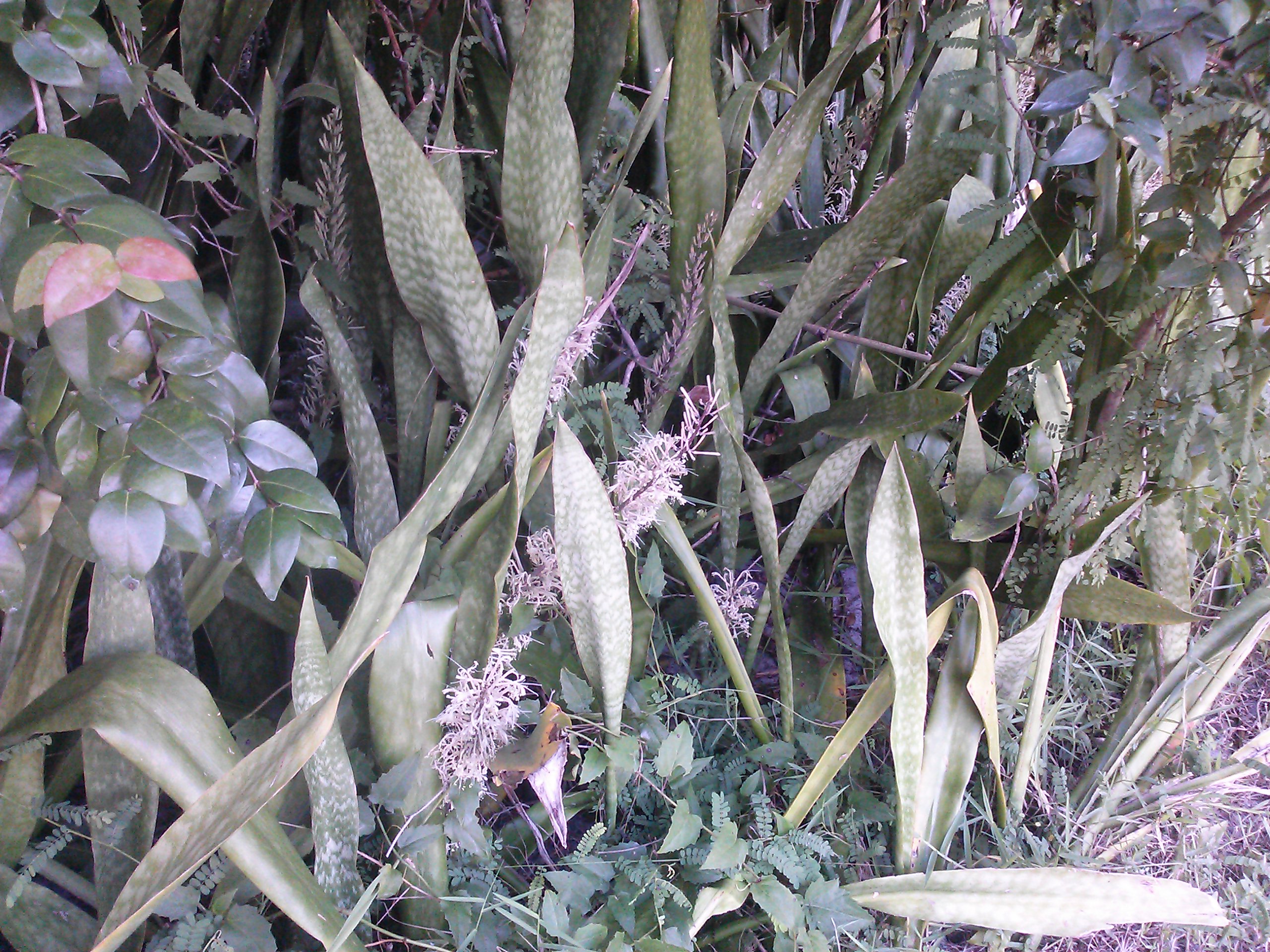
Mother in Laws Tongue – Sansevieria

Mother In Laws Tongue Flower

Mother In Laws Tongue Flower

My mother in law didn’t have a a particularly sharp tongue. Well, maybe a little sharp. My Florida yard is blessed with an abundance of these plants. It still seems unreal to me to be nearly overrun by- well, houseplants.

The only way to describe the Mother In Law’s Tongue in my yard is a plethora. Or a Boatload. I am suspicious someone brought a houseplant from Michigan in 1964 and unleashed this unholy plant on my garden. The Florida gardening books consider this plant escaped and invasive.

I am certain I cannot rid my yard of this without total annihilation of everything so I have decided to live with it. I was surprised over the weekend to see that these plants flower. And are kind of pretty. On the flip side, this flower probably produces a quarter of a million seeds per stalk. I have ended up with at least 100 linear feet of edging of MILT about 5 feet deep. The only thing that keeps it in bounds is frequent mowing with the lawn mower.

The Mass of Mother In Law Tongues

The Mass of Mother In Law Tongues

If I step back and squint the plants have an interesting texture and a nice green color. An added bonus-extreme drought resistance. I just have to keep reminding myself of these good features.

More fun from the tropics…