Winter Starburst Clerodendrum – garden fruition

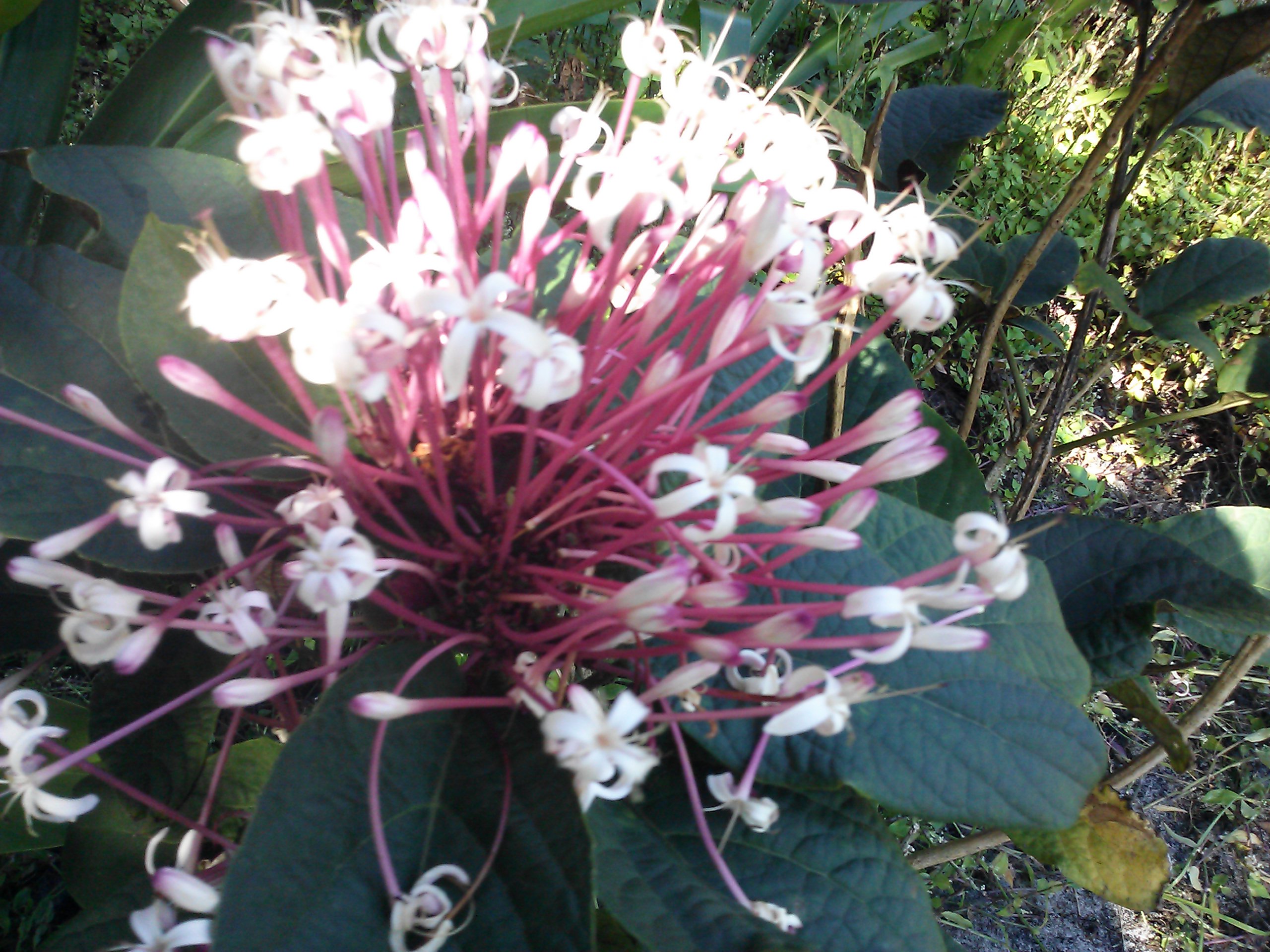
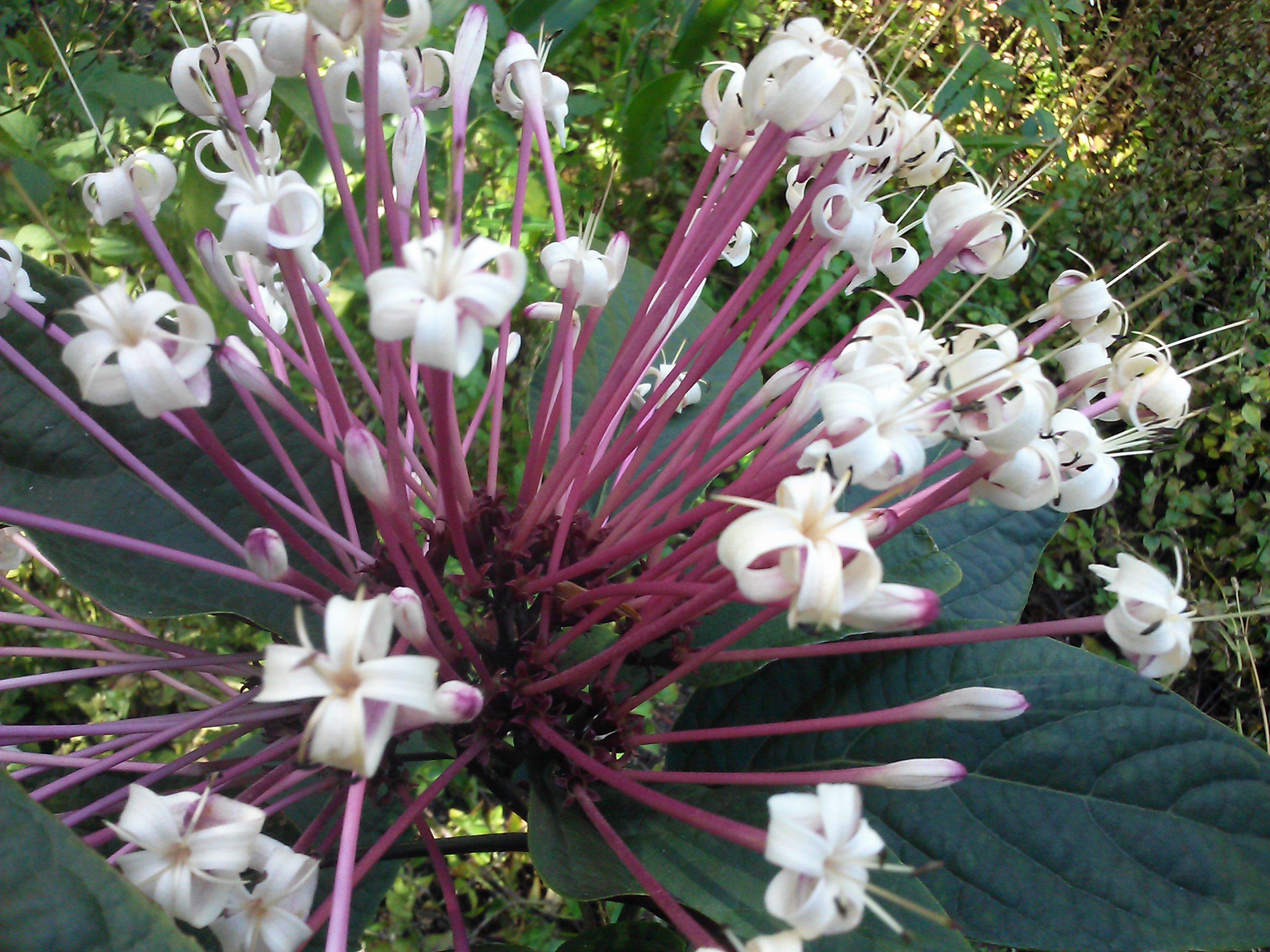
Winter Starburst Clerodendrum

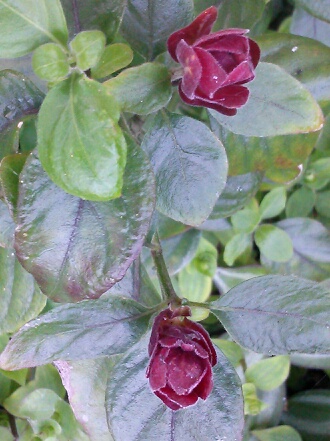
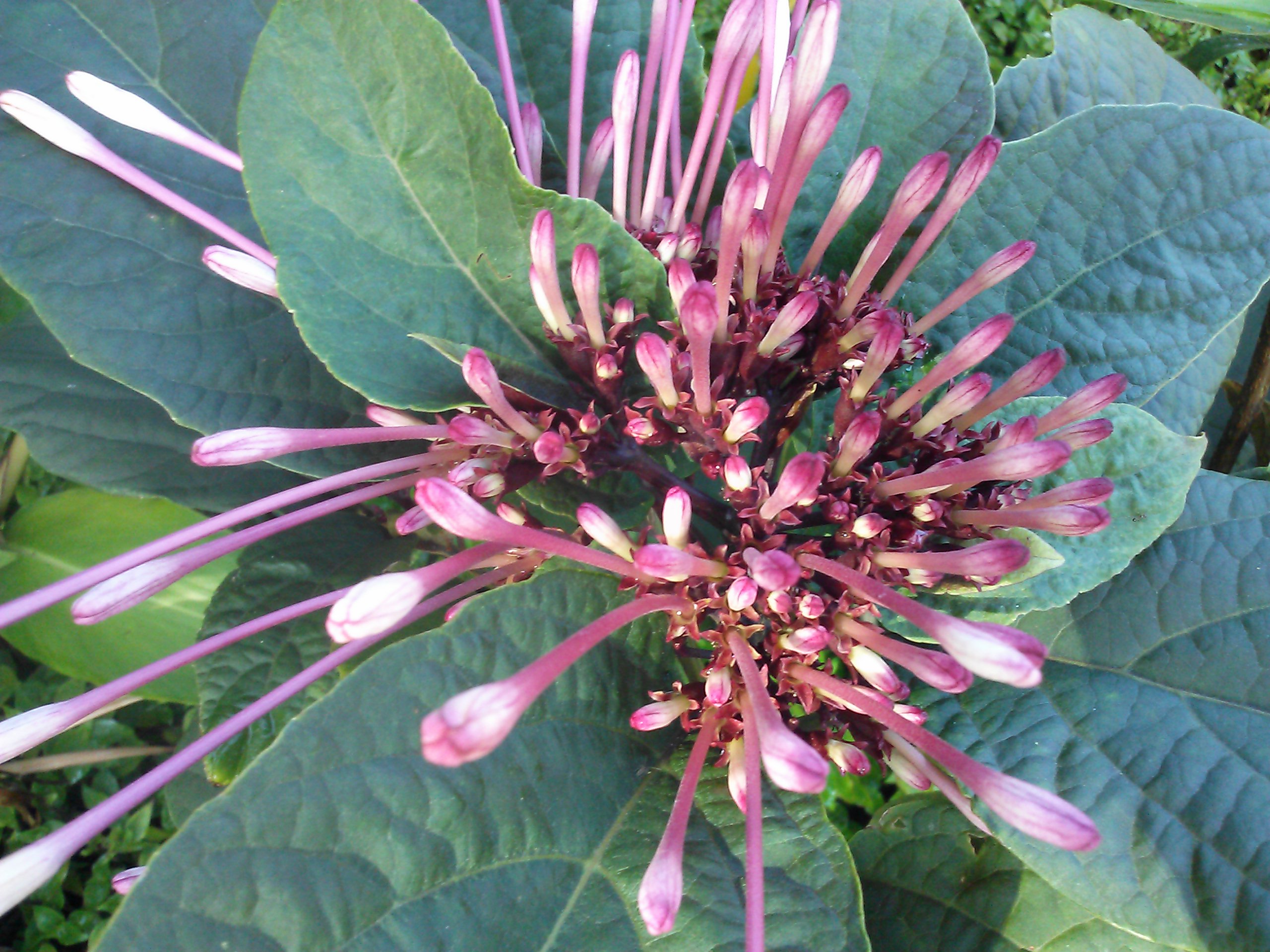
Winter Starburst Clerodendrum in bud

This is my favorite burst of winter color and it has finally bloomed, the cold snap slowed it down, then the rain slowed it down. I have been waiting (somewhat patiently) for the full flower.  Here is the next phase:

Half Bloom

Half Bloom

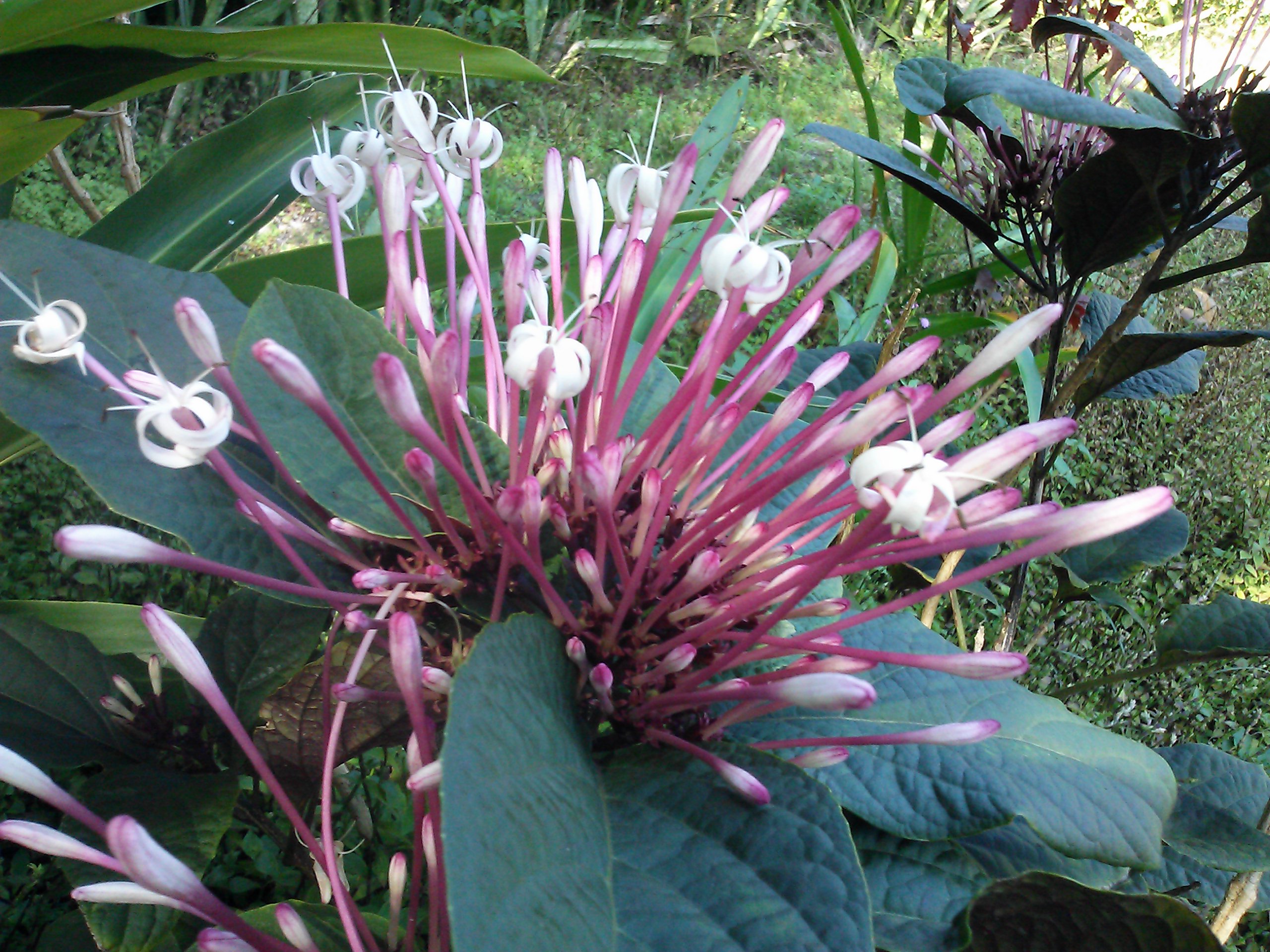
And finally the full Starburst effect:

Starburst

Starburst

Bursted

Bursted

The Latin name for this plant is Clerodendrum quadriloculare. This is an interesting group of plants, ranging in size from vines to perennials then shrubs up to small trees. Mostly native to tropical South Asia and with a tendency towards creepy habits you must be careful who among them is invited into your garden. I have seen some gardens overrun by a perennial orange version of Clerodendrum which is beautiful but really creepy.

I am glad to have this shrub in my garden, I think of it as a Tropical Rhododendron, and it is so much easier to grow than the cursed Rhododendrons (my former garden had heavy clay that was impossible to grow Rhodos in) The coarse textured leaves have an added bonus of deep plum colored backsides which make the foliage attractive year round.

So far the Winter Starburst has not exhibited any bad behavior, I have sited it in the prescribed partial shade, but the soil like substance in my garden isn’t given to over production of anything except Heliconias as of yet.

Native Plants Class-

I think I have mentioned the natives plants class I have been taking. I decided to look around my neighborhood to see what natives I could find, here they are.

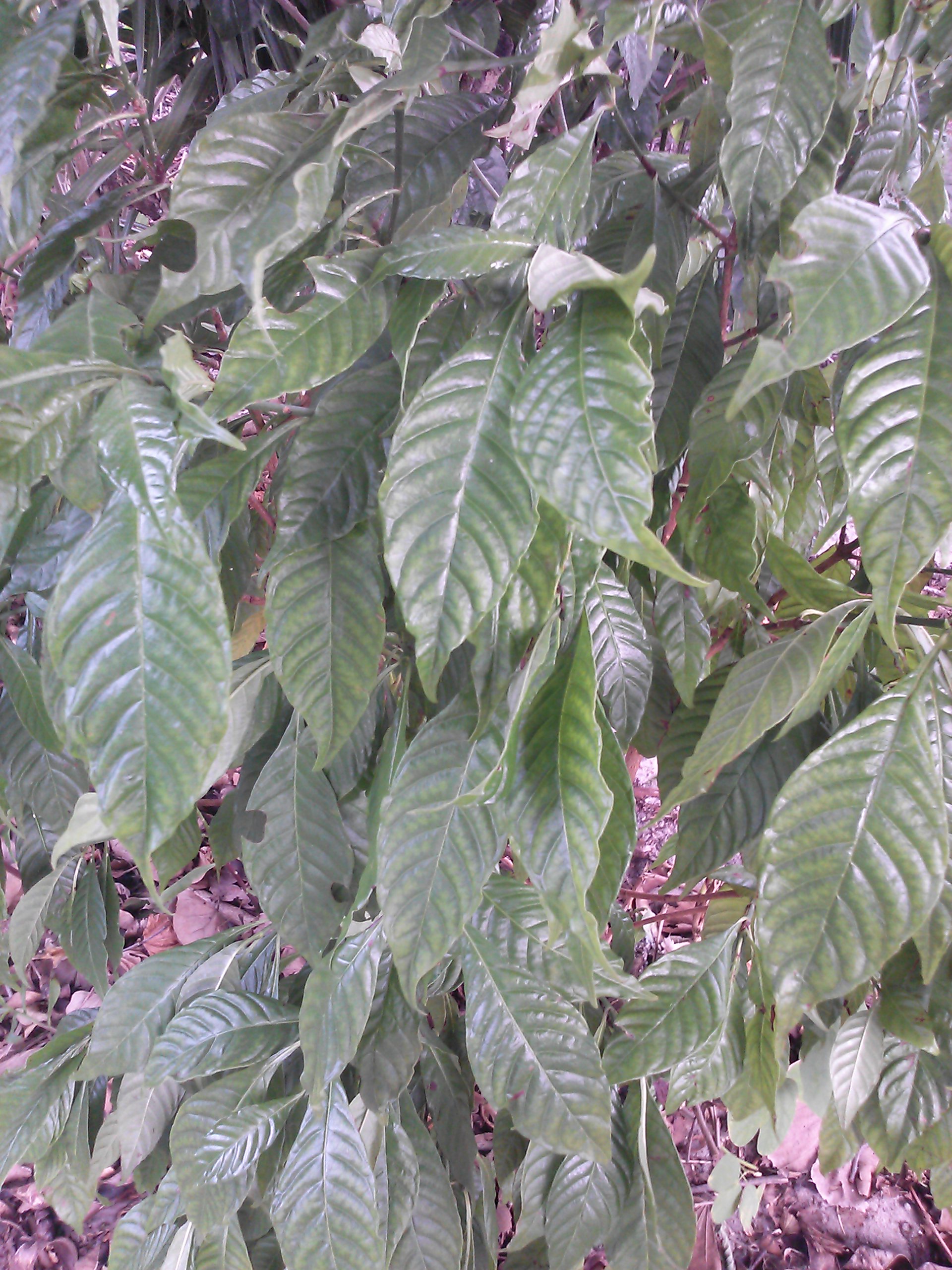
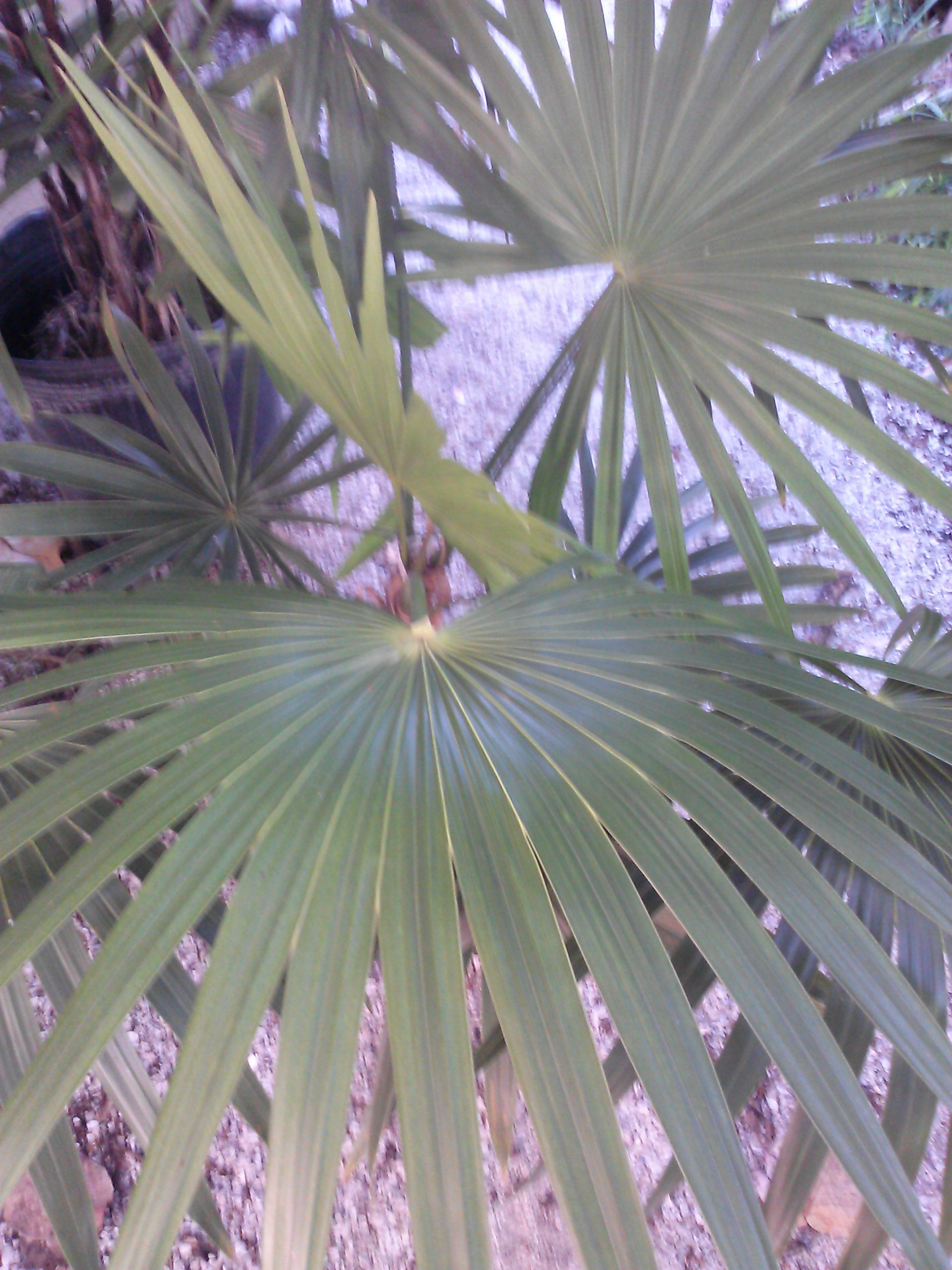
Wild Coffee Psychotria nervosa

IWild Coffee
Psychotria nervosa

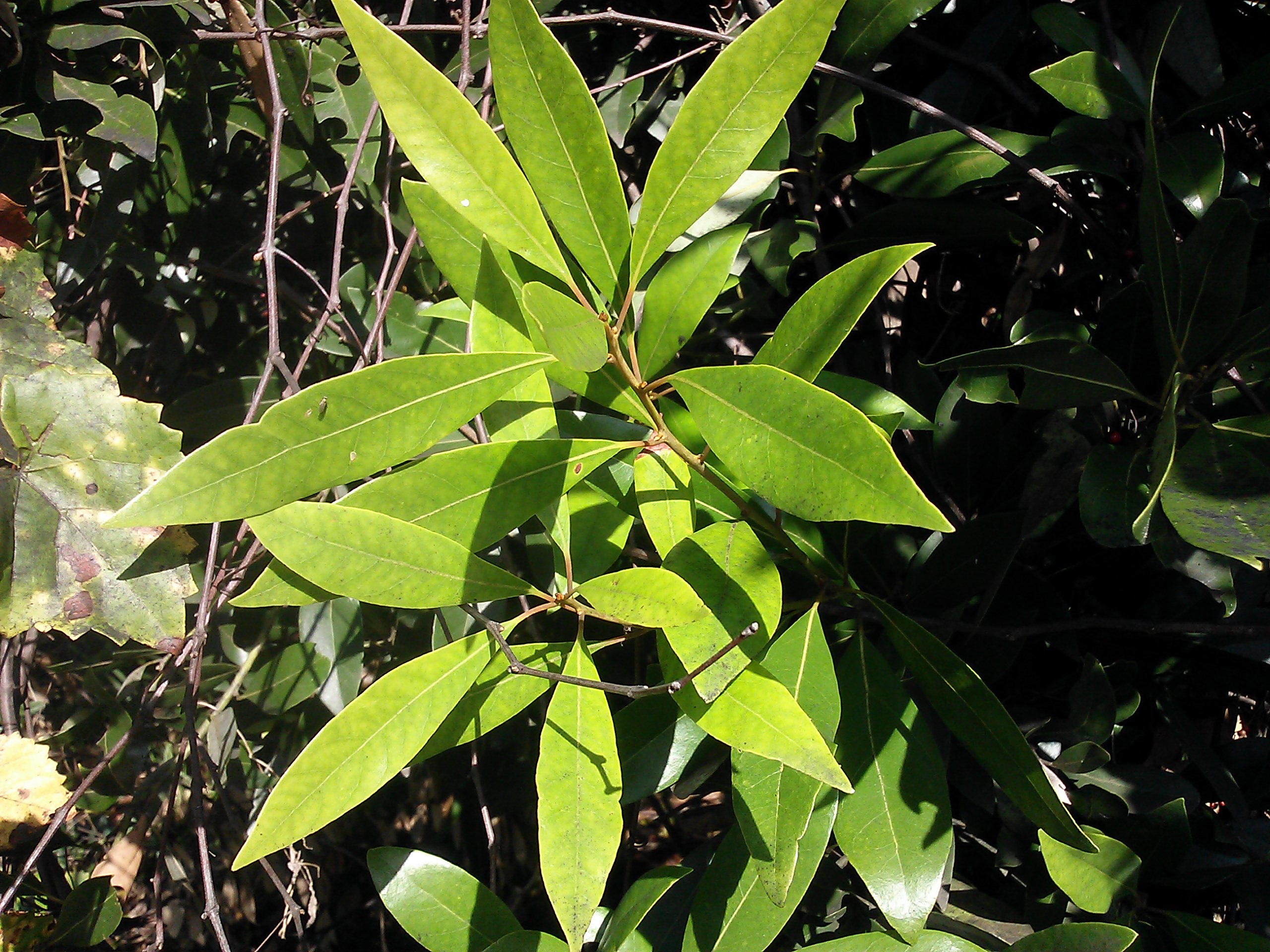
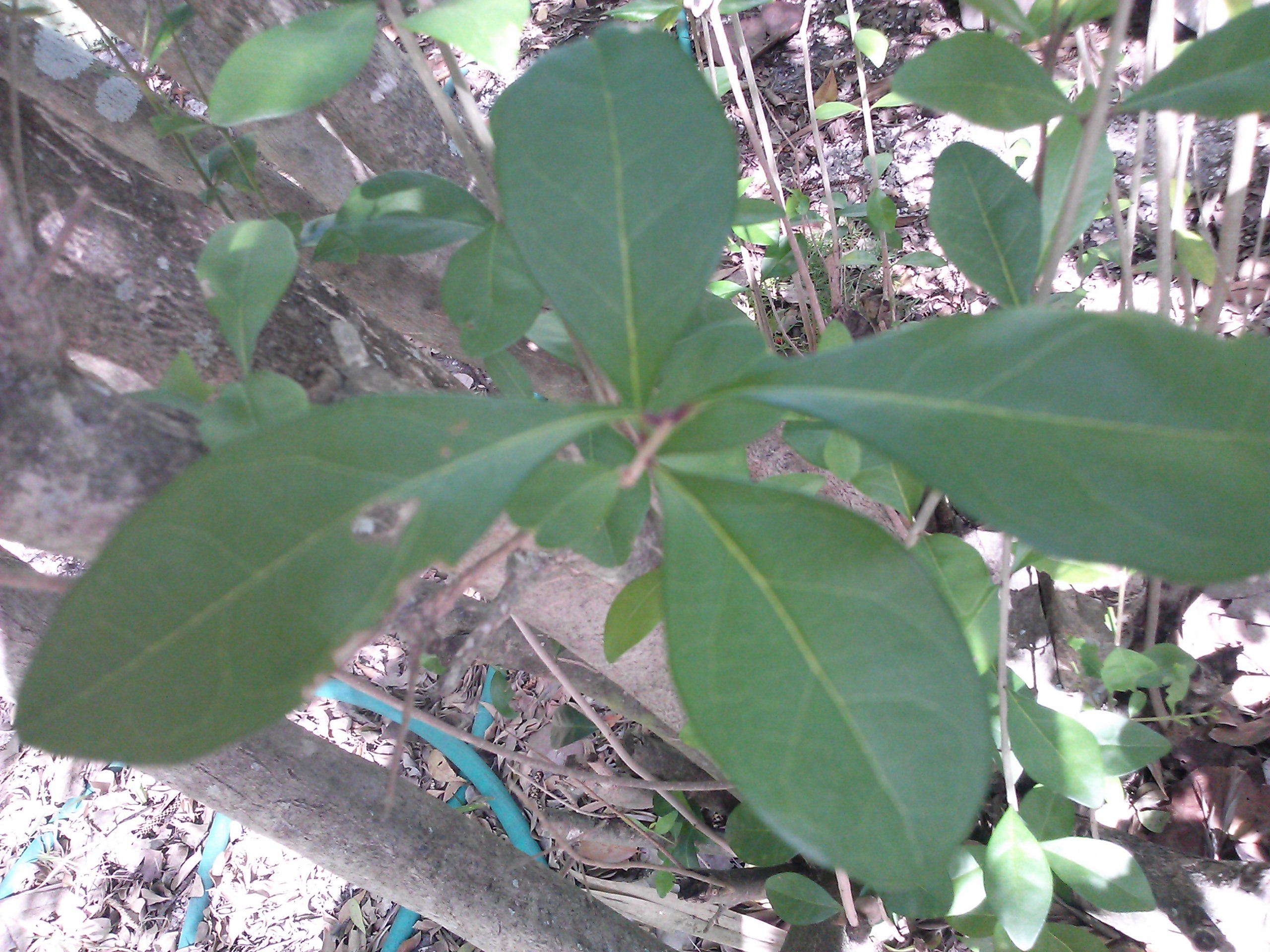
Lancewood Ocotea coriacea

Lancewood
Ocotea coriacea

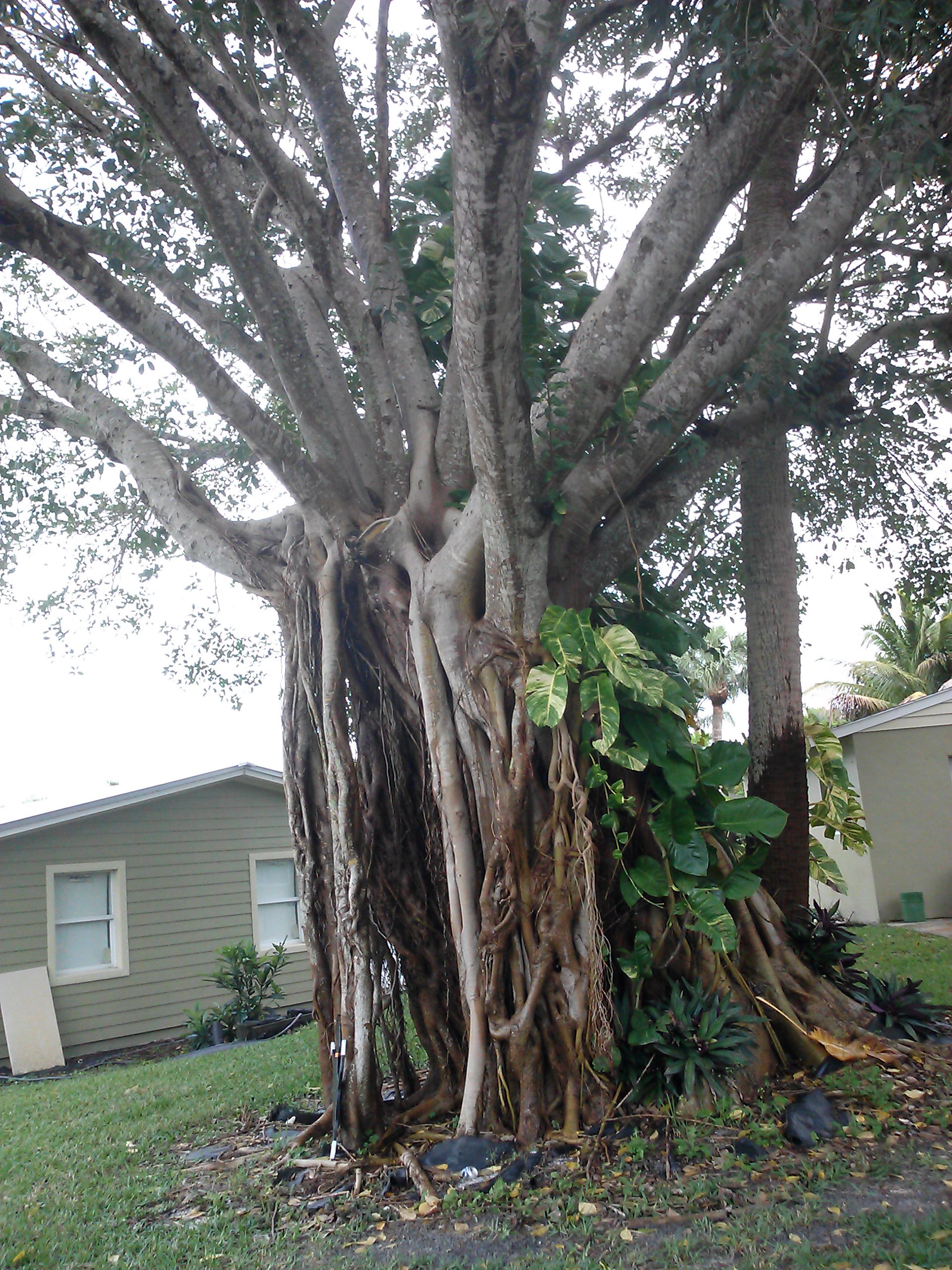
Ficus aurea Strangler Fig

Ficus aurea
Strangler Fig

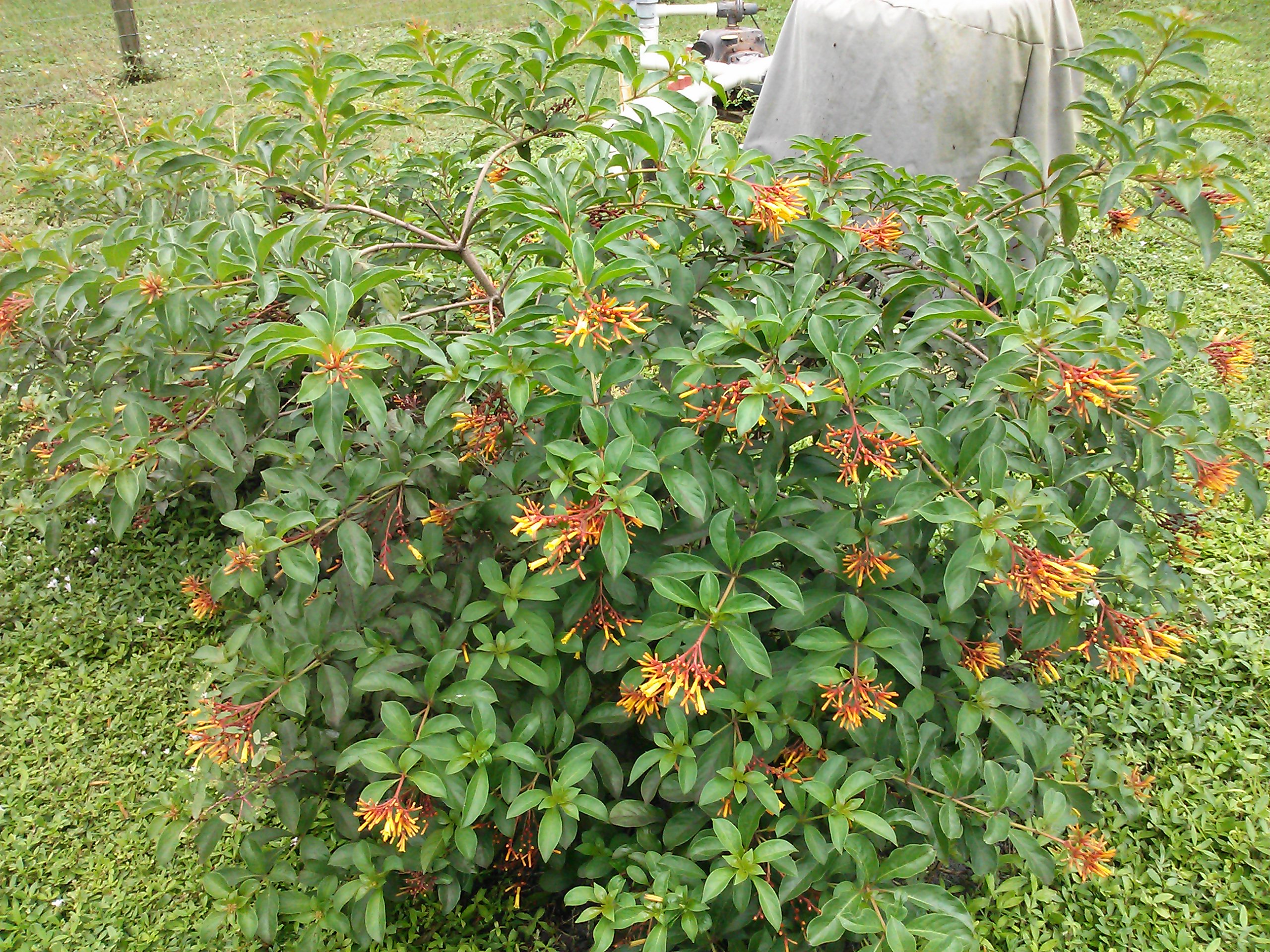
Firebush Hamelia patens

Firebush
Hamelia patens

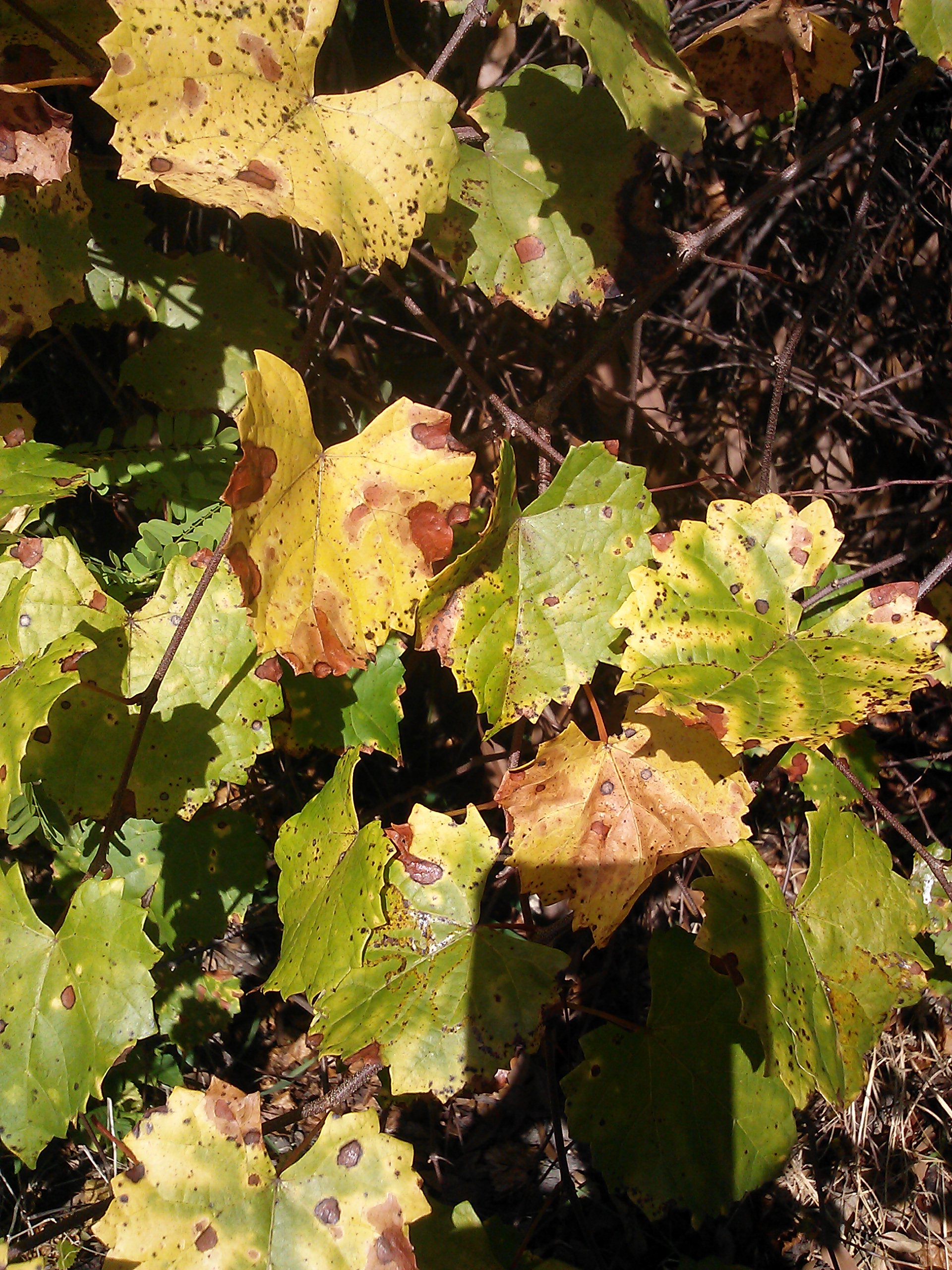
Muscadine Vitis rotundafolia

Muscadine
Vitis rotundafolia

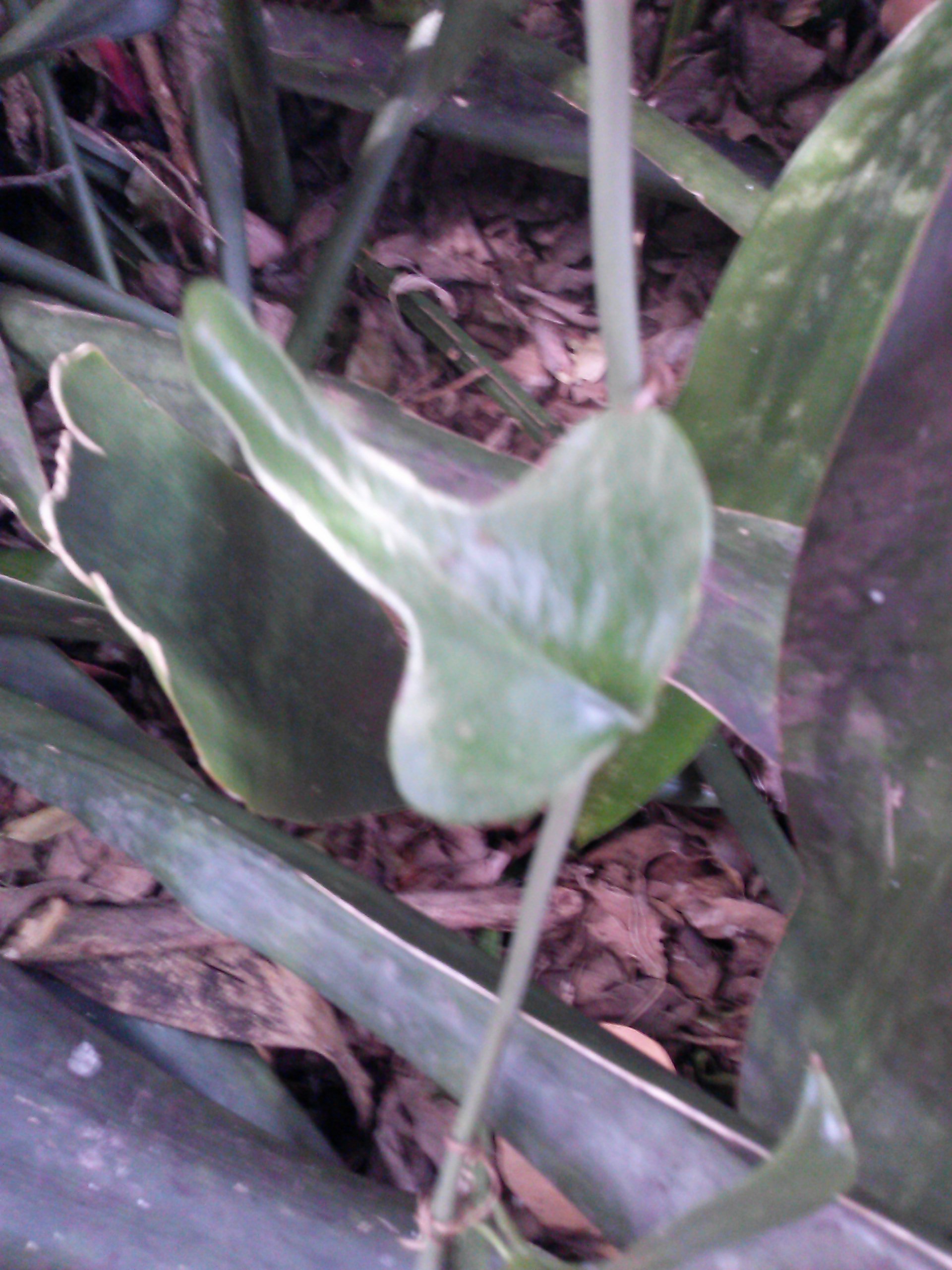
Earleaf Greenbrier Smilax auriculata

Earleaf Greenbrier
Smilax auriculata

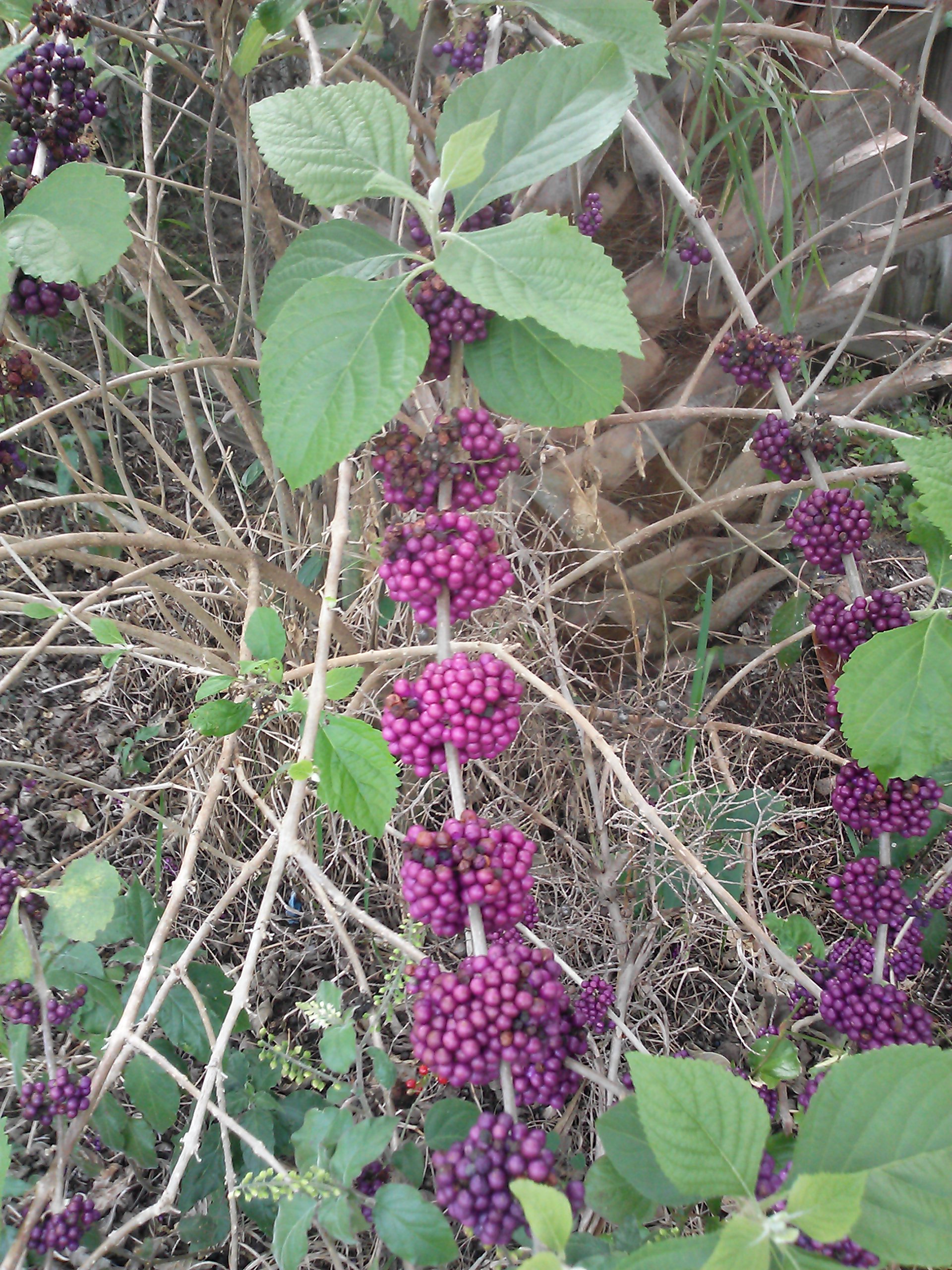
Beautyberry Calliocarpa americana

Beautyberry
Calliocarpa americana

Nephrolepis exaltata Boston Fern

Nephrolepis exaltata
Boston Fern

Florida Privet Foresteria segregata

Florida Privet
Foresteria segregata

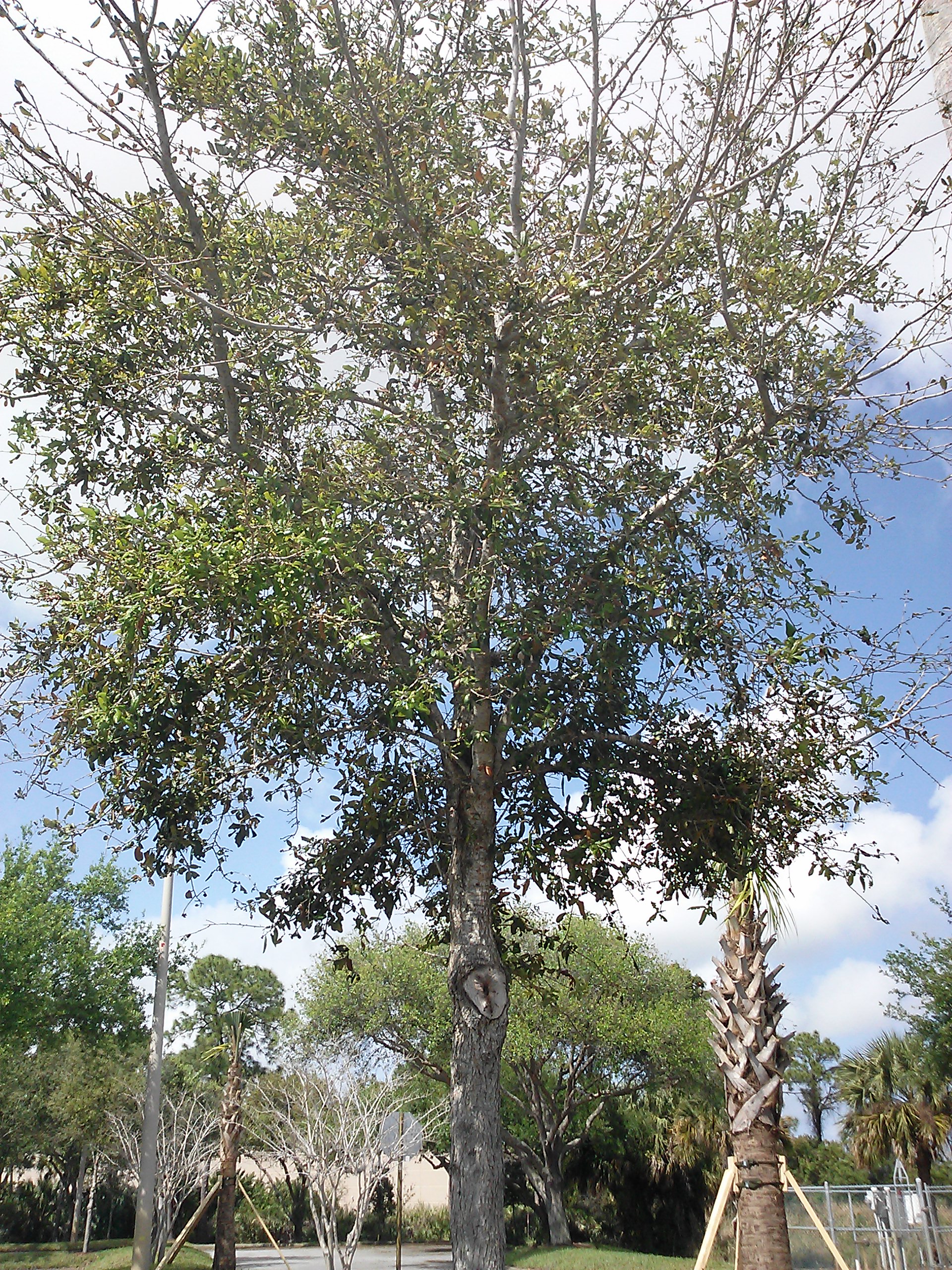
Live Oak Quercus virginiana

Live Oak
Quercus virginiana

A Tale of Three Shrimps

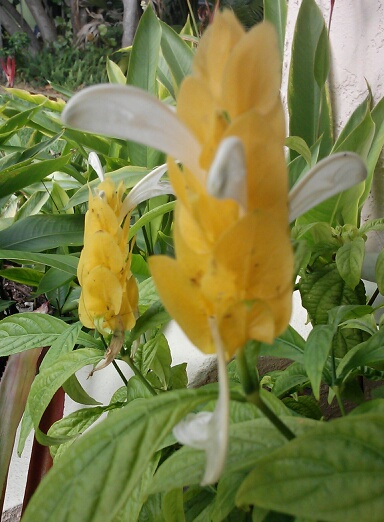
Horticultural pursuits sometime follow Culinary pursuits. There are different types of Shrimp Plants as there are different types of Shrimp to eat. Shrimp Plants are a new favorite of mine. These plants seem to be pretty bulletproof and bloom nearly year round. The evil Lubber Grasshoppers like to eat them, but other than that they have been remarkably pest free.

I had not realized there were (at least) three different kinds. The one I have in a pot on my front porch, commonly called Yellow Shrimp Plant is Pachystachys lutea, a member of the Acanthus family. Sometimes the common name Lollipop Plant comes up, not sure why?  I have tried to propagate this, but it was a grave failure. The plants wilted as soon as I took the cuttings.  Online research tells me to try again in late Spring with softwood cuttings.

Shrimp Plant Pachystachys lutea

Shrimp Plant
Pachystachys lutea

I have another type of Shrimp Plant growing in my garden, the Red Shrimp Plant, Justicia brandegeana. This is sort of a passalong plant in Florida my neighbor gave me. A different genus, but still in the Acanthus family. These make good cut flowers and seem to reproduce effortlessly without taking over. Needs a bit of shade, but don’t we all. Butterflies and Hummingbirds like this plant and so do I.

Red Shrimp Plant

Red Shrimp Plant

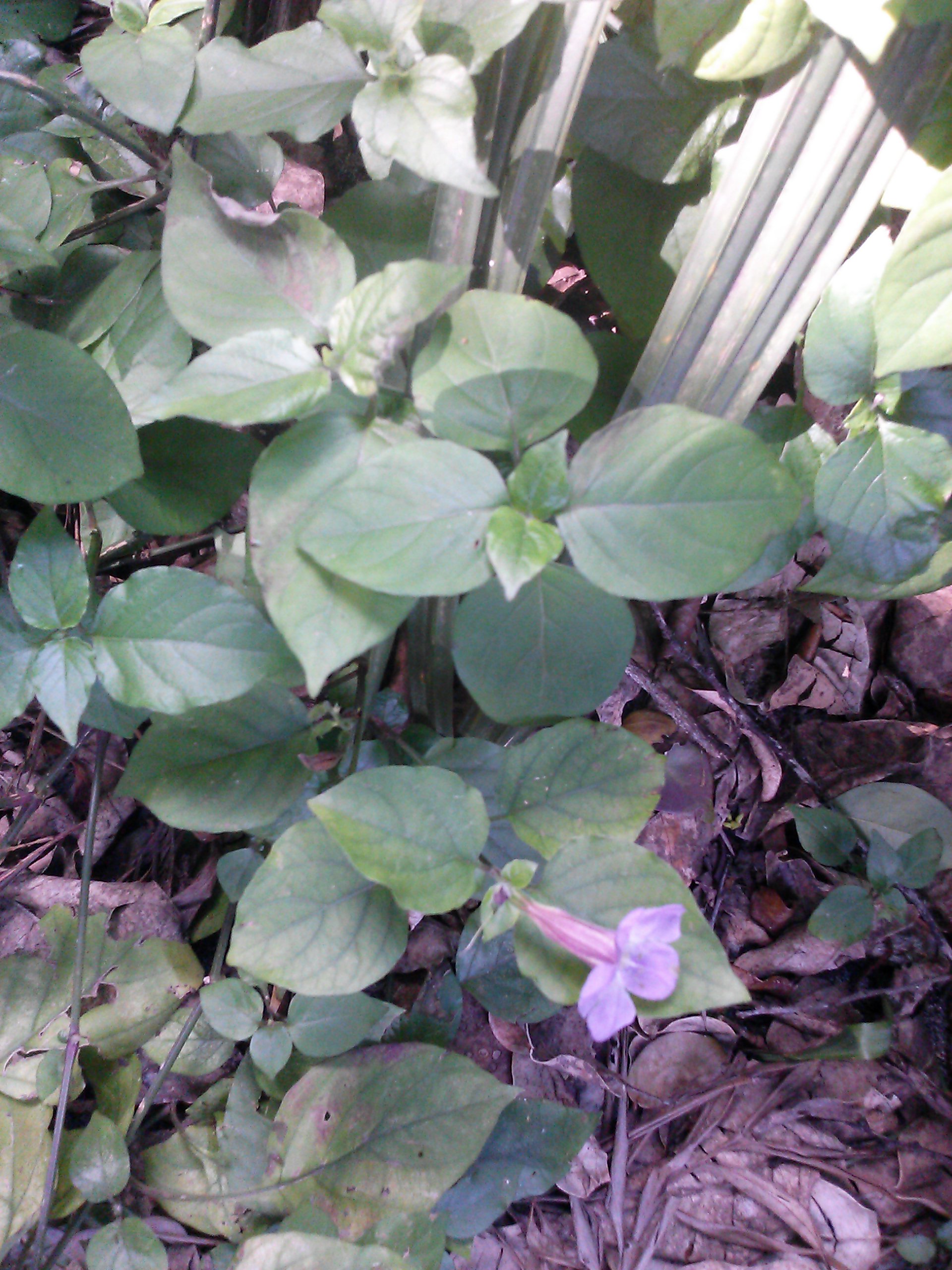
Recently I found out there is an evil Shrimp Plant in South Florida, the Green Shrimp Plant. The Green Shrimp Plant is also known as Brown’s Blechum, Blechum pyramidatum. Blech, is right, this is an invasive in frost free zones. Oddly enough, another member of the Acanthus family, but the black sheep. If you live in an area that receives frost this can be a good addition to the Butterfly Garden. A host plant for Buckeye, White Peacock, Malachite and Painted Lady Butterflies those with less than 32 degree weather can enjoy this in peace. Beware further South.

Green Shrimp Plant

Green Shrimp Plant

What is confounding me is why these are called Shrimp Plants in the first place and why the Green Shrimp Plant clearly has blue flowers?

Another horticultural mystery to solve.

Not Really Freezing in South Florida

Yesterday the weather was looking ominous. A bitter wind blew out of the north. Dire predictions were made of freezing temperatures and horticultural mayhem.

I moved potted plants into the garage and wrapped new palms in sheets last night, went inside and hoped for the best.

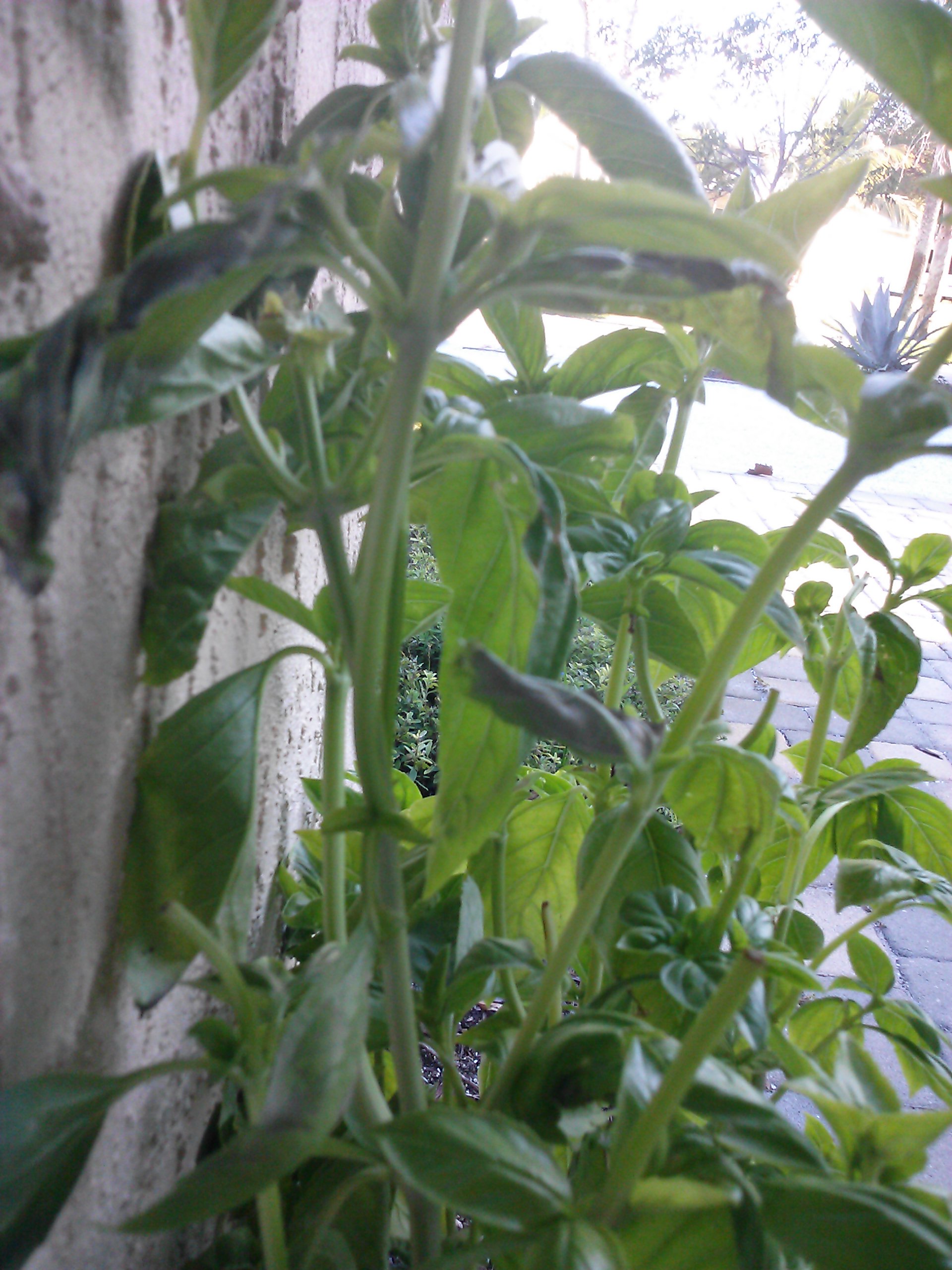
This morning, I checked the low temperature recorded at the nearest weather station. It was 44 degrees Fahrenheit, 12 degrees shy of freezing. Granted, I am relatively close to the moderating influence of the Gulfstream. Nearby cities matched record lows from the 1950’s (34 and 36), it went below freezing in Vero Beach. Forty degrees is usually front page news in South Florida. It was in fact on the front page. At my house, the damage thus far, slightly burned Basil. I moved the Basil closer to the wall thinking it would keep it warmer, but it seems to have burned it.

CAM00523


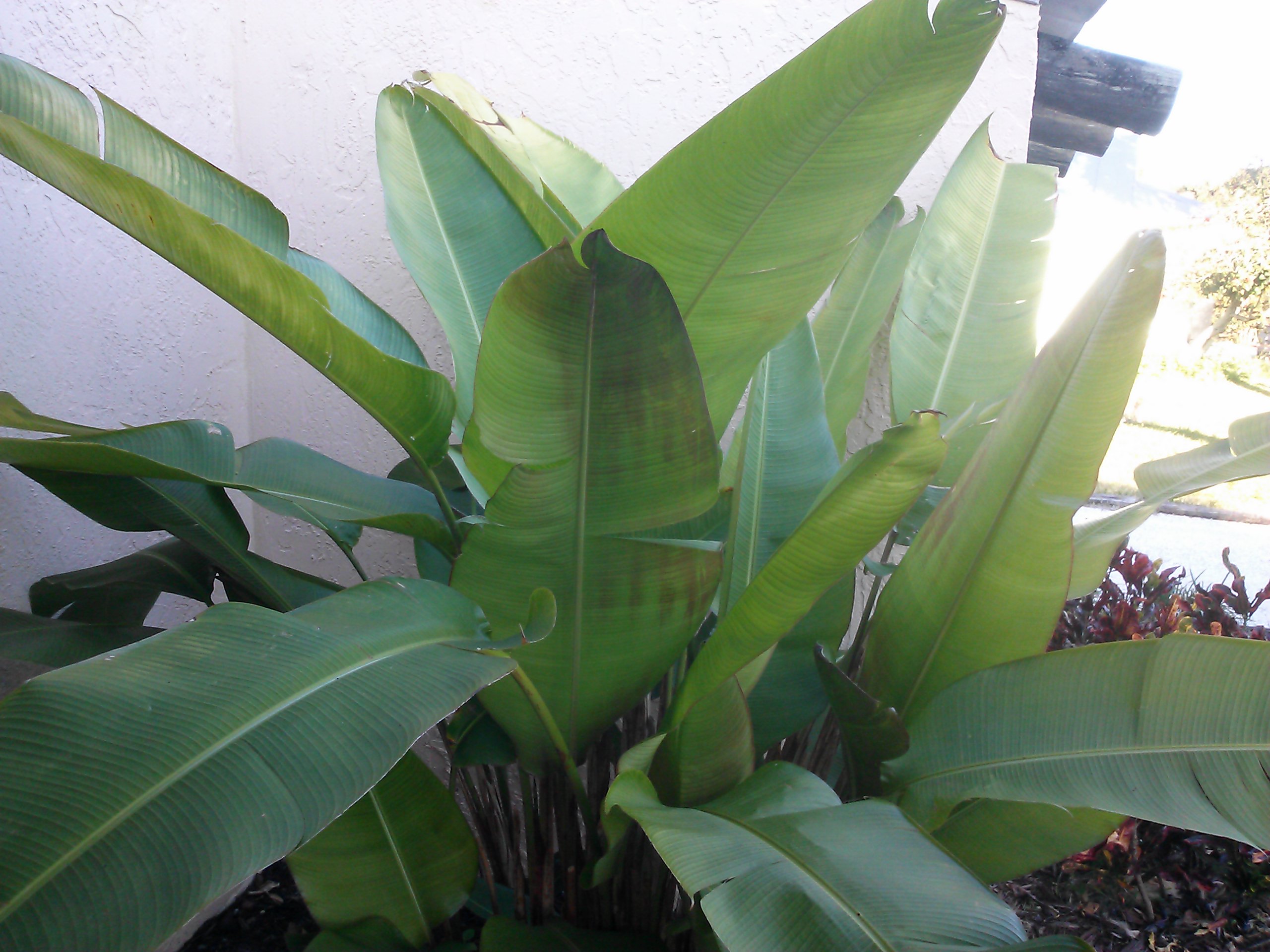
The supertropical Heliconias nearby have survived unscathed.

Happy Heliconia

Happy Heliconia

I think the wind probably damaged the Basil, the Heliconia is in a niche to avoid the wind. I had left the older foliage around the outside to provide insulation. I hope it doesn’t turn black tonight!

After seeing about the plants this morning, I went shopping at the WalMart. A gigantic low end retailer with great prices. The actual disaster from this cold snap was fashion. People tend to move down to Florida and bring whatever they bought 30, 40 or 50 years ago for cold weather gear and they drag it out for the rare event when it gets cold. I saw some men wearing Sears Roebuck Tobacco Brown Corduroy jackets my brothers had in the 60s. With faux lamb collars. Ay,yi,yi and genuine Members Only jackets in the original 1970’s colors .(Sky Blue with a sweatshirt under) The women just piled sweatshirts over their tropical gear or retrieved festively colored 1990’s vintage wind suits from the back of the closet.

I wasn’t really that cold.

Freezing in South Florida?

Cabbage Palm

It is a beautiful day here, cerulean blue sky with a few hawks flying in lazy circles. Take a stroll outside and feel the cold air blowing in from the frozen north- it feels like Chicago in the springtime (or maybe summer). Chicago, Illinois is known as the Windy City and is about 1300 miles north of here.

The concept of freezing weather in SoFla seems weird to me. A low of 35 degrees F is  predicted tonight. Nearly freezing. According to the National Climatic Data Center in 29 years there have been no freezing temperatures in Vero Beach, a bit north of me. In 48 years there have been no freezing temperatures in West Palm Beach, a bit south.

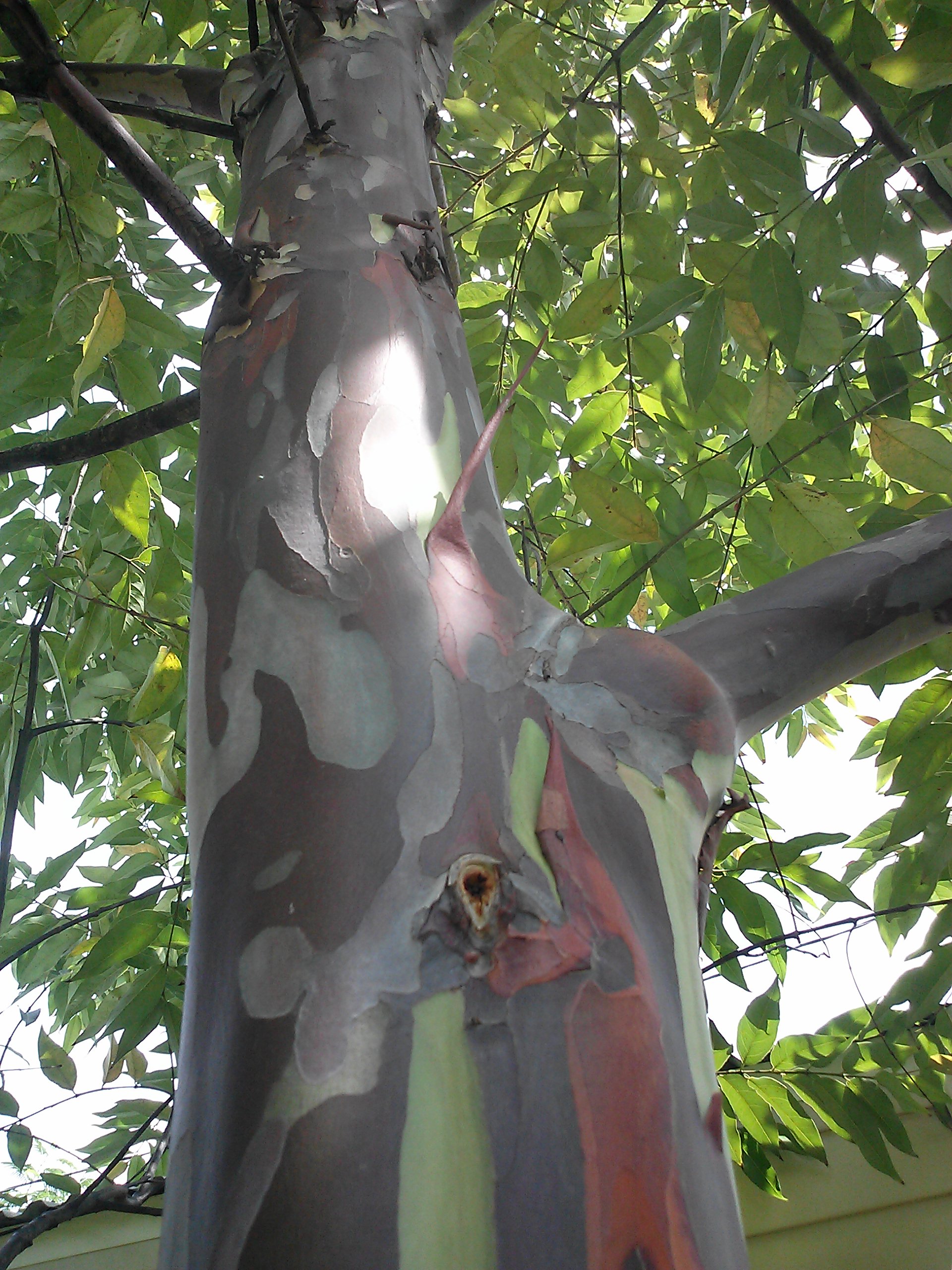
I felt a lot better about the weather forecast having looked up the climatic data, but I am concerned about a few plants that are really susceptible to frost. The primary one being the Rainbow Eucalyptus, notoriously intolerant of freezing temperatures, it has just grown tall enough to be seen over the roof of our garage and it is blooming. I am getting a mental image of a 30 foot tall tree limp, insides frozen to mush and bent in two. Hopefully not.

Rainbow Eucalyptus

Rainbow Eucalyptus

I am in the process of madly moving all the potted plants into the garage. Gotta go put a sheet over my new palms. Then all I can do it wait until tomorrow.


Fallout from Botanica

South Florida is rife with Garden fairs during the winter. This past weekend I went to Botanica in Port St. Lucie. Port St. Lucie is not what I would consider a garden spot, but for some reason they have a great botanical garden run by a very enthusiastic group of volunteers.

Botanica was held at the McKee Botanical Garden. At other times of the year they have a propagation area that sells rooted cuttings from their gardens. It is fun to meet fellow plant nerds and pick up a few Bromeliad cuttings.  Not this time, I pulled into the parking lot and realized this was a bigger event than a few cuttings. At least 4o vendors and a food court. I was in trouble. I had been to the bank.

I walked through most of one side and was not really tempted then through the propagation area. The prices had doubled since last summer, so I was again not tempted. Then I got to the other side of the lake..

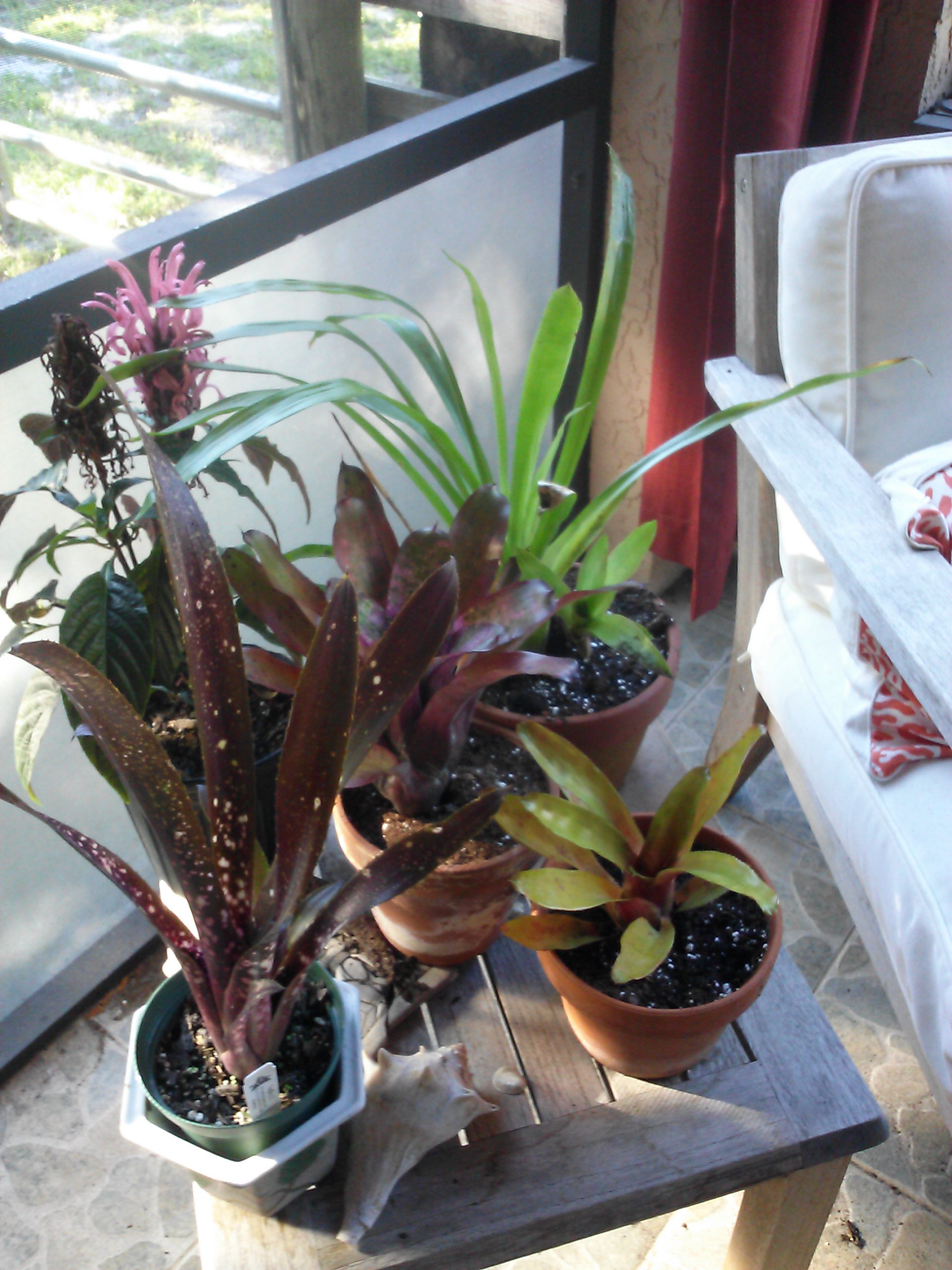
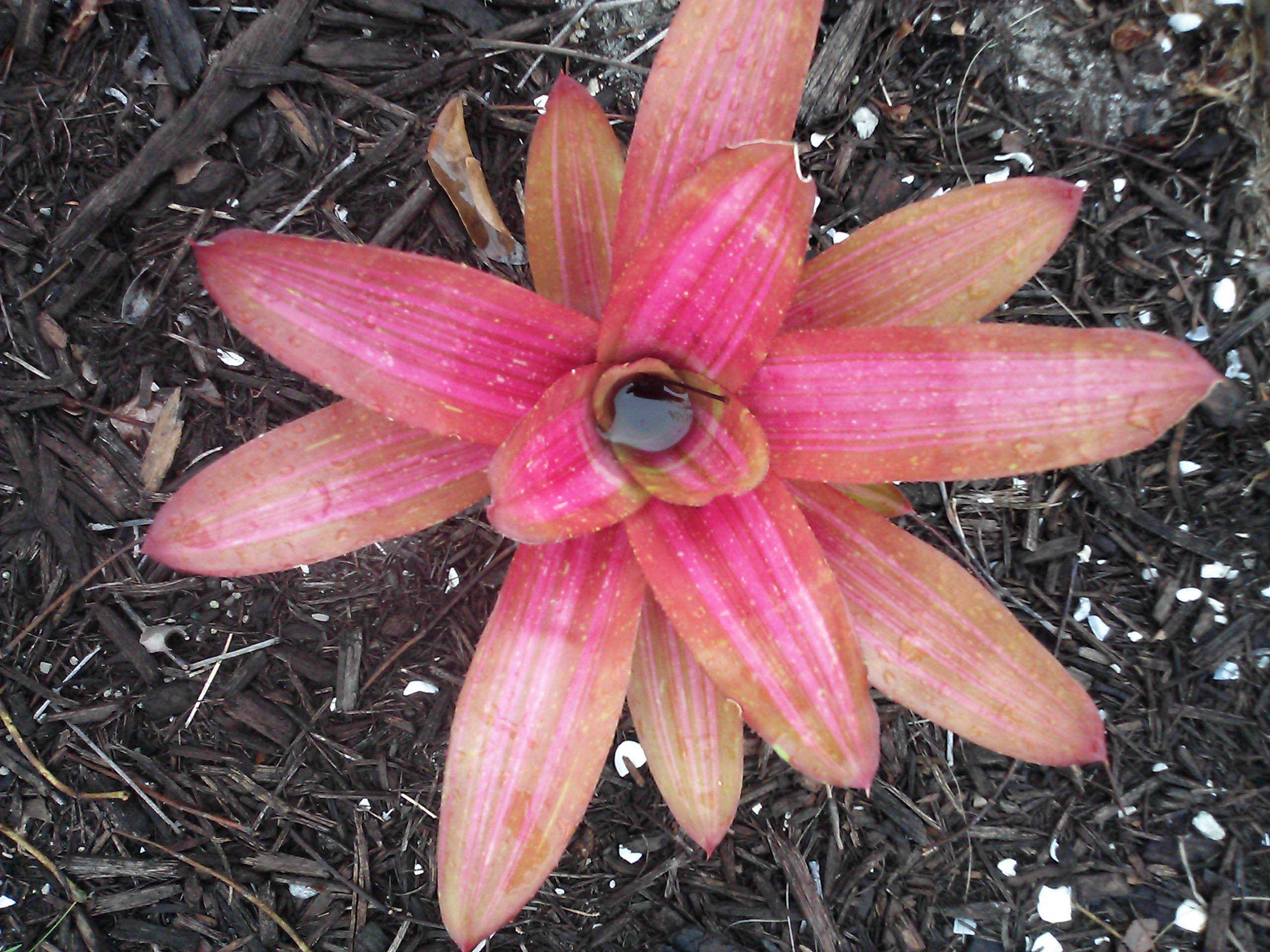
The three for 10 dollar Bromeliads! One of the issues with buying Bromeliads in this manner is the sellers tend to have no idea what kind of Bromeliad they have. The seller advised me the larger one had blue flowers and was adaptable to light. Which really means do not plant in full sun or you will charco-broil the plant and be out three bucks. The others I am pretty sure are some sort of Fireball Neoregelia, I have some similar ones in the garden. Now potted, they have joined their friends from my last foray in plant shopping at Gardenfest.

My Growing Collection

My Growing Collection

The Palm Man, I believe he was called, grows Palms in his backyard nearby. The Palms were beautiful and so were the prices. I succumbed, and bought two Palms.

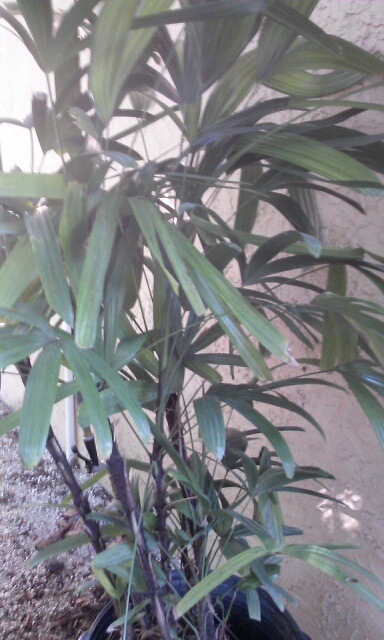
One of my favorite interior Palms, a Lady Palm – I can now grow these outside, so I bought one.

Lady Palm

Lady Palm

This is a Rhaphis excelsa, native to Southeast Asia Rainforests and highly shade tolerant. I have just the spot.

My next purchase was a Florida Thatch Palm, a new plant to me. One of the three palms native to Florida, this is a Thrinax radiata. Tolerant of sand, sea and alkaline soils. All things I have in abundance. Again, I have just the spot.

Florida Thatch Palm

Florida Thatch Palm

I did not quite violate my ‘never get a cart’ rule. Two nice young men from Junior ROTC showed up with a cart and met me at my car.

I have some planting to do this weekend, lest these palms turn into potted plants and spare parts for future use.

Proper Attire for H***strip Gardening

I learned a new term this week: Hellstrip. Hellstrip refers to the baking hot area between the street and sidewalk or driveway. A book has been published about these gardens and there is a Facebook page. Hellstrip has hit social media! Usually narrow and not easily watered these areas require some special consideration and are difficult for gardeners to conquer.

I had not realized I even had a HELLSTRIP and the truth is I kind of like it. When my husband and I bought our house there was a Jacaranda in the strip that could literally be seen through. The top of the tree had been blown out and the crotch had rotted to the point you could catch glimpses of the house through the trunk from the street. Fearing an unstructurally sound tree, I had the Jacaranda removed. What grew under the tree might kindly be referred to as sand spurs.

The sand spurs took a bit of work to get rid of as nothing really kills them except removal and they reseed heavily. Gallons of vinegar later and with the construction of a new driveway, I had a blank palette.

With a bit of research and observation I determined the plant list and began to install.

First, a native and very drought tolerant tree, The Gumbo Limbo. Gumbo Limbos are wonderful Shade Trees but pretty basic. Then to the underplantings, I searched native beach plants and looked for extremely tolerant passalongs, here is what I found:

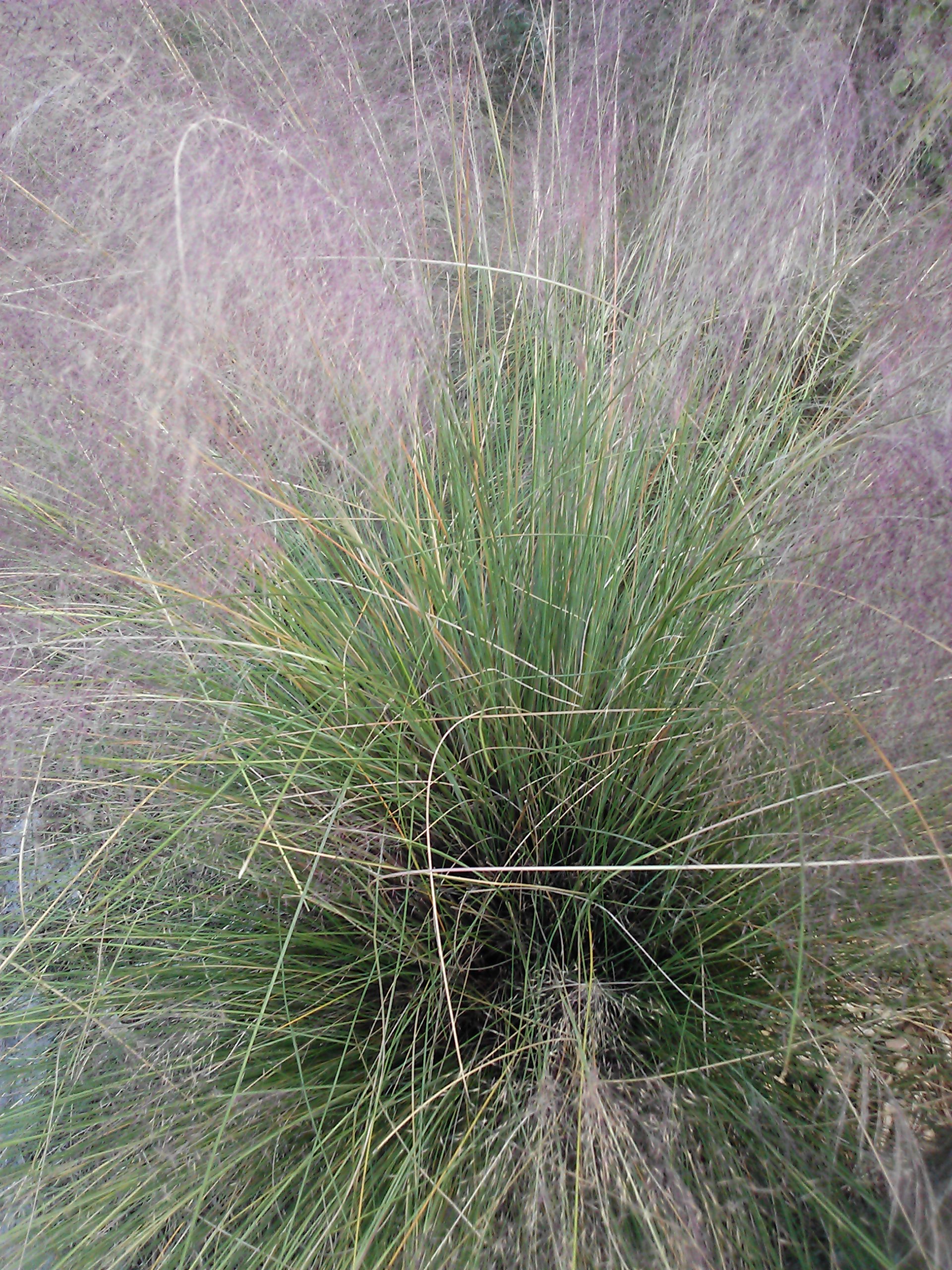
The Sunflowers and Muhly Grass are native, the rest are imports that are very drought tolerant. Worst comes to worst, I can make some tequila from the Agave..

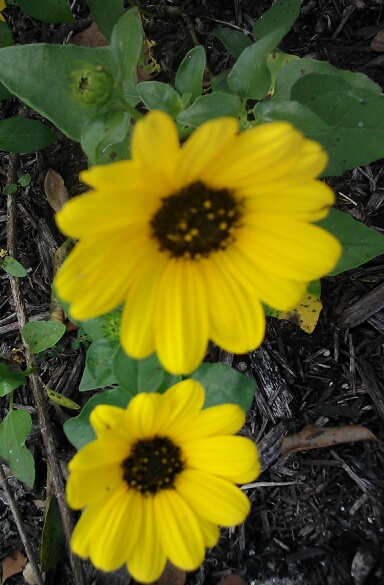
Dune Sunflower Helianthus debilis

Dune Sunflower
Helianthus debilis

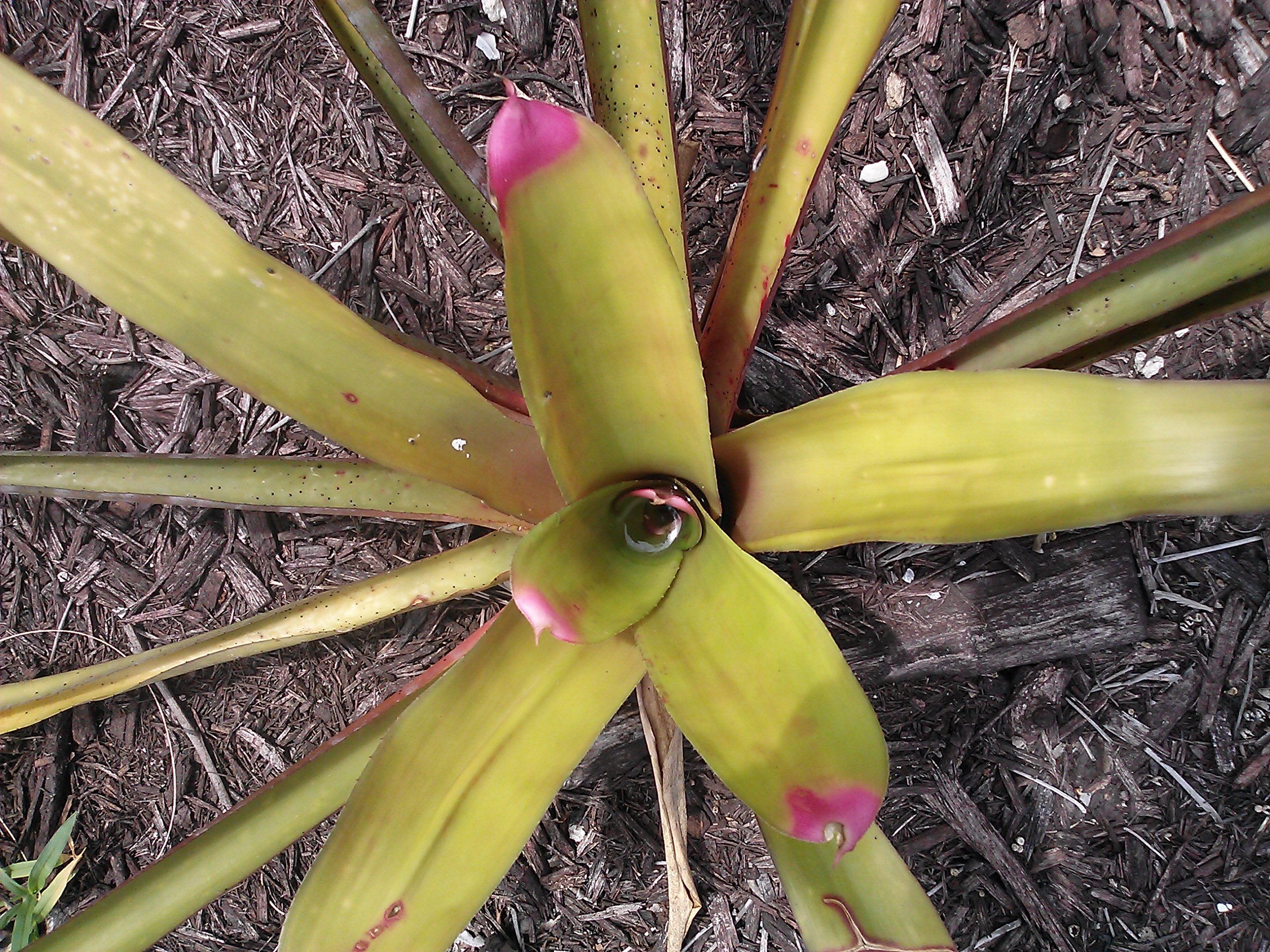
Painted Fingernail Bromeliad

Painted Fingernail
Bromeliad

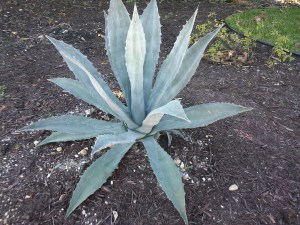
Blue Agave

Blue Agave

Martin Bromeliad

Martin Bromeliad

Muhly Grass

Muhly Grass

The composition might seem a bit weird, but I have color year round and throw some water around every now and again. All the plants are doing well, with no irrigation whatsoever and growing in the poorest excuse for soil I have ever encountered.

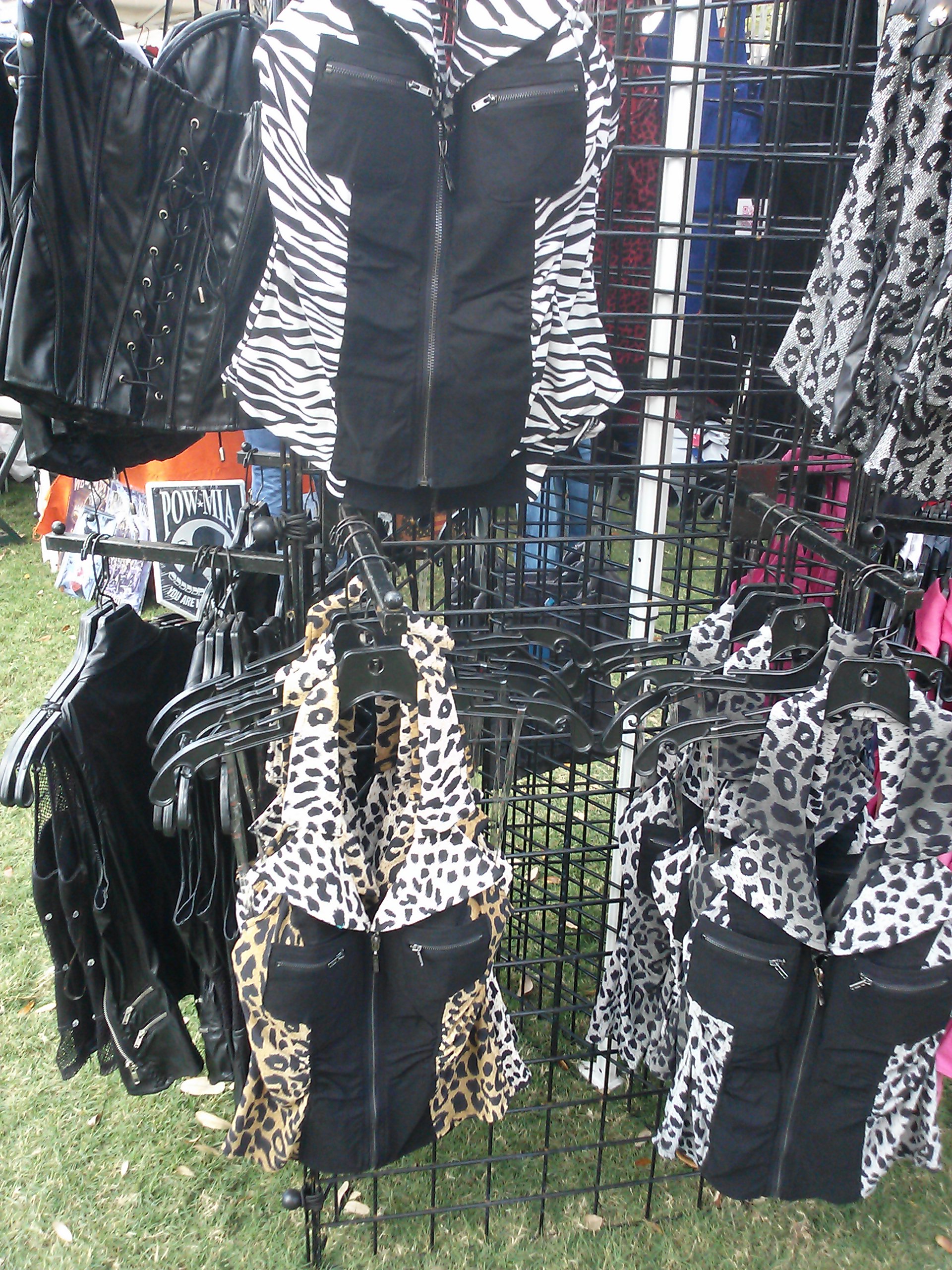
Now, the question, the attire for Hellstrip Gardening, I propose this:

Animal Print Bustiers

Animal Print Bustiers

Maybe worn with Combat boots? I’ve been meaning to get a tattoo, maybe of my favorite Bromeliad….


Building a Seashell Driveway

The Before Picture

The Before Picture

My husband and I bought a distressed property in South Florida. The driveway was really distressed. It took an archaeology dig to figure out where it had been and what it had been. After a bit of detective work we found a ‘Chattahoochee Stone’ pea gravel drive with a turnaround in front of the house. About 70 % overgrown with apocalypse proof weeds. The front yard became a free for all ad hoc parking area. Nobody could tell where they were supposed to park.

Part of the reason we bought this house was the garage was in the back. This is unusual in South Florida. Garage doors are usually a dominant feature of the front of the house. In some places it seems as if someone got a gigantic copier and started printing out houses with prominent garage doors. Later it dawned on me the reason for this is to provide the least amount of stormwater running off the concrete paving (the shortest possible driveway) and given the flatness of the terrain, it was also a short run to slope the driveway to provide drainage back to the street. It is also the cheapest way to get a lot of houses on a piece of property (i.e. Making the developer more money)

My husband retired and we decided to forsake the traffic and cold of the big city and moved 600 miles south from Atlanta to South Florida. The namesake of our existing driveway material, the Chattahoochee River, is a major feature in Atlanta.  The headwaters of the Chattahoochee are in the North Georgia Mountains, then it winds through Atlanta eventually pouring out into The Gulf of Mexico on the panhandle of Florida.

The driveway needed a renovation, however, it seemed a bit ridiculous, not to mention wasteful, to import pea gravel 600 miles to South Florida. Additionally, I was not enthralled with the brown pea gravel, having found it to be a fiesta of weeds in my previous garden and it cost at least 3 times what I had been paying for it in Atlanta. Based on the appearance of the existing drive it was nirvana for weeds. Not a good idea in South Florida.

The search began for new material for the driveway. The local rock here is limestone; crushed rock primarily for road construction. The rock is lumpy, starts out white and eventually looks very dirty. I didn’t like this option, but it was cheap. My next thought was pouring a concrete driveway, but, as a Very well seasoned Landscape Architect  (yes, I meant to capitalize Very for emphasis) I could tell the drainage just wasn’t going to work. In the event of rain, there would be too much water running off the driveway with nowhere to go. With the exception of the floor of our garage, not a good plan.

The driveway needed to be made of a pervious material so the rainwater could soak back into the ground rather than running off. During the course of my concrete drive design/pricing exercise I met a grading contractor who told me it was possible to build a shell driveway. What I couldn’t (and still don’t) understand was why there weren’t any of these driveways around. The only answer is they went out of style. People had been seduced by the evil brown pea gravel from the faraway Chattahoochee River.  I can only guess why. I did recall, however, over the course of my career people have waxed on romantically recalling the crunch of the pea gravel in their (perhaps very wealthy and with many yardmen) Grandmother’s yard.  This reminiscence is usually related to formal boxwood gardens in the Deep South. They never had to pull the weeds or pay for imported pea gravel.

I thought the shell was a great idea and, of course, did a bit of research. The shell used for constructing the driveway is mined about 20 miles north of my house. It is a byproduct of mining sand; five different sizes of material come out of the mine and are used for construction. The sand is used for construction and the shells are sorted out by size and intended use. My driveway is topped with ⅜” graded shell.

Shell driveways, properly constructed, last a long time. The construction method is as follows:

Grade the area and remove about 5-6’’ depth of existing soil. Compact the existing soil to receive the base material. Provide restraints around edges of driving surface to hold the loose driveway material. My driveway has pressure treated pine timber and Black PVC Landscape edging that act to hold the shell in place. I have seen drives edged with concrete curb or pavers set in mortar. This looks great and is, of course, a lot more expensive.

French drains were installed under the driving surface in areas where the water collects as it drains off the roof during a large cloudburst. Another South Florida peculiarity, no gutters, but some scuppers…you must cope with whatever comes off the roof, wherever it comes off the roof. Fortunately, I like rocks and Rain Gardens.  The drains were made from old solid walled laundry baskets with the bottoms removed then the contractor dug holes and placed them underground, filled them with gravel and topped the whole thing with filter fabric. The old gravel from the existing driveway was reused to fill the drains.

To build the driveway a 2-3” layer of crushed shell (this looks like coarse sand) is laid on top of the existing soil and pressed into place with a Bobcat. This is topped by a 2-3” layer of shell placed with a Bobcat and pressed evenly. The crushed shell course binds to itself and creates a pervious base layer. The shell course provides the driving surface. Maintenance requirements are spraying weed killer (I use the non toxic homemade vinegar solution) and raking it out every now and then. The materials firm up a great deal from cars driving on them and rain, but it is still a loose material.

I am pleased with the appearance of the shell driveway and it’s functionality. It drains perfectly and looks great. The shell also gives a great local, beachy feel to our property. And it looks really clean. It is also a very sustainable project, the majority of the materials arrived from within 50 miles of my house. The shell is a reuse product from a local mine. The driveway is pervious and most of the stormwater drains back into my property. I have two guest parking spaces and a turnaround for use when backing out of the garage. Pleasing the environment and me.
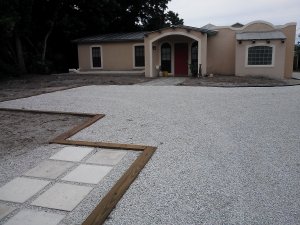
The Shell Driveway
The Shell Driveway

Gardening Outside Your Zone

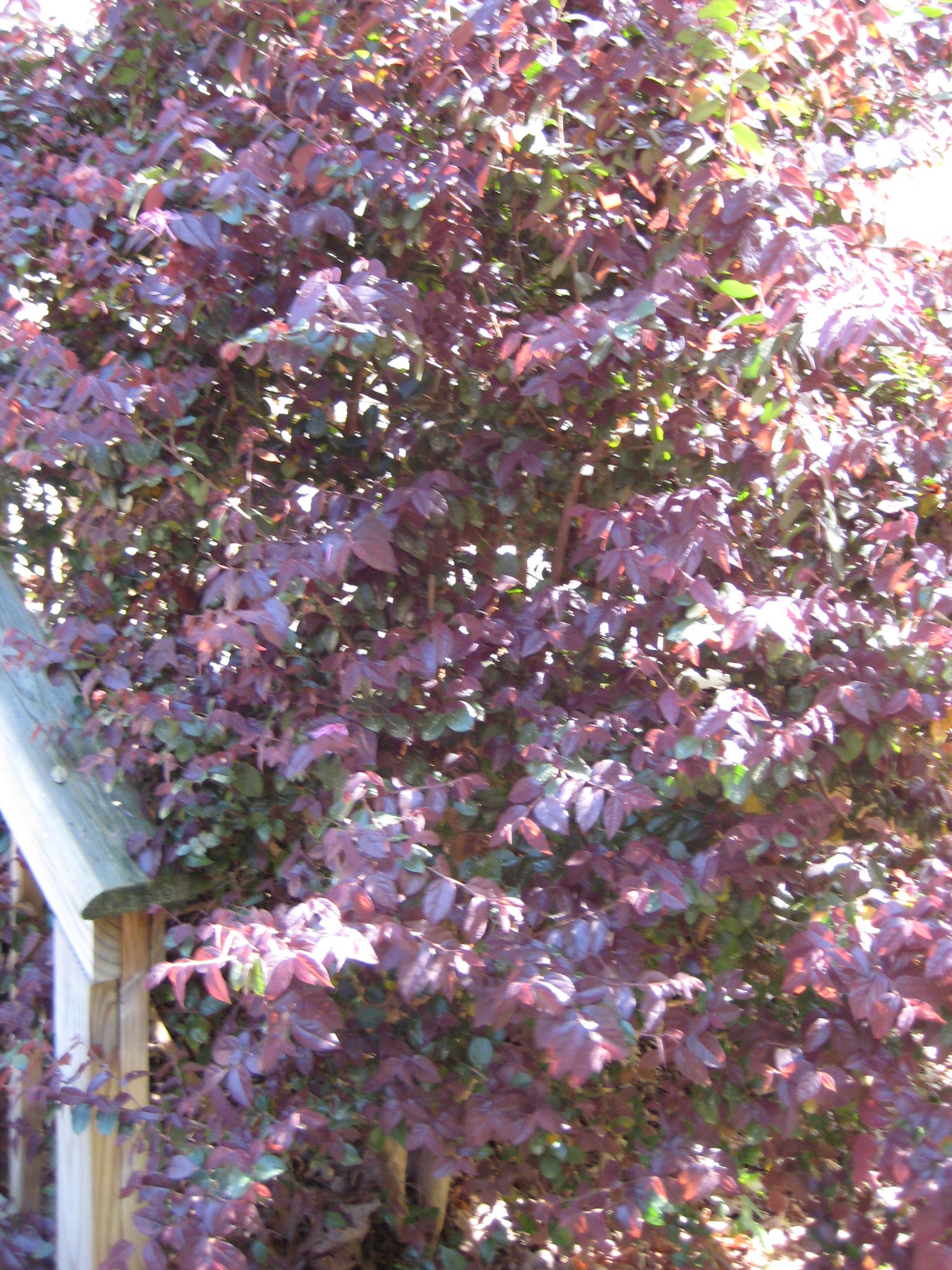
Burgundy Loropetalum in Atlanta

Burgundy Loropetalum in Atlanta

The song by the Rolling Stones goes, and I am paraphrasing  “You can’t always get what you want, but if you try sometimes you get what you need.” Sage words. That made me remember I want to plant some sage..

There are many transplants here in Florida – people and plants as well. The people are trying to grow the plants they know from home, maybe 4 hardiness zones north. The plants are unhappy. I was surprised by the number of folks trying to grow Lilacs in South Florida. Lilacs grow in the Northern US, not South Florida. South Florida may be the mold and mildew capital of the world and Lilacs are extremely susceptible. Of course, there are some delightfully fragrant plants that people in the North are trying to grow that thrive here and are really well suited for this climate- on it goes. Ylang ylang, anyone? If for no other reason it would be fun to try this because of the name. I actually had a vanilla orchid for a while, but I think one of my dogs stepped on it.

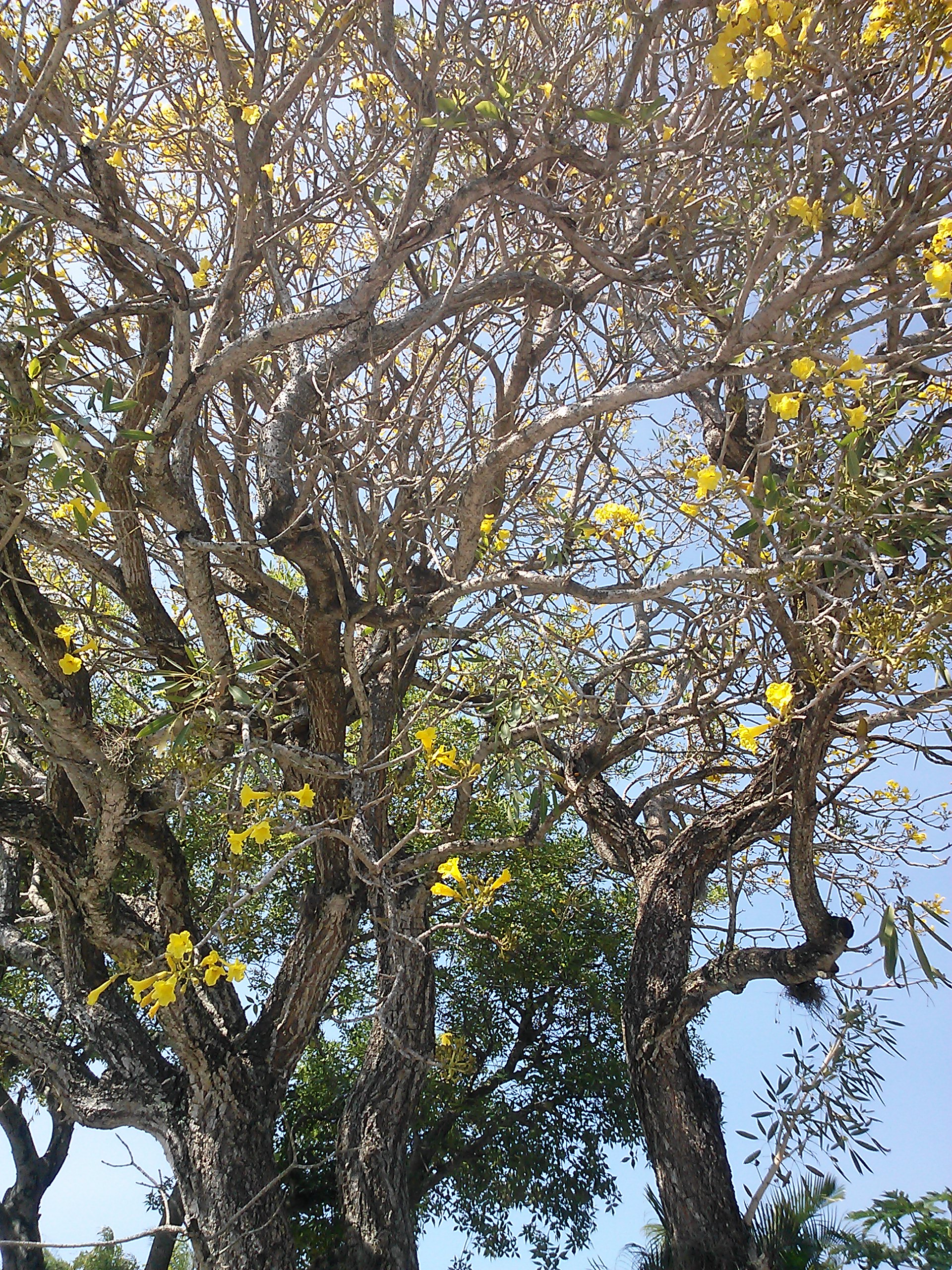
Tabebuia

Tabebuia

I am as guilty as the next gardener, to a certain extent. I like the new and unusual and there is a lot to see when you move to the tropics. My favorite tree ever, the Autumnalis Cherry, cannot be grown here. I readily accept that because of the other trees that can be grown here. My new favorite is Tabebuia which I have just found with orchid colored flowers – the Ipe Tabebuia. I also like the yellow one because of the nice corky bark. It is a dilemma to choose between the two, fortunately the back garden of my house is, well, um, non-existent. So, I can have either.

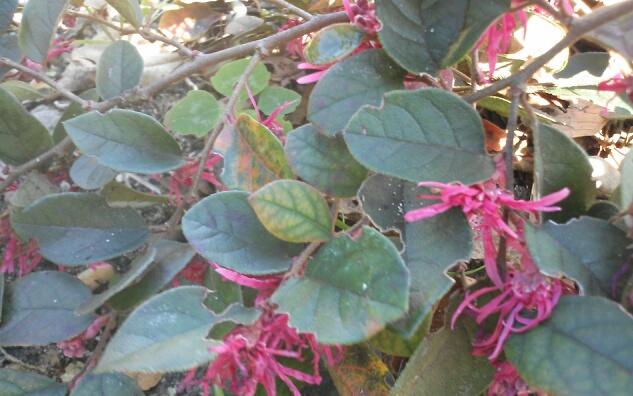
Burgundy Loropetalum in South Florida

Burgundy Loropetalum in South Florida

I have succumbed to Zone pushing by planting some Burgundy Loropetalum. One of my favorite shrubs from the frozen north. This is not supposed to grow in Zone 10, my research says Zone 9 is it for the Loropetalum. But I found one for 5 bucks and decided to try it. It is cheerfully blooming in my front yard in January. You may notice the Atlanta Loropetalum is robust and more than 6 feet tall. The one here in Florida tops out at 8 inches and looks a bit chlorotic. I guess it is time to wait and see.

New Years Day in My Garden

The turning of the year is a time for taking stock of what you have and looking forward to the future of what will be added to the garden. Here is what is currently in bloom in my garden.

This is an Aechmea Bromeliad and outstanding in its interesting flower. I have a feeling I am going to find out that is a bract or something.

Blanchetiana Bromeliad

Blanchetiana Bromeliad

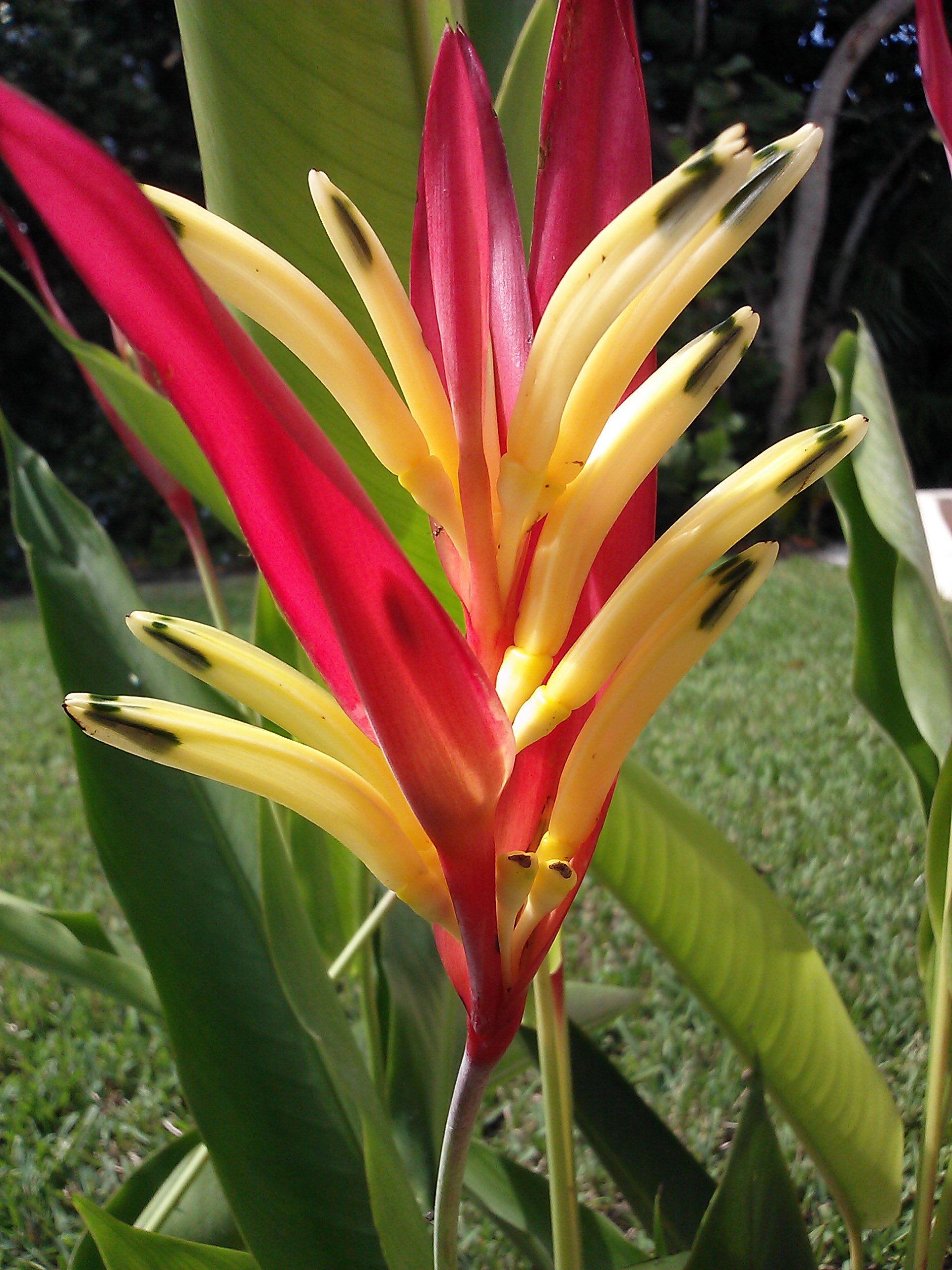
This is an unnamed cultivar of Heliconia, I see it called Parrotflower in the trade. I have yet to see a parrot.

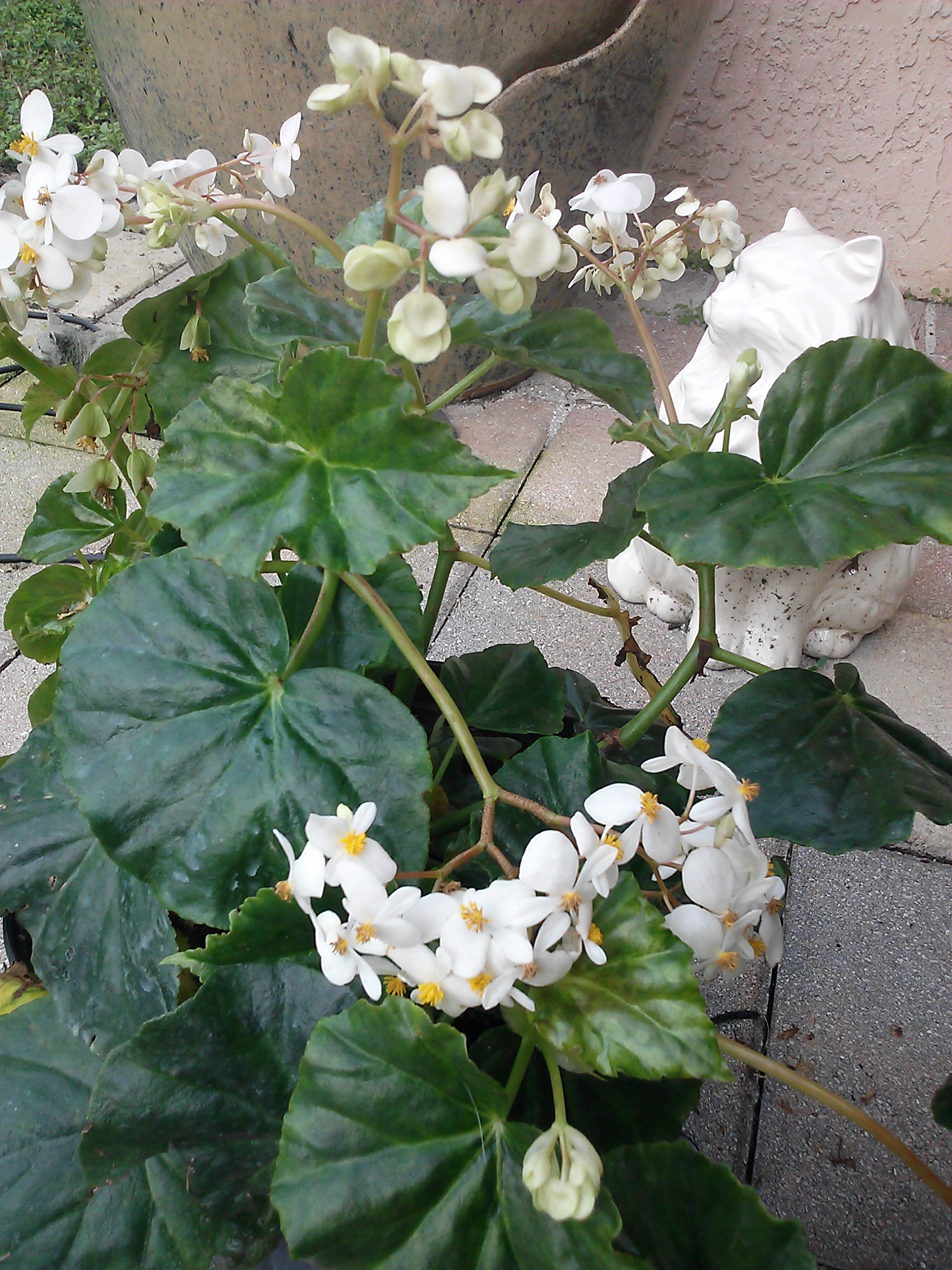
Sweet Begonias are new to me, Begonia odorata, I rarely catch the scent from this, but it has been blooming nearly nonstop since last spring.

Heliconia psittacorus

Heliconia psittacorus

Sweet Begonias

Sweet Begonias

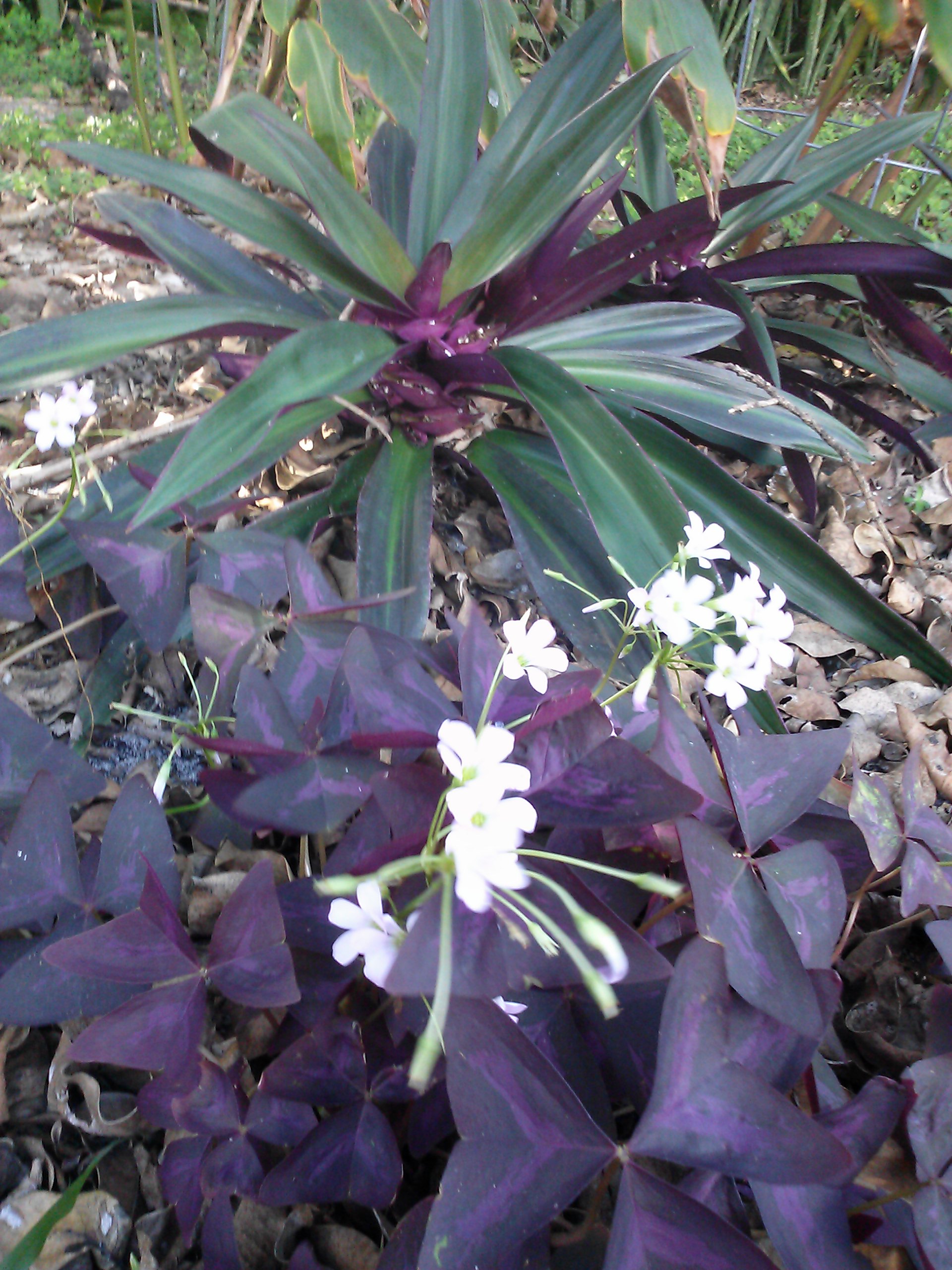
Doesn’t everyone have a Purple Oxalis?

Purple Oxalis

Purple Oxalis

This may be my new favorite plant, a native groundcover used for controlling beach erosion, the Dune Sunflower was planted in the middle of summer in an unirrigated bed by the side of the road. I bought the plants on sale for $1.oo(US) each because they looked bad and the grower wanted to get rid of them. A couple of months later and a little TLC and these are madly blooming with little care. What’s not to like?

Dune Sunflower Helianthus debilis

Dune Sunflower
Helianthus debilis

The Tibouchina is another sporadic bloomer, love the purple though. The Shrimp Plants have been blooming nearly nonstop since last spring on my porch. I have unsuccessfully tried to root them.

The Glory of the Princess Flower

Tibouchina

Shrimp Plant Pachystachys lutea

Shrimp Plant
Pachystachys lutea


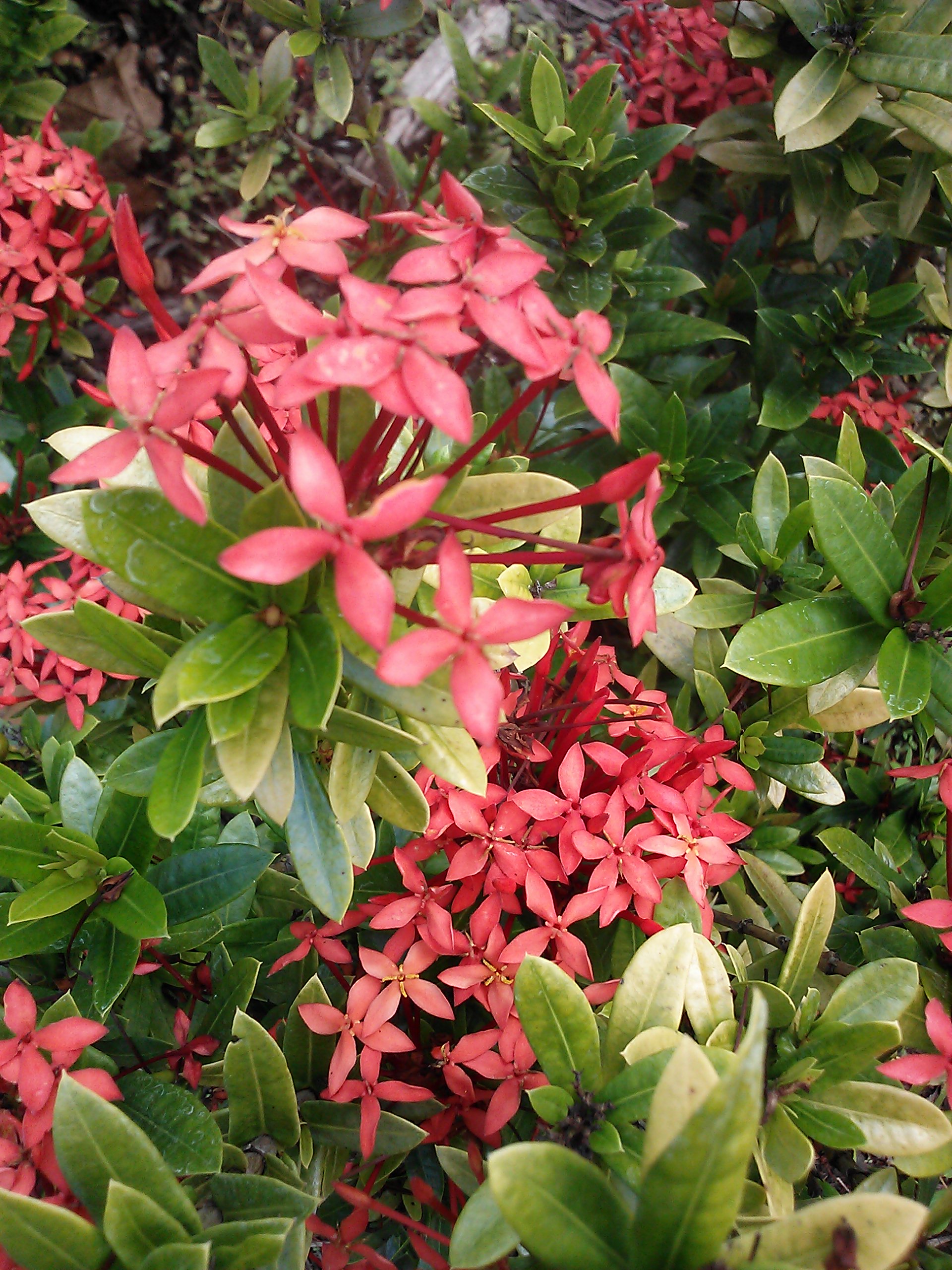
Some of these plants bloom nearly year round like the Ixora below, I call this the Azalea of South Florida because most people who garden have a few. A reliable plant that comes in several colors and sizes.

Dwarf Red Ixora Ixora taiwanensis
Dwarf Red Ixora
Ixora taiwanensis


I feel as if I have been making steady progress in the garden having started it almost three years ago. I have definitely learned a lot about tropical plant material, and am looking forward to learning more.

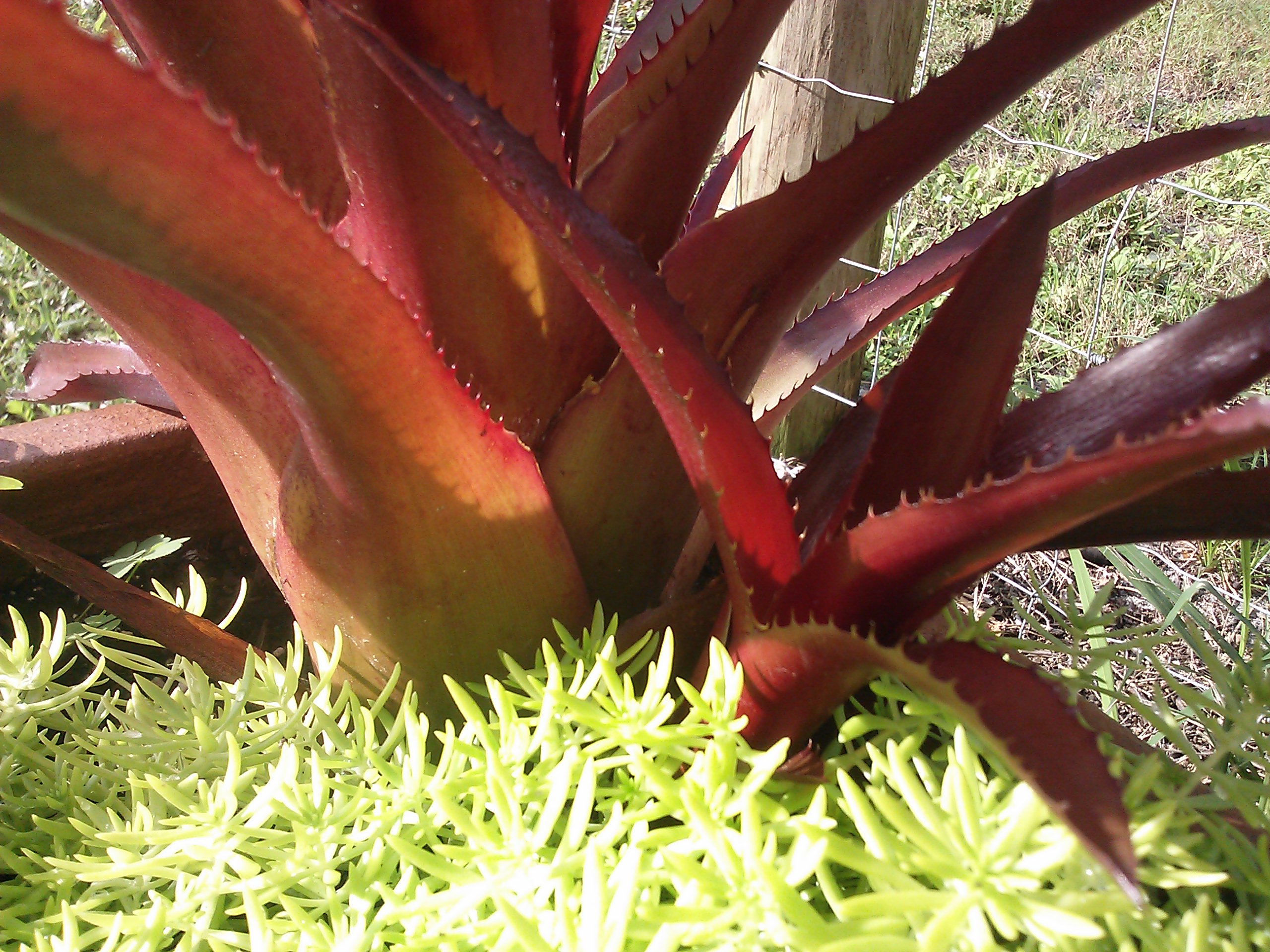
My next project is to divide the bromeliads as the cooler weather has them sending up pups:

Burgundy Aechmea Bromeliad

Burgundy Aechmea Bromeliad

Then replant my herb garden, I found Lemon Thyme here last week after a three year quest and am very happy.

Happy New Year and Happy Gardening.