Mango, Tango – no Rain, Though

It is Mango season here in South Florida and eventually someone with a tree finds me, to my giddy delight. One of my neighbors is a Chef and has a tree. We have discussed what kind it is – he thinks a Haden – I think it might be a type locals call Peach Mango, it has the slightest aftertaste of peach. Whatever it is, it’s peachy  Maybe that is a Haden anyway. The locals call one of these a Strawberry Mango..

Here is a bowl of Mangoes from a guy down the street:
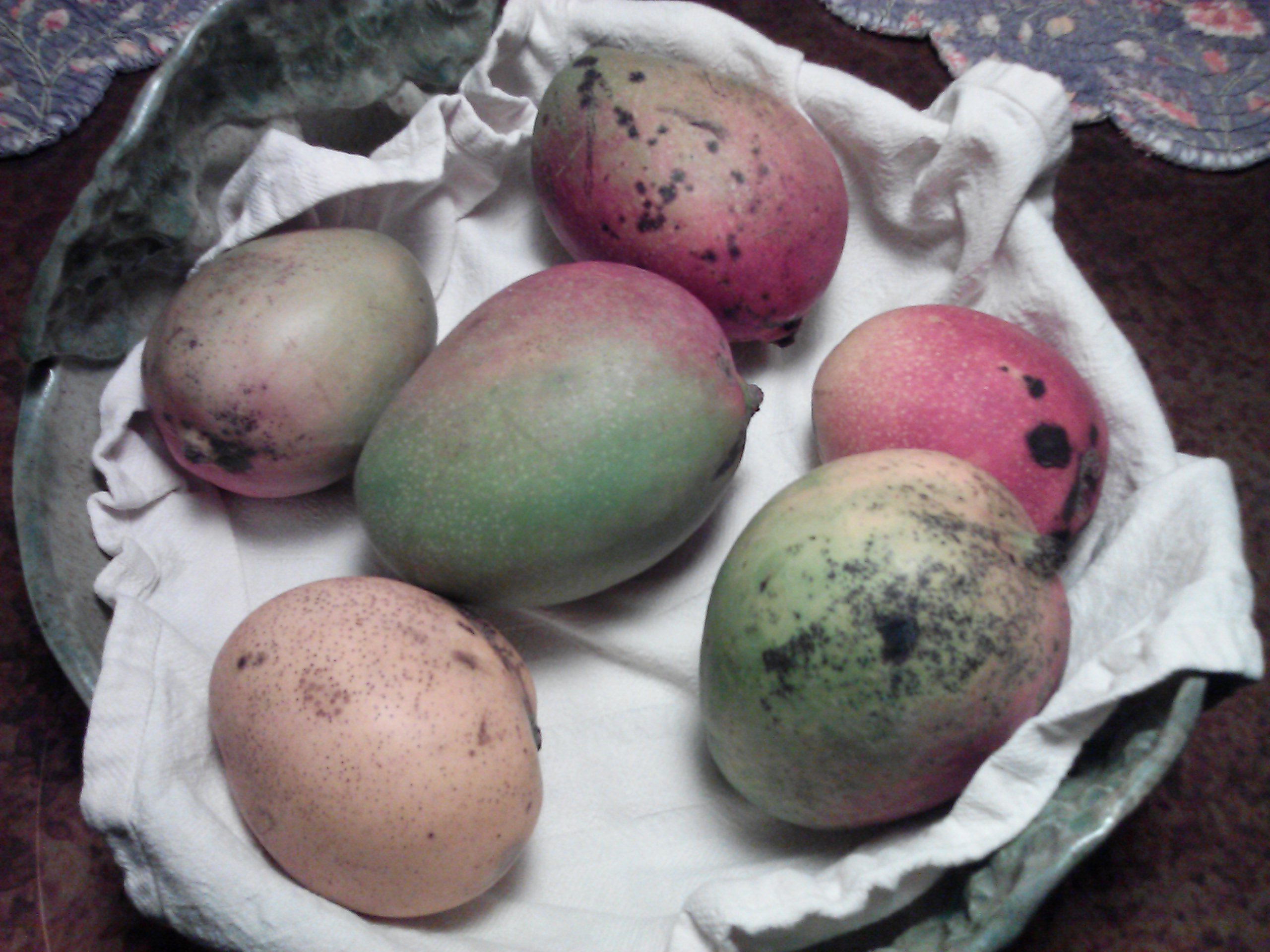
Assorted Mangoes

Assorted Mangoes

This included the Strawberry and Peach Mangoes – Peach I could tell, Strawberry not so much, although one had a redder colored interior. All were good and I devoured them, my husband had a bite, maybe two.
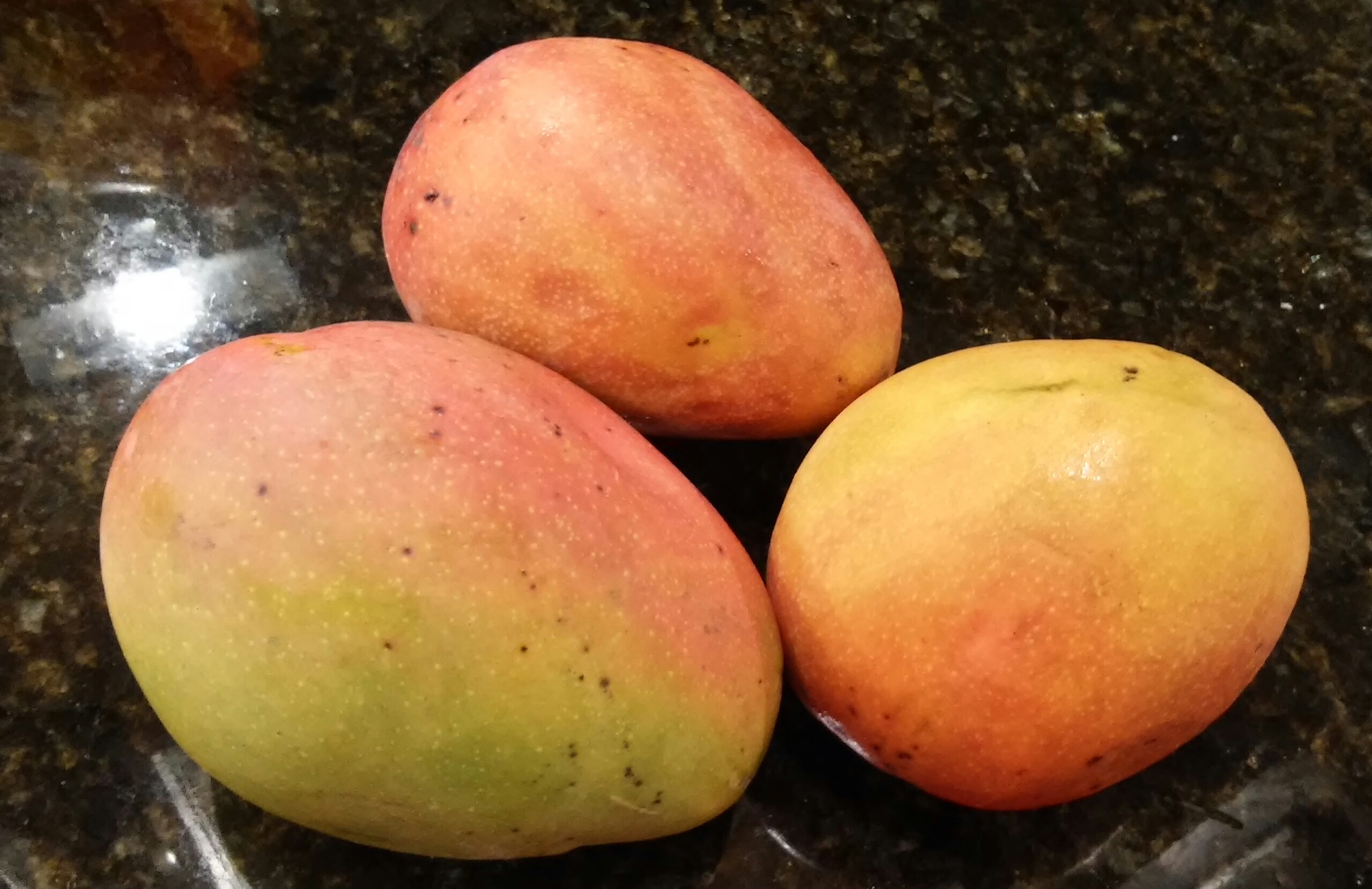
Chef Mangoes

Chef Mangoes              

These are the Mangoes from the Chef, Peach, maybe..Haden variety. Divine, yes, after all the other Mangoes were devoured, I made Granita from two and a half of these. Granita is made by taking 3 and 1/2  cups chopped Mango, simple syrup made from raw Hawaiian Cane Sugar and the juice of one lime – put this in a blender, blend until smooth, then put it in the freezer in a shallow container and stir every half hour or so until the mixture is slushy. I keep mine in a Ziploc bag in the freezer and mush it up as I eat it.

Even the scraps for the compost heap were pretty:
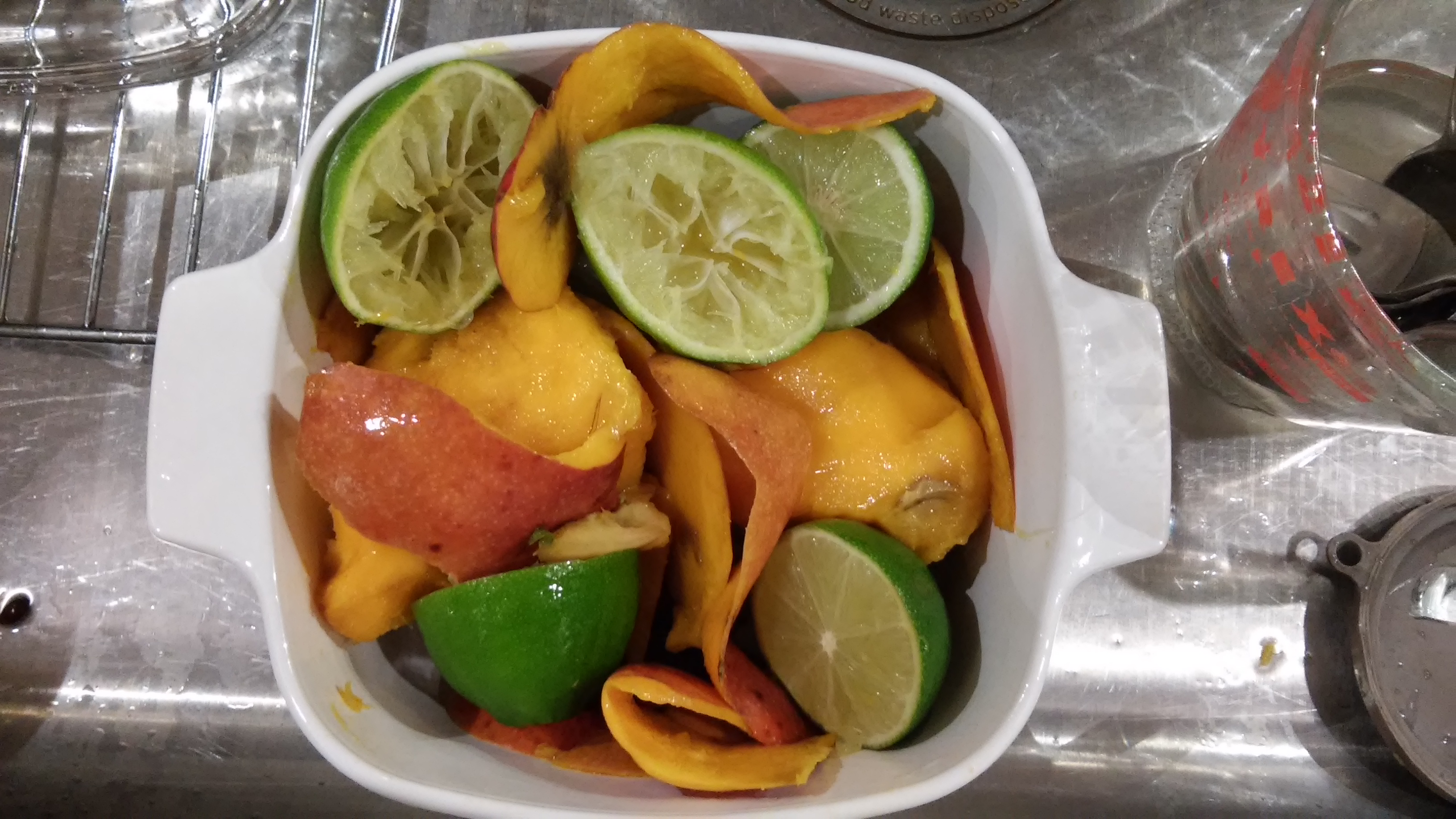
Compost

Compost

It hasn’t rained here since June 30. Things were getting pretty dry and then our well (Irrigation water comes from a well) motor just died, on Saturday morning, of course. Murphy’s Law for gardeners at work here in South Florida. The well repair people aren’t bothered much if you have city water. So, they showed up Tuesday and took the motor away – we found not having water at all doesn’t bother these people much either. So, I have been running around with a pitcher, watering things. Ugh, I am however hearing thunder in the distance..

Think I will just have a little of that Mango Granita, the Chef says it is good with Rum..

The Heat is On

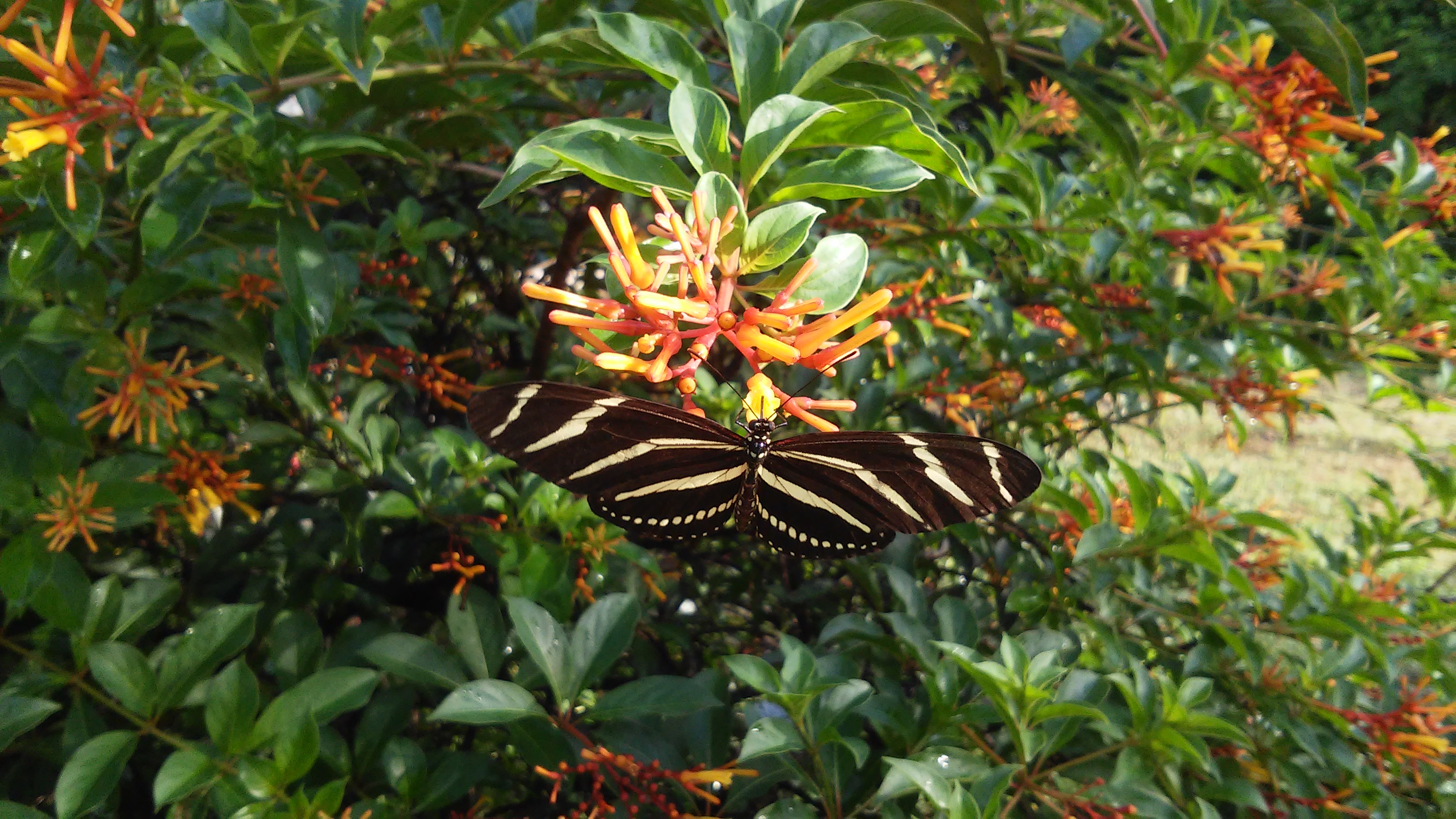
The rainy season officially started about a month ago here on the Treasure Coast in South Florida. It just didn’t start raining until the past week. Plants were getting crispy and I was having to provide supplemental water, even in the irrigated areas. My appreciation for the native plants has gone up. Here is the native shrub, Firebush, Hamelia patens, not missing a beat and attracting butterflies and a large selection of bees.

Firebush and Friend

Firebush and Friend

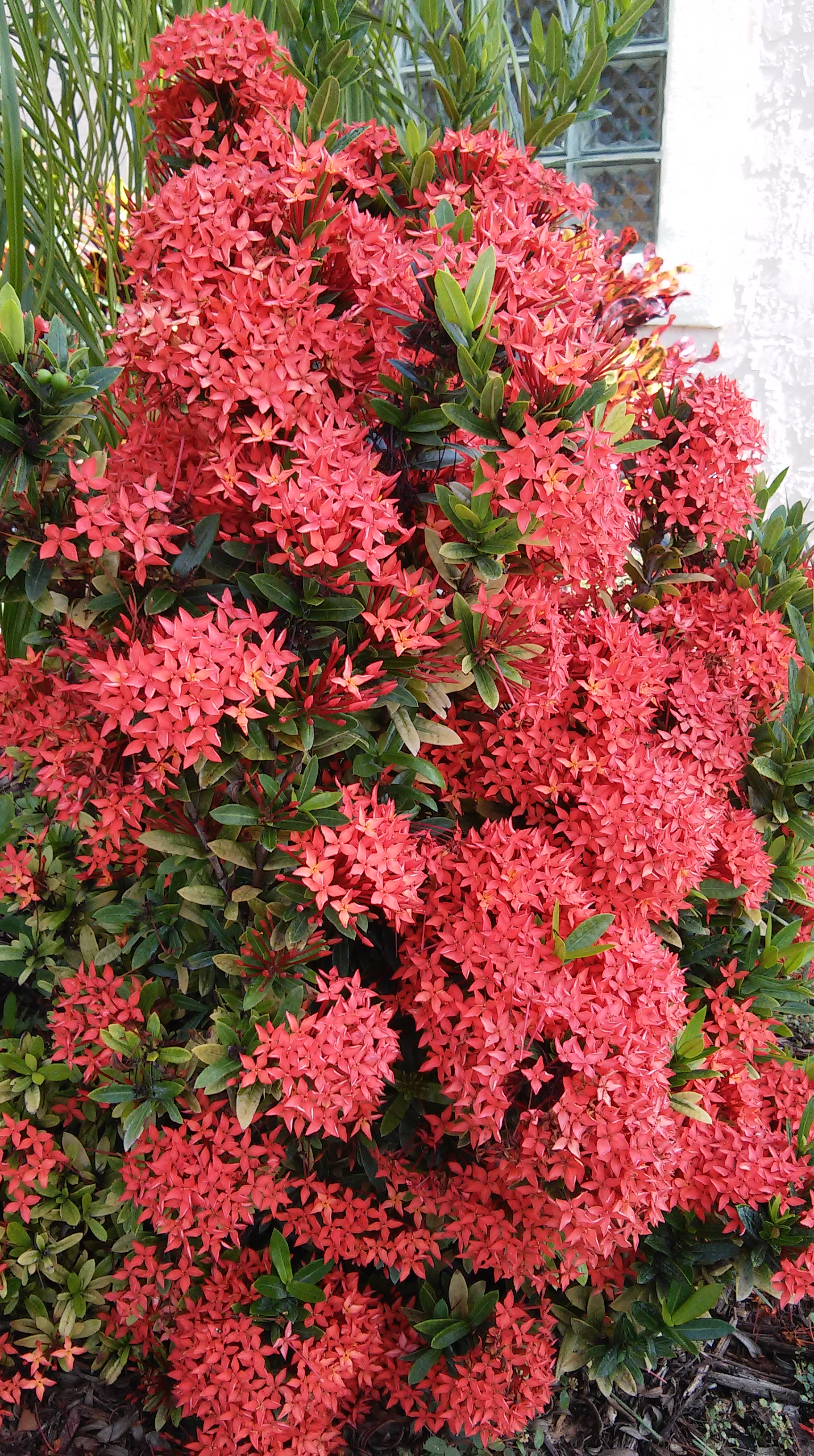
I have been waiting for precipitation to move plants around in the garden. Now the dilemma is the humidity – it has hit 100 percent several times already., not pleasant gardening weather. Some of the plants are enjoying the heat and humidity more than me. The Ixora burst forth as soon as the rain started, I take back all my grumbling about the special Ixora fertilizer I had been faithfully applying – it clearly works. I can’t recall having a shrub with more flowers, ever.

Dwarf Red Ixora

Dwarf Red Ixora

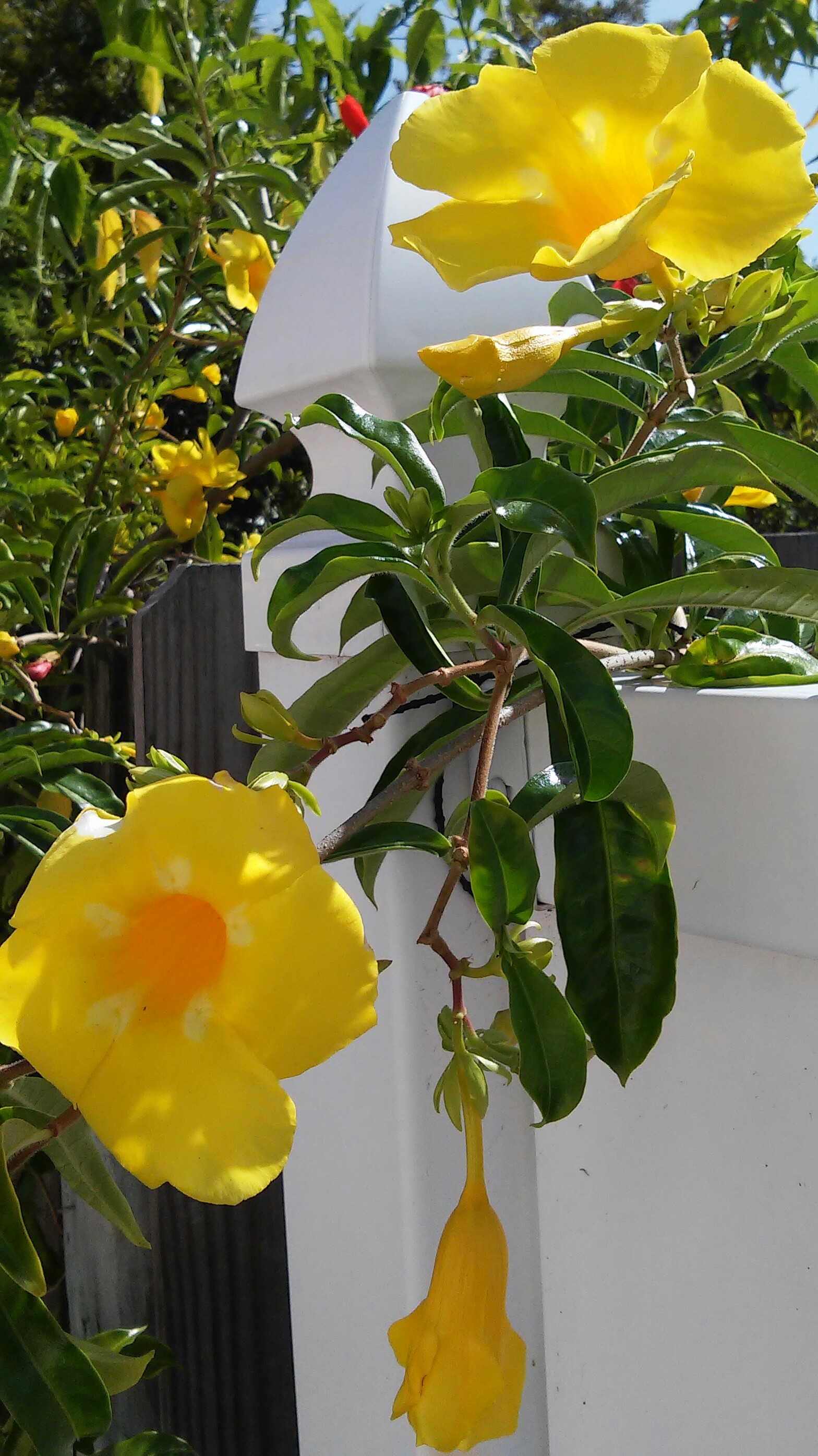
The Yellow Allamanda I trained to the fence liked the rain as well. Interestingly enough, the native version of this Allamanda was completely eaten by caterpillars! I think it hosts a good butterfly, so caterpillars were probably good.

Yellow Allamanda

Yellow Allamanda

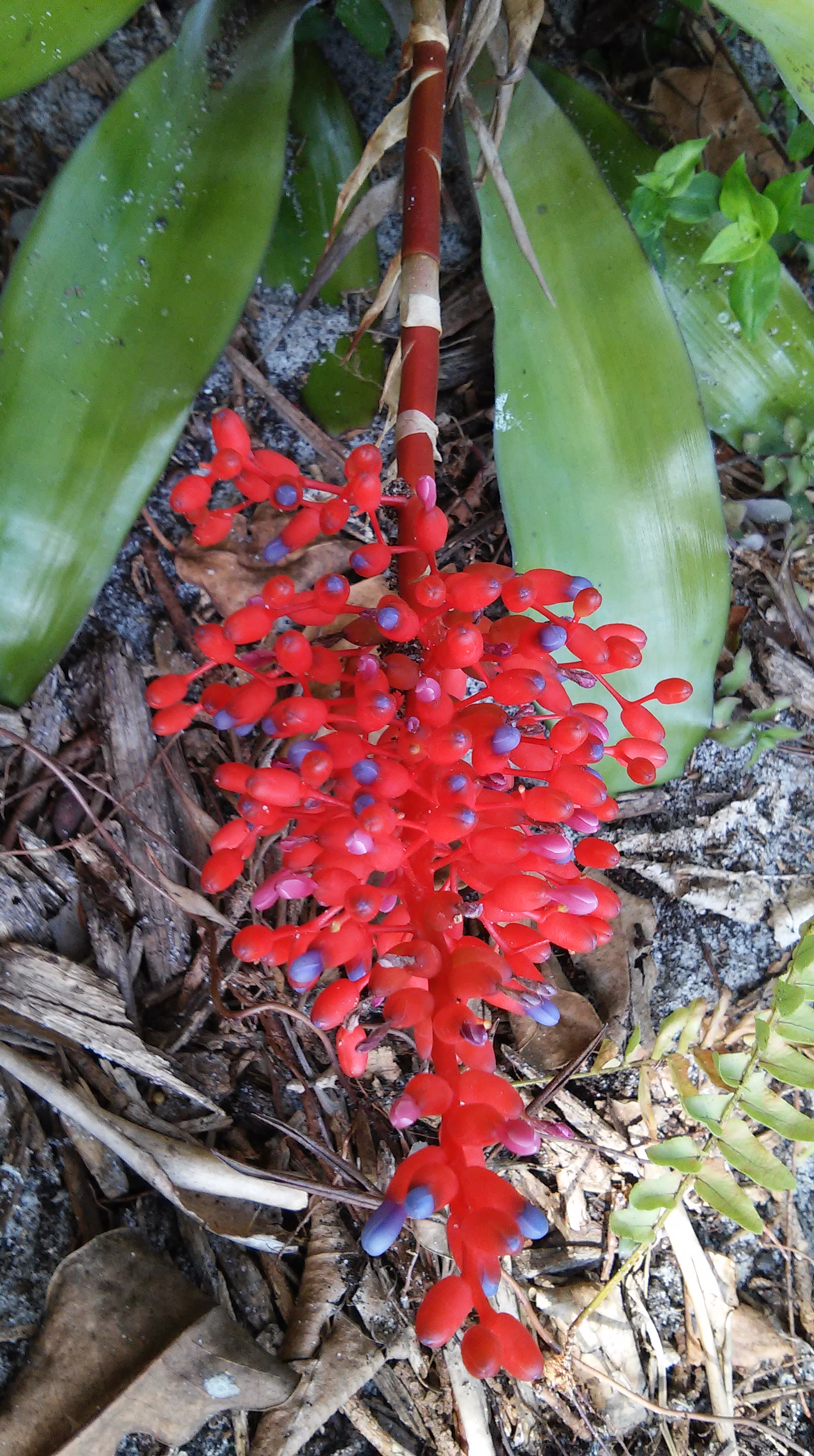
The rainforest Bromeliads also enjoy the summer. This is a Miniata Aechmea, it reminds me of red hots and is painfully easy to grow.

Miniata Bromeliad

Miniata Bromeliad

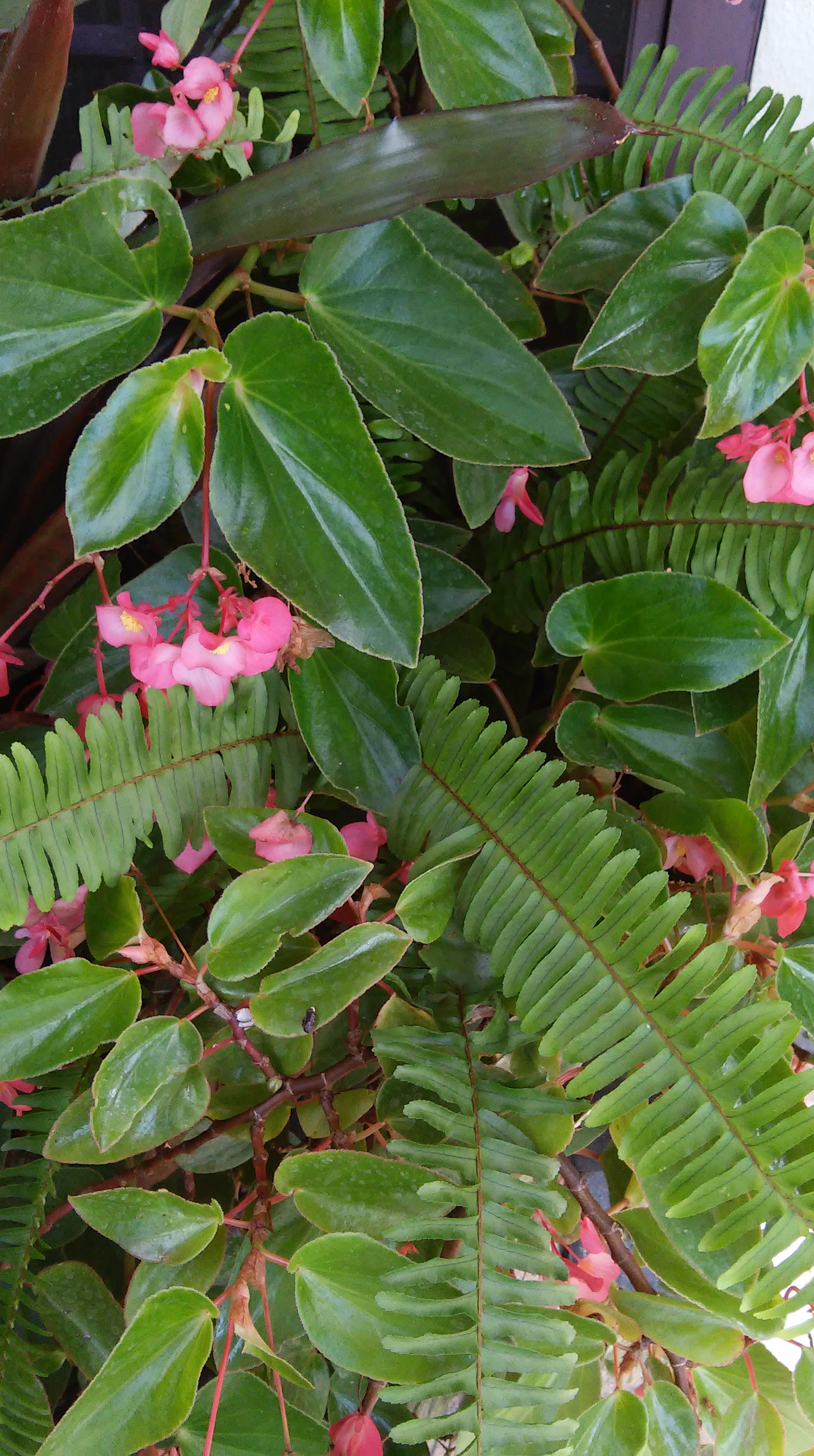
My final happy plant is a container garden actually. I have had this Dragonwing Begonia around for a couple of years, it was getting puny so I cut it back, found some Boston Fern in the yard (another wonderful native plant, it just comes up!) and put it on my front porch in part shade.

Dragon Wing Begonia and  Boston Fern.

Dragon Wing Begonia and Boston Fern.

Dragon Wings are a long time favorite of mine and I am happy I can grow them here, where they are apparently a perennial. I rooted some cuttings and they are quite happy as well. Heat and humidity are good for something!

I just looked at the weather app on my phone, it said 88 degrees but it feels like 108! I am going to stay inside and perhaps join my dogs on the cool tile floor. Although there is a promising looking group of clouds forming to the south.

Royal Ponciana – Delonix regia

The Flamboyant Tree

The Flamboyant Tree

If Tabebuia is the harbinger of spring in South Florida, then The Royal Ponciana (or Flamboyant Tree) is the harbinger of summer and the rainy season. I prefer not to use the H word in regards to seasons.

I have heard people refer to these trees as Flamboyants, and I always have to stop and think about what that is for a minute. They are pretty flamboyant. I think the trees look as if they are covered in sprays of red orchids. Ponciana starts blooming in May and then continue  into Summer the leaves seem to follow the flowers and are ferny, deep green and eventually cover the tree with a fine textured foliage providing shade for the sun weary Floridian. The floral display is followed by large pods like beans (this is a member of the bean family) In some Caribbean countries, Poncianas are called “Woman’s Tongue” because the pods rattle in the wind.

A native of Madagascar and India these trees are planted the world  over in the tropics for their fine floral display. Named for  M. DePoinci, a governor of the French West Indies in the 1700’s, the Ponciana is celebrated with a Fiesta and a Festival in Miami around the first week of June.

These trees lend a tropical flair to any landscape and eventually take on an umbrella form reminiscent of trees in the African savanna. There are numerous Poncianas in my area. Of course, most of the horticultural literature I have seen says they shouldn’t grow here. Generally, I see 10B as the hardiness zone limit, I am pretty sure this is 10A – the coastal area of Martin County. Gardening friends in Vero Beach report Ponciana do not do as well there and I have heard that Ft. Pierce is their northern limit.  The lady down the street who is a great gardener advised throwing all the books away and just giving things a try. A reasonable suggestion.

These trees should be placed in the sun and are not for the faint of heart. Fast growing and with the potential of attaining a size of 40 by 40 feet, they need some room to spread and also produce a deep shade that it is difficult to grow anything under. They are semi-deciduous; so if you are a Snowbird tired of raking leaves this tree is not for you. The pods also are pretty messy. I got in touch with my inner Southern Belle at Christmas by spray painting some Ponciana pods silver and using them as a front door decoration along with preserved Cabbage Palm fronds..
Throw the books away

The sunsets and the dogs on the beach are great reasons to live in South Florida. Trying to figure out how to garden here might be another story. Having spent most of my life 600 miles north of here, I thought I would be able to buy some books about what grows here and figure it out. Come to find out there really aren’t any good books.
The title sounds like something Hitler might have done. Actually, it was a bit of advice given to me by a longtime Treasure Coast gardener a few years ago. I had been lamenting the lack of good gardening information for our area and frustrated by what I had been reading in the Florida Gardening books. She said ‘throw the books away, they have no meaning here’.

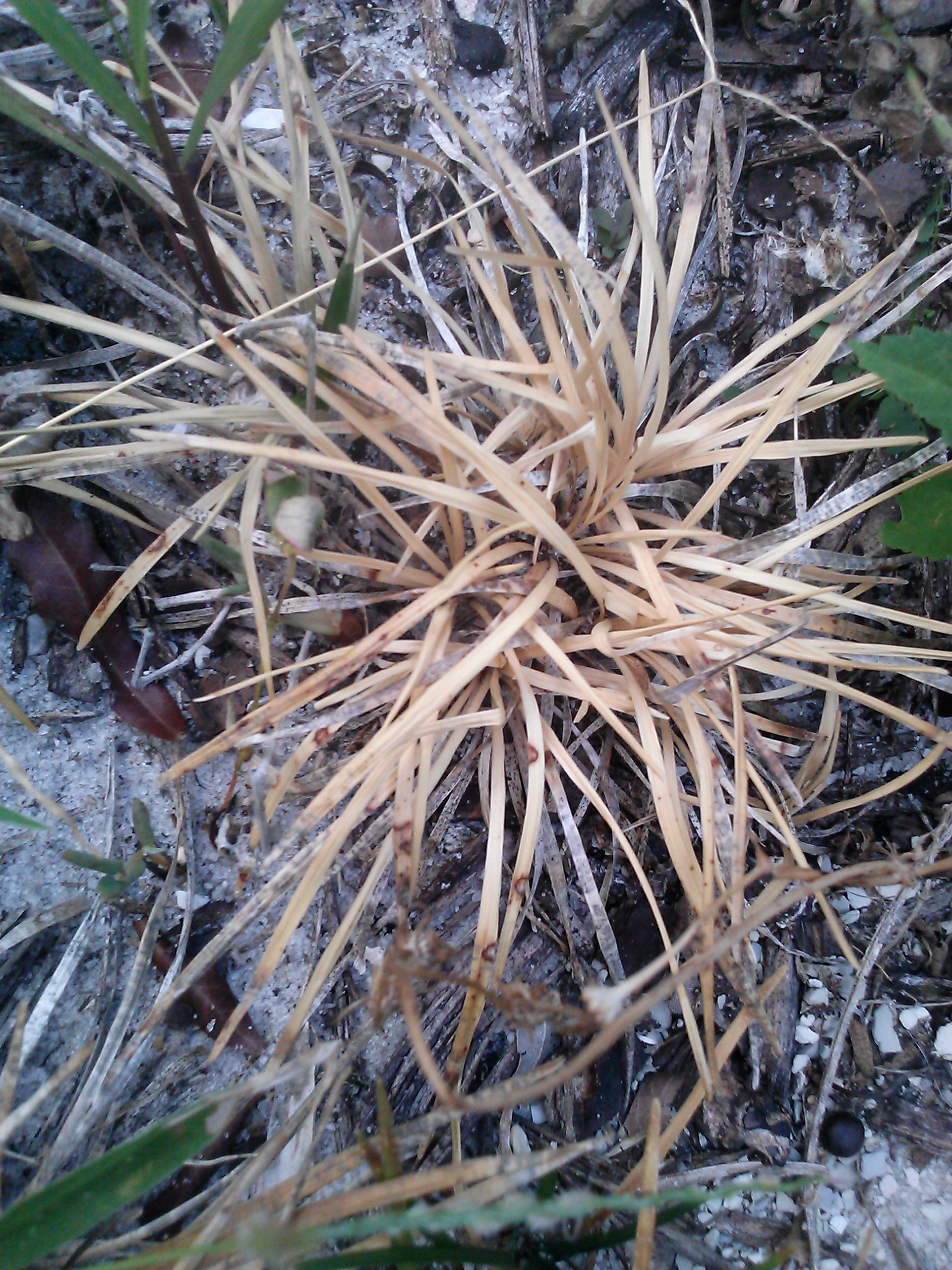
Mondo that has seen better days

Mondo that has seen better days

This kernel of knowledge proved correct and popped into my brain this morning as I was looking at the charred remains of my Mondo Grass (that supposedly grows in Zone 10 – where I live) My suspicion is Mondo Grass will grow in Zone 10 if you import soil and water for it and keep an umbrella over it at all times, otherwise, forget about it. I had Mondo Grass further north and it was a reliable nearly indestructible groundcover. It was used as lawn in places too shady for turfgrass.

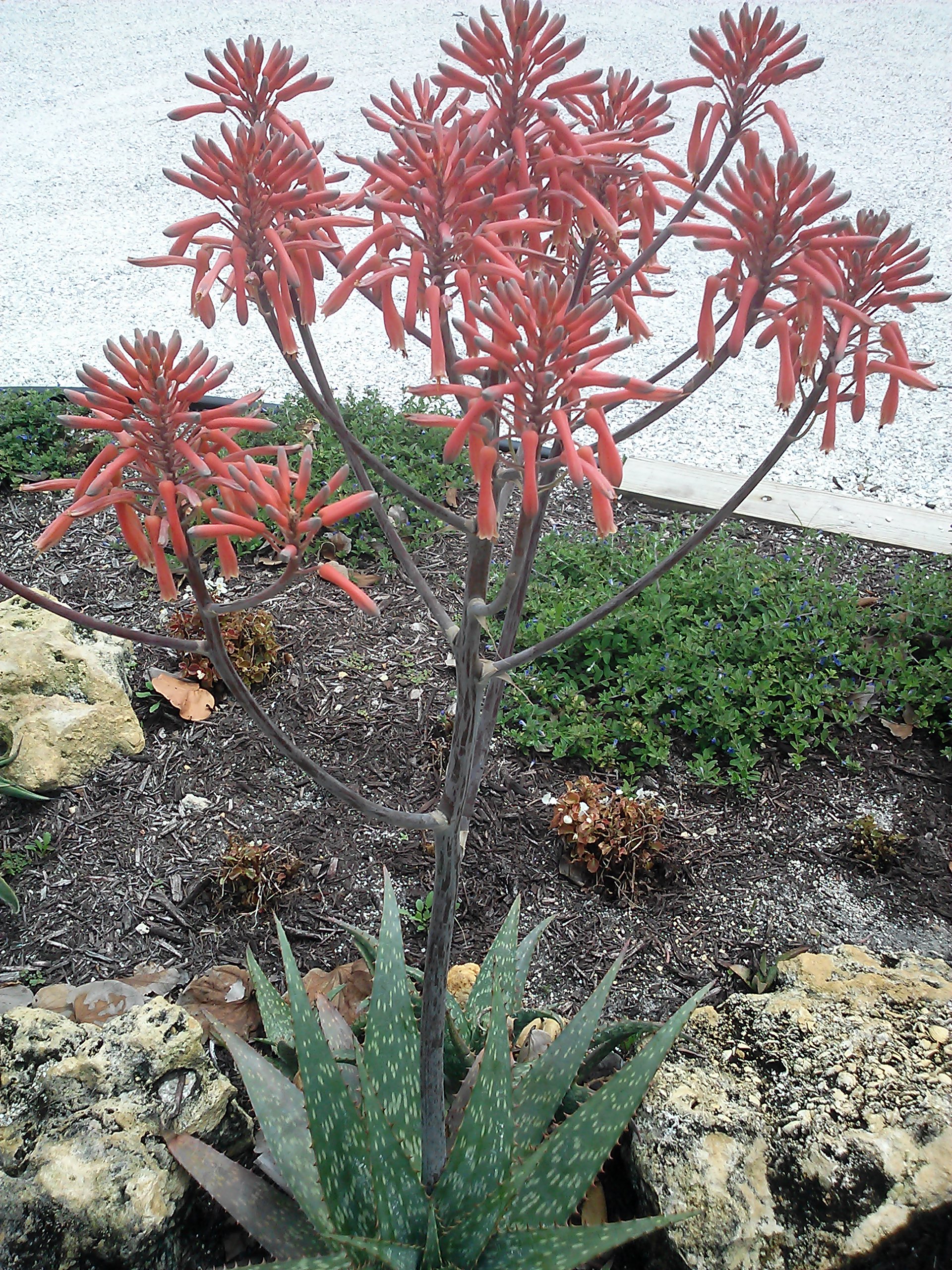
The Mondo Grass was my last rely on the books installation. My other major char broil was Bronzeleaf Begonias, which I did not even know could be burned up. I planted them in front of my Soap Aloe in my South facing front yard. Once the summer started they curled, browned, withered and unceremoniously died. The Aloe looked and still looks great. I feel bad about throwing away the offshoots sometimes, but not everybody wants a Soap Aloe. Instead of gaining sea legs on a ship, I am gaining sand legs in gardening. And usually end up covered in it.

Our Soapy Friend

Our Soapy Friend

This had left me wondering if it is really possible to write a useful gardening book with plant selection advice for a wide geographical area. I think not.

Weirdness Wednesday

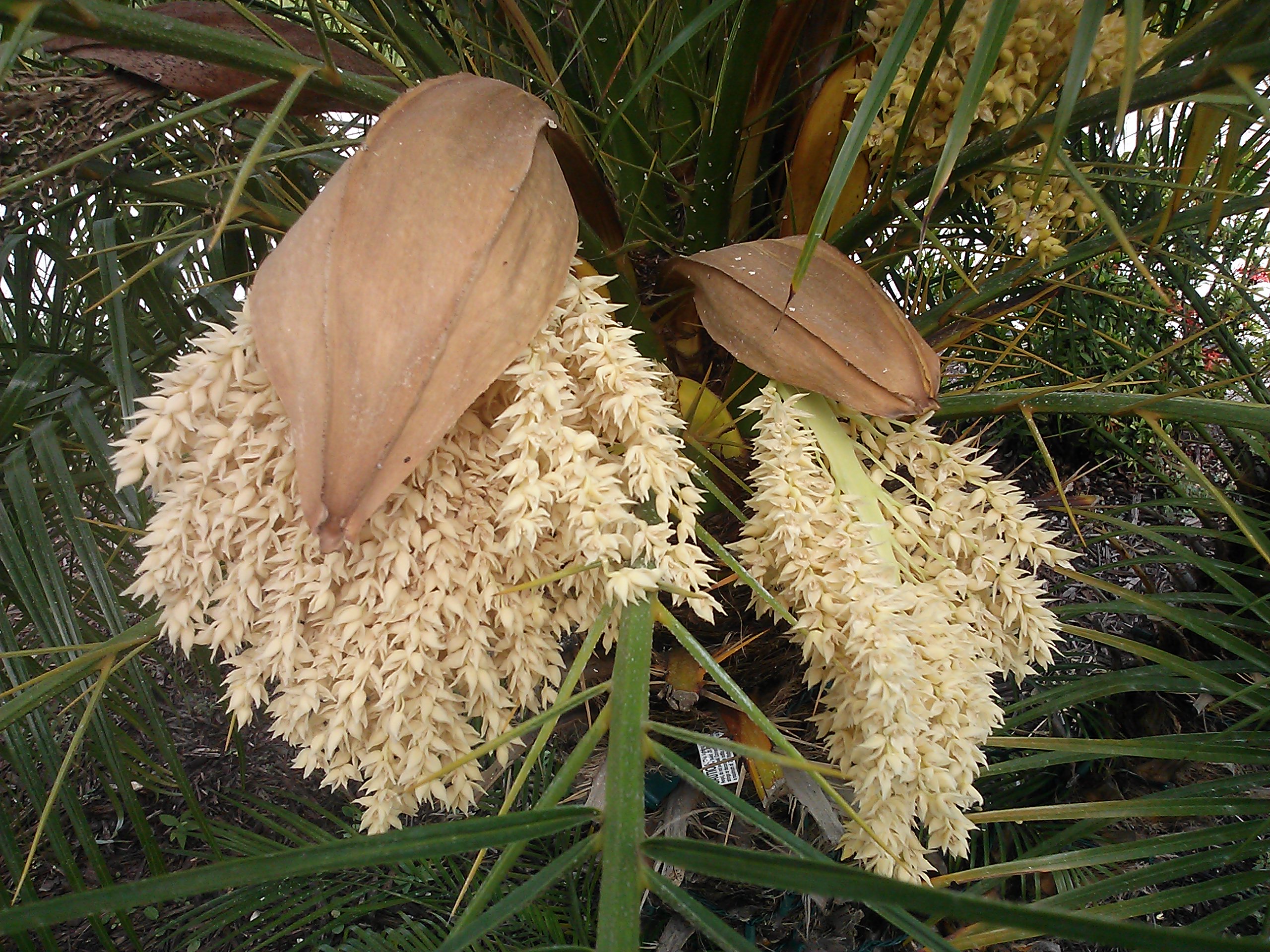
Pygmy Date Palm Flowers

I was walking through my house this morning and glanced out the side door for a moment and spied a large bird walking down the driveway. Like four feet long. Upon further study, I realized it was a Peacock! Very strange. I grabbed my camera and went out the front door to sneak up on the bird and get a picture.

And the bird was gone. Vanished. Had I dropped some acid last night and forgotten?

I did see the Pygmy Date Palm flowering and took a picture of that (above) Because, well, that is pretty weird as well.

Later I realized that Peacock must have been one of the ancestors of Frances Langford’s famous flock. Frances Langford was a movie star who lived nearby in the 1950’s and had a Polynesian style resort with a flock of Peacocks.

No acid was taken here. I did have another cup of coffee.

Chopped Gardening

One of my guilty pleasures is watching Foodtv. I have a few favorite shows that are religiously recorded for later viewing, Chopped is one. For those of you not familiar with Chopped, a group of four chefs is given a basket of sometimes bizarre food items – say, venison, gumdrops, cinnamon liqueur, broccoli rabe and rice cereal, then the goal is to make a gourmet three course meal  (using the basket ingredients) within a certain timeframe. Other ingredients may be added, but all the basket items must be used. The chef’s food is reviewed on a course by course basis until all but one is left. That chef wins and the rest are chopped.

I was standing outside contemplating where to plant the odd assemblage of plants I had acquired when I realized that my garden is a continuous episode of Chopped. My ingredients are plants. Gardening in Florida adds a few wrinkles to the design process – interesting things just tend to pop up in the garden and there are numerous irresistible plant sales. Then a friend or neighbor leaves an interesting plant on the doorstep. It’s a dilemma.

After two years of dreadful well water, we joyfully hooked up to our public water system last year. I had left a blank spot down our side property line for the purpose of running the line to our house. After the water line installation was complete the plan was to finish the side landscaping.

Life intervened and I had to have hernia surgery. Doctor said in four weeks it should heal. Sounds great, by the way it could take up to six months. It took 5 months, two weeks and then I could move things around in the garden that weighed more than 2 pounds.

The side garden is now weed o rama and I have more than the usual stockpile of odd plants to use in the landscaping:

From friends:

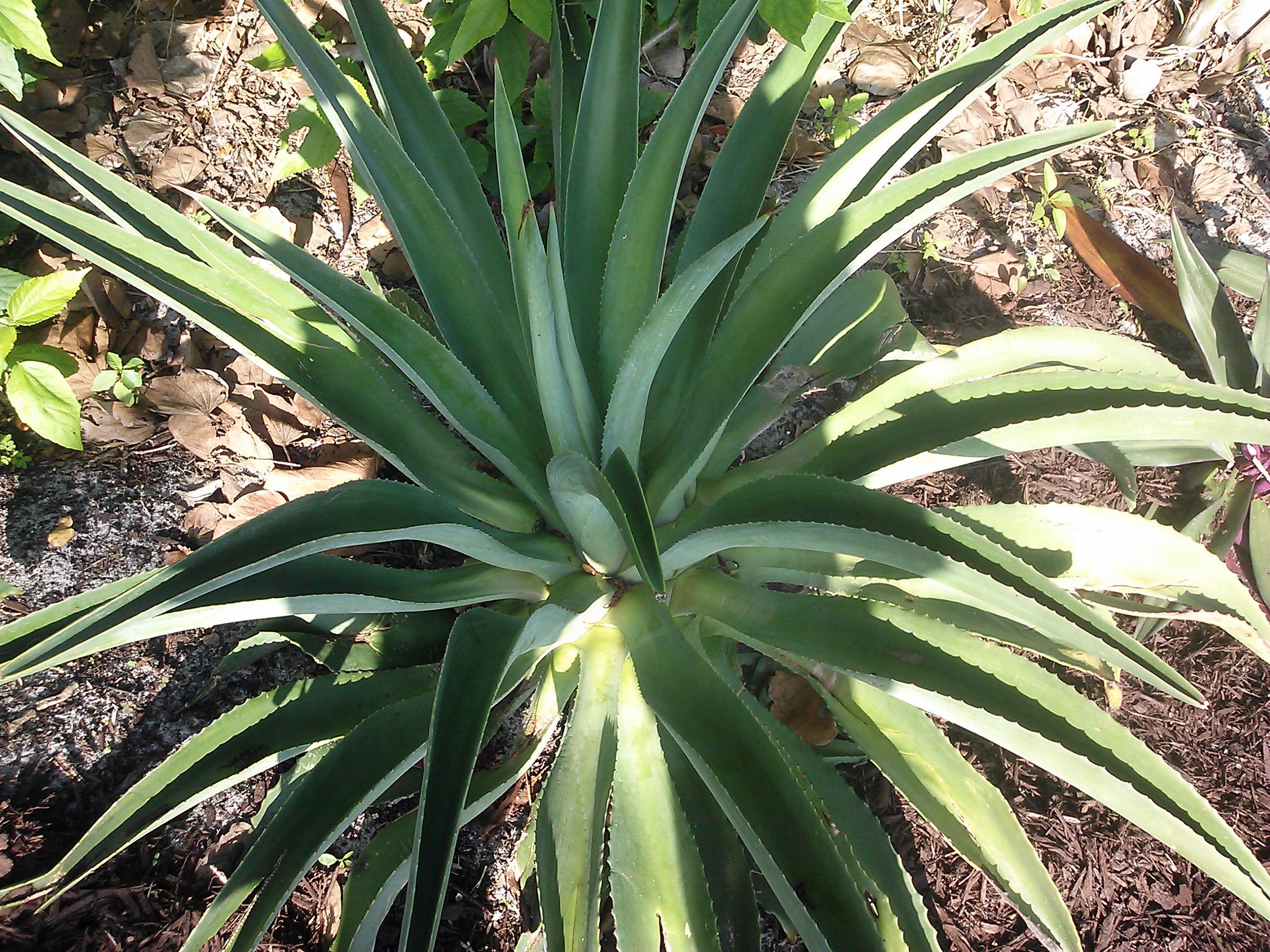
American Agave

American Agave

Large  Orange Blanchetiana Bromeliad

Large Orange Blanchetiana Bromeliad

Things that have just popped up in the yard: Orange Clerodendrum, Pink Pentas, Boston Fern, White Spider Lilies, Pink Rain Lilies and Purple Oyster Plants. A Plant Palette I could not have dreamed up.

How to combine all of these plants in addition to my usual collection of 5 or so Bromeliads is taxing my brain. It’s a real episode of Gardening Chopped. I hope I make it through the first round.

Propagating Plumerias

I have a Bridal Bouquet Plumeria I like so much I decided to plant a hedge of them to screen my neighbor’s monumentally ugly fence. These are evergreen Plumeria with an upright habit, when planted about three feet apart, they are perfect for a six foot height skinny hedge.

Bridal Bouquet ready for a lei

Bridal Bouquet Plumeria

Given the plant’s reputation for ease of propagation, I decided to try growing the new plants from cuttings rather than buying them. I had such good luck with the plants I gave some as gifts.

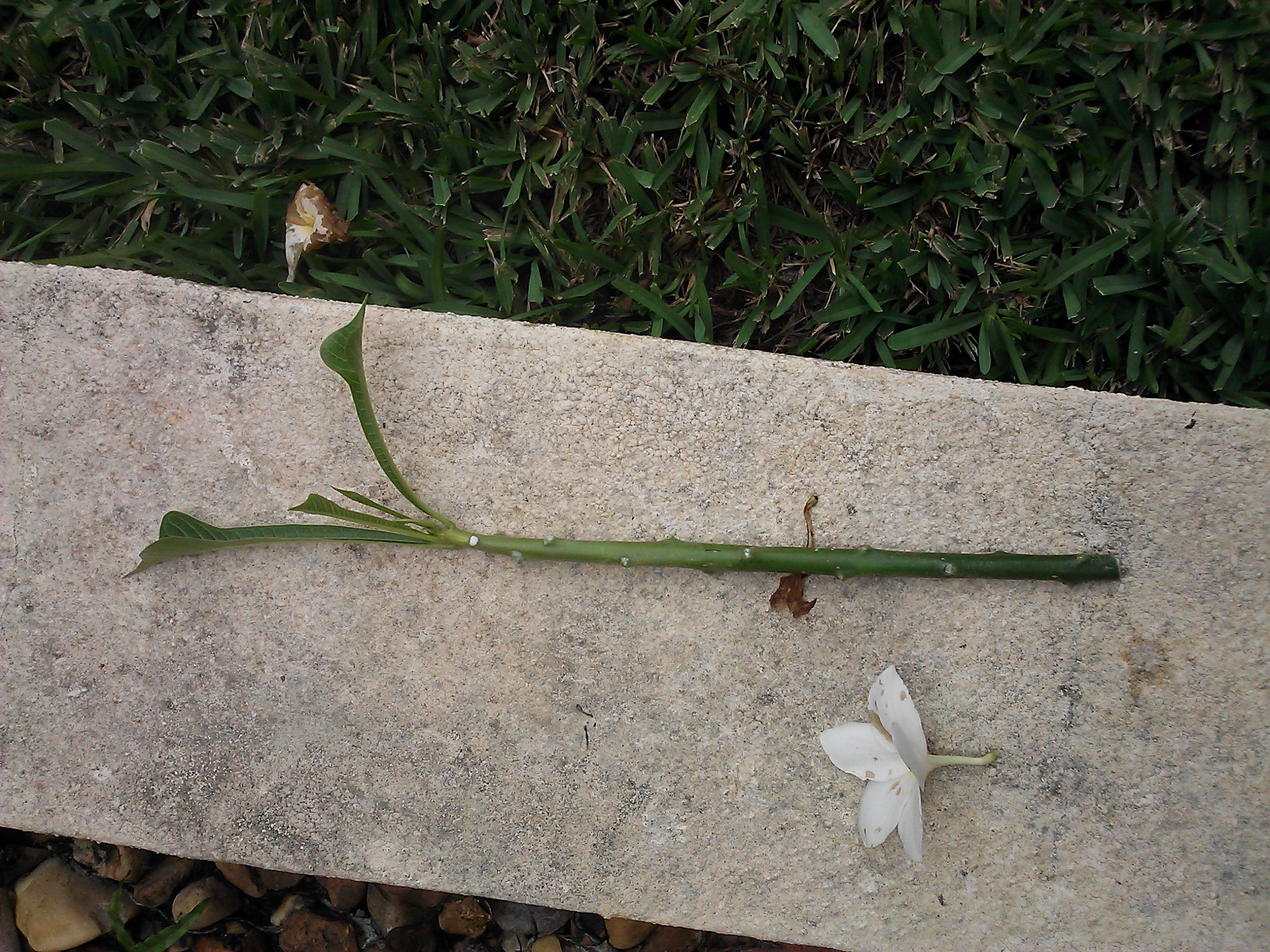
Propagation is simple, clip 4- 6″ long cuttings from the tips of the branches:

Cuttings

Cuttings

Next, strip all the leaves with the exception of the two or three at the top:

Stripped

Stripped

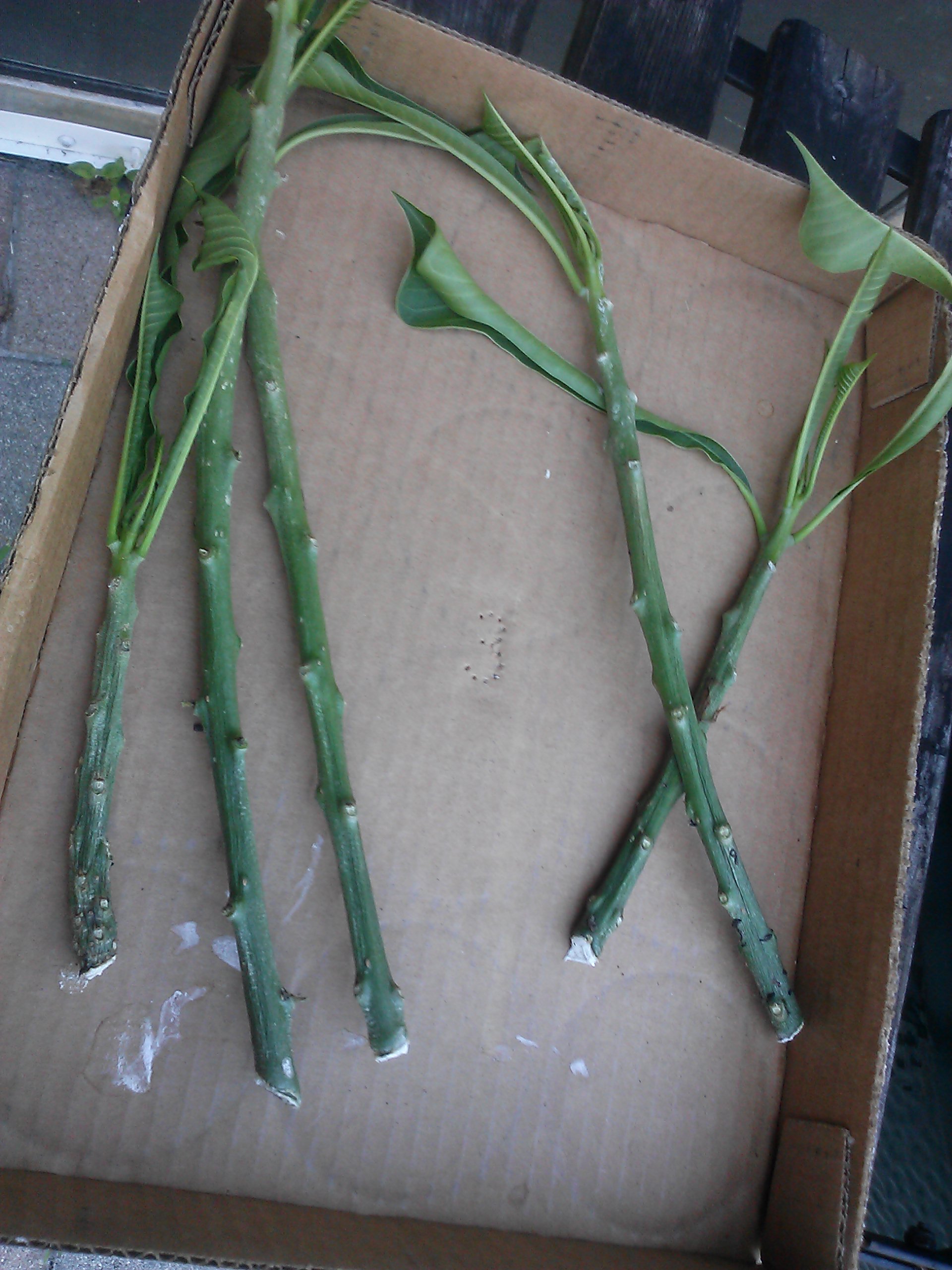
The cuttings tend to ooze white liquid so, put them on some cardboard and let them dry in a shady area until the stems appear to have healed.

Drying Cuttings

Drying Cuttings

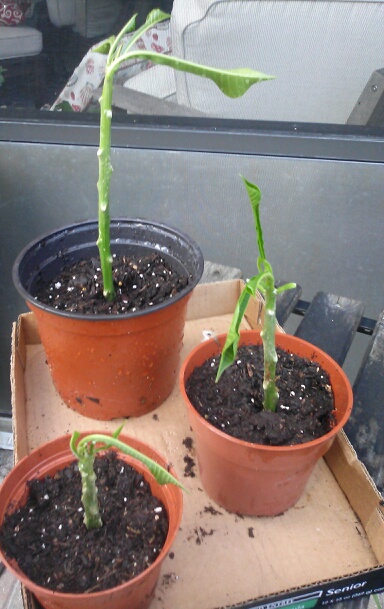
After drying place the cuttings into 4-6″pots and keep moist for several weeks. The cuttings will start to produce leaves when they are rooted. Then they can be planted in the garden.

Potted

Potted

I have three left from my original six, one succumbed to unknown causes and two were gifted to other gardeners. I still need six for my hedge – so it’s time to get the clippers again.

Cordias

Last week I posted about spring flowering trees in Tropic Florida. One was a new plant to me, White Geiger or Cordia, the other is a Geiger Tree which I have encountered fairly frequently. Both trees belong to the Genus, Cordia.

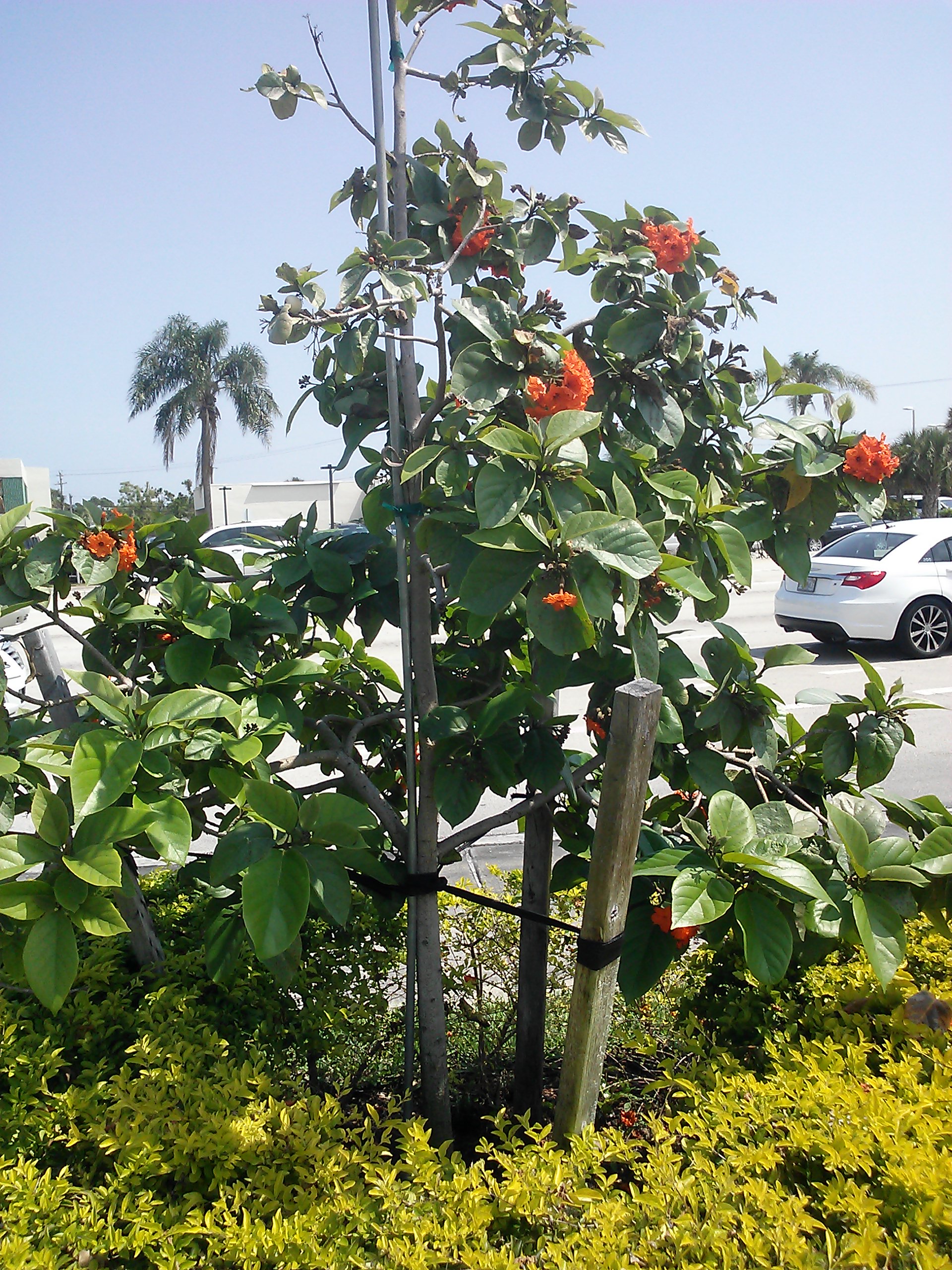
This is the Geiger Tree, named shockingly for a guy named Geiger, who was a prominent Conch (resident of Key West) in the 1800’s. The botanical name is Cordia sebestena. These are reported to grow to 25′ tall, I have yet to see one that size. This may be due to a fairly recent availability in the nursery trade. These trees are native to South Florida and the Caribbean. I see them flowering off and on during the year – the floral display seems more prolific in the spring.

Geiger Tree

Geiger Tree

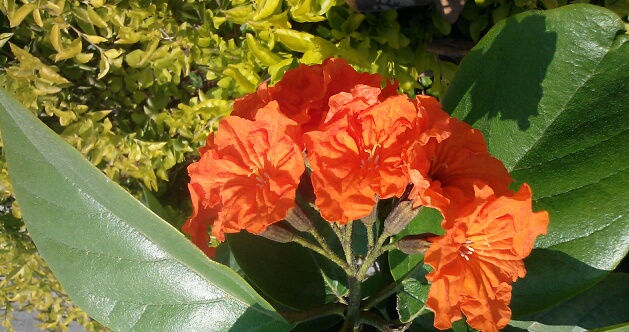
Geiger Flower

Geiger Flower

The tree always seems a bit gangly to me, but the flower certainly gives an orange burst of tropical vibe to the surroundings.

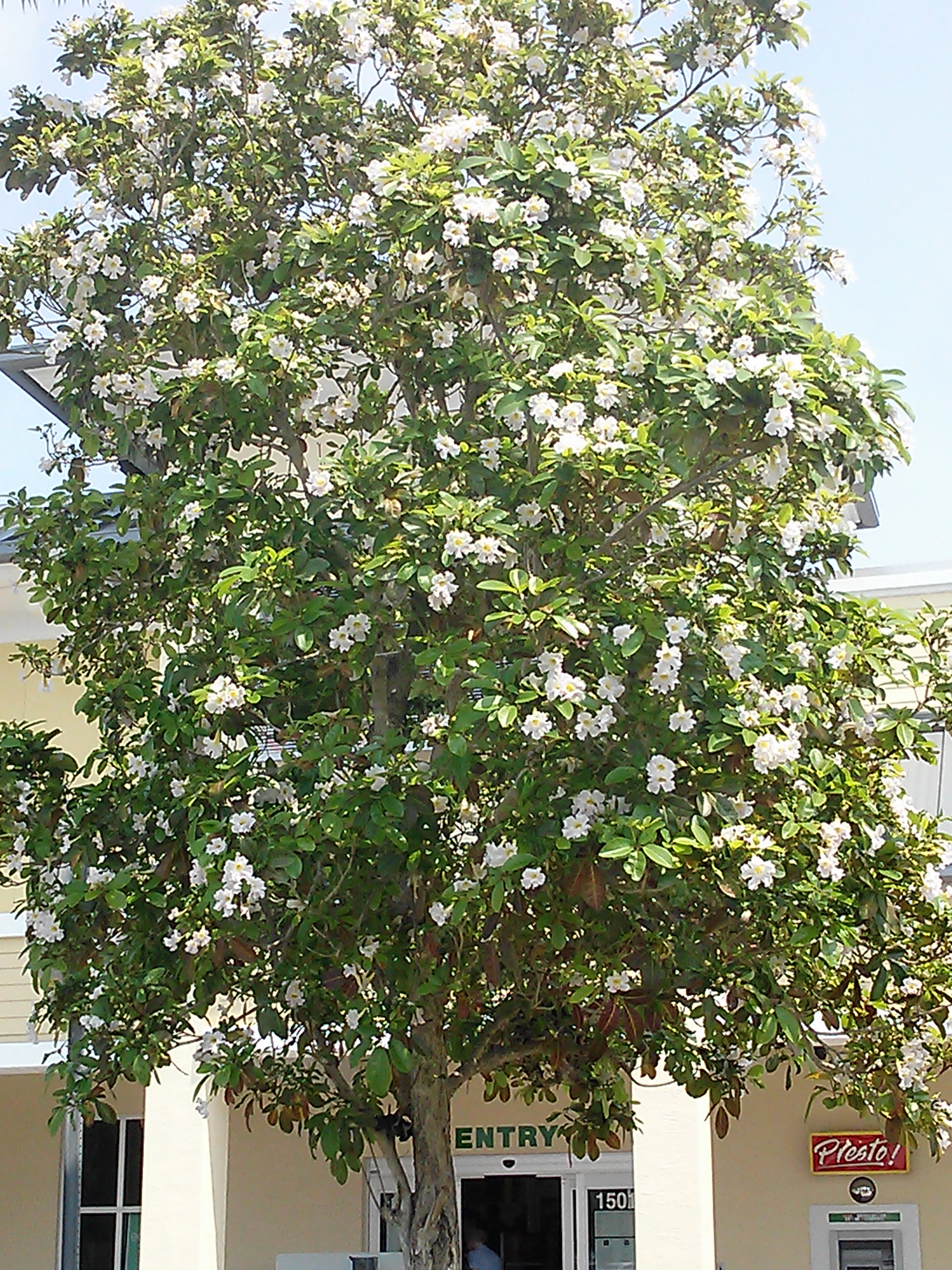
White Geiger Tree

White Geiger Tree

In my opinion, the White Geiger Tree or Cordia (also called Texas Wild Olive, for reasons unknown to me) is a more attractive tree with a more formal shape. The botanical name being Cordia boissieri, this tree is native to the Rio Grande Valley and South Texas. Reportedly more cold hardy but still evergreen and about 25 feet tall, White Cordias are not very popular yet in South Florida. I think they will be.

I have sourced a local grower with one of these in stock. It is just a matter of time before a White Geiger Tree appears in my garden.

Epiphany at the Grocery Store

I stopped by the grocery store this afternoon to pick up some things for dinner. After shopping I went back to my car and was stopped by the beautiful flowering trees in the parking lot.

Having experienced Tropic Florida’s winter for the past several years, it is difficult to conceive of the season of spring. Winter is a whisper in your ear one night in February. In my mind, the season following winter is a literal release from the prison of your house. Standing in the parking lot was evidence of spring occurring further south than my mind had grasped.

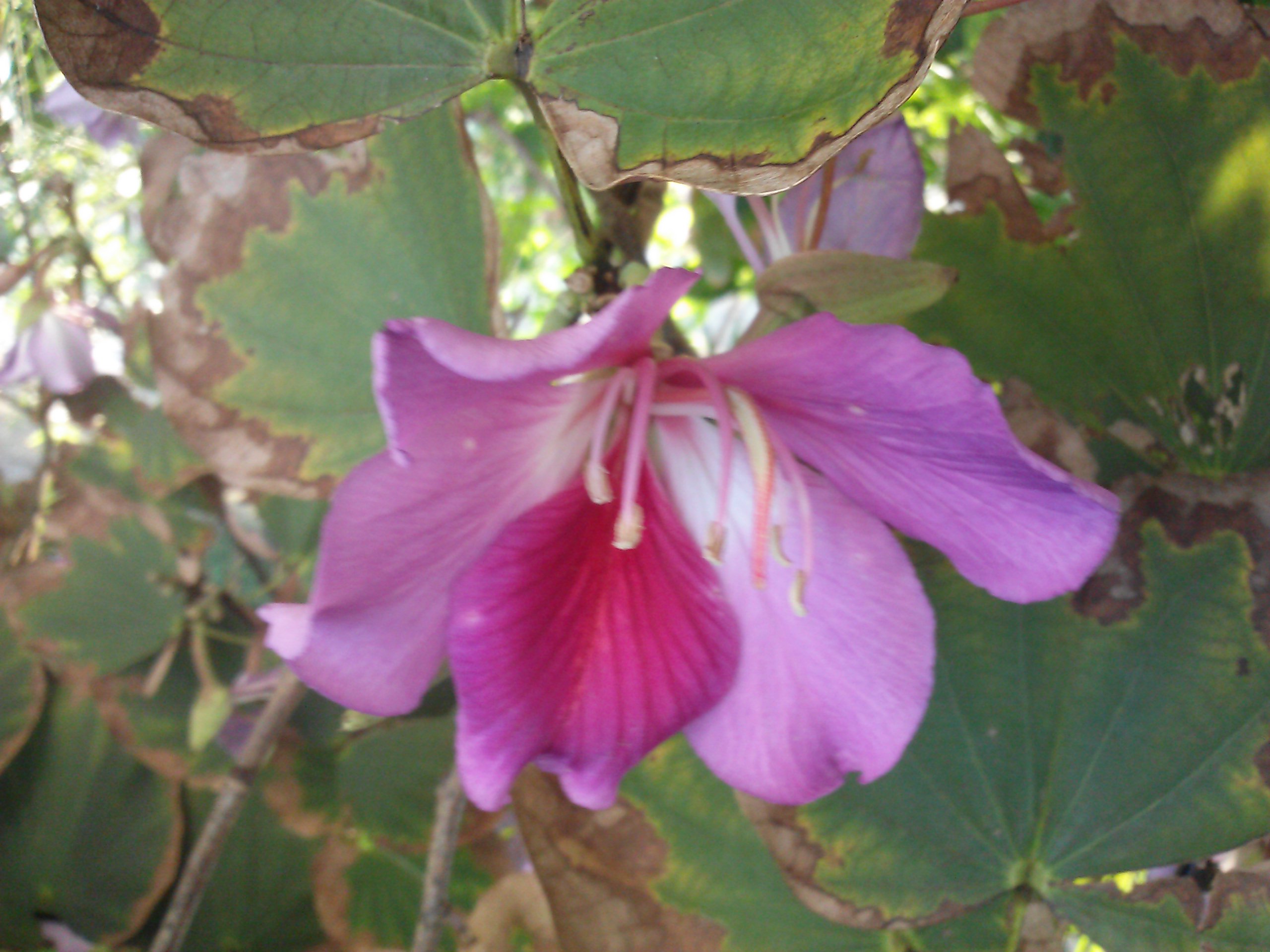
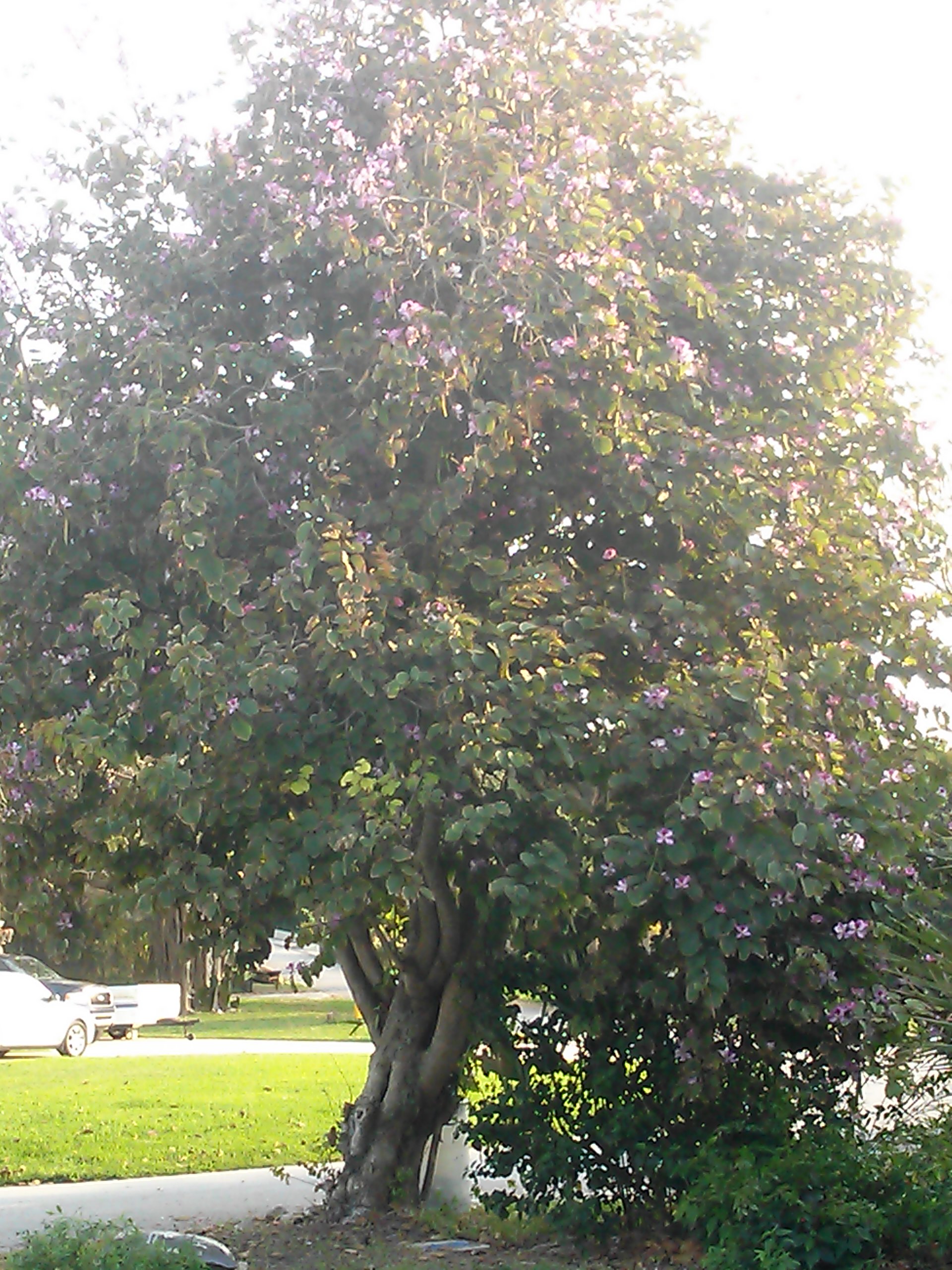
The first clue was a Purple Hong Kong Orchid Tree, here is the flower. Botanically speaking this is the Bauhinia purpurea, although there are many varieties. Capturing this tree with photography has been eluding me.

Hong Kong Orchid Flower

Hong Kong Orchid Flower

Hong Kong Orchid Tree

Hong Kong Orchid Tree

The failure of the photo to do the tree justice may be a difficulty with purple, but this tree is spectacular. Draped with the purple orchid like flowers, it appears large purple and pink butterflies have landed in graceful groups along the tops of the branches.

The next tree in the lot was a White Geiger Tree. I would characterize these trees as semi evergreen. The genus is Cordia, I am not sure exactly which one this is as one is from Brazil and another from Texas. Nevertheless, a good addition to the landscape.

White Geiger Tree

White Geiger Tree

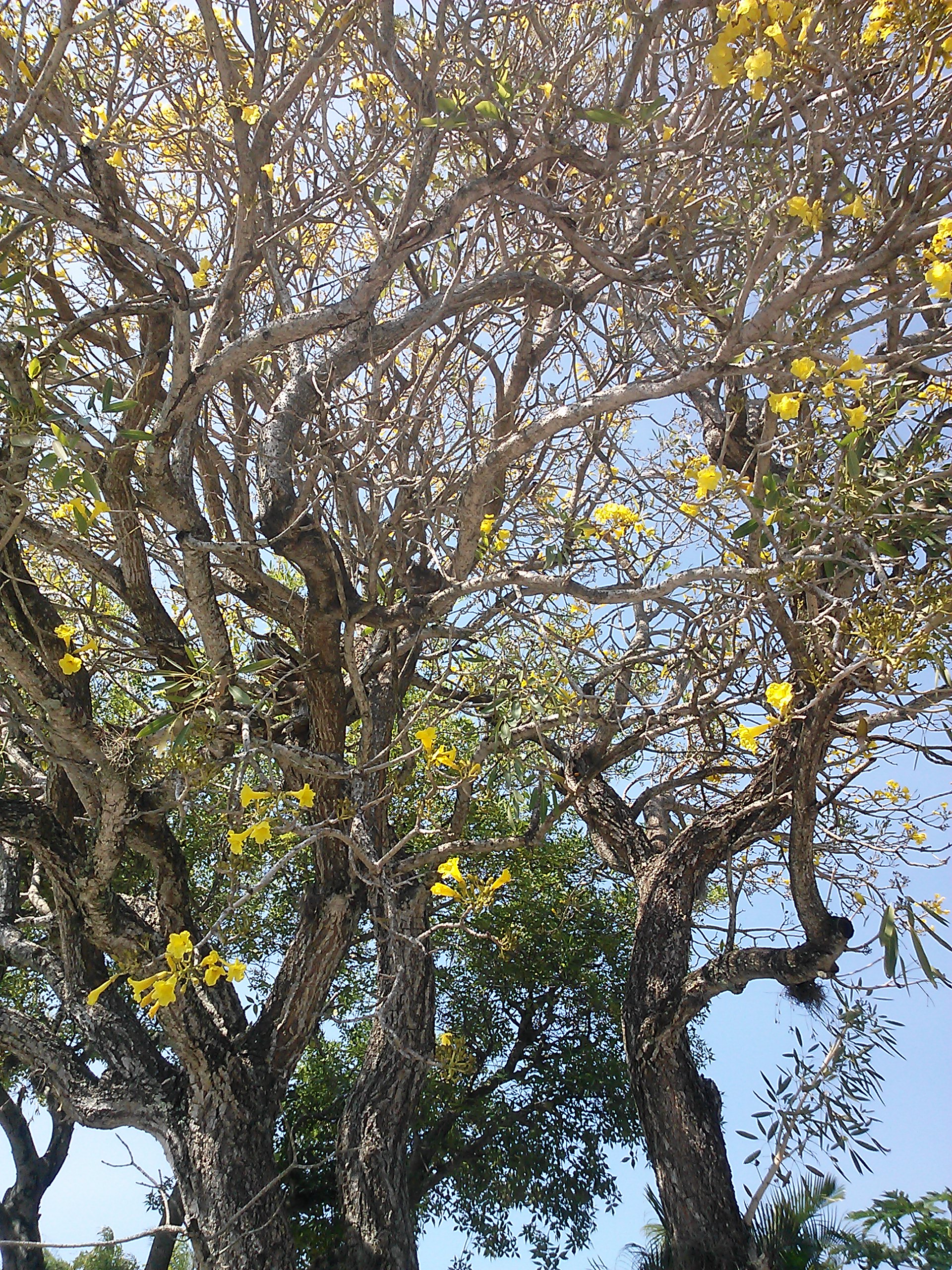
The next tree I spied was a Tabebuia, nothing shouts spring like the golden trumpets of the Tabebuia.

Tabebuia

Tabebuia

My Epiphany was that spring does come to the Tropics of Florida. I suppose it is my North American predisposition to think of Spring flowering trees as Redbuds, Dogwoods and Cherries, but before my eyes the trees were evidence of spring blossoming everywhere.