In a Vase on Monday – Wintry Whites

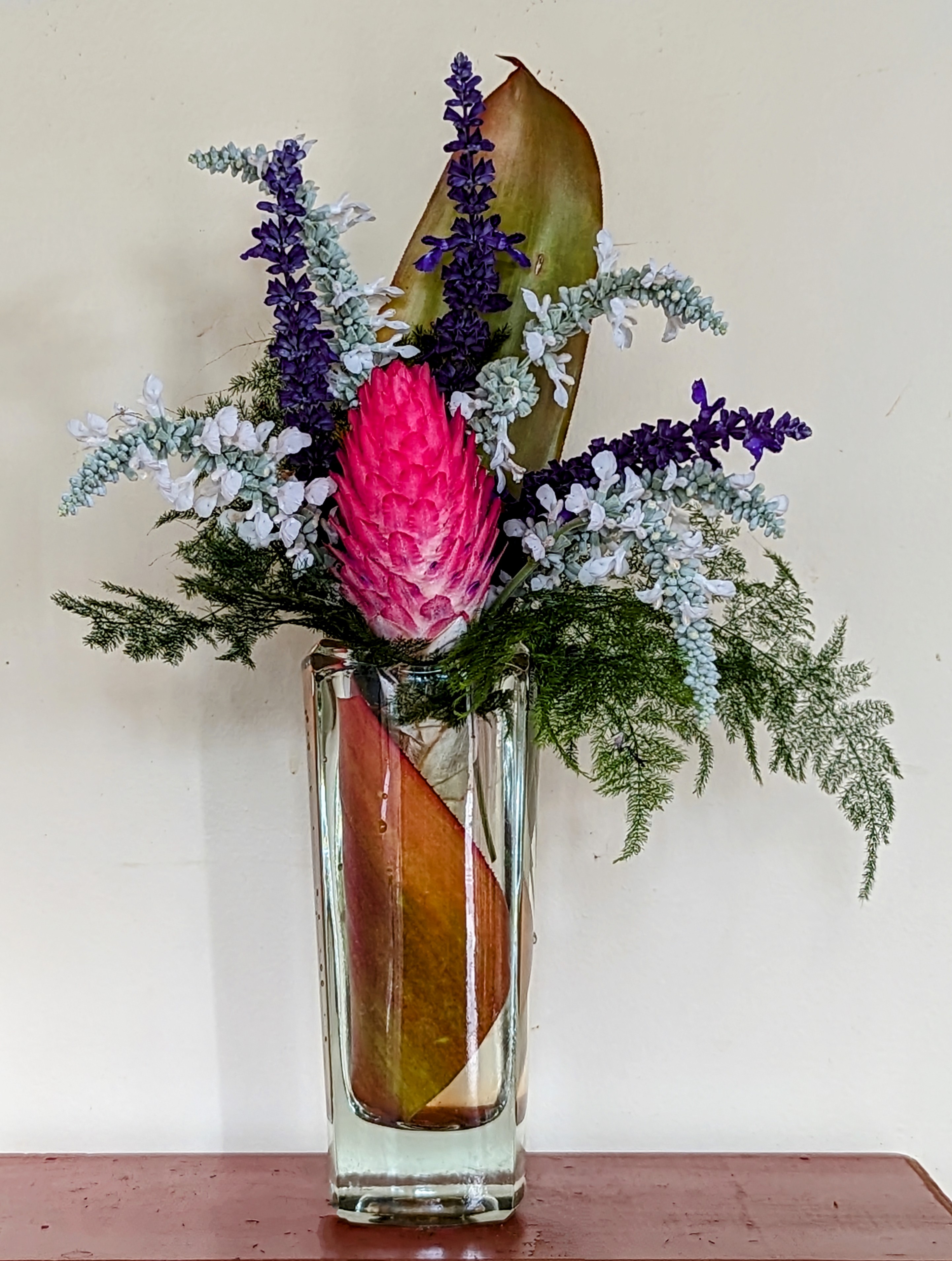
Sometimes I like a little reminder of winter, something that doesn’t involve actually being cold. With temperatures hovering around 80F/26C and the air conditioning running it is not very wintry in my garden. I decided to concentrate on frosty white flowers in a vase for this Monday.

It has been very pleasant outside this week, so I have been clearing things out and moving things around. I planted a couple of packages of seed ahead of a predicted day long deluge (Sunday) hoping to get some different cutting flowers going (Bupleurum and White Finch Orlaya). I decided to plant these in a bed instead of pots as I have this magnificent vegetable bed I prepared a couple of years ago lying fallow since it became infested with nematodes almost immediately after completion. The reseeding salvia is very happy there so I’m hoping for more flowers. Upon returning to the house I read the packages – both said they need to be chilled for two weeks prior to planting. Oops. I hope the deluge helps.

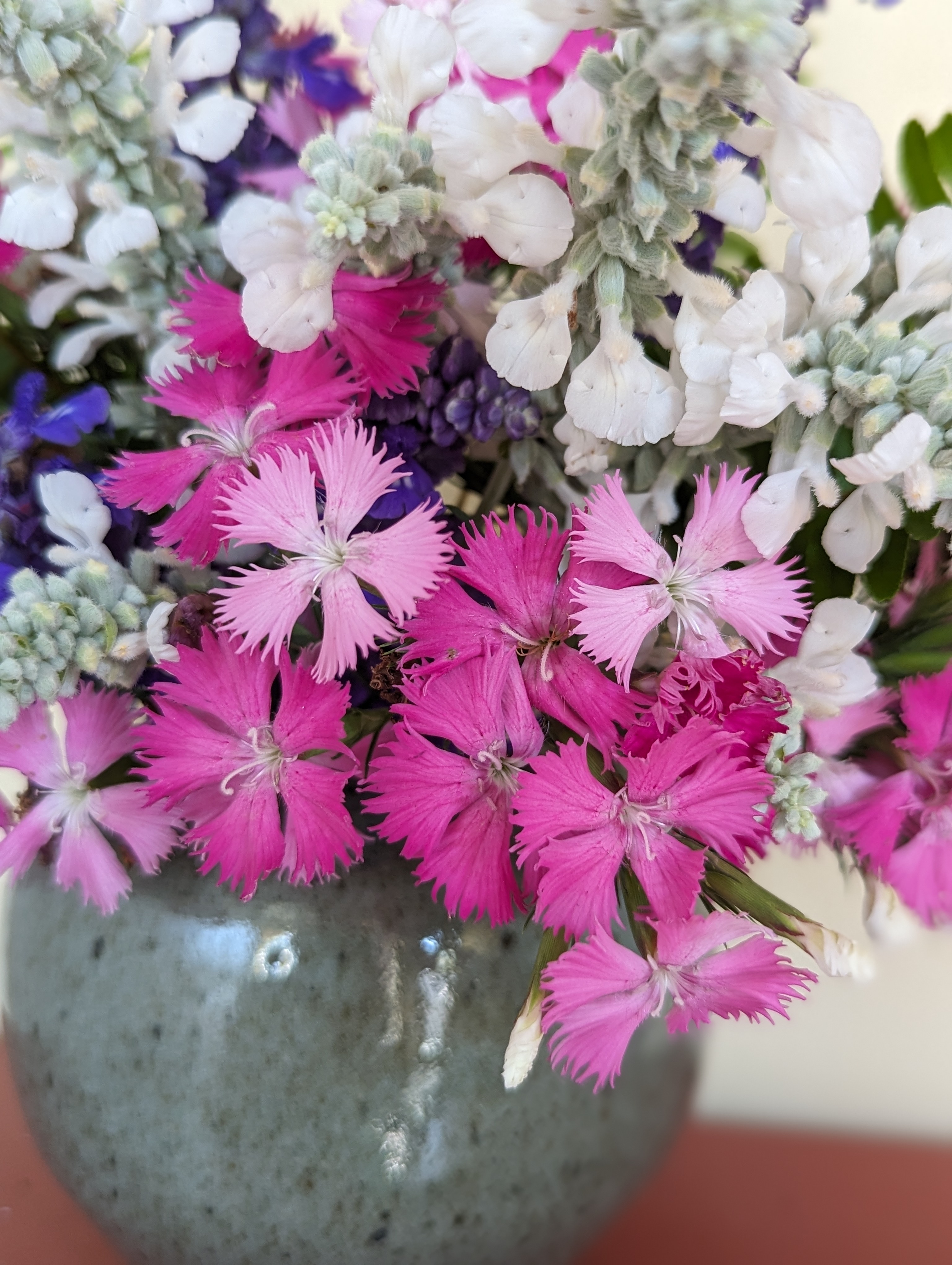
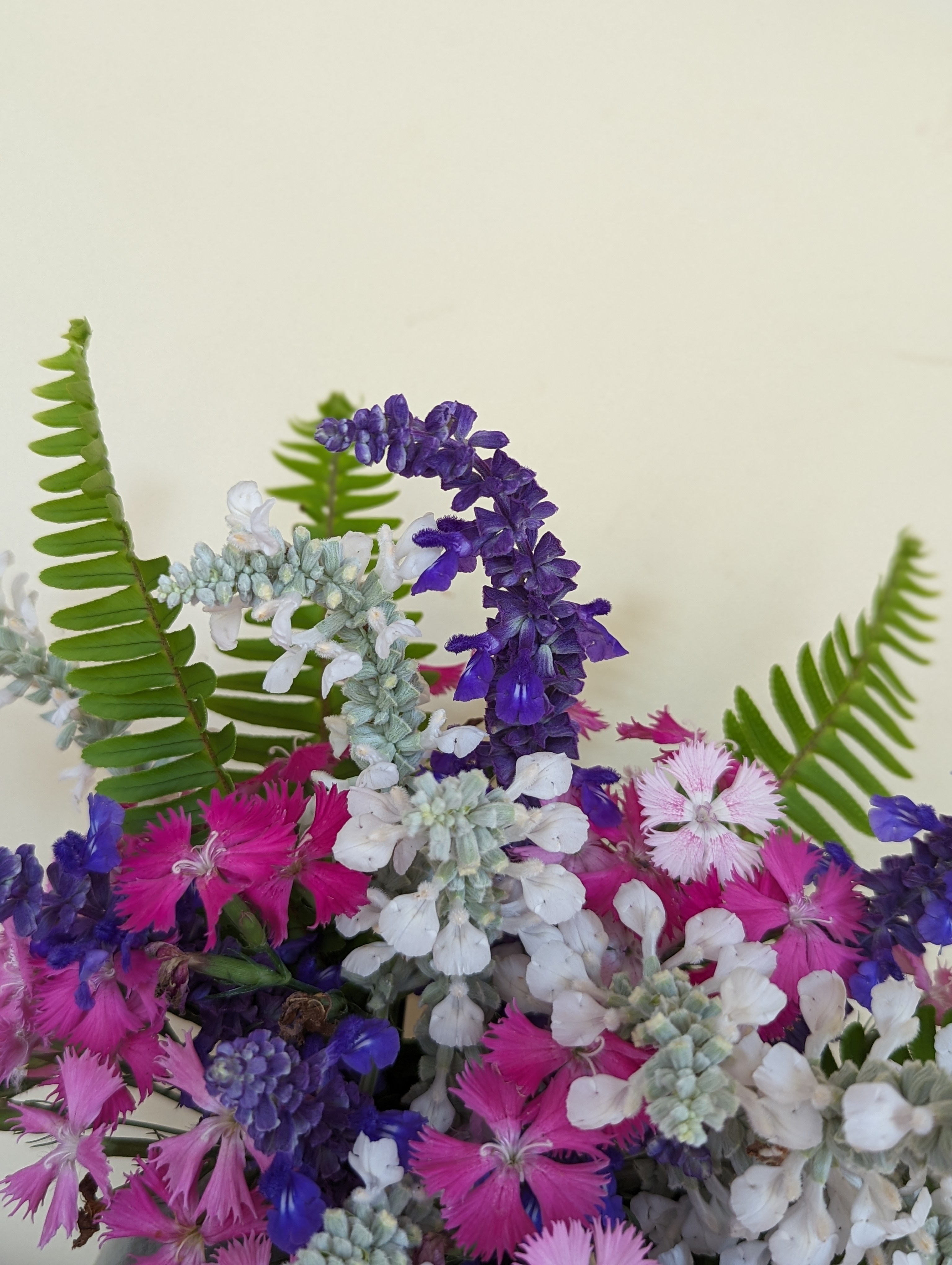
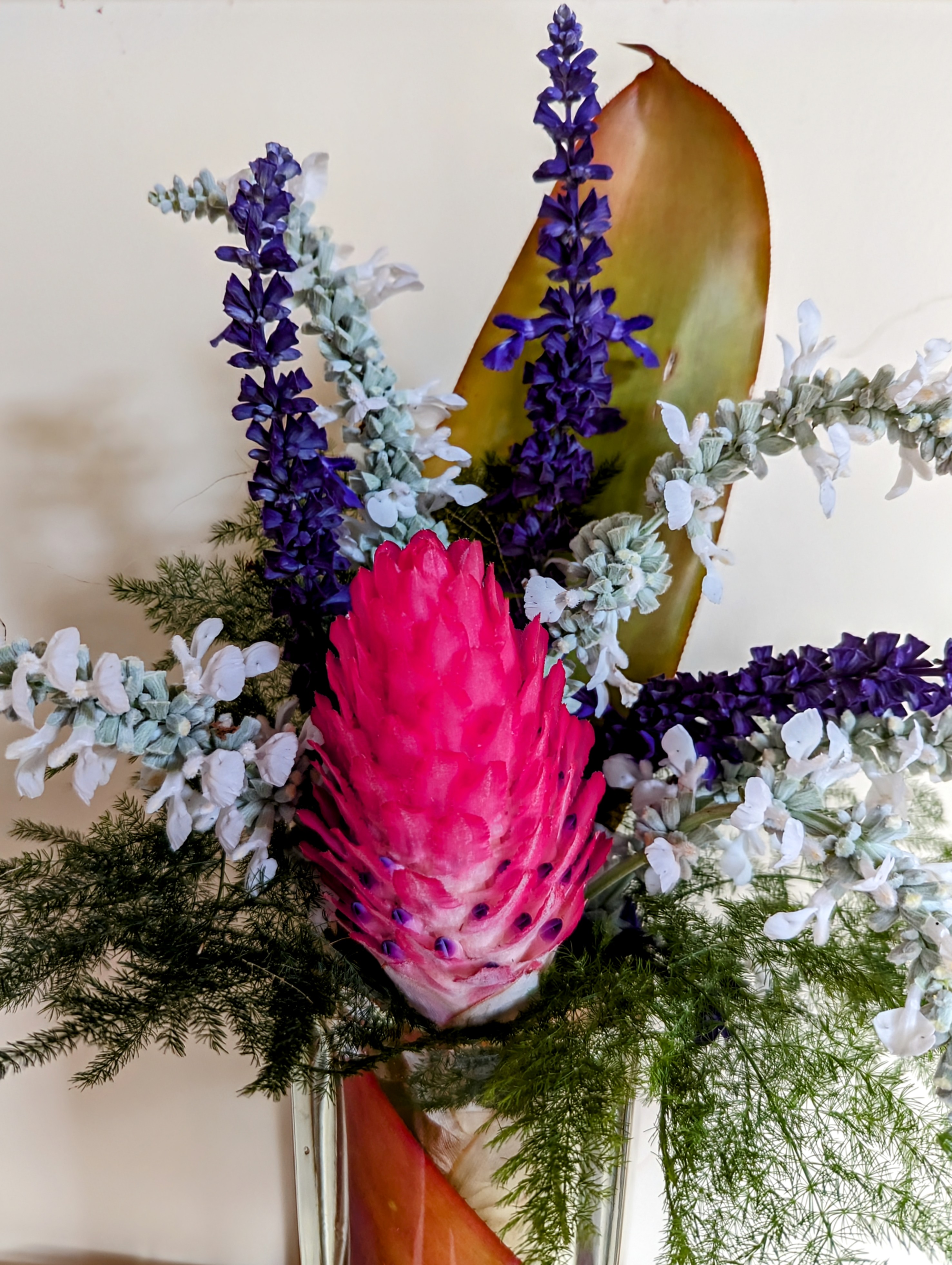
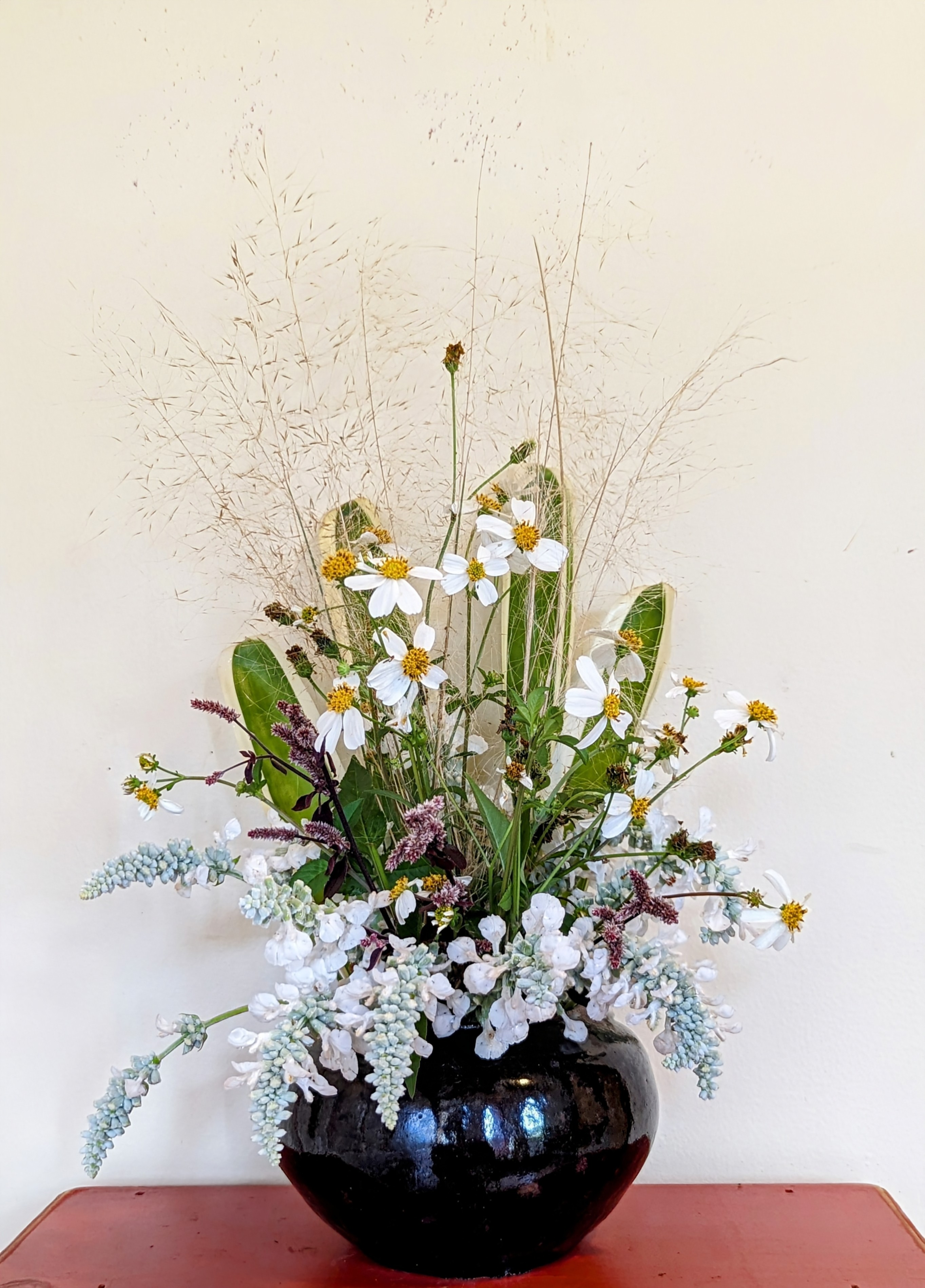
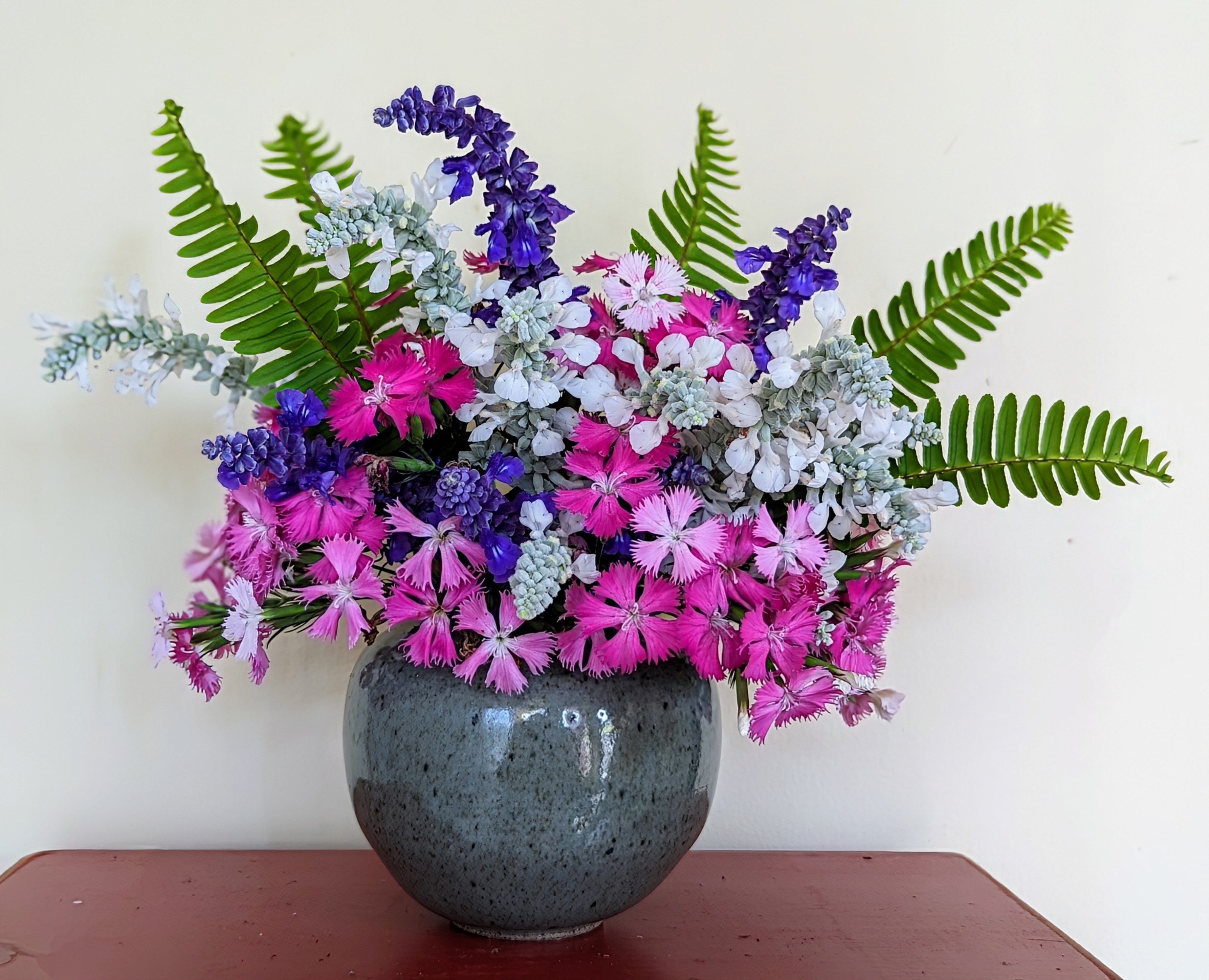
The vase is a thrift store find. Flowers in frosty tones:

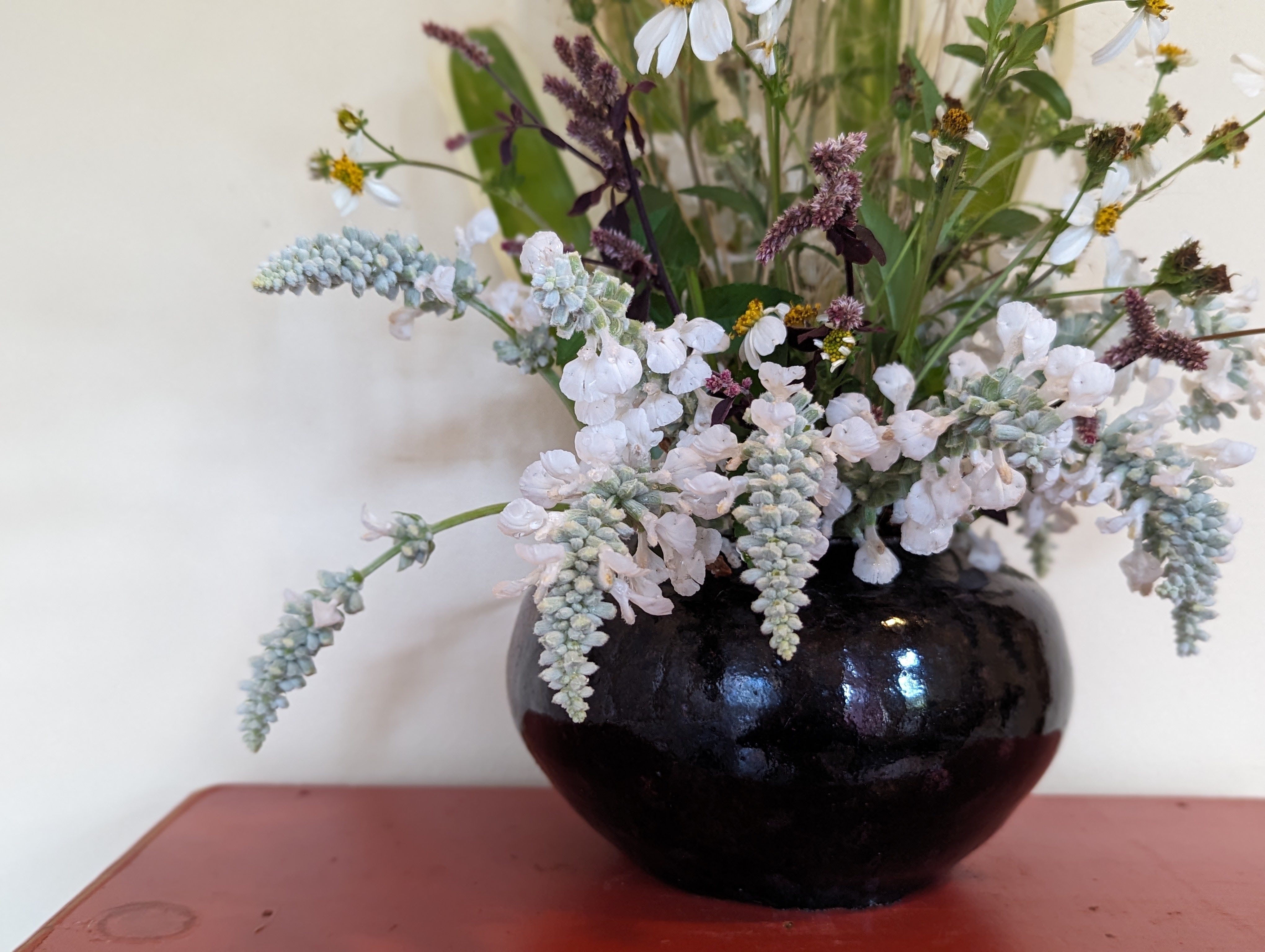
White Flame Salvia is cascading over the edges. The purple stemmed fuzzy flowers are Red Velvet Aerva.

White daisies are Bidens alba. Varigated foliage is ‘Bossa Nova’ Neoregelia Bromeliad. The airy grasses are dried seedheads from Muhly Grass (Muhlbergia capillaris).

That’s all from not so wintry South Florida this Monday. Visit our hostess, Cathy, at her blog to see vases from other gardeners around the world.
Six on Saturday – Late Winter Colors

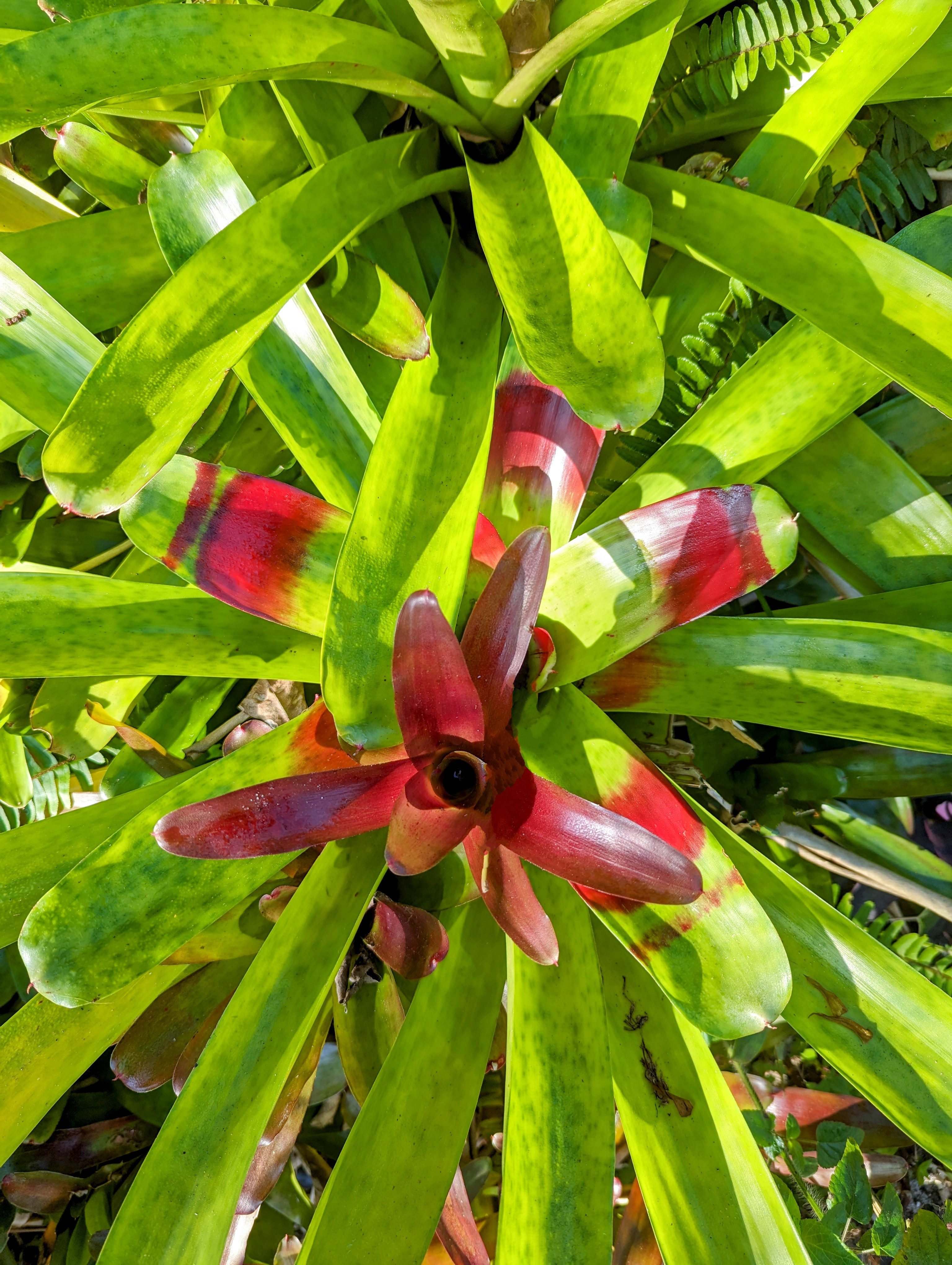
On my weekly garden tour this morning I realized my thinking that cold weather caused color changes in the garden might not be what actually happens. The weather has warmed considerably and now I am seeing the Blushing Bromeliads really looking embarrassed. The garden continues to educate me.

I am joining the group of SOS’ers sharing their garden tours with six items of interest. To join the crowd or visit the other gardens, follow this link to Jim’s blog.

Blushing Bromeliad (Neoregelia carolinae) in full blush, backed up with Quesnelia testudo bromeliads in pink.

Another blusher, Neoregelia ‘MacWilliamsii’, quickly becoming another garden favorite. These are not sharp and like a little or a lot of sun. They are completely green in summer.

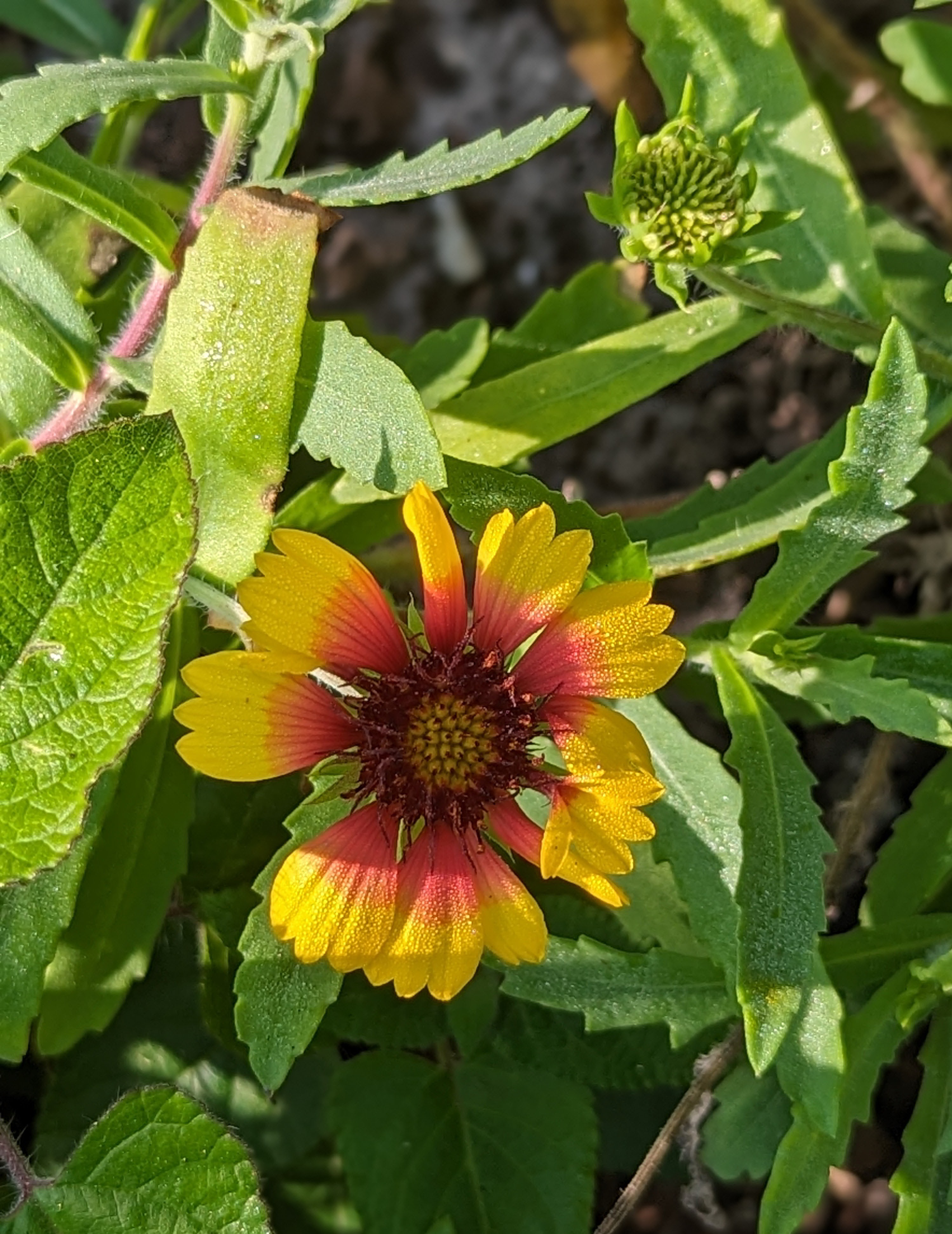
I love finding Gallardia flowers in February.

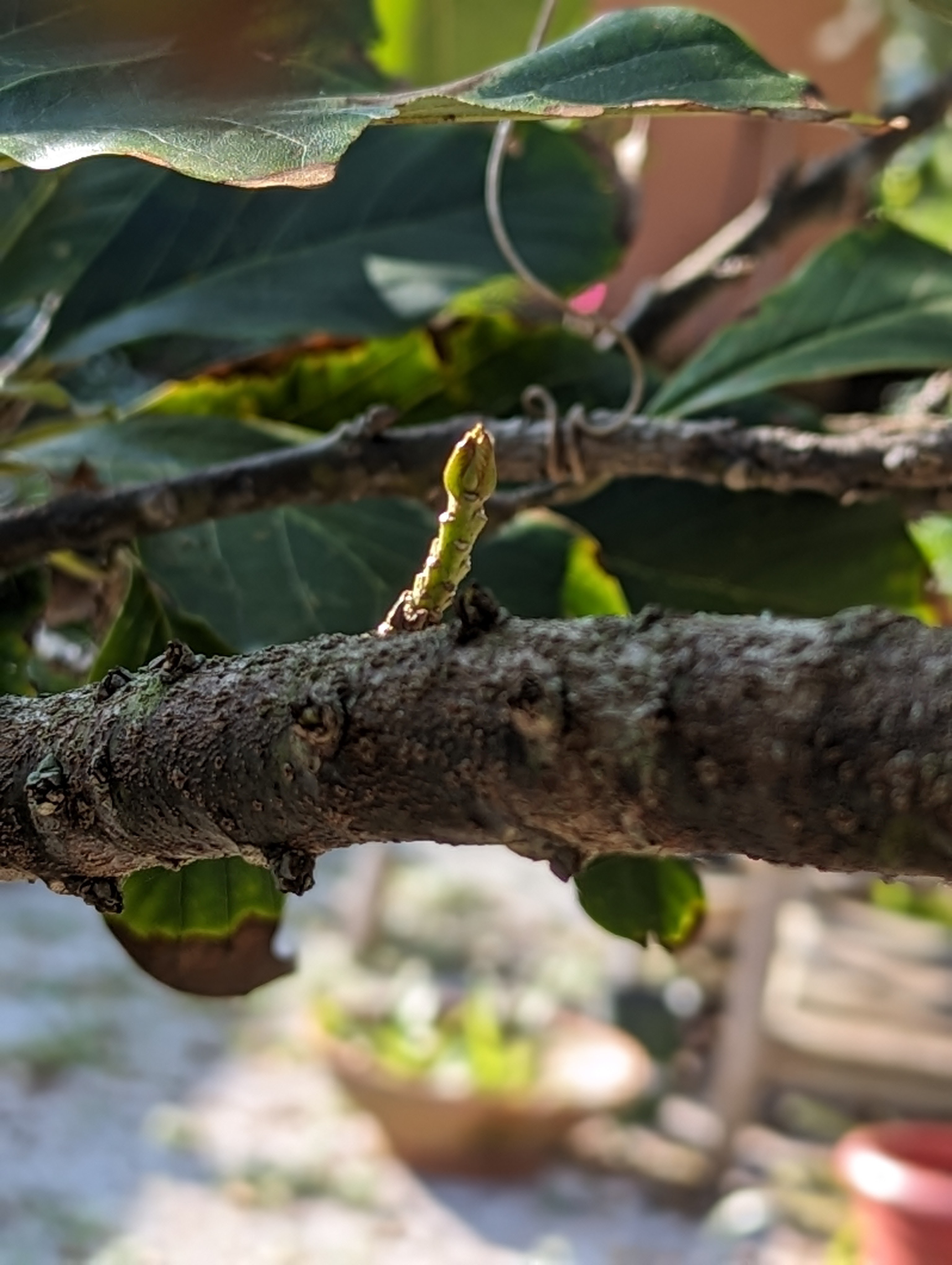
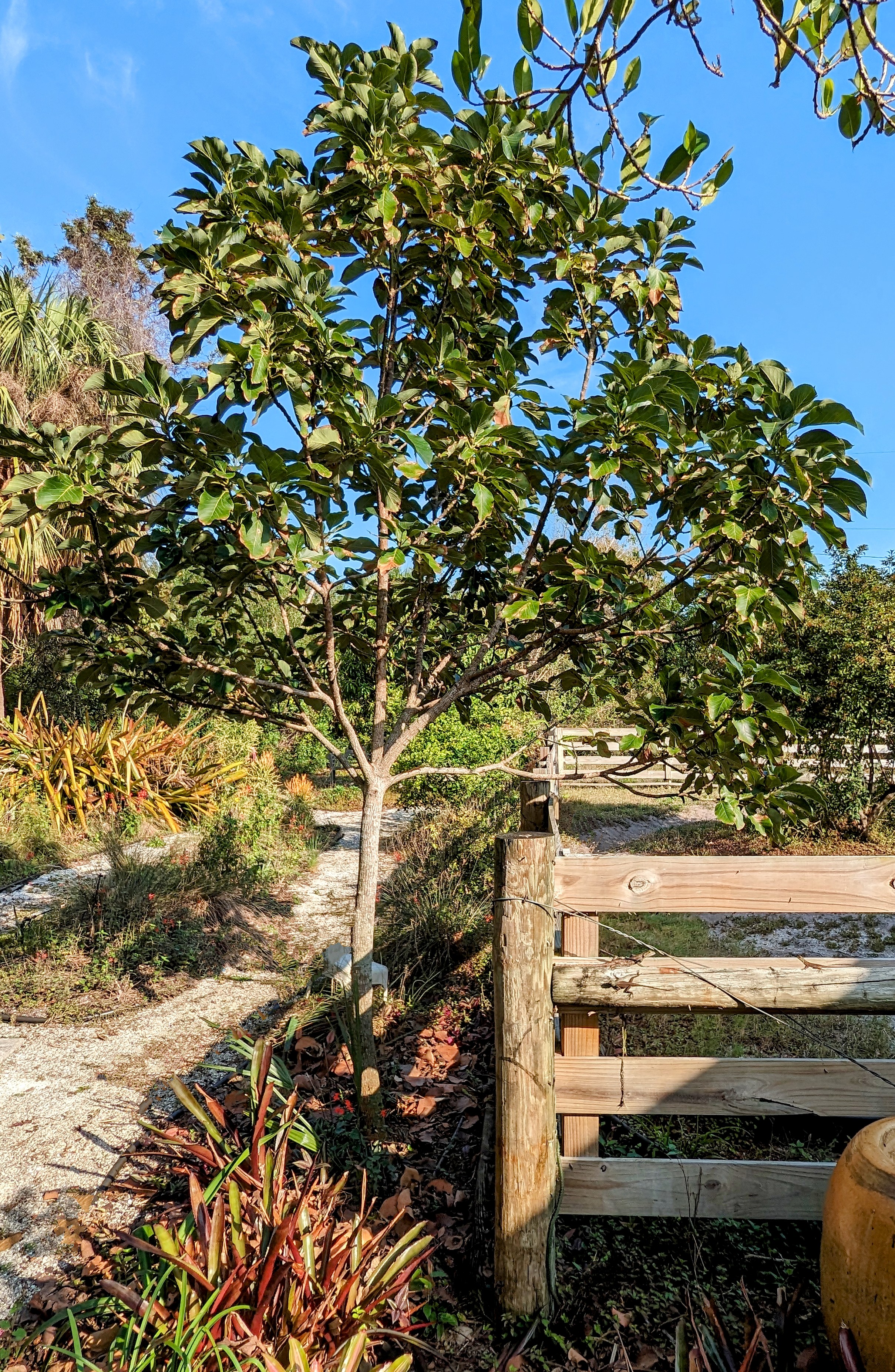
I am hoping this is a future avocado. This is a Cuban Avocado, an unusual variety I had not seen prior to moving to South Florida. A rare one that is true to seed. A friend grew this from seed and brought a small tree to me about seven years ago. The avocados are the size of footballs. Fingers crossed.

The Cuban Avocado tree, about 15 feet tall.

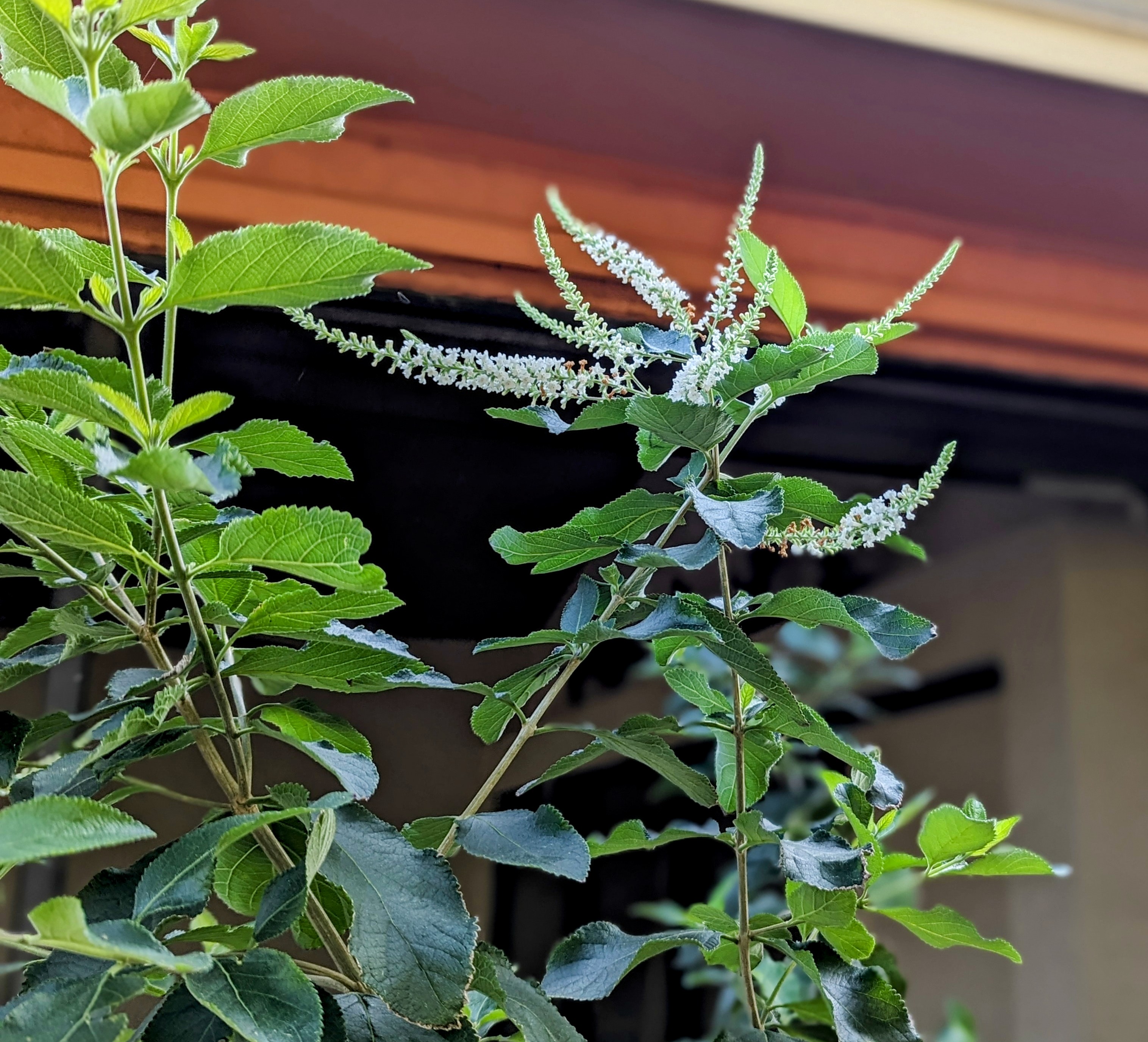
The Sweet Almond (Aloysia virgata) has started flowering again – adding fragrance to the garden.

That completes my weekly tour. Happy Gardening wherever you are.

Six on Saturday – The Year of the Dragon

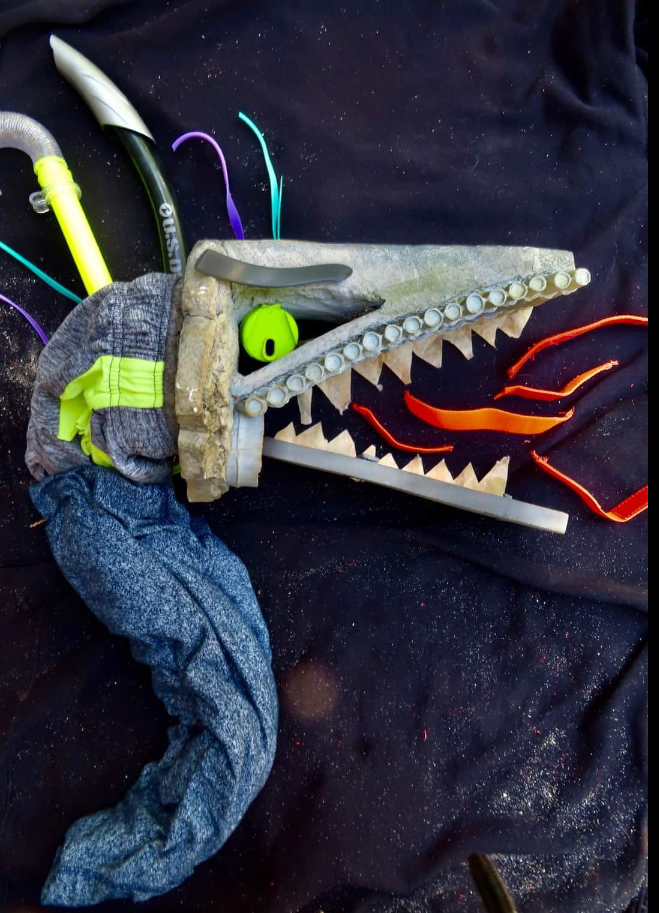
Welcome to The Year of the Dragon. Chinese New Year is today and what will the Dragon bring to my garden? Above, in celebration of this event I have shared a piece of art created by two local ladies who are responsible for the creation of https://www.facebook.com/tctrashart, A Facebook page dedicated to raising awareness and getting rid of garbage on the beach by creating and sharing art they make from their finds.

I went looking in my garden this morning to find six new possibilities for the Dragon. Fruits and flowers are budding and sprouting, it’s looking promising for the New Year! To tour other garden possibilities, visit the host of this weekly meme, Jim, at his blog.

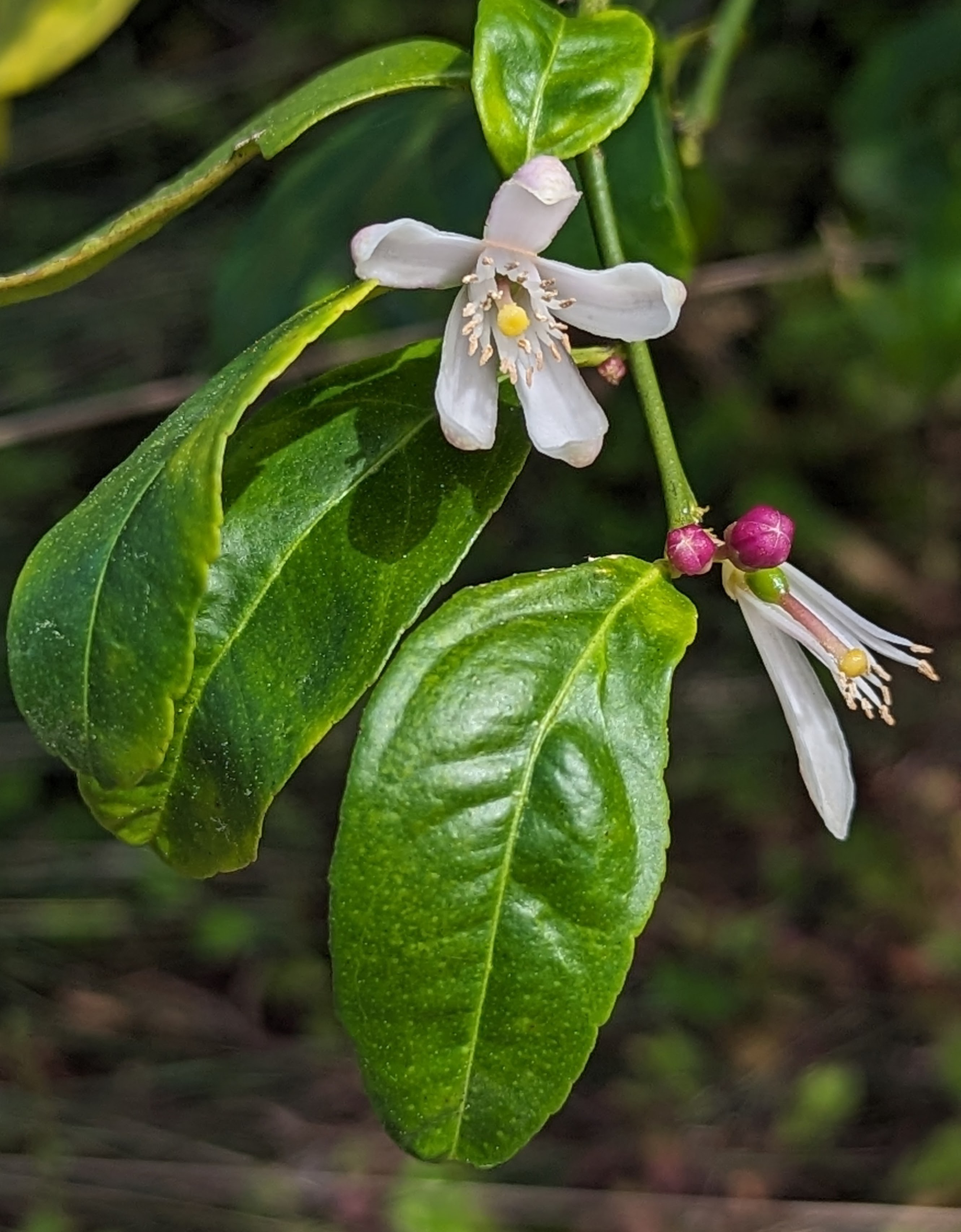
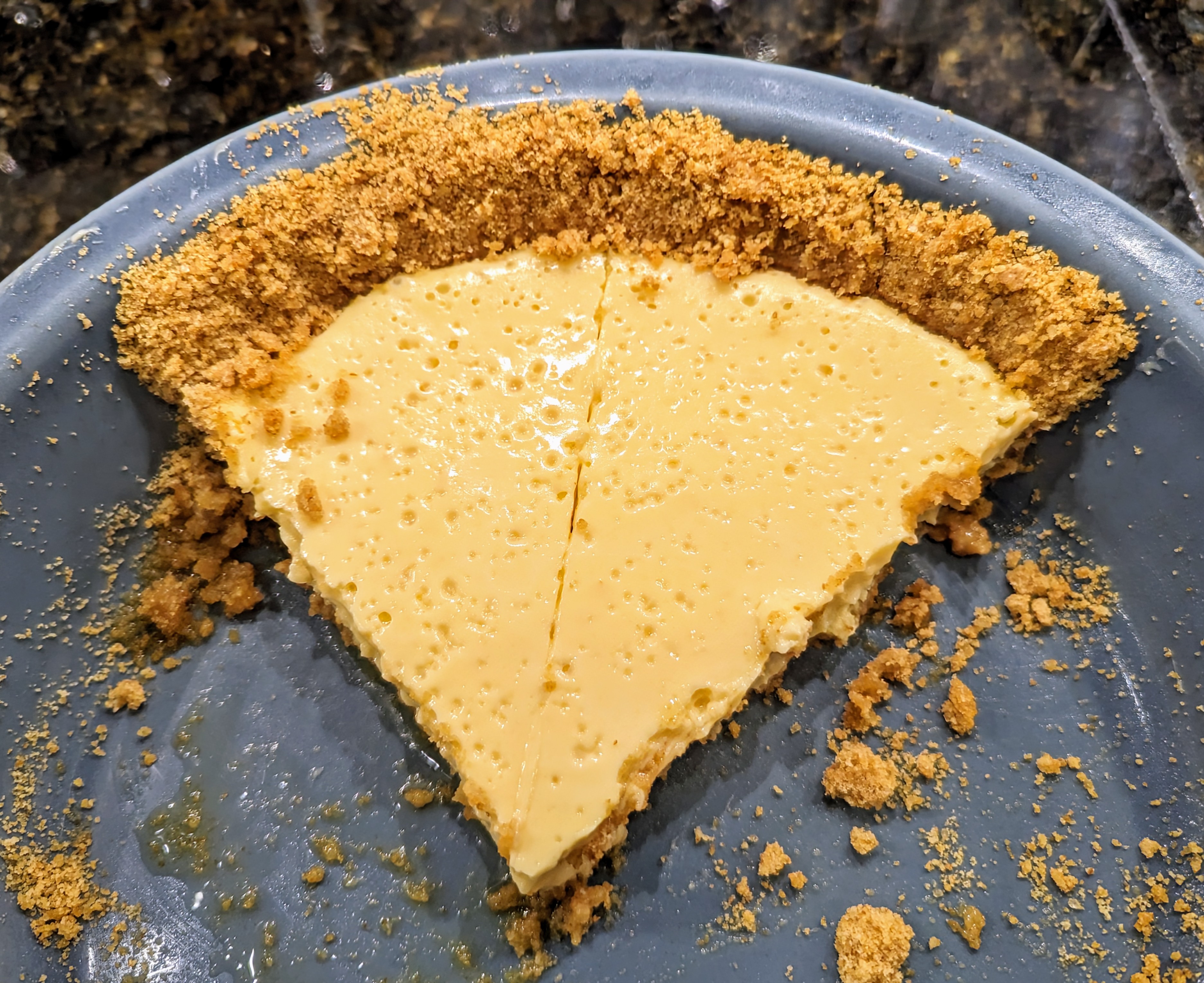
The Rangpur lime is flowering and has set fruit for next winter. I managed to collect enough fruit and made a pie with the juice and zest this week. We ate it!

Rangpur limes are considered sour oranges as it is a mandarin/lemon cross. So – in Old Florida this would be considered a sour orange pie.

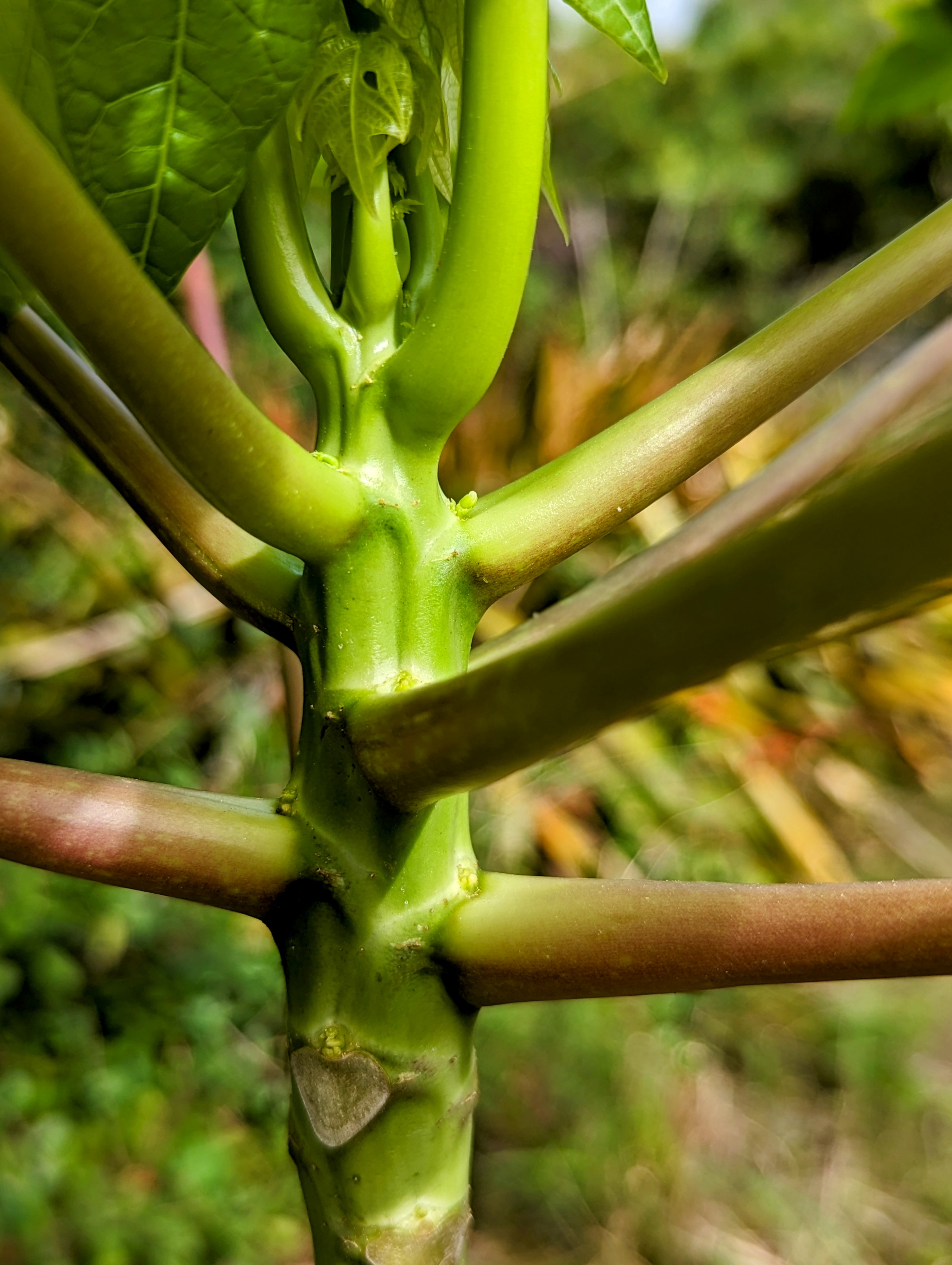
The Mexican papayas I planted from seed last year are now five feet tall and setting buds. Upper right side of photo. Papayas are not true to seed and are either male, female or hermaphrodite. I planted two trees, the other one is looking male, so I hope this one will be female or hermaphrodite.

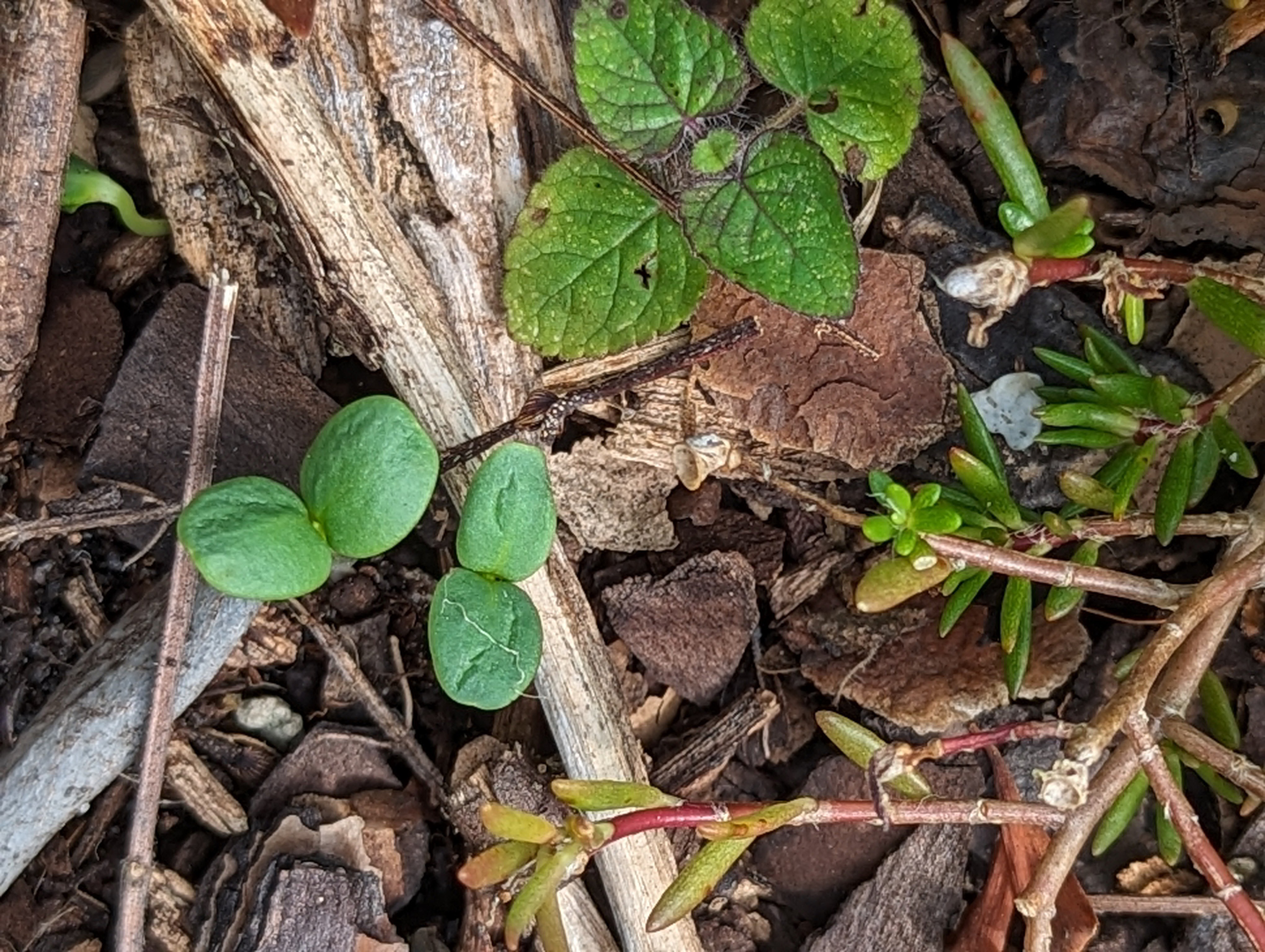
Zinnias or sunflowers sprouting. I haven’t planted anything in this bed for a couple of years, it was infested with nematodes and has been “lying fallow” to get rid of the buggers. Fingers crossed.

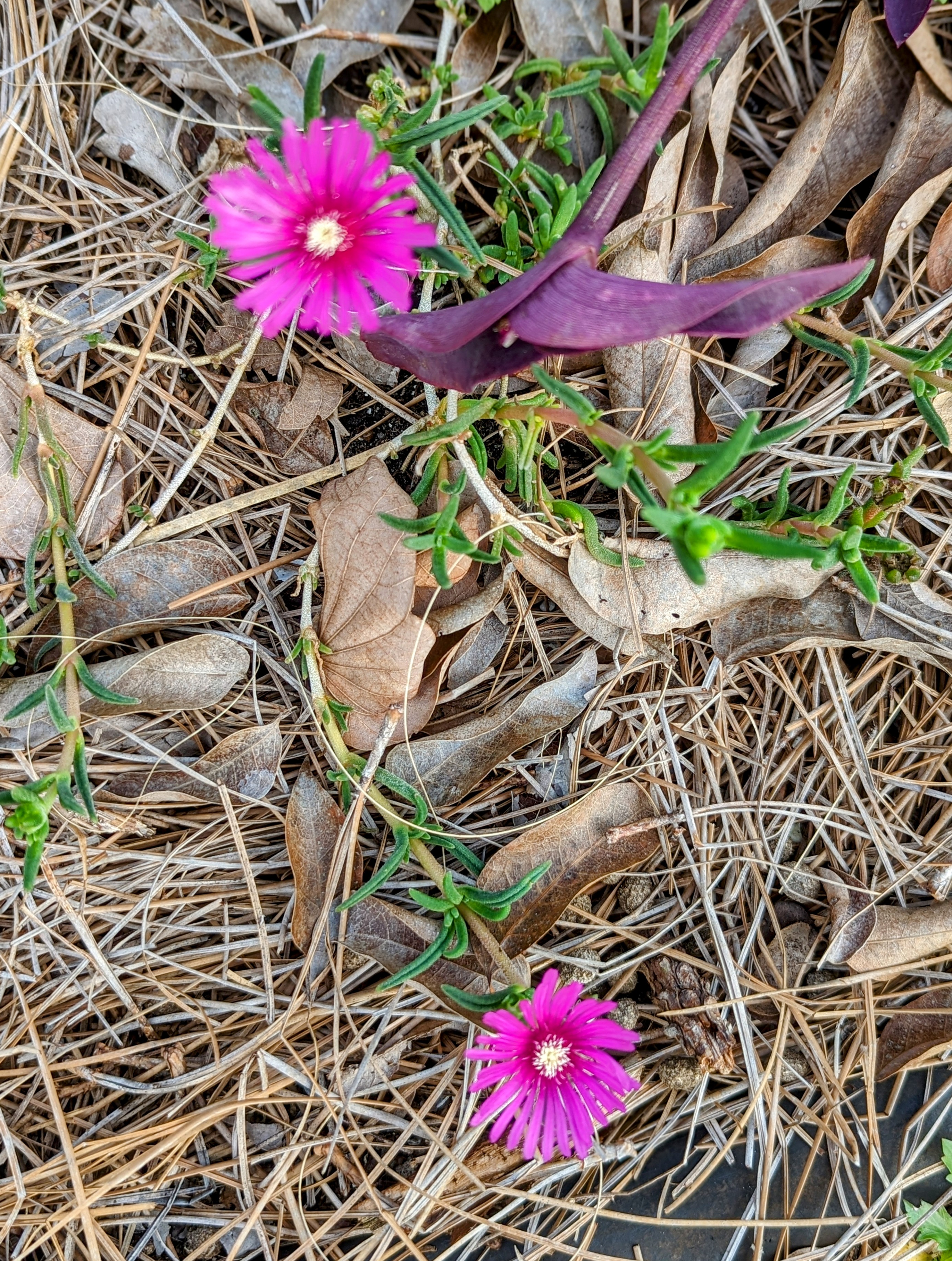
Ice plants, they used to be called Delosperma cooperii in latin. I think the botanists have changed the name again. There are two schools of thought about these growing in South Florida – yes and no. I found some very low priced plants and am trying them. They are looking good so far, August will be the true test.

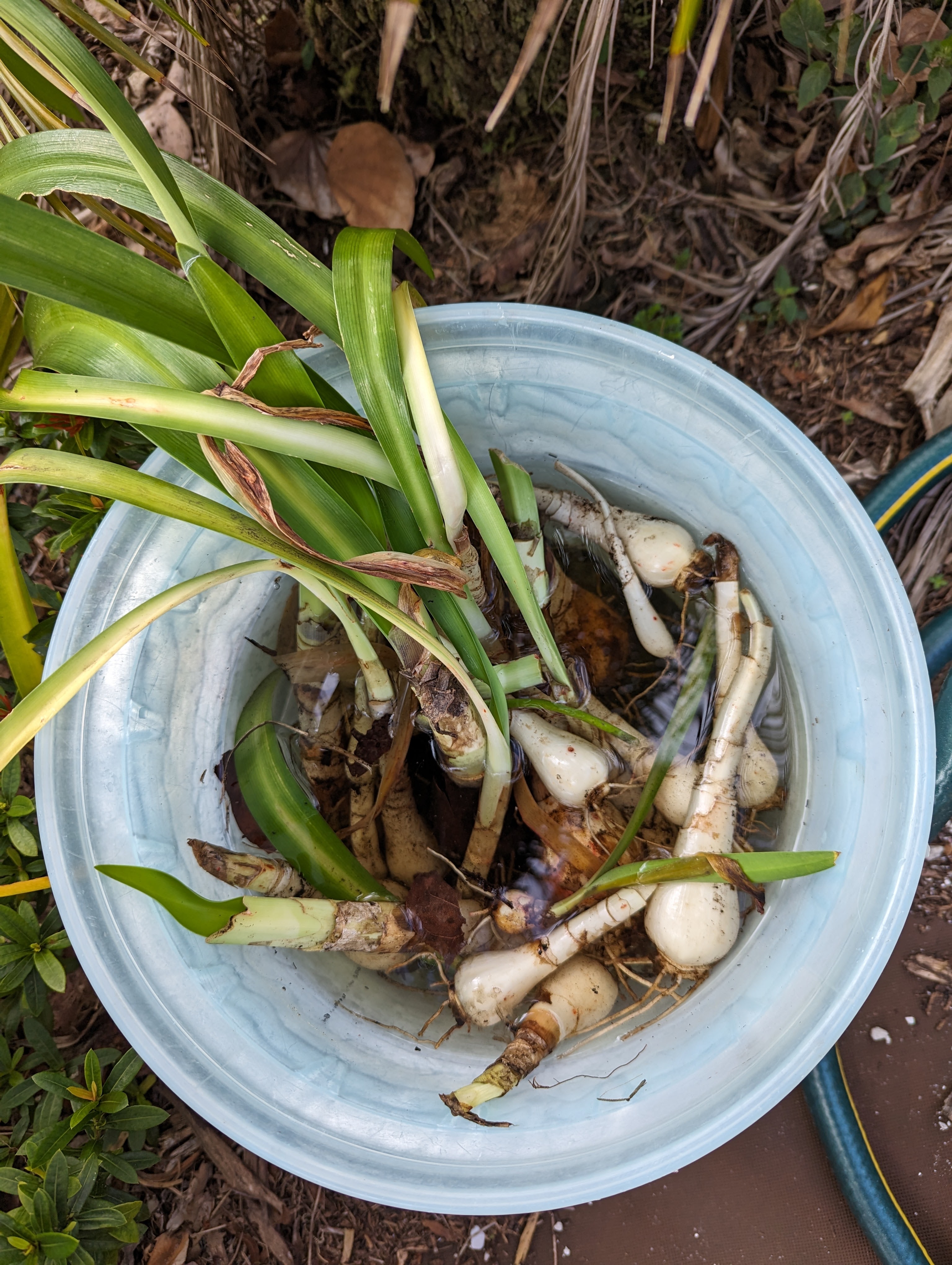
Alligator Lilies (Hymenocallis latifolia) waiting to find a new home. They are a very pretty native lily, but they are difficult to site in the garden. They are looking for moist, well drained dappled sun and they only make foliage if not in their preferred location. I move them around sometimes, contemplating their next location.

‘Burgundy’ Aechmea bromeliad showing new spring color. These have finally found their happy place. And I don’t want to move them as they are sharp.

That is all from my garden this Saturday. Happy New Year!

South Florida Garden Gems – Crotons

Easy, Year Round Color for Your Garden

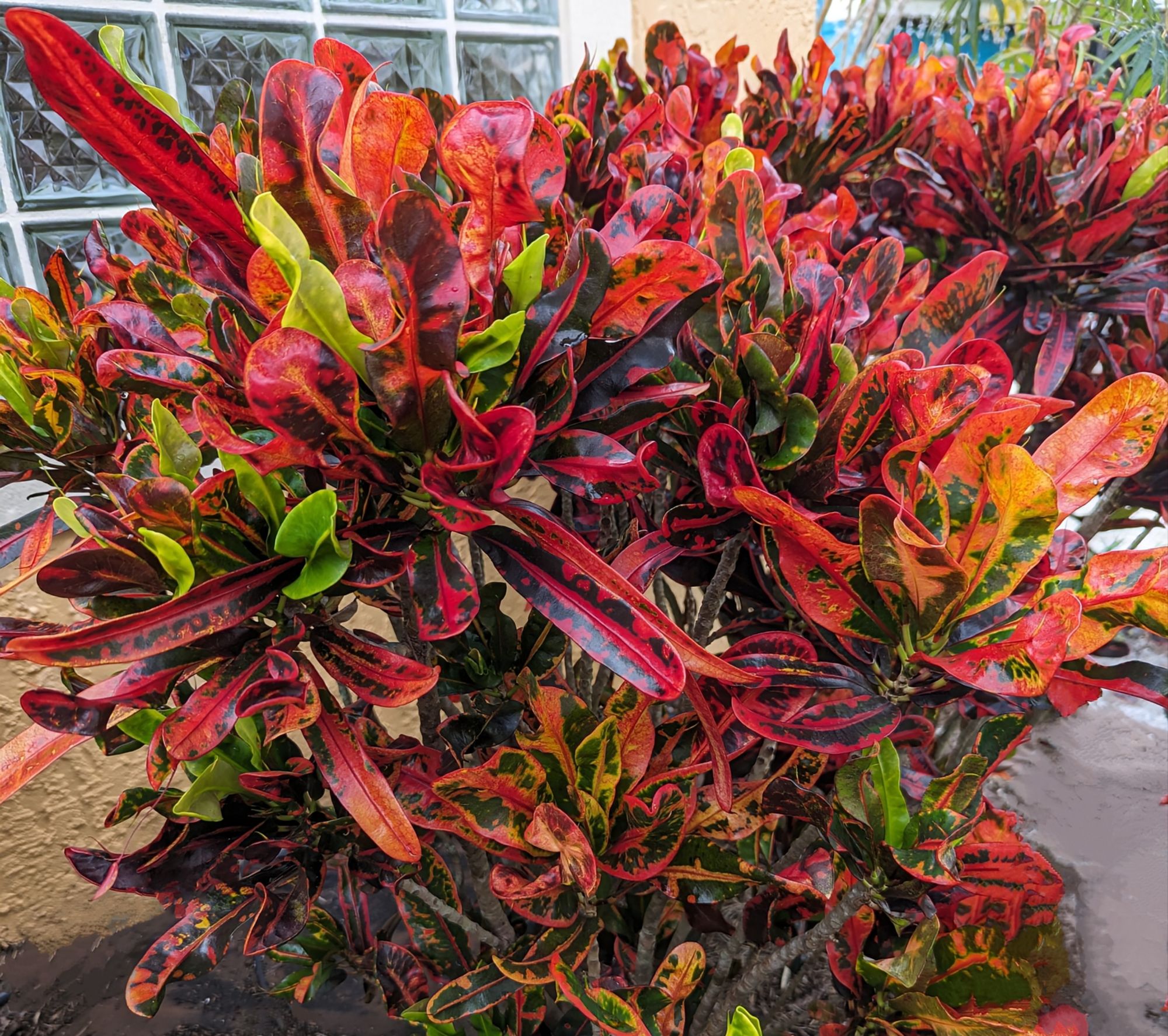
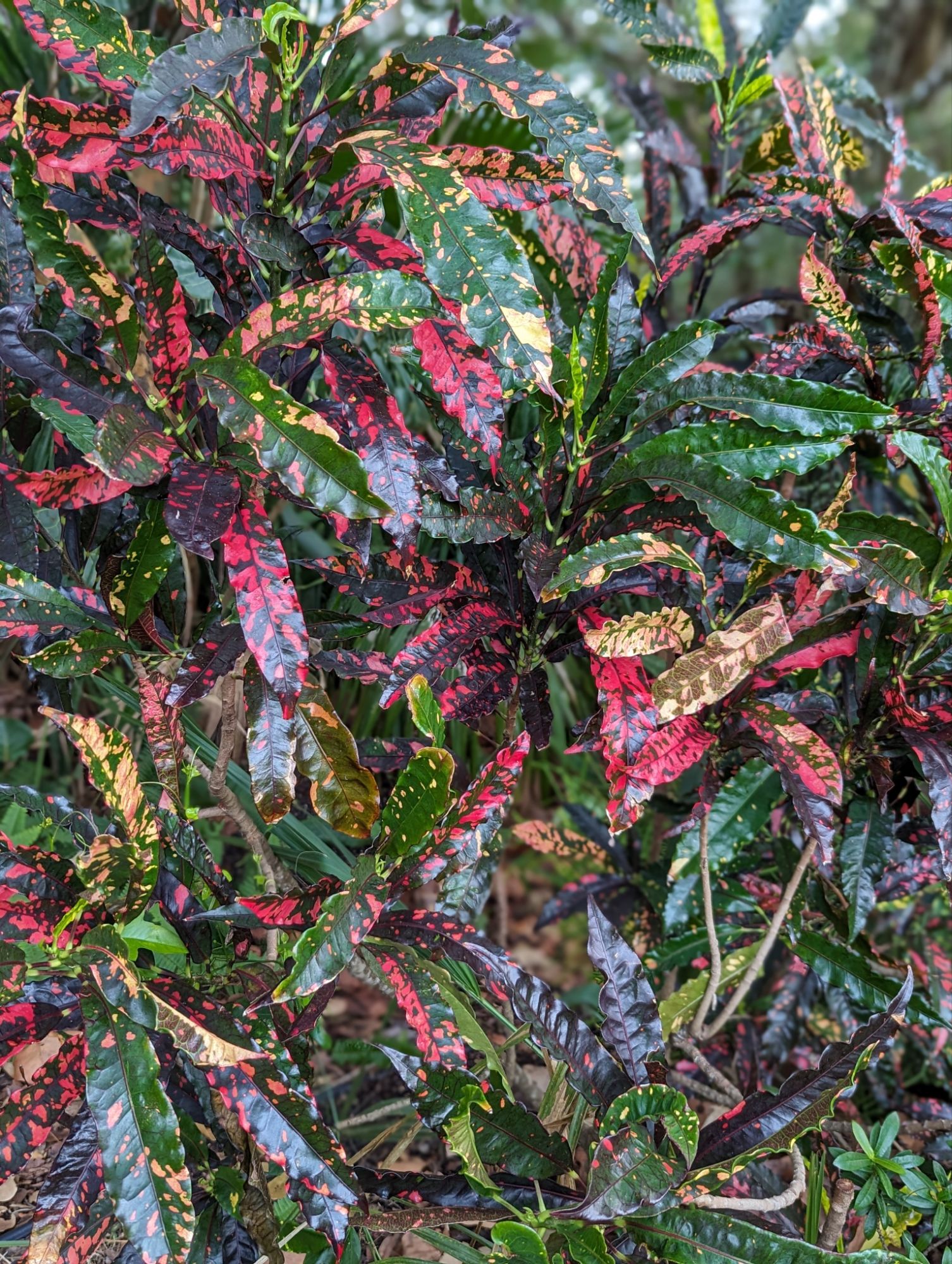
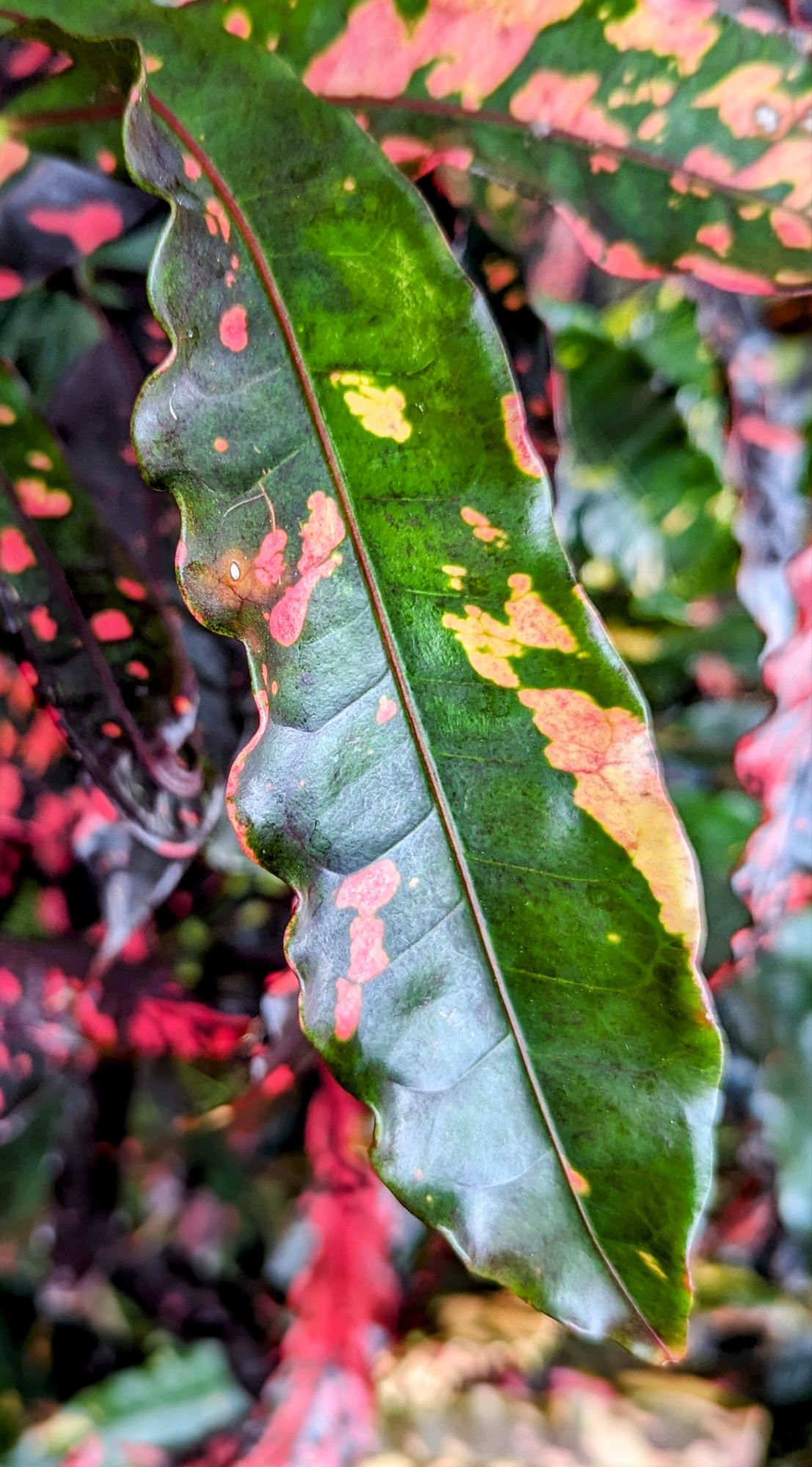
Seeking an addition to your garden that provides constant color? Look no further than the Croton (Codiaem variegatum). Crotons are accent shrubs, featuring foliage wildly varigated in splashes of red, green, yellow and orange. They can be so colorful it becomes overwhelming to plant more than a few of them together. These shrubs are available in an array of sizes and colors to suit your taste and your space. Here are a few of my favorites.

Above is a Mammey Croton. These are great for smaller spaces, staying 3-4 feet tall.

Meet the Pie Crust Croton, planted in honor of my husband, the pie baker. The one in my garden is 5-6 feet tall. The name for this shrub was inspired by the edge of the leaves – like pie crust!

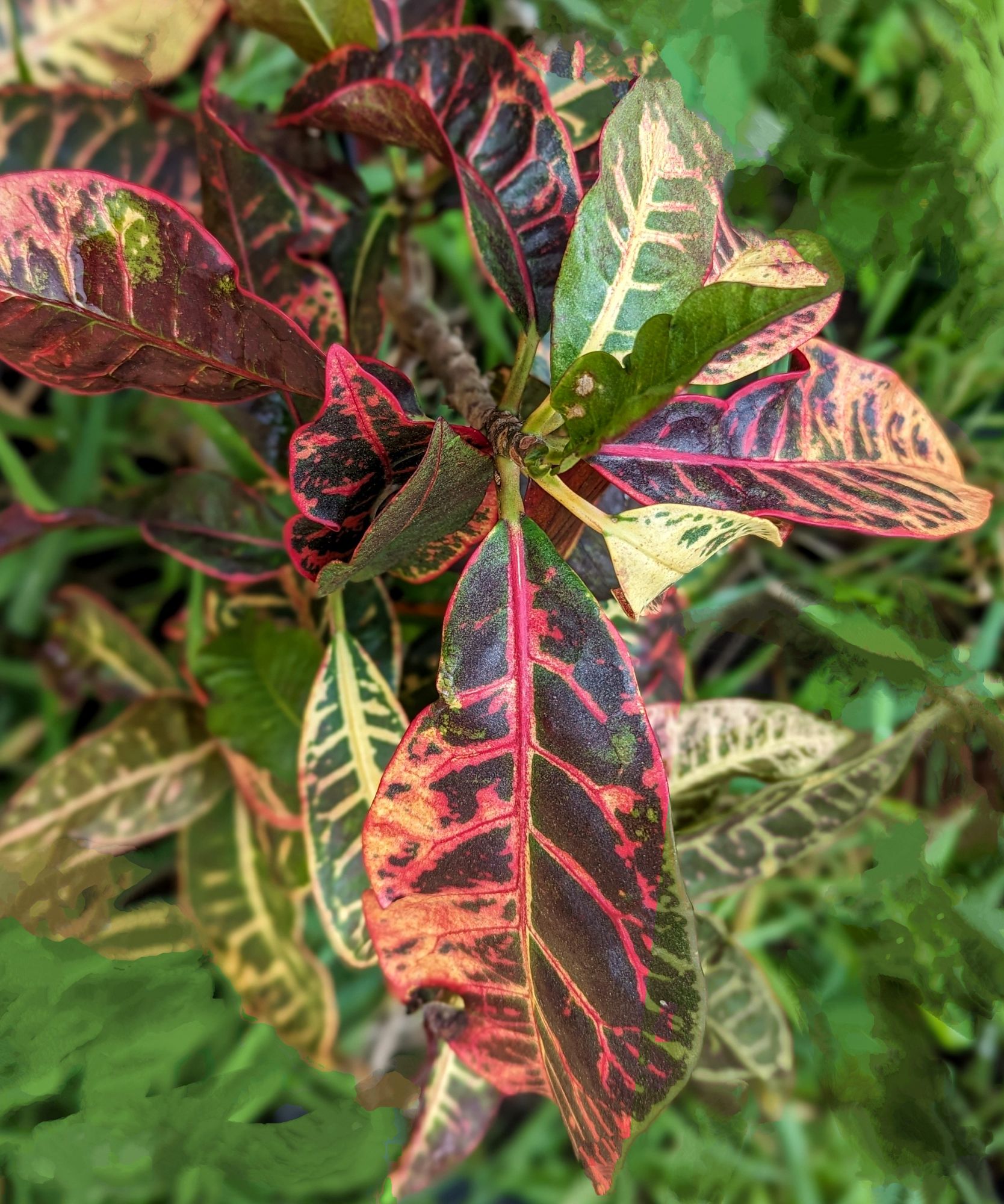
Below is a favorite Croton of Treasure Coast gardeners. Petra Croton. Petras get big, about 10 feet tall and 6 feet wide. They need some room.

Placing and Growing Crotons

Crotons are originally from the South Pacific and not considered cold hardy. This means they will suffer cold damage from freezing temperatures. Mine dropped their foliage at 38 degrees last year, but came back. North of Ft. Pierce and inland these shrubs need to be protected if cold weather threatens. Plants can be grown in a container, covered or placed out of the wind.  These shrubs should be placed in a part sun to shade location, dappled light is ideal. The foliage on some varieties can burn if placed in full sun (Mammy Croton and some others will tolerate full sun). Also worthy of noting, the Croton is somewhat toxic if eaten, so if anyone (pet or human) has plant eating tendencies place the Croton out of reach.

Plant combinations to consider with Crotons

Given their cool, colorful vibe I like to use these with other tropical looking plants – Boston Ferns, Split Leaf Philodendrons, Bromeliads and Ground Orchids are good companions and like the same type of growing conditions.

Crotons are easy to grow if placed properly, watered and fertilized regularly. The only problem I have encountered growing these is scale insects and sometimes aphids find them really tasty. The solution to this is insecticidal soap and diligence.

Add a few Crotons to your garden for a dollop of tropical fun. I am currently searching for a Sloppy Painter Croton to add to my collection.

In a Vase on Monday – Bromo-Seltzer

If there was ever a cure for winter garden blahs, it’s finding a few bromeliads in bloom. Bromo-Seltzer was actually widely considered a hangover cure and was sold in the US until the mid 70s, when it was determined to be poisonous (sort of). I have this feeling my father took it and then moved over to Alka-Seltzer.

It has been grey, overcast and rainy for most of the past week. We have had to wear pants (gasp!), long sleeves and the occasional sweatshirt. The true native Floridians have broken out down jackets (it’s 65F). I finally got out in the garden to do some pruning this morning and stumbled over these beauties. The rain has given many plants a growth spurt and they are growing when they usually don’t, requiring more pruning.

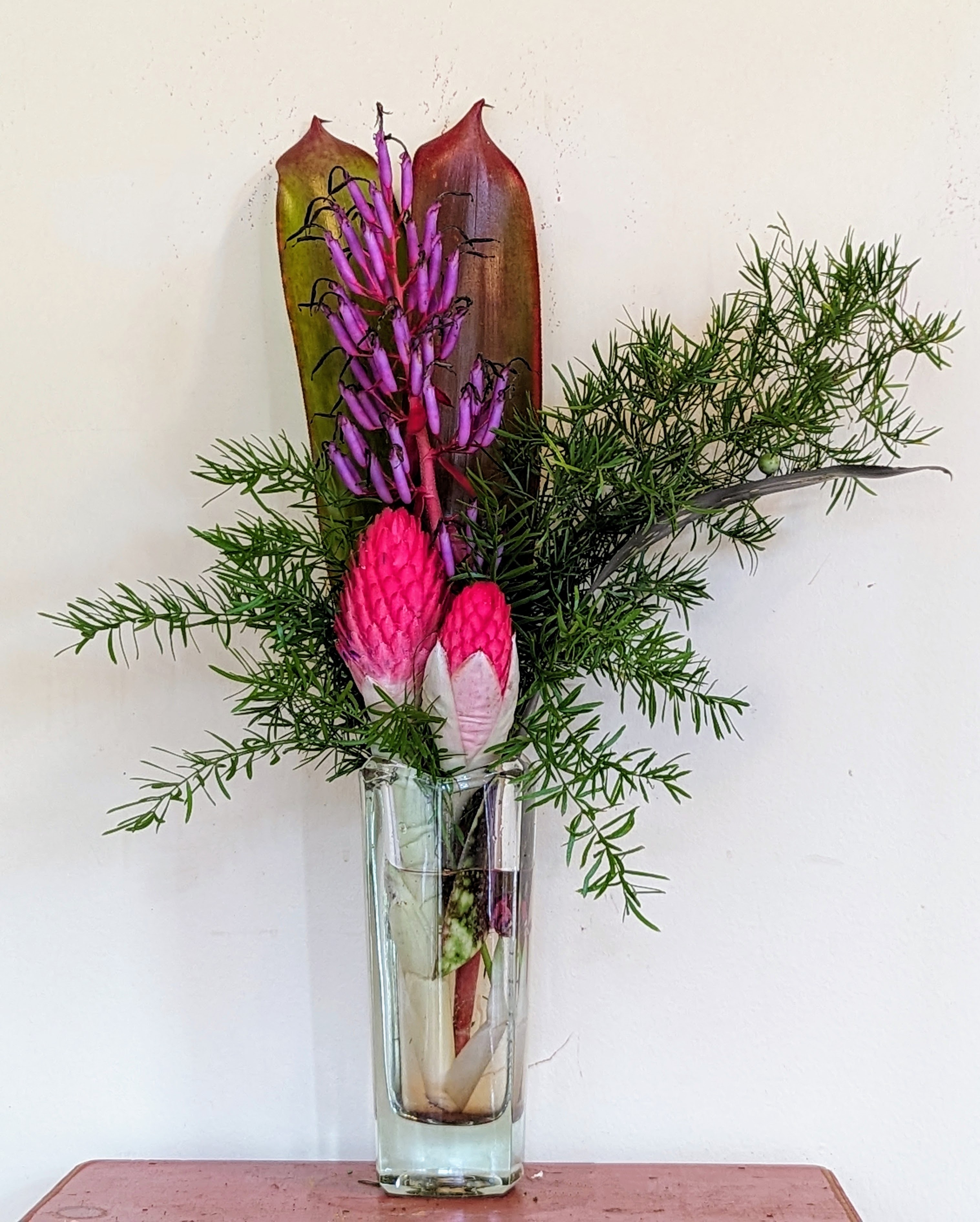
The cast of the cure:

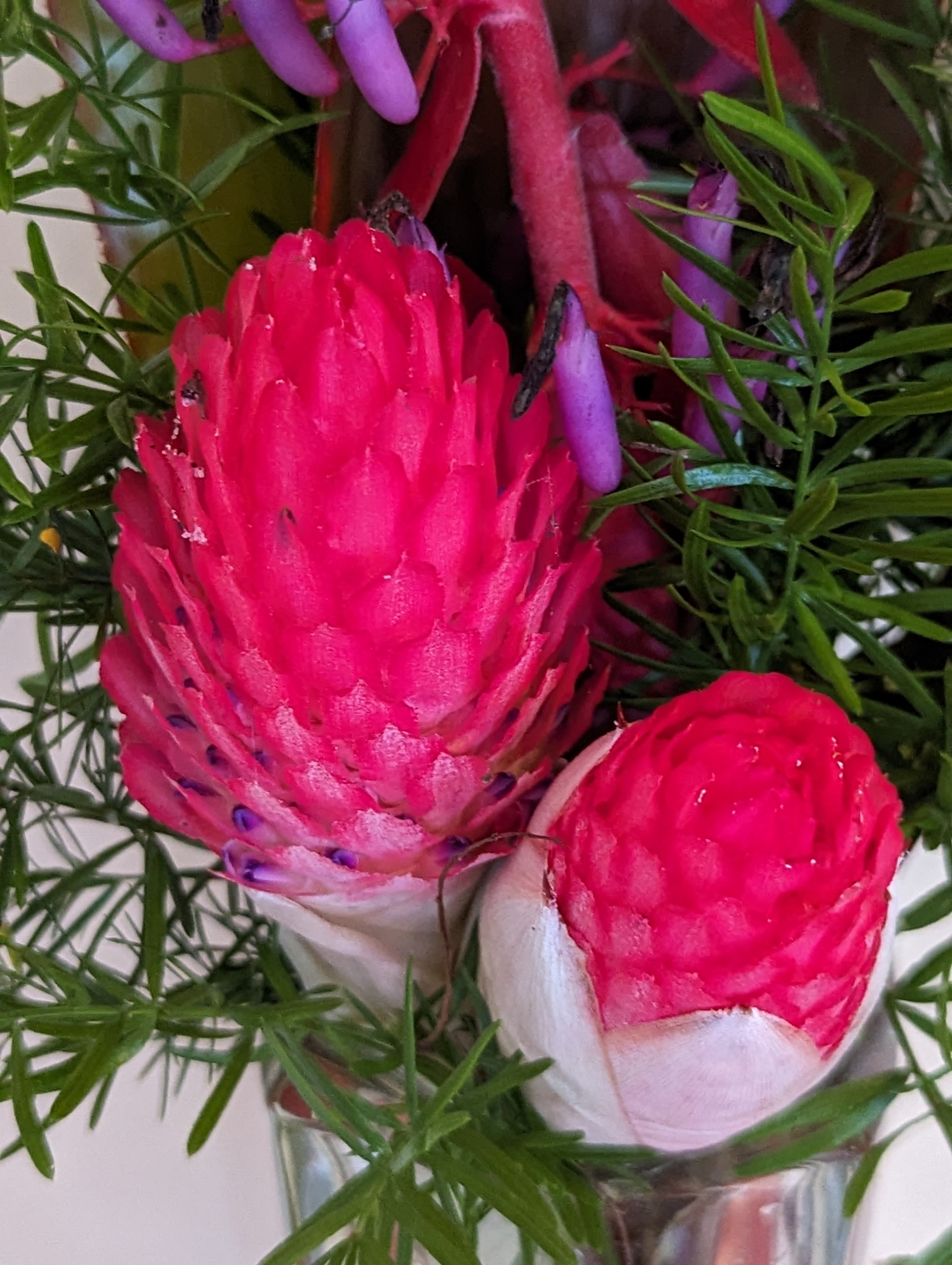
Some call these the tulips of South Florida. They usually bloom a bit later, similar to early tulips. These seem more like fruity drumstick candy for Barbie to me. They are Quesnelia testudo bromeliads, the foliage has such sharp tips I would be hesitant to plant any more.

Purple flowers are Portea ‘Candy’ bromeliads; the foliage behind them is Aechmea blanchetiana, showing winter coloration (foliage is usually chartreuse). Green foliage is from Asparagus Fern (Asparagus aethiopicus). This is considered invasive here and I find them once in a blue moon. The vase was a gift from my brother. It is heavy enough to hold these weighty flowers.

Hoping for blue skies and fair weather.

Thanks to Cathy for hosting this weekly meme. Visit her at http://ramblinginthegarden.wordpress.com for links to vases from other gardeners around the world.

In a Vase on Monday – Christmas Bells

A little vase from my garden to celebrate Christmas. Here’s to bells ringing in a peaceful holiday season and much gardening success!

The bells are a strong holiday memory for me. As a child, the bells were always at my eye level hung from a wreath of cedar branches and Burfordii holly berries created by my mother. I was fascinated by them as Indian temple bells were not a common sight in the Deep South in the 1960s. My father brought the bells back from India, where he was stationed during World War II.

A closer view:

The red flowers are from the China Hat shrub (Holmskioldia sanguinea) – another native of India; white flowers are White Flame Salvia; a few stems of Boston Fern (Nephrolepis exaltata) complete the vase.

Thanks to Cathy for hosting this Christmas day. Follow the link to visit her blog and see more vases ramblinginthegarden.wordpress.com

Merry Christmas to all!!

Six on Saturday – Gifts from the Garden

I am joining SOS this Christmas weekend with a grateful heart. I take so much pleasure in interacting with my fellow garden bloggers weekly and thank Jim for his stewardship of SOS. To see more SOS posts, visit Jim at http://gardenruminations.co.uk.

Winter in a South Florida garden always brings enjoyable gifts. Some expected, some not so much. But all make me appreciate what is possible and how much I have learned. A little touch of Christmas color is appreciated in the tropical setting.
Meet Neoreglia McWilliamsii, a member of a group sometimes called Blushing Bromeliads. These show color in winter and are green in summer. This one colored up just in time.

Bromeliad Alcanterea odorata finally showing its grey stripes. This one produces grass pups rather than offsets. A friend sent me several pups a few years ago. They are somewhat difficult to grow and start out plain grey green and finally develop variation and then a nearly powdery grey coloration. Grown primarily for a foliage accent they last about 5 years, get about 3 feet wide, have a spectacular flower and die.

Another pup success, the ‘Purple Haze’ Billbergia, from the rock n’ roll series. There is one called ‘Dark Side of the Moon’ I must get. These flower in winter, but are not old enough.

Bay leaf, finally recovering from near defoliation by me in pursuit of soups and pasta sauces. I love fresh bay leaves a little too much.

Another favorite herb, always in a pot on the front porch. In my opinion, Giant of Italy parsley has the best flavor and I eat it nearly daily with fresh vegetables in vinaigrette.

A surprise and wonderful gift – two more dahlias are coming up. I planted the tubers in October and now have seen 3 out of 9 emerge. I am not sure what inspired the emergence, cooler weather and rain, the solstice?? I suspect removing the spotty leaves would be a good idea.

That is all of my surprises for this week.

Happy Holidays to all!

Six on Saturday – December in South Florida

I have lived in South Florida for almost 12 years. The things I find growing in the garden this time of year still seem odd to me. I planted dahlias in October and gave the other perennials the Chelsea chop in November and now most of it is thriving. Then, I find myself wondering what to do with the orchids in the trees and cycad seeds. A blog friend calls my garden another planet. Sometimes I think she is right.

To visit other gardens around the world and see six items of interest, follow the link to Jim’s blog http://gardenruminations.co.uk

Dahlias in December!? Here they are. I bought 9 tubers at an end of the season sale, stored them in the refrigerator and then planted them. Some varmint dug up several and ate at least one. This one appeared after a few weeks and more are poking through. When I will have flowers is anyone’s guess.

White Flame Salvia after the Chelsea chop. These survived the summer heat by making much smaller leaves and flowers. They are now full and lush again.

Red Velvet plant or Purple Aerva. Native to Africa, this seems to like winter better than summer.

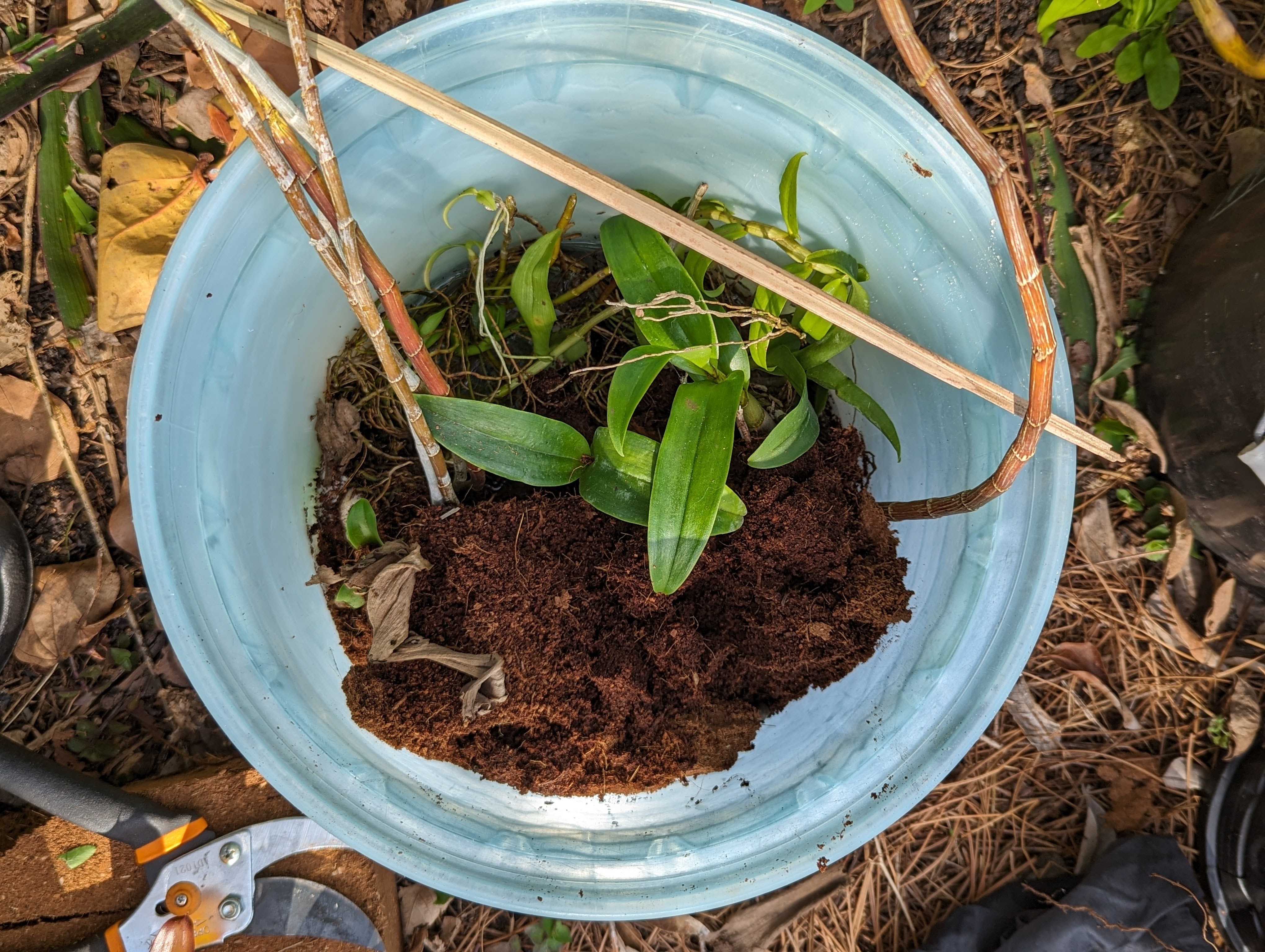
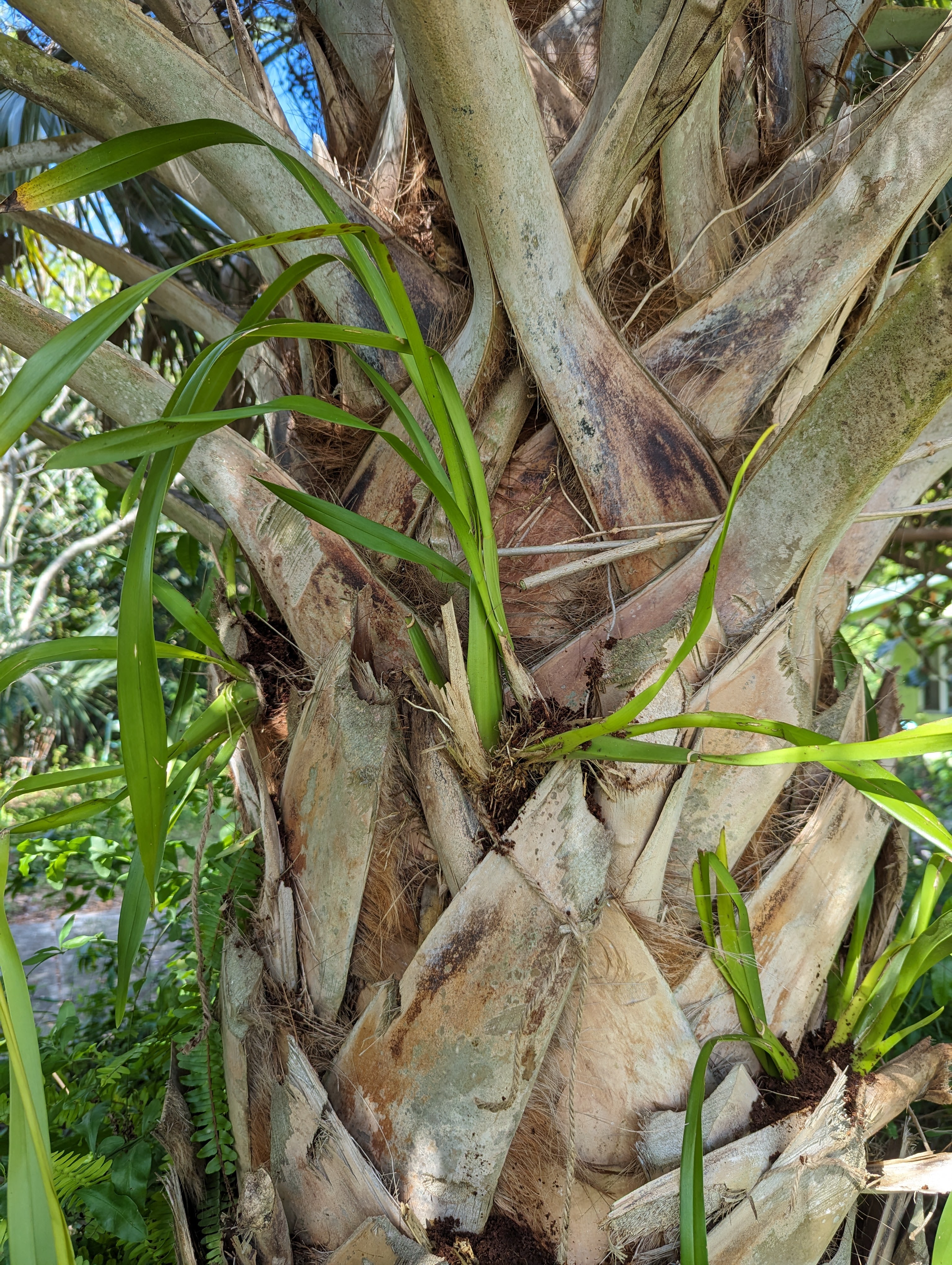
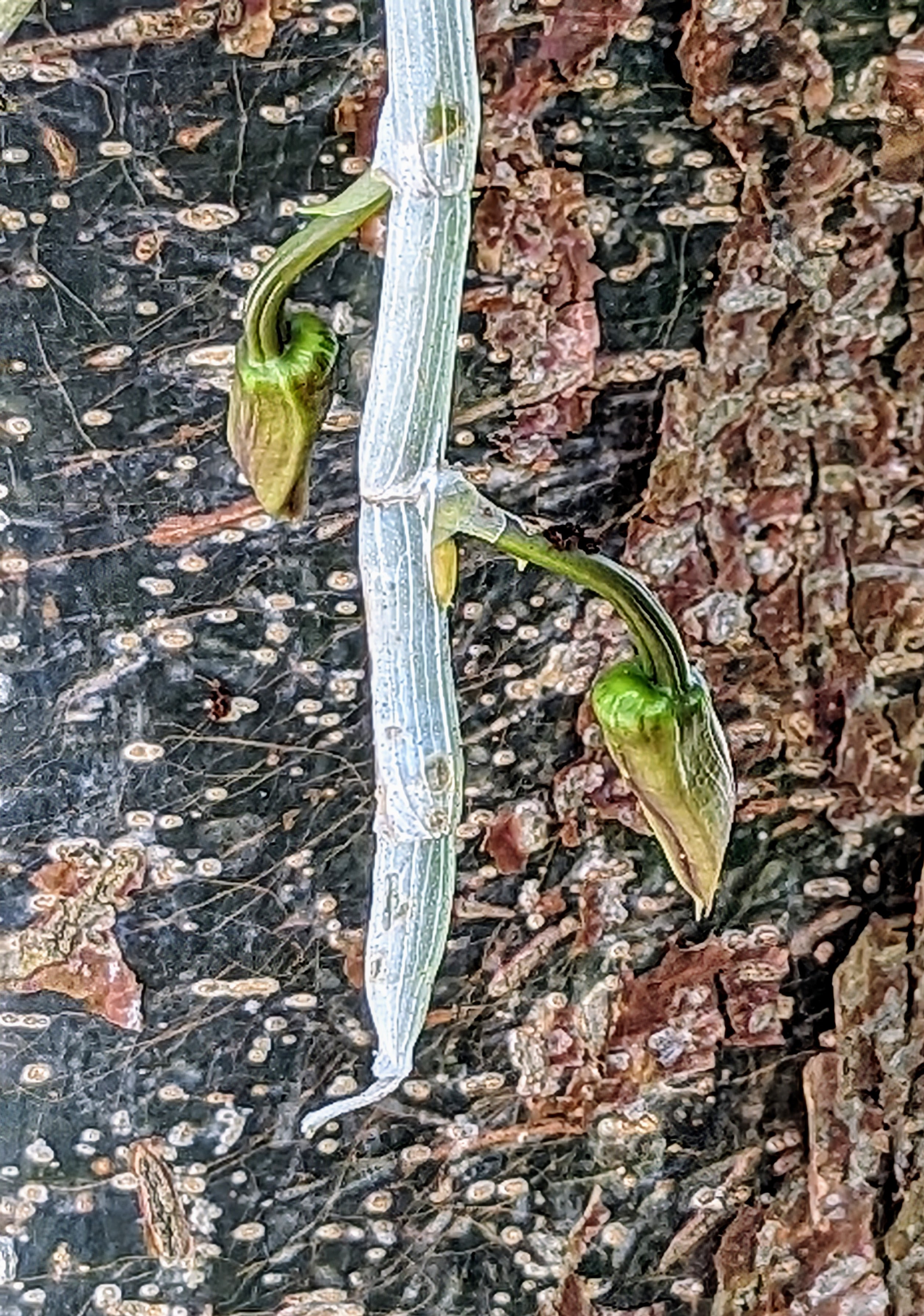
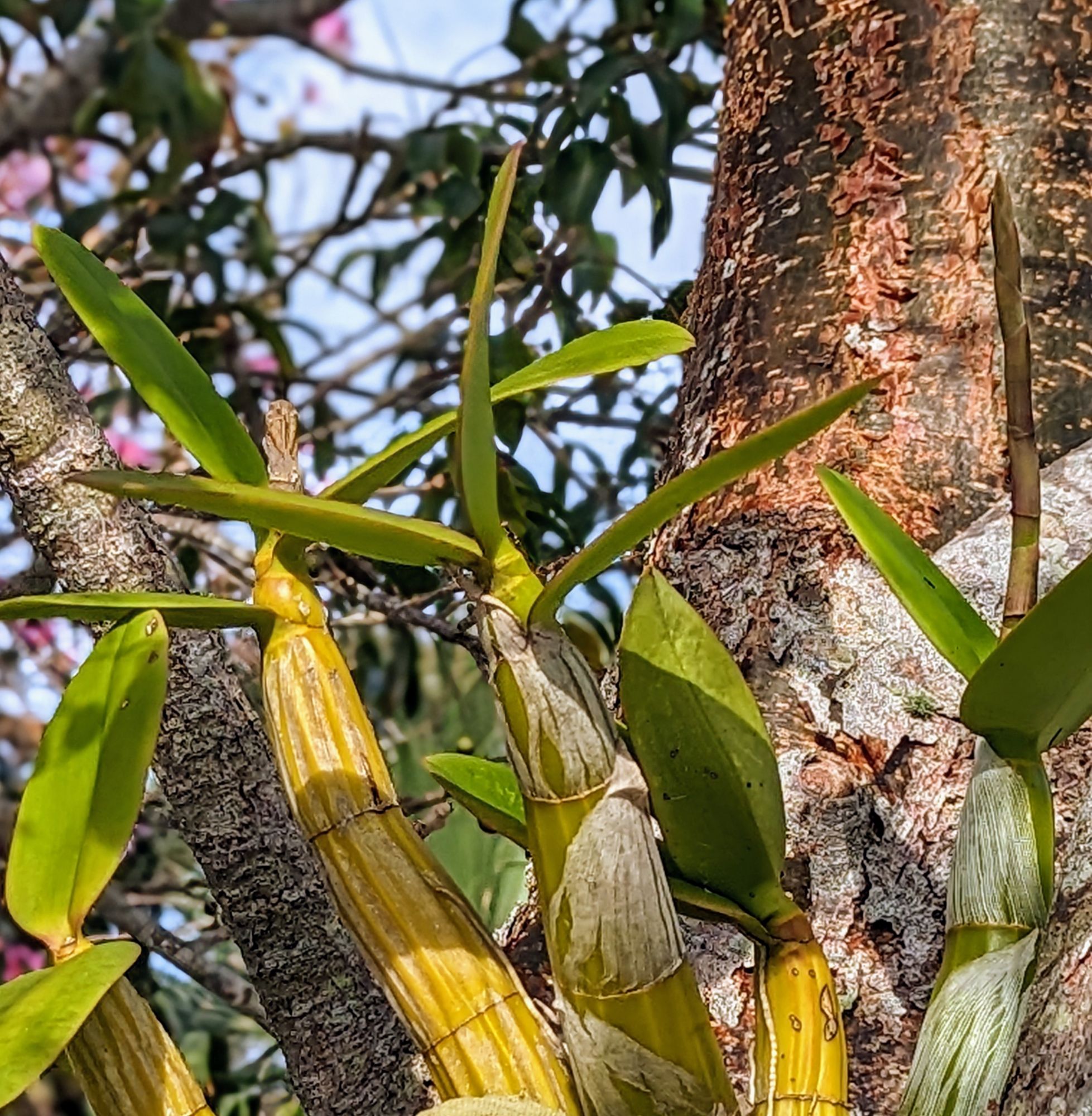
This Schomburgkia orchid has finally rooted into the trunk of the Gumbo Limbo tree. It’s time to take the bindings off.

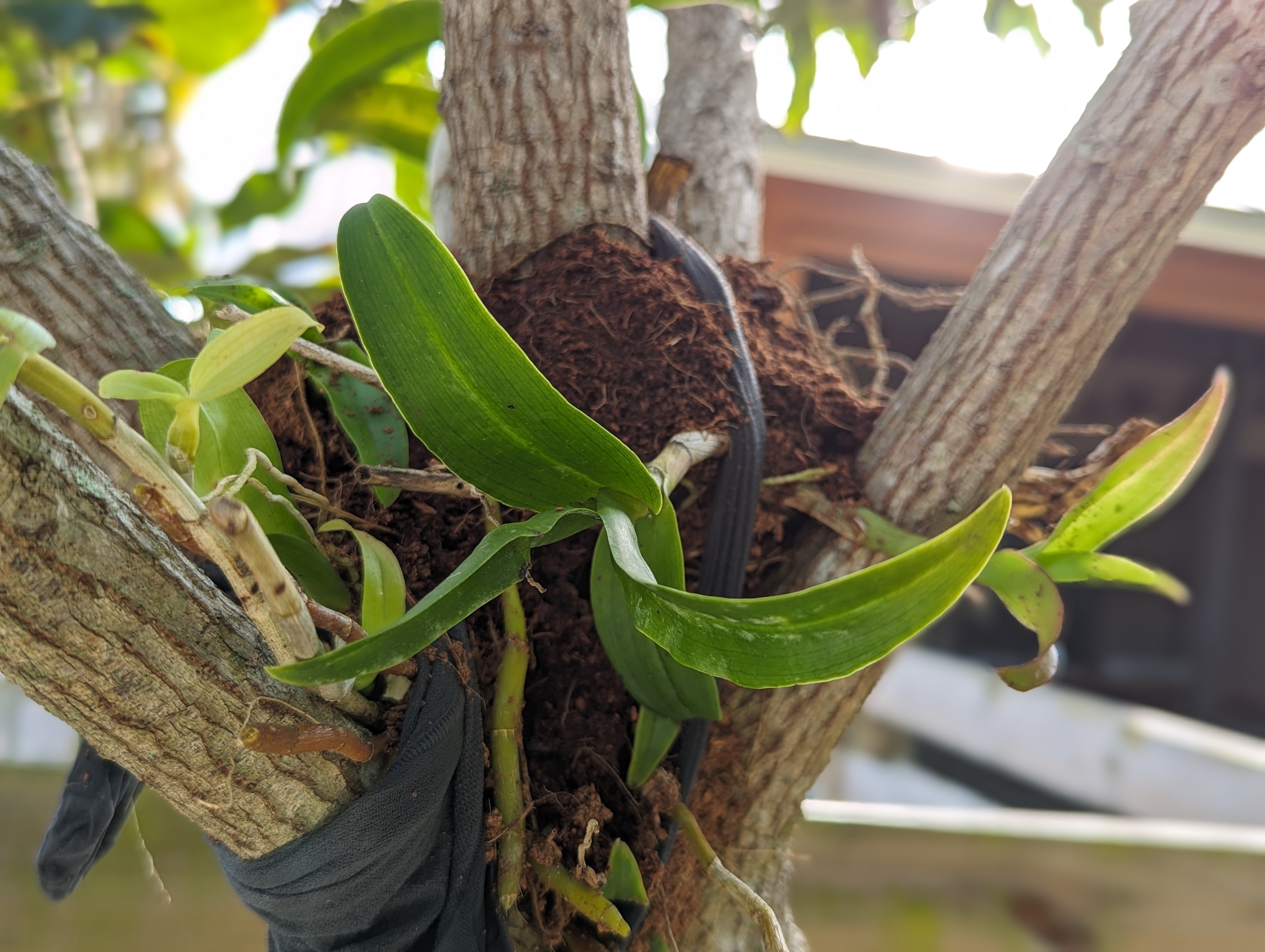
This is a Cattleya orchid, it has purple flowers and is hanging on by a thread (jute twine) in the boots of a Dwarf Pygmy Date Palm (Phoenix roebellini) – I need to tie this in more securely in hopes of the roots anchoring to the palm.

Fruit of a Coontie cycad (Zamia integrefolia). This is the female cone, I must have some male plants as there are several of these cycads in the garden. They are pollinated by beetles. I would like to have a colony of Coonties as they host a rare butterfly.

That is all from my garden this sunny Saturday morning.

Happy Holidays!!

Six on Saturday – Experimental Fall Greens

I am joining the SOS gang once again this Saturday. My morning discoveries on my garden tour are mostly green. No vegetables, although the tomatoes I grew from seed are ready to be transplanted. Follow this link gardenruminations.co.uk to visit Jim and connect with more gardeners worldwide in the comments zone.

South Florida’s gardening season is the flip side of most of the Northern Hemisphere. We grow summer vegetables in winter and many summer perennials thrive here during the cooler weather that would wilt in the heat during their “normal” flowering season. I am thrilled to find my first Dahlia tuber emerging from the ground. Nine tubers were planted in the garden, three in pots, I know one was eaten, so the rest???? I bought the tubers at an end of season sale, then wrapped and refrigerated them until October, planting time here. All Dahlias were red, for what reason I have no clue.

It is strange to me that Rudbeckias are difficult to grow here. The summer humidity molds them, quite literally. These are Goldstrum Rudbeckias taking hold in the garden.

Another garden stalwart further north, Moonbeam Coreopsis, is bravely making a stand.

The ultimate experiment, a mass of Ice Plants (Delospermum cooperii). I am fairly certain these will melt next summer, though I have run across gardeners who have success with them in South Florida.

Another experiment, seemingly successful. I decided to try the Chelsea chop on Tropical Red Salvia (Salvia coccinea) – a reseeding annual. It seems to have worked.

I have not tried any of these plants in winter previously. In the great words of Tom Petty “the waiting is the hardest part”

Will they flower??? Time will tell.

A more typical green from me. The greys are Aechmea fasciata Bromeliads, the dark one is ‘Luca’ Neoregelia. Smaller red broms are ‘Fireball’ Neoregelia. Bromeliad moving and propagating season runs November through March. There is usually movement in the garden this time of year.

Happy Gardening!

In a Vase on Monday – Old School

My old school, The University of Georgia, is currently topping the US college football rankings and has been for the past 19 weeks. I decided it was time to do a vase in the team colors, red and black. My husband describes the level of dedication to the sport at UGA as “Football as Religion” It is quite an experience to be in a stadium filled with 92,000 barking fans decked out in school colors. Despite being married to me for over 30 years, my husband has not yet learned to bark properly.

The reason for all the barking? Bulldogs are the team mascot, there is always a white bulldog on the sidelines (he has his own air conditioned dog house) The current one is named ‘Boom’ and they are named in order. Boom is UGA XI, when I was in school UGA IV was in charge. Follow the link for more bulldog mascot info https://georgiadogs.com/sports/2017/6/16/uga Note the vase disguises the year on the diploma.

There are probably few gardens in temperate areas that have plants with red and black foliage, but I do! The foliage is from the Piecrust Croton (Codieum varigatum), other leaves have yellows, greens and pink splashes, it is quite a colorful plant. The white flowers are ‘Miss Alice’ Bougainvillea; larger red flowers are Nodding Hibiscus (Malvaviscus arboreus); bell shaped red flowers are Firecracker Plant (Russelia equisetafolium).

Another view. The black vase was a thrift store find and is one of my favorites for its versatility and contrast to the flowers it holds…and it is perfect for this “Go Dawgs” vase.

That is all from South Florida this Monday. I guess everyone now knows what I have been doing on Saturday afternoons (if we can conquer the where it is streaming on TV challenge) Visit Cathy at http://ramblinginthegarden.wordpress.com to see more vases.