In a Vase on Monday – Turks Caps and Wildflowers

wp-1763329425028706889522261596729

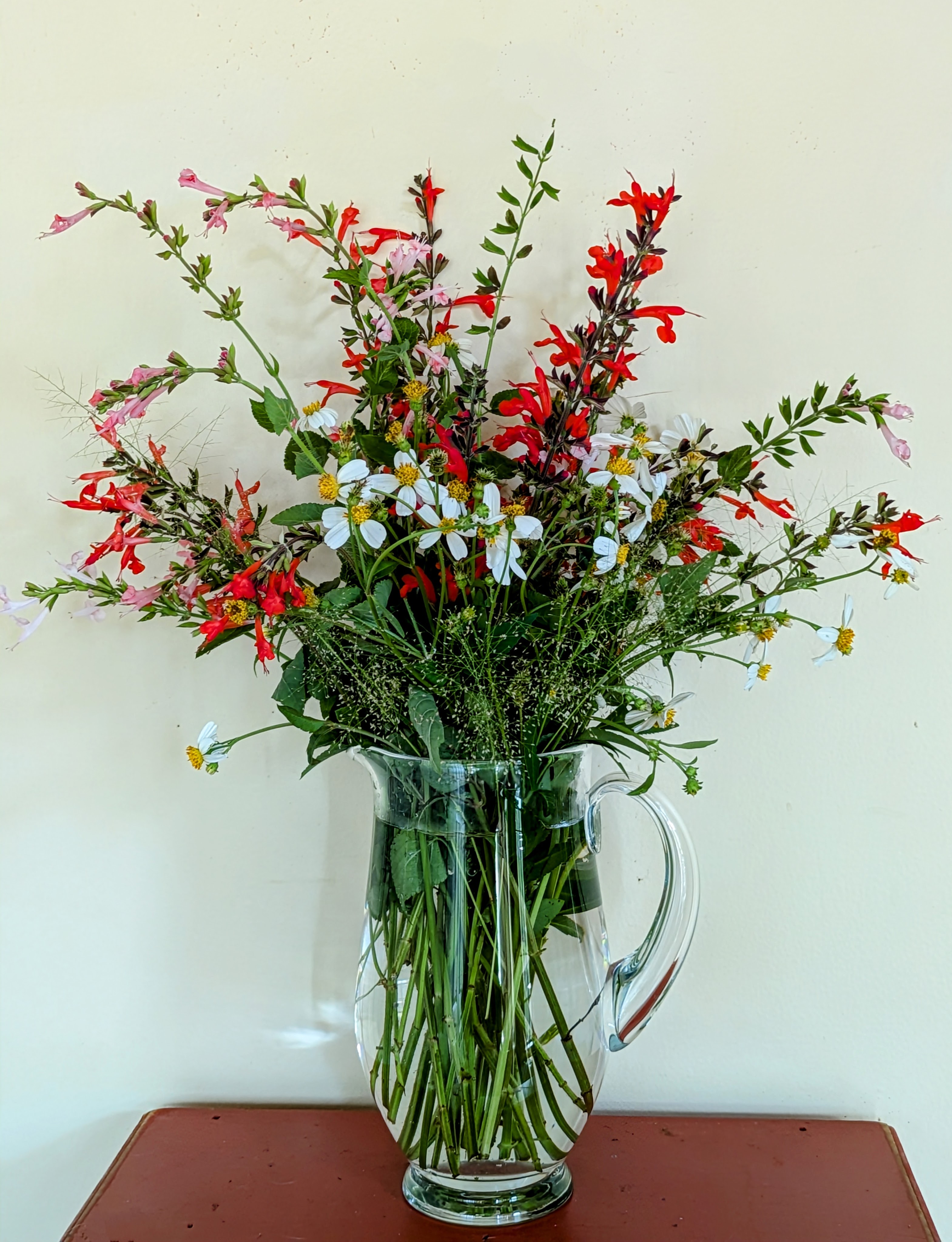
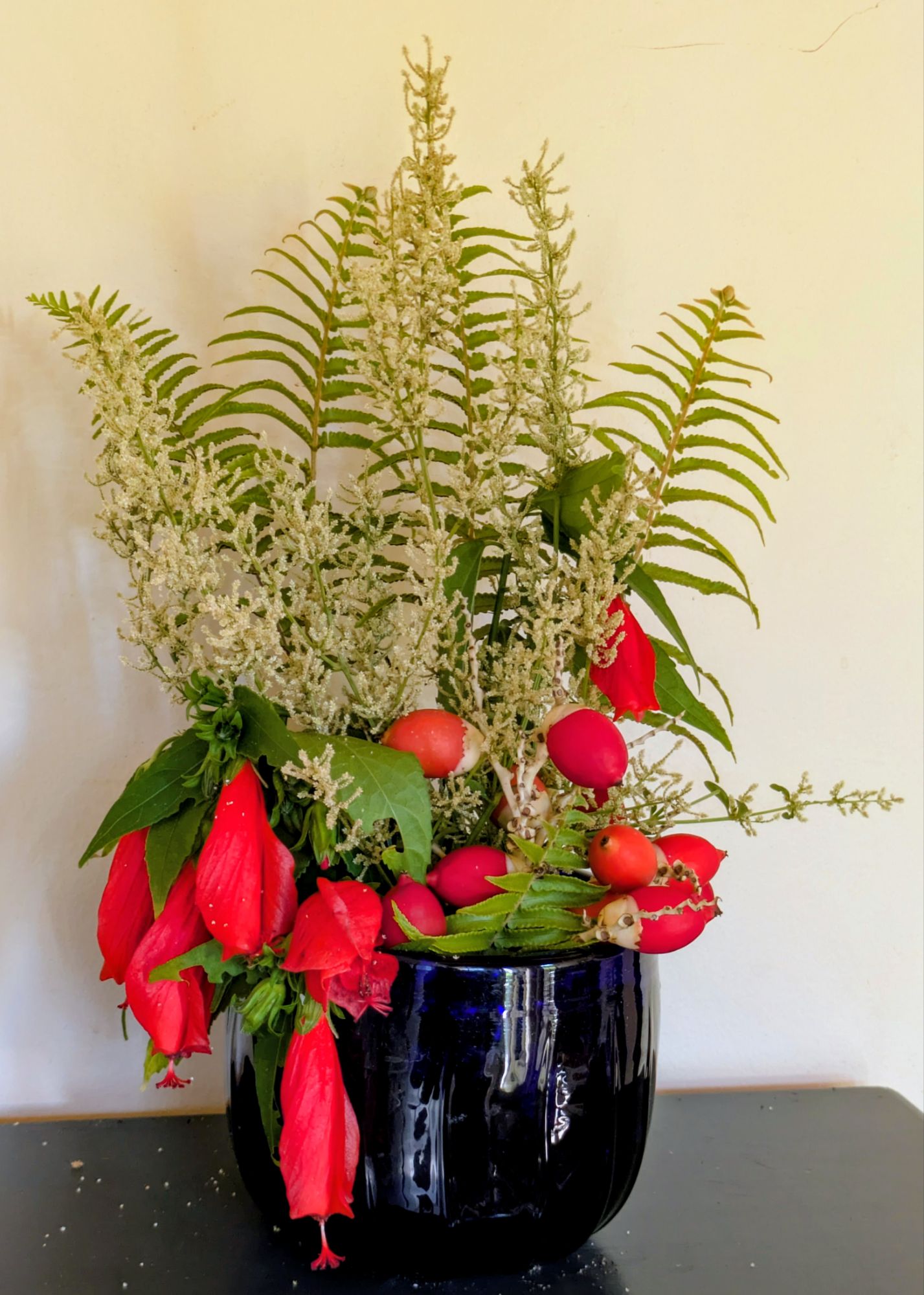
It’s that time of year – the holidays are approaching and the red flowers and berries are making their annual appearances. This vase is a good reflection of what is going on in the garden – the odd dichotomy of South Florida landscapes. Some plants go to seed in the fall and others celebrate the cooler season with flowers and growth. I realize there are cool season plants in other climates, but these are a little different..a bit more oomph.

South Florida is home to some fantastic native and acquired plants. I let everything come up and edit- a lot. It’s truly amazing what just appears. I am very opposed to lawn chemicals and plant for pollinators. I believe if you think that way birds and butterflies follow and proliferate, a good thing. My older brother, a lifelong gardener, was somewhat mystified by my enchantment with the caterpillars eating my plants. I have countless butterflies to enjoy and I suppose he is still worrying about how to get rid of the caterpillars.

Closer views:
wp-17633345311566434938745195014806

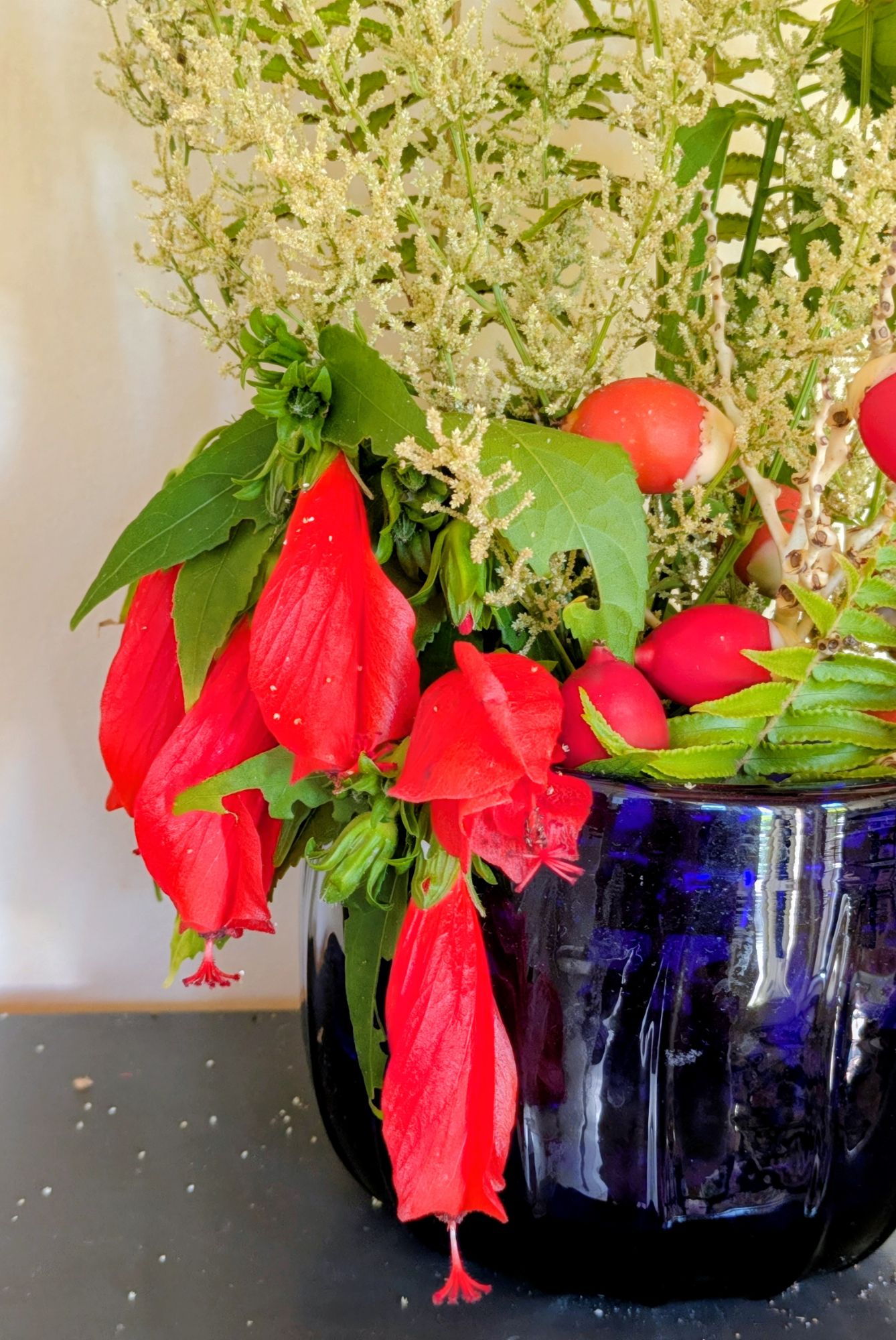
The hanging red flowers are Turks Cap Hibiscus (Malvaviscus something). The older I get, the less interest I have in botanical name drama. Off white flowers are Juba Bush (Iresine diffusa). Both of these plants just appeared in my garden to my delight. I do nothing and they carry on.
wp-17633380292501660604040861652854

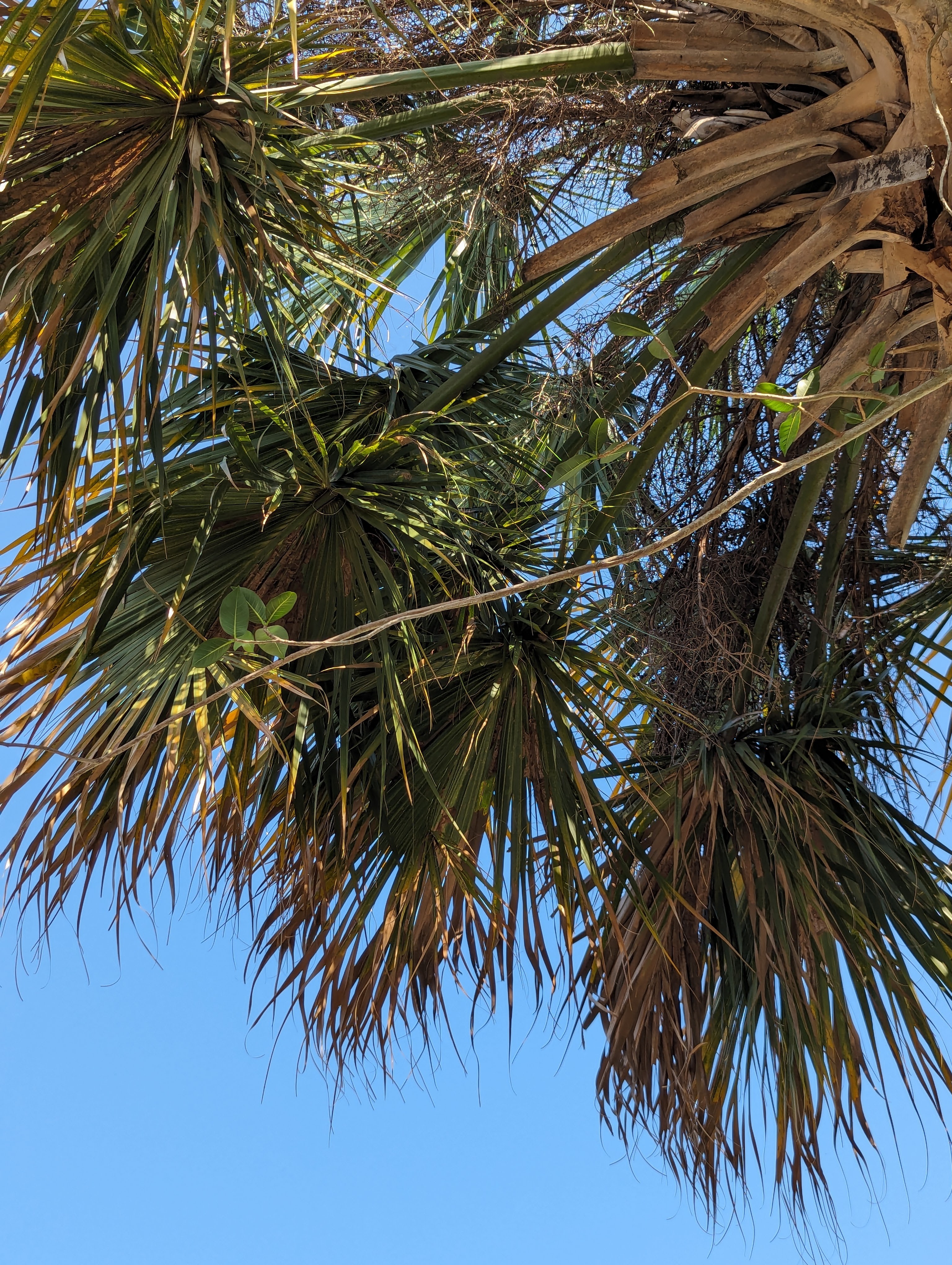
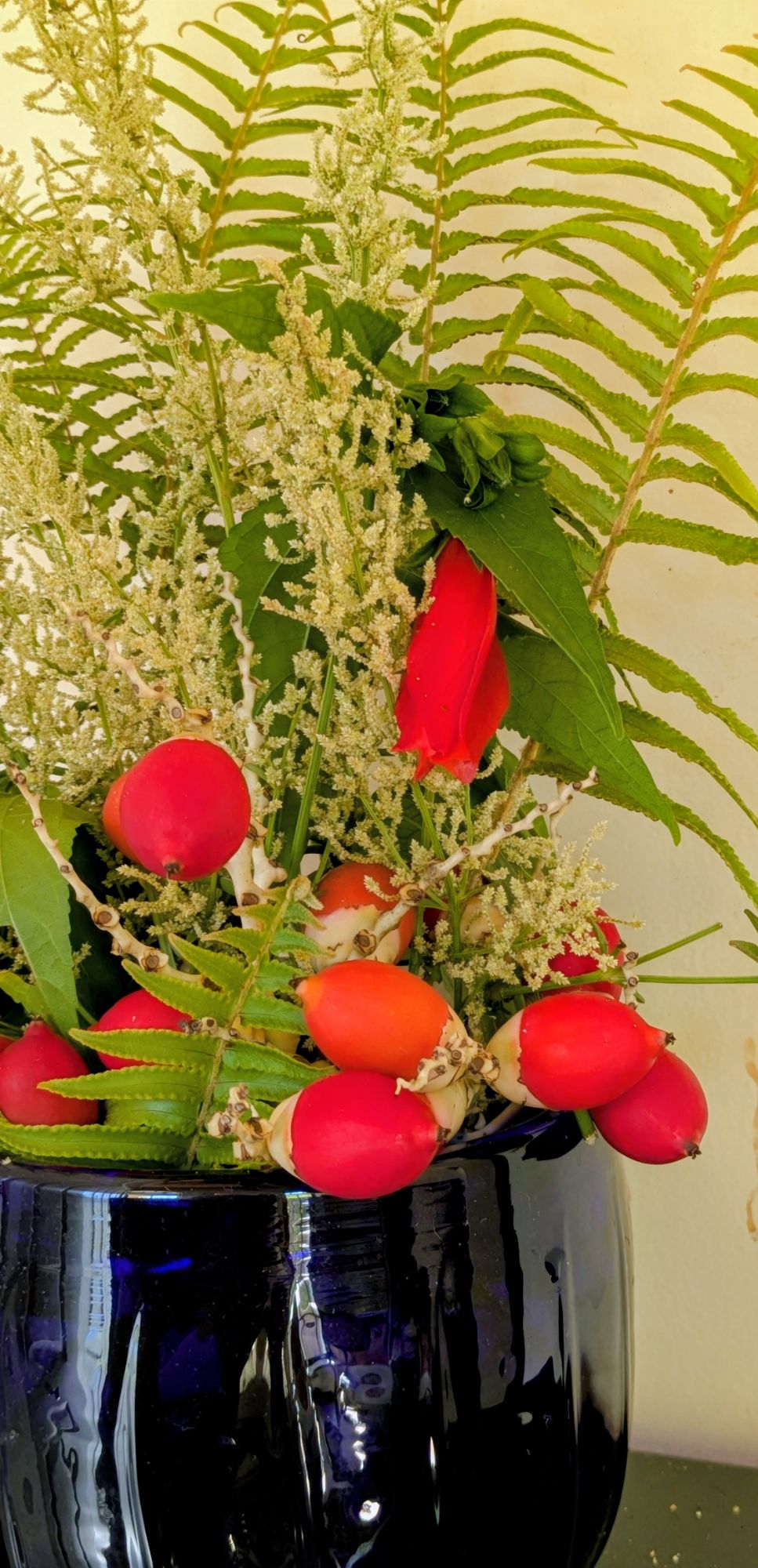
The berries are from a Christmas Palm (Adonidia merrillii), grown from seed by my friend Eddie. My husband refers to this tree as the Eddie Palm. This was planted by me. The ferns in the back are Boston Fern (Nephrolepis exaltata) They are native here and just appeared. What they have to do with Boston is a mystery to me.

Follow this link to visit Cathy’s blog and view vases from gardens around the world. RamblingintheGarden

Six on Saturday – Return to 6

I haven’t been sixing lately as August was a frying, hot and dry month and the garden was looking dismal. Things are looking up in September. For whatever reason, our late afternoon showers have returned, temperatures are moderating and the plants are much happier. I even went plant shopping!

wp-17571685629035335346086708936076

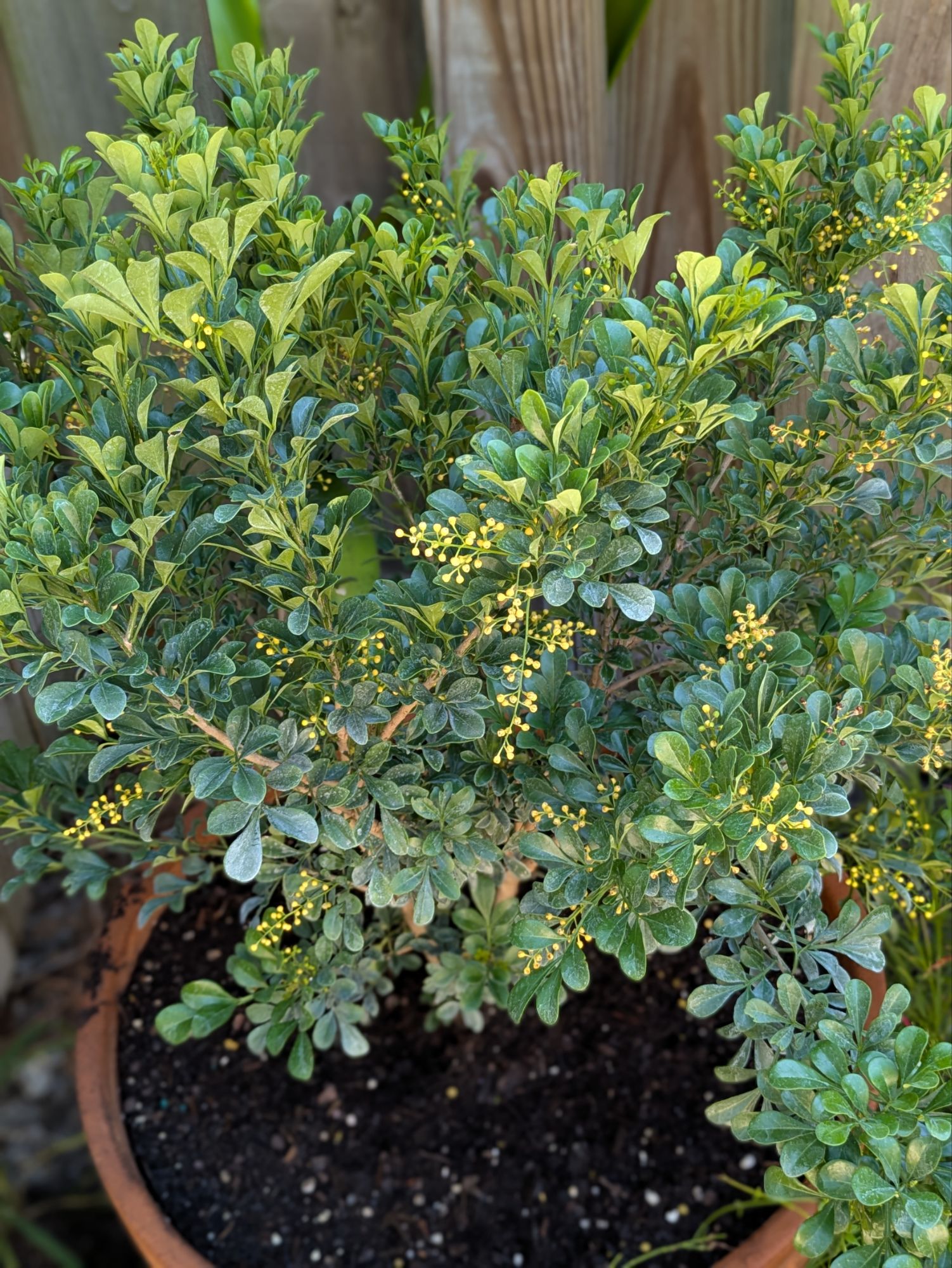
One of my purchases, a Chinese Perfume Tree (Aglaia odorata). These are the flowers. I love the scent. The nursery did an excellent job of marketing, having the shrubs here and there so you wondered ‘what is that lovely fragrance’? It’s lemony and reminds me of Southern Magnolias (Magnolia grandiflora)

wp-1757168770596903303947143791922

Here is the Chinese Perfume Tree. I planted it in a big terracotta pot as it seems they like some moisture. I am very hopeful this works and the shrub thrives. The soil in the garden is probably too well drained to sustain this plant.

New growth in the succulent containers. The Haworthias, now green, were brown through August. Grey plants are Graptosedums.

wp-17571692039337722063924598973516

Rejuvenated Tropical Red Salvia (Salvia coccinea) This reseeds freely in the garden to the point of needing to be thinned.

wp-17571694071354142211860547733724

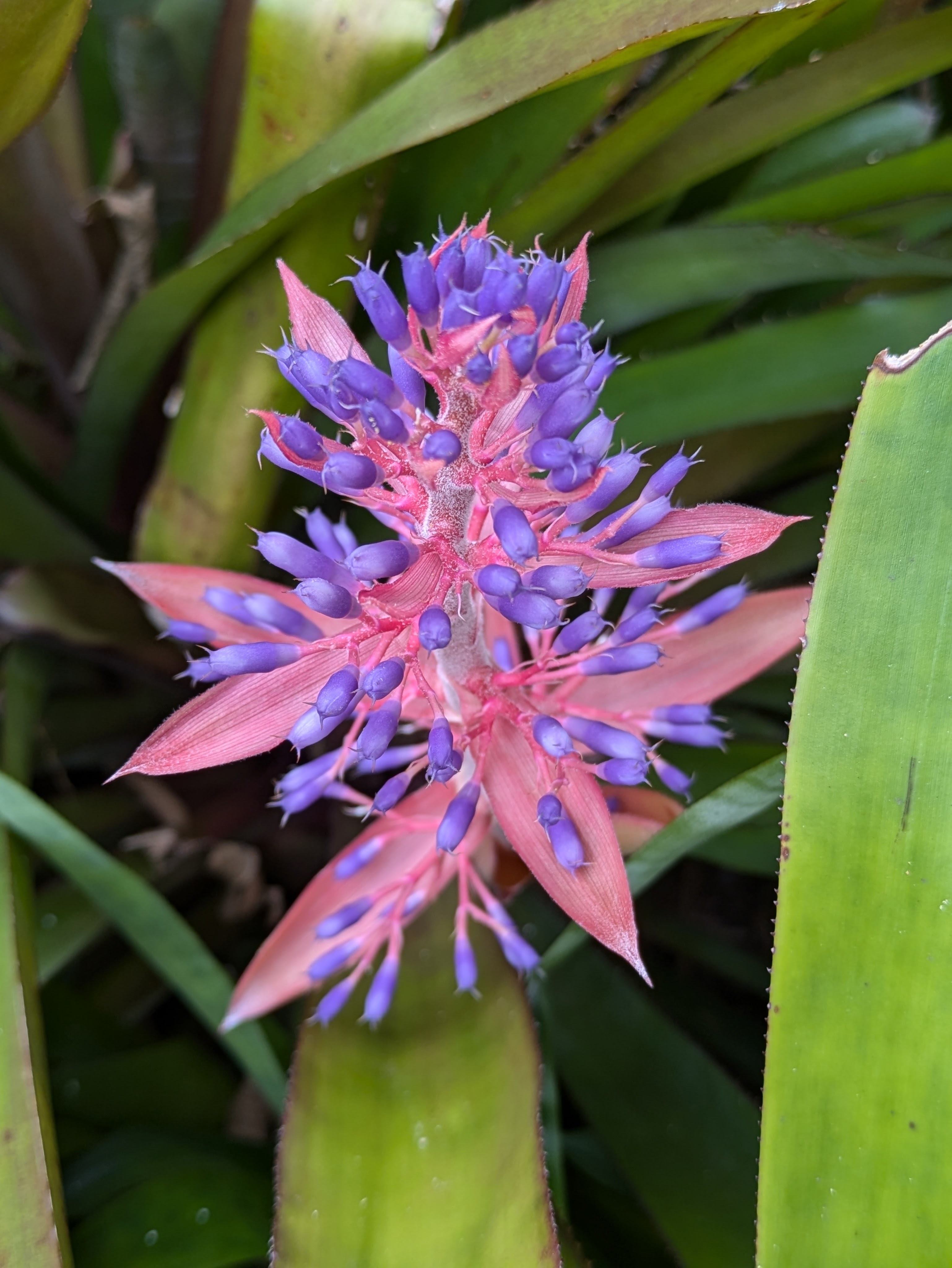
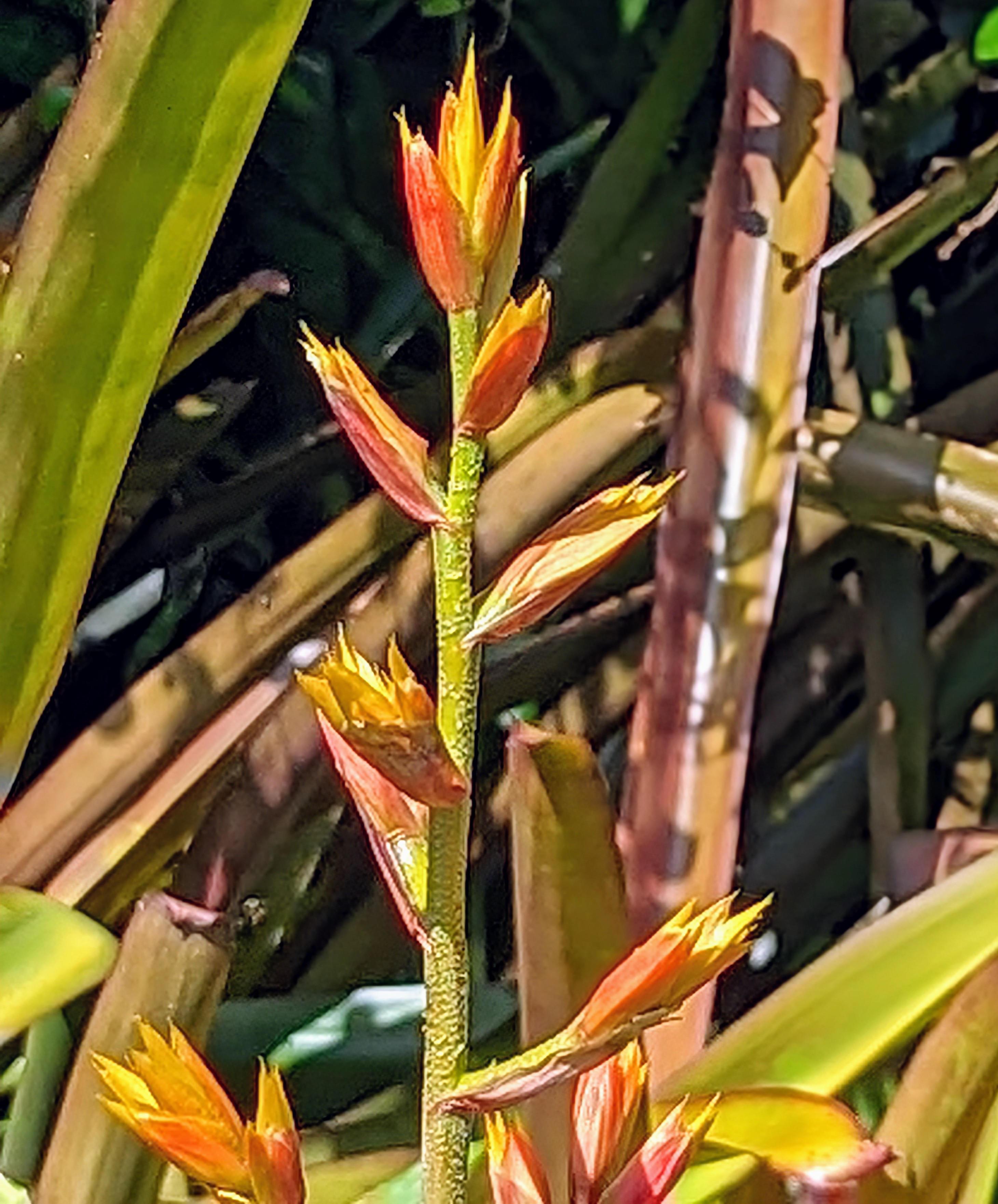
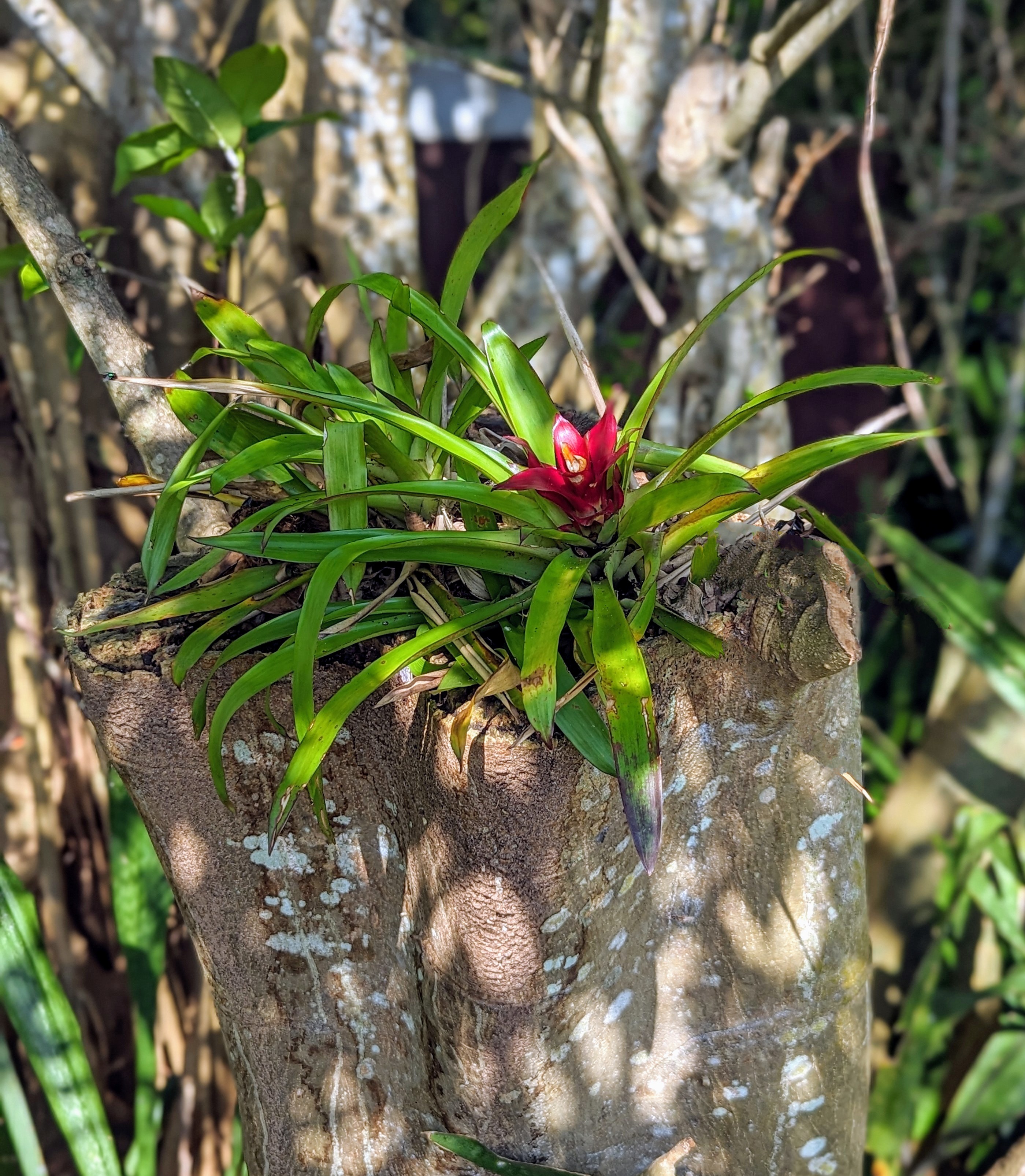
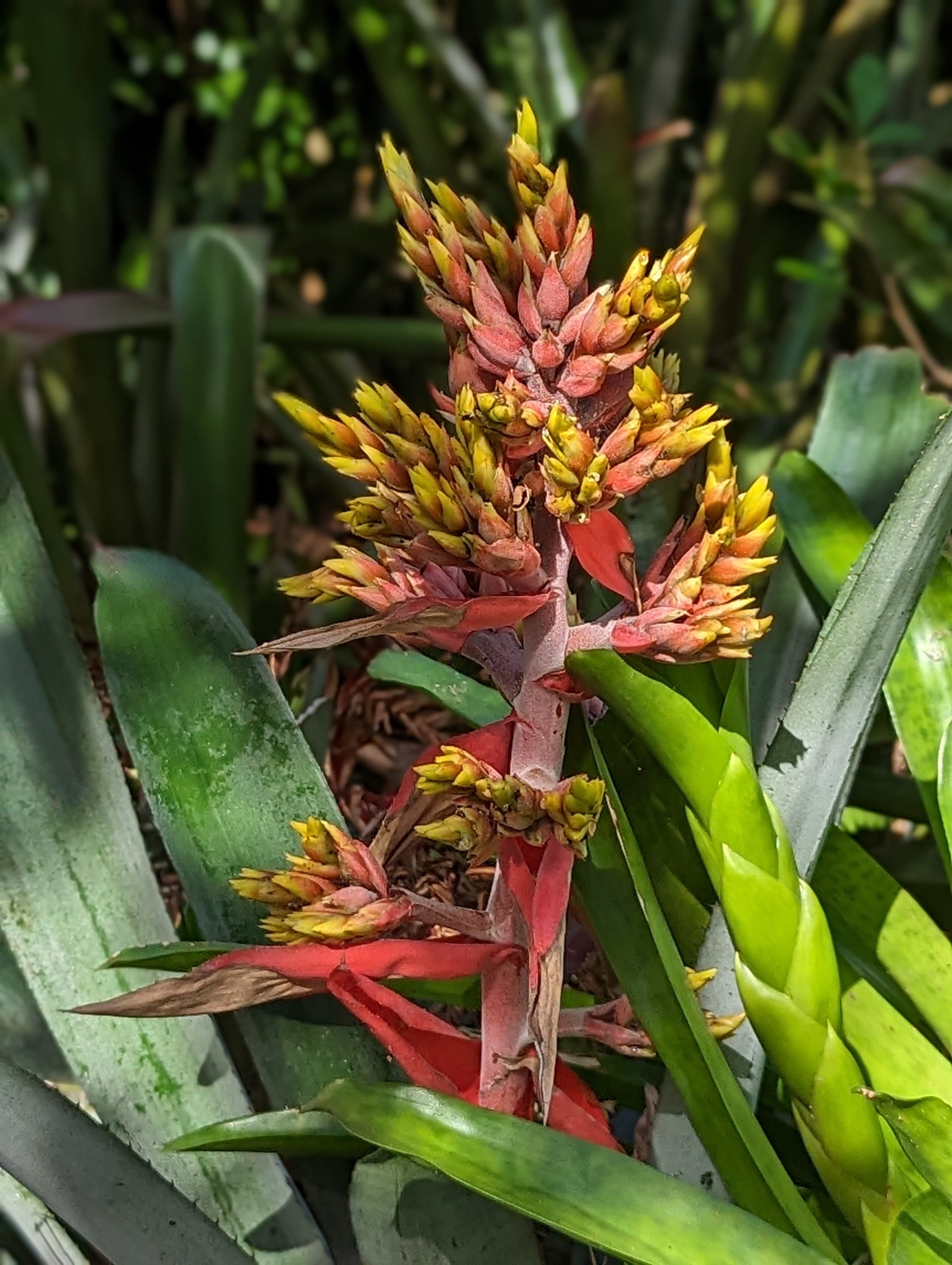
‘Little Harv’ Aechmea Bromeliad in full bloom.

wp-17571695069544801748625884847785

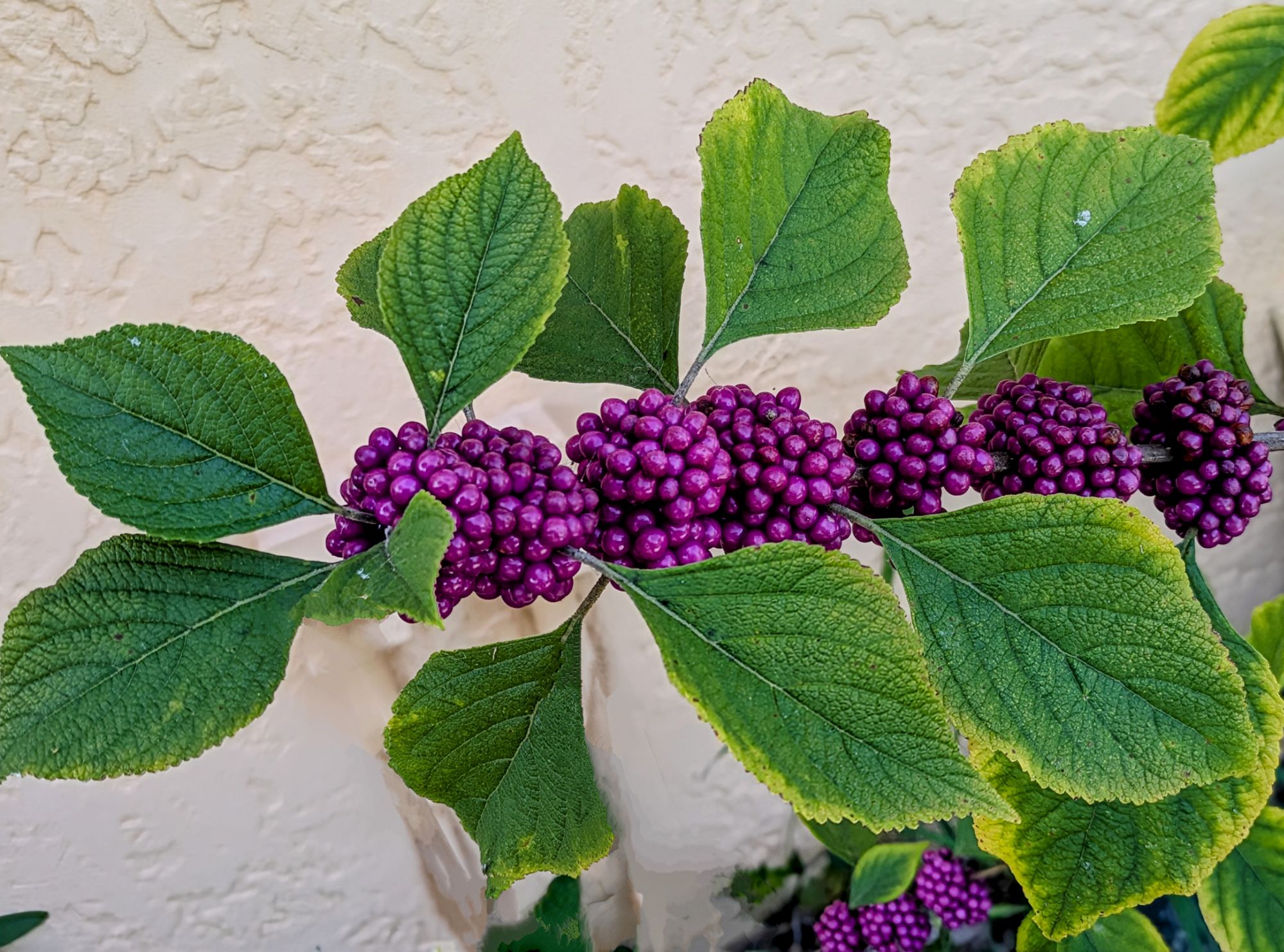
A little fall color and masses of purple berries on the Beautyberry (Calliocarpa americana)

That’s all from my garden this week. Visit Jim’s blog GardenRuminations to see more SOS posts.

Happy Fall Y’all!!

Six on Saturday – Changes

Fall brings changes to my garden. Cooler weather is the best! It seems odd to me that the more tropical plants (like Bromeliads) start to reproduce like mad and it is time to thin and move them around. I am not sure why I think they should like the rainy, steamy weather better. Maybe that is why I enjoy them so much.

To see more changes in SOS gardens follow this link GardenRuminations to Jim’s blog.

October inspires the ‘Candy’ Portea Bromeliads to flower. This is just the beginning. These get longer and have fat pink stems.

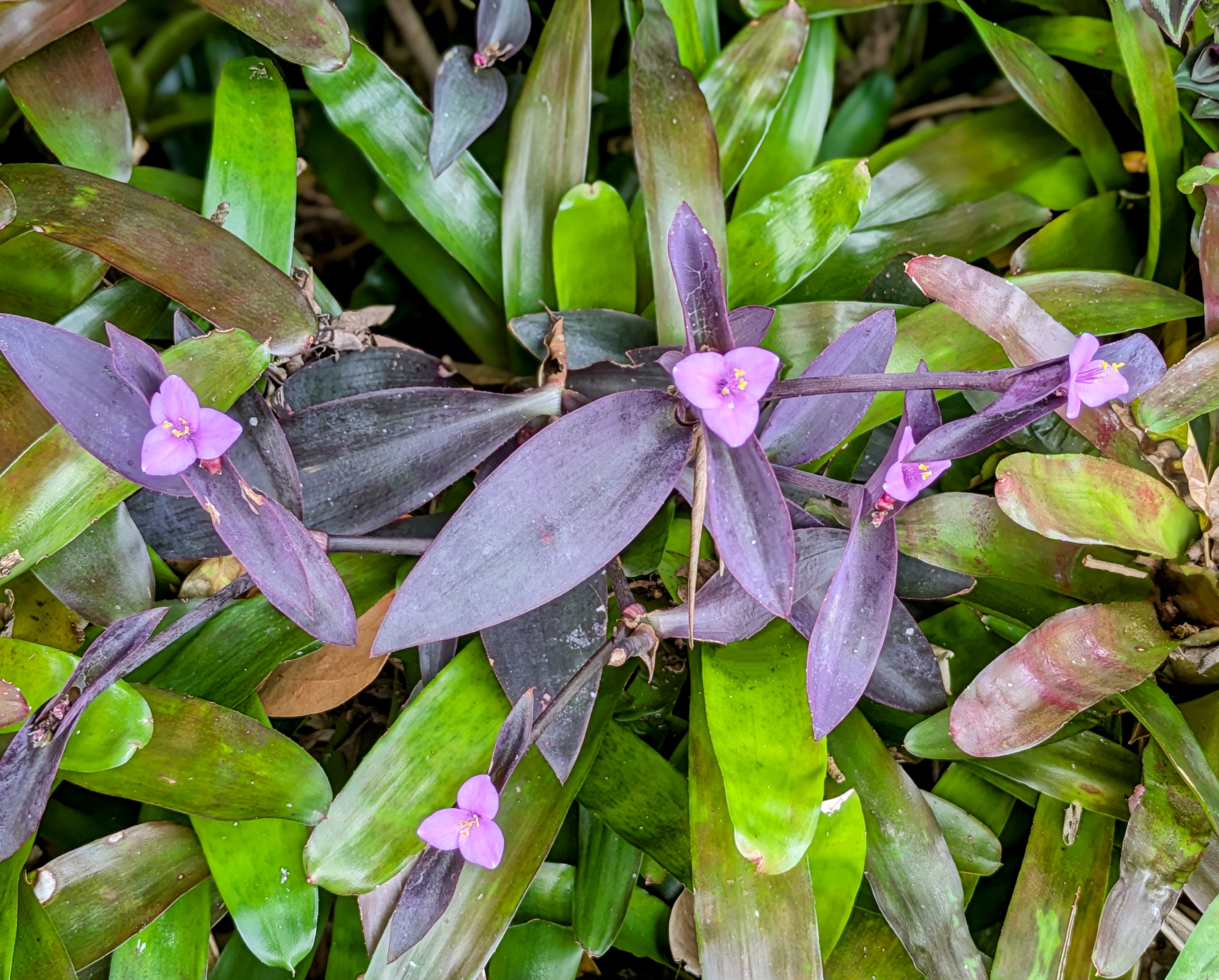
I am trying to decide if I love this or not. These Purple Queen (Transcandentia pallida) pop up in the Bromeliads and add a little color – or does it look unkempt? A dilemma.

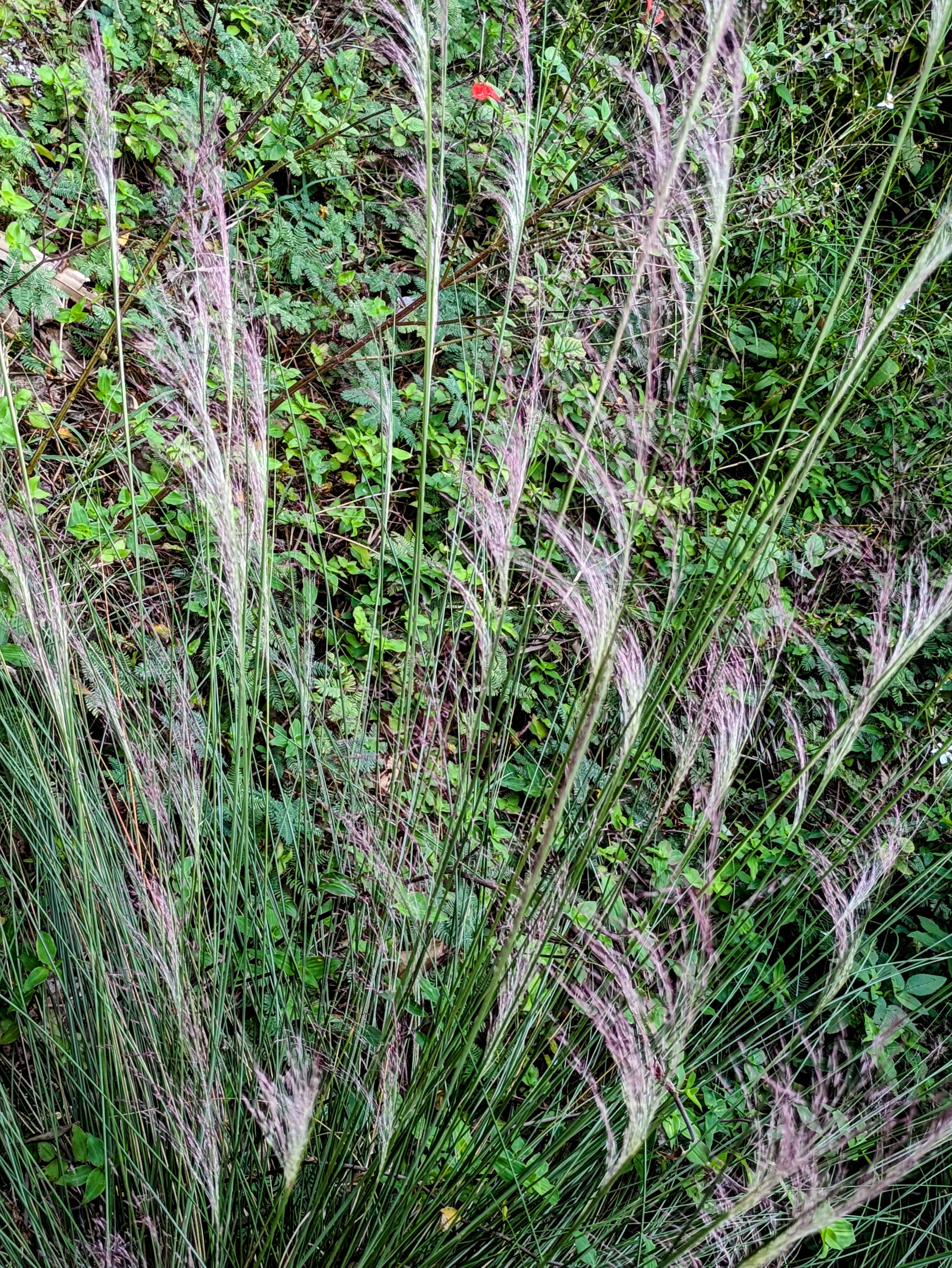
A bit more typical fall scene, the Muhly Grass (Muhlenbergia capillaris) is starting to show off.

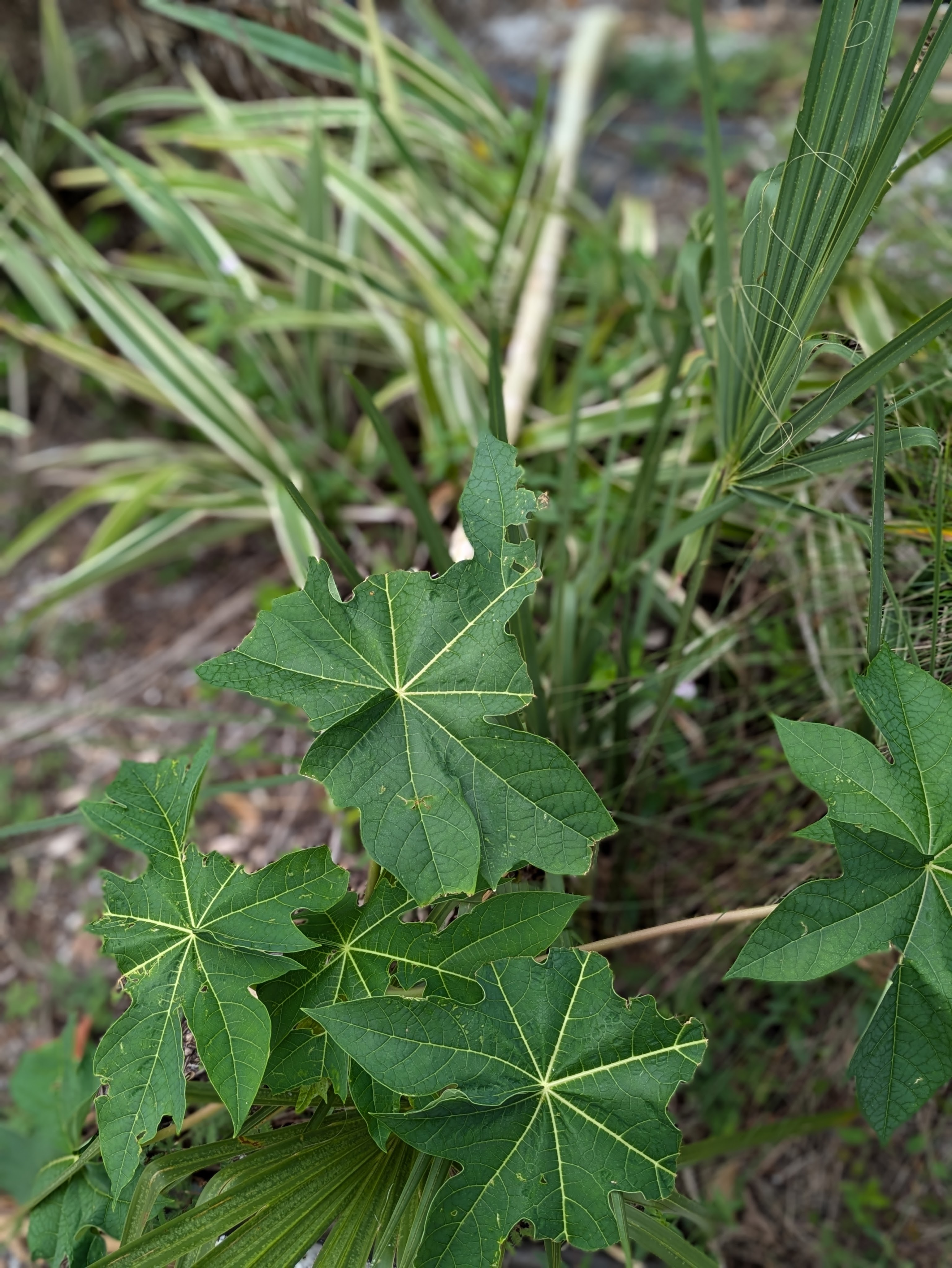
An unusual post hurricane occurrence. The Papaya tree knocked down by the wind is still alive. I think rabbits are eating the leaves. I am wondering if I can prop this up to make an easy to pick Papaya tree. The fruit is usually at least 8 or 10 feet off the ground.

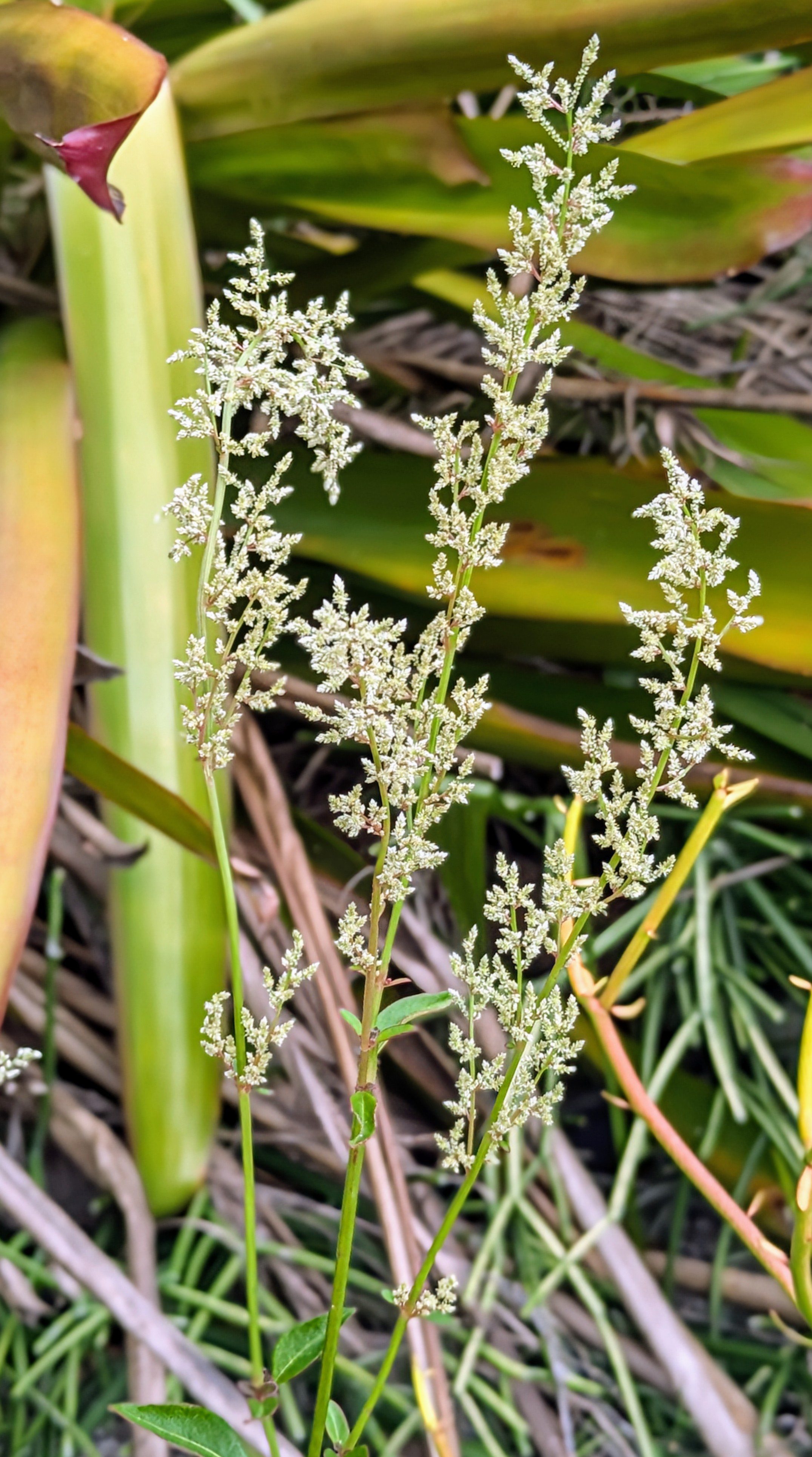
The Juba Bush (Iresine diffusa). A native wildflower makes its seasonal appearance.

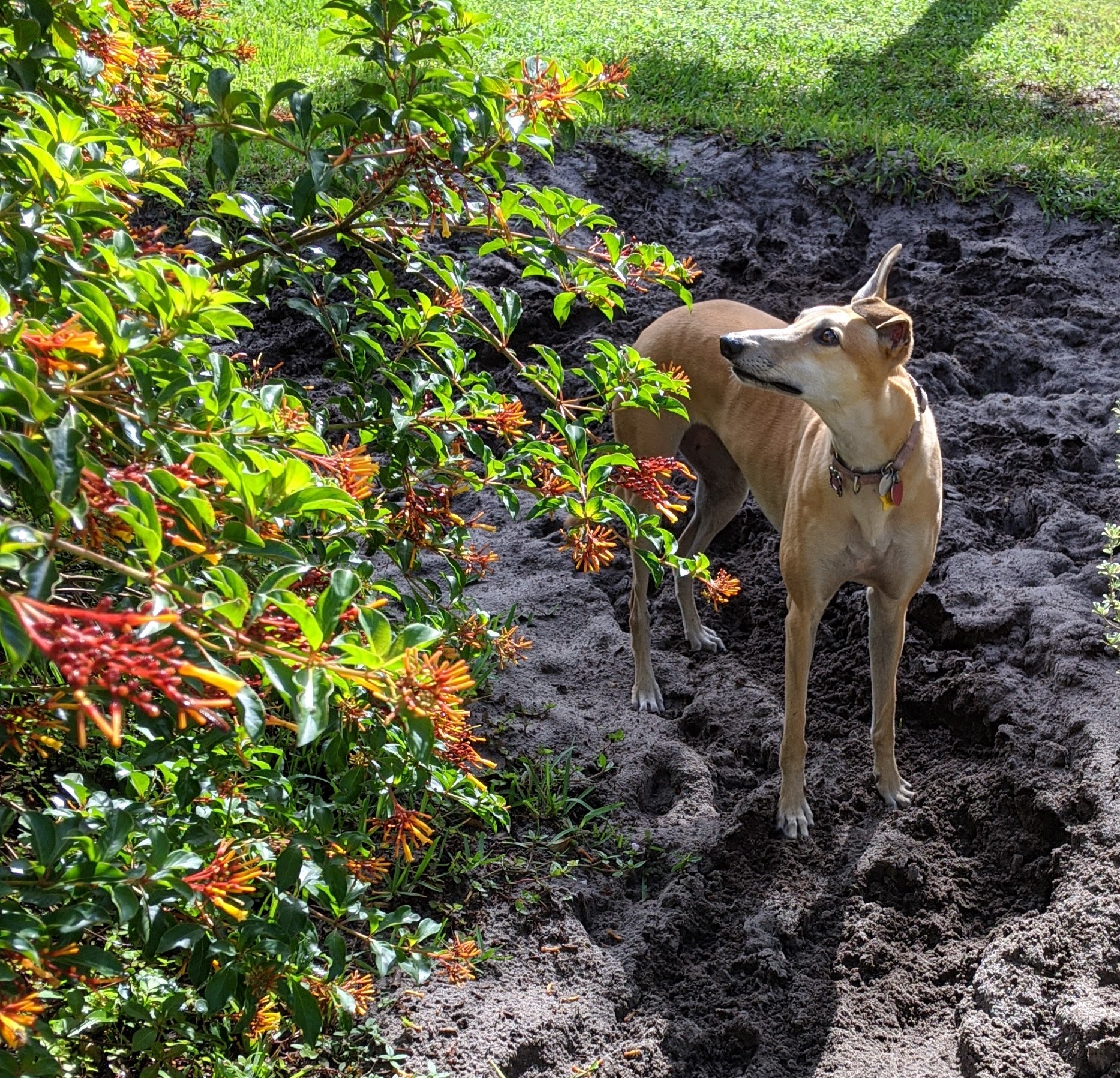
Another change in my garden I am sad to share. Fiona the Greyhound was lost to bone cancer this week. She was only seven and diagnosed in late August. I thought we would have more time with her. Here she is looking for bees to munch on in better days.

In a Vase on Monday – Sage Thoughts

If wisdom is being sought from my vase, it is time to look elsewhere. The sage here is Salvia, I noticed its wonderful sage herbal scent as I was cutting this bunch to fill a crystal pitcher. The crystal pitcher is a wedding gift. I would hazard a guess Tiffany’s would recommend its use to serve orange juice for Mimosas at a fancy brunch — not serving as a receptacle for a native bunch. The native wildflowers in my garden are flourishing from abundant rain in the past weeks. I picked all native wildflowers today.

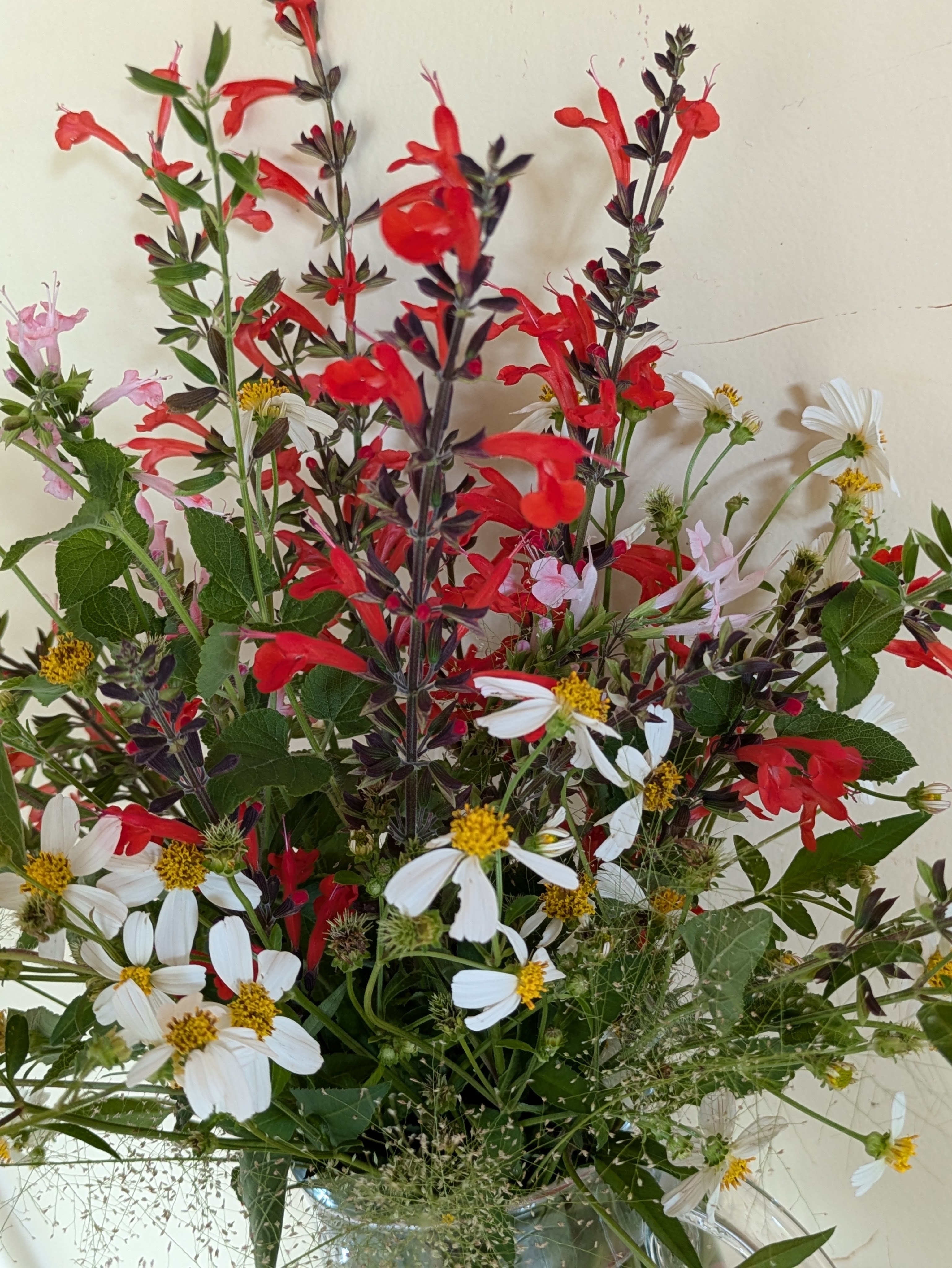
Closer views:

Red and pink spikes are Tropical Red Salvia (Salvia coccinea) these reseed prolifically and are everywhere. Cutting the flowers saves me some seedling removal chores. The same goes for the white daisies, Bidens alba, incredibly prolific – the pollinators love them so much I almost hate to cut them.

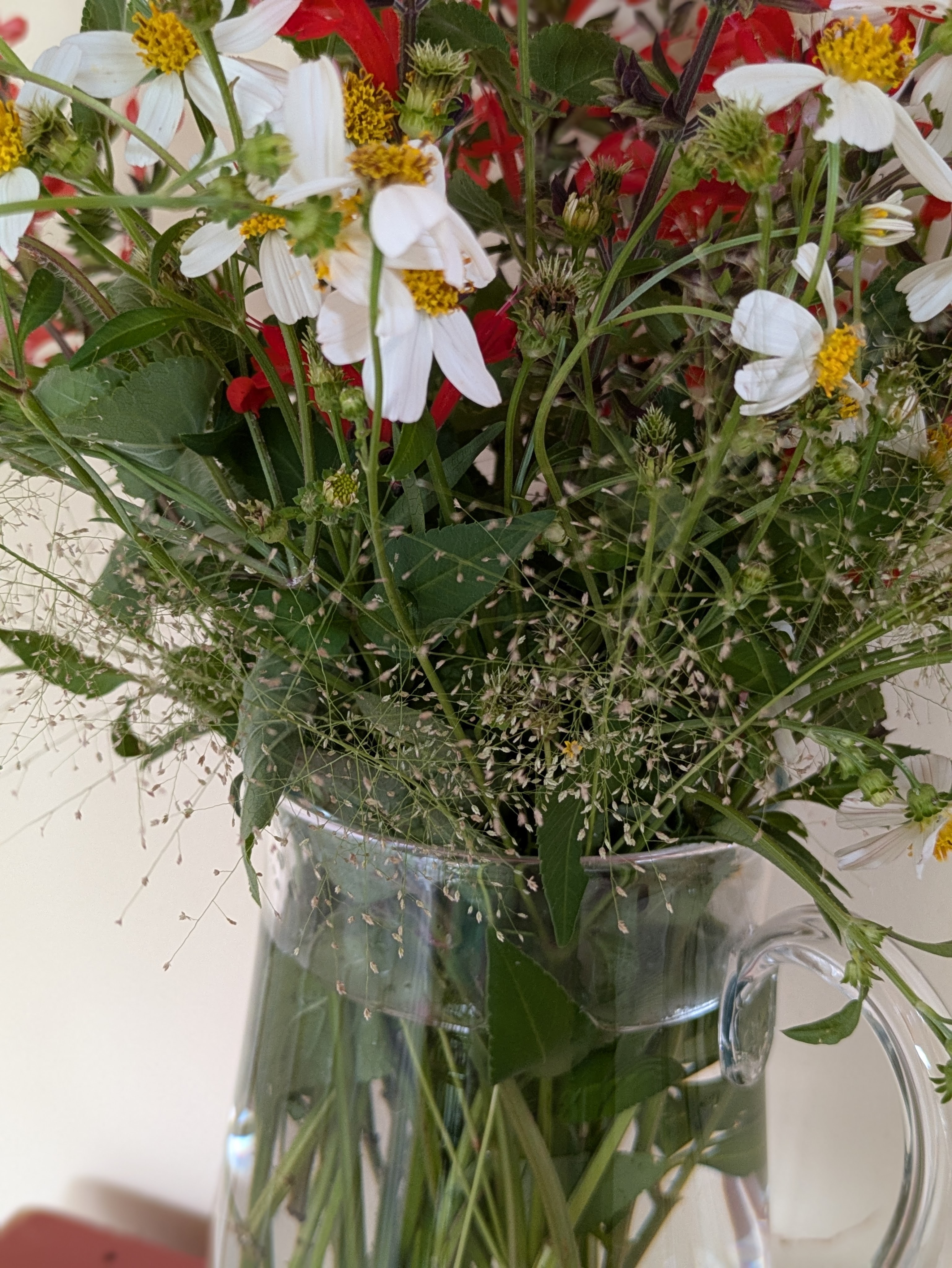
The airy plant in the foreground is native Witchgrass (Dichantthelium spp). These are small grasses that pop up in the garden. They are reminiscent of Panicum. They are not too aggressive so I leave them be.

I’m dreaming of a cold front, realistically, we are a month out from that first delightfully cool day. One can dream. Pop over to Cathy’s blog to view some more vaseage…

Six on Saturday – Summer Solstice Shortly

Summer flowers are budding and blooming in the garden this Saturday. I know this seems picky but the days seem too long now; but I know the Summer Solstice is just around the corner and they will soon be shorter. In December I am certain to be complaining that the days are too short. Follow the link to Jim’s blog gardenruminations to see more SOS garden tours.

Aechmea rubens Bromeliad buds. Once this blooms, the flowers last for months and then dry into red straw. They are big and sharp.

Buds on Billbergia pyramidalis, the flowers are pyramid shaped once they open and many people call this Hurricane Lilies (?) as they flower during hurricane season, which starts today.

Pineland Lantana (Lantana depressa) flowering for the first time. It seems very strange to me that I cannot grow New Gold Lantana, so I decided to try this native Lantana and it seems to be thriving. Go figure.

Miss Alice Bougainvillea has finally recovered from whatever was ailing her and is dressed for summer.

Another garden first, a Day lily photo bombed by a White Flame Salvia. This is a Purple Stella Daylily (Hemerocallis) it is reported to bloom all summer long.

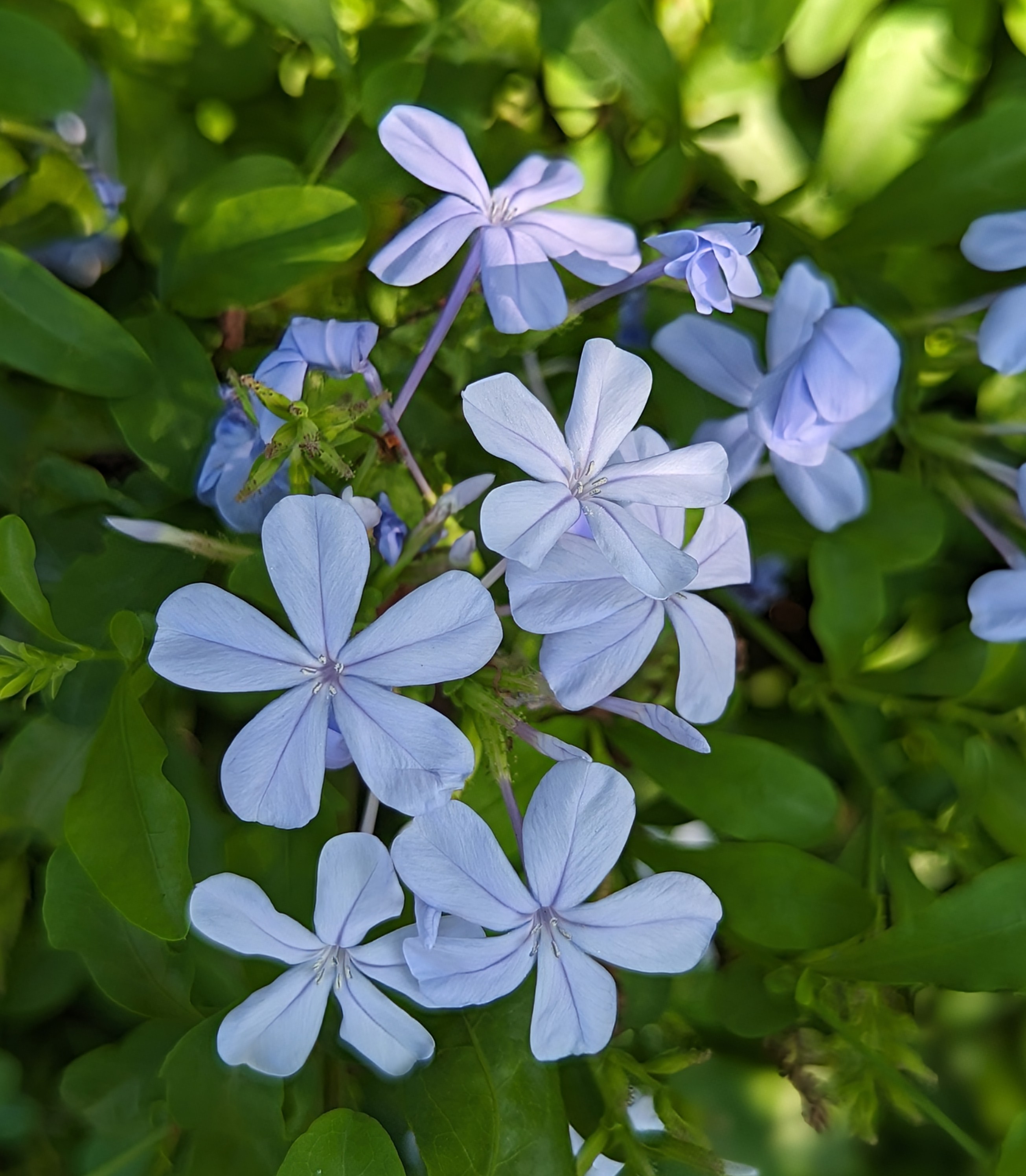
The Mophead Hydrangea of the tropics, Blue Plumbago (Plumbago auriculata) is in full bloom in my garden. I enjoy these so much and never water, fertilize or even think about them. A summer favorite.

That is all from my garden this Saturday. I am hoping for rain, but currently enjoying a nice, cooling breeze off the ocean.

Happy Gardening!!

Six on Saturday – Not Hogwarts

Some Six on Saturday garden tours make me feel like there should be a garden wizard around the corner or behind the shrubbery. It has started raining again and the tropical creeping has started. I was contemplating my Strangler Fig and the cactus that produces Dragonfruit (there must be a wizard here somewhere!) winding its way around my fence. To see more magical SOS garden tours, visit Jim’s blog by following this link – garden ruminations.

The Dragon fruit (Hylocereus megalanthus). This is a night blooming cactus, a yellow flowered variety that is supposed to produce a fruit that is lemon sorbet flavored. It flowered last year, but produced no fruit. I am finding the fruit producing plants here will often flower for the first time and not produce and then the next year flower and produce fruit. Fingers crossed! It has been so long since I bought this I had forgotten about the lemon sorbet flavor. Thai dessert mango tree in background.

We had our rather magnificent Strangler Fig (Ficus aurea) pruned. Talk about a Harry Potter tree! These are quite interesting and don’t really strangle anything. It is amazing how quickly they can grow – 15-20 foot long branches (4-6 inch diameter) were trimmed back to the trunk from our roof line. I think it has been a year and a half since it was last pruned.

Fruit from the Strangler Fig. These are edible, but only wildlife enjoy them. And I think about a million of them fall to the ground. This is followed by fruit flies who are followed by birds. Wildlife enjoys this tree. It is also larval host to the Ruddy Daggerwing butterfly.

The birds take the figs up into other trees, commonly Sabal Palms and deposit them in the crown of the tree. The figs germinate, take root followed by a small branch growing out of the side of the palm. These branches eventually get long enough to reach the ground and a new Strangler Fig puts roots down and grows up right beside the palm. It is common to see a palm engulfed in a Strangler Fig. Maybe it should be called an Engulfing Fig.

The leafy branch is from the Strangler Fig seedling growing out of the palm trunk.

These trees also make buttress trunks. They are growing in a bed of Snake plants, an impossible to get rid of weed here that I have embraced rather than argue with.

I have just added some Guzmania bromeliads to some pruning made planters. These trees are known for hosting epiphytic plants, so I will add more.

That’s all from my magical tropical garden this Saturday. Wishing everyone Happy Gardening.

Six on Saturday – The Advent of Humidity

It’s Saturday morning yet again. My morning tour found the more tropical members of my garden mob basking in humidity and unlike me, embracing it. The weather app on my phone had the audacity to state it was going to be six degrees colder today and 90 F. This is not colder.

Mother’s Day is tomorrow in the US. In South Florida, this is the bitter end of snowbird season and generally the advent of humidity. Coincidental? I think not. Join the international Six on Saturday garden tour at Jim’s blog, Garden Ruminations by following the link.

Dendrobium orchids installed in my Cuban avocado tree are putting out new growth after suffering with spider mites when the humidity was lower.

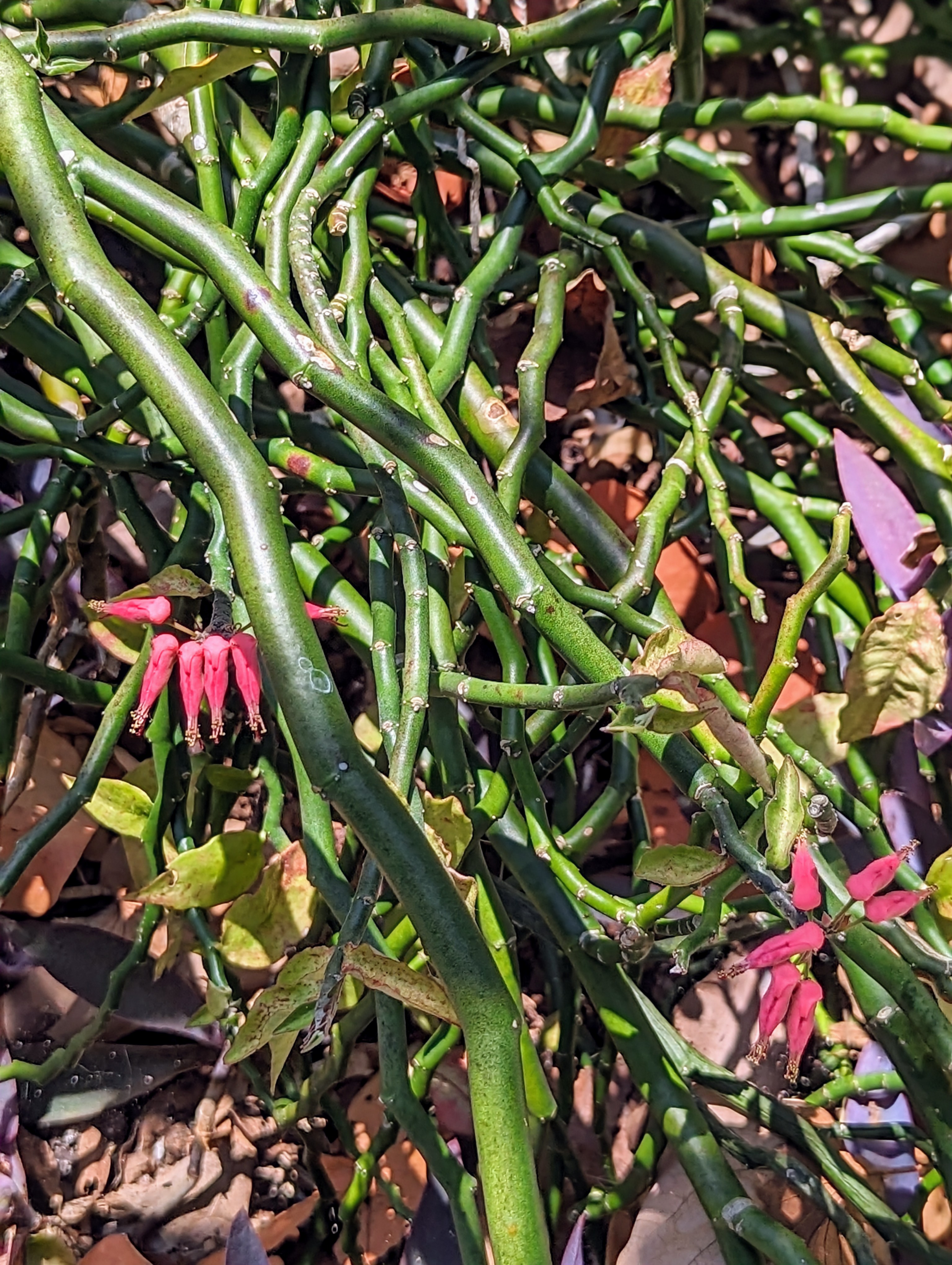
Flowers on the succulent shrub, Devil’s Backbone (Euphorbia tithymaloides). A native of Florida and indestructible in the right place, this one lives in partial shade and unirrigated sugar sand. It was a surprise to me that people keep these as houseplants.

Angel’s Trumpet (Brugsmania). I planted this about six months ago, not certain it would grow in my garden, but here it is! The plant has tripled in size and I am hoping for flowers. I did see the mealy bugs and they were dispatched to the great beyond after I took the picture.

Blue Daze Evolvulus. I have been wondering forever what inspires these to bloom. Possibly trimming, fertilizer and the onset of humidity? This is a sulky evergreen groundcover here.

I decided to tree form this massive coleus as it had overrun its under plantings. Has anyone else tried this?

Maybe the trunk needs to be a bit longer? I am thinking of letting the trunk gain some size and then pinching the new growth on top to make it fuller. And I have a lot of cuttings. I could start a tree form coleus farm.

That is all from my garden this Saturday. Thunderstorms are forecast and I am hoping for some rain. We are still not in the rainy season even though there is plenty of moisture in the air!

Happy Gardening!!

Six on Saturday – Tropics Rising

I’m joining the SOS crew this Saturday following my morning garden tour. April and May are our driest months and it’s windy as well. The garden is crying out for water and it is difficult to apply enough. I let some things go dormant (grass!) and try to keep the fruit trees and flowers flush for my own selfish reasons. This morning I noted the usual summer suspects are starting to show their colors. Visit Jim’s blog Garden Ruminations to find more tours.
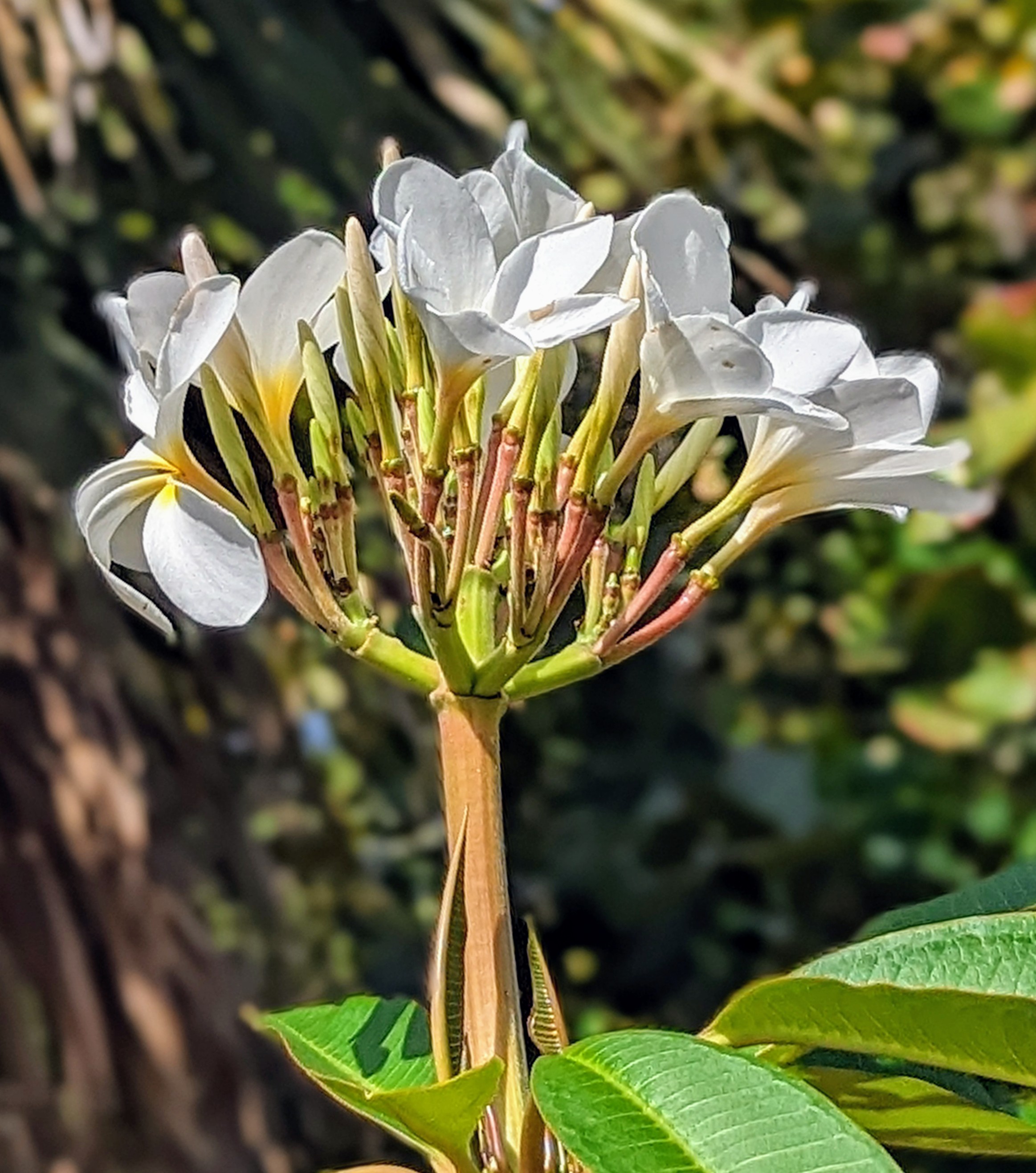
The first Frangipani (Plumeria spp) of the season. These are just starting to flower and put out foliage. They reach their full, scented glory with the onset of the rainy season. This is an unnamed variety I bought several years ago, 8-10 feet tall now. Currently one flower, eight leaves and the rest is sticks.

This is a Florida or Tropical Gardenia (Tabernaemontana diviricata). These are, oddly to me, a deciduous Gardenia. They flower all summer. The scent is much more subtle than G. jasminoides, more detectable at night.

‘Little Harv’ Aechmea Bromeliad flowers. Little Harv is not that little, he is at least three feet tall and probably hangs around for a month.

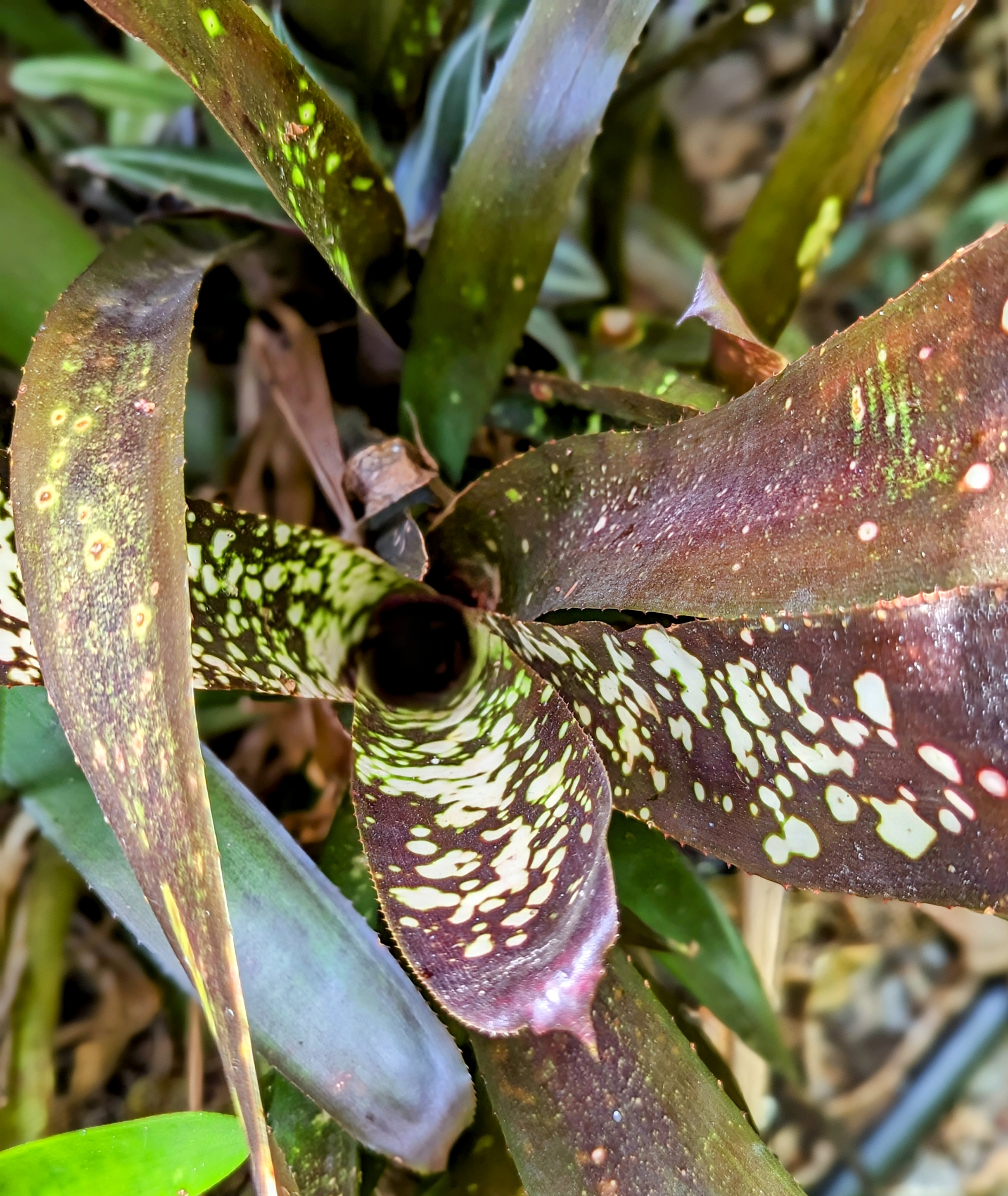
‘Hallelujah’ Billbergia Bromeliad showing summer color. The whites and greens become more pronounced and then an odd red, white and blue flower that resembles curling ribbon appears. I wonder where these things come from sometimes.

A White Geiger (Cordia boissieri) tree I have been working on. I think about 75% of the top was removed. These grow very oddly with crossing branches galore and produce shoots about every four inches. I have a feeling I am not finished with the pruning.

Florida native Sunshine Mimosa (Mimosa strigillosa). This is a drought tolerant groundcover with interesting flowers.

That’s all from South Florida. The rain dance starts soon.

Six on Saturday – Indian Summer

I am joining the SOS crowd celebrating Indian Summer in South Florida. I did not realize it was possible to have Indian Summer in my garden, yet here we are. It is dry (not raining), humid and a high of 86 F (30 C) is predicted today. This weather brings on a mix of summer and fall colors. To visit gardeners around the world with less humidity – follow this link to Jim’s blog http://gardenruminations.co.uk

I finally saw and captured an image of the rare Atala butterfly that has been hosting on my Coontie cycads. This butterfly is listed as endangered due to loss of habitat. It is native to the Caribbean, the Bahamas and South Florida. I am at the northern end of its range.

I was excited to see some actual fall color. This is Virginia Creeper (Parthenocissus quinquefolia). I think this vine grows everywhere and some people actually buy it!

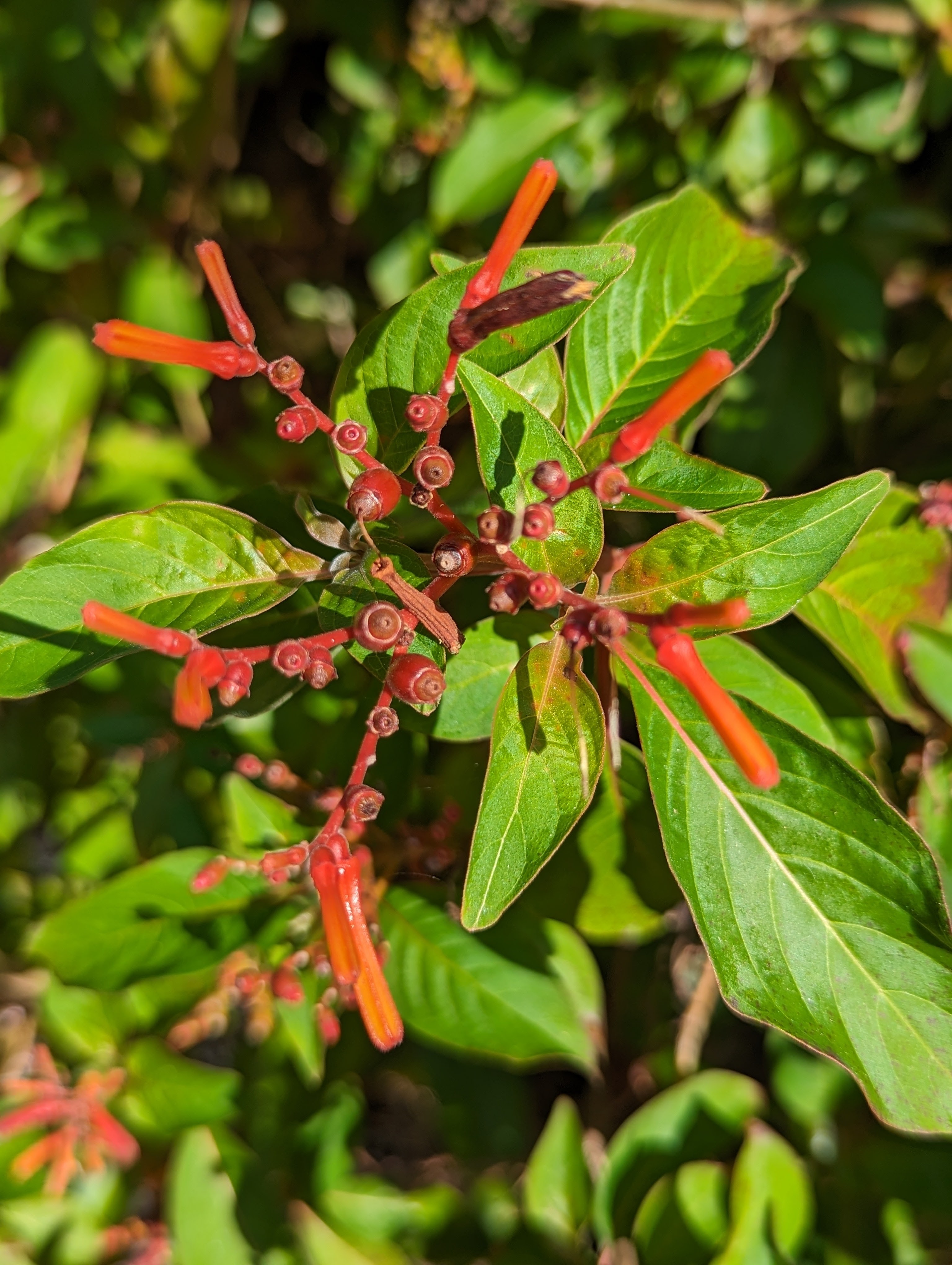
Fall berries do happen in my garden. These are on the native Firebush (Hamelia – now I am not sure of the last name!, the botanists have been at it again) These eventually turn into a juicy black fruit that the birds covet.

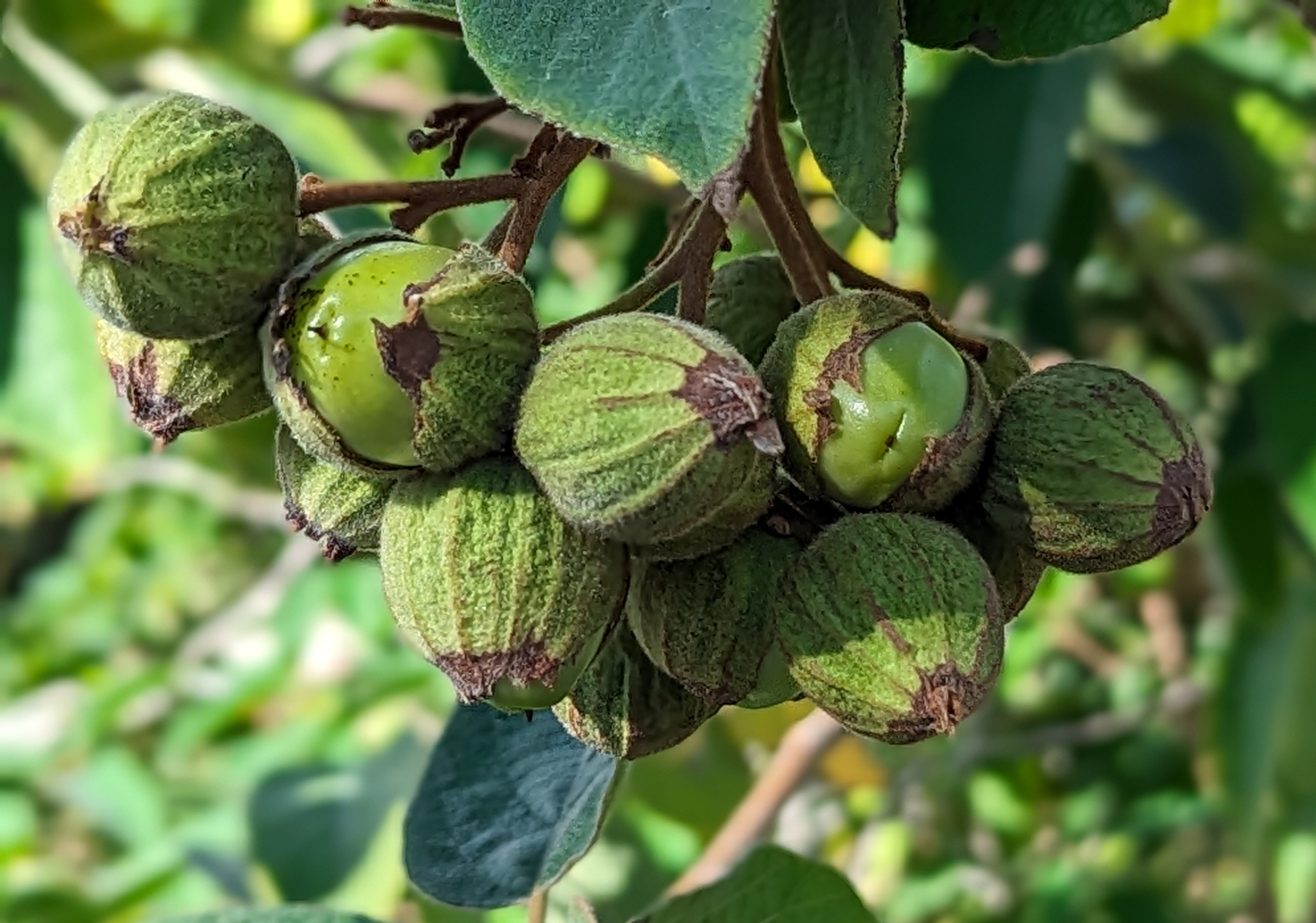
Fruit on the White Geiger tree (Cordia boissieri) I like these and use them in flower arrangements sometimes.

A native Portulaca pilosa, common name Kiss Me Quick. No idea why. I like these, but they are stubborn and will only grow where they want to grow.

Another November flowering plant, the Esperanza (Tecoma stans). These were once considered native and now they have been vilified as invasive?! It seems someone discovered a sea captain brought these from the Caribbean to Key West a few hundred years ago. I like them and have had no seeds germinating from the plant.

That’s all for this Saturday. I’m hoping for some precipitation and cooler days.

Happy Gardening!!

In a Vase on Monday – Muhly & Juba Dance

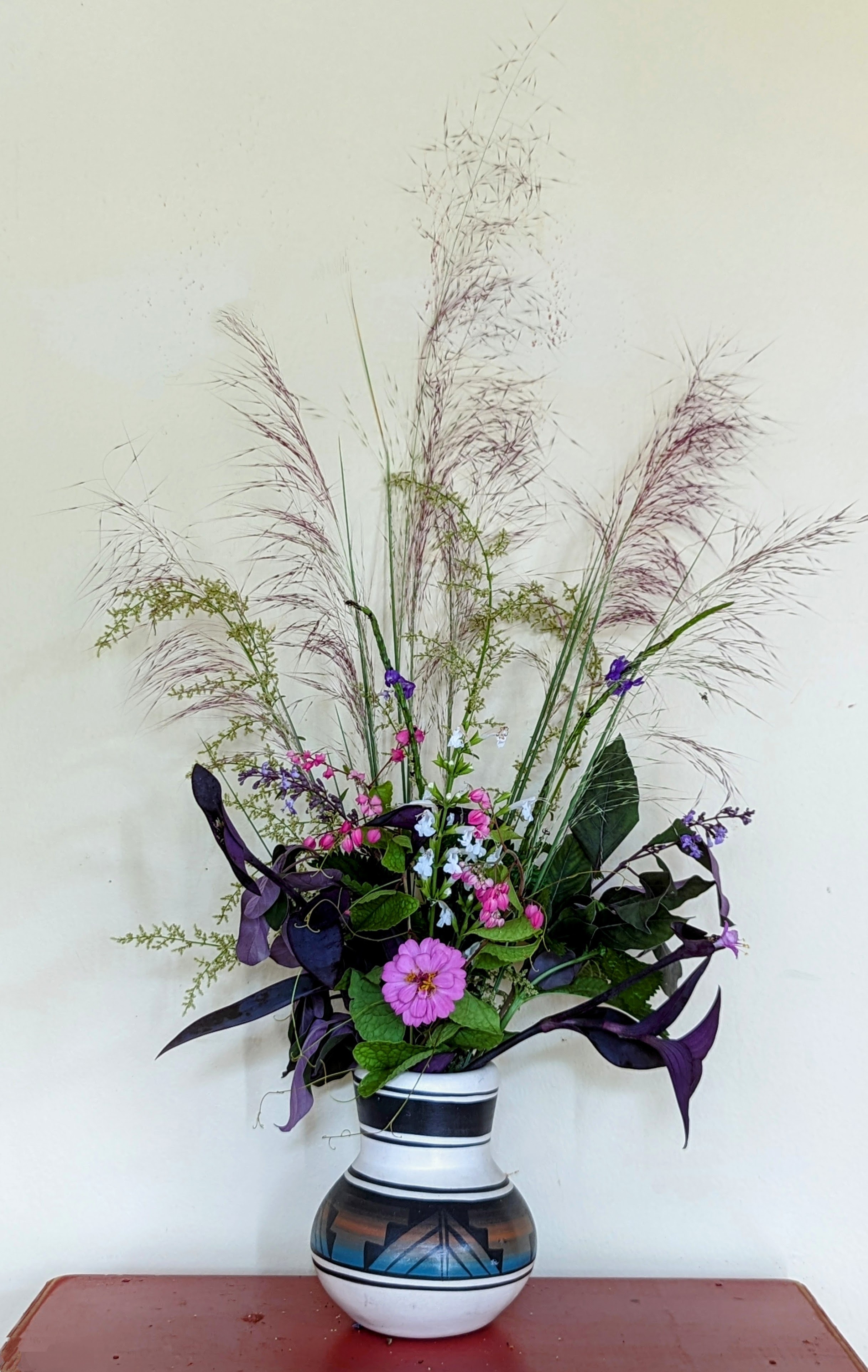
I love a little Muhly Grass (Muhlenbergia capillaris) in the fall. The mix of Juba Bush (Iresine diffusa) and Muhly swaying in the ocean breeze gives me gardening goosebumps. Our very rainy September gave all the wildflowers a boost and the garden is enjoying a late season extravaganza with very happy pollinators cruising the flowers. As these things go we are having a very dry October and now I am hoping for rain!

The Muhly and Juba:

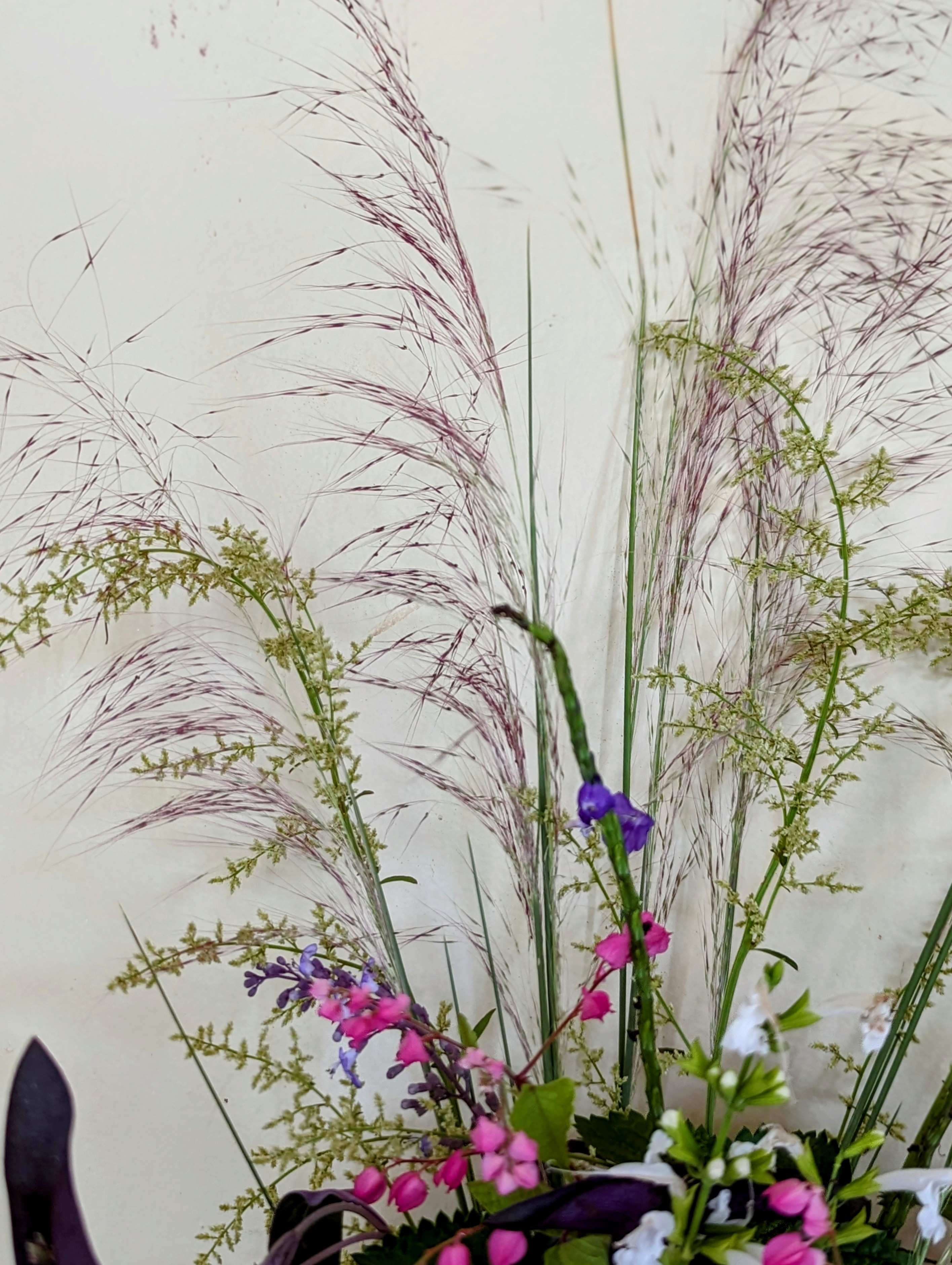
Muhly Grass is in pink in the background joined by off white Juba Bush. The word Juba is a dance move in the Caribbean that involves swaying hips. The Juba Bush is a native wildflower that appears and plants itself where happy. I have found it impossible to propagate, and am happy to find it when it decides to make an appearance. It is perennial and can grow 3 or 4 feet tall. I suppose birds are responsible for the Juba. Another gardening mystery to ponder. The Muhly has a similar modus operandi and I have some odd drifts in the garden.

Other flowers in the photo:

The deep blue flowers with coarse stems are Porterweed (Stachytarpheta jamaicaensis); the pale blue spikes with lavendar foliage are Vitex trifolia, some call this California Lilac. It is remarkably hardy. Darker purple foliage is Purple Queen (Transcandentia pallida) another great indestructible.

The lower level:

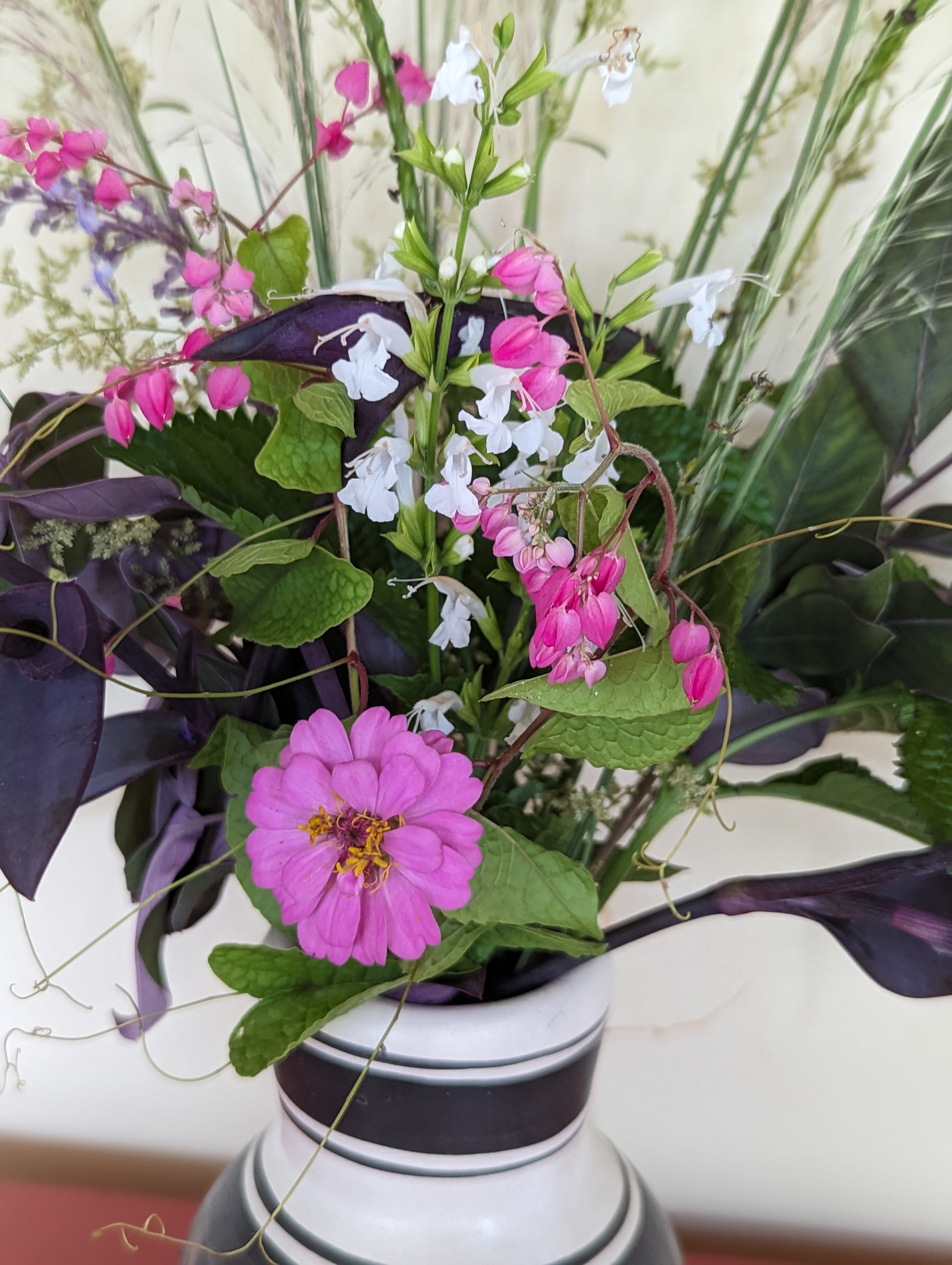
The lower levels in this vase are the wallflowers, the kind that don’t dance. Front and center is the last Purple Prince Zinnia of the season; viney pink flowers are from the Coral Love Vine (Antigonon leptopus); white spikes are Tropical Red Salvia (Salvia coccinea). The vase is a family heirloom made by the Ute Indian tribe.

I am hoping to dance a lot of weeds out of the garden this week. The rains provided nourishment for a tangle of Muscandines and Inch Plants. I am not sure we have ever had as much rain in late summer and was surprised by the volume of unwelcome growth in the garden. I have determined Muscandines are offensive!

Thanks to Cathy for hosting, visit her at ramblinginthegarden.wordpress.com to visit other gardens via vase.

Happy Gardening!!