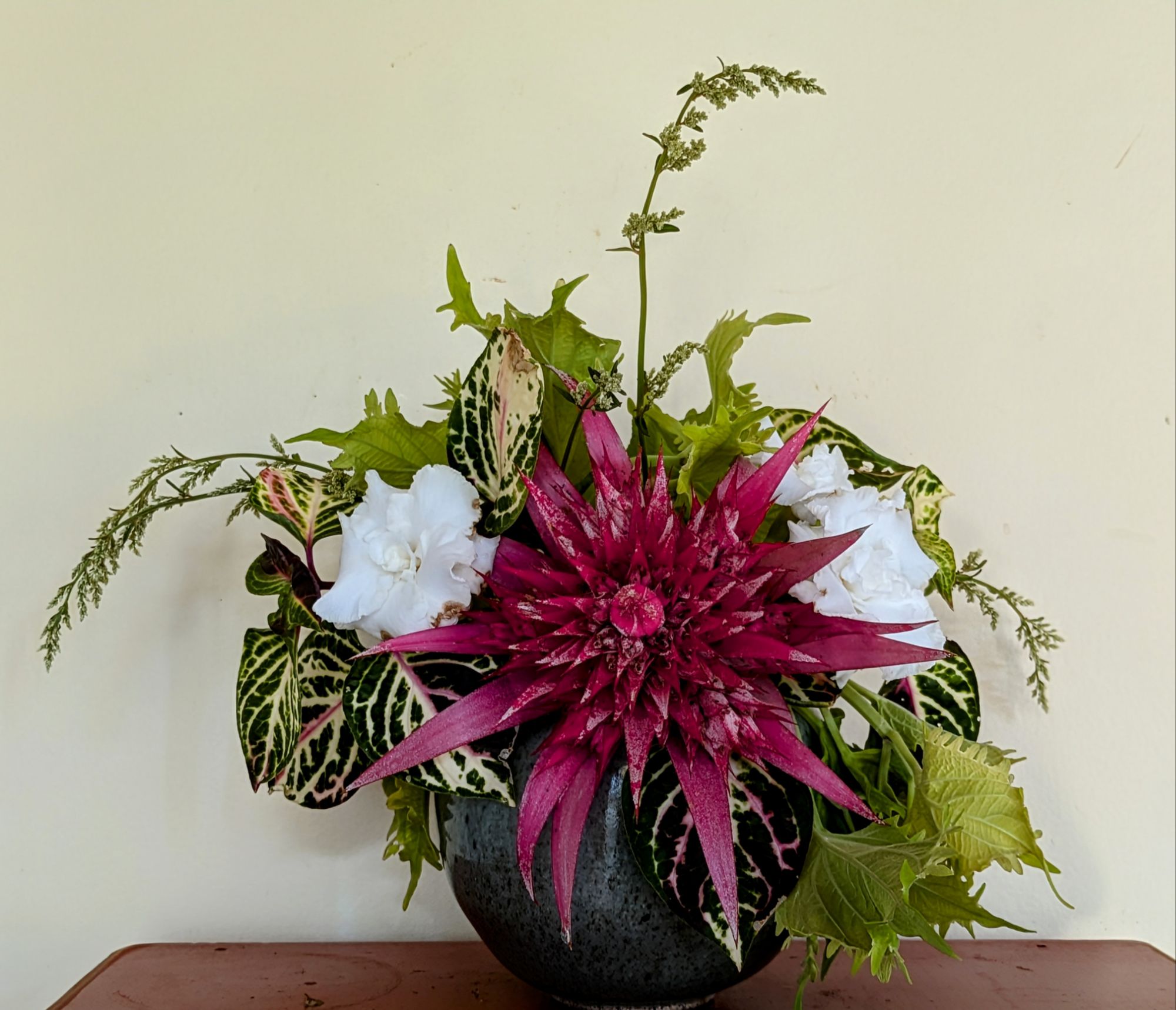
The pink flower in this vase is a Silver Urn Bromeliad (Aechmea fasciata). The tips go silver and the pale pink deepens to rose as the flowers fade. I like the coloration and have appreciated this flower for quite some time – it opened May 12th! I think I got my money’s worth. They never last very long in a vase, so this is its swan song.
Supporting players in this swan song.
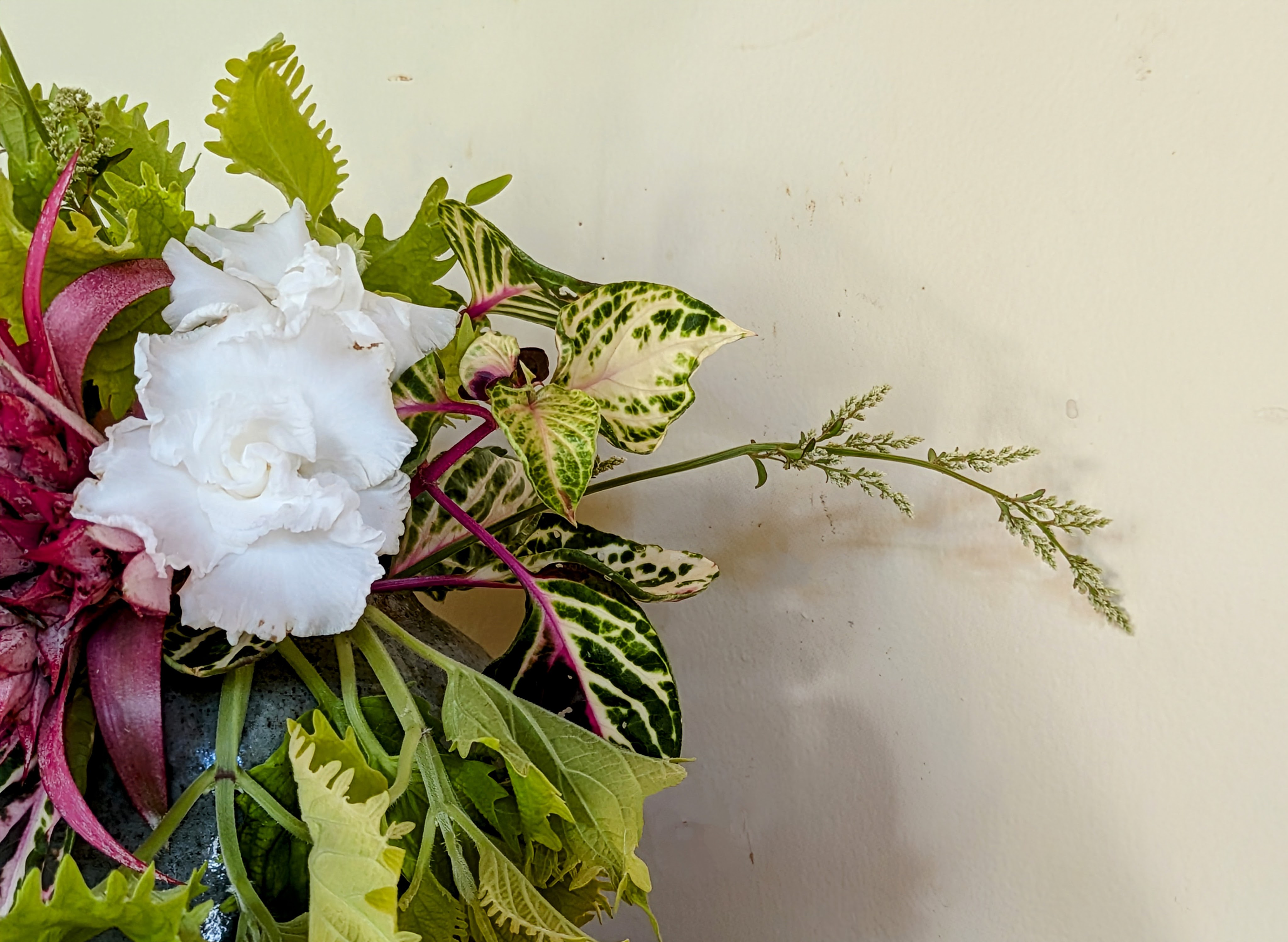
In white, a few Tropical Gardenias (Tabernaemontana diviricata) are still in the garden; varigated foliage is Chicken Gizzard plant (Iresine herbstii). I am told the name originates from the tropical island these plants are from – they were eaten with chicken gizzards. Chartreuse foliage is from an incredibly prolific coleus.
The wispy accents are from another Caribbean tropical, Juba Bush (Iresine diffusa).
We are still dreaming of a fall cool down and thankfully were missed completely by Hurricane Helene.
Maybe I should say Hurricane Post. It is inevitable when a hurricane hits Florida I hear from a lot of people who are wondering if we are okay. Which is great, I am glad people think of me. This particular hurricane, Helene, hit the opposite coast of Florida with devastating results and is still continuing to wreak havoc two days later. In my garden, about 8 dried palm fronds came down. The storm passed about 2 or 300 miles to our west, the wind field was huge and we were barely on the edge of it. There was a fairly consistent 25 mph wind Thursday and Friday with a few downpours from the outer bands of the storm, but that was about it. The garden is intact and well watered.
On to Six, to see more SOS gardens, undoubtedly hurricane free, visit Jim at GardenRuminations
Turkeytangle Frogfruit:
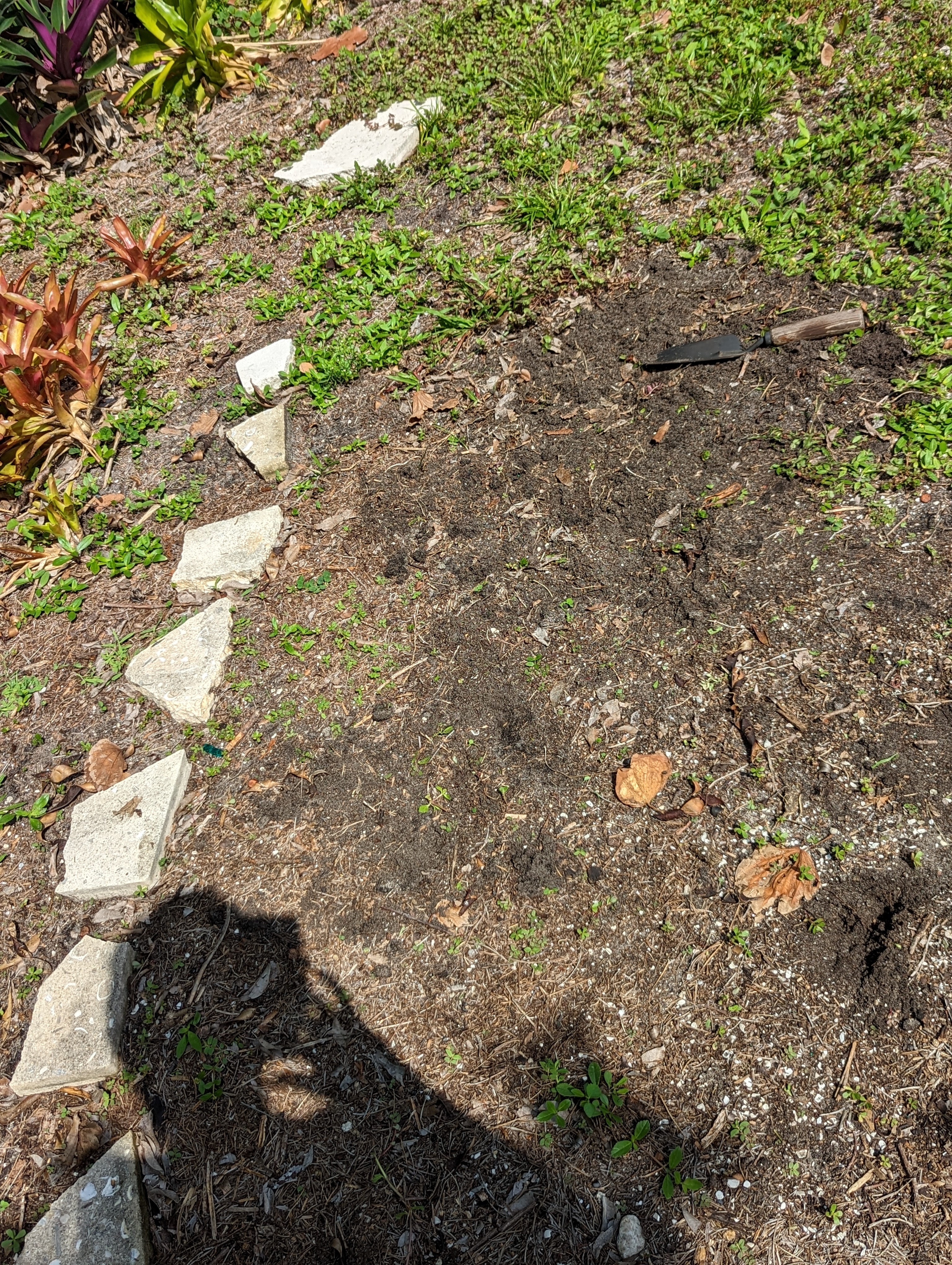
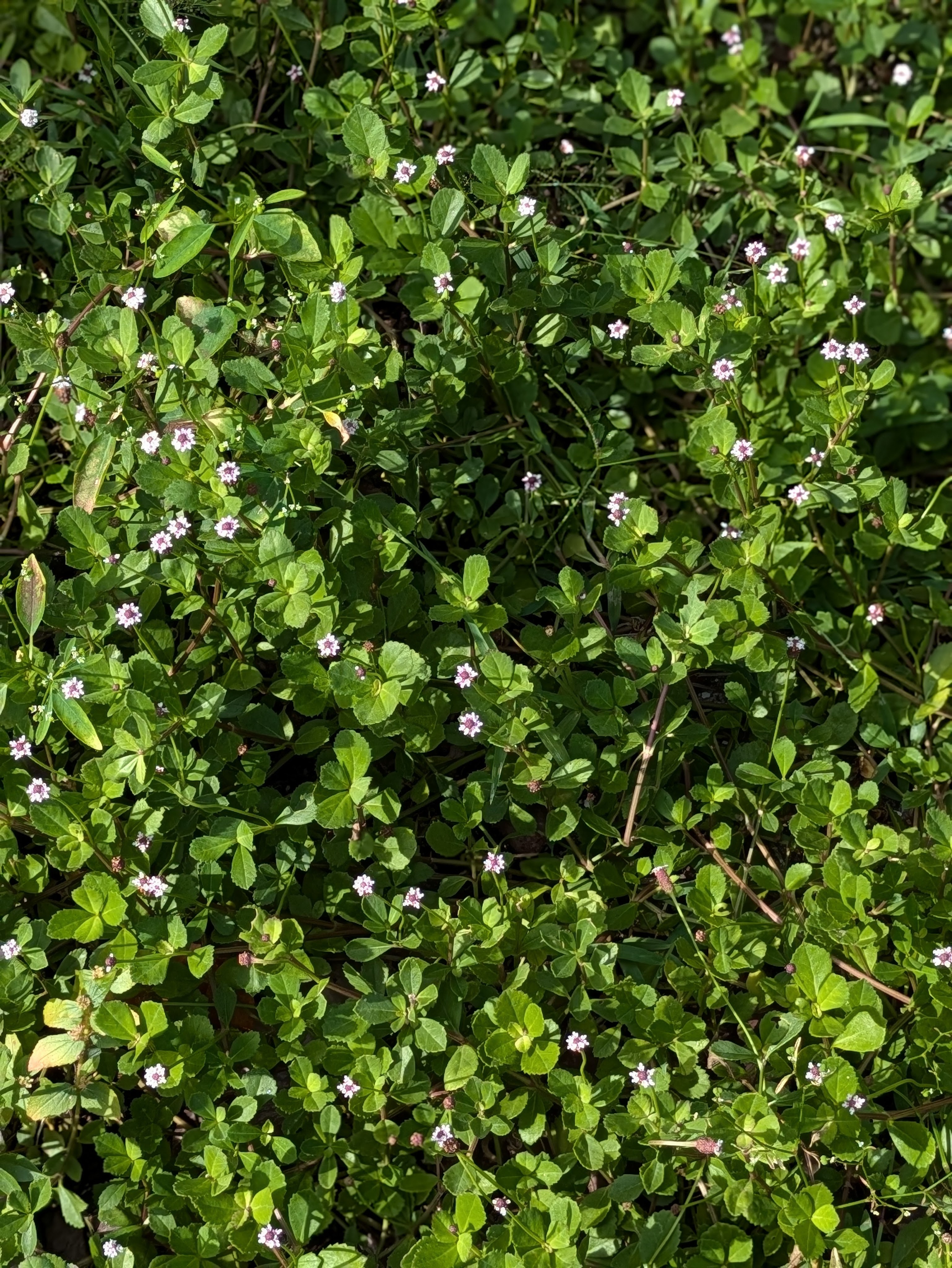
Several people have asked to see this, so here it is. I removed our icky lawn (a term I use loosely) and replaced it with an evergreen wildflower called TTFF (Phyla nodiflora). These are a bit difficult to source, so I bought a blob online and propagated the cuttings. This is the “lawn” last year.
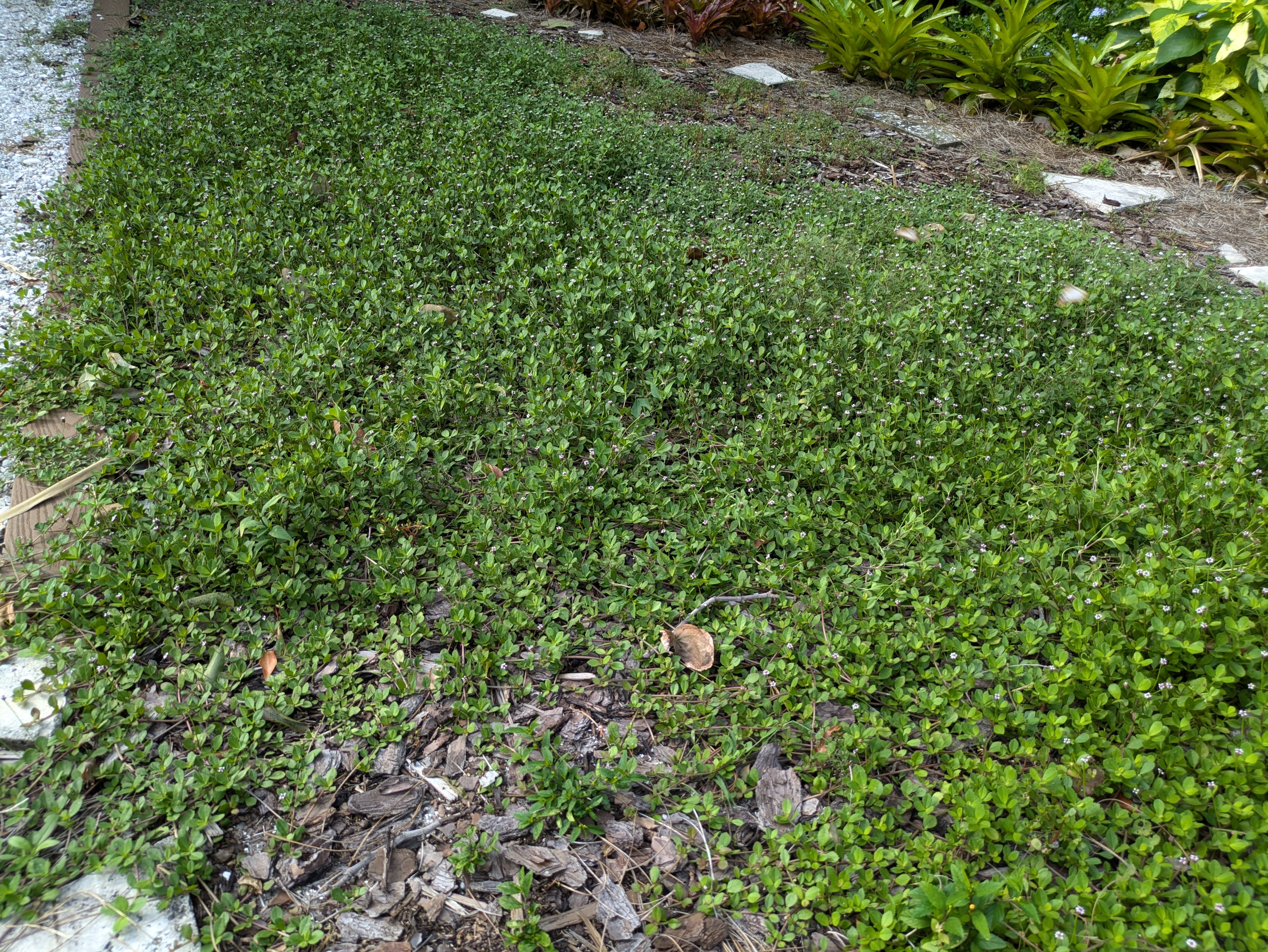
I cleared the area by hand and then installed rooted cuttings. Much trial and error, hand weeding and head scratching ensued. I read somewhere to install the cuttings in toilet paper tubes and tried it. This seemed like a reasonable plan – the raccoons thought it was so fun they pulled out all the tubes, and ate the cuttings. Replanted without tubes and that worked. My now curated evergreen weed, uh, wild flower lawn. I think this is more groundcover than lawn.
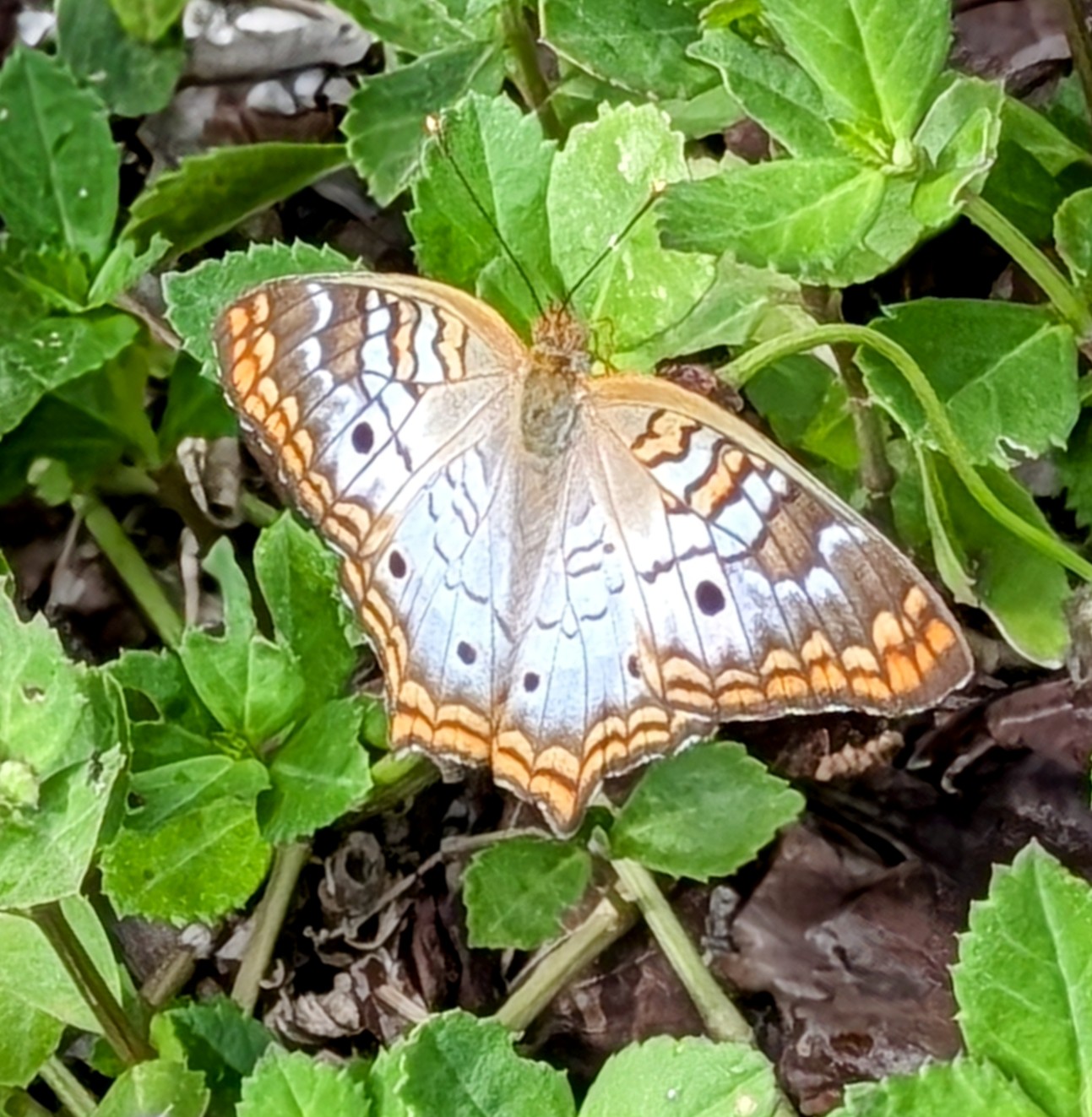
The curated weeds are still growing in and host three types of butterflies. I have only seen one type, White Peacocks, but there are usually 4 or 5 flying around the TTFF. A closer view.
The White Peacock.
Gardening season is not quite here in South Florida, but I do have a couple of interesting volunteers.
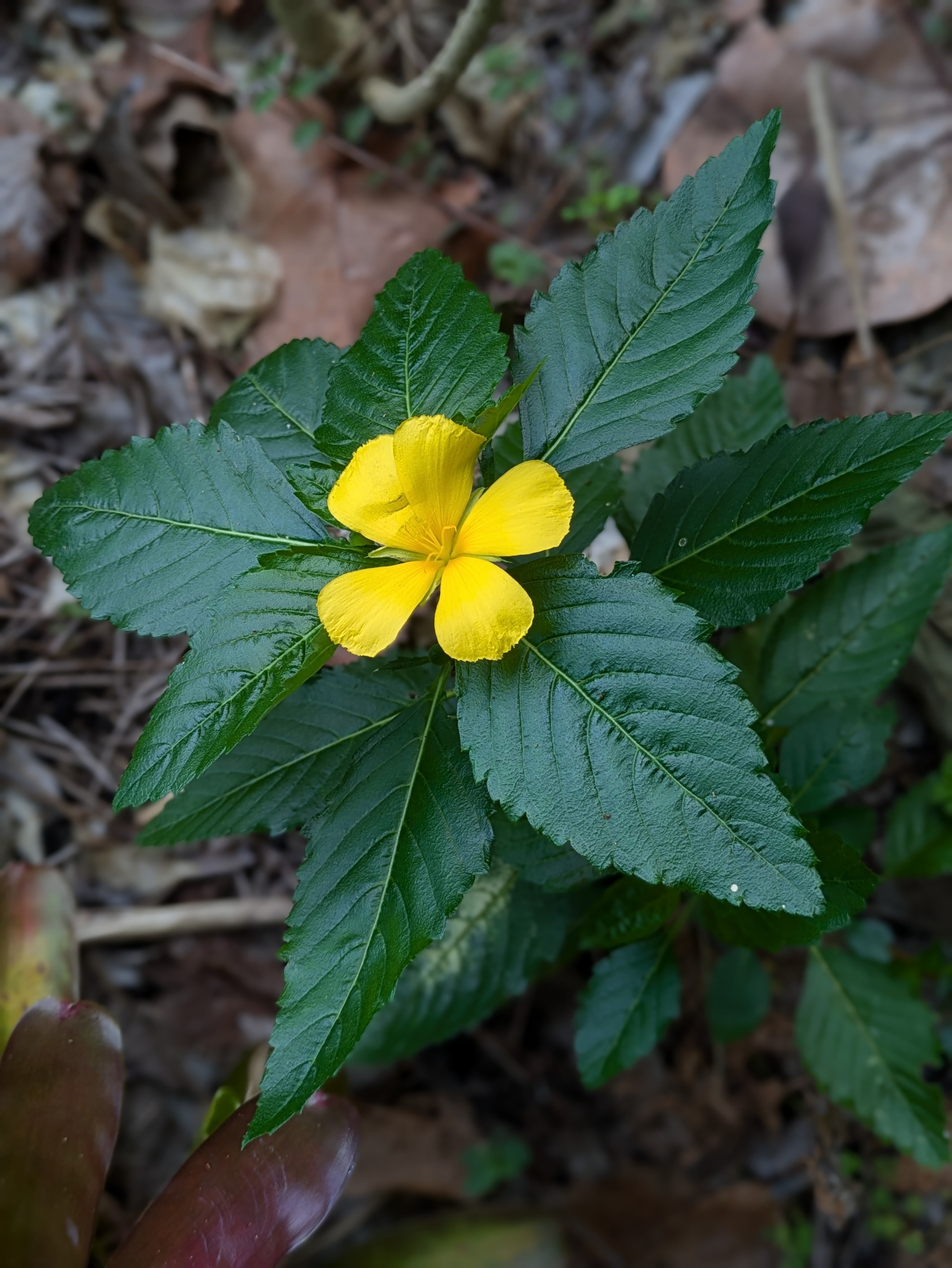
This is a Primrose (Ludwigia) of some sort. They just appear and I like them here and there.
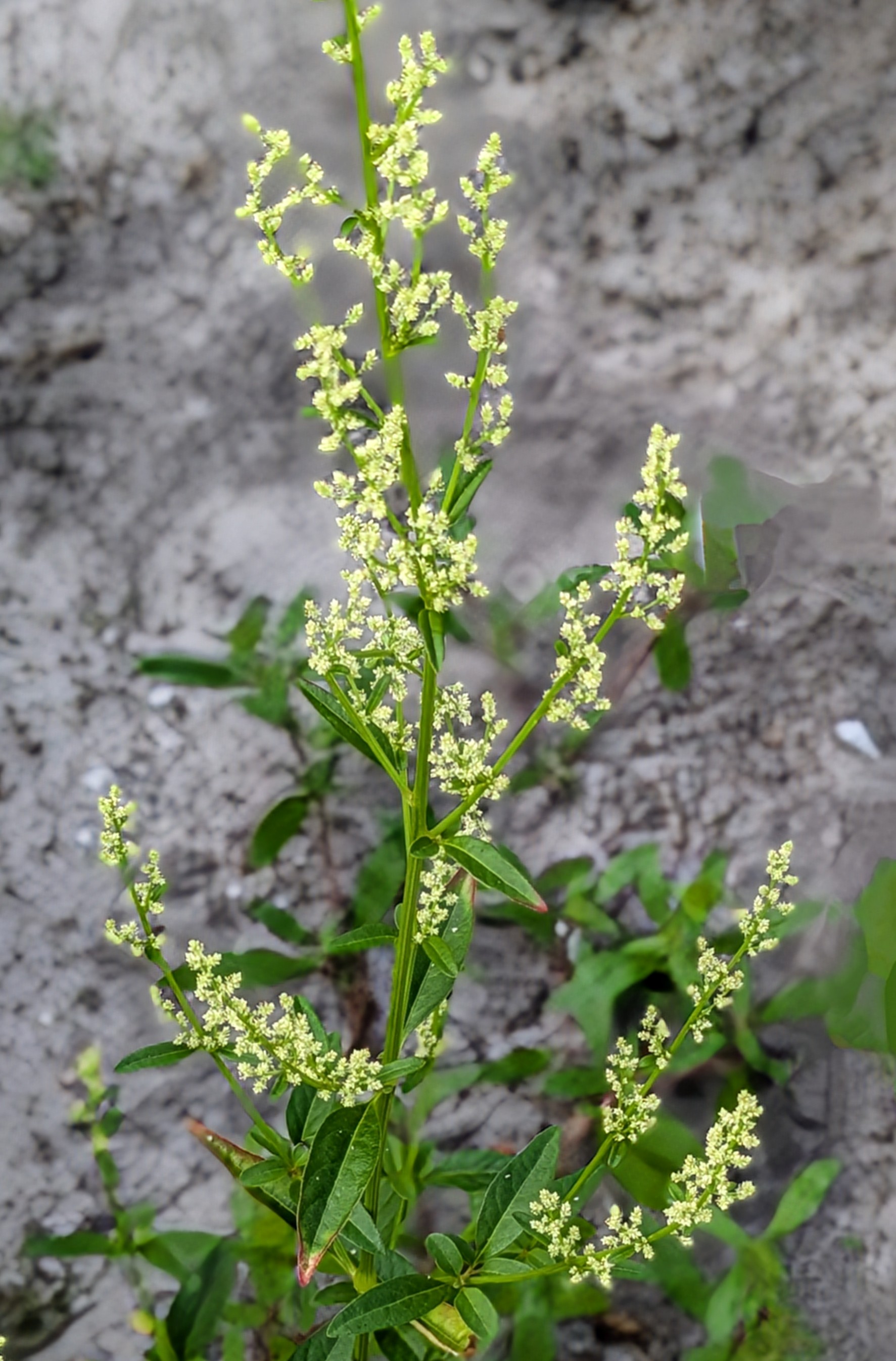
One of my favorite fall flowers, the Juba Bush (Iresine diffusa). Another plant that appears and cannot be grown where it doesn’t want to be. These are fragrant and dance in the wind. It amazes me that anything grows in the grey sand.
That is all from my garden this Saturday. Here is hoping Juracan (Caribbean God of Hurricanes) is done with us for the season.
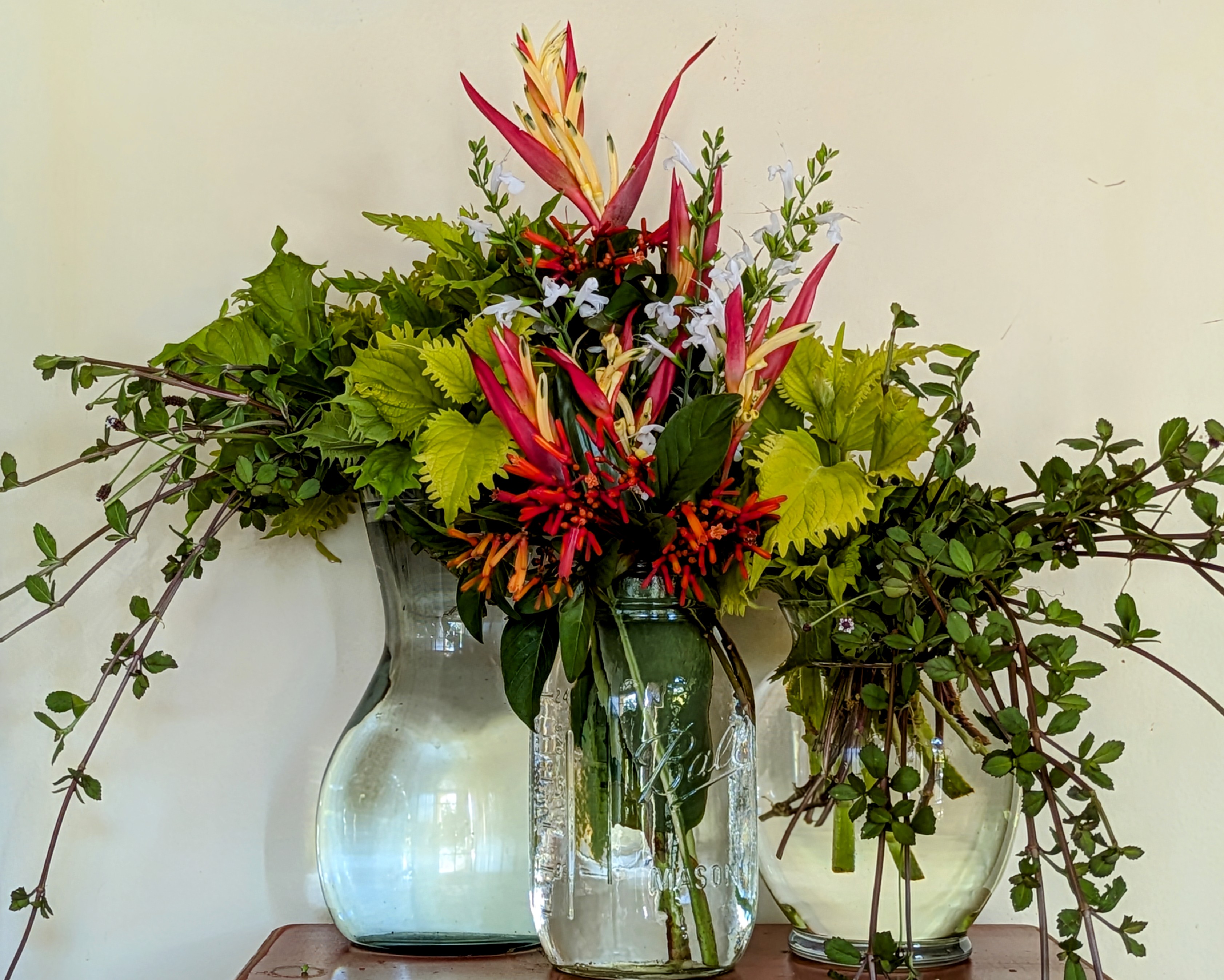
Here’s a new word for you. Propavasing. This occurs when taking cuttings to root in water, followed by finding a few clean vases around the kitchen sink, plonking and fluffing the cuttings – voila!
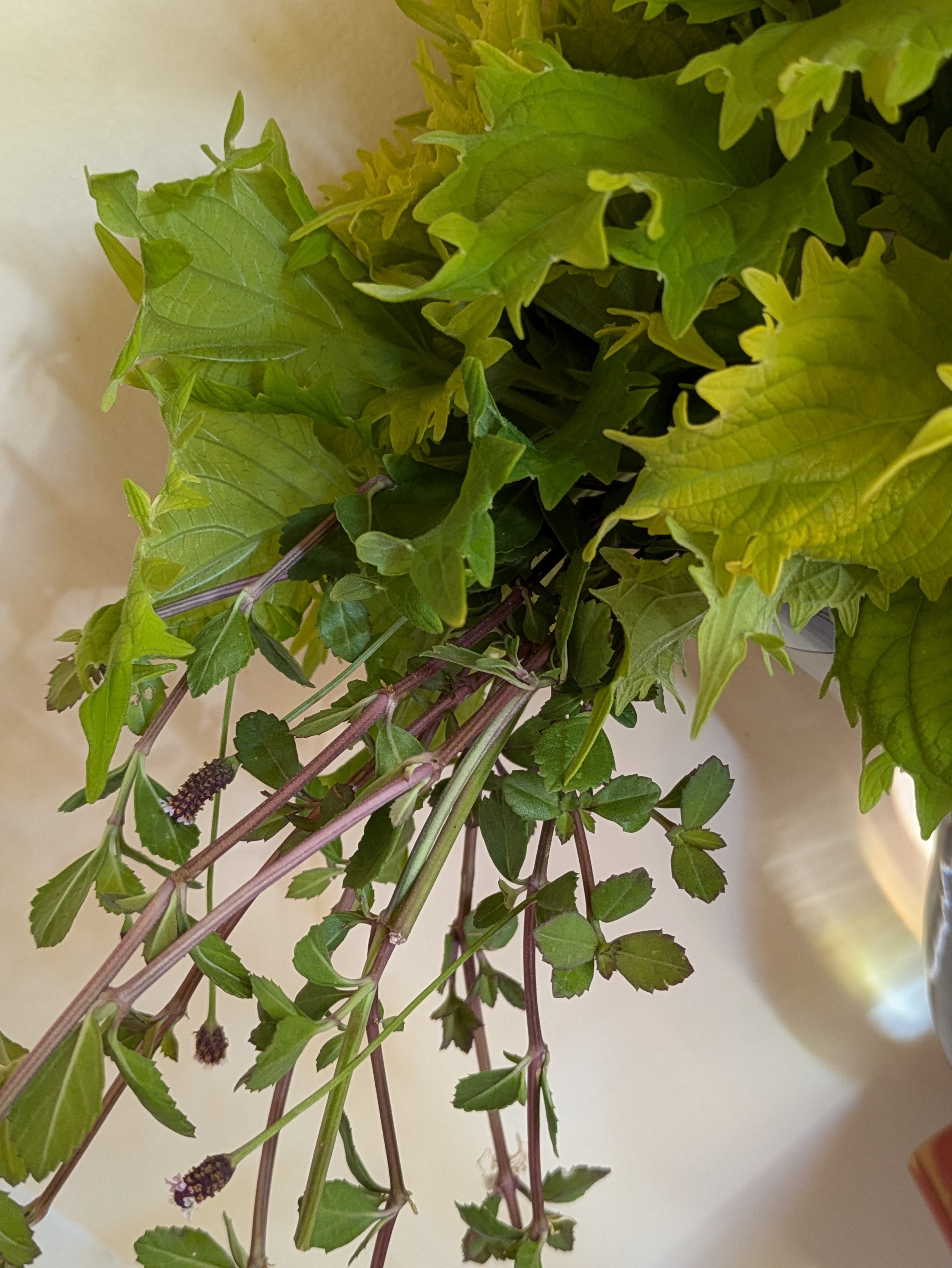
The cuttings:
I left some chartreuse coleus in a few pots to dress up later for winter container plantings. Not a good idea – especially when combined with leftover moldy zinnias I let go to seed, hoping for some more hot pink/orange flowers next year. The seeds aren’t quite made yet, but the chartreuse coleus is definitely done. Hence the cuttings.
The vining plants are Turkeytangle Frogfruit (Phyla nodiflora). I have been propagating these and creating a lawn of curated weeds in the front garden. I am very happy with my ‘lawn’ and the butterflies are loving it. TTFF hosts three different types of local butterflies.
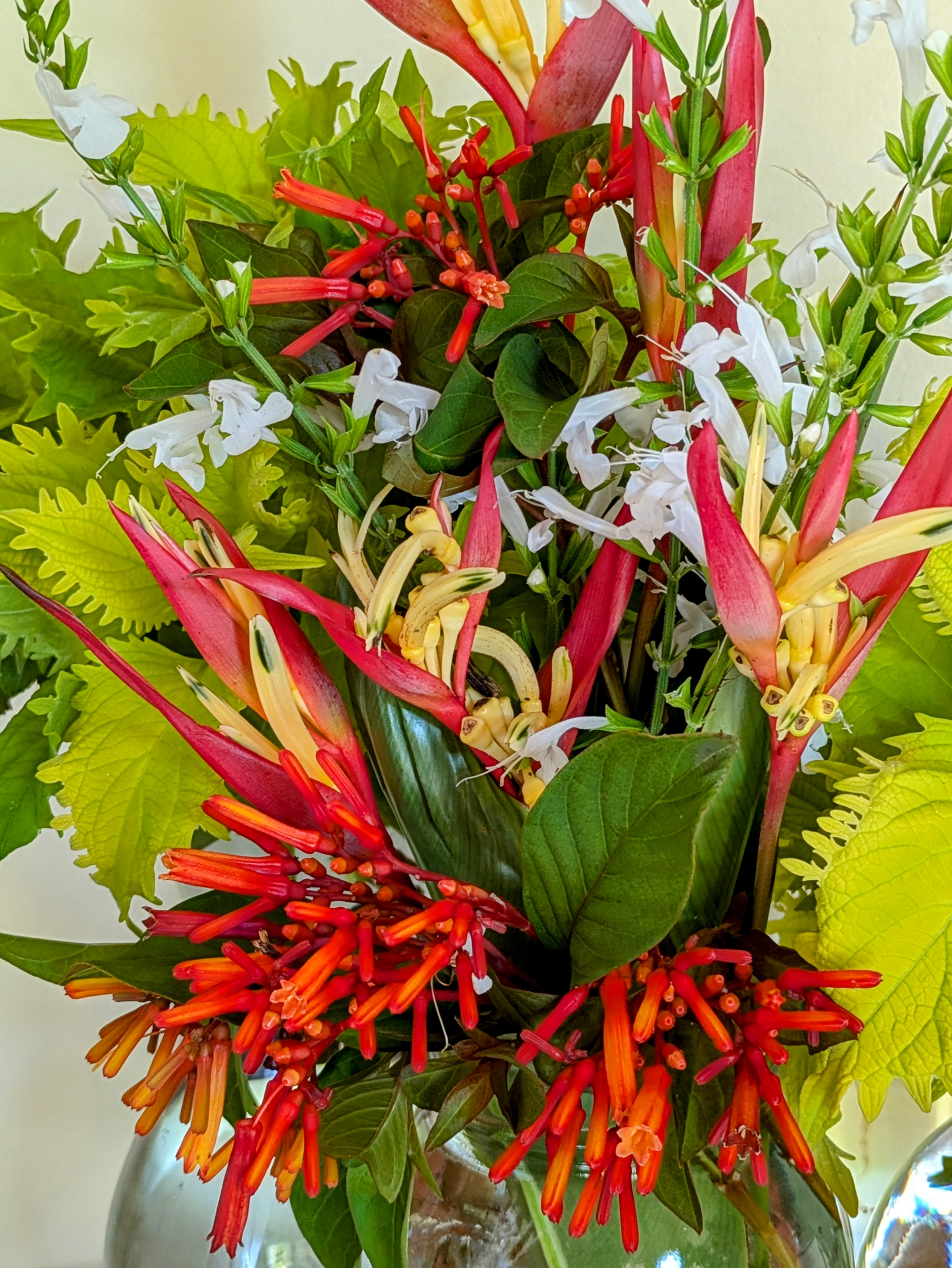
The flowers:
Orange tubular flowers are Firebush (Hamelia patens); red and yellow flowers are ‘Lady Di’ Heliconias (Heliconia psittacorum); white flowers are Tropical Red Salvia (Salvia coccinea).
It’s still summer here. The fall colors are not making me feel cooler.
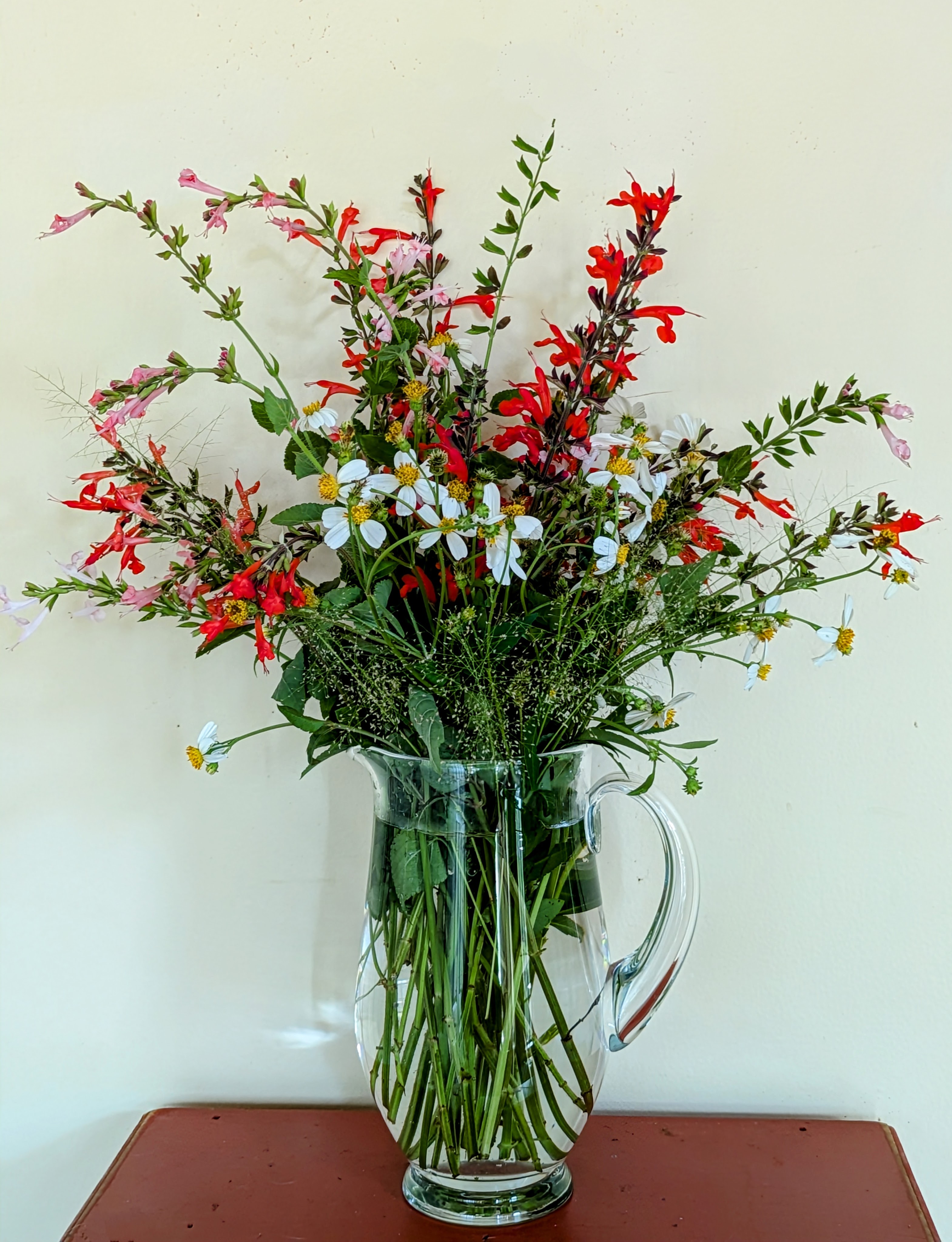
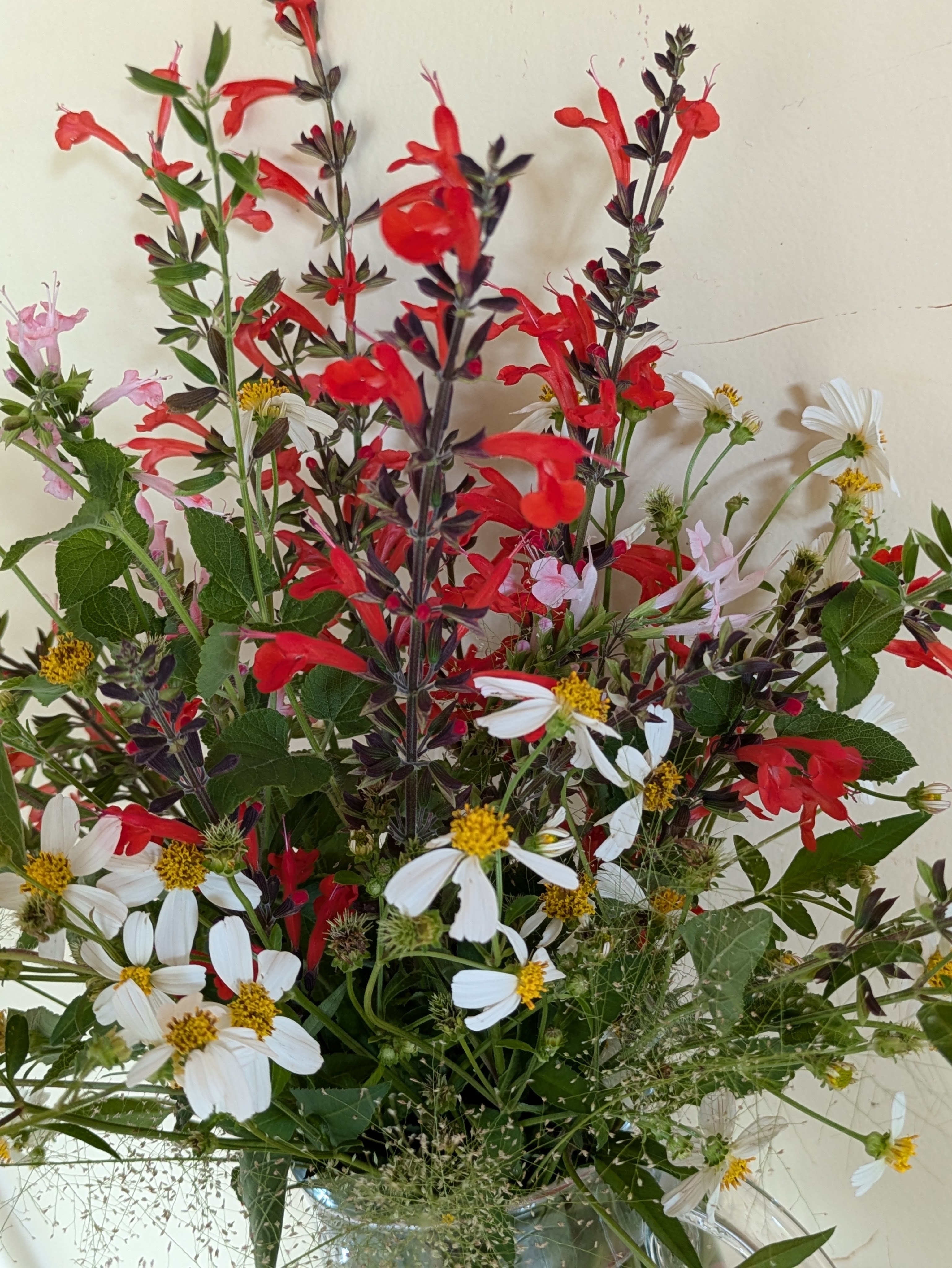
If wisdom is being sought from my vase, it is time to look elsewhere. The sage here is Salvia, I noticed its wonderful sage herbal scent as I was cutting this bunch to fill a crystal pitcher. The crystal pitcher is a wedding gift. I would hazard a guess Tiffany’s would recommend its use to serve orange juice for Mimosas at a fancy brunch — not serving as a receptacle for a native bunch. The native wildflowers in my garden are flourishing from abundant rain in the past weeks. I picked all native wildflowers today.
Closer views:
Red and pink spikes are Tropical Red Salvia (Salvia coccinea) these reseed prolifically and are everywhere. Cutting the flowers saves me some seedling removal chores. The same goes for the white daisies, Bidens alba, incredibly prolific – the pollinators love them so much I almost hate to cut them.
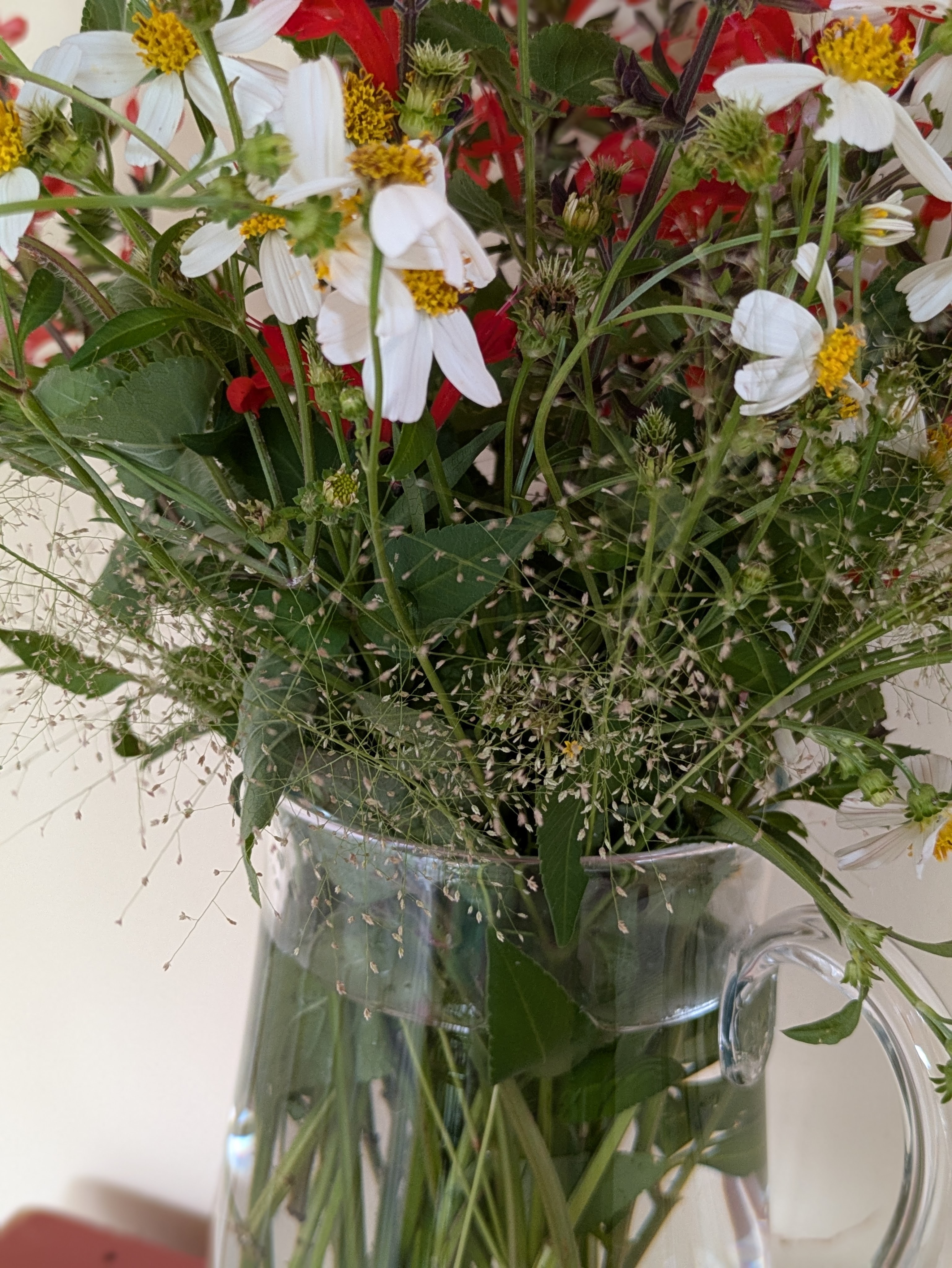
The airy plant in the foreground is native Witchgrass (Dichantthelium spp). These are small grasses that pop up in the garden. They are reminiscent of Panicum. They are not too aggressive so I leave them be.
I’m dreaming of a cold front, realistically, we are a month out from that first delightfully cool day. One can dream. Pop over to Cathy’s blog to view some more vaseage…
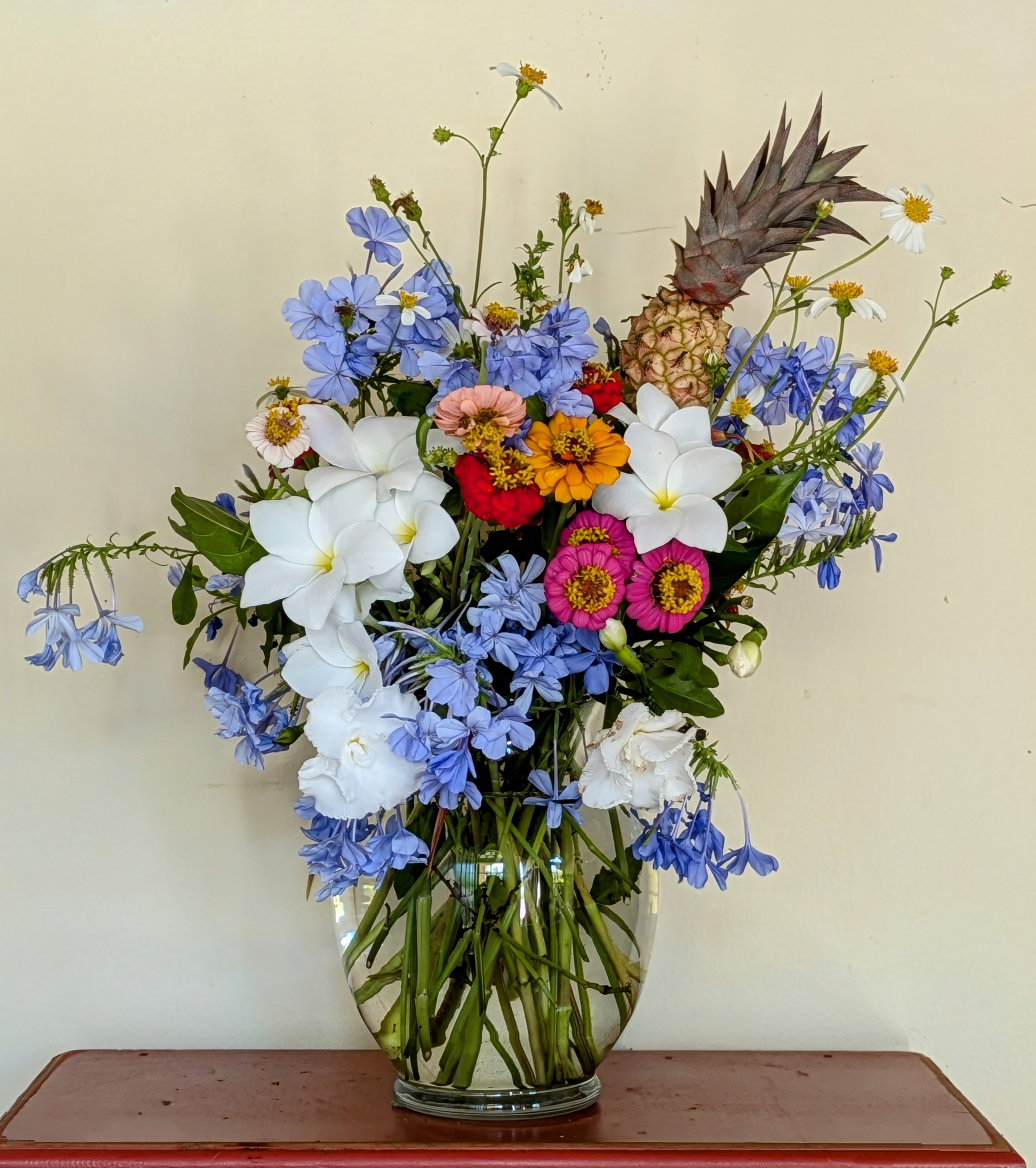
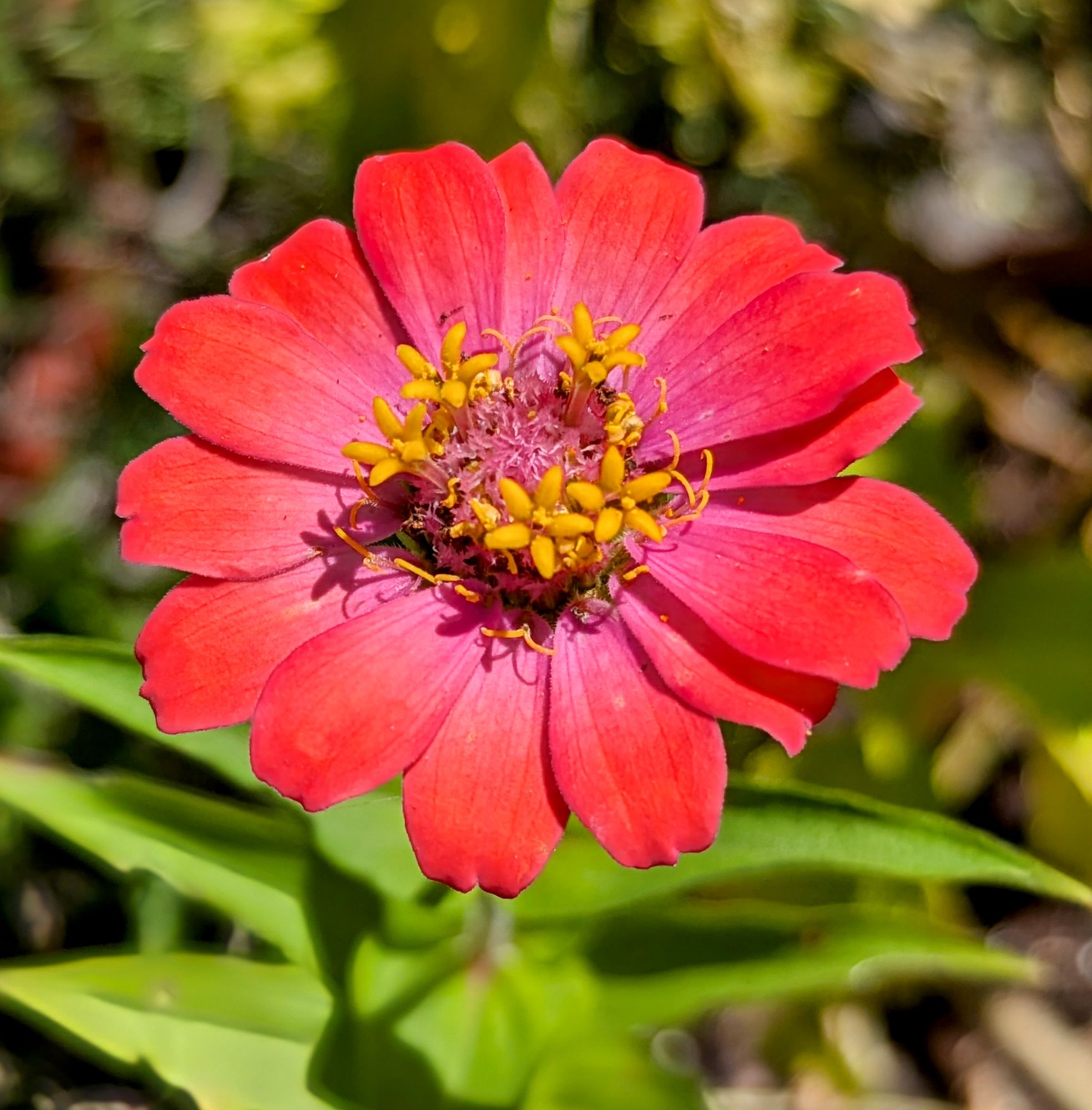
The zinnias had their last gasp this week. There were so many buds I could not bring myself to pull them out until I picked the last flowers. I cut the flowers for this vase and pulled all but One plant. The One still out there is a doozy. Hot pink and orange mix. The zinnia plants were huge and required a lopper to get through the main stems, they were woody and an inch in diameter. I have never seen anything like it. Many other plants are at the end of their season and have been included in this mixed vase.
The lone remaining zinnia:
Time for the close ups:
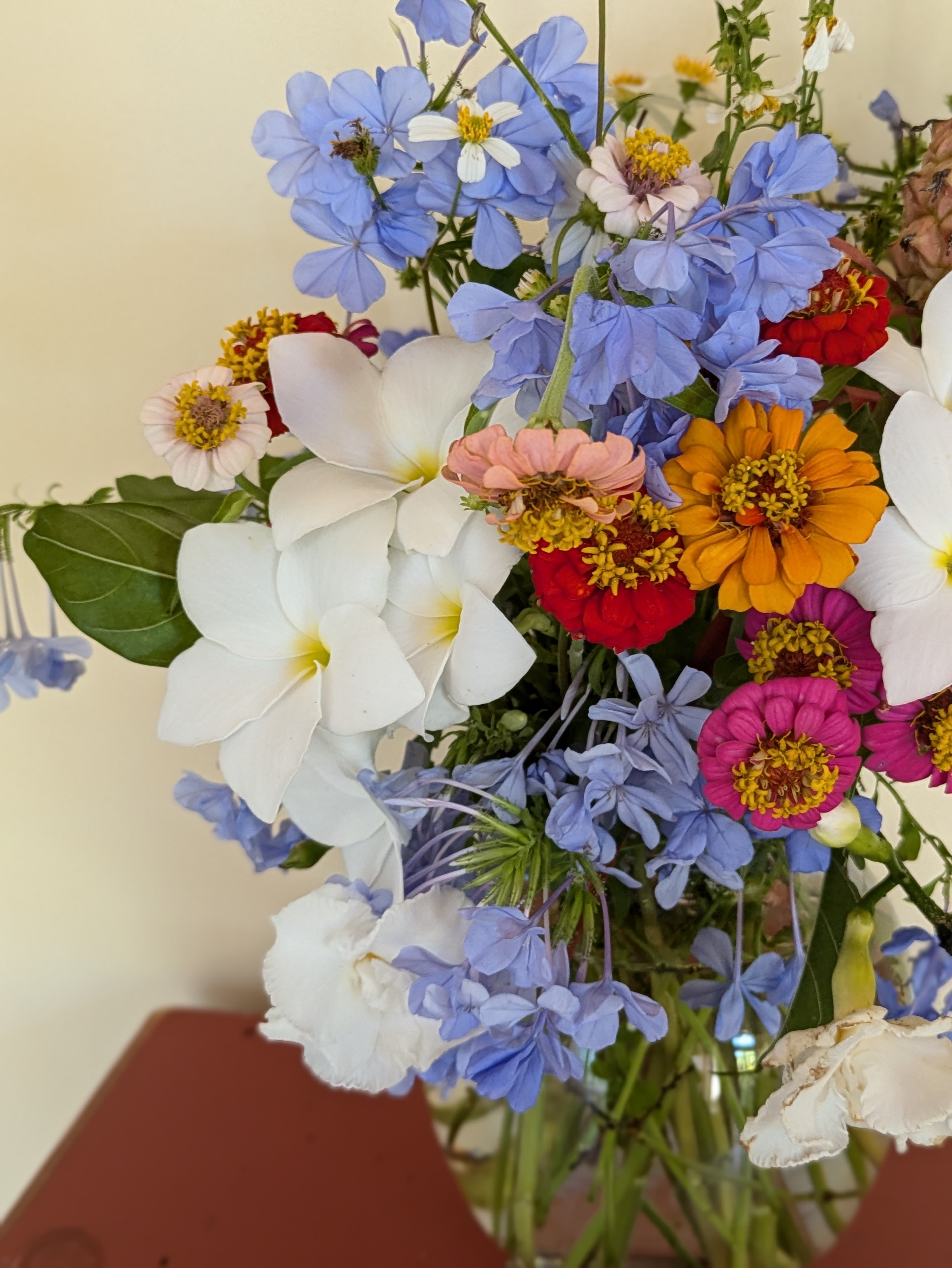
Blue flowers are from the old fashioned favorite, Blue Plumbago (Plumbago auriculata); white flowers with yellow centers are ‘Bridal Bouquet’ Frangipani (Plumeria pudica); white flowers in foreground are Tropical Gardenias (Tabernaemontana divaricata) and yes, the scent wafting from this recycled florist vase is wonderful.
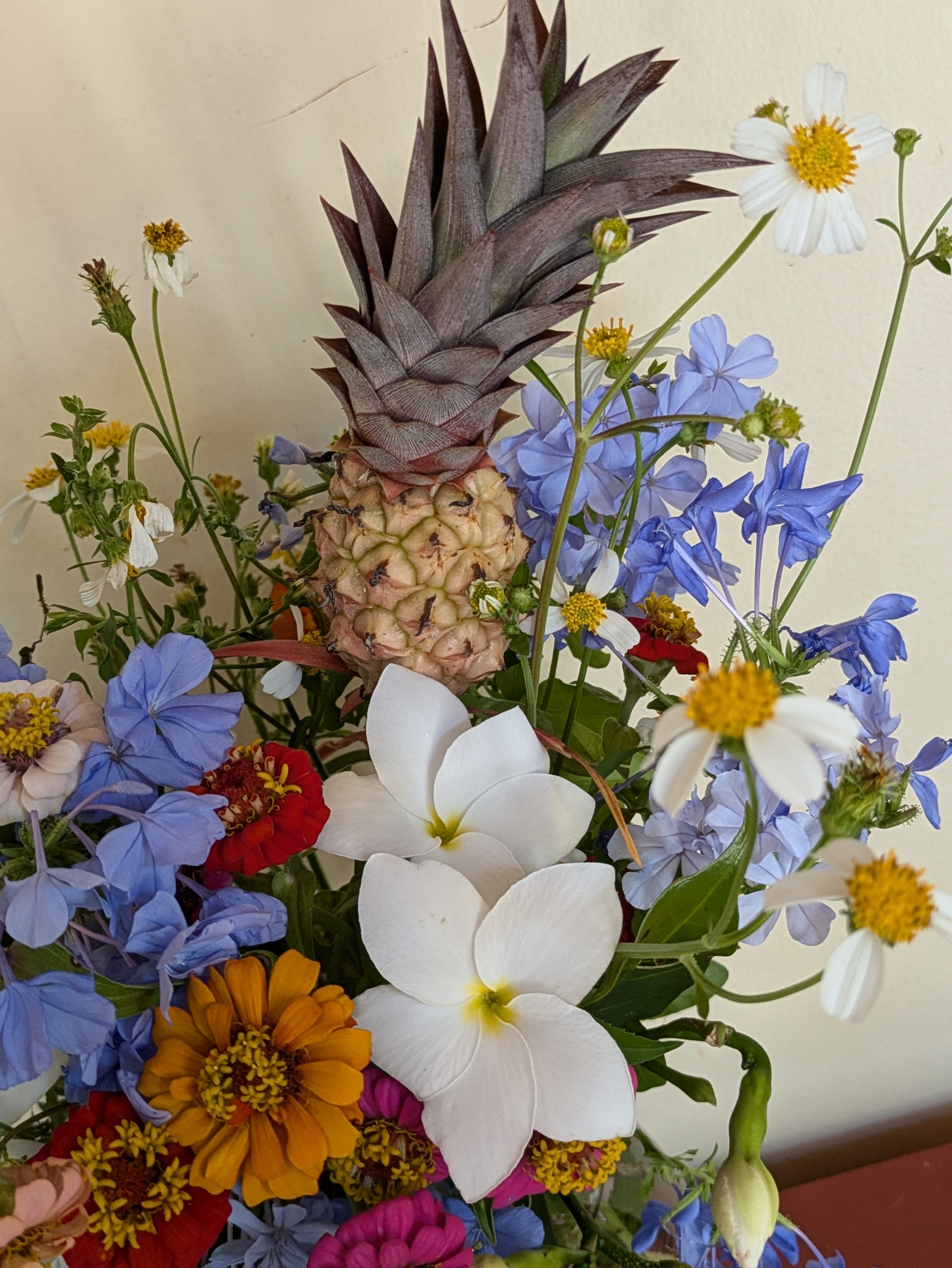
The fruity side, miniature pineapple is ‘Lava’ variety – I think, not particularly edible, but can be juiced. I usually dry them, spray paint them gold and use them in holiday arrangements. Multi colored zinnias are the last of the Zin Master plants – I’m letting the One still flowering go to seed. White daisies are Bidens alba, a very prolific native wildflower.
I’m looking forward to Autumn here. It’s marginally cooler and I just planted the first seeds of the gardening season. This always makes me happy. Cooler weather and new plants!
To see more vases visit Cathy’s blog by following this link RamblingintheGarden
The title sounds like a Monty Python skit! It’s not. I walked into the garden this morning and realized I had become accustomed to the wild, colorful shrubs common in South Florida. I decided to share a few. To see more SOS garden posts follow this link to Jim’s blog.
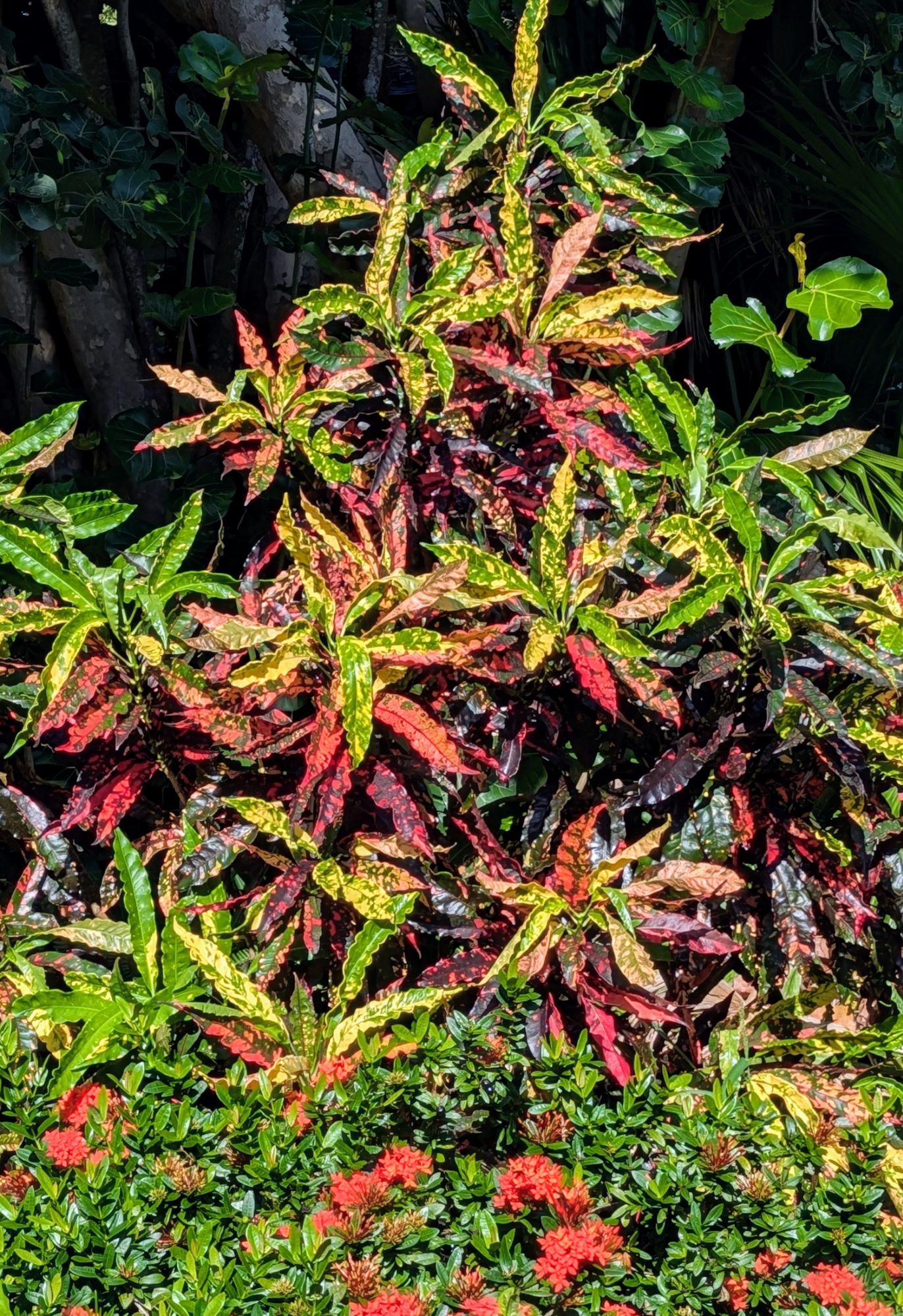
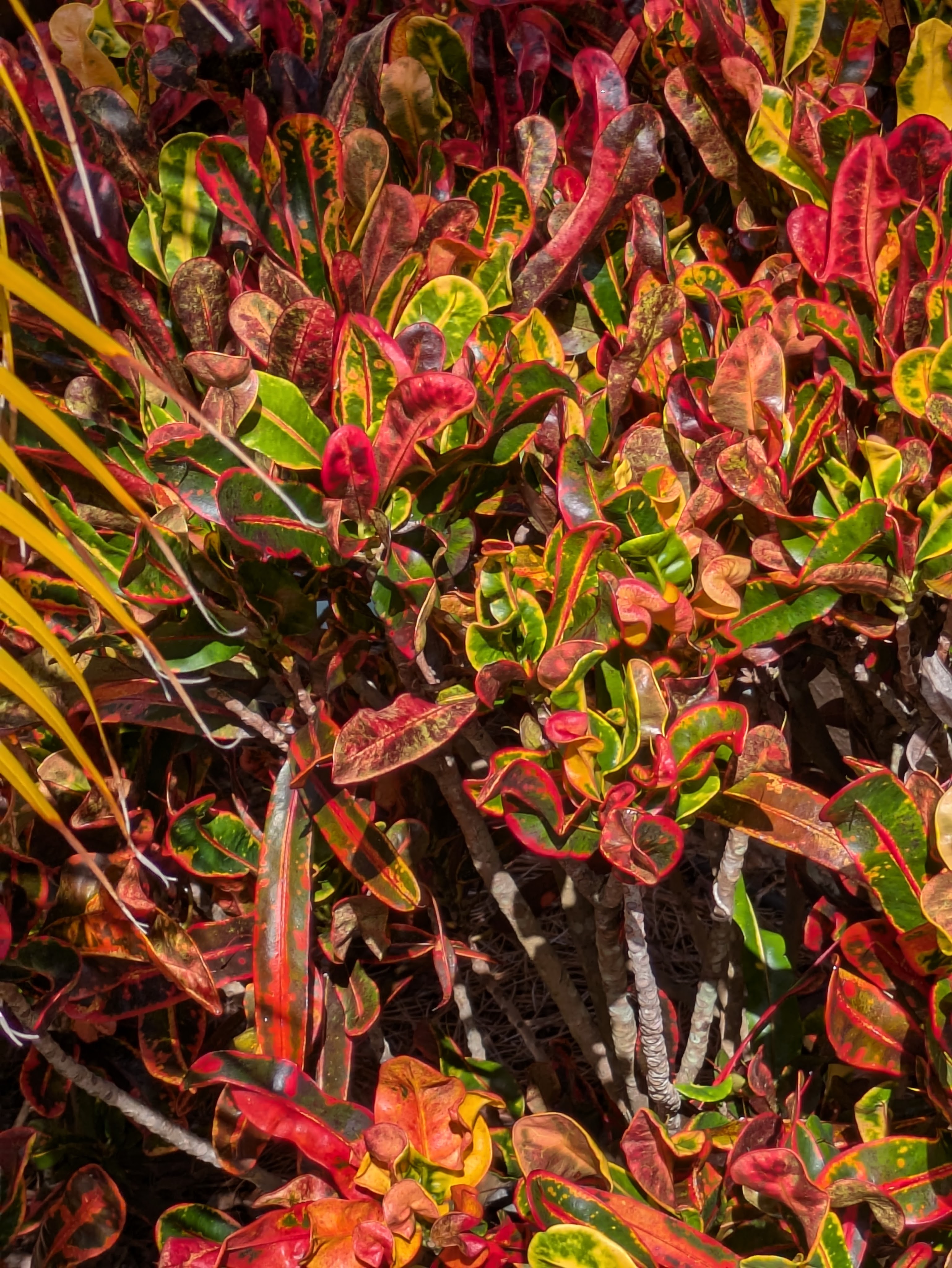
The larger, very colorful shrub is ‘Piecrust’ Croton (Codiaeum variegatum). The edges of the leaves look like a crimped pie crust. The flowering shrub in the foreground is Dwarf Red Ixora, butterflies love this plant and it blooms frequently to the point I almost get tired of it. Almost.
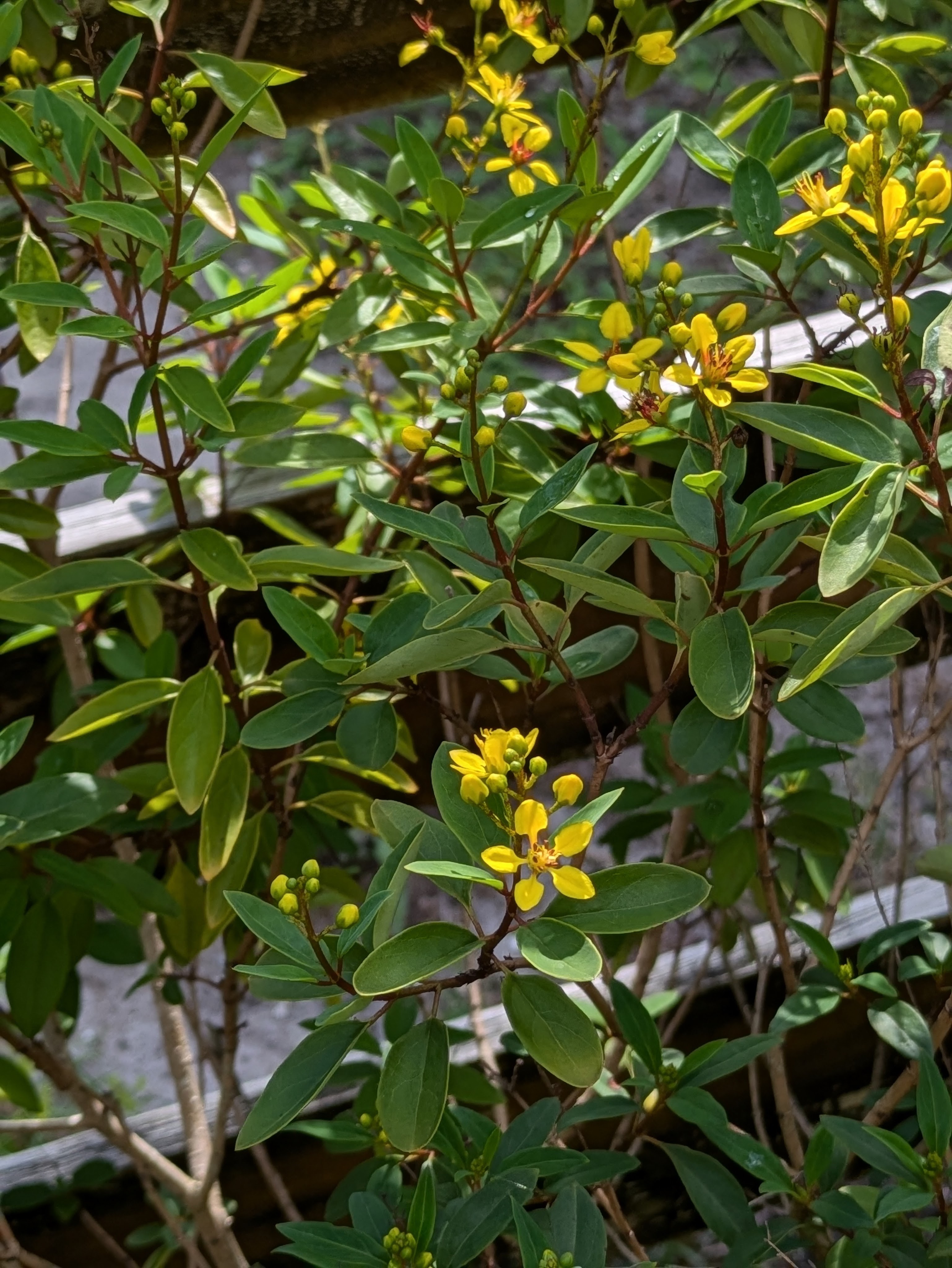
A stalwart shrub in the garden, Thyrallis (Galphimia glauca). I have wondered what Thyrallis means, it seems such a strange thing to call a plant. The only reference I could find said it is Greek for wick. Further confusing me. It is a bulletproof shrub in my garden, living in an unirrigated area and living off of mostly rainwater. It blooms late summer to fall.
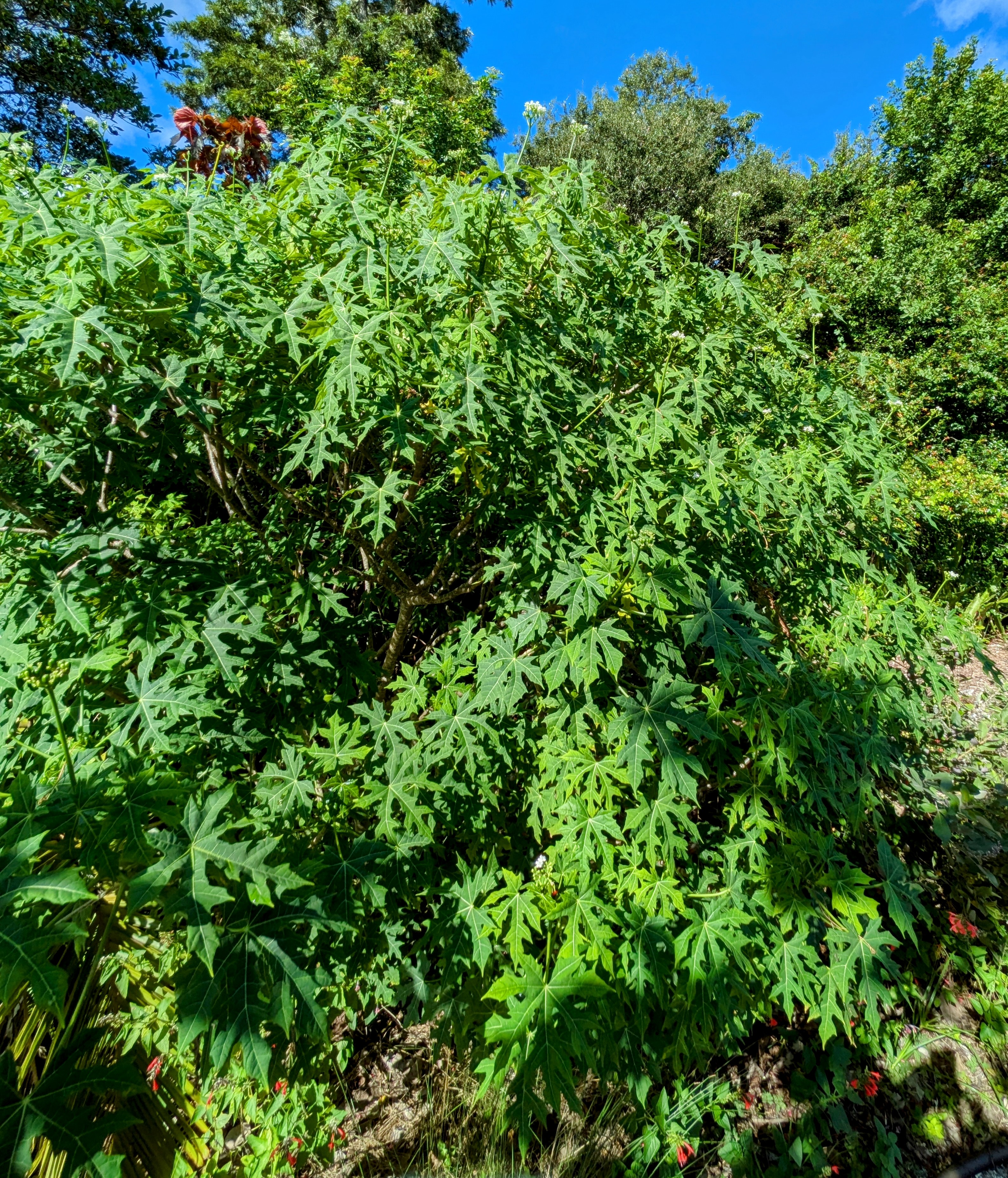
This is a Spinach Tree, also called Chaya (Cnidoscolus aconitifolius) A tree full of spinach! Only in South Florida. Actually, it is from Mexico and a tropical vegetable. It is poisonous unless you know how to cook it. I am told it tastes like spinach and reacts badly (toxic badly) with copper bottomed pans (like I use) so I have never tried it. I planted it for butterflies and they love the flowers.
Another Croton. This one is called ‘Mammey’ and is reliably dwarf at about three feet. Making it great for foundation planting. I have seen this planted in front of a house painted orange. It was a bit much.
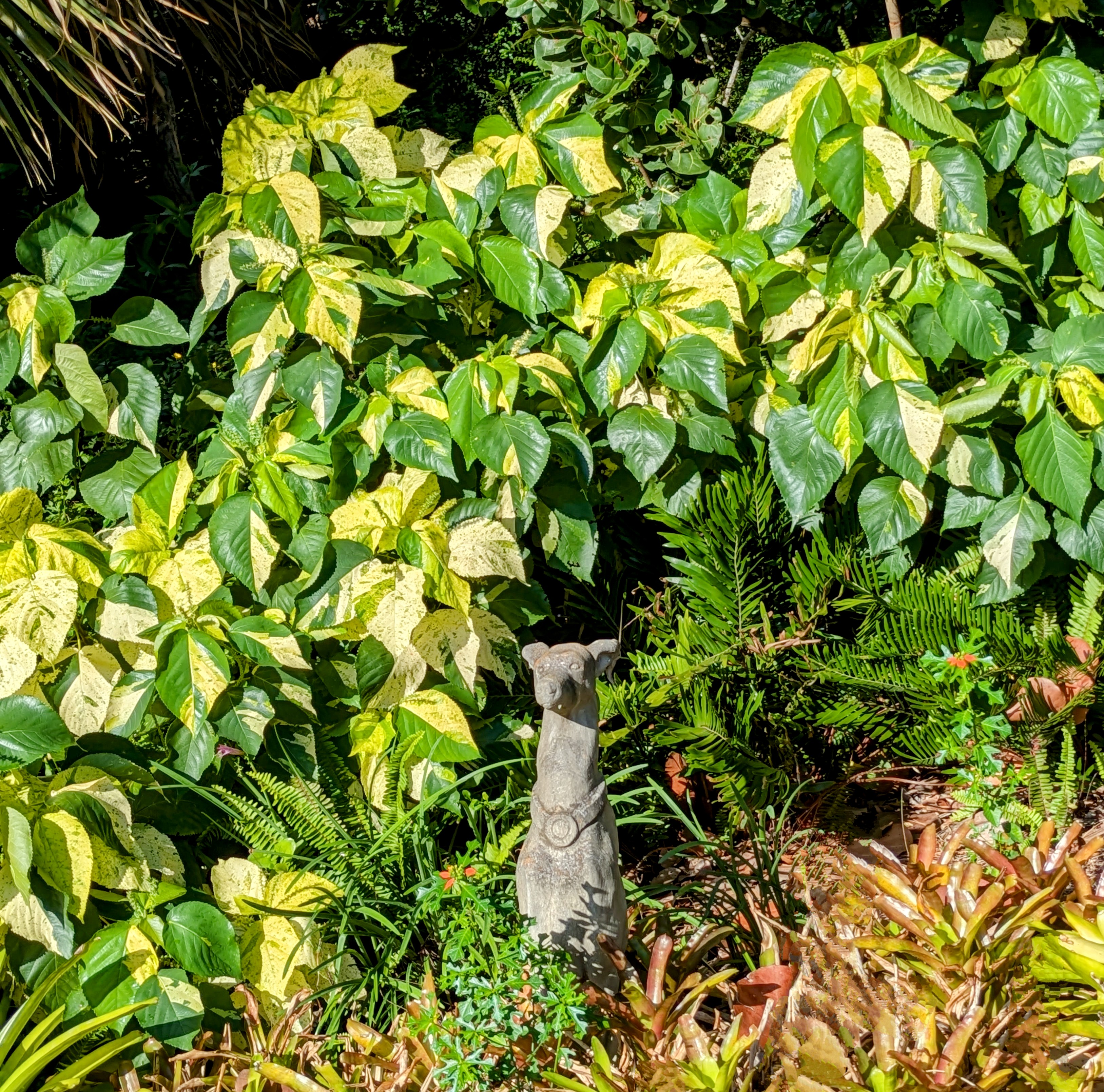
The very tasteful ‘Java White’ Copperleaf (Acalphya wilkesiana) backdrop for my concrete greyhound. This shrub grows like mad. I would estimate I cut about eight feet a year off. How tall it would get without pruning is anyone’s guess.
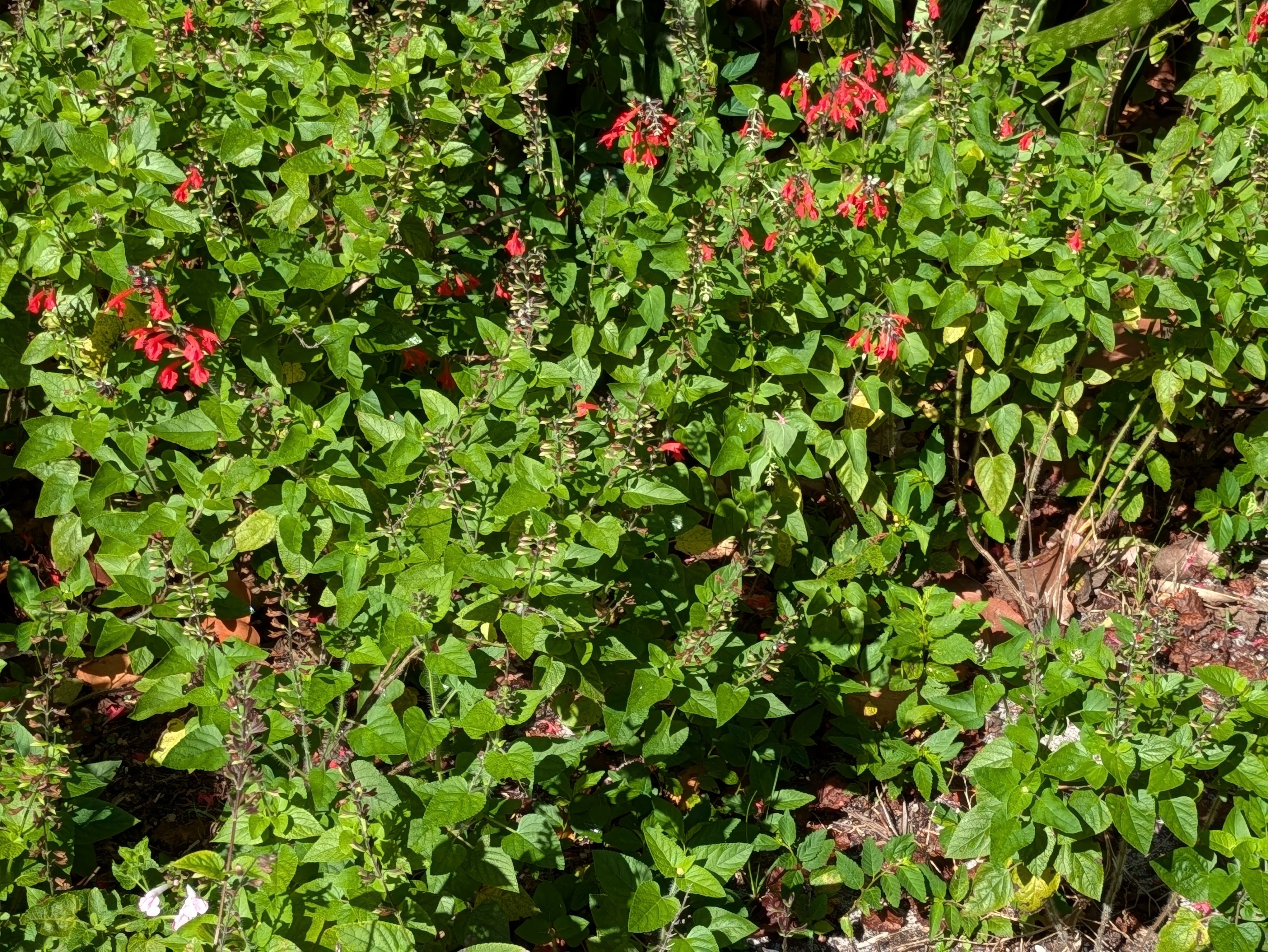
Last, but not least, the ‘no gardening’ zone next to my compost heap. Ironically, probably the prettiest grouping of reseeded Tropical Red Salvia (Salvia coccinea) in the garden.
That’s all from my garden this Saturday. Happy Gardening !!!
It’s Labor Day, the holiday weekend that marks the end of summer. The plants in my garden are feeling the cumulative effects of summer and slowing down. The zinnias I have enjoyed cutting all summer are very capably catching all the fungal organisms Florida has to offer and displaying them on their foliage. The flowers are visibly smaller. It’s time for removal and renewal. The good news! All the seeds are on sale – the bad news, not everything I would like is available. I am making do by trying some new things and thankful I thought ahead a little and bought my favorite tomato seeds. Last year I had weird tomatoes due to poor timing. The tomatoes were good, just sort of oddly gigantic cherry sized fruit that was not quite red.
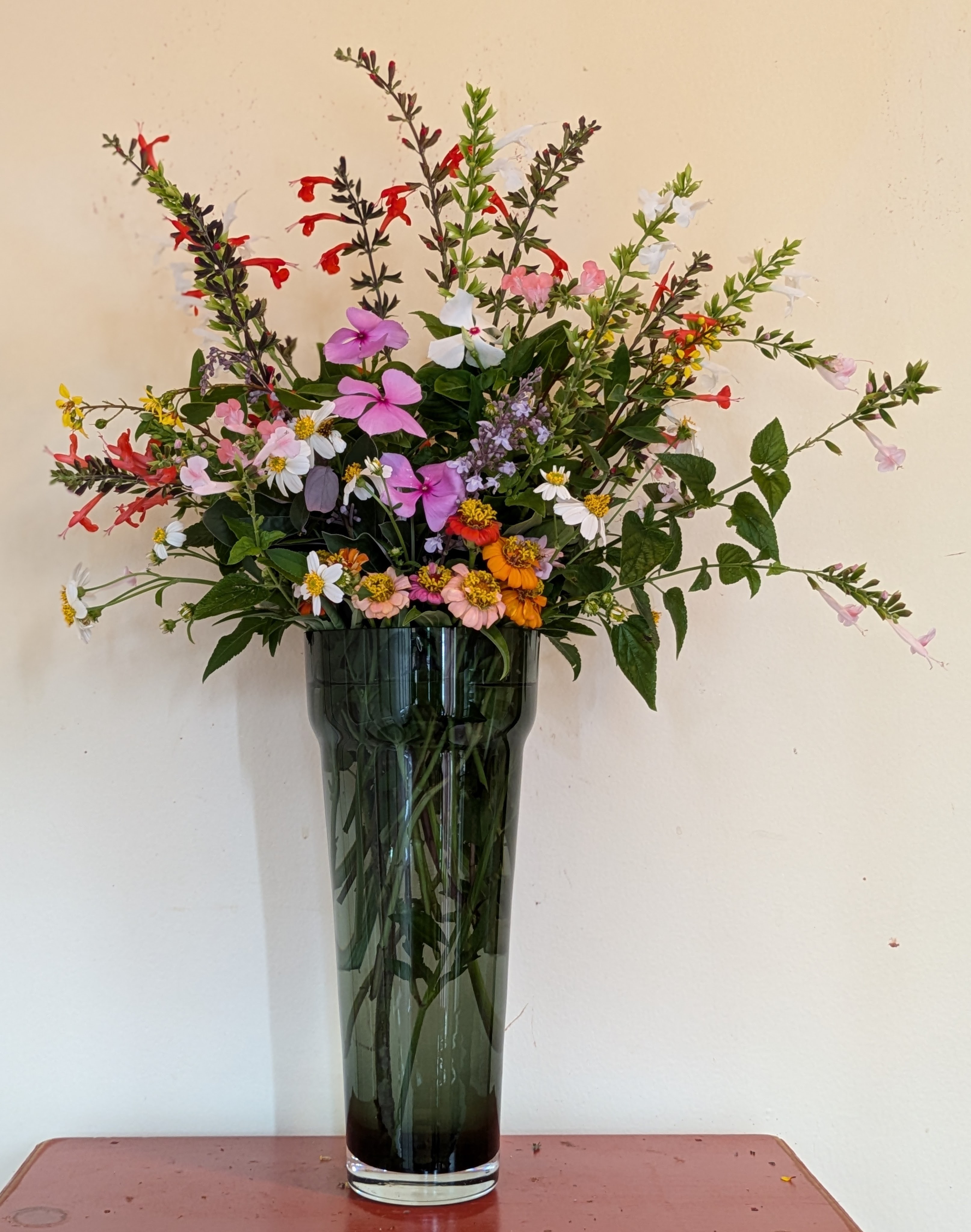
What’s in the vase:
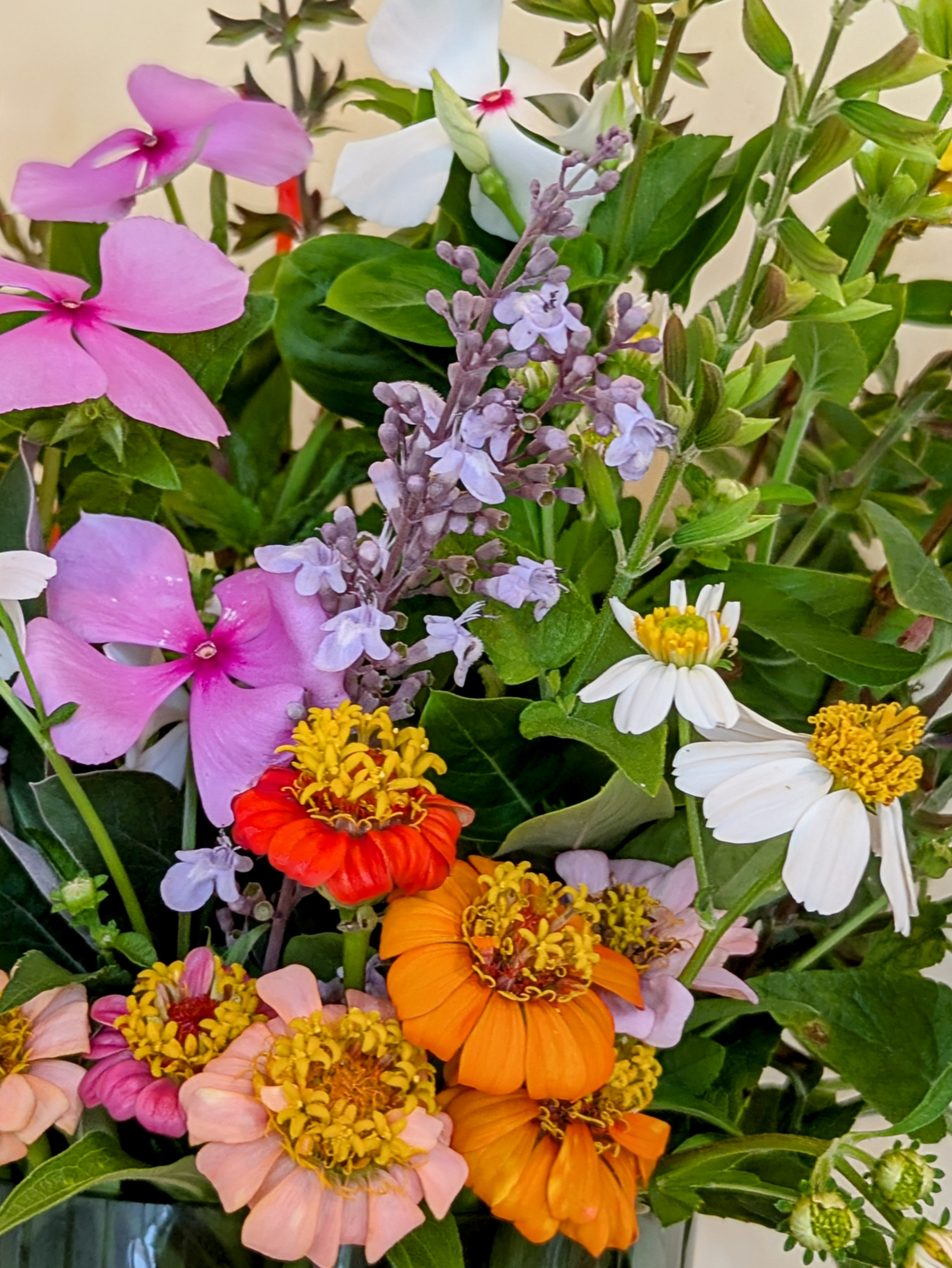
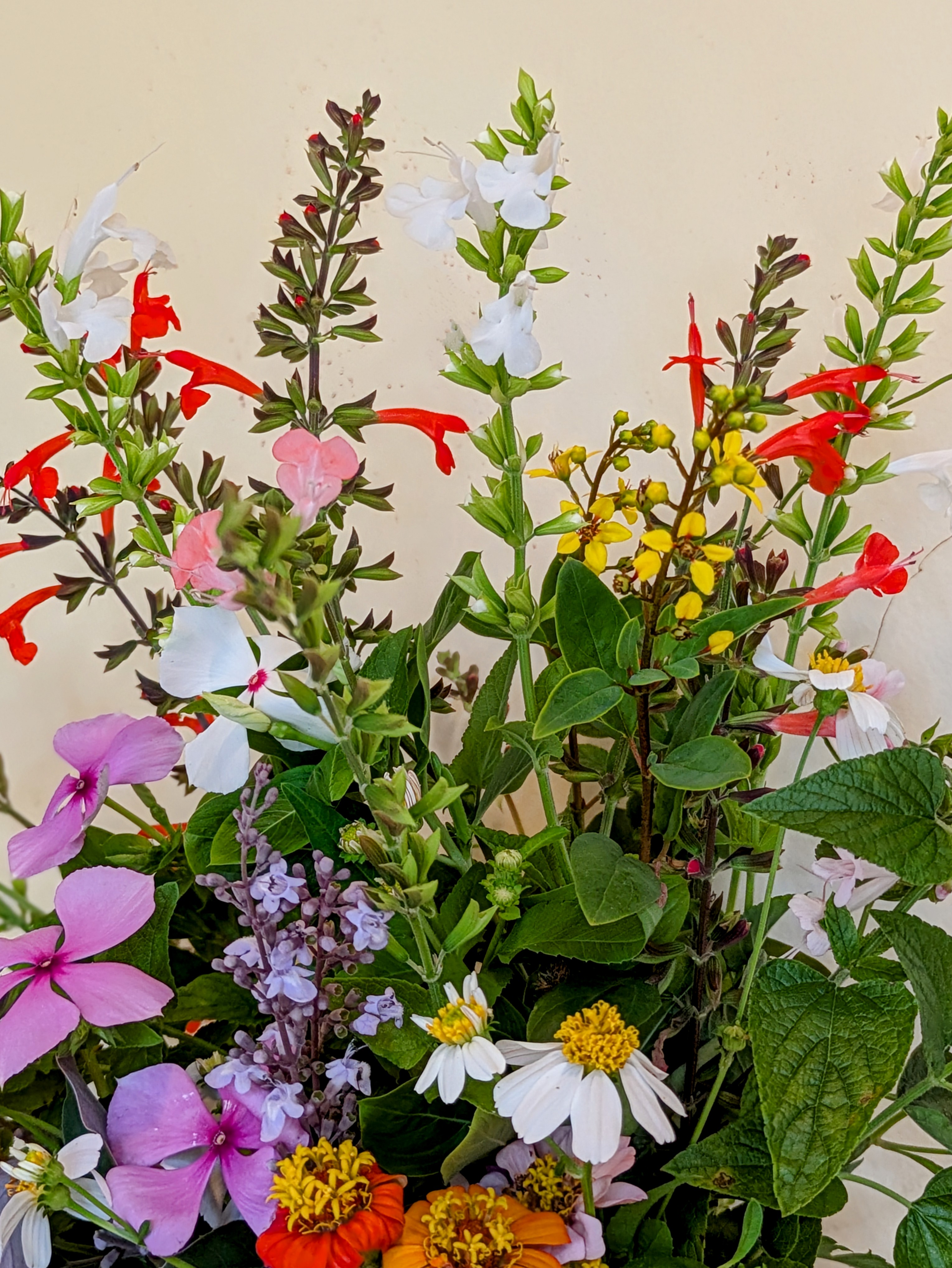
Multi colored flowers at bottom of image are ‘Zin Master’ Zinnias; white daisies are Bidens alba; purple spikes are Arabian Lilac (Vitex trifolia) ; pink and white flowers are Vinca (Vinca rosea).
Yellow spikes are Thyrallis (Galpinia glauca); red, white and peach spikes are Tropical Red Salvia (Salvia coccinea). The vase is a thrift store find.
There! A full color display of the summer dregs from my garden. Not bad, all things considered.
For a full late summer garden tour via vases follow this link to visit Cathy’s blog.
It has been a hot and humid week. I strolled the garden in search of plants surviving and thriving in the heat. There is always a surprise or two. I pulled a few weeds, but mostly noted that there are weeds – waiting patiently for their demise during cooler days.
To join the world wide SOS garden tours visit Jim at GardenRuminations
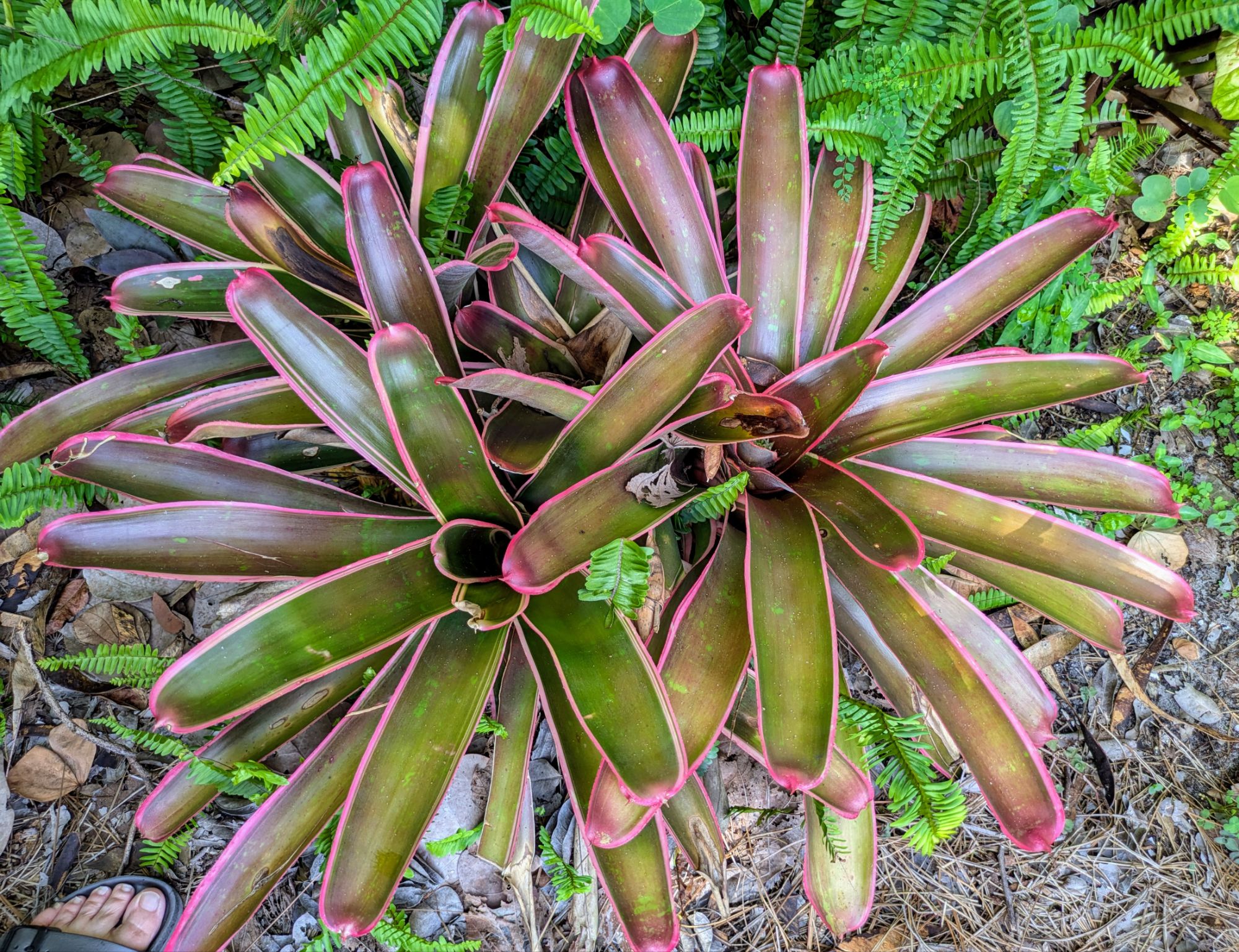
Neoregelia bromeliads are very reliable survivors here. There are so many varieties, I don’t know the names of these two. This one is just starting to flower, signaling the end of its life.
Another Neoregelia of unknown origin. I bought many of these at garage sales (nobody knows names at garage sales) as broms are absurdly expensive when nursery grown.
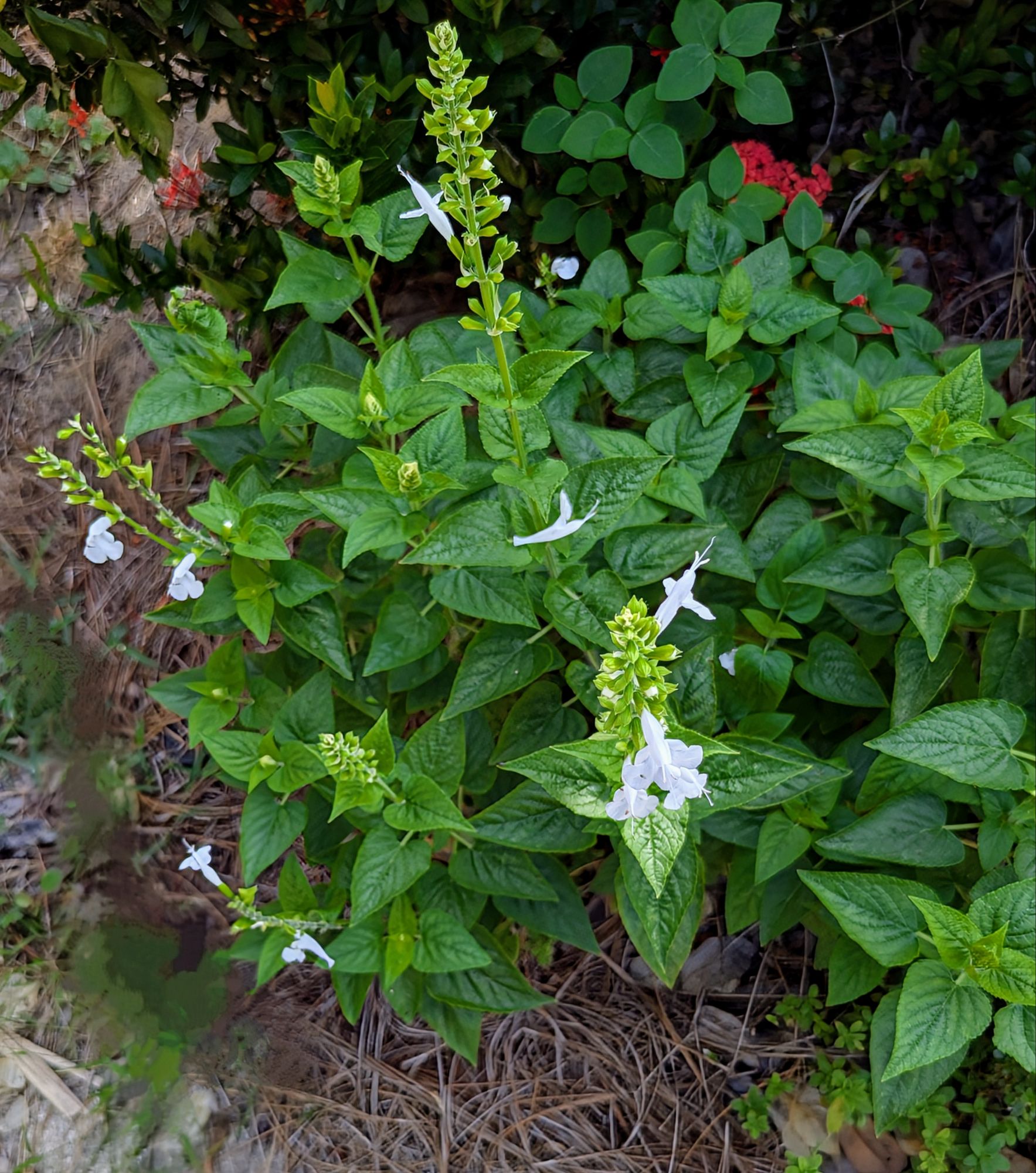
Tropical Red Salvia (Salvia coccinea) in white. These love summer rain and heat.
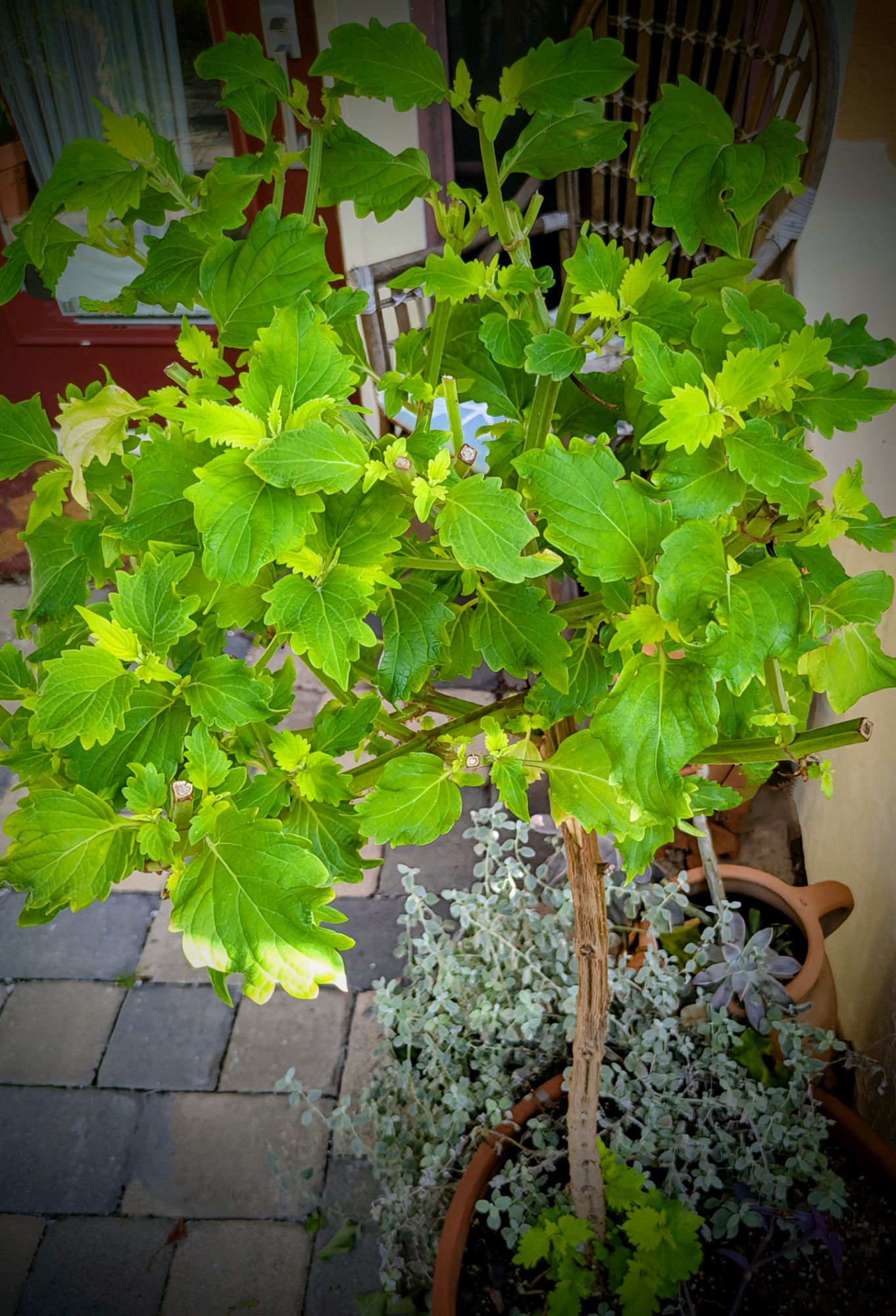
The coleus tree. I have pruned it again. The winds from Tropical Storm Debby knocked a woody branch off the side. It is surprising how woody the trunk is.
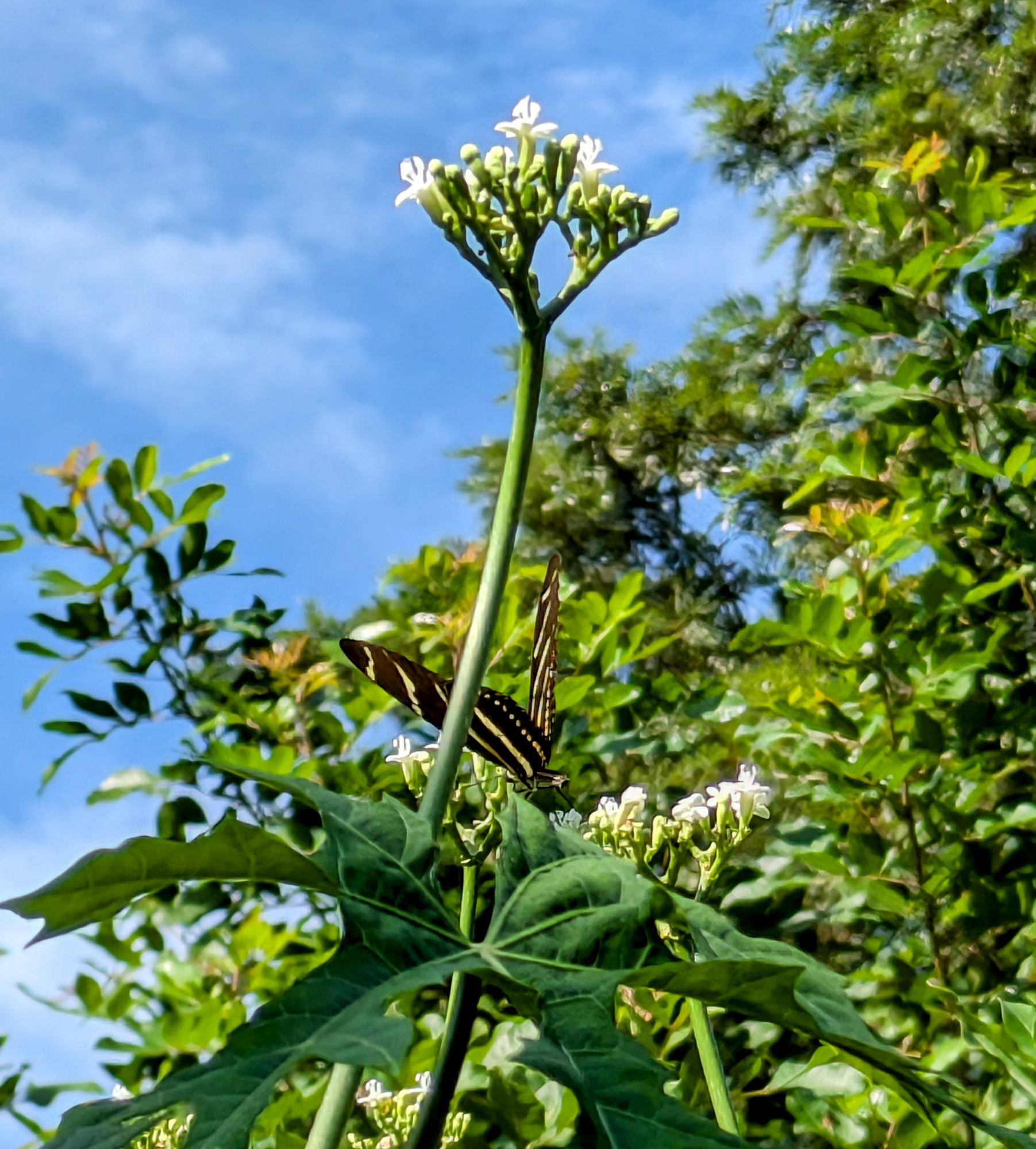
It has been a great year for butterflies. I have been lacking the patience to stand in the shrubbery and wait for them to pose. This is the state butterfly of Florida, Zebra Longwing. It is sipping nectar from a Chaya tree. Chaya is a tropical spinach that grows into a multi stemmed shrub. I thought it would grow 4 or 5 feet – this one is almost ten feet tall!
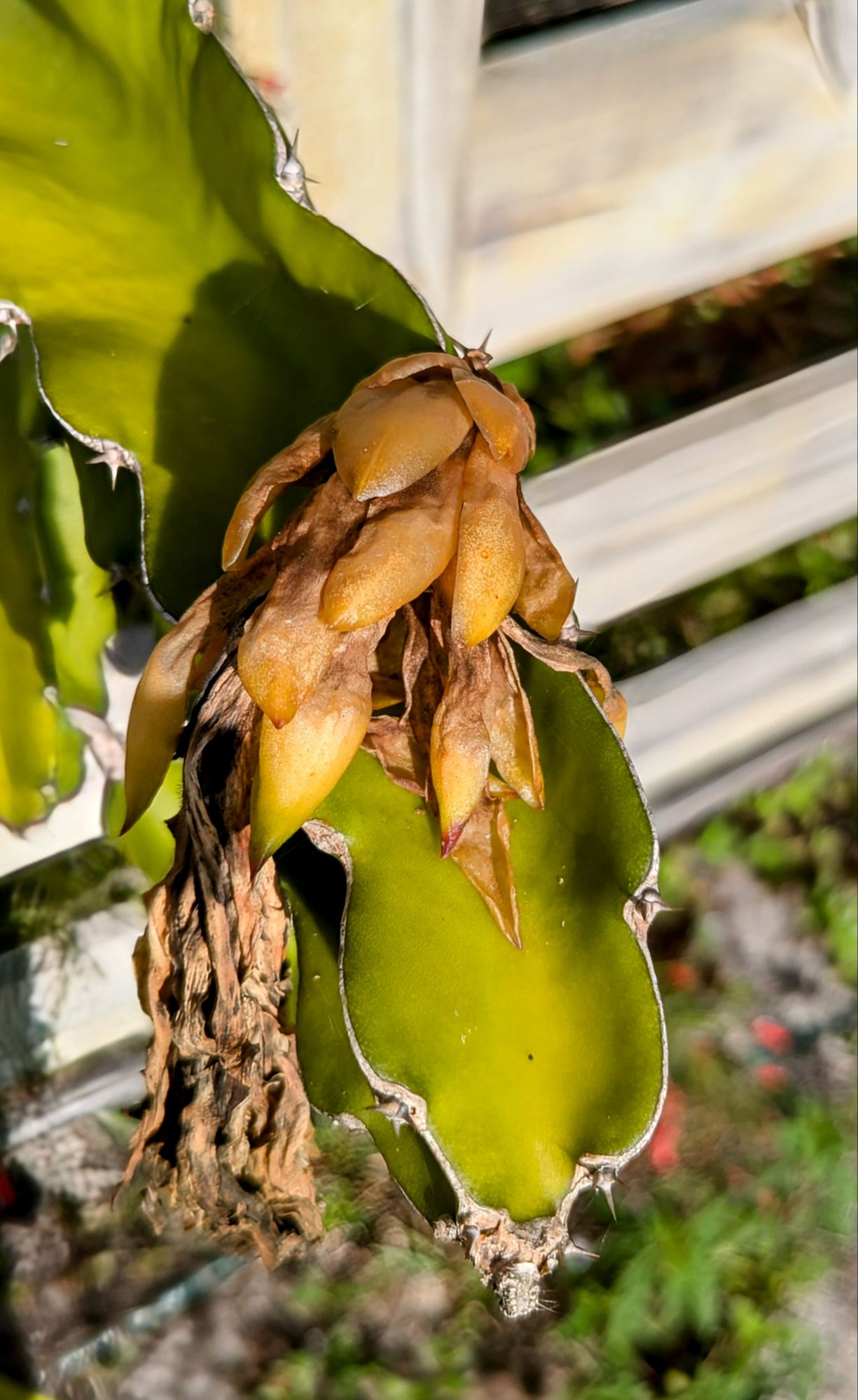
Here is the not survivor. My hopes were dashed for Dragon fruit yet again. Sigh.
That’s all from South Florida. Dreaming of cooler days and a dragonfruit from the garden.
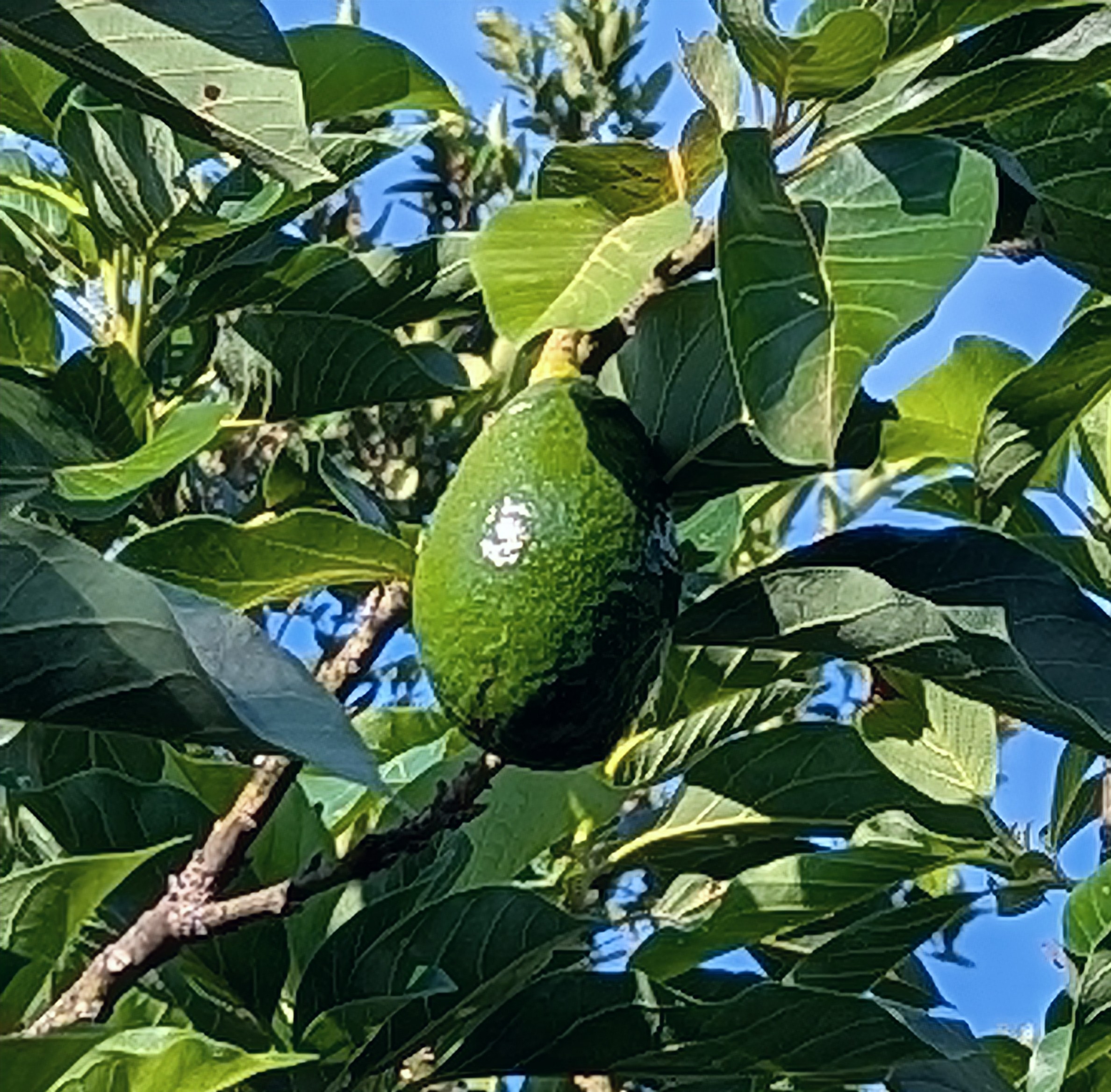
My Saturday morning garden tours always bring a few surprises, happy and sad. I discovered my first Avocado! And I missed some bromeliad flowers. Oops. I found a few other things along the way to share with my fellow SOSers. Follow this link GardenRuminations to visit Jim’s blog for a Saturday morning world garden tour.
TaDa, the avocado. This is a Cuban or Catalina Avocado, a pebble textured, green skinned avocado. It should be the size and shape of a football (the American kind) when ripe towards the end of the year. Fingers crossed I get to eat it.. A friend grew this from seed and bought the seedling to me in 2016 – it takes a while to get fruit. A rare self pollinating, true to seed avocado, these are native to Cuba.
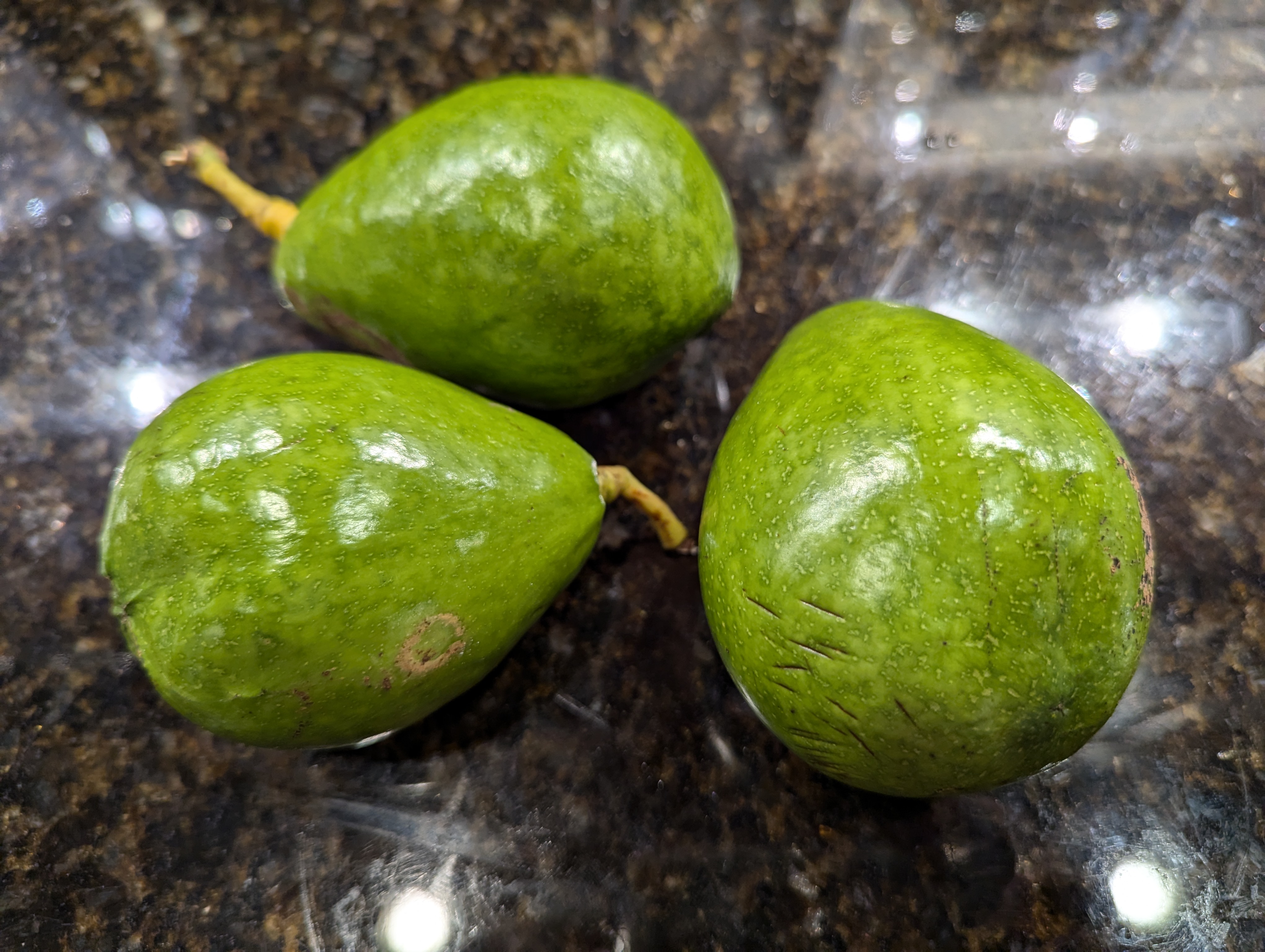
These are summer Florida avocados my neighbor picked at a friend’s house. This type is the result of many crosses between Central American avocados and available in several skin colors. The black ones are especially good. Guacamole is in my future. Food forests do exist!
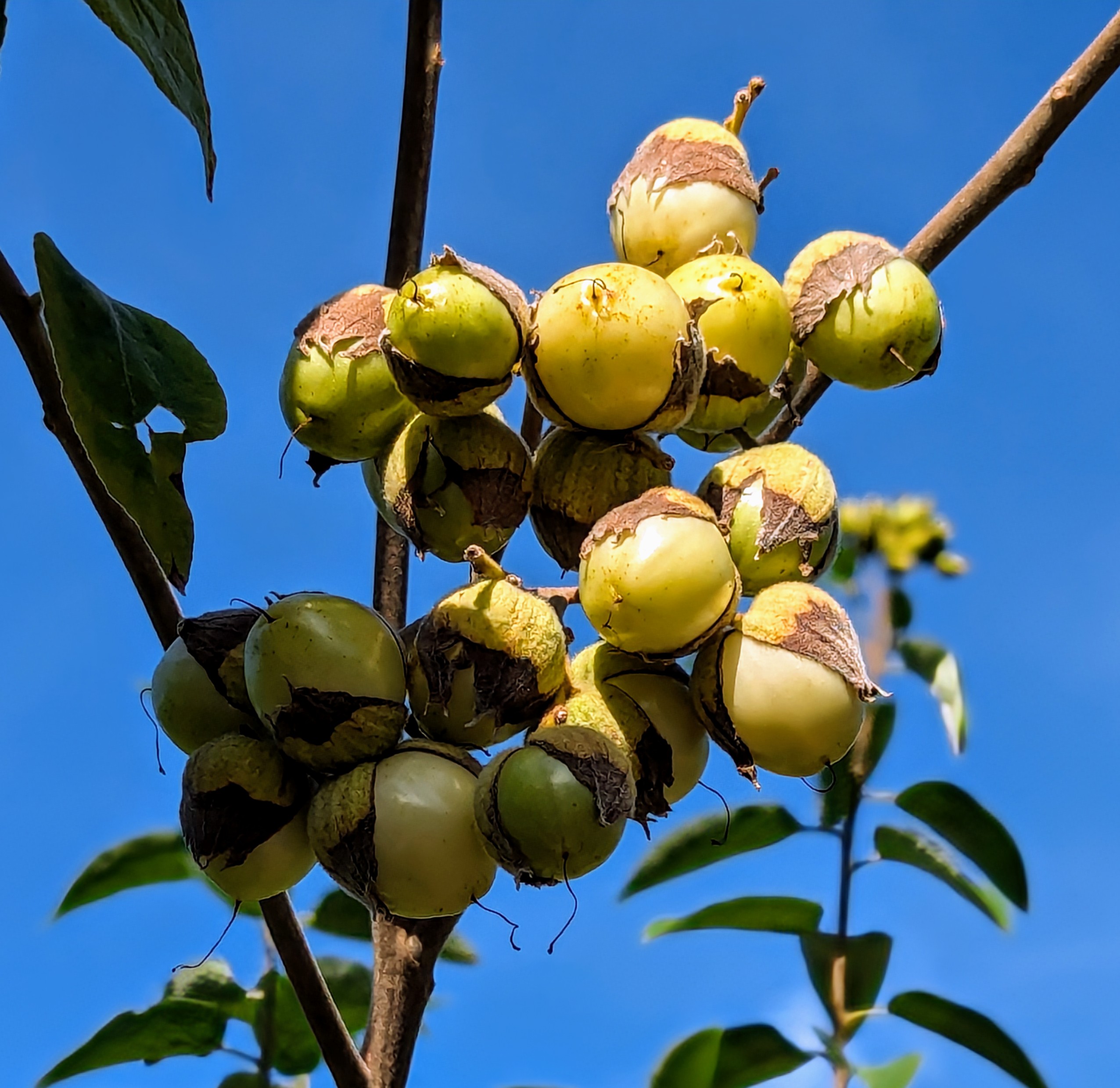
Fruit on the White Geiger tree, These eventually turn white and are enjoyed by wildlife. Supposedly edible, but not tasty.
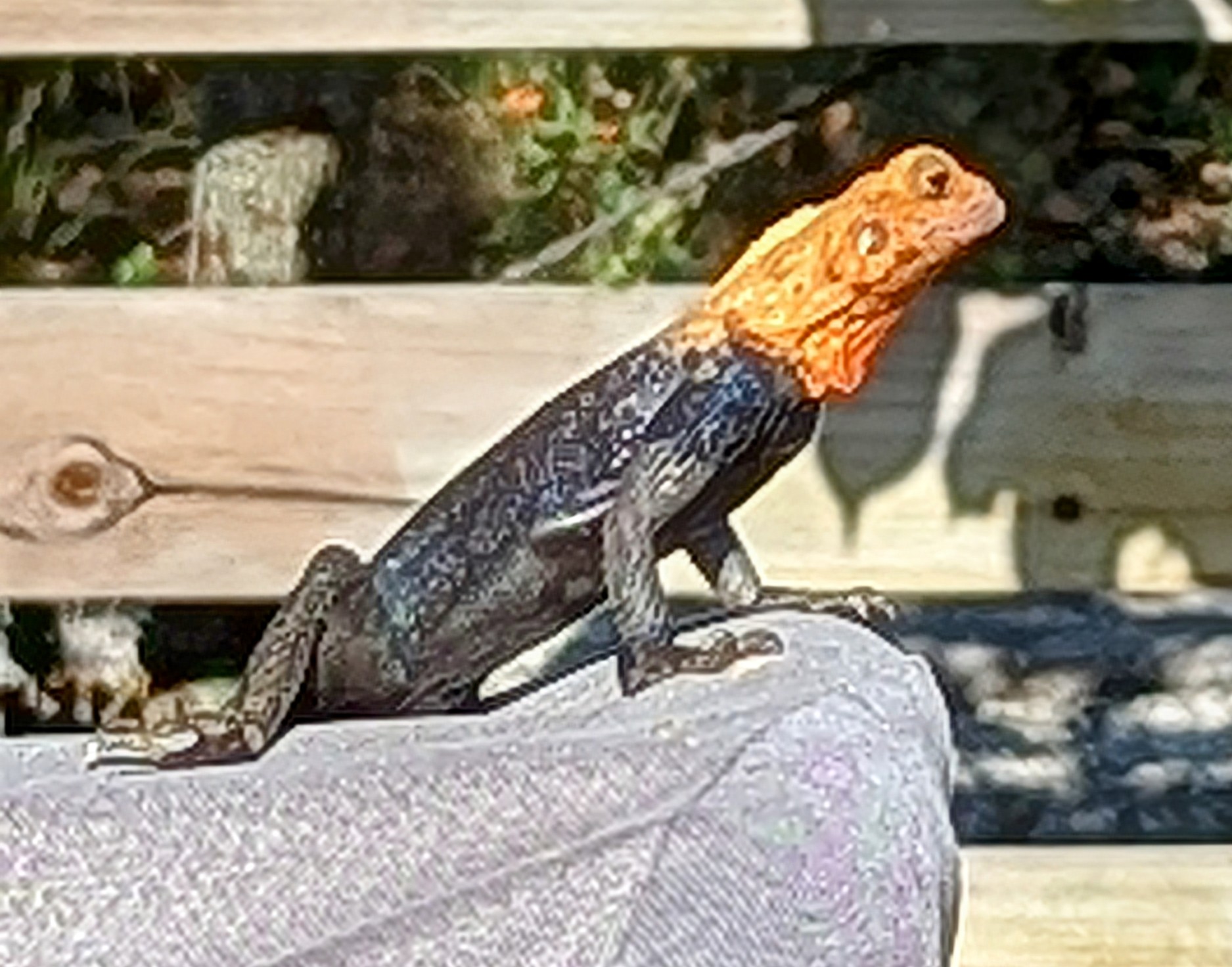
Another invasive lizard. The red headed Agama. UGH.
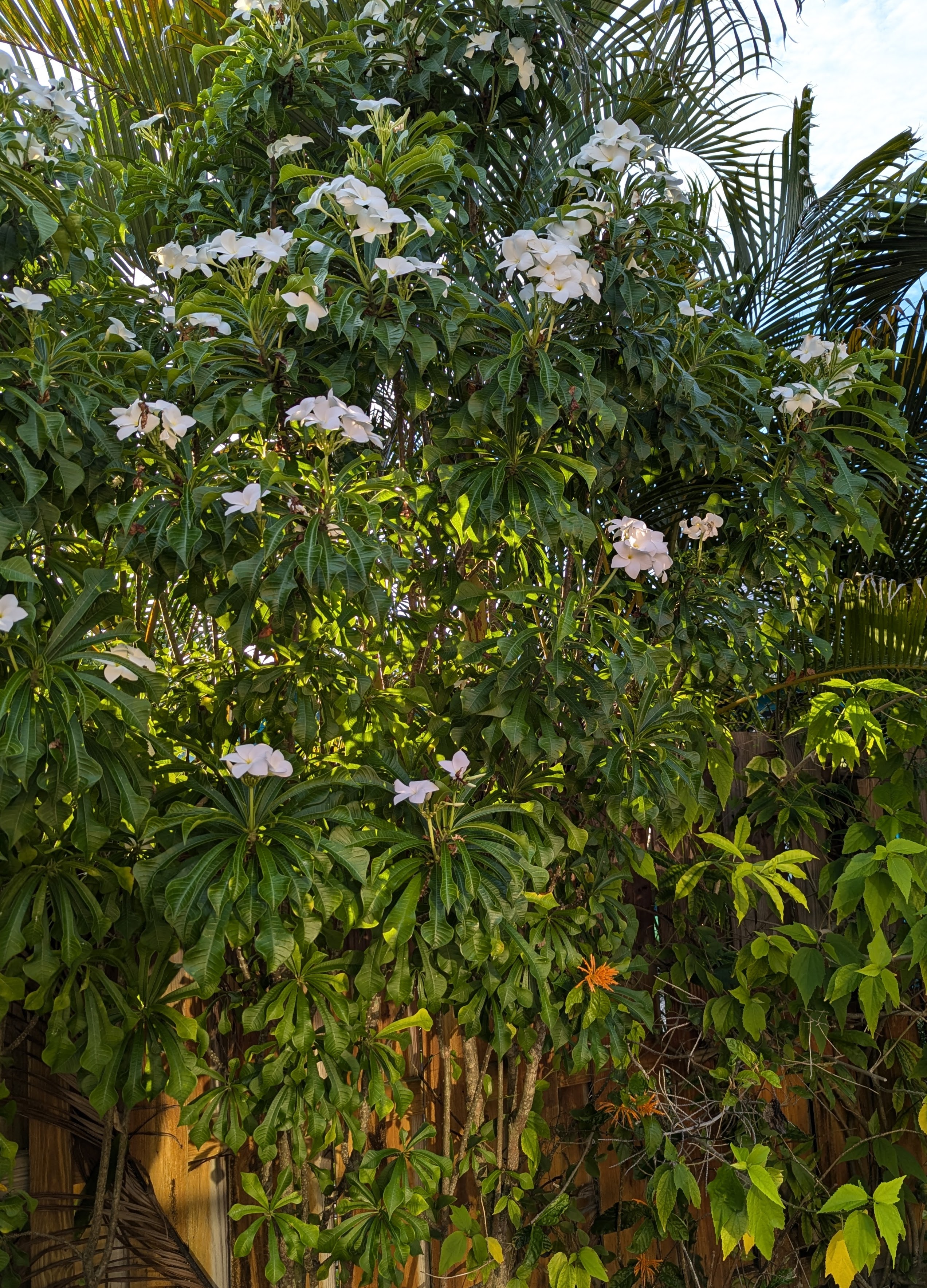
The Bridal Bouquet Plumeria (Plumeria pudica) hedge is flowering.
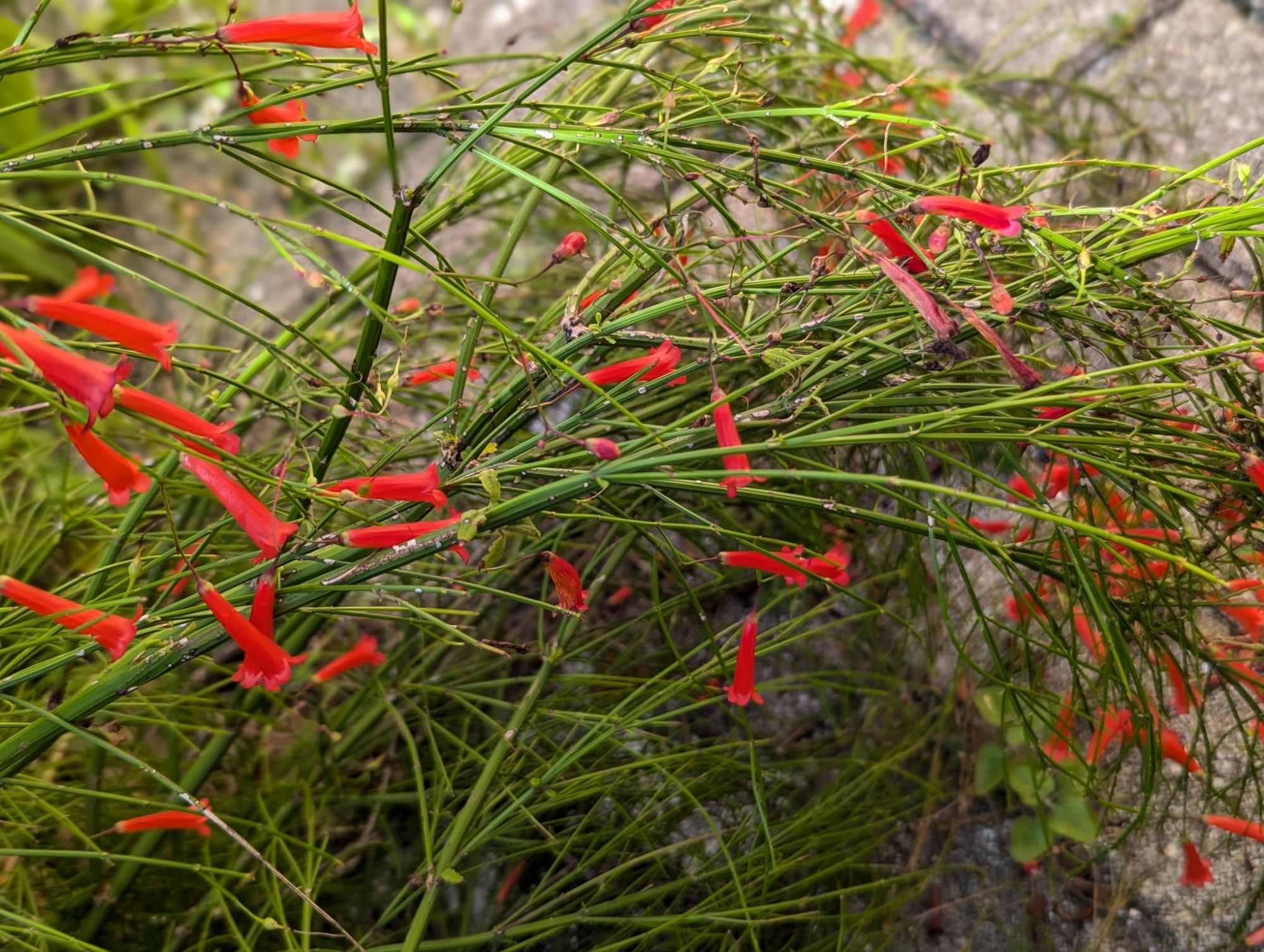
One of the most reliable summer flowering perennials in my garden. The Firecracker plant (Russelia equisetiformis)
That’s all from South Florida. Rain dances shall begin shortly.
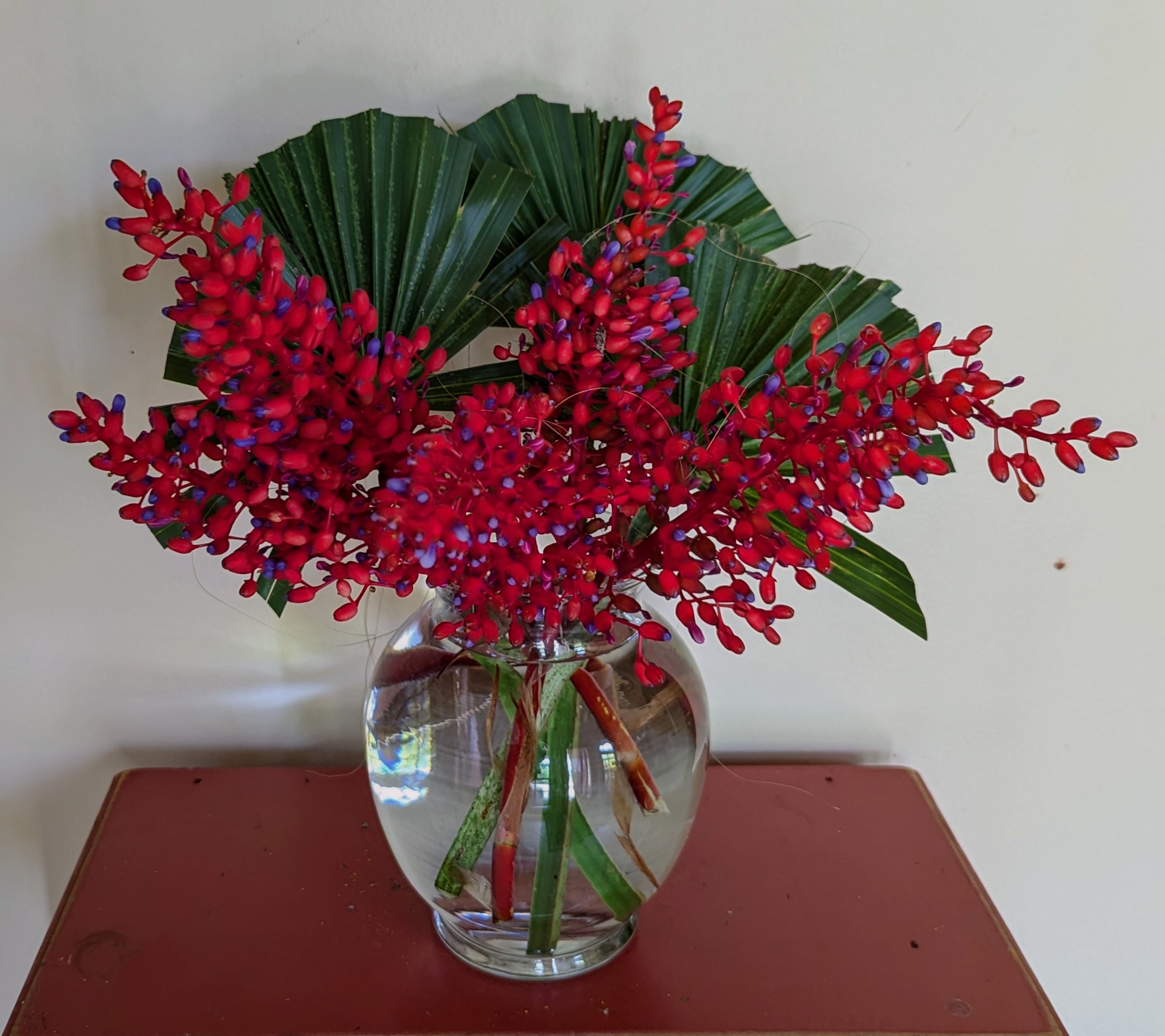
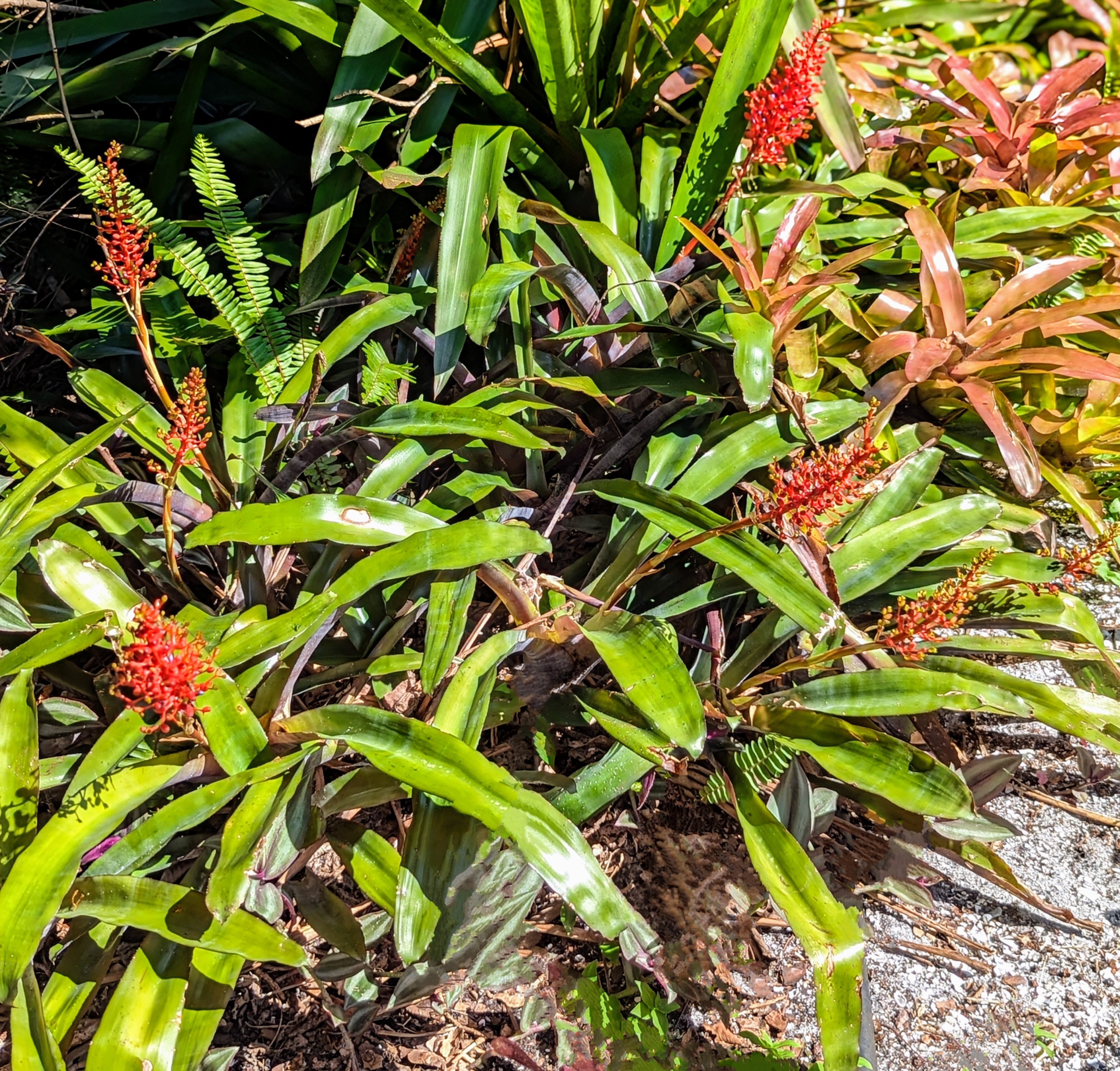
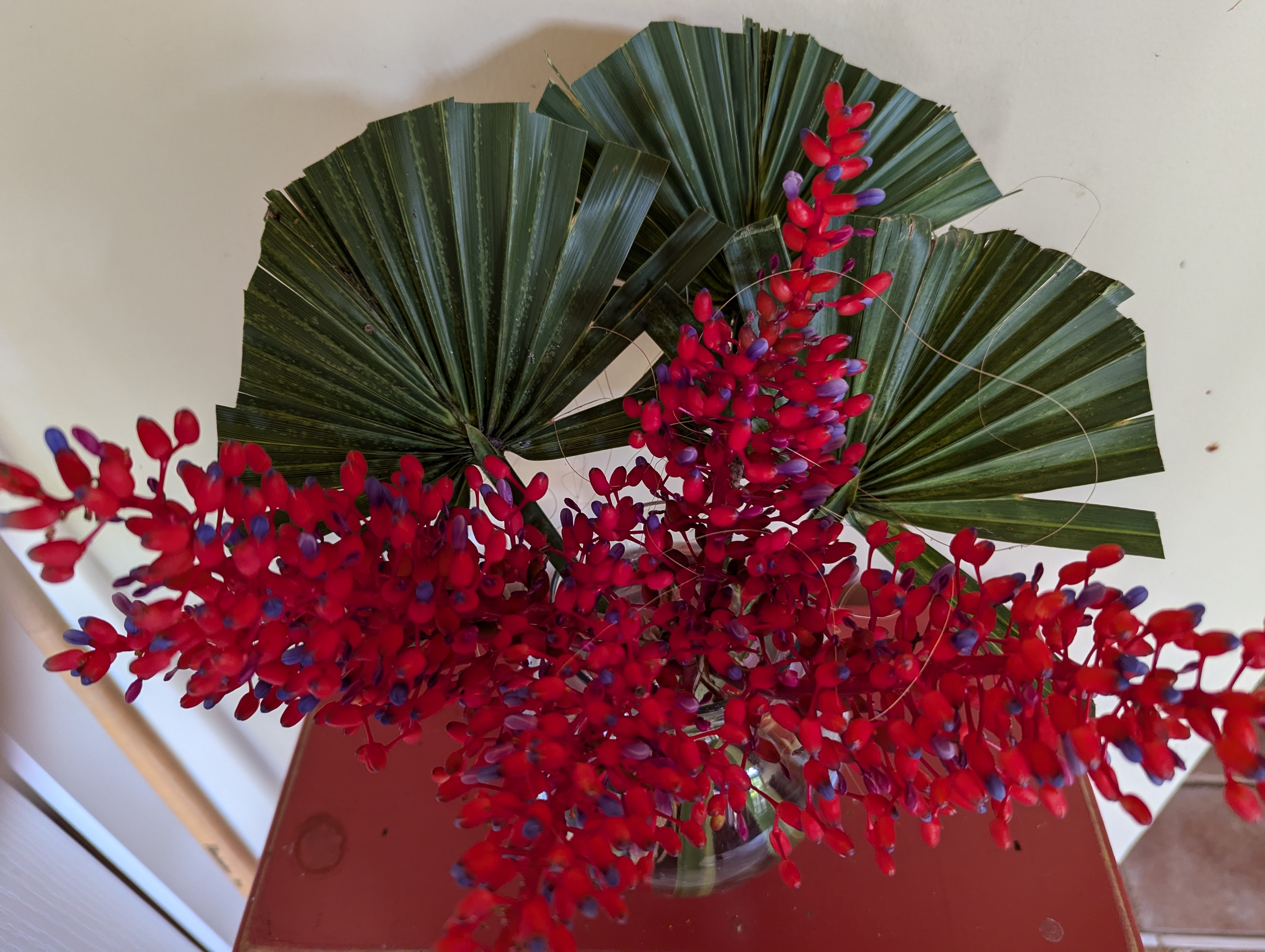
My husband may be wondering about my summer bromance (probably not). July is prime time for a Vase of my favorite summer bromeliad flowers, Aechmea miniata. To say this is a striking flower is a bit of an understatement. The flower is a nearly foot long panicle composed of what looks like red hot cinnamon candies accented with cobalt blue tips, it is a sight to behold. The plant has deep olive leaves with purple backsides and thrives in dry shade. I love it. Definite bromance here.
The plant in the garden:
A closer view:
An overhead view. The foliage accents are trimmed palm fronds from Sabal Palm seedlings (Palmetto sabal). The vase was repurposed from the florist.
Happy Summer Monday to all. To see more vases, follow this link RITG to visit Cathy.











 The Shrub Queen