Six on Saturday – Autumnal Color Pops

The Saturday morning greyhound tour featured a refreshing breeze from the ocean. Visions of cooler weather danced in my head. The fall flowers are coming into season. In South Florida a gardener has to seek fall color and use their imagination.

To tour more SOS gardens, visit Jim at gardenruminations.co.uk

Lemon Blanchetiana Bromeliad (Aechmea blanchetiana) flowers are not something one normally associates with fall color. In my garden they are. Standing about four feet tall and flowering for months starting in late summer with toasty orange and rusty colors, it is a bold statement.

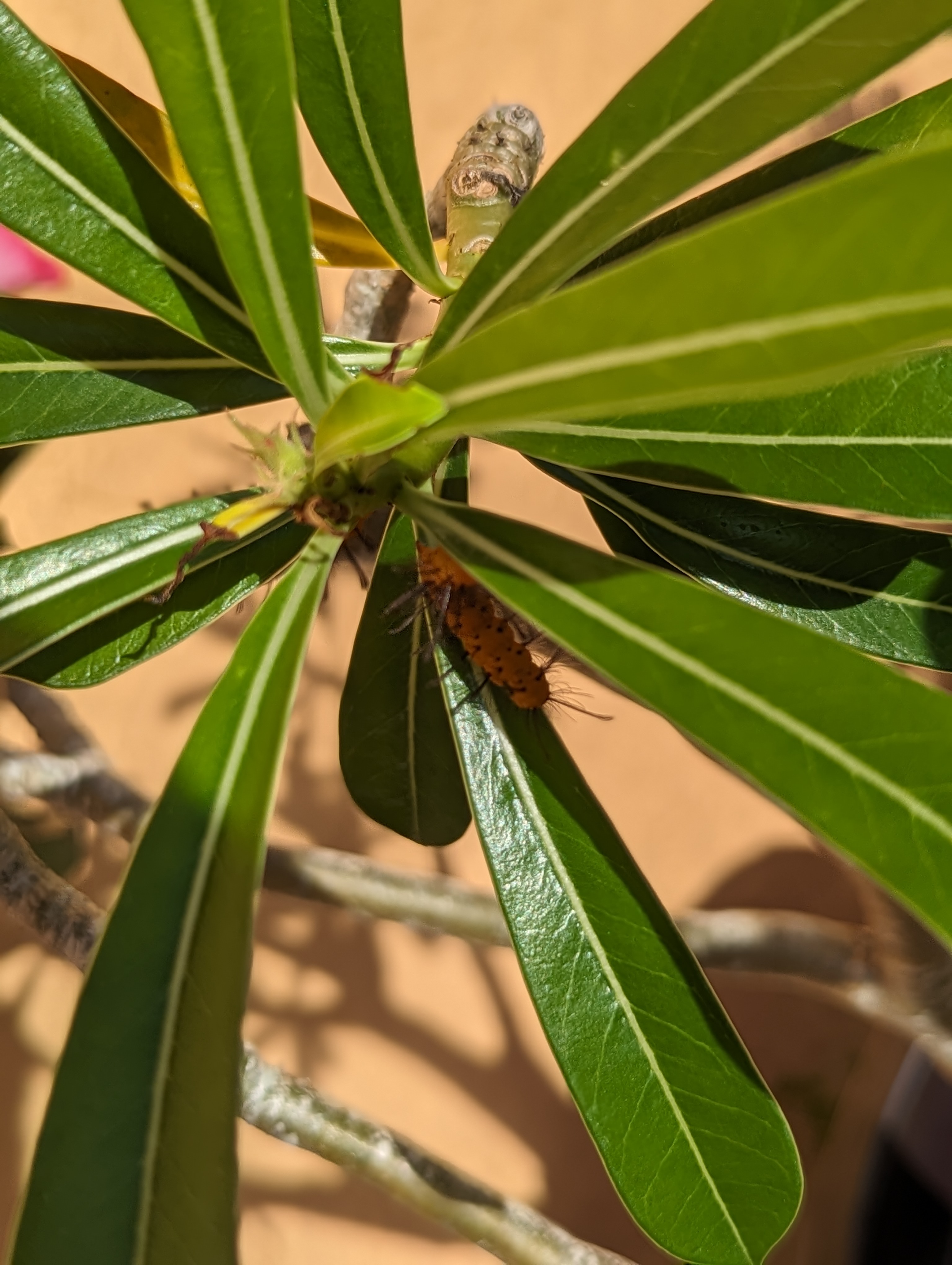
I had just been thinking about how marvelous the Desert Rose (Adenium obesum) looks…when I noticed the evil oleander caterpillar lurking in the foliage. This time of year they show up and eat all the foliage. I may throw them off, or not, they make an interesting black polka dotted moth.

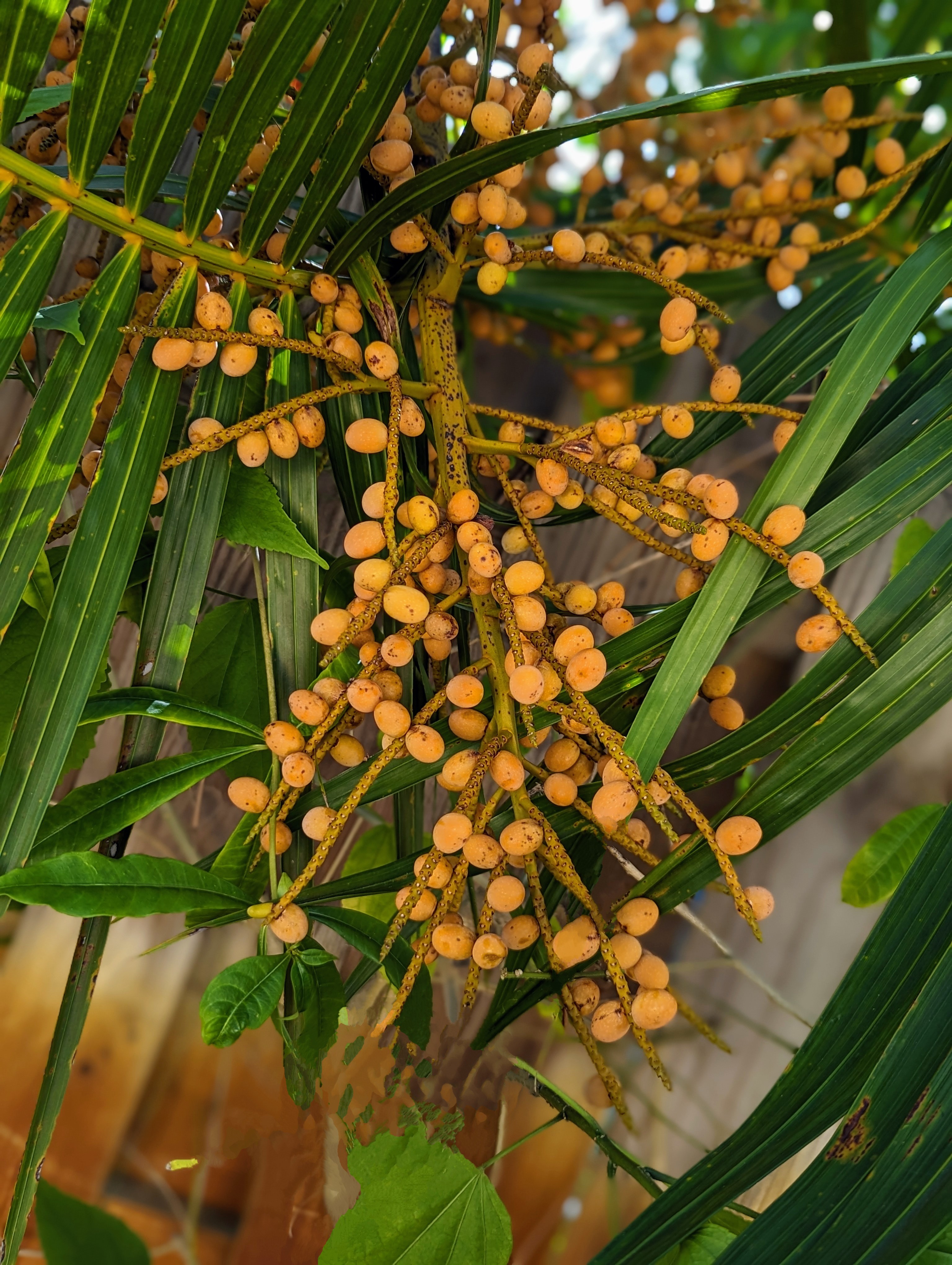
Fruit hanging over the fence from my neighbor’s Areca Palm (Dypsis lutescens). To me, Arecas are the trash plant of South Florida. Overused and jam packed as screening plants, they often develop fungus problems and die en masse. Not pretty, though I like the fruit.

The old reliable. A sunny South Florida native, the Beach Sunflower (Heliathus debilis). These smile through everything.

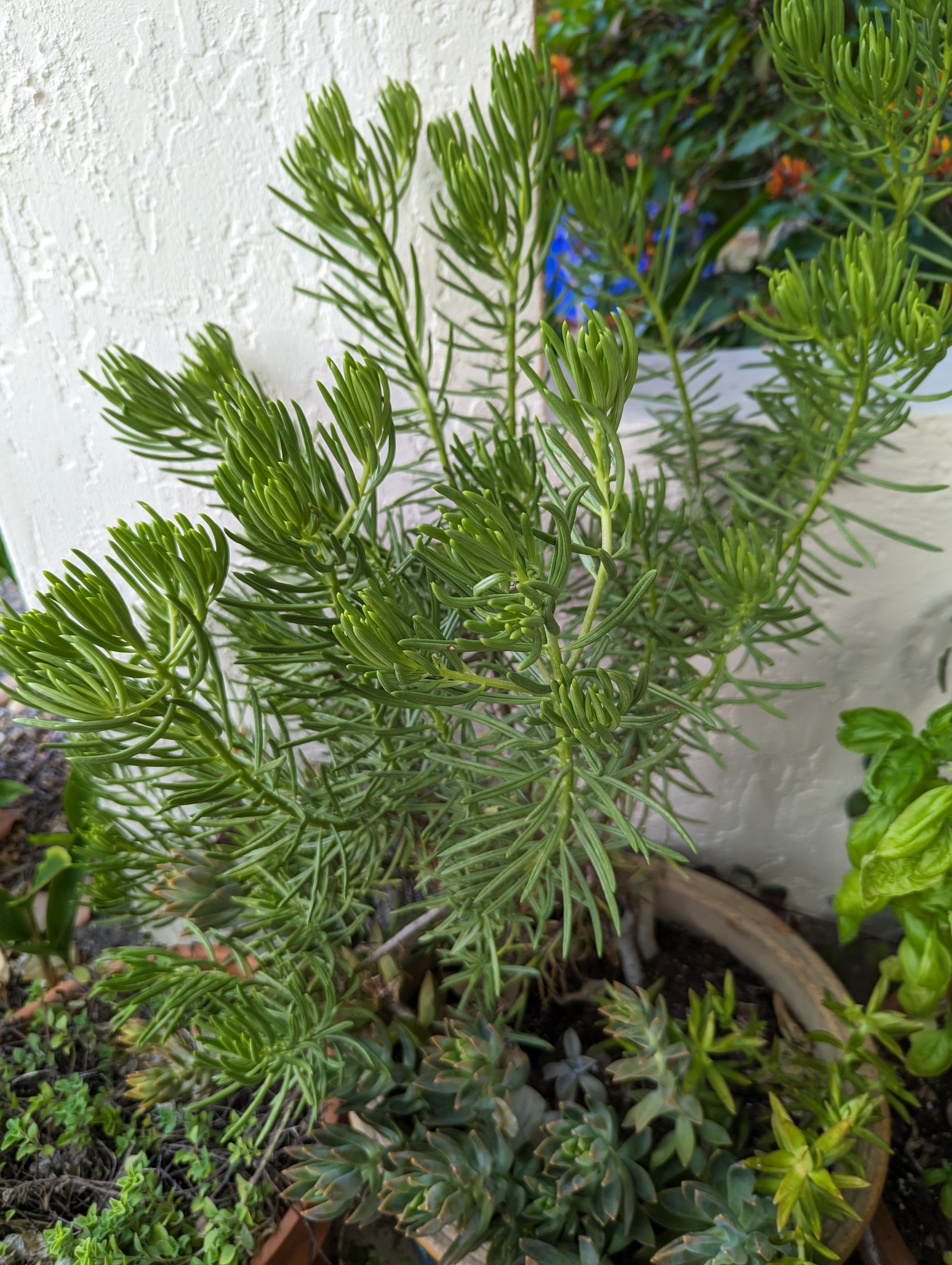
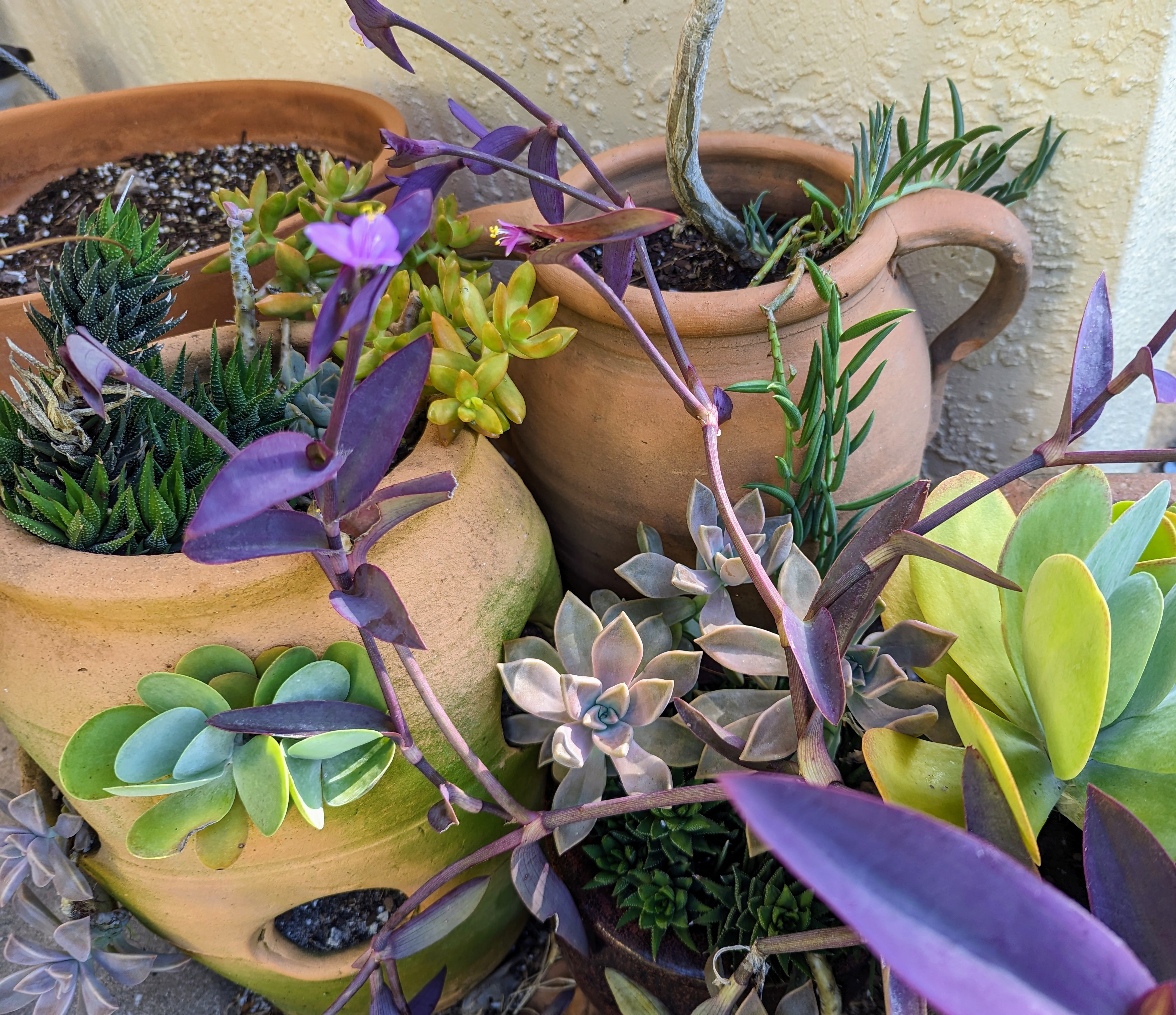
I have been enjoying the color mix of the succulent containers. Gardeners around here gift succulent cuttings, I don’t think I bought any of these. To the best of my knowledge, I have Flapjack Kalanchoes, grey Graptosedums, Green Haworthia, Jelly Bean Sedum, and Fish hook Senecio. I let the Purple Queen ramble through for a shot of color.

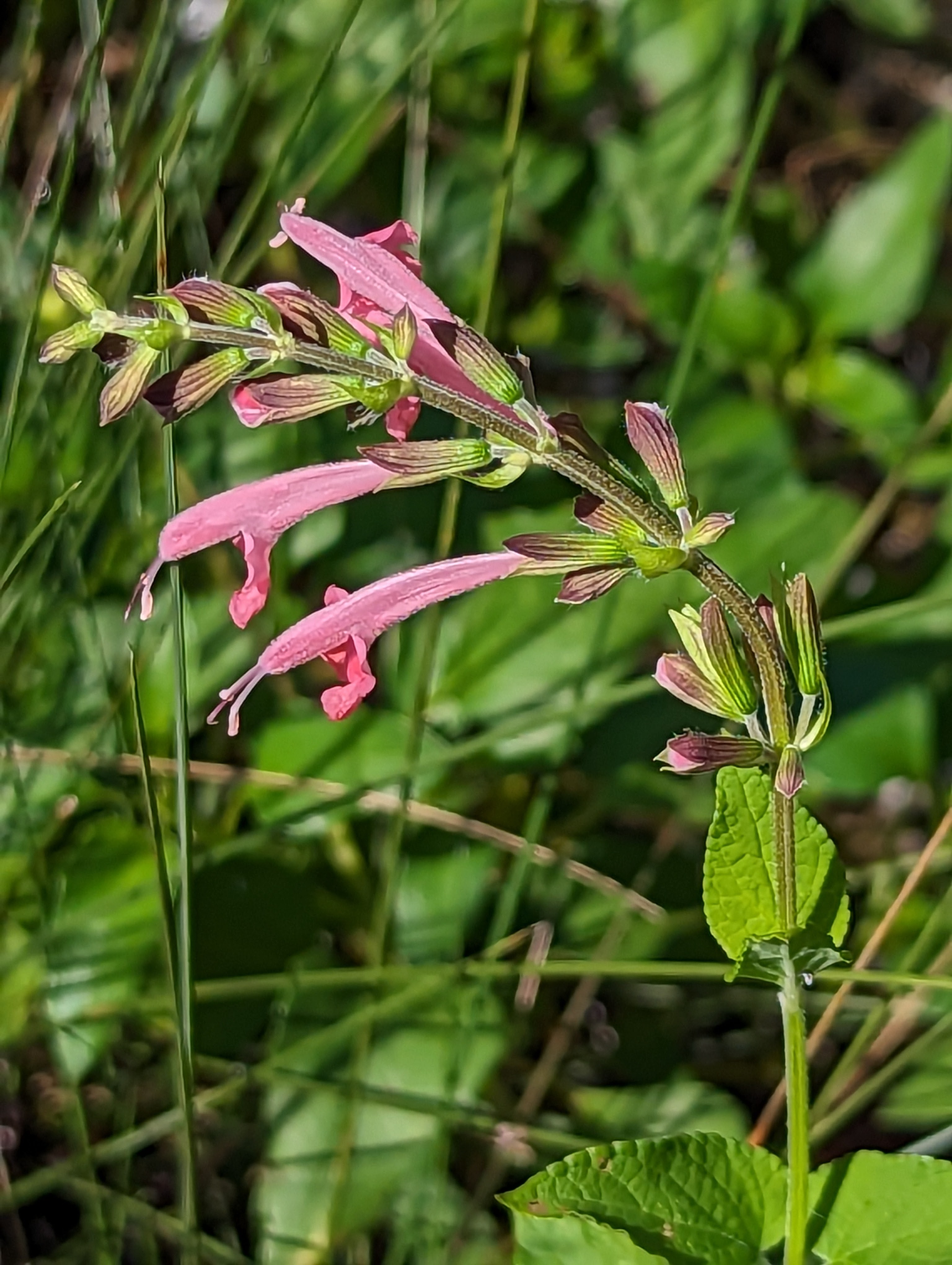
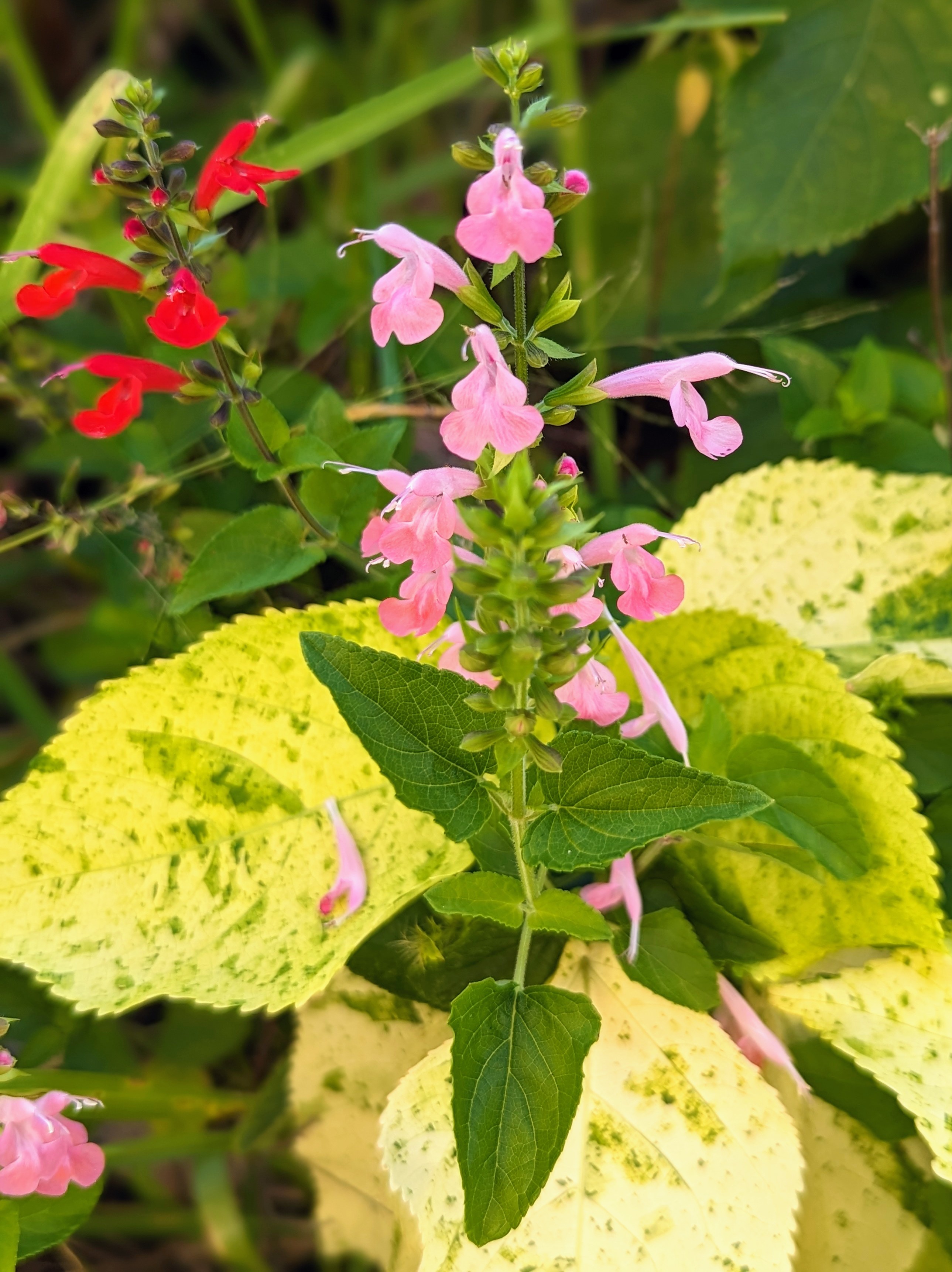
The intrepid Tropical Red Salvia (Salvia coccinea) in pink and red, peering through ‘Java White’ Copperleaf (Acalypha wilkesiana ‘Java White’)

That’s it for this Saturday. I will be seeking cool breezes and fall color a while longer.

Six on Saturday – Rain Flowers

I noticed a few things on my Saturday morning garden tour. Slightly cooler weather, slight being the operative word. And an abundance of flowers in the garden from all the rain. A few of the non native salvias have succumbed to something, but most everything else is very happy.

To take a world tour with SOS gardeners, visit Jim at http://gardenruminations.co.uk

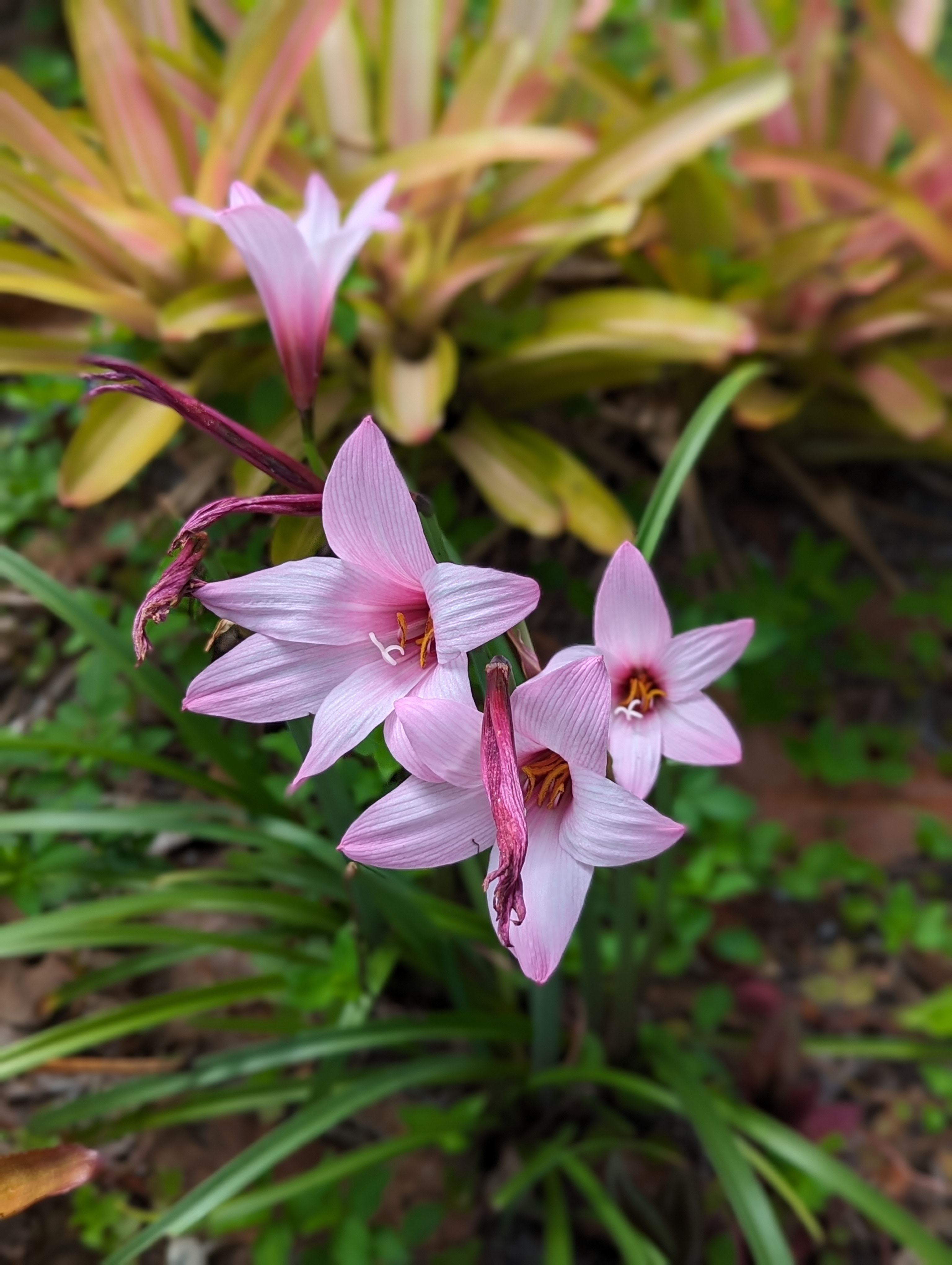
Rain lilies (Zephyranthes or Habranthus) are having their best year ever. I like the name Zephyranthes better, the other one sounds like a dinosaur. Why do the botanists have to change these names constantly?

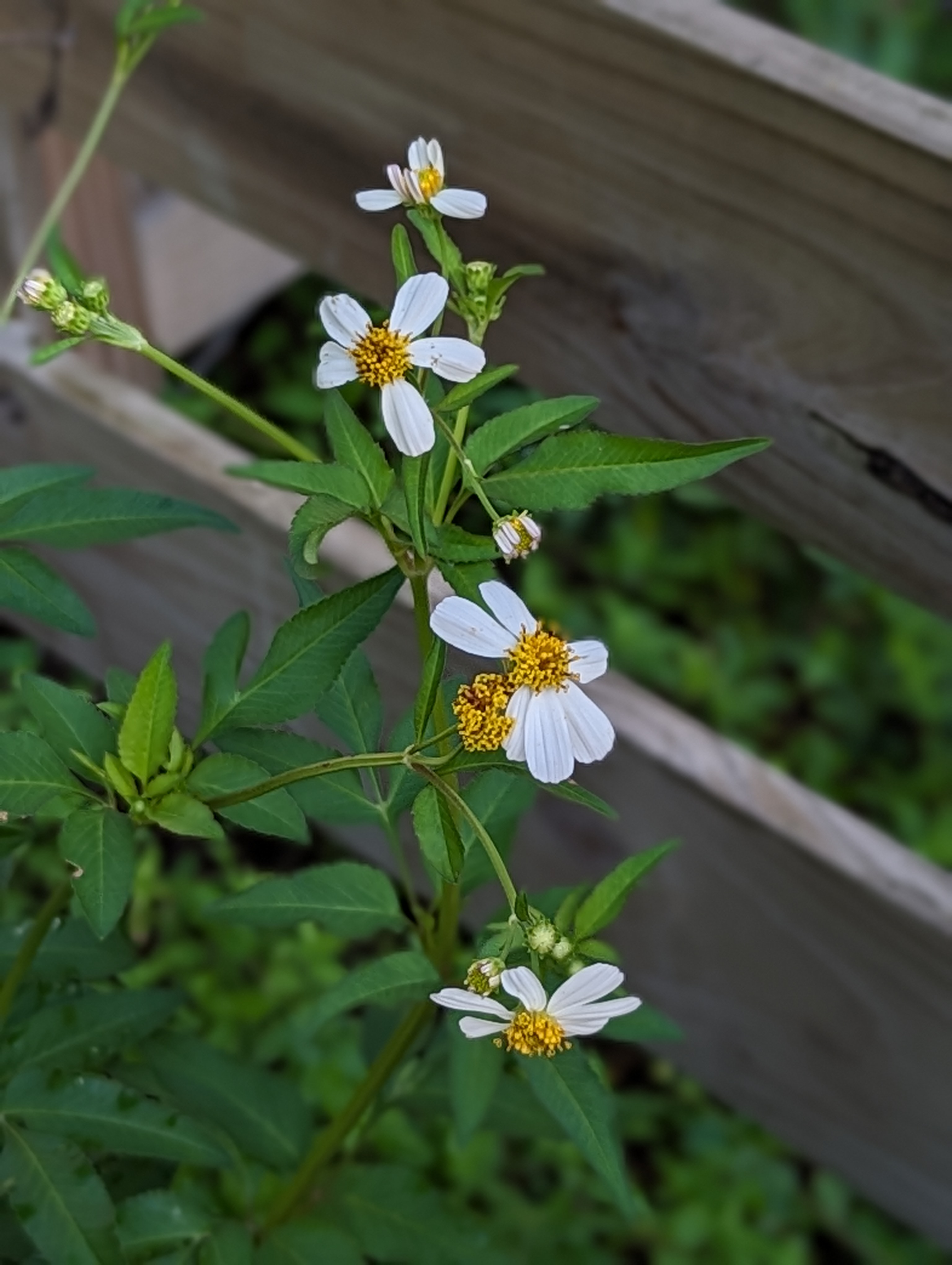
Meet Bidens alba, sometimes called Spanish Needles due to the sharp seeds. These are fortunately cute and last a long time as a cut flower. A Florida native wildflower – they are unfortunately prolific and require pulling lest they take over the garden.

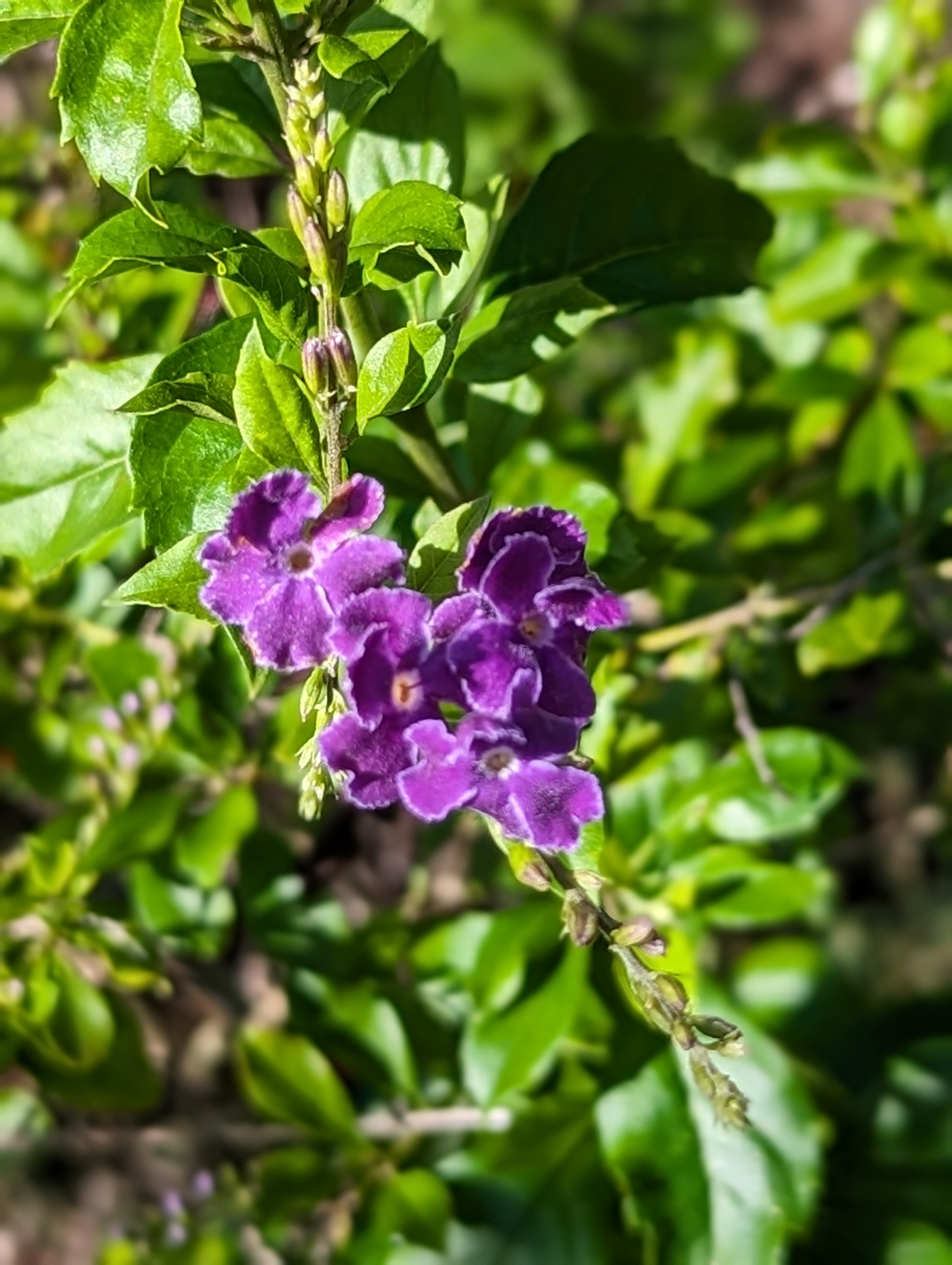
Another one of my butterfly plants, ‘Sapphire Showers’ Duranta (Duranta repens). This one is a tree form and not very happy about it. It keeps sprouting at the base. Its current form is blob.

An all around good wildlife plant, this is the fruit forming on the ‘Sapphire Showers’ Duranta. These will be attractive yellow berries soon and the birds will enjoy them.

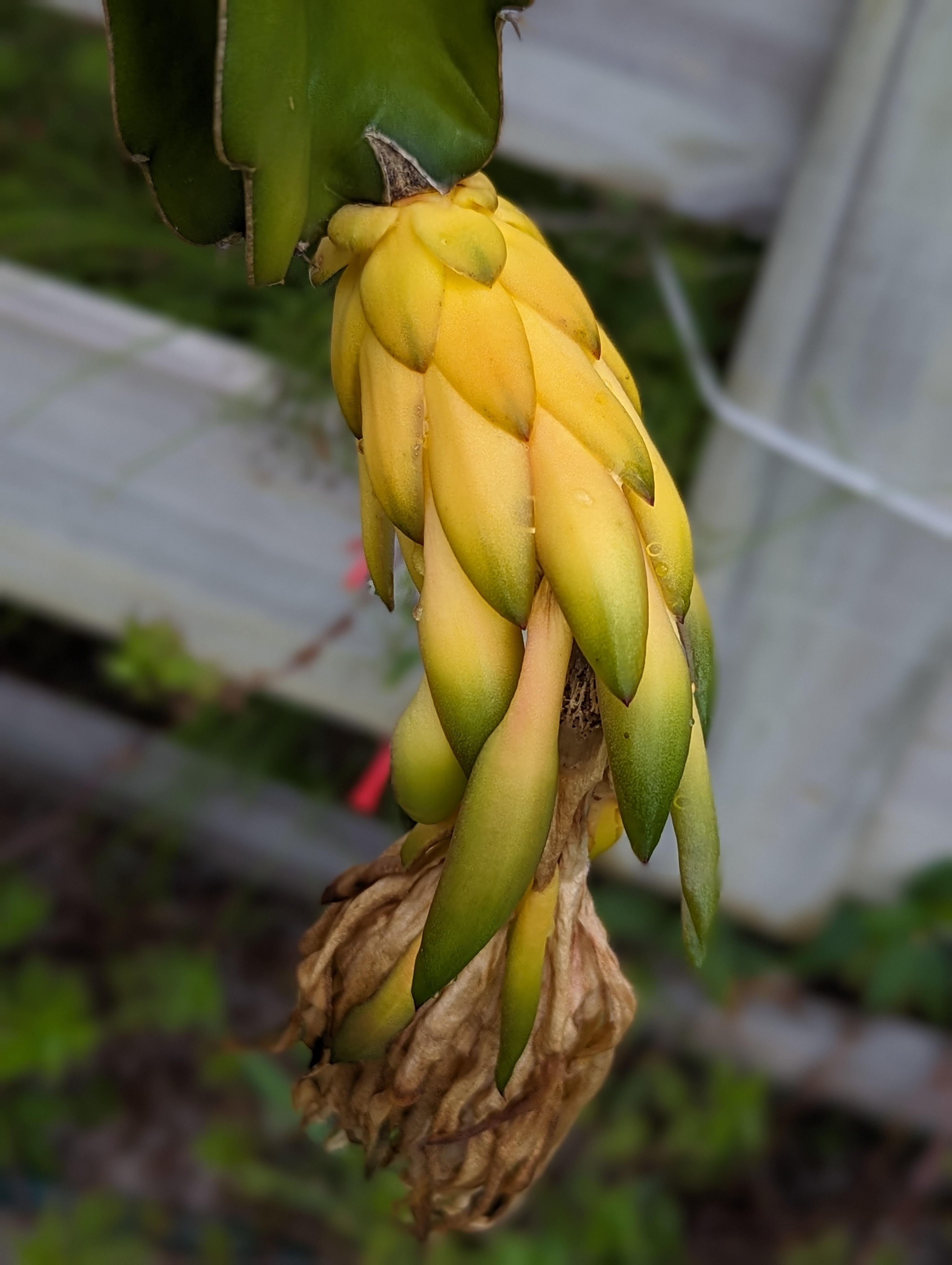
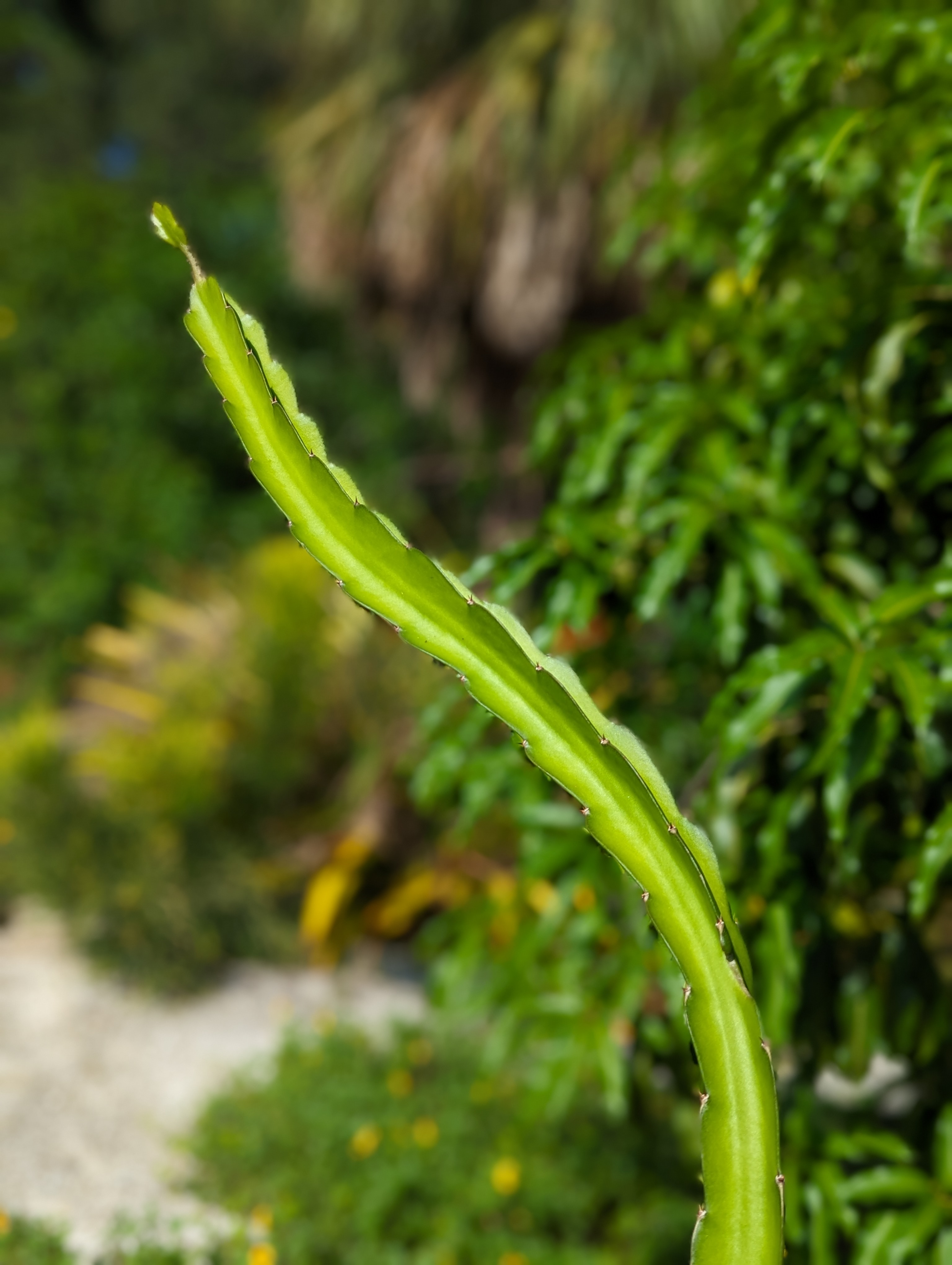
The Dragonfruit or Pitaya has put out a huge new shoot. I am not sure what to think of this as it has been sitting in the garden, doing nothing for years.

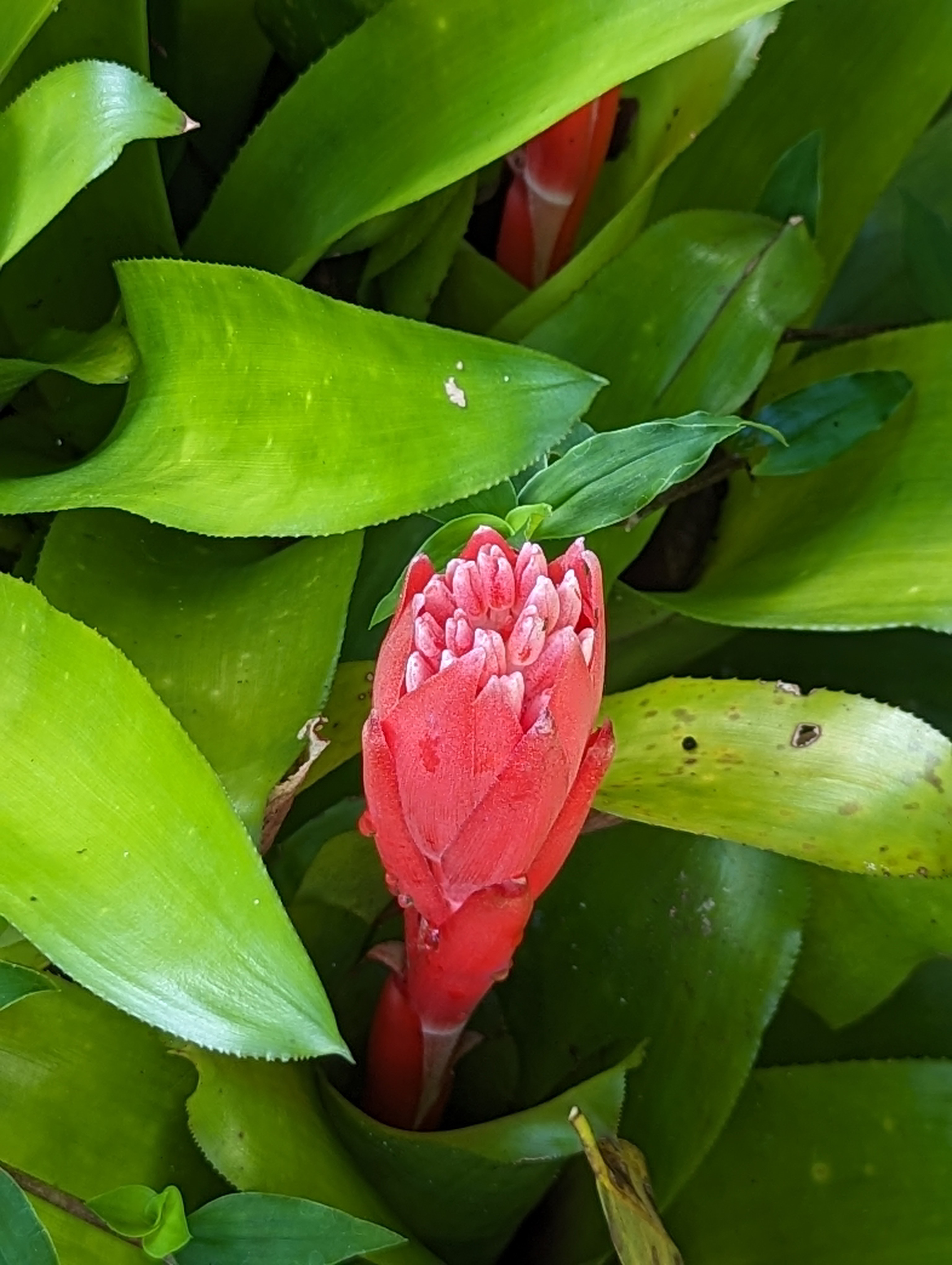
The garden announces the peak of hurricane season. These are called hurricane lilies, and other common names. They are a bromeliad, Billbergia pyramidalis. The peak date for hurricane activity is September 6 or thereabouts and these are usually in full bloom by then.

That is all from my garden. Eastern South Florida remains hot and rainy. The west coast is in drought. Go figure. I may try to beat the rain and pull some weeds.

Thanks to Jim for hosting. Happy Gardening.

Six on Saturday – Succumbed to Temptation

SOS time again! Here is the pretty picture this Saturday. To see more SOS posts for a fascinating tour of what grows where in this world, visit Jim at http://gardenruminations.co.uk

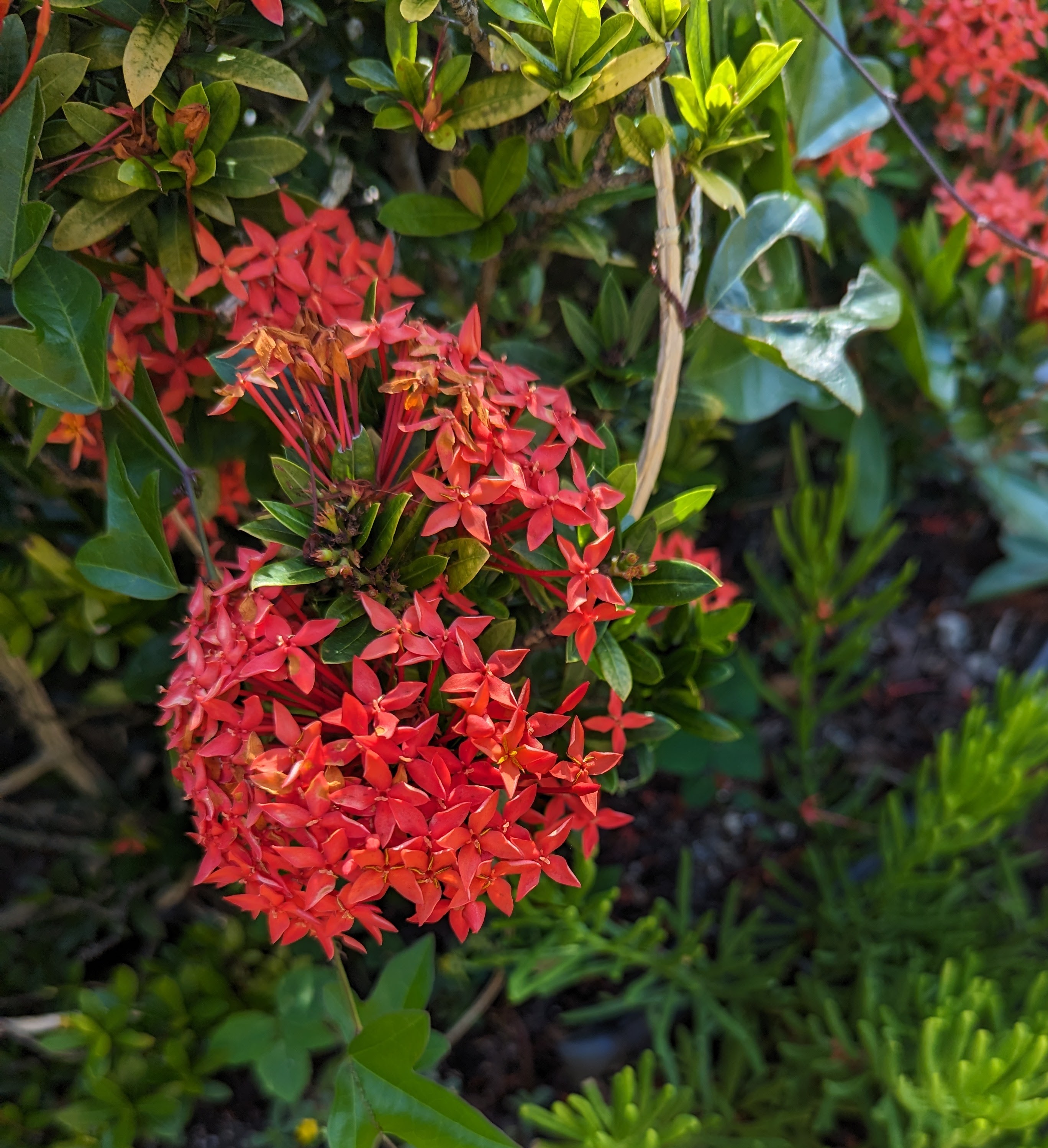
Below is a Dwarf Red Ixora (Ixora taiwanensis) having a really good year.

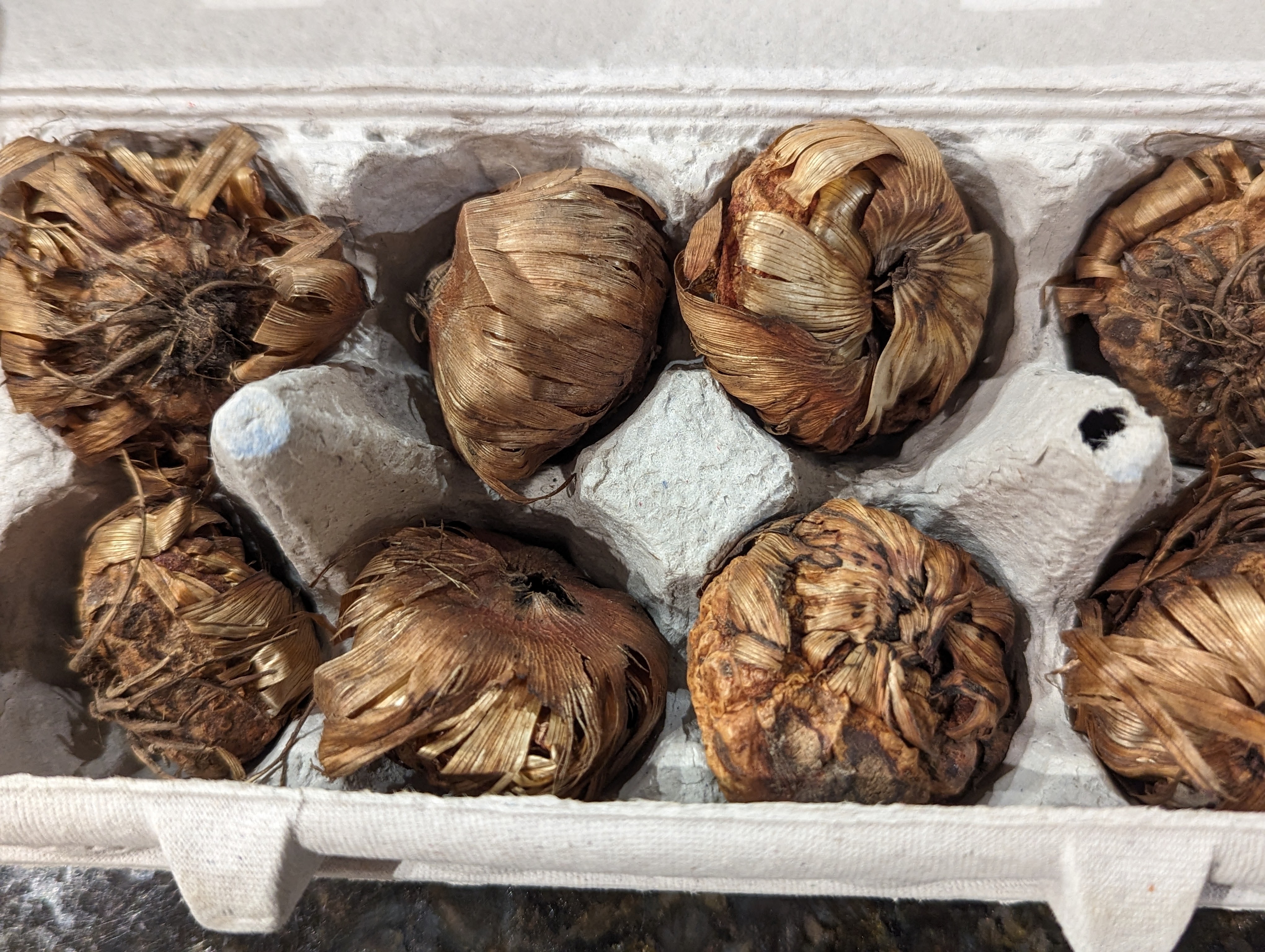
It’s Saturday morning and after looking around my overgrown garden – I decided to make a confession. I have succumbed to the End of Season bulb sales. The dahlias and gladiolus were too cheap to resist, so I stocked up. The bulbs and tubers arrived in wonderful condition. Stored in dry peat moss and holey plastic bags.

In South Florida, the state of garden weirdness rules and I had to dither about storing the bulbs for a couple of months until I can plant them for winter cut flowers. I asked fellow bloggers about storage and dithered until the dahlias started sprouting. This spurred me into action. I cut the sprouts off, shook the peat moss off and laid the tubers out to dry. Then, decided on the Mousseau method (Chris at County Gardening) wrapped the tubers in cling wrap, rolled them into a paper bag and put them in the refrigerator.

These shall luxuriate in cool, dry air until October at least. I suppose I should have a look at them to make sure they aren’t molding. I could not cope with the idea of sprinkling fungicide on something and keeping it in the refrigerator.

Green Flash Parrot gladiolus joined the dahlias in the fridge. I marked them so my husband won’t eat them. Ha! The last instructions I read about growing glads in Florida was they needed to be coated in DDT to keep insects or everything away. Not happening here and crossing my fingers for future flowers.

All the bulbs made it necessary to reclaim a bed that has been lying fallow for a year due to root knot nematodes. The weeds must be removed and a layer of clear plastic put over the top of the dirt to solarize the bed and kill the nematodes.

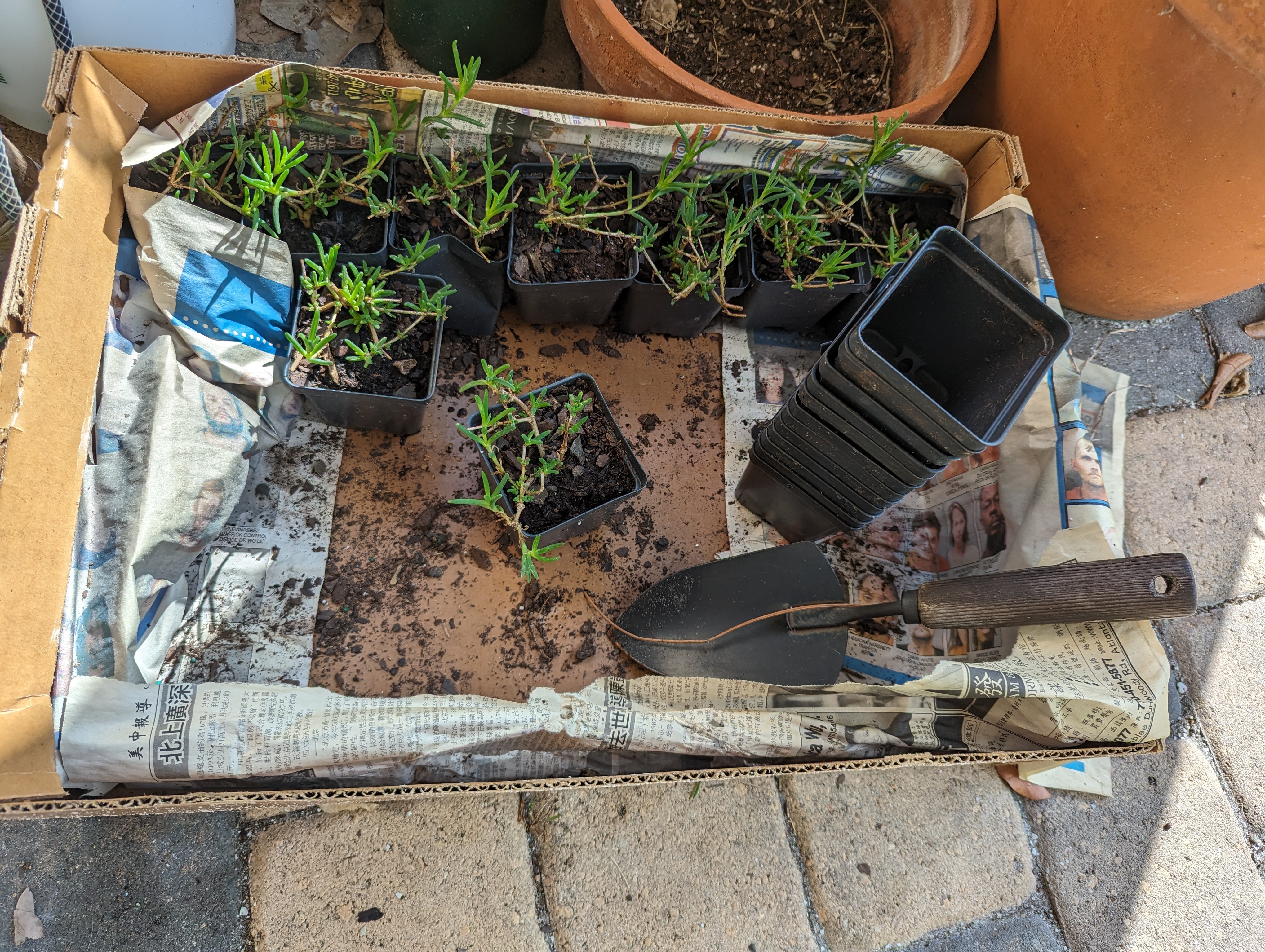
Root knot nematode damage. This is a tomato plant that has passed on. You can see the thickened roots and knots on the roots. Nematodes infest the roots and feed on the nutrients, the plants come up, look great and slowly wither away. I have grown some really wimpy vegetable plants, not realizing what was happening. This plant was in a pot, these microscopic worms amaze me, they have gotten into pots set on pavers on my front porch while I wondered why I had the worst herbs ever! Solarizing that pot, too.

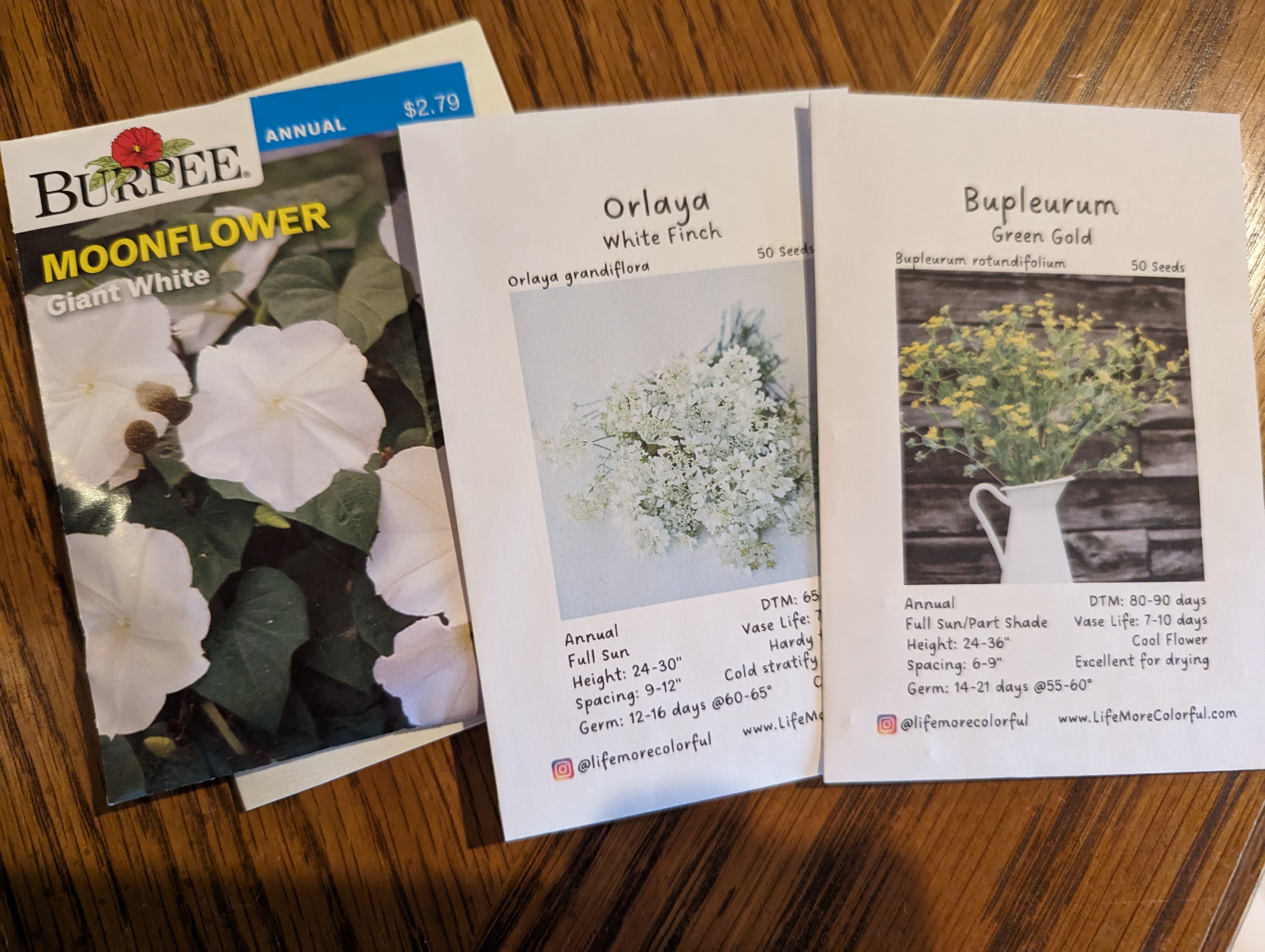
Of course, after the bulb and tuber event some new types of seeds were required. The Moonflowers were sent to me by a friend. I am going to try to grow these along with the Bougainvillea for scent this fall. I have not had Orlaya or Buplerum before and look forward to trying these as cutting flowers. I should have some mad green bouquets this winter. Hopefully with dahlias!

Happy Gardening!!!

Six on Saturday – Steamy Summer Florals

Saturday is here again. I took a steamy tour of my garden this morning. The humidity was at 90 percent! I wasn’t sweating, but my skin had condensation on it and so did the windows in my house. The plants continue to thrive and I have a new weed, Rice Paddy Weed.

To join the SOS World Garden Tour – visit Jim at http://gardenruminations.co.uk

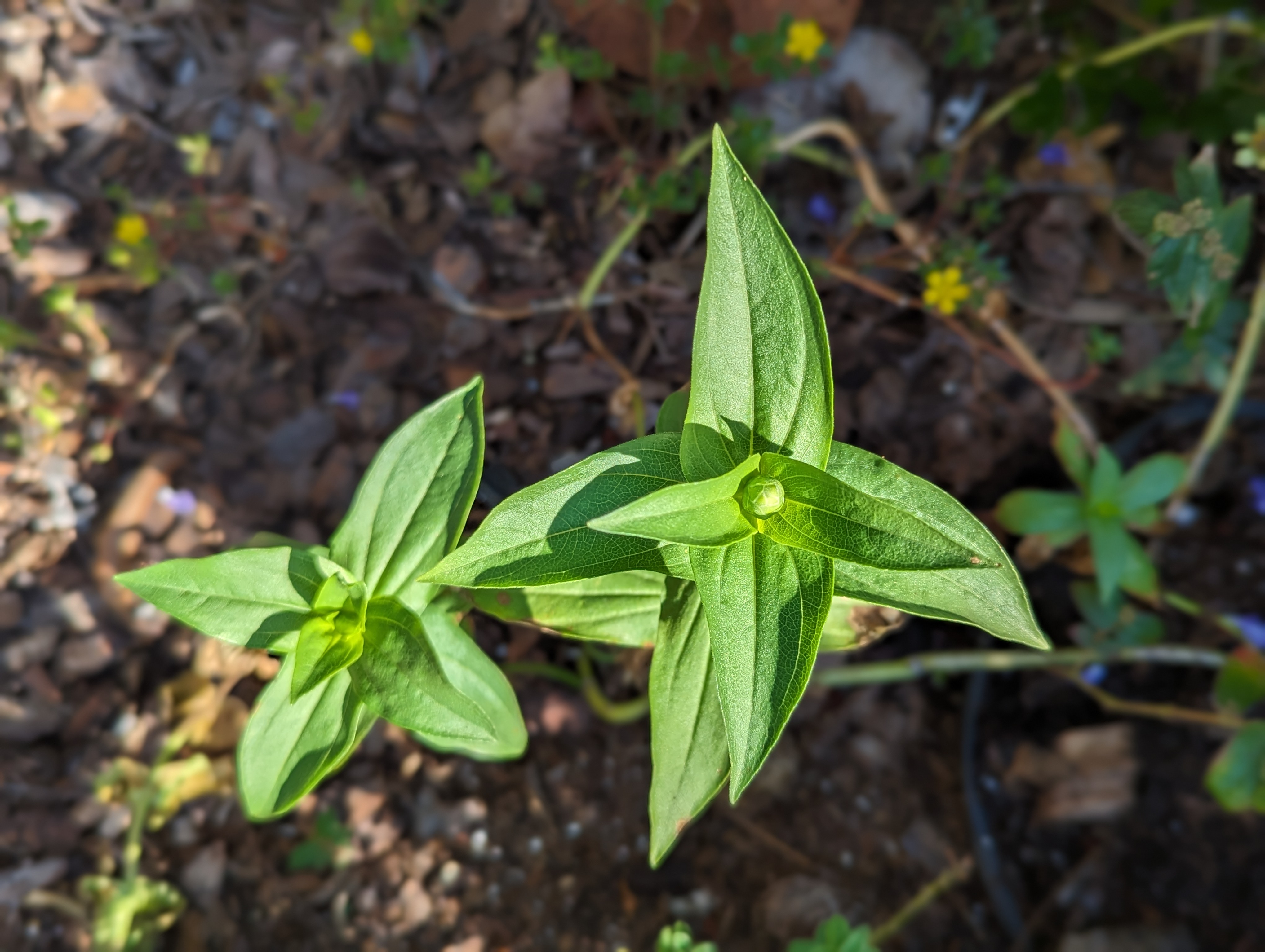
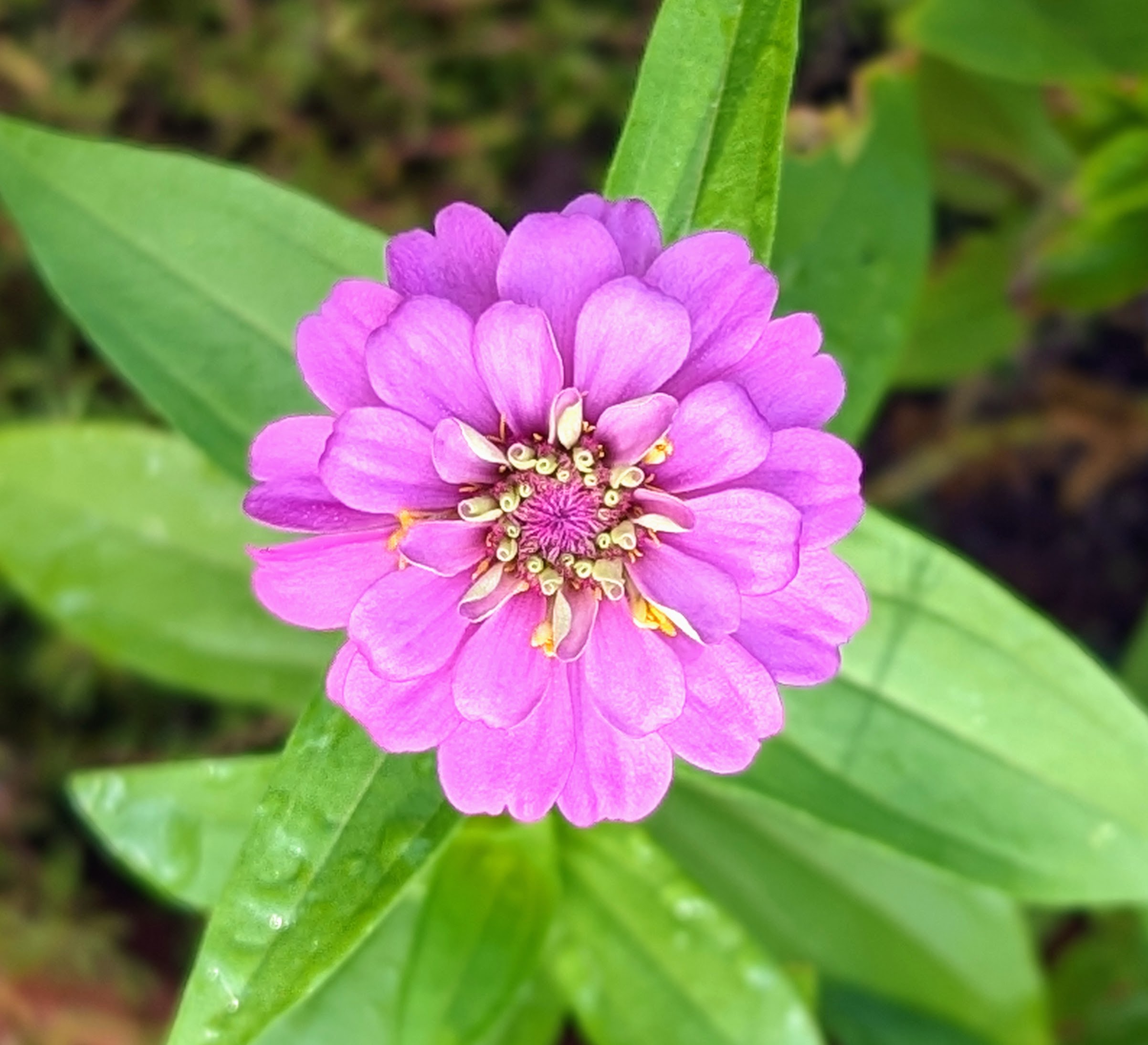
The Purple Prince zinnias are gaining strength and size. I am hoping for long stemmed cut flowers. Unfortunately, I usually get short stemmed zinnias.

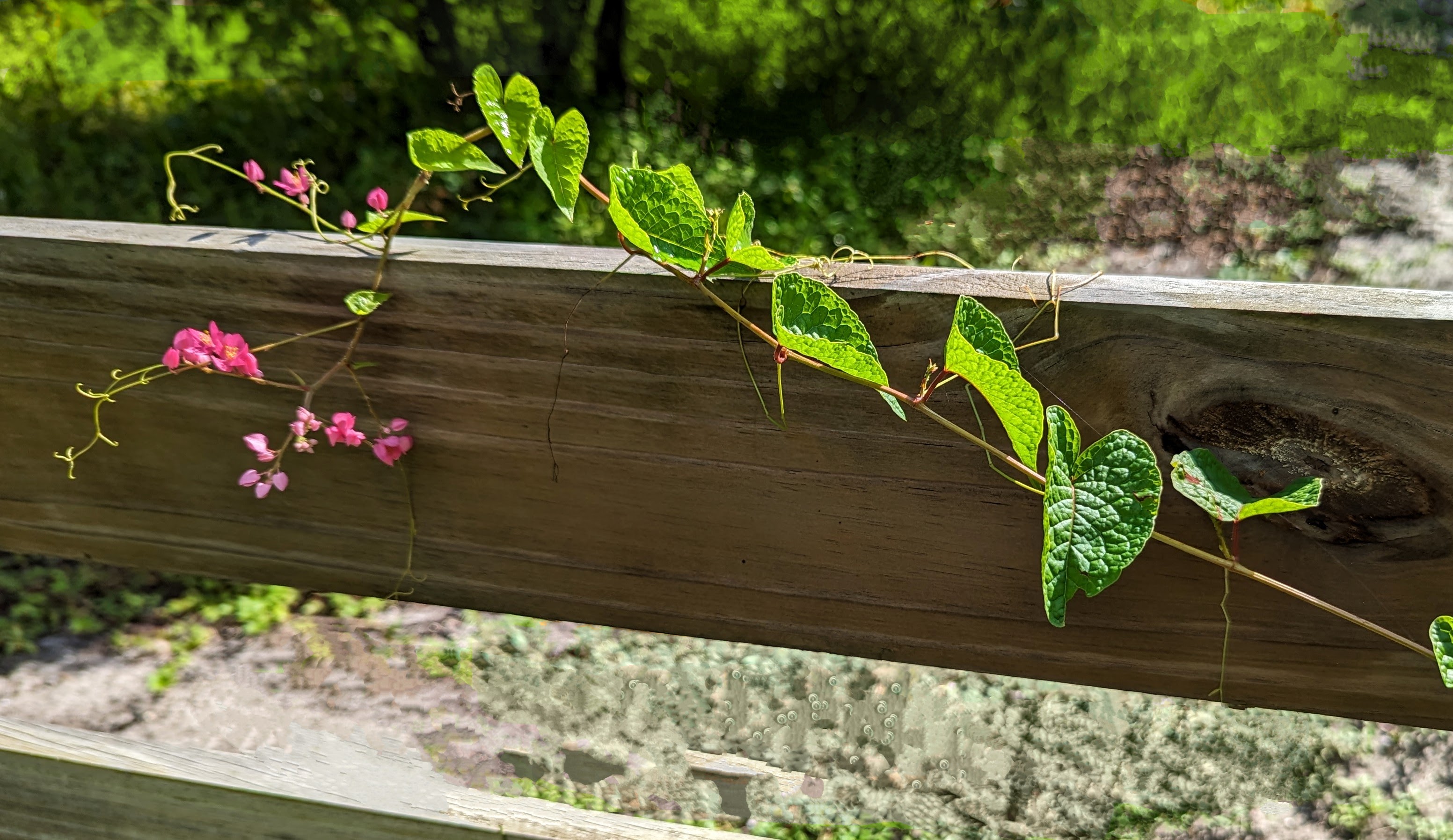
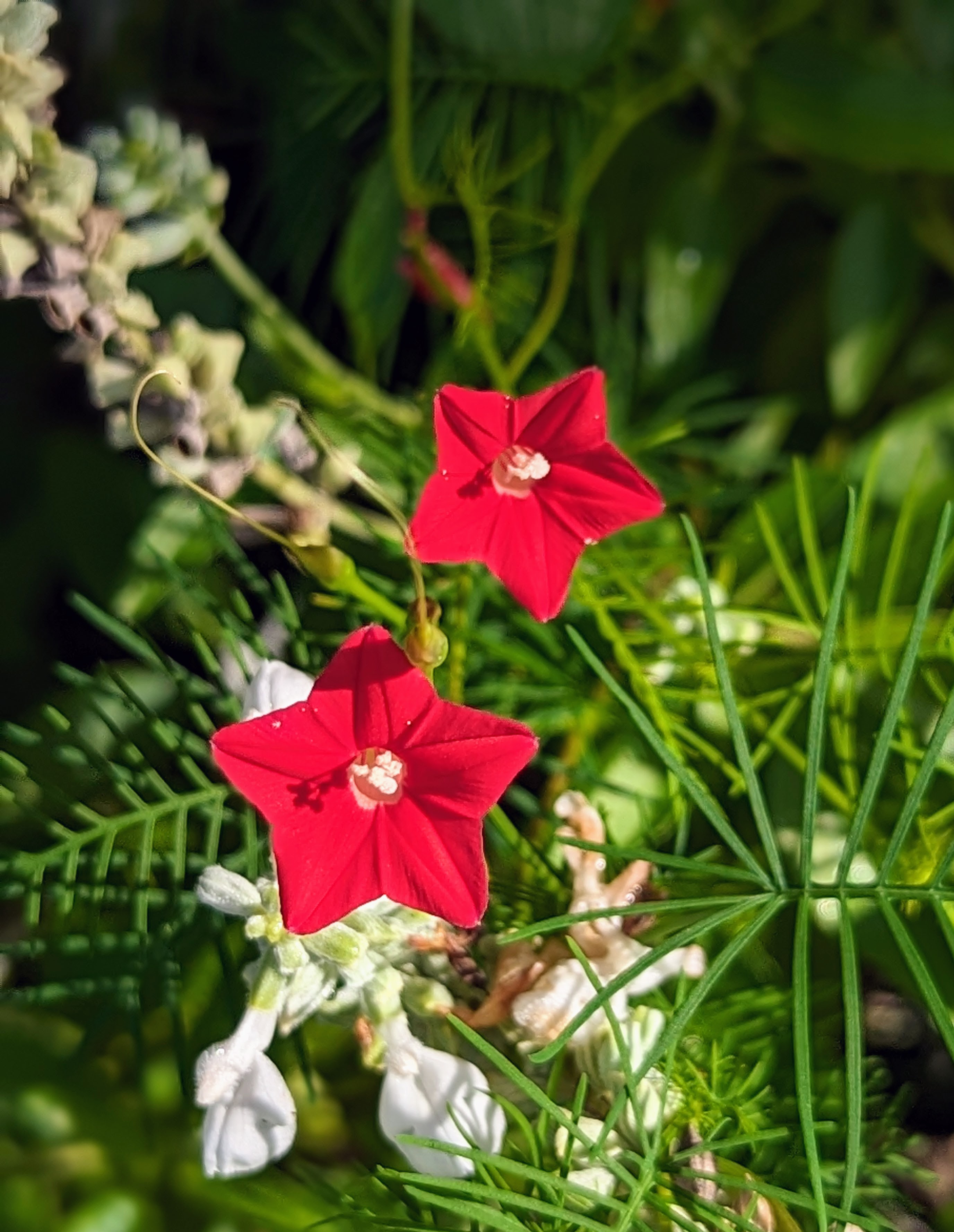
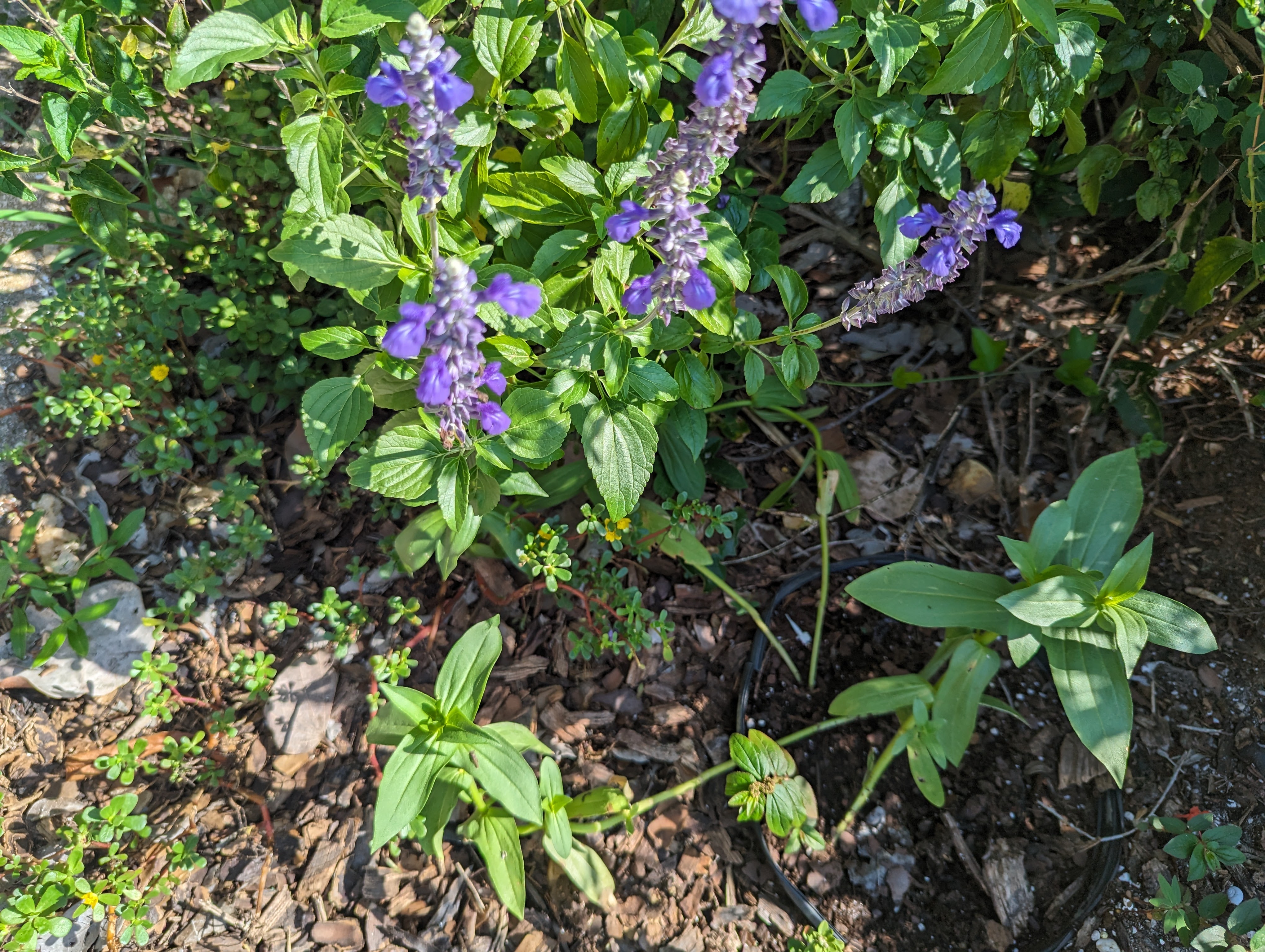
Hummingbird or cypress vine rambling through white salvia. I am probably going to regret this when all the little seedlings come up – until then I will enjoy the little pops of color.

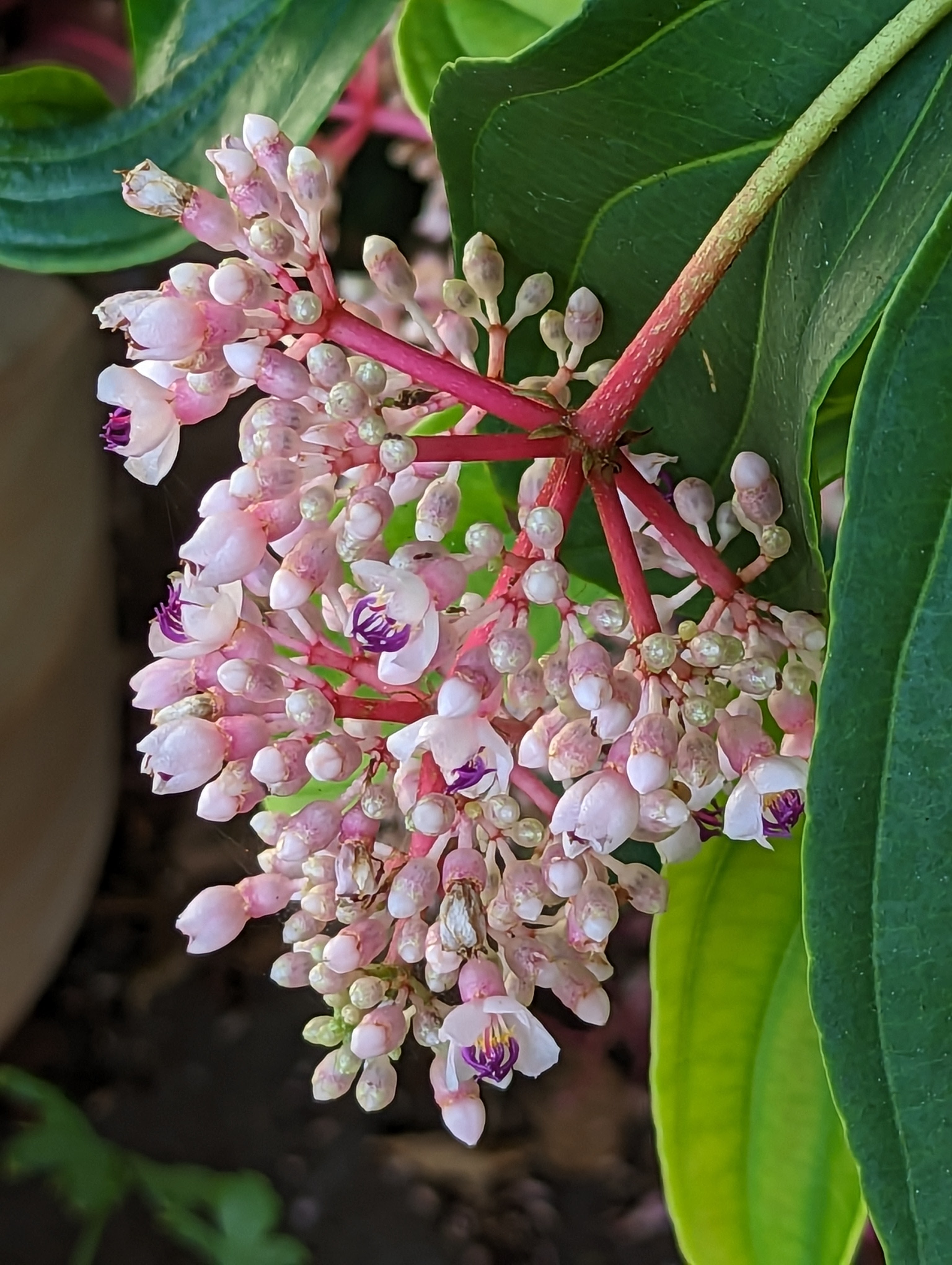
New flowers on the Medinillia cummingii. So tropical. These grow in tree tops in their native habitat. The green orchid bees love the flowers.

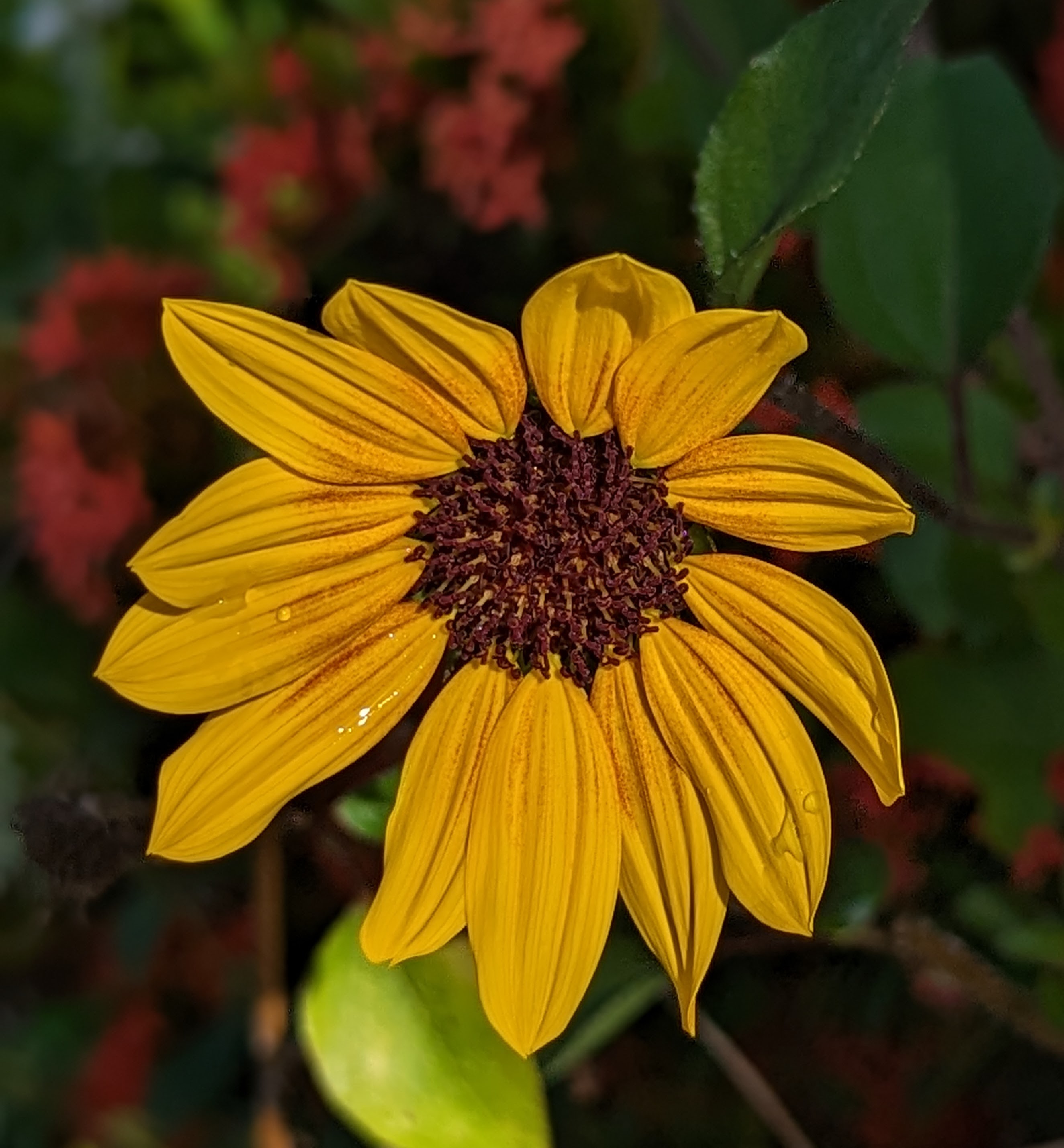
Brown Eyed Girl sunflowers continue to flower. I got these in February and they are still blooming. Oddly, they have lost their brown eye.

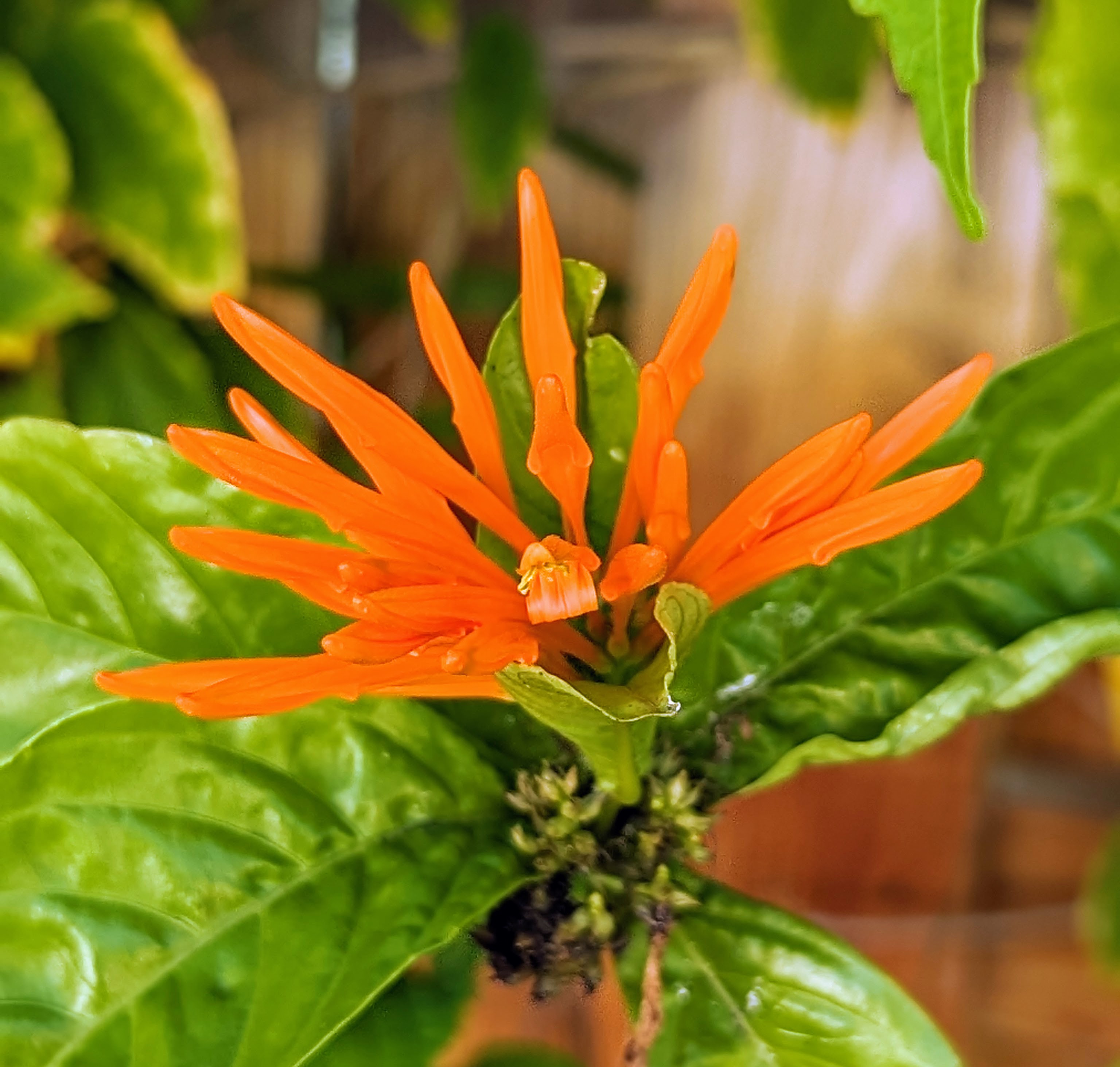
Mexican Honeysuckle (Justicia spicigera) is a summer standby.

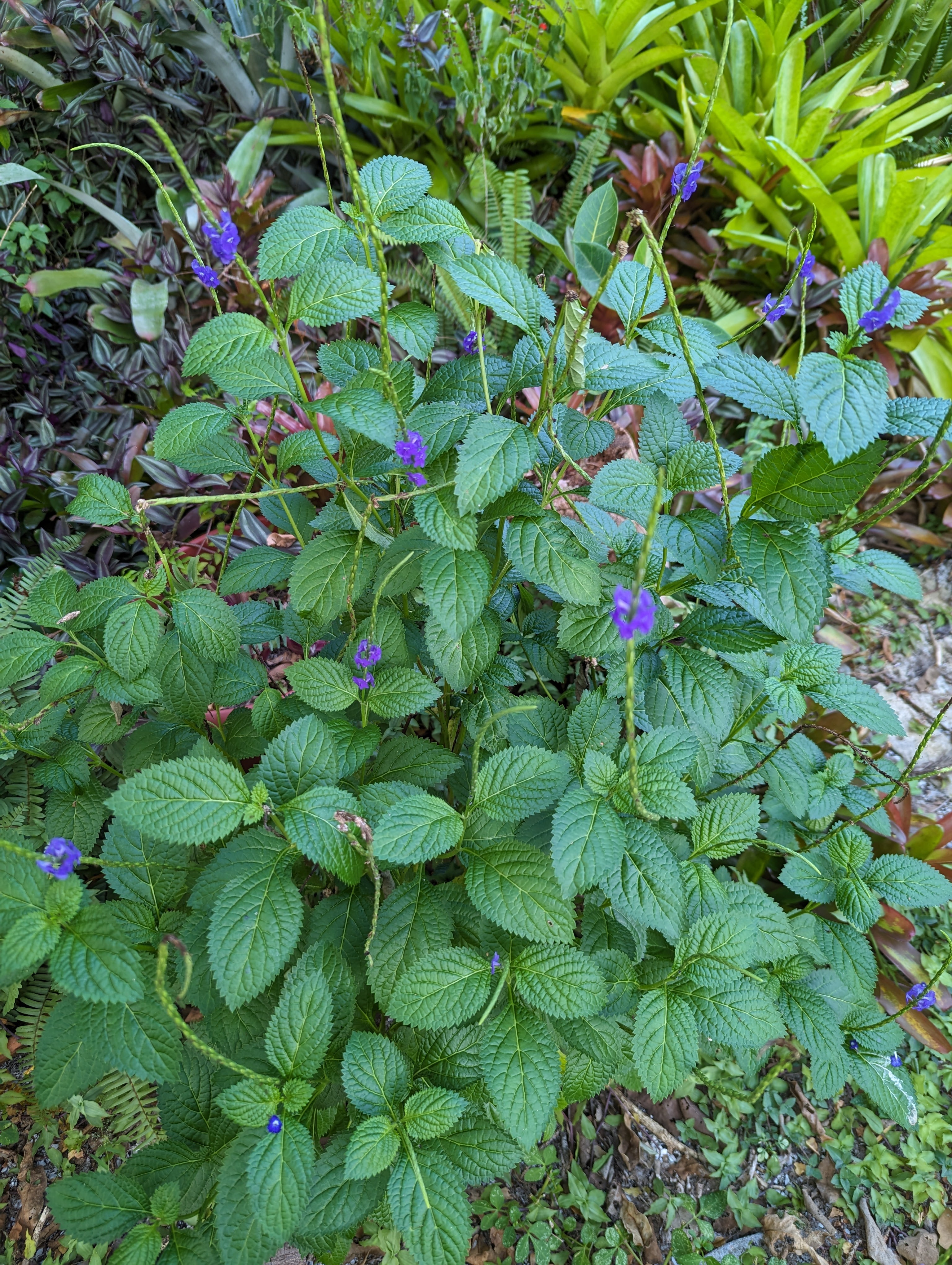
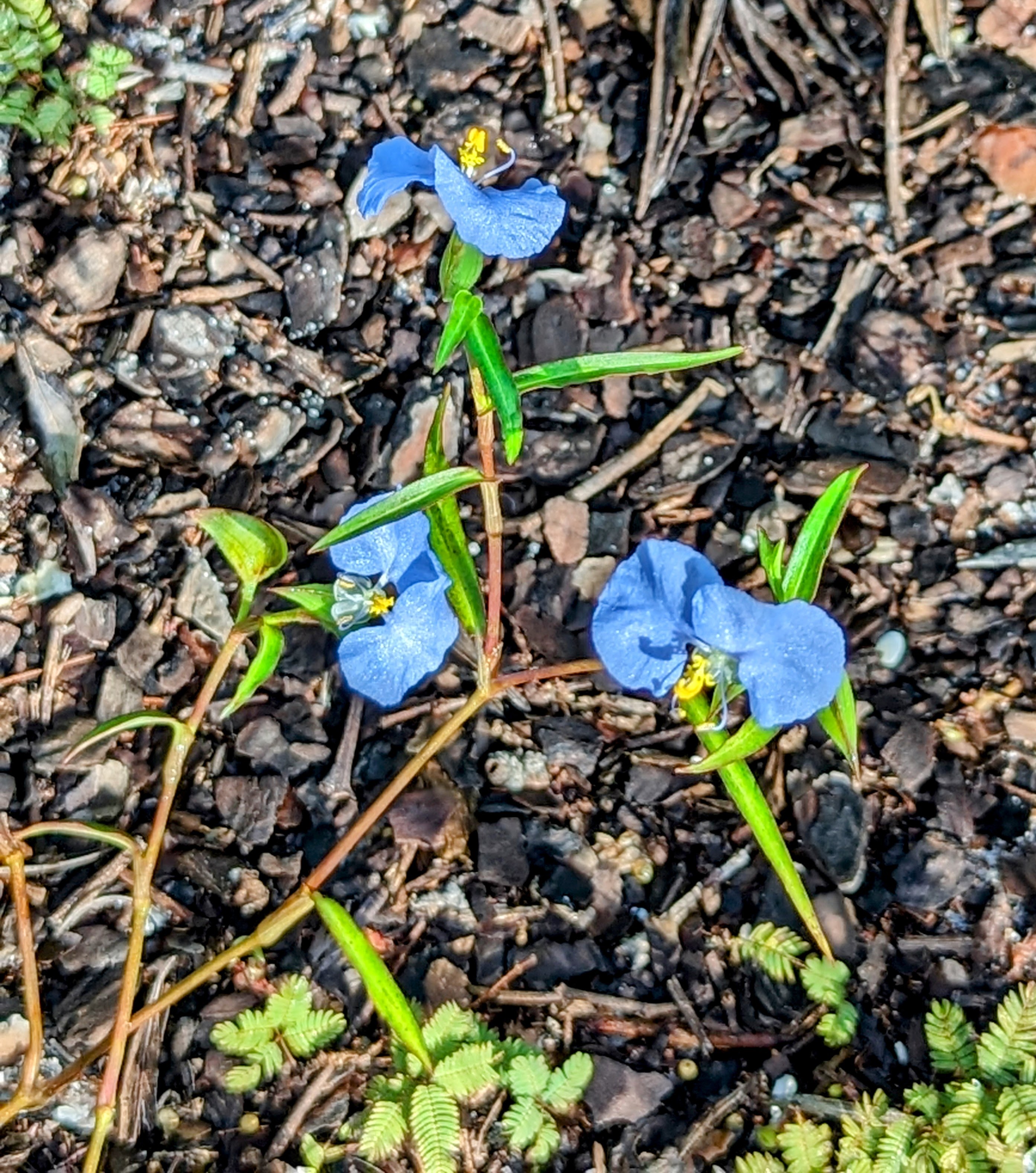
Another stalwart in the summer garden, Spiderwort, the wildflower is sprinkled around sunny spots in the garden. I love the blue and am not sure which Transcandentia this one is.

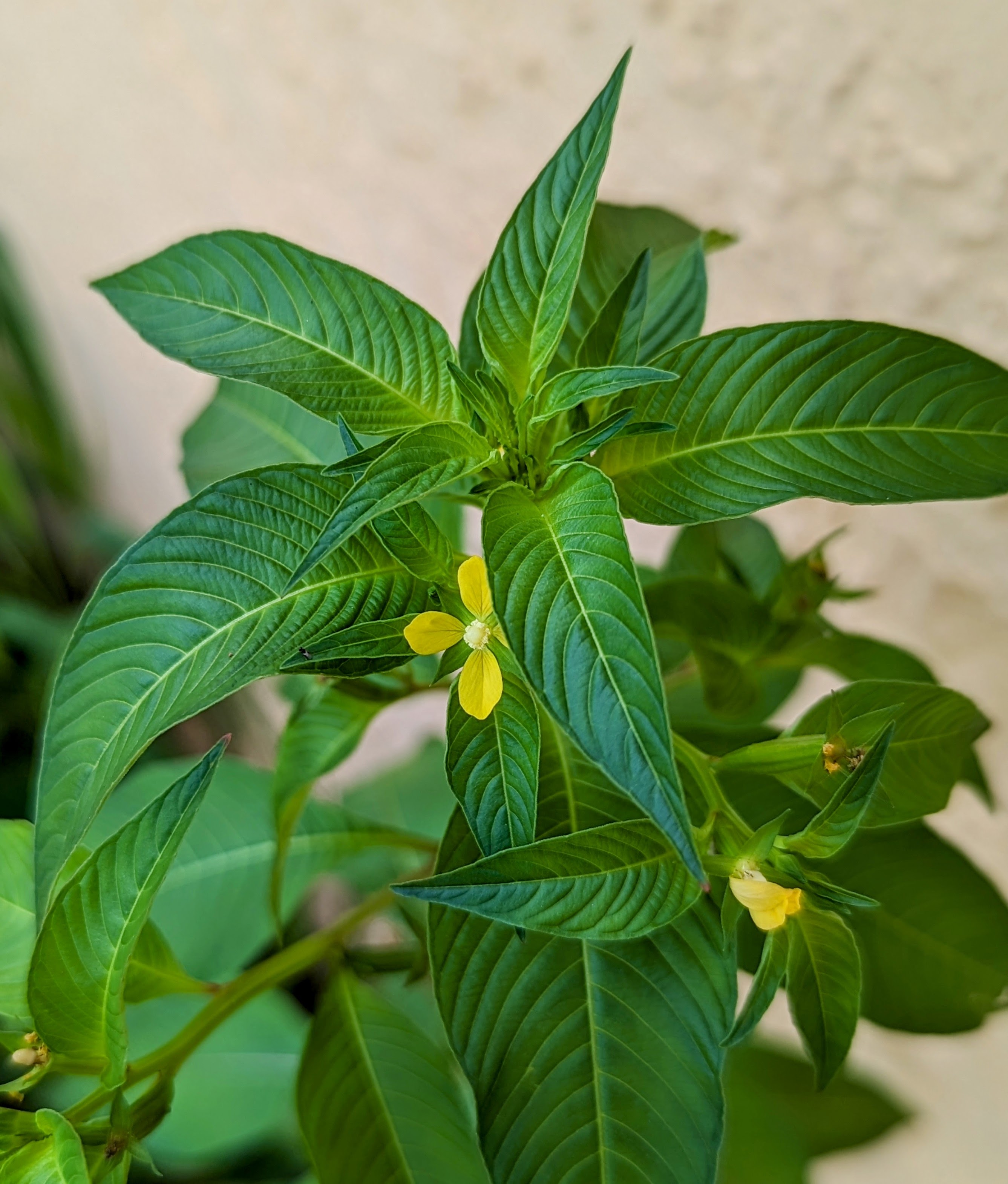
Here is the Rice Paddy weed. A new one in my world. I thought it was an old fashioned penta (which would have been great!) so I left it in a pot and came to find out – it is an invasive weed in swamps and rice paddies that can produce 250,000 seeds each flower. As my garden is non-water holding sand I am not feeling afraid but getting rid of it shortly.

I have a question for you gardeners. I have been waiting to try this natural weedkiller, Torched, that is non toxic. It was supposed to be available in smaller quantities than a gallon ($74 gallon plus shipping) but the manufacturer decided against the smaller bottles. Would you pay about $90 US to try this?? Thanks for answering, I am curious. Here is a link:

https://www.southlandorganics.com/products/torched-all-natural-weed-killer?variant=43855976661237

That is it for this Saturday. I wish you Happy Gardening.

Six on Saturday – Small Things

Saturday has rolled around yet again and it is time for the worldwide garden tour called Six on Saturday. To complete the tour visit Jim at http://gardenruminations.co.uk.

Sirius the Dog star is still shining in the night sky, so we are deep into the dog days of summer. It seems the world is a hotter place these days and my garden is no exception. Most days I walk outside, look around, think of several things I should do and then retreat into the air conditioning.

One of the many things I enjoy about gardening is the details of flowers, seeing something new or noticing how plants grow.

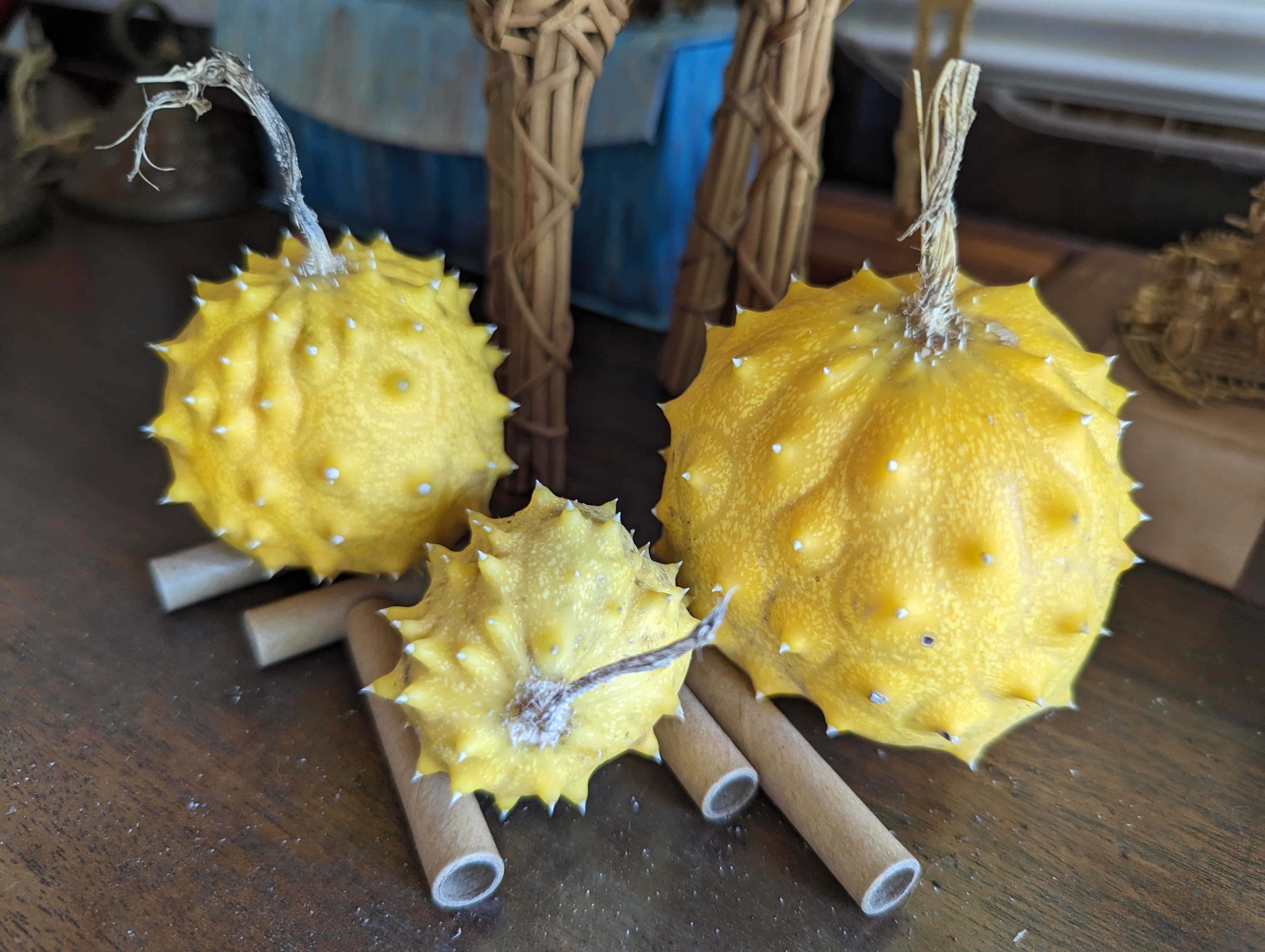
These are African Horned Melons, grown by my neighbor. They are very seedy and should be ‘mixed with yogurt’. I tend to avoid vegetables that require yogurt to be palatable and decided to dry these. Christmas ornaments, anyone?

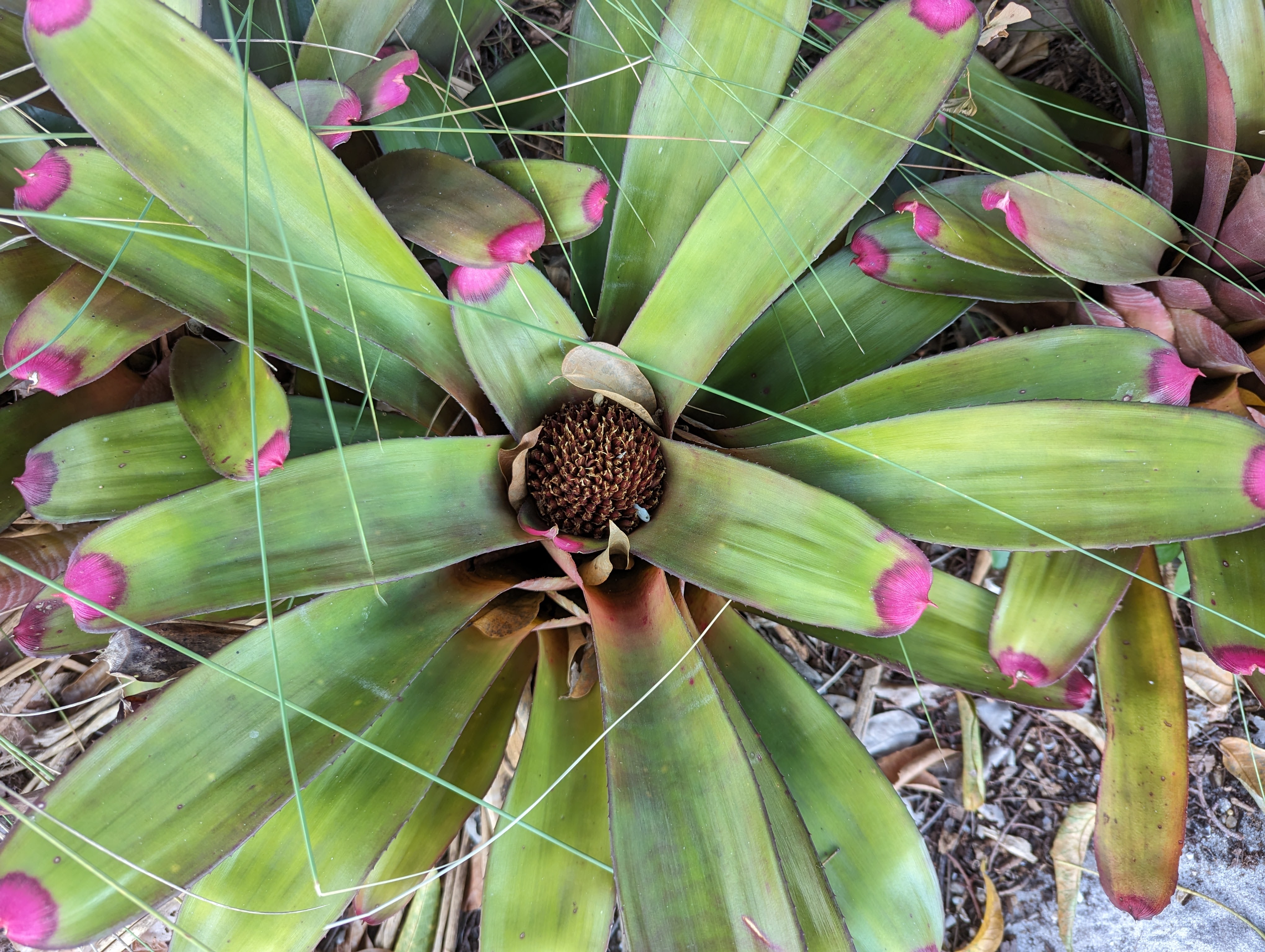
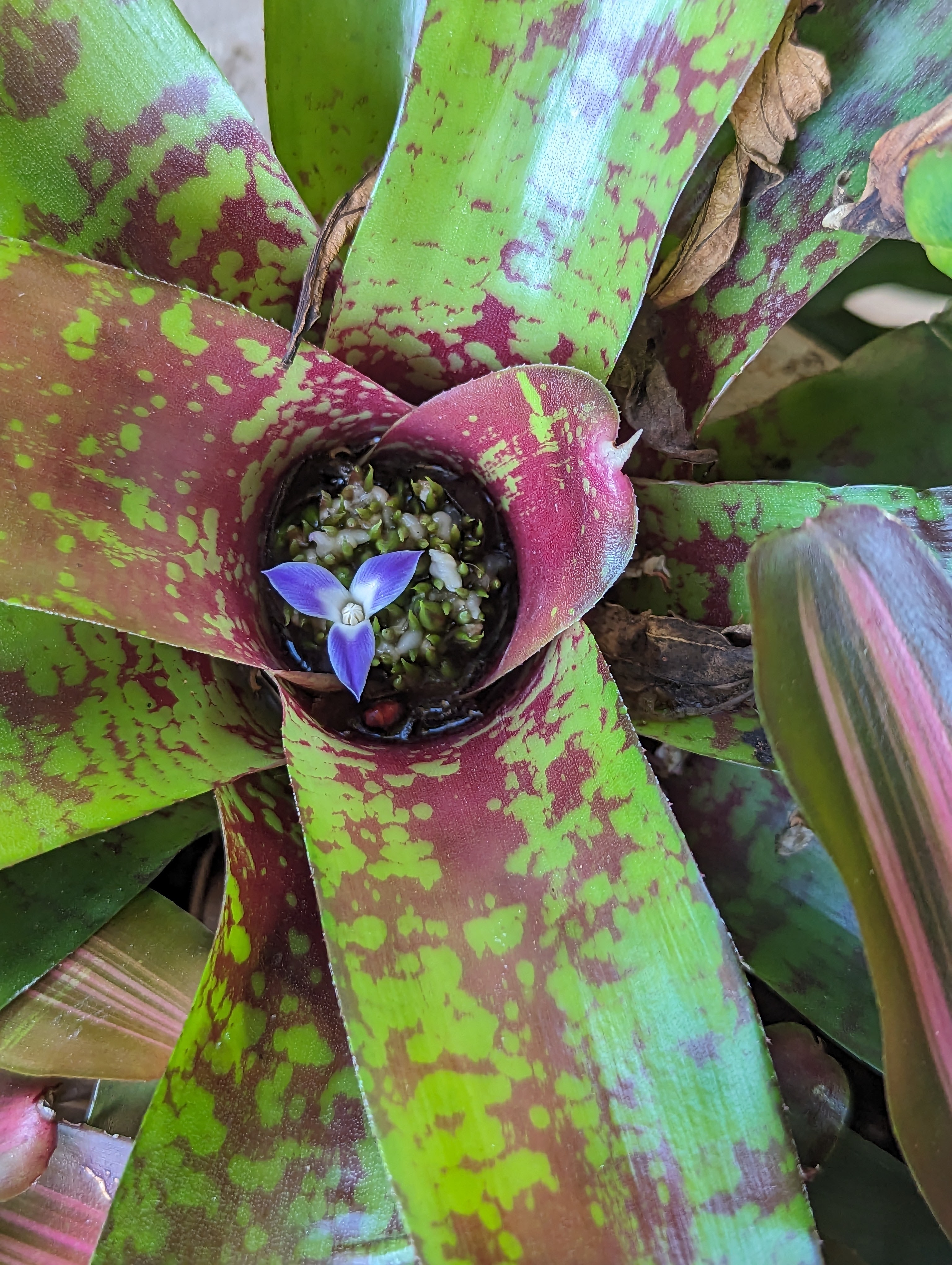
The flower of a Neoregelia Bromeliad.

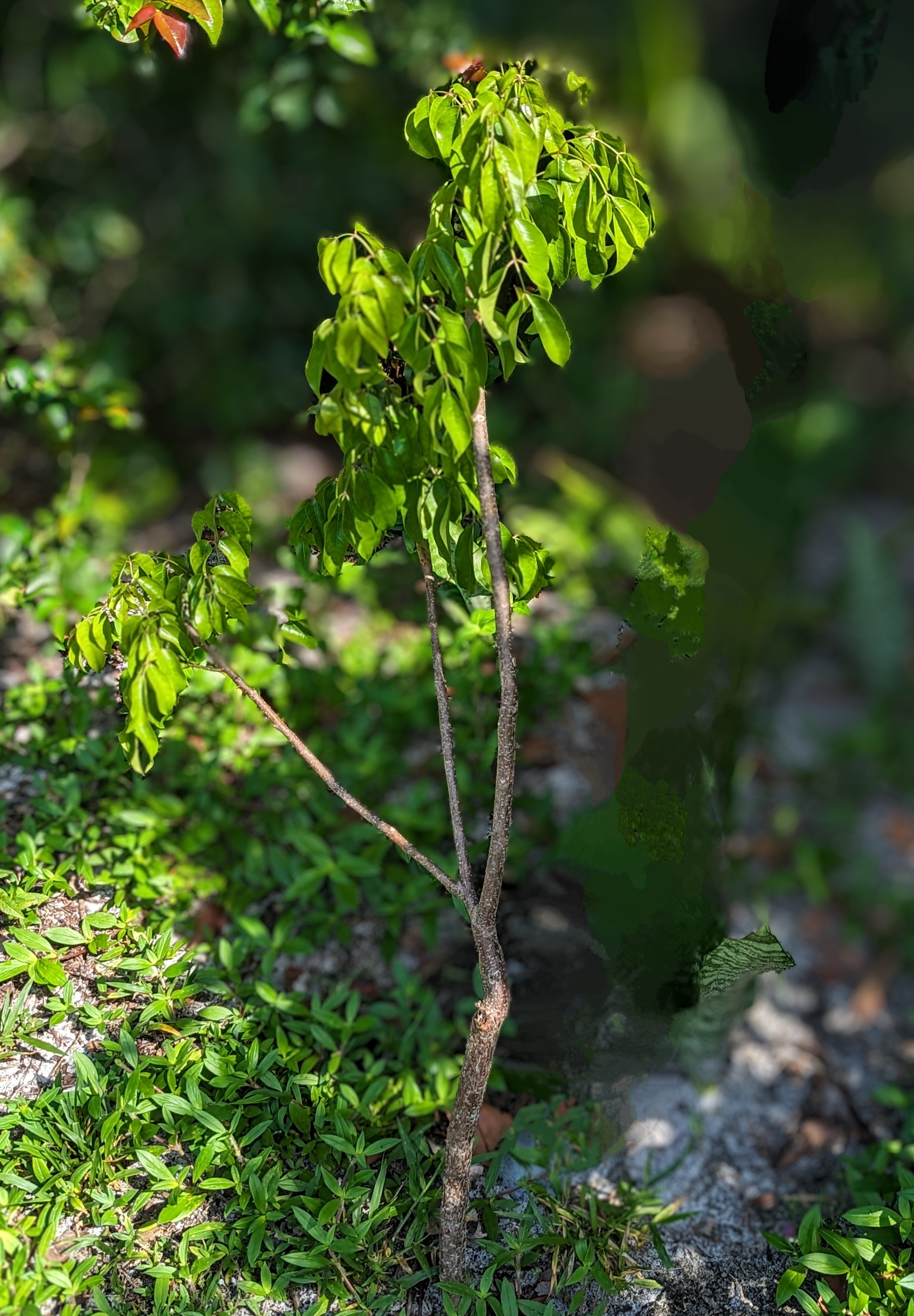
A new Gumbo Limbo (Bursea simarouba). These trees are native to South Florida and the Caribbean. They are called living fences in some places as a limb can be stuck in the ground and a new tree will grow. A few months ago a UPS delivery truck knocked this branch off another tree, I trimmed the leaves off and stuck it in the ground. Voila! a new tree is growing.

These zinnias are positioning themselves to stay out of the midday sun. It makes for a curly stemmed zinnia.

First summer zinnias. Purple Prince and Envy.

This is not from my garden, but a common summer sight in South Florida. The Royal Poinciana (Delonix regia) These are often called Flamboyants, for good reason. I don’t think there is anything quite like this.

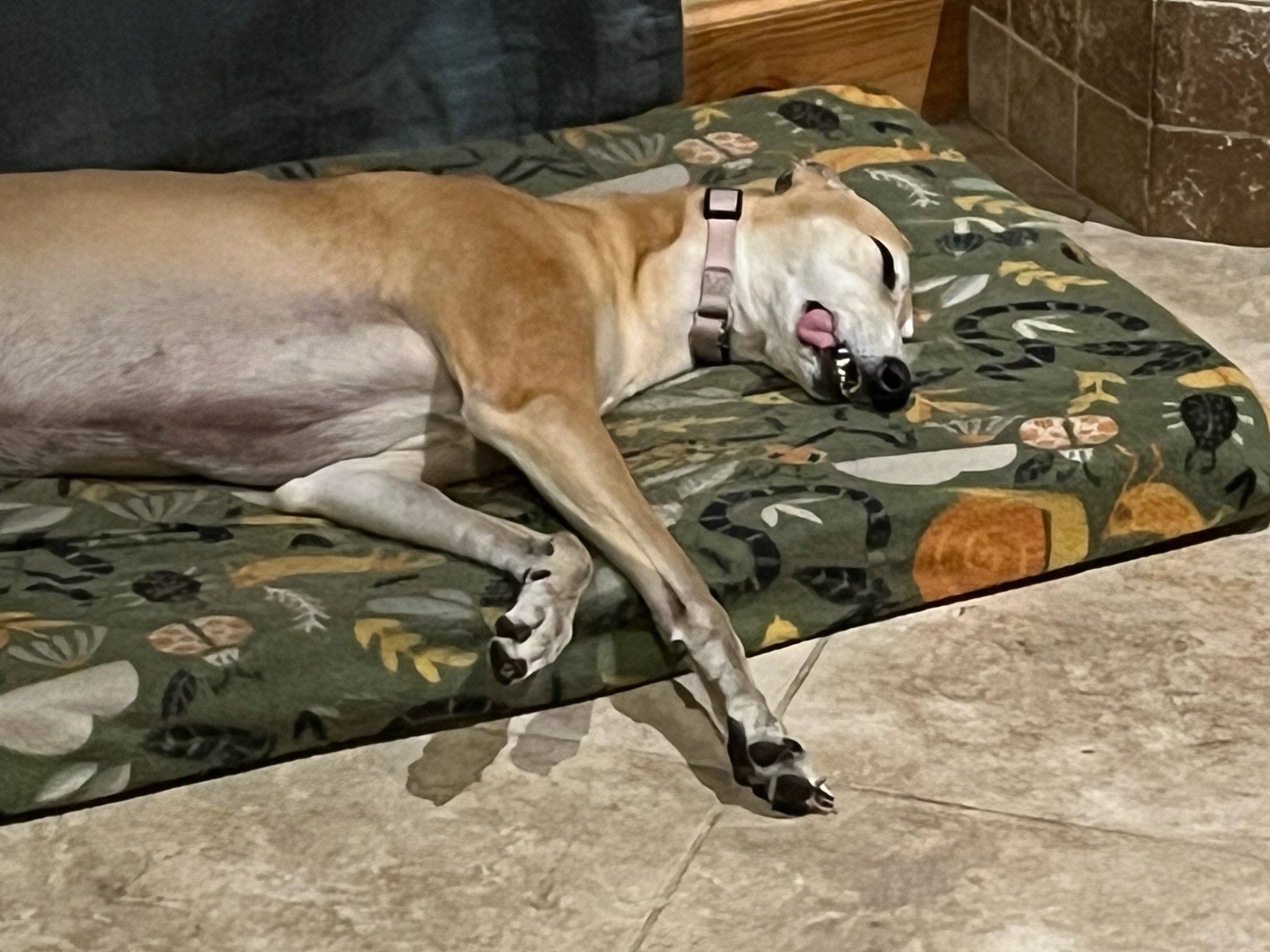
The dog days end in approximately three weeks! I think my dog has the right idea of what to do until then.

That’s all for this Saturday from inside the house!

Happy Gardening!!

Six on Saturday – Jungly July

I am joining the SOS garden tour again this Saturday. In South Florida, July has settled around us with a wet blanket of humidity, regular temperatures over 90 F (32C) and nearly daily downpours. The garden is turning into a jungle, overrun by happy plants, weeds and everything green. To see less jungly gardens, visit Jim at http://gardenruminations.co.uk and take a virtual tour via posts from gardeners from less sodden climes.

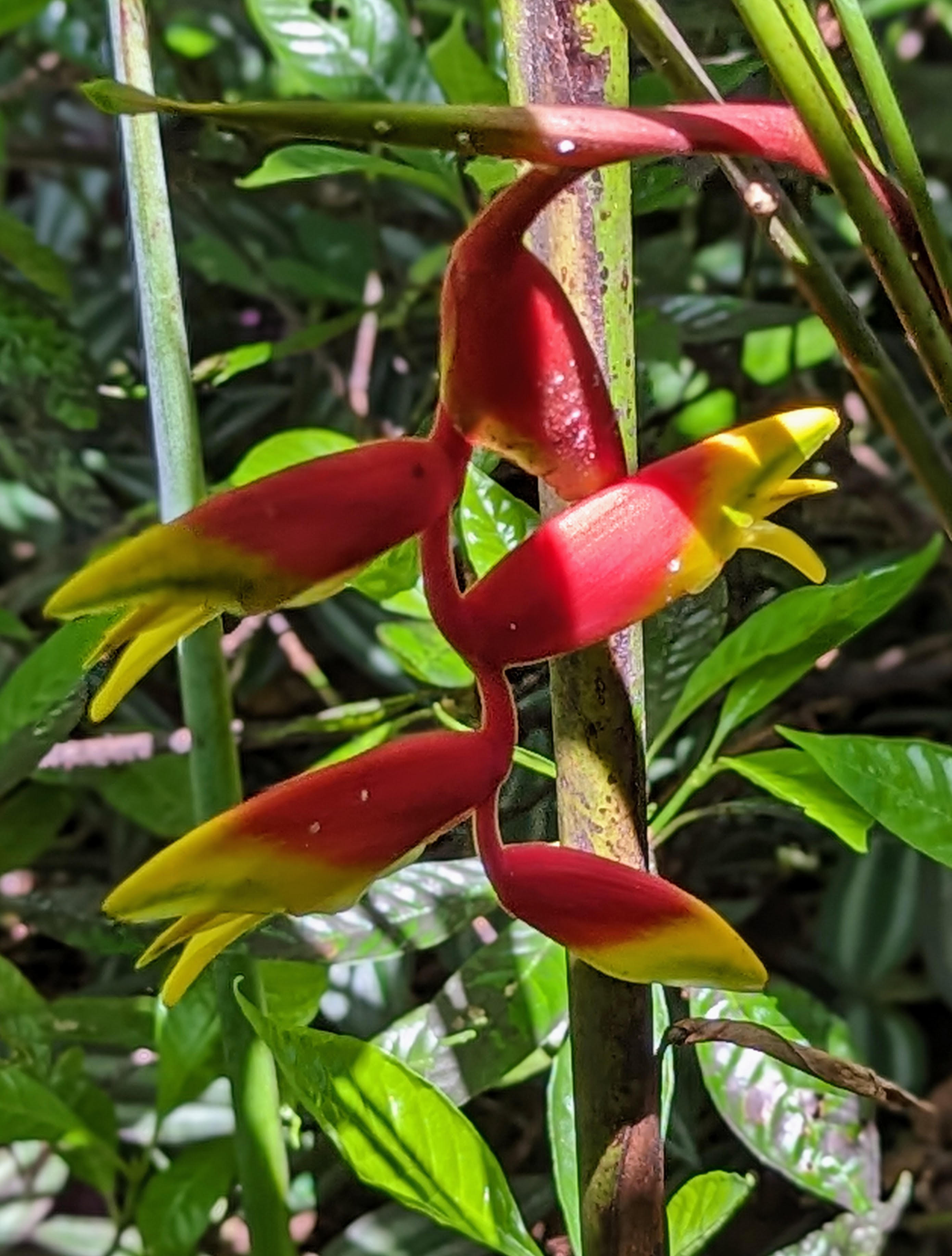
This is about as tropical as it gets. A Lobsterclaw Heliconia (Heliconia rostrata) in full bloom. They turn black if cut and don’t stretch the smaller yellow petals(?) out.

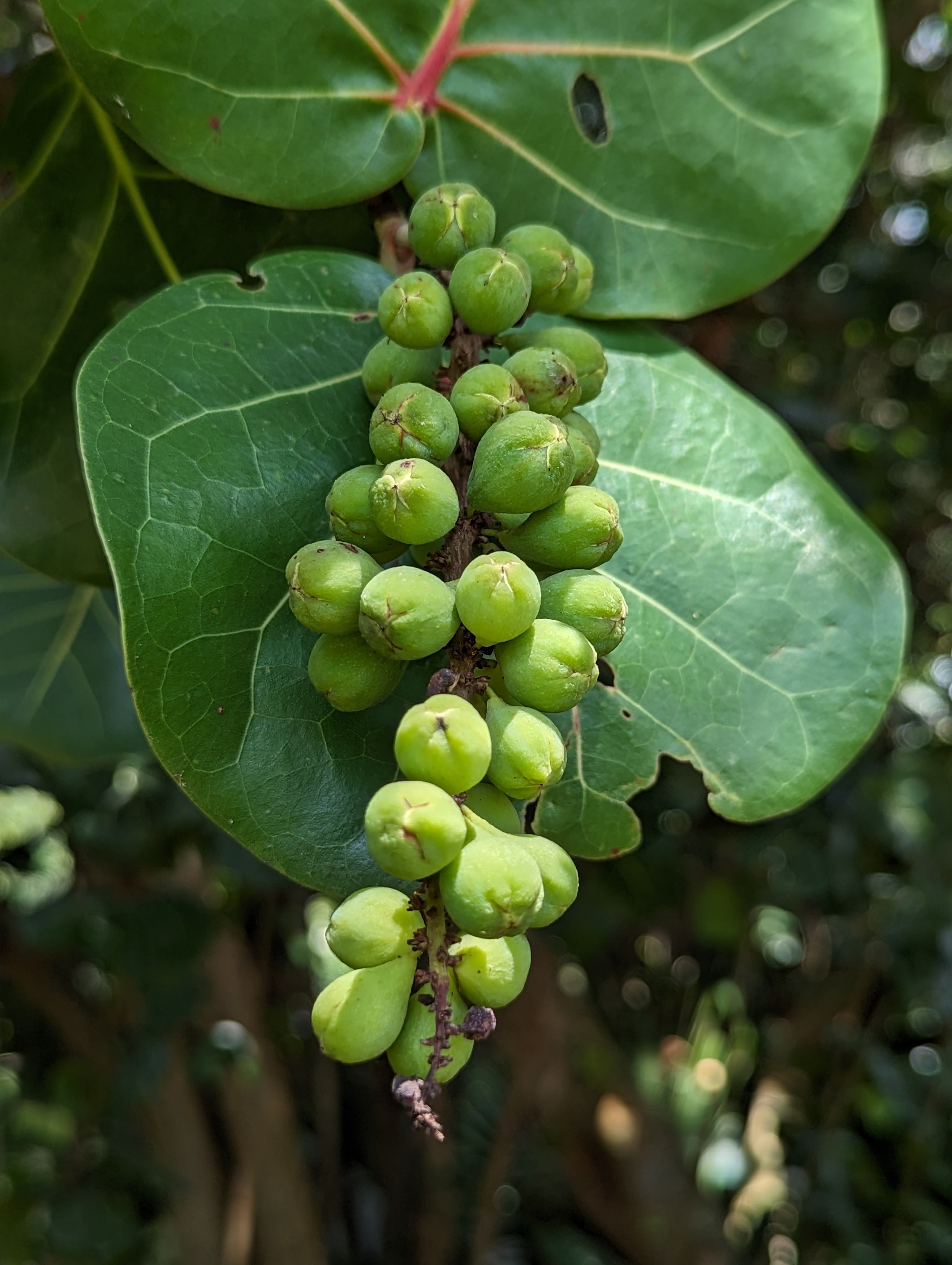
The fruit of Seagrapes (Coccolobo uvifera). These grow on shorelines and are a very hardy native tree. Native Floridians will eat the fruit as have some of my greyhounds. The flavor is somewhere between a fig and a grape but mostly seed that requires gnawing to get a taste. I am told it makes a good jam. I find it makes a big mess.

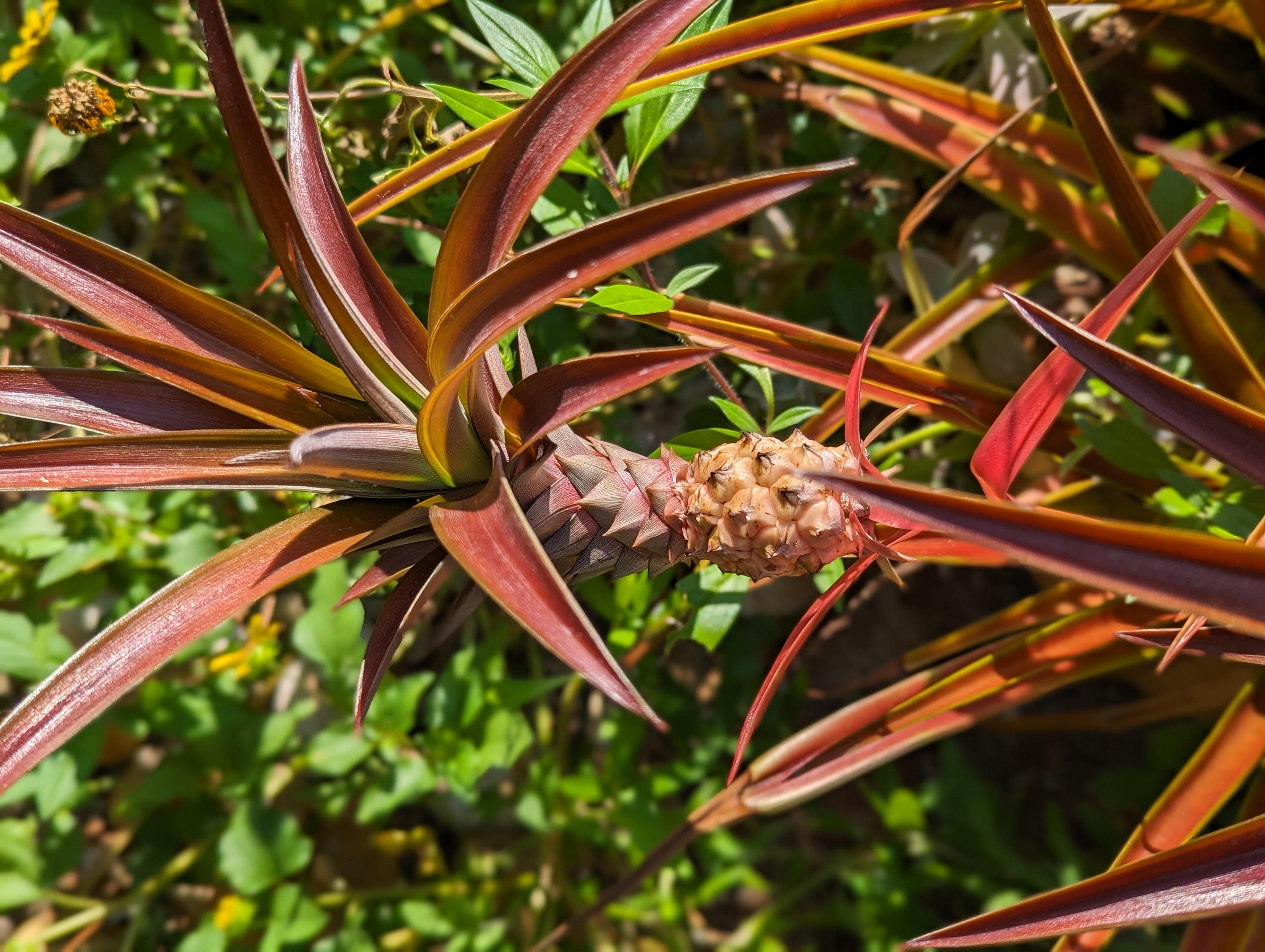
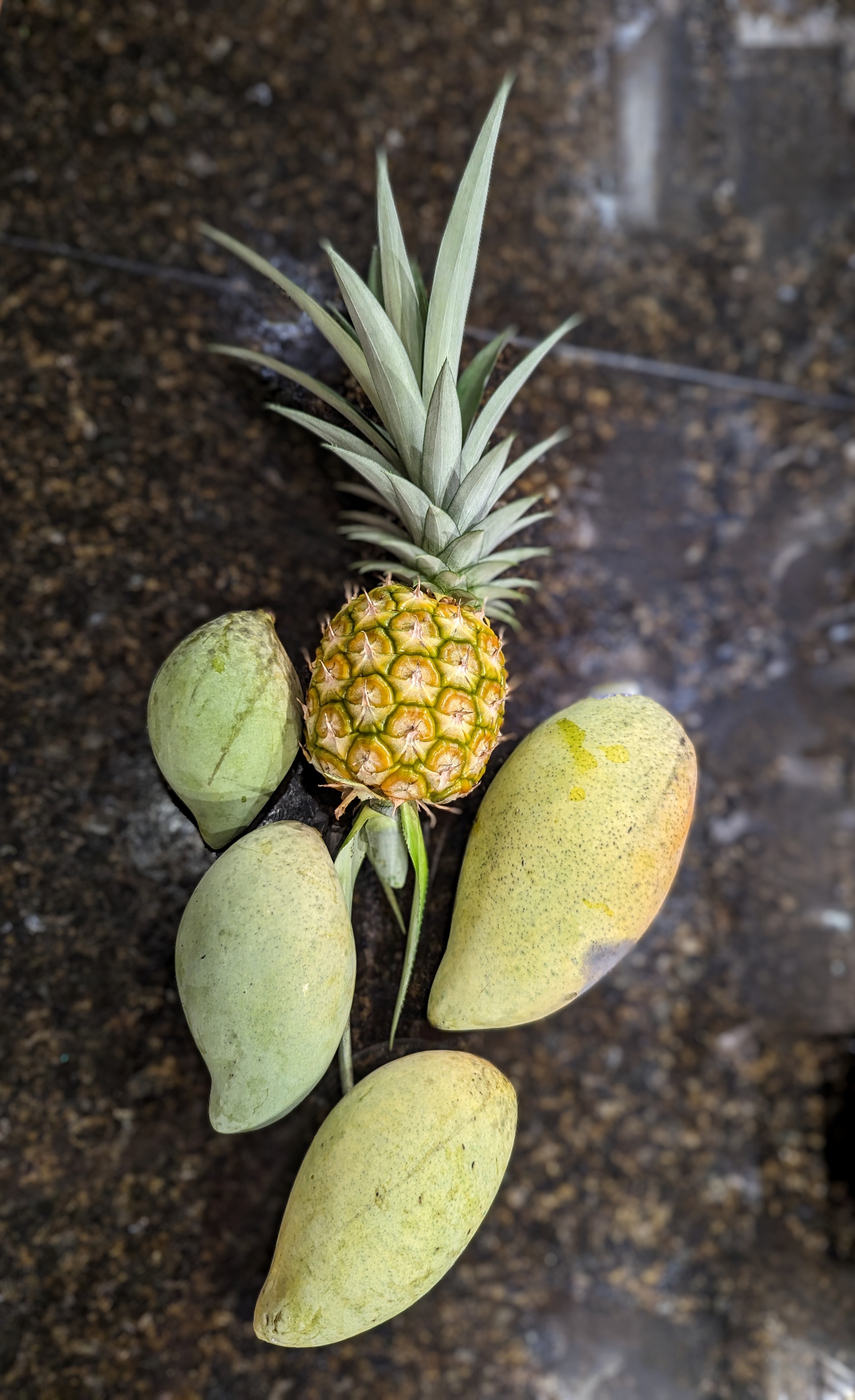
The fruit from my garden I do like. This is the end of the mangoes. These are Nam Doc Mai. There were too many for us to eat so I have been freezing them. They actually freeze quite well. I found fresh local swordfish at the market this morning – we are looking forward to grilled fish with mango salsa for dinner. The little pineapple was grown from the top of a grocery store fruit. I think I got to it just in time, before the critters caught the fragrance.

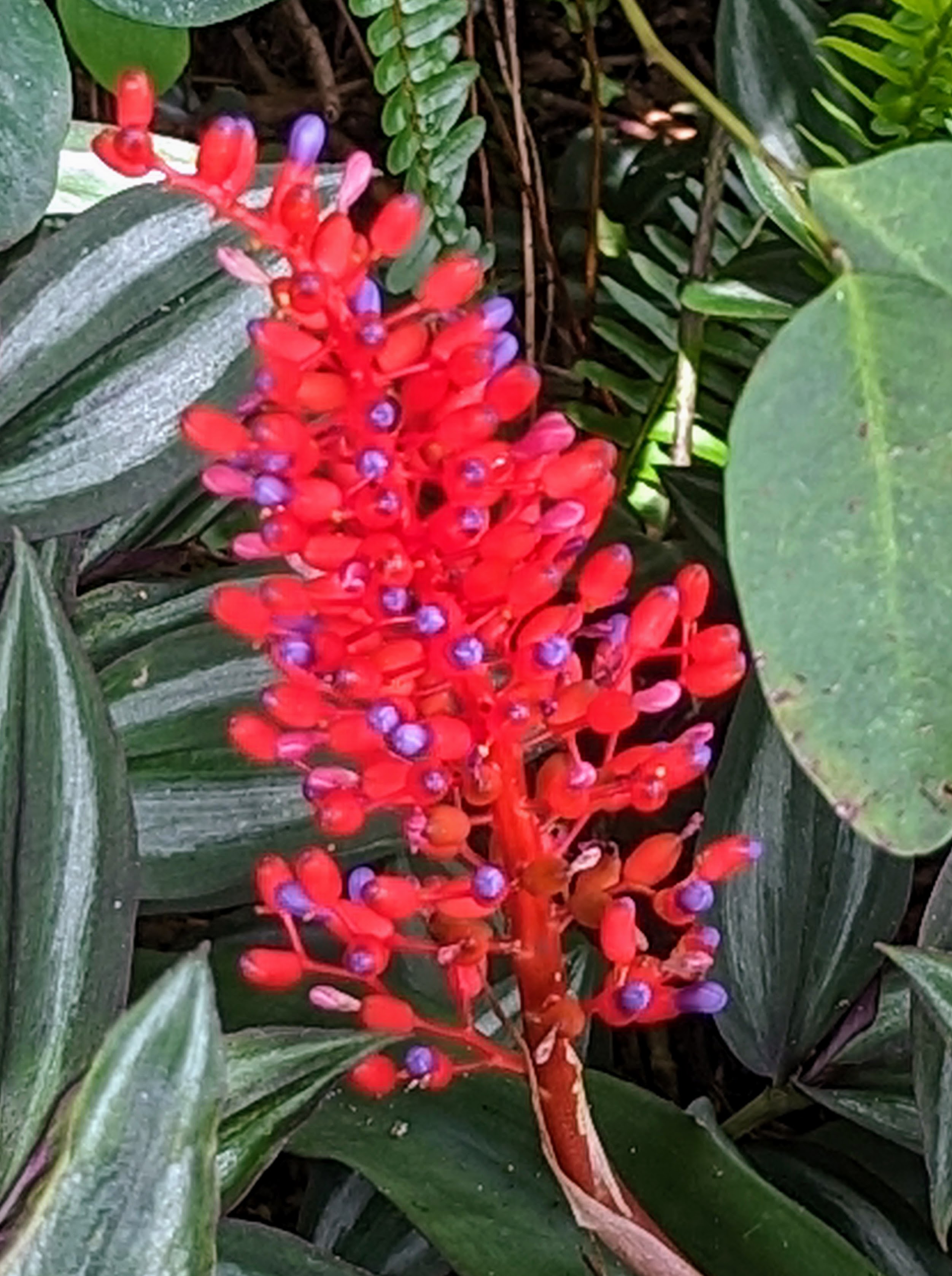
Welcome to the jungle. The Transcandentia zebrina is draping over a lot of things with all the rain. I am not regretting this yet as I planted it so I wouldn’t have to mulch. Now I have to pull out the T. zebrina. The red flower pops up like clockwork in July. It is Aechmea miniata bromeliad, a great garden flower.

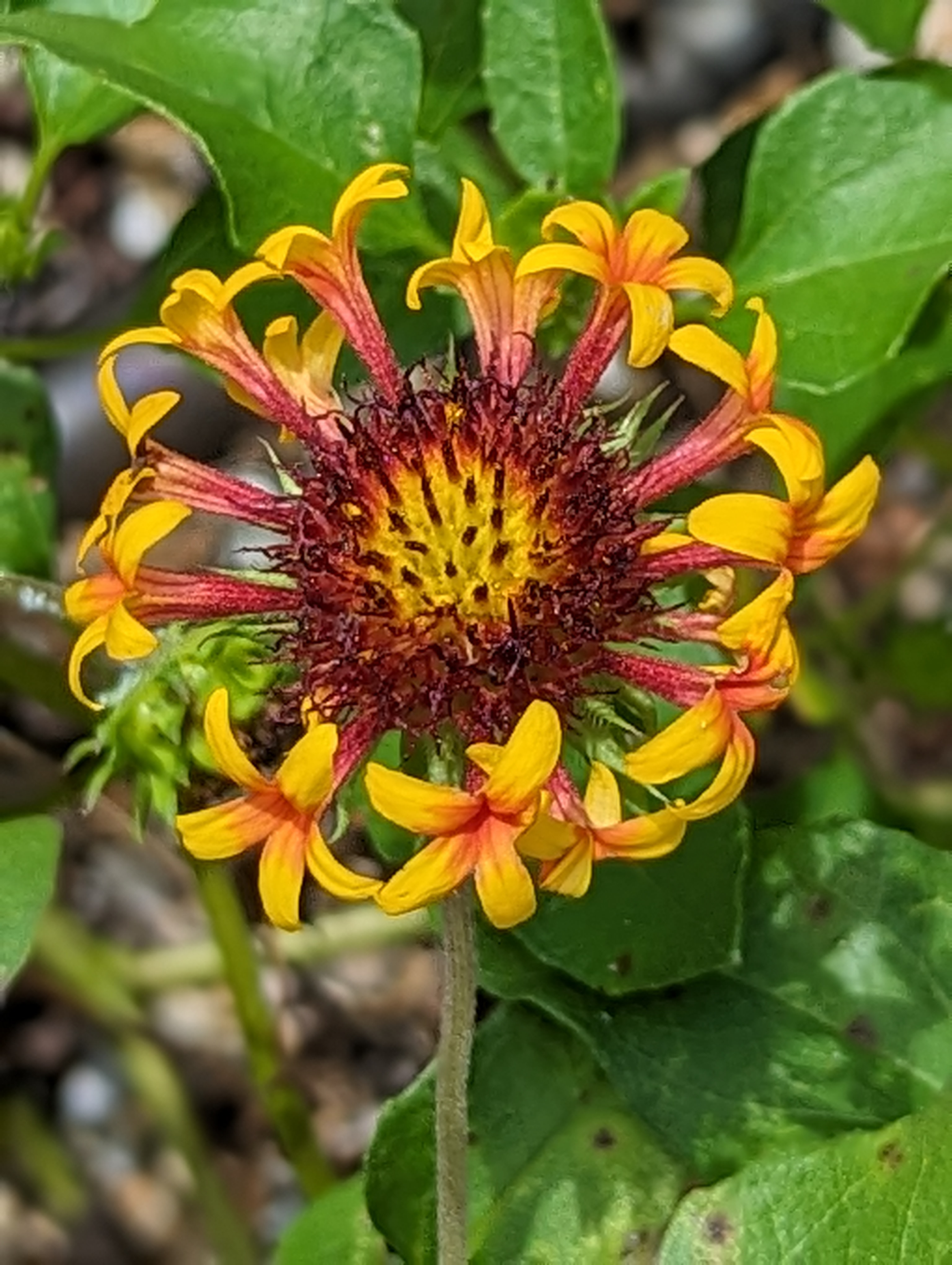
An interesting Gallardia pulchella from plants crossing in the back garden. I like the seedling varieties better than the named cultivars.

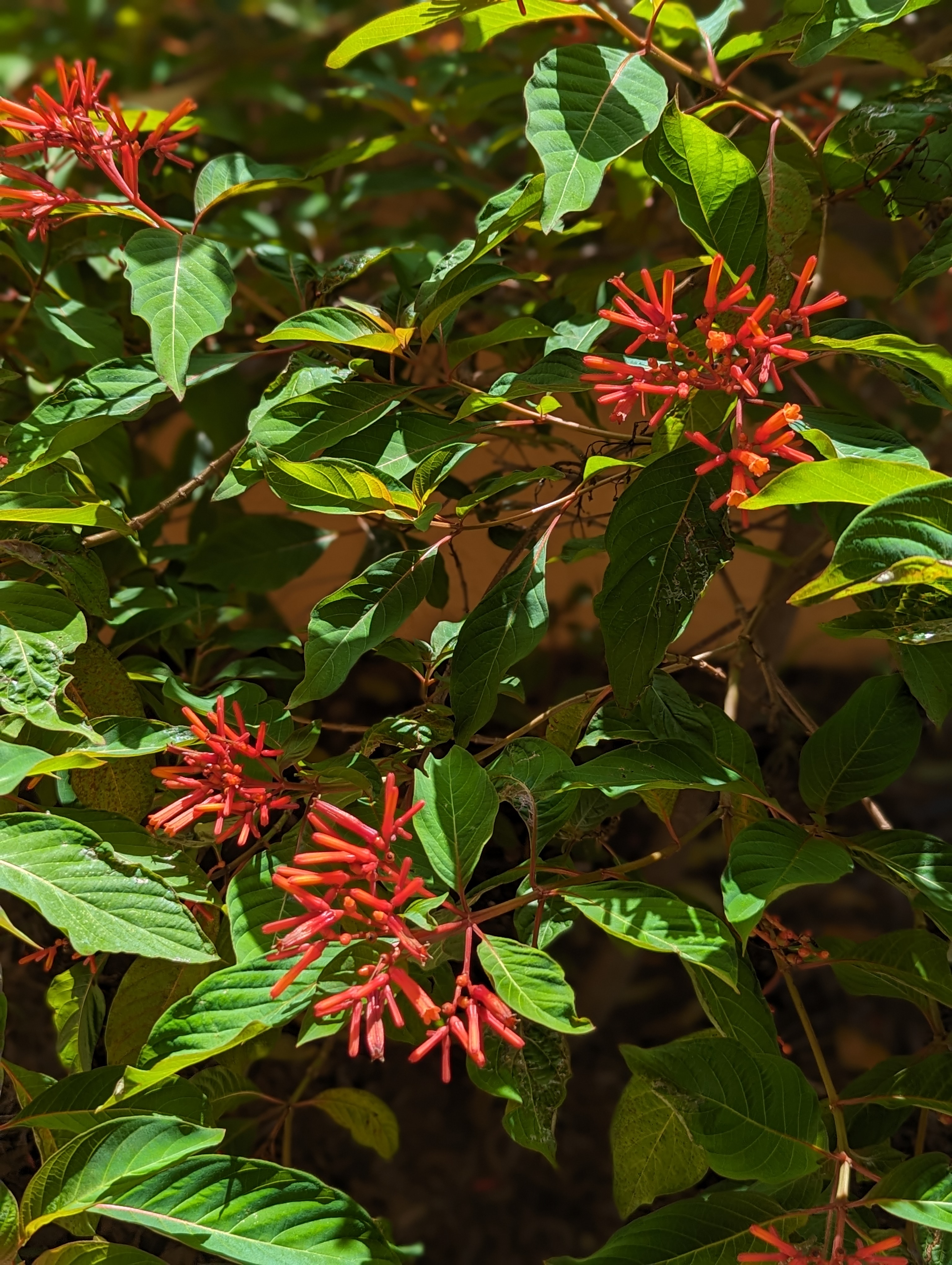
Firebush (Hamelia patens var patens) in full flower. Another favorite, this shrub sneaks up on you by growing a few feet a year if conditions suit. The conditions are evidently perfect and they need a trim.

That is all from the heat zone.

Happy Gardening

Six on Saturday – Summer Beginnings

Saturday has rolled around once again. Time to take a stroll around the garden to see what is new and compare notes with other SOS gardeners. To take a virtual stroll through gardens around the world visit Jim at http://gardenruminations.co.uk

After a dry week (I had to get out the hose!) it started raining again yesterday. This morning I took some photos and then a thunderstorm blew up offshore and it is now pouring down rain. When researching recommendations for when to plant in South Florida you often see at the start of the rainy season – June 1 as a good date. This works if it is indeed rainy, otherwise, the plants fry. I try to get everything in the ground in March. I am seeing some mad growth in the garden and other plants rescued by the rain.

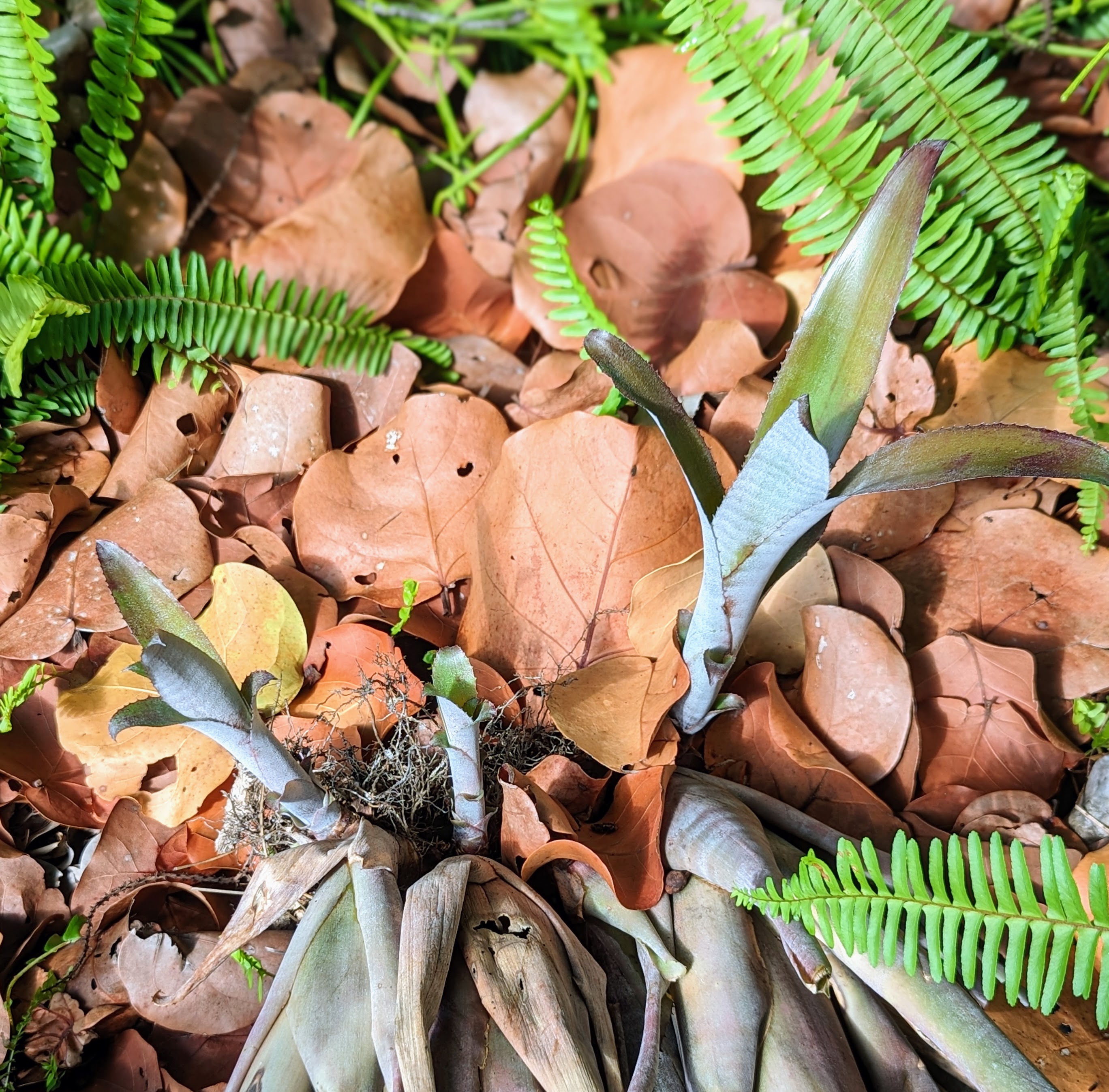
Purple Haze Billbergia bromeliad pups emerging from a mother plant on its way out.

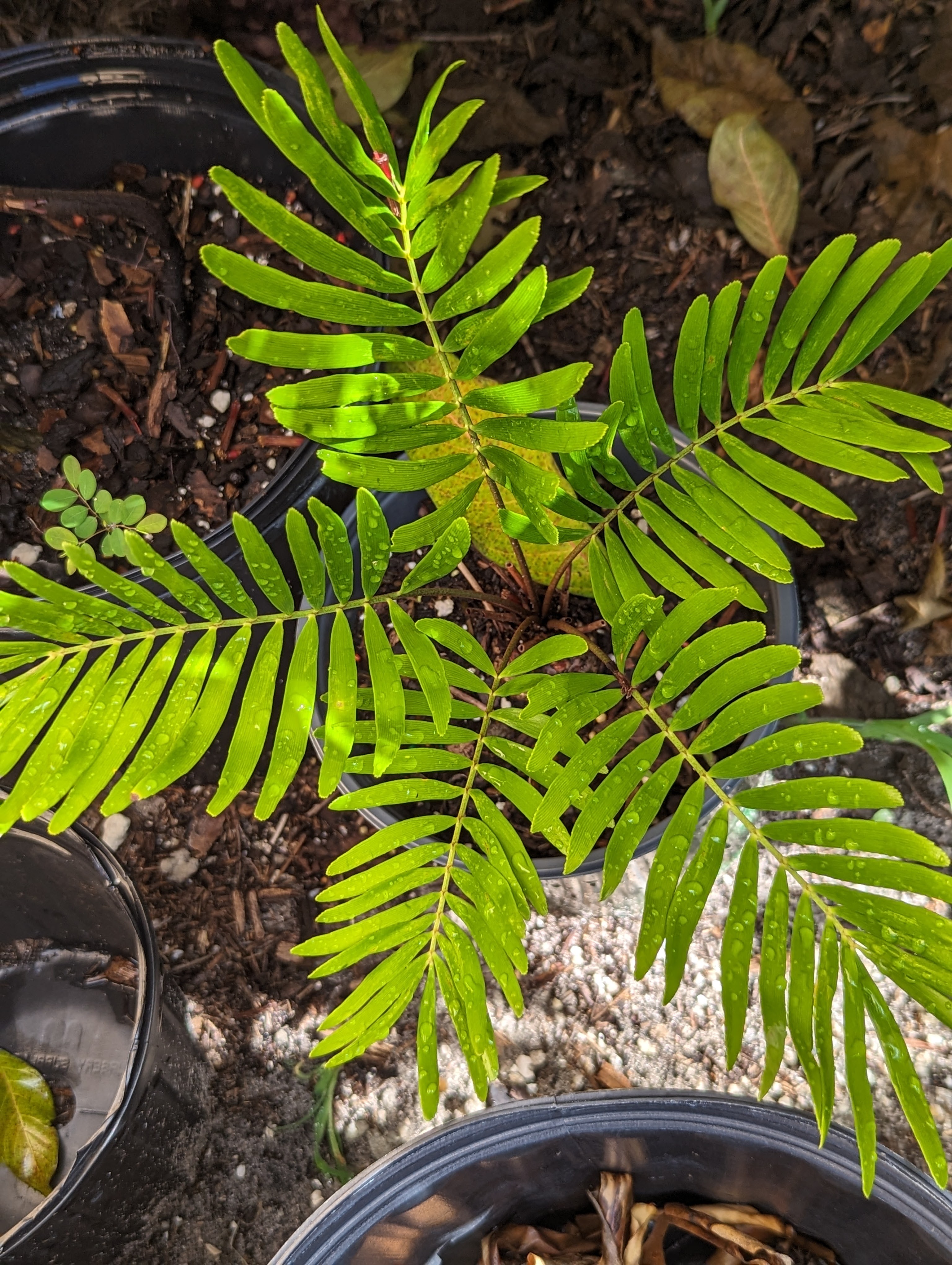
Coontie cycad (Zamia integrefolia) rescued from annihilation. I am not sure what happened here, these are usually very hardy. This one lost all its foliage last summer when it was droughty and was not recovering. I potted the caudex, put it in the shade and watered it – much to my surprise, it came back. The cycads are notorious for not liking disturbance.

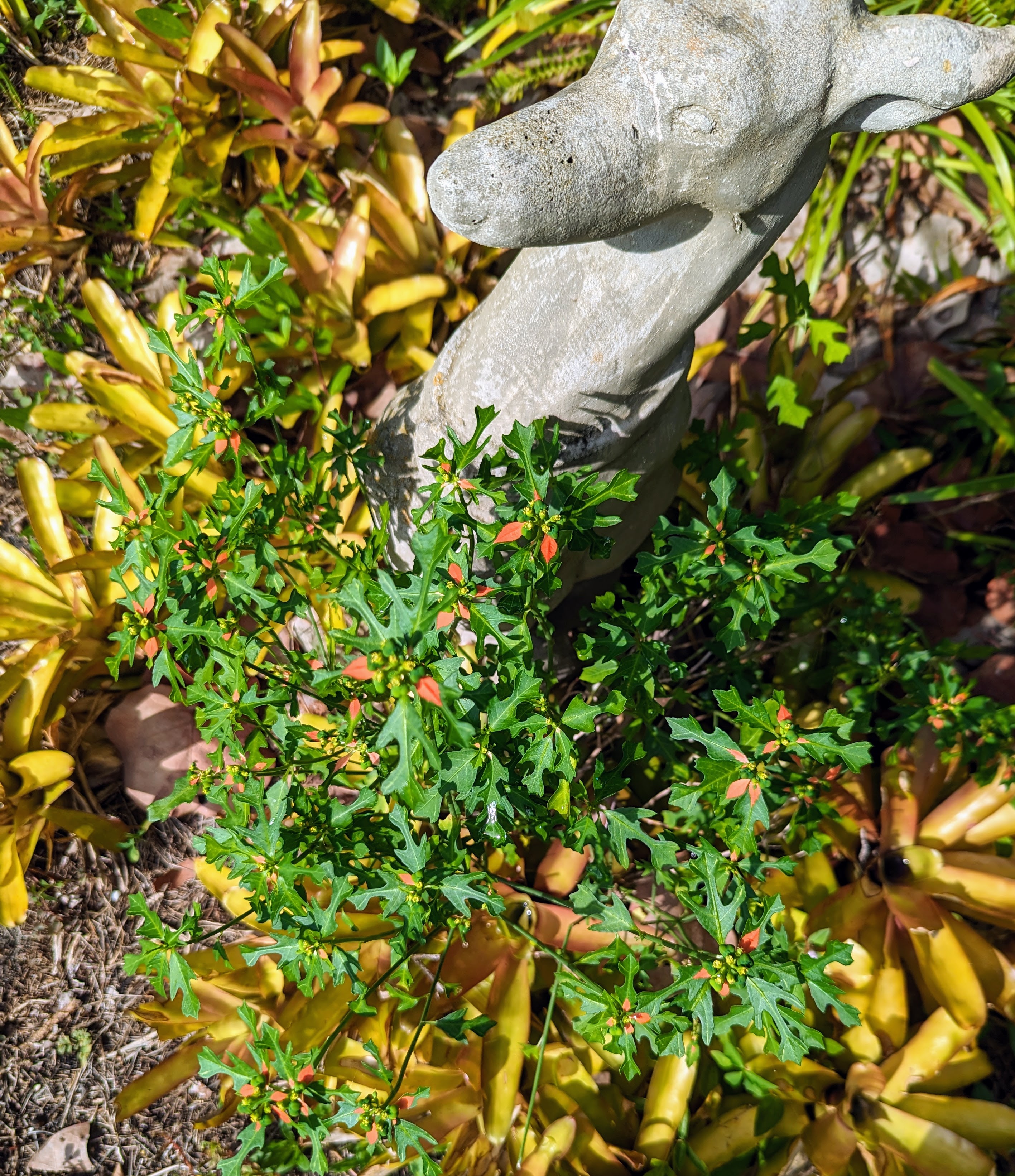
Native Florida Poinsettia (Euphorbia cyathophora) hugging my garden greyhound. These appear when rain is plentiful and add a little color.

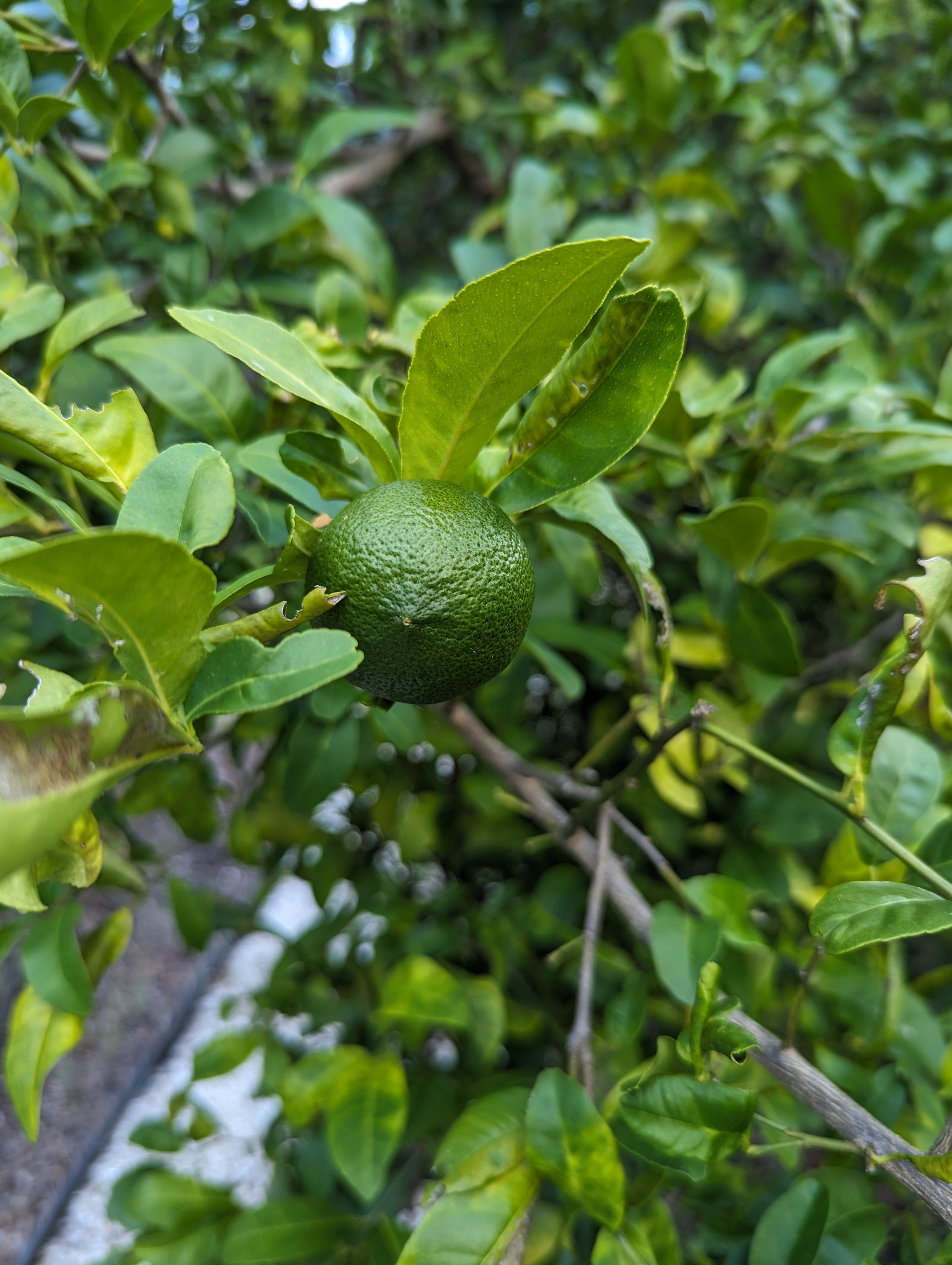
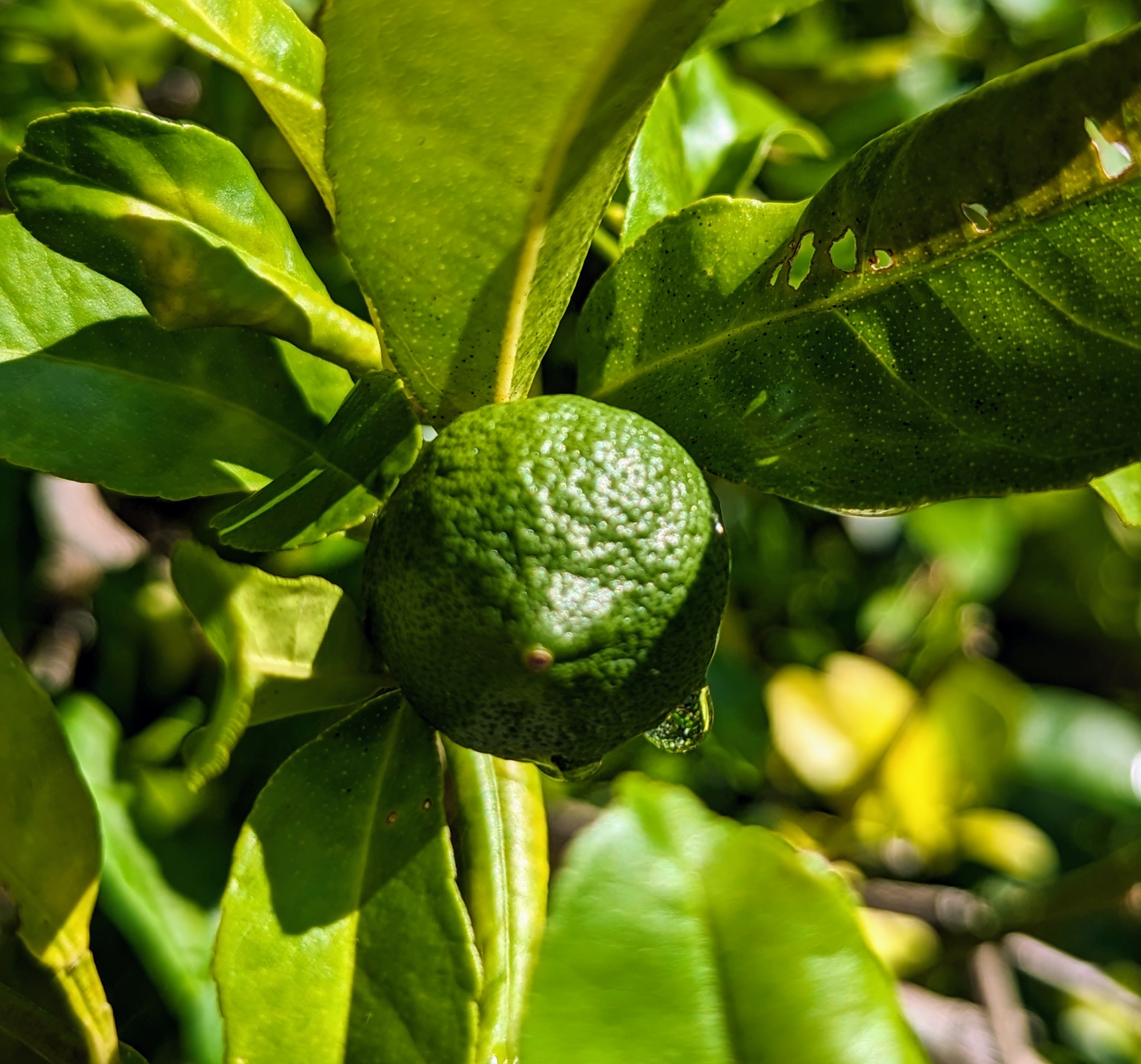
My first Rangpur lime, ever! My neighbor grew this tree from seed and it has been in my garden for six years or so. I am excited! These are hard to see right now, hopefully there are more on the tree. This type of lime is orange when ripe and considered a sour orange in Florida. We make ‘key lime’ pies with the fruit or use it like lemons. It is also used in Cuban cuisine for mojo marinade.

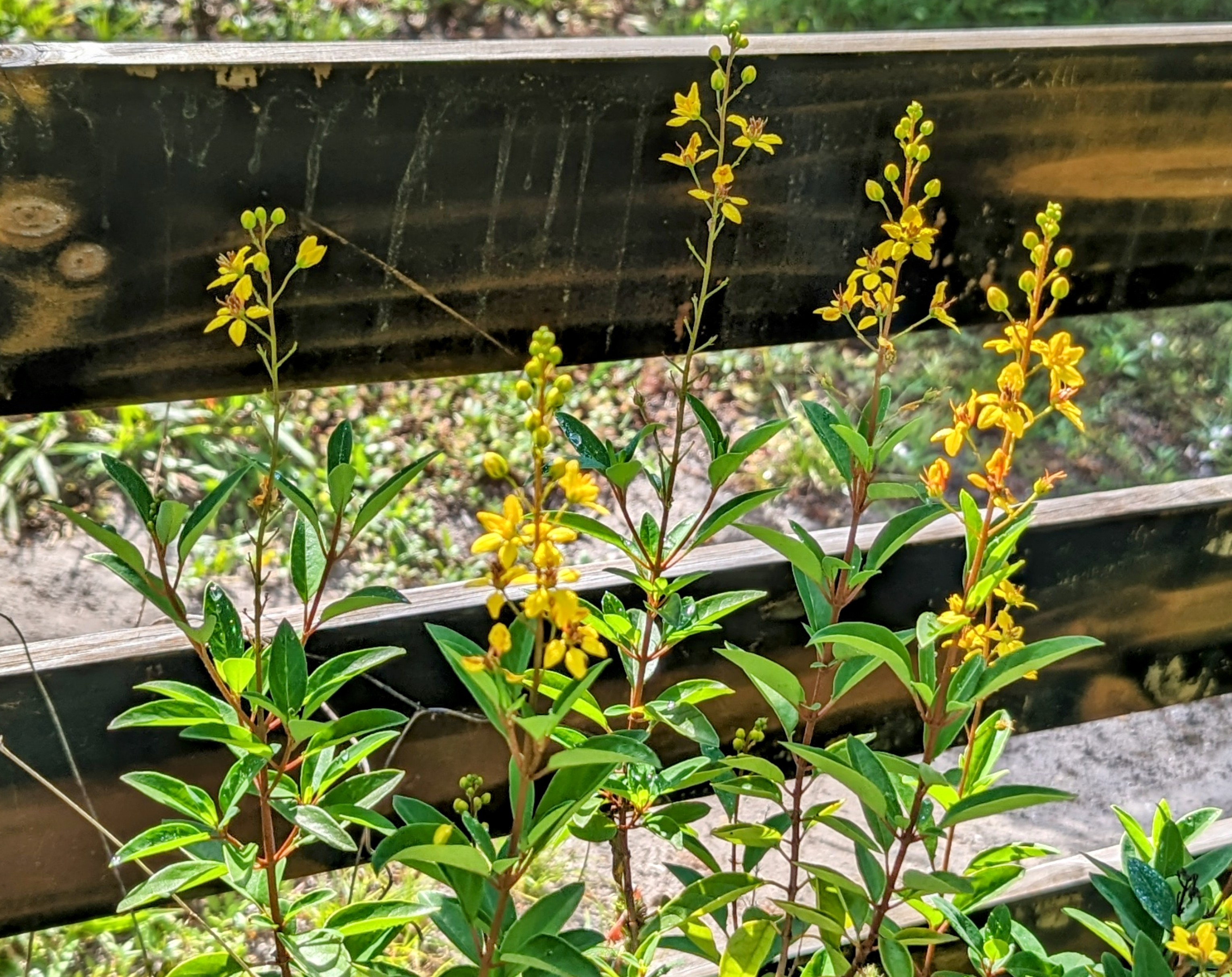
One of my summer favorites, Thyrallis (Galphimia gracilis) is finally flowering.

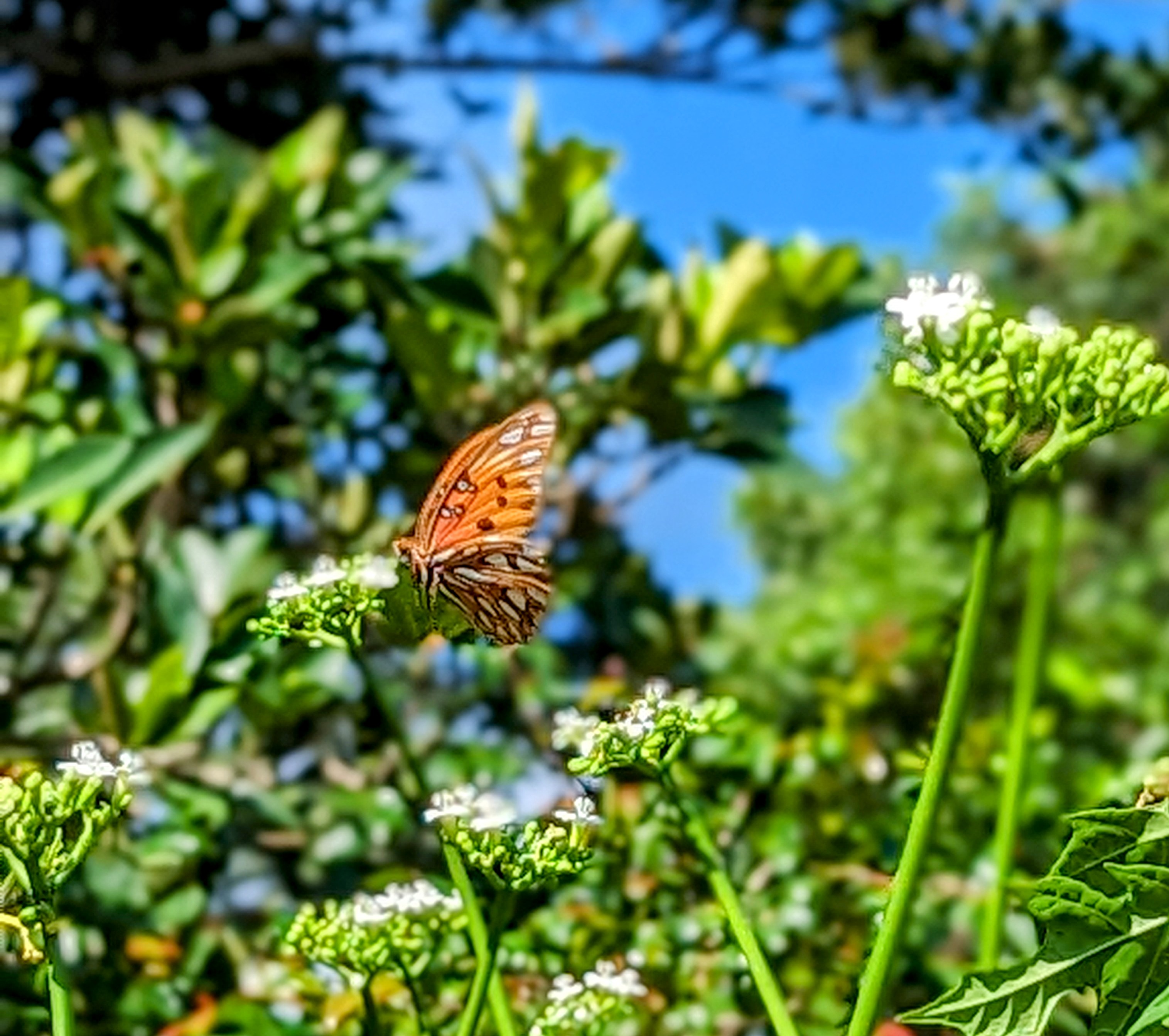
Tree Spinach (Cnidoscolus aconitifolius) is one of the best nectar plants for butterflies in the garden. There were three different butterflies feeding on the flowers when I took the picture. This is a Gulf Fritillary. I have never seen as many flowers on this plant, the butterflies are having a smorgasbord.

That is all from my now very damp garden.

Happy Gardening!!

Six on Saturday – Caterpillar Condo

It’s time for the weekly world garden tour. My South Florida garden has a wealth of butterflies and tropical flowers loving the heat and humidity more than I do. I let some native passionflower vine (larval host plant for butterflies) ramble through a mixture of flowering nectar plants and I have some astounding butterfly action going on in the front garden. Pairs of Gulf fritillary butterflies circle each other and then land on the passionvine where the ladies lay eggs. Caterpillars from both species of butterflies (Gulf fritillary and Zebra Longwing) that host on the vine are currently in residence. The caterpillars moved off the vines and now there are chrysalis hanging on the front porch. I am watching day by day hoping to see new butterflies emerge.

The Gulf fritillary looking for nectar.

Zebra Longwing doing the same thing.

Gulf fritillary caterpillars on the passionvine. The passionvine is Florida native Passiflora suberosa. It is not a particularly attractive vine and bears small flowers and blueberry sized fruit. I did not plant this, it came up from the garden gods and I let it go to ramble through the Dwarf Red Ixora shrubs creating a caterpillar condo with a full service restaurant.

The much less colorful chrysalis of the Gulf fritillary.

And we have to have some tropical flowers and fruit. The flowers today are Lobsterclaw Heliconia (Heliconia rostrata)

Fruit of the week – Papaya. This is the Papaya tree started from seed last fall. I planted the seedlings in the garden in May. They are almost three feet tall now and looking a little spindly. I have read it is possible to have fruit in nine months. At this point, the trees won’t be able to support it.

That is all from sultry South Florida this Saturday. To enjoy the world garden tour visit Jim at http://gardenruminations.co.uk

Happy Gardening!!

Six on Saturday – Fun Things

The weekly garden tour commences now. So many tropicals coming to life with the onset of the rainy season in South Florida. It has been stormy all week and the first named tropical storm of the year appeared in The Gulf of Mexico this week – Arlene. The storm is a long way from here and set to wind down into a tropical depression before making landfall in Cuba with a lot of rain. The first thing I spied when powering up the computer this morning was a Coastal Flood Watch; rainy season is definitely here.

To see more SOS garden tours, visit Jim at http://gardenruminations.co.uk

The Frangipani hedges are flowering. This is Bridal Bouquet Plumeria (Plumeria pudica). I have these in front of wood fences that aren’t so pretty. They are columnar plants about 8 feet tall and 2-3 feet wide. These are unusual as they are semi evergreen.

The Frangipani hedge with a Java White Copperleaf shrub accent.

A psychedelic Aucuba? No, this is a Pie Crust Croton. Named as the edges of the leaves are crimped like – pie crust. New growth is yellow and will mature into a mostly red and black shrub later in the season.

In the above image you can see a bit of an orange flowering shrub – this is a Dwarf Red Ixora, a butterfly nectar source. I let the larval host plant, Corkystem Passionflower, a vine, ramble through the shrubs for the Zebra Longwing butterflies to lay eggs on. This is the first caterpillar I have spotted this season, though the butterflies have been out in force.

I am finally picking a few mangoes. They are delicious. The lower mango is a condo mango, Pickering. The others, Glenn Mango, a big tree. Condo mangoes are usually less than 6 feet tall.

And just for fun, a gift from my friend Lu. Gardening socks!

That is all from the moist South Florida. Thanks to Jim for hosting and…

Happy Gardening!!

Six on Saturday – Broms and Bunnies

It’s time for the weekly visit with other SOS gardeners. My South Florida garden received plentiful rain this week, the plants enjoyed it and are starting to show their summer colors. Bromeliads in the garden change colors with the seasons. Some in the winter and others in summer. The color change I notice most is from green to red (and back). Markings on the foliage that change vary from spots to streaks to bands of color.

For the SOS garden tour follow this link to visit Jim: http://gardenruminations.co.uk

‘Jill’ Neoregelia climbing a palm trunk. The foliage tips and cups on this one deepen in color in the summer.
‘Hallelujah’ Billbergia. These tend to go a bit green in the summer. The purple color deepens in winter.

Aechmea ‘fasciata’. The bands of grey coloration sharpen with warm weather, these produce big pink flowers every other summer. Also known as the Silver Urn Bromeliad.

‘Luca’ Neoregelia, one of my favorites, is almost too dark but the chartreuse spots lighten things up.

An unknown Neoregelia in flower. This one has pink stripes in sunny areas and white in shady areas.

The bunny, we have had a banner year for bunnies. Fortunately, they like weeds and are eating something in the so called lawn while tormenting Fiona the Greyhound. This is a Marsh Rabbit. I am impressed with the camouflage, I could not see the rabbit as I was taking a picture of it.

That is my Six for this Memorial Day weekend Saturday. Thanks to Jim for hosting.

Happy Gardening!!