Six on Saturday – The Last Mango

wp-17517298955632381365051353700327

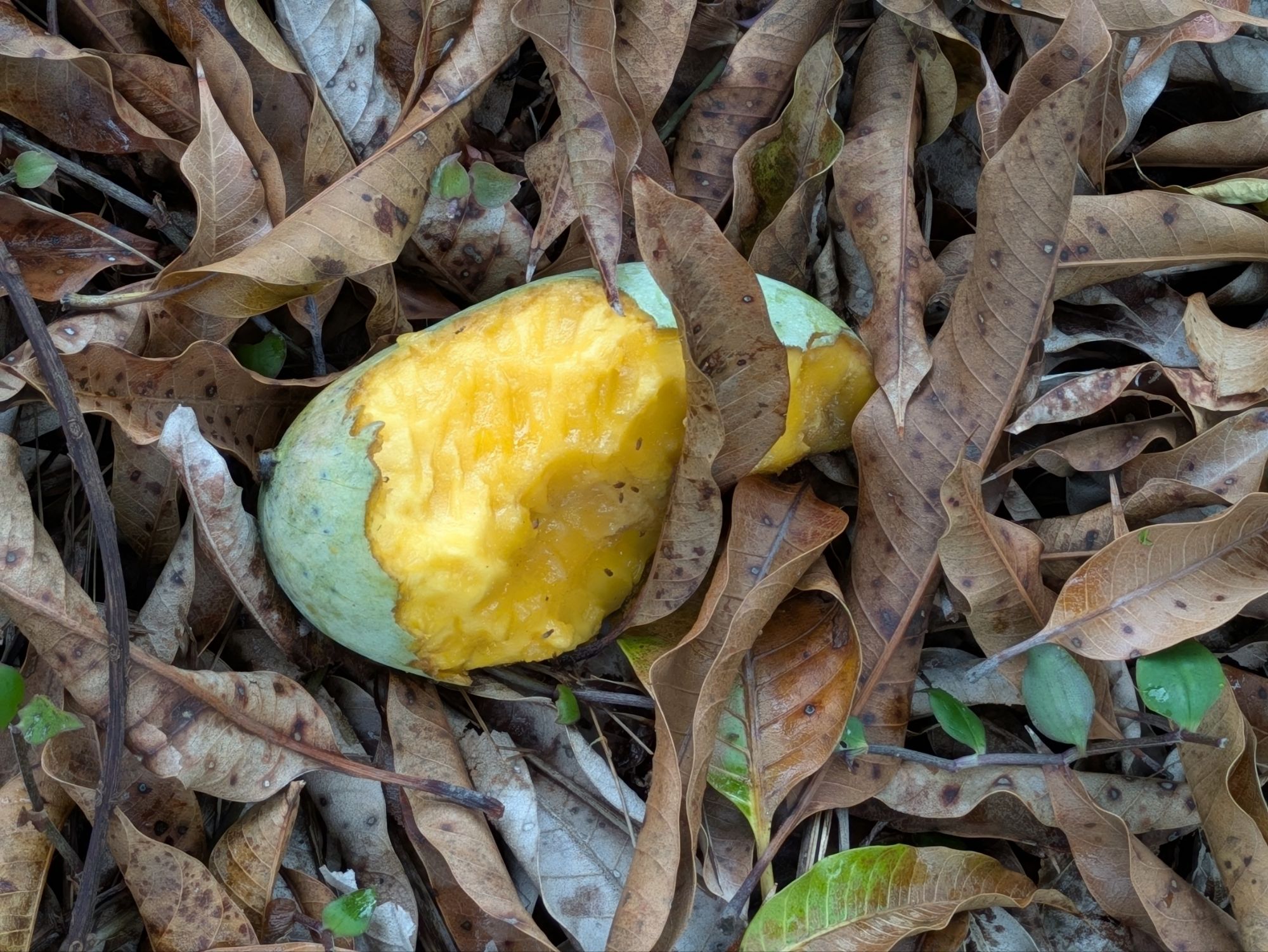
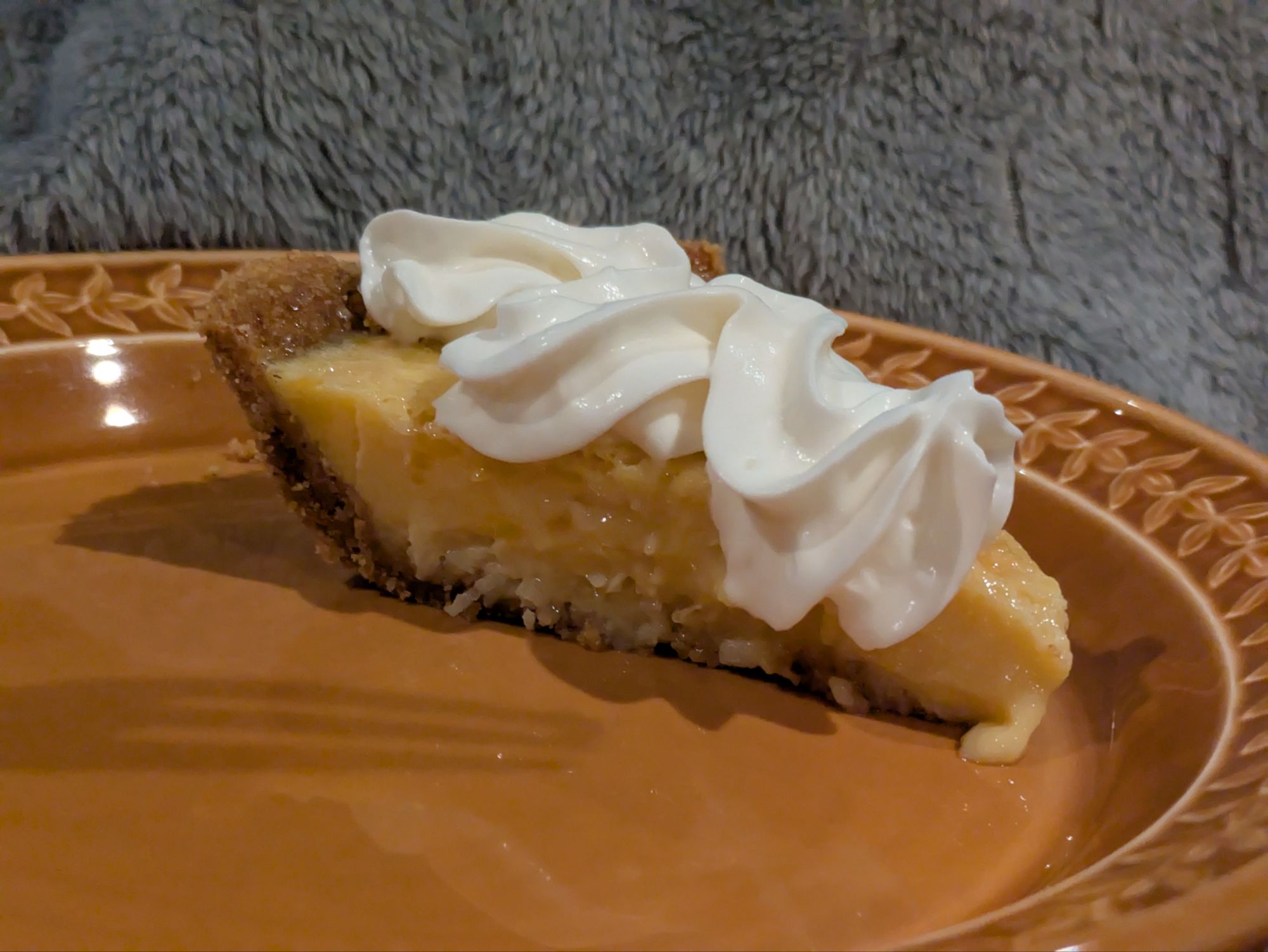
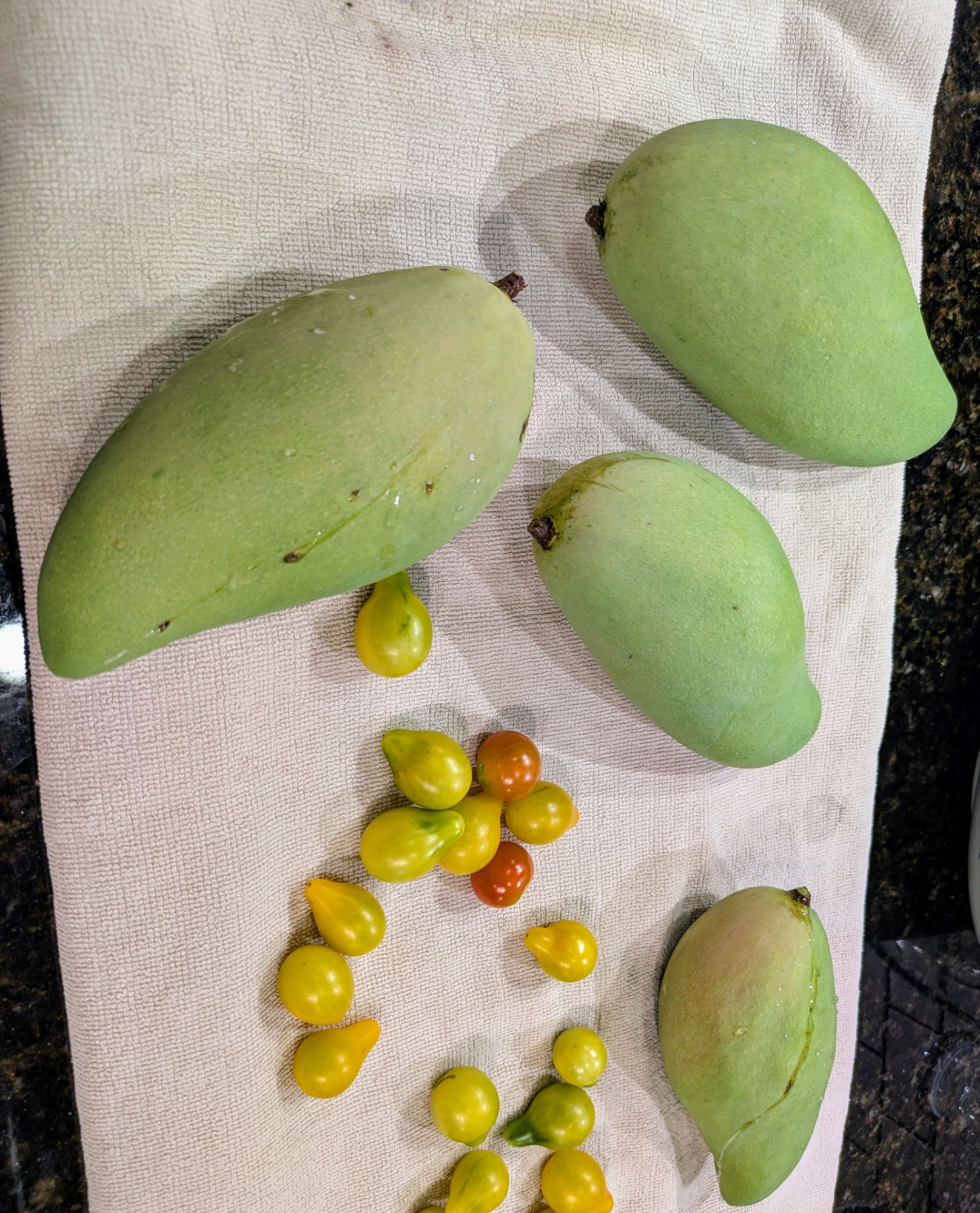
There it is. The final perfectly tree ripened Thai dessert mango of the summer. I am not sure who or what ate it, but it wasn’t me. I will count my blessings. We had a wonderful crop of three varieties of mangoes from May to July and I have learned to make a new dessert, Mango Coconut Cream pie. I will confess I have been shopping for a Keitt mango to extend the season through September…the pie.

wp-17517303133705245759681757529901

Now for some pretty garden images:

wp-17517304148766365959833773595542

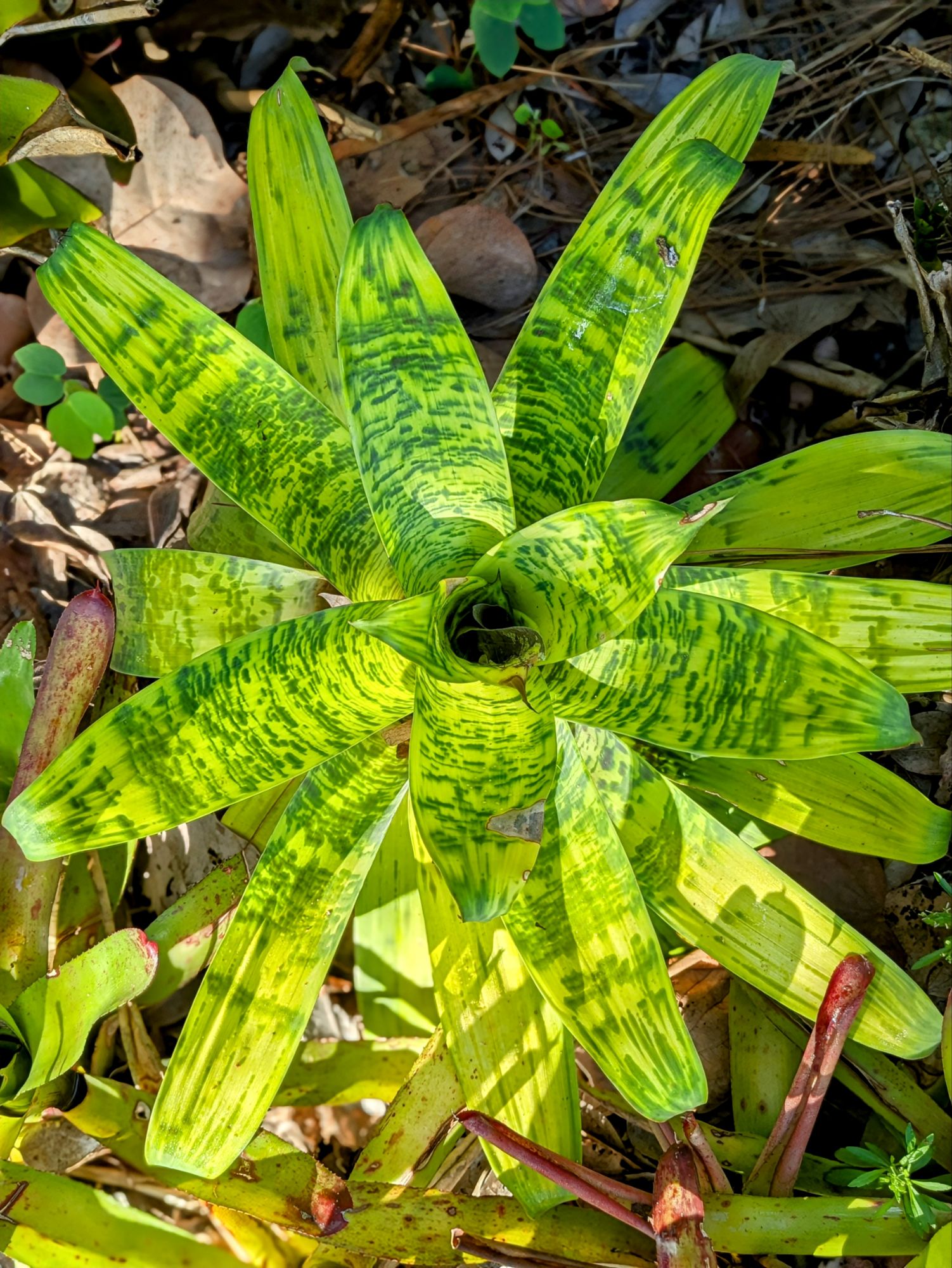
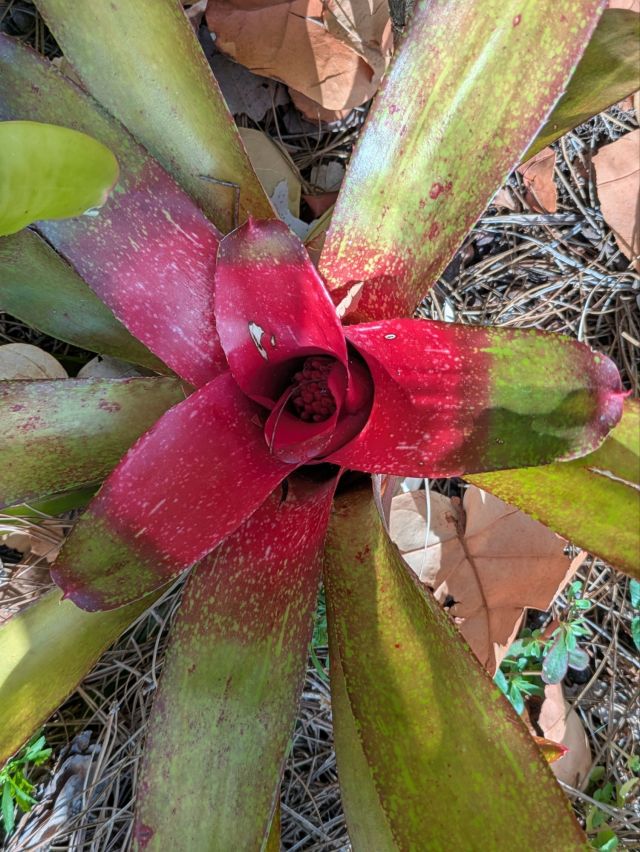
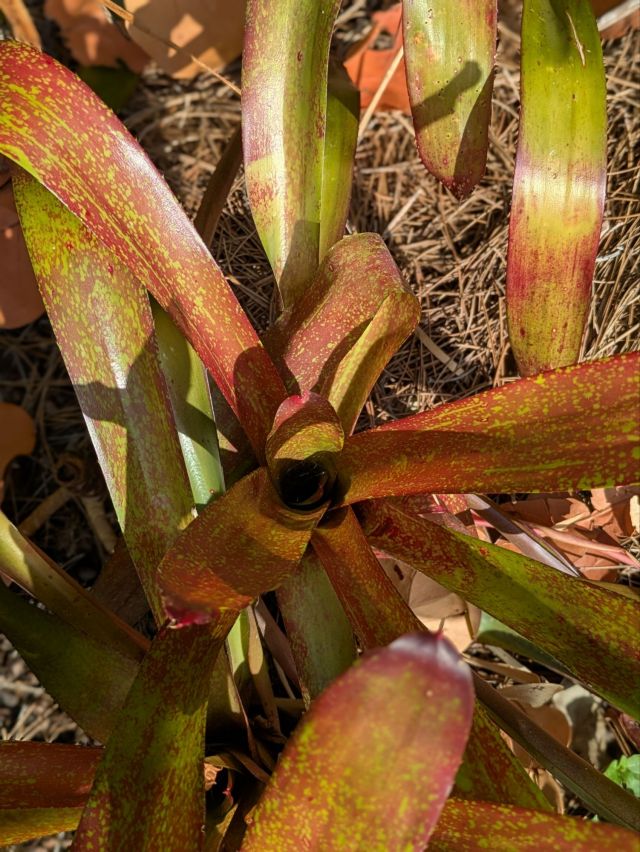
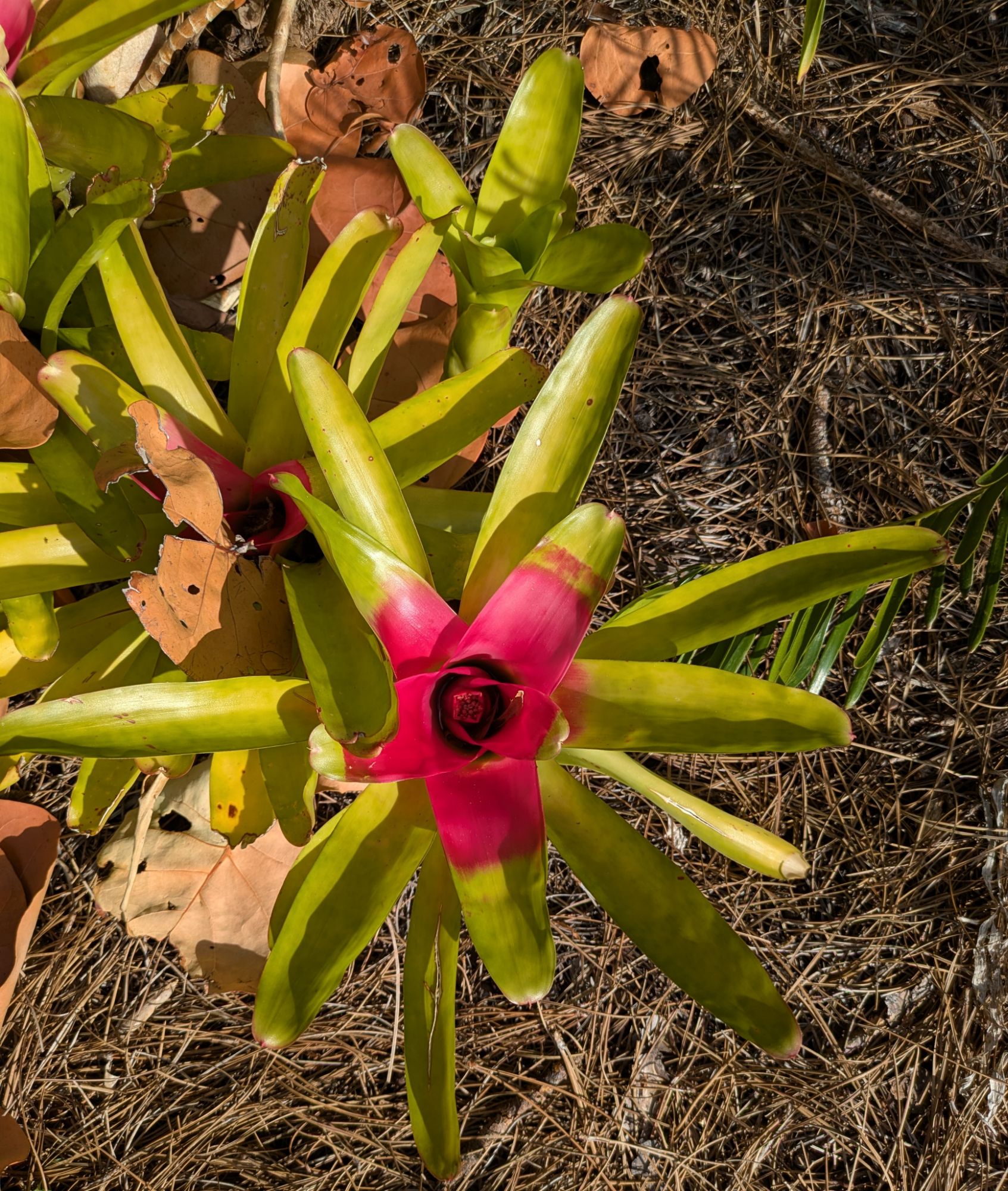
This is a Vriesea bromeliad. The botanical name has been changed to Goudaea ospinae, it used to be V. ospinae cv. gruberi. Maybe it is not a Vriesea anymore. These are planted primarily for foliage, the color really lights up the shade garden. It is reported to have a yellow flower, but I have never seen one.

wp-17517308468974126009297813183793

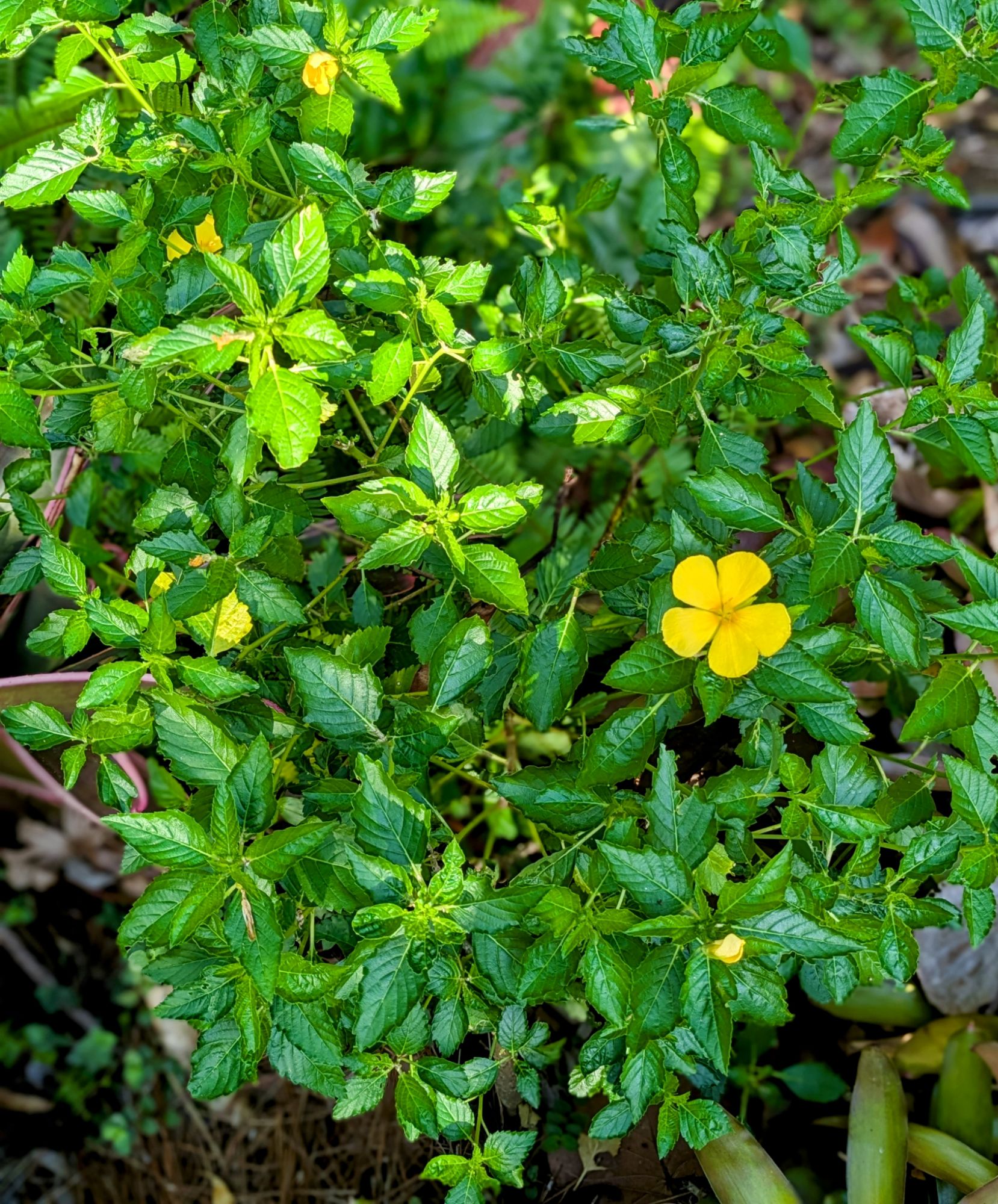
This is a Buttercup Bush (Turnera ulmifolia) – I think. These grow wild here and it popped up to replace an Angel Trumpet that didn’t grow here at all.

wp-17517344283508642472794646558439

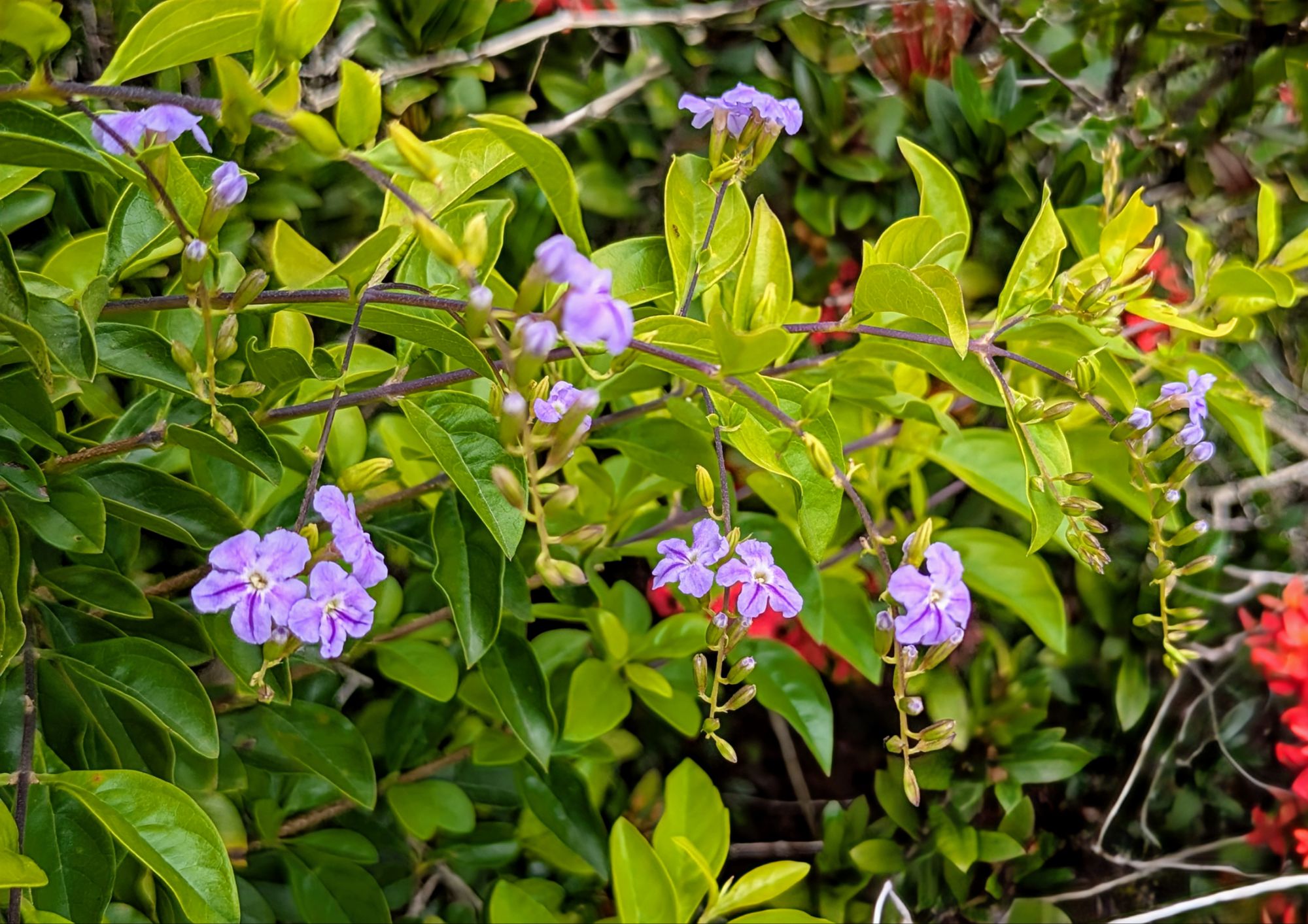
This is a Golden Dewdrop (Durant erecta). This rarely flowers in my garden and the butterflies are really enjoying it. I am wondering what inspired the flowers. The Dewdrop is a bit of a mystery to me. It is supposed to be a large shrub to a small tree sized plant. I would guess it has been in the garden for 8 or 10 years and might be two feet tall. More puzzles to ponder.

wp-17517347416372287417699683235350

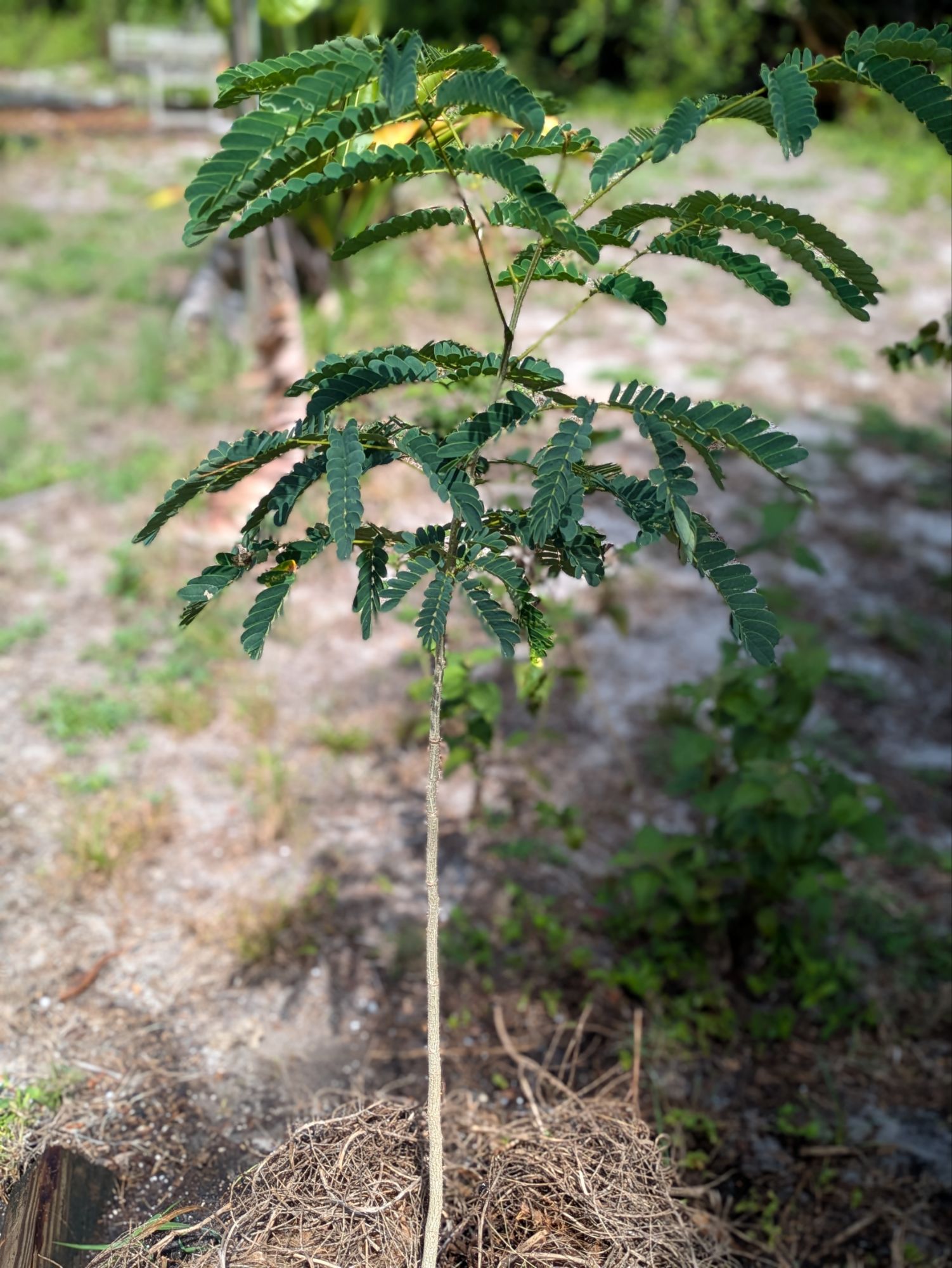
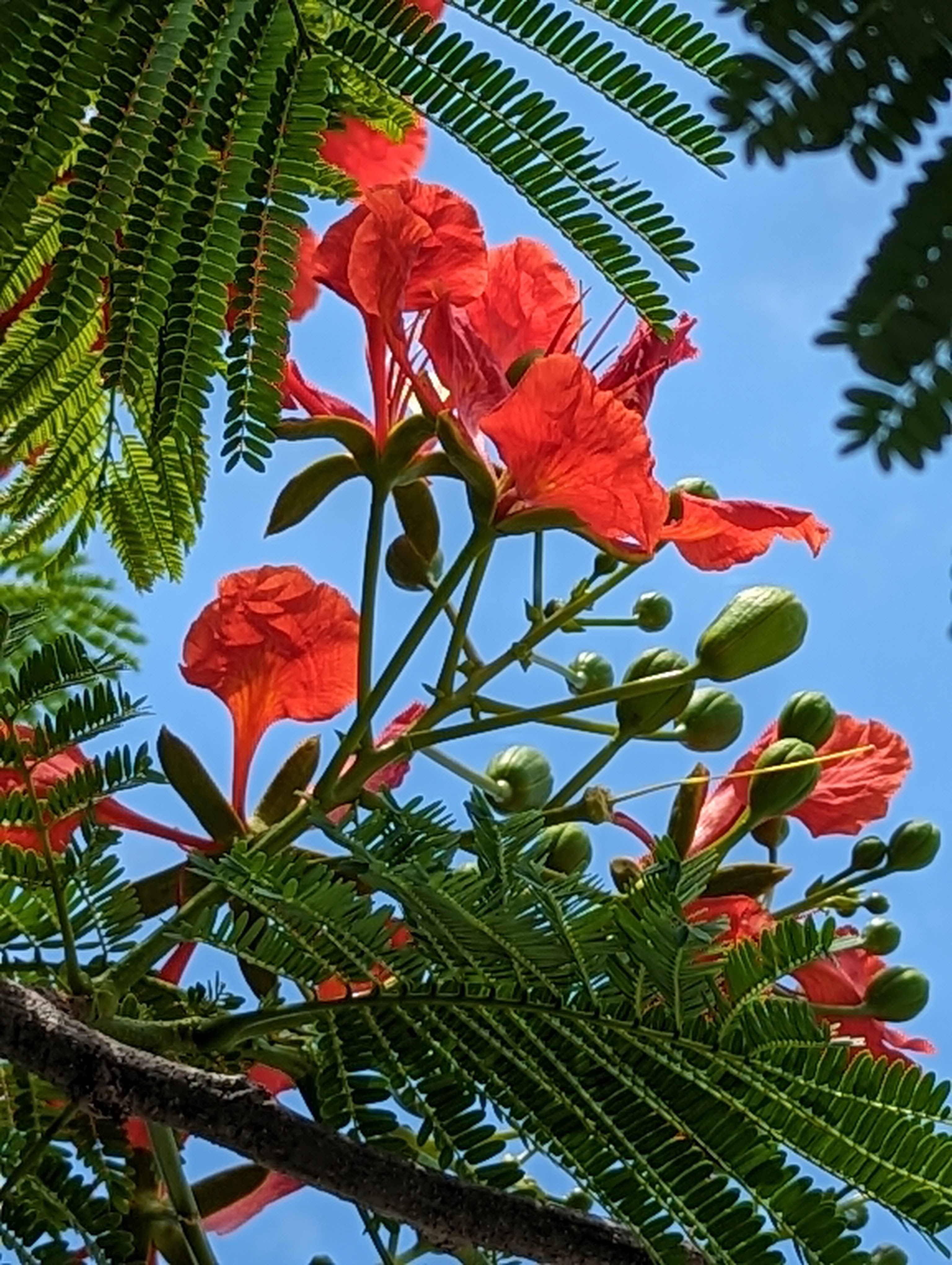
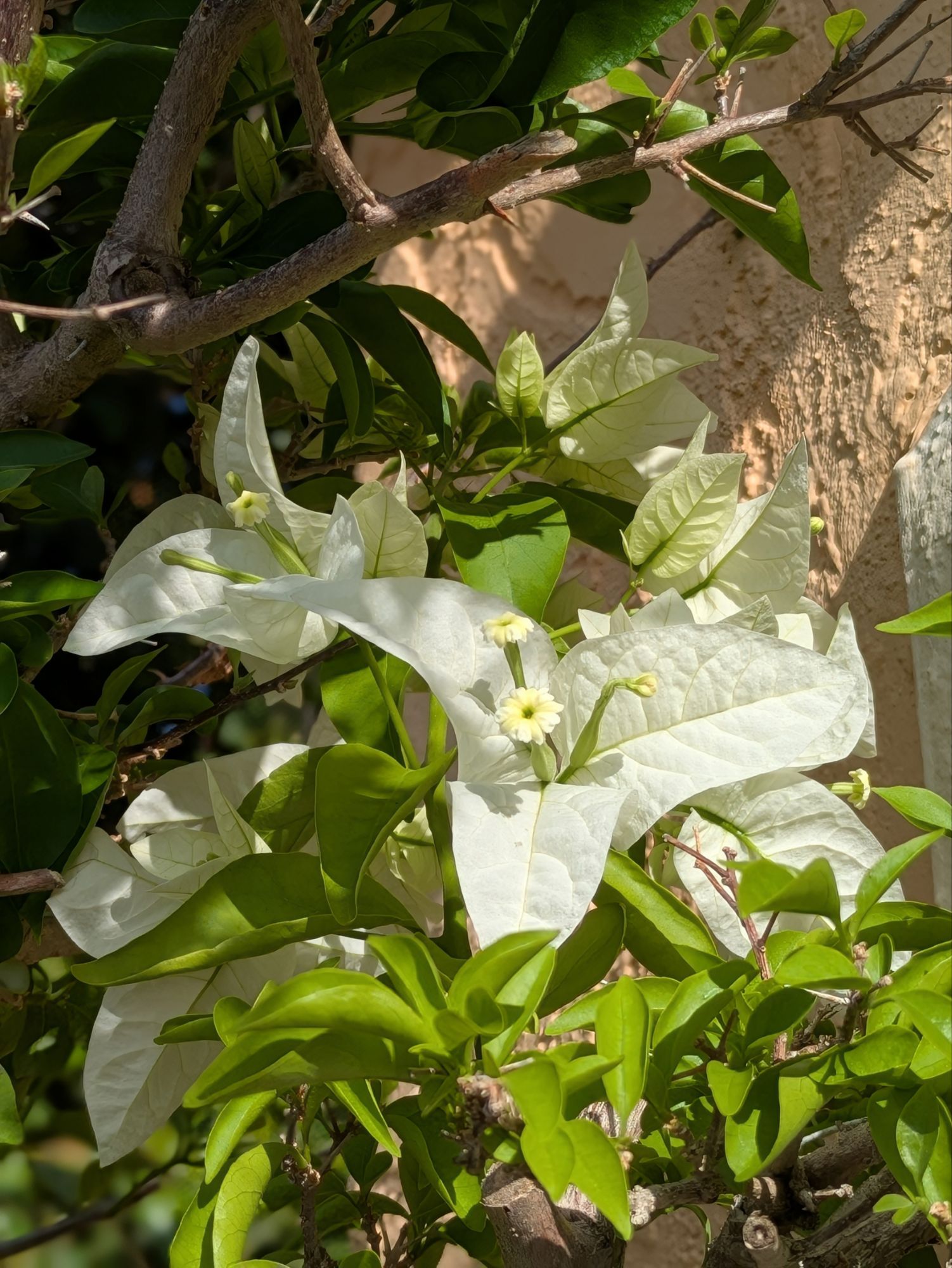
A Royal Ponciana (Delonix regia); also called Flamboyant tree. My neighbor has one and a seedling popped up in the garden, so I potted it, coddled it and waited for the rainy season to plant it. In a few years it will be covered in flowers like this. Flamboyant is a good name! Hopefully.
That is all from South Florida. The rainy season continues….

To see more SOS posts, follow the link to visit Jim’s blog Garden Ruminationshttp://garden ruminations.co.uk.

Six on Saturday – Summer Fun

My garden tour this Saturday was quick. The humidity descended this morning after sunrise, the kind that fogs your glasses upon exiting the air conditioning. A few quick snaps with the phone followed a twirl around the block with Rob the Greyhound and I’m posting six items of garden interest once again.

To see more Six on Saturday posts or to join in, visit Jim at Garden Ruminations.

wp-1751118394085397368414743224937

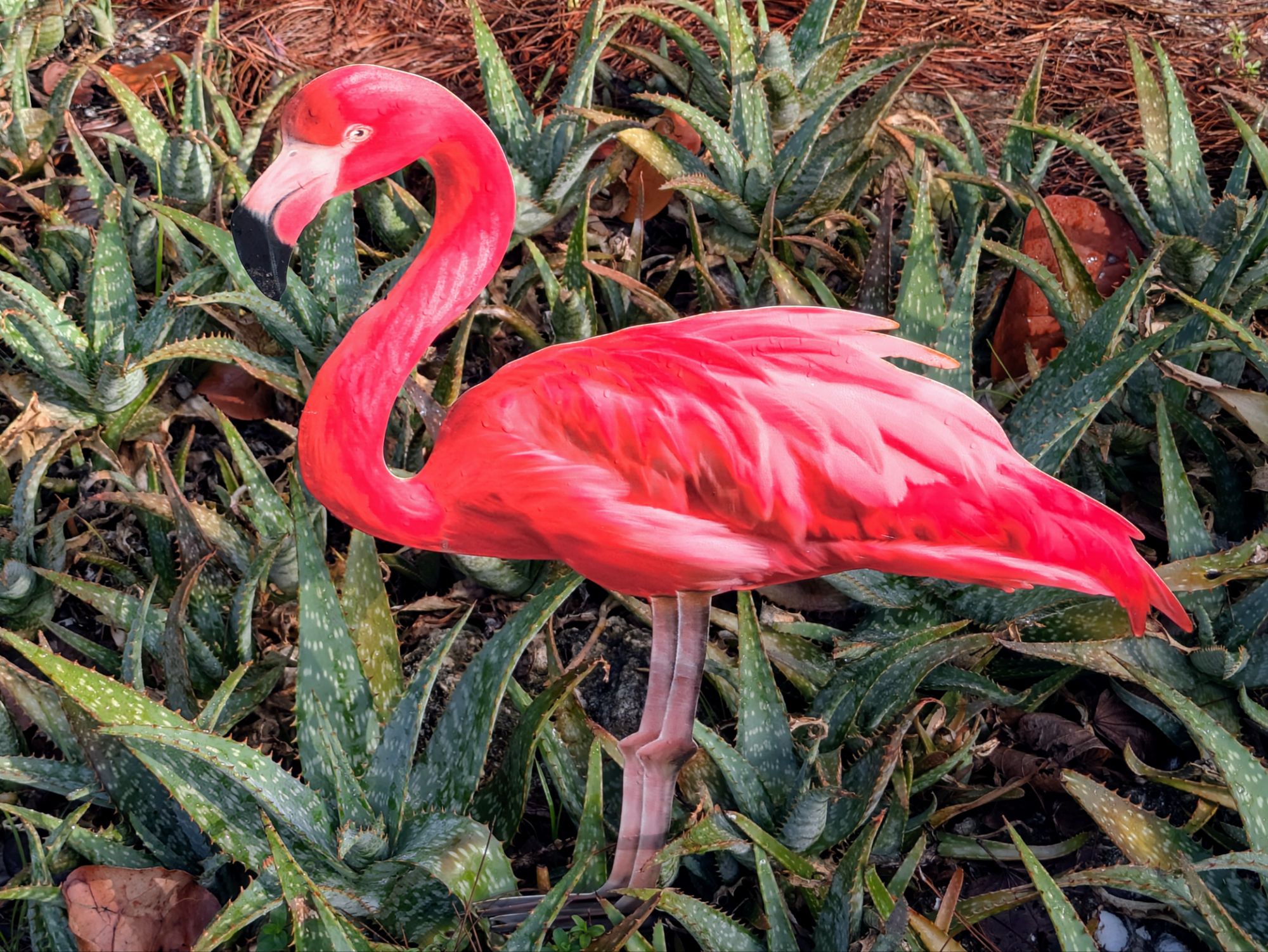
The pink flamingo was our college mascot, so I have to have one in the garden. This one lives in a mass of Soap Aloe.

wp-17511185436554003291673022669493

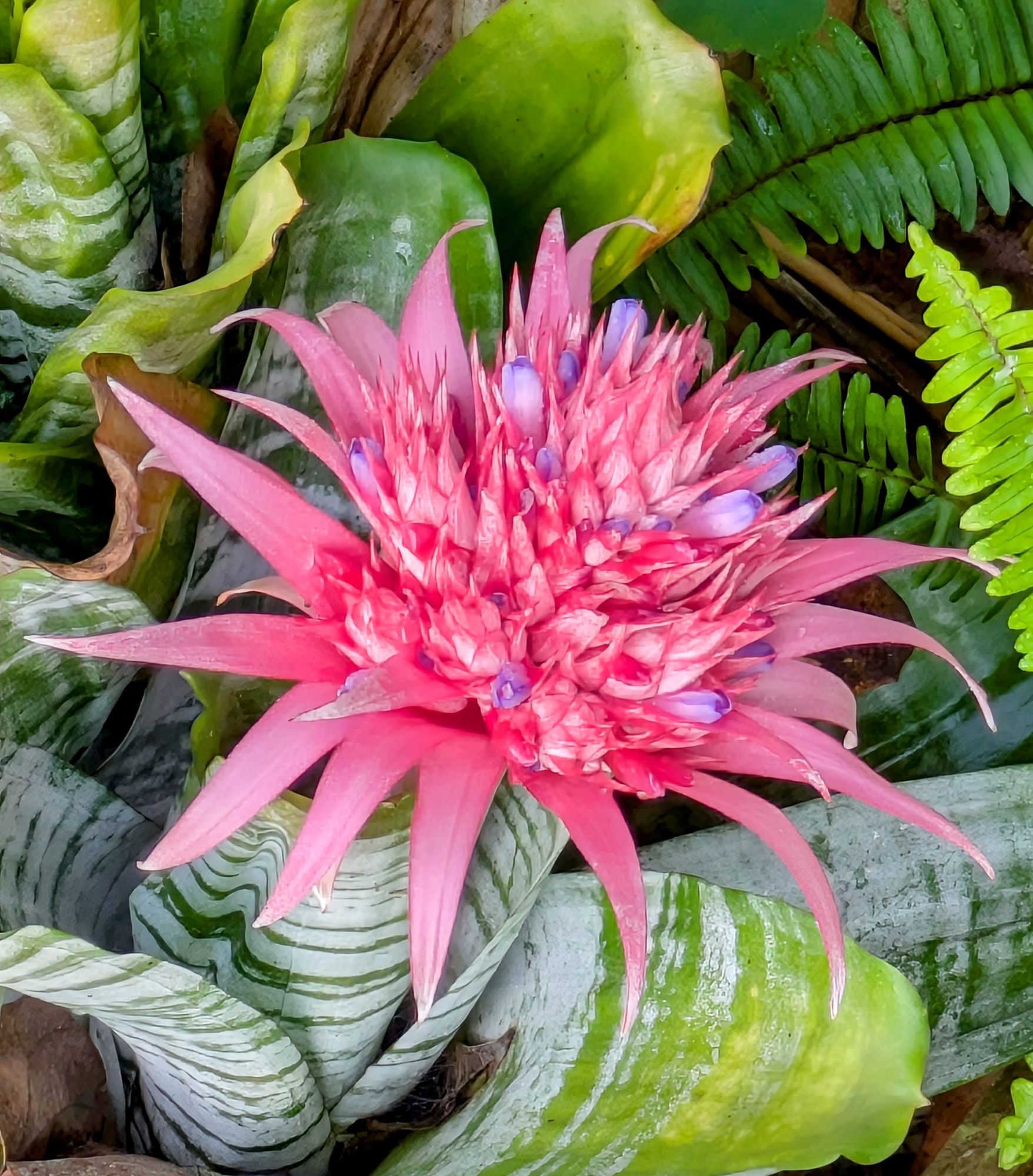
Continuing the pink theme with the flower of Silver Urn Bromeliad (Aechmea fasciata)

wp-17511186746288823469154406754382

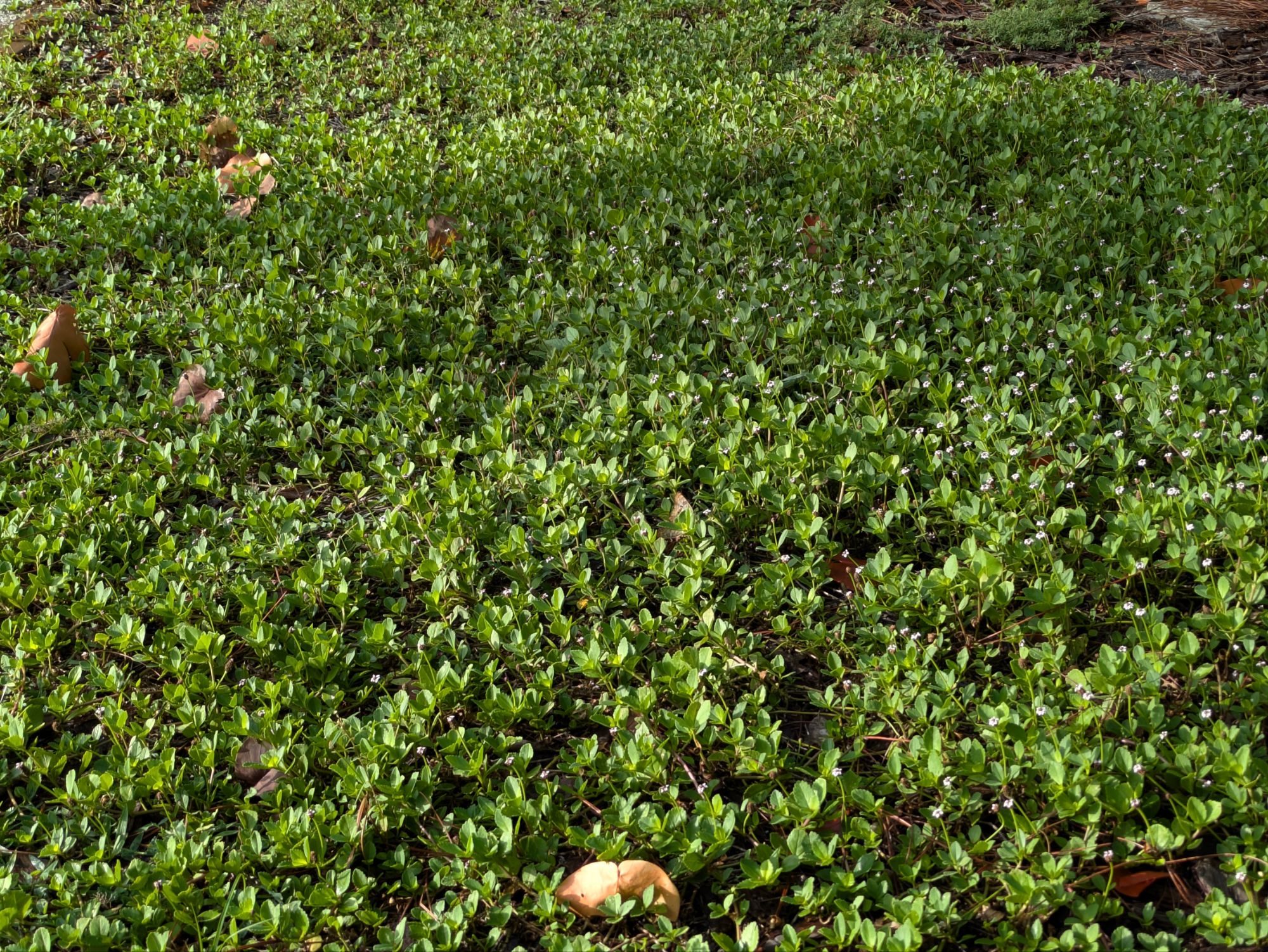
My lawn replacement project from last year is finally looking lawnish. This is Turkeytangle Frogfruit (Phyla nodiflora) This plant is an evergreen wildflower that provides food and habitat for several butterflies. The butterflies do love it – but, they are shy about photography.

wp-17511189239333529154199021301499

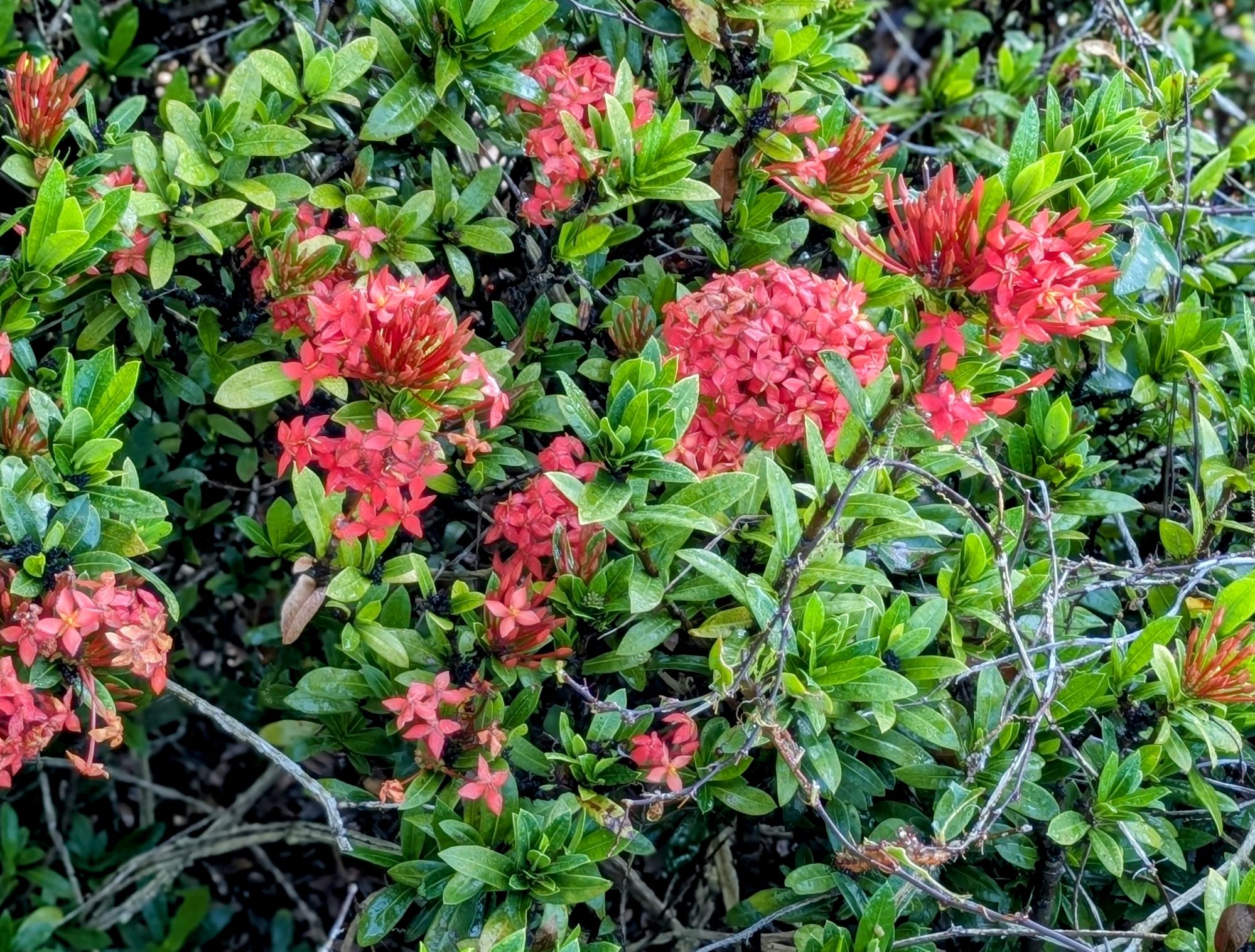
More butterfly habitat. These are Maui Red Ixora. The vines rambling through the shrubs are Corkystem Passionflower (Passiflora suberosa). The flowers of the Ixora provide nectar for the butterflies while the Passionflower vines provide food for the caterpillars. Given that the vines have been completely denuded I think we are having a good butterfly year. The vines host Zebra Longwing and Gulf Fritillary butterflies. The Gulf Fritillary butterflies are known for their aggressive mating behavior (foursomes!) It’s a wonderful aerial acrobatics show in the garden every sunny day.

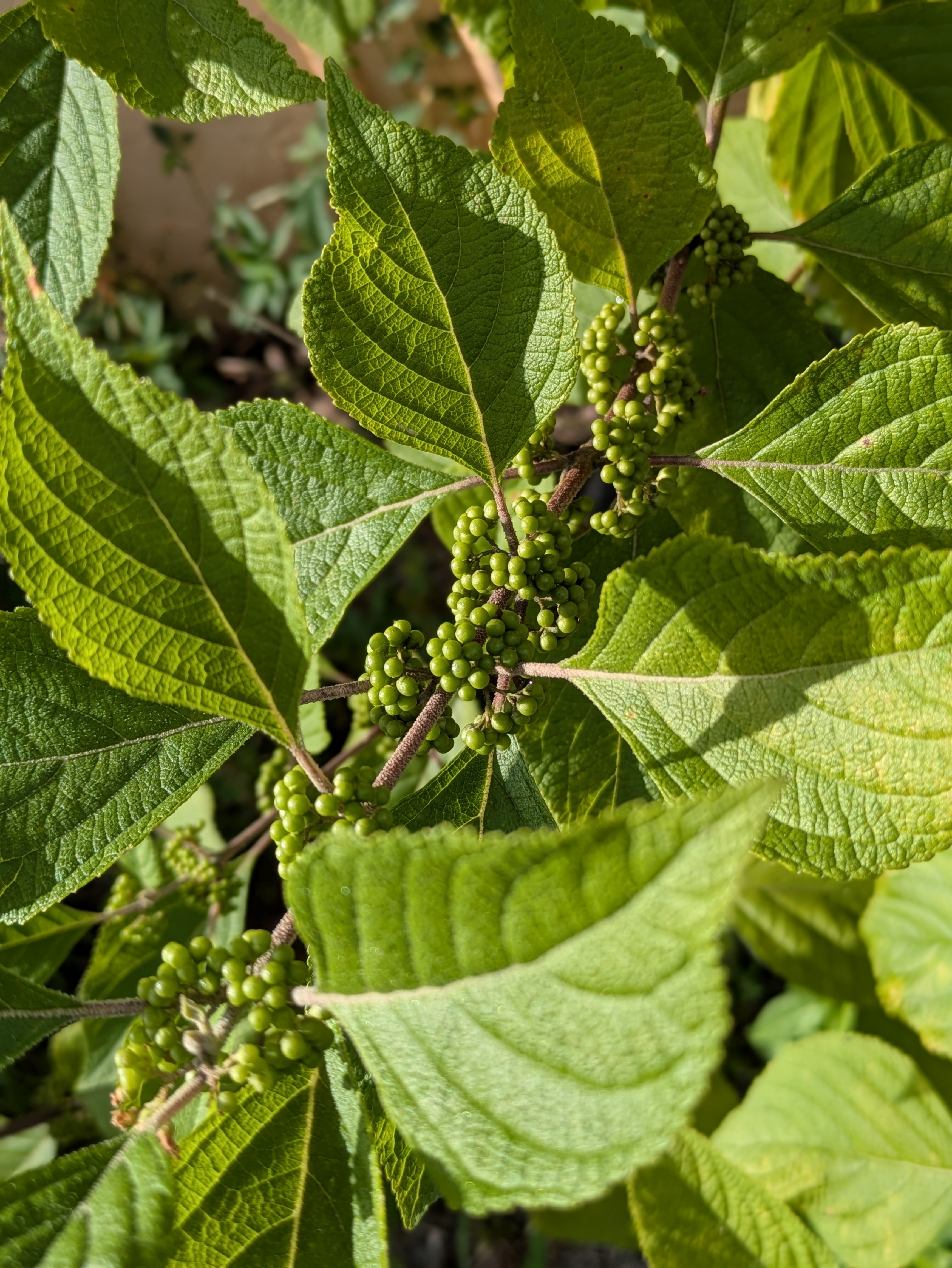
Another pollinator plant is doing well. Green berries are formed on the Beautyberry (Calliocarpa americana) The butterflies love the flowers and later these berries will turn a deep purple color and birds.

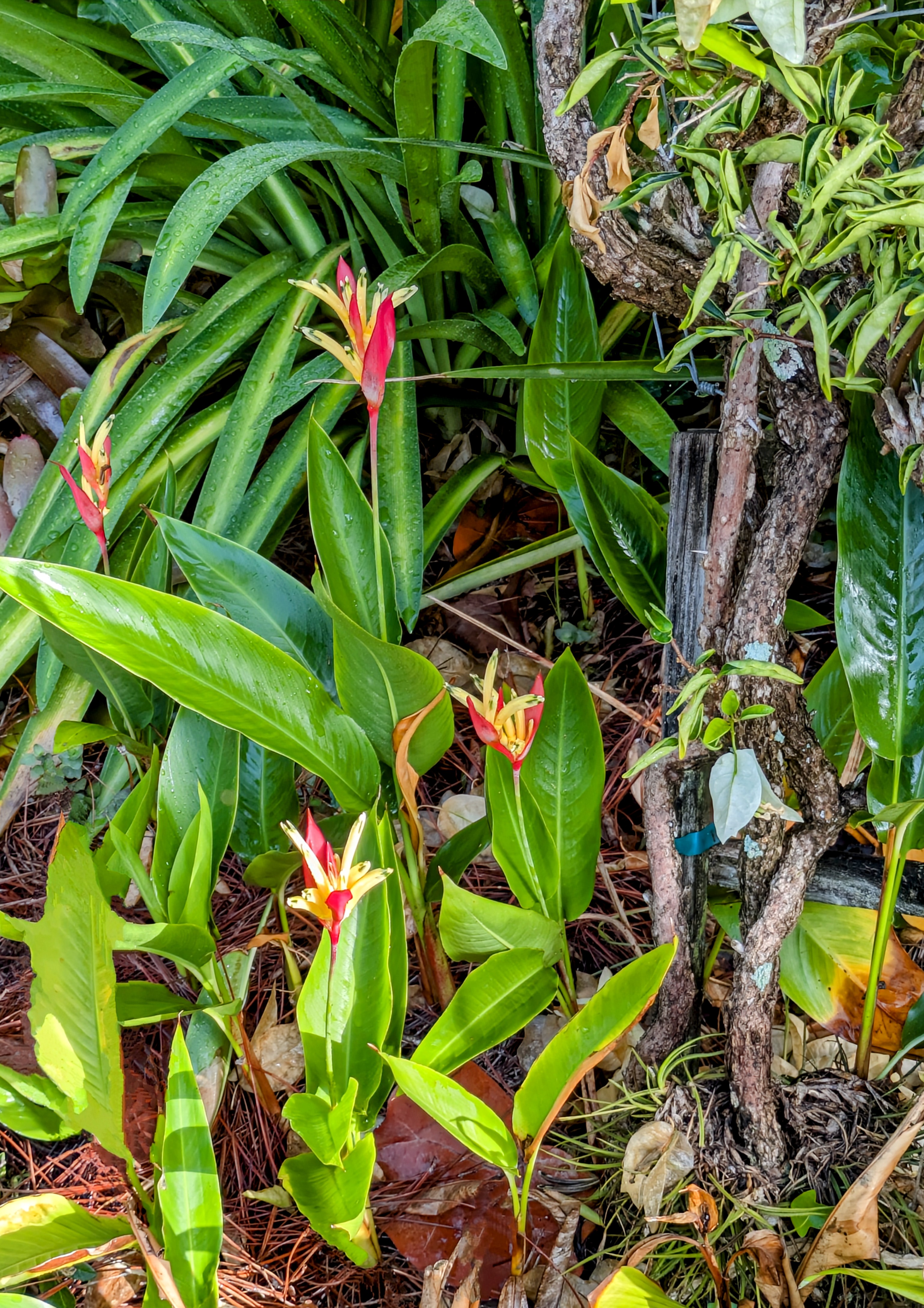
‘Lady Di’ Heliconia (Heliconia psittacorum) in place in the garden. These skirt another lady ‘Miss Alice’ Bougainvillea.

That is all from my garden. I will be pursuing cooler pursuits this Saturday.

Six on Saturday – Tropical Fruits and Flowers

Last Saturday I didn’t think there was very much going on in the garden, then the temperature heated up a bit and the more tropical plants responded. This week is a different story, ripening fruit on the trees and the sweet scent of Frangipani in the air. To see more SOS posts, visit Jim in his garden and follow the link GardenRuminations

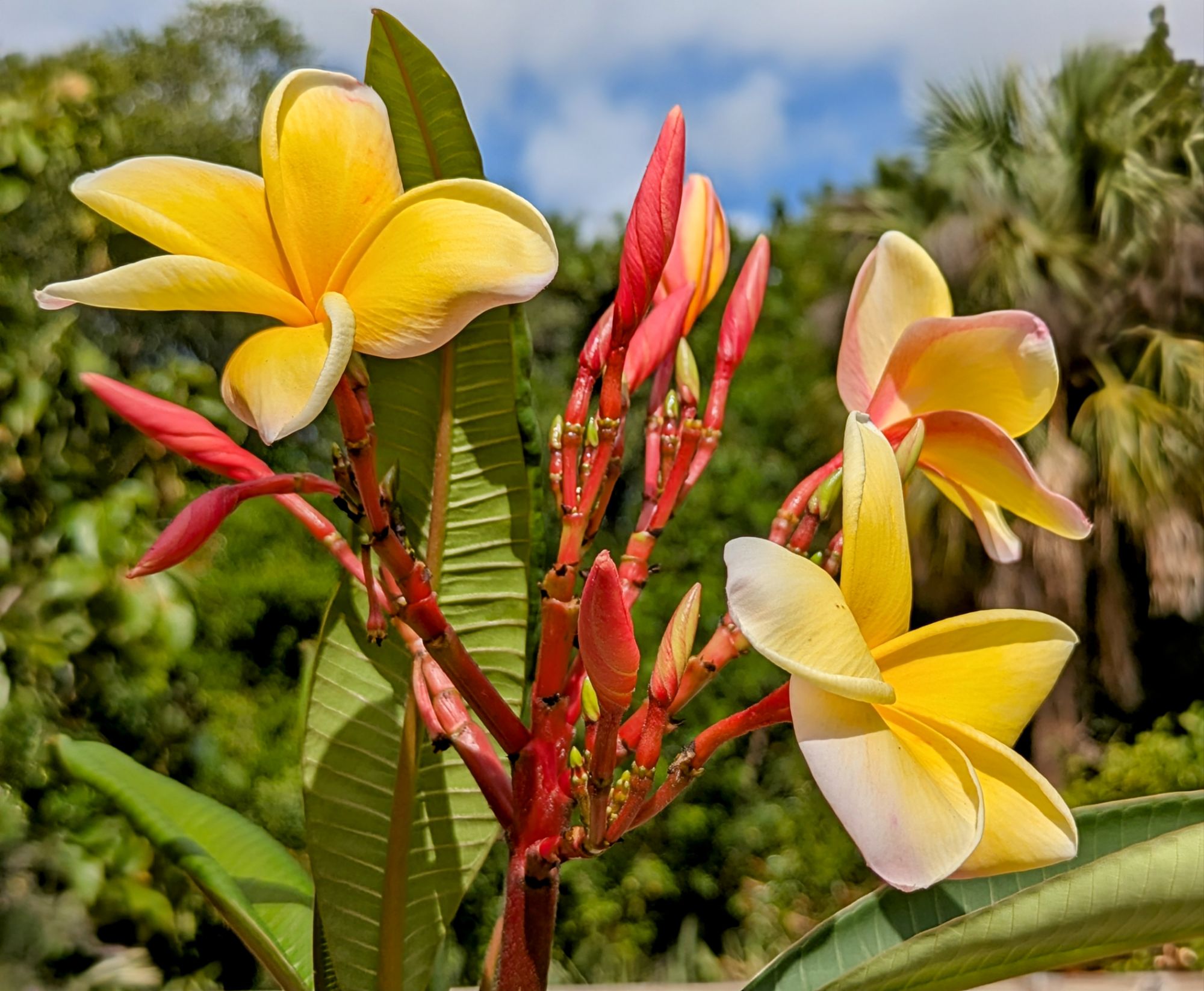
It doesn’t get much more tropical than this. ‘Aztec Gold’ Frangipani (Plumeria rubra) These are sometimes called Key West Yellow or South Florida Gold. They are a very common passalong around here. A friend gave me cuttings some years ago, now I have a 5 foot tree.

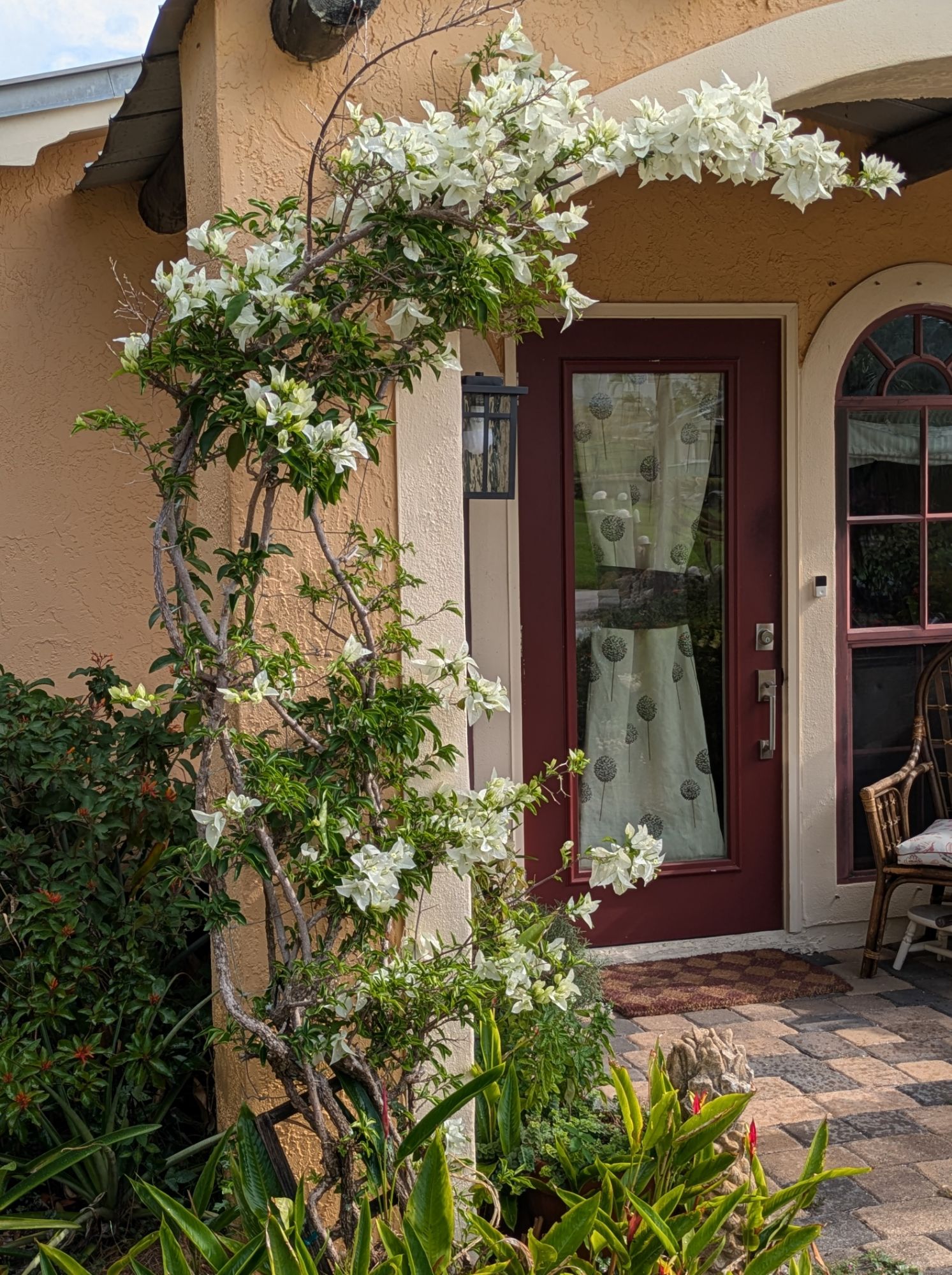
Miss Alice Bougainvillea is back in her full glory. I am giving the last two branches a little more time to leaf out.

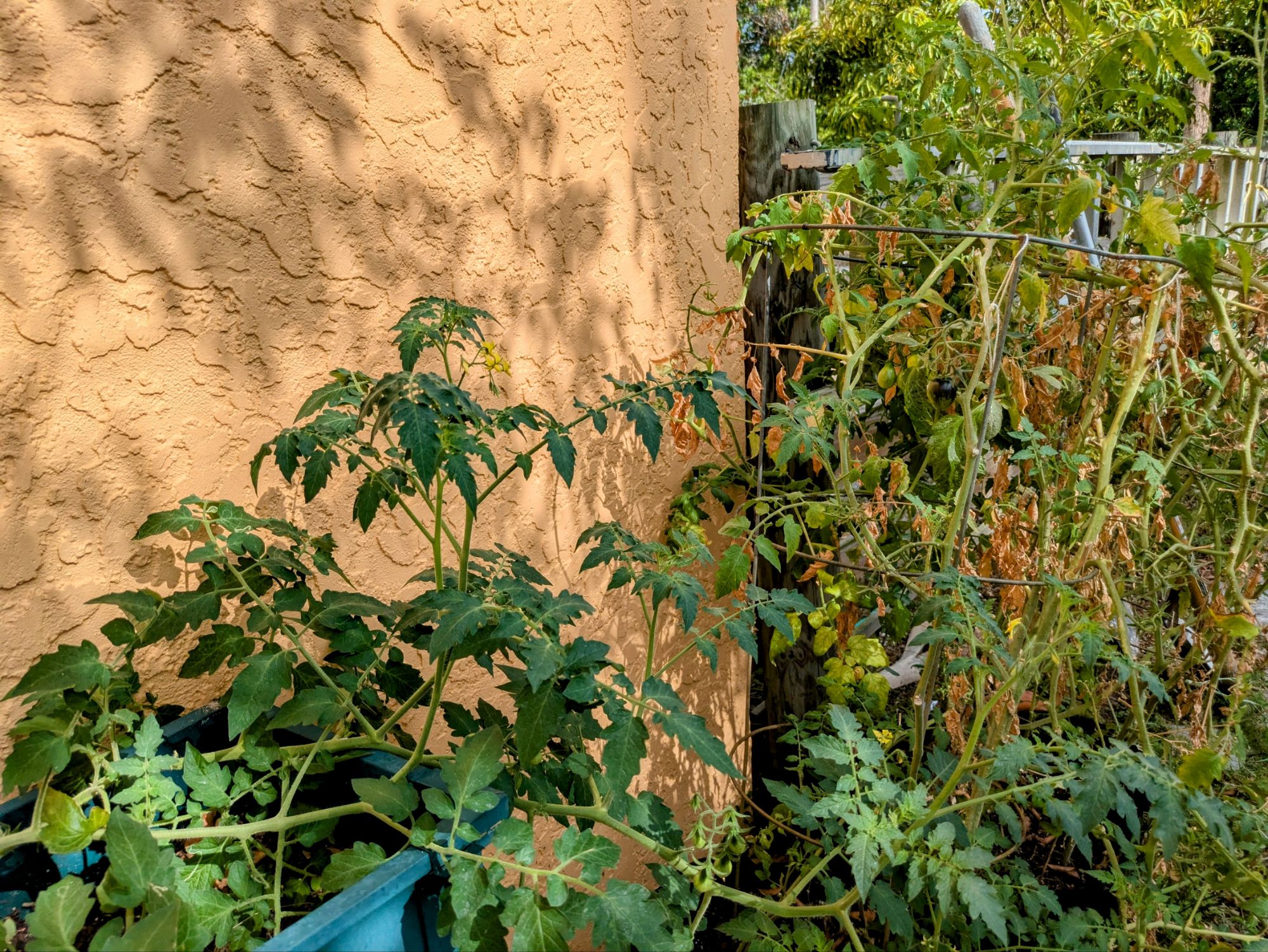
The summer tomato experiment has begun. On the right, the tomatoes are at the end of the season. On the left, some new cuttings that are just starting to bear fruit. I usually stop growing tomatoes during the summer and start seeds in late summer to grow in winter. This year, I researched and found the most heat tolerant cherry tomatoes, started cuttings on a staggered schedule and just started a few seeds. The types are Sungold, Yellow Pear and Sweet 100 in pots. I am trying the native Everglades tomatoes in the ground. These are currant tomatoes and a bit weird.

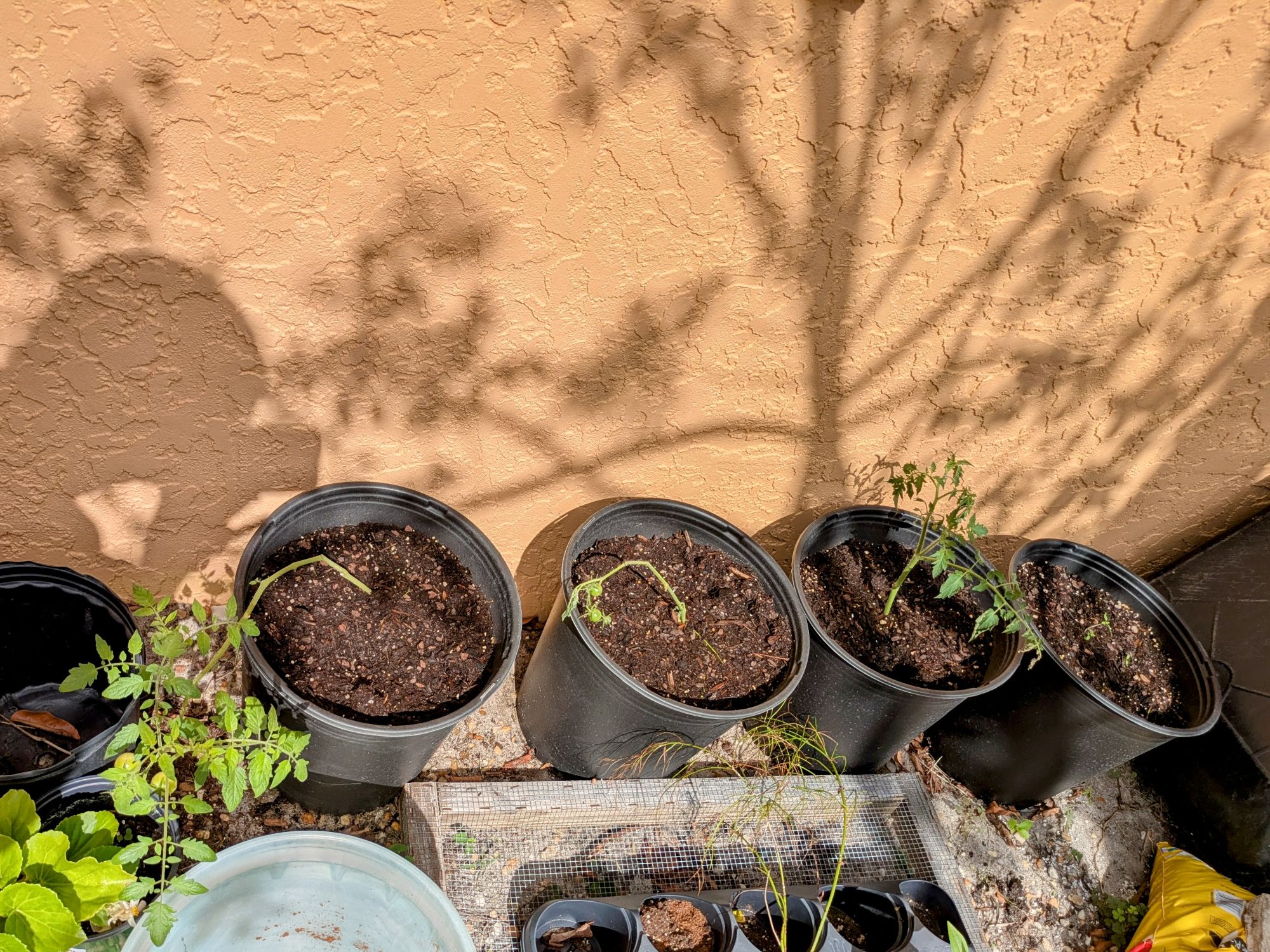
The cuttings and seeds. Instructions say to add mulch and cages. Fingers crossed for homegrown tomatoes through the summer. Sometimes the night temperatures are too high for the flowers to be pollinated.

The first Thai Dessert Mangoes (Nam Doc Mai) of the year. Varmints eat the mangoes if they ripen on the tree. These are apricot colored when fully ripe.

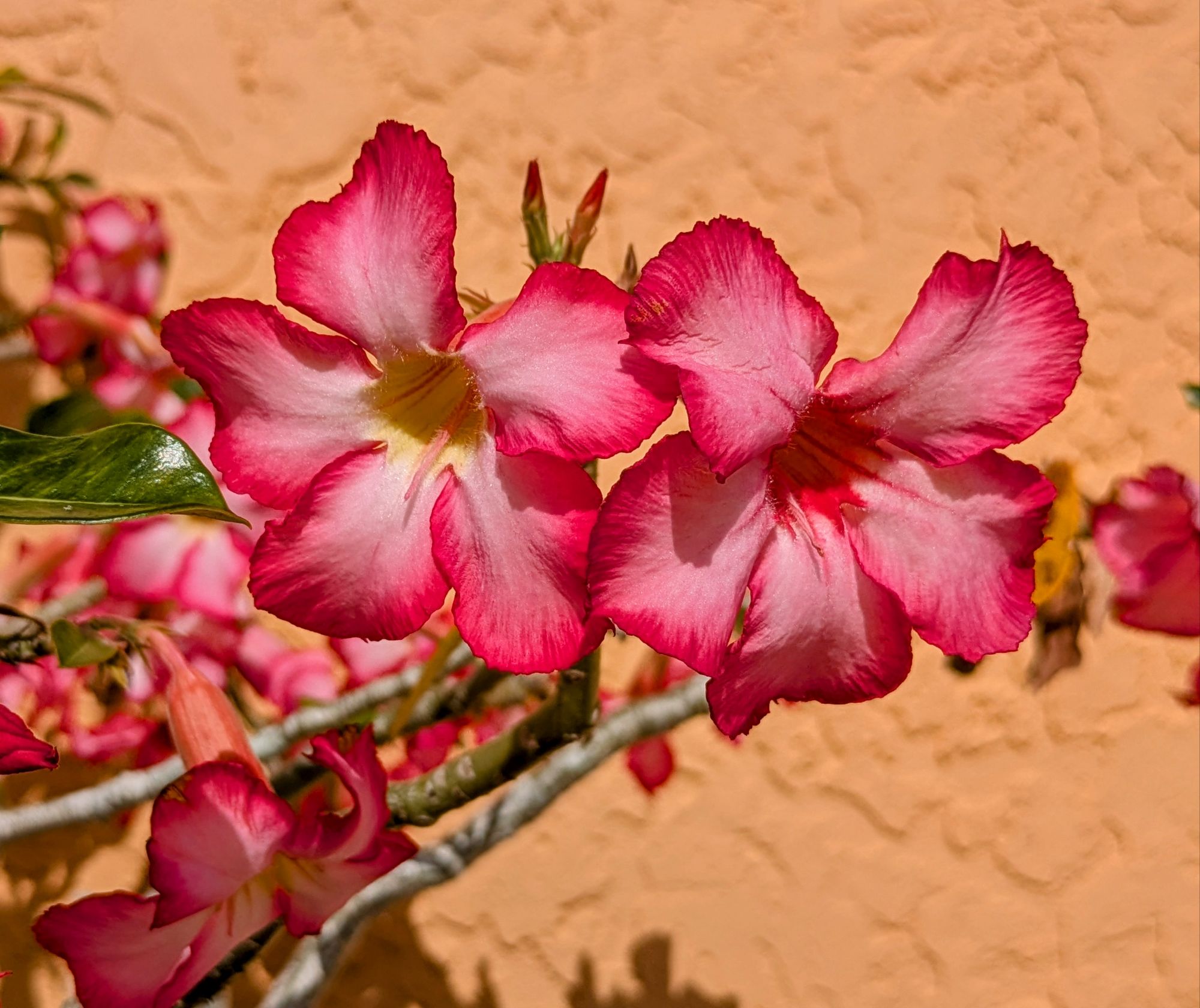
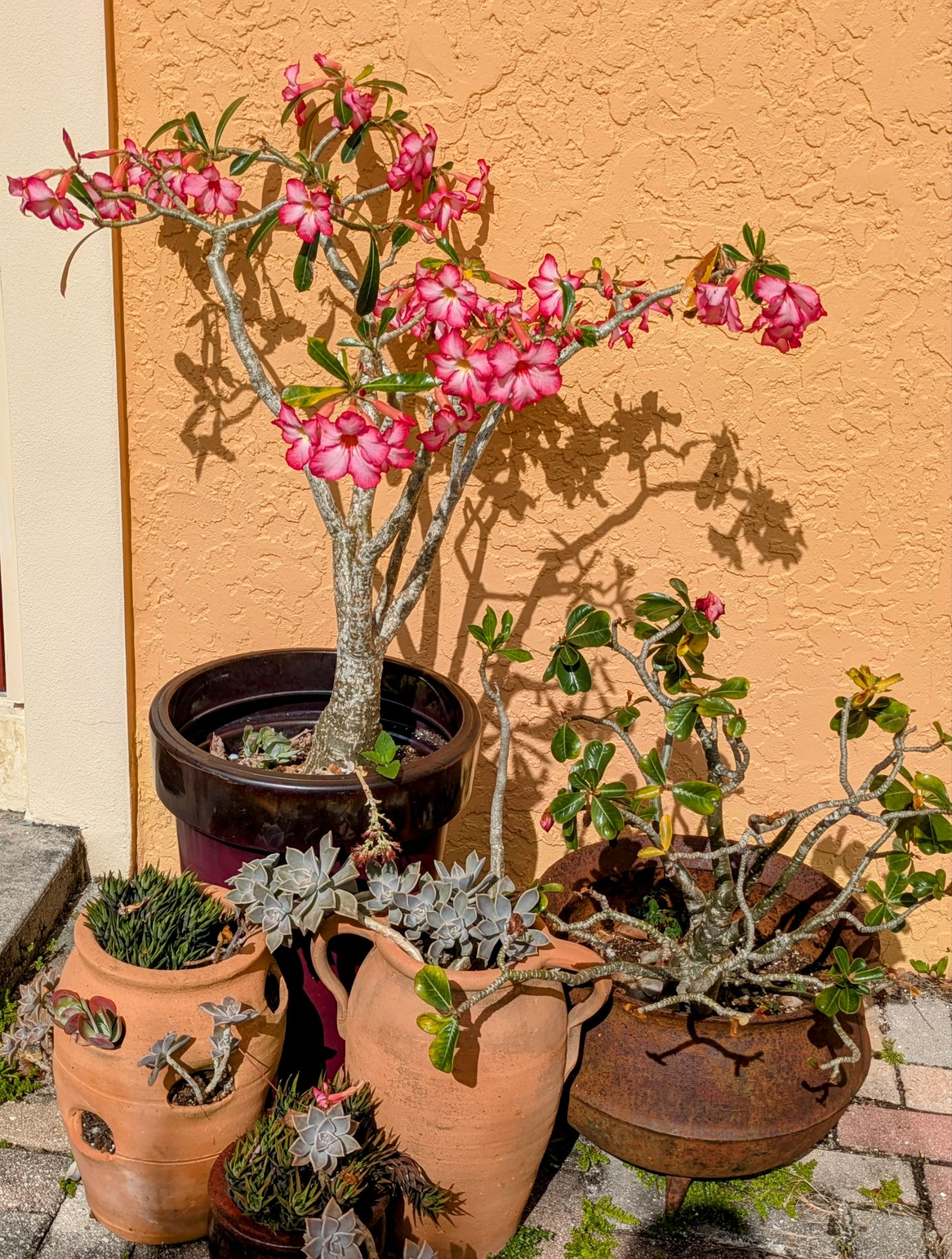
Desert Rose (Adenium obesum) perking up with the warming temps.

These are all succulents that hang out under a roof. This is east facing and the roof prevents over watering from rain. The grey plants are Graptosedum. There is some Green Haworthia and a bit of Flapjack Kalanchoe in the strawberry pot.

Happy gardening to all!

In a Vase on Monday – Spring Bouquet Florida Style

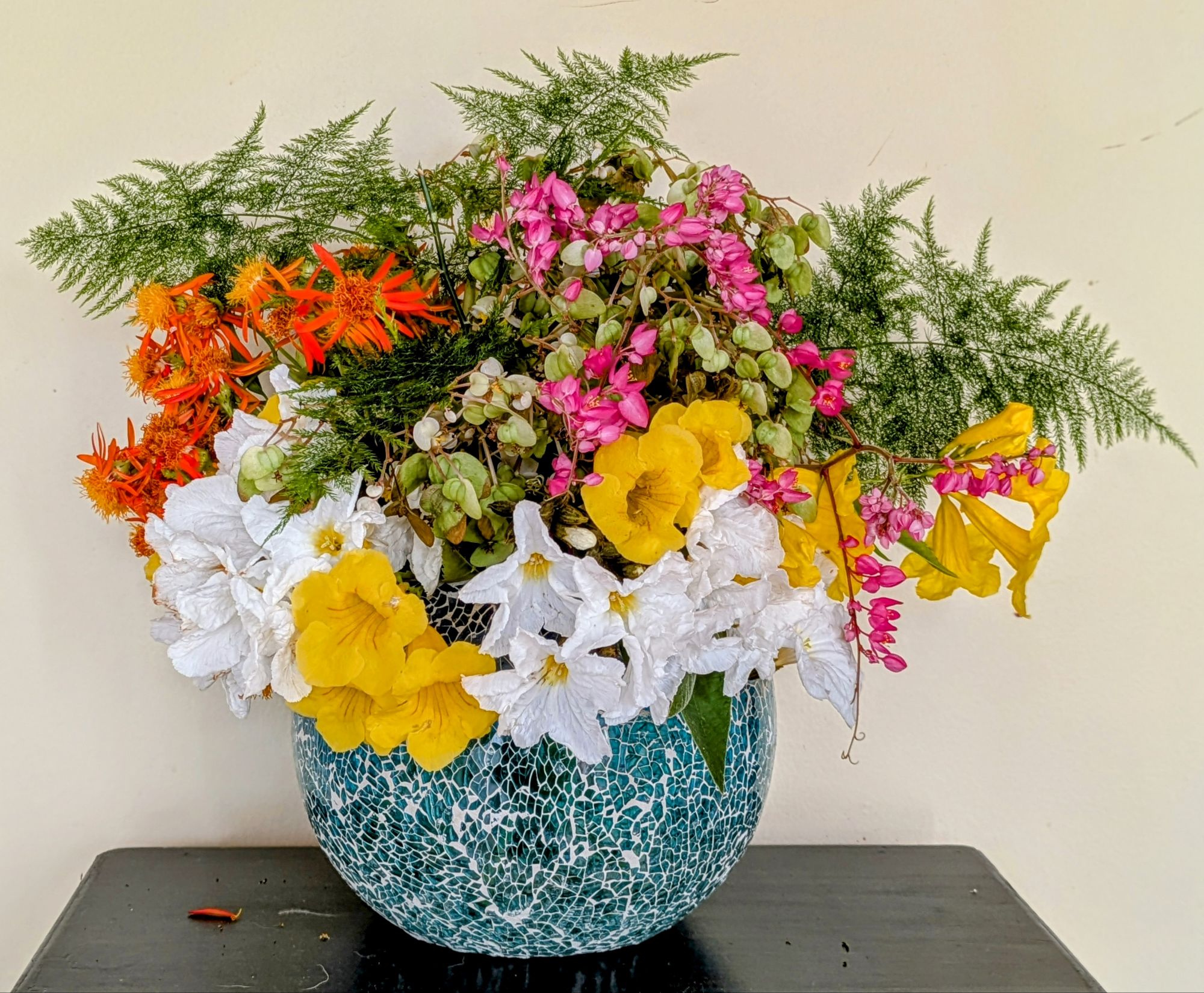
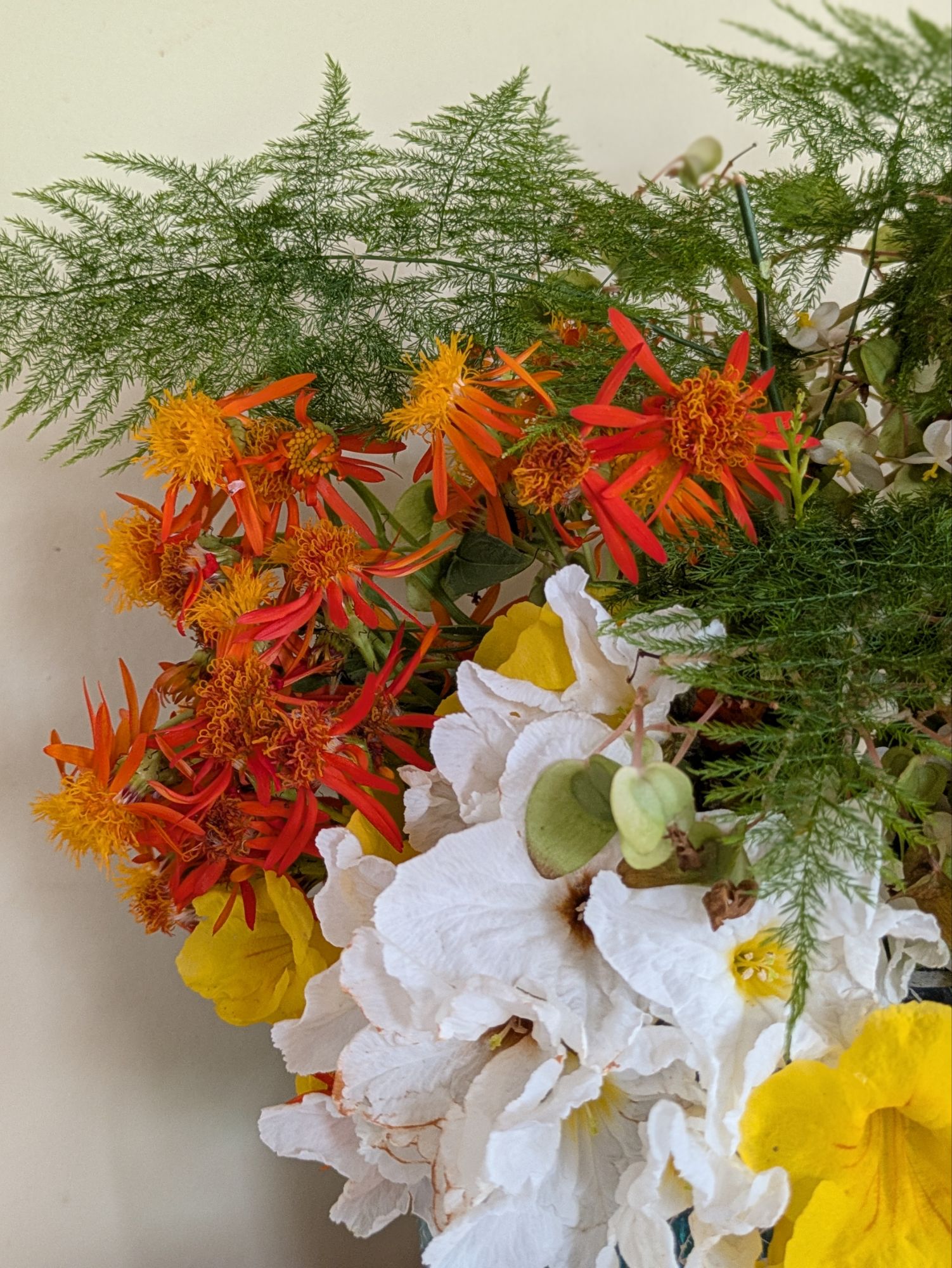
This year I have been enjoying vases of spring bulbs from all my northern blog friends. It had not occurred to me I could have a ‘faux spring bulb’ vase until I was in the garden rooting around for flowers to cut. This is sort of a hand tied bouquet (rubber band version) As I was twirling it around it dawned on me it could pass for daffodils and Dutchman’s breeches. From a distance…I’m not sure what the orange flowers resemble.

What are they really?

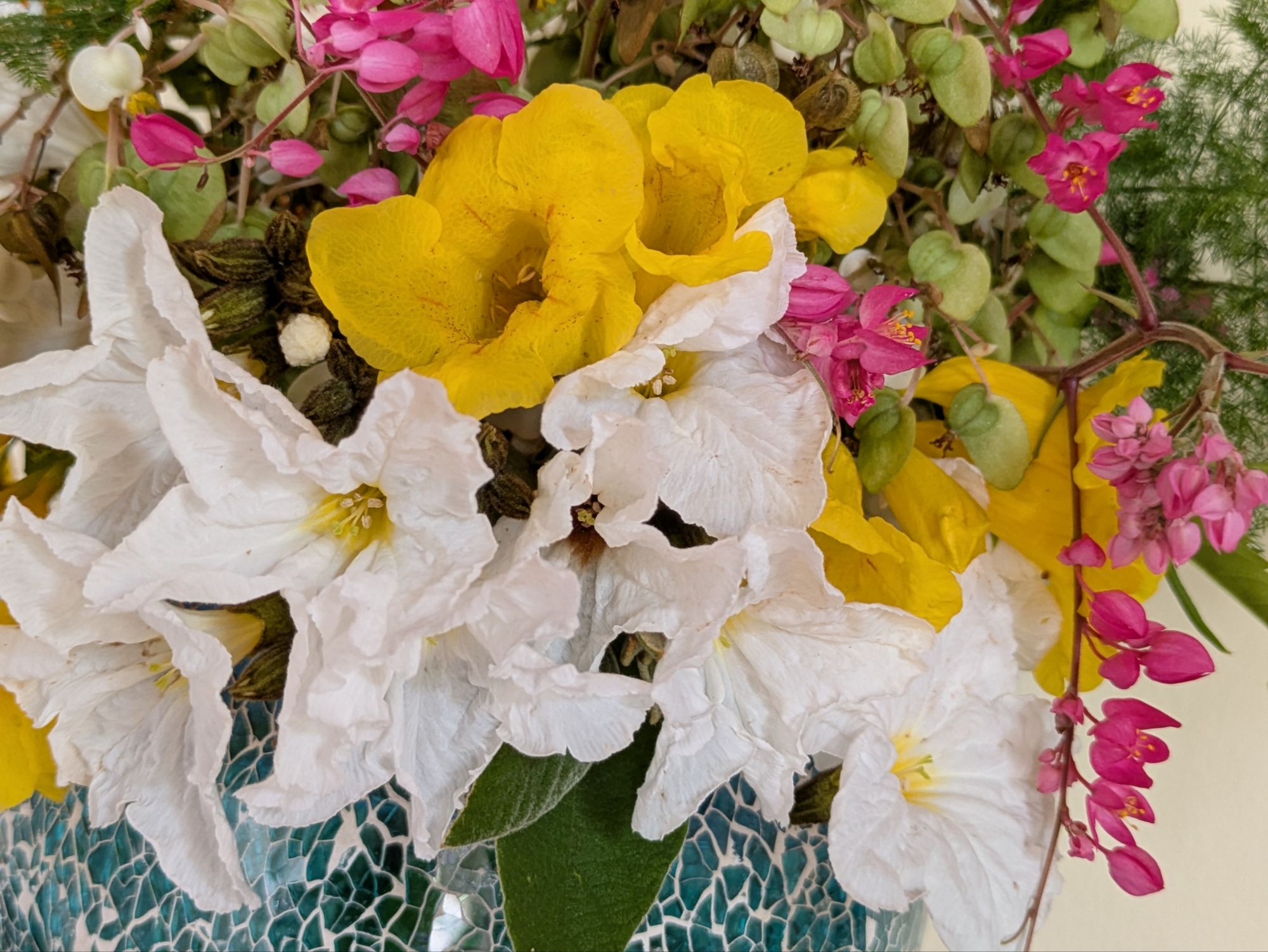
Yellow and white flowers are from small trees. The white flowers are White Geiger (Cordia boissieri). The yellow flowers are Yellow Elder (Tecoma stans) Both trees have loopy growth habits and I have not quite figured out how to prune them. It seems if I cut about half off during the winter they look better in summer. Odd, but true. The pink flowers are Coral Vine (Antigonon leptopus) I have been trying for years to get this thing to grow on a fence, but it insists on climbing a nearby lime tree. A thorny lime tree.

Orange flowers are from a Mexican Flame Vine (Pseudogynoxys chenopodiodes) that creeps over from my neighbor’s yard – Giant Swallowtail butterflies come with it, so I really don’t mind. The chartreuse seedheads are from Lotusleaf Begonias (Begonia nelumbiifolia) and the ferns are the invasive Asparagus fern – currently being controlled by flower arrangements. The blue crackled container was a gift. I am not sure if it is a Vase or a candle holder. It has been used for both.

That’s all from South Florida this Monday. I am hoping for water to fall from the sky again. The predicted rain keeps not quite materializing..

Thanks to Cathy at RamblingintheGarden for hosting. Follow the link to see more vases. Possibly with real spring bulbs.

Six on Saturday – Life Cycles

Spring in South Florida brings changes to the garden. It took me a while to figure out what was going on and I am still observing the action.This Saturday morning I noted my fruit trees growing and changing and the ever fascinating (to me) Bromeliads. To see more spring (and maybe fall!) garden pictures, visit Jim at GardenRuminations

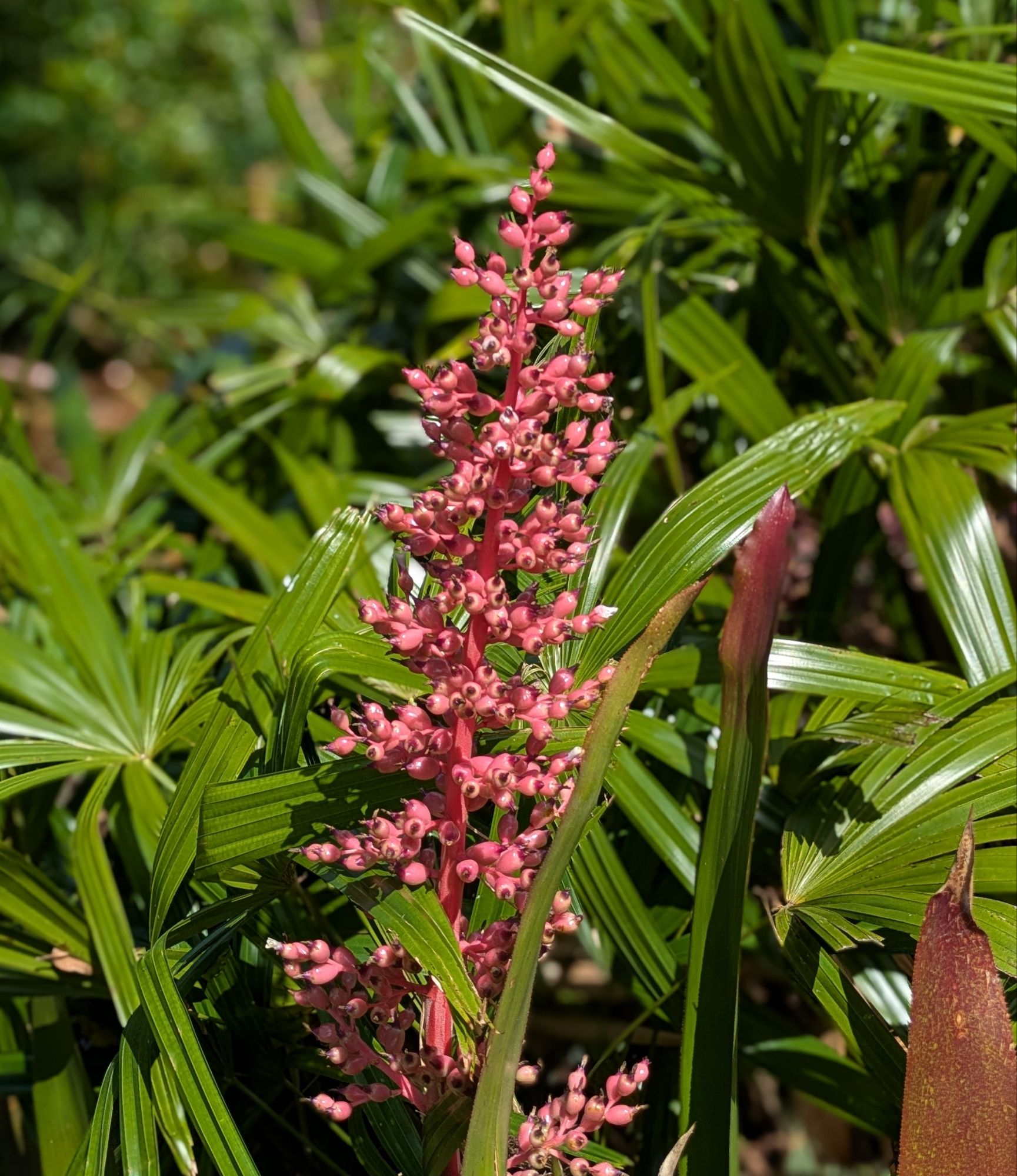
O’ Rourke bromeliad flower. These start out very pale pink and are now gaining a deeper color. The flower stalks came up at the end of January. I am not sure how long they last.

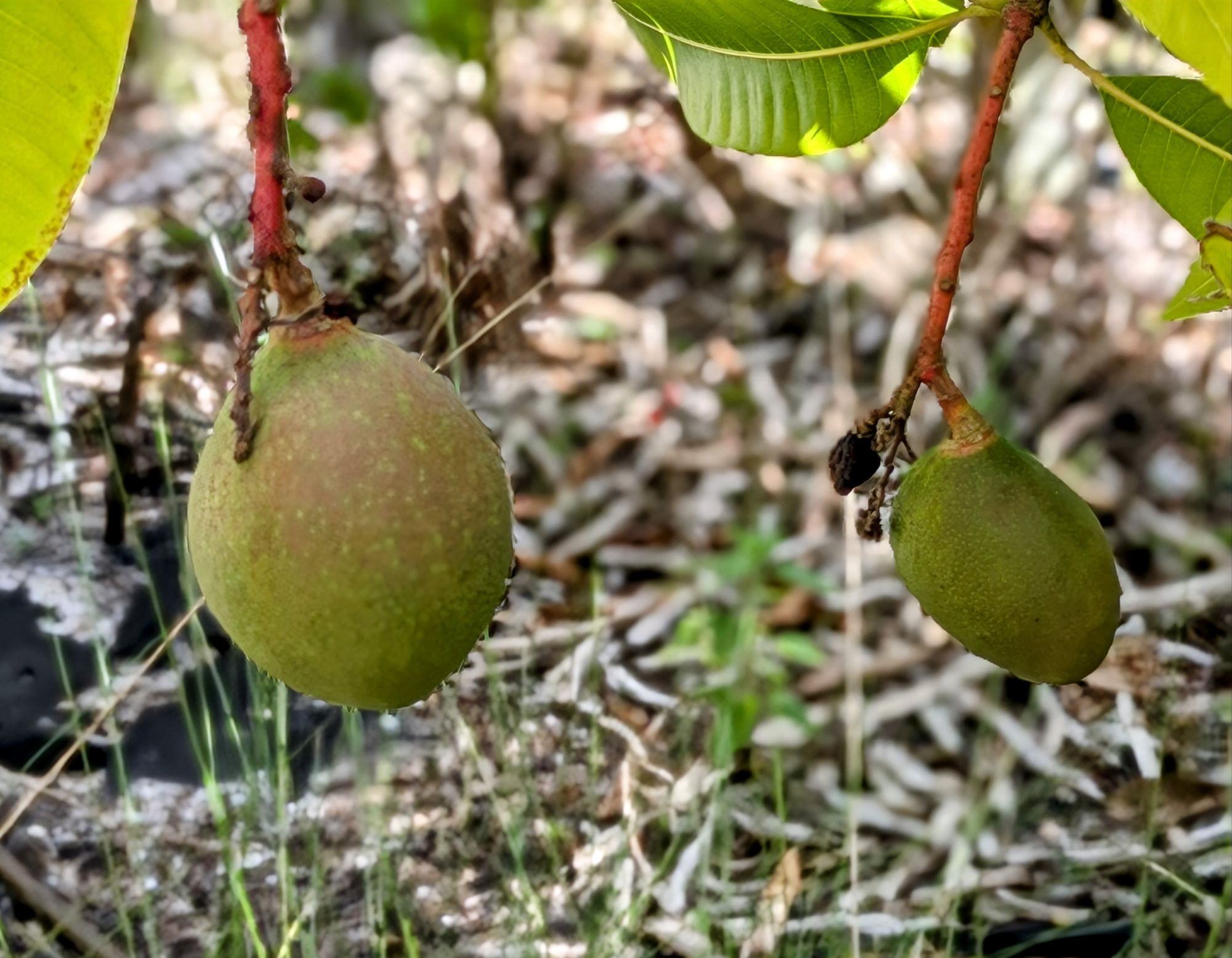
Pickering Mangoes starting to color up. These flowered prolifically and set a lot of fruit. I am left wondering what happened to it. There are maybe 10 or 12 left on the tree. Did the evil Agama Lizards eat it?? A garden mystery.

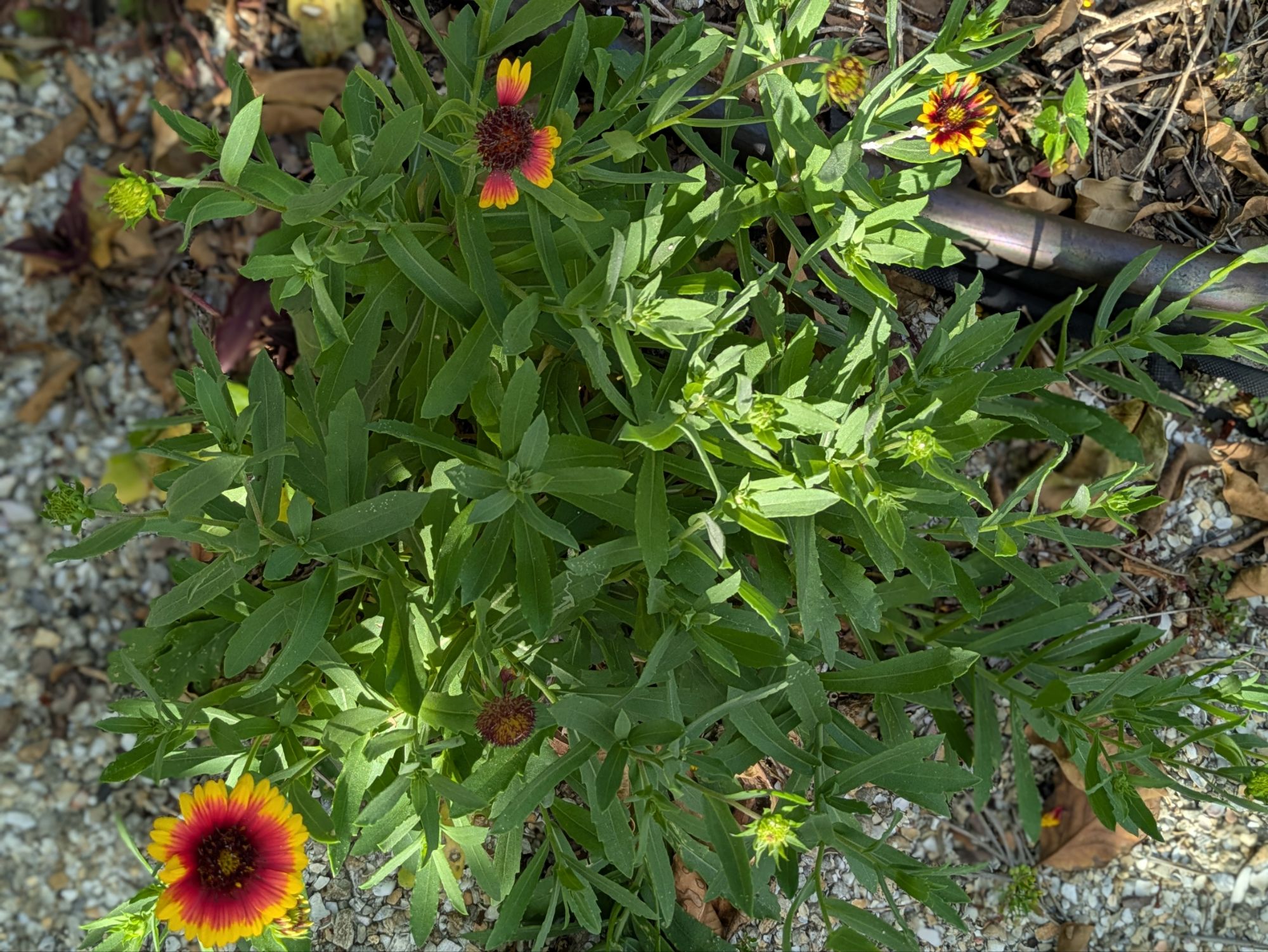
Gallardia pulchella, once considered native but its status was rescinded. For some reason, these only grow in the shell walkway.

The life cycle of the Jill Neoregelia bromeliad. These are stoloniferous. The top picture is the mother plant at the end of the cycle, turning deep red and flowering. This plant will soon die and I will twist its dried up remains off the stolons. The bottom photo is what Jill looks like most of its life.

Blushing Bromeliads (Neoregelia carolinae) doing the same dance. New pups are visible on the right side of the picture replacing the mother plant and spreading. These are considered ground cover bromeliads.

The first ‘Miss Alice’ Bougainvillea flower of the year. Miss Alice was knocked off her trellis by one of the hurricanes last year and remained naked until just now. I was beginning to wonder if she would come back, but here she is! It is hard to keep a Bougainvillea down.

That is all from my garden this beautiful Saturday morning.. Happy Spring!

In a Vase on Monday – Weeds and Wildflowers

It’s been a chilly, wintry week. By South Florida standards this means temperatures in the 40’s F/4C and covering the tomato plants at night. We have also (gasp!) had the heat on in the house. It was a very good morning to don battle gear and prune my lime tree. After completing this thorny task, I went in search of warm colors for a Monday vase. I was heartened to find wildflowers in bloom. I also found a weed and some obliging perennials.

wp-17367149658805660395399386109961

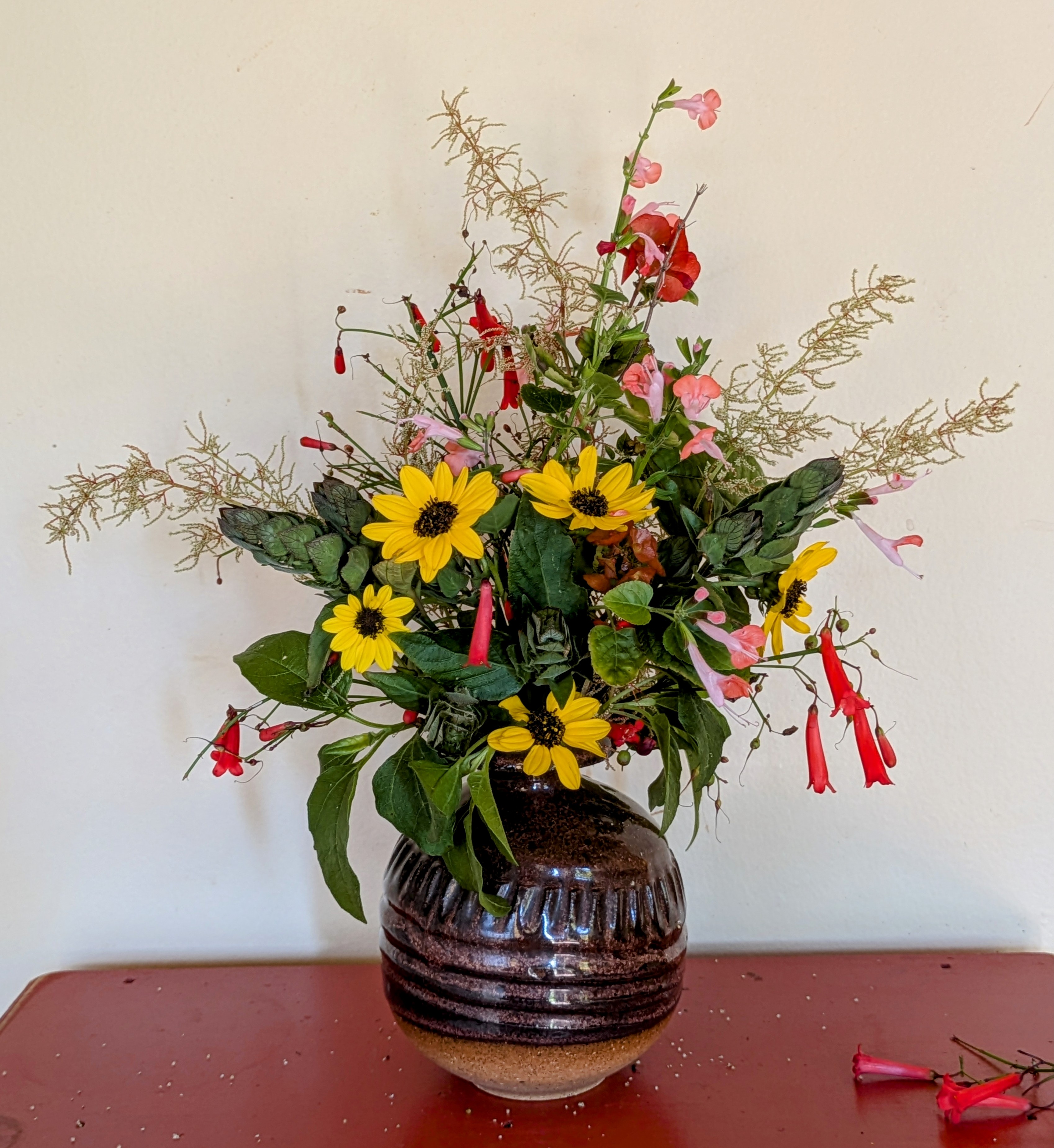
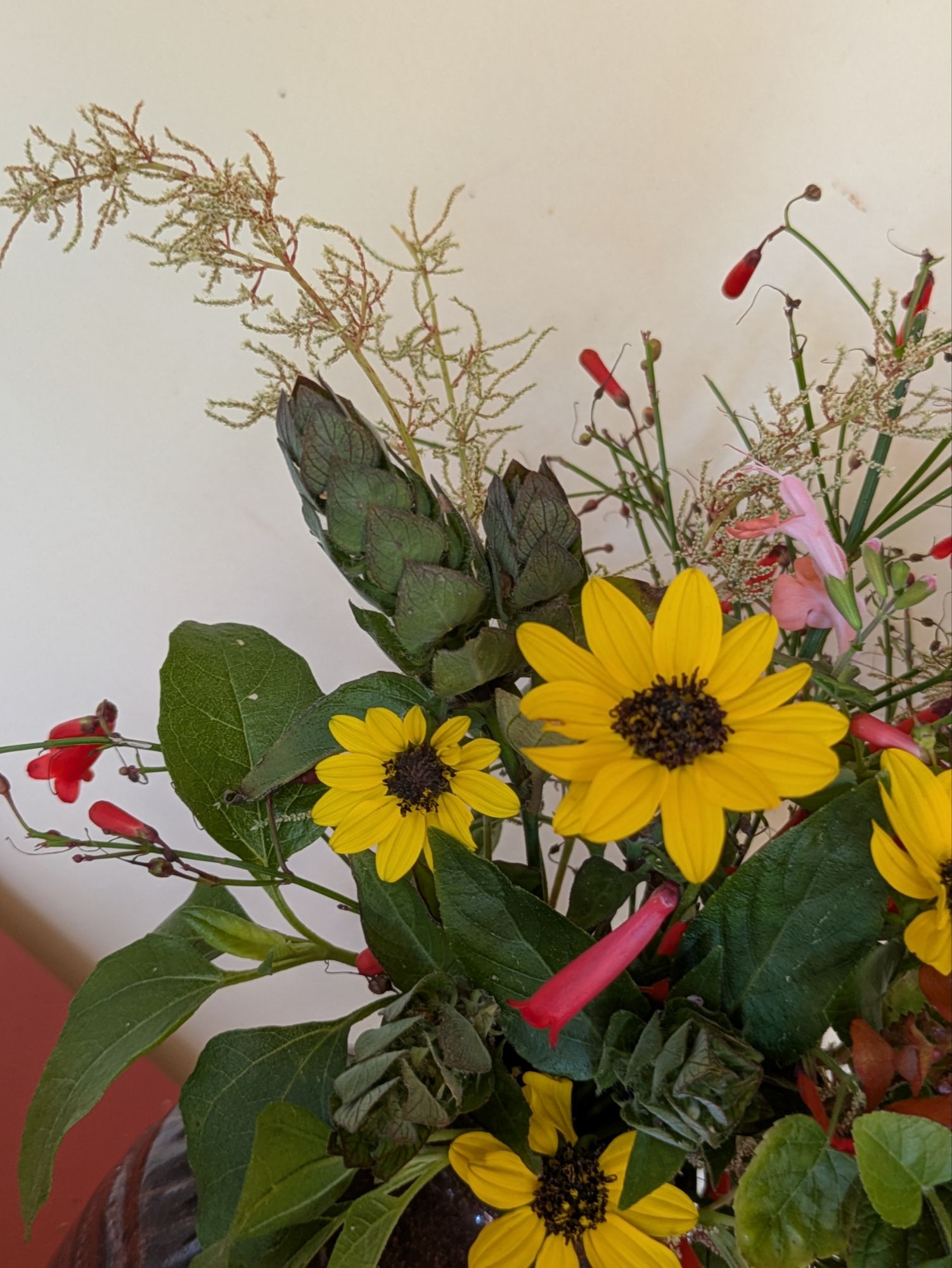
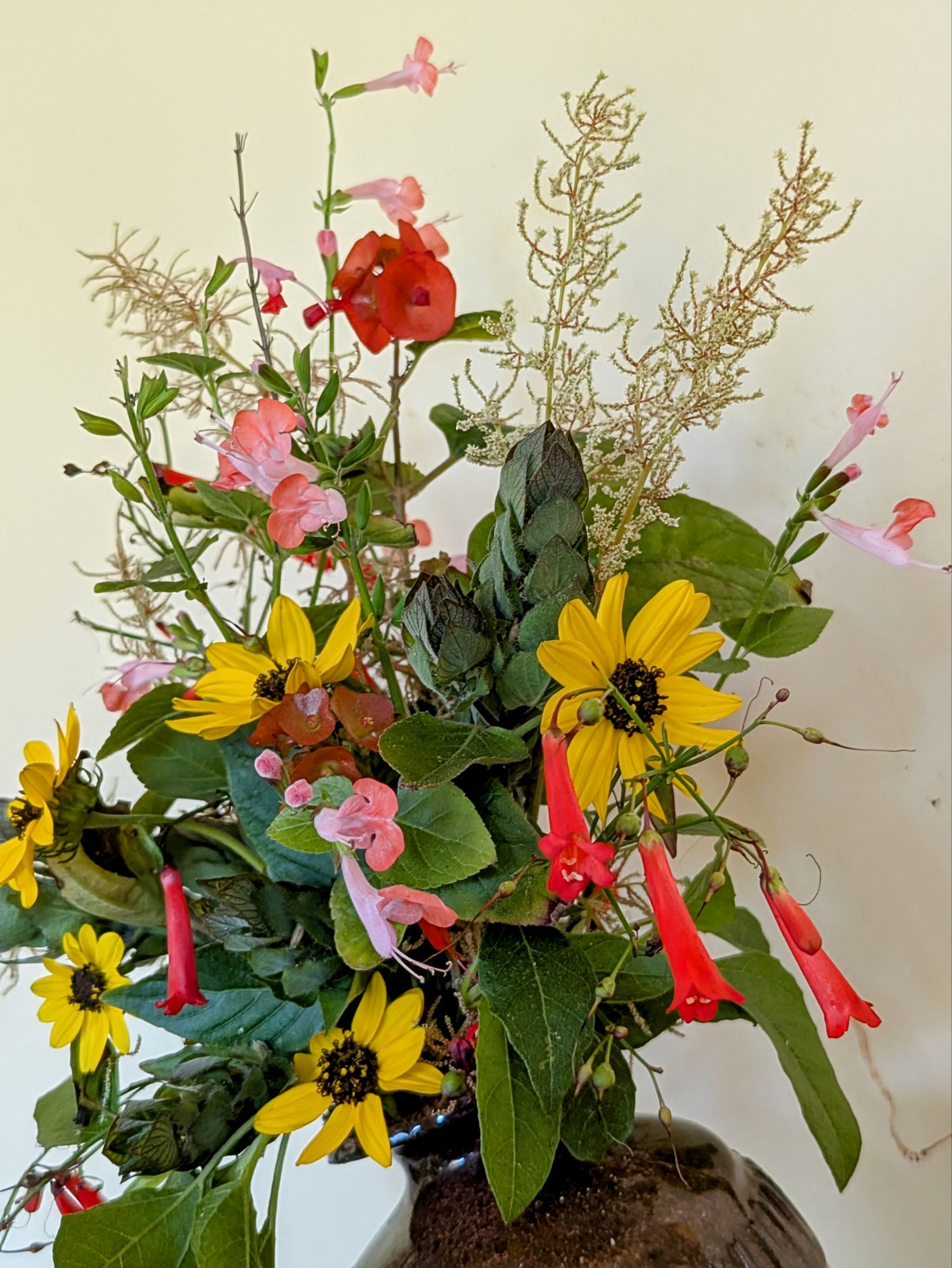
The weed in the vase is the Green Shrimp Plant (Ruellia blechum). I like these for their green sculptural oddness. They are considered an invasive plant also a larval host plant for the Green Malachite butterfly. I leave a few around for this reason. However, I have yet to see one of these spectacular green butterflies.

Wildflowers are in yellow, Beach Sunflowers (Helianthus debilis); peach spikes are Tropical Red Salvia (Salvia coccinea); Juba Bush (Iresine diffusa) is in the background in fluffy, beige glory.

wp-17367158124437893666225600993107

Both in red, a couple of sprigs of China Hat (Holmskioldia sanguinea) and Firecracker Plant (Russelia equisetiformus) amp up the warm colors in the vase.

I hope everyone is staying warm and enjoying some cozy winter fun. To see more vases, visit Cathy at RamblingintheGarden.

In a Vase on Monday – A Little Tropical

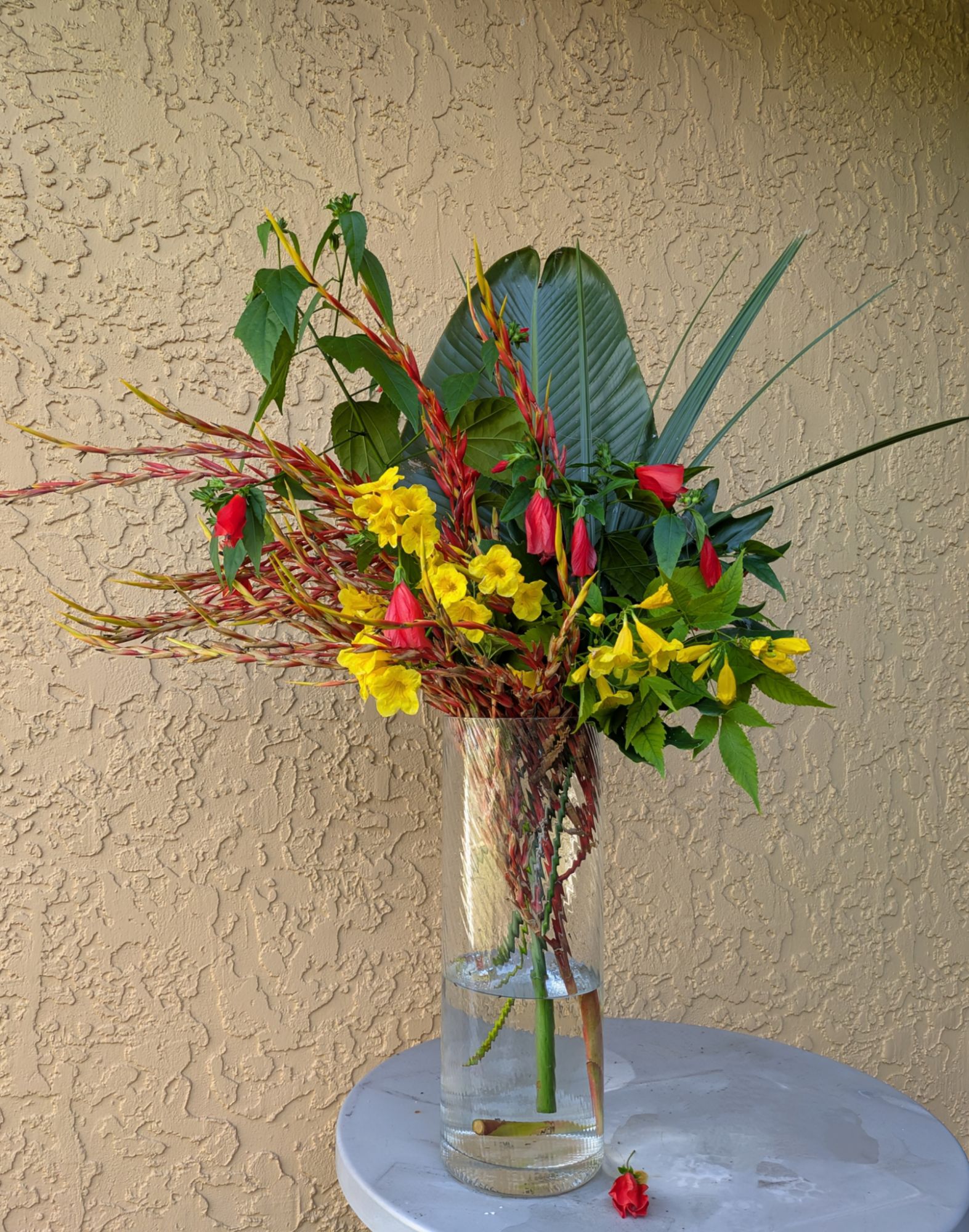
Maybe I should call this Big Tropical! It is too big for the house, so I left it on the porch.

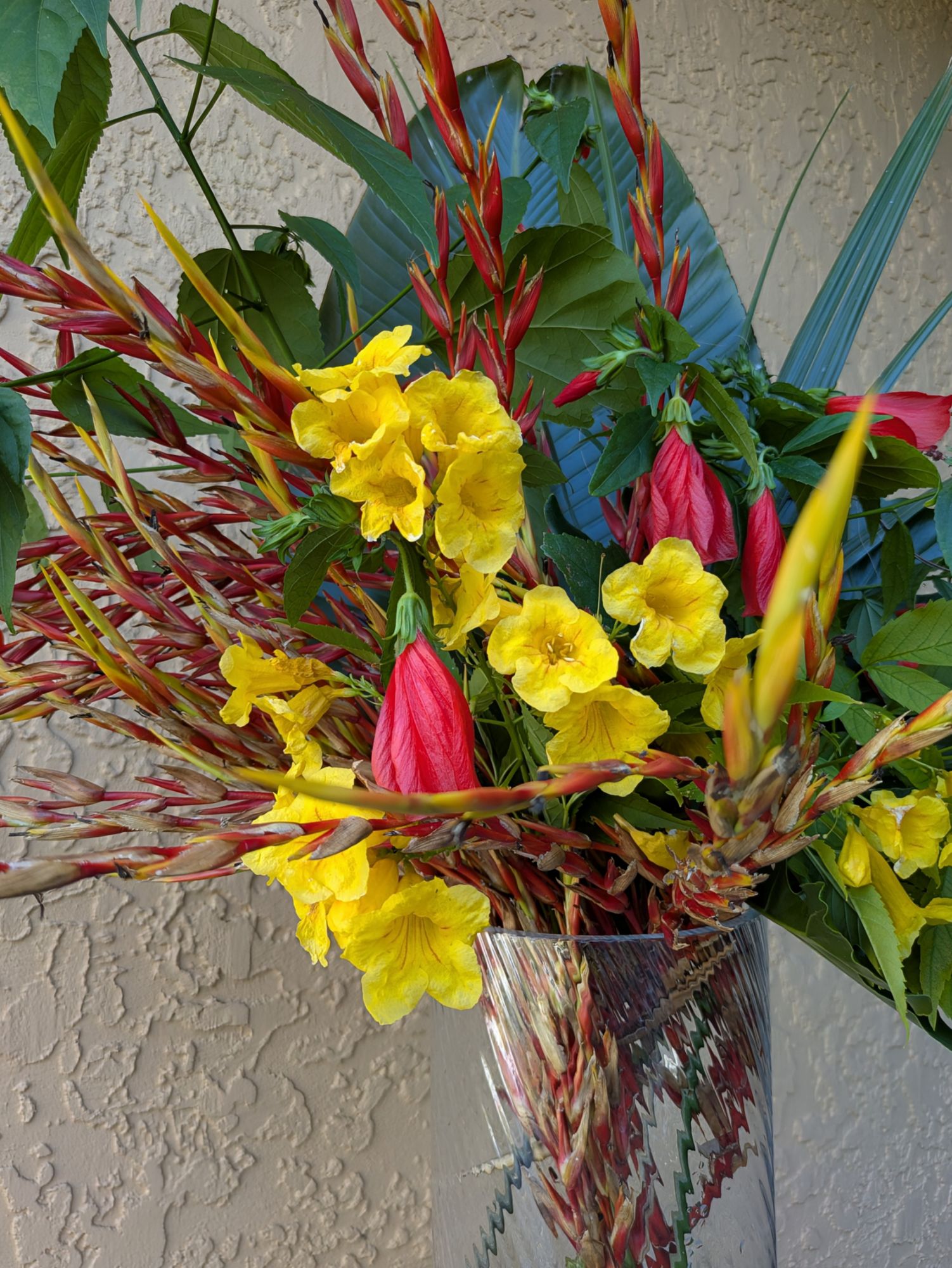
At least once a year I attempt to arrange the Blanchetiana Bromeliad flowers. These are the red and yellow things that look like crab claws in the vase. The flowers are 4 or 5 feet tall this year and last forever. I think they started blooming in June. I sometimes make Christmas wreaths with the flowers.

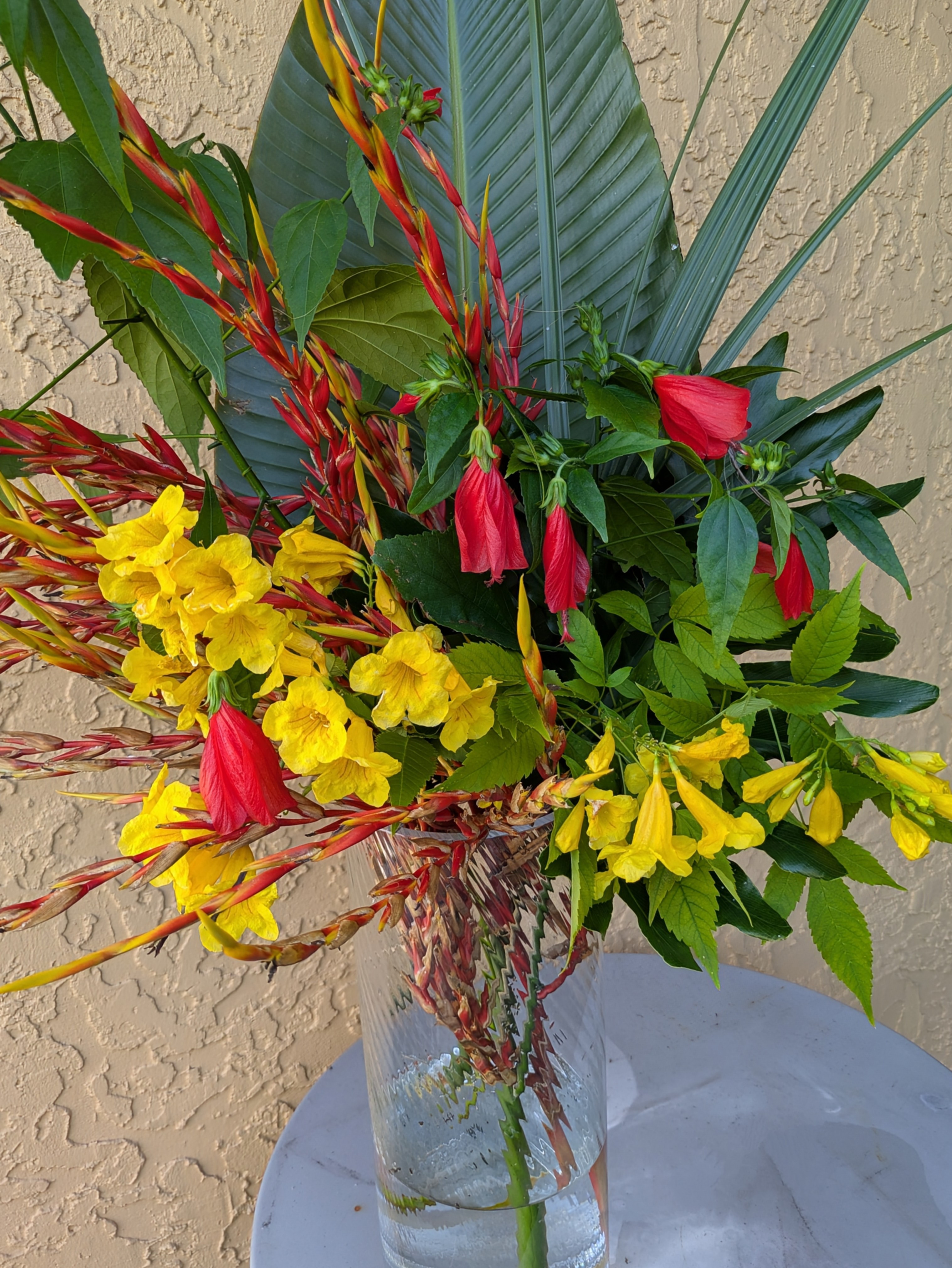
We are enjoying a spell of ‘why people come to South Florida in winter’ weather. It makes for great gardening, but the winter flowers aren’t quite going yet to cut a bouquet. So cutting crab claws in the yard seemed like a good idea. Here are the close ups:

The crab claws, in red and yellow, are Aechmea blanchetiana Bromeliad flowers; in yellow, Yellow Bells (Tecoma stans); in red, Nodding Hibiscus (Malvaviscus arboreum). Foliage is a White Bird of Paradise leaf (Strelitzia nicolai), a Cabbage Palm (Palmetto sabal) frond and a leaf from a Split Leaf Philodendron (Philodendron selloum)

Here is the flower of a Lemonade Blanchetiana Bromeliad. The one in the vase is from the red version, Red Raspberry. The foliage on that one is red.

That’s all from my garden this Monday. Thanks to Cathy at RamblingintheGarden for hosting. Follow the link to see more vases.

In a Vase on Monday – Ladies of the Front Garden

I begin to more fully appreciate the occupants of my garden near the front door as summer embraces my garden in full heat and humidity. Embraces may be too delicate a word, bringing the hammer down is more accurate. I enjoy these two ladies growing near my door in the garden and in a vase this Monday.

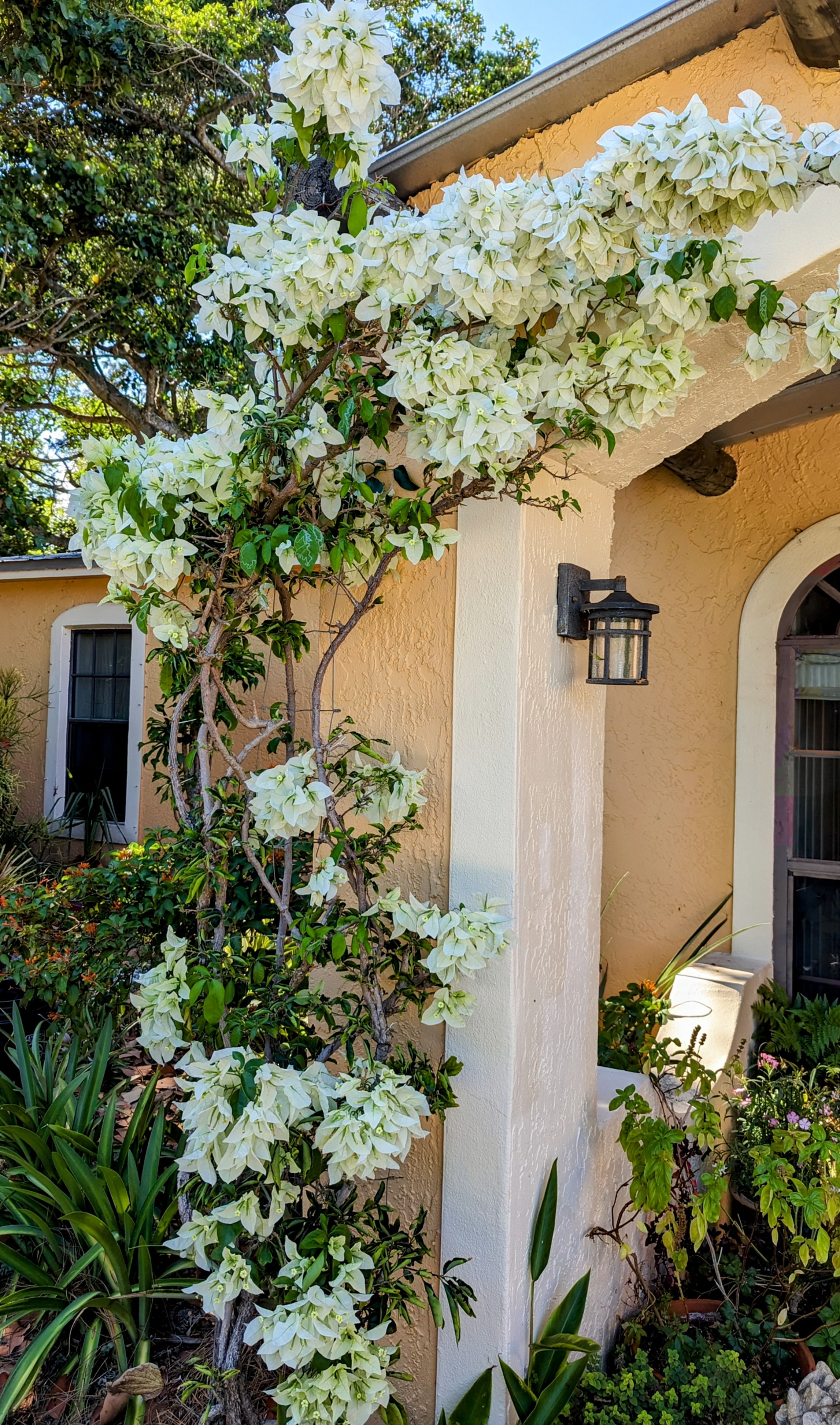
Miss Alice Bougainvillea in white and Lady Di Heliconias relish the heat and don’t even break a sweat being beautiful in summer. Both of the ladies have the ability to flower year round but seem to enjoy the summer most for showing off. I did not realize Miss Alice was a big bract (?) Bougainvillea until I was researching who Alice might be.

Miss Alice in full glory. Who Miss Alice is remains a mystery.

We were hoping for some rain this week in Central and South Florida after a droughty spring. If the predictions are right we will have a full season’s worth of rain this week. Seven to twelve inches is forecast. I guess I can put up the hose for a bit.

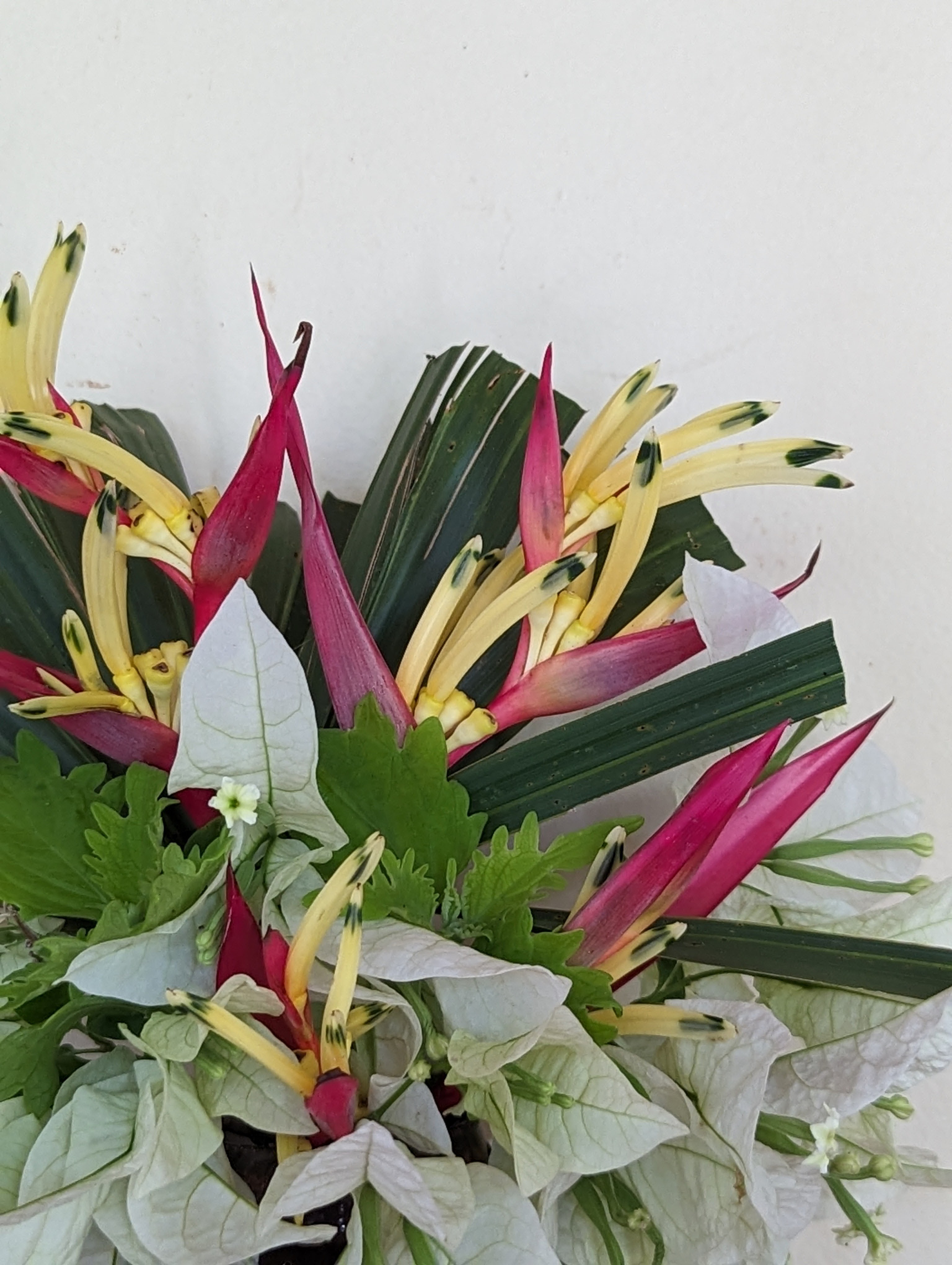
Lady Di Heliconias (Heliconia psittacorum) in red and yellow are nestled in a frond from a Sabal Palm seedling.

Miss Alice Bougainvillea bracts and true flowers with a few sprigs of charteuse coleus. The vase was inherited from my mother.

That’s all from South Florida. We will be frying, steaming or sauteing in the garden this week. To see more vases visit Cathy at ramblinginthegarden

In a Vase on Monday – L’ Estate

Decades ago (no need to discuss how many) I spent the summer in Cortona, Italy with an Arts Studies Abroad Program. This time of year usually causes me to reminisce about riding around on a bus listening to Vivaldi’s Four Seasons and eating pasta. For the life of me I could not remember the Italian word for summer – L’ Estate.

Summer has dropped its full load on South Florida this week. The skies are black with thunderstorms this afternoon and we have had ‘feels like’ temperatures over 100 F this week. No need to discuss humidity, my husband refers to this as ‘Africa hot’.

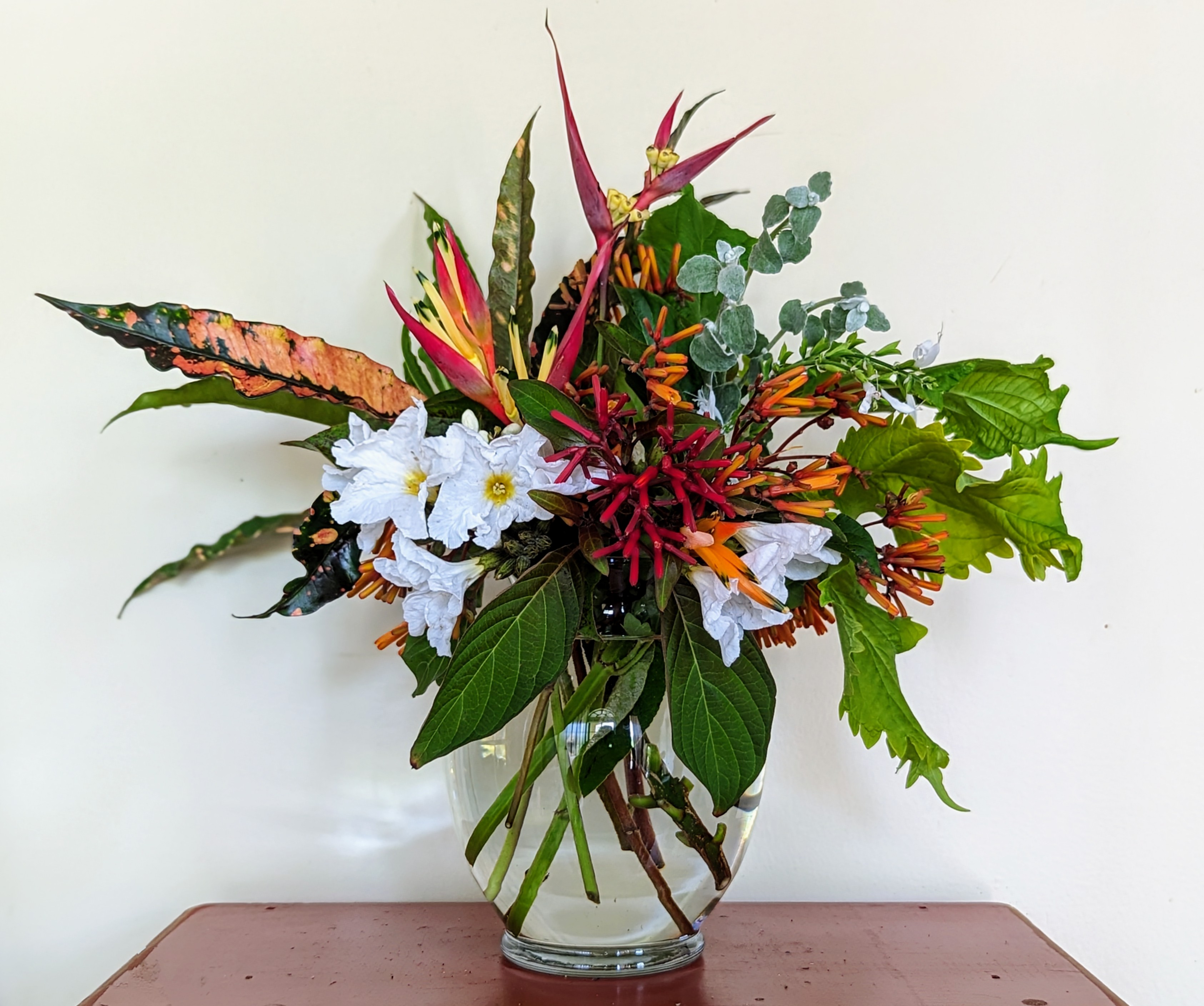
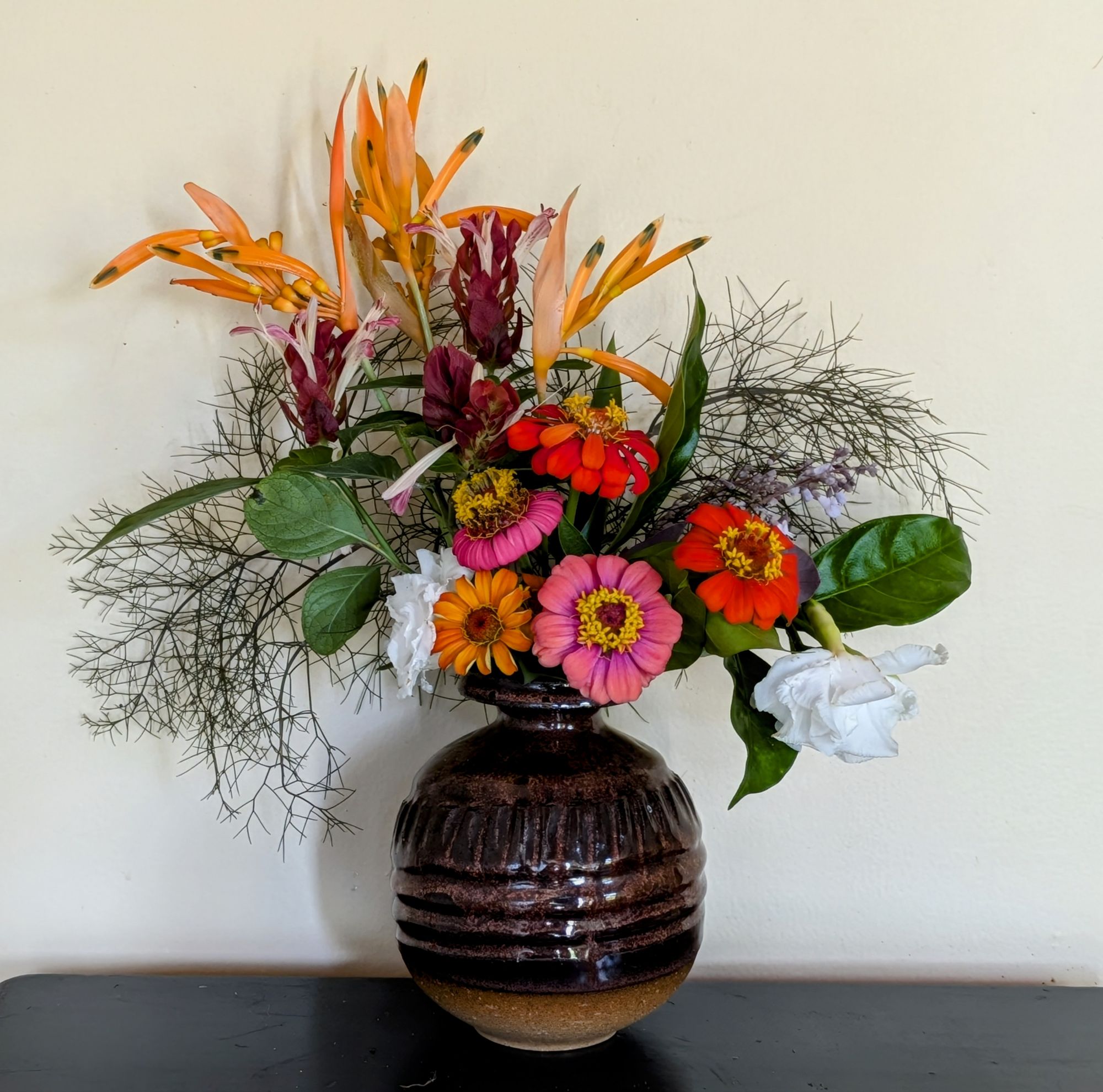
The vase was done in all hot colors in honor of the arrival of L’ Estate.

The close up:

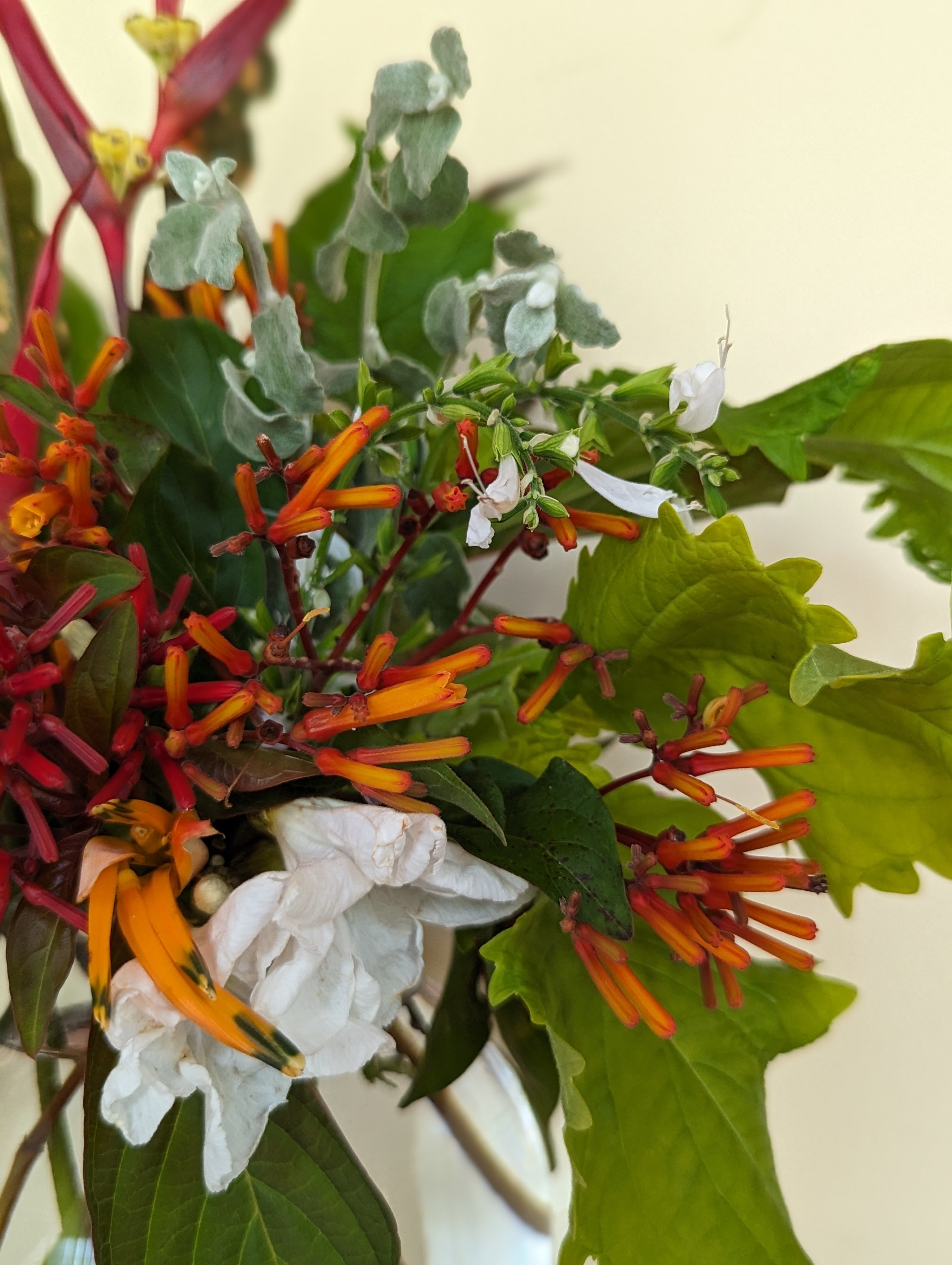
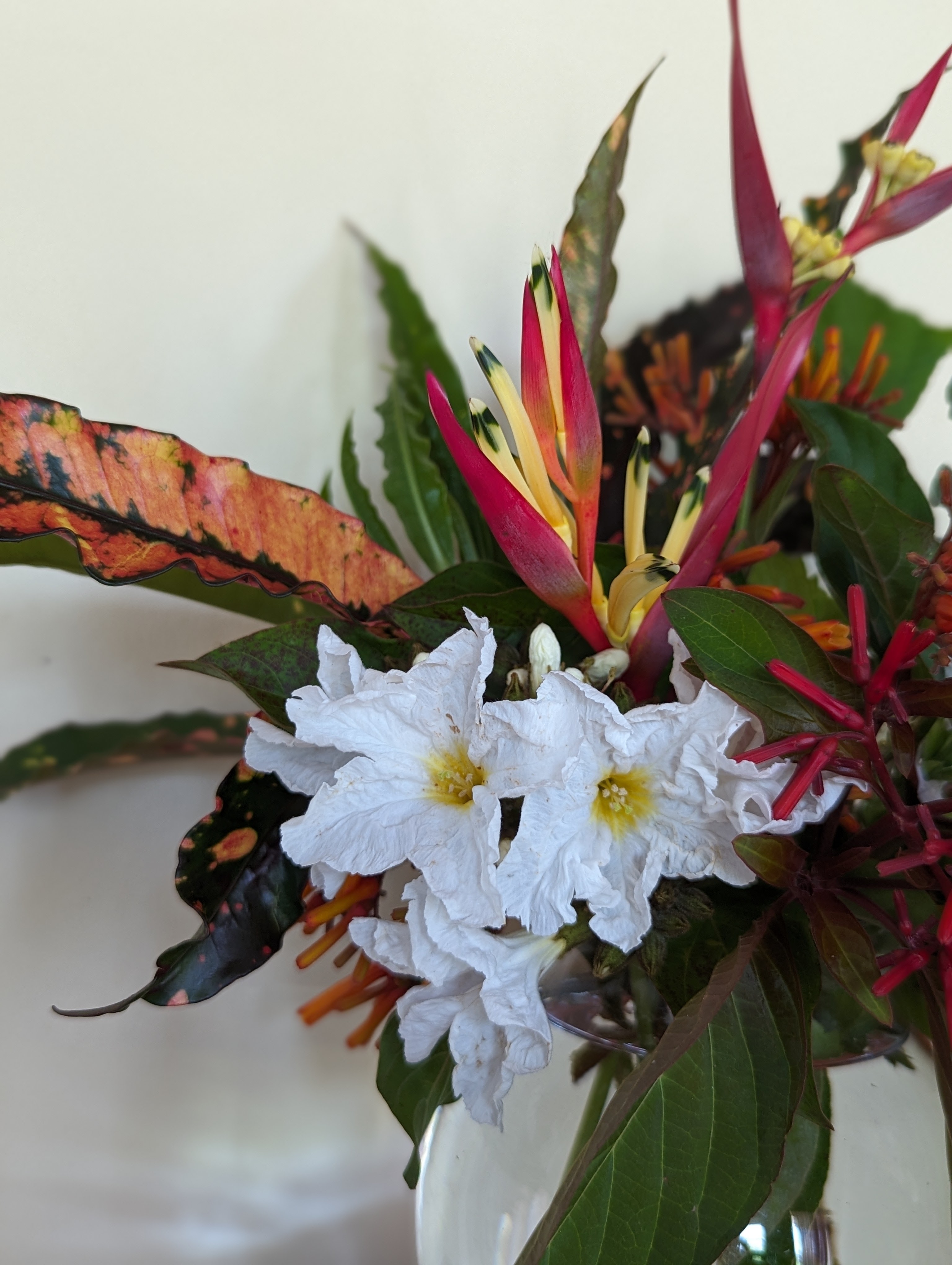
In orange, Firebush (Hamelia patens) sets the tone for the vase. A few bits of Licorice Plants are the grey, fuzzy foliage. Chartreuse foliage is from an unnamed coleus, the gift that keeps on giving.

White flowers to cool things down are from the White Geiger tree (Cordia boisseri); varigated foliage is from Piecrust Croton (Codieum varigatum) and a few Lady Di Heliconias (Heliconia psittacorum) are in red and yellow. The vase is a florist orphan.

Sitting in an air conditioned space listening to Vivaldi seems like a really good idea right about now. Maybe for several months.

Visit Cathy at ramblinginthegarden to see what other gardeners are popping into their vases.

Happy Gardening!

Heliconias for South Florida

Looking to add some tropical vibe to your garden? Look no further than one of my favorite tropical plants, Heliconias. Heliconias come in many different varieties, two of the most common and easiest types to grow in South Florida’s Zone 10 are Parrot flowers and Lobster claw Heliconias.

Meet the Lobster claw Heliconia (Heliconia rostrata). Featuring large, shiny banana-like foliage and thick stems that support large hanging bracts of red and yellow flowers it is difficult to picture a more tropical plant. They originated in rainforests of South and Central America as understory plants. It is written that the flowers evolved to this shape to attract tropical hummingbirds to pollinate them. In my garden, the hummingbirds aren’t around at the same time as the flowers, so I am guessing this is a phenomena that happens much further south.

While some Lobster claw Heliconia can grow to 15 feet tall, these are usually more tropical types in an actual rainforest. The plants grown in Zone 10 are usually smaller and can be damaged with an extraordinarily cold snap.

Lobsterclaw Heliconia are easily grown in a partial shade setting with ample moisture. They like rich, well drained soil and benefit from compost in the planting hole and mulch. I grow them in my garden on the north side of the house under the edge of the roof. They are very happy and provide cut flowers in the summer.

This is a smaller Lobsterclaw Heliconia in my garden. I enjoy cutting these for smaller vases.

Here is a parrot for the garden. Heliconia psittacorum AKA the Parrot flower. I would characterize this as a tropical flowering perennial. They are leafy, grow about two feet tall, enjoy a moist, part shade environment and can spread like mad if happy. I have had these produce flowers almost every month of the year. I believe they slow down with extremes in weather (drought, heat, cold). Below is the “Lady Di” Parrot flower.

This is another long lasting cut flower. I have a few in a vase by my front door.