Art in the Garden

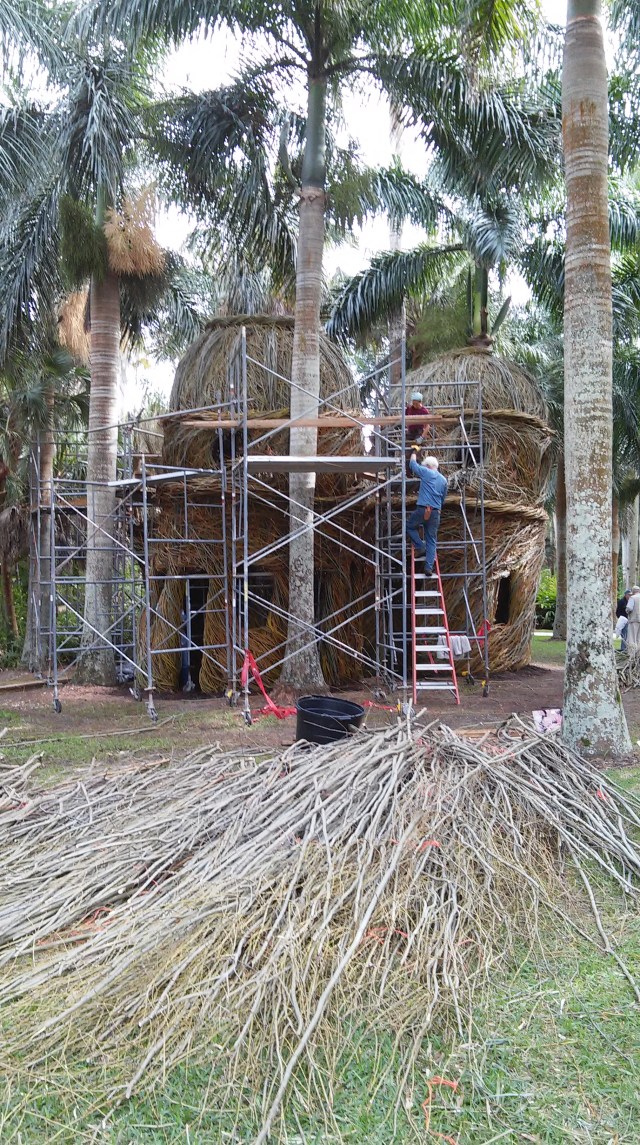
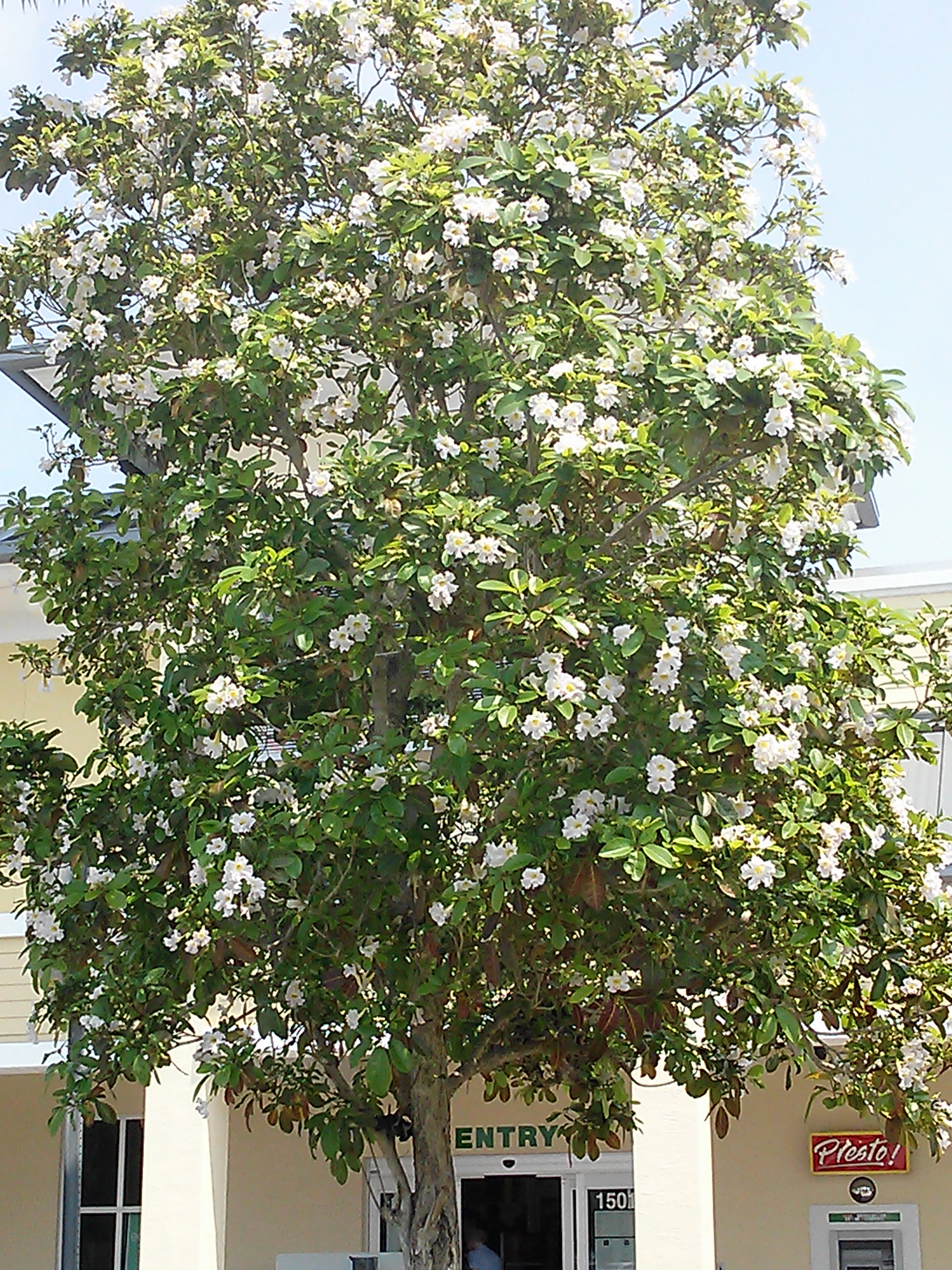
I usually write about the art of the garden, but here is a bit of art in the garden. The above photos are of a woven willow structure currently under construction at the McKee Botanical Garden in Vero Beach, Florida. This piece of environmental art is nestled in a grove of palms and constructed of willow saplings and bendable twigs woven together to form a temporary structure. The structure will eventually have three willow towers. Here is a close up of the twig structure:
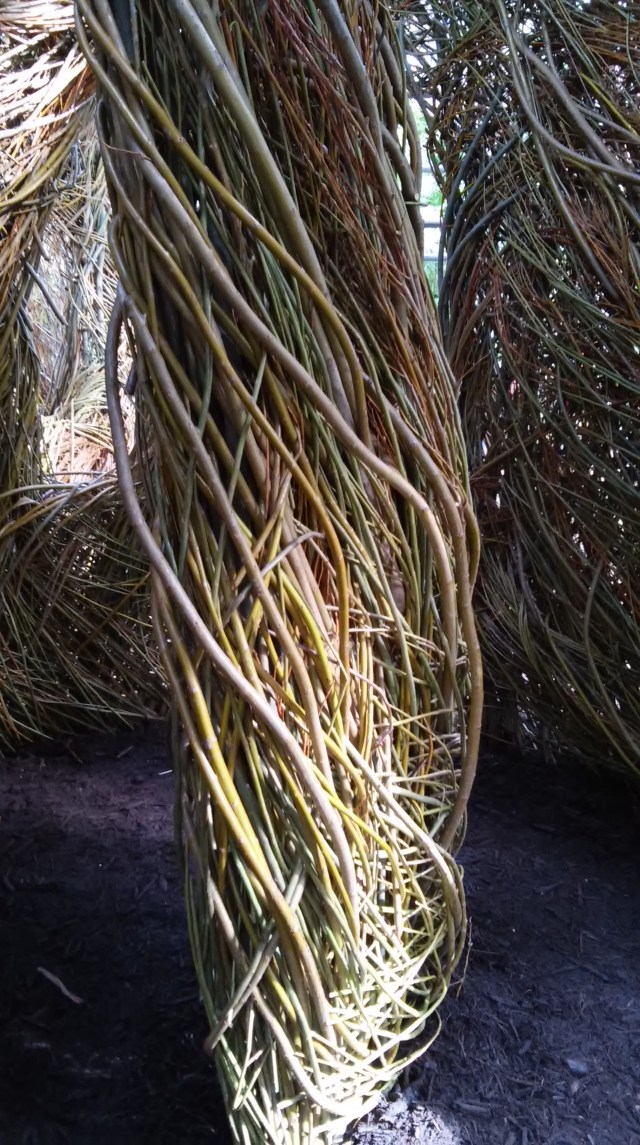
20160121_142043

And here is an overall view:

20160121_141502


The artist is Patrick Dougherty and the concept is STICKWORK, here is a link to more information on the artist and installation,  http://www.mckeegarden.org/current-exhibition.php

I am usually not very enthralled with environmental art, but I love this. The organic willow towers complement the formality of the palms and I like the facts that the structure is built from willows grown in a sustainable tree farm and after a few years the structure will be evaluated to decide to keep it or compost it. I have visions of the entire thing rooting into the ground and growing a twisted fairy tale castle in the palm grove.

The rest of the garden has a bit of a fairy tale feel as well. Conceived by pioneer developers in South Florida during the first half of the twentieth century – the first buildings were based on Polynesian structures in keeping with the “Jungle” theme. The garden fell into disrepair and was reborn in the early 2000’s shepherded by a dedicated group of garden enthusiasts. Below is one of the original buildings, a great hall centered around a table constructed from a 38 foot long single piece of Mahogany:
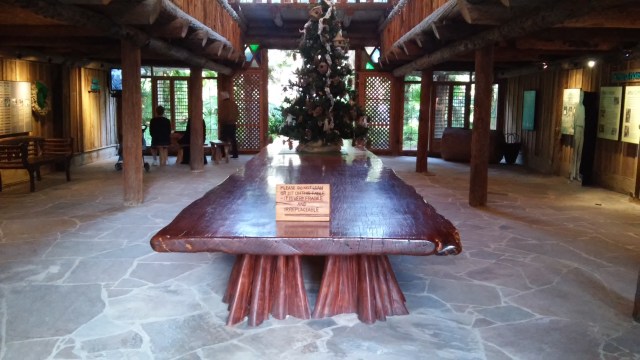
20160121_145652


The rest of McKee is well worth touring and has a wealth of tropical plants. I saw many types of Bromeliads I had never seen before and an array of Palms, Orchids and tropical trees. The garden began in a mature forest hammock and boasts some incredible native trees and a pathway meandering through the garden inviting you to stop and study the flora. Here are some of my favorite photos from my trek through the garden.


In a Vase on Monday – The Wildflower Blues


20160117_154405-1

I have been watching a group of Yellow Lupines on the edges of a vacant lot nearby – thinking I could collect some seed and grow Lupines in my back garden. What I did not realize is when the seed pods are ready they explode and hurl seed far and wide. The pods exploded in my car and didn’t seem to think there was enough dirt to grow in the carpets, though there probably is as I haul dogs and plants around with equal enthusiasm. I am not sure if these plants are native to the area, but I am aware of other native Lupines in Florida; it seems peculiar as I associate these plants with Alpine meadows, the Rocky Mountains and cold, arid places. Here is another view of my three blue vases filled with native and/or wildflowers from the vacant lot.

20160117_113625

20160117_111900-1

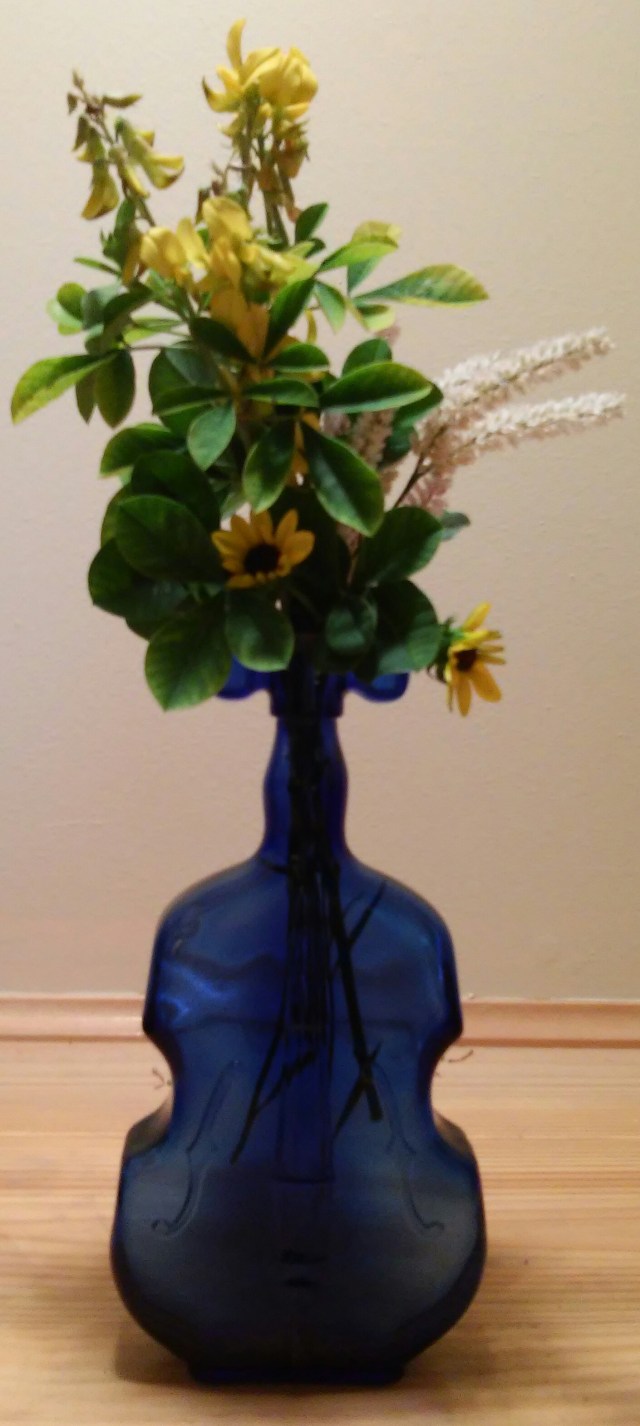
My blue vases represent three generations of women in my family, the violin belonged to my grandmother and has Yellow Lupines, the white spikes are Jointweed, the yellow daisy shaped flower is a Beach Sunflower.

20160117_114007

The tall bottle belonged to my mother and has Beach Sunflower, Yellow Lupines and seeds, background plants are Shrubby Buttonweed and Muhly Grass.

The corked bottle in the background belongs to me and holds the dried petals of all the roses my husband sent me during our courtship. The bells belonged to my other grandmother and are one of those touchstones that have been around the house as long as I can remember; my father brought them home from World War II.

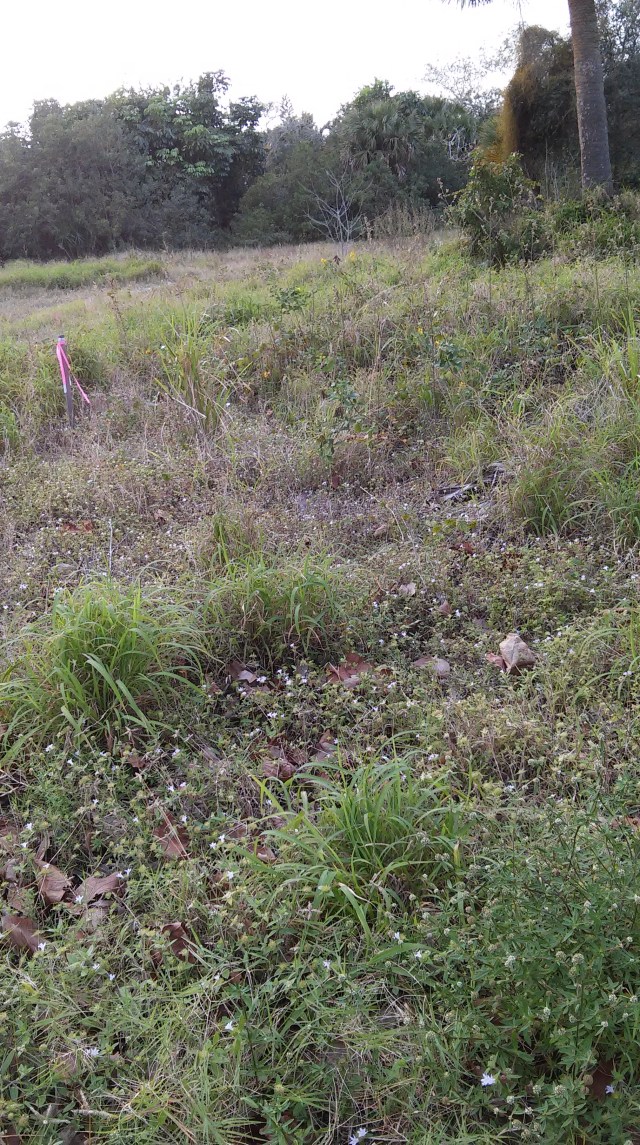
As I was writing this post, it occurred to me how much more interesting and attractive these flowers appear in their Monday vase. So, I wandered over to the vacant lot and took a before picture:

20160117_163141


All the components of the vase are in the foreground. I think I like the flowers in their blue bottles better. This leads me to ponder if more people saw native plants in a vase instead of a vacant lot – native plants might be more popular.

If you would like to see vases from the world over, stop by the comments section of  https://ramblinginthegarden.wordpress.com where Cathy hosts In A Vase on Monday – every Monday!


Hurricanes and Tequila

It just dawned on me that Hurricanes are a cocktail, but they don’t contain Tequila. The Hurricane cocktail contains enough rum that if you drink one you won’t care about the Hurricane and the next morning you will feel like you were hit by one.

The first Atlantic Hurricane of the season may or may not be forming in the Tropical Atlantic. There must be a special language school for the weather forecasters that work on these storms. It’s making statements without really stating any facts. Danny is the name of the storm brewing – he has already been designated a Tropical Storm and might possibly turn into a Hurricane. However, the key however is there is a lot of dry Saharan sand and air floating around out there and we are in an El Nino weather pattern. I could ask my Greyhounds for their storm predictions, but they are clearly too busy. So, we wait. To spare myself drama, I only read the Weather Underground.

Canines occupied

Canines occupied, they’ve put their car magazines on the Ottoman so they can nap

Agave americana

Agave americana

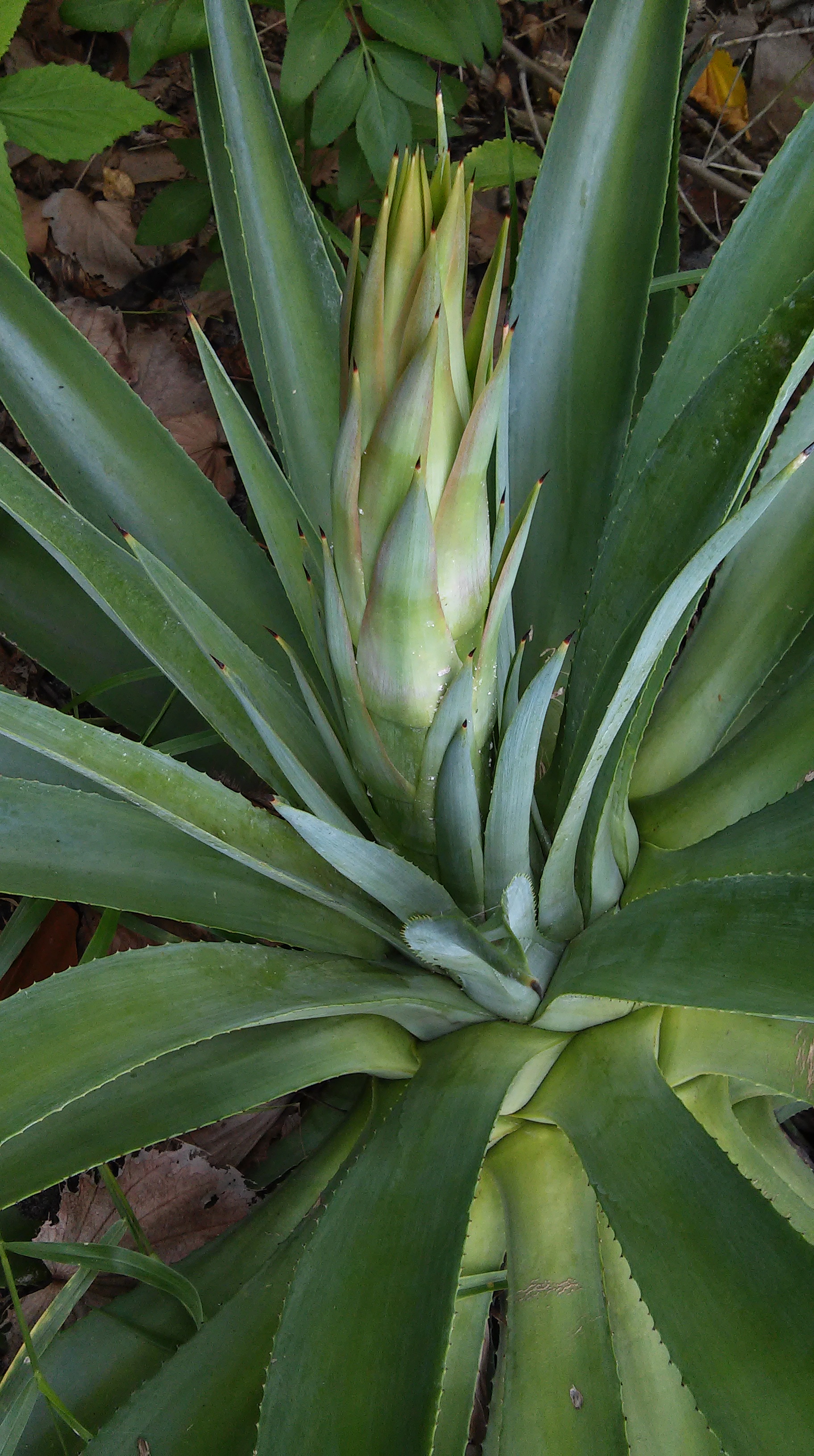
On to the tequila, I have discovered I have an Agave americana shooting up a bloom spike. I thought this was interesting as some of these are called Century Plants because they bloom every hundred years and this one has been around my garden for three years or so. Research has informed me that the bloom spike could be 15 feet tall (!) and indeed tequila is made from this plant. I love the color and texture of the Agave, a glaucous blue green with chocolate brown spines. A friend of mine grew this Agave and gave it to me with a warning ‘some people are allergic to the spines so be sure and cut them off the tips of the leaves’. Well, I decided to move the thing having put it in the wrong place and thought I had cut off all the spines. Later I found myself in the doctor’s office drawing a picture of the plant for her (she couldn’t figure out what could cause such a horrible bruise and reaction) and getting a prescription for Steroids. Yes, I am one of the allergic.

Given my lack of fondness for steroids and the fact that after the Agave americana flowers it dies – I believe it will be asked to leave the garden and I will replace it with a similar sized Bromeliad or Crinum or something lacking chocolate brown spines.

Interesting native plants currently doing their thing in my garden:

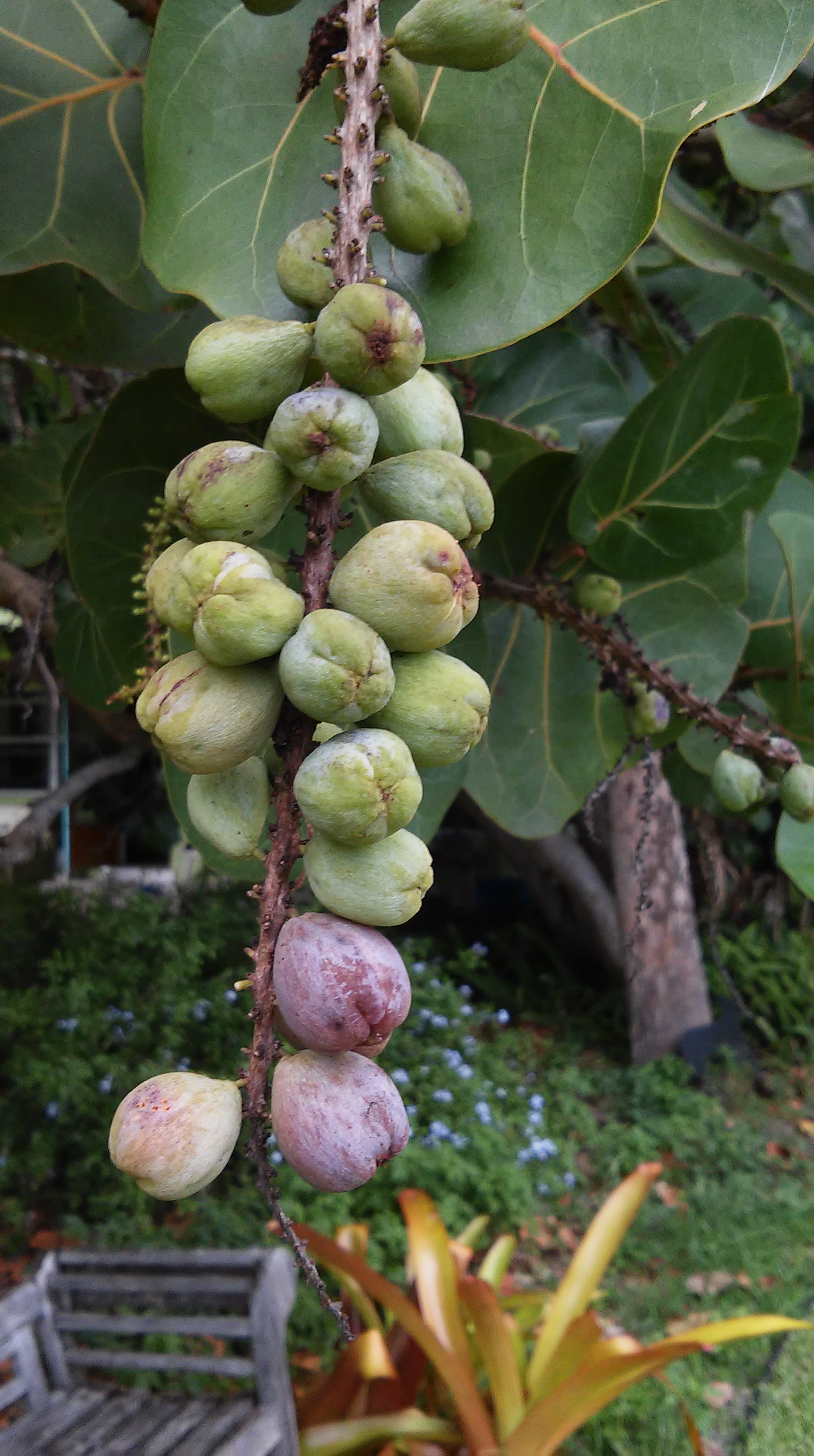
Sea Grapes - Coccoloba uvifera

Sea Grapes – Coccoloba uvifera

These are Sea Grapes, native to the beach and a bit beyond. The natives like to eat them, the bottom two are nearly ripe but, I haven’t really developed a taste for them and the seed is big. Mine go to the raccoons and birds.

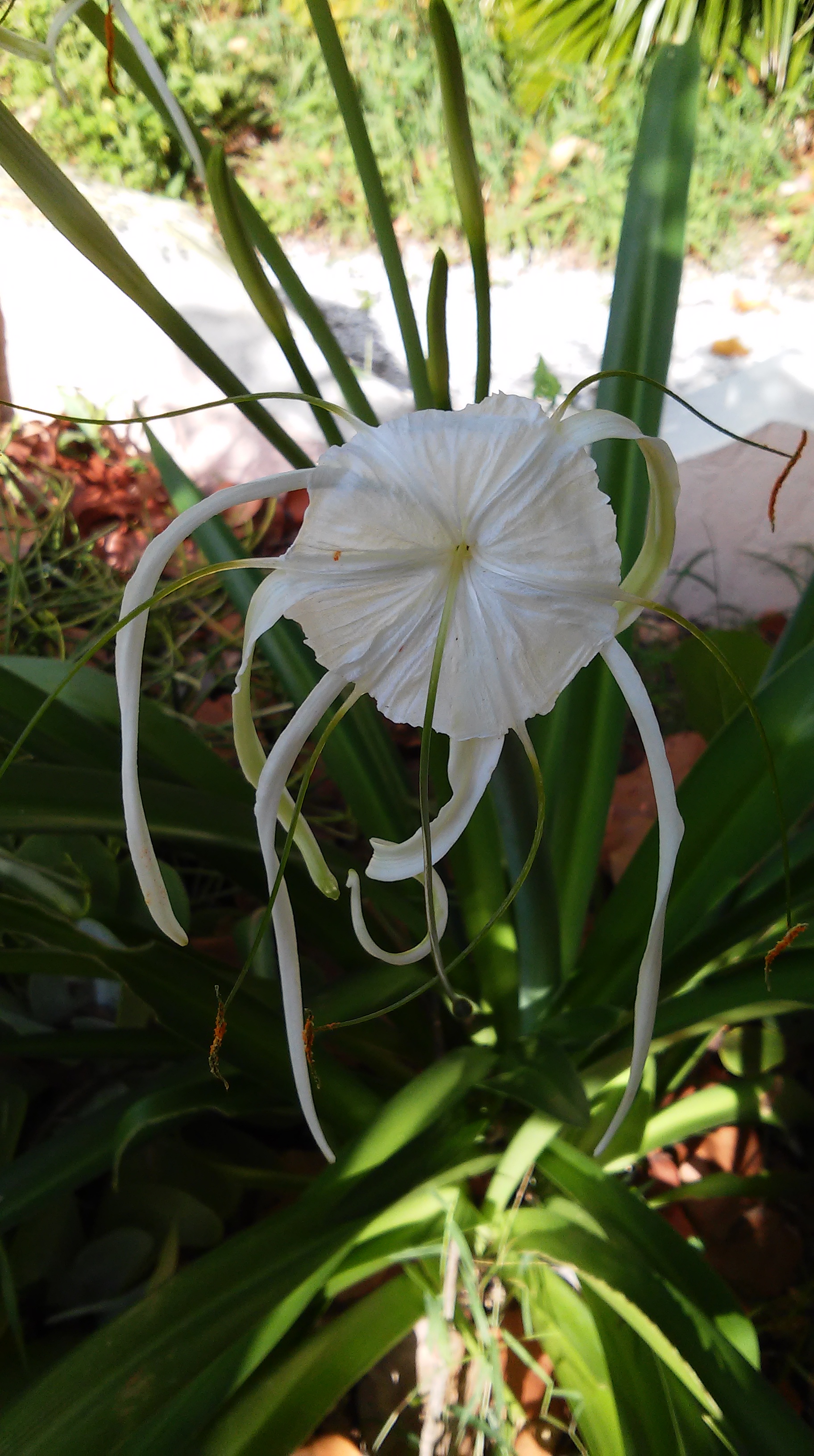
Hymenocallis latifolia

Hymenocallis latifolia

Natives of Florida call these Spider Lilies, I have seen other Hymenocallis called Peruvian Daffodils, clearly I am not in Peru. This is another Florida beachside native- these are easy to grow, but difficult to photograph. The anthers are very like Oriental Lilies, but hard to see. White flowers bloom in clusters, timing is staggered. These are interesting flowers and nearly indestructible.

My plan is to relax with the Greyhounds and await storm news, not eat any Sea Grapes or get stabbed by an Agave. A glass of Chardonnay, no Hurricanes or Tequila in my future, hopefully.

Installing Orchids in the Strangler Fig

This is a story I started last year, when I was gifted some Orchids.

One of the joys of living in South Florida is growing things outside that are houseplants almost anywhere else in North America. My neighbor showed up with a box of Cattleya Orchids yesterday. She grows these in her trees mounted on the branches; it is a beautiful sight when the clouds of purple orchids are blooming in the summer. Some are fragrant and cast sweet scents through the garden.

Orchids Ready for Banyan Tree

Orchids Ready for  Tree

These Orchids were declared unkillable. If this is true these will be the first Orchids I have ever not killed. I think of Orchids more as a floral arrangement; not something that actually is perennialSo, I followed directions:

Cleared a slightly sunny spot in the base of a big Strangler Fig tree in my side yard. There are unfortunately some very poorly trained arborists (?!) around here who left this bad pruning job on my tree. A few orchids will spice things up here and cover the bald spot..

Banyan Tree Trunk

Fig Tree Trunk

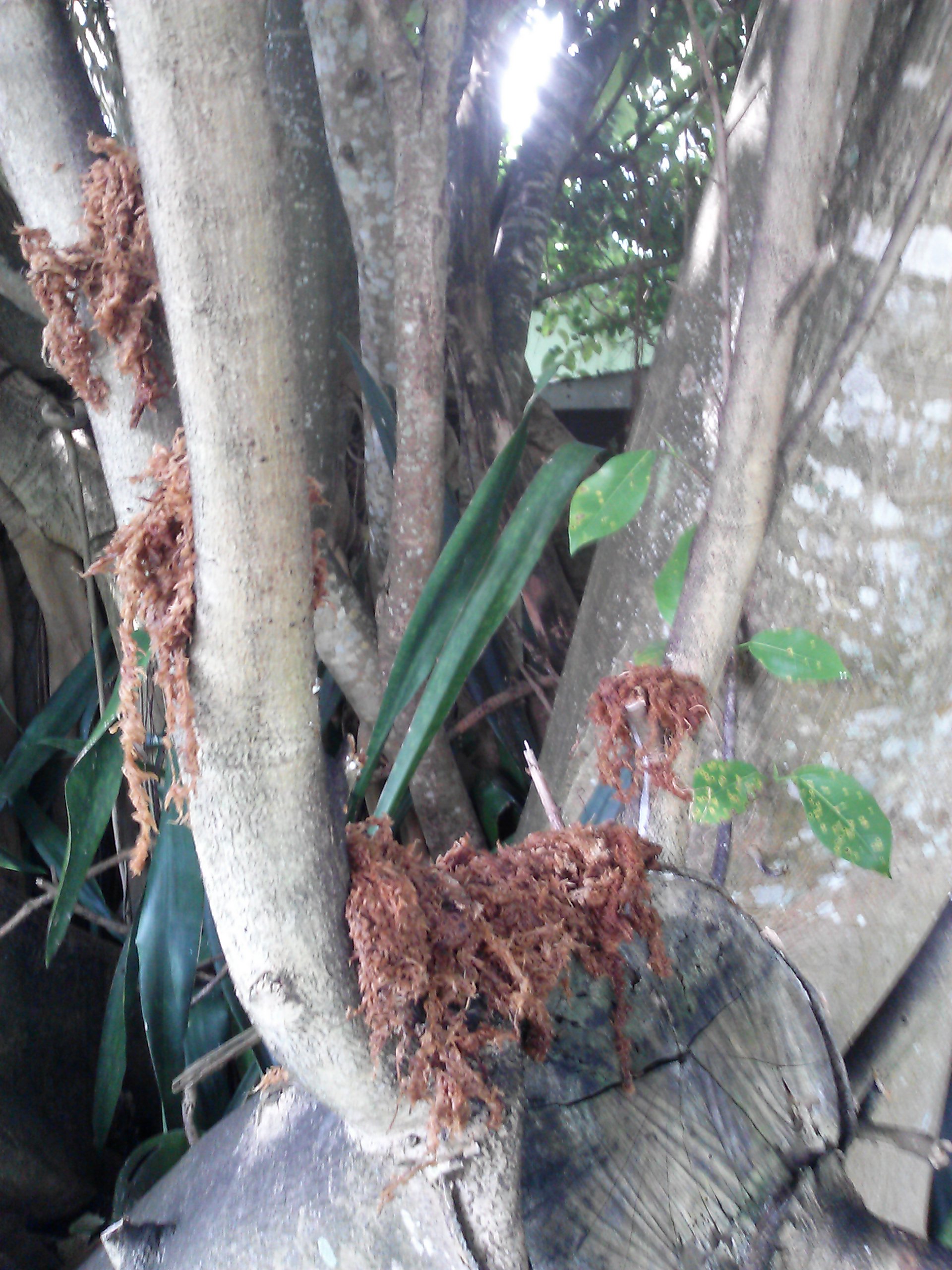
I added some dampened Sphagnum Moss; trying to place the moss so it would drain and not cause any rot on the bark of the tree.

Spaghnum Moss

Spaghnum Moss

Then I hoisted the Orchids into the trunk and tied them to the tree with sisal twine. This takes a bit of jiggling and looping to make things secure, but I think they will stay in place.

The Finished Product

The Finished Product

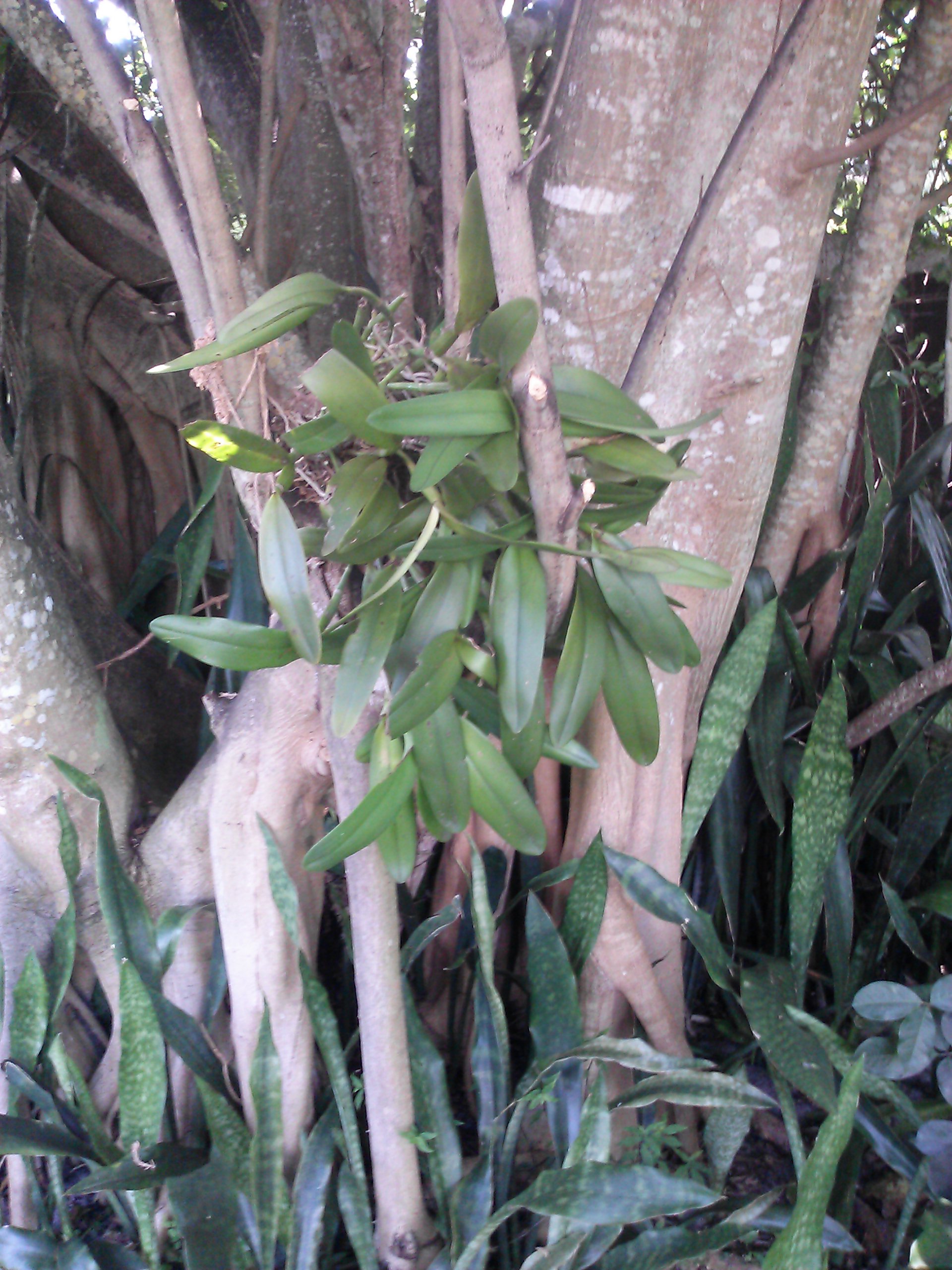
Here are the Orchids in place. The idea is you water them (not too much) until establishment in the tree. Then maybe water every week during the dry season. Voila! Hopefully, I will get some of these next year; if these are truly unkillable!

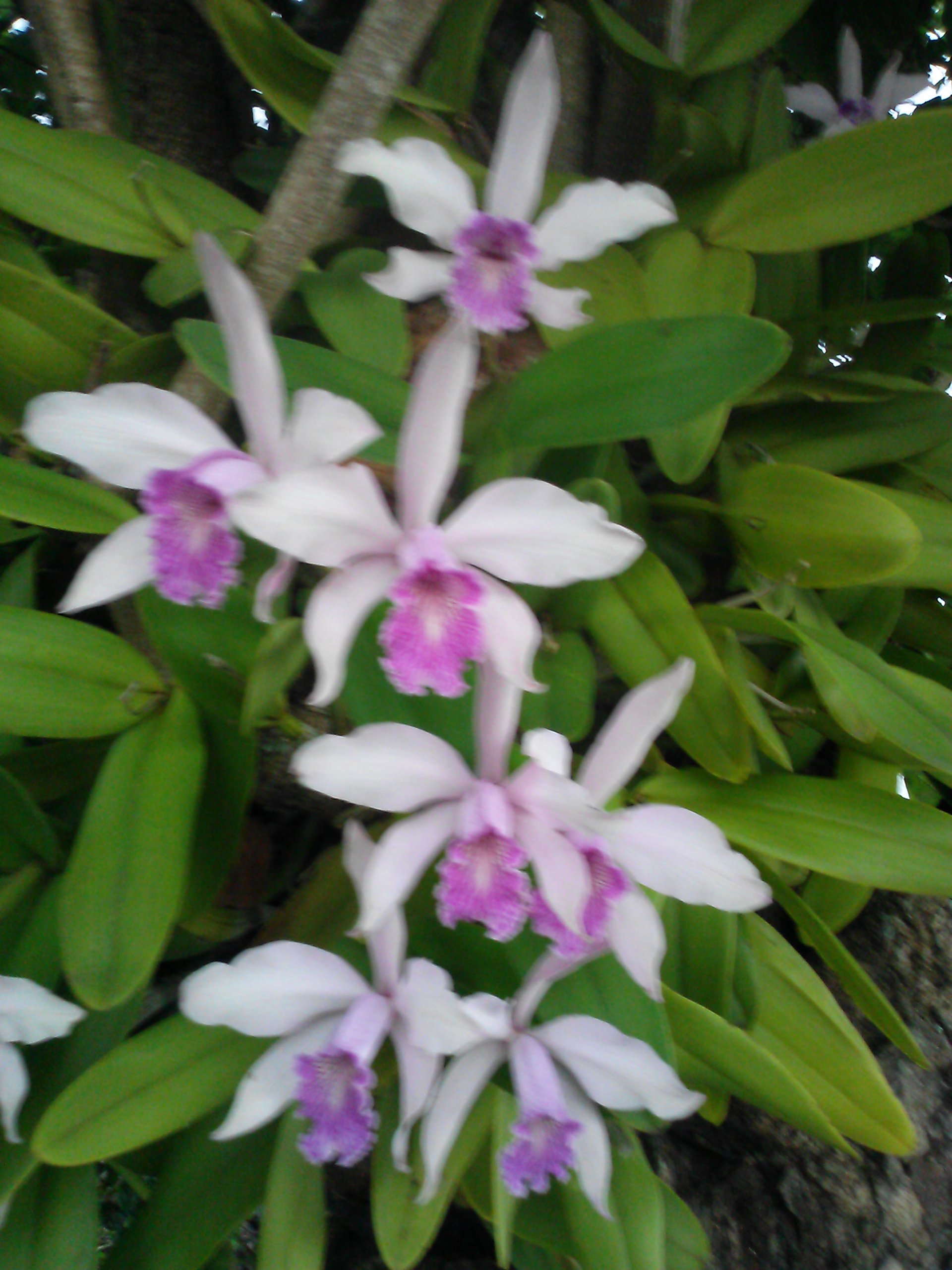
The update here is the Orchids are alive and well and are teasing me with new shoots – hopefully I get some flowers like the ones below. The good news is they do appear to be unkillable!

Cattleyas

Cattleyas

Mango, Tango – no Rain, Though

It is Mango season here in South Florida and eventually someone with a tree finds me, to my giddy delight. One of my neighbors is a Chef and has a tree. We have discussed what kind it is – he thinks a Haden – I think it might be a type locals call Peach Mango, it has the slightest aftertaste of peach. Whatever it is, it’s peachy  Maybe that is a Haden anyway. The locals call one of these a Strawberry Mango..

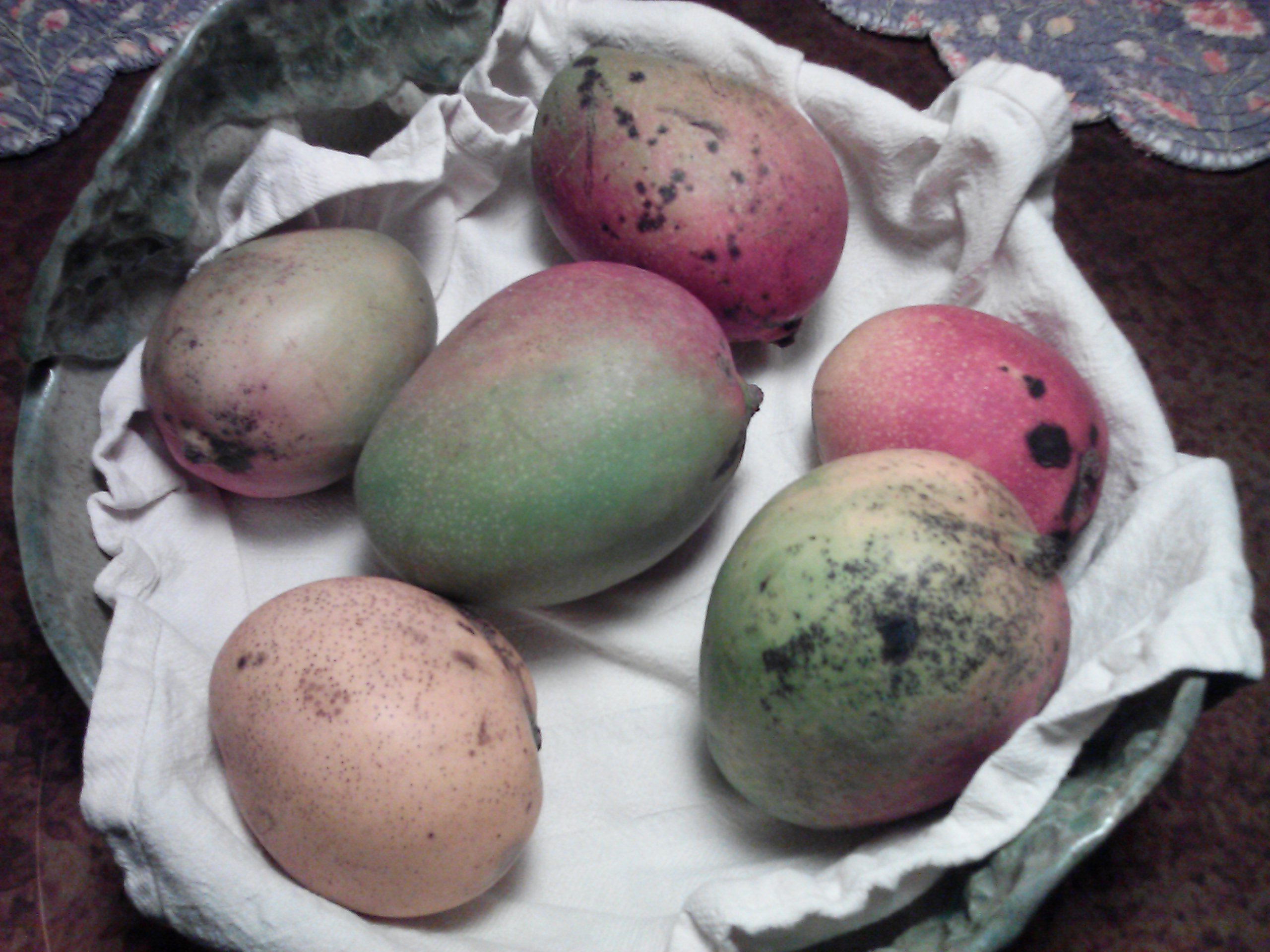
Here is a bowl of Mangoes from a guy down the street:

Assorted Mangoes

Assorted Mangoes

This included the Strawberry and Peach Mangoes – Peach I could tell, Strawberry not so much, although one had a redder colored interior. All were good and I devoured them, my husband had a bite, maybe two.

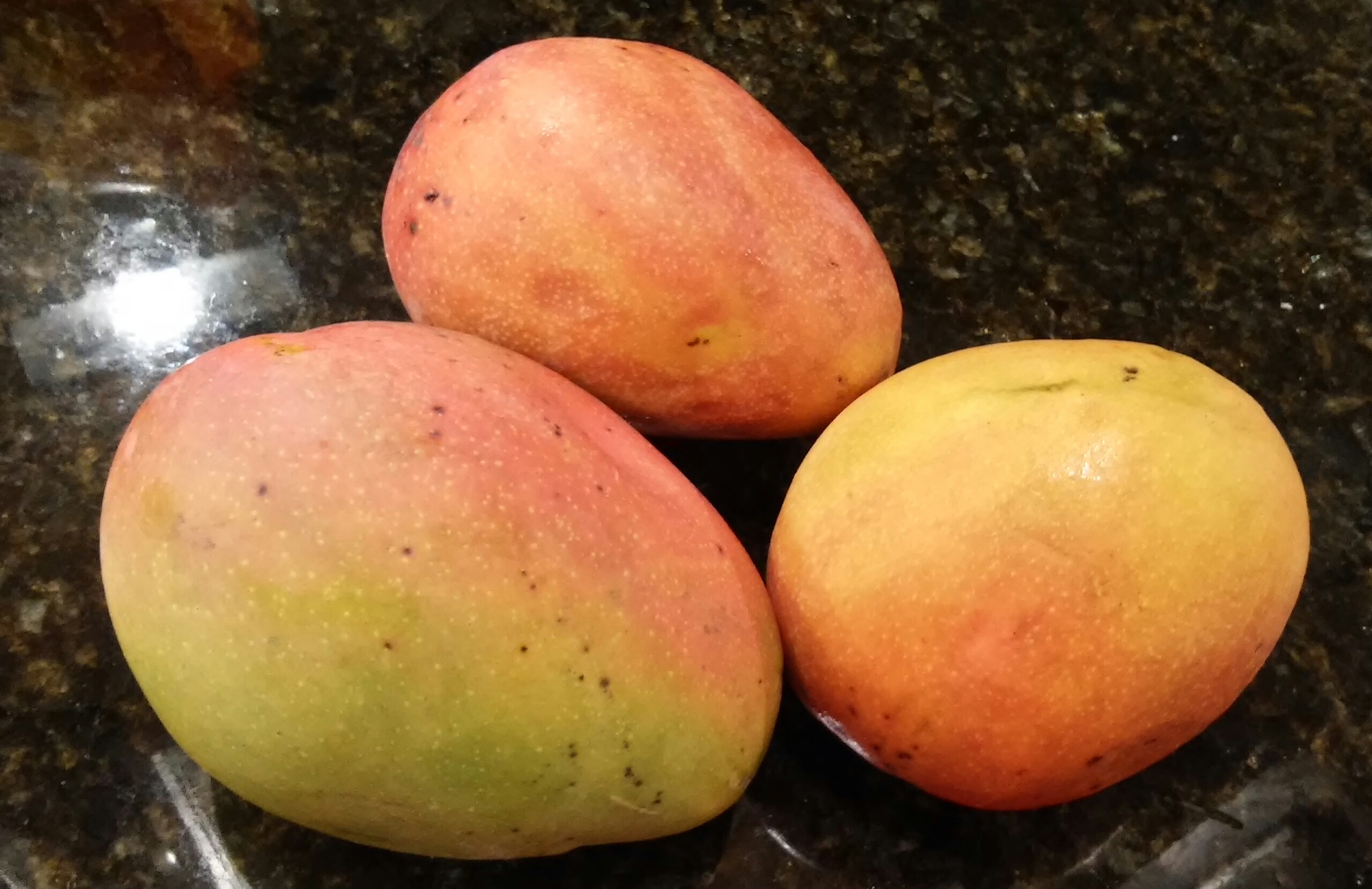
Chef Mangoes

Chef Mangoes              

These are the Mangoes from the Chef, Peach, maybe..Haden variety. Divine, yes, after all the other Mangoes were devoured, I made Granita from two and a half of these. Granita is made by taking 3 and 1/2  cups chopped Mango, simple syrup made from raw Hawaiian Cane Sugar and the juice of one lime – put this in a blender, blend until smooth, then put it in the freezer in a shallow container and stir every half hour or so until the mixture is slushy. I keep mine in a Ziploc bag in the freezer and mush it up as I eat it.

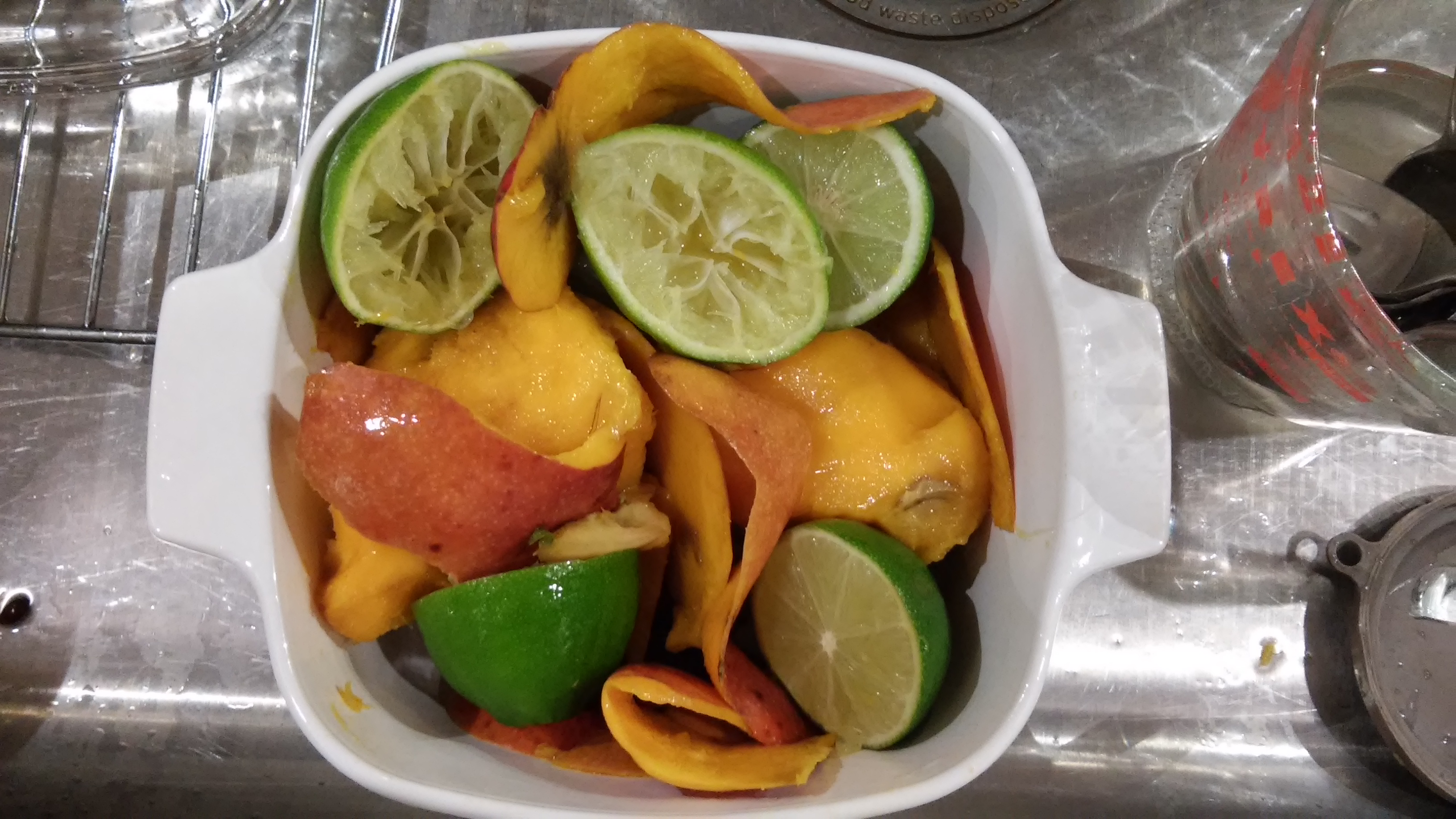
Even the scraps for the compost heap were pretty:

Compost

Compost

It hasn’t rained here since June 30. Things were getting pretty dry and then our well (Irrigation water comes from a well) motor just died, on Saturday morning, of course. Murphy’s Law for gardeners at work here in South Florida. The well repair people aren’t bothered much if you have city water. So, they showed up Tuesday and took the motor away – we found not having water at all doesn’t bother these people much either. So, I have been running around with a pitcher, watering things. Ugh, I am however hearing thunder in the distance..

Think I will just have a little of that Mango Granita, the Chef says it is good with Rum..

Throw the books away

The sunsets and the dogs on the beach are great reasons to live in South Florida. Trying to figure out how to garden here might be another story. Having spent most of my life 600 miles north of here, I thought I would be able to buy some books about what grows here and figure it out. Come to find out there really aren’t any good books.

The title sounds like something Hitler might have done. Actually, it was a bit of advice given to me by a longtime Treasure Coast gardener a few years ago. I had been lamenting the lack of good gardening information for our area and frustrated by what I had been reading in the Florida Gardening books. She said ‘throw the books away, they have no meaning here’.

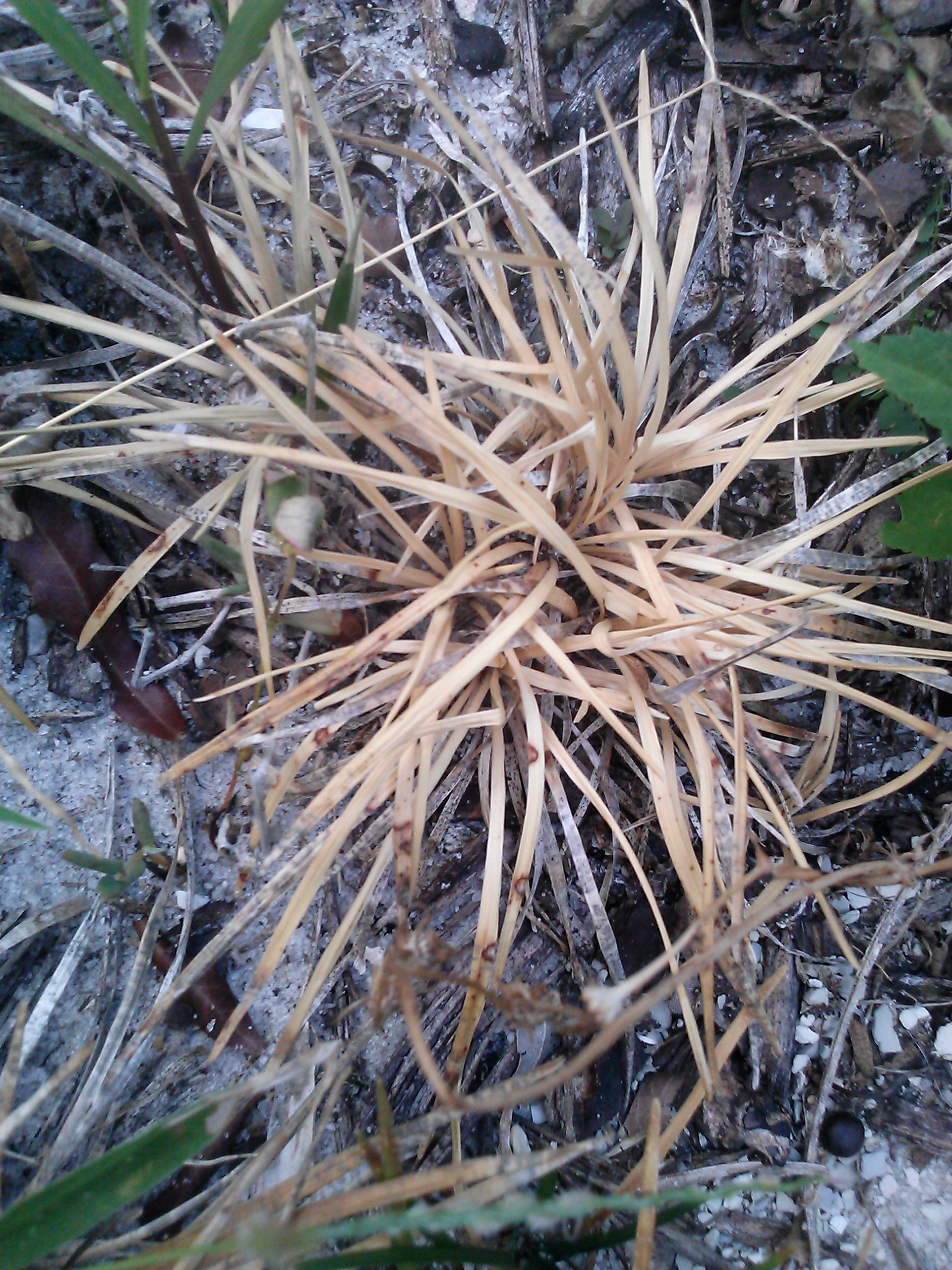
Mondo that has seen better days

Mondo that has seen better days

This kernel of knowledge proved correct and popped into my brain this morning as I was looking at the charred remains of my Mondo Grass (that supposedly grows in Zone 10 – where I live) My suspicion is Mondo Grass will grow in Zone 10 if you import soil and water for it and keep an umbrella over it at all times, otherwise, forget about it. I had Mondo Grass further north and it was a reliable nearly indestructible groundcover. It was used as lawn in places too shady for turfgrass.

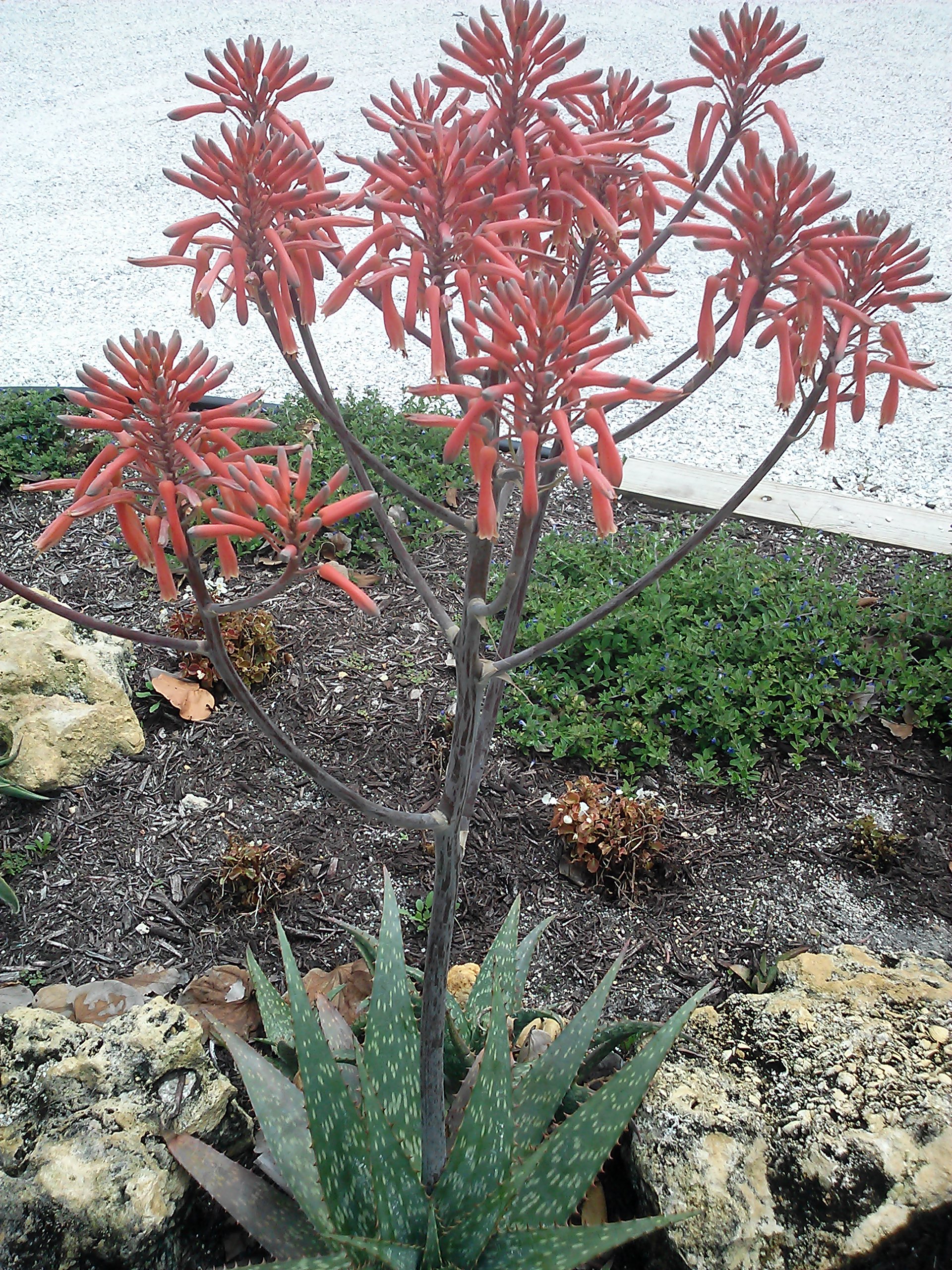
The Mondo Grass was my last rely on the books installation. My other major char broil was Bronzeleaf Begonias, which I did not even know could be burned up. I planted them in front of my Soap Aloe in my South facing front yard. Once the summer started they curled, browned, withered and unceremoniously died. The Aloe looked and still looks great. I feel bad about throwing away the offshoots sometimes, but not everybody wants a Soap Aloe. Instead of gaining sea legs on a ship, I am gaining sand legs in gardening. And usually end up covered in it.

Our Soapy Friend

Our Soapy Friend

This had left me wondering if it is really possible to write a useful gardening book with plant selection advice for a wide geographical area. I think not.

Avoiding the Technicolor Yawn

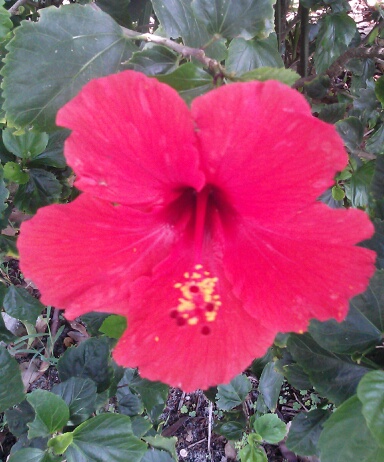
Red Hibiscus

Red Hibiscus Flower

One of my horticulturally oriented friends used to say “those annual beds look like Mickey Mouse threw up”. You know the ones; the aptly named “Cocktail Mix” Begonias backed up by Multi colored Caladiums. A kaleidoscope of red, pink, white and green so variegated you can’t focus and then start feeling queasy.

I realized the bed I was trying to use my entire assorted collection of plants waiting to be planted (that I bought because they were interesting or a great bargain or I had never seen one before or..) in was headed in that direction and decided to settle the colors down before I planted something ghastly. Colors were edited to this:

Then I added two green textures:

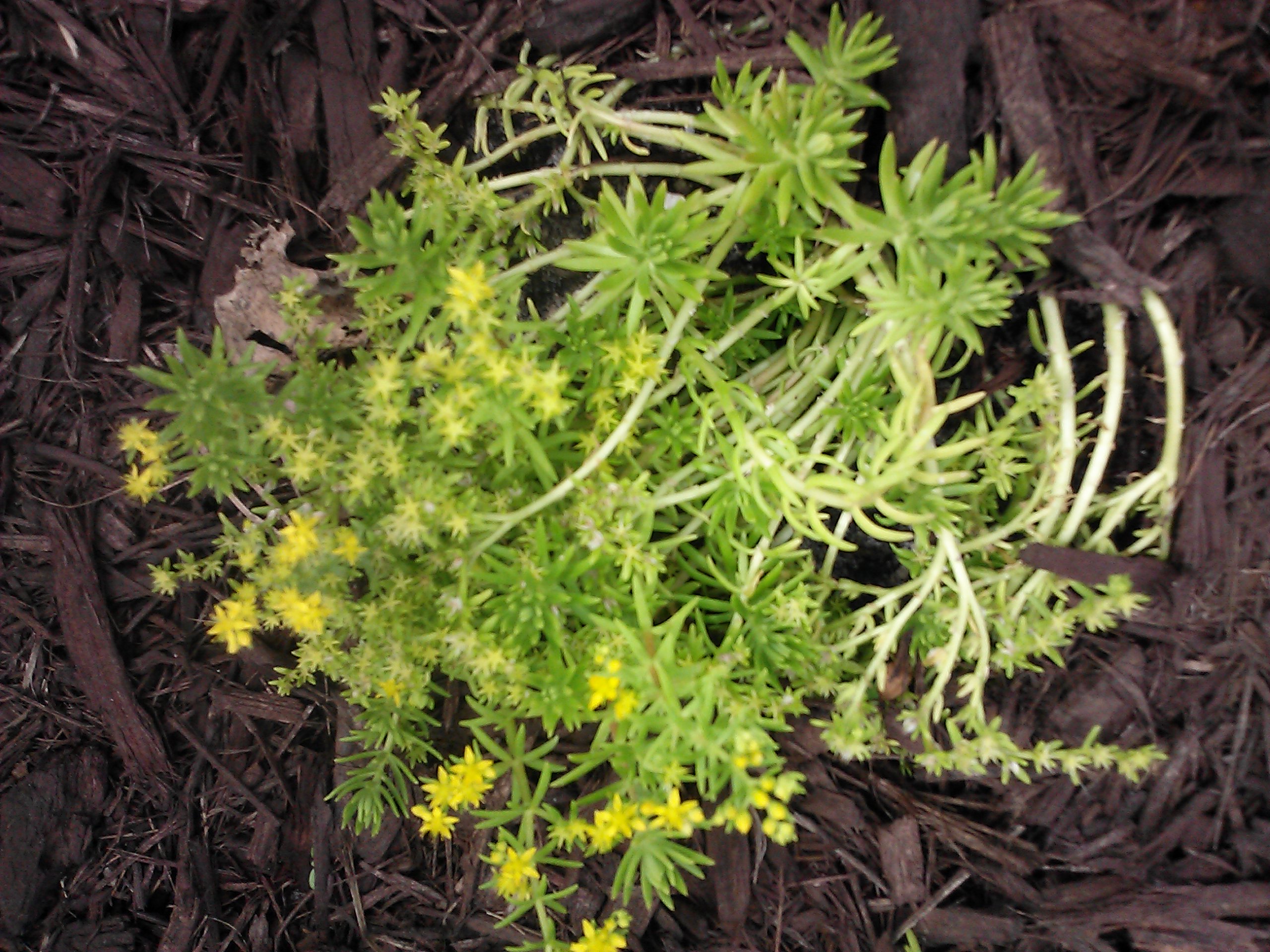
Sedum

Sedum

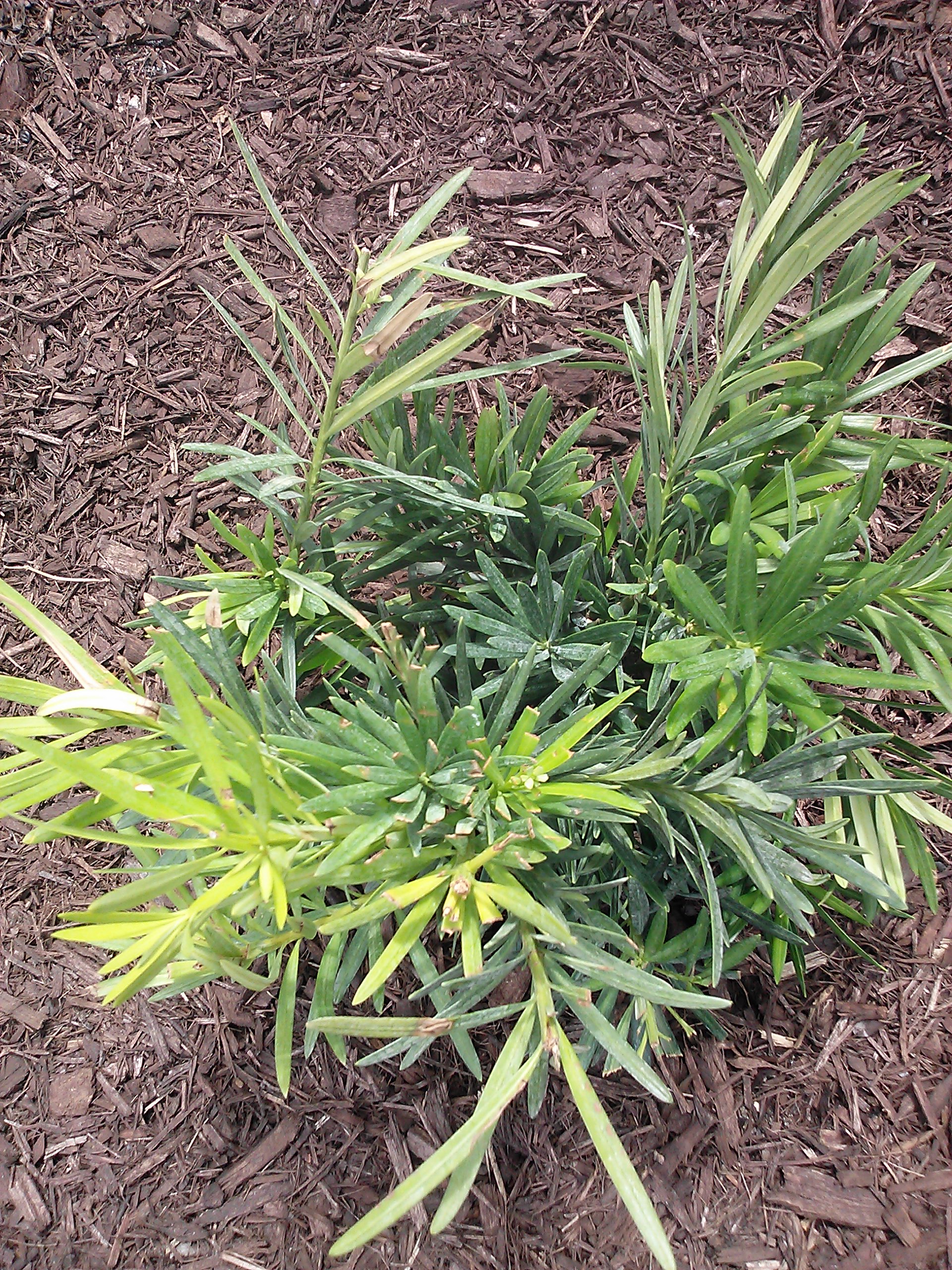
Pringles Dwarf Podocarpus

Pringles Dwarf Podocarpus

There is an ancient Red Hibiscus at the end of the bed (the top photo) it doesn’t bloom often, so I am hopeful no one ends up nauseated. My problem is I still have 10 or 15 assorted plants around and I just bought two more.

Chopped Gardening

One of my guilty pleasures is watching Foodtv. I have a few favorite shows that are religiously recorded for later viewing, Chopped is one. For those of you not familiar with Chopped, a group of four chefs is given a basket of sometimes bizarre food items – say, venison, gumdrops, cinnamon liqueur, broccoli rabe and rice cereal, then the goal is to make a gourmet three course meal  (using the basket ingredients) within a certain timeframe. Other ingredients may be added, but all the basket items must be used. The chef’s food is reviewed on a course by course basis until all but one is left. That chef wins and the rest are chopped.

I was standing outside contemplating where to plant the odd assemblage of plants I had acquired when I realized that my garden is a continuous episode of Chopped. My ingredients are plants. Gardening in Florida adds a few wrinkles to the design process – interesting things just tend to pop up in the garden and there are numerous irresistible plant sales. Then a friend or neighbor leaves an interesting plant on the doorstep. It’s a dilemma.

After two years of dreadful well water, we joyfully hooked up to our public water system last year. I had left a blank spot down our side property line for the purpose of running the line to our house. After the water line installation was complete the plan was to finish the side landscaping.

Life intervened and I had to have hernia surgery. Doctor said in four weeks it should heal. Sounds great, by the way it could take up to six months. It took 5 months, two weeks and then I could move things around in the garden that weighed more than 2 pounds.

The side garden is now weed o rama and I have more than the usual stockpile of odd plants to use in the landscaping:

From friends:

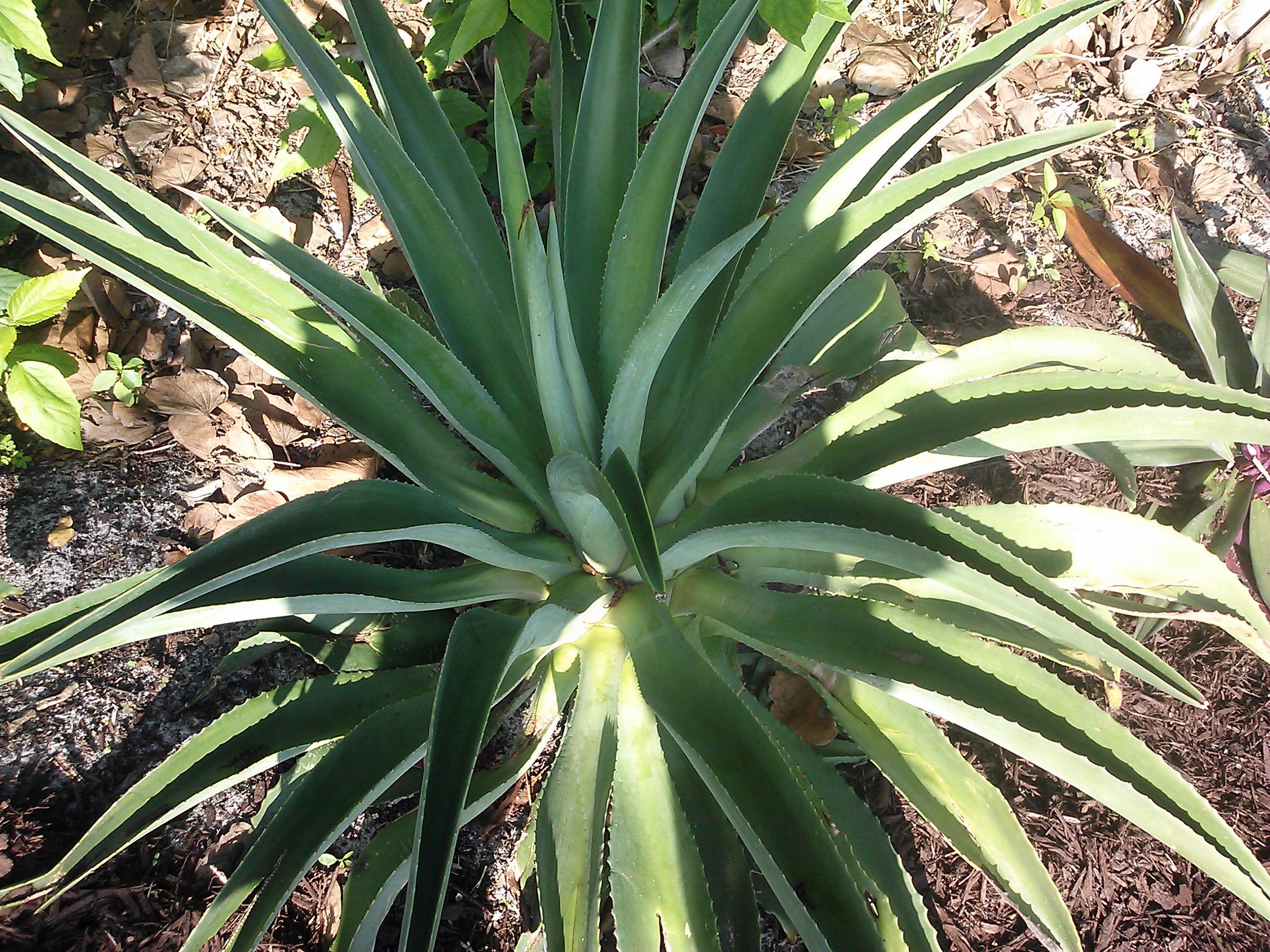
American Agave

American Agave

Large  Orange Blanchetiana Bromeliad

Large Orange Blanchetiana Bromeliad

Things that have just popped up in the yard: Orange Clerodendrum, Pink Pentas, Boston Fern, White Spider Lilies, Pink Rain Lilies and Purple Oyster Plants. A Plant Palette I could not have dreamed up.

How to combine all of these plants in addition to my usual collection of 5 or so Bromeliads is taxing my brain. It’s a real episode of Gardening Chopped. I hope I make it through the first round.

Propagating Plumerias

I have a Bridal Bouquet Plumeria I like so much I decided to plant a hedge of them to screen my neighbor’s monumentally ugly fence. These are evergreen Plumeria with an upright habit, when planted about three feet apart, they are perfect for a six foot height skinny hedge.

Bridal Bouquet ready for a lei

Bridal Bouquet Plumeria

Given the plant’s reputation for ease of propagation, I decided to try growing the new plants from cuttings rather than buying them. I had such good luck with the plants I gave some as gifts.

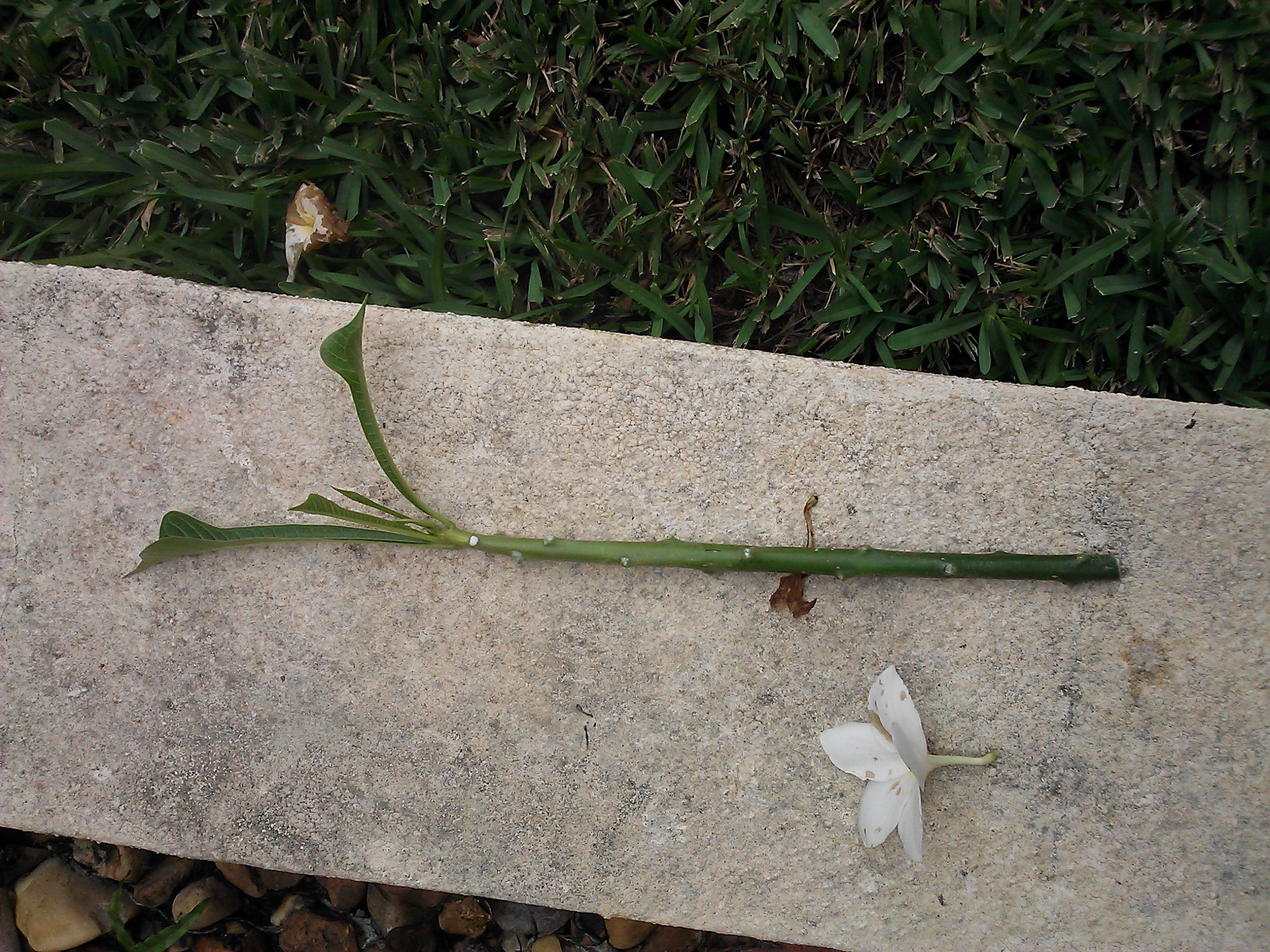
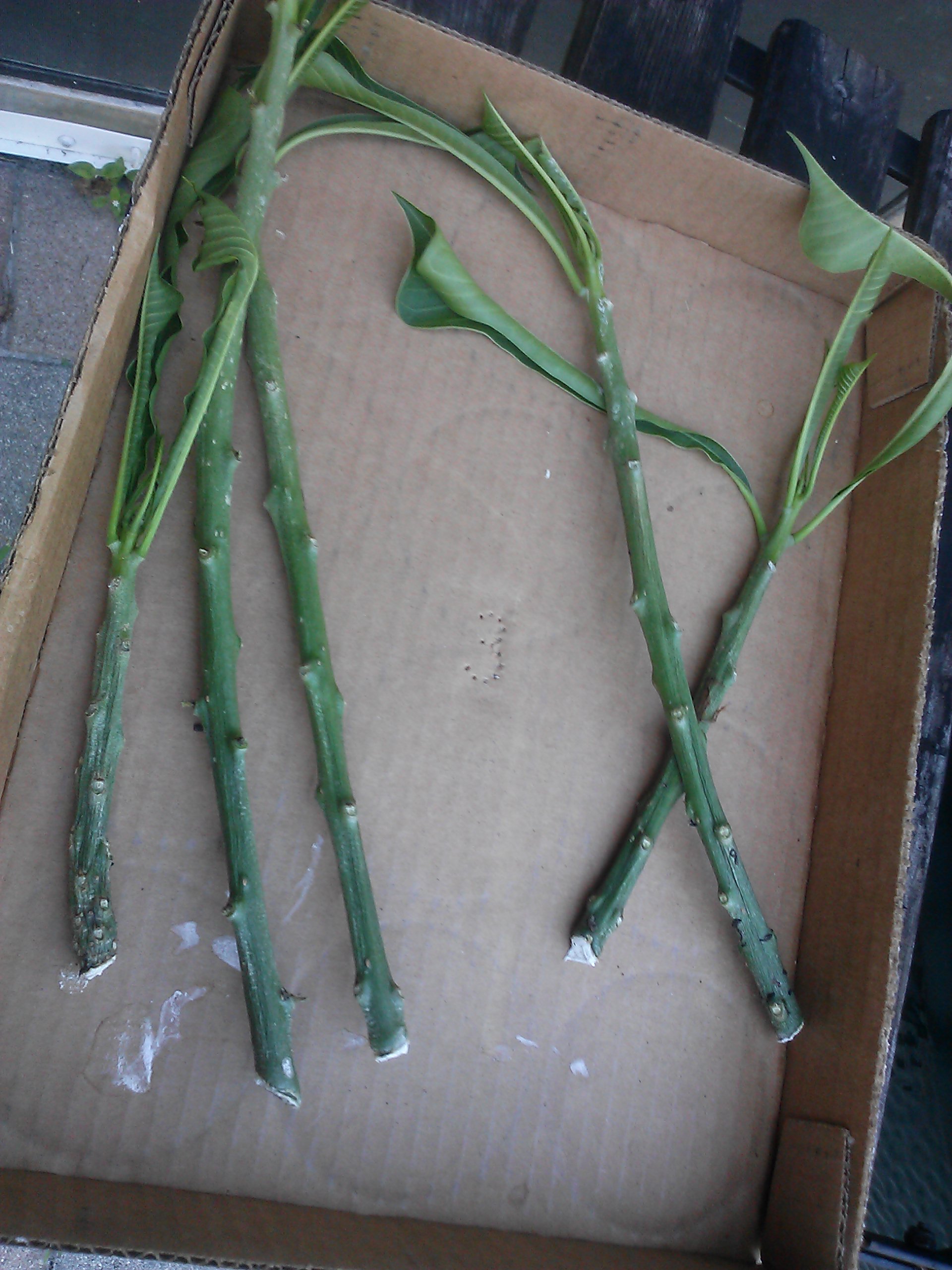
Propagation is simple, clip 4- 6″ long cuttings from the tips of the branches:

Cuttings

Cuttings

Next, strip all the leaves with the exception of the two or three at the top:

Stripped

Stripped

The cuttings tend to ooze white liquid so, put them on some cardboard and let them dry in a shady area until the stems appear to have healed.

Drying Cuttings

Drying Cuttings

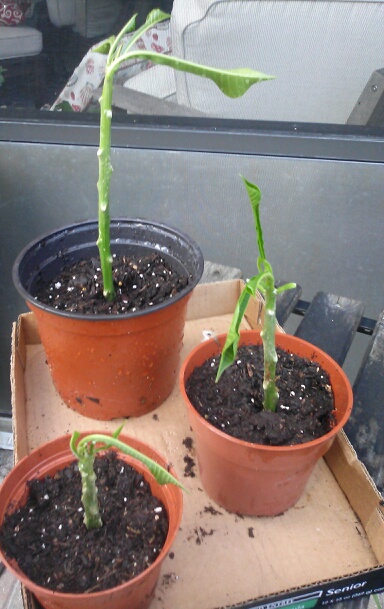
After drying place the cuttings into 4-6″pots and keep moist for several weeks. The cuttings will start to produce leaves when they are rooted. Then they can be planted in the garden.

Potted

Potted

I have three left from my original six, one succumbed to unknown causes and two were gifted to other gardeners. I still need six for my hedge – so it’s time to get the clippers again.
Cordias

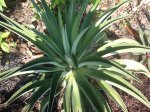
Last week I posted about spring flowering trees in Tropic Florida. One was a new plant to me, White Geiger or Cordia, the other is a Geiger Tree which I have encountered fairly frequently. Both trees belong to the Genus, Cordia.
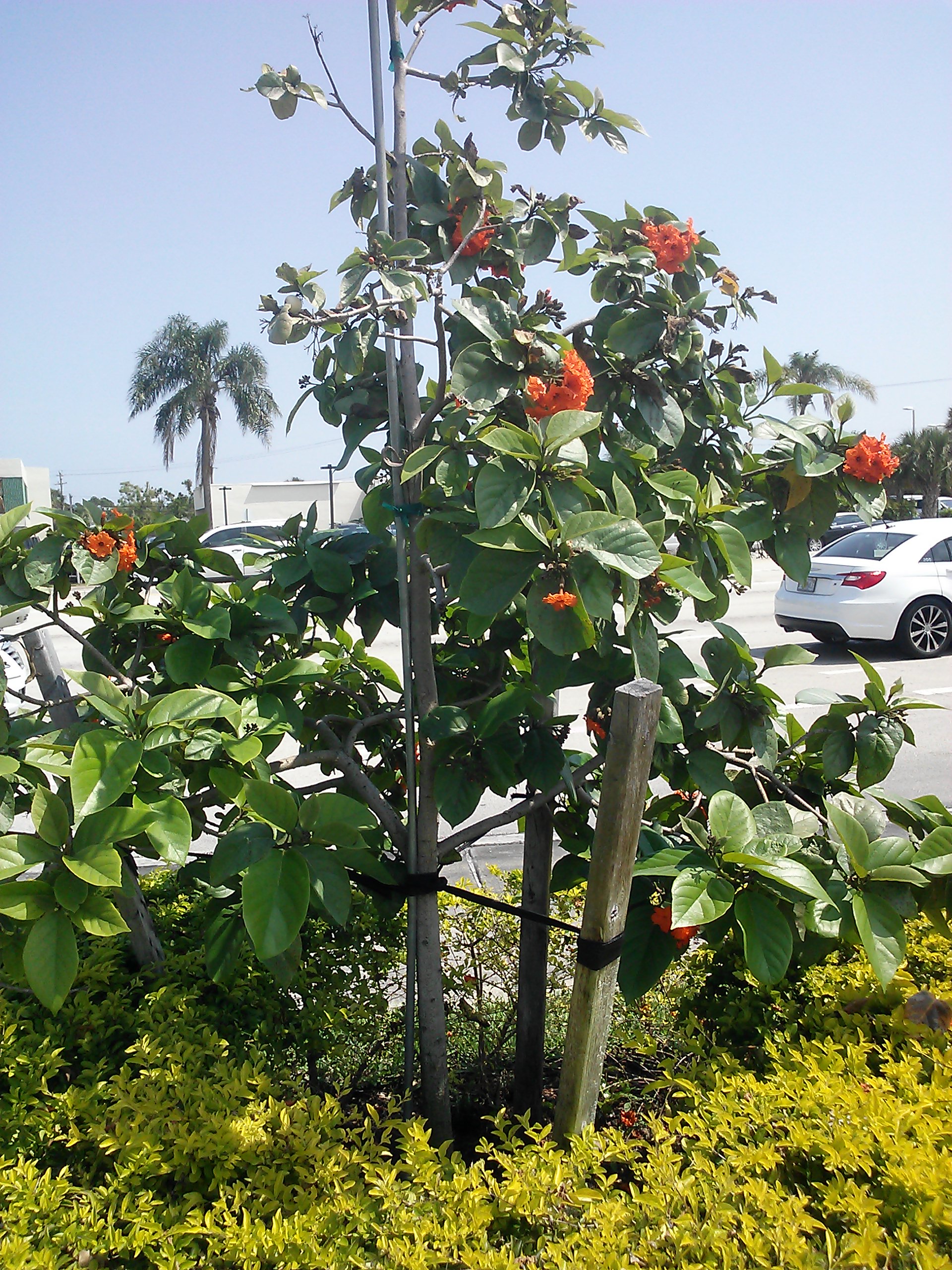
This is the Geiger Tree, named shockingly for a guy named Geiger, who was a prominent Conch (resident of Key West) in the 1800’s. The botanical name is Cordia sebestena. These are reported to grow to 25′ tall, I have yet to see one that size. This may be due to a fairly recent availability in the nursery trade. These trees are native to South Florida and the Caribbean. I see them flowering off and on during the year – the floral display seems more prolific in the spring.

Geiger Tree

Geiger Tree

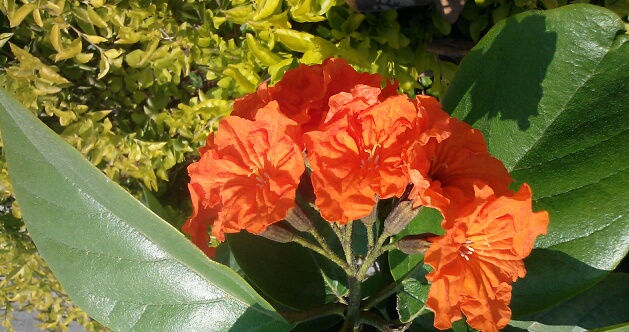
Geiger Flower

Geiger Flower

The tree always seems a bit gangly to me, but the flower certainly gives an orange burst of tropical vibe to the surroundings.

White Geiger Tree

White Geiger Tree

In my opinion, the White Geiger Tree or Cordia (also called Texas Wild Olive, for reasons unknown to me) is a more attractive tree with a more formal shape. The botanical name being Cordia boissieri, this tree is native to the Rio Grande Valley and South Texas. Reportedly more cold hardy but still evergreen and about 25 feet tall, White Cordias are not very popular yet in South Florida. I think they will be.

I have sourced a local grower with one of these in stock. It is just a matter of time before a White Geiger Tree appears in my garden.