Six on Saturday – Florida Freeze Damage

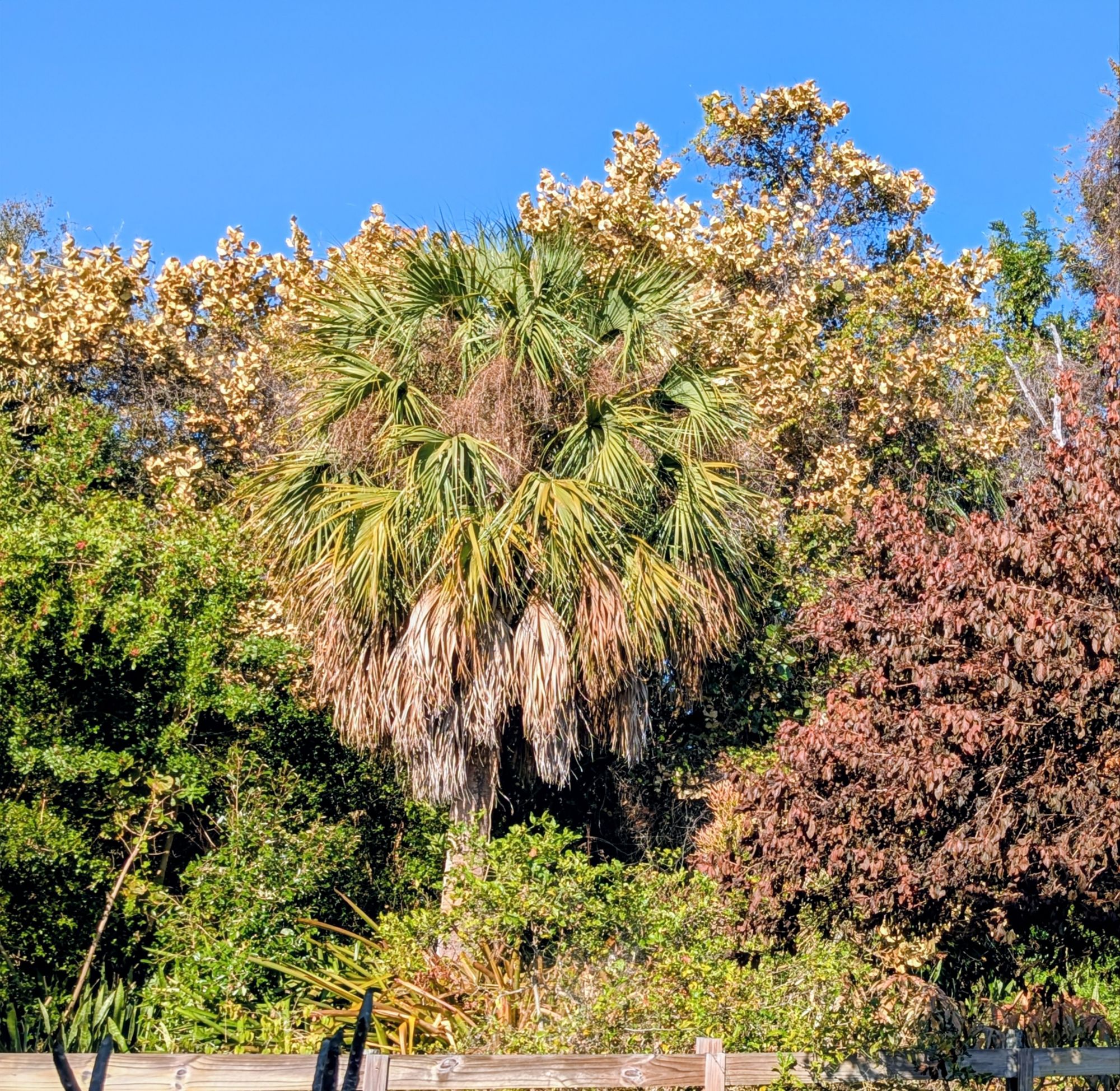
Time for Six on Saturday once again. I’m sharing the aftermath of the historic low temperature (28F/-2C) in my South Florida garden. The temperature is about 10 degrees below our normal low. Above is a photo of what looks like a fall garden – this was completely tropical green a week ago.

I have never seen cold damage like this before. The foliage has been burned white. My experience with cold damage is usually foliage is burnt brown, rust or black – not white. I suppose this is a combination of wind and cold.
wp-17704751868704290318967893123103

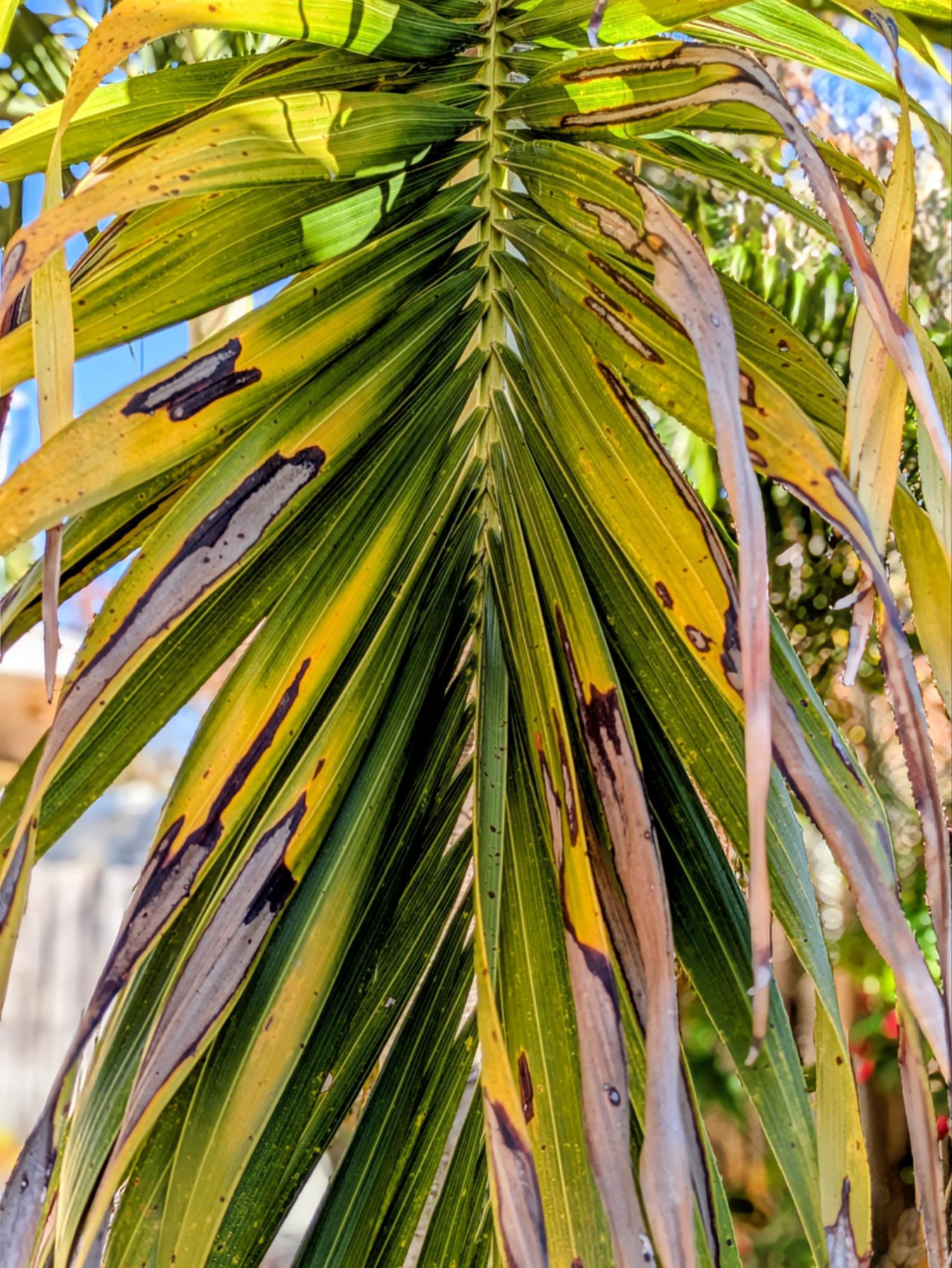
This is an Adonida Palm (Veitchii merrilli) I am probably on the northern edge of hardiness for this tropical palm. I think it will recover, the center growing point is still green and intact as is the trunk. Some of the trunks of the more exposed palms of this type are bronzing.
wp-17704754444297041350731385639724

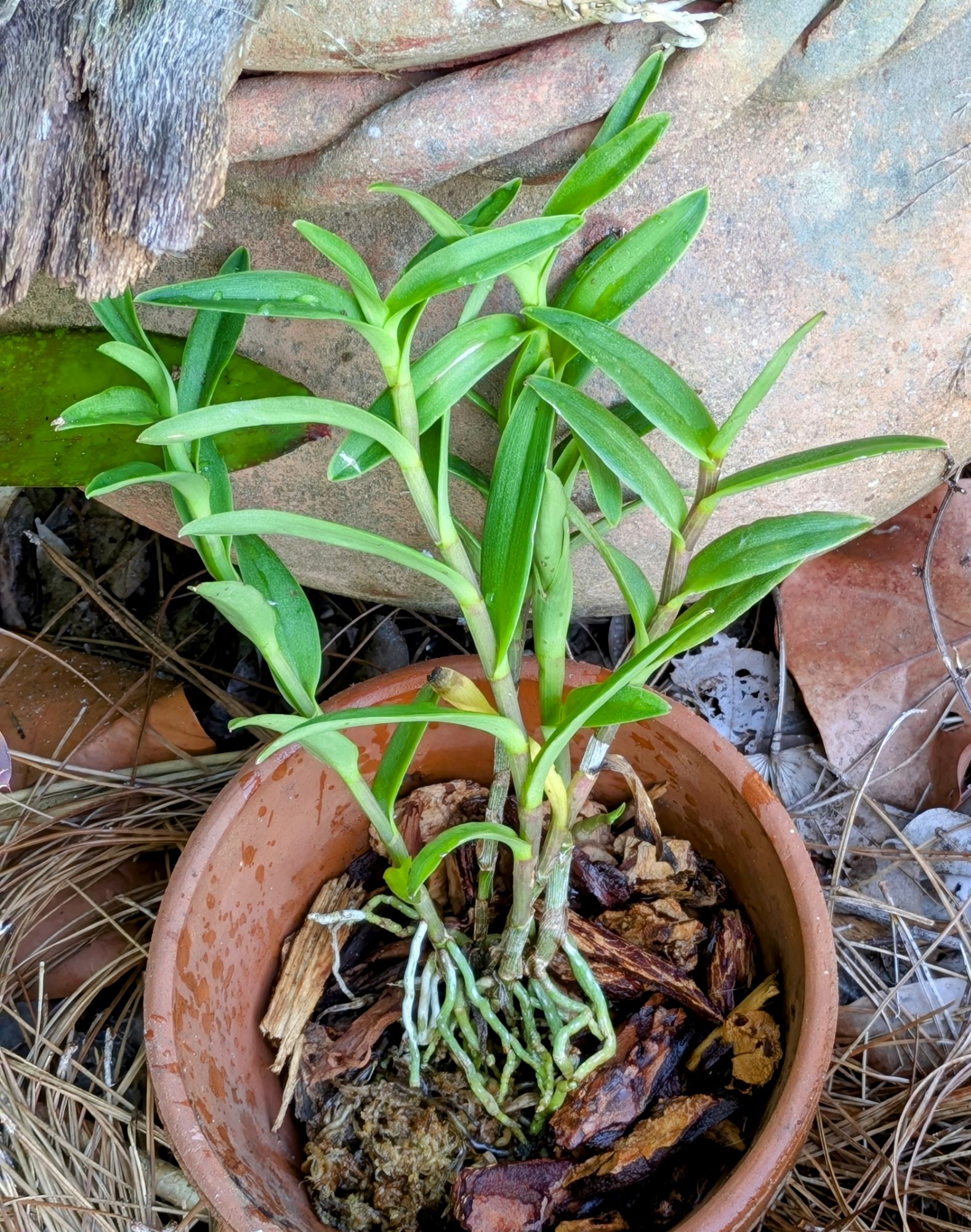
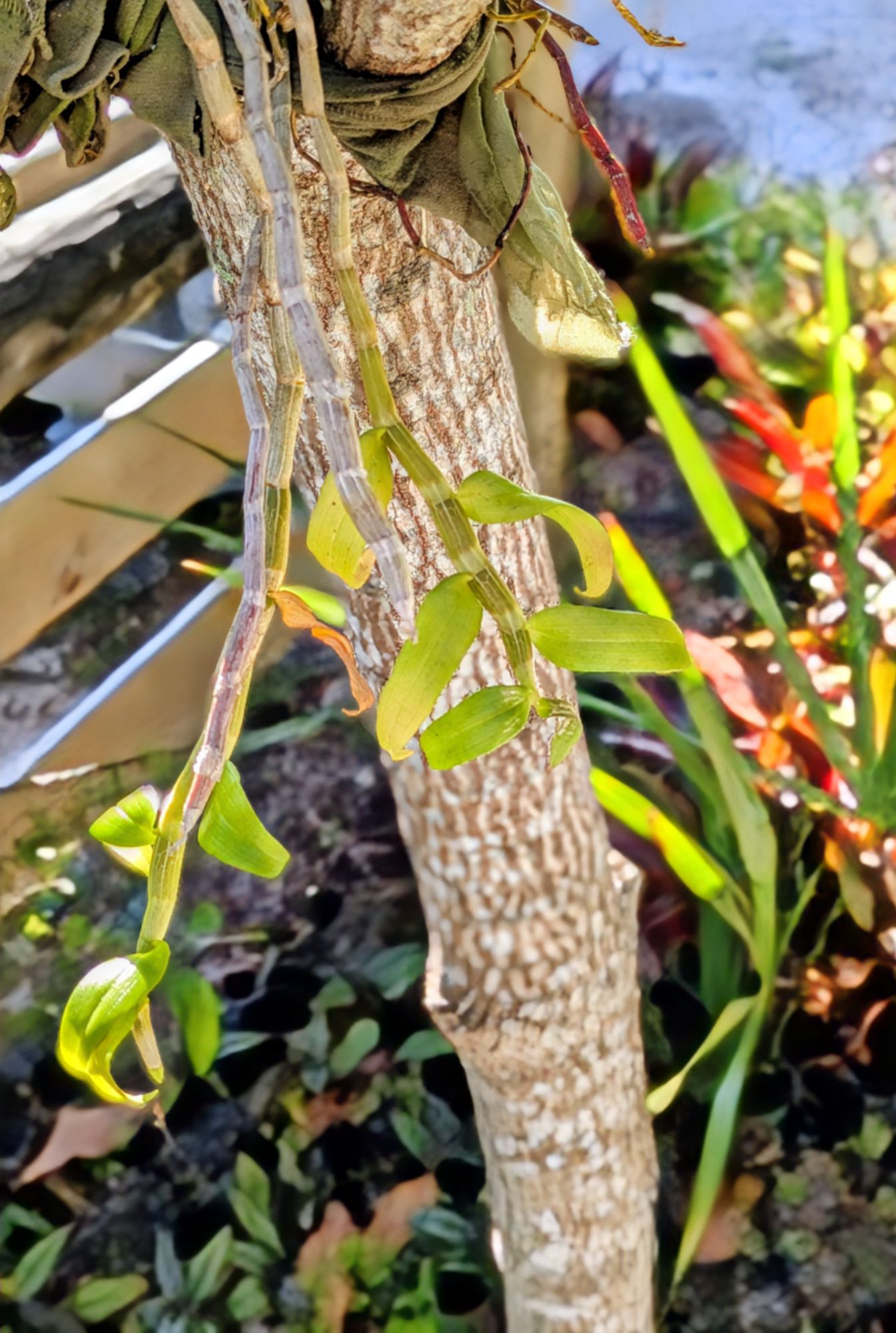
This is a Dendrobium orchid growing in the trunk of an avocado tree. Most of my orchids spent the last week in the tub of my second bath, but this one is well rooted into the bark of the tree. I covered it with pillowcases for several days and it seems to be fine. Fingers crossed. The avocado tree is fine.
wp-1770475620635209882422656856039

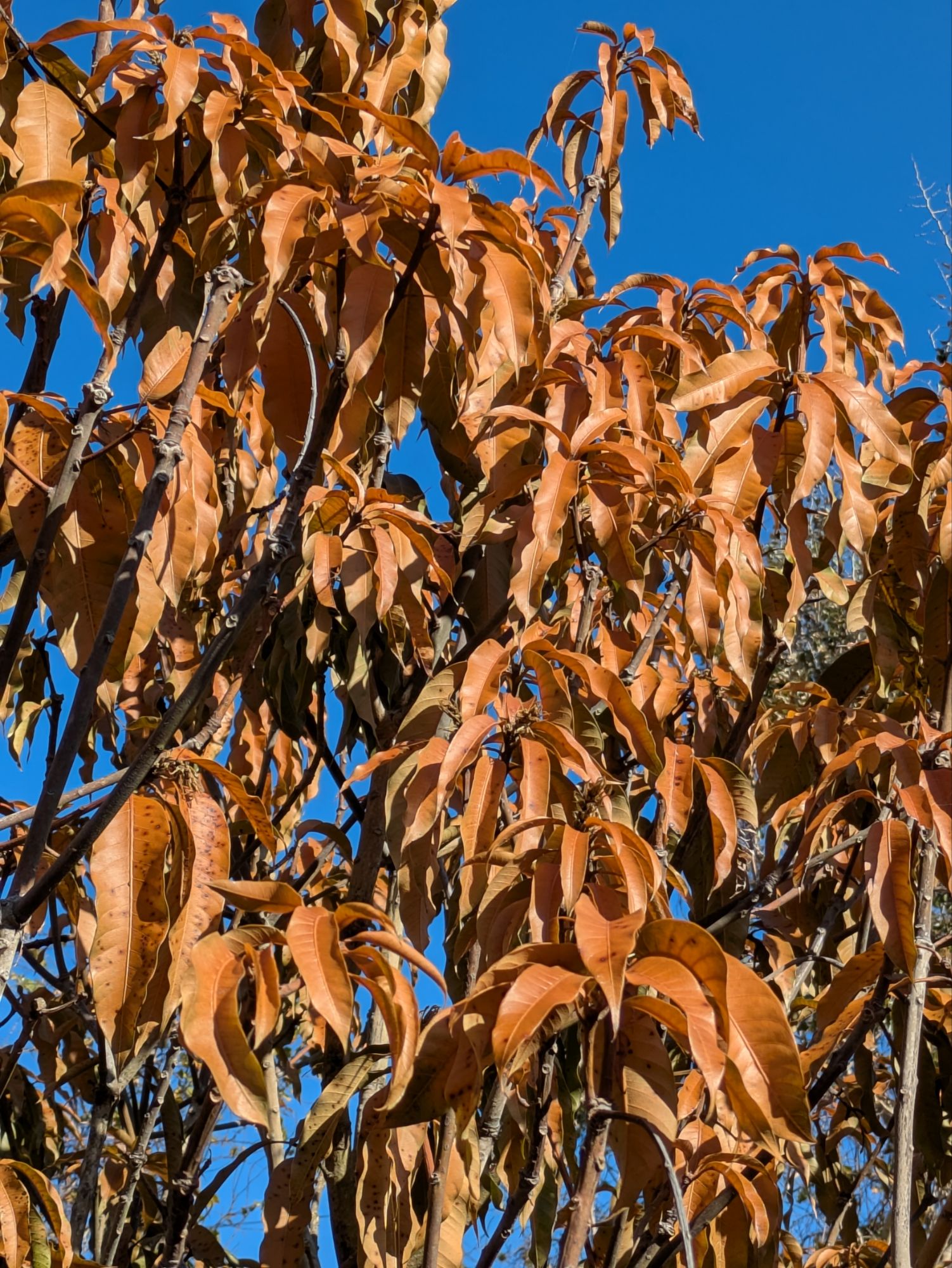
The Nam Doc Mai Mango wasn’t so lucky. I remember now (too late) the Thai Dessert Mangoes are the least cold hardy of the bunch – but, oh so delicious. I have a bad feeling about this one, though I can tell it is still alive – so far. I have been meaning to plant a late season mango, so this may be my chance.
wp-17704764141538367177210518942313

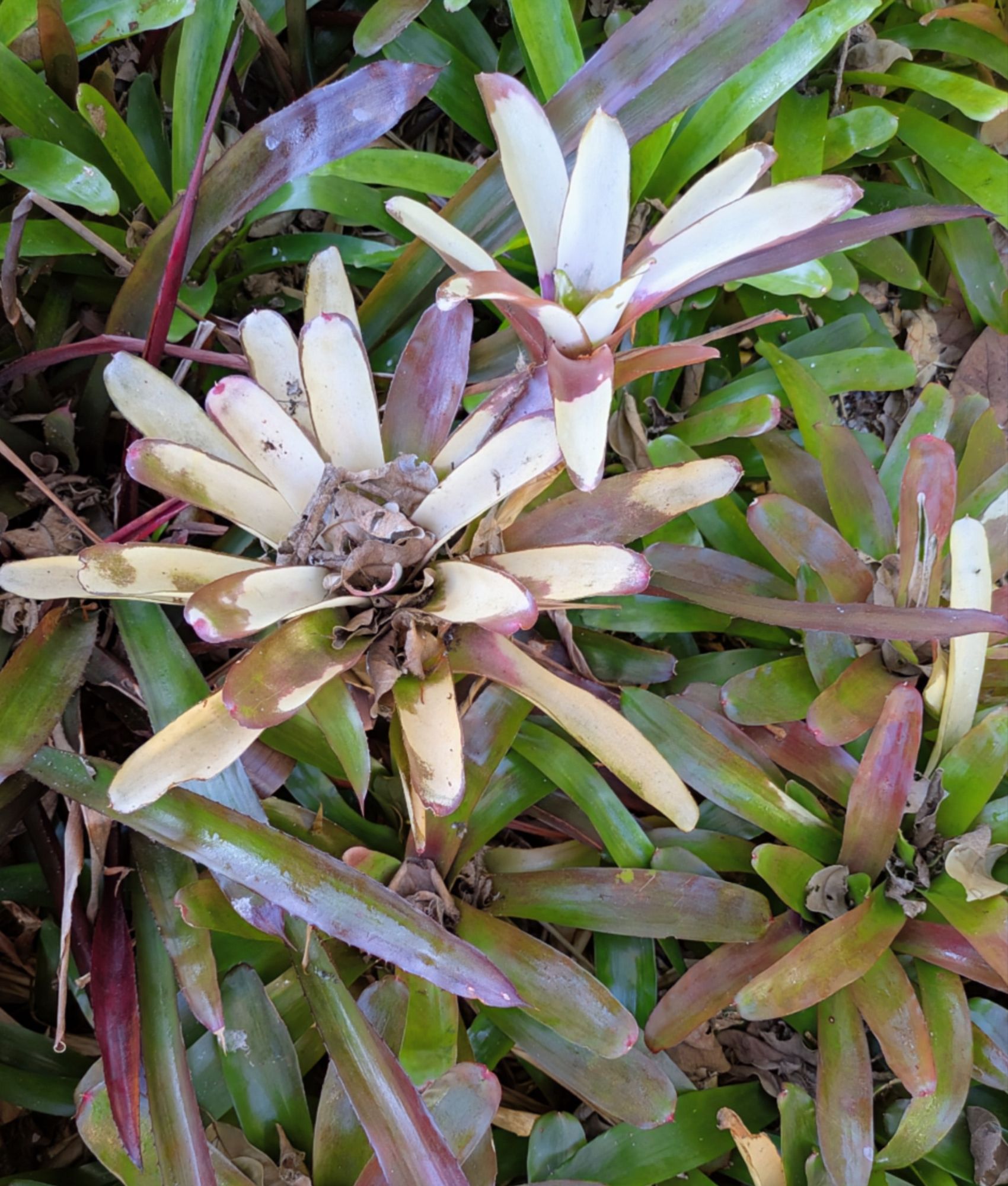
Super Fireball Neoregelia bromeliads burned white. The more exposed the location, the more fried the plants are. The white damage is still growing a week later. I cannot imagine there is anything to do but trim these off.
wp-17704766143282300255869291054244

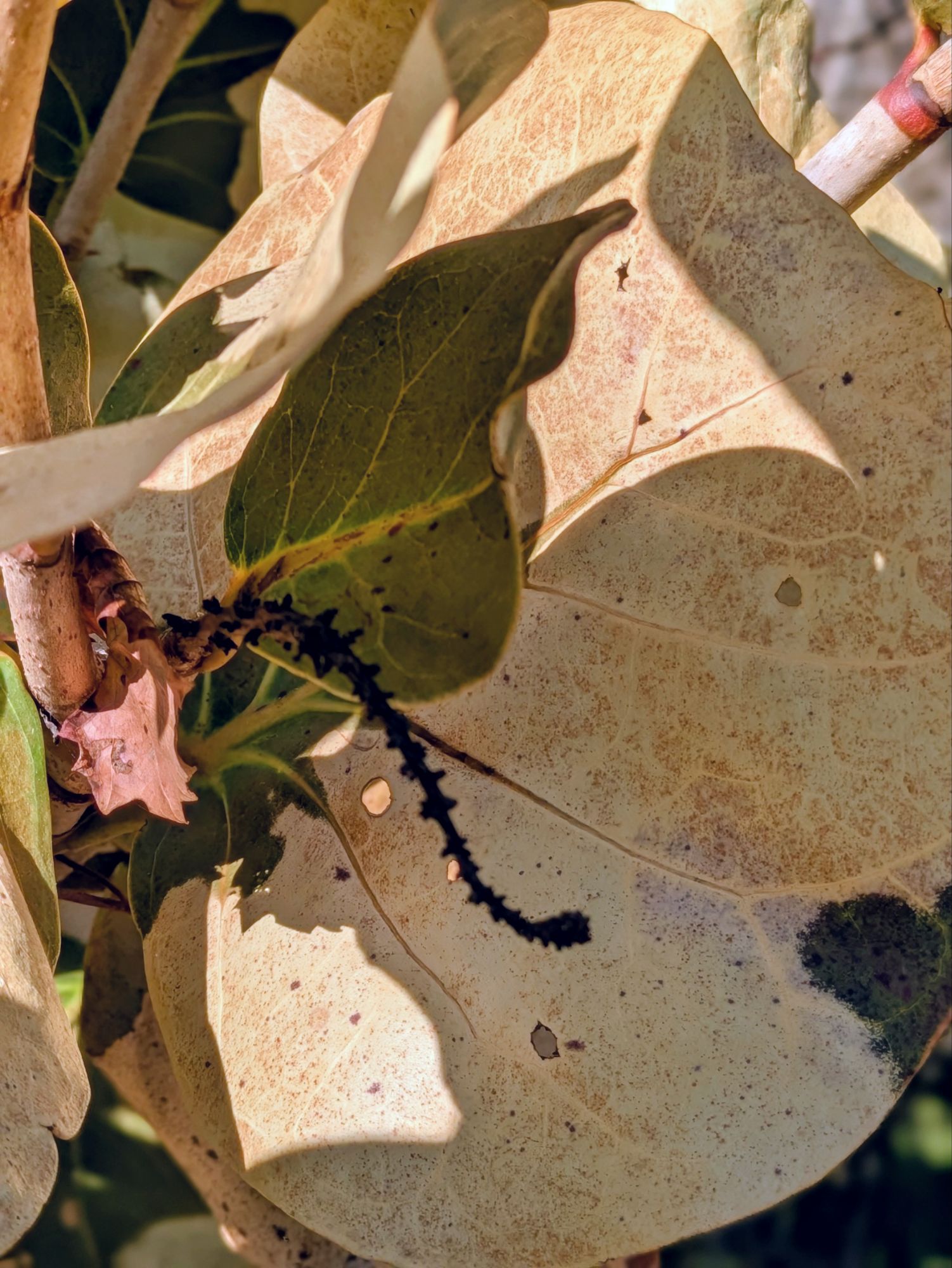
Burned foliage on the hopefully indestructible Sea Grape (Coccoloba uvifera) There is going to be a lot of raking to do!

Please share any thoughts about pruning, etc. I haven’t deal with cold damage like this – ever!

Thanks to Jim at GardenRuminations Follow the link to see more garden goings on SOS!

In a Vase on Monday – Winter Deflector

wp-17699821903356432532521641487504

Generally, people who move to South Florida dislike being cold, at all. I admit to being one of those people. This past week has been a bit of a trial for me. Last night we experienced the coldest (is that a word?) temperature of our tenure in Florida. 28 F/-2C (minus!) I was not amused, especially facing the morning dog walk and decided Rob the Greyhound, being lean and short haired, needed a jacket. He had different ideas, peed on the jacket (it is pink, from a long gone girl greyhound) and shook it off. So much for that. Rob is from West Virginia, where it is much colder, either he didn’t mind the cold or couldn’t cope with a pink jacket?! Another animal item of interest. People always ask me if we have iguanas falling from the trees during cold spells. I am, fortunately, slightly too far north for that. However, the county south of us is collecting bags of frozen iguanas at their fire stations. Ugh.
I moved many of the tender orchids, tomatoes and herbs into the house and covered many more. It seems a frost every sixteen years might be the average – 2010 and 1989 are legendary here. This took a few days as water lines into the house are not necessarily insulated and those need to be taken care of as well as the plants. I have plants in our spare bedroom, bathtub, foyer and garage. I am happy I went to all the trouble of moving them inside as the weather forecast was spot on and the tender plants would not likely have survived.

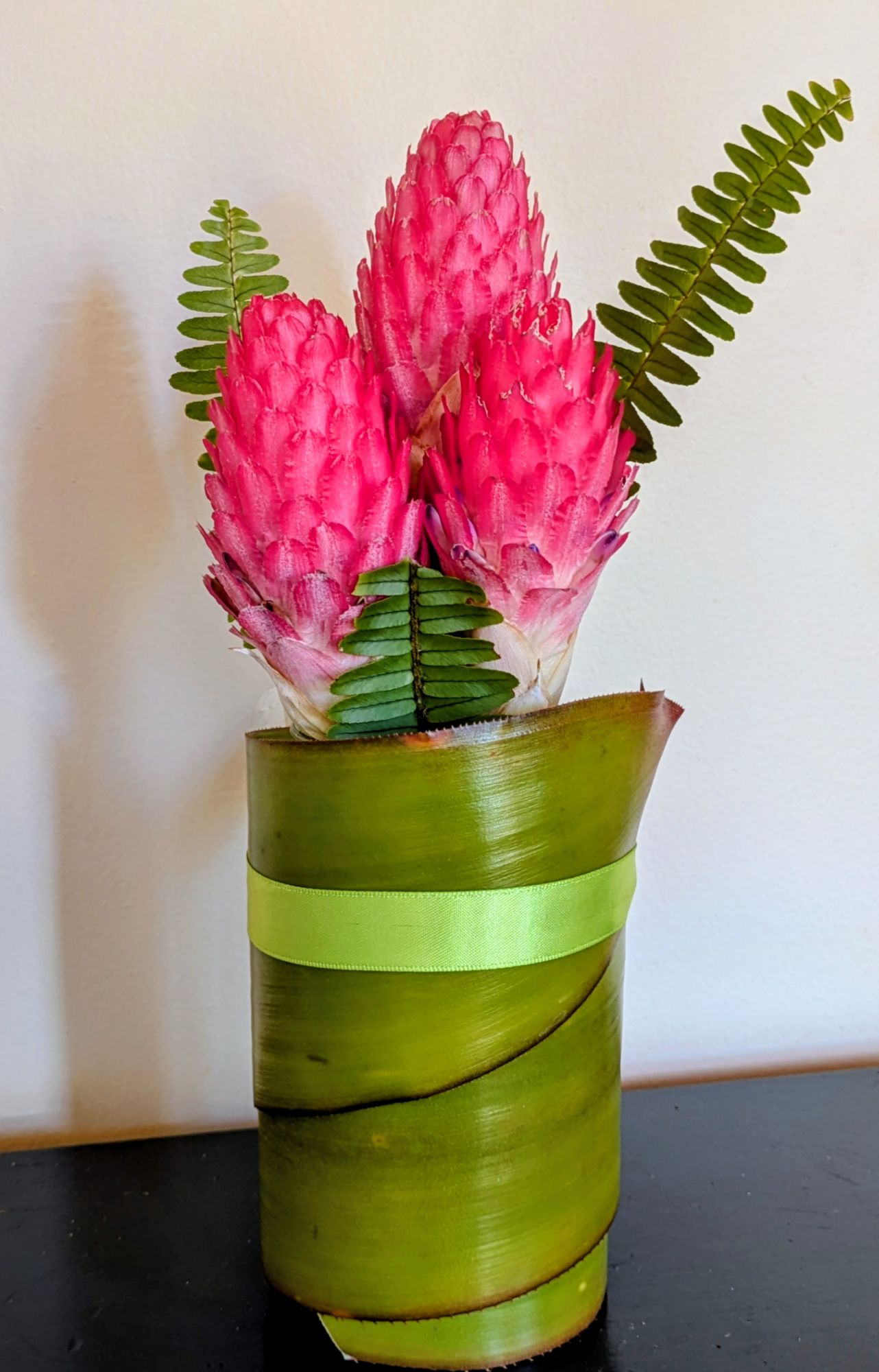
Today’s vase is intended to project some warm, tropical vibes back into the universe. So far, the only cold damage I have witnessed is, ironically, a Firebush, the foliage burned black. Fingers crossed that is all. But, I doubt it.

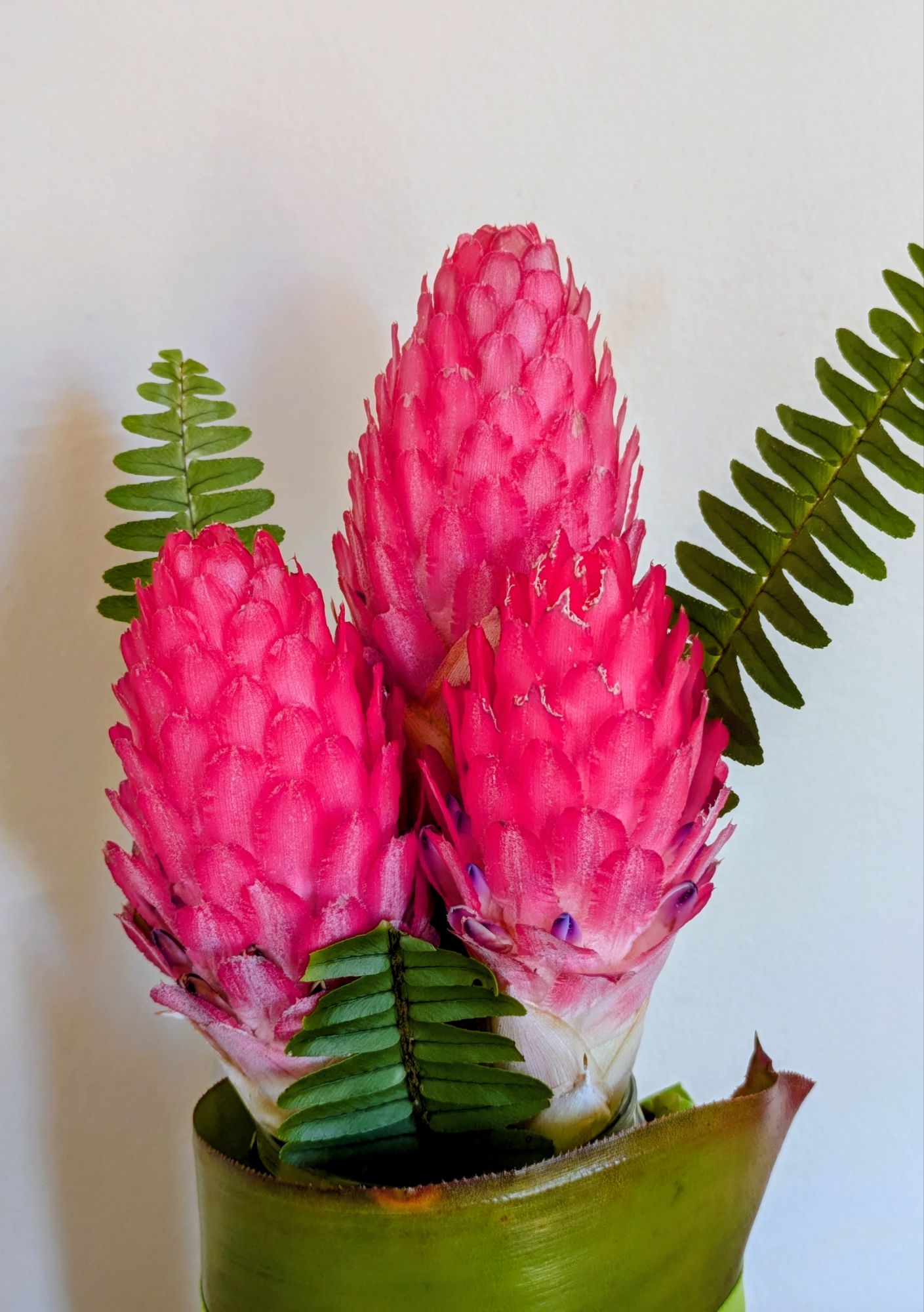
A closer view of the vase.

wp-17699859537481862947767240697328

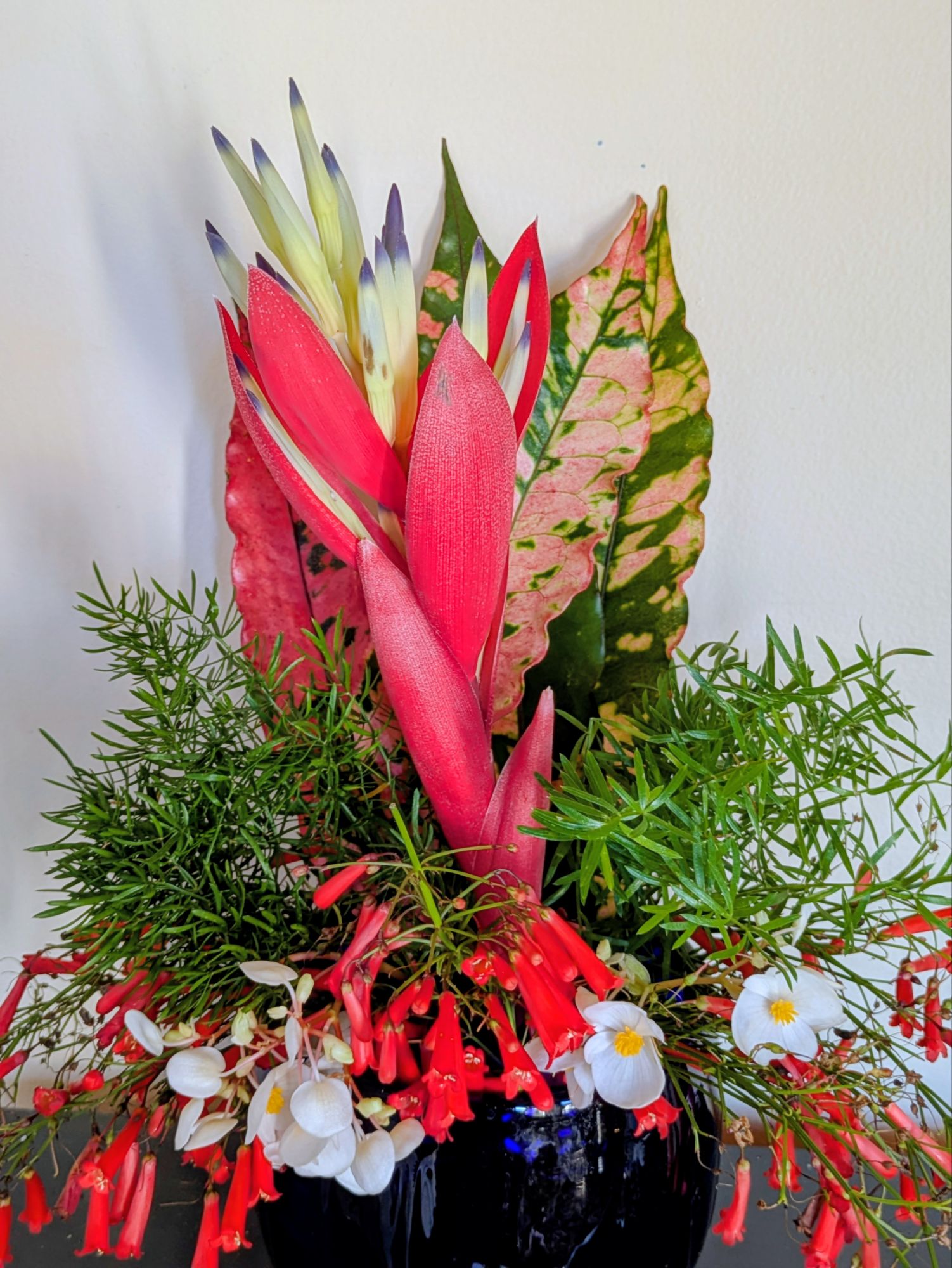
These are Bromeliads, reportedly cold hardy, Quesnelia testudo. Tulips of South Florida, with teeth. The ferns are invasive, Asian Sword Ferns, but I do love them in a Vase. The vase is a jelly jar wrapped with a leaf from another Bromeliad, ‘Lemon” Aechema blanchetiana. I would be shocked if anything killed these things. Maybe a winter in Chicago.

Cheers to warmer days!

Thanks to Cathy for hosting. Follow this link to her blog RamblingintheGarden to see more vases.

In a Vase on Monday – Orchids Rule this Week

wp-17693731450731613060396587675616

I have been trying to get my orchids in shape this winter. They are scattered throughout the garden; some reside in trees and others in pots. I installed Cattleyas and Onicidiums in my Mango trees and have been tending the existing plants in the garden. It was a surprise to me that the orchids did not necessarily like residing in the boots of a Cabbage Palm – except on the north side. The plants that were not doing well were rehydrated and relocated. Who knew orchids could be rehydrated? I certainly did not. All have been watered daily and treated to a feeding with sea kelp spray – another odd detail in orchid culture. We will see how this goes.

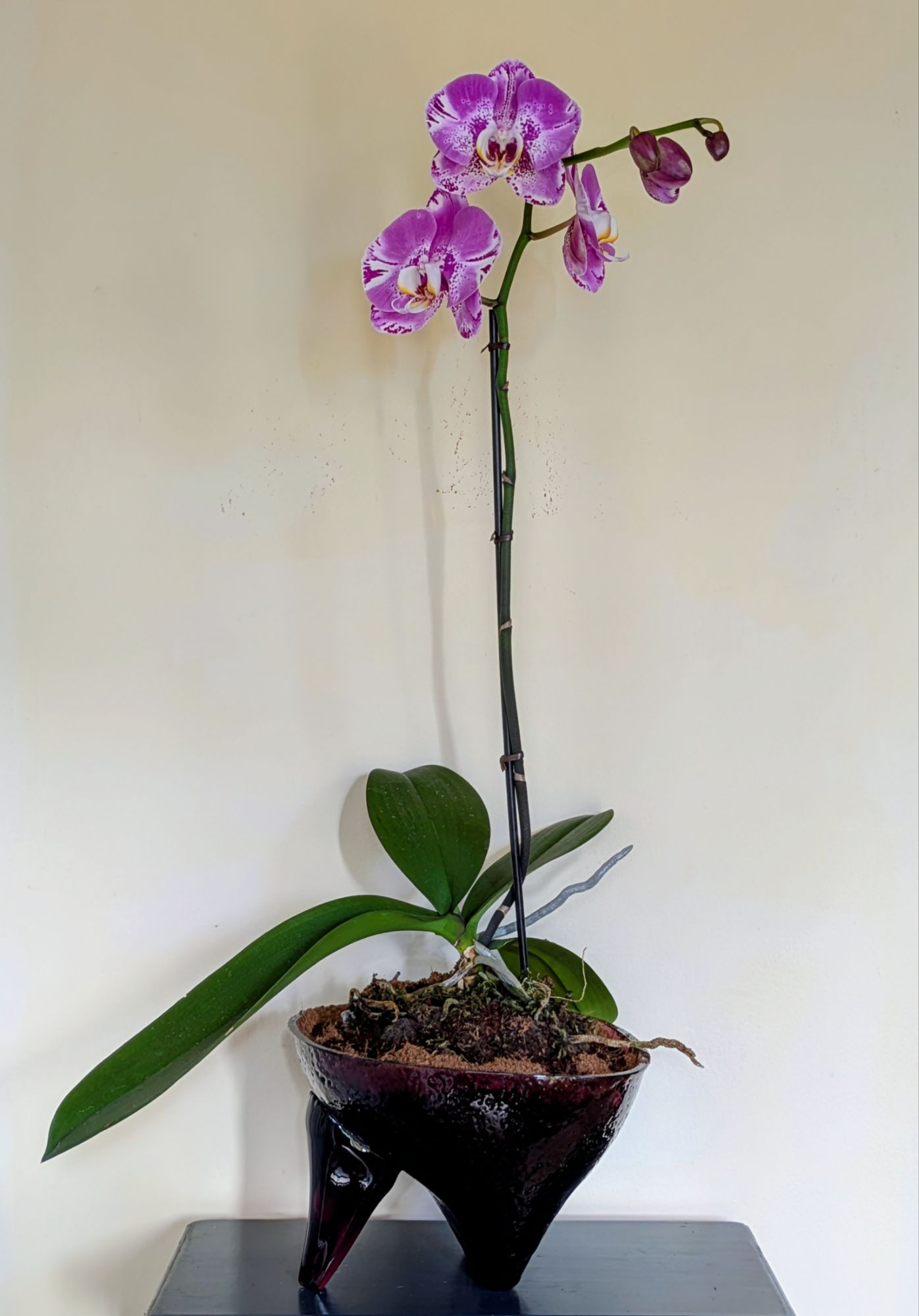
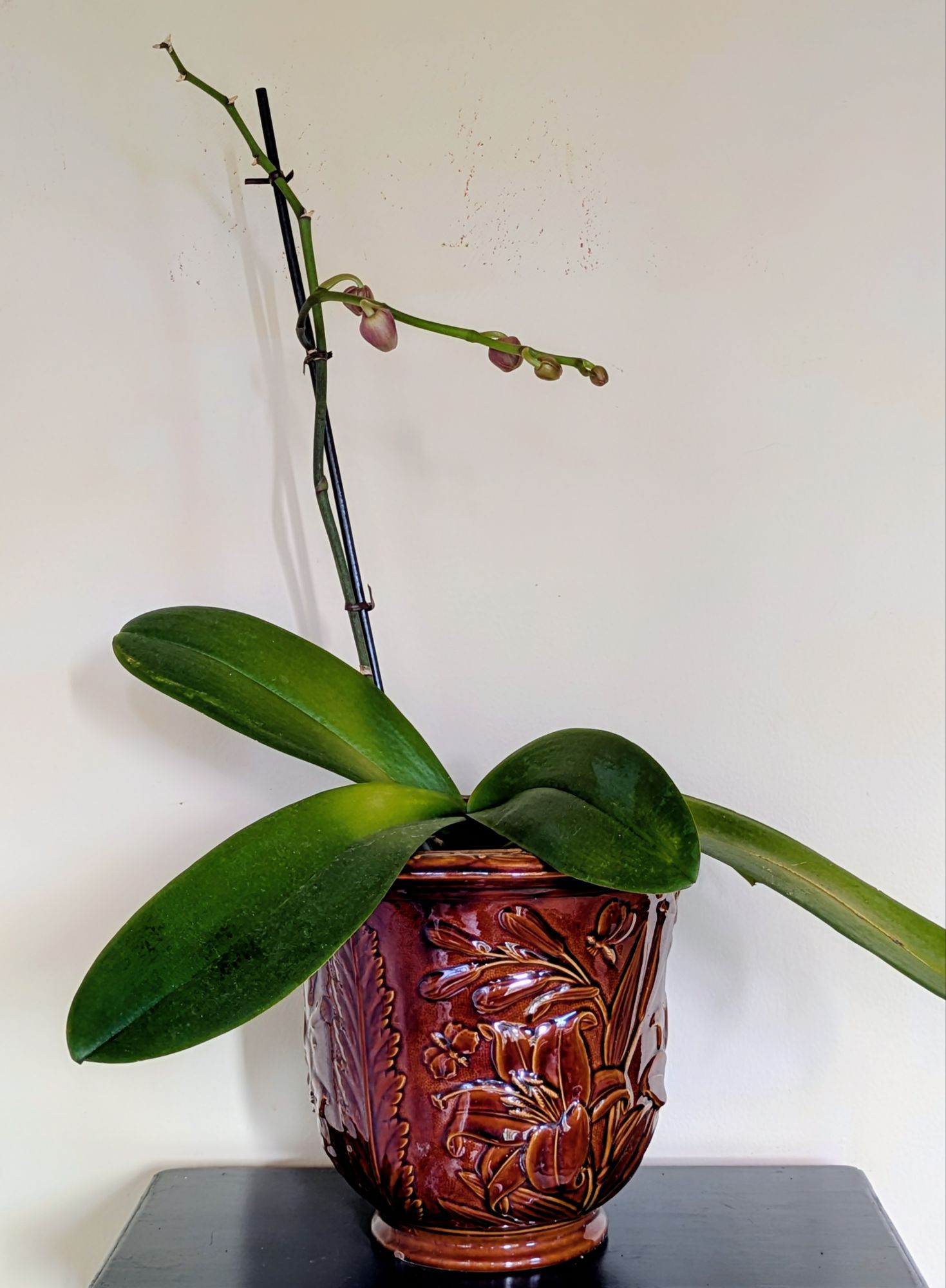
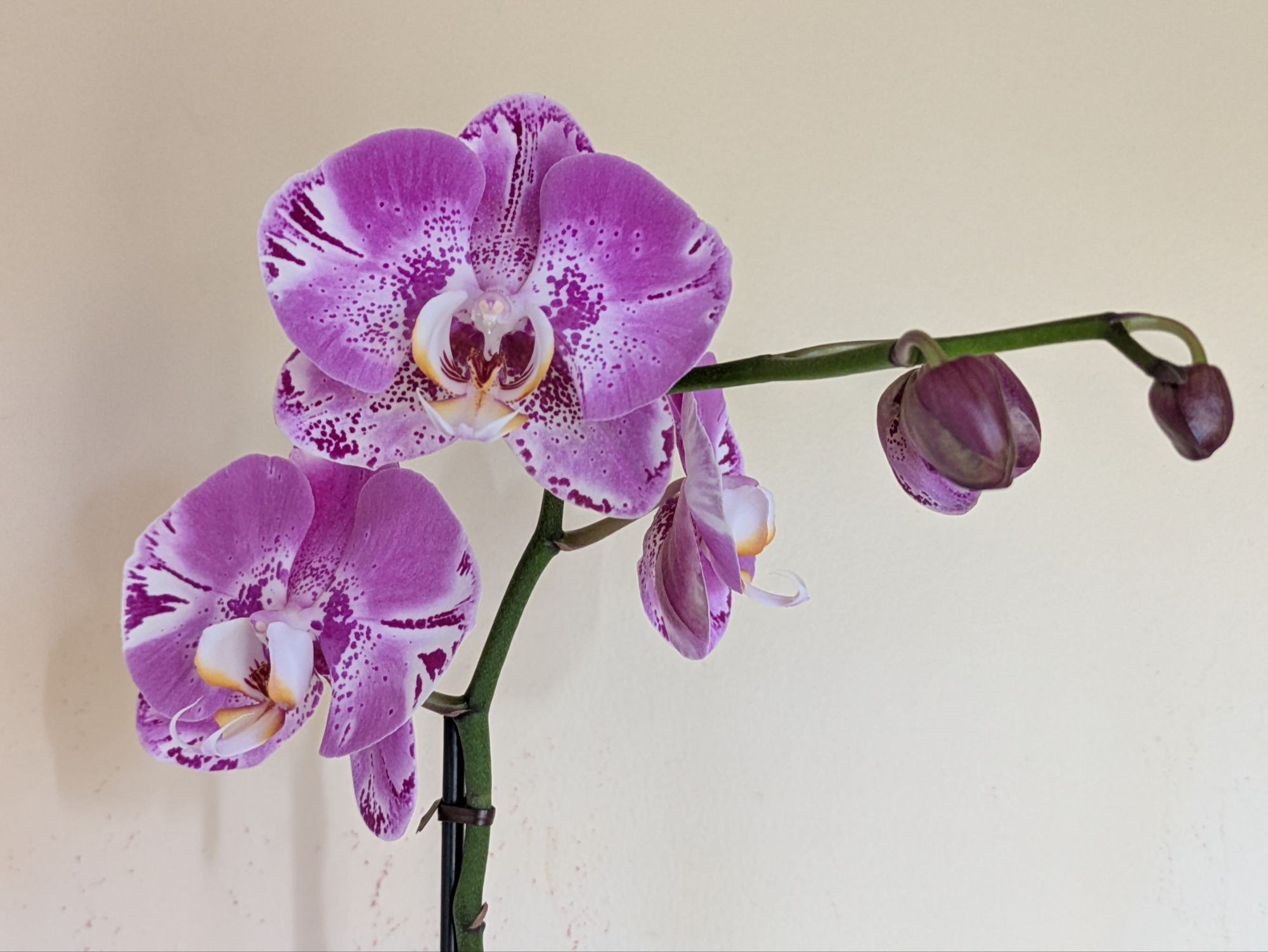
Above is the prettiest flower in the house. A Phalaenopsis Orchid of unknown origin I picked up at our local farmer’s market. Of course, I am unable to resist a good deal on an orchid, these are frequently available there and my collection is growing. Another surprise to me is that these will rebloom after a while – if you don’t cut the stem off. Below is one I left, untrimmed, in my foyer a little too long. I thought (foolishly) it might enjoy a trip outside. The leaves began to yellow and I quickly brought it back inside. Flowers soon!

wp-17693742541171448107439113965331

Here is a close up of the flower. The vase is Blenko glass from the 1950s. It was a wedding gift my parents received and passed down to me. Homage to the high heeled shoe! This vase is very difficult to use for flower arrangements, so I am pleased to have this orchid displayed in it.

wp-17693745350195429871068702712028

That’s all from my garden. Sea kelp included. I hope everyone is safe and warm.

Please join Cathy at RamblingintheGarden to view more vases from other gardeners..

Six on Saturday – Winter Gardening / So Fla Style

Hello all and Happy 2026! I haven’t joined SOS in a while as it seemed there wasn’t very much of interest going on in the garden. Winter gardening in South Florida brings what everyone else knows as summer vegetables and cool season herbs. This is also the time of year for dividing bromeliad pups and moving orchids around. So, I have been doing all of that.

Winter is the dry season, so it has not rained in weeks. I am fortunate to have a lot of bromeliads and they only need to have their cups filled about every 10 days. Amazingly resilient plants. High temperatures are running 78F / 25C, the humidity is low and skies are deep blue with a magnificent range of clouds. The migratory birds are passing through, so it is wonderful spending time outdoors.

wp-17680550958638281716031183294717

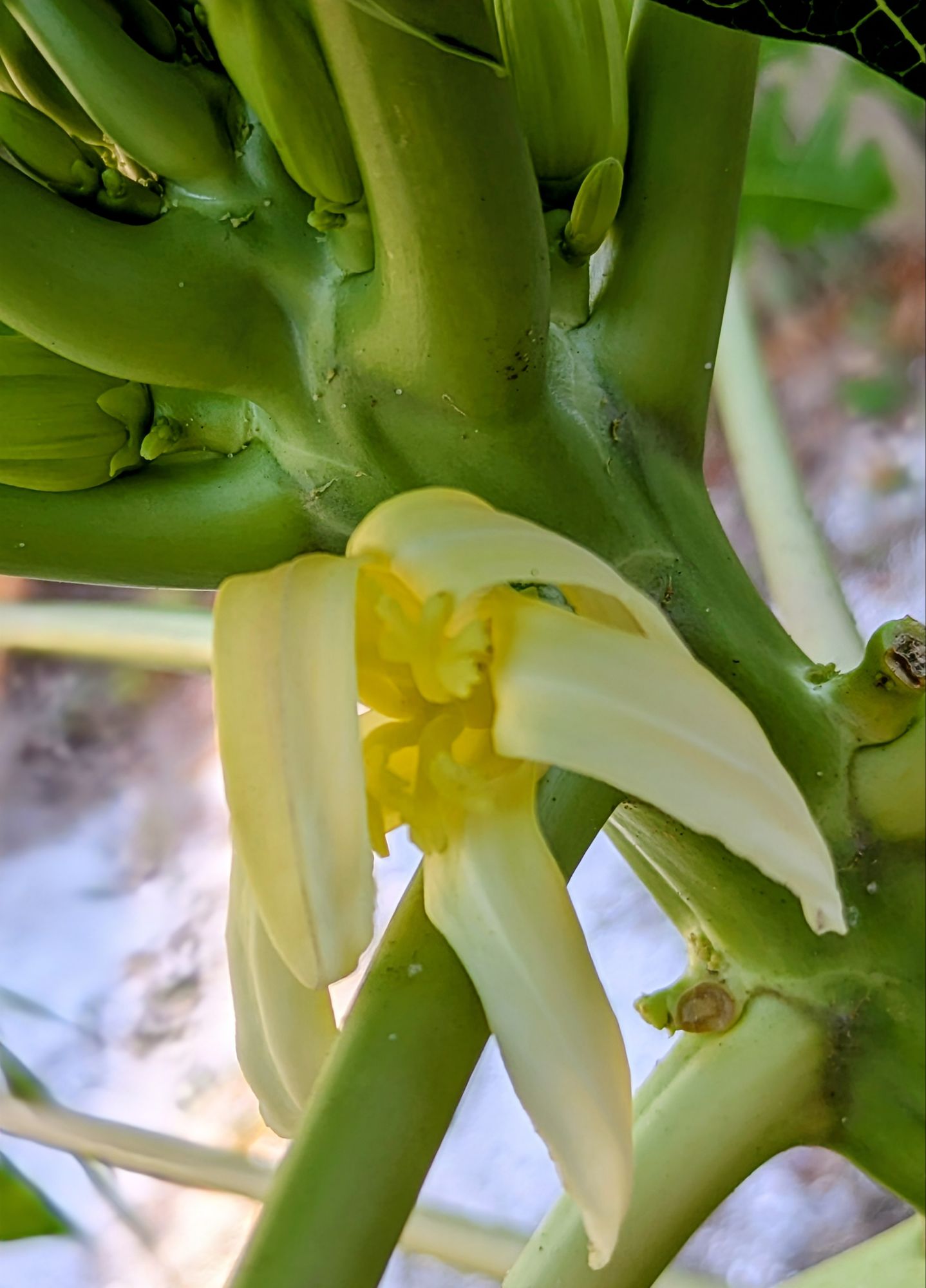
Winter also provides tropical fruit. This is the first hermaphrodite flower on the Nemesis Papaya I planted a couple of months ago. I am hoping for some fruit this year. Papayas produce male, female and hermaphrodite flowers that are self pollinating. Nemesis is a selected variety for that and I think the name reflects its resistance to nematodes. We have bad nematodes in Florida.

wp-1768055378229349937420669005842

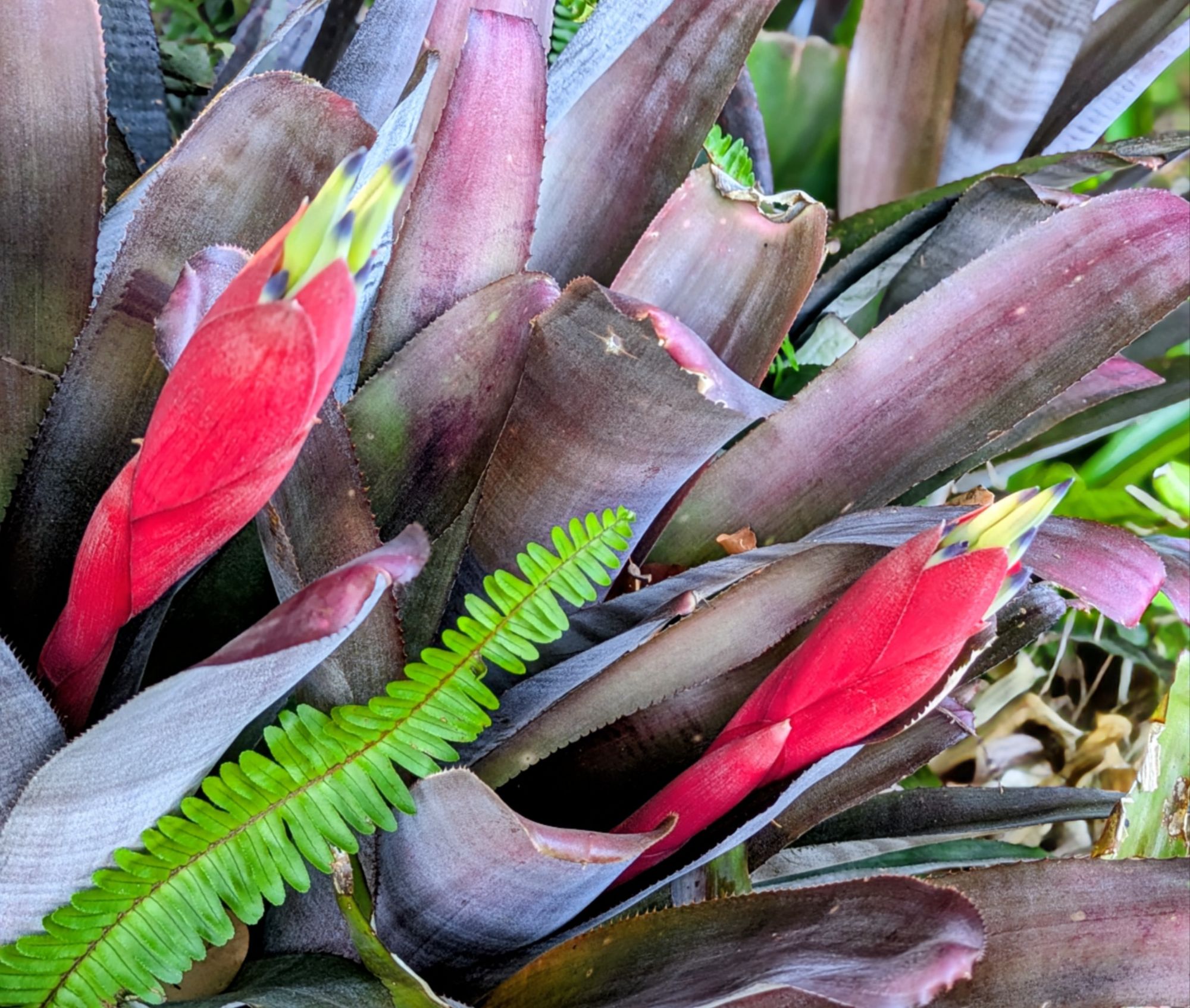
Billbergia bromeliads flower in winter. I think these are Billbergia amoena. Above are the rather impressive buds, I cut one of the flowers, they last a week in a vase and open with tiny cobalt blue flowers are the tips that look like curling ribbon.

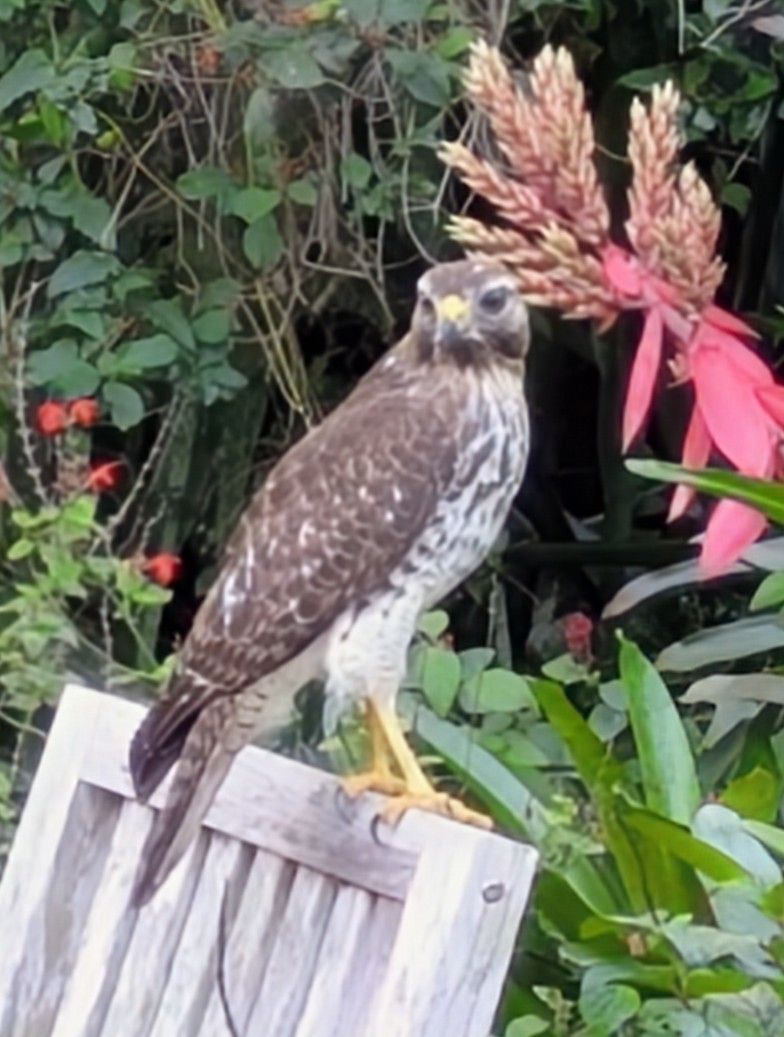
Here is some of the wildlife passing through. This is a juvenile Red Shouldered Hawk. Hopefully looking for invasive lizards.

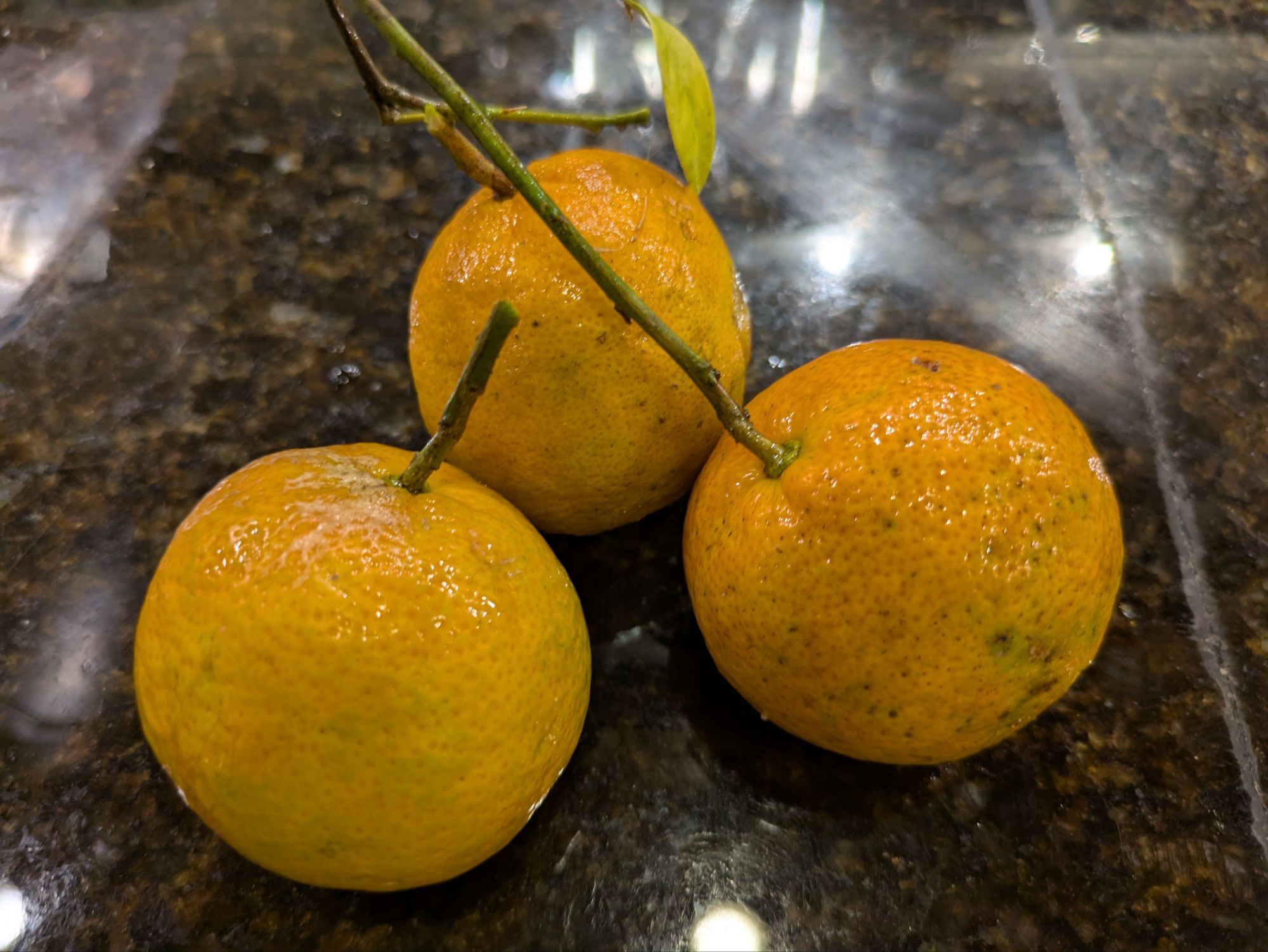
I have been harvesting Rangpur limes. These may not look like limes, but they are ripe. They are a cross between lemons and mandarin oranges. A sour orange, really, and used in cooking and baking. They make a delicious key lime pie.

wp-17680563012813324462043534886763

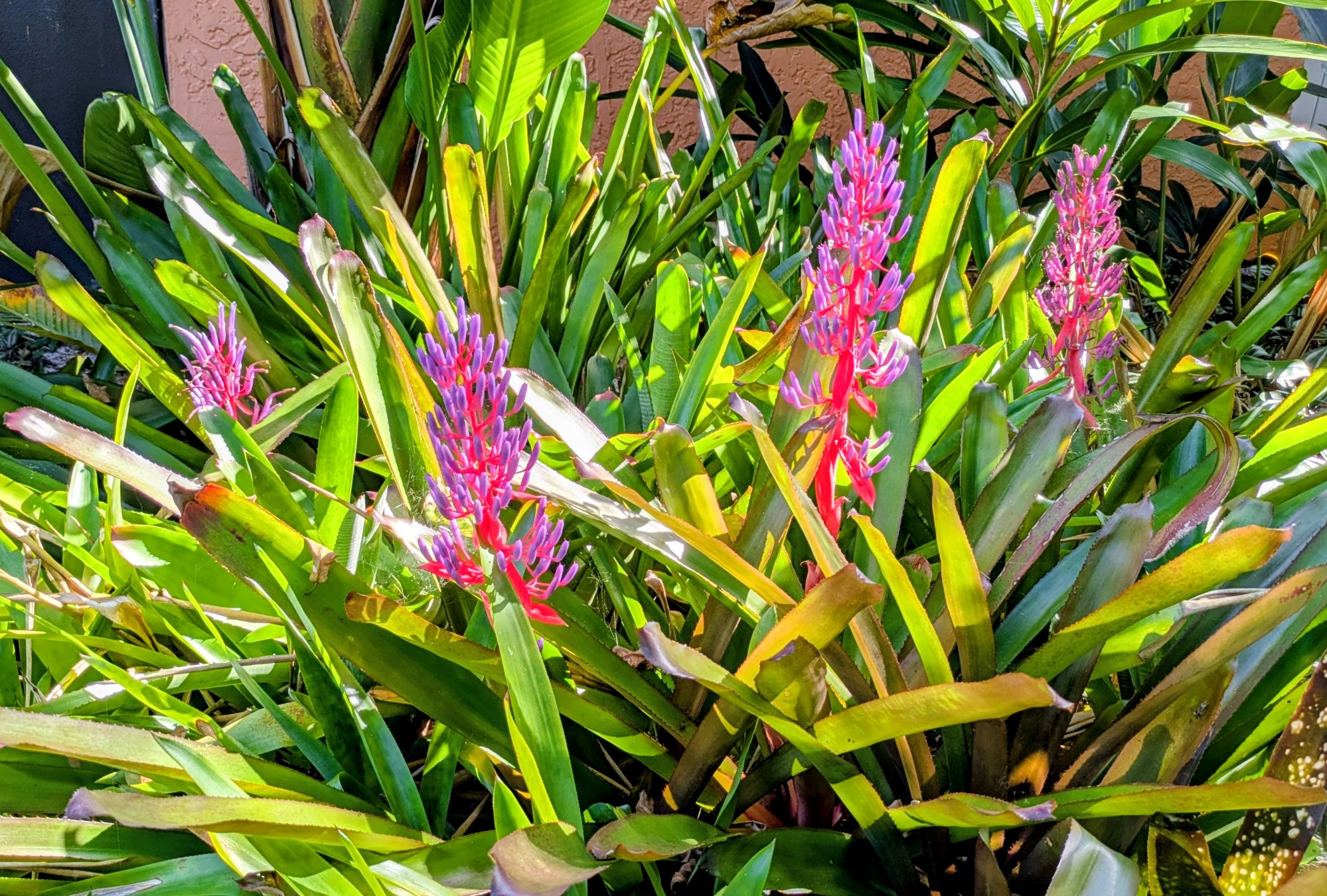
More bromeliads in flower. These are ‘Candy’ Porteas. I think they are named after Good and Plenty licorice candy.

I use these as cut flowers, here is a closer view.

I believe I am over six pictures, so I will stop. Visit our host, Jim, at this link GardenRuminations to see more SOS posts.

In a Vase on Monday – Celebrating Garden Mystery

wp-17657475845451625946170417636948

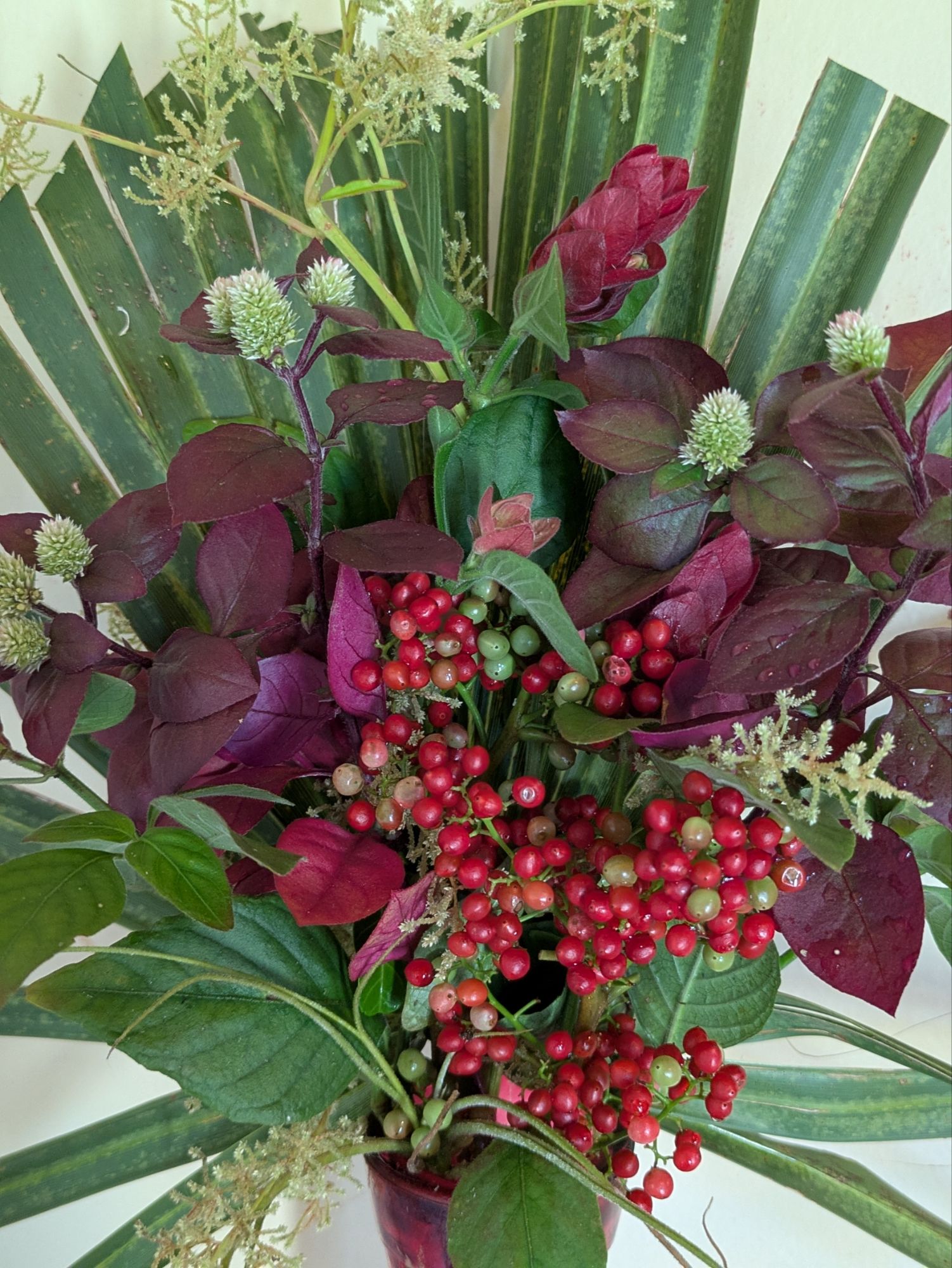
The holiday mood usually kicks in for me around December 15. True to form, I reached for the big red vase and went in search of some ‘Christmasy’ flowers. This vase presents a challenge. It is very tall and has a very narrow opening.

The hunt was on for holiday mood flowers with skinny stems. In South Florida! A challenge, to say the least. My garden provided several selections. Not one of them was planted by me. Where did they come from?? An unanswerable question.

I suppose the birds have been planning to provide me with holiday vase clippings! Every December I remember how many birds pass through. The numbers are truly astounding as well as the variety and lengths of the commutes.

A closer view:

wp-17657481503322437926745075707183

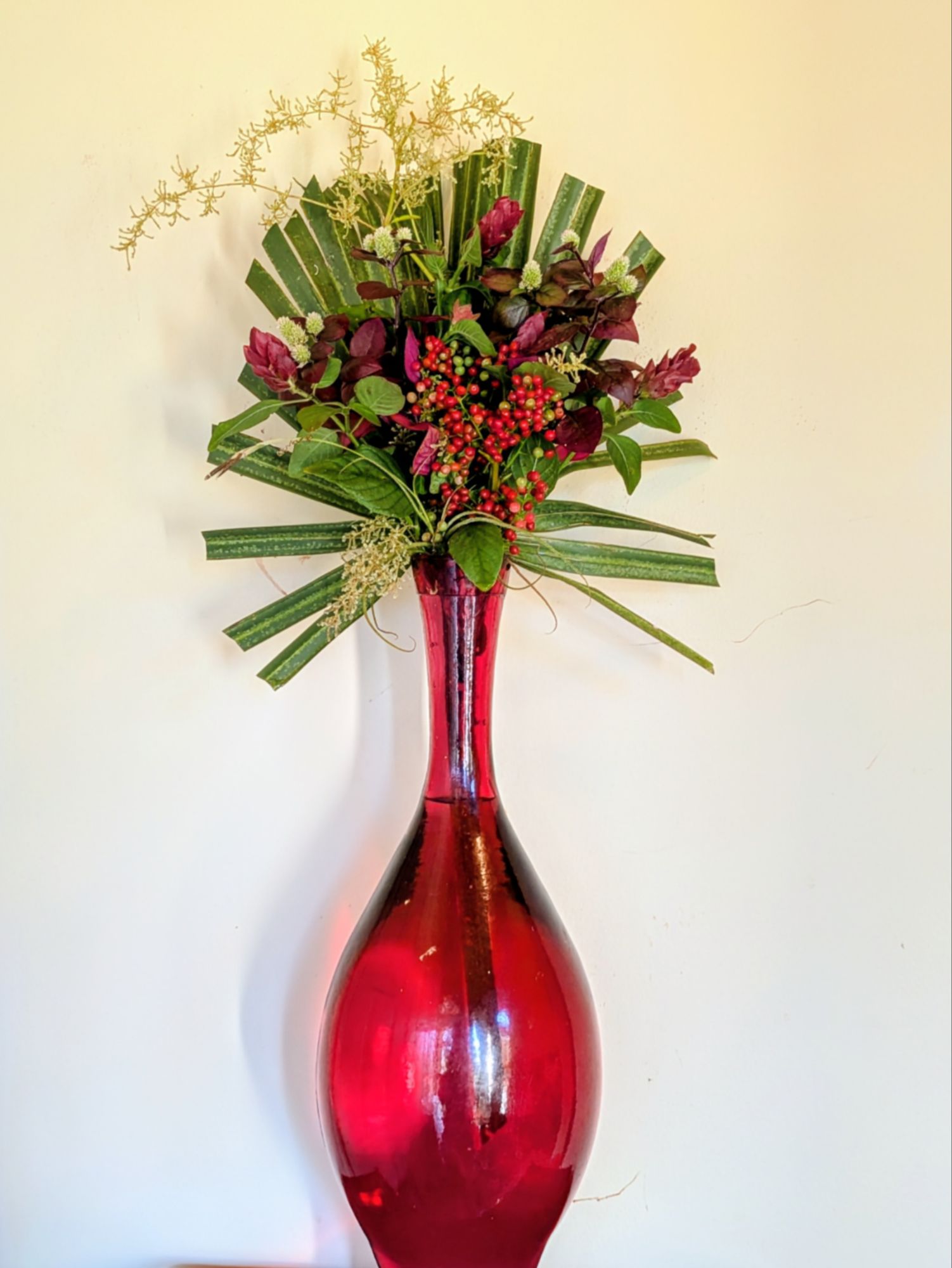
The red berries are Brazilian Pepper (Schinus terebinthifolia) – a dreadful invasive plant in my garden. I am certain these were planted for their lovely berries and frighteningly quick growth habit. There are now untold zillions of these growing wild while we try to get rid of them. I may have saved the planet from 60 with this vase. Sigh. The purple foliage is ‘Purple Prince’ Alternanthera – planted as an annual color some years ago these appear intermittently growing from crevices in paving stones. Red flowers are Shrimp Plants (Justicia brandegeana) – my neighbor gave me one about ten years ago and it keeps going on. The trimmed palm frond, another seedling Cabbage Palm (Palmetto Sabal). Cream colored flower spikes are Juba Bush (Iresine diffusa), a gift from an unknown benefactor I have been diligently trying to propagate (no results). Long grey foliage at the neck of the bottle is a native air plant (Tillandsia spp). This is a relative of Spanish Moss and just appears. No idea why.

The ending of another year is always a good time for reflection. The unanswerable questions are a bit troublesome. I plan to enjoy whatever gifts the universe has to offer.

Thanks to Cathy for hosting. Follow this link RamblingintheGarden to see more vases.

In a Vase on Monday – Turks Caps and Wildflowers

wp-1763329425028706889522261596729

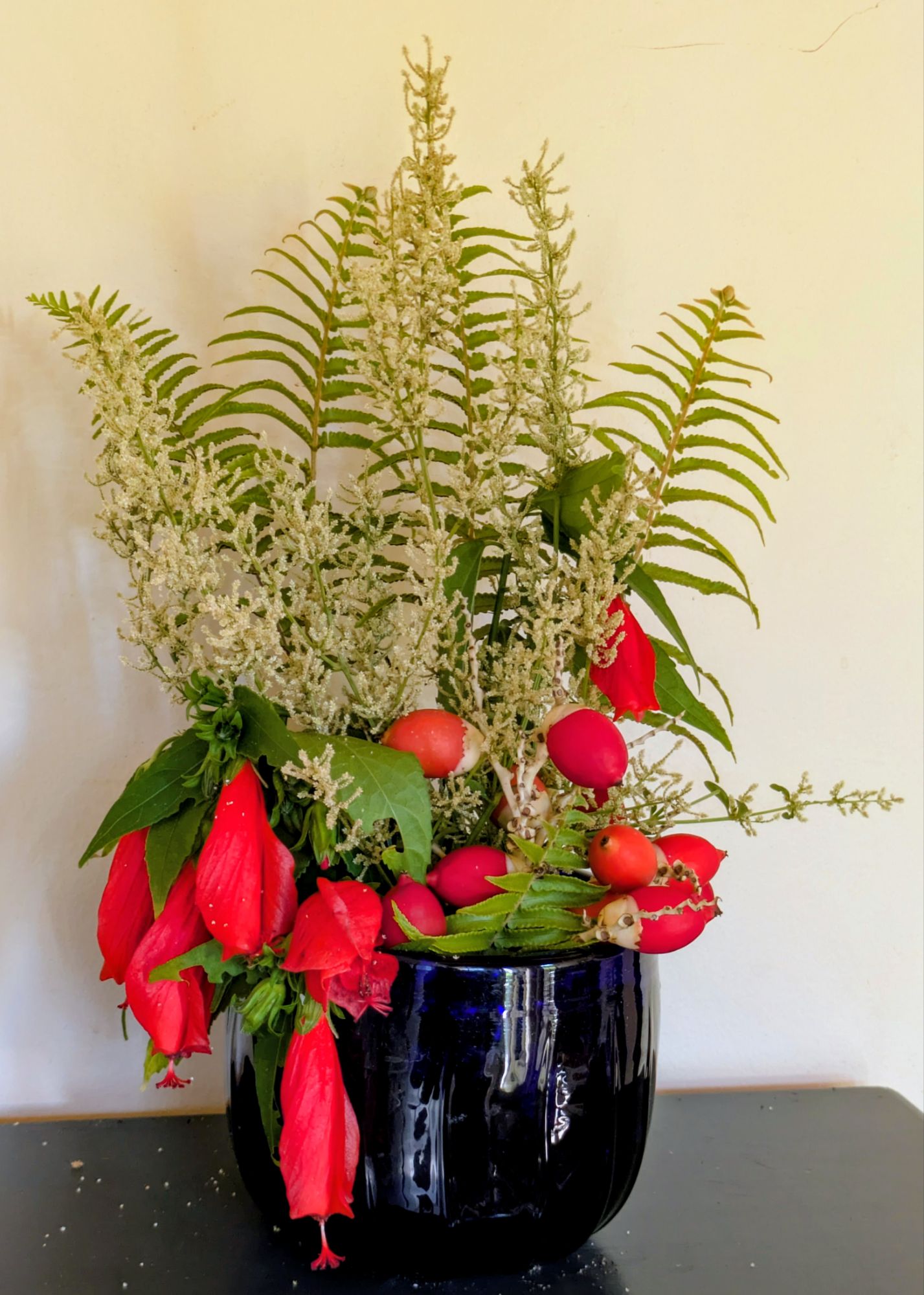
It’s that time of year – the holidays are approaching and the red flowers and berries are making their annual appearances. This vase is a good reflection of what is going on in the garden – the odd dichotomy of South Florida landscapes. Some plants go to seed in the fall and others celebrate the cooler season with flowers and growth. I realize there are cool season plants in other climates, but these are a little different..a bit more oomph.

South Florida is home to some fantastic native and acquired plants. I let everything come up and edit- a lot. It’s truly amazing what just appears. I am very opposed to lawn chemicals and plant for pollinators. I believe if you think that way birds and butterflies follow and proliferate, a good thing. My older brother, a lifelong gardener, was somewhat mystified by my enchantment with the caterpillars eating my plants. I have countless butterflies to enjoy and I suppose he is still worrying about how to get rid of the caterpillars.

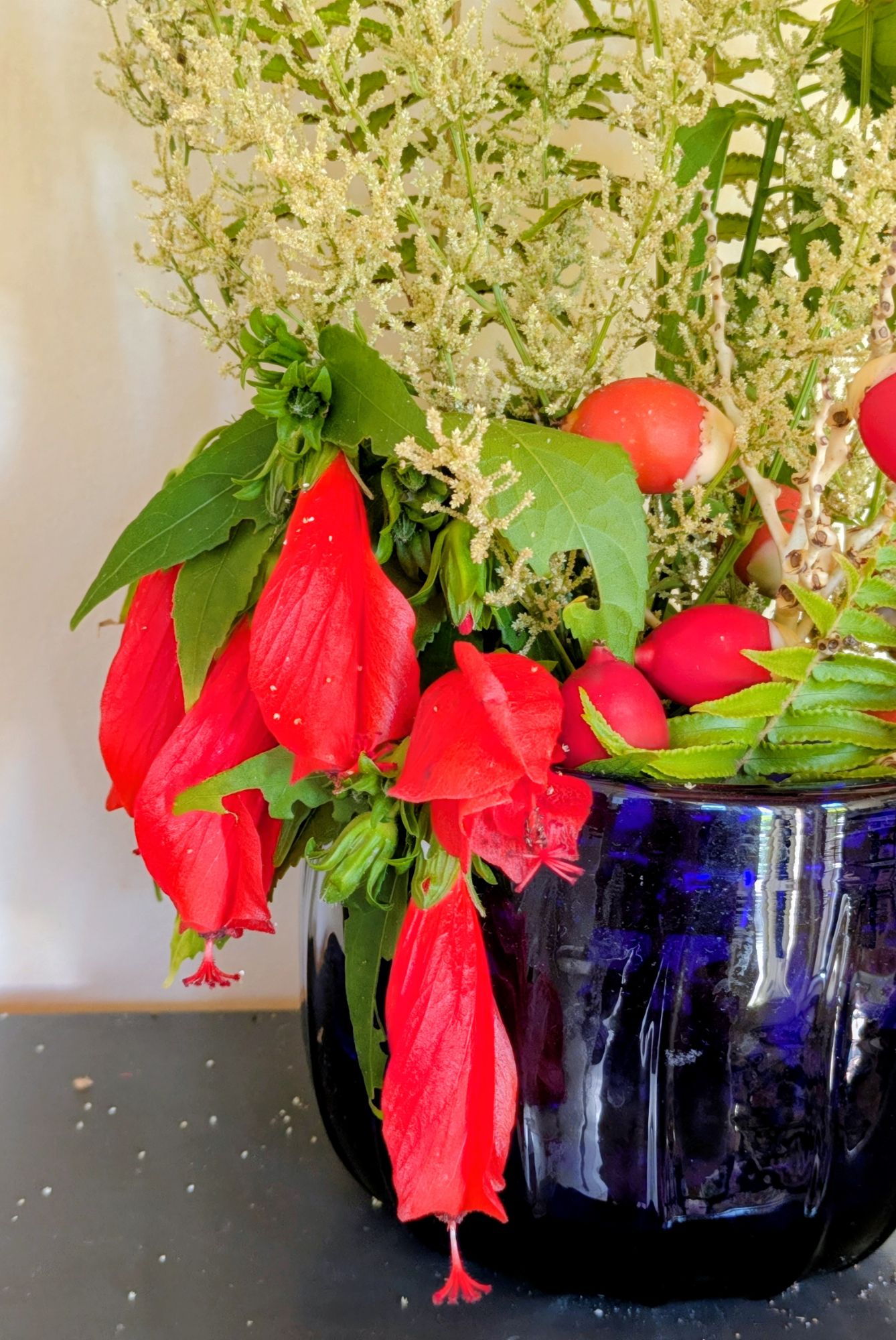
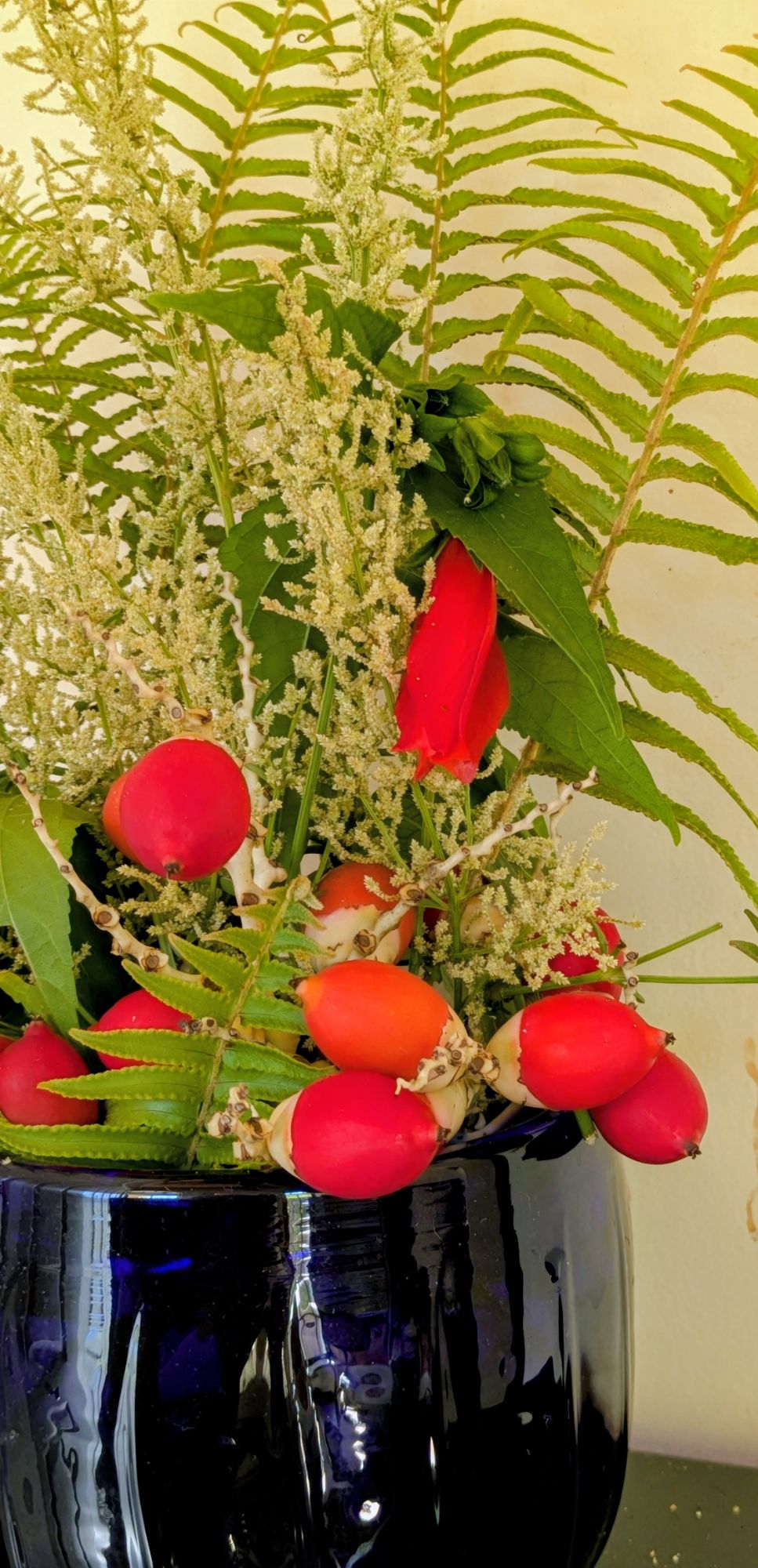
Closer views:

wp-17633345311566434938745195014806

The hanging red flowers are Turks Cap Hibiscus (Malvaviscus something). The older I get, the less interest I have in botanical name drama. Off white flowers are Juba Bush (Iresine diffusa). Both of these plants just appeared in my garden to my delight. I do nothing and they carry on.

wp-17633380292501660604040861652854

The berries are from a Christmas Palm (Adonidia merrillii), grown from seed by my friend Eddie. My husband refers to this tree as the Eddie Palm. This was planted by me. The ferns in the back are Boston Fern (Nephrolepis exaltata) They are native here and just appeared. What they have to do with Boston is a mystery to me.

Follow this link to visit Cathy’s blog and view vases from gardens around the world. RamblingintheGarden

In a Vase on Monday – Tempest in a Teapot

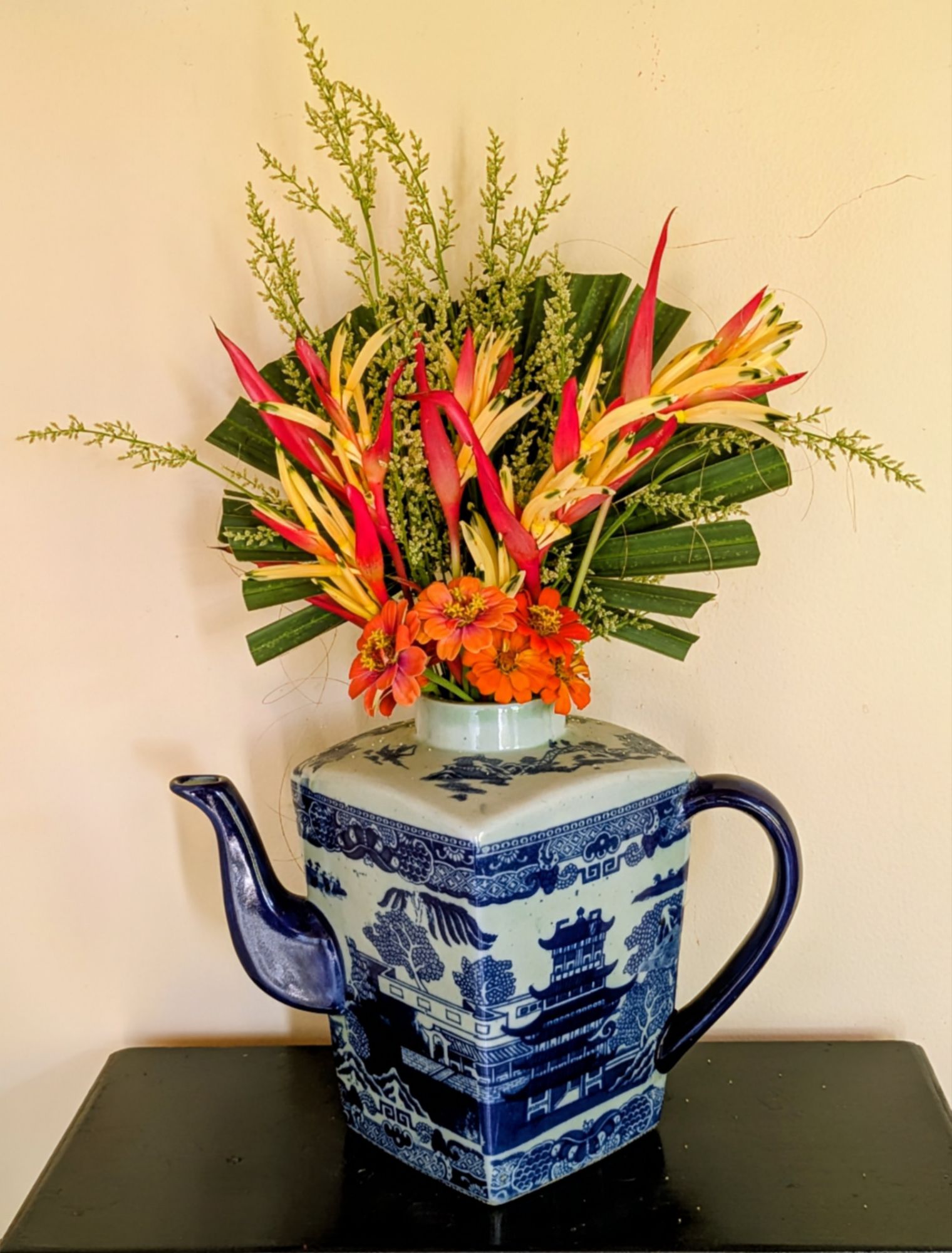
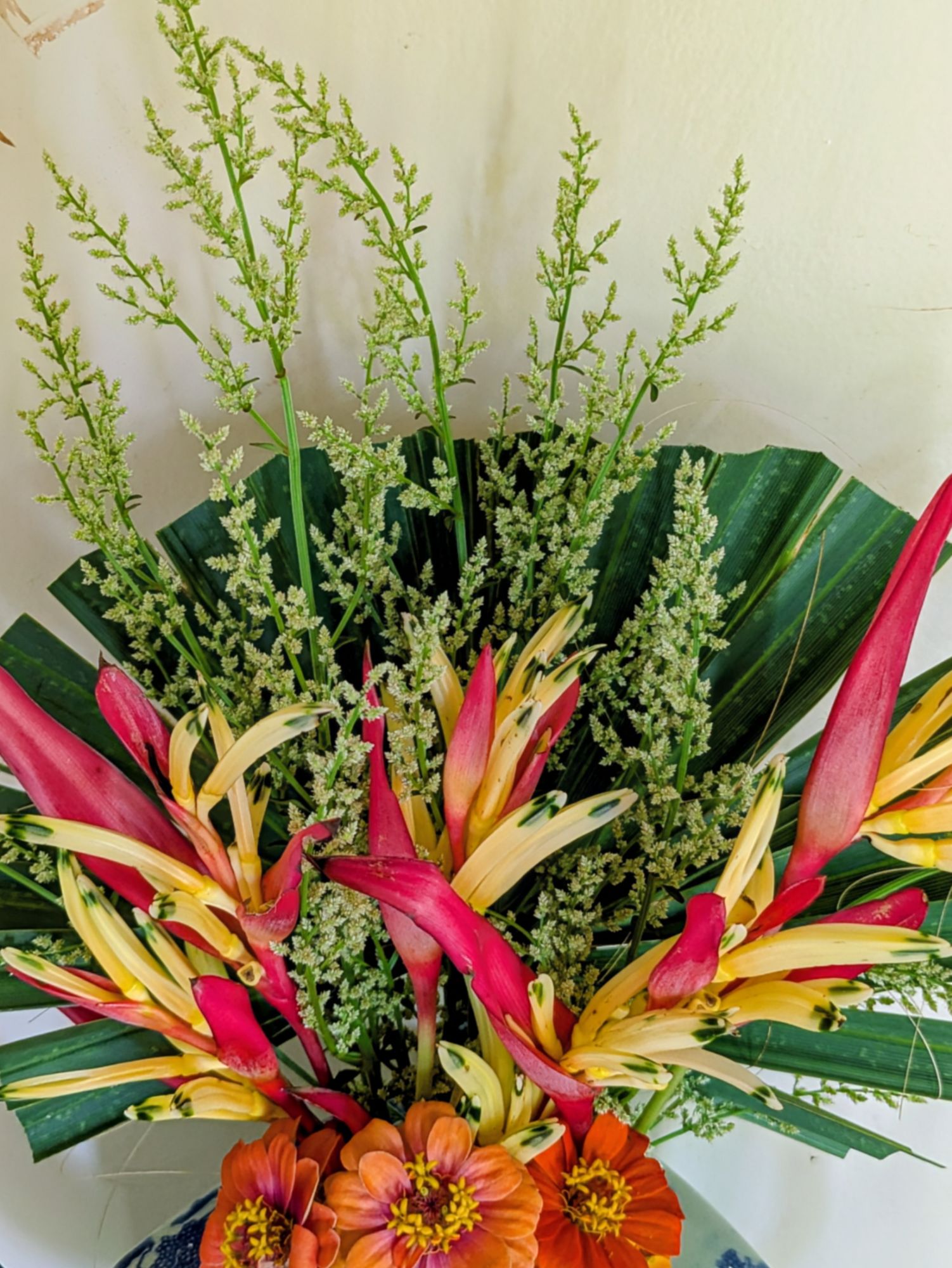
It seems like there is a lot going on in my Blue Willow teapot this Monday.The Parrotflowers are flying, the Juba Bush is swaying and the Zinnias are celebrating their escape from the leaf cutting bees. A lone palm frond holds it all together.

The height of hurricane season has passed, yay! It’s not time to celebrate quite yet as we still have the wind down until the end of November. October is usually more active in the Gulf of Mexico (yep, not changing the name on my blog) I usually start my sigh of relief in mid October and start cleaning the screen porch and setting up the outdoor furniture for winter. We had permanent accordion shutters put on our windows last week so we can be storm ready in a short period of time. That will probably prevent storms for a while!

wp-17596972977362091631263726107409

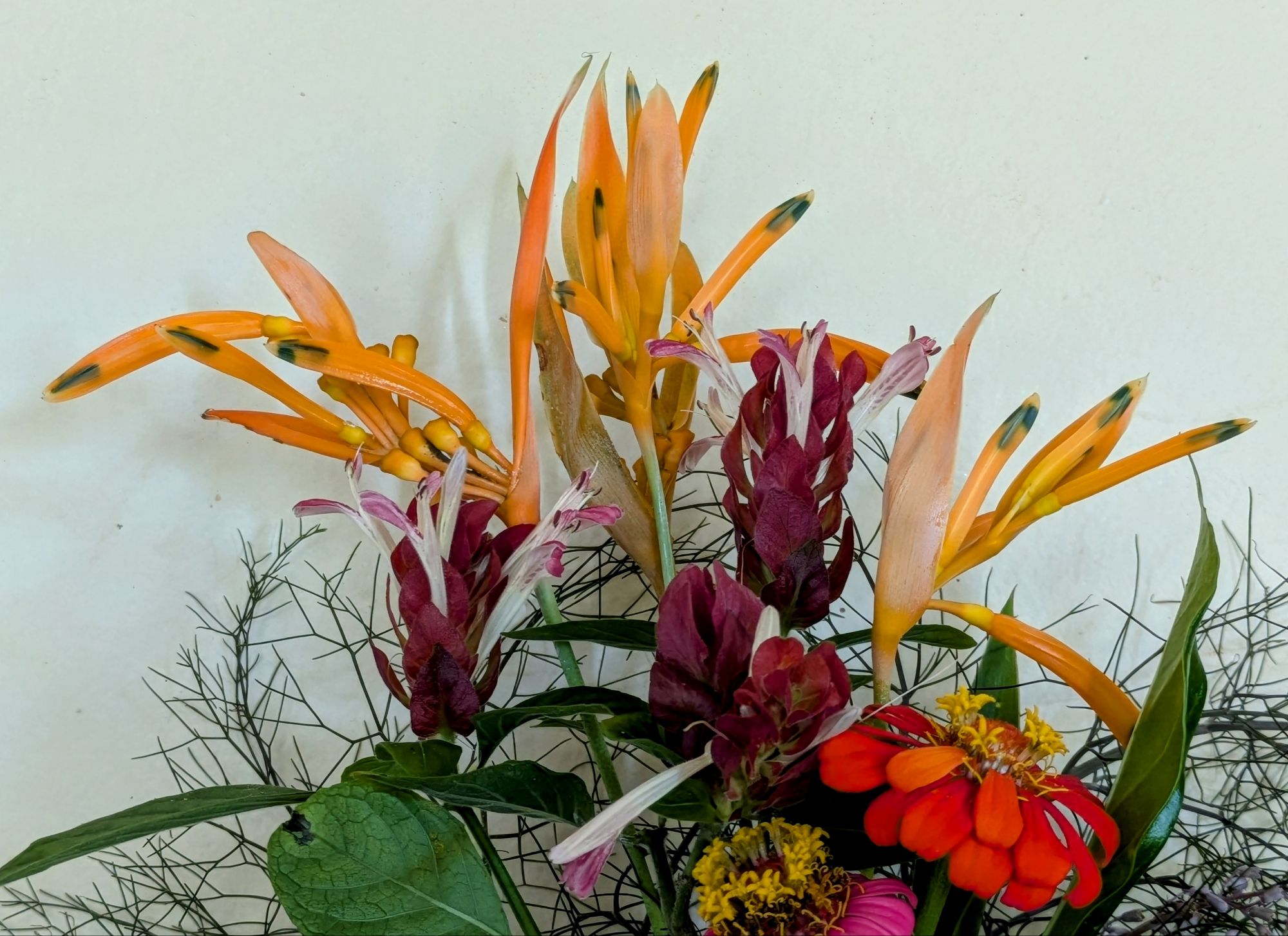
The cream colored flowers are from the Juba Bush (Iresine diffusa). This is a lightly fragrant native wildflower that has a mind of its own and shows up uninvited. I have no idea how to propagate it, but somehow ended up with a spectacular plant beside my porch. It’s named after a Caribbean dance – the Juba as the plant sways gracefully in the wind. The Parrotflower (Heliconia psittacorum) flower when it rains and I have difficulty resisting cutting them, so here they are. The trimmed palm frond is from a Sabal Palm (Palmetto Sabal)

wp-17596977136669080037109591014680

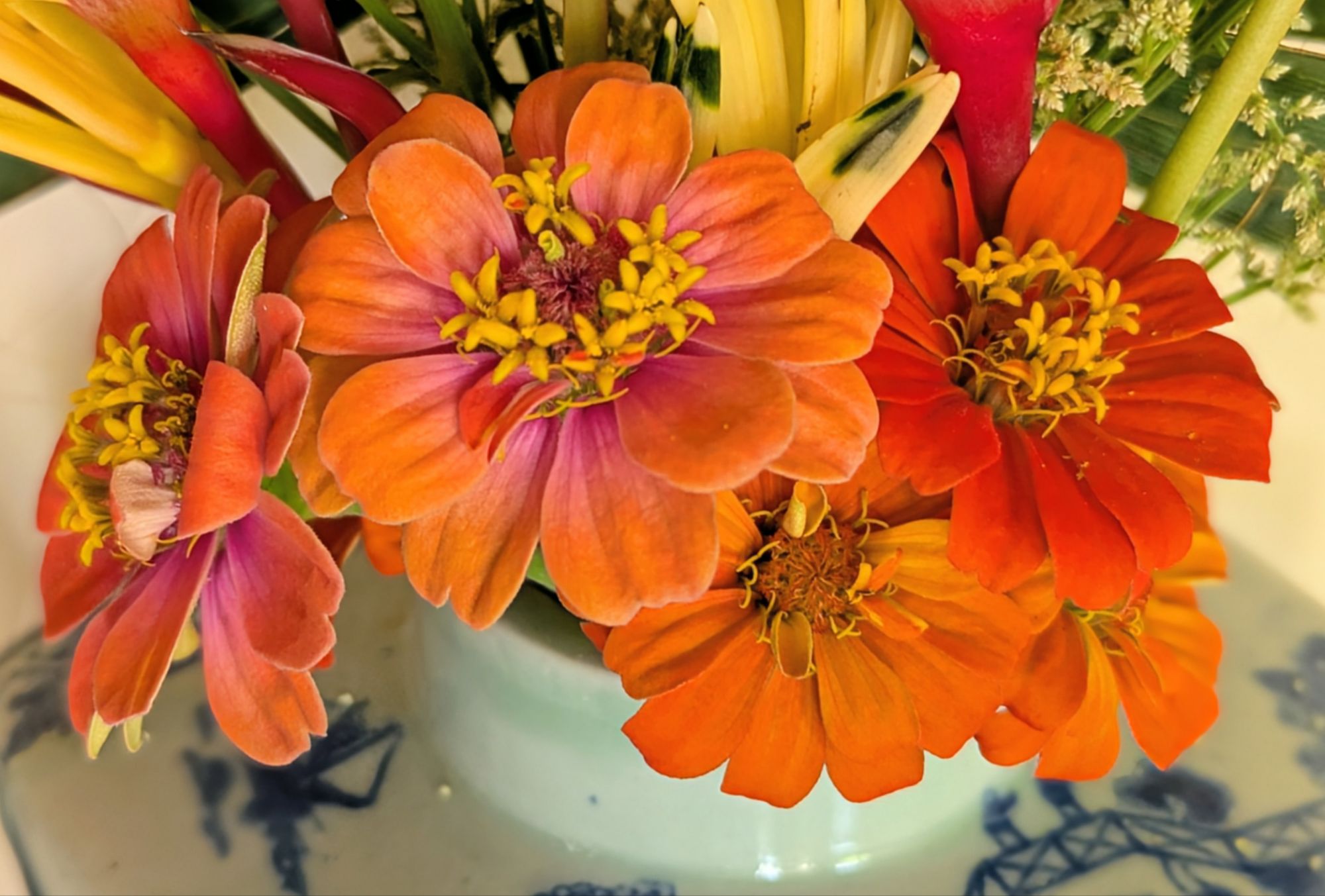
The stalwart Giant Benary Zinnias. We have leaf cutting bees here and they seem to love the zinnias, the bees are even eating the flowers. This is new to me, the flower eating. I’m going to keep watching to see what happens.

That is all from my garden this Monday. Visit Cathy at RamblinintheGarden to join in the fun or view more vases.

In a Vase on Monday – Beauty and Some Beasts

wp-17548471999808350555198969346535

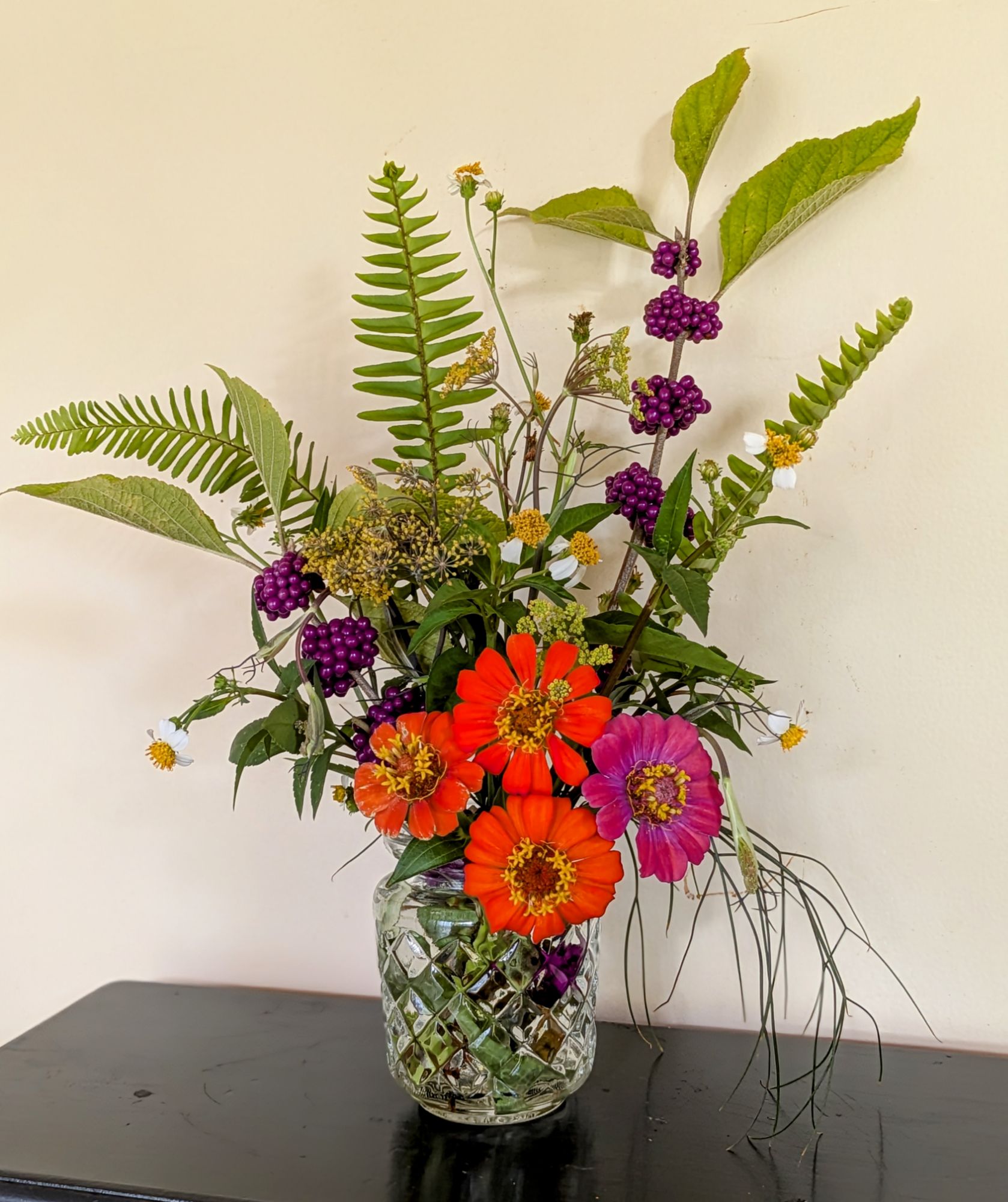
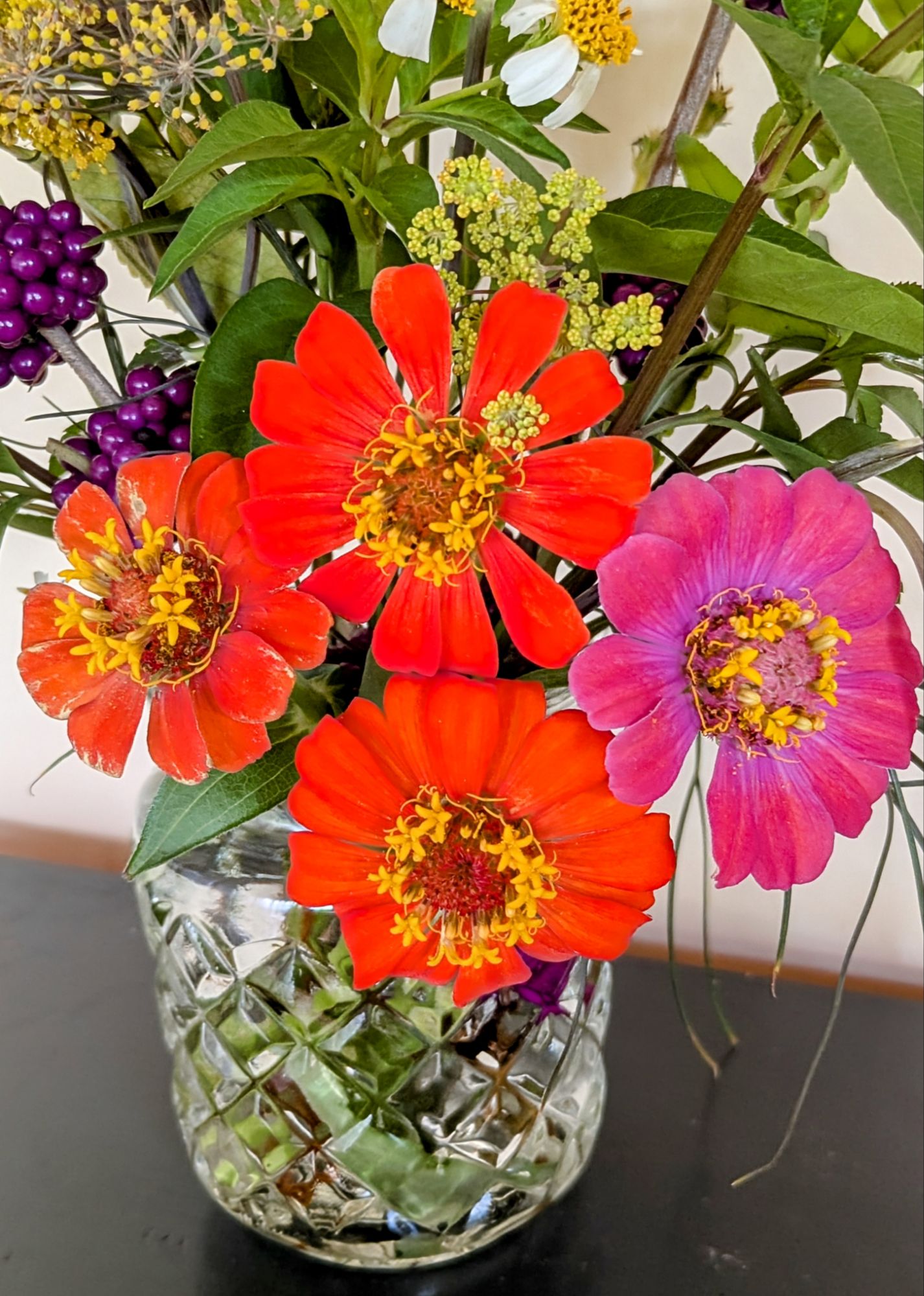
I was in the mood for a cottagey vase this week and set out to find some less tropically mad flowers. Spell check seems to think cottagey is not a word. While roses are out of the question (I choose not to torment myself) I like cottage garden flowers and always have some zinnias going. The heat dome frying my garden finally dissipated and it actually rained!! Hopes were high for some new flowers. I found some beauties and some beasts.

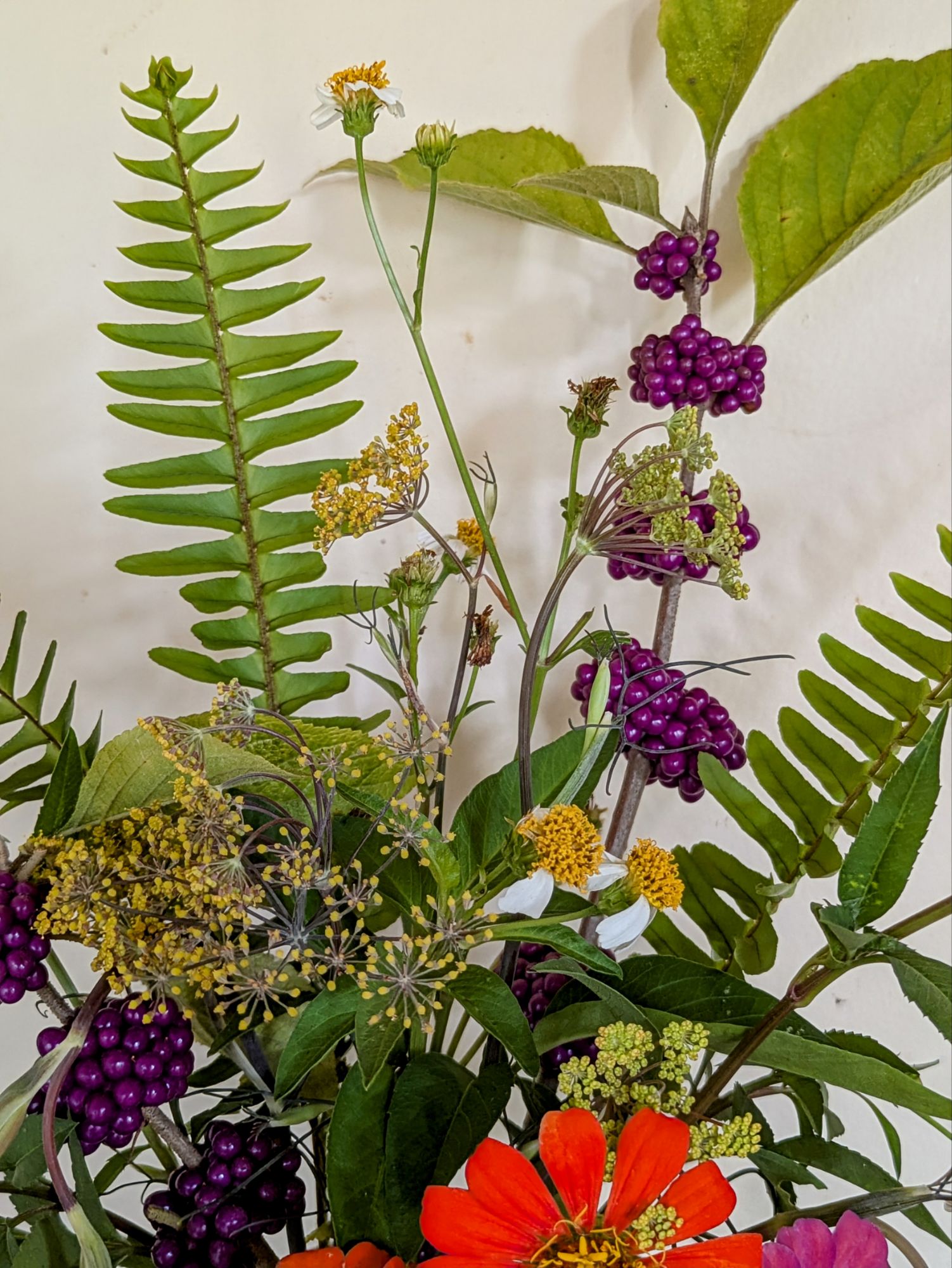
The beauties in the vase are the Zinnias and Beautyberry. I selected seeds last year hoping to get orange and pink Zinnias and here they are! The Beautyberry (Calliocarpa americana) intrigues me. I had this shrub in my garden 600 miles north of here and it refused to grow in the sun and did not produce berries until November. In Florida, I have berries in August, it thrives in full sun and happily lives in sugar sand. It is a head scratcher. Oh, Copper Fennel is also a beauty. This one lives through July (a major accomplishment) and is flowering in August!

The beasts are the ferns and the daisies. The ferns are the invasive Asian Sword Ferns (Nephrolepis brownii) I’ll admit to liking these, pulling them out by the bag and enjoying a few swords in vases from time to time. They aren’t too beastly in the sugar sand, but I can imagine with unlimited water things could get ugly. The other beast is Bidens alba, ironically a valued native pollinator flower – it produces so many seeds it is difficult to keep in one place. The butterflies do love it.

wp-17548533331064445683070980529842

The Zinnias with a bit of purple Beautyberry and chartruese Fennel flowers.

wp-17548534649113984646224789514240

The beastly Asian Sword Ferns and white Bidens alba.

I am dreaming of cooler weather and some more rain.

Visit Cathy at Ramblinginthegarden by following the link where more vases full of weekly garden treasures can be found.

In a Vase on Monday – Sirius Survivors

wp-17536401381537041945189114663262

We are deeply entrenched in the dog days of summer in my garden. Some Saharan dust meandered in and shut down our cooling clouds and showers. Every time I look at the weather it says “feels like 108 F” Surprisingly, it is much warmer further north. I feel fortunate to live close enough to the Atlantic Ocean to catch a breeze. The breezes make it less hot, not cooler!

The dog star, Sirius, rises during the hottest part of the summer. Modern definitions of the dog days of summer have them occurring from July 11-August 3. The scope must be greatly expanded for South Florida! In ancient times the dog days lasted longer. I agree with the ancient philosophers. It is hot in my garden well past the first of September.

The flowers in this vase are Sirius or even serious survivors. Thriving in sun and heat and going with or without hand watering by the fickle gardener they still shine.

The fittest:

wp-17536435069965831624130163653886

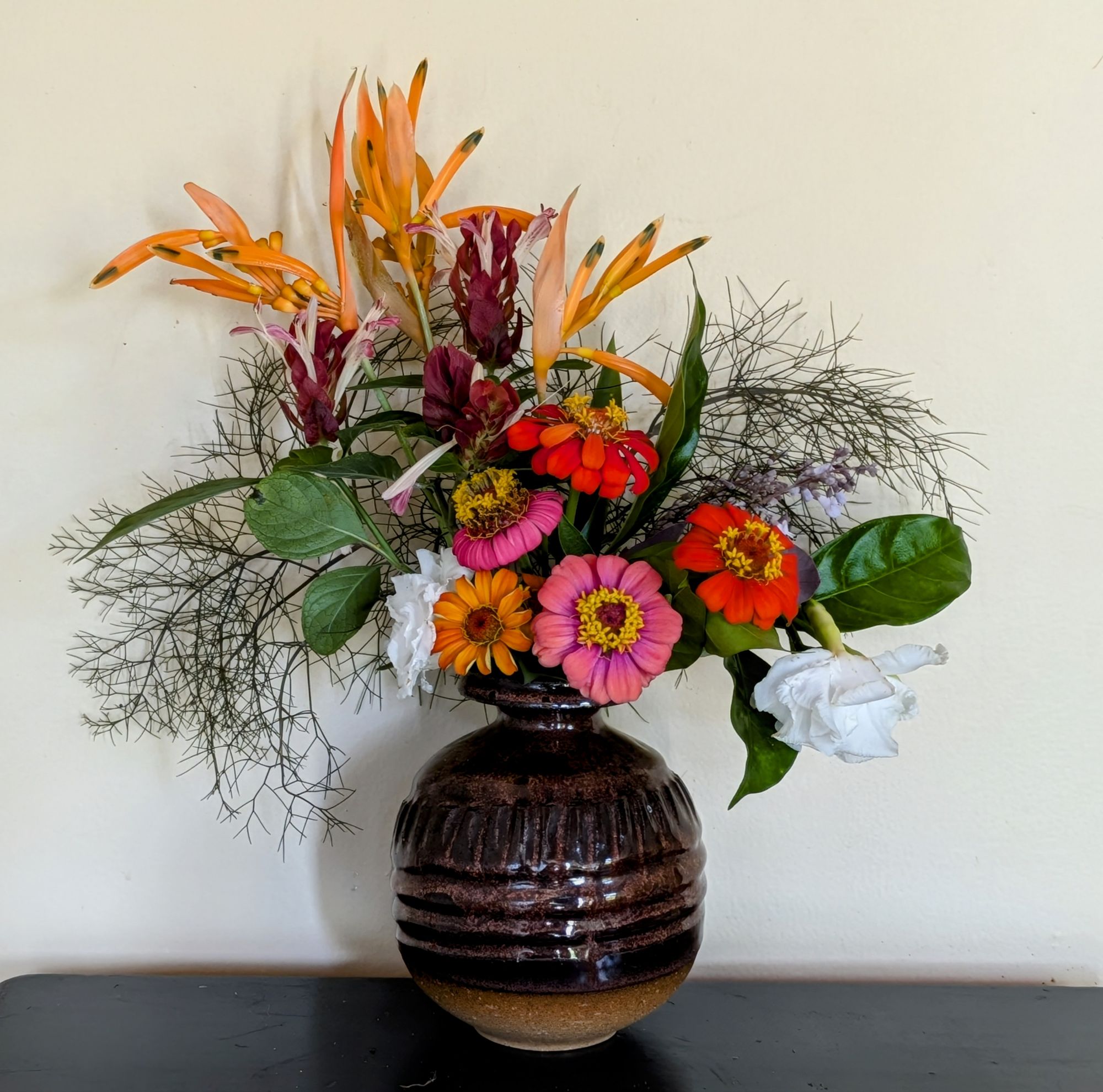
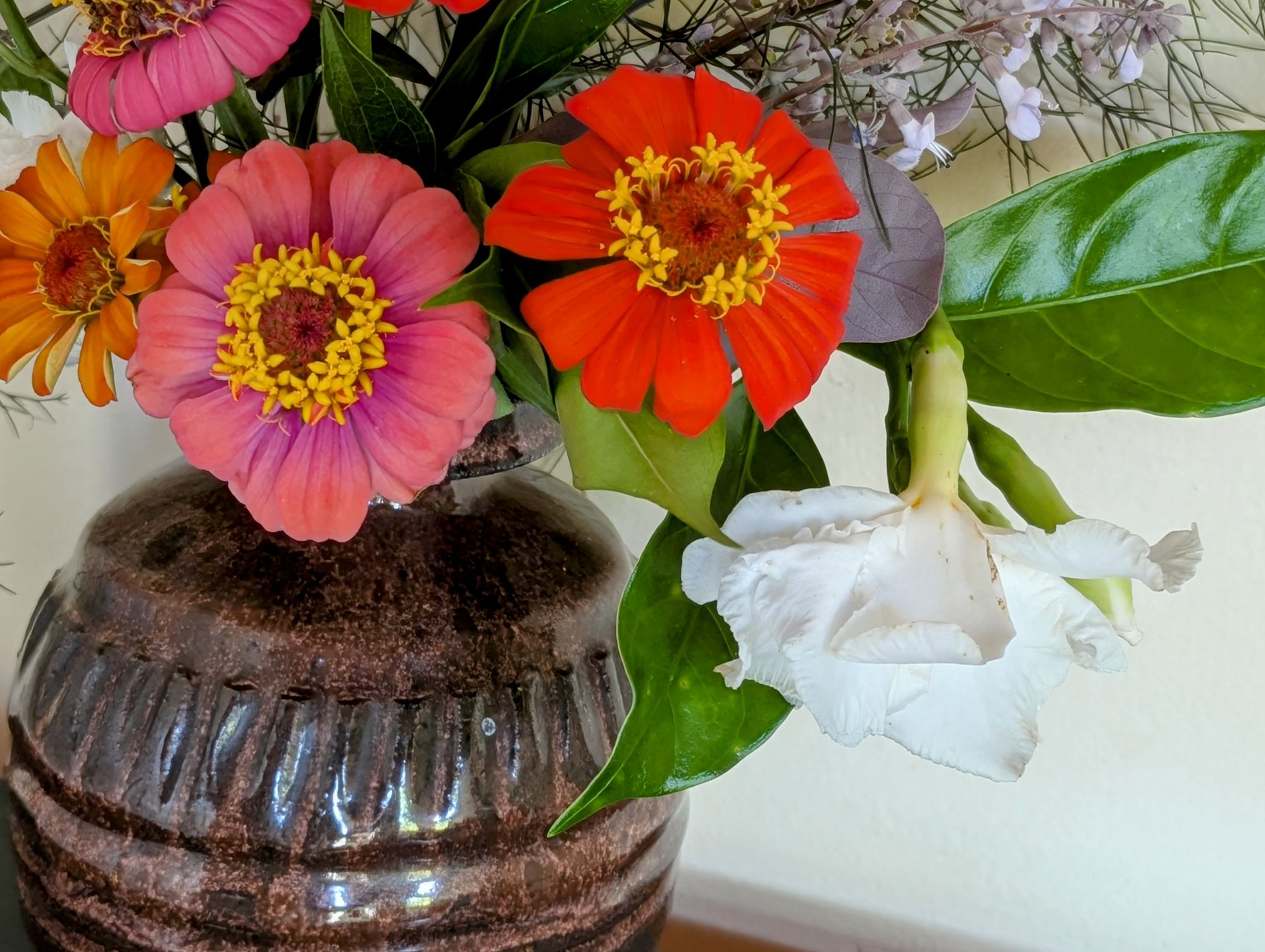
Some tried and true summer favorites, Gardenias and Zinnias. Gardenias are the Tropical variety that is deciduous here, Tabernaemontana diviricata. Zinnias are grown from seed I saved last year hoping for pink and orange flowers.

The tropical part:

wp-17536437549887614784228876706670

Orange flowers are Parrotflowers (Heliconia psittacorum Choconiana) Red flowers are Red Shrimp Plant (Justicia brandegeana). Dark ferny foliage is Copper Fennel (Foeniculum vulgare) Maybe that is not so tropical.

I inherited the vase from my mother and have enjoyed using it for years.

Visit Cathy at the link RamblingintheGarden to visit more gardens via vase.

For those wondering about Gopher Tortoises mentioned in last week’s vase post, here is one ambling up the walk to my front porch. Once he or she arrives near the potted herbs any basil hanging over the edge of the pot will be trimmed to turtle height. This turtle also enjoys charteuse Coleus and melons. A bit of an odd salad!

Six on Saturday – Summer Additions

It seems I always find a few things I want to add to the garden – in July. Not a great time for shipping plants to South Florida. I managed to control myself (a little) and bought a few new plants shipped from nearby. July can be a good time to plant things due to copious rainfall.

My garden tour this morning revealed a few other new things in the garden – one has already been eaten! Please join other SOS bloggers and their six items of interest at Jim’s Blog (Garden Ruminations) for more summer fun.

wp-17529315198597705091409172315954

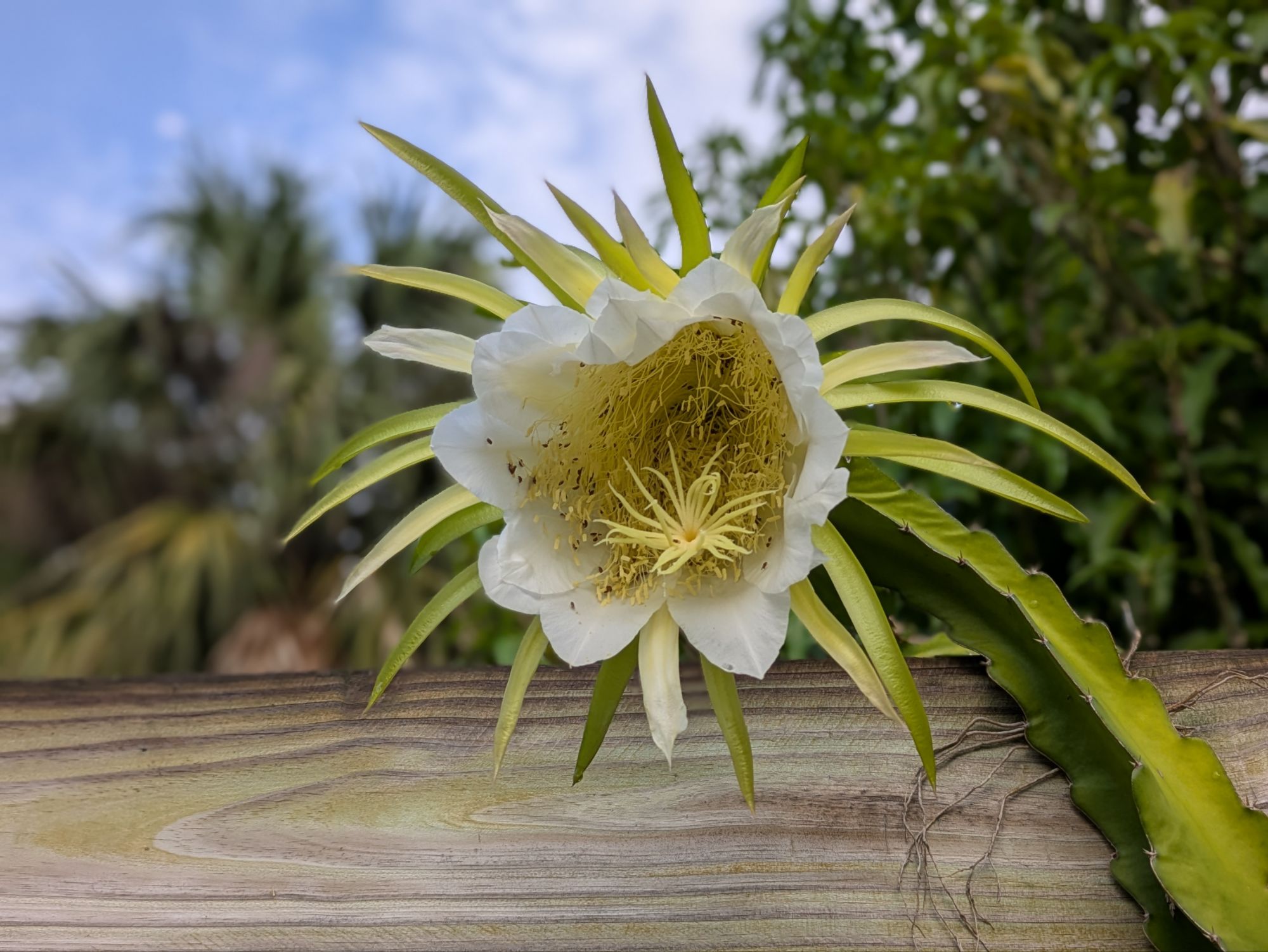
The Yellow Dragonfruit is once again teasing me with a flower. These are pollinated by night flying bats and moths. At this point I am not sure I have any of those in the garden. Usually I get some flowers for a short (hours long) period and they fall off. I thought I would try the paint brush around the inside of the flower and then looked inside.

wp-1752931724442535859892294947396

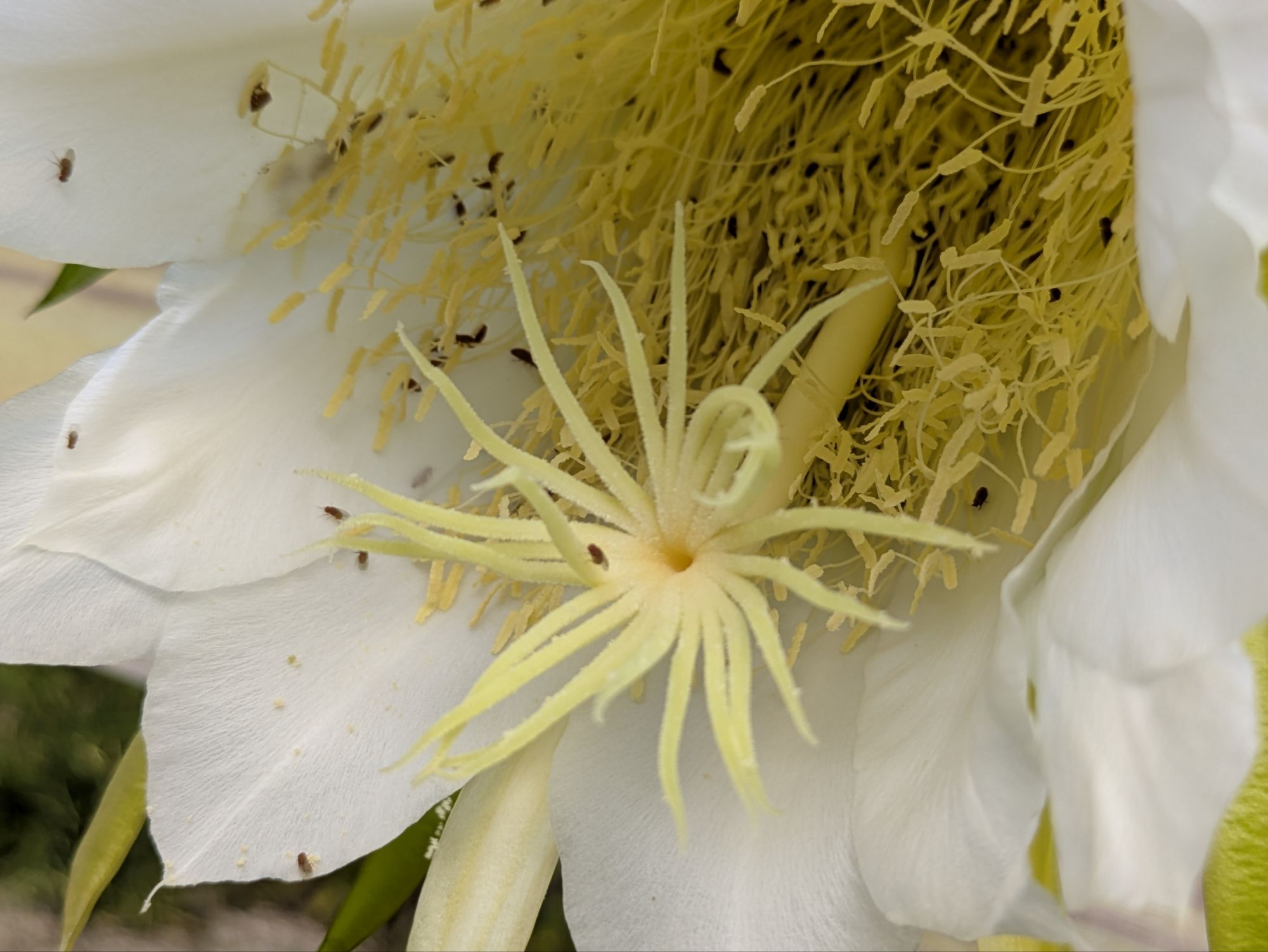
The flower was loaded with insects doing more than I could ever hope for with a paintbrush. I’ll know in a week or so if there will be fruit.

wp-175293185374352578541709673027

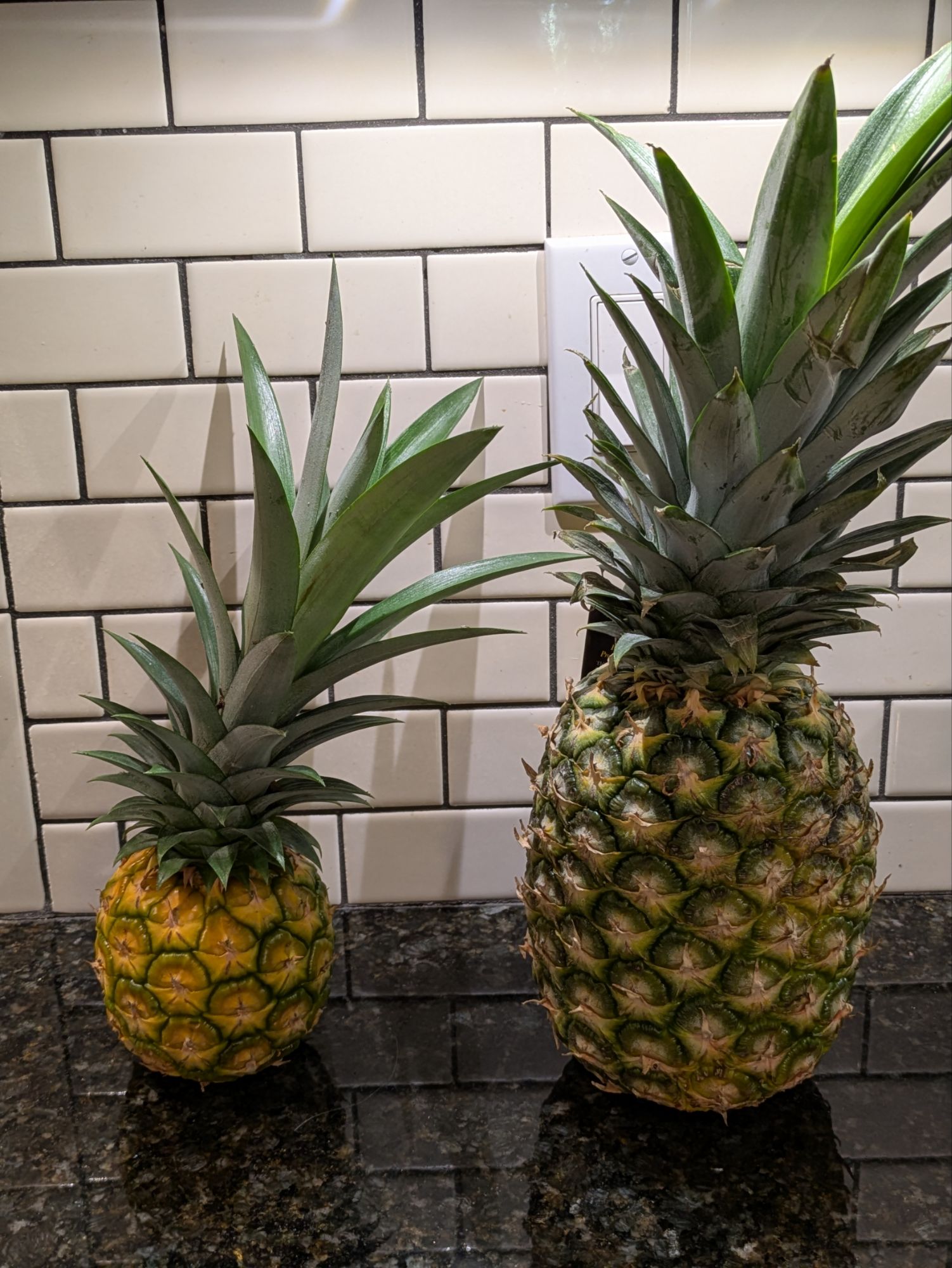
The homegrown pineapple (on the left) was harvested and devoured. These pineapples are usually much smaller than the grocery store varieties (on the right) I am not sure why because they are grown from the tops of grocery store pineapples? The fruit is sweeter and juicier than pineapples from the store. Delicious.

wp-17529321364538227745122649273337

These are new to the garden. I bought the cuttings of Reed Orchid (Epiprenum radicans). These can be grown in the ground here and are used as a groundcover. This one has orange flowers that look like dendrobium clusters, but they come in many colors. I put it in a terracotta pot to keep the rabbits away. It should take and creep over the sides of the pot and fill in the bed.

wp-1752933876801874098418026020153

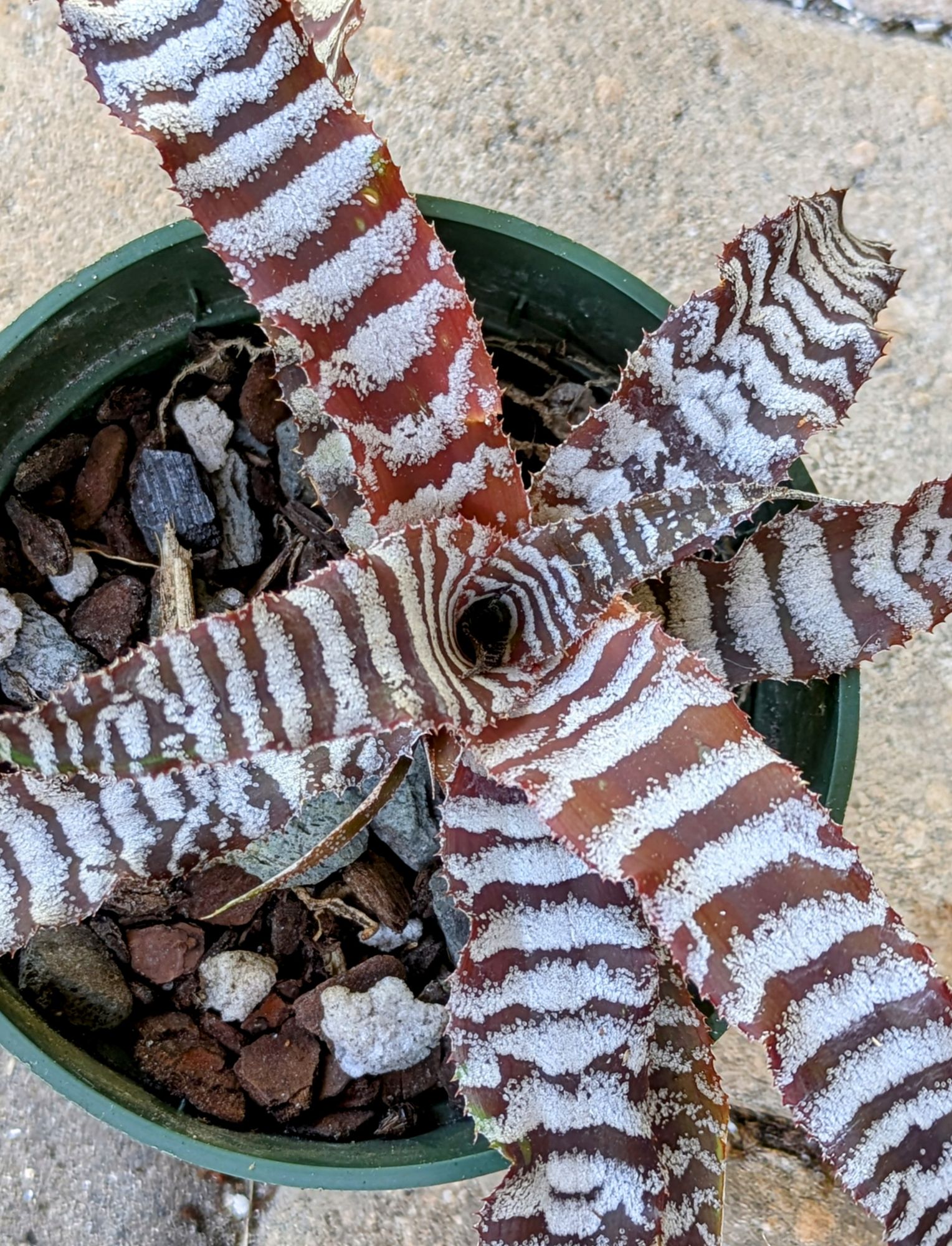
Meet ‘Absolute Zero’ Crypanthus bromeliad. These are shade lovers and should have pink flowers. The common name is Earth Star. I intend to put these in the ground near the Epiprenums. After receiving the plant I realized the sun needs to go down in the sky a bit before I plant them. A little too much afternoon sun currently.

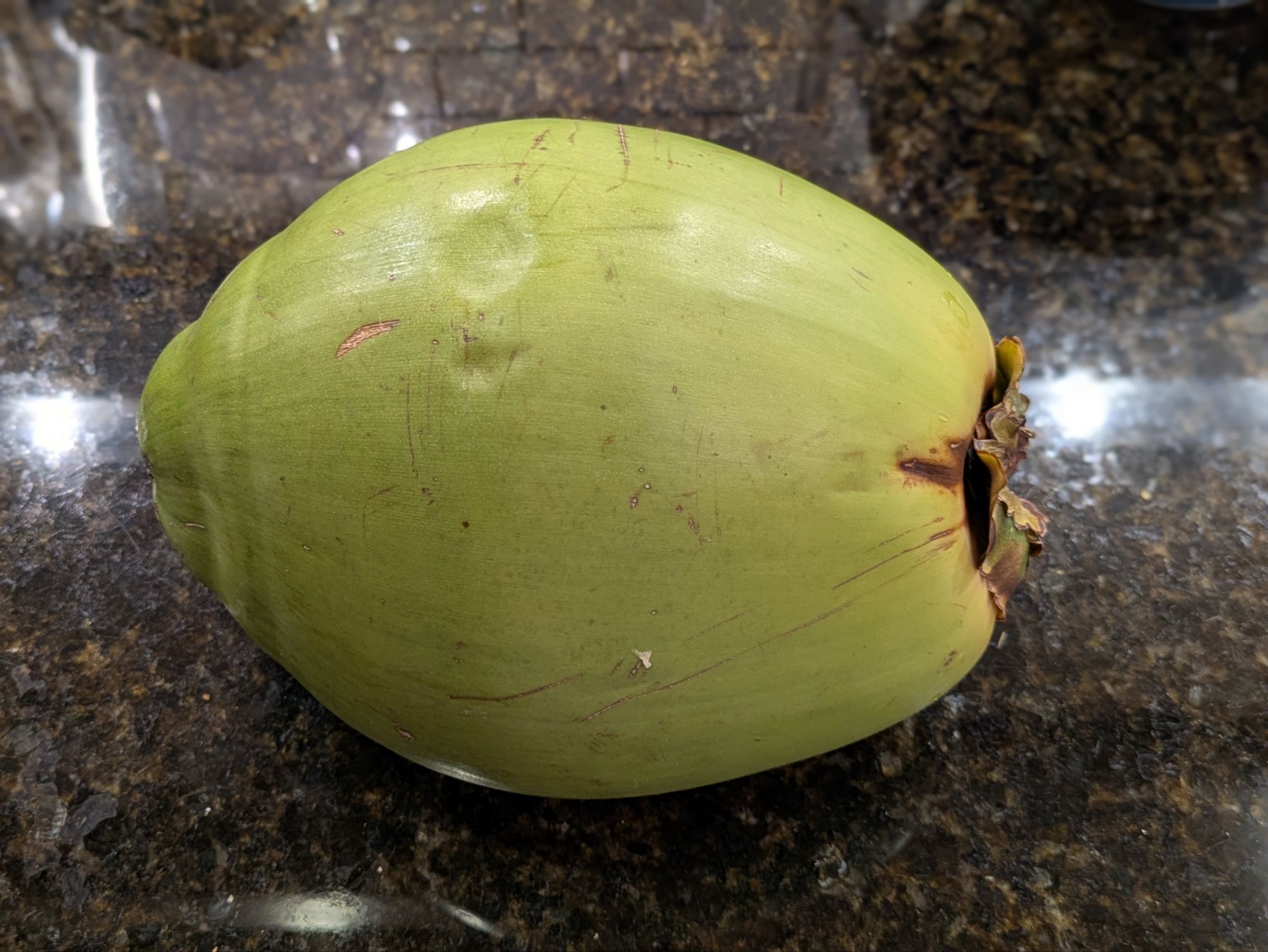
A locally grown coconut. I bought this to bake a pie, without thinking through the fact that power tools are probably needed to open it and it is the wrong kind for baking coconut. Green coconuts have coconut water and jelly. Brown coconuts have the grateable meat for pies. Sigh. Both involve screwdrivers and hammer prior to use. They can be sprouted and planted in the garden – but I am not sure which kind.

That’s all from South Florida. There is a heat advisory in effect for the next couple of days so all gardening has to be done before 9 am. I am done!

Happy Gardening