Pygmy Date Palm – Friend or Foe

Pygmy Date Palm Phoenix roebellini

Pygmy Date Palm
Phoenix roebellini

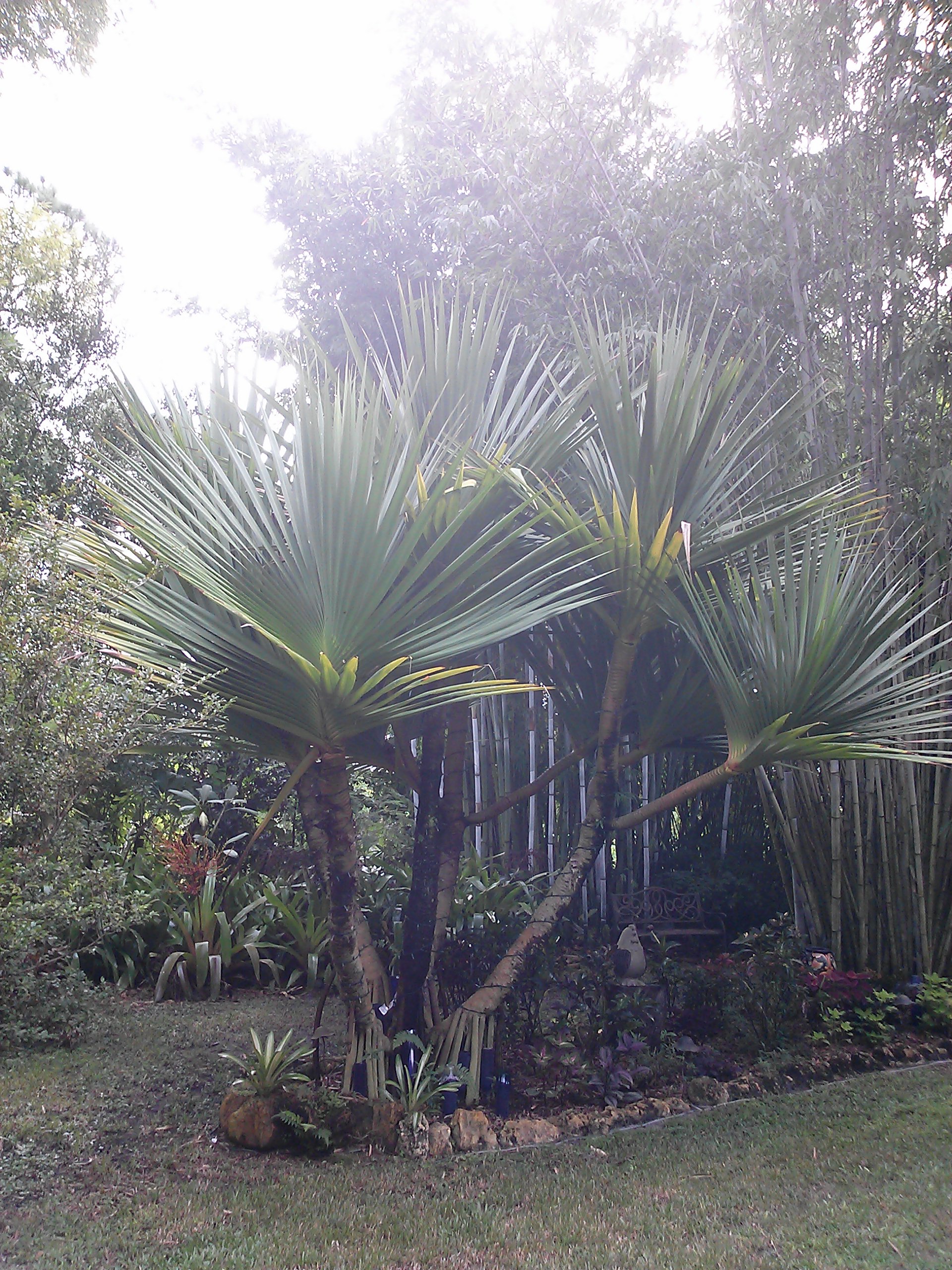
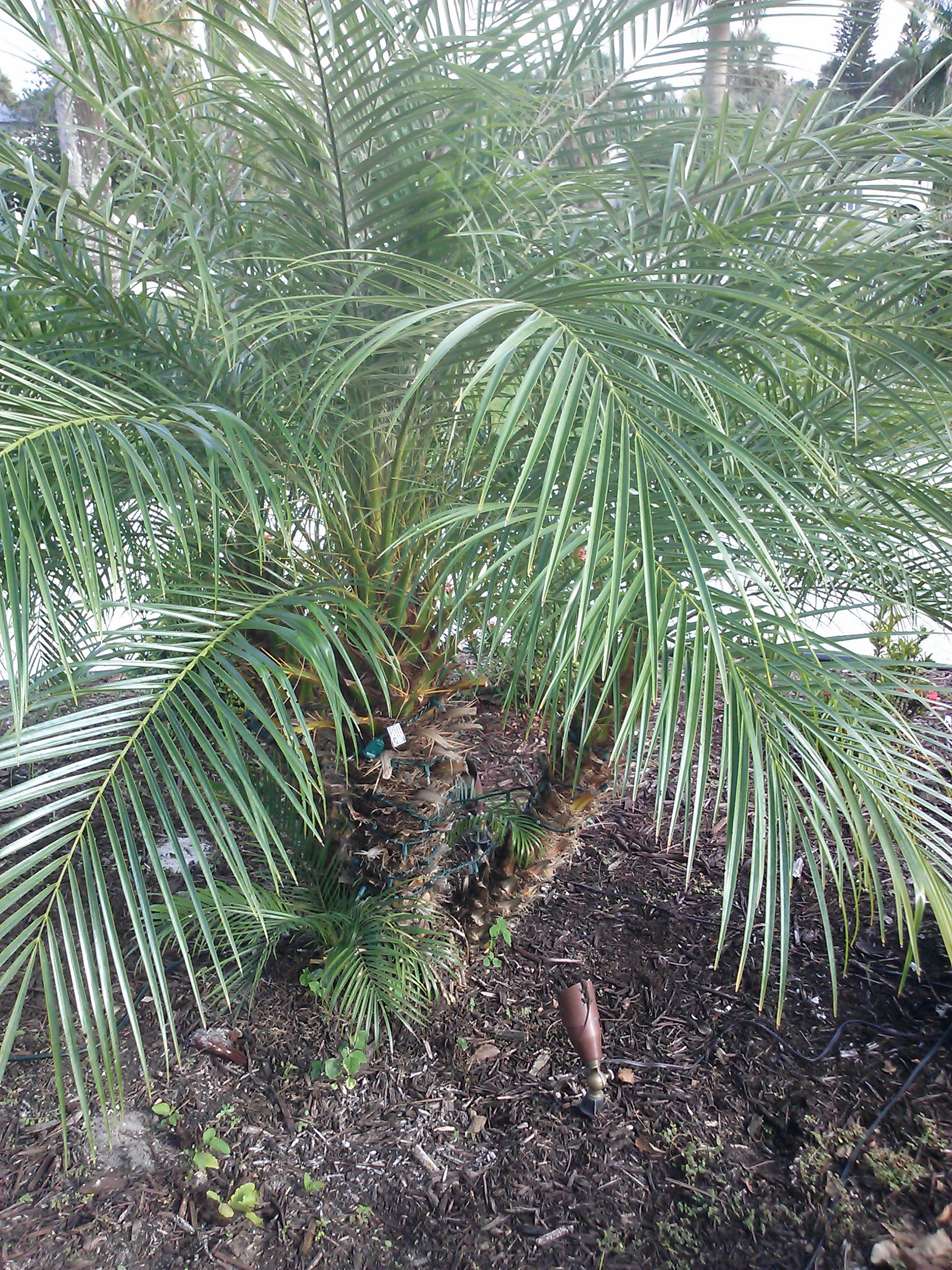
I had a Pygmy Date Palm installed last year in front of my house. This is a dwarf palm rarely exceeding 10 feet in height and it looks great in front of my bathroom window. I selected a triple trunk palm to accent the house and landscape because as the largest element in the foundation planting  it needed some mass.

These palms are native to Southeast Asia and are common in South Florida. They actually do bear dates, but a male and female plant is required. I am perfectly happy without dates. Dates have always reminded me of roaches and I just don’t like to eat them.

I let the palm grow for about a year before attempting to prune it. Pruning done right reveals a trunk that resembles neatly stacked rows of whole wheat crackers- I have heard these called Triscuit Trees. What is not mentioned is the enormous spines at the base of the palm fronds. The spines are up to two inches long. Somewhere in a jungle I think Pygmies used these for poison darts. Later in the week I was talking to a physician, these palms are well known to the medical community due to the thorns. Wounds from the thorns tend to fester and cause infection.

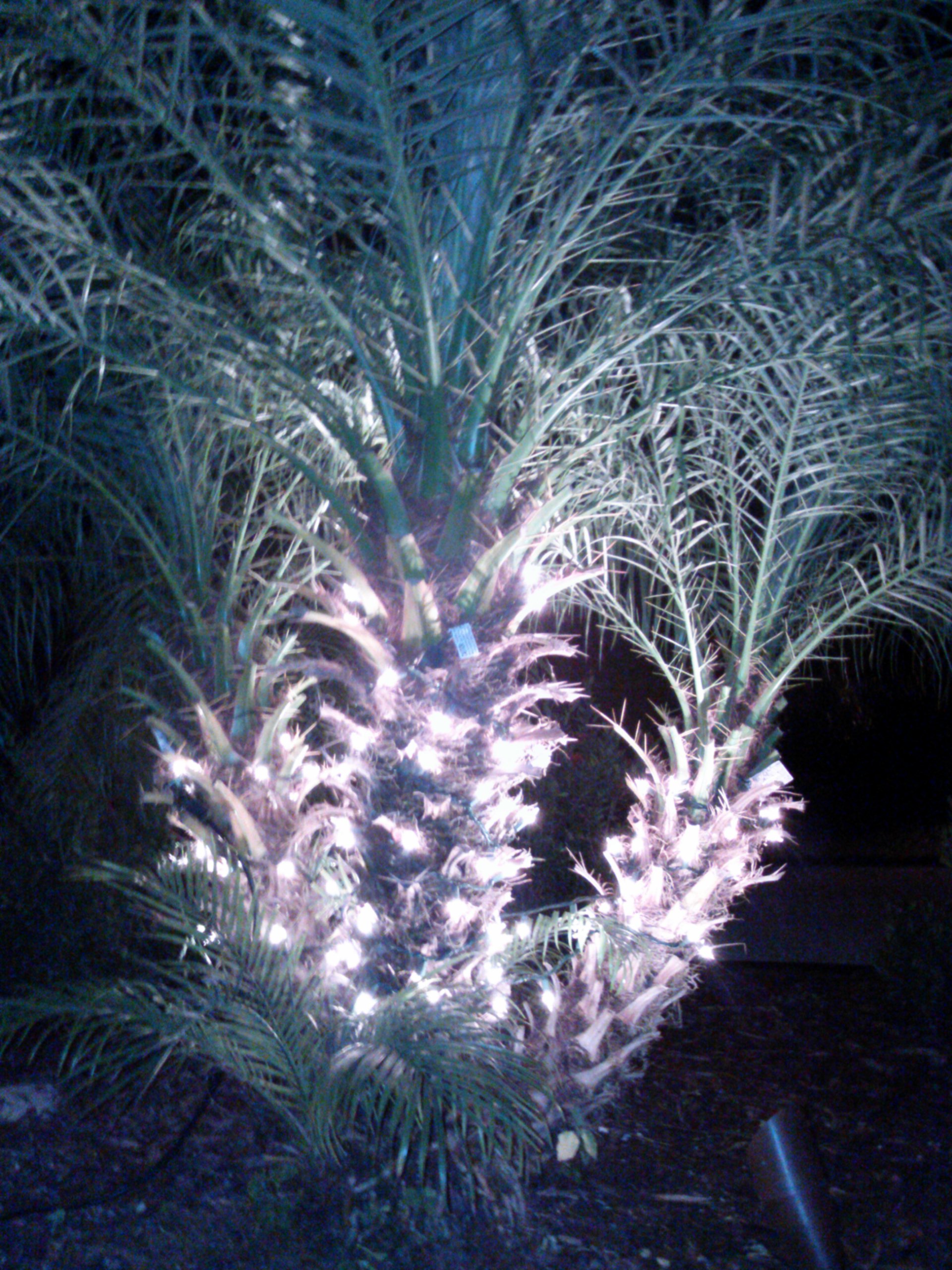
While getting into the holiday spirit I decided to wrap the trunks with miniature white lights. It would have been wise to drink some spirits and don opera length leather gloves before attempting this. As I was decorating I was skewered through the hand and the thorn hit a vein; I now have a 3 inch bruise on my hand that looks terrible. Then I got stabbed in the head and decided to stop for a moment and go in the house. It took a while to get the thorn out of my hand and the bleeding from my head wound staunched. Duly anointed with antibiotic ointment, I persevered and completed my light display, then waited for darkness.

Ahh, holiday magic.
CAM00410

Strange Fruits

Passionflower

Passionflower

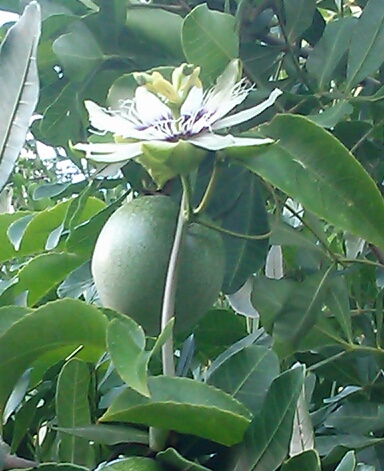
Here it is almost December and I walked out into my backyard to find a Passionflower in full bloom and fruiting. Very nice and so typical of the landscape in South Florida. Just when you are wrapping your brain around the fact that the holidays are here and the temperature outside is around 80 degrees – there is a Passionflower.

I was wondering if this was a culinary Passionfruit and apparently it is not. This is called a May Pop in northern climes. My father in law was from Northern Ohio and one of his favorite childhood memories was stomping May Pops on the way home from school. Probably in May and not December.

Passionfruit comes from Passiflora edulis, which is native to South America. The North American version is Passiflora incarnata, the May Pop. There are an additional eight varieties native to North America, the culinary variety is tropical and may be grown in South Florida.

Ponciana Pods

Poinciana Pods

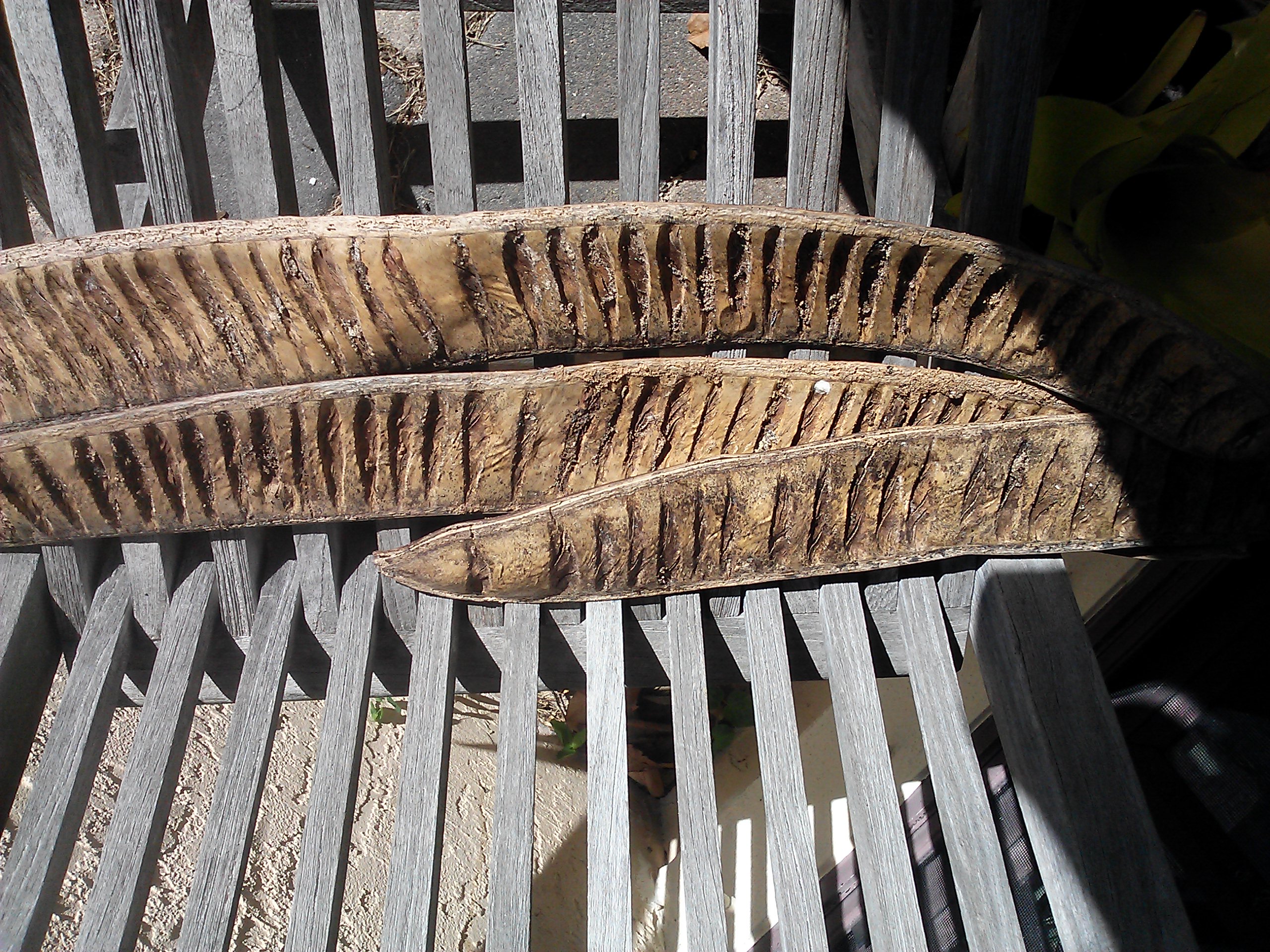
Here is some more interesting fruit. These are the dried pods of the Royal Poinciana tree, a member of the bean family. The pods are about two feet long and I enjoy spray painting them a metallic color and using them in Holiday decorations. I am truly getting in touch with my inner Martha Stewart.

The last bit of strange fruit I spotted at my local library. I have watched these trees bloom for the past couple of years, but had not noticed the fruit (it is strange that I did not notice this fruit)

Golden Shower Fruit

Golden Shower Fruit

My husband was snickering when I showed him this photo. It is pretty strange fruit, the whole thing is around 3 feet long and looks like someone has been making green sausages and hanging them on the tree. The tree is a Golden Shower (Cassia fistula) – in the spring and summer it has chains of yellow flowers that resemble Hawaiian leis hanging down from the branches. Beautiful and kind of peculiar. Like many things in South Florida.

Another Bromeliad for South Florida – Aechmea blanchetiana

The Whole Plant

The Whole Plant

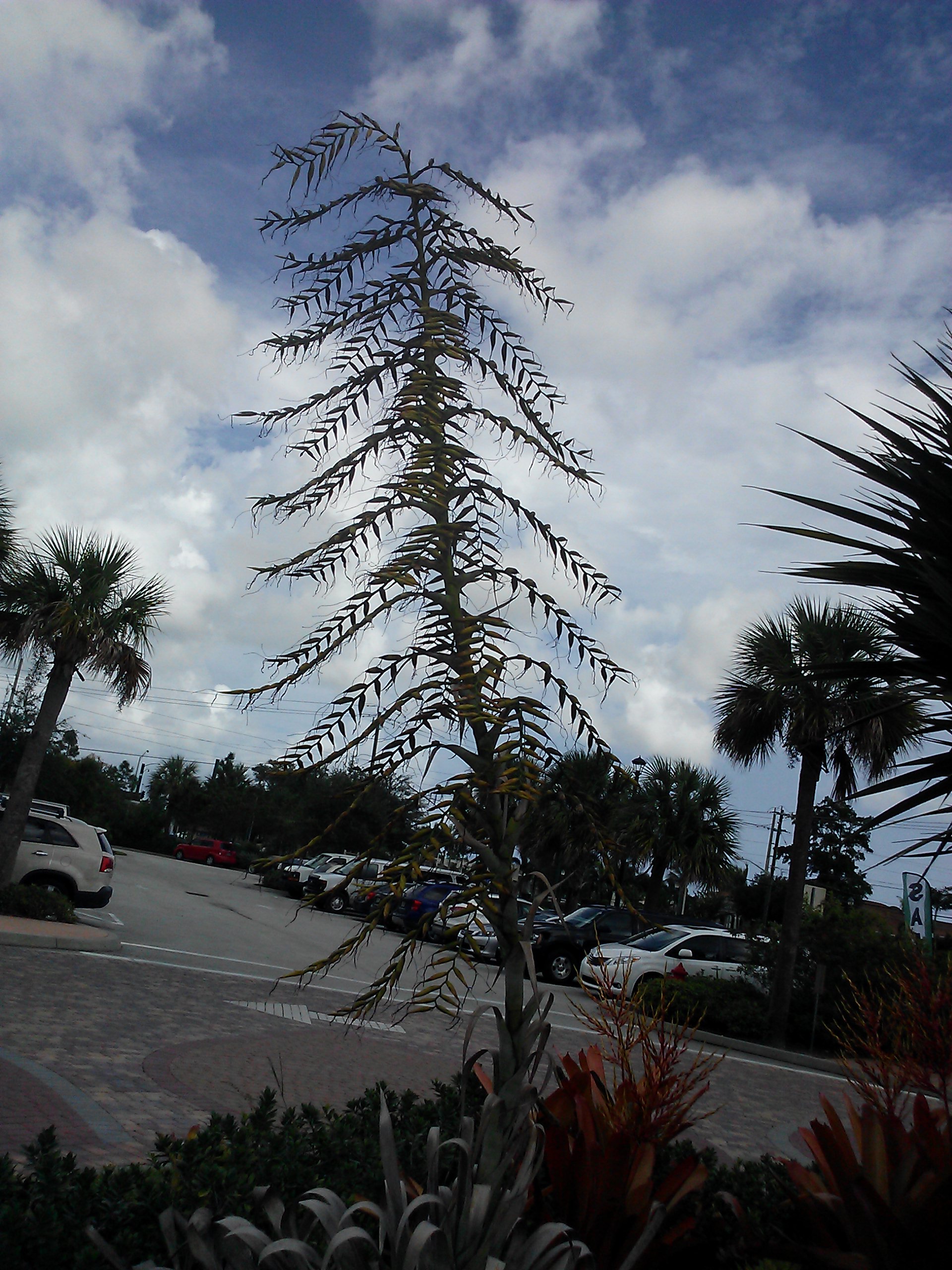
I found this on my doorstep earlier today and it is my birthday, so this was a great present. It is a Blanchetiana Bromeliad – another beauty from the rainforests of Brazil. The flower spike on this plant looks to be about 4 feet tall. These are fairly common on the Treasure Coast and they start blooming around Labor Day, I consider this a Fall color plant!

I know it seems weird thinking of a Rainforest plant as a Fall indicator, but, hey, they have fall in the tropics. The days shorten and things that are red and orange flower. Not much in the way of leaves changing color, but other things do.

The Flower

The Flower

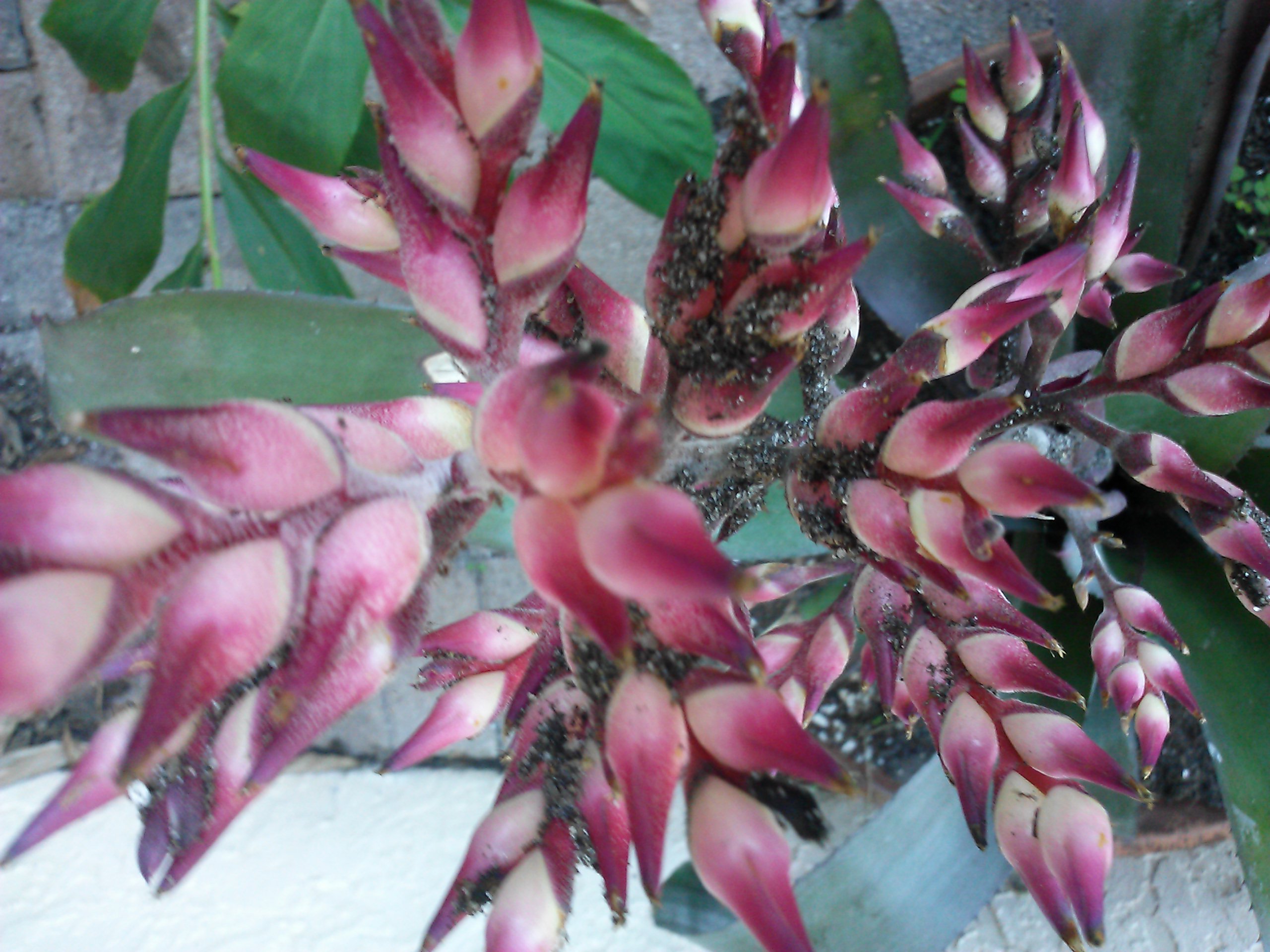
The Flower is a funky thing that makes me think of crustaceans, King Crab legs or something like that. Now I just need to decide where to plant this…..

Muhly Grass – Muhlenbergia capillaris or filipes

Muhly Grass

Muhly Grass

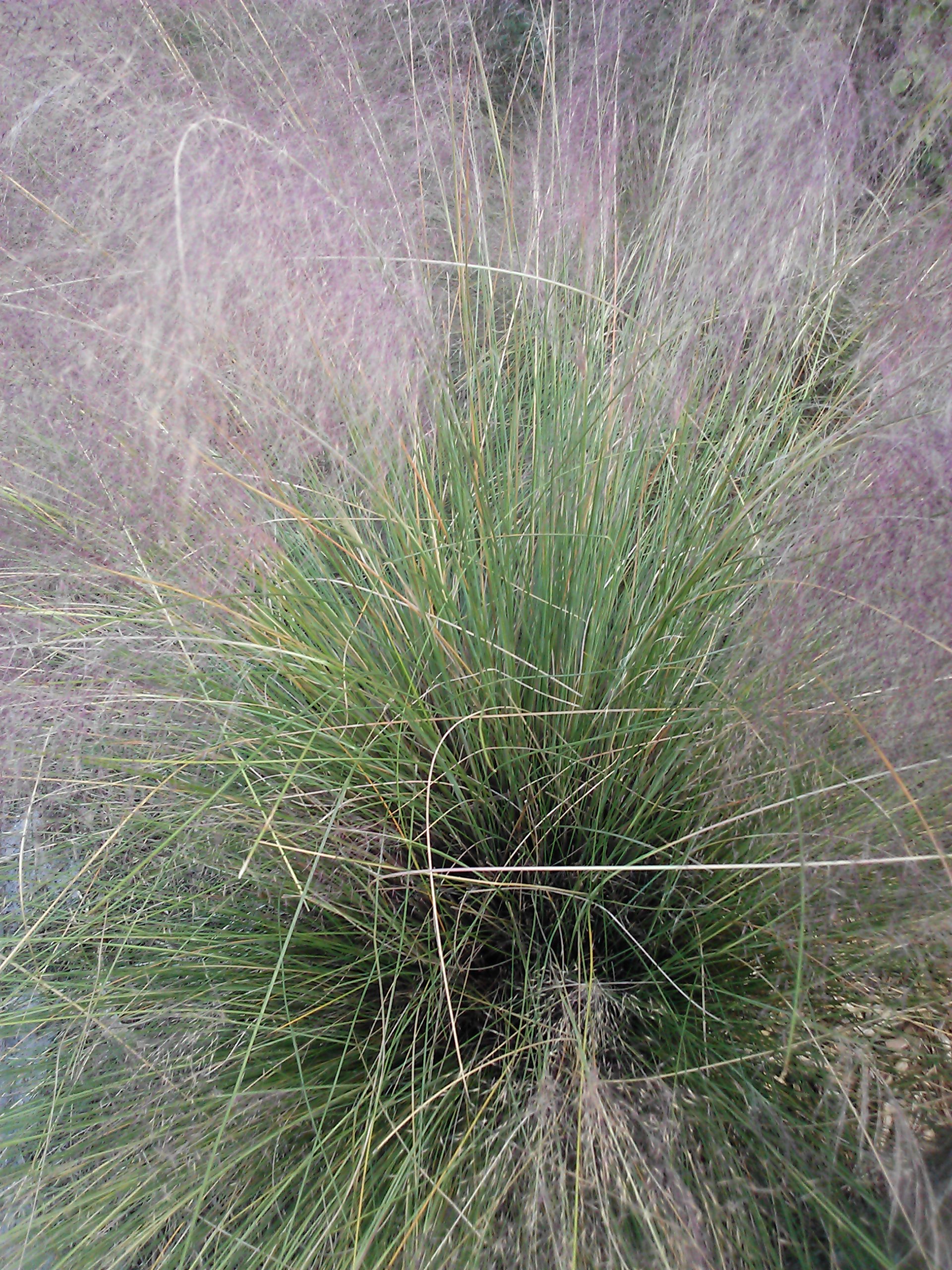
I planted Muhly Grass recently for its interesting pink mist fall flowers and reputation for indestructibility. The Grass started blooming nearly as soon as I planted it in September and has been slowly filling out with misty pink plumes. This is an interesting grass – it grows as far north as Massachusetts west to Kansas and south to Florida. A huge range, at least 5 USDA hardiness zones, apparently with a native habitat on the edges of marshes. I found in previous attempts that it is virtually impossible to grow in heavy clay soil. So, it should be really happy in my front yard atop a sand dune.

I am getting a feeling I might have to water it a bit. Plants that are designated drought tolerant with conditions usually are not as drought tolerant as you would like.

Another common name for this is Sweetgrass, supposedly when dried it has a sweet fragrance like hay. I haven’t noticed the smell, but I haven’t dried any either. I think I prefer the Sweetgrass name to Muhly Grass. Muhly sounds like beer or something. Muhly Ale?!

This grass is the source of material for basketry by the Seminole Indians in Florida and the famous Sweetgrass baskets of the Low Country of South Carolina. The Low Country basketry tradition was started by slaves from West Africa imported to the American South to work in the rice plantations in the 1800s. The tradition continues and to this day sweetgrass baskets are made and sold in the Low Country. The grass is sewn in ropes, then coiled to make a basket – a time consuming task that produces a beautiful basket.

According to the Seminole tribe website they started making sweetgrass baskets 60 years ago. Their baskets are based on grass from the Everglades, which is dried and constructed in a similar way to the Low Country baskets.

Given that I now possess a mass of Muhly I might try a basket. I suspect this is a lot harder than I think it is.. and my backyard has been blessed with an overabundance of Muscadines (a native grape) – the local wildlife population eats all the fruit, but I have such a large amount of grapevine I may take up basketweaving or wreathmaking..

Fall Color in South Florida?


Golden Raintree

Golden Raintree

Fall colorin South Florida. This is a seek and ye shall find situation. I have found some signs of the Autumn season here in the tropical Zone 10A hinterlands. The Golden Raintrees started blooming in late September which kind of freaks me out as I associate these trees strongly with Summer. The above pictured Fall color is actually seed pods – which are kind of cool and are fall color as far as I am concerned.

This is a Koelreuteria bipinnata, some call it a Chinese Flame Tree, some call it K. elegans. People in Florida seem to think this tree will grow as far north as Zone 7, this is not true. I am guessing maybe Zone 8. It’s friend Koelreuteria paniculata grows further north (to Zone 5 – I seem to remember these while in Chicago) and has brown much less attractive seed pods. Both are sort of weedy, rambling trees, but the flowers and pods make it worth having. I think well drained soil is key with these trees; my mother killed these trying to grow them on what she referred to as “road bed” yellow, impenetrable clay.

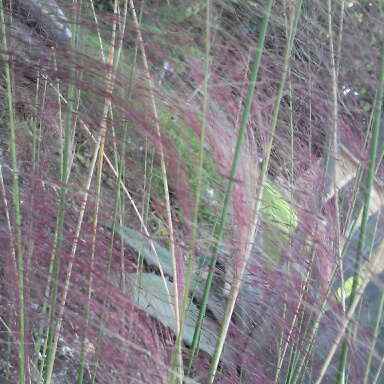
I planted some Muhly grass, for its pink clouds of flowers blowing in the wind during Fall. Mine are just starting to bloom and I am hopeful they don’t reseed everywhere and overrun me..always a concern in a no frost environment. More touches of Fall include the Pennisetums, which are in full bloom here as well, but apparently Miscanthus doesn’t grow this far south.

Muhly Grass

Muhly Grass

I thought Miscanthus grew everywhere! Oh, well. I have Bromeliads..

Regional sustainability

Cabbage Palm

There is a lot to read about sustainability these days, is it possible it is a local phenomena? It has to be. Given that the idea of sustainability is to save time, money and materials by using what is available locally – you have to find out what is around.

The LEED Initiative made popular by US Green Building Council (changing the way we think about building, they say) considers that any plant material grown within 500 miles of where you are building is locally sourced. I have to disagree with that 500 miles from where I am a greenhouse would be required to grow what grows outside here. I have learned a great number of new plants that I had never seen when I lived 500 miles north.

Florida may be different; but everywhere is different. Sunset Books made a great attempt to zonify America and came up with 36 named zones with added special zones for extreme climates?! The USDA seems to have 15 Zones. Who is right? Probably nobody.

So, I thought about what I can get here that is totally local and sustainable. Well, lots of things and these materials make my garden unique to my locale.

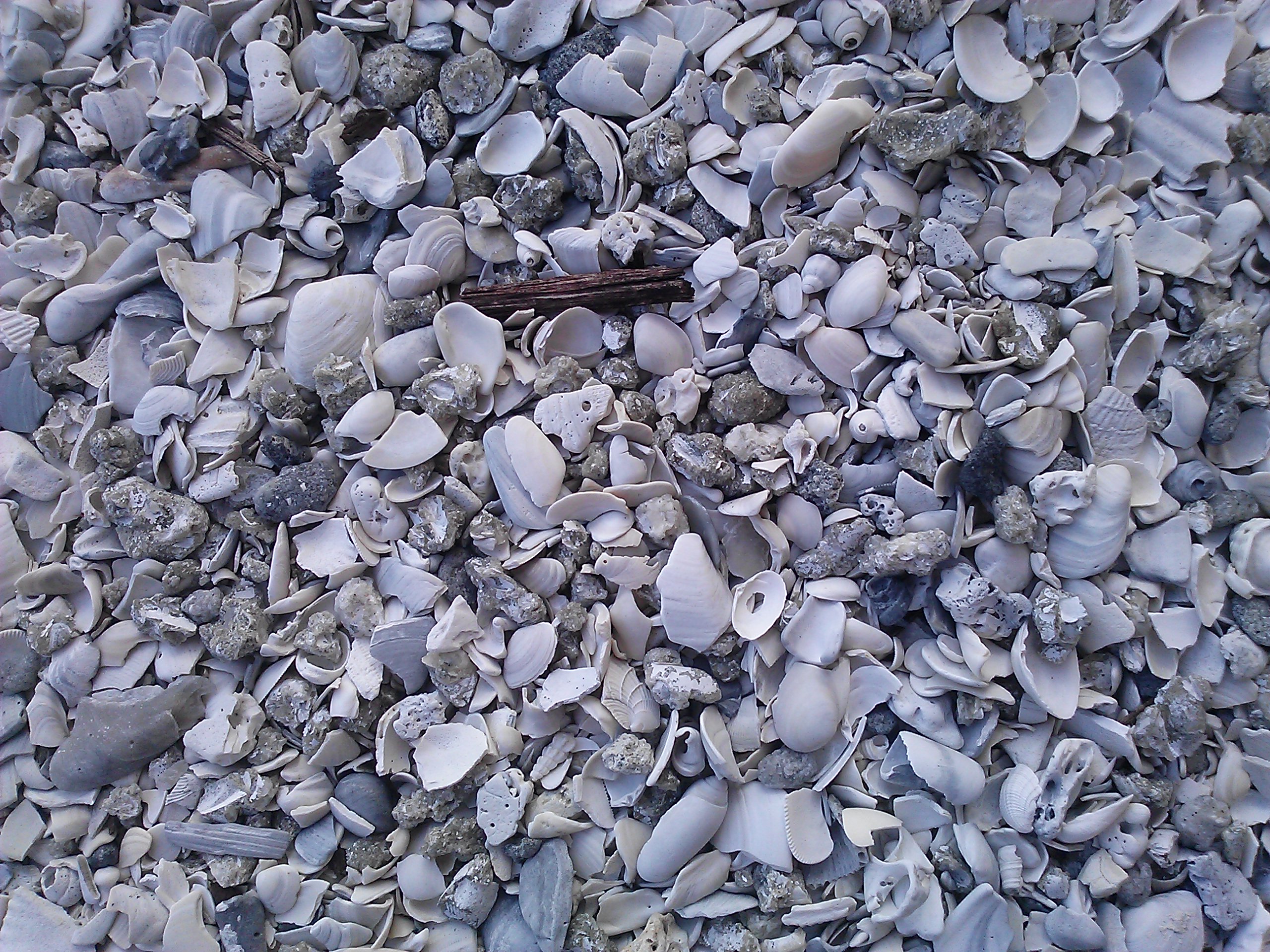
I can get great paving material from within 20 miles of my house, this is 3/8″ graded shell. Larger shell called white washed shell is available for more decorative uses.


Shell for surface of driveway

Shell for driveways, walkways, etc.

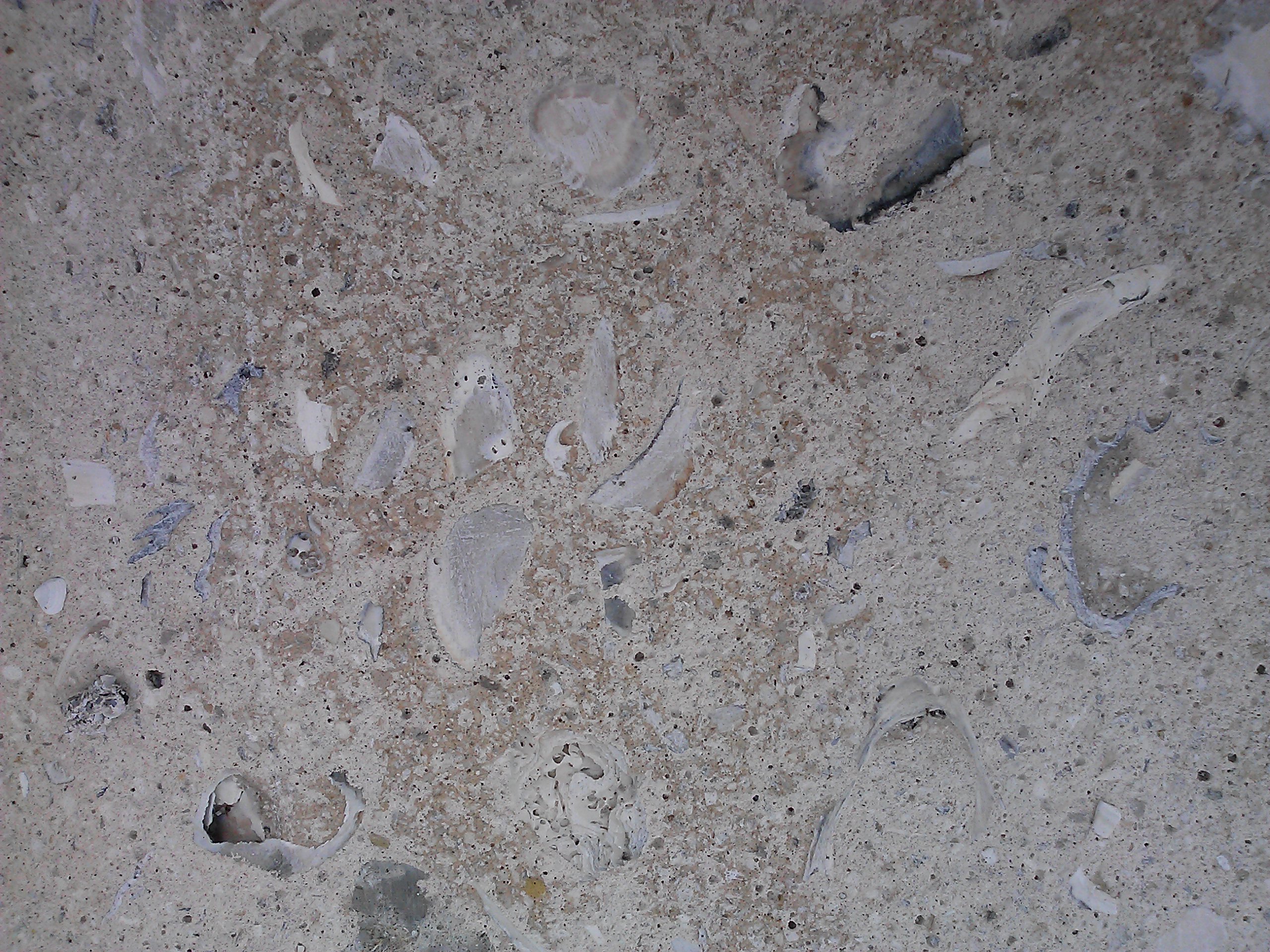
There is a place within walking distance of my house that makes stepping stones with shell in them:

Shell & Concrete Stepping Stone For Path to mailbox

Shell & Concrete Stepping Stones

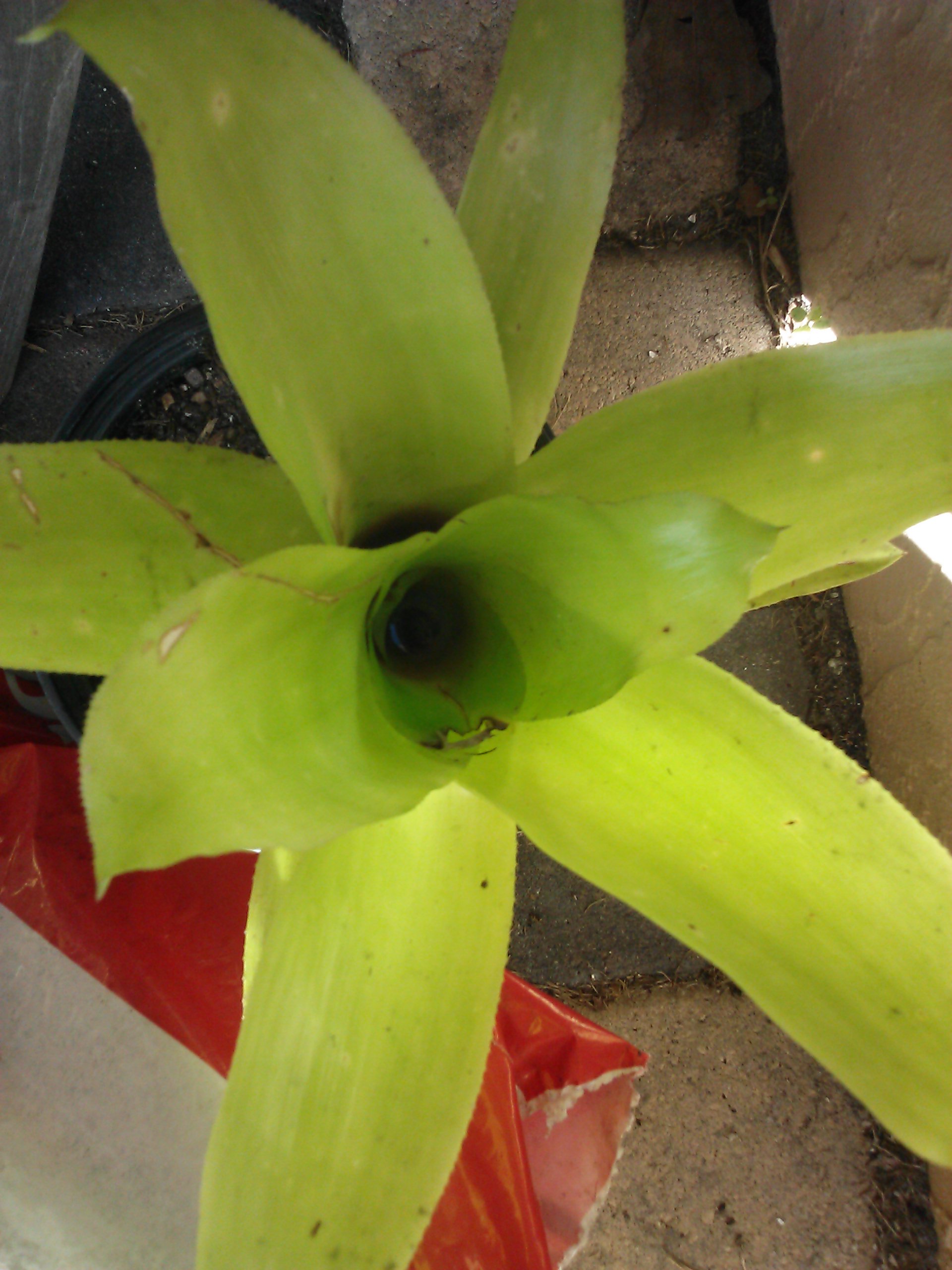
Possibly a peculiarity of the area I live in; there are plant sales like garage sales almost every weekend. I rarely pay more than $5.00 for anything and talk about locally sourced. The downside to this is very few people know exactly what it is they are selling – its a Green Bromeliad. On the other hand, it is always a surprise when one of these treasures bloom. One of the joys of gardening.

The Mysterious Green Bromeliad

The Mysterious Green Bromeliad

Here is my latest purchase, a nice Chartruesy Green Bromeliad that supposedly takes full sun. That is the full extent of my knowledge, I can’t wait to see what it does. Gardening teaches patience.

Rain Gardens on the Treasure Coast

We have a local environmental blogger here on the Treasure Coast who posted  about Rain Gardens and inspired this.

I have been designing Rain Gardens for about 10 years. It is a great idea for the environment, but aesthetically it is difficult to cope with the fact that unless carefully planned it looks like a big drainage ditch in your front yard. Not a good look.

I decided to put some Rain Gardens around our house after discovering that the areas right around the house were not irrigated and the house had no gutters so the rain collected on the ground around the house and was not really concentrated by gutters into 4 or 5 spots.

The lack of gutters on the roof is relatively common here, this is new to me. I am not quite sure why – maybe Hurricanes blow them off. Anyway, we bought the house without gutters and I always, always hated dealing with getting the gutters cleaned, etc. on our house in Atlanta. I was happy not to have gutters.

Then it rained, like seven inches. Wow, there were pits in the areas under the valleys of the roof where the water came off the roof. Luckily the yard was so gruesome there was no question about redoing the driveway and landscaping. And we live on a Sugar Sand Dune, highly pervious no water stands anywhere. A big ditch was not really necessary.

My father taught Geology at Emory University. He passed on and I inherited his love of rocks, but in a more decorative way. I love stone, boulders and natural materials incorporated into the garden. I brought his rocks to Florida and planned to use them in my gardens. In Florida, I have added seashells and cap rocks in an effort to be more sustainable by using locally available material.

My Rain Gardens are in my front yard in a planter:

Rocks for Splashing

Rocks for Splashing

The valley of the roof drains onto these rocks, the rocks break the speed of water and then it splashes on down the Egg Rock, waters my plants and drains back into the sand. This planter is not irrigated, a bit of a sin in South Florida – it is maintained for the most part by rain. I occasionally water the Plumeria in  winter. The plants are placed out from under the edge of the roof  so they get watered and not beaten by a big rainstorm.

Rain Garden Planter

Rain Garden Planter

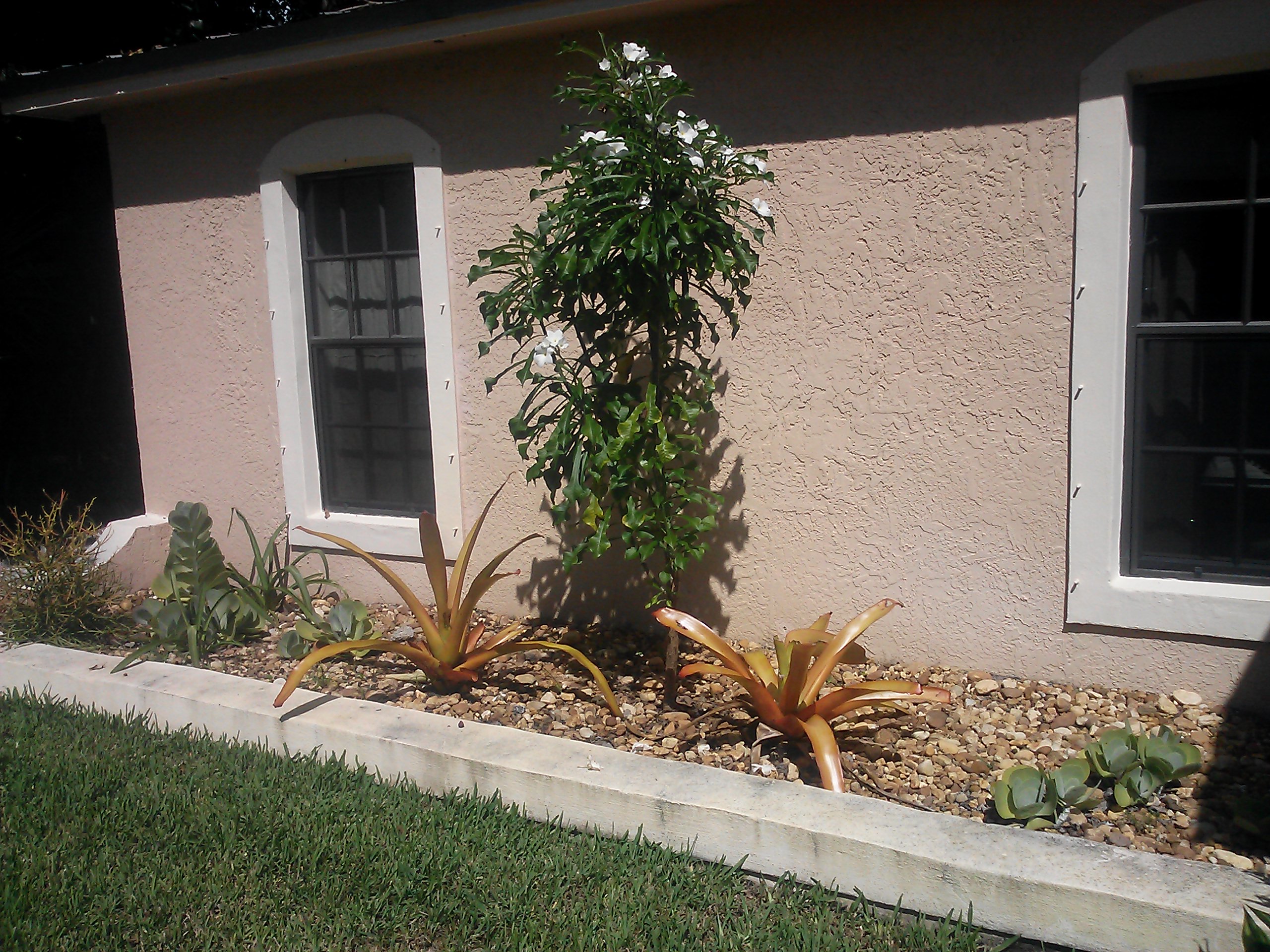
This is the whole garden. A Bridal Veil Plumeria is centered on the house flanked by Lemon Blanchiata Bromeliads then FlapJack plants. A Pencil Cactus anchors the corner. The plant selection is mostly succulents or low water tolerant plants. I had to have the Plumeria for aesthetic reasons and suffer through the watering.

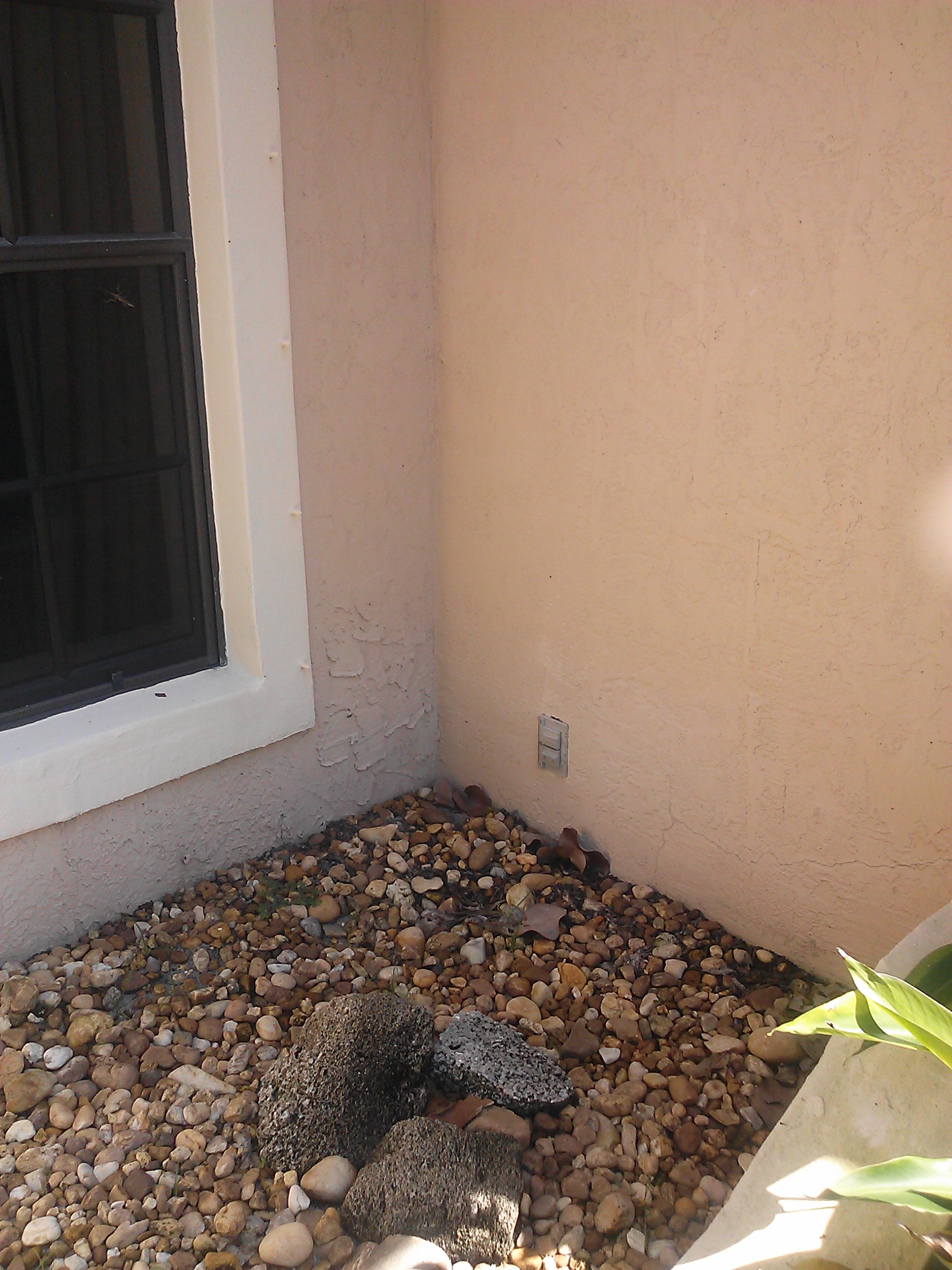
Rockcentric Rain Garden

Rockcentric Rain Garden

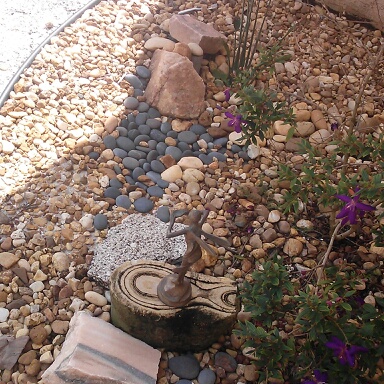
This is my other Rain Garden. Again the water comes off the corner valley and lands on the large sized Egg Rock and flows over the Black Mexican Pebbles and drains to the driveway. The driveway is made from pervious shell and drains onto a turf area with a french drain beneath it.

The Rocks are from my father’s collection and one piece of coral rock from Jensen Beach. Plants are newly planted -a Tibouchina and a Leafless Bird of Paradise. I am watering these plants to establish them.

Bromeliads in the Hood

Dr. Seuss

Dr. Seuss

I did my weekend garden touring at the McKee Botanical Garden in Port St Lucie, Florida. This is a surprising gem of a garden located on 20 acres in a suburban neighborhood setting. One of the interesting things about this garden, it is maintained almost exclusively by volunteers and  is beautiful. And they have lots of Bromeliads. I have no clue what that is above but Dr. Seuss almost certainly would have loved it.

McKee Botanical Garden

McKee Botanical Garden

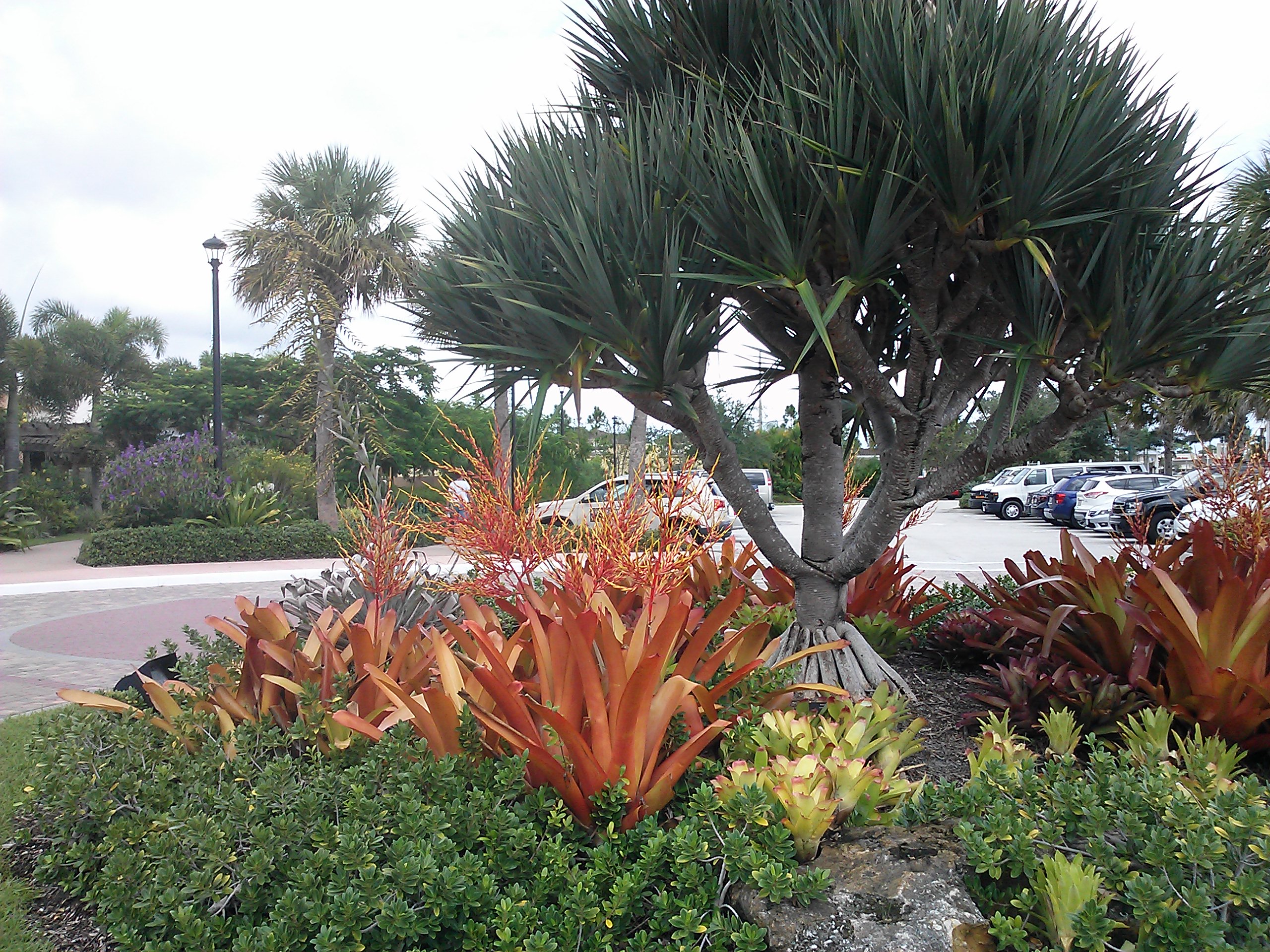
This is an island in the driveway at the  McKee Botanical Garden, the tree is a ScrewPine underplanted with Blanchiata Bromeliads and Green Island Ficus. Pretty cool.

More Bromeliad pictures from my travels:

Burgundy Bromeliad

Burgundy Bromeliad

I have seen numerous Burgundy Bromeliads around here. Guess what, the foliage is Burgundy and people will tell you they need some sun. Some being the operative word. These are, as far as I am concerned, in nearly full shade and flowering. I have some slowly frying in my front yard, am going to move them.


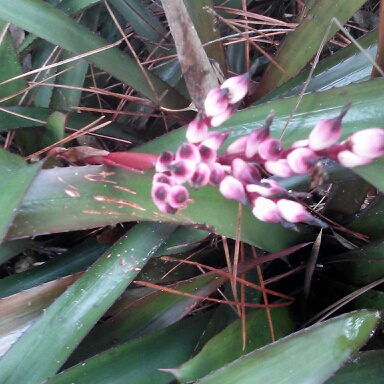
This is a bromeliad currently blooming in my neighbor’s yard. I think it is a Quesnelia-please comment if you know? I keep calling these Quesadillas and it is making me crave Mexican food…

Quesnilla?

Quesnelia?

Tropical Ranch

I went on a mini garden tour yesterday to the Tropical Ranch Botanical Garden in nearby Stuart, Florida. This is a two acre garden owned by a local couple who are Master Gardeners; they live in the garden and open it every month or so.

The garden is beautifully maintained and available for events. Here are a few plants from my meander through the garden:

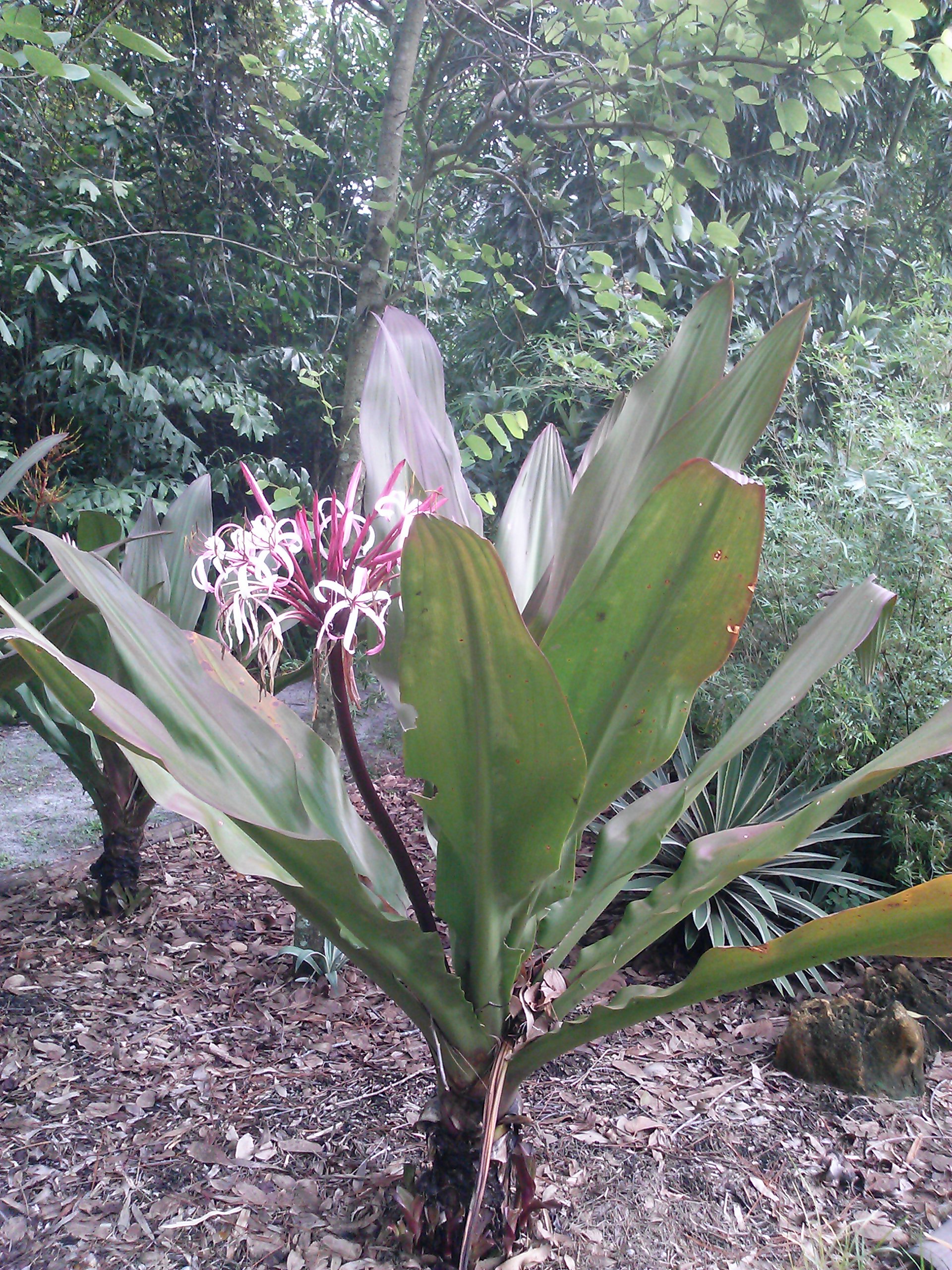
'Queen Emma' Crinum

This is a ‘Queen Emma’ Crinum – this plant is 5 or 6 feet tall.

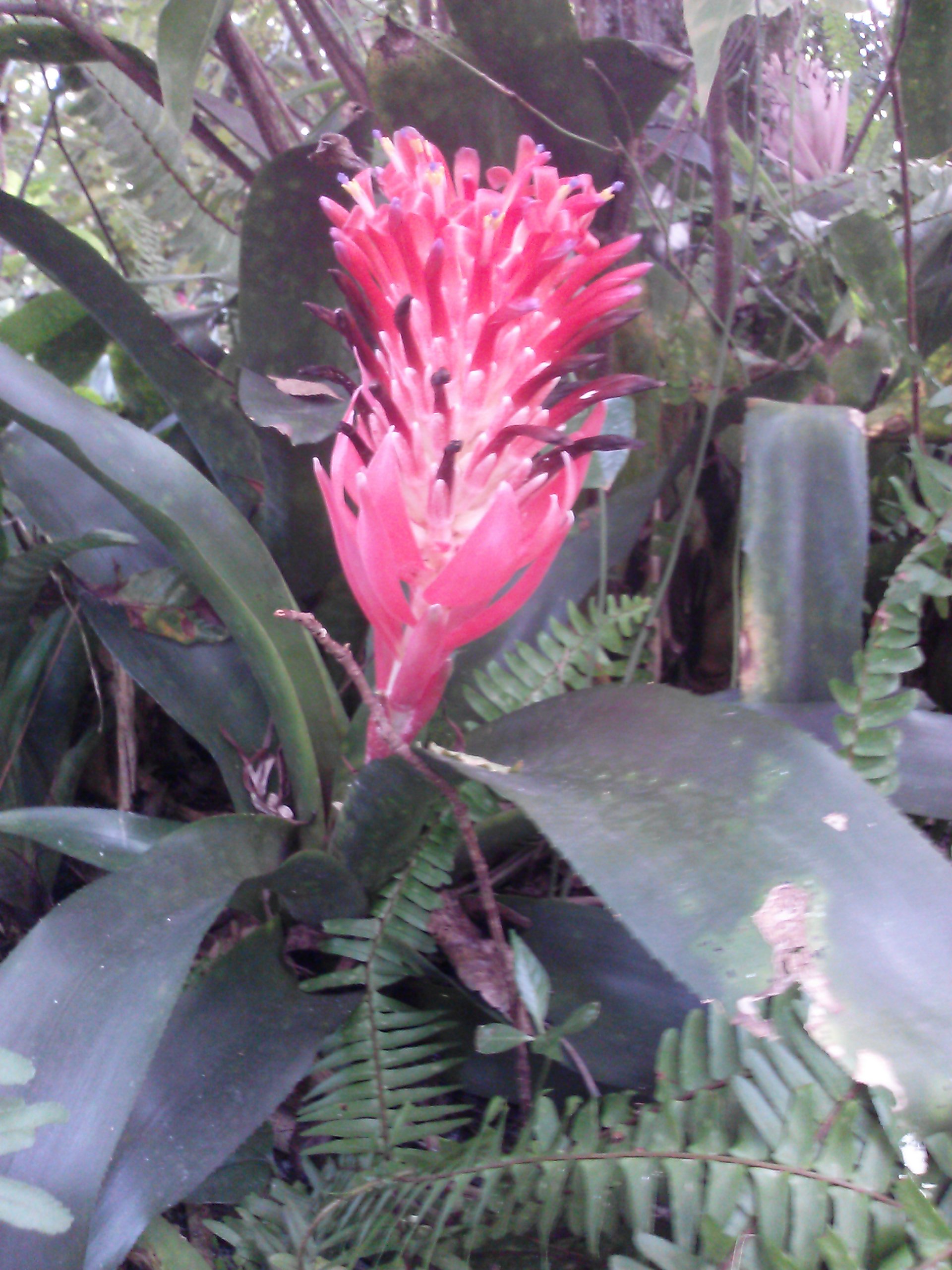
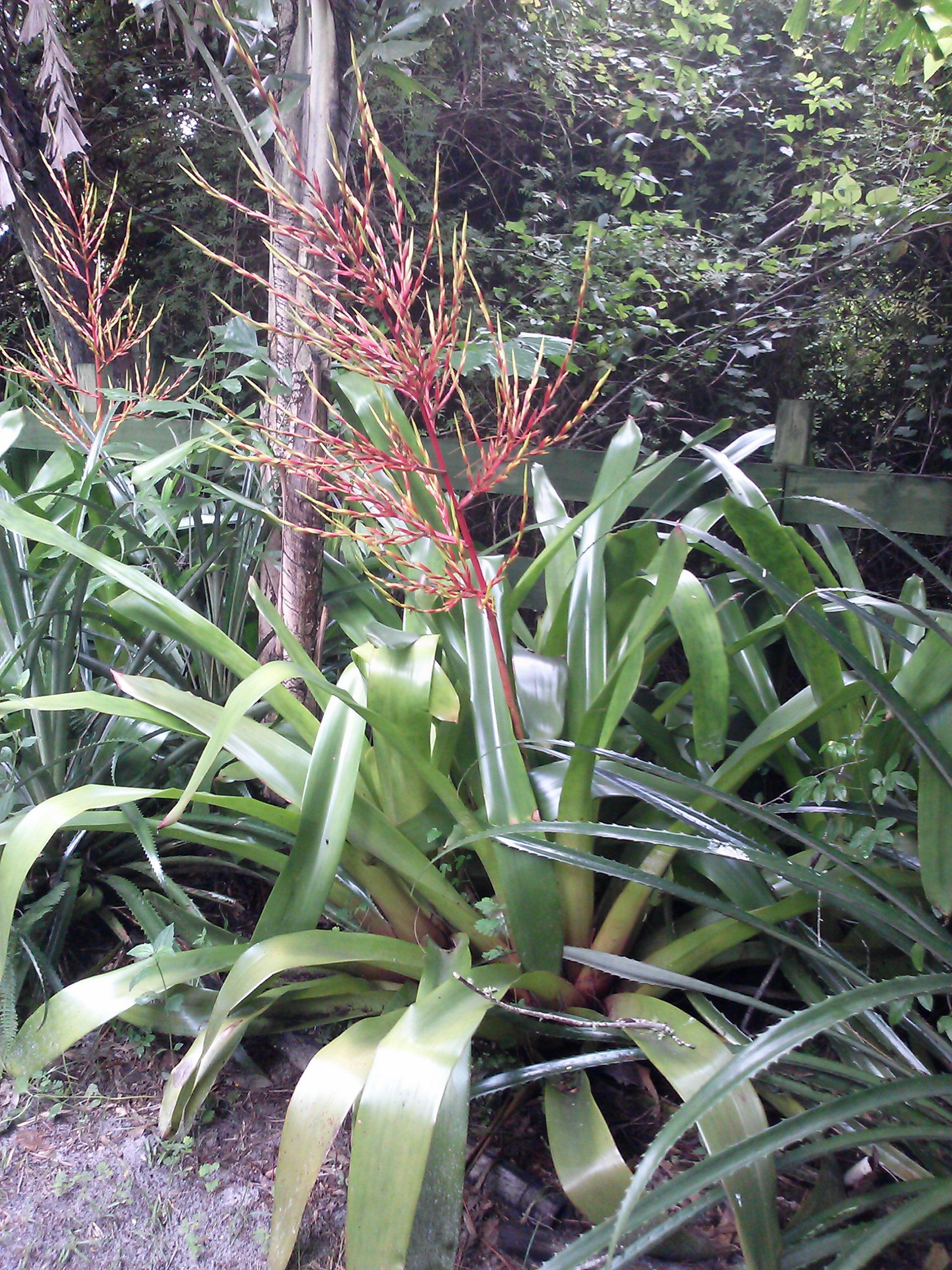
Blanchietta Aechmea Bromeliad

Blanchetiana Aechmea Bromeliad

Another enormous tropical in bloom,  these are very popular around town and are available in Lemon, Orange and Raspberry. I am not sure which one this is but, I am guessing Lemon as the leaves have a yellow cast. The flower is almost 5 feet tall and out of this world. I have had these for a couple of years and mine refuse to bloom. One of the owners told me they used to have cows – maybe that is the secret.


Hala

Hala 

Hawaiians call this Hala, it is used for everything from hats to huts, not native to Florida it will grow here. Floridians tend to call this Screw Pine, not sure why, it seems odd – when I first heard the term I thought it was some weird tropical version of a Japanese Black Pine, not so. I have one in my garden, it is about 12″ tall, unlike this beauty.

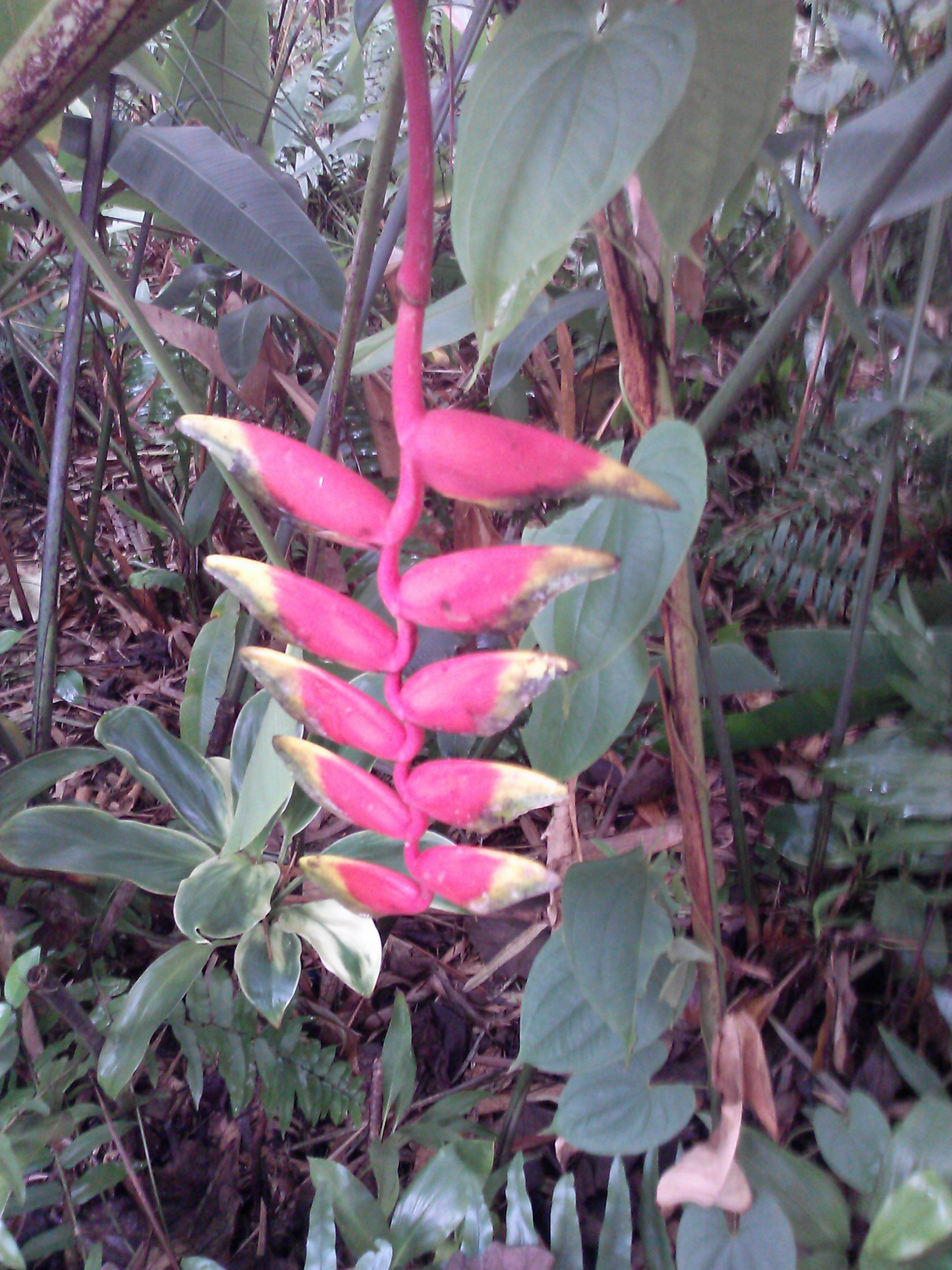
And last but not least, another favorite, the Heliconia. I think it is some variety of Lobsterclaw. Another thing I am waiting for a flower from; I read the other day these shouldn’t be pruned or you cut the flowers off. That could be my problem – excessive pruning. But, the plant is seven feet tall. Gardening teaches patience, right?

Heliconia

Heliconia

Bromeliad update – Matchstick and Aechmea idon’tknowwhatitis

Pink Bromeliad

Pink Bromeliad

This is a close up of an Aechmea Bromeliad I bought two years ago. Totally pink and as weird looking as these things are sometimes. I used this in a an article that never got published. Being a cooperative plant it put out a pup and the mother plant died after hanging around for a while. I waited for the thing to bloom again and set in the ground in a relatively shady, sandy bed with some Bromeliad friends.

A month or so ago,  it started sending up a stalk -yes, it looked like a girl power corn cob.

Second Generation Pink Bromeliad

Second Generation Pink Bromeliad

I am calling this Aechmea idon’tknowwhatitis because the guy I bought it from did not know either. And there are a zillion of these things and from this I guess that they are not clones from the mother plant.

Here is a close up of the flower from Second Generation

Pink and Yellow Bromeliad

Pink and Yellow Bromeliad

Curiouser and curiouser, this flower just stays pink and yellow and has been around for a couple of weeks now.

An additional Bromeliad note, the Matchstick Bromeliads I planted in nearly full sun have all burned up with the exception of one that looks great. So, take the ‘this one likes the sun’ advice with a grain of salt and try a little shade.