Fallout from Gardenfest

Last year one of my fellow Floridian garden bloggers, Karen from small house/ BIG GARDEN invited me up to Gardenfest in Vero Beach. Gardenfest is held in a beautiful park on the banks of the Indian River, shaded by old growth Live Oaks. This park reminds me of the Lowcountry of the Carolinas in the US, with lesser Oaks. Spanish Moss is still oozing off of all the trees providing ambience for buying plants. Of course I went and of course I bought some plants. Last year, an Nam Doc Mai Mango and Leafless Bird of Paradise.

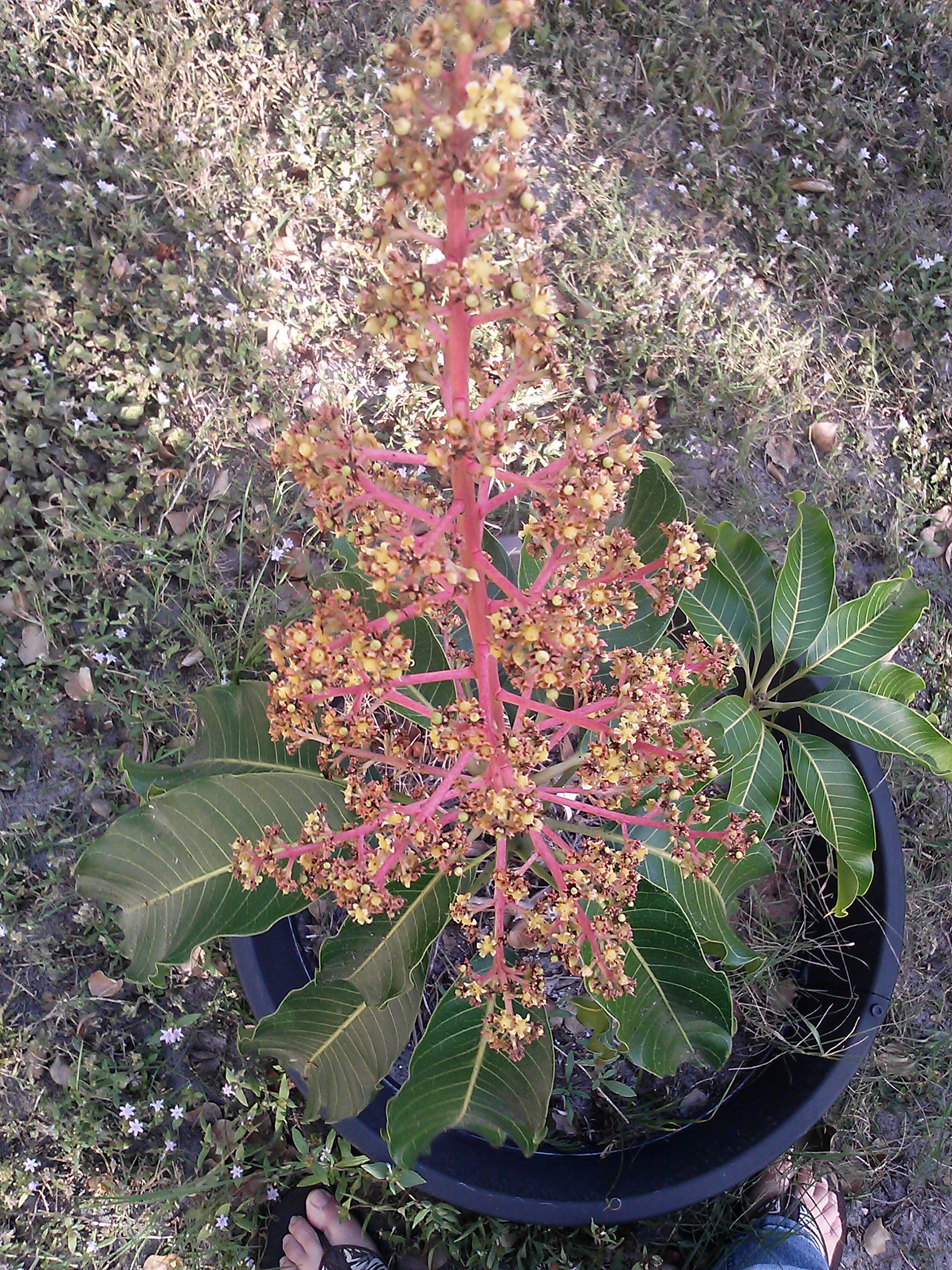
Mango Flowers

Mango Flowers


The Mango is now blooming, so I am hoping for an actual edible Mango this summer. What is interesting about the Mango flower is it seems you have this 12″ long panicle that eventually might produce one Mango on the other side of the tree. It should be interesting to watch, to say the least. Still waiting on color from that Bird of Paradise but the plant has such an interesting texture I will forgive it the flowers.

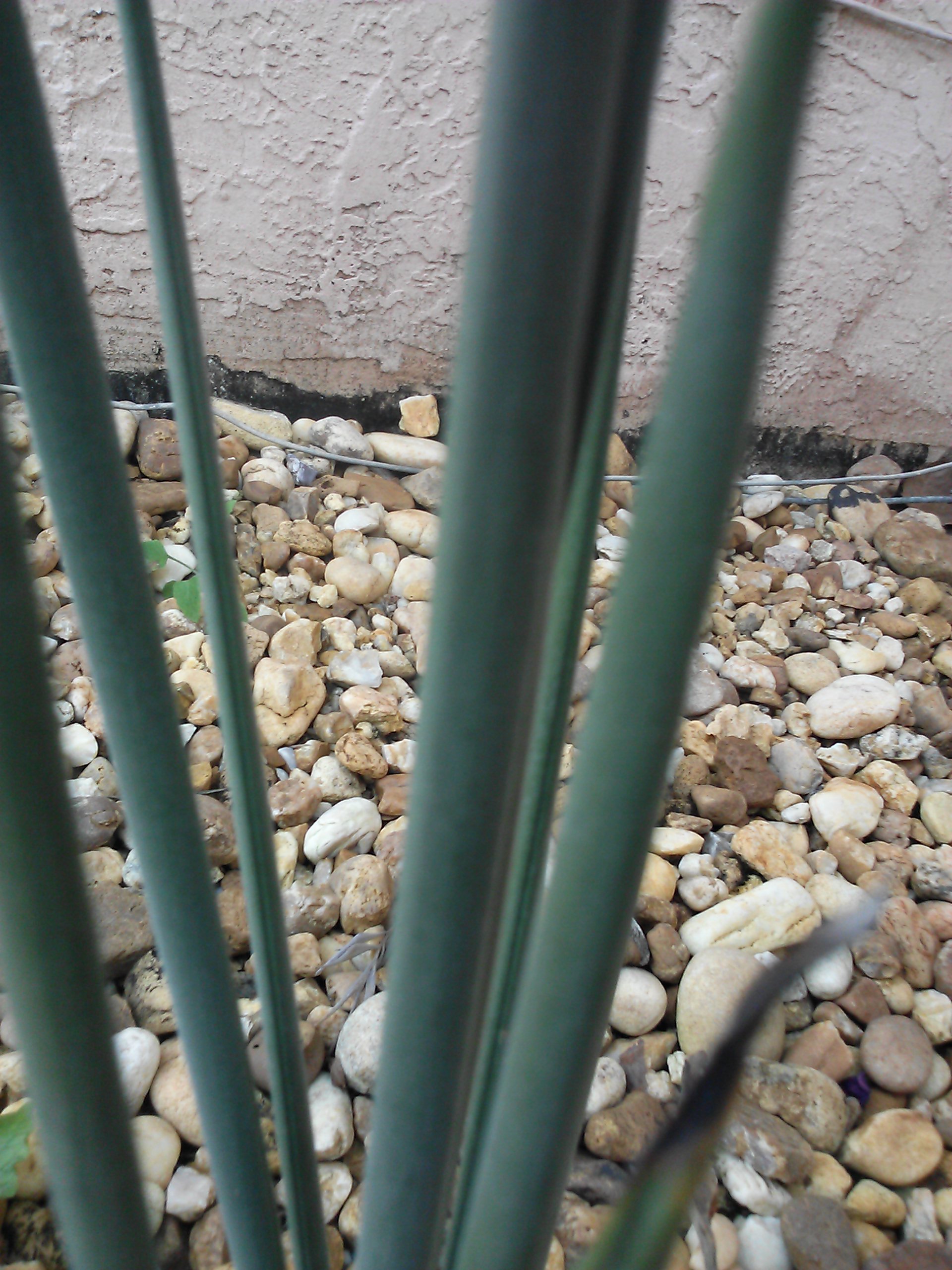
The Leafless Bird of Paradise with no leaves or flowers!

The Leafless Bird of Paradise with no leaves or flowers!

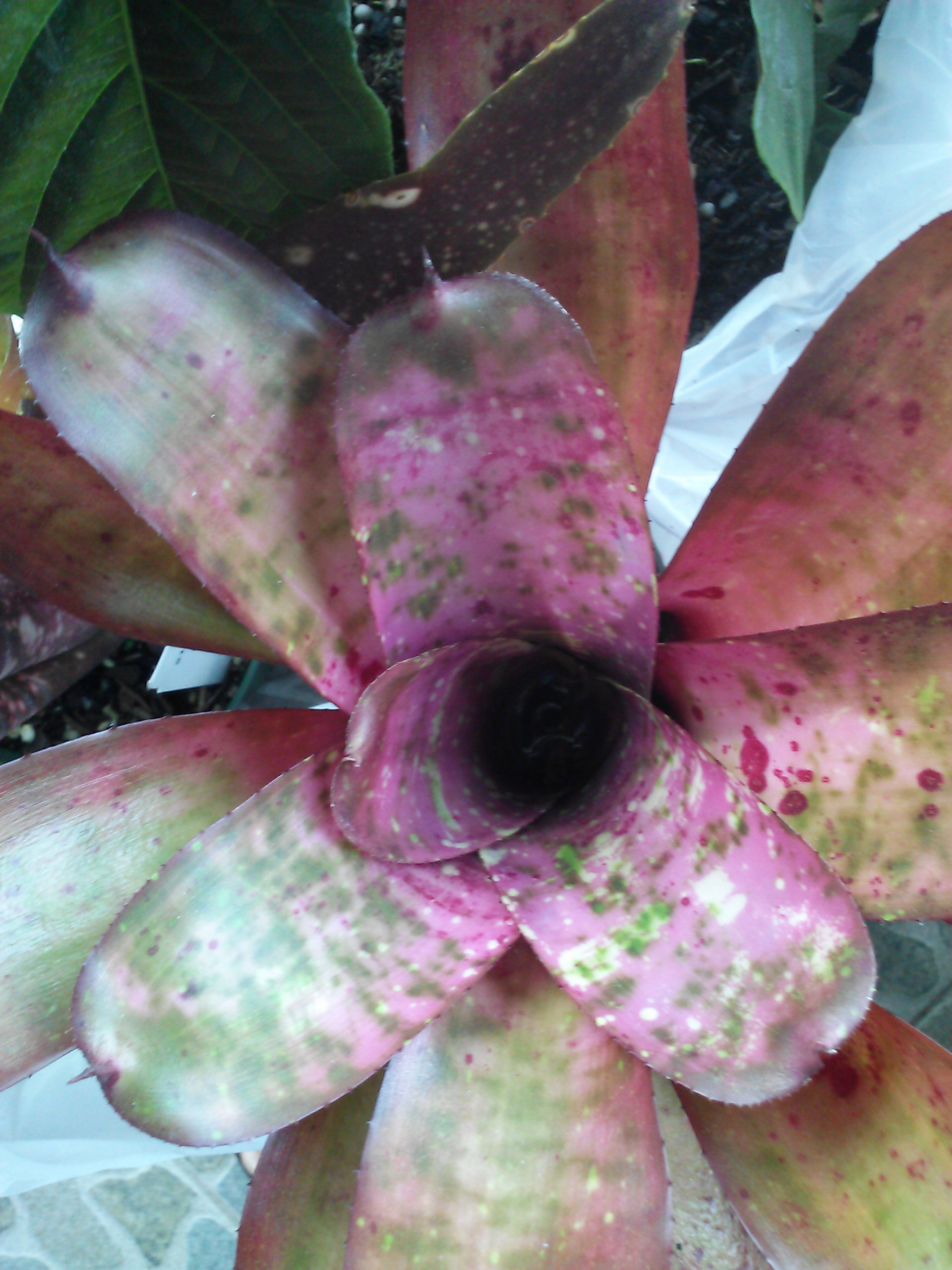
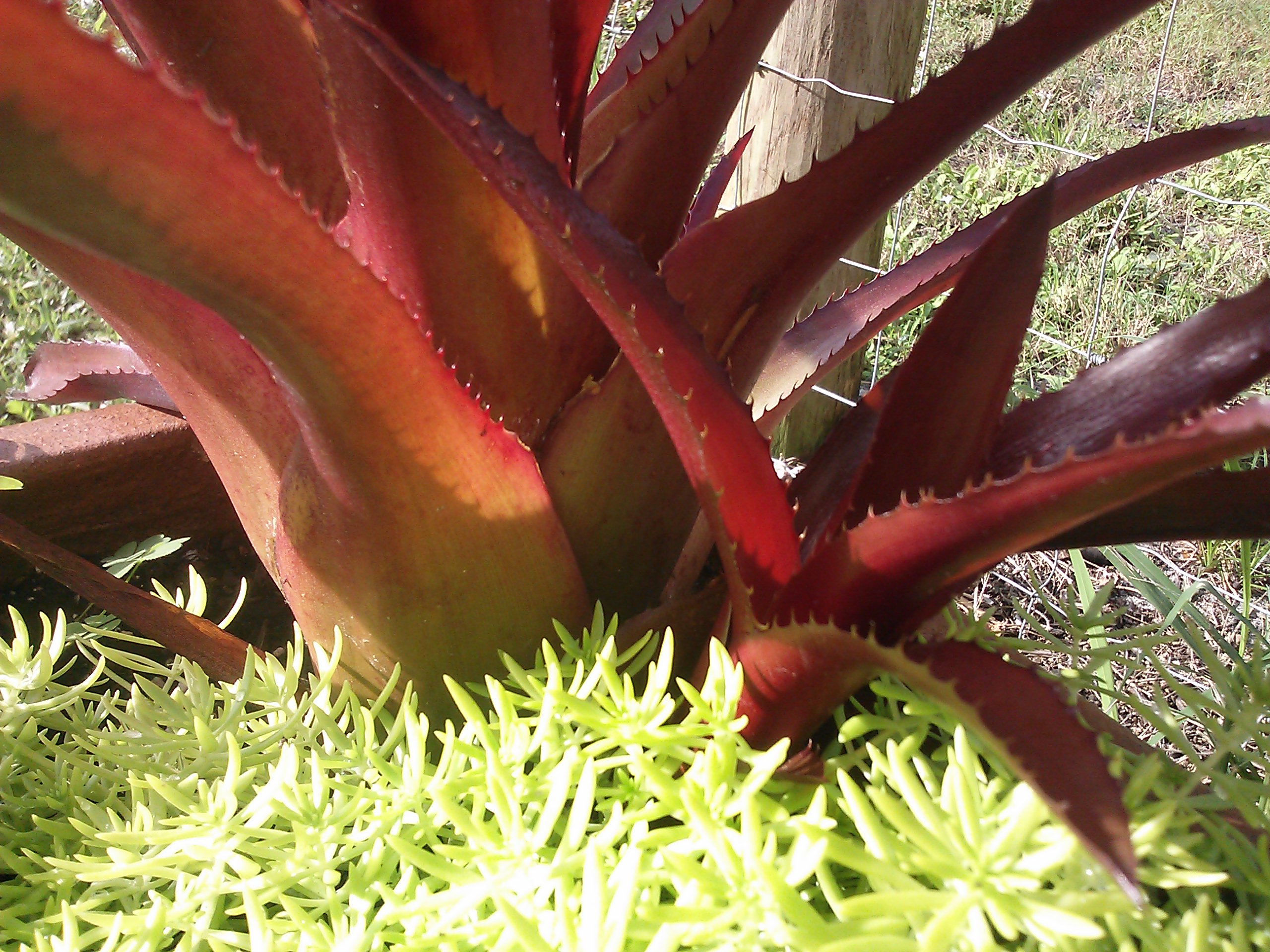
This year I succumbed to the siren song of the Bromeliads, the Burgundy and Pink ones – who cares if they bloom? The foliage is spectacular enough.

Neoregelia 'Galaxy'

Neoregelia ‘Galaxy’

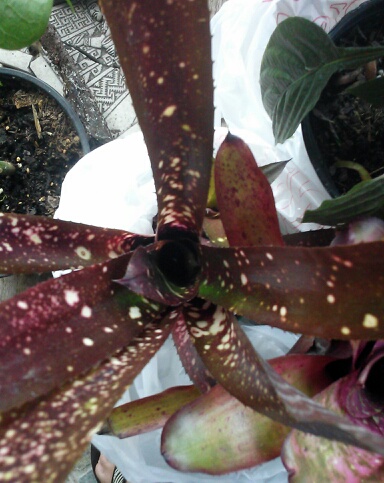
Billbergia "Hallelujah"

Billbergia “Hallelujah”

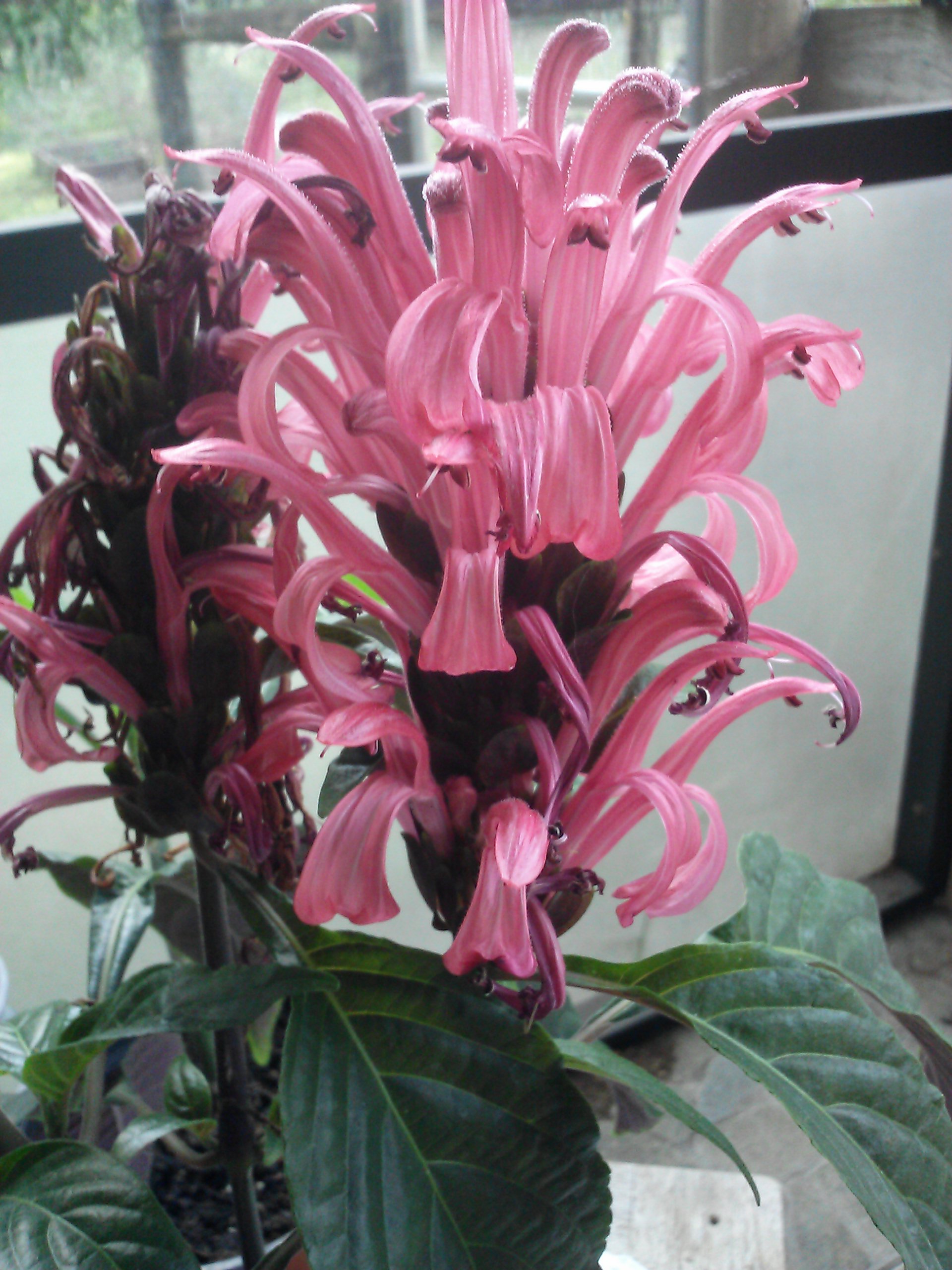
My thoughts are Hallelujah I bought a Galaxy and a Jacobinia as well.

The Jacobinia is a new plant to me, I have been looking for one. This is supposed to be a small shrub, I have seen it called Brazilian Plume and apparently it is related to the Shrimp Plants as is comes up as Justicia when researching it. I have not decided what to with it yet. I have to say a shade container with some of these plants comes to mind…

Jacobinia

Jacobinia

Getting Thrown Out of the Girl Scouts

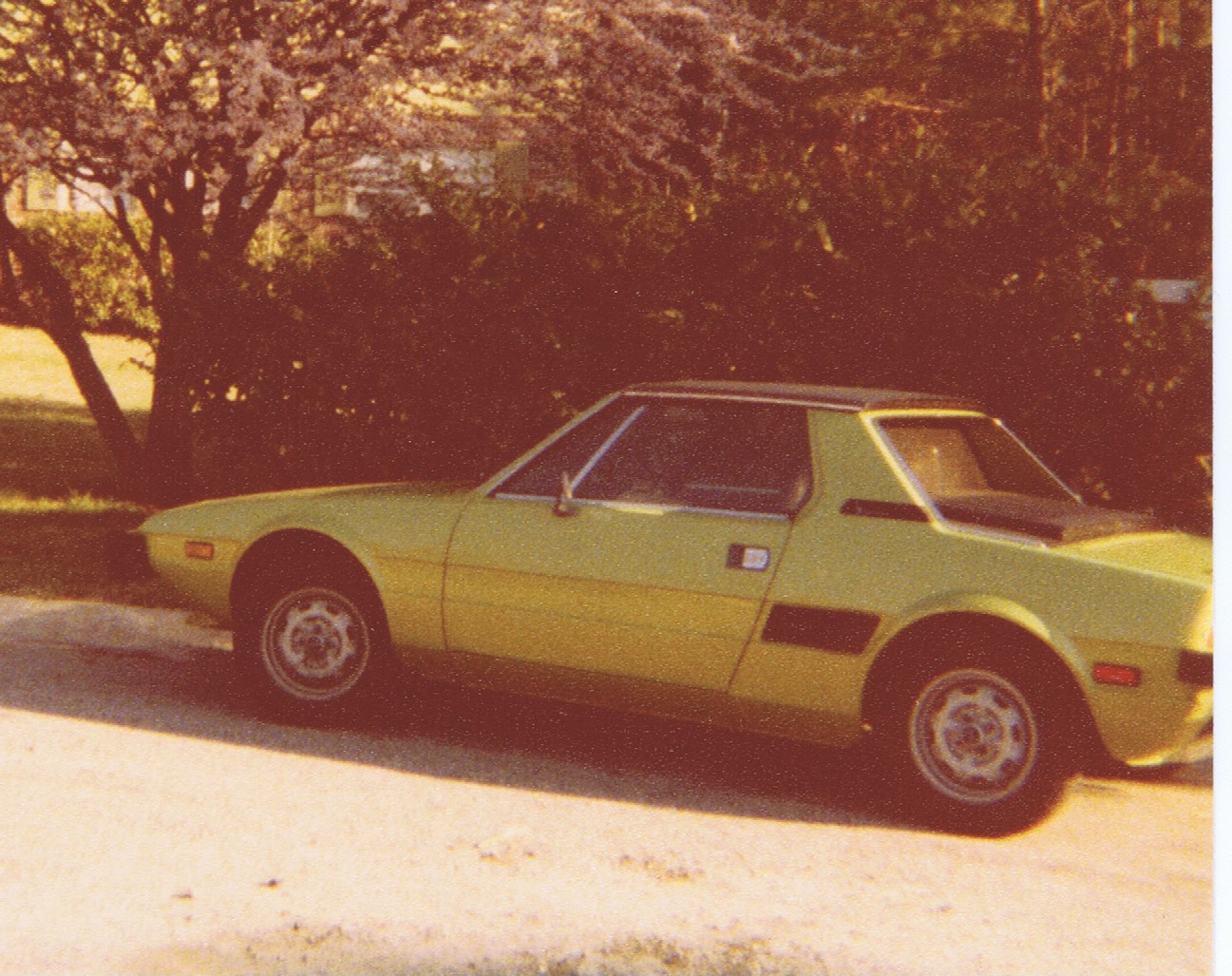
One of the Fiats, the Green one!

One of the Fiats, the Green one!

Earlier this afternoon, for some reason I told my husband about getting thrown out of the Girl Scouts. Realise we have been together for almost 25 years and he had never heard this story.

I call myself a recovering Southern Belle, this is probably a contributing factor.; as Belles are naturally former Girl Scouts. Girl Scouts are an American organization that hike, camp, earn badges and improve neighborhoods, according to their website. I imagine their goals were similar in the late 1960’s when I was dying to be a Girl Scout, have a green uniform and belong.

My mother, the venerable Miss Betty, I think was approaching her limit on driving children around (I was the fourth) and she had not learned to drive until the ripe old age of 35. Then, my father insisted that only a manual transmission car was worthwhile and bought her a series of peculiar Fiats. The suburbs of Atlanta, Georgia was not the place for any sort of foreign car in the 1960’s.

We lived in a relatively unfashionable area that still had Ku Klux Klan meetings, I can remember a building downtown with a giant cross on top where the meetings were held. And  I attended Elementary school with the Grand Wizards grandson. For some reason I turned out to be a mostly socially liberal person with numerous gay friends, go figure.

One day Miss Betty was selected to drive the Girl Scout troop around. Well, the Fiat had a stick shift and no one in the sticks of North Georgia had ever been in anything other than a Buick with a sluggish automatic transmission. The phone tree in suburban Atlanta lit up with concern about the maniac lady in the Red Fiat. Mothers were complaining that their daughters were terrified by the stick shift and the speed of the little Fiat that had an engine about the size of a really fast John Deere lawnmower.

My mother was appalled at the indignity of being accused of speeding and terrifying little girls and pulled me out of Girl Scouts immediately. I have never joined another women only organization.

Building a Seashell Driveway

The Before Picture

The Before Picture

My husband and I bought a distressed property in South Florida. The driveway was really distressed. It took an archaeology dig to figure out where it had been and what it had been. After a bit of detective work we found a ‘Chattahoochee Stone’ pea gravel drive with a turnaround in front of the house. About 70 % overgrown with apocalypse proof weeds. The front yard became a free for all ad hoc parking area. Nobody could tell where they were supposed to park.

Part of the reason we bought this house was the garage was in the back. This is unusual in South Florida. Garage doors are usually a dominant feature of the front of the house. In some places it seems as if someone got a gigantic copier and started printing out houses with prominent garage doors. Later it dawned on me the reason for this is to provide the least amount of stormwater running off the concrete paving (the shortest possible driveway) and given the flatness of the terrain, it was also a short run to slope the driveway to provide drainage back to the street. It is also the cheapest way to get a lot of houses on a piece of property (i.e. Making the developer more money)

My husband retired and we decided to forsake the traffic and cold of the big city and moved 600 miles south from Atlanta to South Florida. The namesake of our existing driveway material, the Chattahoochee River, is a major feature in Atlanta.  The headwaters of the Chattahoochee are in the North Georgia Mountains, then it winds through Atlanta eventually pouring out into The Gulf of Mexico on the panhandle of Florida.

The driveway needed a renovation, however, it seemed a bit ridiculous, not to mention wasteful, to import pea gravel 600 miles to South Florida. Additionally, I was not enthralled with the brown pea gravel, having found it to be a fiesta of weeds in my previous garden and it cost at least 3 times what I had been paying for it in Atlanta. Based on the appearance of the existing drive it was nirvana for weeds. Not a good idea in South Florida.

The search began for new material for the driveway. The local rock here is limestone; crushed rock primarily for road construction. The rock is lumpy, starts out white and eventually looks very dirty. I didn’t like this option, but it was cheap. My next thought was pouring a concrete driveway, but, as a Very well seasoned Landscape Architect  (yes, I meant to capitalize Very for emphasis) I could tell the drainage just wasn’t going to work. In the event of rain, there would be too much water running off the driveway with nowhere to go. With the exception of the floor of our garage, not a good plan.

The driveway needed to be made of a pervious material so the rainwater could soak back into the ground rather than running off. During the course of my concrete drive design/pricing exercise I met a grading contractor who told me it was possible to build a shell driveway. What I couldn’t (and still don’t) understand was why there weren’t any of these driveways around. The only answer is they went out of style. People had been seduced by the evil brown pea gravel from the faraway Chattahoochee River.  I can only guess why. I did recall, however, over the course of my career people have waxed on romantically recalling the crunch of the pea gravel in their (perhaps very wealthy and with many yardmen) Grandmother’s yard.  This reminiscence is usually related to formal boxwood gardens in the Deep South. They never had to pull the weeds or pay for imported pea gravel.

I thought the shell was a great idea and, of course, did a bit of research. The shell used for constructing the driveway is mined about 20 miles north of my house. It is a byproduct of mining sand; five different sizes of material come out of the mine and are used for construction. The sand is used for construction and the shells are sorted out by size and intended use. My driveway is topped with ⅜” graded shell.

Shell driveways, properly constructed, last a long time. The construction method is as follows:

Grade the area and remove about 5-6’’ depth of existing soil. Compact the existing soil to receive the base material. Provide restraints around edges of driving surface to hold the loose driveway material. My driveway has pressure treated pine timber and Black PVC Landscape edging that act to hold the shell in place. I have seen drives edged with concrete curb or pavers set in mortar. This looks great and is, of course, a lot more expensive.

French drains were installed under the driving surface in areas where the water collects as it drains off the roof during a large cloudburst. Another South Florida peculiarity, no gutters, but some scuppers…you must cope with whatever comes off the roof, wherever it comes off the roof. Fortunately, I like rocks and Rain Gardens.  The drains were made from old solid walled laundry baskets with the bottoms removed then the contractor dug holes and placed them underground, filled them with gravel and topped the whole thing with filter fabric. The old gravel from the existing driveway was reused to fill the drains.

To build the driveway a 2-3” layer of crushed shell (this looks like coarse sand) is laid on top of the existing soil and pressed into place with a Bobcat. This is topped by a 2-3” layer of shell placed with a Bobcat and pressed evenly. The crushed shell course binds to itself and creates a pervious base layer. The shell course provides the driving surface. Maintenance requirements are spraying weed killer (I use the non toxic homemade vinegar solution) and raking it out every now and then. The materials firm up a great deal from cars driving on them and rain, but it is still a loose material.

I am pleased with the appearance of the shell driveway and it’s functionality. It drains perfectly and looks great. The shell also gives a great local, beachy feel to our property. And it looks really clean. It is also a very sustainable project, the majority of the materials arrived from within 50 miles of my house. The shell is a reuse product from a local mine. The driveway is pervious and most of the stormwater drains back into my property. I have two guest parking spaces and a turnaround for use when backing out of the garage. Pleasing the environment and me.
The Shell Driveway
The Shell Driveway
Gardening Outside Your Zone

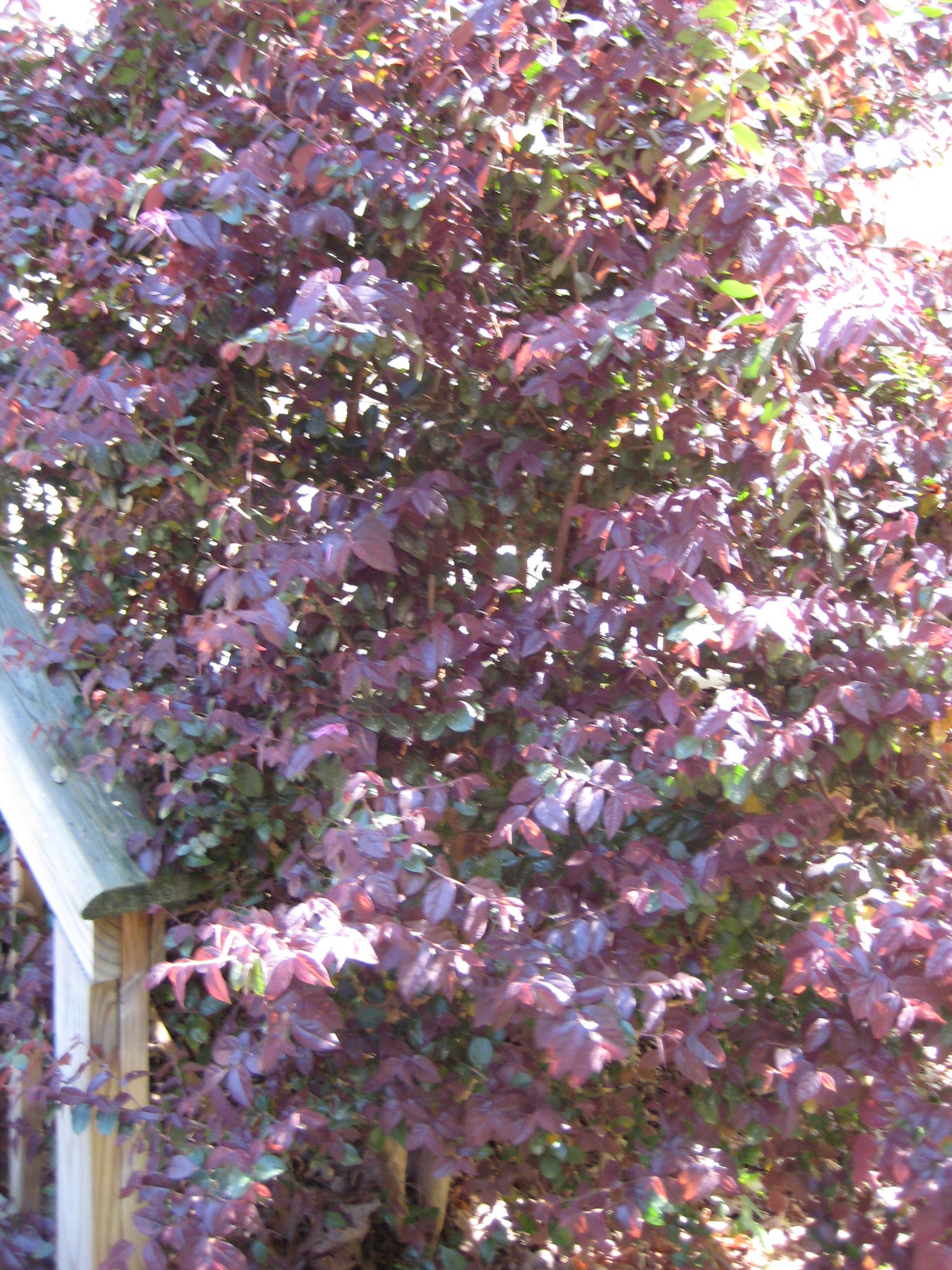
Burgundy Loropetalum in Atlanta

Burgundy Loropetalum in Atlanta

The song by the Rolling Stones goes, and I am paraphrasing  “You can’t always get what you want, but if you try sometimes you get what you need.” Sage words. That made me remember I want to plant some sage..

There are many transplants here in Florida – people and plants as well. The people are trying to grow the plants they know from home, maybe 4 hardiness zones north. The plants are unhappy. I was surprised by the number of folks trying to grow Lilacs in South Florida. Lilacs grow in the Northern US, not South Florida. South Florida may be the mold and mildew capital of the world and Lilacs are extremely susceptible. Of course, there are some delightfully fragrant plants that people in the North are trying to grow that thrive here and are really well suited for this climate- on it goes. Ylang ylang, anyone? If for no other reason it would be fun to try this because of the name. I actually had a vanilla orchid for a while, but I think one of my dogs stepped on it.
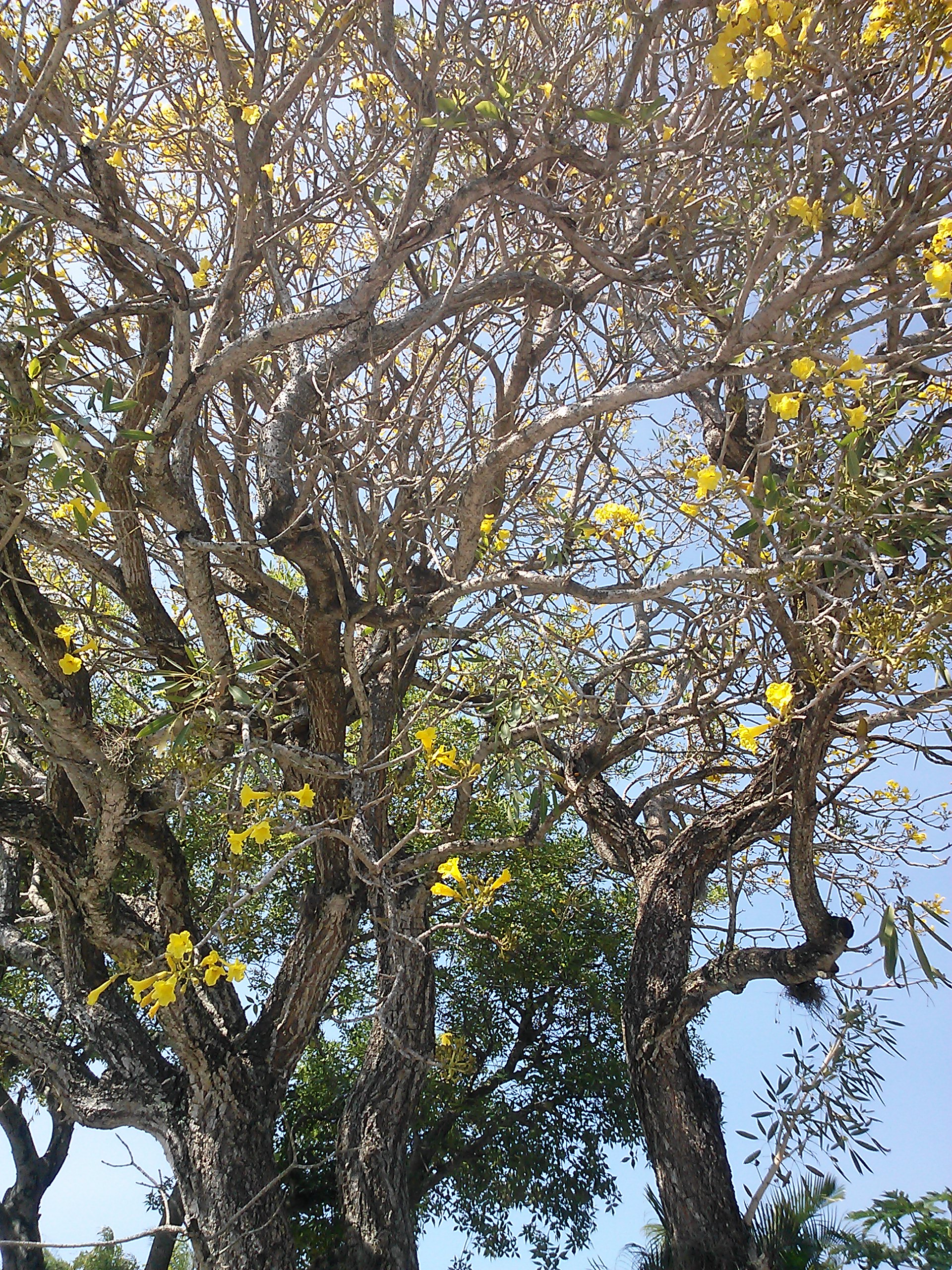
Tabebuia

Tabebuia

I am as guilty as the next gardener, to a certain extent. I like the new and unusual and there is a lot to see when you move to the tropics. My favorite tree ever, the Autumnalis Cherry, cannot be grown here. I readily accept that because of the other trees that can be grown here. My new favorite is Tabebuia which I have just found with orchid colored flowers – the Ipe Tabebuia. I also like the yellow one because of the nice corky bark. It is a dilemma to choose between the two, fortunately the back garden of my house is, well, um, non-existent. So, I can have either.

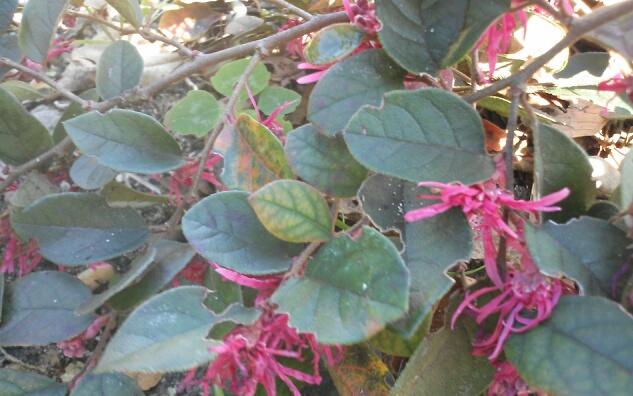
Burgundy Loropetalum in South Florida

Burgundy Loropetalum in South Florida

I have succumbed to Zone pushing by planting some Burgundy Loropetalum. One of my favorite shrubs from the frozen north. This is not supposed to grow in Zone 10, my research says Zone 9 is it for the Loropetalum. But I found one for 5 bucks and decided to try it. It is cheerfully blooming in my front yard in January. You may notice the Atlanta Loropetalum is robust and more than 6 feet tall. The one here in Florida tops out at 8 inches and looks a bit chlorotic. I guess it is time to wait and see.

Recovering the Herb Garden


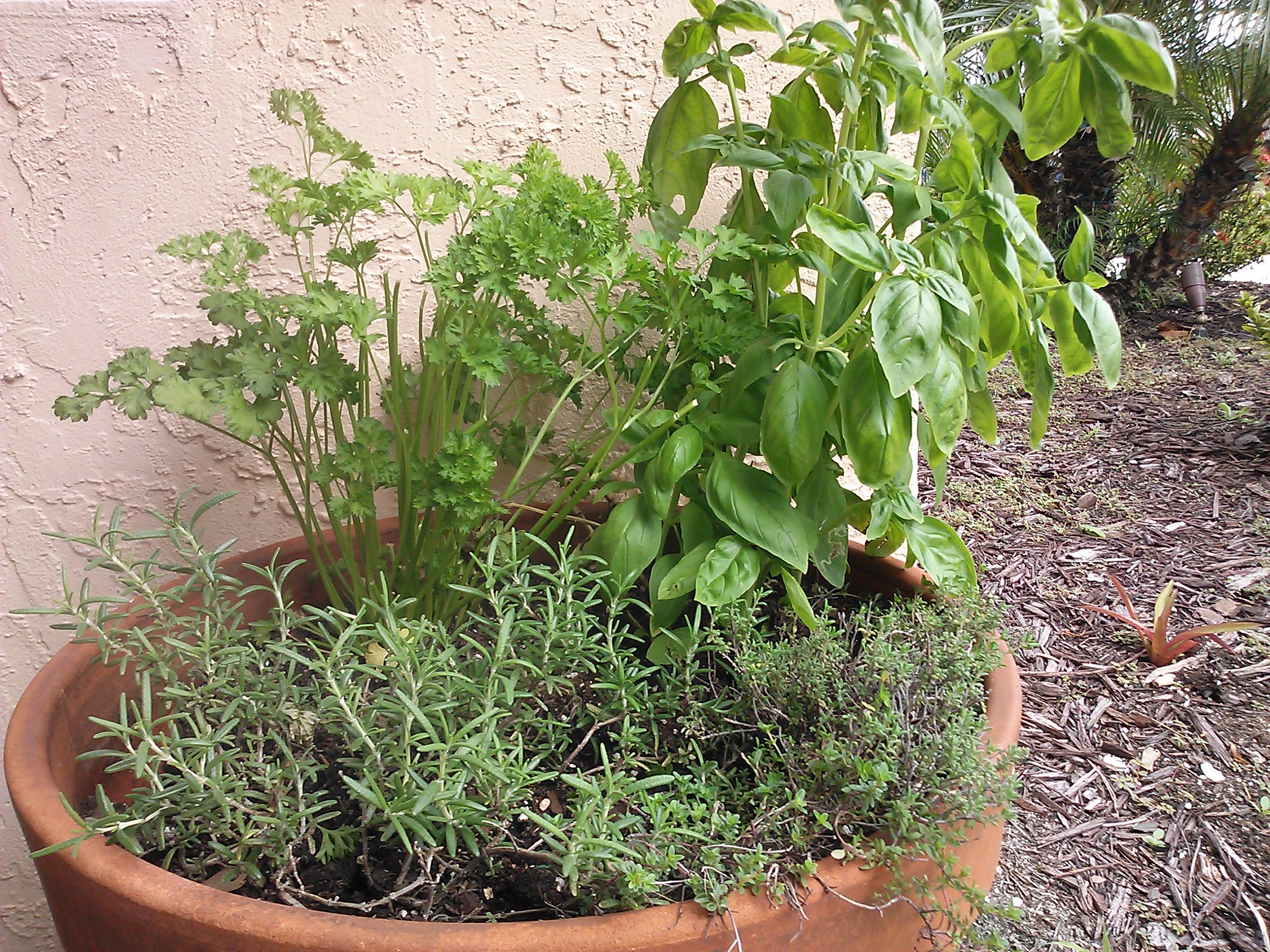
Terracotta Herb Container

Terracotta Herb Container

I have had abdominal surgery twice in two years. This has been detrimental to the quality of my herb and vegetable garden. The last surgery was in October and (knock wood) there are no more holes in my gut to repair. Yay, I have been pulling weeds (and am able to pull weeds!-very exciting) in an attempt to reclaim my two herb beds.

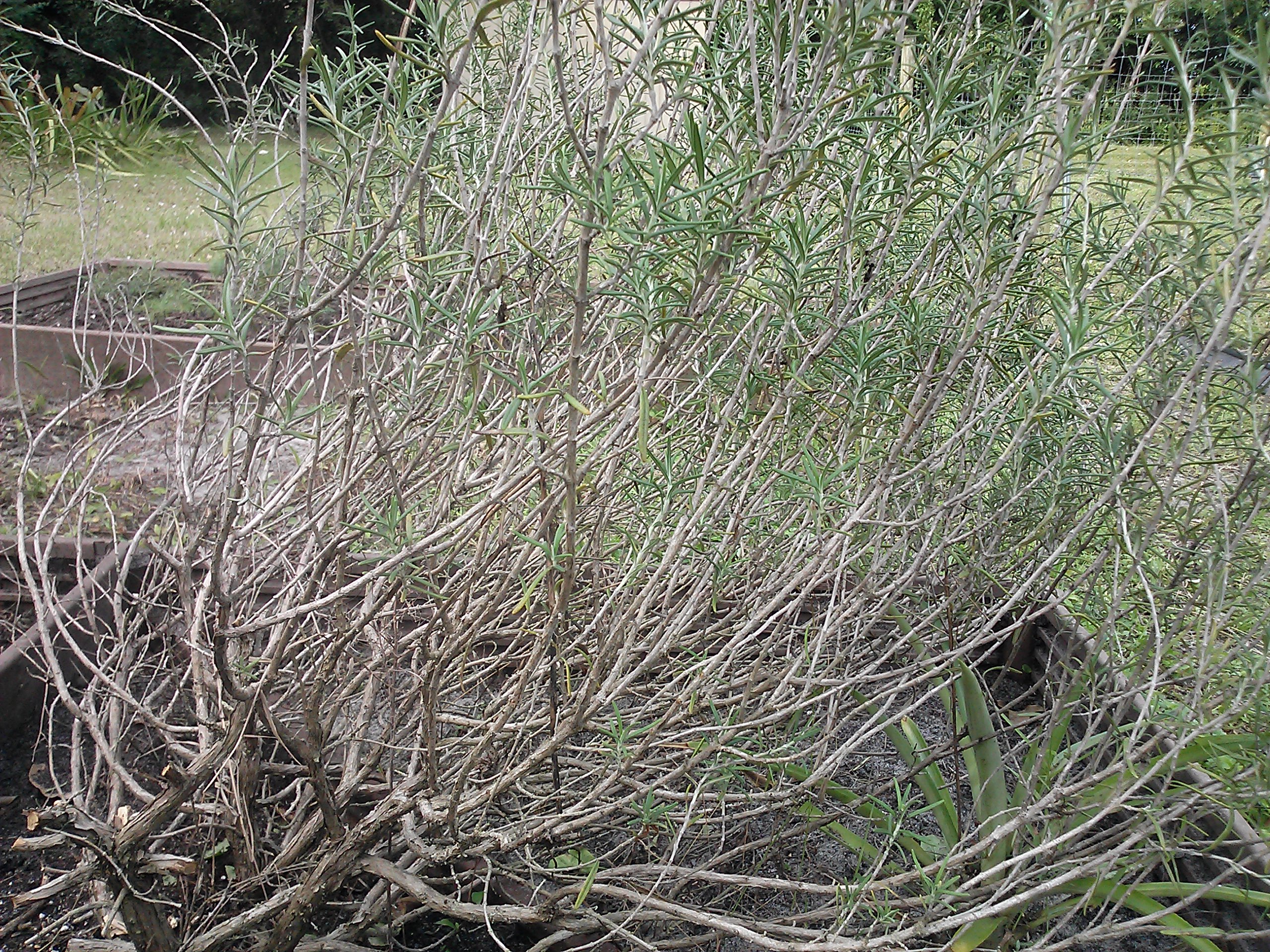
These two beds were constructed a couple of years ago and contain the most fertile soil on the otherwise laughably infertile sand dune I live on. The pure fecundity and variety of the weeds I removed was astounding. What is also interesting is the Rosemary, Bay and German Thyme have all managed to survive the onslaught. Thyme isn’t even supposed to grow this far south. Go figure. I like to use all of these herbs and have clipped the tips off while allowing innundation of the rest of the plant so things are a bit leggy or perhaps I will decide these are simply tree form herbs. Garden problem solving at its finest. The tree form.

Reclaimed Rosemary

Reclaimed Rosemary

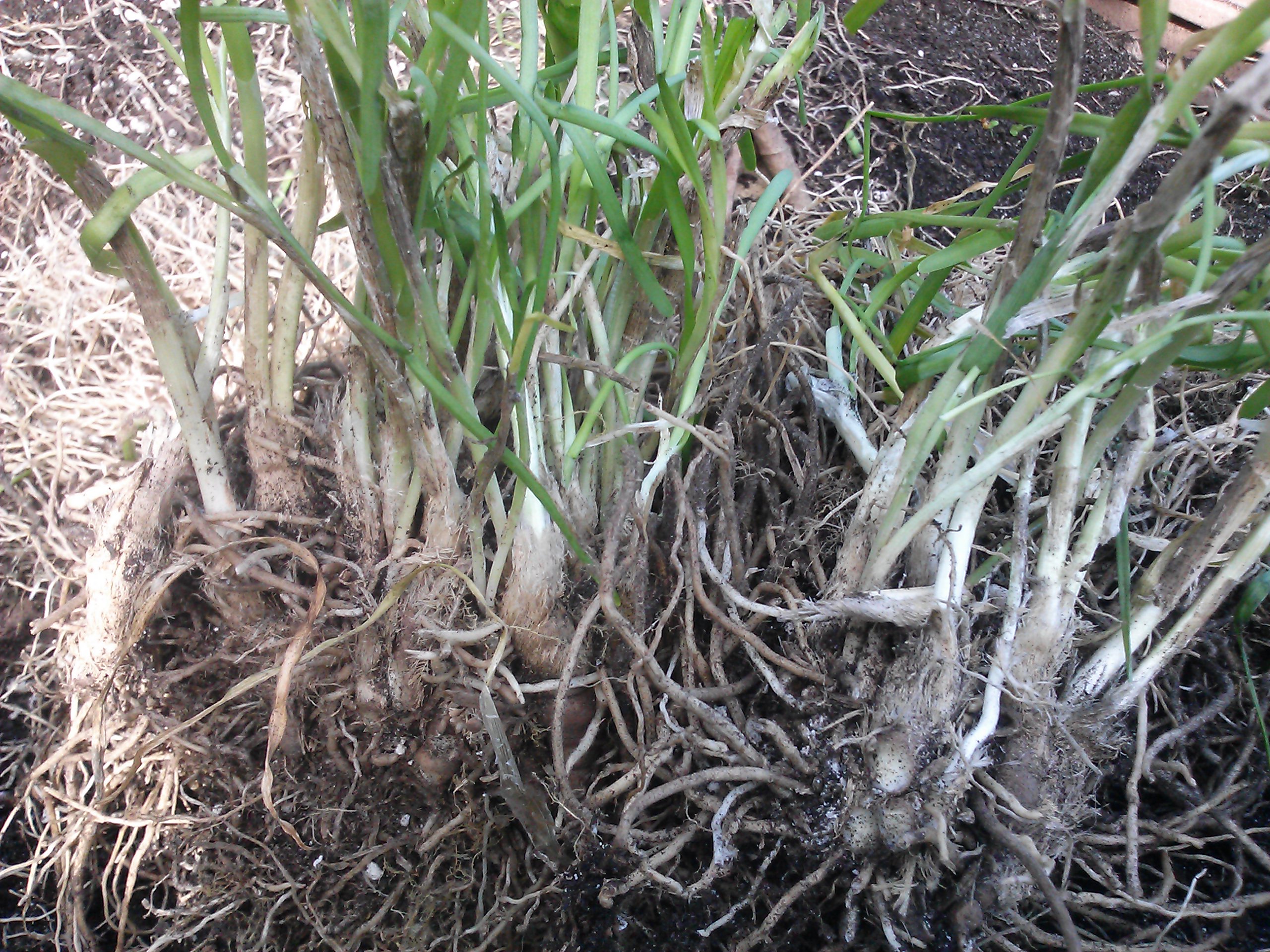
I think the Rosemary will be OK. My experience with Rosemary is if cut back too hard it tends to die. Oddly enough the  Rosemary is leaning in the direction of the winter wind, it gives a sculptural effect to the plant.  I discovered the Chives had made bulbs about three times bigger than any I had seen before:

Overgrown Chives?

Overgrown Chives?

I looked at these and realized I probably have enough Chives for a restaurant. Chives, in my experience make maybe 1/2″ bulbs and retain circular foliage. These bulbs are 3 times bigger and the foliage is flat and not particularly tasty. My best guess is to divide and conquer, so I chopped them into bits and replanted them into a shadier area. Time will tell about the success of the chive chopping.

I have been using a terracotta container on my front porch for most herbs while the bigger beds languished in benign neglect. Currently the pot has Parsley, Creeping Rosemary, German and Lemon Thyme and Basil. It is close to the kitchen and a real plus is that the cats can’t get to it.

The refurbishing of the garden begins tomorrow. I have collected Lemon Thyme, Dill, Cilantro, Snow Peas and Radishes to grow with the existing Tree Formed Rosemary and Bay.

Hopefully it doesn’t rain.

Fruits of the Labors of Friends and Neighbors

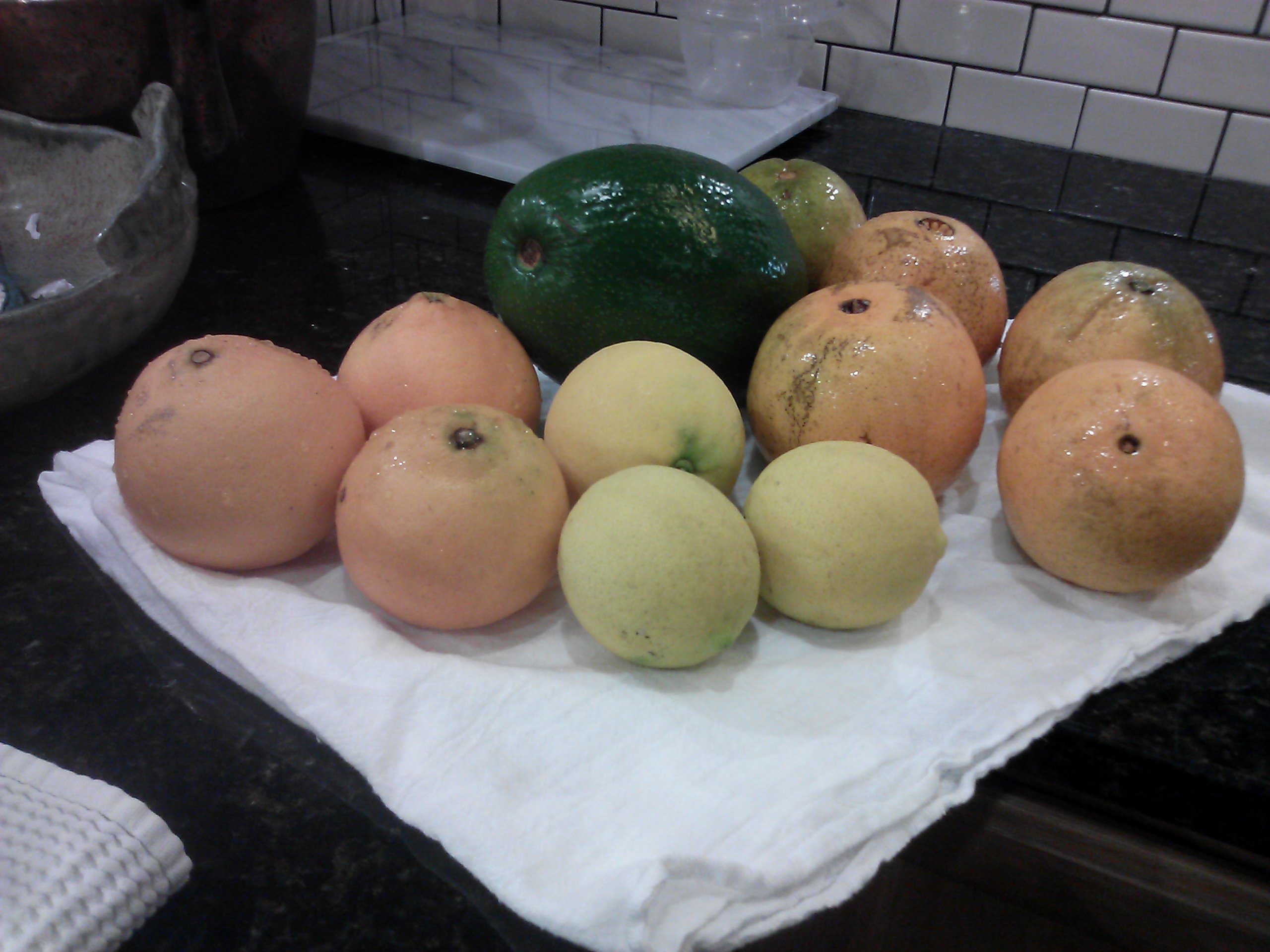
Local Bounty

Local Bounty

It’s Citrus season here in South Florida and everybody has some. Here is some homegrown produce I have collected recently. From the left, Honeybells grown by a friend of my neighbor, Meyers Lemons and Everbearing Persian Limes grown by my college roomate’s husband, a Cuban or Catalina Avocado grown by him as well and Blood Oranges from my neighbor the Chef.

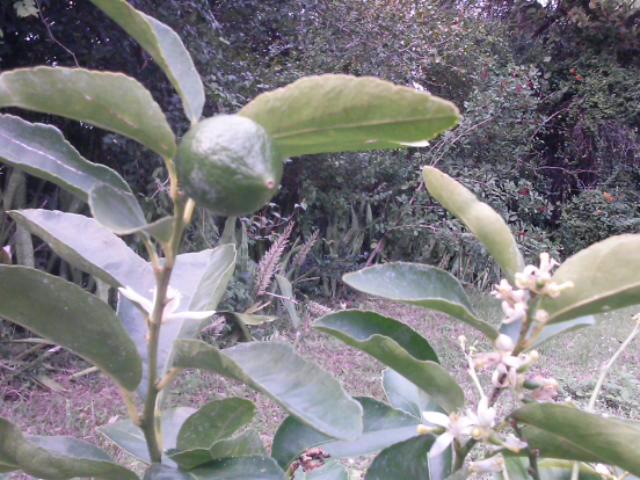
Homegrown citrus is radically different from what might be procured further north. I was taken aback by this with the first taste of a Lime from my back garden (Persian of course) Juicy, fragrant and magnificently Limey (not like the British) I wonder if the term limey comes from a British tendency towards Gin and Tonic. I digress, here is my newest Persian Lime. I am told these bear fruit 4 times a year – I planted this about 6 months ago and have had two crops even though my husband ran the weedeater too close and stripped the bark off. The tree had to be pruned andmoved in mid August for its own safety.

Persian Lime in fruit and flower

Persian Lime in fruit and flower

Here’s another thing peculiar to Florida, in honor of the end of the holidays I am posting a Christmas gift photo, yes, I had to ask what is was:

The Nautical Christmas Tree

The Nautical Christmas Tree

Of course, the Nautical Christmas Tree was made in China.

Happy Gardening, I’ll be snacking on a Blood Orange.

New Years Day in My Garden

The turning of the year is a time for taking stock of what you have and looking forward to the future of what will be added to the garden. Here is what is currently in bloom in my garden.

This is an Aechmea Bromeliad and outstanding in its interesting flower. I have a feeling I am going to find out that is a bract or something.

Blanchetiana Bromeliad

Blanchetiana Bromeliad

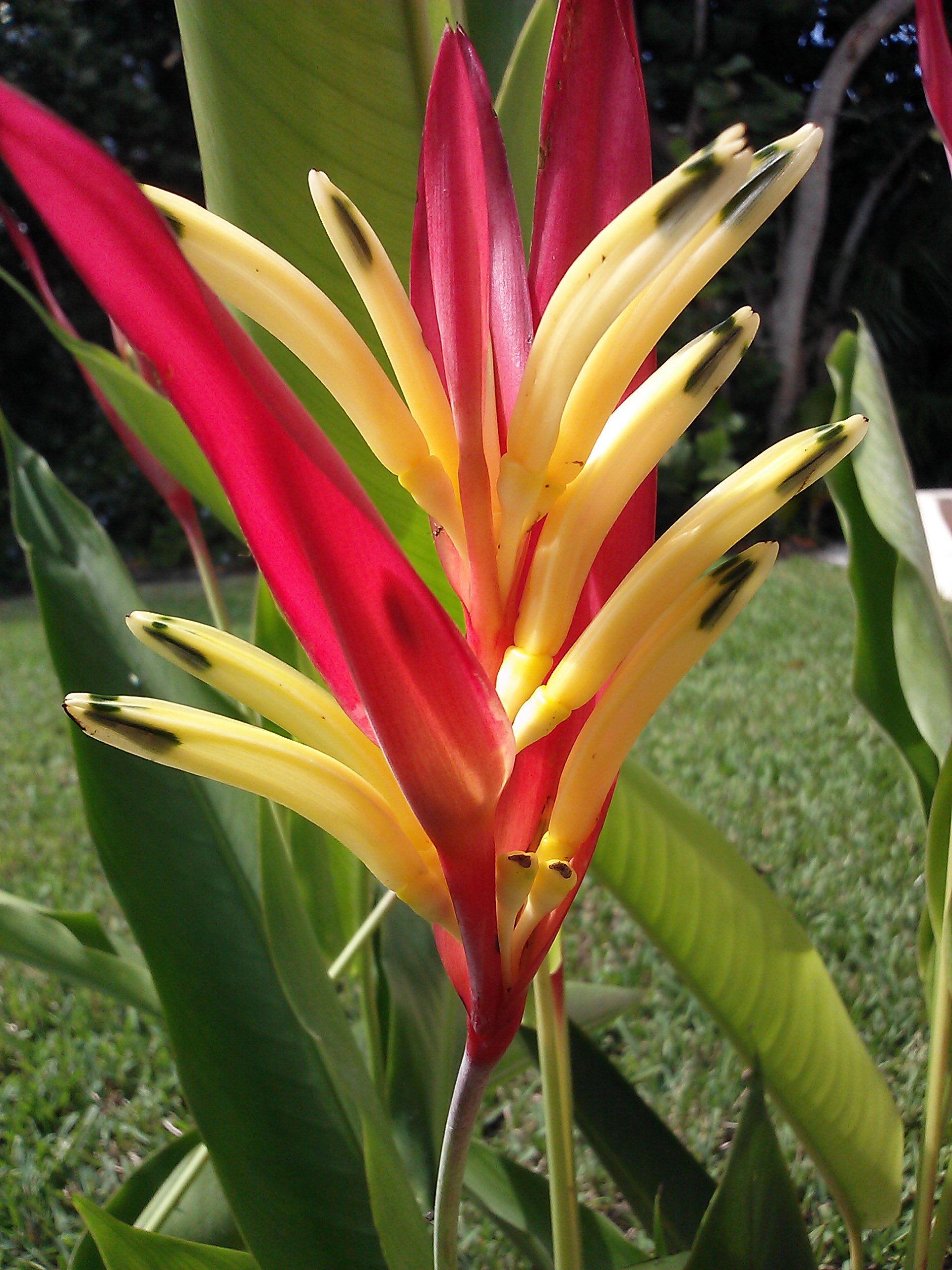
This is an unnamed cultivar of Heliconia, I see it called Parrotflower in the trade. I have yet to see a parrot.

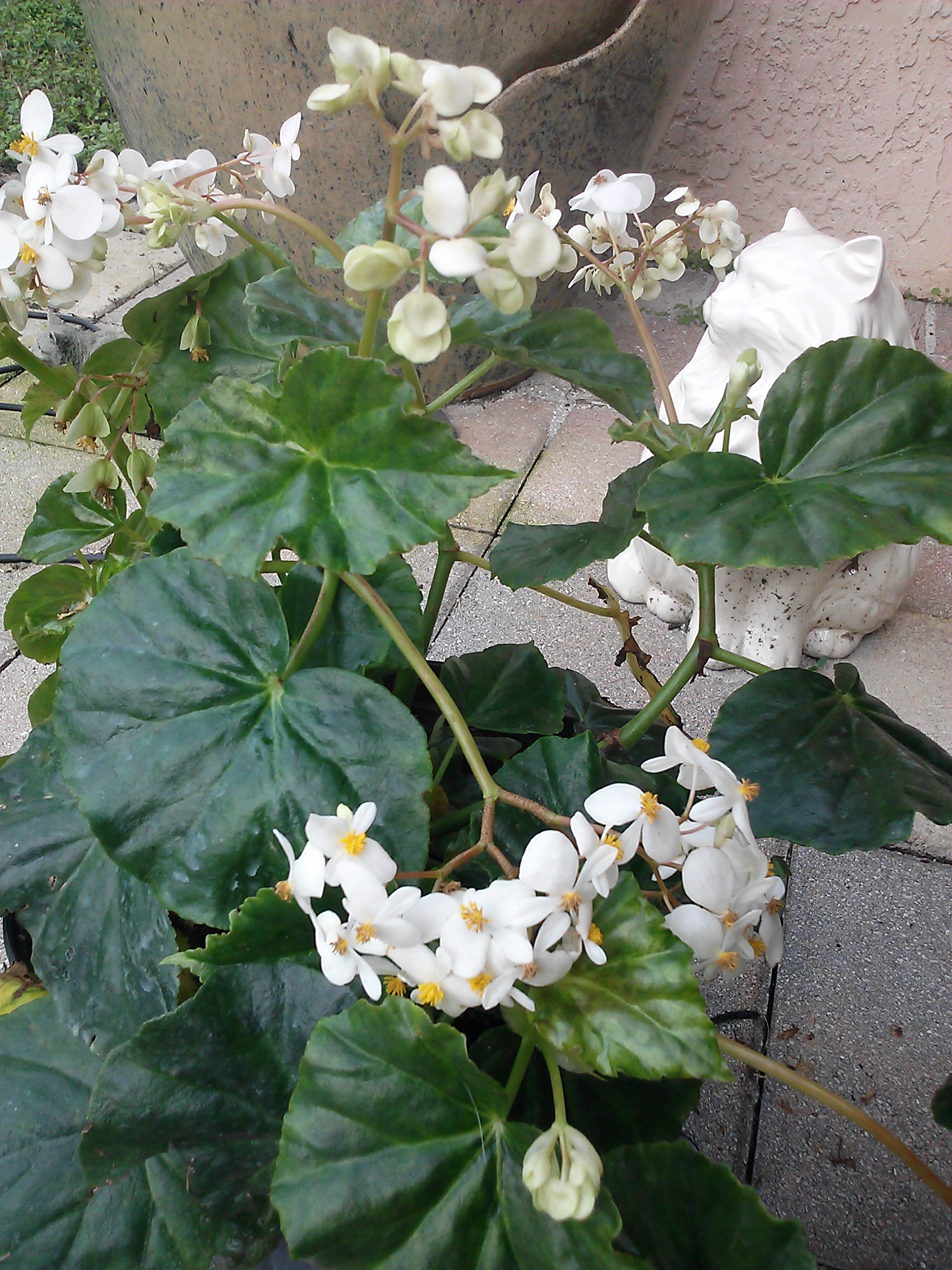
Sweet Begonias are new to me, Begonia odorata, I rarely catch the scent from this, but it has been blooming nearly nonstop since last spring.

Heliconia psittacorus

Heliconia psittacorus

Sweet Begonias

Sweet Begonias

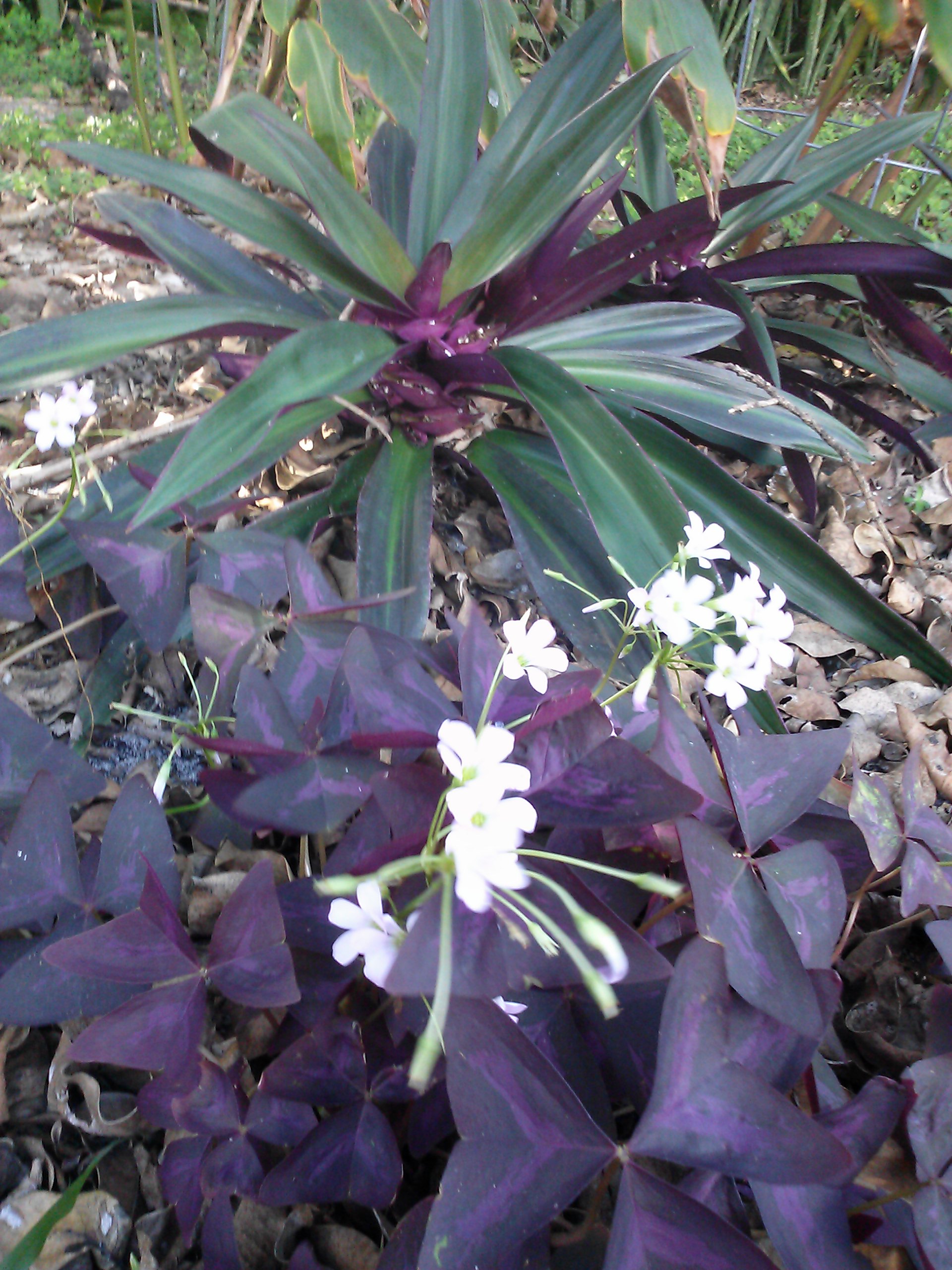
Doesn’t everyone have a Purple Oxalis?

Purple Oxalis

Purple Oxalis

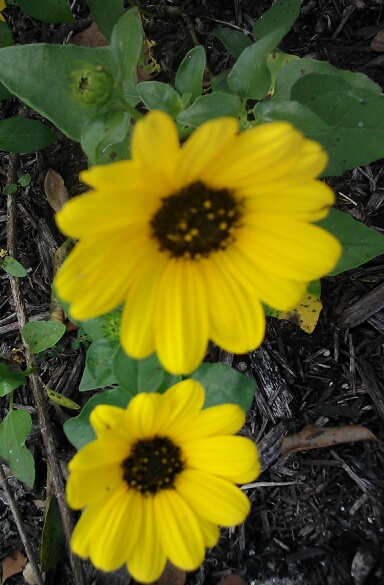
This may be my new favorite plant, a native groundcover used for controlling beach erosion, the Dune Sunflower was planted in the middle of summer in an unirrigated bed by the side of the road. I bought the plants on sale for $1.oo(US) each because they looked bad and the grower wanted to get rid of them. A couple of months later and a little TLC and these are madly blooming with little care. What’s not to like?

Dune Sunflower Helianthus debilis

Dune Sunflower
Helianthus debilis

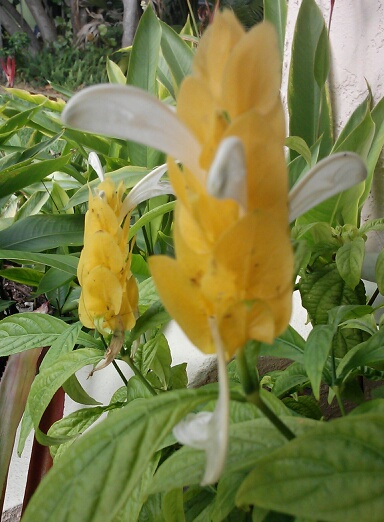
The Tibouchina is another sporadic bloomer, love the purple though. The Shrimp Plants have been blooming nearly nonstop since last spring on my porch. I have unsuccessfully tried to root them.

The Glory of the Princess Flower

Tibouchina

Shrimp Plant Pachystachys lutea

Shrimp Plant
Pachystachys lutea


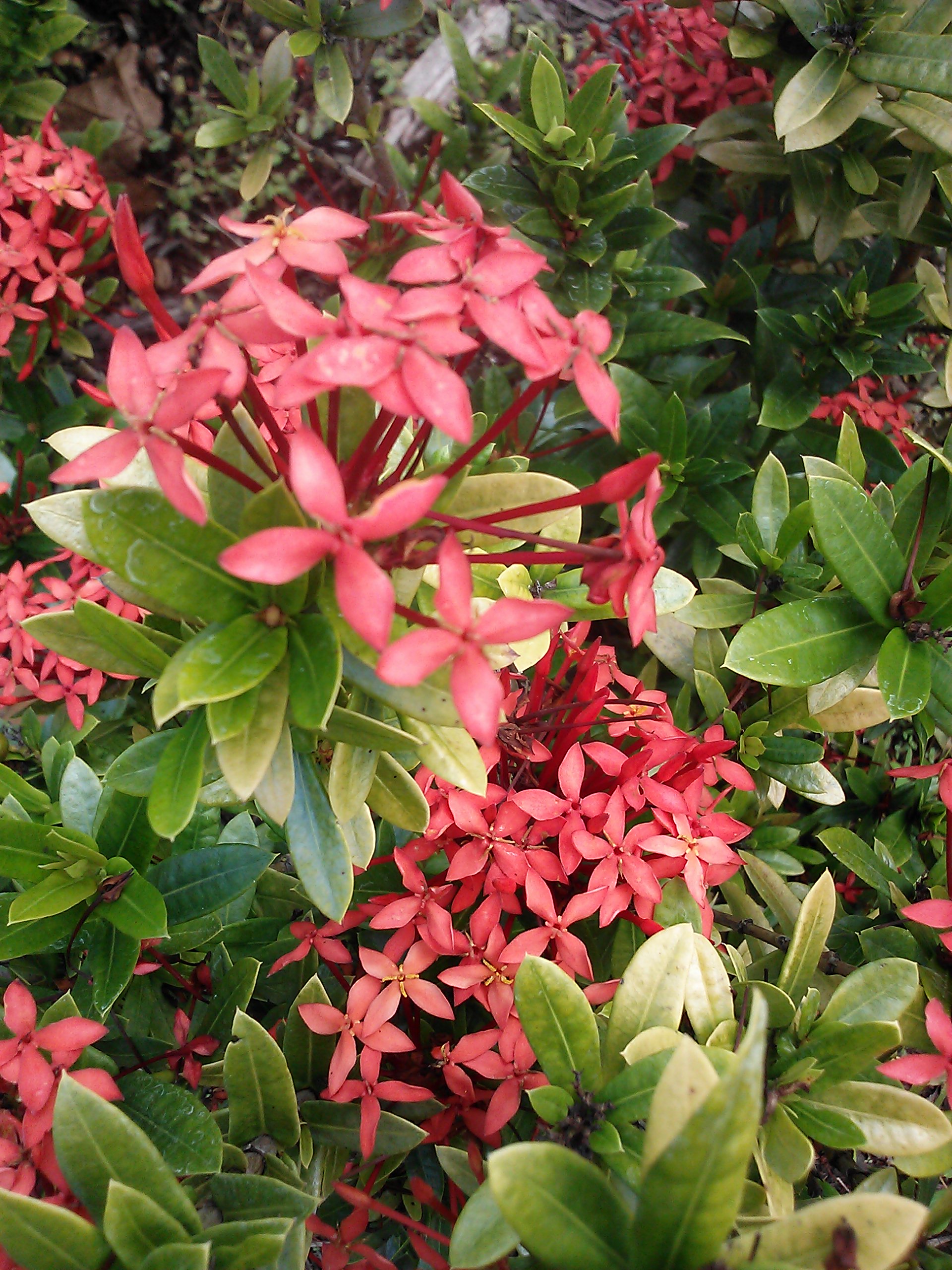
Some of these plants bloom nearly year round like the Ixora below, I call this the Azalea of South Florida because most people who garden have a few. A reliable plant that comes in several colors and sizes.

Dwarf Red Ixora Ixora taiwanensis
Dwarf Red Ixora
Ixora taiwanensis


I feel as if I have been making steady progress in the garden having started it almost three years ago. I have definitely learned a lot about tropical plant material, and am looking forward to learning more.

My next project is to divide the bromeliads as the cooler weather has them sending up pups:

Burgundy Aechmea Bromeliad

Burgundy Aechmea Bromeliad

Then replant my herb garden, I found Lemon Thyme here last week after a three year quest and am very happy.

Happy New Year and Happy Gardening.

Another Lovely Surprise

Liebster Award Logo (2014-12-30)


My year end blogging  just gets better everyday, this is the last day – so this is it. I was nominated for a Liebster Award by railwayparade.wordpress.com. Thank you for the nomination and thank everyone for reading. One of the required Liebster questions has totally stumped me so I will get to that part later.

I was just out in the garden with my hounds in the rain thinking I will take pictures of what is blooming to share for the first blog of the new year. 2015. Wow. Seems like just yesterday I was sitting in elementary school thinking about how old (nearly dead!) I was going to be in the year 2000 and here it is 15 years later.

It is really time for some champagne! Happy New Year Everyone

Amy

The Shrub Queen

Merry Kitschmas and Flapjack Plants


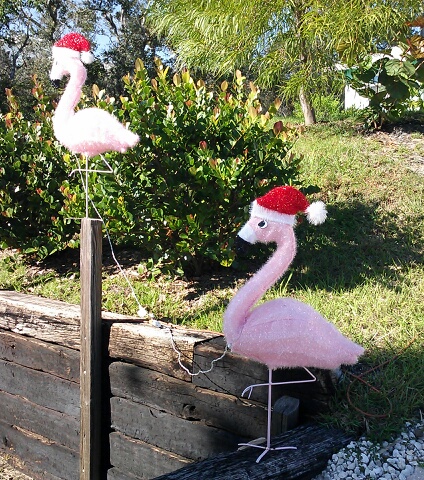
CAM00060-1If you are in search of kitschy Christmas decorations, South Florida should be your destination. Within walking distance of my house we have lighted Flamingo Santas, Santa on a surfboard full of presents crashing into a palm tree and my favorite, a full sized sled with Santa pulled by 8 Flamingos (pink, of course) Very festive and very kitschy.

I have to say I really love the Flamingos, having spent many years in the company of proper design professionals a few Kitschy Flamingos just make the holidays more enjoyable. The mascot for my Landscape Architecture class in college was the Pink Flamingo.

Tonight Santa arrives in my neighborhood in a convertible Mustang complete with Christmas lights and the stereo blaring Christmas carols, drives around and gives candy to the children in the neighborhood.

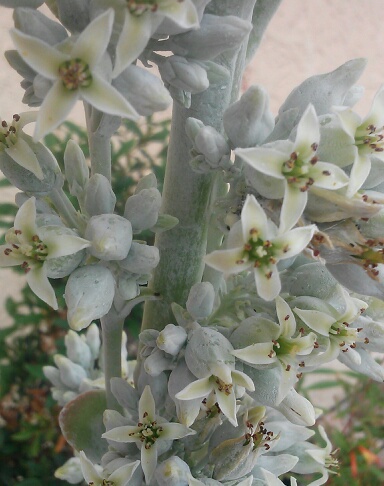
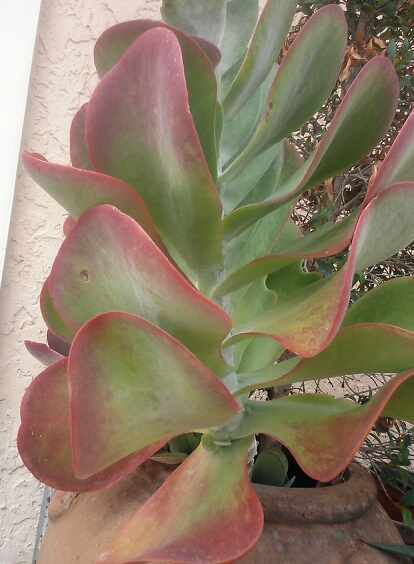
Blooming in the garden is another sort of kitschy plant, the Flapjack Plant. I had originally thought this was a variety of Jade Plant (Crassula, for botanical name lovers) The Flapjack Plant turns out to be a Kalanchoe thyrsiflora, hmmm, interesting. These are used as summer annuals further north,  but are perennial in South Florida. I had never seen one bloom, the flower spike makes the plant about four feet tall.

Flapjack Flowers

Flapjack Flowers

The foliage looks less like flapjacks as it gets bigger:

Flapjack Foliage

Flapjack Foliage

Kind of red and green in the spirit of Christmas?!

Happy Holidays, Merry Kitschmas, er, Christmas and Happy Gardening..


True Gardeners

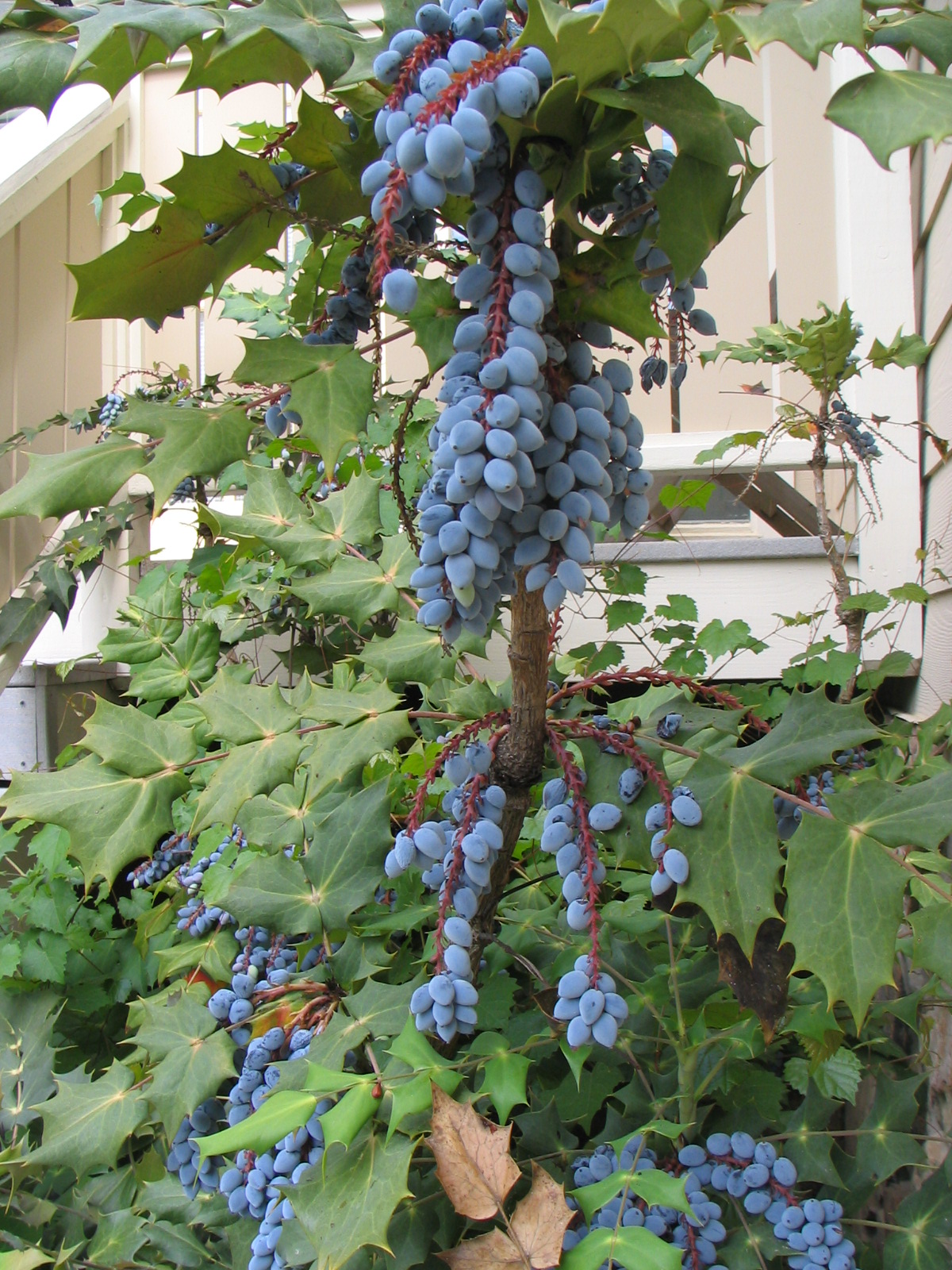
Fruit of the Mahonia bealei

Fruit of the Mahonia bealei

For many years I thought the plant that separated True Gardeners from posers was the Mahonia bealei. I provided six Landscape Design Consultations weekly for years, talking with many, many people and over the years the appreciation of that particular plant rang true for me and separated the True Gardeners in my mind.

True Gardeners are people who have the ability to separate the beauty of the plant from its less attractive attributes. Sometimes this is a seasonal thing sometimes it is purely the ability to appreciate nature.

Mahonia bealei is commonly known in the US as Leatherleaf Mahonia. It is one of those plants that is difficult to kill except in full sun. It doesn’t really die in full sun it just suffers and turns red. Probably sunburn. Otherwise, it is thorny, reproduces copiously via birds and generally stabs the passerby. Many people detest this plant and for good reason.

The reasons we appreciate this plant are many. Reliable under most circumstances, it remains cheerfully Evergreen through the iciest of weather. The holly like foliage can be used in holiday arrangements. I have spray painted the leaves metallic colors for wreaths (leather gloves required). The yellow flowers are borne in winter and are followed by grape like fruits that are enjoyed by numerous species of birds. Hence, another common name, the Oregon Grape Holly.

My mother had an enormous specimen she tree-formed to screen her garbage cans. We usually admired the flowers at Christmas, New Years or even Valentine’s Day depending on the weather. The only other flowers in the garden were pansies planted as annuals or Hellebores.

Oddly enough, almost everyone who enjoyed these referred to them as Mahonias. That was it. This may be ascribed to Americans not being particularly concerned with botanical nomenclature or just simply that was the most prolific Mahonia in the area. That said, plant taxonomy hasn’t worried me too much unless it defines a plant that I need to specify. Botanical nomenclature I love, plant tax not so much.

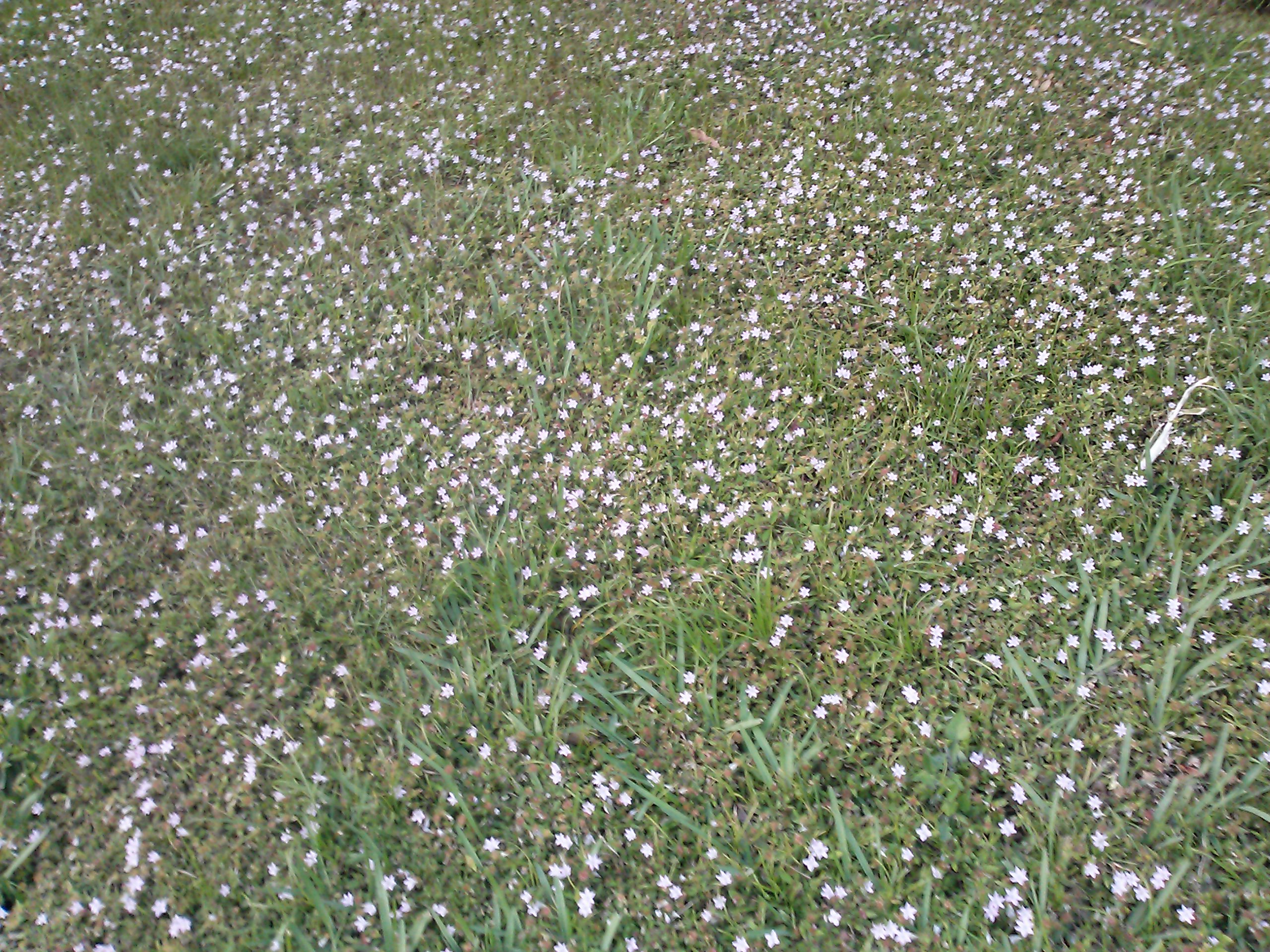
I think there is a plant like the Leatherleaf Mahonia the world over..not sure what it is in the UK or Australia; I was emailing with Karen (smallhouse/BIGGARDEN), a fellow Florida blogger about a weed we both like yesterday – Florida Snow. Karen identified this as Richardia grandiflora, which works for me. It is a horrible creeping weed if you are a turf purist, as gardeners we love the white flowers that look like snow in our backyard meadows..and we need no chemicals! My greyhounds run amuck in this and I have no worries.

Florida Snow

Florida Snow

And really if you have moved this far south, I think this is sufficient snow. My husband, the turf purist, is not really enjoying the flowers.