Summer Color in Tropic Florida

The snowbirds are home cool and safe in their beds while visions of winter gardening in Florida dance in their heads. (not quite an original poem)

The rest of us are basking in the steamy weather post Summer Solstice in South Florida. Summer can be wonderful here, traffic slows as does time. Days are long and comfortable time spent outdoors occurs early in the morning or early in the evening.

Our plant life puts on a spectacular show during the summer. The show is a must see for any gardener.

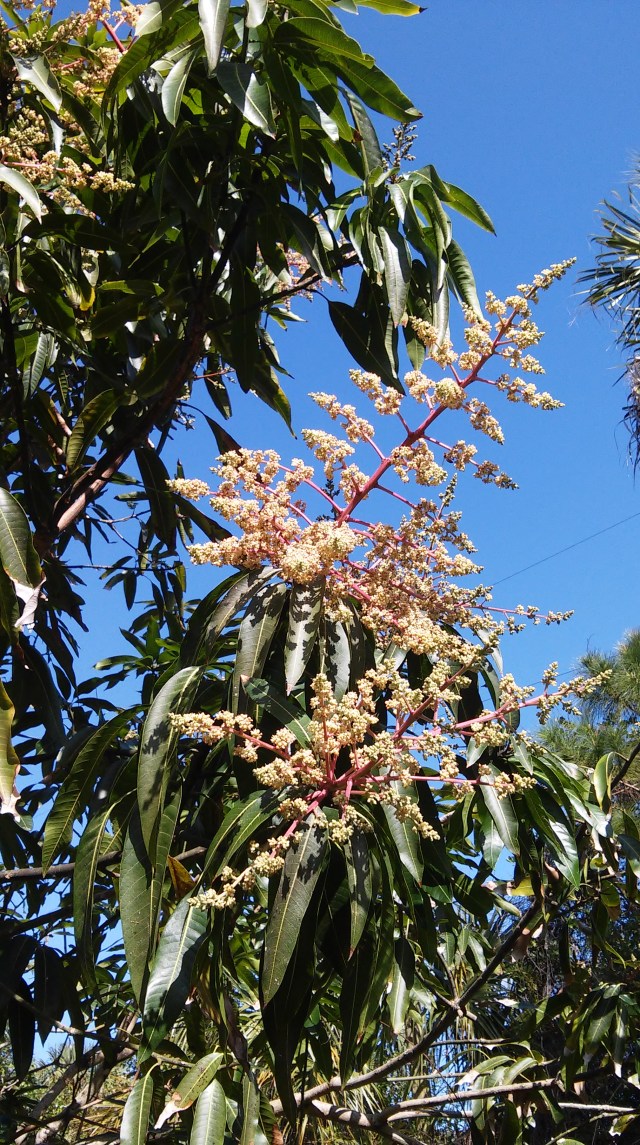
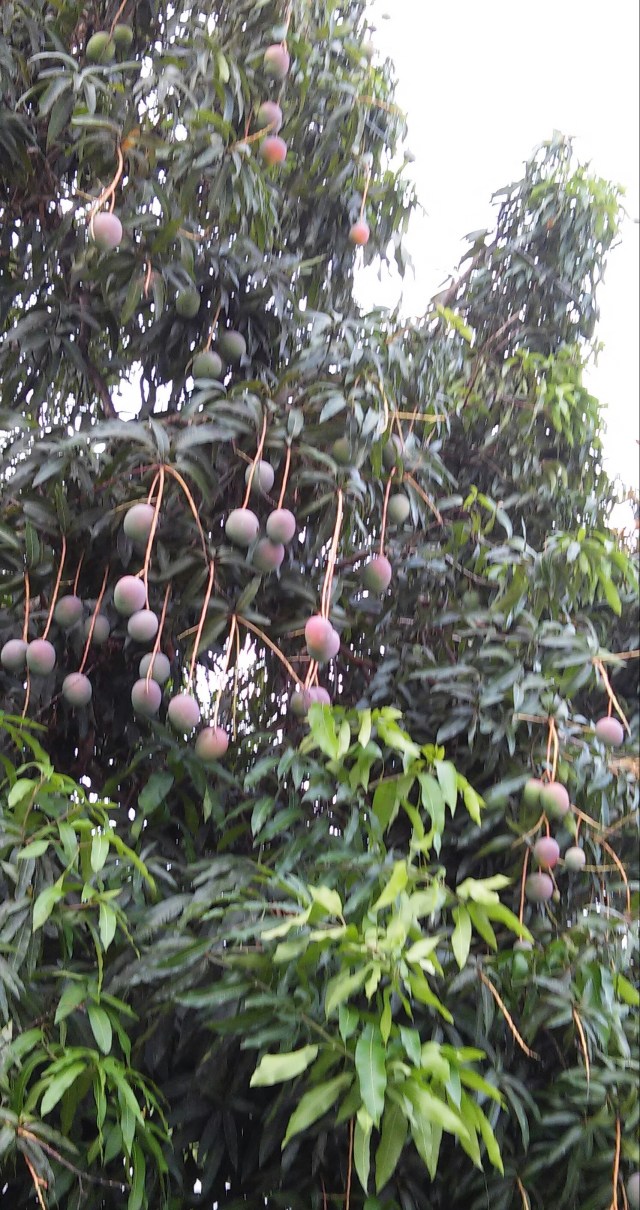
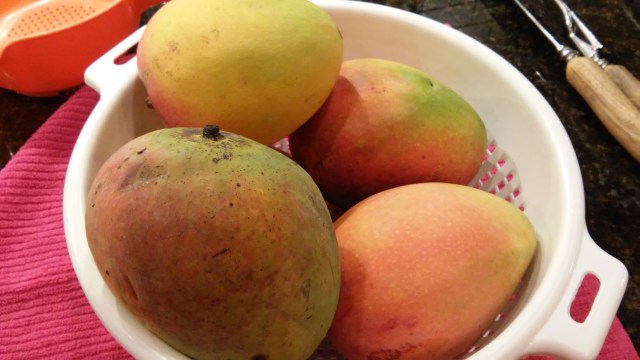
Poincianas are in full flower and the Mango trees are filled with cascading boughs of fruit.

Many shrubs here flower year round, but once the rainy season kicks in the flowers go into overdrive. Especially on the Hibiscus, Ixora and Allamanda.

Our native Firebush (Hamelia patens var patens) and Beautyberry (Calliocarpa americana) are flourishing:

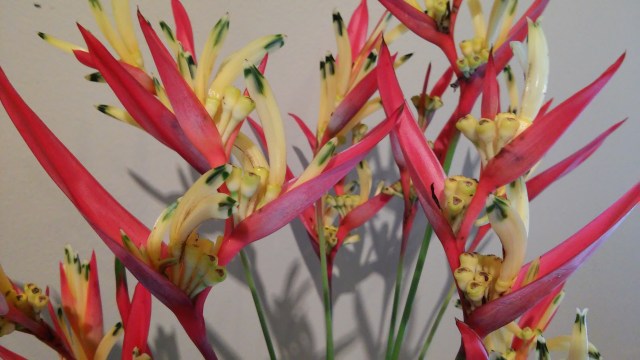
On the tropical side, Heliconias and Bromeliads are budding and blooming, I associate these with later in the season but some are going already. Yes, I cut most of my Parrot’ Flower (Heliconia psittacorum).

20160612_101512

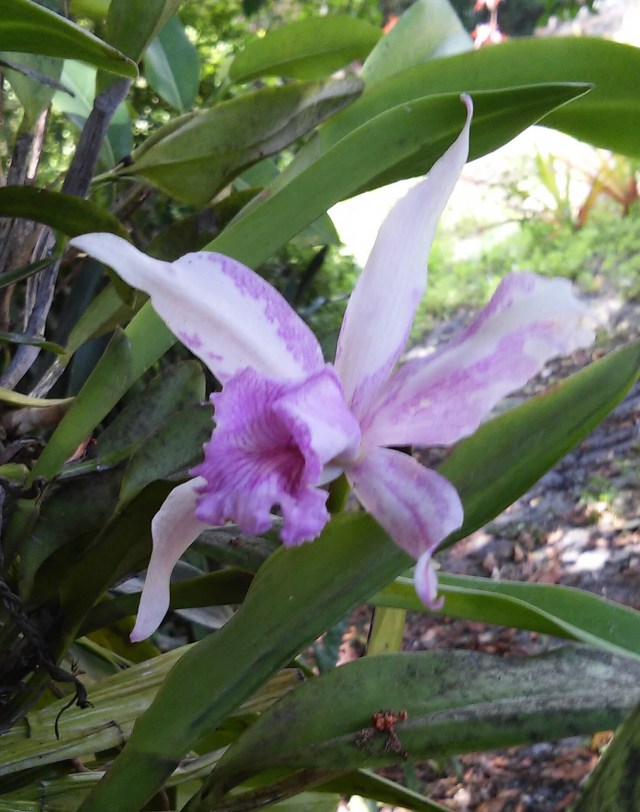
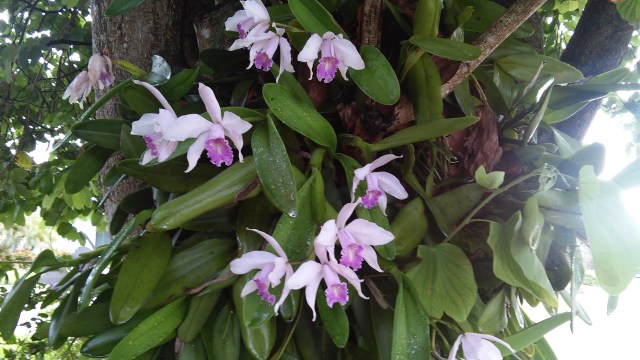
Orchids are starting their summer season. My neighbors Ground Orchids (Epidendrum radicans) yes, groundcover Orchids! have been spectacular thus far, these are called Fire Orchids and there is a pink version

20160518_095121.

20160409_135218-1

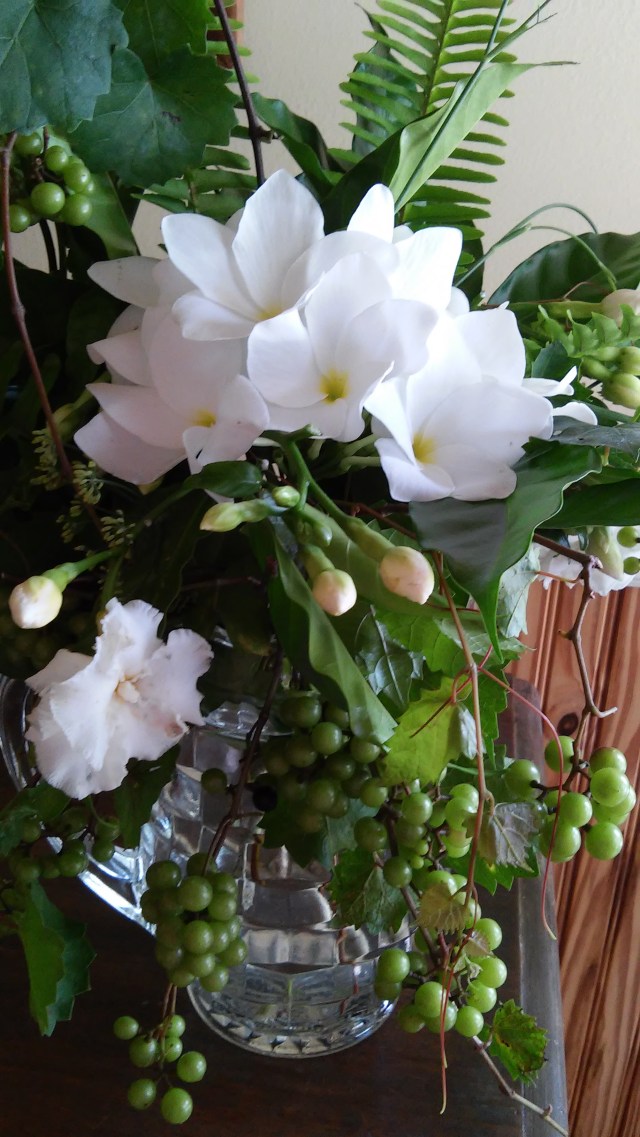
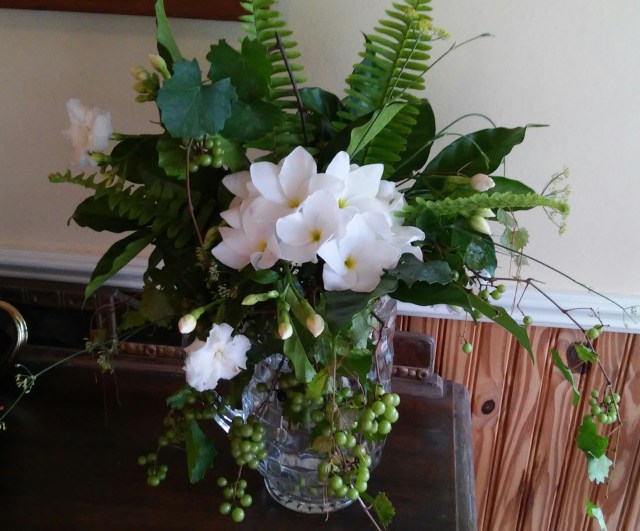
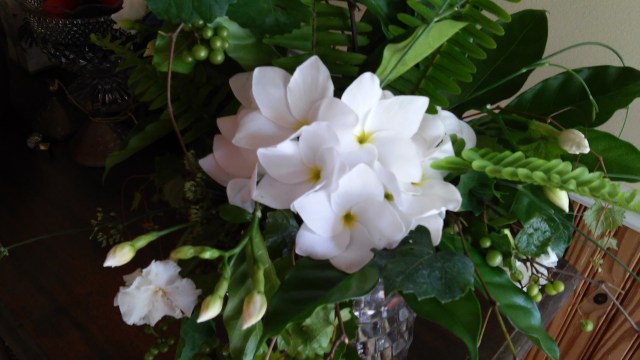
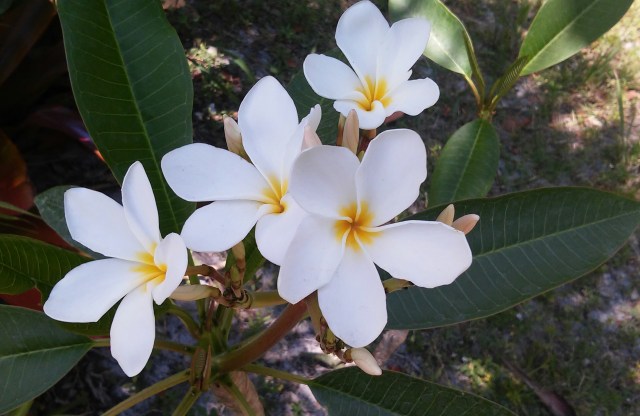
Of course,  one of the real pleasures of the tropics in Summer is the scent of Frangipani in the garden. This white one has started flowering with the onset of Summer and I have a new one from a gardening friend on the verge of flowering- rose pink on the outside opening to pale yellow. I sited it near my screened porch for maximum smellability.

20160511_125255-1.jpg

I love the term ‘Tropic Florida’. To the best of my knowledge, it was coined by Frederick Stresau, in his book Florida, My Eden. This book, while titled like a romance novel is actually a really good manual of landscape plants for Florida. The tropic part supersedes the ubiquitous and perhaps American zone phobia. I think I live in Zone 10A, I am not sure anyone else would agree, but we can agree it is tropic. We have seen freezing temperatures here 4 times since 1980. That is pretty tropic.

In A Vase on Monday – Fire and Ice in a Purple High Heel


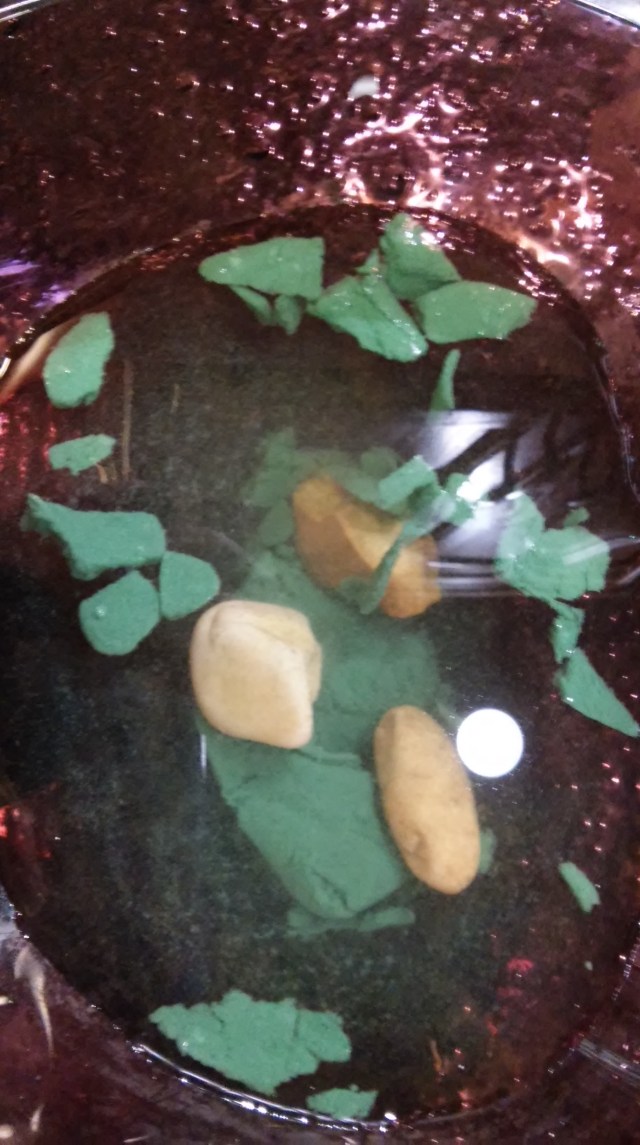
20160619_110417I have been looking at this vase for quite some time. The purple high heeI I believe is a Blenko Art Glass piece from the early 1950’s; likely a wedding gift to my parents and another vase from my mother. My issue with this vase is how to make an arrangement in it, the base is basically a trench, so no hopes of using a frog – I had some scraps of green floral foam and thought I could stuff the trench full of foam and stick the flowers in that, no such luck. The green foam floated up, so I added some pebbles to hold the foam down and proceeded.
20160619_100804

Eventually I added enough pebbles to keep the foam in the trench. Onto the Fire.

The Fire is Florida’s native Firebush (Hamelia patens var patens) which cooperatively pops up in my garden, the foliage has a lovely red tinge so I have included that in the arrangement. The other reds are Red Shrimp Plant (Justicia brandegeana) and some buds from the Parrot’s Flower (Heliconia psittacorum). The Ice elements are Bridal Bouquet Frangipani (Plumeria pudica) nearly bashed off by thunderstorms and saved by my vase. The Sweet Begonias (Begonia odorata ‘alba’) offer a different texture in white and add some coarse green foliage to the mix. A few culinary Fennel flowers and Boston Fern sprigs complete the arrangement.

20160619_110831

In A Vase on Monday – Heliconias, neat.


20160612_101732-1

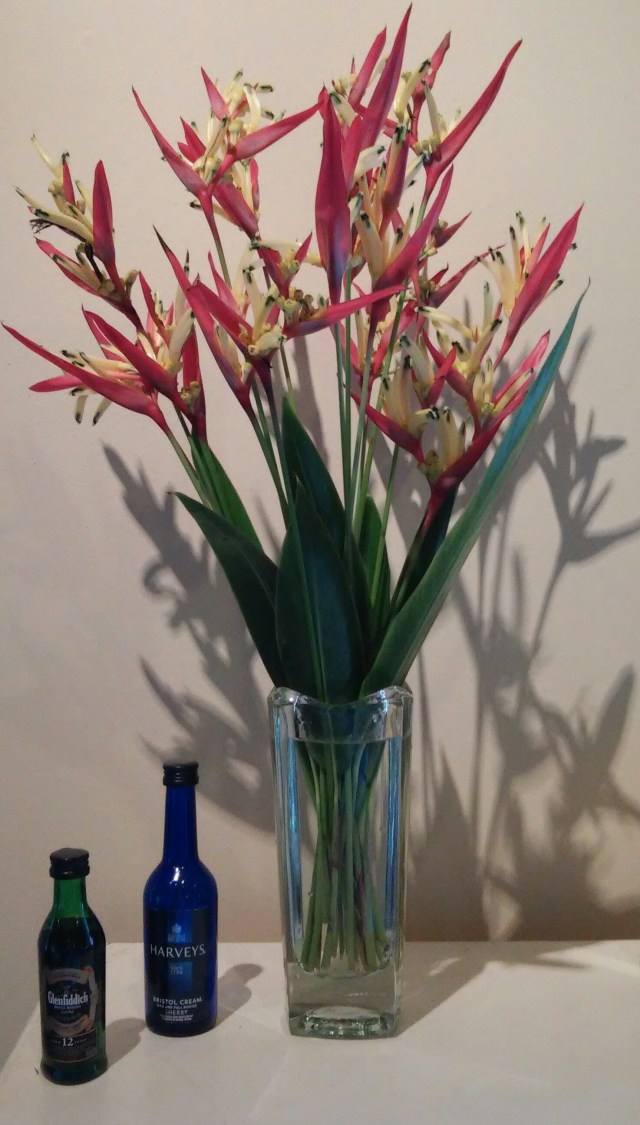
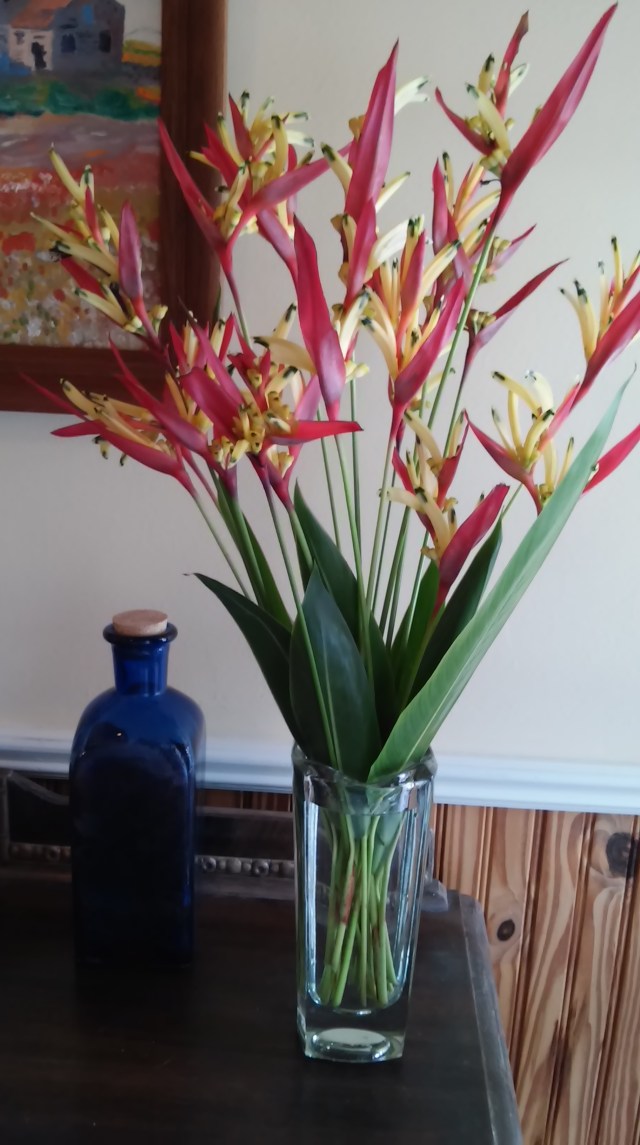
I think Heliconias are pretty neat. My collection has grown to four varieties. The super special ‘Splash’ Heliconia refuses to flower (purported to have a 3 foot long lobster claw type flower – orange splashed with red). Fortunately the humble Dwarf Jamacian (Heliconia stricta Dwarf) and Parrot’s Flower (Heliconia psittacorum) have been cheerfully flowering since I bought them. This vase is filled with Parrot’s Flower, neat.

20160612_102015

Neat in cocktail terminology means a serving of whiskey with nothing added then served at room temperature. I felt compelled to add the water. I found the seemingly simple arrangement to be a bit daunting to produce as many stems had to be trimmed a touch to make the arrangement even. Then my husband came in and said ‘I guess you are not finished?’ followed by ‘where’s the rest of it’! Then ‘Oh, that’s really simple’ Yes, neat.

20160612_101512


I can imagine why these are called Parrot’s Flower – however, if the three foot long Lobster Claw Splash Heliconia ever actually flowers it is going to be front and center on the next In A Vase on Monday post. Neat.

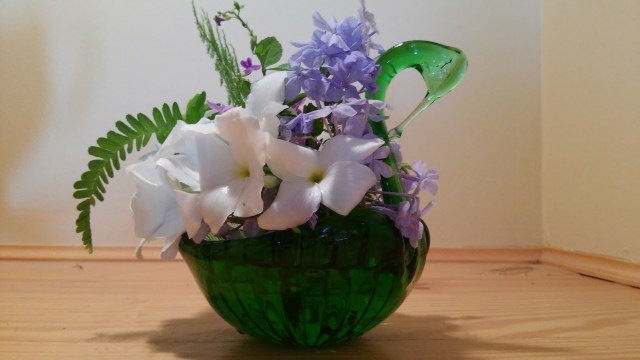
In A Vase on Monday – I’ll Swanee

20160605_103101-1

I’ll swanee is slang from the American South. I think of it as a polite old lady’s way of exclaiming I swear. I have never swaneed myself, either I am not old enough or not Southern enough. Stay tuned. My mother would come up with things like “I’ll Swanee! I have never seen anyone with hair the color of a cocker spaniel before” translation, “I swear that is the worst dye job I have ever seen, meow” The term Swanee is frequently used as a means to soften a catty comment.

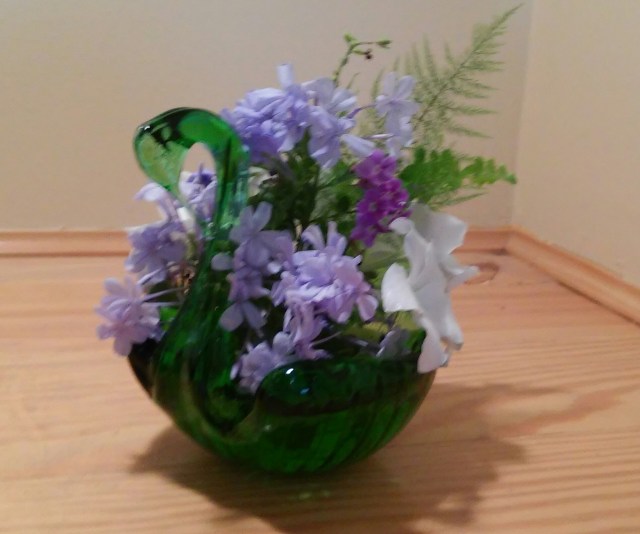
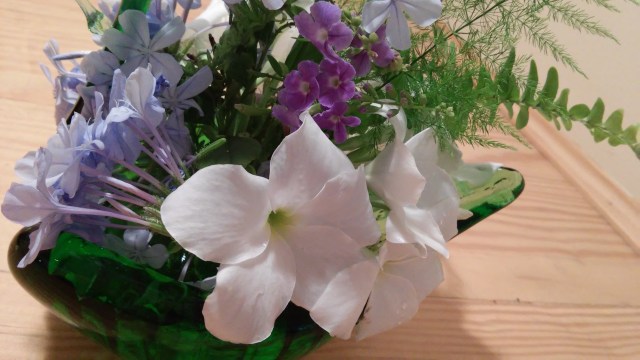
The green glass swan is another  heirloom from my mother, the avid swan collector. It might be an ashtray from the 5o’s, I am not quite sure what it is, today it is a vase. The swan collection was so overwhelming as I was clearing out her house everyone got a swan, I ended up with this one and some other green glass pieces. Another view:

20160605_102718

As for the plants used in the arrangement, this is a good vase for butterflies. All attract butterflies, the blue flowers are from Tropical Blue Plumbago (Plumbago auriculata) I think of these as the hydrangeas of the tropics, summer flowering and they are showy as the weather heats up in June and July. The smaller purple flowers are from the Golden Dewdrop (Duranta) and the white flowers are Plumeria or Frangipani. I added a few green ferns for contrast.

20160605_103253

Tread Softly – or else


20160601_095230-1.jpg

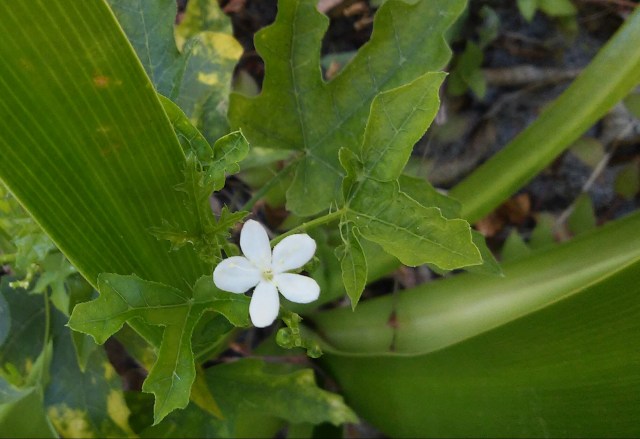
I found out, per usual, the hard way, about another plant I am allergic to. The Stinging Nettle of South Florida, a devilish little plant with a big punch. Here it is – looking so innocent with its cute little white flower; masking the stinging nettles running up and down the stem. Just waiting for the nonchalant passerby. The straplike foliage in the picture is from a native Hymenocallis. I will have to untangle these later.

The Stinging Nettles here are commonly referred to as Tread Softly (Cnidoscolus stimulosus, if latin makes you feel happy). I hadn’t realized how many were in the so called lawn in the back until it got a little too long and they were slapping me around the ankle with their little nettles. I finally ran over one that was tall enough to see and stop just in time for it to wrap around my ankle. Here is the result:

20160601_185241

I went to rinse it off. That didn’t help. I got the duct tape to pull out the stingers, that did help. Then couldn’t remember if this is a baking soda paste cure or a vinegar cure. Looked that up on the internet after finding my reading glasses. Aha, it is baking soda paste and it did help. The picture is actually from several days later.

Moral of the story: take heart in the common name and Tread Softly.

google-site-verification: google5698a0c2451d4c56.html

Mom Nature Lights My Fire

This plant appeared in my garden a couple of years ago. I thought it was some sort of Amaranthus blown in from across the Atlantic Ocean and decided to leave it to see what happened. Amaranthus can have some interesting flowers (Love Lies Bleeding, etc.) The foliage started getting red around the edges, confirming my thoughts, then the stems started getting woody. Maybe it wasn’t Amaranthus at all.

Then it flowered.

20160503_182813

Definitely not an Amaranth. Not a clue what it was. So, I took this to the Native Plant Society meeting and they said Firebush. Hamelia patens var patens? I said no, it couldn’t be, this is my Firebush, Hamelia patens. Orange flowers and the leaves are half as big.

20150625_081158

Firebush and Friend

Then it dawned on me, there is a great deal of arguing about the true native Firebush. I  usually ignore this kind of argument being more designer than botanist, but think I am agreeing with the Hamelia patens var patens crowd. The orange flowering one is supposed to be from the Caribbean somewhere instead of Florida. Given the seemingly magical appearance of the patens var patens in my garden, I think that the red one is the native.

Mother Nature really is a good designer, she placed the Native Red Firebush in a bed of red and yellow Heliconias behind some yellow Beach Sunflowers and across from some red Bromeliads. Perfect.

20160504_131122-1

Now if everything would just grow together. And be happy.


In A Vase on Monday – Jungle Gardenias

20160501_110806-1

As a teenager, I determined I needed a signature fragrance (too many magazines and/or romantic stories once again) I chose Jungle Gardenia as my fragrance. Unfortunately, I soon realized most people did not want to ride in a car with me due to the robustness of the perfume.

Growing up in the Deep South, I associate Gardenias with summer and sleeping by an open window  (far away from the shrub) with breezes drifting in wafts of the fragrance of my mother’s Gardenias. A pleasant thought unless you consider the windows were open due to lack of air conditioning and July is miserably hot. Nevertheless, I have fond memories of the fragrance of Gardenias and was looking forward to the flowers on my tropical Florida Gardenias.

Florida Gardenias are different from Gardenias I grew up with. Botanically they are Tabernaemontana divaricata, native to tropical regions of India and Southeast Asia, these are tropical and frost will kill them. The Gardenias I grew up with are Gardenia jasminoides and they will tolerate some frost. The Florida Gardenia in my garden was unearthed after clearing out the overgrown missteps of a previous owner (polite description) I was surprised to find a 10 foot tall sort of oversized Gardenia growing under all sorts of junk that hadn’t seen fertilizer, water or the light of day in who knows how long. I cut off a few bad pieces and hoped for the best. It has bravely regrouped and is flowering, I hope someday it will be a nice tree form Gardenia, the foliage is lovely and somewhat bigger than G. jasminoides.

Here is a close up of the Gardenias, the Gardenia jasminoides is in the center and the Florida Gardenias are on the sides. Some people call these Pinwheel Gardenias for obvious reasons.

Rounding out the posy in pink, Coral Vine, the foliage is from Culinary Fennel and Boston Fern. The cobalt blue vase was a Christmas gift from my brother and sister in law years ago.

20160501_111106

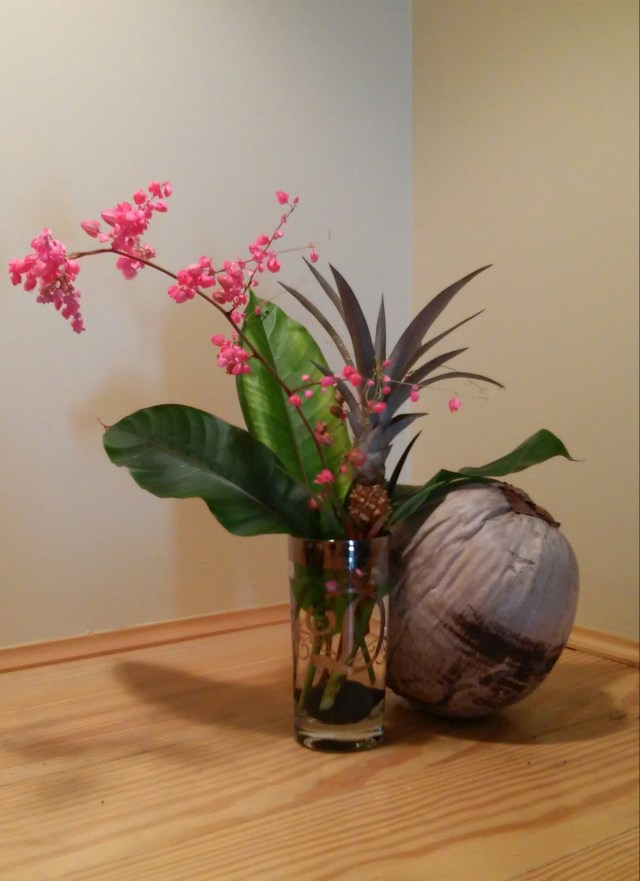
In A Vase on Monday-Tropical Posy

20160424_171333-1

I am beginning to think I should call these posts “In a Repurposed Object on Monday”. This particular arrangement evolved as I was meandering in my garden with clippers and scissors. I was hoping for some tropical Gardenias but they are still tormenting me with only buds, no blooms.

I was enduring my usual design lecture from myself, must cut 5 flowers followed by foliages (colored)- 3 each,  with contrasting green elements 1 each (coarse and fine textured) As I gathered my elements I realized it was a tropical posy! Relying on my new posy identification skills, a nosegay was formed that was too small to be considered a bouquet. Delightful. If I ever (unlikely) marry again, I wouldn’t mind carrying this. However, a white dress would be out of the question.

The elements of my repurposed object include, the gold glass vase, which I used for a while to hold olive oil by the stove (it has a cork). I determined it would be just as easy to keep the olive oil in the cabinet in the bottle it came in and not worry about how to clean the gold bottle. Reading too many Home and Garden magazines causes these sorts of dilemmas.

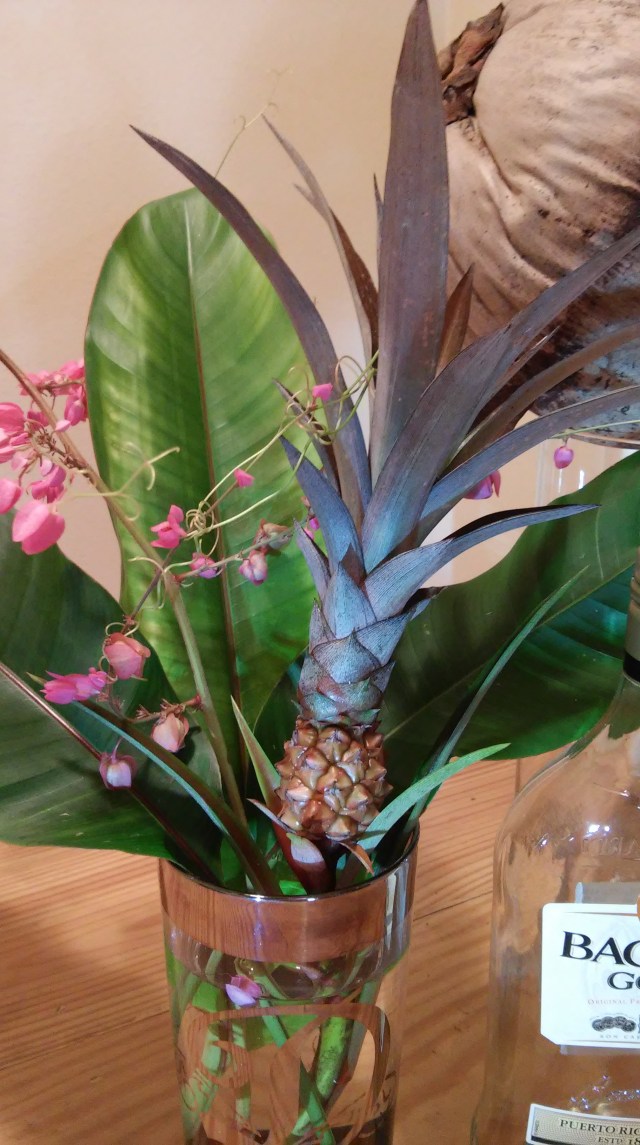
The red flowers are Heliconia psittacorum, a prolific flowering perennial, the two colored foliages, in red spots are Piecrust Croton and Ornamental Pineapple in grey green. The green foliage is a Split Leaf Philodendron and Asparagus Fern. I will admit to buying the Split Leaf Philodendron (Philodendron selloum) but that Asparagus Fern just sort of pops up sometimes and I cut it for arrangements.

20160420_111314

In case you were wondering about the Ornamental Pineapple, here it is. The foliage is red and green striped and the pineapples are tiny and inedible, but very pretty. This one was gifted to me by a new gardening friend. Not a clue about the botanical name.

In a Vase on Monday -Natives Tea Party

20160410_160949-1.jpg


The copper tea kettle is one of my favorite things. I bought at a flea market on a weekend trip to the Appalachian Mountains many years ago. I am relatively certain it won’t hold water as it was repaired on the bottom and you can see through the repair. What is lovely about this kettle is the patina of many years of use with dents and hand crafted solder joints adding to its beauty. I can only speculate how many souls have been warmed by the contents of this vessel. The Blue Willow teacups are English and belonged to my grandmother, the saucers are too cracked to use and are kept for their patina as well.

As neither the cups or the kettle can be used for tea, this is a party for the natives. The native flowers in the kettle, of course. The arrangement is primarily native plants of South Florida, the yellow flowers are Beach Sunflower (Helianthus debilis), the orange tubular flowers are Firebush (Hamelia patens), Boston Fern, the purple foliage is Purple Hearts (Setcresea pallida), native to North America says the Florida plant database, and joining the party some Painted Fingernail Bromeliad foliage with the cerise tips, from somewhere south of the border.

As I was arranging the flowers in a pickle jar to place inside the kettle, it occurred to me I should go antiquing to see if I could find some copper friends to join the kettle.

In A Vase on Monday – Spring Renovations


20160403_135338

Here is the Spring part. I put this vase together and thought ‘wow, that really looks like a fresh spring arrangement’. The bright pink flowers with baby Boston fern fronds and some bits of cream Begonias and foliage spoke to me of new beginnings in the garden.

The pink flowers are a new beginning. They are from a Coral Vine (Antigon leptopus) on a nearby fence. This vine is native to Mexico and considered invasive in South Florida, the owners of the fence are snowbirds, winter visitors from the frozen north, and come to Florida for the winter. This vine is unapologetically immolated annually and I have never seen another one around. To the owner’s delight, I cut it back for the flowers. It started to flower just about the time the owners went back north, to my delight.

The rest of the arrangement is comprised of – in white and chartreuse, the flowers and seeds of the Sweet Begonia (Begonia odorata ‘Alba’). The foliage is my ever present Boston Fern, the new spring growth, some culinary Fennel and the variegated is from Hawaiian Snow Bush (Breynia nivosa)

20160403_135346

And now the renovations part. Last week I had Orchid Tree branches in this vase and they lasted precisely 50 hours. The flowers wilted despite my best efforts. The buds looked promising so I plucked the offending flowers and left the budded branches to hopefully reflower. After a couple of days I figured out this was not happening. The foliage was in such good shape I cut some Heliconias with long stems and added them to the vase, here is the result.

20160403_134911

I like this arrangement as well, it seems like the tropical version. Below is last week’s arrangement. Hopefully this one lasts longer.

20160327_142327