In A Vase on Monday – Surinam Shrimp

20160131_145844-1

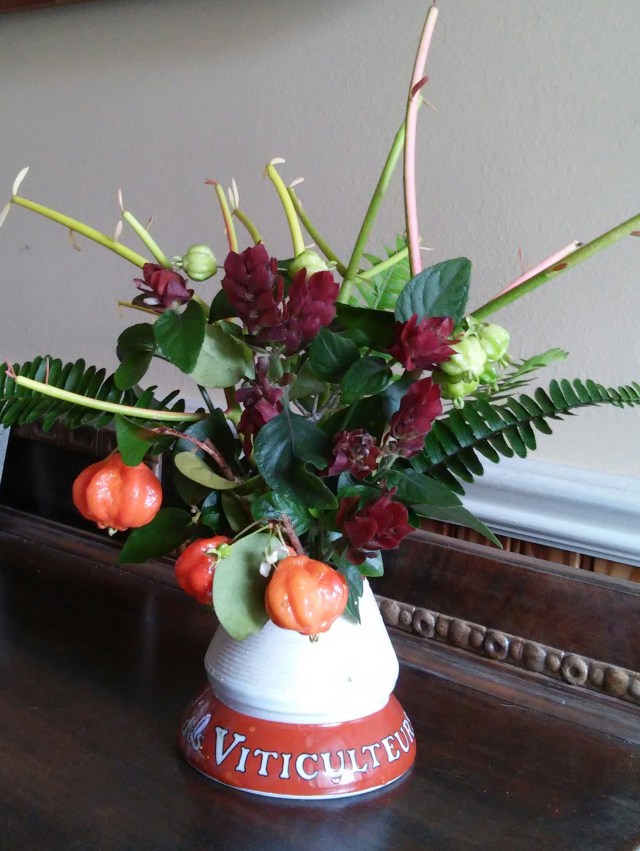
I am aware ‘Surinam Shrimp’ sounds like a dish at a Vietnamese restaurant, however the two main components of this vase are Surinam Cherries and Shrimp Plants. The Surinam Cherries are the fruit in the lower part of the arrangement.

I have a large hedge of these shrubs and was pleased to have a fruit producing hedge, thinking (silly me) the fruit could be eaten. I kept thinking the fruit wasn’t ripe or something as it tasted so bad. Finally my neighbor, a Florida veteran, picked one for me – properly ripe. Still tasted bad. I have seen the taste described as resinously bitter, and the description fits the fruit. Given the taste of the fruit and the colors in various stages of ripeness an arrangement seemed like a better use of the fruit. The rest will be left for our wildlife friends.

20160131_145457-1

Here is another view with the nearly ripe Surinam Cherry beside the vase. As for the other members of the plant crew, we have: in dark red, flowers of the Red Shrimp Plant (Justicia brandegeana); the foliage of Boston Fern and the upright sticks are from a ‘Firesticks’ Pencil Cactus (Euphorbia tirucalli ‘Firesticks’); in orange and chartreuse, the fruits of the Surinam Cherry (Eugenia uniflora).

The vase was a long ago Christmas gift to my husband from his ex-wife’s cousin! We have absolutely no idea what it is, so if anyone has a clue please send a comment. We have been wondering for years what this is. The top of the vase is much thinner than the base and has a hole in it. It reads “Gd Cafe des Viticulteurs”

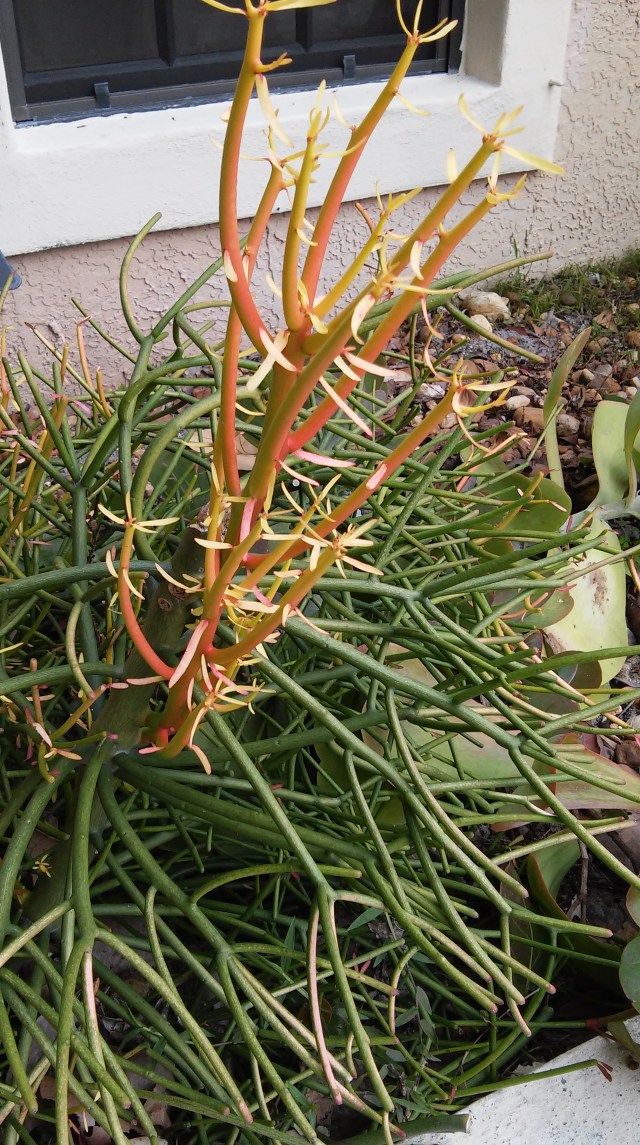
As for the ‘Firesticks’ Pencil Cactus’ here is a picture of the plant. Euphorbias still blow my mind, hello, Poinsettias? so weird- I have a few of these around the garden as they easily root from cuttings:
20160131_152001

Now I am craving some Shrimp Pasta for dinner. Without the Euphorbias, of course.

In A Vase on Monday – Plum Tropical

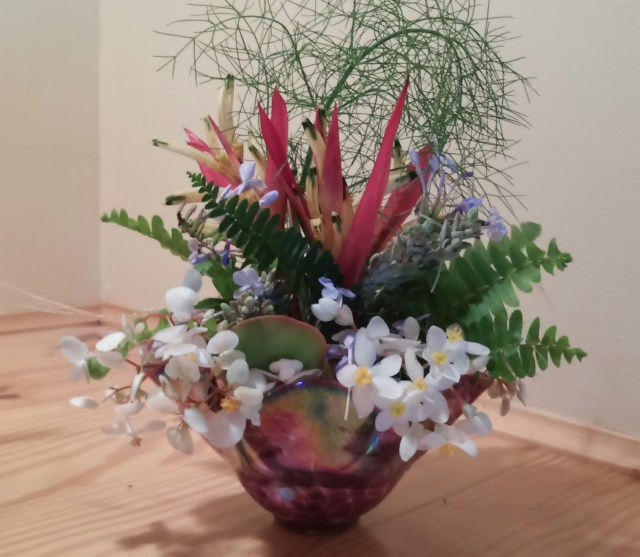
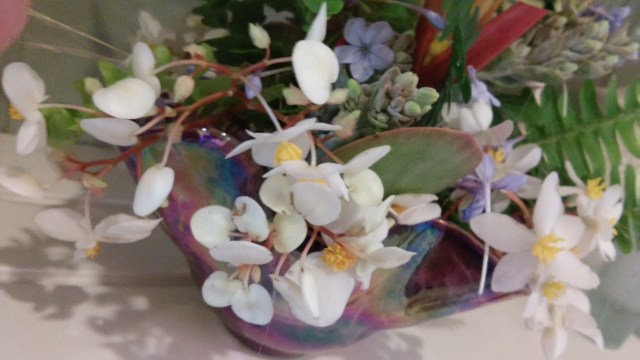
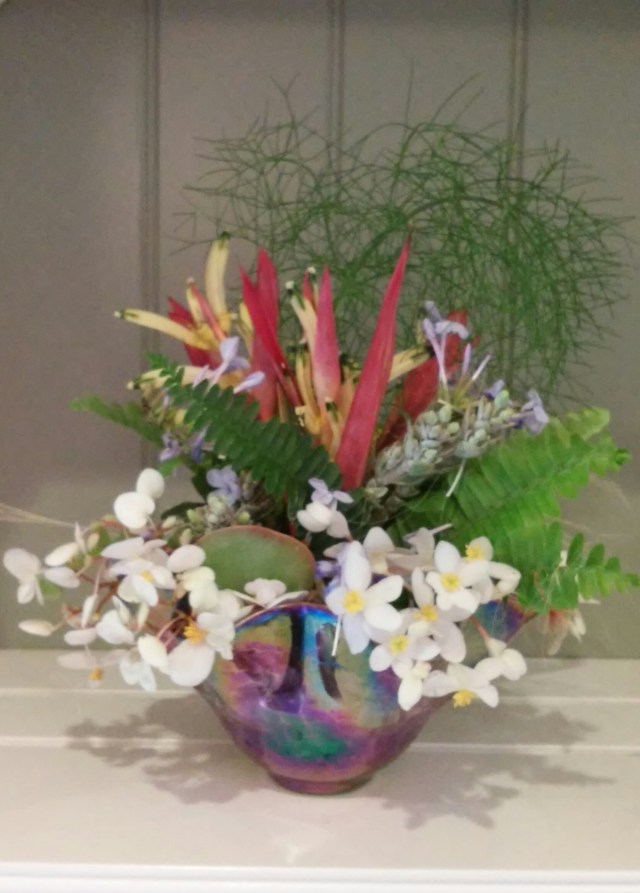
20160124_133405-1I started my Monday vase thinking I was going to have a plum and grey theme as the Kalanchoe ‘Flapjack’ plants are blooming. These are grey, somewhat otherworldly and I thought they would look great with some purple flowers in my plum blown glass bowl.
CAM00426-1

Flapjack Flowers

So, I cut some Flapjack Flowers. As all gardeners know, Mother Nature often has other plans for us. I went over to my ‘it was blooming last time I looked’ bed and no purple flowers. Plan B, the Heliconia were blooming a little as well as the Tropical Blue Plumbago. I cut some of those and proceeded to another bed and my wonderful white Sweet Begonias were blooming. For greenery, I cut some Boston Fern and from the vegetable garden a little Fennel foliage. I grew some Fennel last year and ended up with volunteers this year I am hoping to eat. I love roasted Fennel.

20160124_133757

The bowl is a souvenir from a long ago trip to the North Georgia mountains where my husband and I stopped in a local artisan cooperative. We both appreciate handmade items and have enjoyed this little bowl.

20160124_133639-1

After starting a vase around the Flapjack flowers, they are barely visible (grey flowers and succulent leaf) I think the result is more Tropical Punch or Plum Tropical.
In a Vase on Monday – The Wildflower Blues


20160117_154405-1

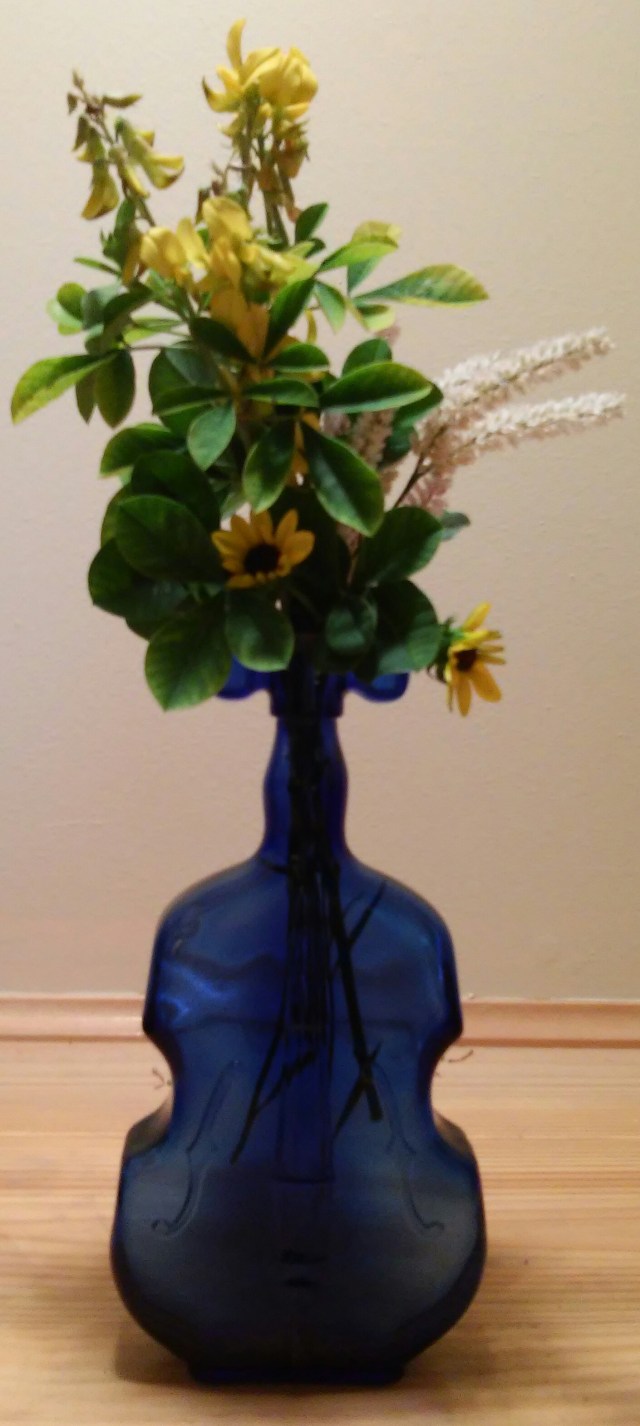
I have been watching a group of Yellow Lupines on the edges of a vacant lot nearby – thinking I could collect some seed and grow Lupines in my back garden. What I did not realize is when the seed pods are ready they explode and hurl seed far and wide. The pods exploded in my car and didn’t seem to think there was enough dirt to grow in the carpets, though there probably is as I haul dogs and plants around with equal enthusiasm. I am not sure if these plants are native to the area, but I am aware of other native Lupines in Florida; it seems peculiar as I associate these plants with Alpine meadows, the Rocky Mountains and cold, arid places. Here is another view of my three blue vases filled with native and/or wildflowers from the vacant lot.
20160117_113625

20160117_111900-1

My blue vases represent three generations of women in my family, the violin belonged to my grandmother and has Yellow Lupines, the white spikes are Jointweed, the yellow daisy shaped flower is a Beach Sunflower.

20160117_114007

The tall bottle belonged to my mother and has Beach Sunflower, Yellow Lupines and seeds, background plants are Shrubby Buttonweed and Muhly Grass.

The corked bottle in the background belongs to me and holds the dried petals of all the roses my husband sent me during our courtship. The bells belonged to my other grandmother and are one of those touchstones that have been around the house as long as I can remember; my father brought them home from World War II.

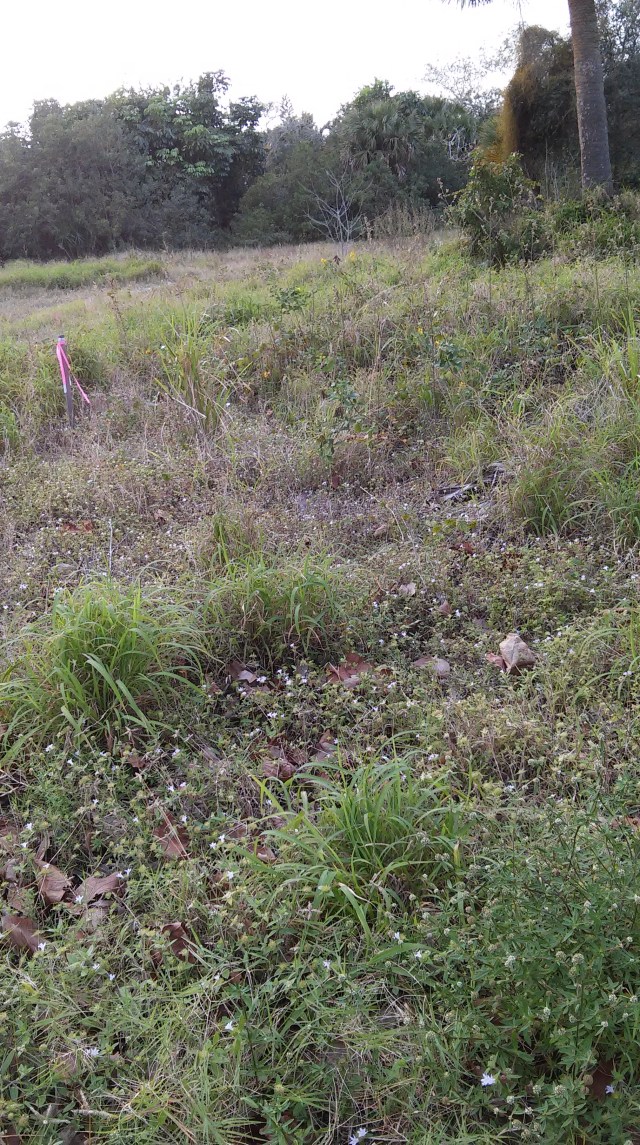
As I was writing this post, it occurred to me how much more interesting and attractive these flowers appear in their Monday vase. So, I wandered over to the vacant lot and took a before picture:

20160117_163141


All the components of the vase are in the foreground. I think I like the flowers in their blue bottles better. This leads me to ponder if more people saw native plants in a vase instead of a vacant lot – native plants might be more popular.

If you would like to see vases from the world over, stop by the comments section of  https://ramblinginthegarden.wordpress.com where Cathy hosts In A Vase on Monday – every Monday!


Piecrust Croton and Friends

20151230_153823

Piecrust Croton

I have been reworking  the design of my front yard because the access point for the septic tank was in a lawn area and actually needed access. What this really means is once a year a 3 foot circle in the lawn  is dug up and destroyed to clean the (ewww, yes) septic tank filter. The joys of country living. I am certain I did not know septic tanks had filters prior to moving to Florida. I also realized I would like to have a pathway to the side.

For many years I have advised my clients to live in their houses for a while to see how they move around the property as sometimes a good guess just really doesn’t do the trick. The upshot is I did not take my own advice and I like to travel to my side garden (ah, future garden) more than I thought I would. Design that originates with how you live in a place is always a good plan. This may be Plan B as I did Plan A. Who knew St. Augustinegrass wouldn’t be happy over a septic tank. Oh, well. I am liking the new bed thus far.

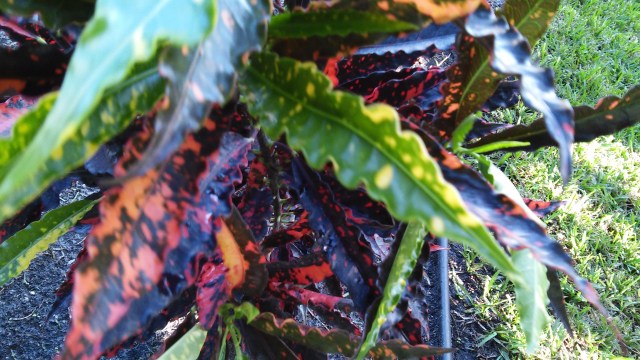
A nod to my husbands pie making skills was the purchase of a Piecrust Croton, a multi colored tropical shrub that hails from the South Pacific. These shrubs are easy to grow and ubiquitous in South Florida. There are a few stalwart standby varieties that are common, but of course I love the weird stuff.

Here are the standard varieties:

At the top of the post is the foliage of the Piecrust – it looks like, you guessed it, Piecrust!  The rest, clicking on the picture will give the name. Being the plant freak that I am, I couldn’t resist photographing several more interesting varieties:

I  love all of these, but I think Stoplight might be the next Croton purchase on my Croton bucket list. How many people have a Croton bucket list?

Yes, the beds are getting bigger. The good news is I probably have a quarter acre left!!

Back to the inspiration for all of this, the piecrust. Here are a few of my husbands pies:

I think these merit a celebratory Croton in the front yard.

Speaking of celebratory, Happy New Year to all.

Autumnal Thoughts – Flights of Forest Fancy

Seasons can be difficult to recognize in South Florida. You have to look hard to find fall color, last year I found some Red Maples with red foliage in the nearby swamp – long about December. I have learned to look to the Indian River for signs of fall, there is always a mullet run when the seasons turn and I am just starting to see the little fish jumping out of the water, I enjoy the mullet run – it is a sign that relief from the oppressive heat is close at hand.

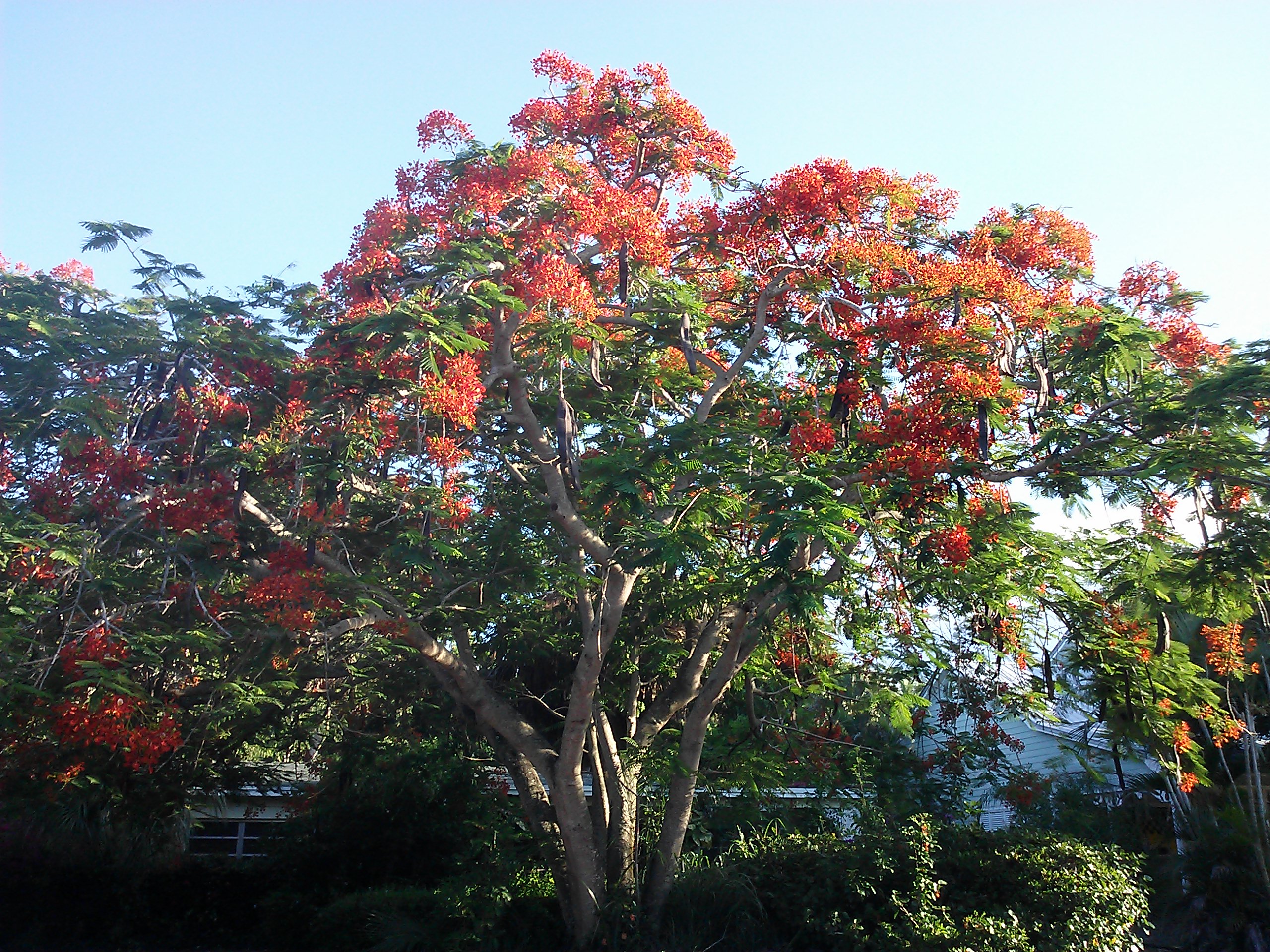
Royal Ponciana Delonix regia

Royal Ponciana
Delonix regia

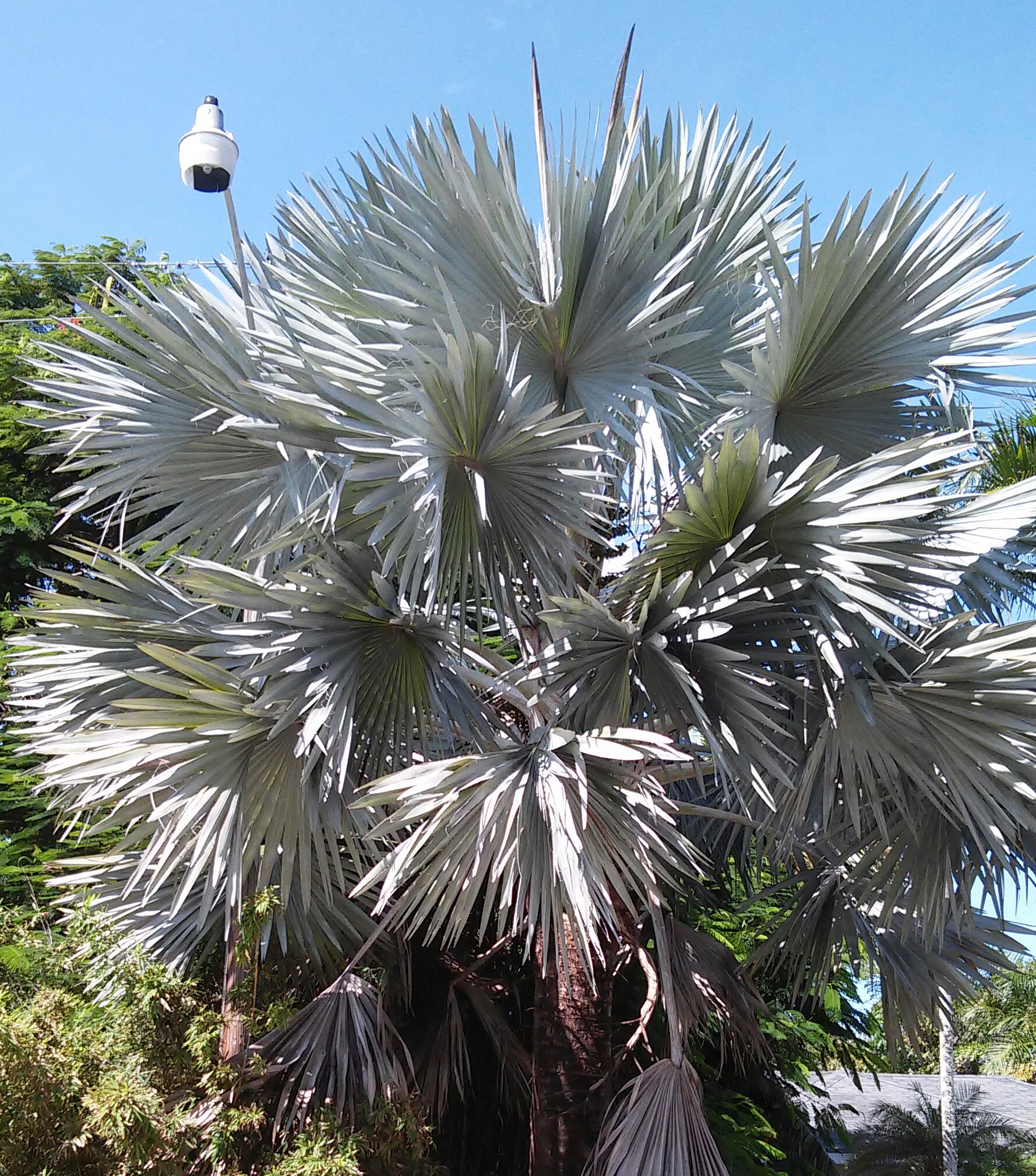
Another sign of fall is the Poncianas are slowing down on the flowering and producing gigantic green pods. The ferny foliage is still shimmery green, but the pods foretell a soon to be naked tree. Getting in touch with my inner plant nerd (not difficult) I did some research on the Ponciana and found it is native to Madagascar and rarely seen there anymore. Another Madagascar native that is popular in landscaping here is the Bismarck Palm. This one is planted unfortunately near a power pole – that is not fruit. This Palm has huge silvery fronds, costapalmate! and literally 4 feet wide. The fronds sound like big pieces of cardboard rubbing together. Fruit is borne in grape like clusters of 2 inch wide shiny mahogany colored nuts. I planted one a month or so ago and it is supposed to take more than 2 months for the seed to germinate and 86 degrees Fahrenheit is the required temperature. So far nothing on that front.

Bismarck Palm Bismarckia nobilis

Bismarck Palm
Bismarckia nobilis

Here is my Flight of Forest Fancy, both these trees supposedly occurred in Forests.

Just imagine these forests – the Palm and the Ponciana can get to be 60 feet tall.

Bark for Bark’s Sake – Boots and Strangler Figs

I was looking at trees (perhaps an unfortunate habit) this morning as I walked my dogs and it occurred to me the bark on some of these tropical trees I pass everyday is different from bark in northern climes. Especially Palm Trees, palms do some funky things.

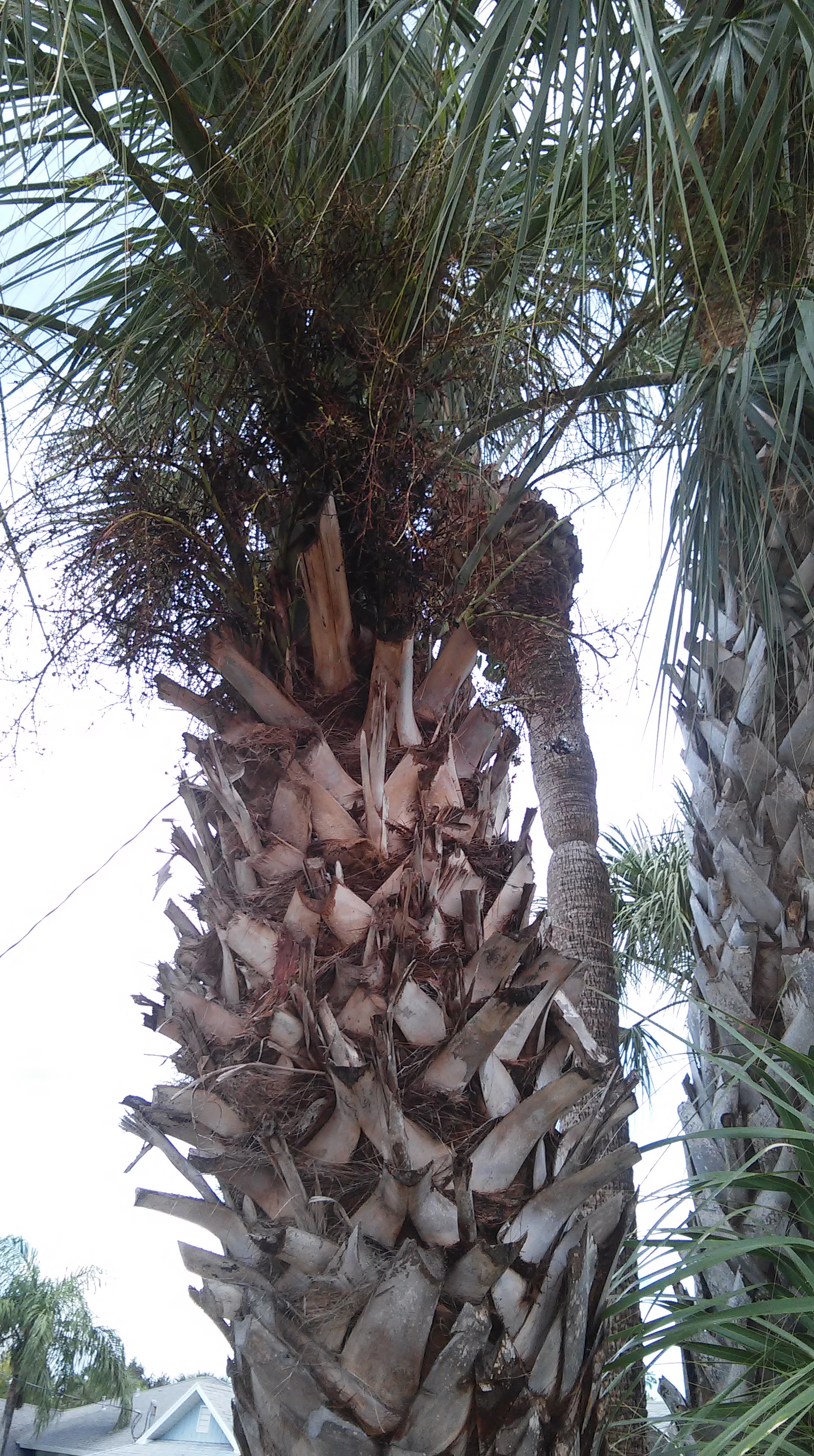
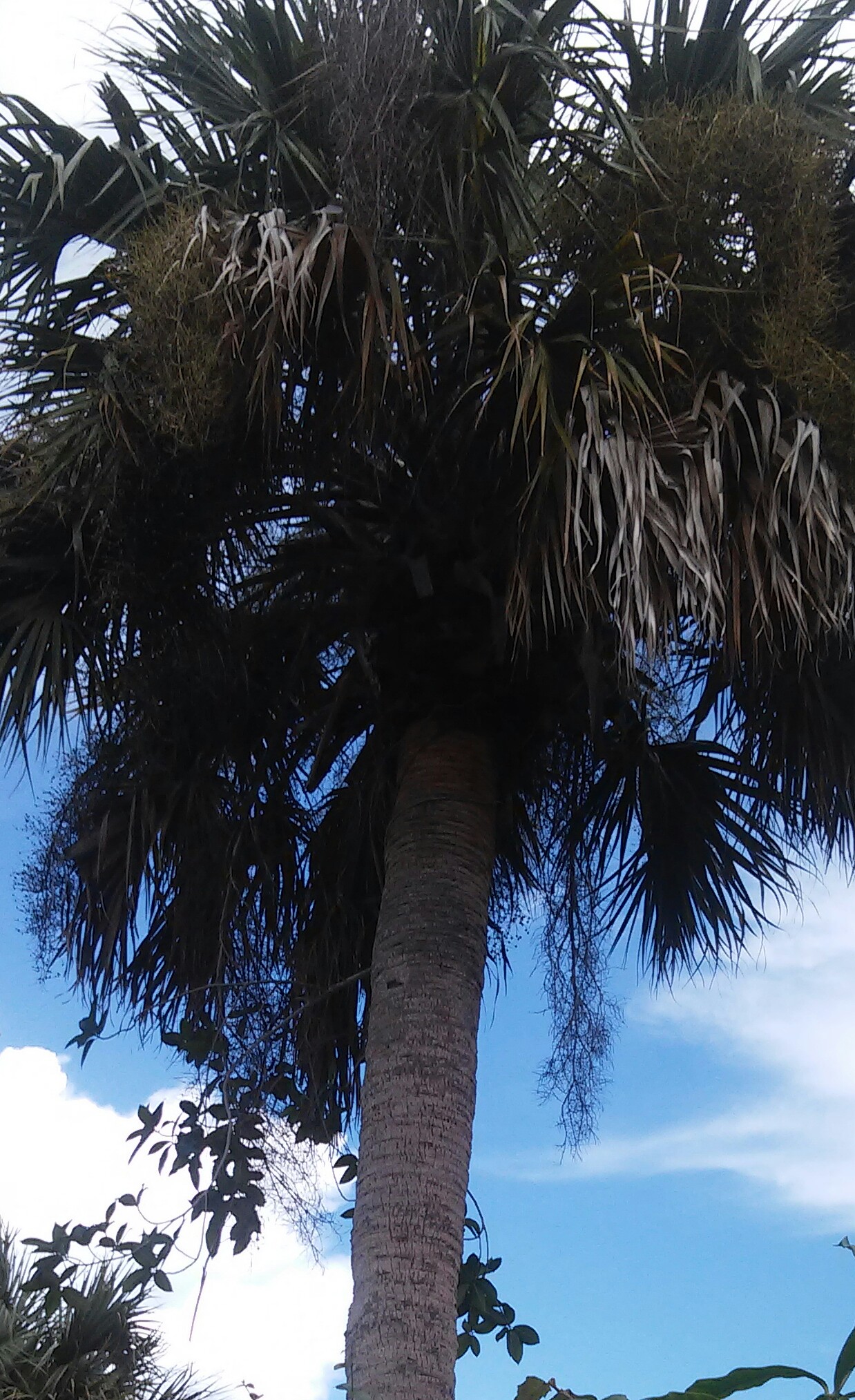
Cabbage Palm with Boots Palmetto sabal

Cabbage Palm with Boots
Palmetto sabal

Palm trees are available in some varieties booted, which means the bases of the old leaves have been left on purpose. While it is graphically interesting, I think this looks kind of messy and a lot of weird plant and animal life tends to go into the boots and proliferate – I had my Cabbage Palm’s trunk cleared off and there was a 6 foot snake living in the trunk. Another peculiarity growing in the boots is the Strangler Fig.

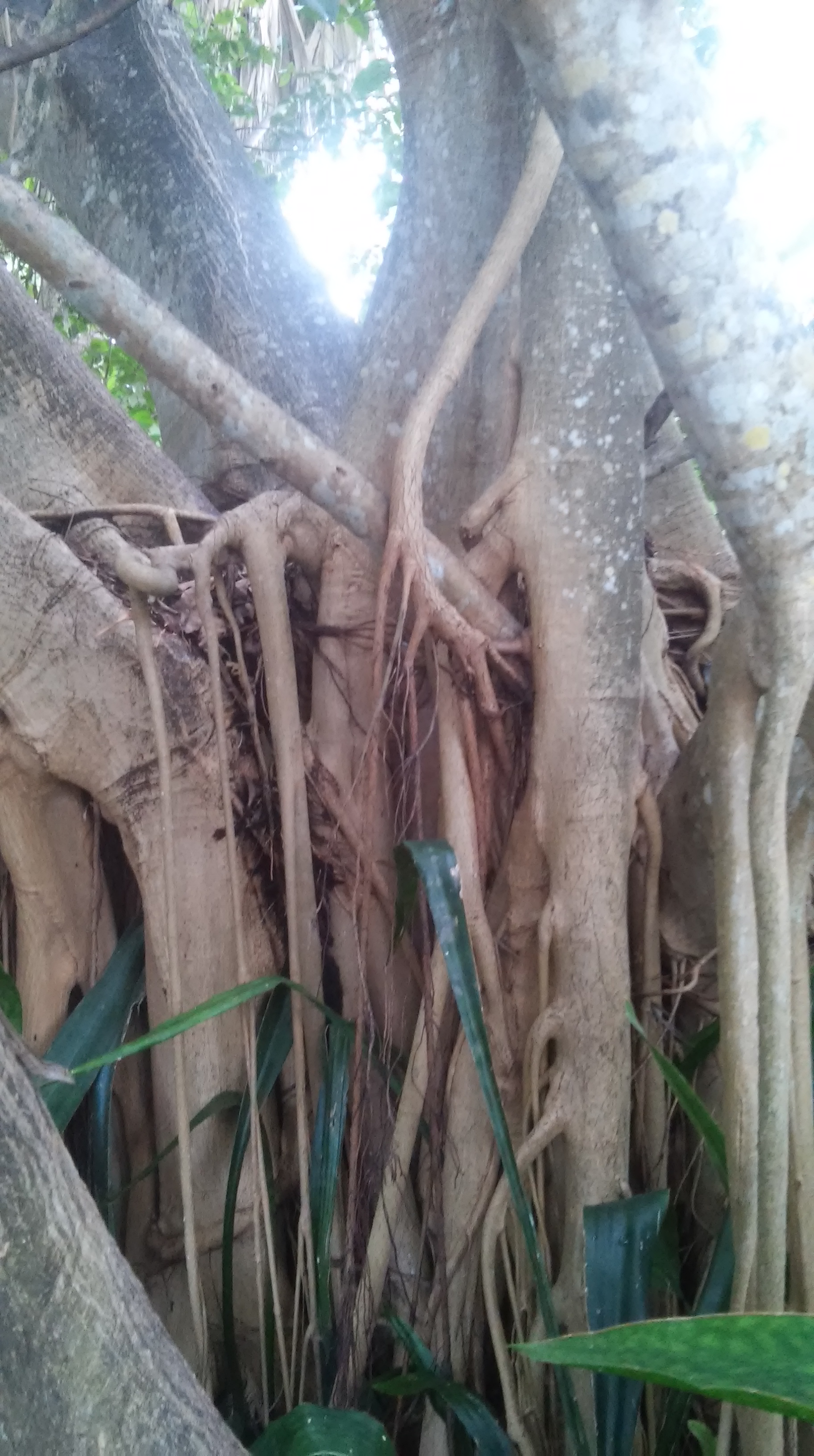
Strangler Fig

Strangler Fig trunk

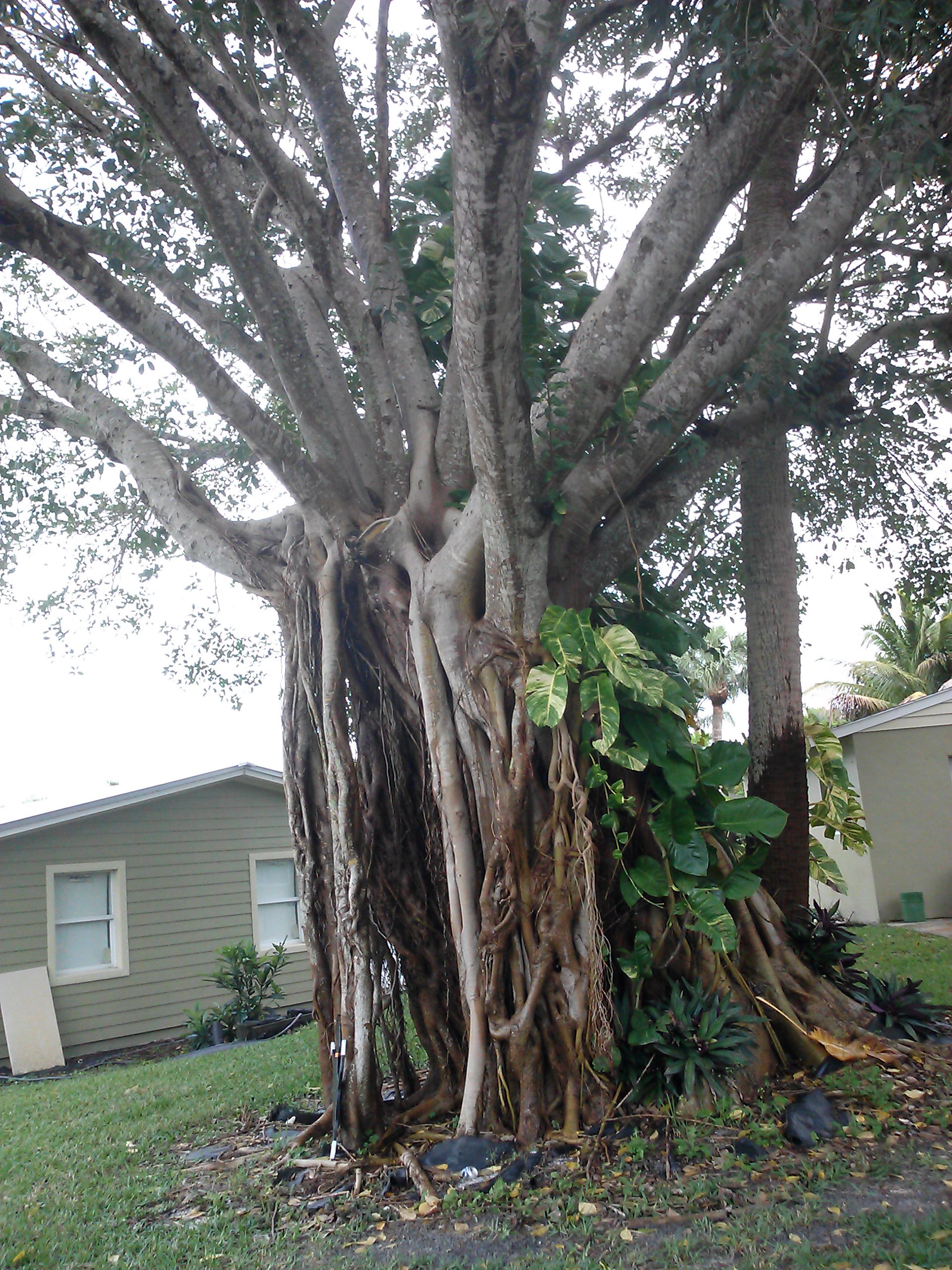
There is a big Strangler Fig (Ficus aurea) beside my house between me and my neighbor. It looks a bit like something that would be growing at Hogwarts, where Harry Potter went to school.

Ficus aurea Strangler Fig

Ficus aurea
Strangler Fig

The trunk is probably 10 or 15 feet wide, including its aerial rooted trunks, at least 50 feet wide and probably a bit less on the height. I would love to know how old it is.

These trees are native to South Florida on both coasts and common in several habitats but not in the trade. They start life in the boots of palms or in cups of Bromeliads growing on the ground. The fruit is produced copiously and is the size of blueberries, as with many tropical fruits, not particularly good to eat, but the birds enjoy it and transport it around to grow new Strangler Figs. The reason these are called Strangler Figs is they can literally strangle the palm as they grow down the trunk hit the ground and put roots down, then overwhelm the tree and grow over and around it eventually strangling it.

This is a photo of a Strangler Fig reaching down from the Cabbage Palm:

Fig coming down

Fig coming down

Sleeping under the shade of a palm doesn’t seem like such a good idea now…

The Heat is On

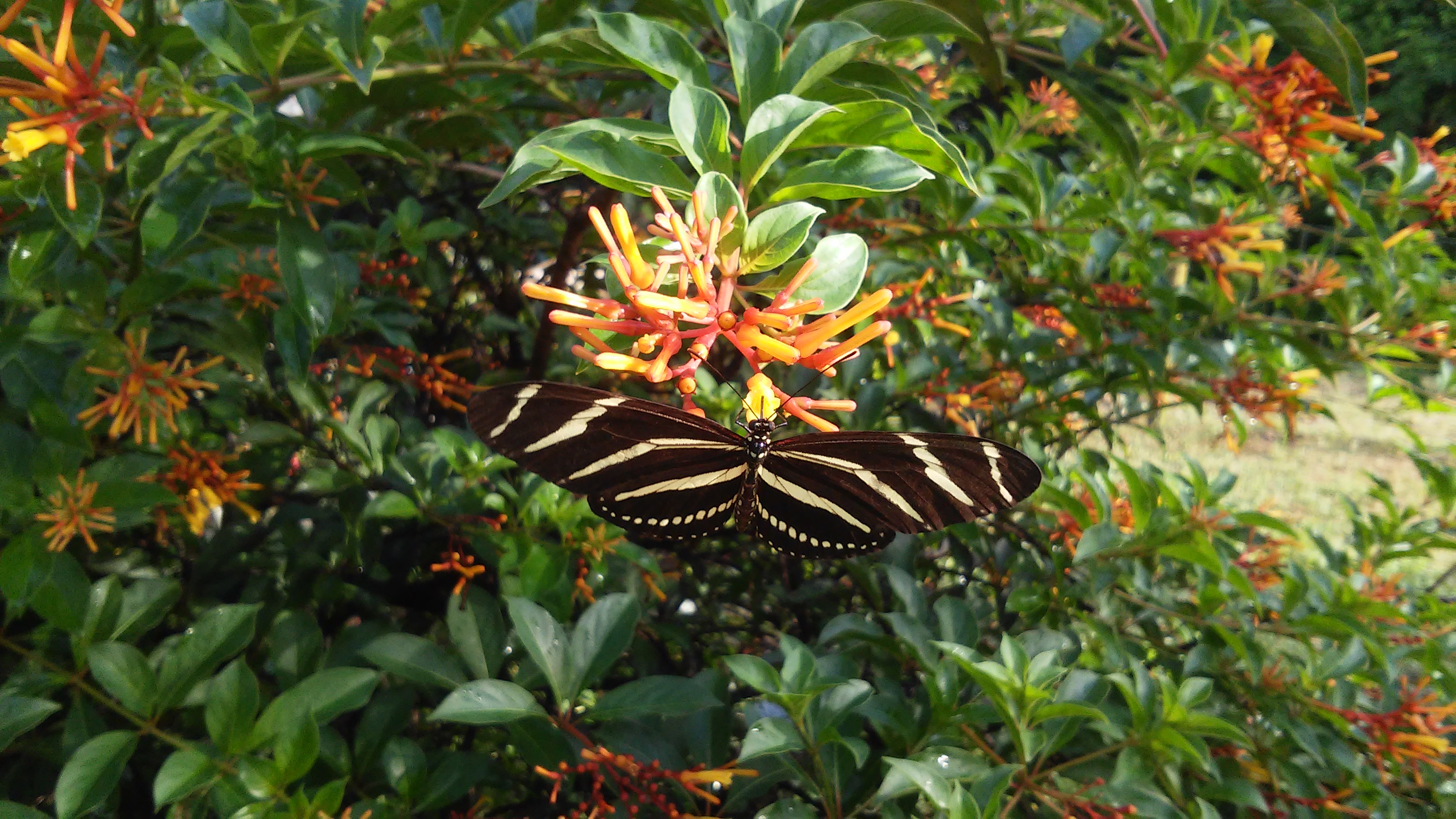
The rainy season officially started about a month ago here on the Treasure Coast in South Florida. It just didn’t start raining until the past week. Plants were getting crispy and I was having to provide supplemental water, even in the irrigated areas. My appreciation for the native plants has gone up. Here is the native shrub, Firebush, Hamelia patens, not missing a beat and attracting butterflies and a large selection of bees.

Firebush and Friend

Firebush and Friend

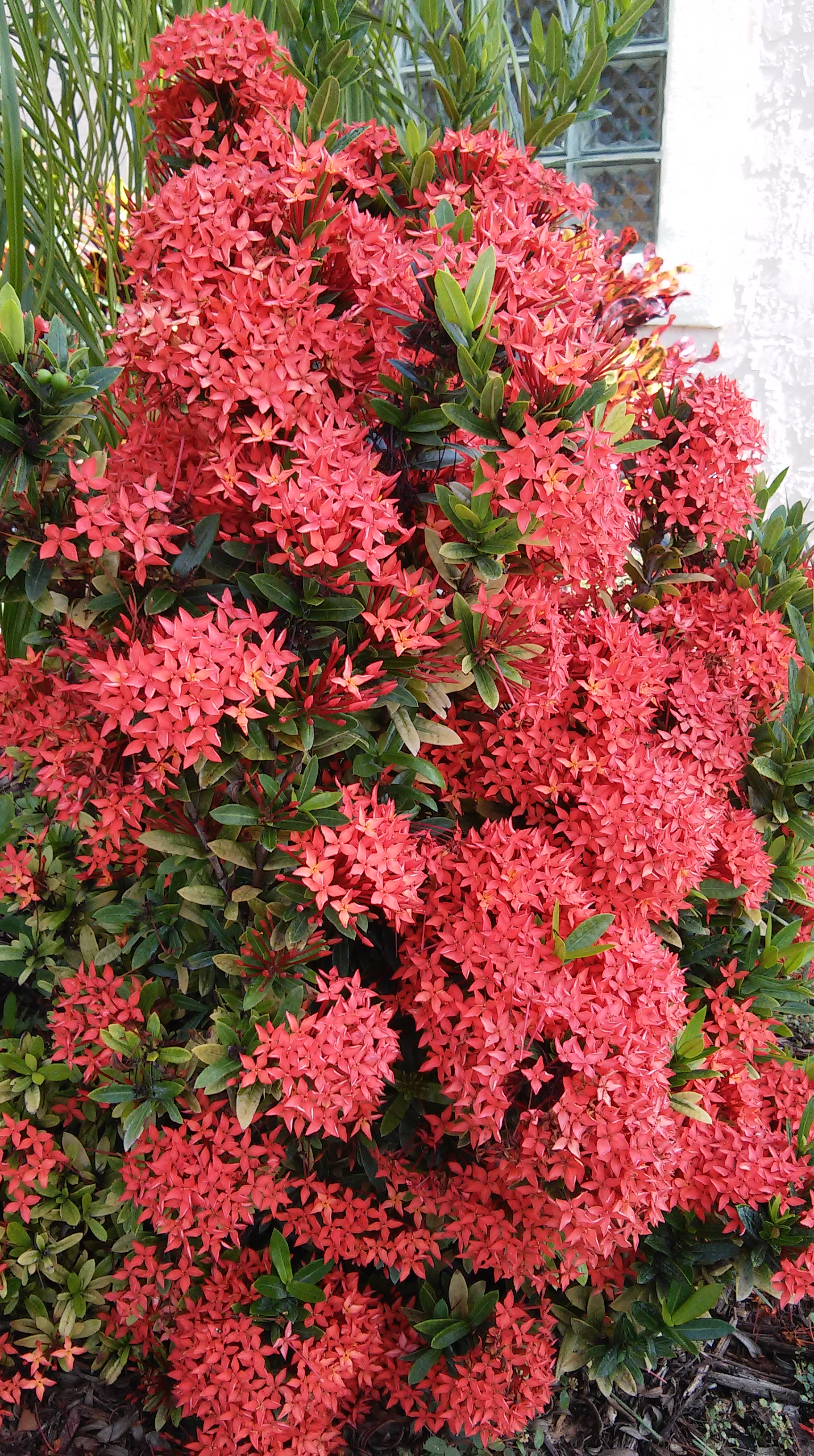
I have been waiting for precipitation to move plants around in the garden. Now the dilemma is the humidity – it has hit 100 percent several times already., not pleasant gardening weather. Some of the plants are enjoying the heat and humidity more than me. The Ixora burst forth as soon as the rain started, I take back all my grumbling about the special Ixora fertilizer I had been faithfully applying – it clearly works. I can’t recall having a shrub with more flowers, ever.

Dwarf Red Ixora

Dwarf Red Ixora

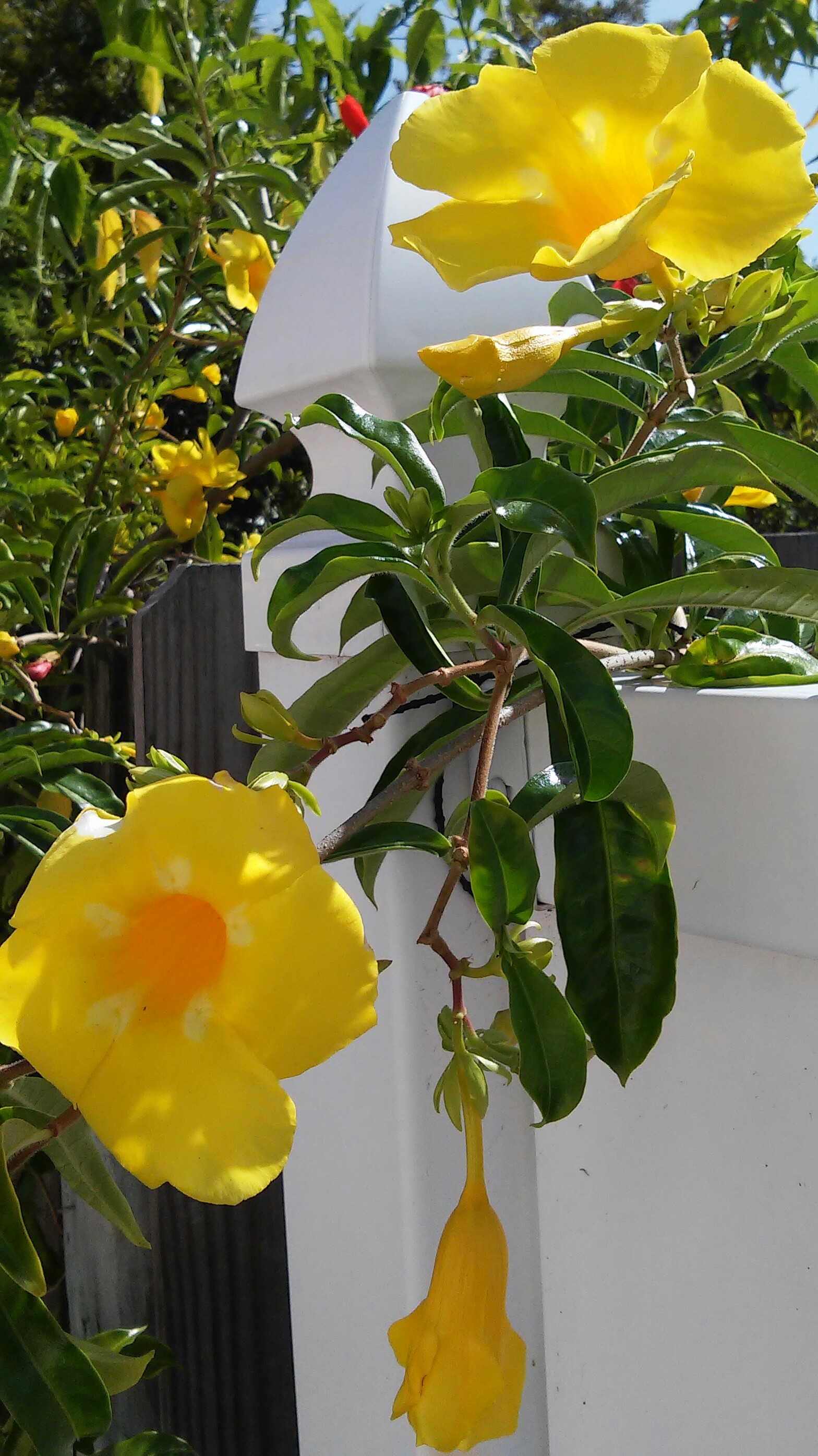
The Yellow Allamanda I trained to the fence liked the rain as well. Interestingly enough, the native version of this Allamanda was completely eaten by caterpillars! I think it hosts a good butterfly, so caterpillars were probably good.

Yellow Allamanda

Yellow Allamanda

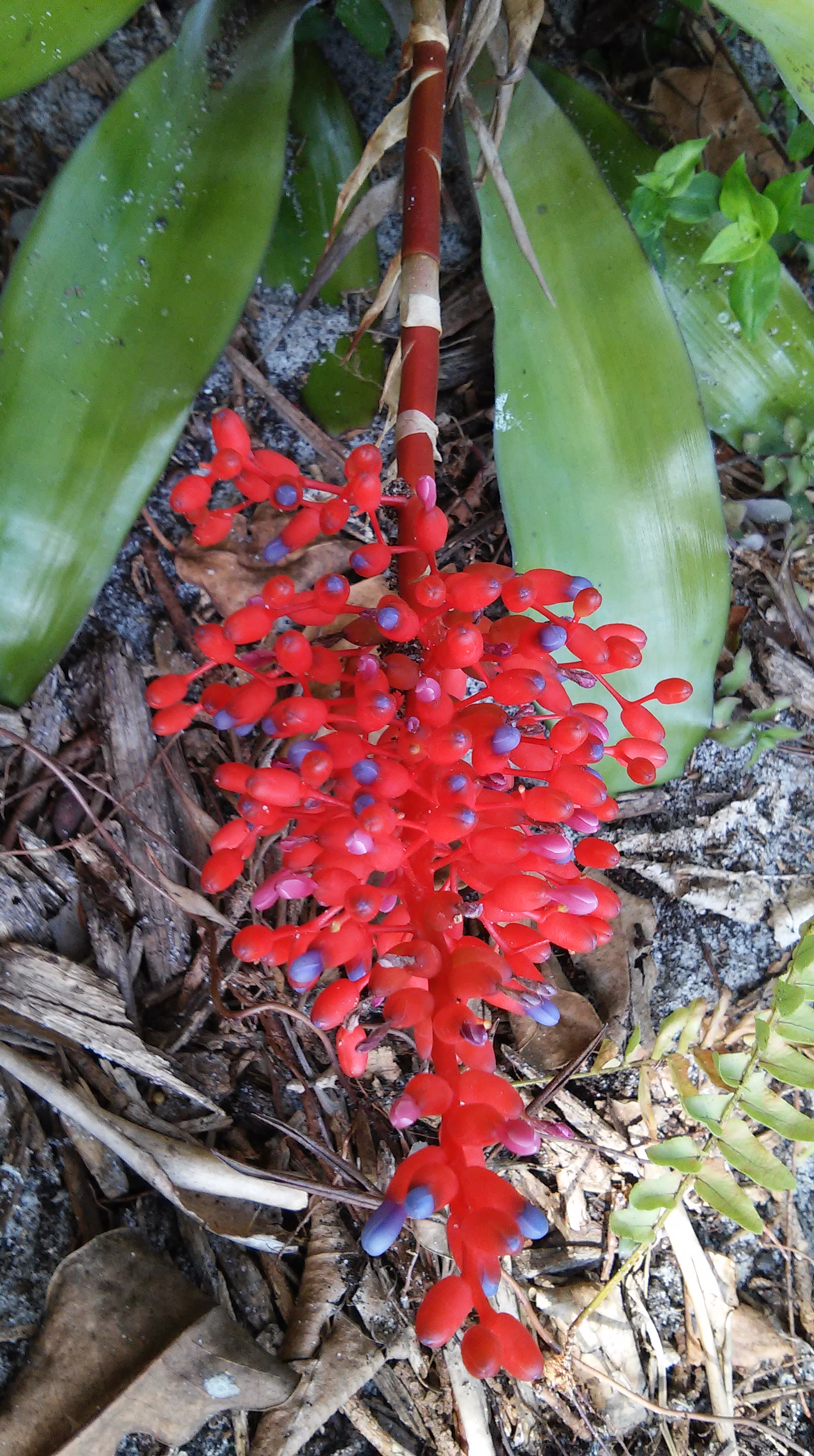
The rainforest Bromeliads also enjoy the summer. This is a Miniata Aechmea, it reminds me of red hots and is painfully easy to grow.

Miniata Bromeliad

Miniata Bromeliad

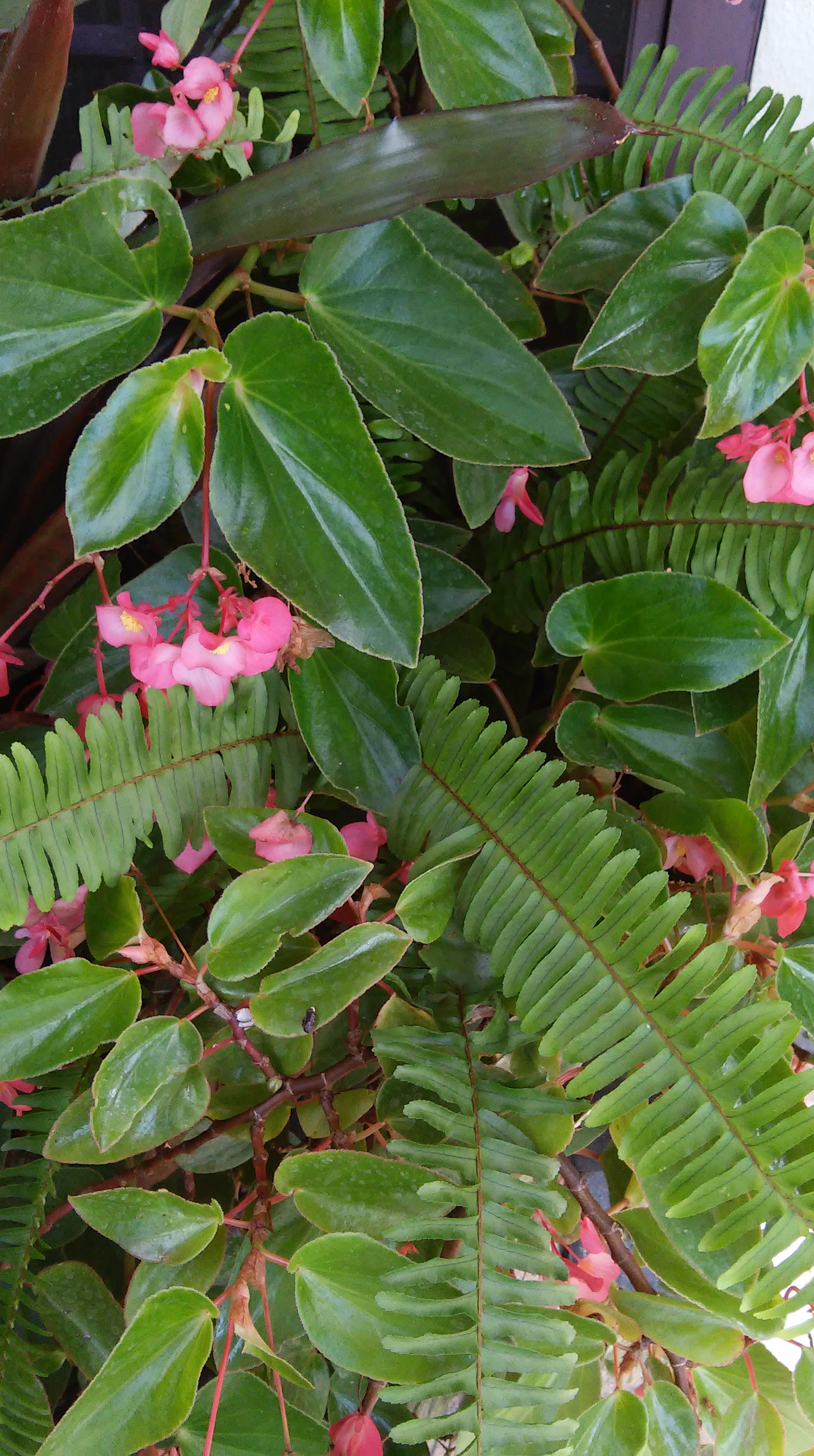
My final happy plant is a container garden actually. I have had this Dragonwing Begonia around for a couple of years, it was getting puny so I cut it back, found some Boston Fern in the yard (another wonderful native plant, it just comes up!) and put it on my front porch in part shade.

Dragon Wing Begonia and  Boston Fern.

Dragon Wing Begonia and Boston Fern.

Dragon Wings are a long time favorite of mine and I am happy I can grow them here, where they are apparently a perennial. I rooted some cuttings and they are quite happy as well. Heat and humidity are good for something!

I just looked at the weather app on my phone, it said 88 degrees but it feels like 108! I am going to stay inside and perhaps join my dogs on the cool tile floor. Although there is a promising looking group of clouds forming to the south.

Throw the books away

The sunsets and the dogs on the beach are great reasons to live in South Florida. Trying to figure out how to garden here might be another story. Having spent most of my life 600 miles north of here, I thought I would be able to buy some books about what grows here and figure it out. Come to find out there really aren’t any good books.

The title sounds like something Hitler might have done. Actually, it was a bit of advice given to me by a longtime Treasure Coast gardener a few years ago. I had been lamenting the lack of good gardening information for our area and frustrated by what I had been reading in the Florida Gardening books. She said ‘throw the books away, they have no meaning here’.

Mondo that has seen better days

Mondo that has seen better days

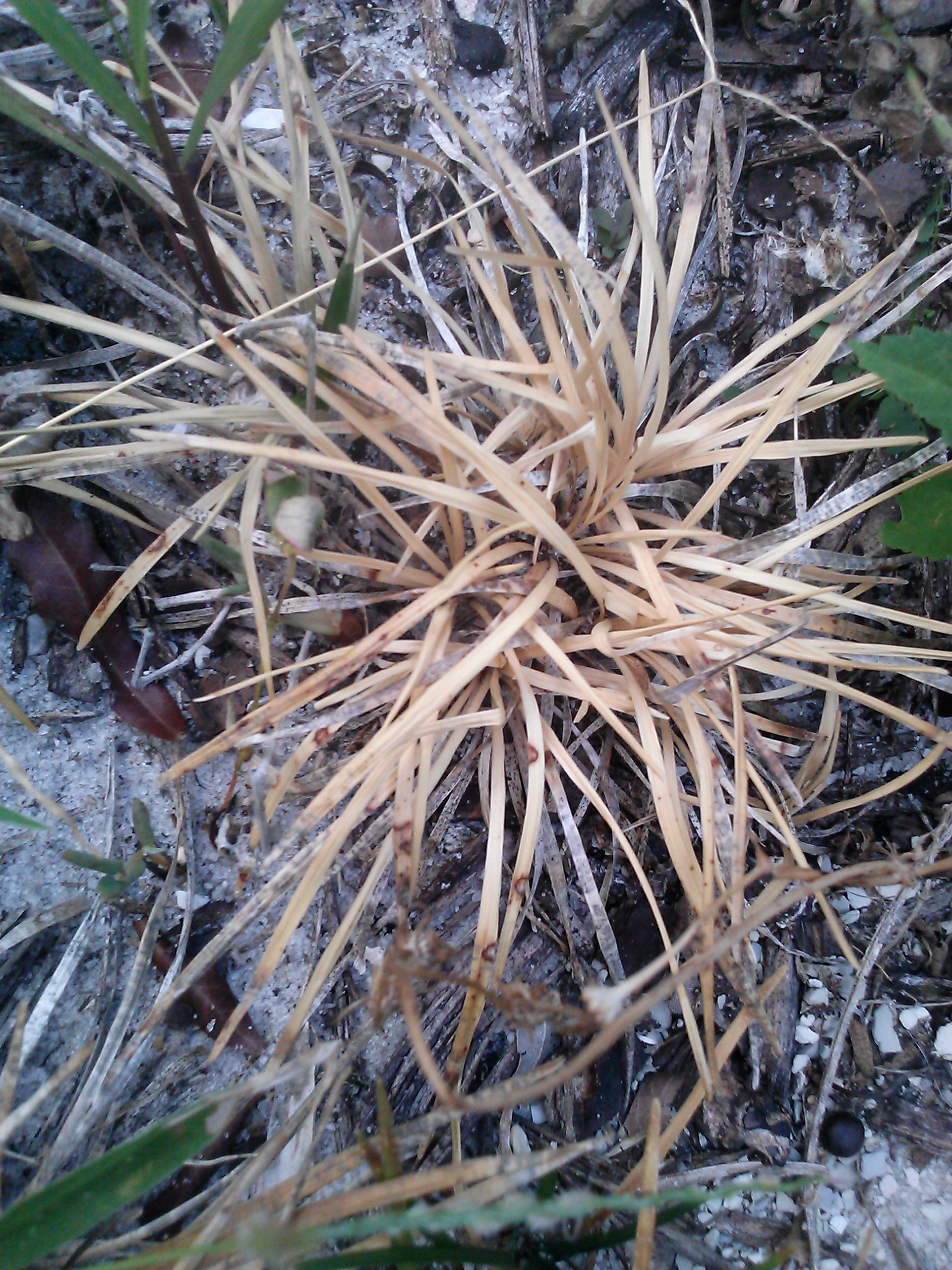
This kernel of knowledge proved correct and popped into my brain this morning as I was looking at the charred remains of my Mondo Grass (that supposedly grows in Zone 10 – where I live) My suspicion is Mondo Grass will grow in Zone 10 if you import soil and water for it and keep an umbrella over it at all times, otherwise, forget about it. I had Mondo Grass further north and it was a reliable nearly indestructible groundcover. It was used as lawn in places too shady for turfgrass.

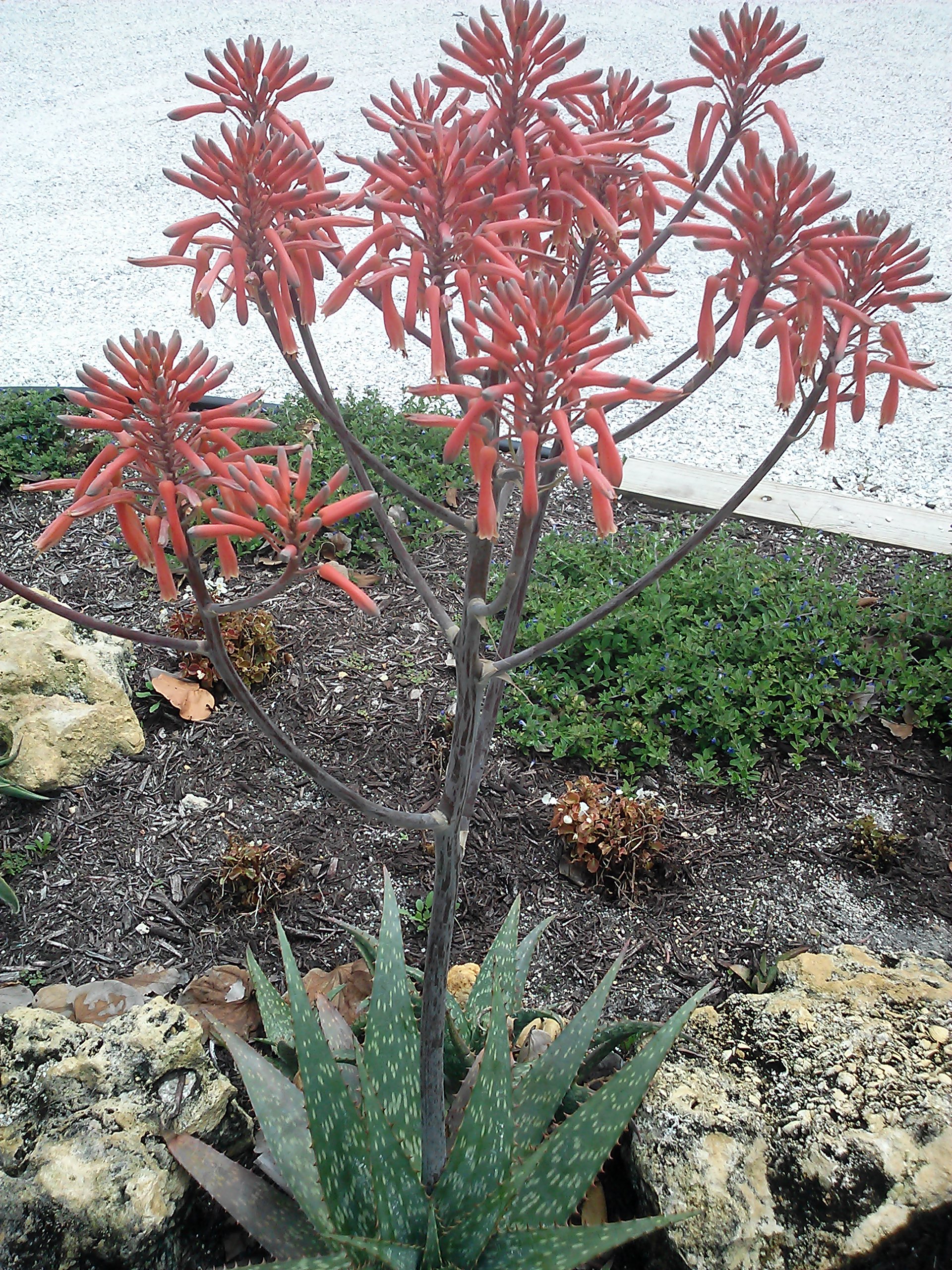
The Mondo Grass was my last rely on the books installation. My other major char broil was Bronzeleaf Begonias, which I did not even know could be burned up. I planted them in front of my Soap Aloe in my South facing front yard. Once the summer started they curled, browned, withered and unceremoniously died. The Aloe looked and still looks great. I feel bad about throwing away the offshoots sometimes, but not everybody wants a Soap Aloe. Instead of gaining sea legs on a ship, I am gaining sand legs in gardening. And usually end up covered in it.

Our Soapy Friend

Our Soapy Friend

This had left me wondering if it is really possible to write a useful gardening book with plant selection advice for a wide geographical area. I think not.

Avoiding the Technicolor Yawn

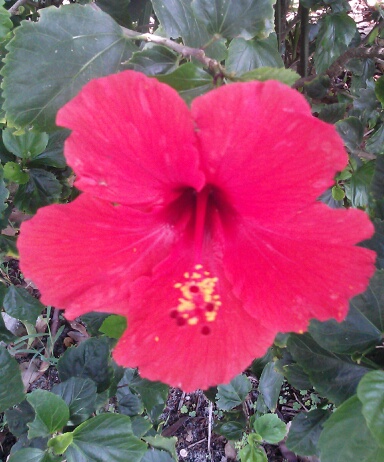
Red Hibiscus

Red Hibiscus Flower

One of my horticulturally oriented friends used to say “those annual beds look like Mickey Mouse threw up”. You know the ones; the aptly named “Cocktail Mix” Begonias backed up by Multi colored Caladiums. A kaleidoscope of red, pink, white and green so variegated you can’t focus and then start feeling queasy.

I realized the bed I was trying to use my entire assorted collection of plants waiting to be planted (that I bought because they were interesting or a great bargain or I had never seen one before or..) in was headed in that direction and decided to settle the colors down before I planted something ghastly. Colors were edited to this:

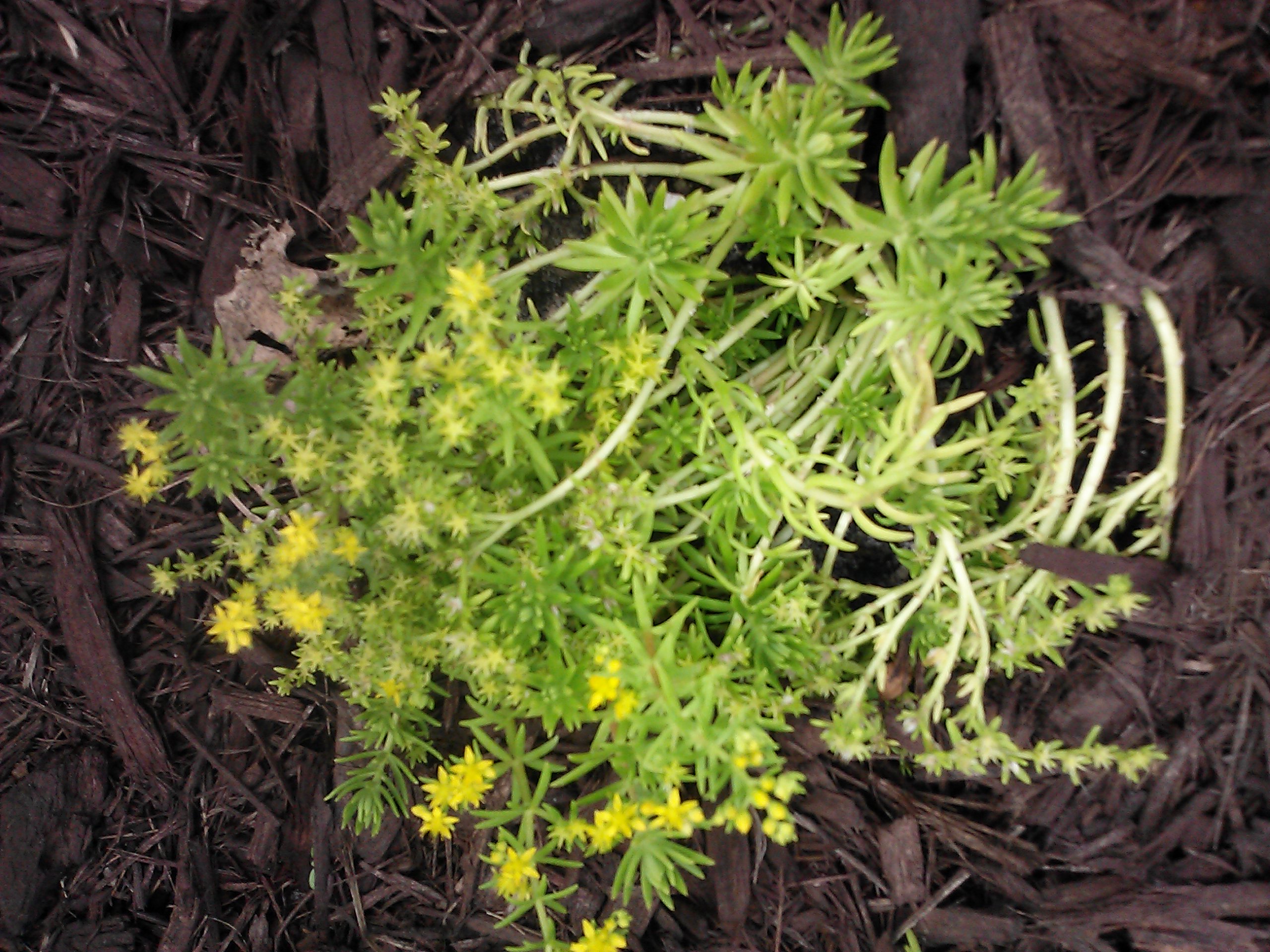
Then I added two green textures:

Sedum

Sedum

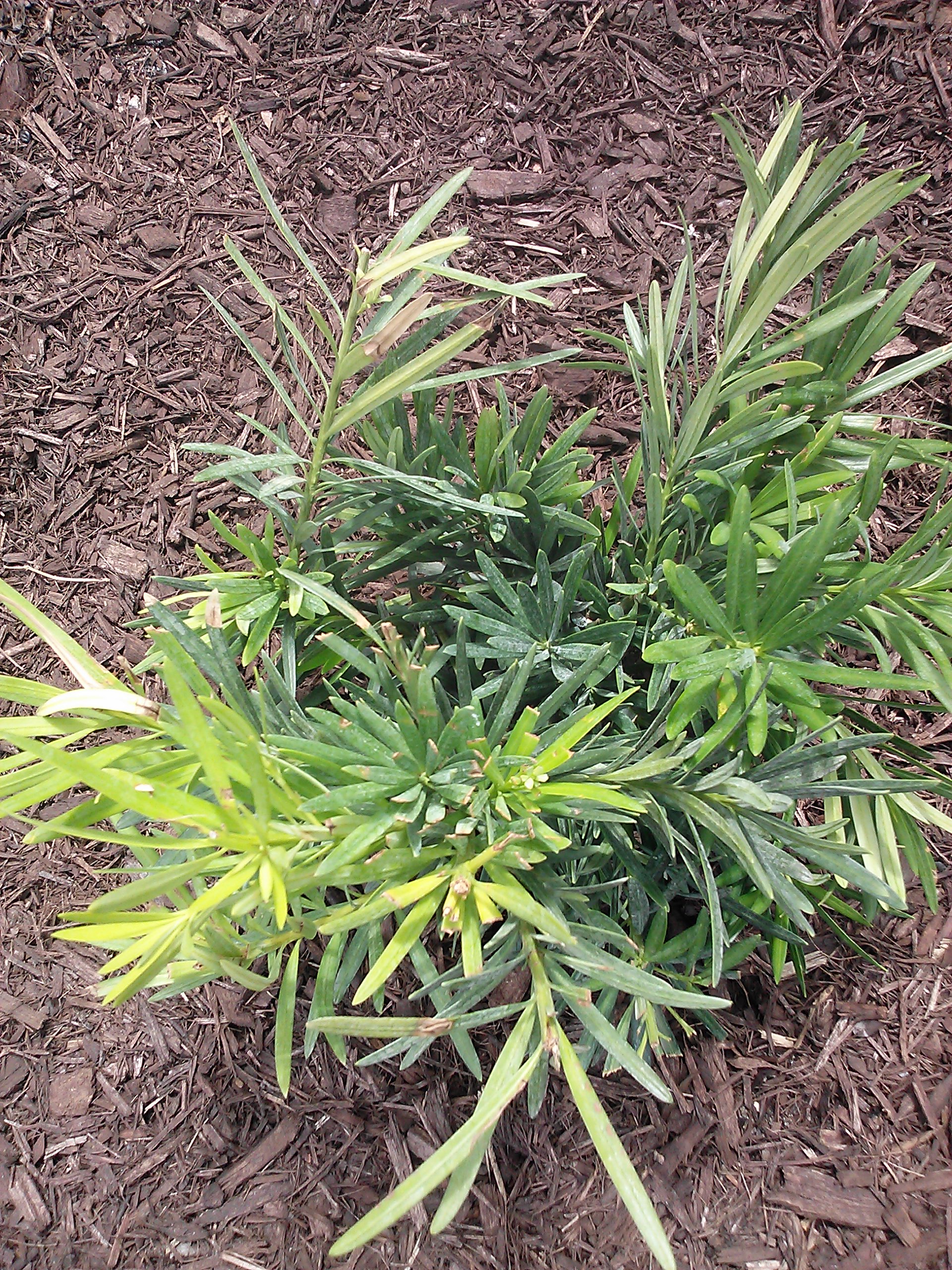
Pringles Dwarf Podocarpus

Pringles Dwarf Podocarpus

There is an ancient Red Hibiscus at the end of the bed (the top photo) it doesn’t bloom often, so I am hopeful no one ends up nauseated. My problem is I still have 10 or 15 assorted plants around and I just bought two more.

Chopped Gardening

One of my guilty pleasures is watching Foodtv. I have a few favorite shows that are religiously recorded for later viewing, Chopped is one. For those of you not familiar with Chopped, a group of four chefs is given a basket of sometimes bizarre food items – say, venison, gumdrops, cinnamon liqueur, broccoli rabe and rice cereal, then the goal is to make a gourmet three course meal  (using the basket ingredients) within a certain timeframe. Other ingredients may be added, but all the basket items must be used. The chef’s food is reviewed on a course by course basis until all but one is left. That chef wins and the rest are chopped.

I was standing outside contemplating where to plant the odd assemblage of plants I had acquired when I realized that my garden is a continuous episode of Chopped. My ingredients are plants. Gardening in Florida adds a few wrinkles to the design process – interesting things just tend to pop up in the garden and there are numerous irresistible plant sales. Then a friend or neighbor leaves an interesting plant on the doorstep. It’s a dilemma.

After two years of dreadful well water, we joyfully hooked up to our public water system last year. I had left a blank spot down our side property line for the purpose of running the line to our house. After the water line installation was complete the plan was to finish the side landscaping.

Life intervened and I had to have hernia surgery. Doctor said in four weeks it should heal. Sounds great, by the way it could take up to six months. It took 5 months, two weeks and then I could move things around in the garden that weighed more than 2 pounds.

The side garden is now weed o rama and I have more than the usual stockpile of odd plants to use in the landscaping:

From friends:

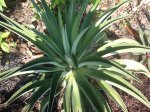
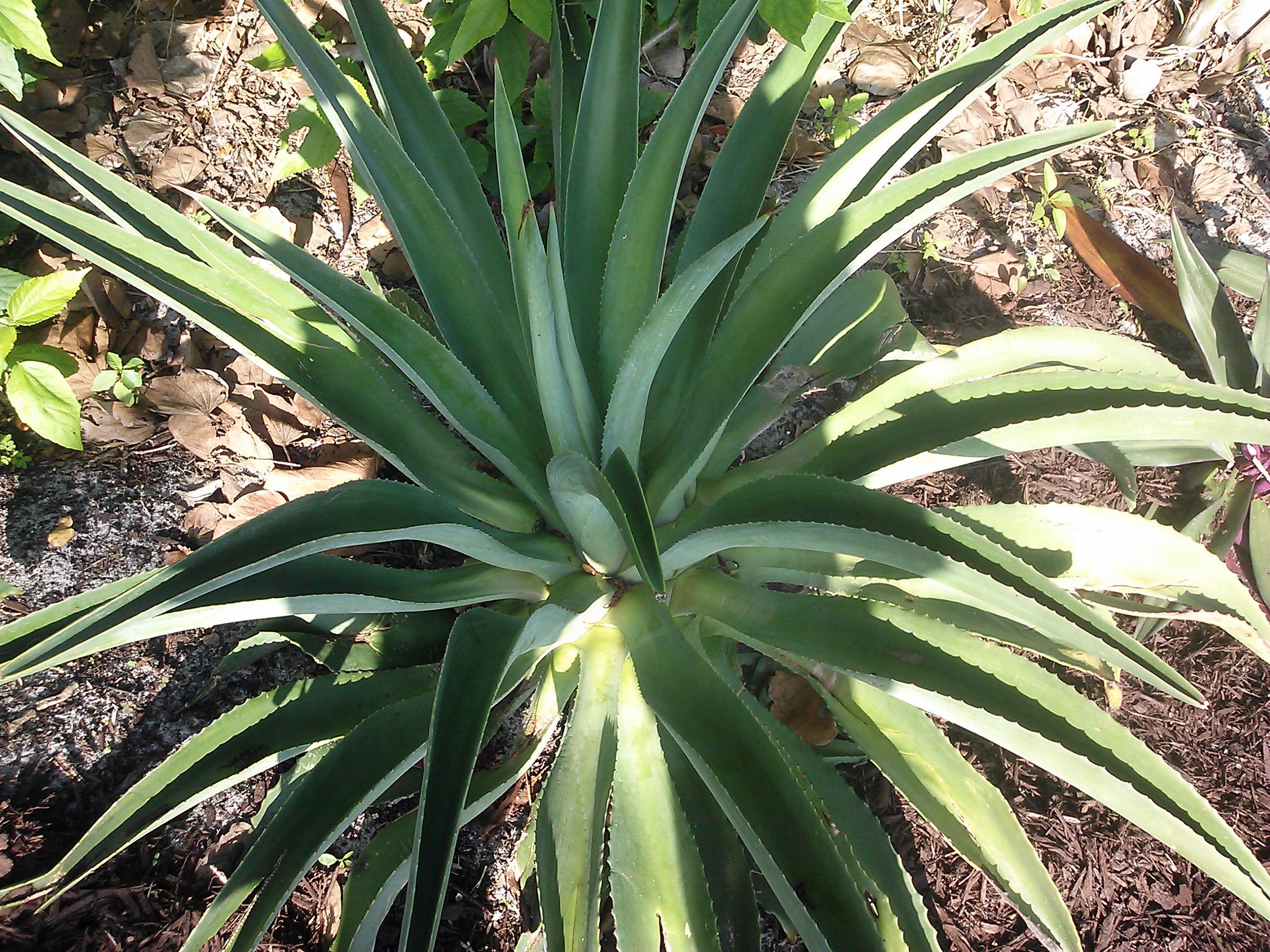
American Agave

American Agave

Large  Orange Blanchetiana Bromeliad

Large Orange Blanchetiana Bromeliad

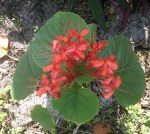
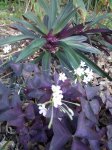
Things that have just popped up in the yard: Orange Clerodendrum, Pink Pentas, Boston Fern, White Spider Lilies, Pink Rain Lilies and Purple Oyster Plants. A Plant Palette I could not have dreamed up.

How to combine all of these plants in addition to my usual collection of 5 or so Bromeliads is taxing my brain. It’s a real episode of Gardening Chopped. I hope I make it through the first round.