Garden Paradise

6-24-08 017

I think the ancient Persians were the original purveyors of the term paradise. It translates to something along the lines of walled enclosure. I agree that a walled enclosure can be a garden paradise, but I find my idea of garden paradise has changed over time.

My first garden was about 100 square feet behind an urban townhouse my husband and I had when we first married. My husband had bought the townhouse when he was single. The garden consisted of a 8 x 8 foot slab of concrete with a telephone pole in the middle and dirt around the sides; he used it as motorcycle parking. There were french doors that looked out on this not very scenic view.

I built a garage for the motorcycle incorporating the telephone pole, bricked the slab of concrete and put 2 tree form roses in big pots at the back of the spaceparadise found. Unfortunately, the tree roses only looked beautiful maybe two months out of the year. But those two months were spectacular. This also cured my desire to grow roses for the most part. The townhouse was sold and we moved to the suburbs for space and quiet.

My next garden was more ambitious a – 1/3 acre suburban lot with a vegetable parterre, water garden, a waterfall and perennial beds. I enjoyed creating the garden, but, after 17 years, it was just too much work. The couple who bought the house were 10 or 15 years younger, had 5 kids were excited about the garden and planned to add a pizza oven.  Paradise found and lost again..
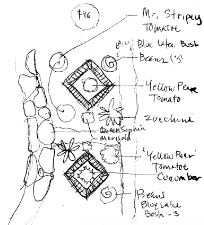
The Vegetable Parterre

The Vegetable Parterre

The Vegetable Parterre was another one of those things that looked great two months out of the year – but had the added bonus of providing vegetables and herbs. Eventually the parterre disappeared and it was mostly a kitchen garden with herbs.
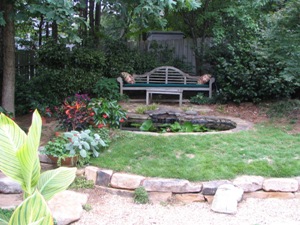
The Fish Pond

The Fish Pond

I enjoyed the fish pond for a number of years, but it leaked, and leaked and I fixed it and fixed itthis cured me of water features, in the ground anyway.

My current garden paradise is a work in progress. My goal is more hardscape, more perennials and less maintenance. Still working on it…
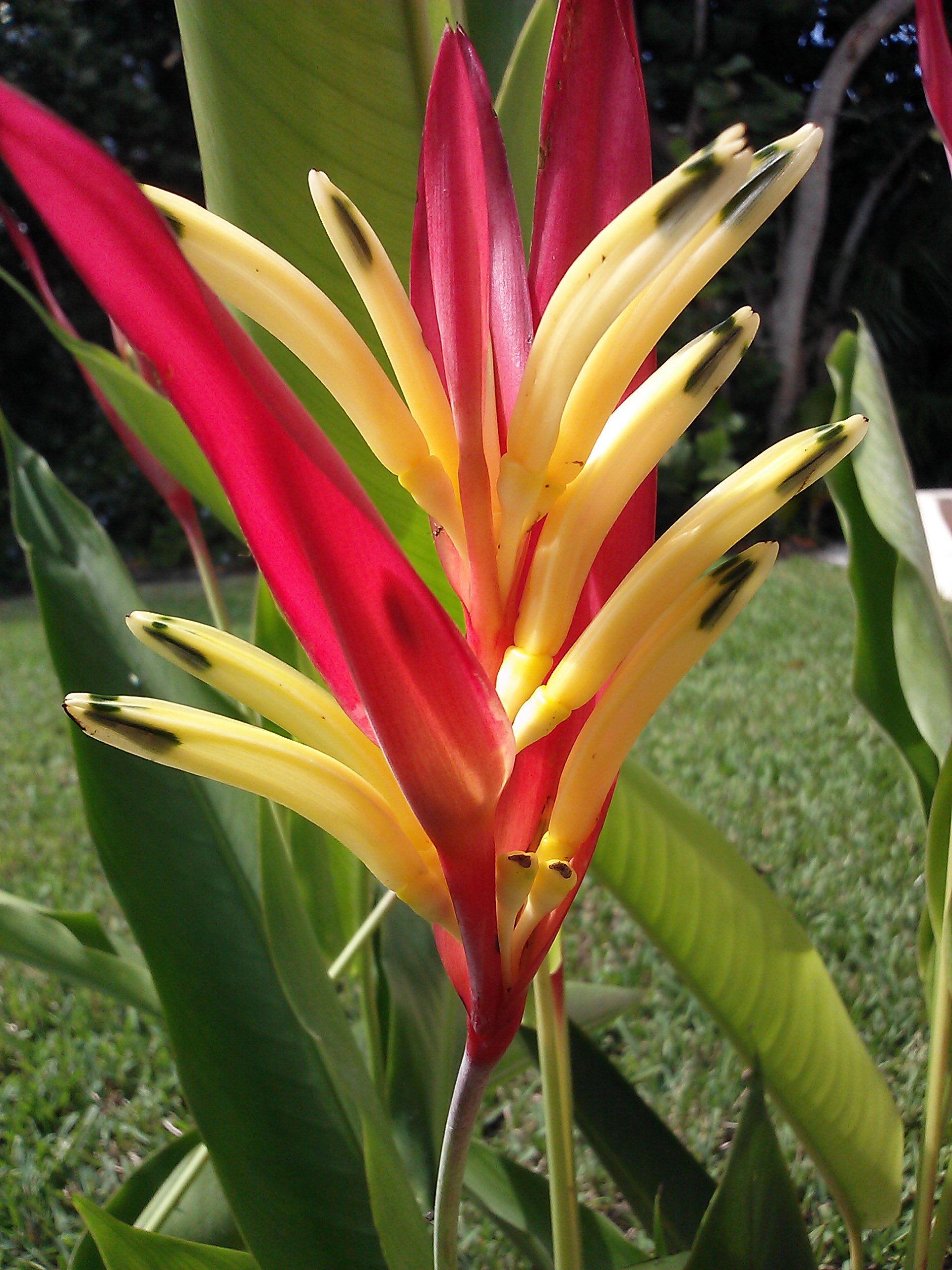
CAM00134


Winter Containers for South Florida

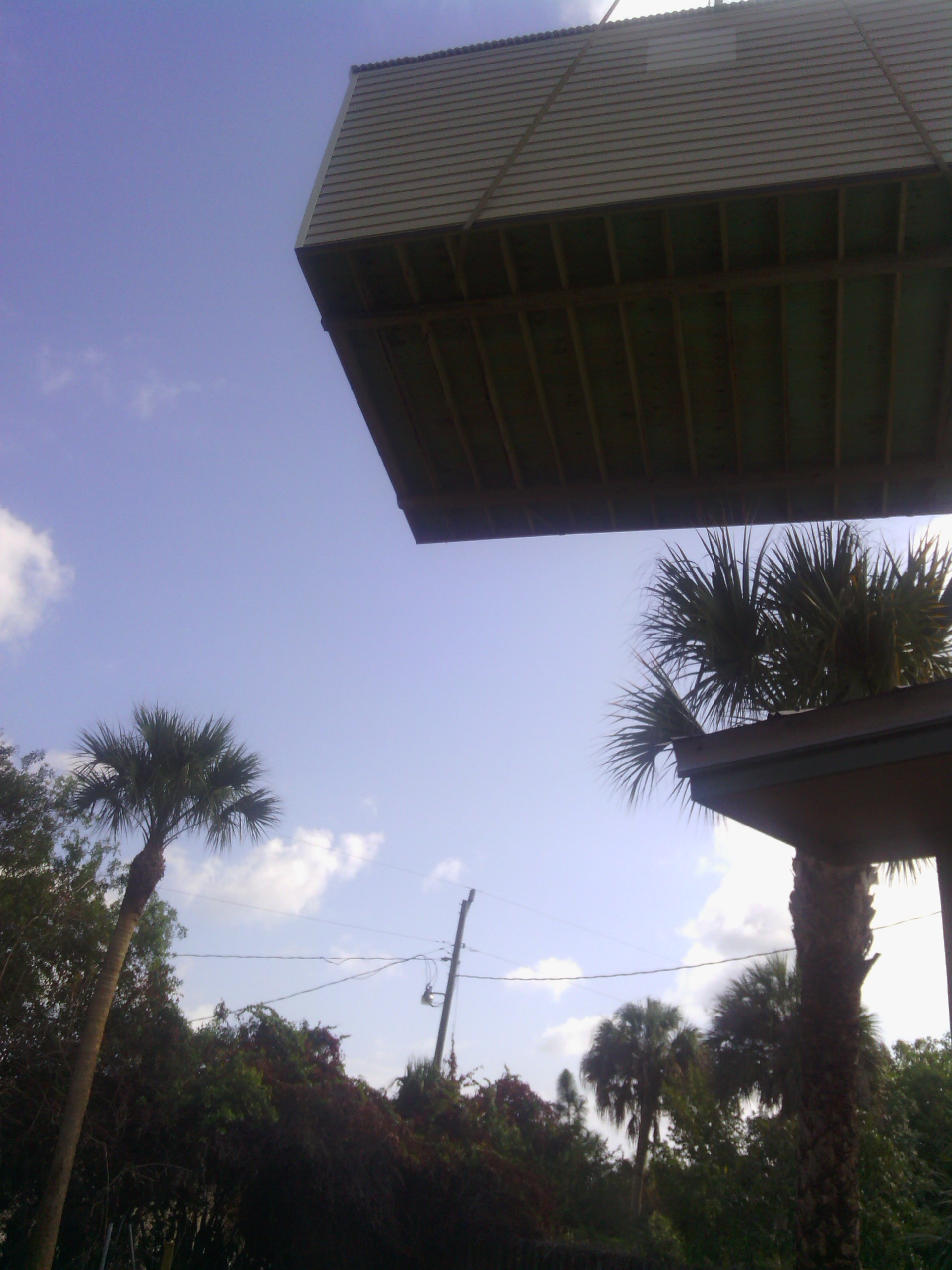
Here comes the Work Shop

Here comes the Work Shop

My husband likes to work with his hands, when we moved to South Florida there wasn’t enough room in our house for a workshop so we had one craned it. The picture is the shop being lifted over the house..I’ll get to the containers in a minute.

The shop ends up looking a bit like a trailer but with some landscaping and a porch it fits in. These sheds are fairly common in South Florida, I have never seen them before – they are even built and attached to the ground to resist hurricanes.

The whole adventure left me feeling a bit like Dorothy in The Wizard of Oz. Maybe in reverse.

After all this, my husband who has clearly been living with me too long decided he wanted some flower pots (containers if you are a landscape professional) on his shop porch. I put some containers together with the usual suspects last year sometime – yes, the annuals last that long here. It seems crazy to me as well. They last so long you get tired of them. When I lived further north I always did the containers twice a year, changed the colors with the seasons and enjoyed the variety.

Imagine my surprise when the old summer reliables, Bronzeleaf Begonias, rolled over and died in the summer heat. Time to revise thinking to plants that live in say, the Sahara. Pentas and Lantanas. I had gotten bored with Lantanas in Atlanta and really still am, they just smell funny. If I want fragrance, that is so not it.

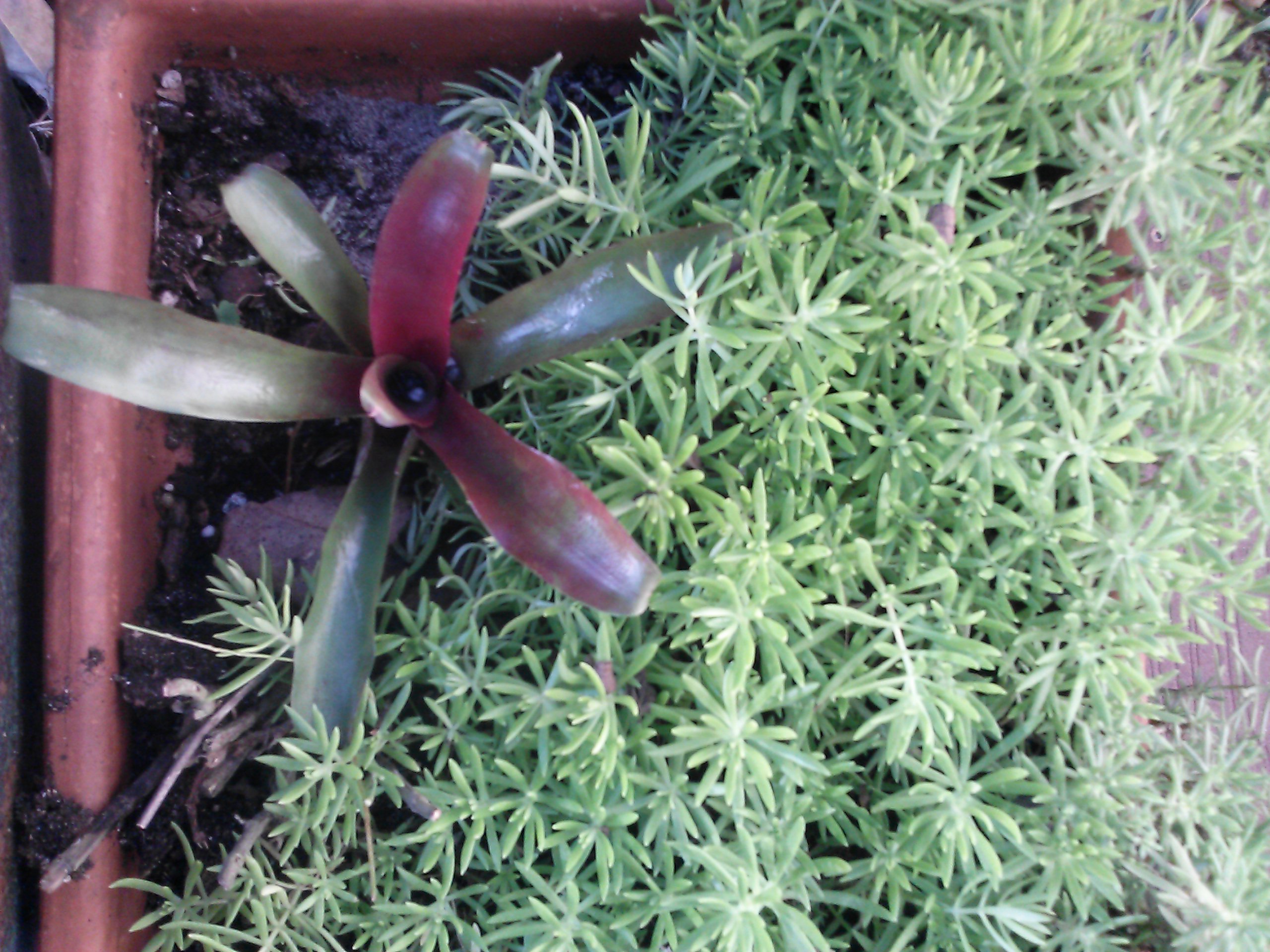
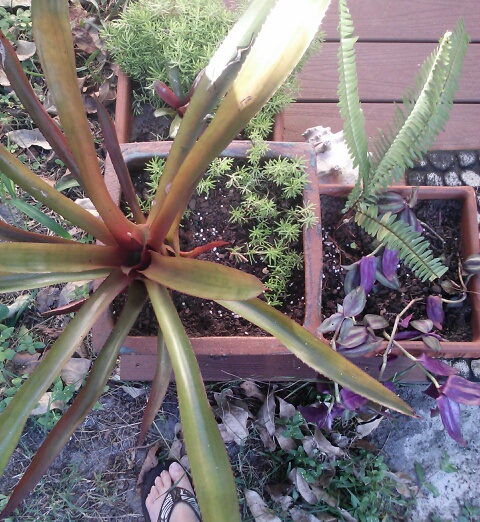
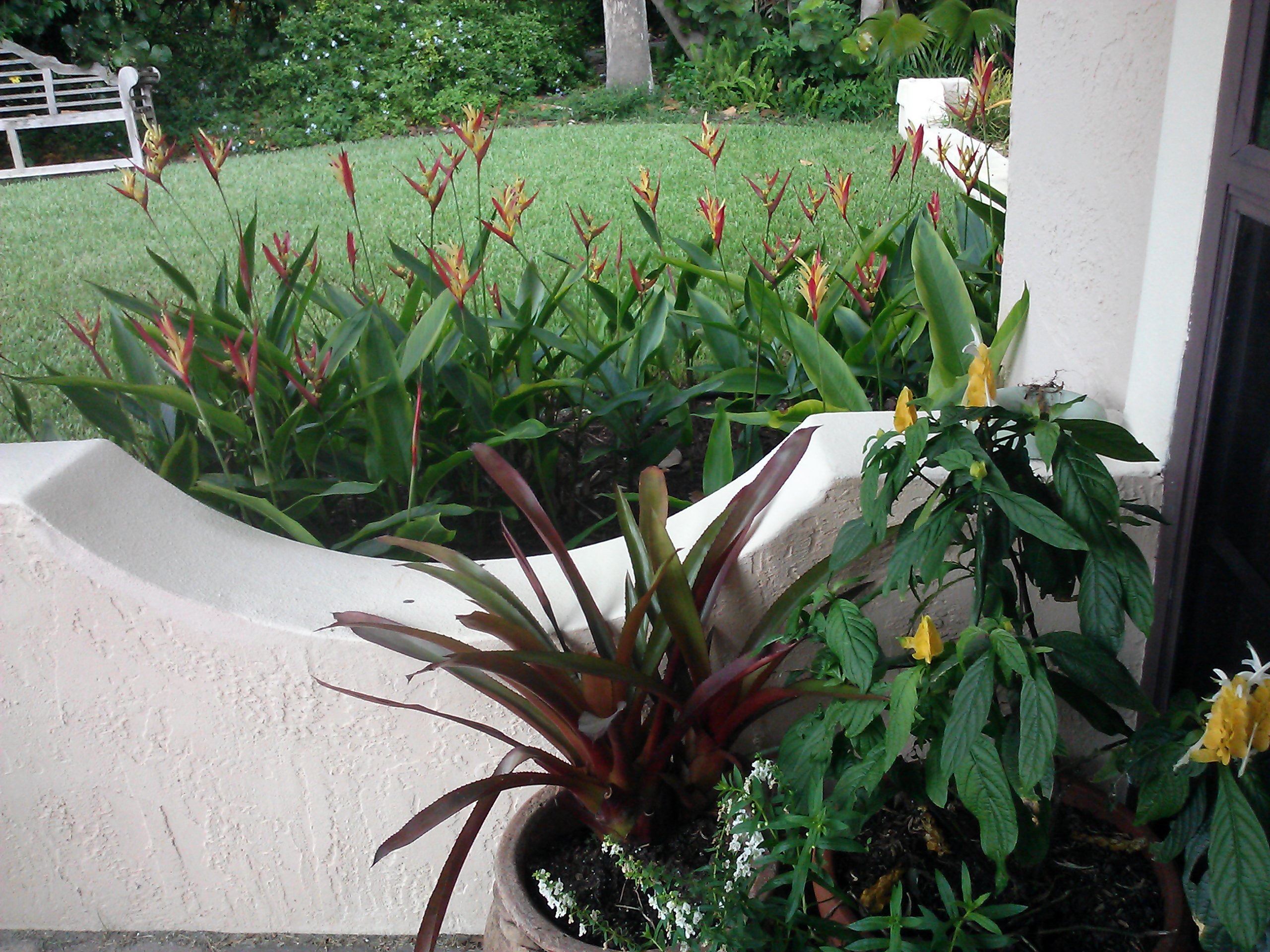
The Lantana and Pentas were pooping out so I was trolling around in our yard to see what I could find to replace the spent annuals. One of the fun things about living in Florida is you never know what you might find growing in the yard. Boston Fern grows wild in the side yard so I dug a start of that and then found some Purple Wandering Jew (Zebrina), a Burgundy Bromeliad and an unknown groundcover Bromeliad (from a garage sale) that needed to be divided  and added them to the ‘Florida Friendly’ (this is a Florida Extension Service sort of approved plant) chartreuse Sedum that was already in the pots. As an aside, who ever heard of a sedum that does well in partial shade – this does. Whatever it is.

Groundcover Bromeliad and Sedum

Groundcover Bromeliad and Sedum

Voila, a purple and chartreuse themed container garden. The Bromeliads seem to be perennial in containers – the big Burgundy one was divided from a container I have had on my front porch for a year or so – I started with one and now there are three in there. You just never know what you will find growing outside…

Newly planted containers

Newly planted containers


Regional sustainability

Cabbage Palm

There is a lot to read about sustainability these days, is it possible it is a local phenomena? It has to be. Given that the idea of sustainability is to save time, money and materials by using what is available locally – you have to find out what is around.

The LEED Initiative made popular by US Green Building Council (changing the way we think about building, they say) considers that any plant material grown within 500 miles of where you are building is locally sourced. I have to disagree with that 500 miles from where I am a greenhouse would be required to grow what grows outside here. I have learned a great number of new plants that I had never seen when I lived 500 miles north.

Florida may be different; but everywhere is different. Sunset Books made a great attempt to zonify America and came up with 36 named zones with added special zones for extreme climates?! The USDA seems to have 15 Zones. Who is right? Probably nobody.

So, I thought about what I can get here that is totally local and sustainable. Well, lots of things and these materials make my garden unique to my locale.

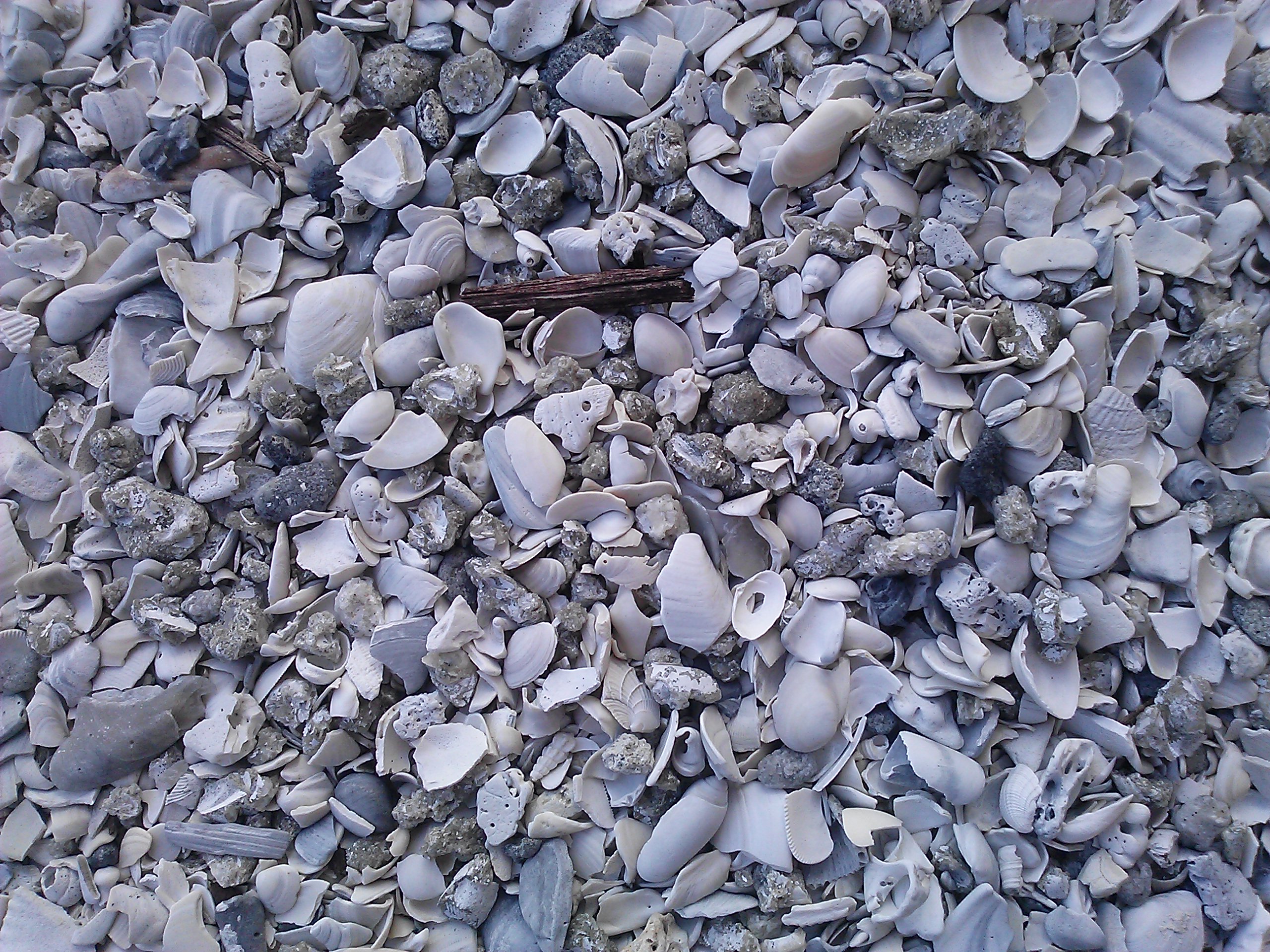
I can get great paving material from within 20 miles of my house, this is 3/8″ graded shell. Larger shell called white washed shell is available for more decorative uses.


Shell for surface of driveway

Shell for driveways, walkways, etc.

There is a place within walking distance of my house that makes stepping stones with shell in them:

Shell & Concrete Stepping Stone For Path to mailbox

Shell & Concrete Stepping Stones

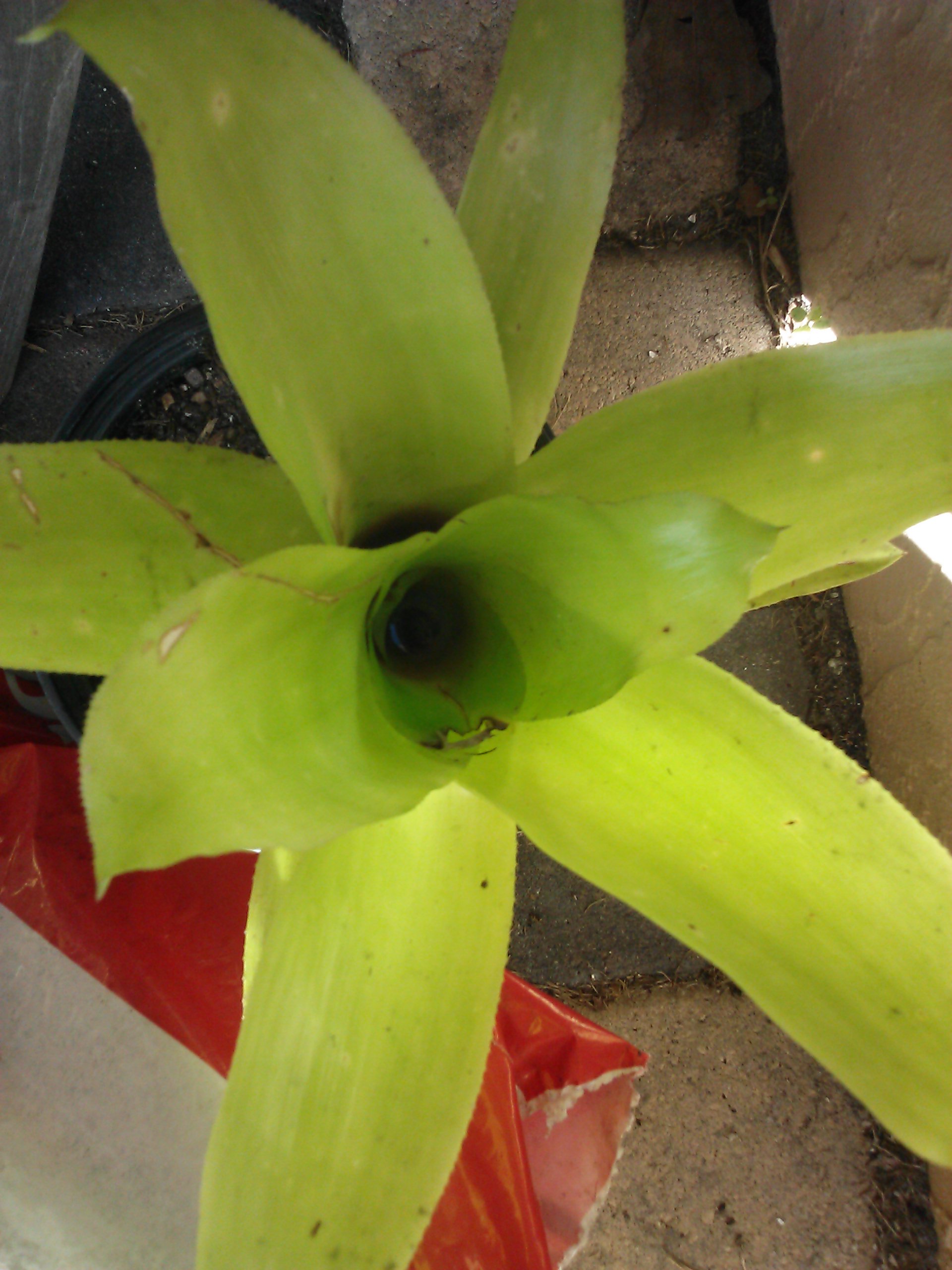
Possibly a peculiarity of the area I live in; there are plant sales like garage sales almost every weekend. I rarely pay more than $5.00 for anything and talk about locally sourced. The downside to this is very few people know exactly what it is they are selling – its a Green Bromeliad. On the other hand, it is always a surprise when one of these treasures bloom. One of the joys of gardening.

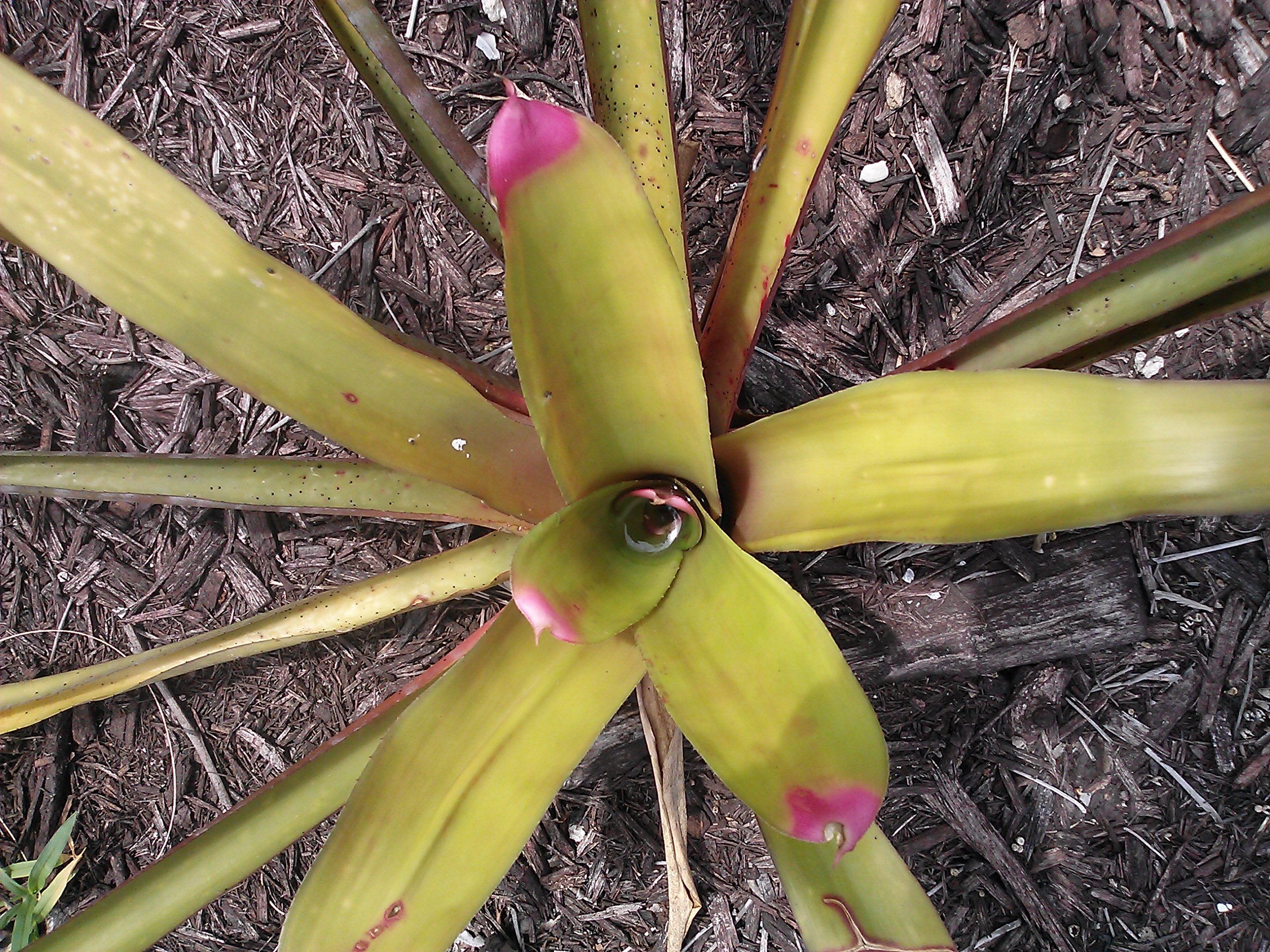
The Mysterious Green Bromeliad

The Mysterious Green Bromeliad

Here is my latest purchase, a nice Chartruesy Green Bromeliad that supposedly takes full sun. That is the full extent of my knowledge, I can’t wait to see what it does. Gardening teaches patience.

Garden Writing- What are we doing?

6-24-08 017

I have been blogging for just about a year and I will have to say enjoying the experience. I have chatted with gardeners from around the world and learned that gardeners are interested in what grows well, everywhere. It always amazes me how the simple act of planting a seedling cuts through all socioeconomic, age and racial lines. Someone from all walks of life is interested in what actually comes up and flowers/fruits or whatever.

During the past year I managed to have one article published in a national magazine and have been disappointed and in some cases appalled by the comments I get from the Editors. I preface this by saying I have been in the design business for thirty years, which is populated by zealous critical people, and yes they can be very snooty.

I am shocked to find that magazine editors are much, much worse than designers.  Rude and snooty. Maybe I am just an old lady. And frankly, not really sure why the editors have this attitude. The major complaint they have with me is that I live in Florida. Ewww, think about it, though, this is the third most populous state in the USA – there are lots of ooky Floridians. My suspicion is they buy magazines.

Really, if you think about almost anywhere you live thirty miles (60km) up the road the gardeners are growing something you can’t. Gardens and design are gardens and design plant material is a tool.

I think what I am writing about is my gardening experience, not that everyone in the world should be planting Heliconias in their front yard. Things are never that simple. I also like to read about what everyone else is growing everywhere else. I love to hear about people adding sustainable ideas to their gardens and sharing the ideas.  There are good ideas in every climate and really from every gardener.

Making gardens is a noble task. Wherever you might be.

i would really love some opinions on this…


Rain Gardens on the Treasure Coast

We have a local environmental blogger here on the Treasure Coast who posted  about Rain Gardens and inspired this.

I have been designing Rain Gardens for about 10 years. It is a great idea for the environment, but aesthetically it is difficult to cope with the fact that unless carefully planned it looks like a big drainage ditch in your front yard. Not a good look.

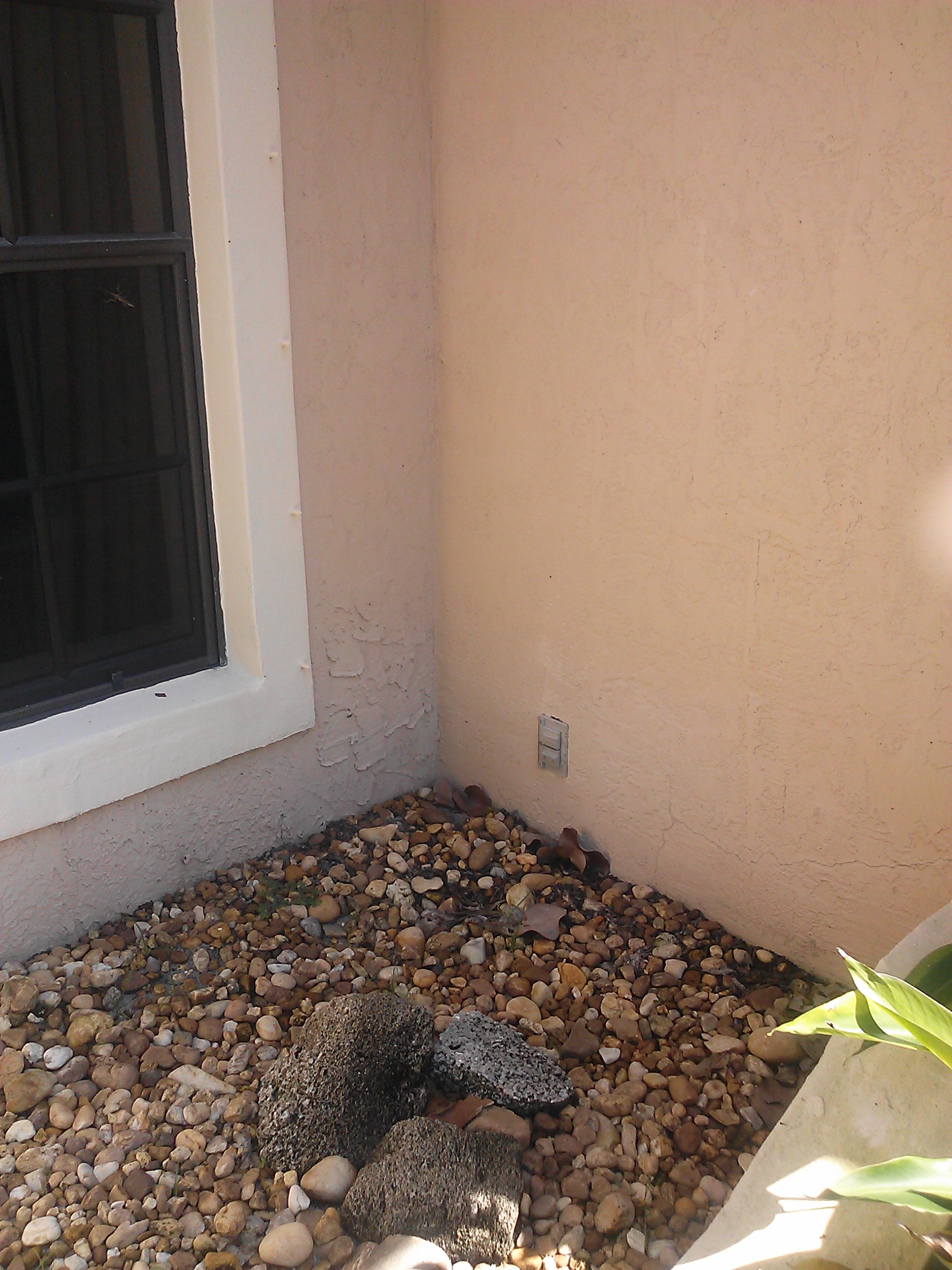
I decided to put some Rain Gardens around our house after discovering that the areas right around the house were not irrigated and the house had no gutters so the rain collected on the ground around the house and was not really concentrated by gutters into 4 or 5 spots.

The lack of gutters on the roof is relatively common here, this is new to me. I am not quite sure why – maybe Hurricanes blow them off. Anyway, we bought the house without gutters and I always, always hated dealing with getting the gutters cleaned, etc. on our house in Atlanta. I was happy not to have gutters.

Then it rained, like seven inches. Wow, there were pits in the areas under the valleys of the roof where the water came off the roof. Luckily the yard was so gruesome there was no question about redoing the driveway and landscaping. And we live on a Sugar Sand Dune, highly pervious no water stands anywhere. A big ditch was not really necessary.

My father taught Geology at Emory University. He passed on and I inherited his love of rocks, but in a more decorative way. I love stone, boulders and natural materials incorporated into the garden. I brought his rocks to Florida and planned to use them in my gardens. In Florida, I have added seashells and cap rocks in an effort to be more sustainable by using locally available material.

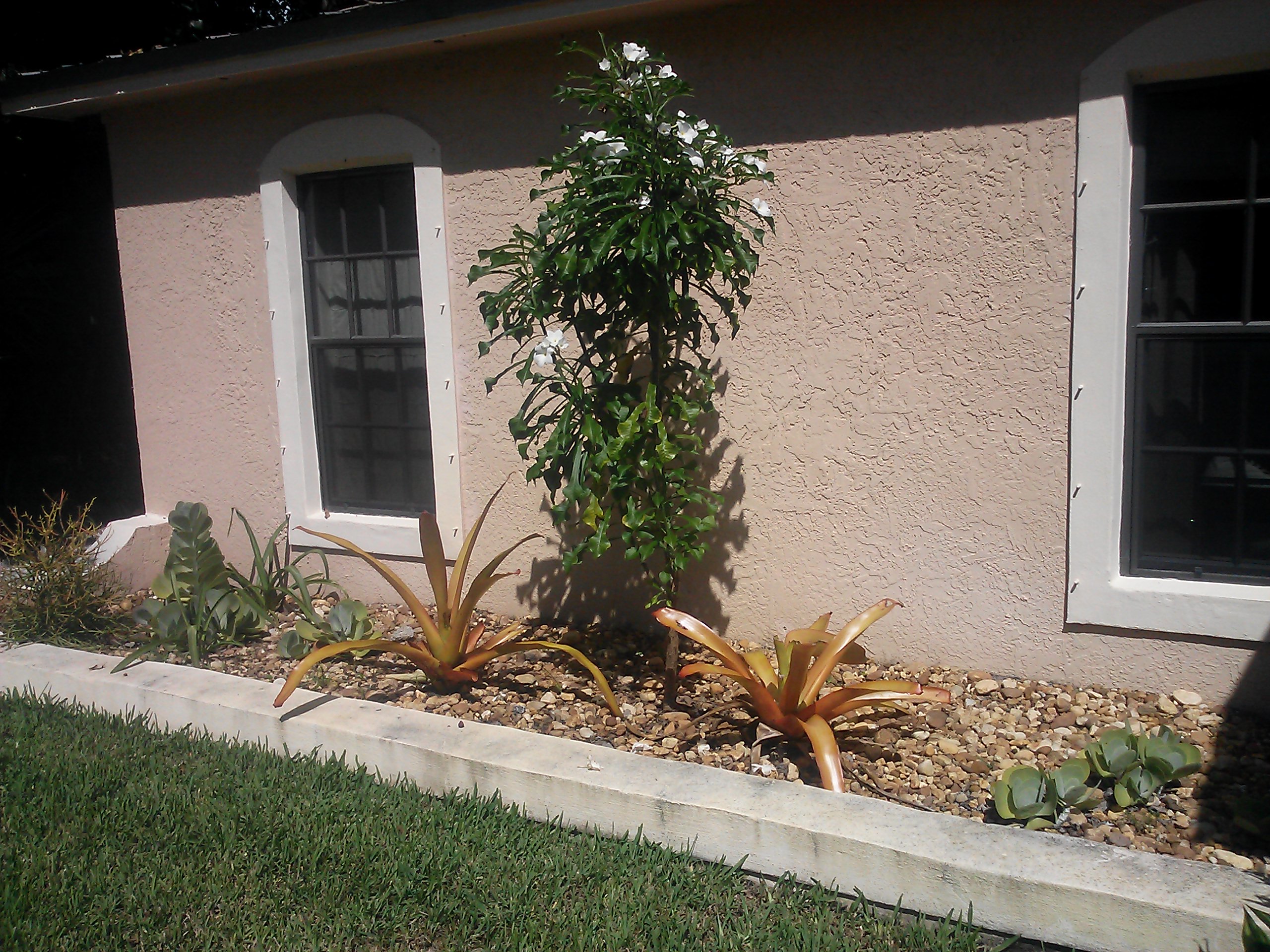
My Rain Gardens are in my front yard in a planter:

Rocks for Splashing

Rocks for Splashing

The valley of the roof drains onto these rocks, the rocks break the speed of water and then it splashes on down the Egg Rock, waters my plants and drains back into the sand. This planter is not irrigated, a bit of a sin in South Florida – it is maintained for the most part by rain. I occasionally water the Plumeria in  winter. The plants are placed out from under the edge of the roof  so they get watered and not beaten by a big rainstorm.

Rain Garden Planter

Rain Garden Planter

This is the whole garden. A Bridal Veil Plumeria is centered on the house flanked by Lemon Blanchiata Bromeliads then FlapJack plants. A Pencil Cactus anchors the corner. The plant selection is mostly succulents or low water tolerant plants. I had to have the Plumeria for aesthetic reasons and suffer through the watering.

Rockcentric Rain Garden

Rockcentric Rain Garden

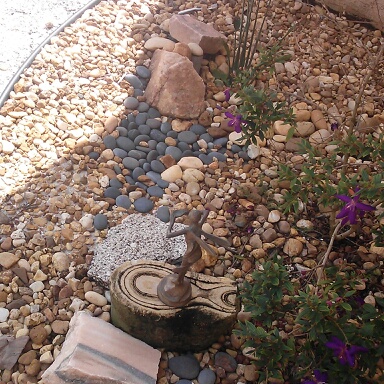
This is my other Rain Garden. Again the water comes off the corner valley and lands on the large sized Egg Rock and flows over the Black Mexican Pebbles and drains to the driveway. The driveway is made from pervious shell and drains onto a turf area with a french drain beneath it.

The Rocks are from my father’s collection and one piece of coral rock from Jensen Beach. Plants are newly planted -a Tibouchina and a Leafless Bird of Paradise. I am watering these plants to establish them.

Bromeliad update – Matchstick and Aechmea idon’tknowwhatitis

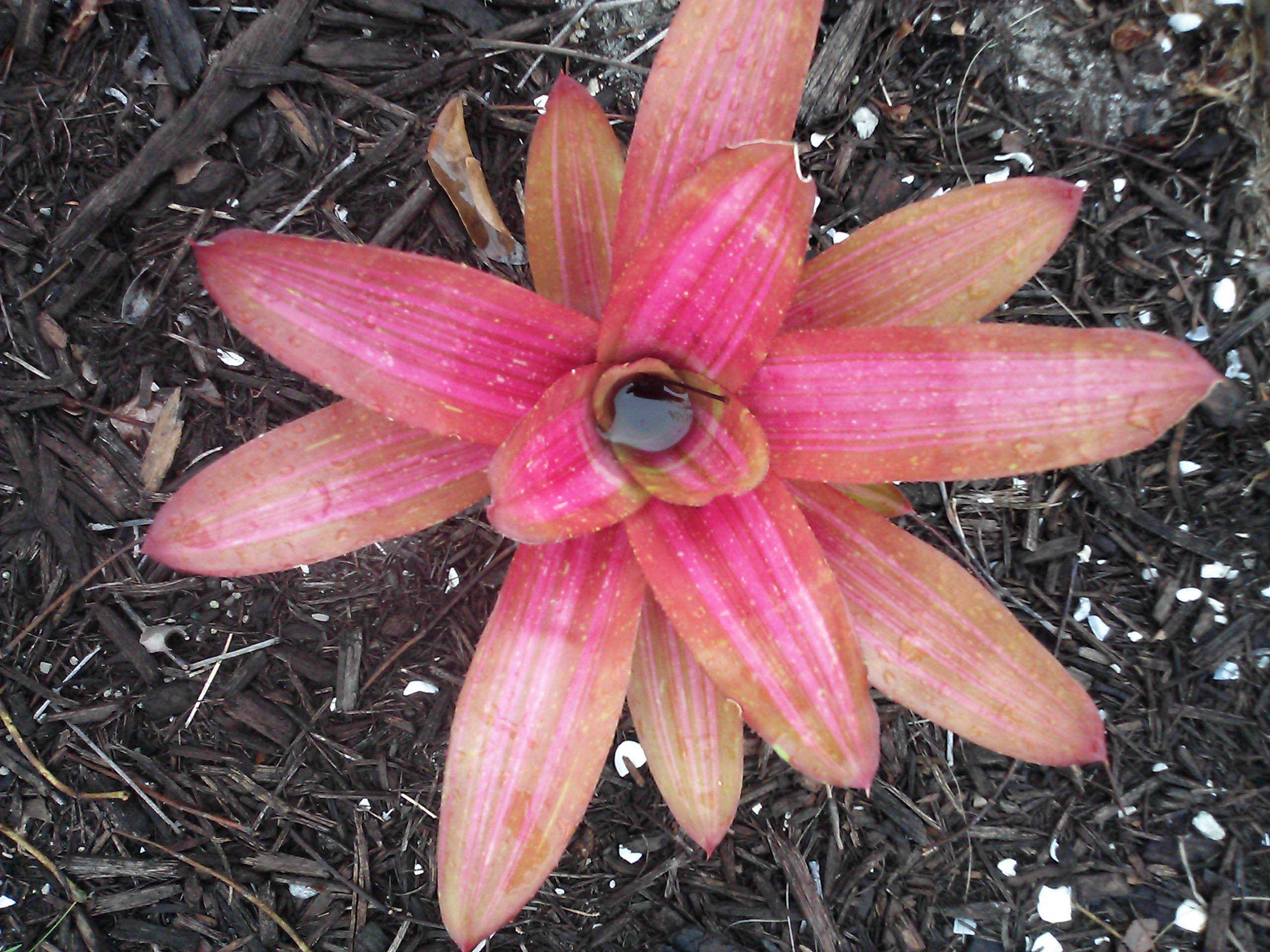
Pink Bromeliad

Pink Bromeliad

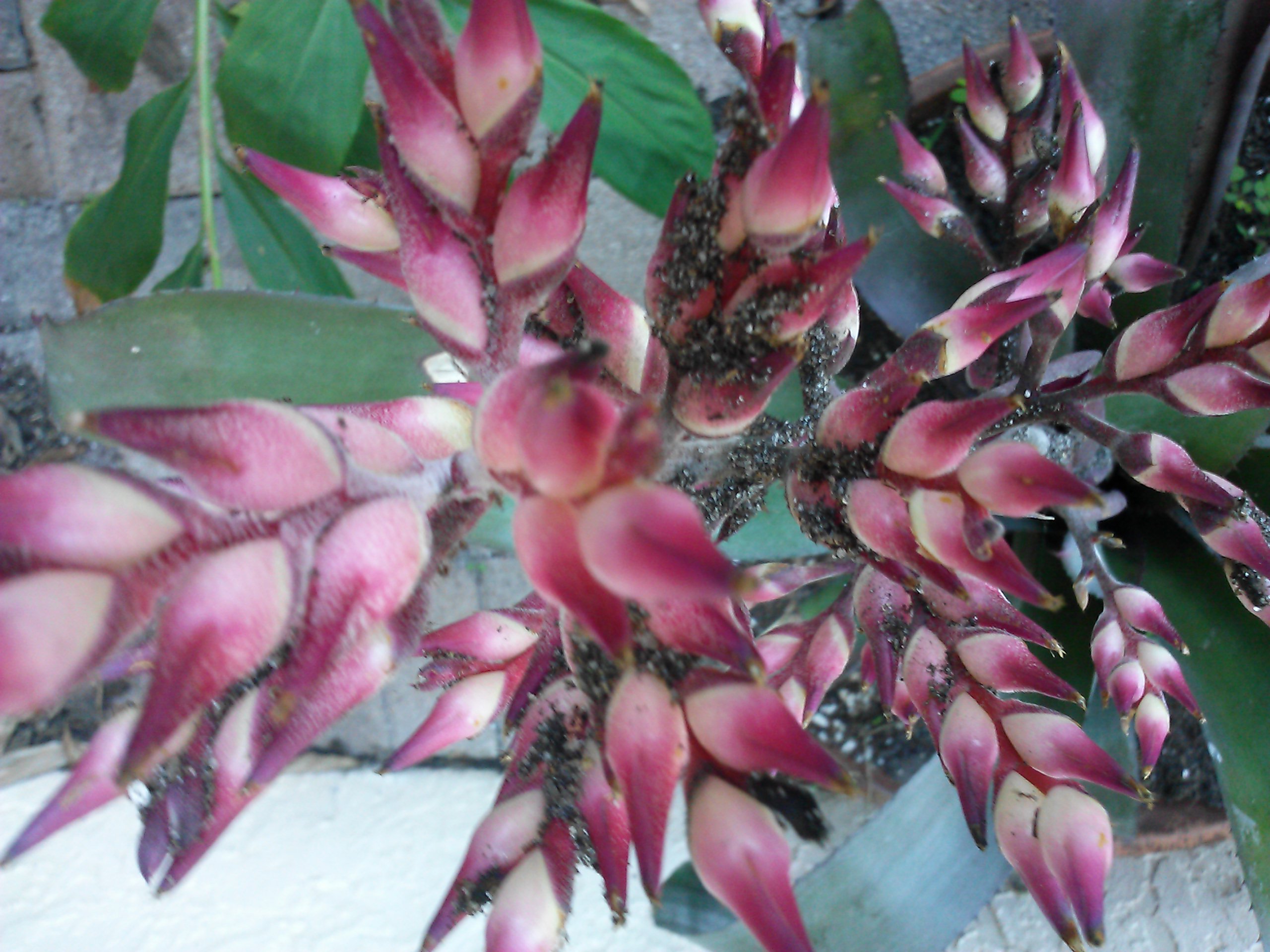
This is a close up of an Aechmea Bromeliad I bought two years ago. Totally pink and as weird looking as these things are sometimes. I used this in a an article that never got published. Being a cooperative plant it put out a pup and the mother plant died after hanging around for a while. I waited for the thing to bloom again and set in the ground in a relatively shady, sandy bed with some Bromeliad friends.

A month or so ago,  it started sending up a stalk -yes, it looked like a girl power corn cob.

Second Generation Pink Bromeliad

Second Generation Pink Bromeliad

I am calling this Aechmea idon’tknowwhatitis because the guy I bought it from did not know either. And there are a zillion of these things and from this I guess that they are not clones from the mother plant.

Here is a close up of the flower from Second Generation

Pink and Yellow Bromeliad

Pink and Yellow Bromeliad

Curiouser and curiouser, this flower just stays pink and yellow and has been around for a couple of weeks now.

An additional Bromeliad note, the Matchstick Bromeliads I planted in nearly full sun have all burned up with the exception of one that looks great. So, take the ‘this one likes the sun’ advice with a grain of salt and try a little shade.

The Sustainable Garden: Perennial Thoughts

I perennially have thoughts about flowers. In terms of sustainability I am not sure the native ones are always best. Many of the natives are simply weeds with attractive flowers or characteristics we like. I have a deep respect for Black Eyed Susan from a previous experience – as in being nearly overrun by them. I used to live in their native habitat and had bought some “improved” Goldstrum Variety and they bolted back to their native selves and then ran amok on a well drained sunny hill. A recipe for landscape disaster. As beautiful as they were in full bloom, it took a long time to get rid of the Black Eyed Susans. I could not cope with their joyful abundance anymore. So easy on the natives and seek those that do well in your climate without too much water and too much abundance. Easier to take care of and maintain.

In South Florida irrigation is a big deal. We have a rainy season and a dry season. While there are many native plants this is a tropical climate and some of them can go wild. I have found some escaped houseplants in my yard going wild. Mother in Laws tongues is an invasive species. Many plants commonly grown here will not survive without irrigation. I chose not to irrigate my entire yard to save water and to save my sanity. The areas in lawn and vegetables are irrigated; areas with lower water perennials are drip irrigated and I have some unirrigated low maintenance areas that I still want to plant with beautiful perennials. I am just looking at things a bit differently. So, I am paying close attention to who I am inviting to live in my garden.

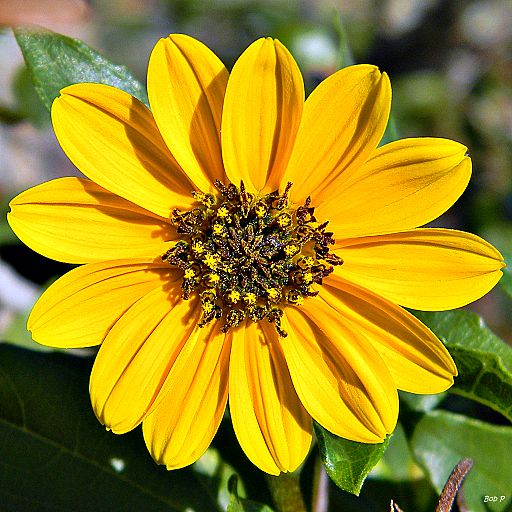
Beach Sunflower

The Beach Sunflower from Wikipedia

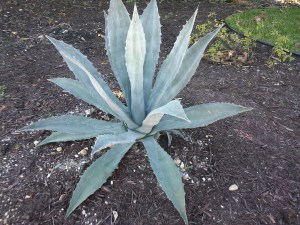
I am about to plant some Beach Sunflower in an unirrigated portion of my garden, I live on a sand hill and these are native to our area – I believe if I planted them in an irrigated area I would be overrun in short order. So, it is time for some more garden experimentation. The Beach Sunflower is going to look great with the existing Blue Agave, Red Martin Bromeliad and Painted Fingernail Bromeliad. Eventually providing shade is a native Gumbo Limbo tree; if that doesn’t get you in the mood for a Margarita nothing will. All these plants are extremely drought tolerant and will survive without regular irrigation. The Gumbo Limbo and Beach Sunflower are native, the Blue Agave is from Mexico, and the Martin and Painted Fingernail Bromeliads are Neoregelia type Bromeliads that originated in South America.

Painted Fingernail Bromeliad

Painted Fingernail Bromeliad


Martin Bromeliad

Martin Bromeliad

Blue Agave

Blue Agave

It seems strange to me that Bromeliads, in my mind a rainforest plant, would thrive in the sun with little supplemental water, but they do. The Painted Fingernail Bromeliad is a passalong plant around here and I have seen large masses of it planted around mailboxes on the side of the road. A great example of a not native plant working in a sustainable way. The result of my selection of plant material is an evergreen perennial bed that blooms or provides year round color while being very drought tolerant and using very little fertilizer or maintenance.

Sustainability is about more than native plants – it is about selecting the right plants.


The Sustainable Garden: Lawn Thoughts


CAM00298

The View Over my Septic Tank

Lawn thoughts:

I am as guilty as many on lack of sustainability. In regards to the lawn it is guilt by association. My husband feels that his masculinity is at stake if there is not a perfect sweep of golfable, manicured lawn in front of our house. From a design standpoint, there are few things that set off flowering plants of any kind better than lawn. I think it goes back to England, where beautiful green turf is a natural component. The English have an abundance of rain and a more natural habitat for lawn. They even play tennis on it!

While I am clearly a WASP American mutt; most of my DNA originated in the British Isles. Perhaps I have a genetic predisposition to turf grass? My suspicion is this is more nurture than nature. Neither of my parents cared what the lawn was as long as it was cut. Clover, Bermuda,  fine.. whatever. I would be surprised if my father knew what type of grass grew in our area. My mother referred to it as Southern Groundcover; which is really clipped Red Clover with a little rabbit tobacco. I attended a Landscape Architecture program 30 years ago when a sweeping lawn was a requirement. To my knowledge over use of chemicals and pesticides was a small concern. Silent Spring had been published but the lawn as a design element was more important.

It became clear over the years that Americans still love their lawns (myself included). Lawns are the biggest user of water and chemicals in our landscapes. Perhaps it is time to moderate our usage of lawn by using the most drought tolerant turf in your area. There are many types of drought tolerant, warm season grasses that thrive throughout our country.

In the desert, I do agree that lawns should not be used. However, substituting Bermuda for Fescue in many areas is the right thing to do. Yes, it turns brown in the winter, but it requires less mowing, less water and less chemicals. And you can have a smaller lawn and select a type that can go dormant with drought and still survive. For example, Bahia grass versus St. Augustine. The Bahia can turn brown in times of drought and come back with rain. Once St. Augustine is brown, it is history.

Lawn Chemicals:

Atrazine is one of the most commonly used herbicides in the world. Banned by the European Union about 10 years ago. It is in groundwater almost everywhere. We have got to stop using this stuff. The only more common herbicide is RoundUp. And nobody really knows how long that stays around in the environment.

Non toxic weedkillers and pesticides work, use these instead. I have used nothing toxic on my husbands golf hole in the front yard and it is the only lawn in our neighborhood without Dollar Weed in it. I have a Dollar Weed phobia, if I see one leaf I mix a batch of vinegar weedkiller and apply with a paintbrush. The Dollar Weed is satisfyingly dead.

So, use the lawn, just cut back on the size and chemical

The damn thing is it looks great. And it lives over the septic tank. Nothing toxic has been applied.

Orchids in the Orchid Tree – Cattleyas and Bauhinia

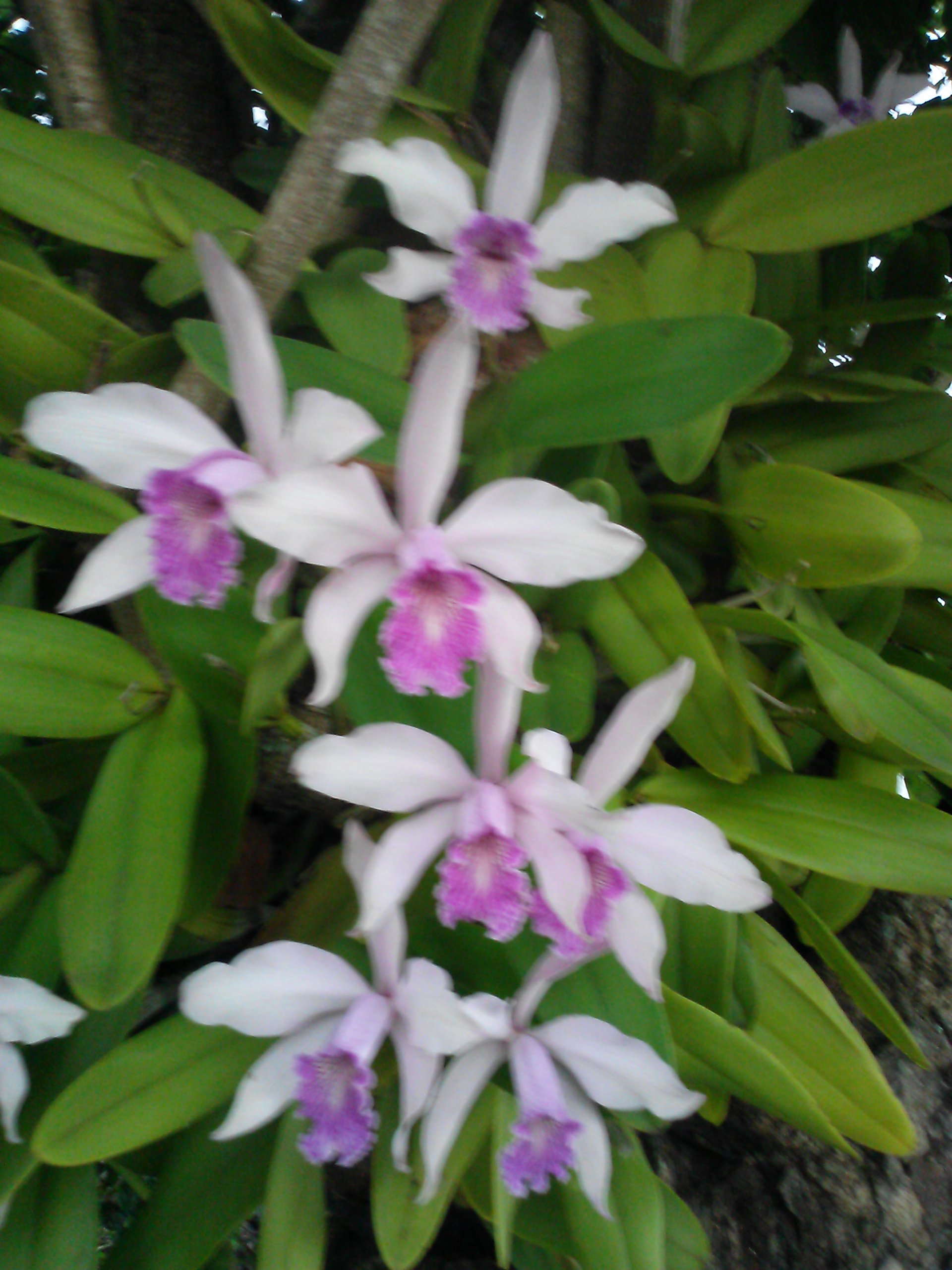
Cattleya Orchids in Hong Kong Orchid Tree

Cattleya Orchids in Hong Kong Orchid Tree

This is the current scene above my neighbor’s mailbox. A flowering Cattleya Orchid she installed in the crotch of a Hong Kong Orchid tree. A delightful welcome to the driveway or mailbox.

I would say the Cattleyas are probably 3 feet in circumference and nestled in the center of a semi multi trunked Hong Kong Orchid Tree. The flowers are pink and white, fabulous and slightly fragrant; it should be noted that there are some really fragrant Cattleyas that can be used in this way. The Hong Kong Orchid tree is looking as good as possible for a Bauhinia so the Cattleyas are the star of the show.

The iambic pentameter or whatever hadn’t occurred to me when I started this post – Orchids in the Orchid Tree. Where’s an English teacher when you need one?maybe it is alliteration? In my experience, English teachers were generally offended by my writing so somewhere, somebody is feeling unhappy about comma faults – my specialty. I was nearly kicked out of the University of Georgia for my comma faults; my solution to stay in college – semi-colons! And it worked! I have a college degree and am still here offending innocent people with my punctuation. I can only wonder how many good, interesting writers were sidelined by English teachers. Carl Sagan comes to mind:Billions and billions. Ms. Ford, if you are still out there, I am published and somebody paid me!!

I digress, my neighbor offered a start of these Cattleyas to me and I enthusiastically accepted. I have a good sized Banyan Tree asking for some Orchid company. Research (and my neighbor) tells me that you need a rough barked area, then apply some sphagnum moss, add the orchid and tie it to the tree with string. Water until established and …Voila.

Orchids in the Orchid Tree…

Cattleyas

Cattleyas

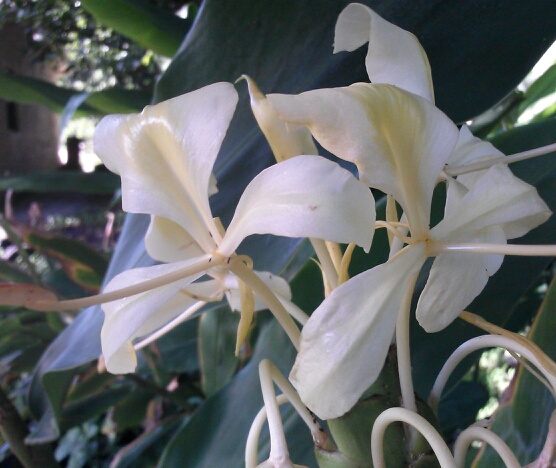
Yellow Butterfly Ginger – Hedychium flavum

Yellow Butterfly Ginger


This is the Yellow Butterfly Ginger as opposed to Ginger Lilies or White Butterfly Ginger. I can’t recall exactly where this came from. I had some Ginger Lilies a very old lady gave me in Atlanta, but I was afraid of importing those to South Florida for fear of being overrun. So, I left the Ginger Lilies in my garden in Atlanta, I think the new owner built a pizza oven over top of them. This particular lady who gifted me the Ginger Lilies identified the plant by the fact that the root looked like an old shoe.

Back to Florida, this very fragrant plant started to bloom last week and to me it smells like a really intense Honeysuckle. Very pleasant. I had to search a bit to figure out what Ginger this is exactly. I finally decided it was Hedychium flavum based on the identifying feature of hairy leaves and yellow flowers. The flowers start out white with yellow centers, then the whole flower turns creamy yellow by the end of the day. I hadn’t realized the leaves were hairy until now.

The plant is about 4-5 feet tall and lives in the shade of a good sized Banyan Tree. Almost everything I have read about these says they require a moist site. I live on a gigantic sand dune so there is no really moist area here, this is the closest thing we have to moist and it is working fine so far. The Ginger has been in the garden for about a year and has probably doubled in size and was evergreen through the winter. The foliage is kind of grassy and makes a nice backdrop for Bromeliads or Ferns. The roots look like reddish culinary ginger, but I have not had the occasion to eat any – they do not remind me of old shoes at all.

Culinary Ginger is a Zingiber as opposed to a Hedychium. This can be grown from roots bought from the grocery store.  I have tried this and ended up with a plant about 18″ tall and enough ginger for my husband to use in a Pumpkin Pie. While I am a devoted herb grower, I find buying ginger at the grocery store is best.