In A Vase on Monday – A Southern Classic

00000PORTRAIT_00000_BURST20190707101121090

In college, I took a class about perennials and designing perennial gardens. The teacher was Bob Hill, he has a Siberian Iris named for him – a deep purple. He was a true Southern plantsman and longtime professor, teaching Planting Design and Plant Identification. My guess is, by the time I took his class, Mr. Hill, in his 50s, had one too many smarty pants student say something annoying. He did not suffer fools gladly and you did not want to be the fool. A good teacher, if you listened. I was lucky to have the perennials course, it was rarely taught and I sincerely doubt the powers that be would even consider such a course nowadays. God knows you don’t want to teach Landscape Architects how to landscape anything. I’ll stop there and save my opinion about Landscape Architecture schools for another time.

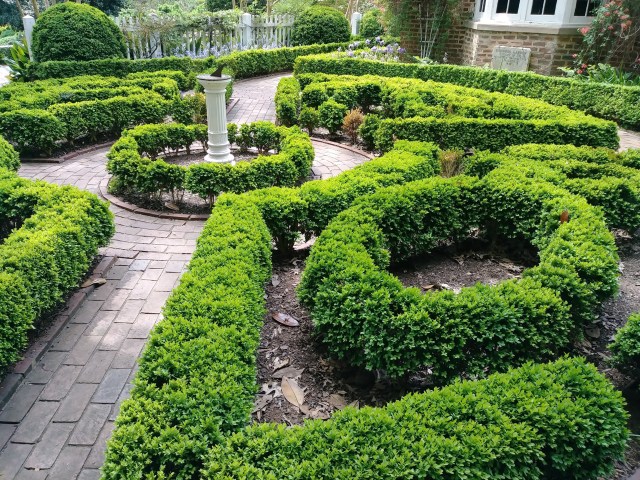
Here is the point! We were taught the correct color scheme for a summer perennial garden is cool blue, pale and lemon yellows and pure white. This was supposed to be cooling and soothing in the summer heat. White gardens were brought up as a possible alternative and one wasn’t supposed to use hot colors until the fall and then pastels in spring. I suspect Bob Hill is spinning in his grave if he has visited my garden from the great beyond. A garden he worked on:
20190413_132255

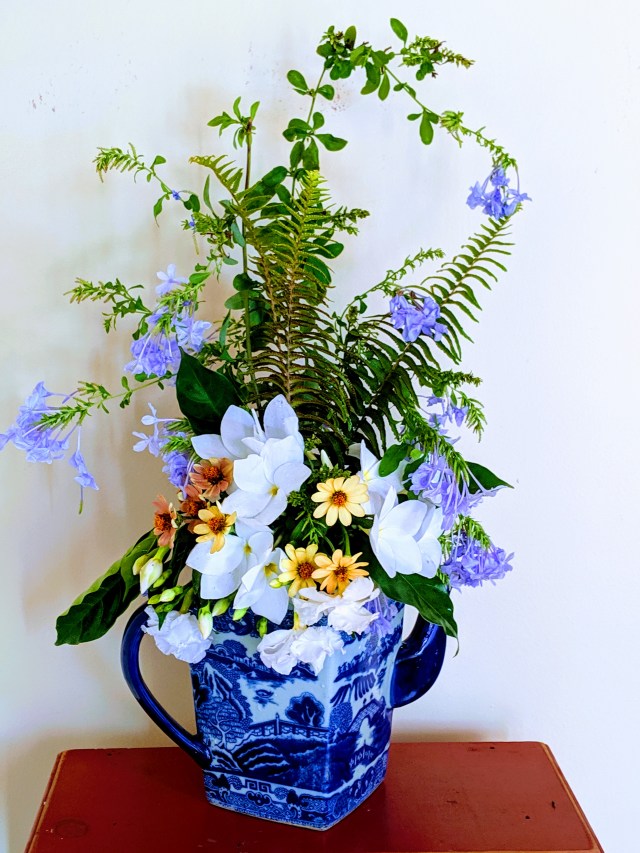
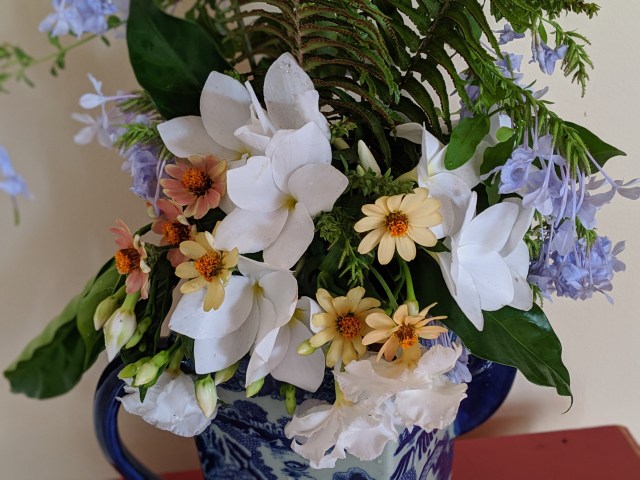
The vase is blue and white china, very popular in the South (probably approved by Bob) and I collect it. This teapot is English and one of my favorite pieces. The colors are Southern Classic per my college class. Here is a close up of the flowers:
00100lportrait_00100_burst20190707101146009_cover

The blue is Blue Plumbago (Plumbago auriculata), a stalwart shrub of South Florida gardens and nearly indestructible. The bud and white flowers are from Tropical Gardenias (Tabernaemontana divaricata), the white flowers with the yellow eye are from Bridal Bouquet Frangipani (Plumeria pudica), pale yellow verging on apricot flowers on from Zinnias “HomeDepotensis”, the ferns are native Boston Fern (Nephrolepis exalata).

This teapotful of Classic Southern Summer color smells heavenly – and I do feel a bit cooler.

Hopefully, Mr. Hill understands and approves.

In a Vase on Monday – Under the Toasting Sun

00100lportrait_00100_burst20190630100108686_cover

It’s the Fourth of July holiday week in the US, usually celebrated with red, white and blue everything. I have these colors in my garden, while poised under the Gardenia with my clippers I decided to forego the patriotic theme and create a vase that reflected the current state of affairs in my garden – Under the Toasting Sun. A brief walk to check the mail will envelop you with humidity that metastasizes into a form-fitting body glove consisting of a fine layer of sweat, soon beading up from head to toe, making the mail a forgotten task as one tends to turn and stride back to air-conditioned space tout de suite.

Last week in the garden was a bit hot, temperatures in the 90’s (30s Centigrade to feels like 40s) ‘but it feels like 108’ kept popping up on my computer. Add the astonishing humidity and an air quality alert due to Saharan sand – it was time to look out the window at the garden.

This indoor respite gave rise to weeds and fungus took a few innocent lives during the week. I am happy to have weed check fabric in many of my beds doing a fine job preventing the worst offenders. It was cool and cloudy Saturday and I plucked weeds not smothered by the weed fabric. The Zinnias I thought could last the summer in partial shade withered and browned overnight. They were plucked as well, I have Flapjack Kalanchoes propagated last year to stand in for the supposedly heat loving Zinnias. I will reserve Zinnias for fall and winter.

img_20190630_093950

Look closely and you see two Papayas, saved by netting from the Papaya Fruit Fly – a vile creature that lays eggs inside ripening fruit – unleashing a herd of maggots on unsuspecting gardeners looking for a ripe Papaya. The only cure- netting or pesticide, we will soon see how this works. I realized something was wrong and got rid of all the infested Papayas before the little devils reproduced.

Back to the vase, filled with hot colors and Firebush:

00100lportrait_00100_burst20190630100051852_cover

The grey foliage represents smoke from the heat, Barometer Bush (Luecophyllum frutescens) from last week, not flowering despite all the rain it is supposed to predict. In the front of the vase in yellow, Beach Sunflower (Helianthis debilis) proposing a trip to the beach. Behind are Indian Blanket, the native Gallardia pulchella – suggesting what to sit on at the beach; the red spikes, Tropical Red Saliva (Salvia coccinea) hmm, tropical drinks could be a great idea. The Firebush is the orange tubular flowers and berries, well, it is hot as fire here! A few ‘Hallmark’ Bulbine implying a postcard might be a good idea.

00000img_00000_burst20190630100136360_cover.jpg

The word from my garden is..take an Indian Blanket to the beach with a tropical red cocktail and don’t forget to send a Hallmark greeting card to anyone left at home.

Seems like the advice I might take this week..

Happy Fourth of July. Red, white and blue flowers can wait.


In A Vase on Monday – Barometer Says Summer is Here

00100lportrait_00100_burst20190623101455942_cover.jpg

My father always kept a barometer on the wall in my family’s kitchen. Looking back, I am not sure he ever read it. I am sure I don’t know how to read one, or, for that matter what it means exactly.

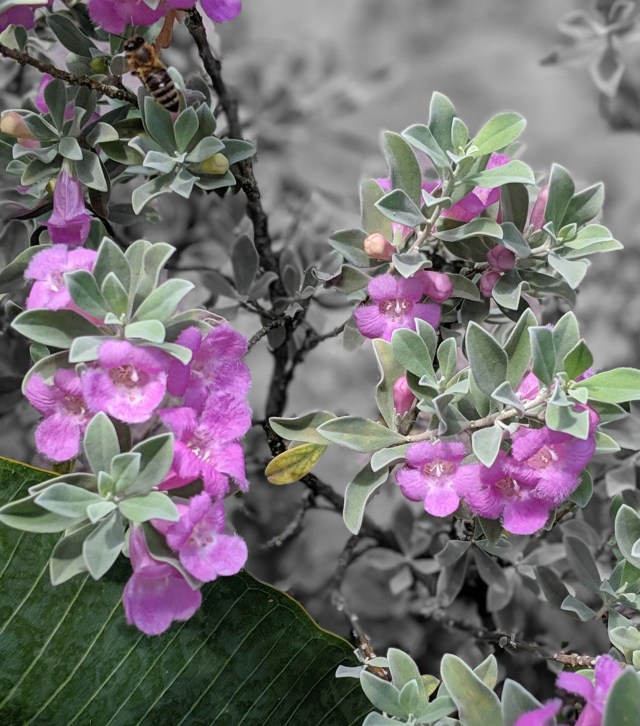
The barometer in this vase is a plant. The small purple flowers with grey foliage come from the Barometer Bush. I know this plant as Texas Sage (Leucophyllum frutescens). I wanted to add some color to an area where my greyhounds hang out and did some research to be sure it wasn’t toxic to dogs (one of them will eat nearly anything).

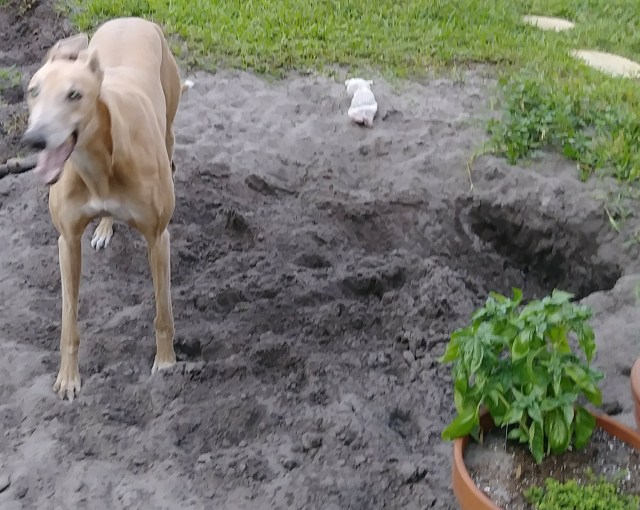
Happily, they are non-toxic and I learned they are native to Texas, super drought tolerant and called Barometer Bush because they are well known to flower before a storm. This one did not live up to its name as it is flowering a few days after receiving a downpour of 2 inches of rain. And they bloom in winter in their native habit. Go figure. Here they are, growing in unamended sugar sand; the dogs run by them daily, pile sand on them and dig them up. It is safe to say this is a tough plant.

00100lPORTRAIT_00100_BURST20190623142416588_COVER_2

As for the rest of the flowers, the Summer Solstice has brought nearly daily thundershowers so all the native wildflowers are lush with foliage and flowers. The Tropical Red Salvia has the seeds stripped off of every seedhead, the seeds must be really good right now. And the birds must be happy.

00100lPORTRAIT_00100_BURST20190623101525354_COVER

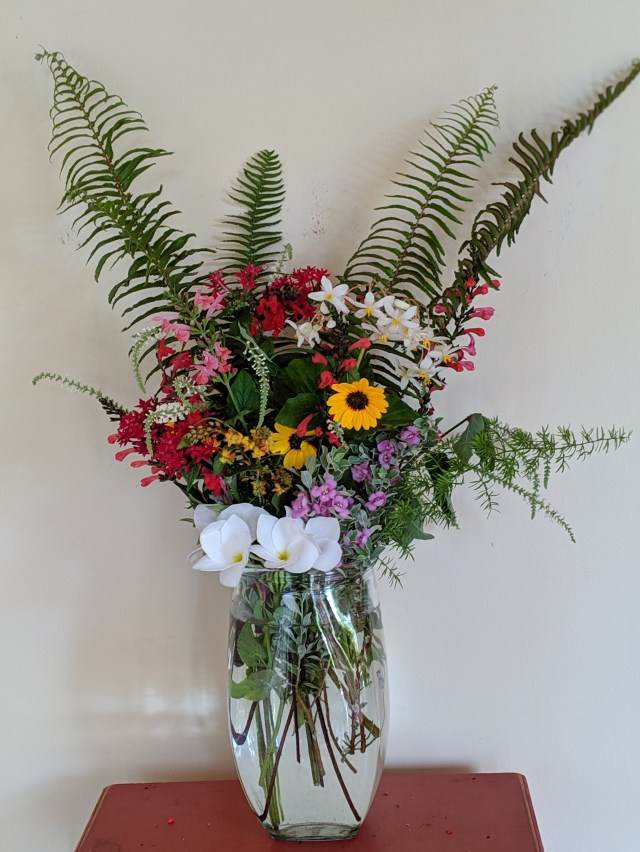
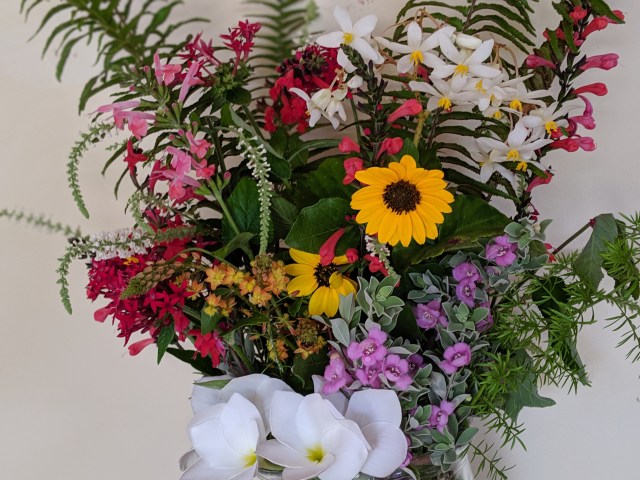
The red and peach spikes are Tropical Red Salvia (Salvia coccinea), the white spikes are Sweet Almond (Aloysia virgata), red clusters are Heirloom Pentas (Penta lanceolata), white flowers at the top are Sweet Begonia (Begonia odorata), white flowers at bottom are Bridal Bouquet Frangipani (Plumeria pudica), yellow flowers are Beach Sunflowers (Helianthus debilis), the ferns are Boston in back and Asparagus on the side. Both volunteers in the garden.

I am enjoying the scents of Frangipani and Sweet Almond from the vase. The glass vase was found on the side of the road while walking the dogs.  The Greyhounds are still digging up the Barometer Bush – maybe they are wondering when it will rain.

20190426_192810-1-1 (1)


Funky Florida Flora – Sea Grapes

IMG_20190619_090654Sea Grapes seemingly grow everywhere in South Florida. Native to South Florida and the Caribbean, this tree will grow in sun to semi-shade, is very drought once established, grows on the Oceanfront, shrugging off salty winds and hurricane,  and provides food for wildlife. They can be pruned into privacy screens or trained into multi-stem trees. The maintenance is a Sisyphean task if you dream of a rectangular privacy screen. Sea Grape is evergreen and it’s big, shiny green leaves with pinky red veins provide year-round tropical ambiance.

20171122_074941-1

Sea Grape’s botanical name is Coccoloba uvifera. The fruit, borne like grapes will eventually turn brown and drop to the ground. Grateful creatures devour the fruit, including my greyhounds – just one of the greyhounds, it took me a long time to figure out what he was crunching on while rooting around in the grass. A true Floridian hound, I suppose.

Florida natives (the human kind) eat the grapes when ripe, and make jelly and wine from them. My opinion, like many things, you have to grow up eating them to enjoy them. Kind of like being a Southerner and eating grits. They taste a bit like a fig, with a huge pit and are too labor intensive to make me want to eat them – and the birds usually beat me to them anyway.


In A Vase on Monday – Rainbows

00100lPORTRAIT_00100_BURST20190616133732061_COVER

June is Gay Pride month in the US.  A friend who owns a local business is flying a Rainbow flag in support of Gay Pride and tolerance. She is experiencing push back from employees and customers. Meanwhile, nearby flags supporting our current President have been burned.

She said,  “We need more flowers”.

This made me wonder if I could find all the colors of the Rainbow in my garden. I found all the colors, easily and in the rain. Champagne flutes were used to celebrate what tolerance we have and the blue bottle represents sadness for many who don’t.

00100lportrait_00100_burst20190616132139400_cover-e1560709271471.jpg

The Violet vase is Purple Queen (Setcresea “Purple Queen”), the Indigo vase is Blue Porterweed (Stachytarpeta jamaicensis), the Blue vase is Plumbago (Plumbago auriculata).

00100lPORTRAIT_00100_BURST20190616132121134_COVER

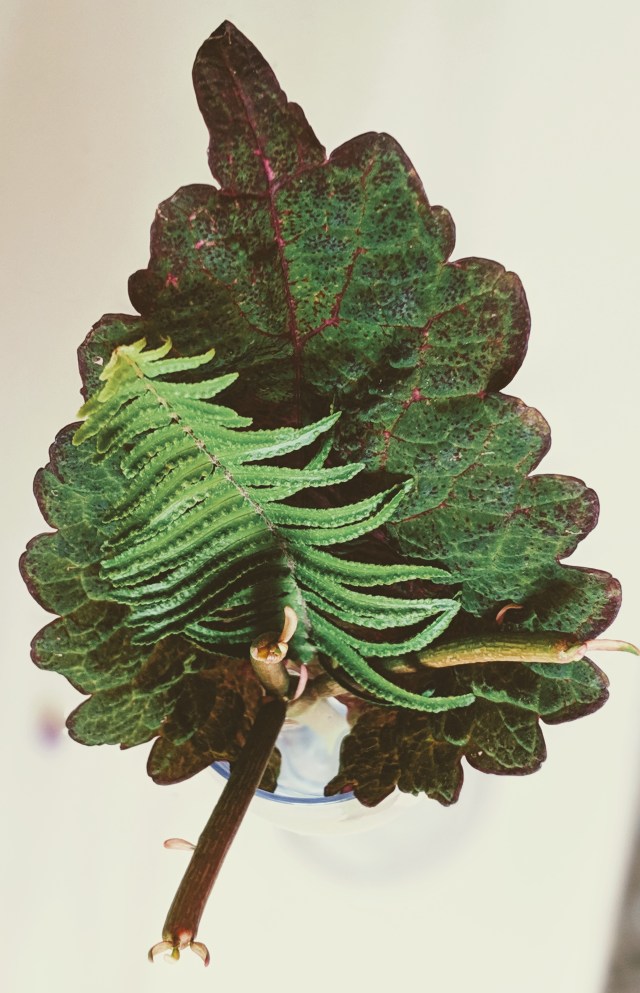
The myriad shades of green never fail to amaze me. The Green vase has (I think) a leaf from ‘Solar Sunrise’ Coleus (grown in shade), Boston Fern (Nephrolepis exaltata), and Pencil Cactus (Euphorbia tirucalli “Firesticks”).

00100lPORTRAIT_00100_BURST20190616132046518_COVER

The Yellow vase is Black Eyed Susan (Rudbeckia hirta), the Orange vase is Mexican Honeysuckle (Justicia spicigera), and the Red vase is The President Hibiscus (Hibiscus rosa-sinensis).

While putting the vases together, I was looking at all the flowers. So different, yet so alike.

Lesson learned.

Funky Florida Flora – Turk’s Cap Hibiscus

20181028_133148-1 (1)

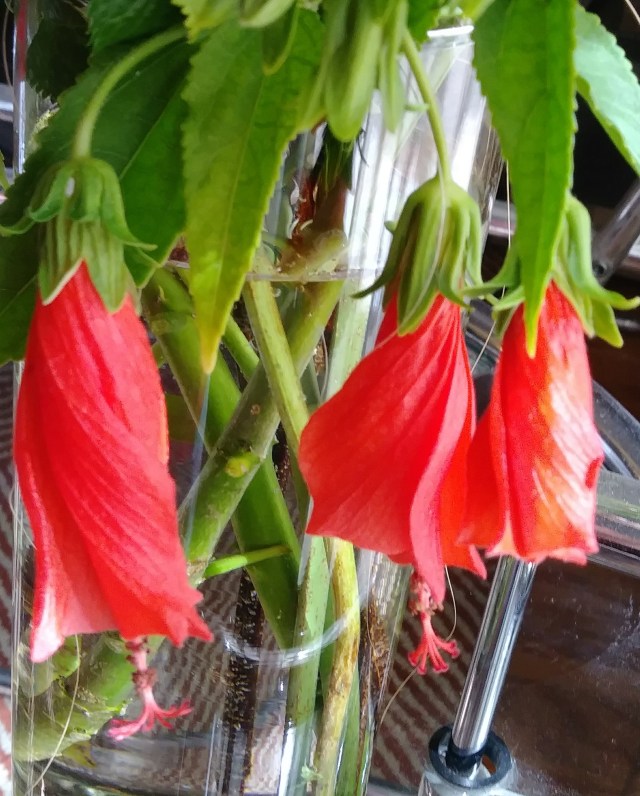
This is another volunteer in my garden, drafted into service to provide summer color in the unirrigated wilds of the garden. These tough shrubs just pop up here and there and once established are very difficult to get rid of. My neighbor’s Hibiscus keeps growing through the fence and after about 5 removal attempts, I gave up and began espaliering it to the fence instead of trying to get rid of it. Time will tell how that works out.

Most people call this Turk’s Cap Hibiscus (Malvaviscus penduliflorus), however, my favorite common name for this plant is Nodding Hibiscus. The shrub itself is a bit rangy looking, shapeless and branchy with light green foliage. The flowers make up for the green part, being prolific and attractive to pollinators and hummingbirds. Originally from Mexico, it has naturalized on the peninsula and is tolerant of South Florida’s extreme variation in precipitation. My Hibiscus thrive in partial shade with benign neglect, no fertilizer and roots in sugar sand (dare I call it soil, I think not)

I like to cut these for arrangements, they add a bit of draping over the side drama and last well in a vase, but you have to be careful not to knock the flowers off, the stems are somewhat delicate.

20181007_115312

Funky Florida Flora – Snake Plants

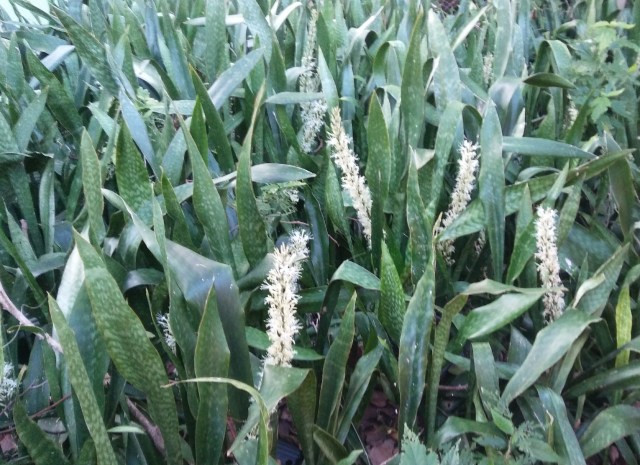
This is my side yard. When I moved to South Florida and rounded the corner of my new (old) house I could hardly believe my eyes.

Brain says “Snake Plant”, a person from much further north says “Not possible”. Oh, but it is. I would guess there is a ten-foot wide band of Snake Plant alongside my house- yes, Sansiveria and/or Mother in Law’s Tongue and the band is at least a hundred feet long. And they flower. I have cut them for arrangements, not a particularly long-lasting flower, but kind of interesting.

House plants run amok. One has to wonder, did someone throw out Snake Plant a hundred years ago and this is the result.

Snake Plants are considered invasive in South Florida. I have managed to make a dent in some of them:

20190207_100010-1

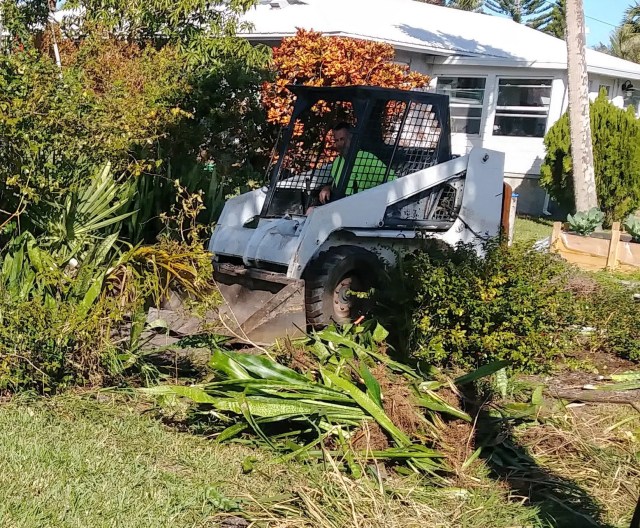
Yes, that is a pile of Snake Plants in front of a Bobcat (not the feline version) It is strange to me that we (my husband and I) would rather look at a telephone pole than all the Snake Plants and assorted garbage (Brazilian Peppers, another story for another day)

The Snake Plants grow running tubers (if that is a word) similar to Ginger. It is nearly impossible to pull up without breaking it and when it is broken it just reproduces – hence, the Bobcat.

Our landscapers are now mowing over the tubers weekly; we will see if the mowing actually helps.

I read somewhere a Snake Plant as a houseplant will clean the air. This means having one of these things in my house – and watering it. Um, no.

I am going to pass on that and use them in a vase. One less for the Bobcat. Here is a Vase with Snake Plant.

20180107_164420-1

In A Vase on Monday – Rabbit Food

00100lportrait_00100_burst20190602093912970_cover

Early on Sunday morning I grabbed my shears and went into the garden to collect materials for my vase. My intention, to gather some Black Eyed Susans and other wildflowers for a casual vase.

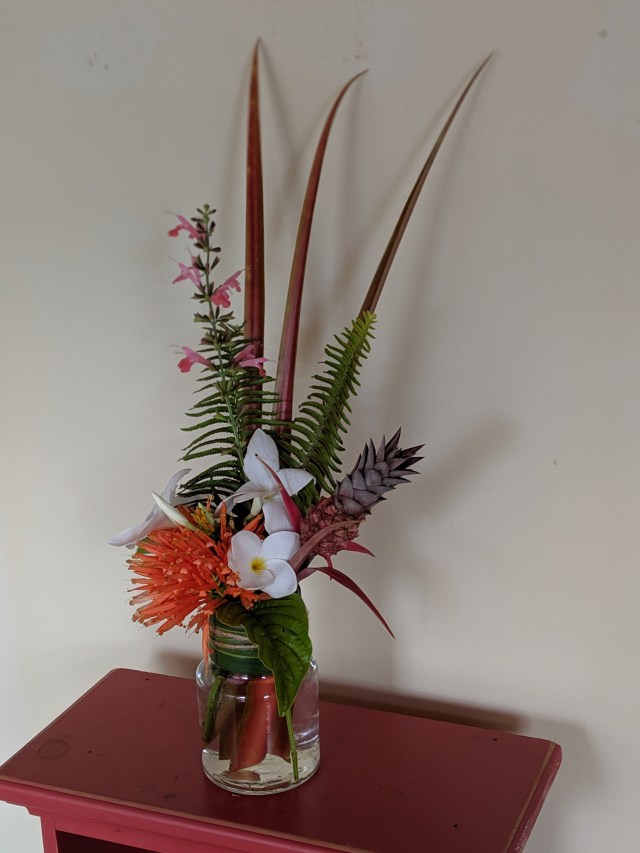
After I closed the gate, keeping my greyhounds in their space – I spied the fattest rabbit I have ever seen lurking near my miniature pineapple plants. The tiny pineapple approaching its juicy peak.. I changed my mind and decided a slightly more tropical vase might be more appropriate. The lovely pineapple was quickly freed from its sharp crown.

00100lportrait_00100_burst20190602094114051_cover

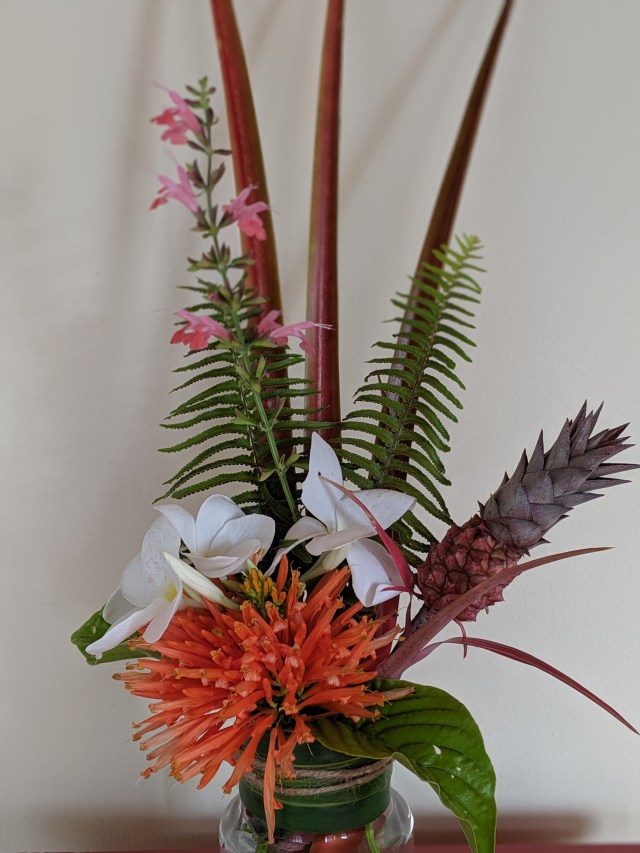
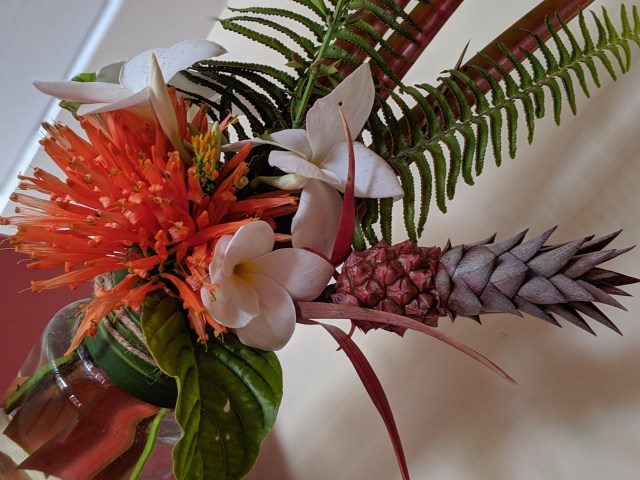
My wildflower theme completely blown by the plus size Rabbit, I searched for more tropical plants. I added some foliage from the miniature pineapple plant, a few sprigs of Boston Fern (Nephrolepis exaltata); the orange flower is Mexican Honeysuckle (Justicia spicigera); the peach flower – the wildflower in the vase, a Tropical Red Salvia (Salvia coccinea); the white flowers are from Bridal Bouquet Frangipani (Plumeria pudica) for a light tropical fragrance. A Pandanus leaf is tied around the vase.

00100lPORTRAIT_00100_BURST20190602094804635_COVER

I am glad I beat the rabbit to the pineapple.

Happy Monday.

Funky Florida Flora – Bismarck Palm

00100lportrait_00100_burst20190529095847155_cover

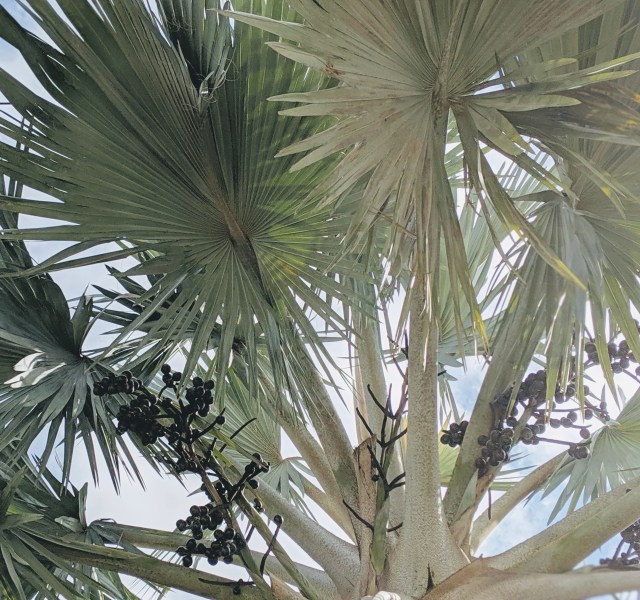
This is the canopy and fruit stalks of a Bismarck Palm (Bismarckia nobilis) – named for Otto Von Bismarck, a very big and very blue gray palm. So big, the fronds are 4 feet across and they can reach 60 feet in height. I frequently see these towering palms dwarfing the houses they are planted near.

A native of Madagascar – a place that must have spectacular Dr. Seuss-like forests. Bismarcks are hardy to freezing and adaptable to a wide variety of soils.

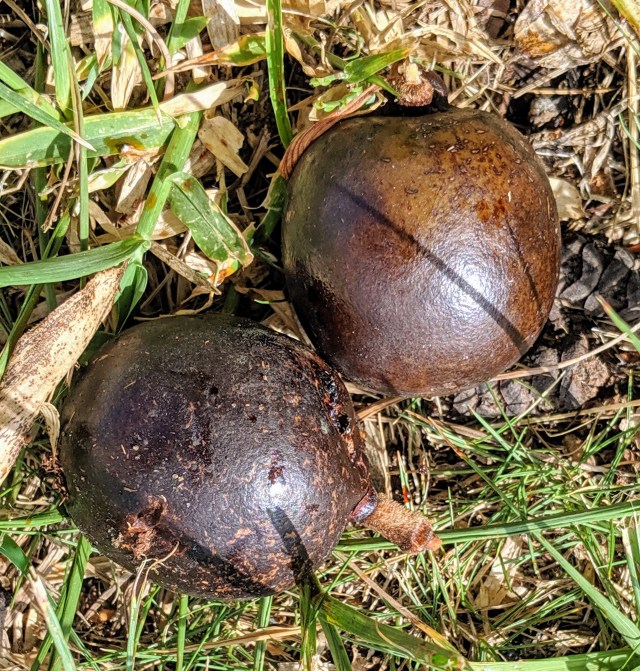
Here are the fruits, they are about 2 inches in diameter and fall indiscriminately to the ground. A bit like a chestnut, one of my greyhounds had a bite of one and immediately spit it out, so I am guessing not so tasty.

00000img_00000_burst20190529095924247_cover