This slideshow requires JavaScript.
Category Archives: Plants

Native Plants Class-
I think I have mentioned the natives plants class I have been taking. I decided to look around my neighborhood to see what natives I could find, here they are.
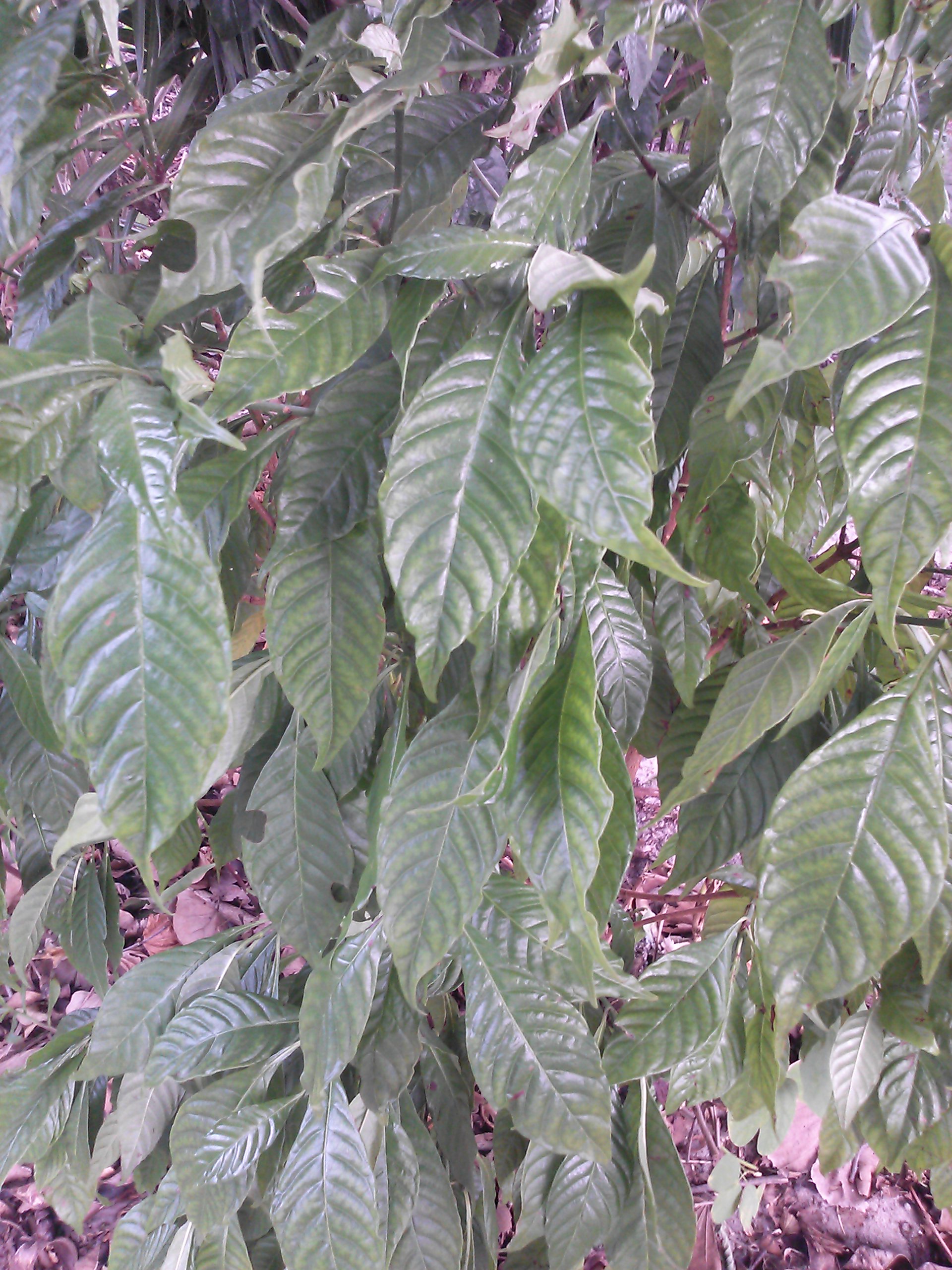
IWild Coffee
Psychotria nervosa
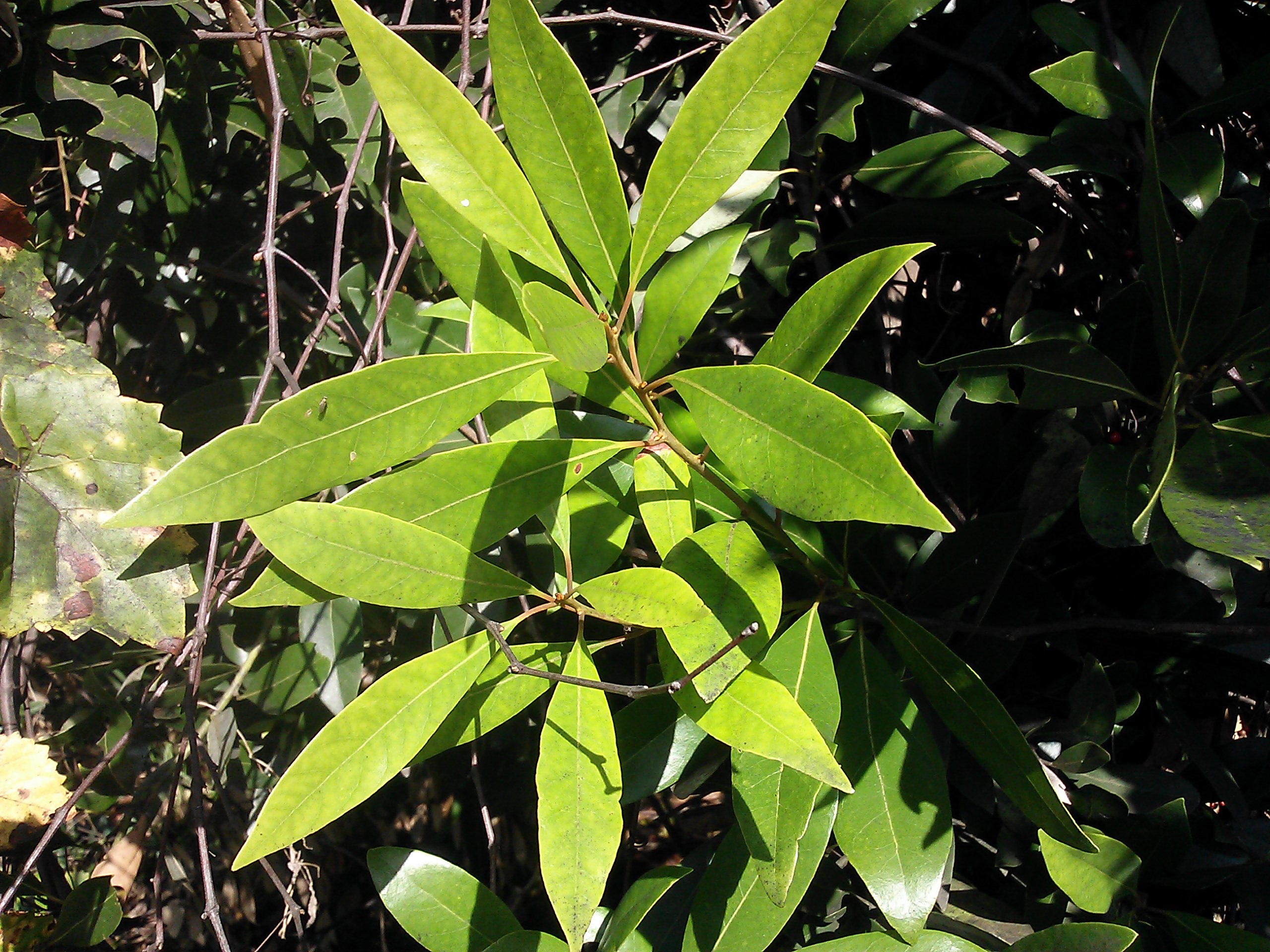
Lancewood
Ocotea coriacea
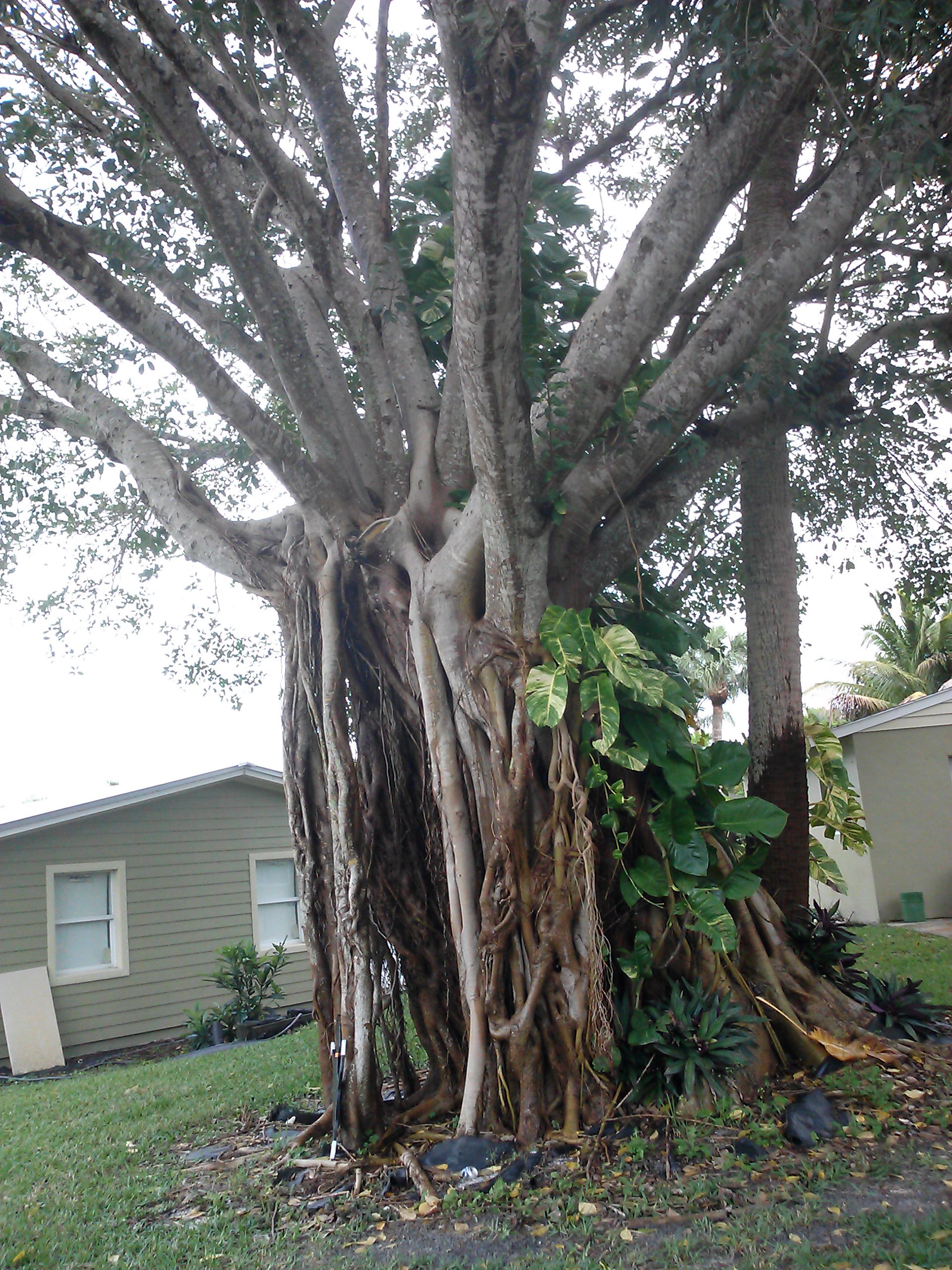
Ficus aurea
Strangler Fig
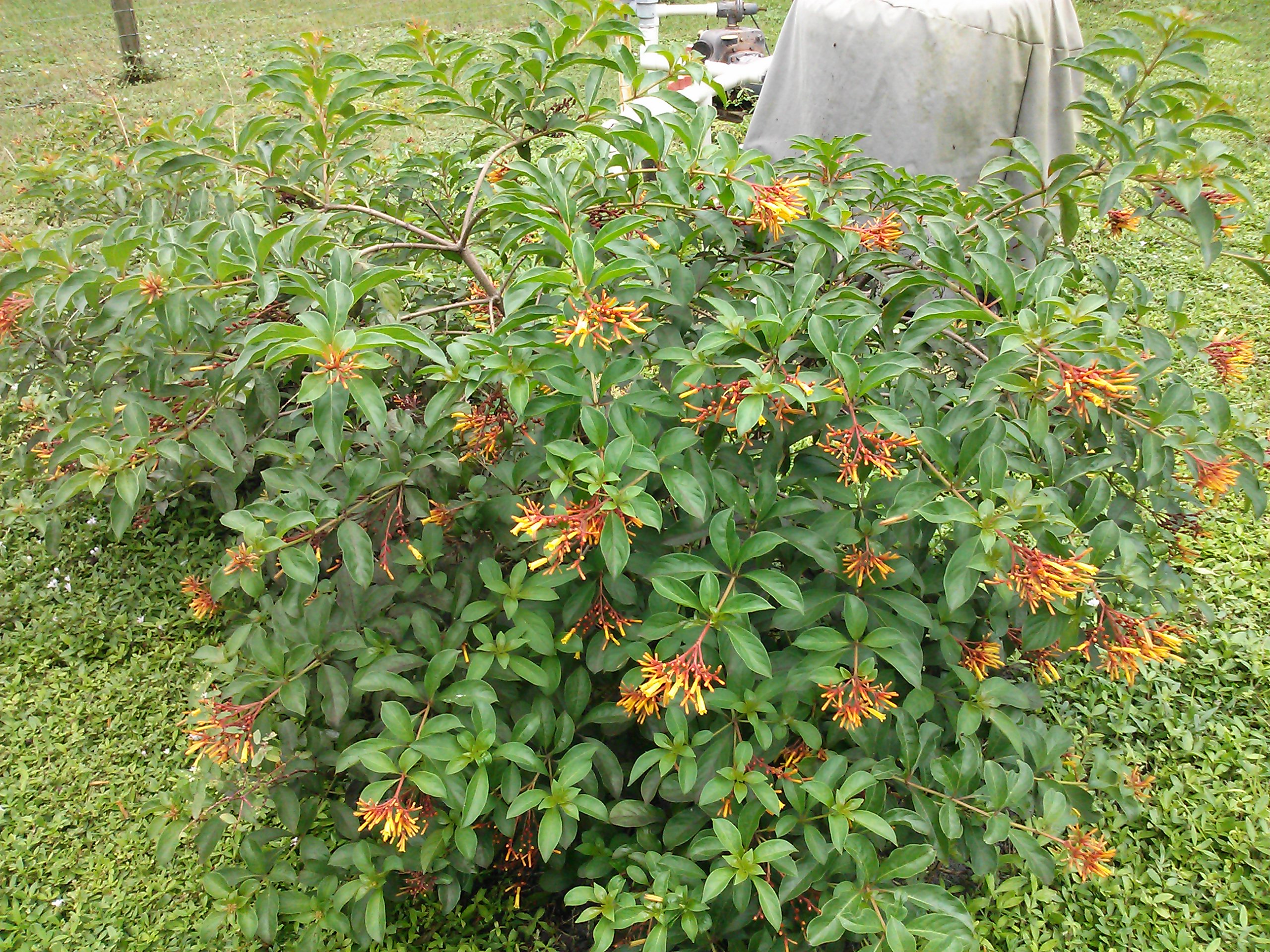
Firebush
Hamelia patens
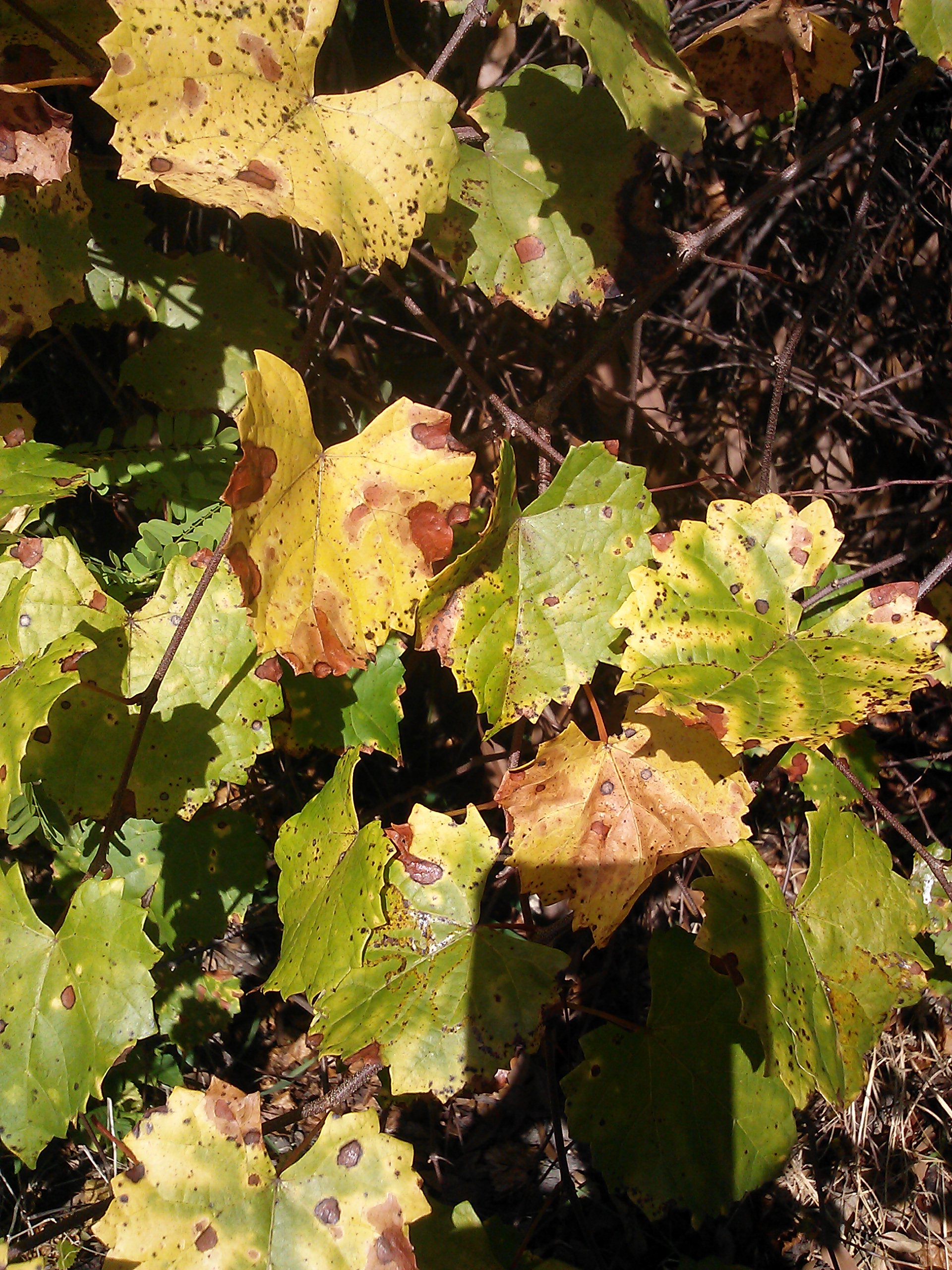
Muscadine
Vitis rotundafolia
Earleaf Greenbrier
Smilax auriculata
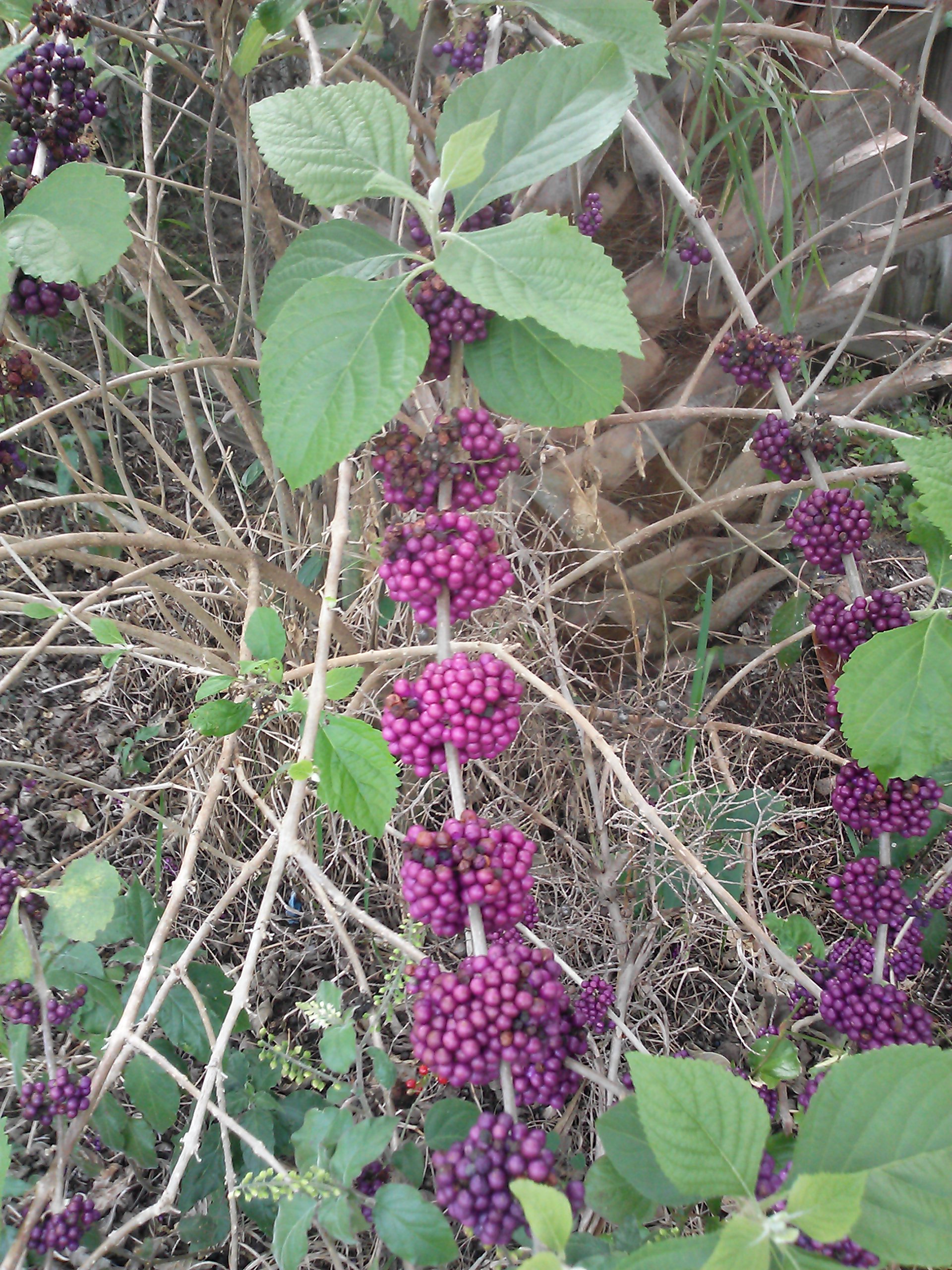
Beautyberry
Calliocarpa americana
Nephrolepis exaltata
Boston Fern
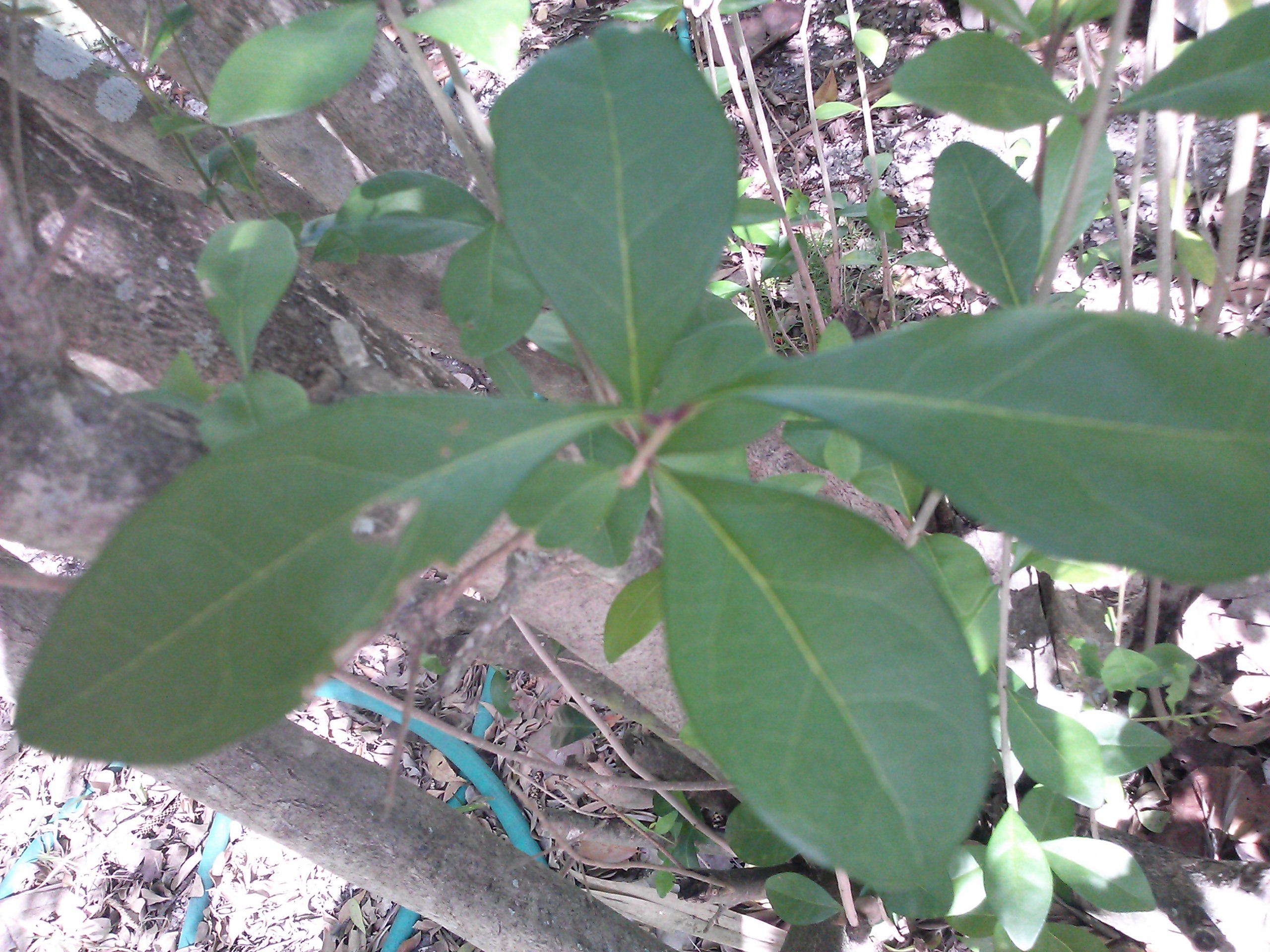
Florida Privet
Foresteria segregata
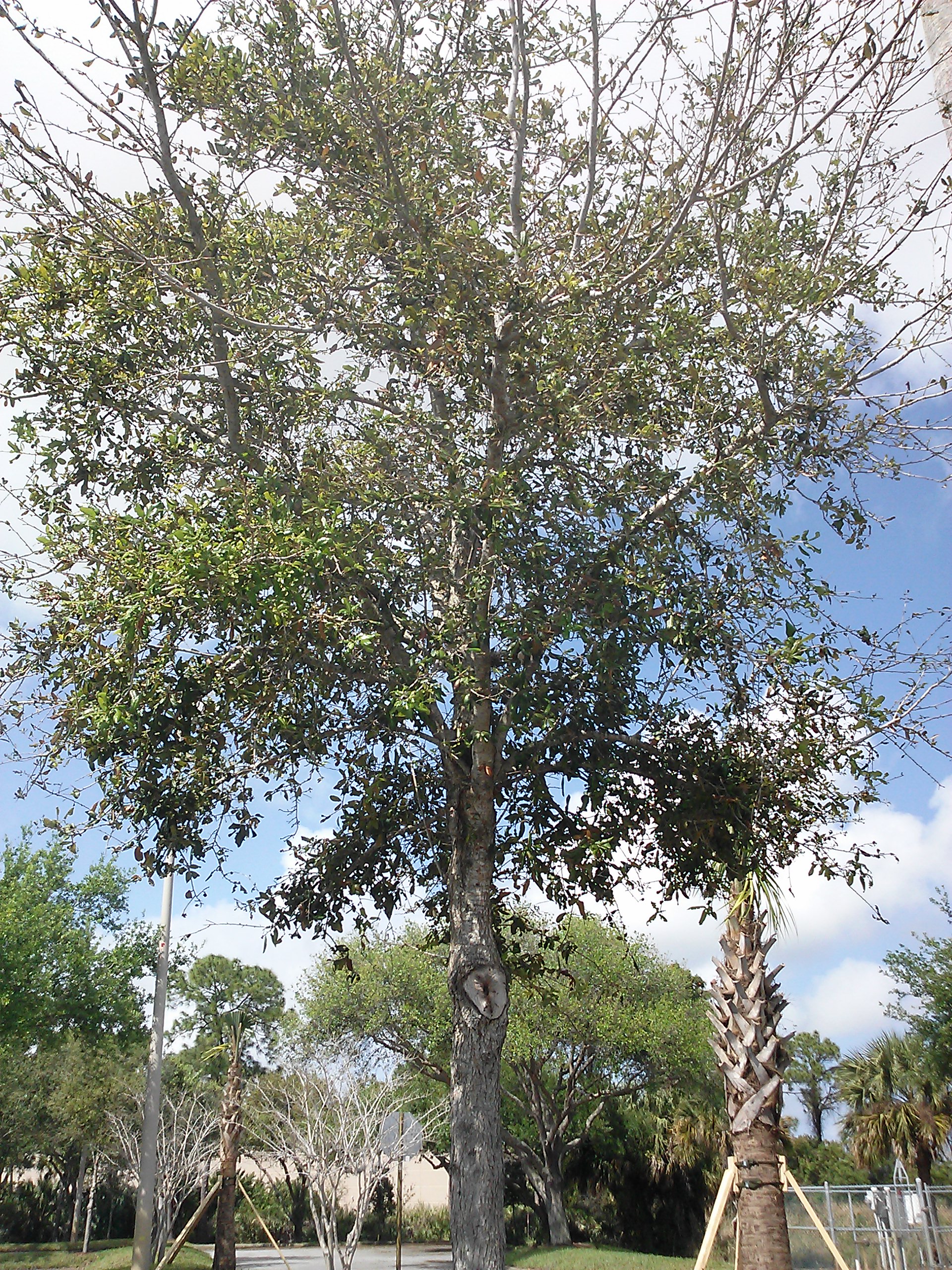
Live Oak
Quercus virginiana
Share this:

A Tale of Three Shrimps
Horticultural pursuits sometime follow Culinary pursuits. There are different types of Shrimp Plants as there are different types of Shrimp to eat. Shrimp Plants are a new favorite of mine. These plants seem to be pretty bulletproof and bloom nearly year round. The evil Lubber Grasshoppers like to eat them, but other than that they have been remarkably pest free.
I had not realized there were (at least) three different kinds. The one I have in a pot on my front porch, commonly called Yellow Shrimp Plant is Pachystachys lutea, a member of the Acanthus family. Sometimes the common name Lollipop Plant comes up, not sure why? I have tried to propagate this, but it was a grave failure. The plants wilted as soon as I took the cuttings. Online research tells me to try again in late Spring with softwood cuttings.
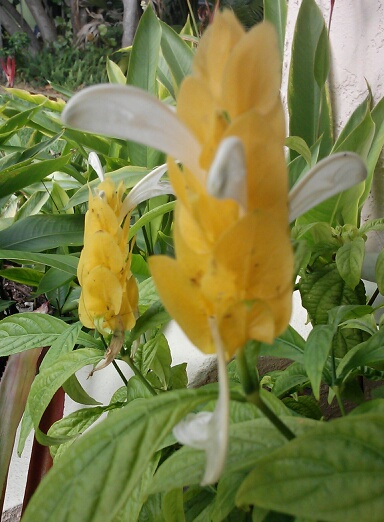
Shrimp Plant
Pachystachys lutea
I have another type of Shrimp Plant growing in my garden, the Red Shrimp Plant, Justicia brandegeana. This is sort of a passalong plant in Florida my neighbor gave me. A different genus, but still in the Acanthus family. These make good cut flowers and seem to reproduce effortlessly without taking over. Needs a bit of shade, but don’t we all. Butterflies and Hummingbirds like this plant and so do I.
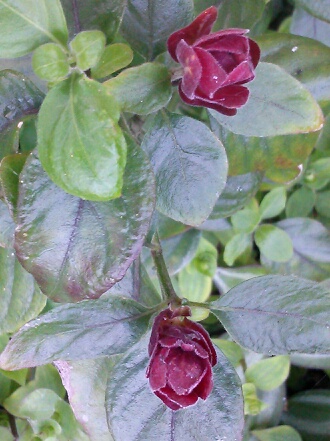
Red Shrimp Plant
Recently I found out there is an evil Shrimp Plant in South Florida, the Green Shrimp Plant. The Green Shrimp Plant is also known as Brown’s Blechum, Blechum pyramidatum. Blech, is right, this is an invasive in frost free zones. Oddly enough, another member of the Acanthus family, but the black sheep. If you live in an area that receives frost this can be a good addition to the Butterfly Garden. A host plant for Buckeye, White Peacock, Malachite and Painted Lady Butterflies those with less than 32 degree weather can enjoy this in peace. Beware further South.
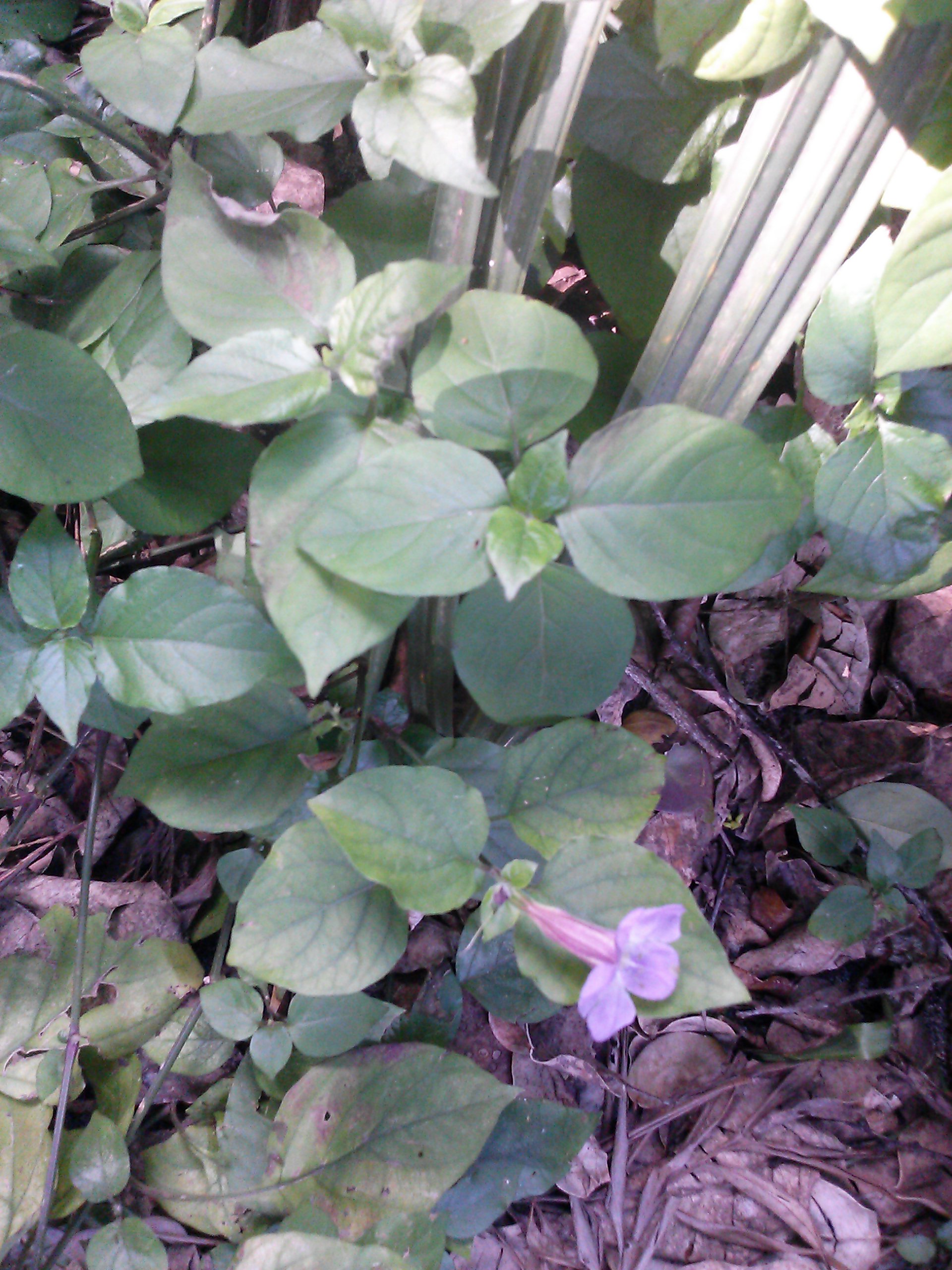
Green Shrimp Plant
What is confounding me is why these are called Shrimp Plants in the first place and why the Green Shrimp Plant clearly has blue flowers?
Another horticultural mystery to solve.
Share this:

Freezing in South Florida?

It is a beautiful day here, cerulean blue sky with a few hawks flying in lazy circles. Take a stroll outside and feel the cold air blowing in from the frozen north- it feels like Chicago in the springtime (or maybe summer). Chicago, Illinois is known as the Windy City and is about 1300 miles north of here.
The concept of freezing weather in SoFla seems weird to me. A low of 35 degrees F is predicted tonight. Nearly freezing. According to the National Climatic Data Center in 29 years there have been no freezing temperatures in Vero Beach, a bit north of me. In 48 years there have been no freezing temperatures in West Palm Beach, a bit south.
I felt a lot better about the weather forecast having looked up the climatic data, but I am concerned about a few plants that are really susceptible to frost. The primary one being the Rainbow Eucalyptus, notoriously intolerant of freezing temperatures, it has just grown tall enough to be seen over the roof of our garage and it is blooming. I am getting a mental image of a 30 foot tall tree limp, insides frozen to mush and bent in two. Hopefully not.
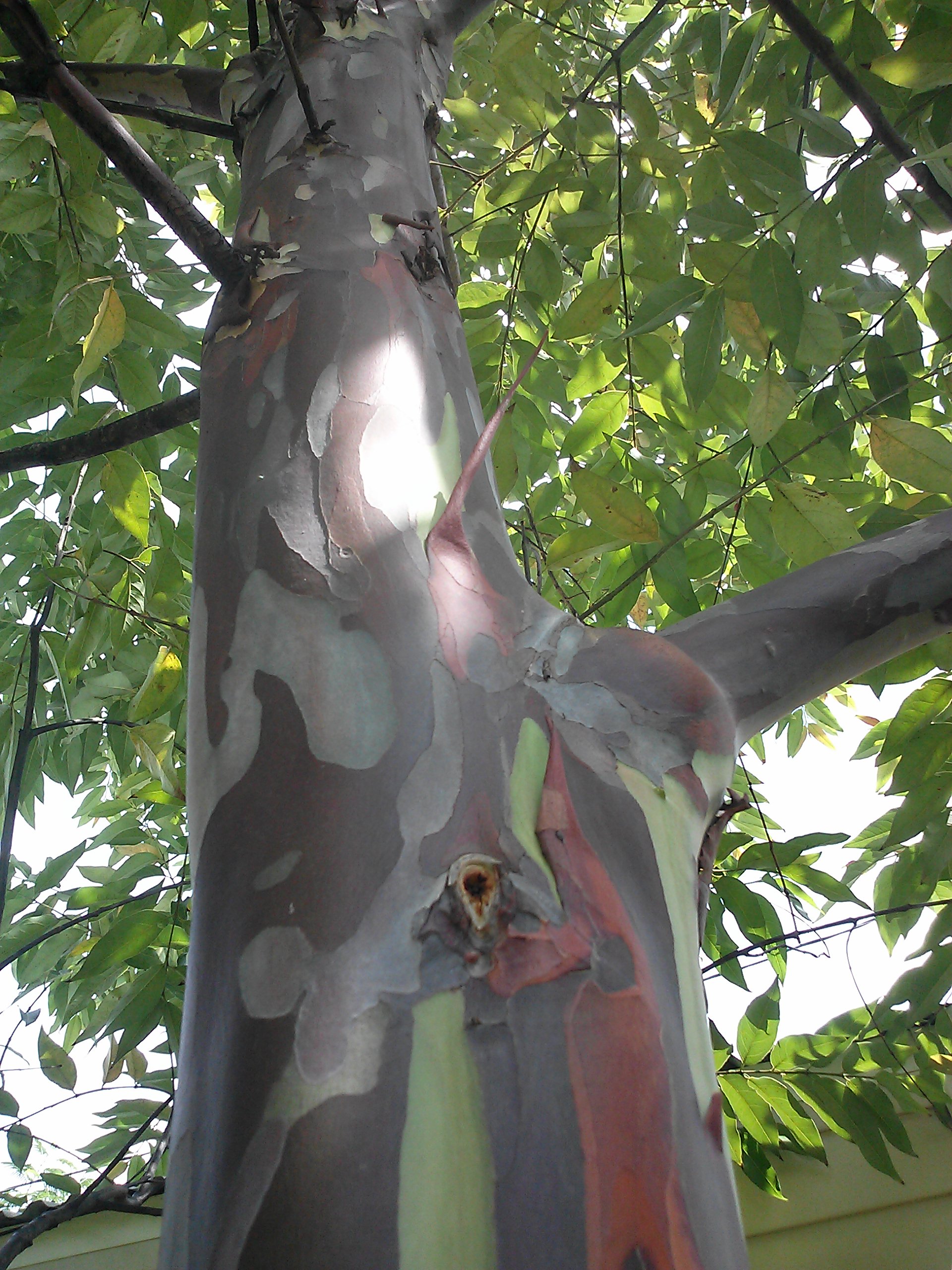
Rainbow Eucalyptus
I am in the process of madly moving all the potted plants into the garage. Gotta go put a sheet over my new palms. Then all I can do it wait until tomorrow.
Share this:

Fallout from Botanica
South Florida is rife with Garden fairs during the winter. This past weekend I went to Botanica in Port St. Lucie. Port St. Lucie is not what I would consider a garden spot, but for some reason they have a great botanical garden run by a very enthusiastic group of volunteers.
Botanica was held at the McKee Botanical Garden. At other times of the year they have a propagation area that sells rooted cuttings from their gardens. It is fun to meet fellow plant nerds and pick up a few Bromeliad cuttings. Not this time, I pulled into the parking lot and realized this was a bigger event than a few cuttings. At least 4o vendors and a food court. I was in trouble. I had been to the bank.
I walked through most of one side and was not really tempted then through the propagation area. The prices had doubled since last summer, so I was again not tempted. Then I got to the other side of the lake..
The three for 10 dollar Bromeliads! One of the issues with buying Bromeliads in this manner is the sellers tend to have no idea what kind of Bromeliad they have. The seller advised me the larger one had blue flowers and was adaptable to light. Which really means do not plant in full sun or you will charco-broil the plant and be out three bucks. The others I am pretty sure are some sort of Fireball Neoregelia, I have some similar ones in the garden. Now potted, they have joined their friends from my last foray in plant shopping at Gardenfest.
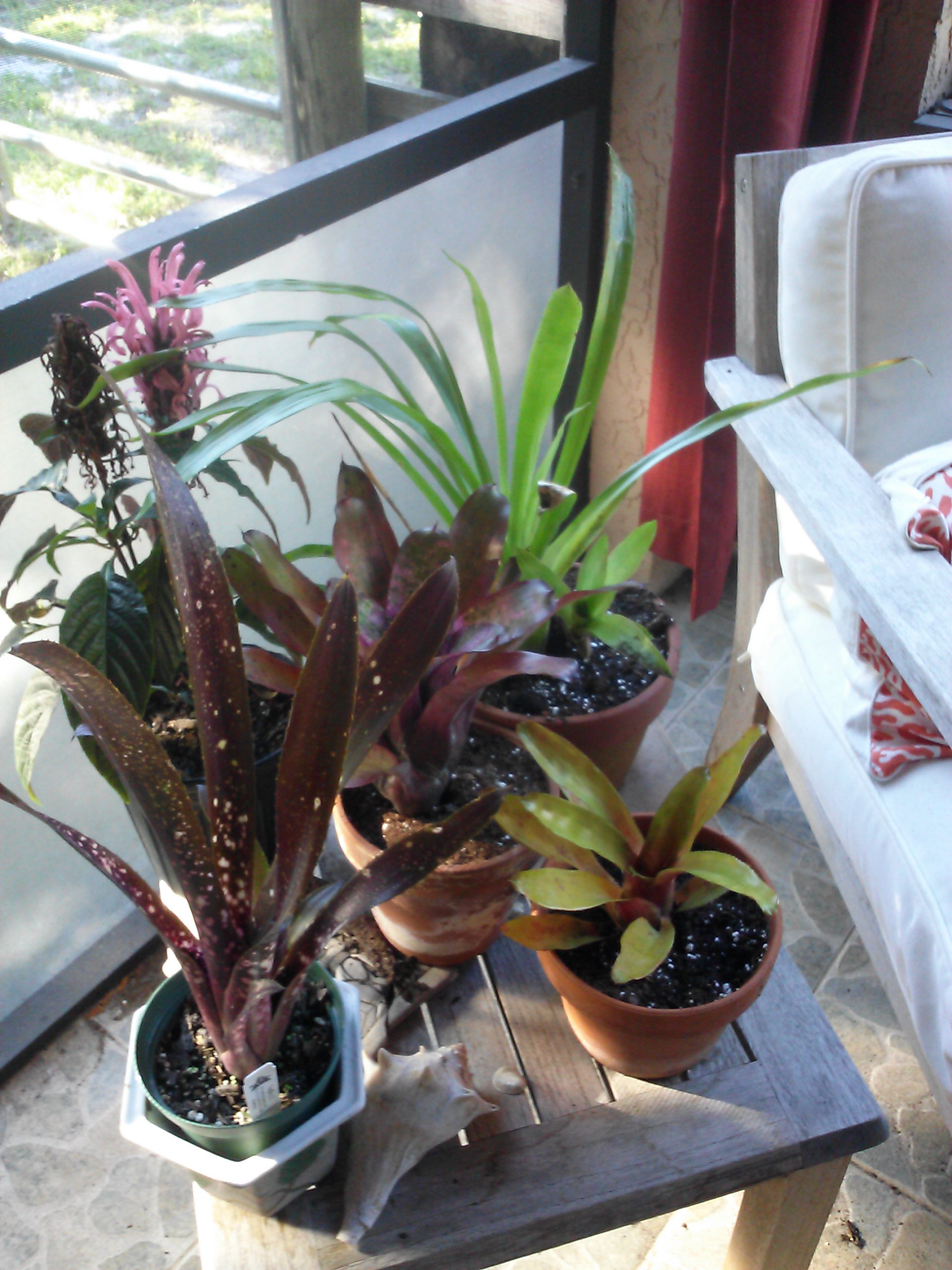
My Growing Collection
The Palm Man, I believe he was called, grows Palms in his backyard nearby. The Palms were beautiful and so were the prices. I succumbed, and bought two Palms.
One of my favorite interior Palms, a Lady Palm – I can now grow these outside, so I bought one.
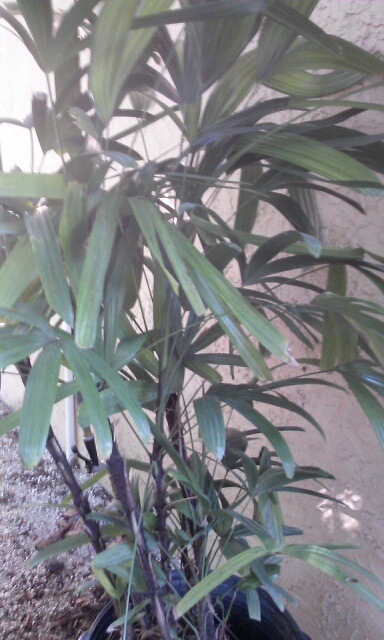
Lady Palm
This is a Rhaphis excelsa, native to Southeast Asia Rainforests and highly shade tolerant. I have just the spot.
My next purchase was a Florida Thatch Palm, a new plant to me. One of the three palms native to Florida, this is a Thrinax radiata. Tolerant of sand, sea and alkaline soils. All things I have in abundance. Again, I have just the spot.
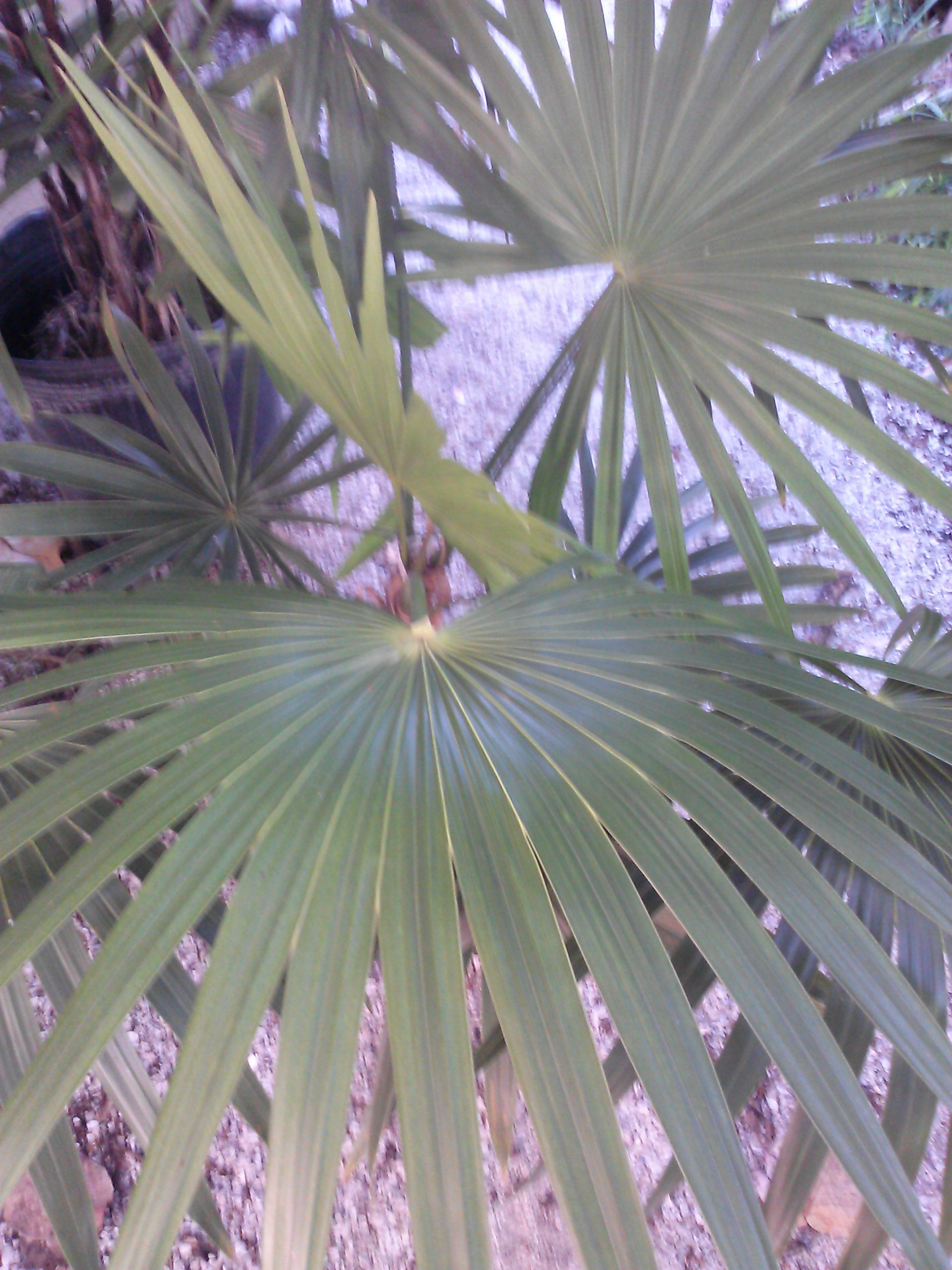
Florida Thatch Palm
I did not quite violate my ‘never get a cart’ rule. Two nice young men from Junior ROTC showed up with a cart and met me at my car.
I have some planting to do this weekend, lest these palms turn into potted plants and spare parts for future use.
Share this:

Recovering the Herb Garden
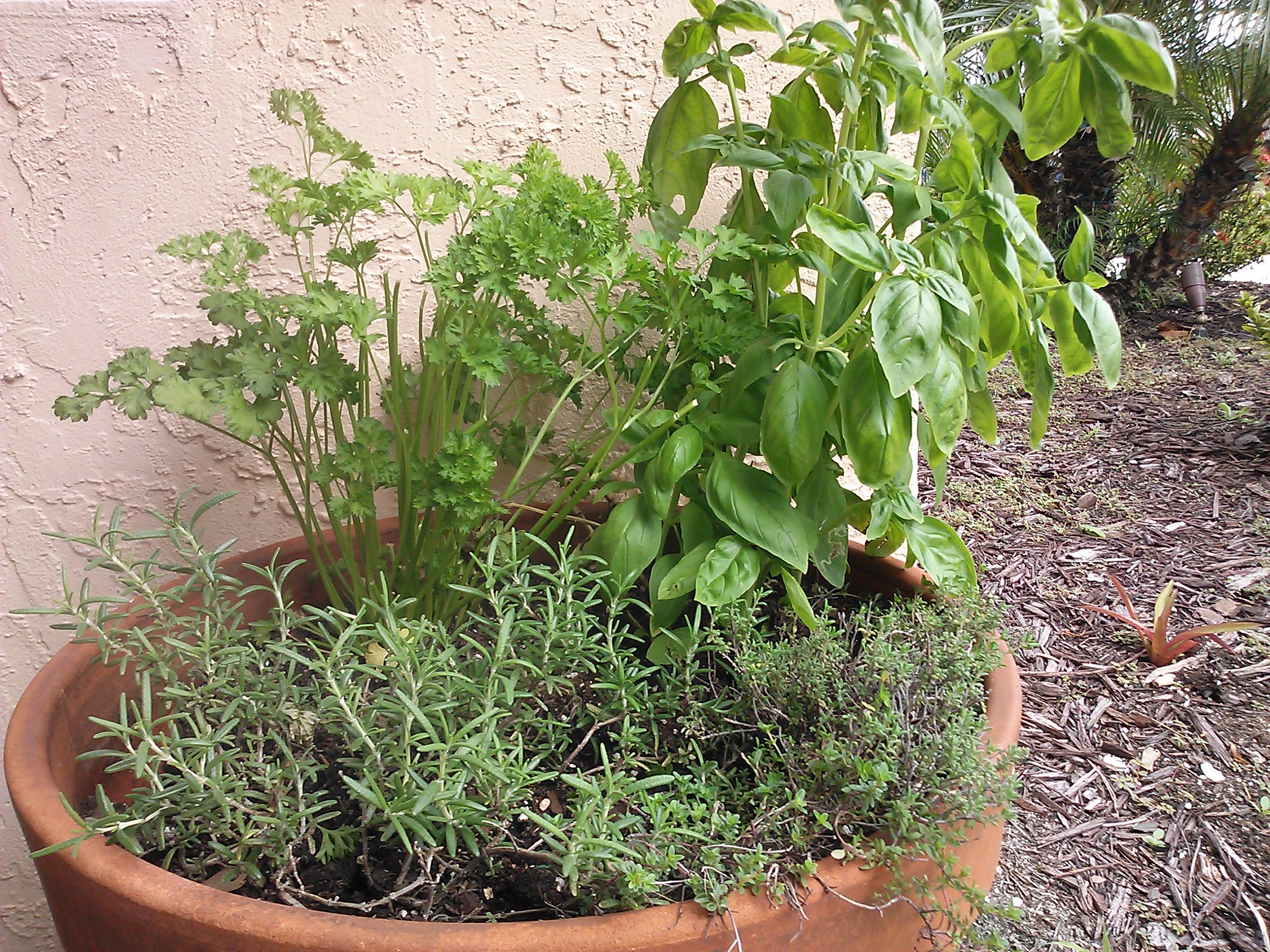
Terracotta Herb Container
I have had abdominal surgery twice in two years. This has been detrimental to the quality of my herb and vegetable garden. The last surgery was in October and (knock wood) there are no more holes in my gut to repair. Yay, I have been pulling weeds (and am able to pull weeds!-very exciting) in an attempt to reclaim my two herb beds.
These two beds were constructed a couple of years ago and contain the most fertile soil on the otherwise laughably infertile sand dune I live on. The pure fecundity and variety of the weeds I removed was astounding. What is also interesting is the Rosemary, Bay and German Thyme have all managed to survive the onslaught. Thyme isn’t even supposed to grow this far south. Go figure. I like to use all of these herbs and have clipped the tips off while allowing innundation of the rest of the plant so things are a bit leggy or perhaps I will decide these are simply tree form herbs. Garden problem solving at its finest. The tree form.
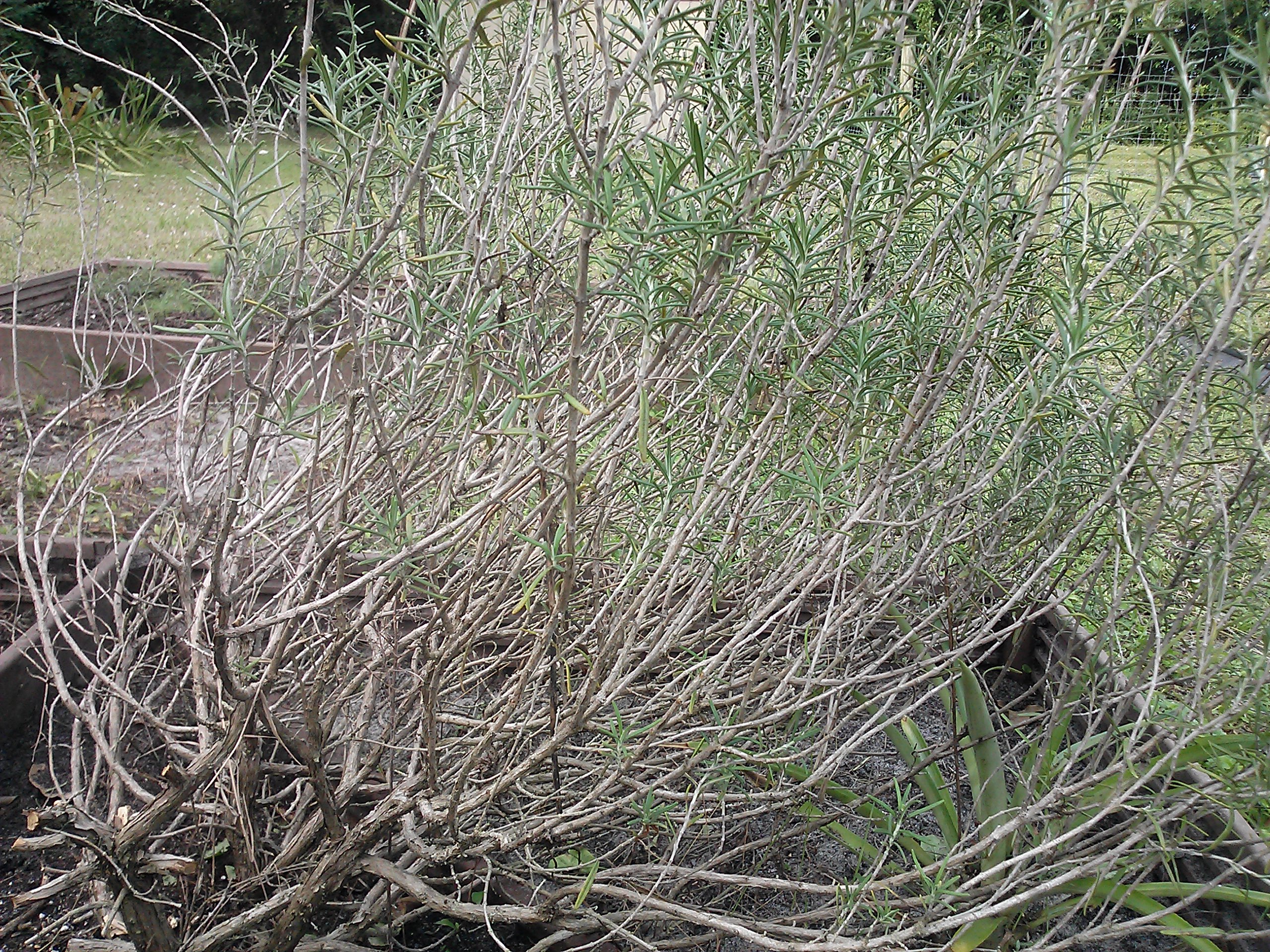
Reclaimed Rosemary
I think the Rosemary will be OK. My experience with Rosemary is if cut back too hard it tends to die. Oddly enough the Rosemary is leaning in the direction of the winter wind, it gives a sculptural effect to the plant. I discovered the Chives had made bulbs about three times bigger than any I had seen before:
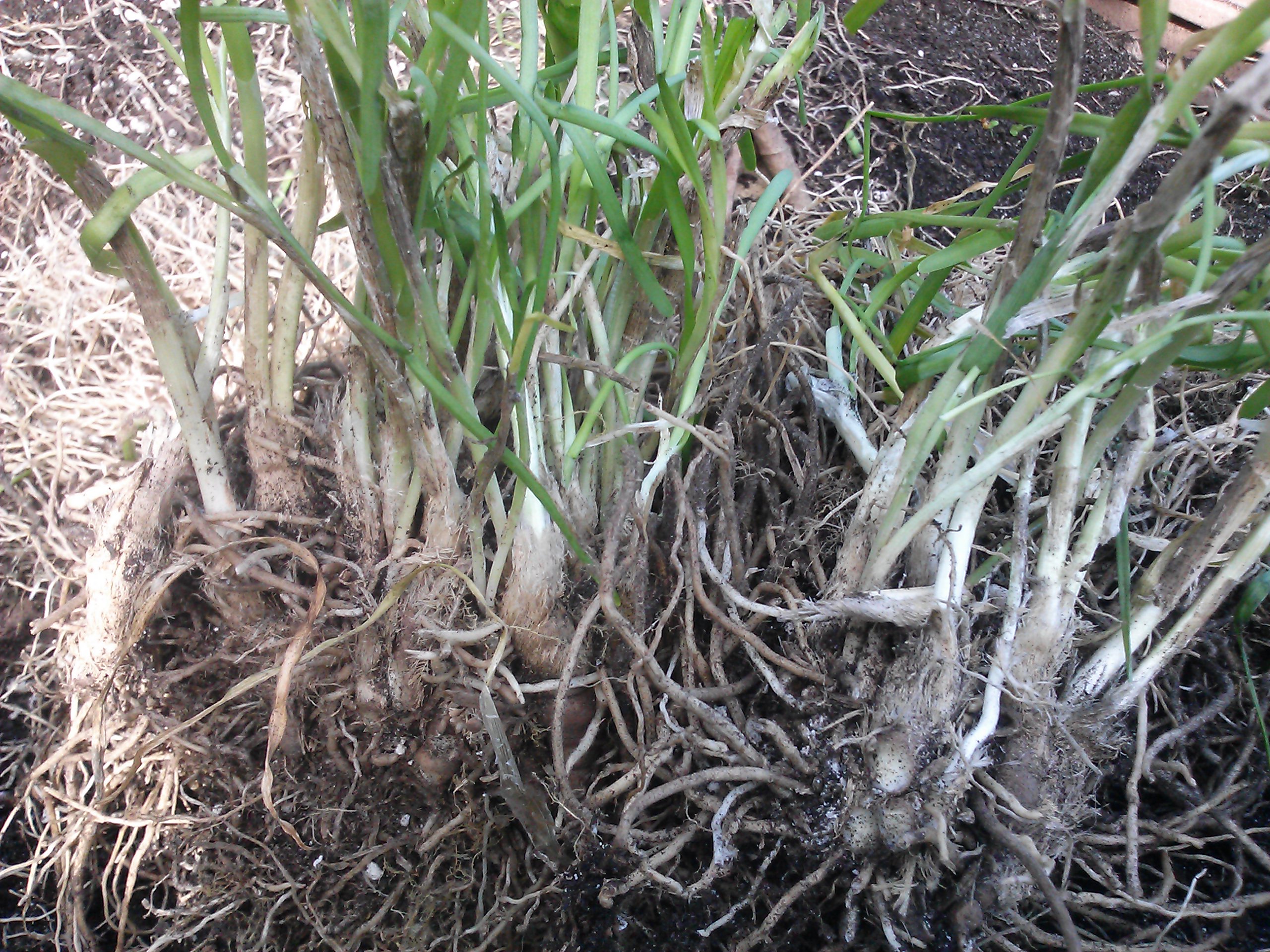
Overgrown Chives?
I looked at these and realized I probably have enough Chives for a restaurant. Chives, in my experience make maybe 1/2″ bulbs and retain circular foliage. These bulbs are 3 times bigger and the foliage is flat and not particularly tasty. My best guess is to divide and conquer, so I chopped them into bits and replanted them into a shadier area. Time will tell about the success of the chive chopping.
I have been using a terracotta container on my front porch for most herbs while the bigger beds languished in benign neglect. Currently the pot has Parsley, Creeping Rosemary, German and Lemon Thyme and Basil. It is close to the kitchen and a real plus is that the cats can’t get to it.
The refurbishing of the garden begins tomorrow. I have collected Lemon Thyme, Dill, Cilantro, Snow Peas and Radishes to grow with the existing Tree Formed Rosemary and Bay.
Hopefully it doesn’t rain.
Share this:

Fruits of the Labors of Friends and Neighbors
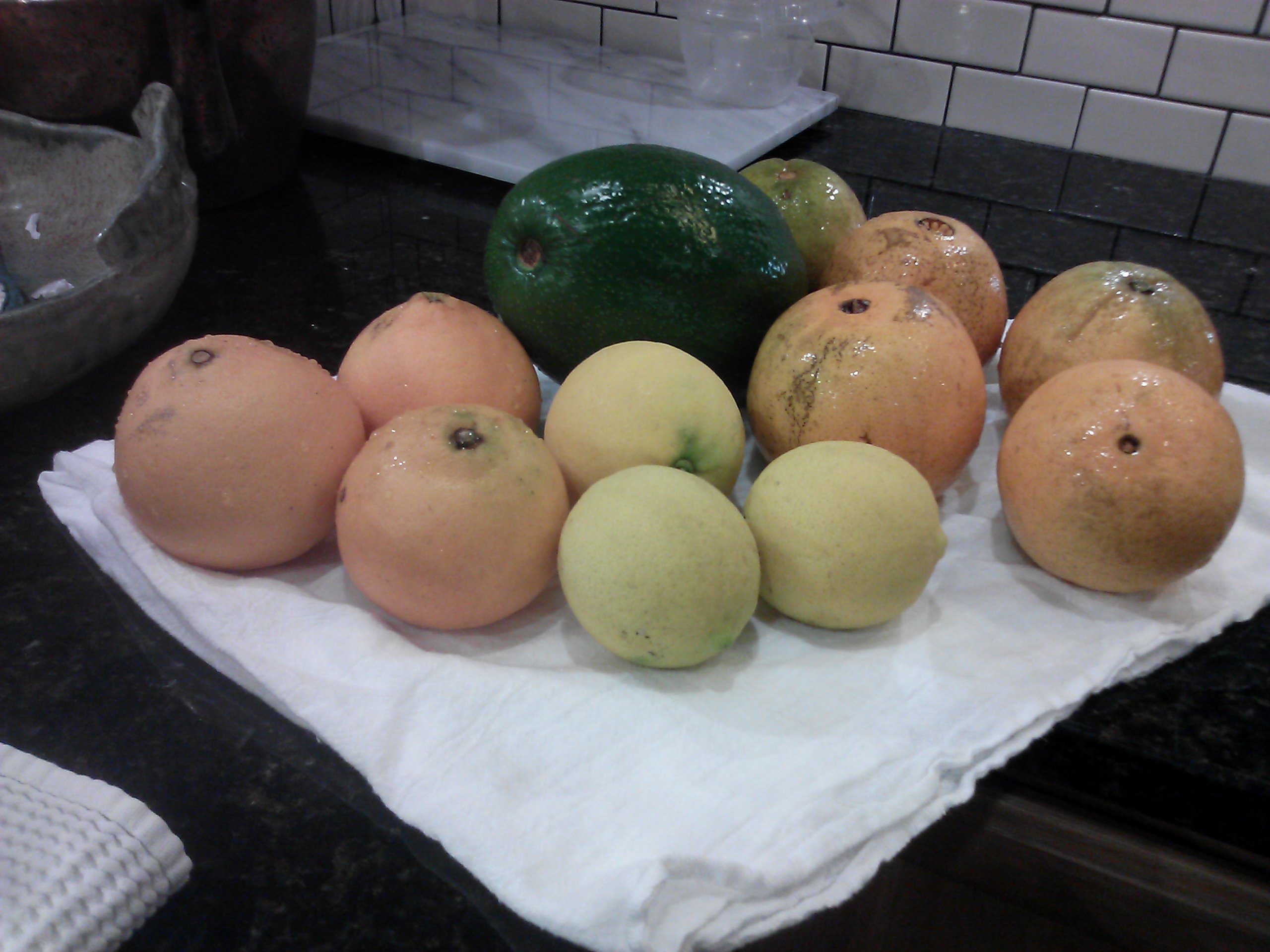
Local Bounty
It’s Citrus season here in South Florida and everybody has some. Here is some homegrown produce I have collected recently. From the left, Honeybells grown by a friend of my neighbor, Meyers Lemons and Everbearing Persian Limes grown by my college roomate’s husband, a Cuban or Catalina Avocado grown by him as well and Blood Oranges from my neighbor the Chef.
Homegrown citrus is radically different from what might be procured further north. I was taken aback by this with the first taste of a Lime from my back garden (Persian of course) Juicy, fragrant and magnificently Limey (not like the British) I wonder if the term limey comes from a British tendency towards Gin and Tonic. I digress, here is my newest Persian Lime. I am told these bear fruit 4 times a year – I planted this about 6 months ago and have had two crops even though my husband ran the weedeater too close and stripped the bark off. The tree had to be pruned andmoved in mid August for its own safety.
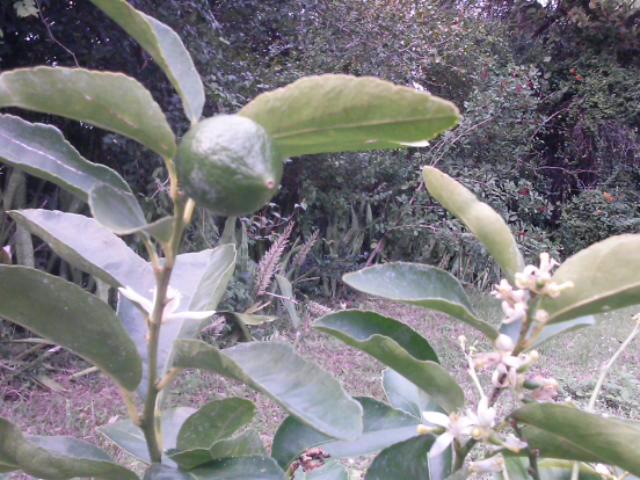
Persian Lime in fruit and flower
Here’s another thing peculiar to Florida, in honor of the end of the holidays I am posting a Christmas gift photo, yes, I had to ask what is was:
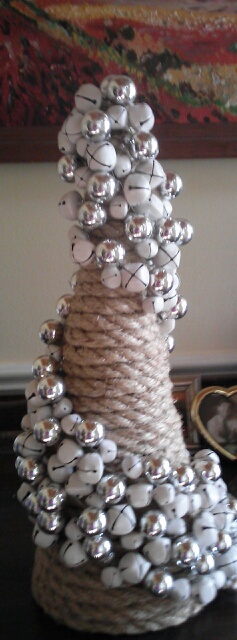
The Nautical Christmas Tree
Of course, the Nautical Christmas Tree was made in China.
Happy Gardening, I’ll be snacking on a Blood Orange.
Share this:

New Years Day in My Garden
The turning of the year is a time for taking stock of what you have and looking forward to the future of what will be added to the garden. Here is what is currently in bloom in my garden.
This is an Aechmea Bromeliad and outstanding in its interesting flower. I have a feeling I am going to find out that is a bract or something.

Blanchetiana Bromeliad
This is an unnamed cultivar of Heliconia, I see it called Parrotflower in the trade. I have yet to see a parrot.
Sweet Begonias are new to me, Begonia odorata, I rarely catch the scent from this, but it has been blooming nearly nonstop since last spring.
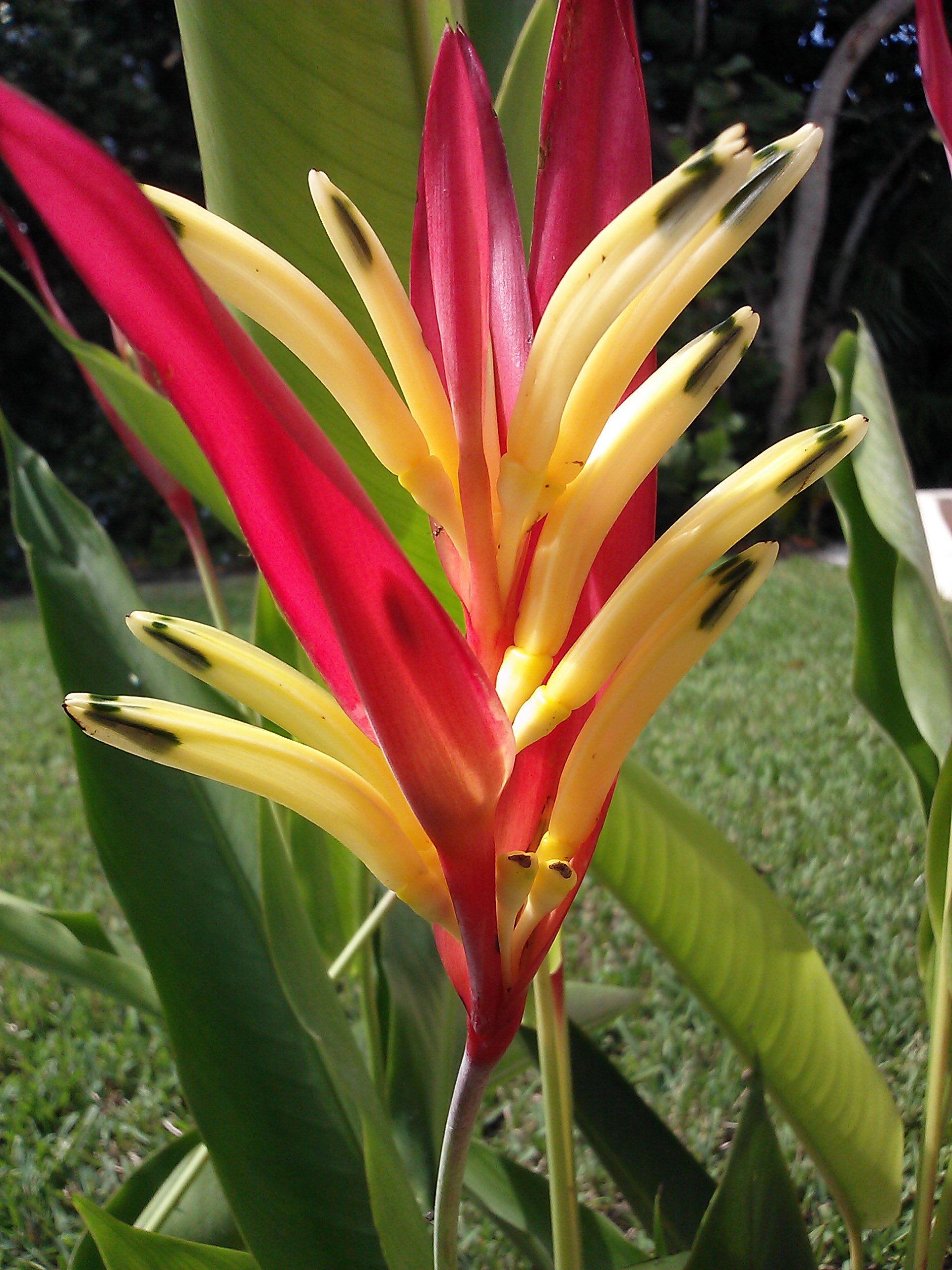
Heliconia psittacorus
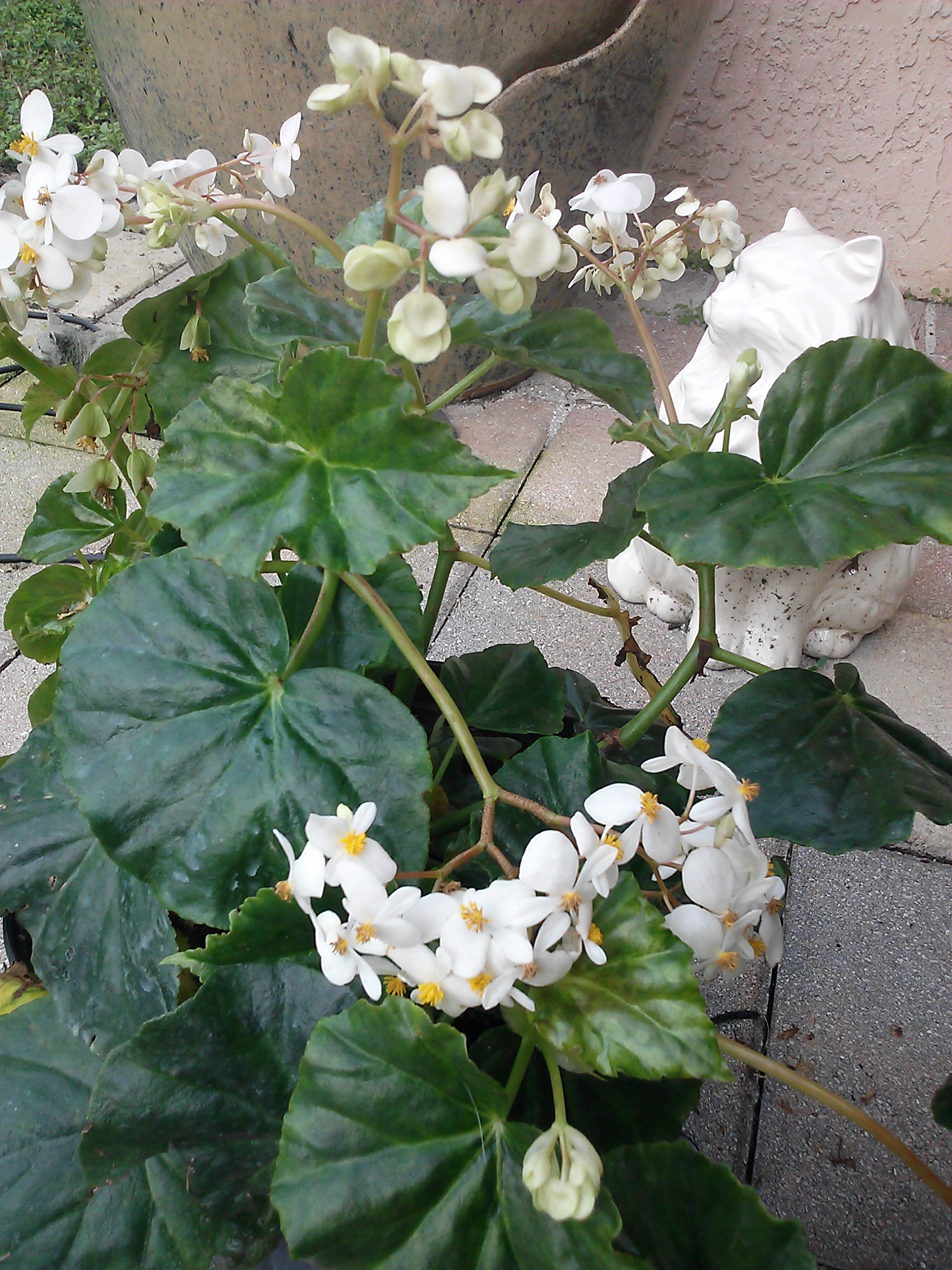
Sweet Begonias
Doesn’t everyone have a Purple Oxalis?
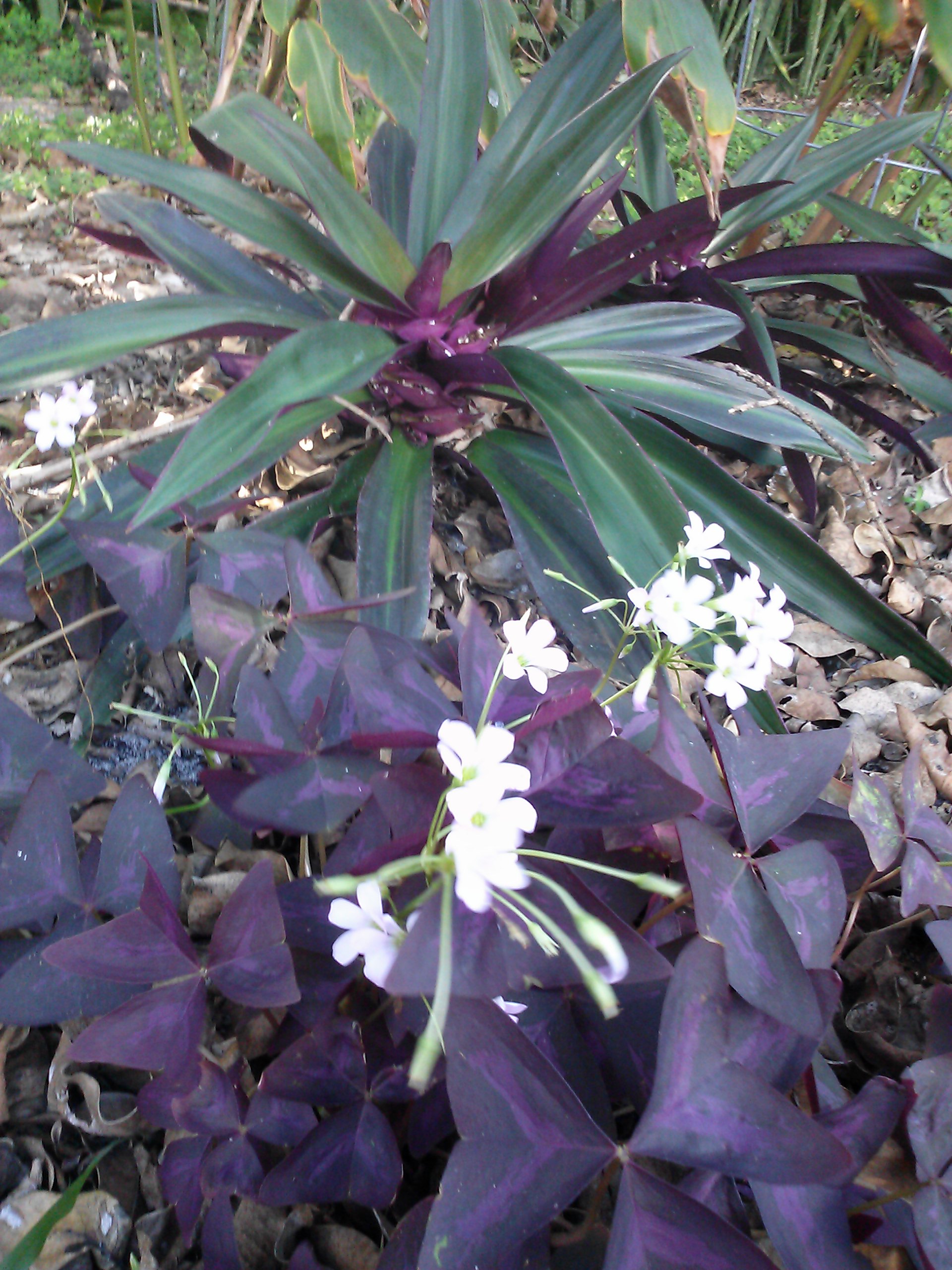
Purple Oxalis
This may be my new favorite plant, a native groundcover used for controlling beach erosion, the Dune Sunflower was planted in the middle of summer in an unirrigated bed by the side of the road. I bought the plants on sale for $1.oo(US) each because they looked bad and the grower wanted to get rid of them. A couple of months later and a little TLC and these are madly blooming with little care. What’s not to like?
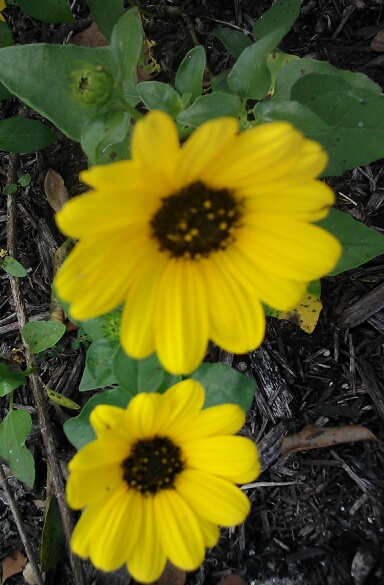
Dune Sunflower
Helianthus debilis
The Tibouchina is another sporadic bloomer, love the purple though. The Shrimp Plants have been blooming nearly nonstop since last spring on my porch. I have unsuccessfully tried to root them.

Tibouchina
Shrimp Plant
Pachystachys lutea
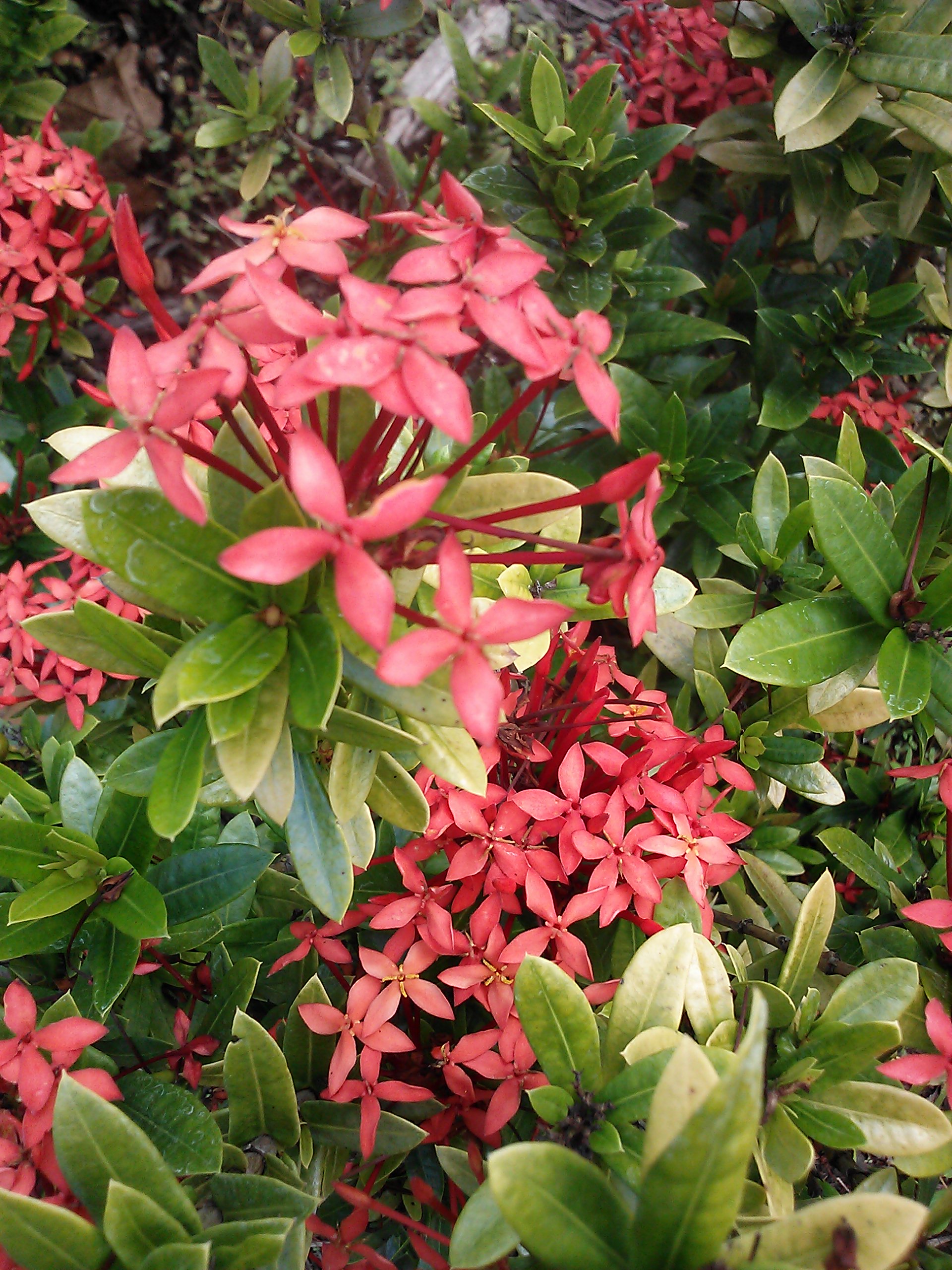
Some of these plants bloom nearly year round like the Ixora below, I call this the Azalea of South Florida because most people who garden have a few. A reliable plant that comes in several colors and sizes.
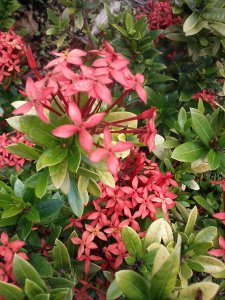
- Dwarf Red Ixora
Ixora taiwanensis
I feel as if I have been making steady progress in the garden having started it almost three years ago. I have definitely learned a lot about tropical plant material, and am looking forward to learning more.
My next project is to divide the bromeliads as the cooler weather has them sending up pups:
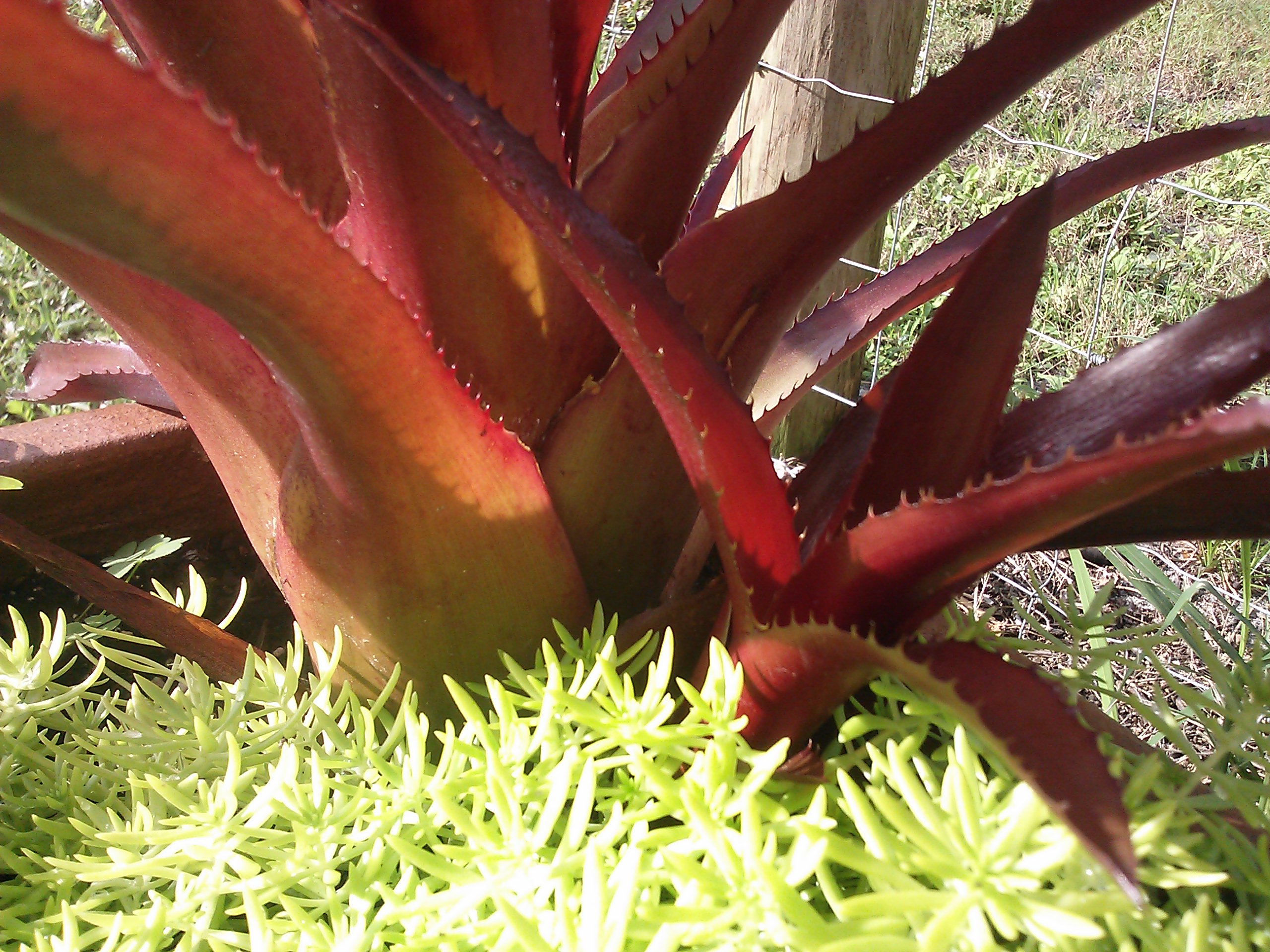
Burgundy Aechmea Bromeliad
Then replant my herb garden, I found Lemon Thyme here last week after a three year quest and am very happy.
Happy New Year and Happy Gardening.
Share this:

Merry Kitschmas and Flapjack Plants
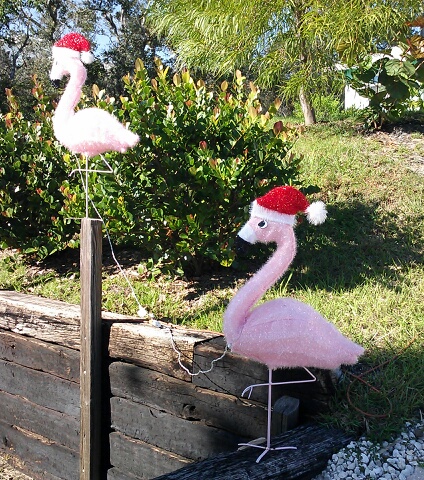 If you are in search of kitschy Christmas decorations, South Florida should be your destination. Within walking distance of my house we have lighted Flamingo Santas, Santa on a surfboard full of presents crashing into a palm tree and my favorite, a full sized sled with Santa pulled by 8 Flamingos (pink, of course) Very festive and very kitschy.
I have to say I really love the Flamingos, having spent many years in the company of proper design professionals a few Kitschy Flamingos just make the holidays more enjoyable. The mascot for my Landscape Architecture class in college was the Pink Flamingo.
Tonight Santa arrives in my neighborhood in a convertible Mustang complete with Christmas lights and the stereo blaring Christmas carols, drives around and gives candy to the children in the neighborhood.
Blooming in the garden is another sort of kitschy plant, the Flapjack Plant. I had originally thought this was a variety of Jade Plant (Crassula, for botanical name lovers) The Flapjack Plant turns out to be a Kalanchoe thyrsiflora, hmmm, interesting. These are used as summer annuals further north, but are perennial in South Florida. I had never seen one bloom, the flower spike makes the plant about four feet tall.
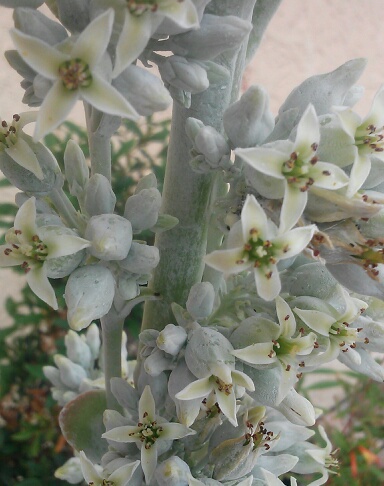
Flapjack Flowers
The foliage looks less like flapjacks as it gets bigger:
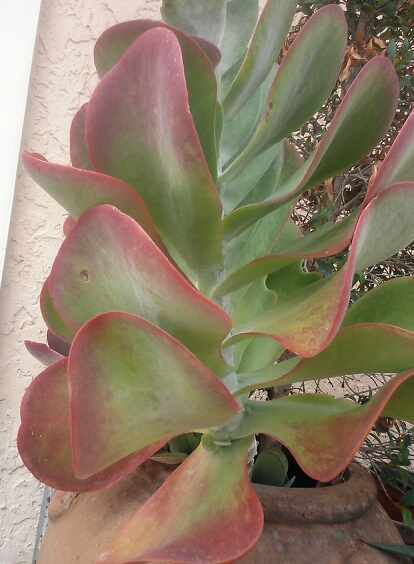
Flapjack Foliage
Kind of red and green in the spirit of Christmas?!
Happy Holidays, Merry Kitschmas, er, Christmas and Happy Gardening..
Share this:

True Gardeners
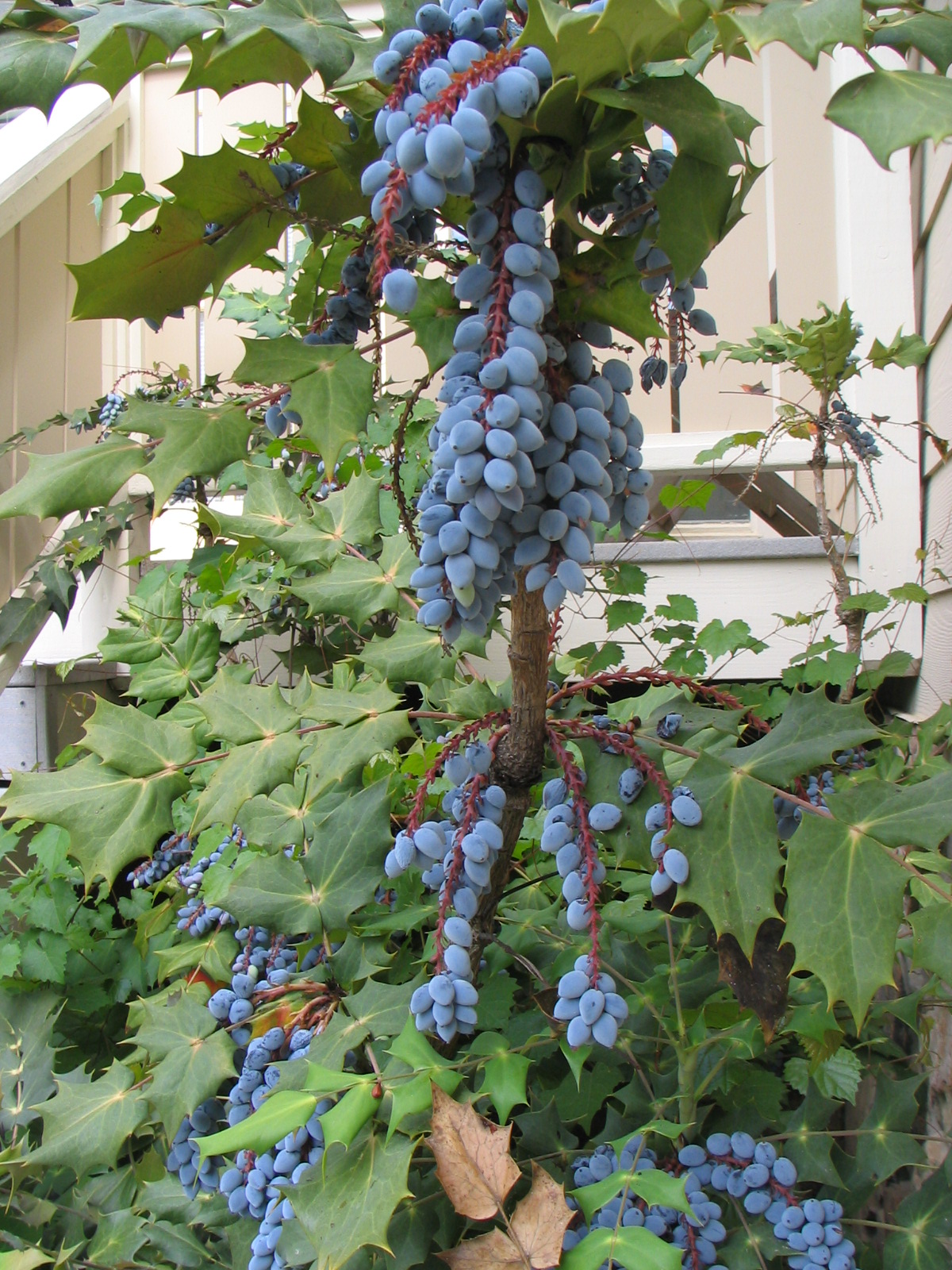
Fruit of the Mahonia bealei
For many years I thought the plant that separated True Gardeners from posers was the Mahonia bealei. I provided six Landscape Design Consultations weekly for years, talking with many, many people and over the years the appreciation of that particular plant rang true for me and separated the True Gardeners in my mind.
True Gardeners are people who have the ability to separate the beauty of the plant from its less attractive attributes. Sometimes this is a seasonal thing sometimes it is purely the ability to appreciate nature.
Mahonia bealei is commonly known in the US as Leatherleaf Mahonia. It is one of those plants that is difficult to kill except in full sun. It doesn’t really die in full sun it just suffers and turns red. Probably sunburn. Otherwise, it is thorny, reproduces copiously via birds and generally stabs the passerby. Many people detest this plant and for good reason.
The reasons we appreciate this plant are many. Reliable under most circumstances, it remains cheerfully Evergreen through the iciest of weather. The holly like foliage can be used in holiday arrangements. I have spray painted the leaves metallic colors for wreaths (leather gloves required). The yellow flowers are borne in winter and are followed by grape like fruits that are enjoyed by numerous species of birds. Hence, another common name, the Oregon Grape Holly.
My mother had an enormous specimen she tree-formed to screen her garbage cans. We usually admired the flowers at Christmas, New Years or even Valentine’s Day depending on the weather. The only other flowers in the garden were pansies planted as annuals or Hellebores.
Oddly enough, almost everyone who enjoyed these referred to them as Mahonias. That was it. This may be ascribed to Americans not being particularly concerned with botanical nomenclature or just simply that was the most prolific Mahonia in the area. That said, plant taxonomy hasn’t worried me too much unless it defines a plant that I need to specify. Botanical nomenclature I love, plant tax not so much.
I think there is a plant like the Leatherleaf Mahonia the world over..not sure what it is in the UK or Australia; I was emailing with Karen (smallhouse/BIGGARDEN), a fellow Florida blogger about a weed we both like yesterday – Florida Snow. Karen identified this as Richardia grandiflora, which works for me. It is a horrible creeping weed if you are a turf purist, as gardeners we love the white flowers that look like snow in our backyard meadows..and we need no chemicals! My greyhounds run amuck in this and I have no worries.
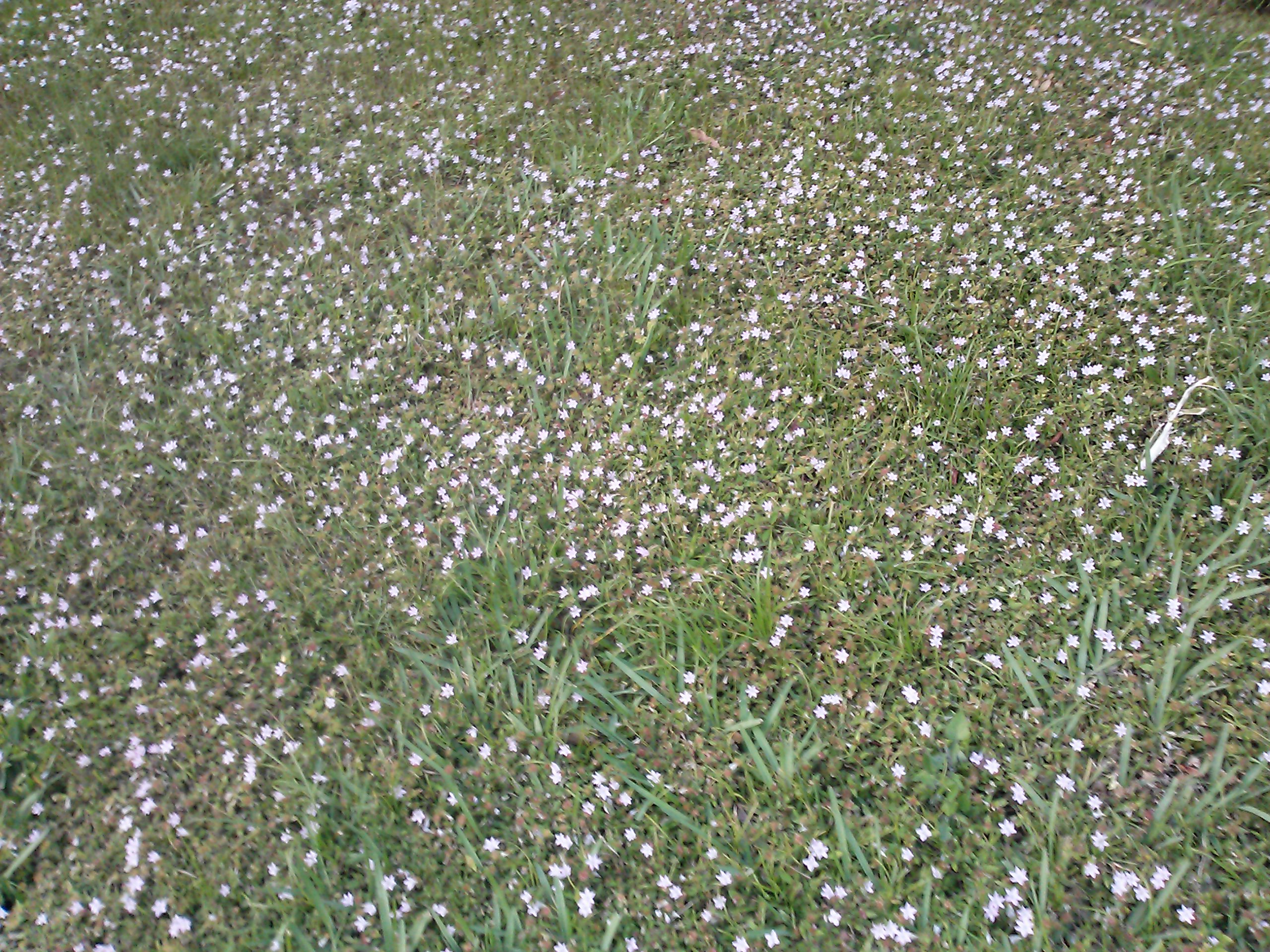
Florida Snow
And really if you have moved this far south, I think this is sufficient snow. My husband, the turf purist, is not really enjoying the flowers.

 The Shrub Queen