In a Vase on Monday – Tecoma Trials

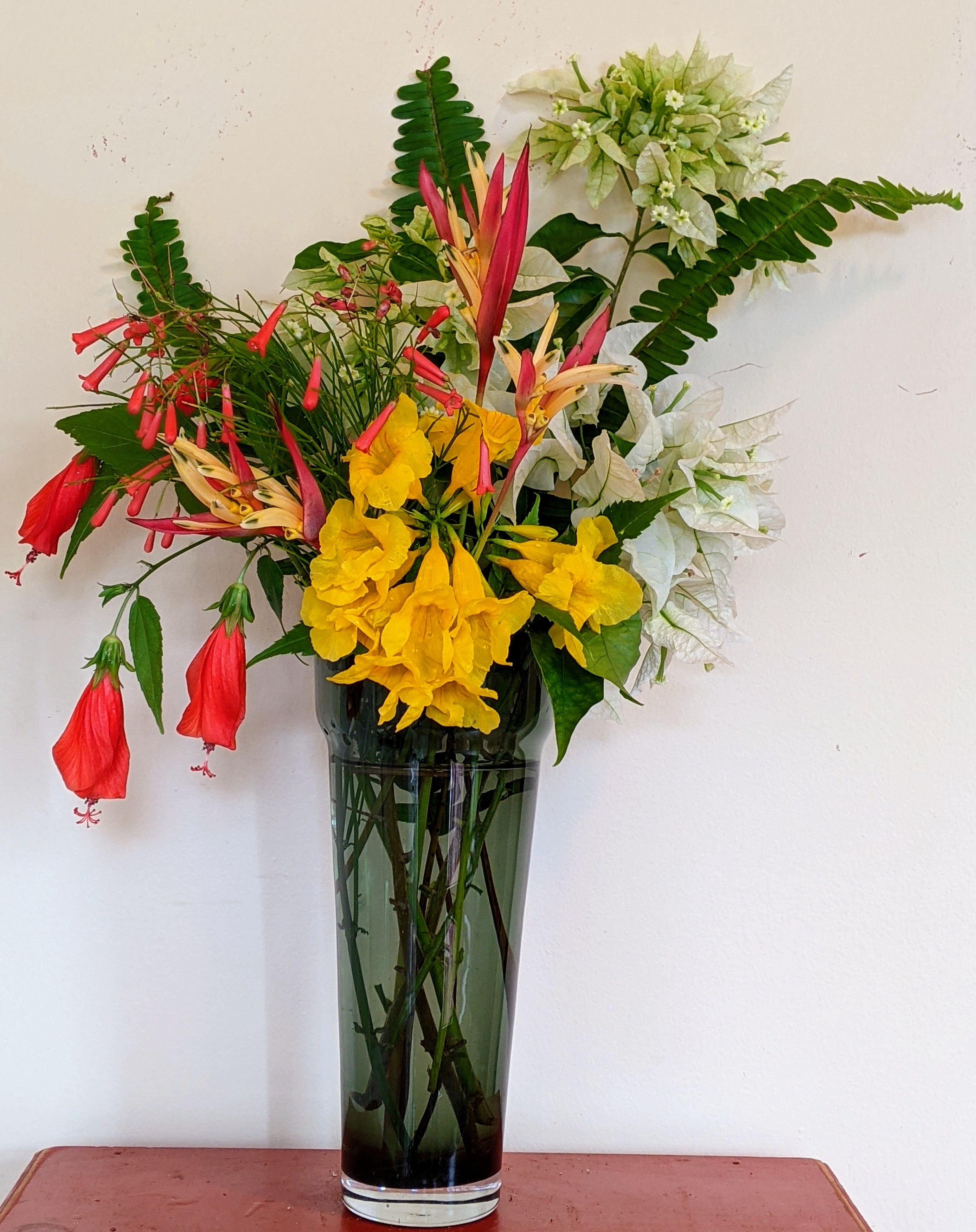
The yellow flowers in the center of the vase are Tecoma stans, sometimes called Esperanza (hope in Spanish). I have been looking for one of these to add to the garden for butterflies, they are the larval host plant for the Southern Dogface Butterfly, which is prettier than it sounds, much like a Sulphur Butterfly. I found one locally, totally rootbound, then forgot about it during the stormy fall weather. One clear morning a couple of weeks ago I planted it in the edges of the garden. It responded by flowering and promptly flopping over in another of the endless rain showers – so here it is in the vase and I esperanza (hope) it will last.
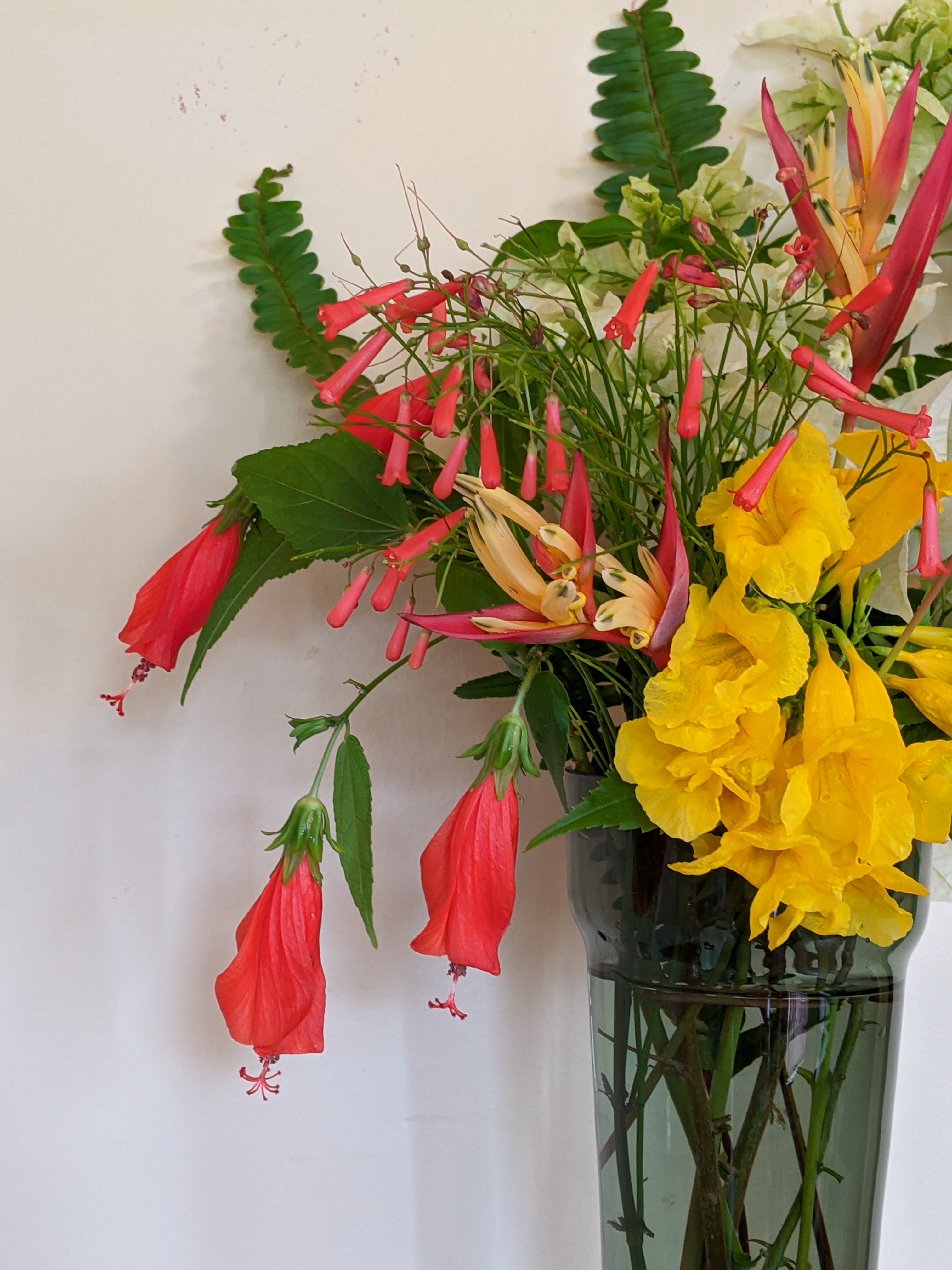
A side view: the red flowers draping over the side are Nodding Hibiscus (Malvaviscus penduliflorus); smaller red flowers are Firecracker Plant (Russelia equisetiformis); red and yellow flowers are Parrotflowers (Heliconia psittacorum); green foliage is Asian Sword Fern.
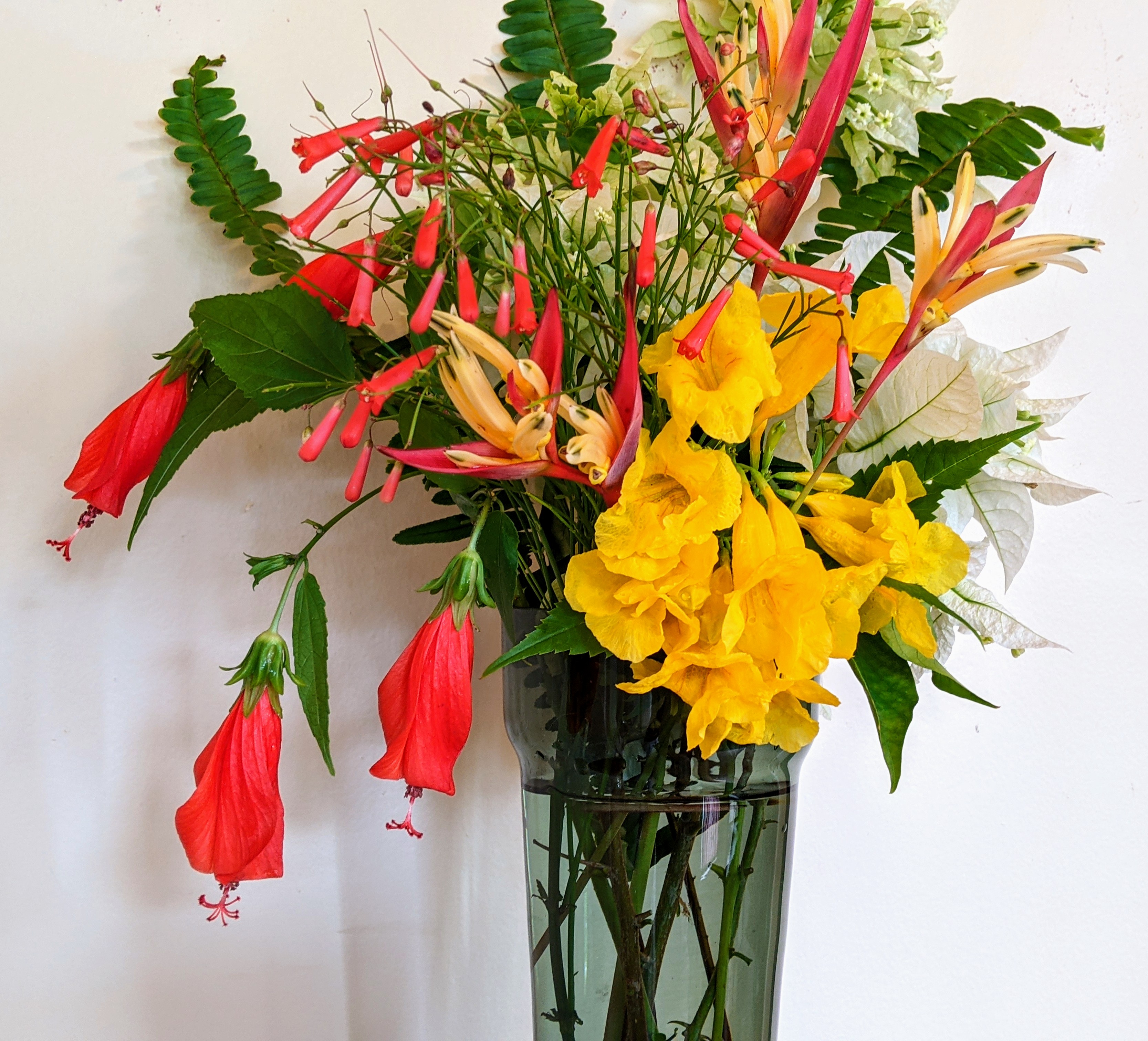
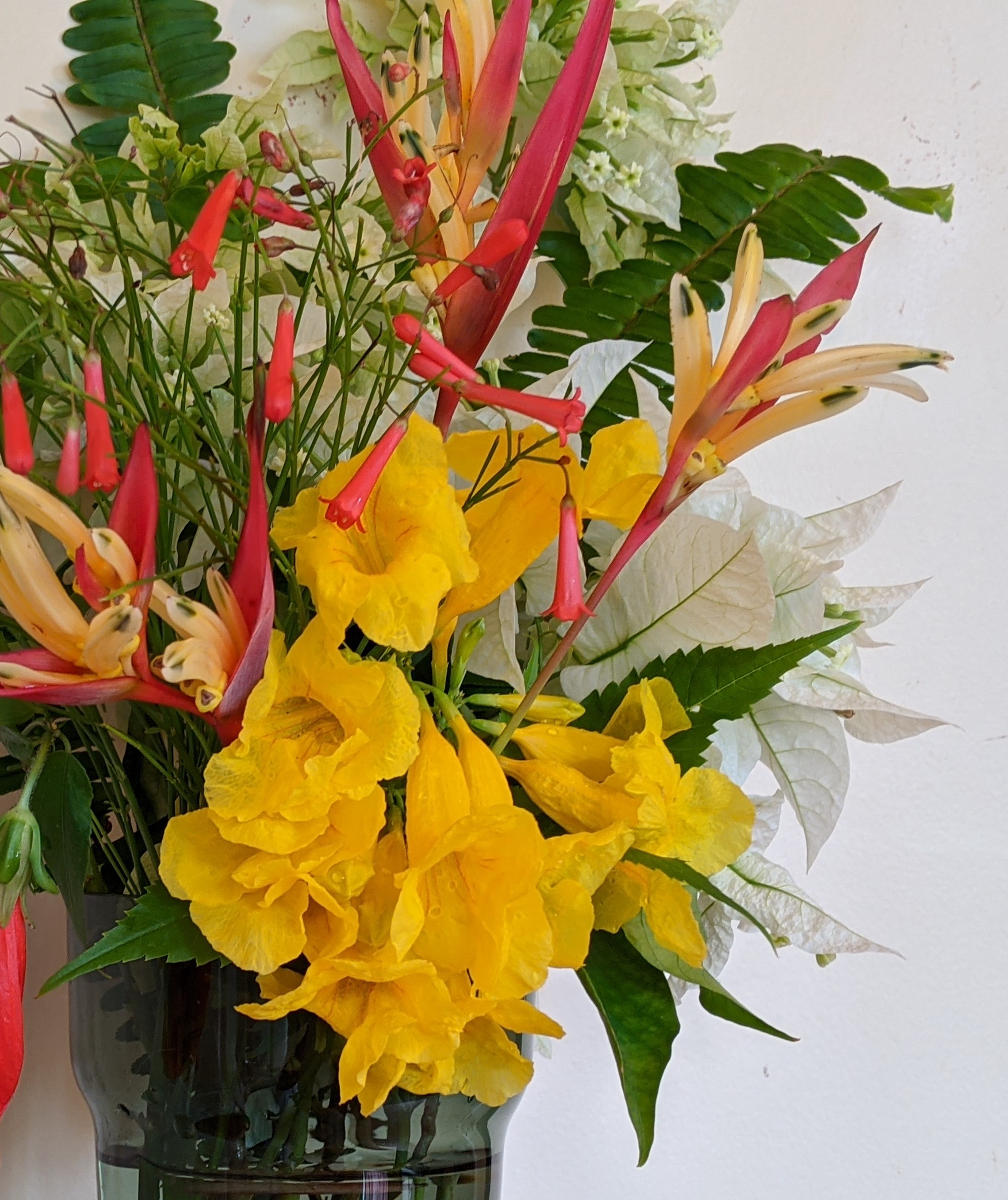
Two images..the white flowers in back of the arrangement are ‘Miss Alice’ Bougainvillea. I have been writing a short feature about Bougainvilleas for The American Gardener magazine and learned these flower in cycles – especially in winter when day and night lengths are even…it is November and I have flowers, so life is good..

Thanks to Cathy at ramblinginthegarden.wordpress.com for hosting IAVOM and Happy Gardening!!

In a Vase on Monday – Senza fiori

Today is the seventh anniversary of In a Vase on Monday. Cathy, the hostess of IAVOM issued a challenge to celebrate – creating a vase without flowers, hence the title – without flowers, sounding much sportier in Italian.

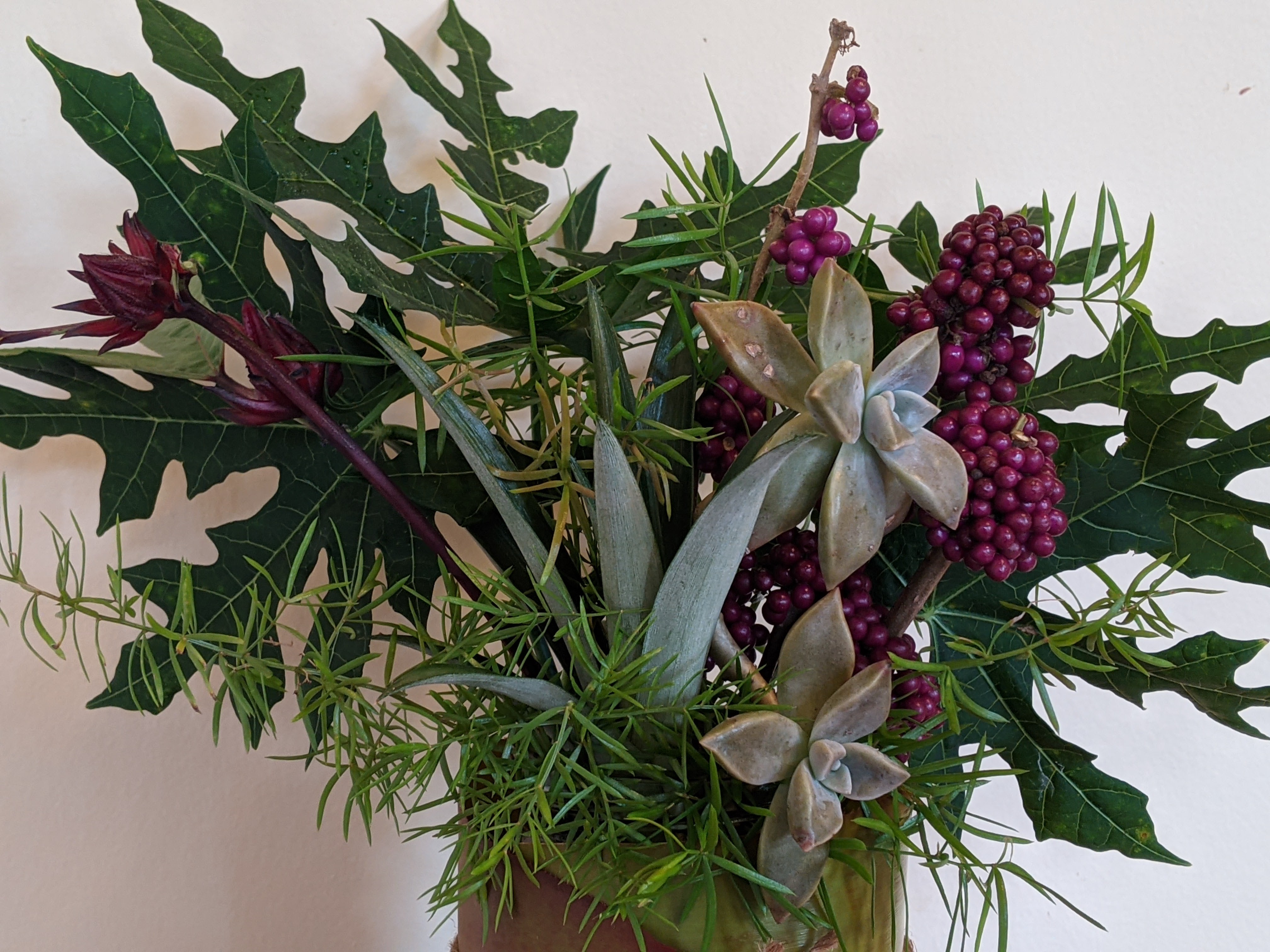
Here is a closer view:

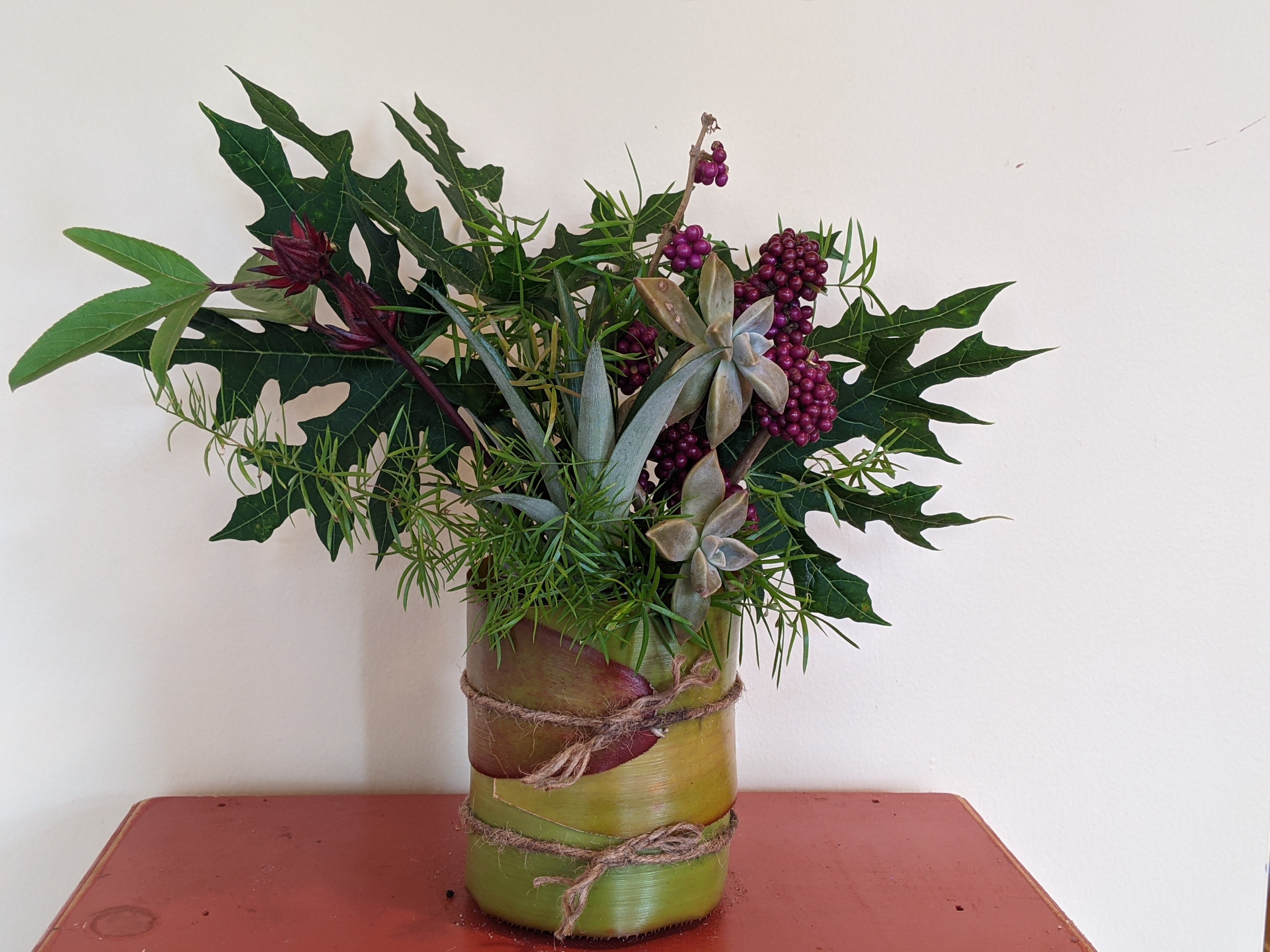
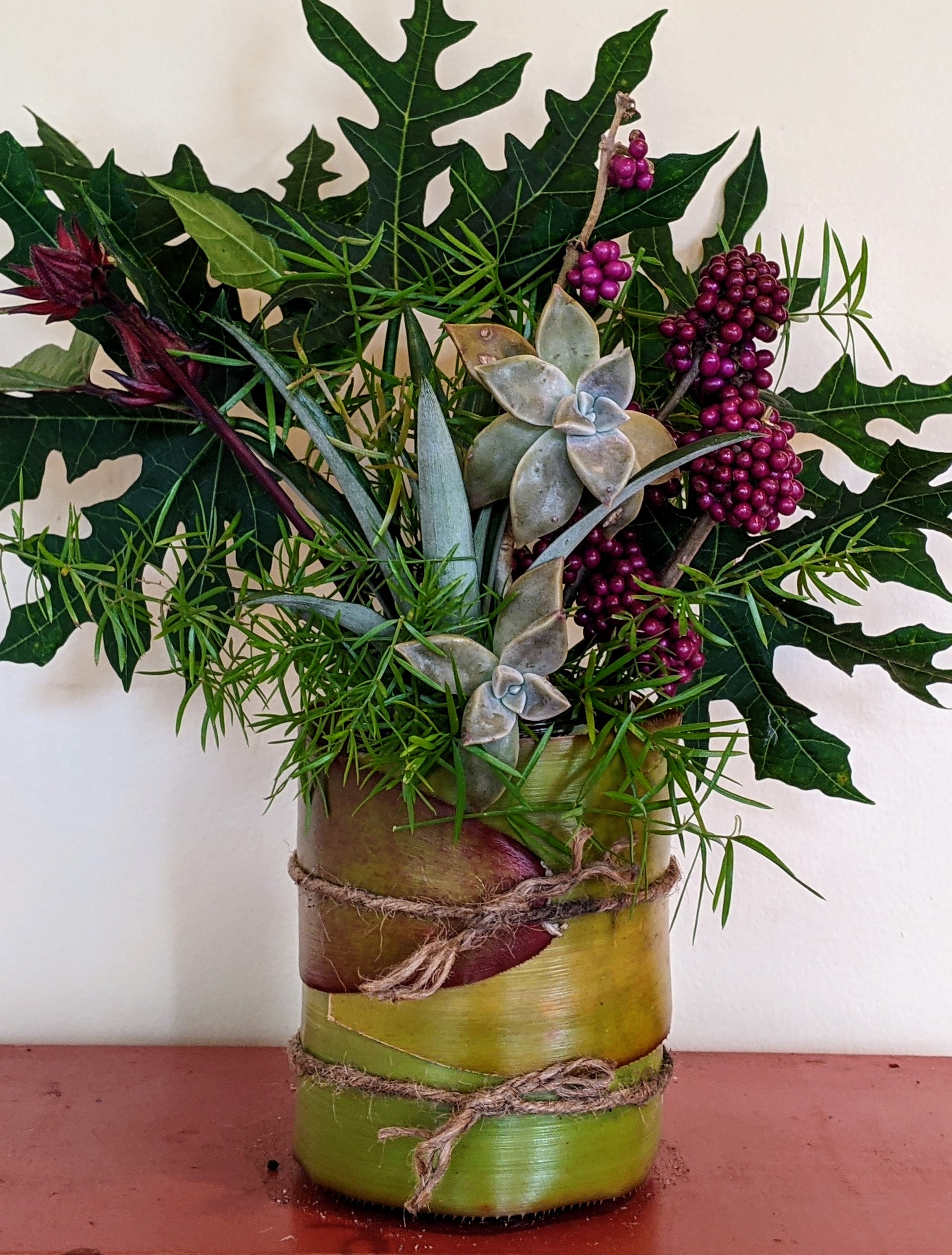
This vase is mostly composed of edible plants that I haven’t eaten. The dark green leaves in the back are from Tree Spinach (Cnidoscolus aconitifolius), an odd tropical vegetable that is very poisonous unless cooked correctly – I have not learned the method and haven’t eaten any. Purple berries are Beautyberry (Calliocarpa americana), Floridians make beautiful jewel tone jam from these – reviews always mention it tastes just like sugar! The grey foliage is the top of a pineapple, I admit to growing and eating it. Burgundy fruits on left side are Roselles (Hibiscus sabdariffa), an edible Hibiscus. I have been freezing these for a later, undetermined use. Ferny bits are from Asparagus Ferns and the grey succulents are Graptosedums of some sort, I am wondering if they will root or rot in the vase? The leaves creating the vase by covering a pickle jar are from Blanchetiana Bromeliad (Aechmea blanchetiana)

Thank you to Cathy for hosting this addictive (yes, very) meme on WordPress. Seven years is outstanding and I am looking forward to many more..

Happy Blogaversary and Happy Gardening….

Six on Saturday – Fruit, Veg and Flower.

My garden is responding to the change in weather by flowering, growing root vegetables and ripening fruit. I am joining The Propagator’s SOS meme this Saturday. To see more SOS from all over the gardening world, visit Jon at http://www.thepropagatorblog.wordpress.com.

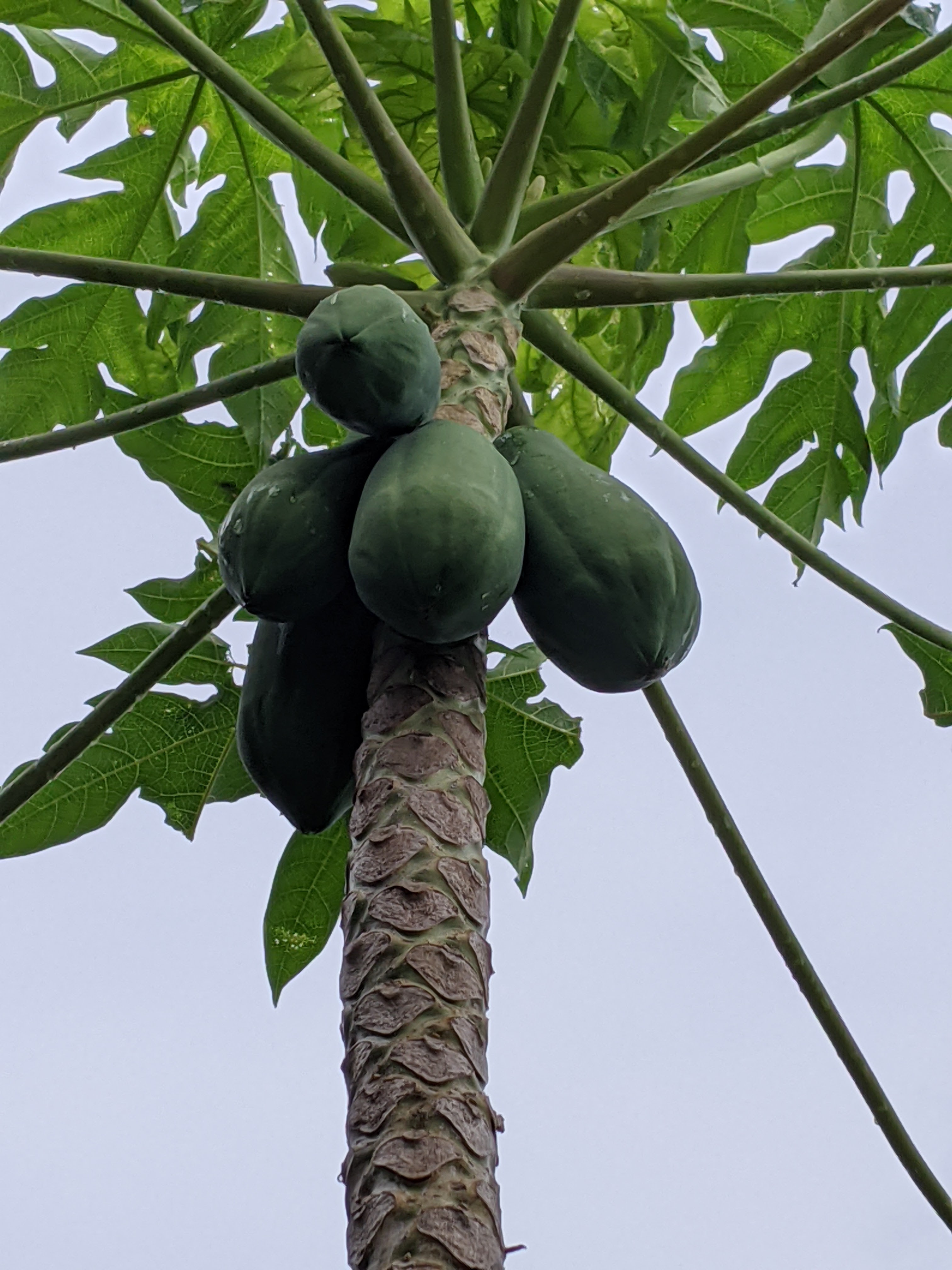
The Papayas are showing the first hints of yellow, which is ripe. I had Papayas December through February last year. Hopefully the same will happen this year. I can only eat so many Papayas at once!

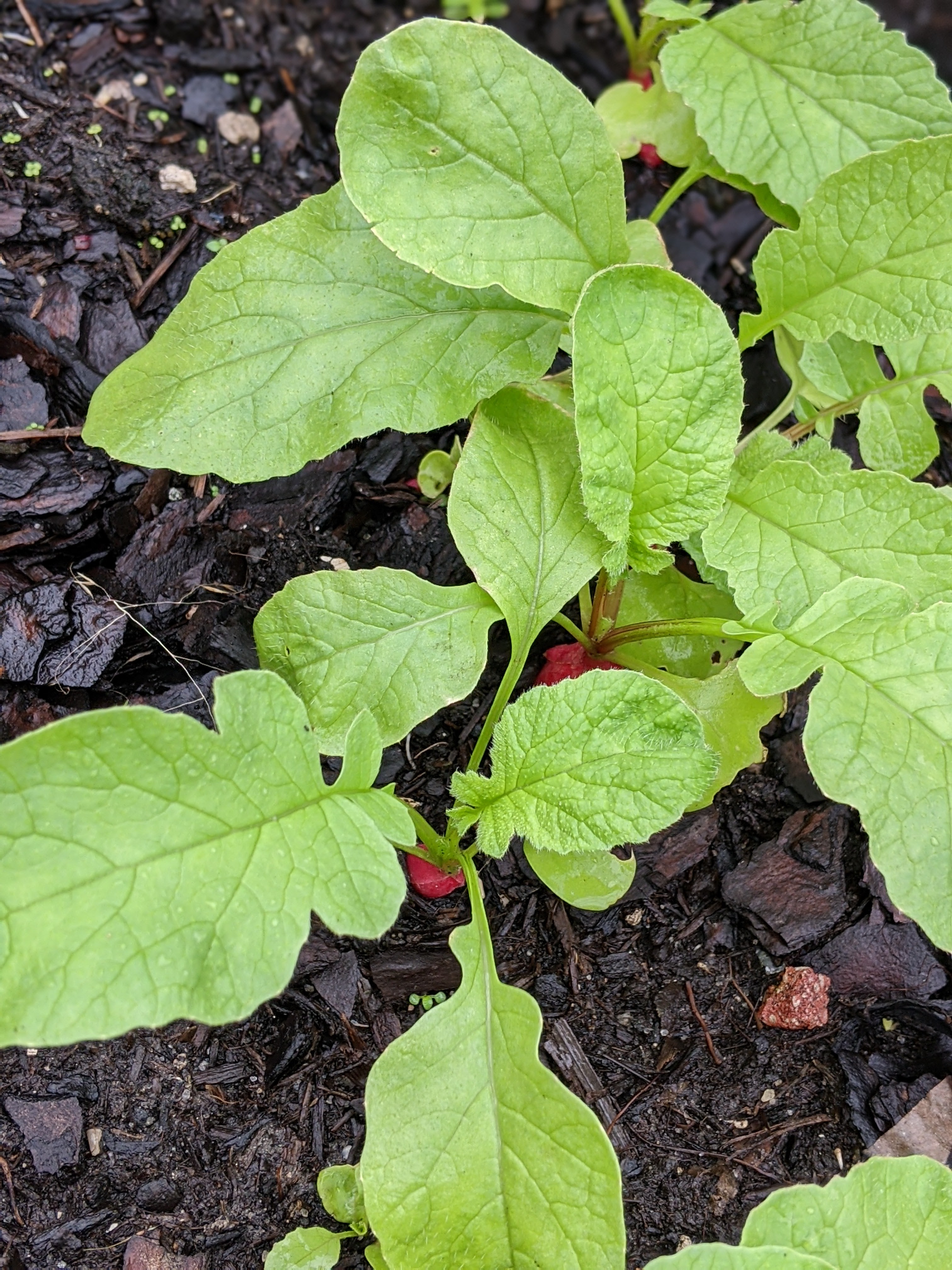
Red radish shoulders peeking out, I am looking forward to eating these guys.

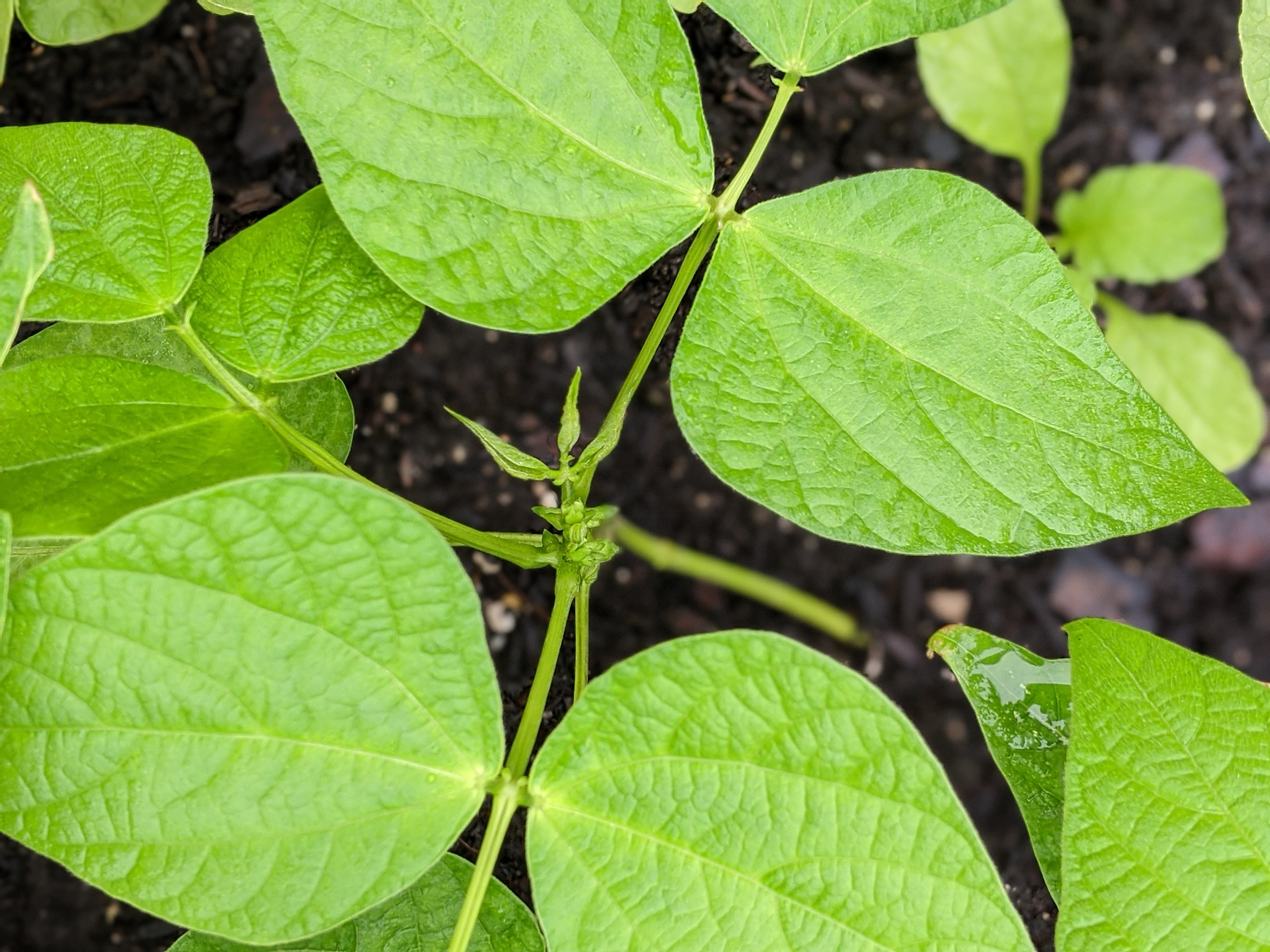
Bush beans budding. I think these are Blue Lake.

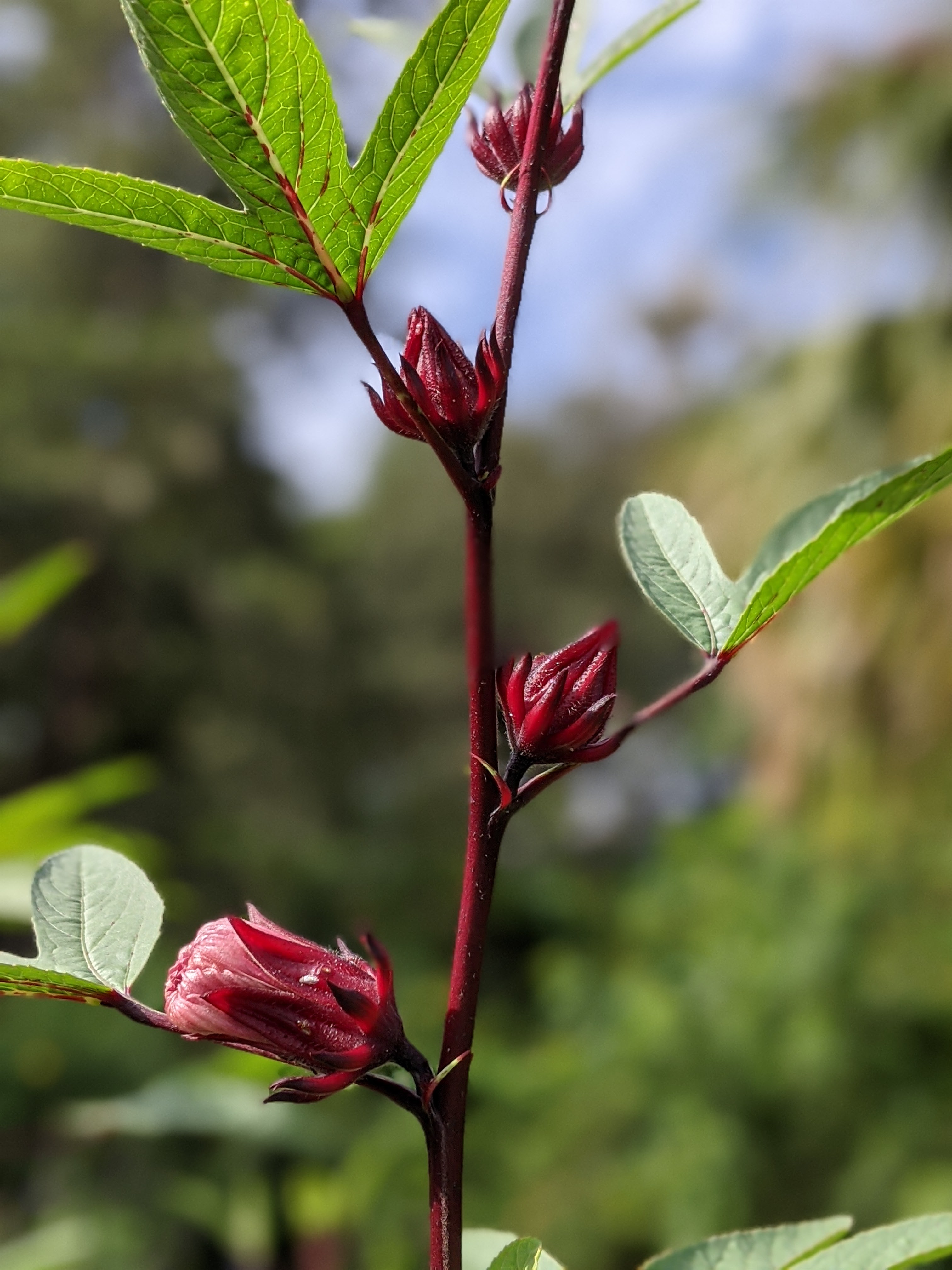
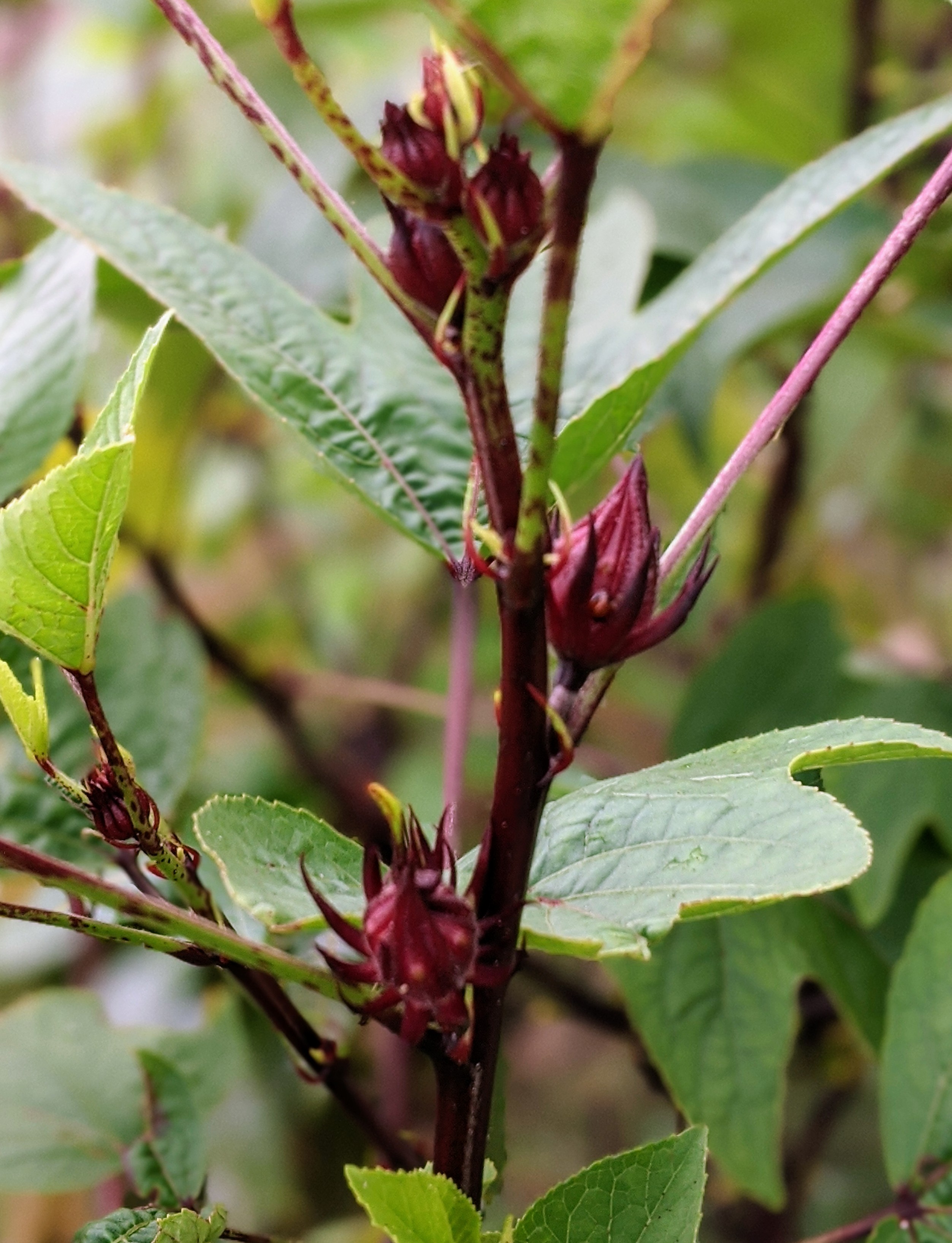
Roselles, nearly ready to pick. These are the flowers of an edible Hibiscus, I have been harvesting and freezing them.

San Marzano tomatoes coming along.

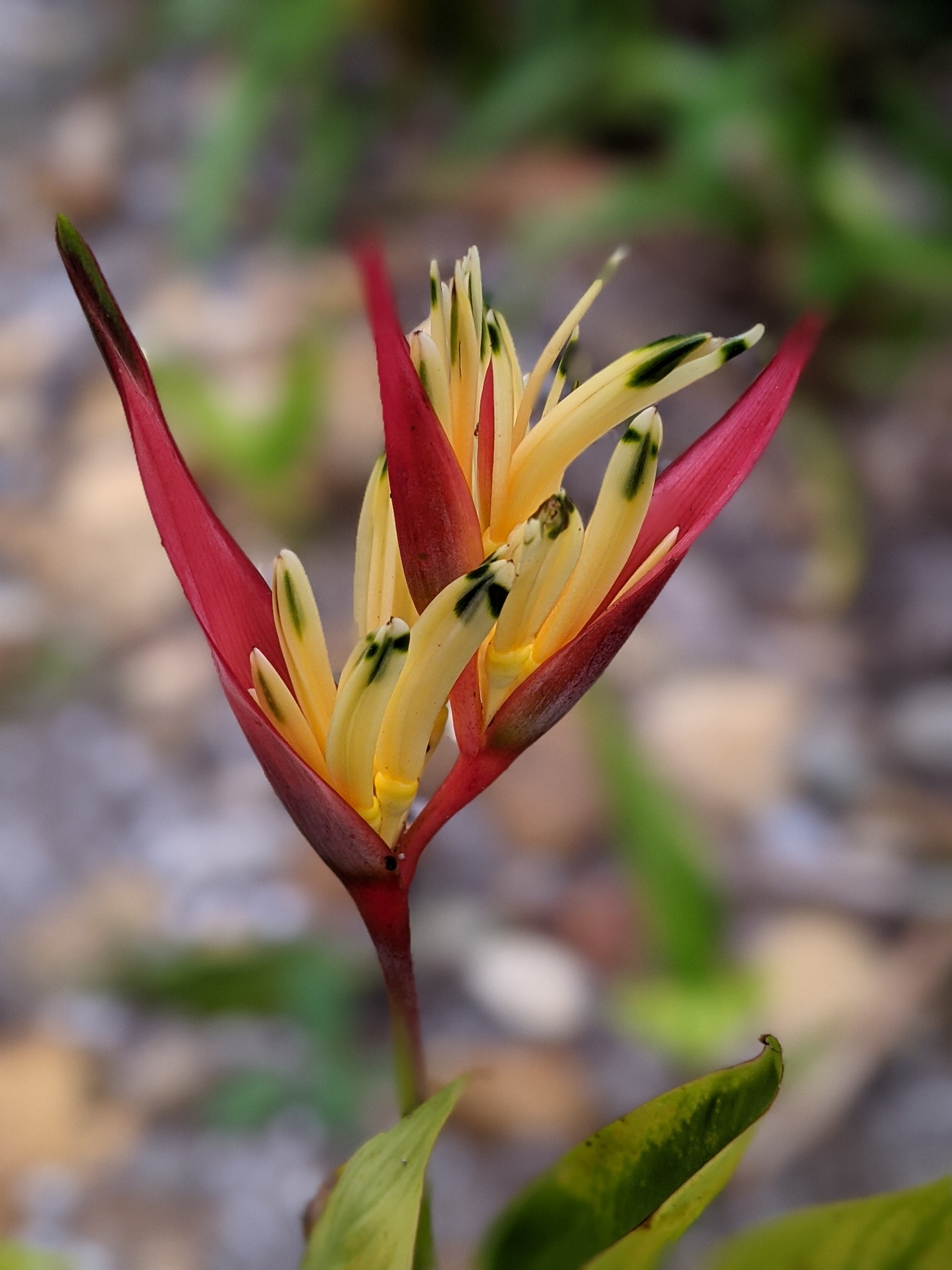
Heliconia psittacorum – Parrotflower, one of my favorite cut flowers, I am wondering if they like shorter day lengths to bloom.

Happy Saturday and Happy Gardening….

In a Vase on Monday – Muhly Candy

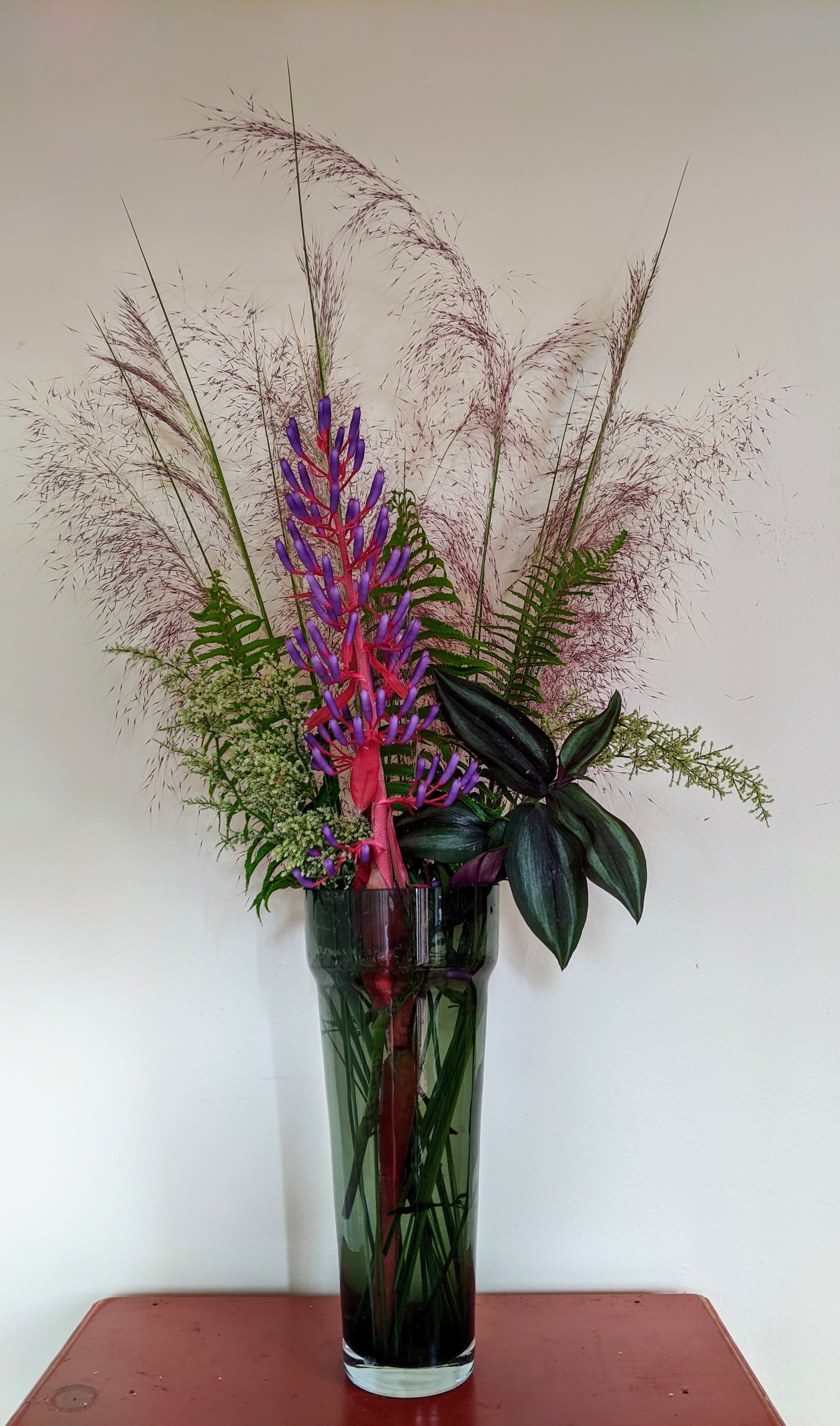
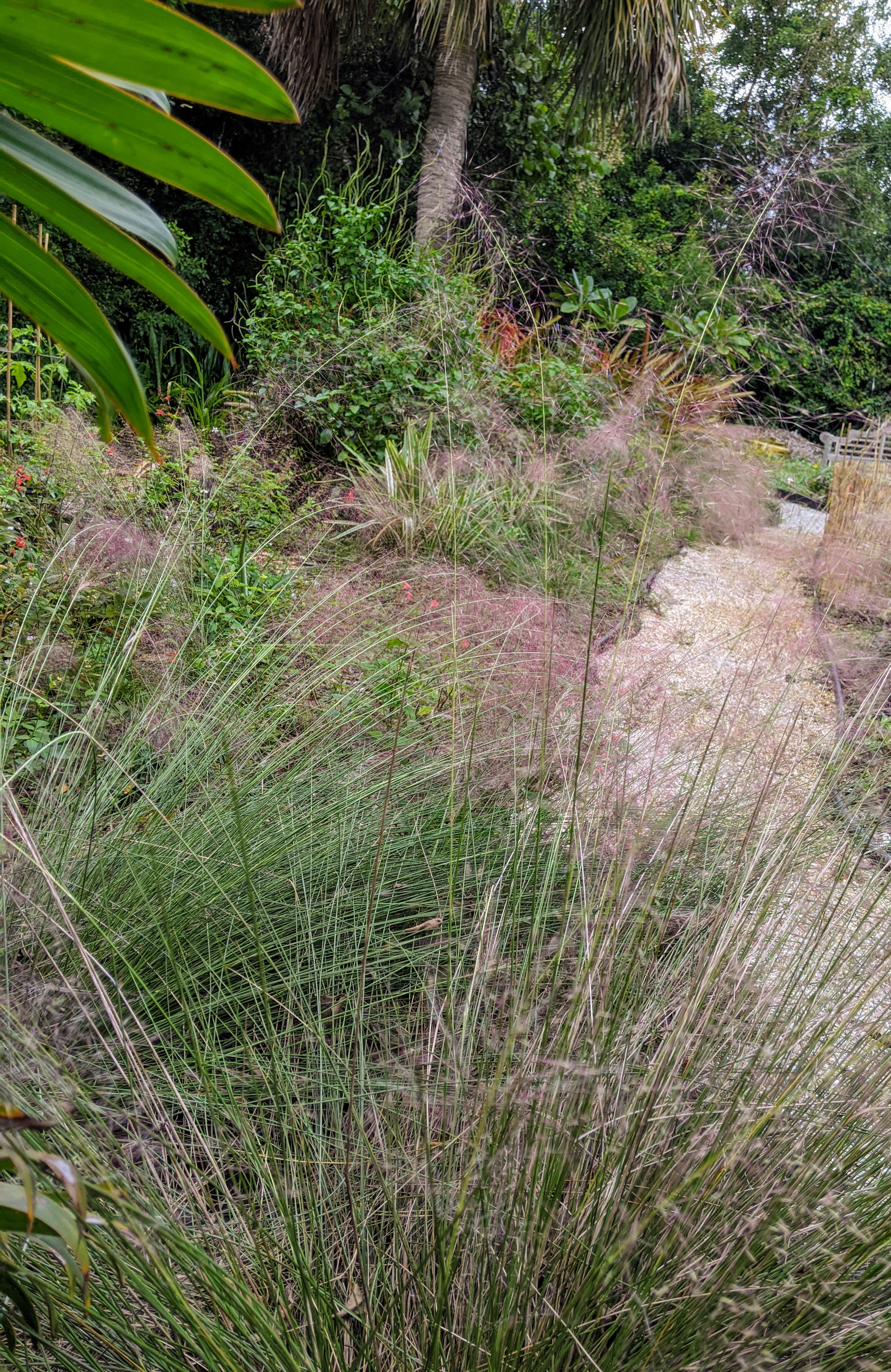
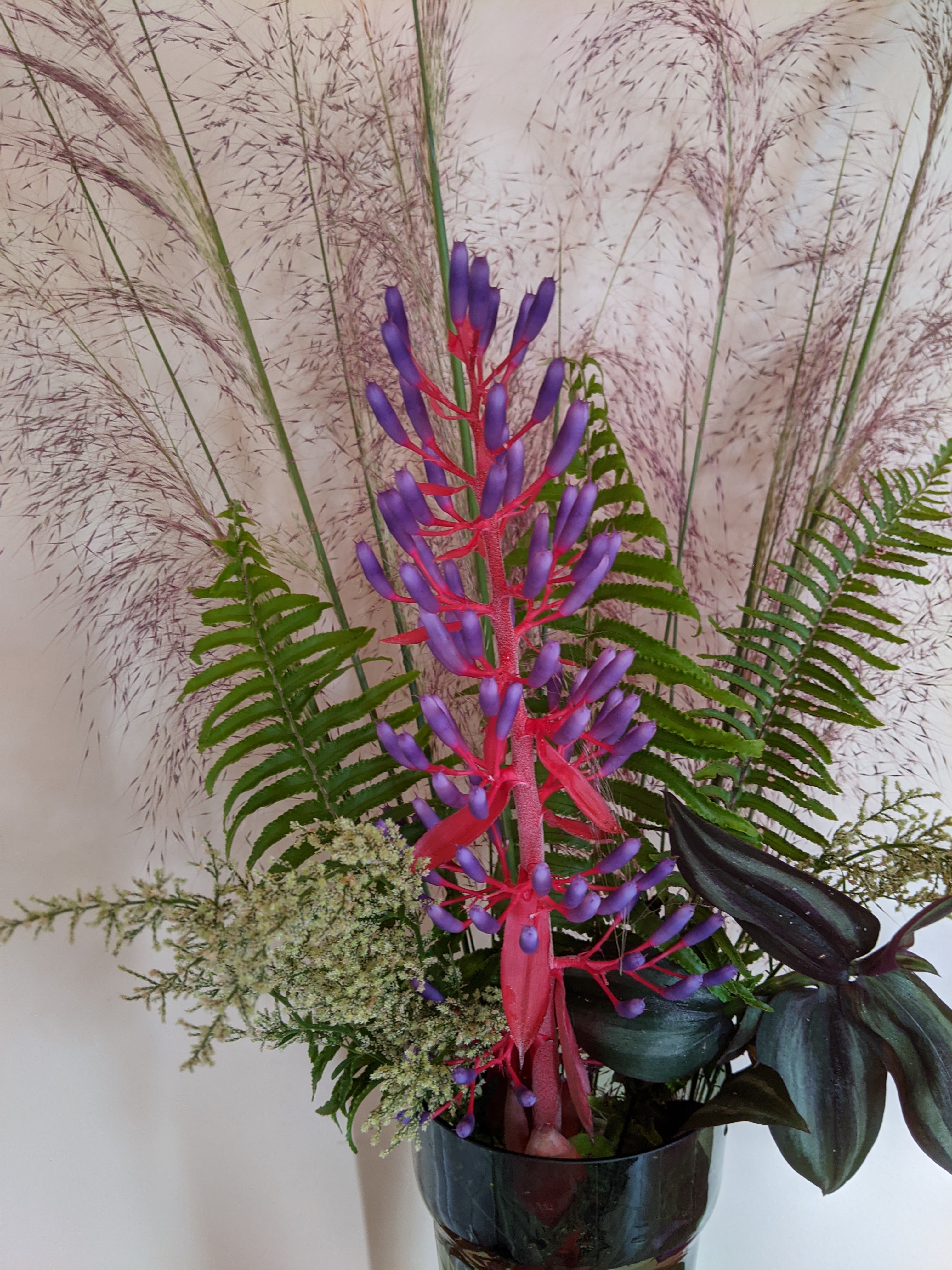
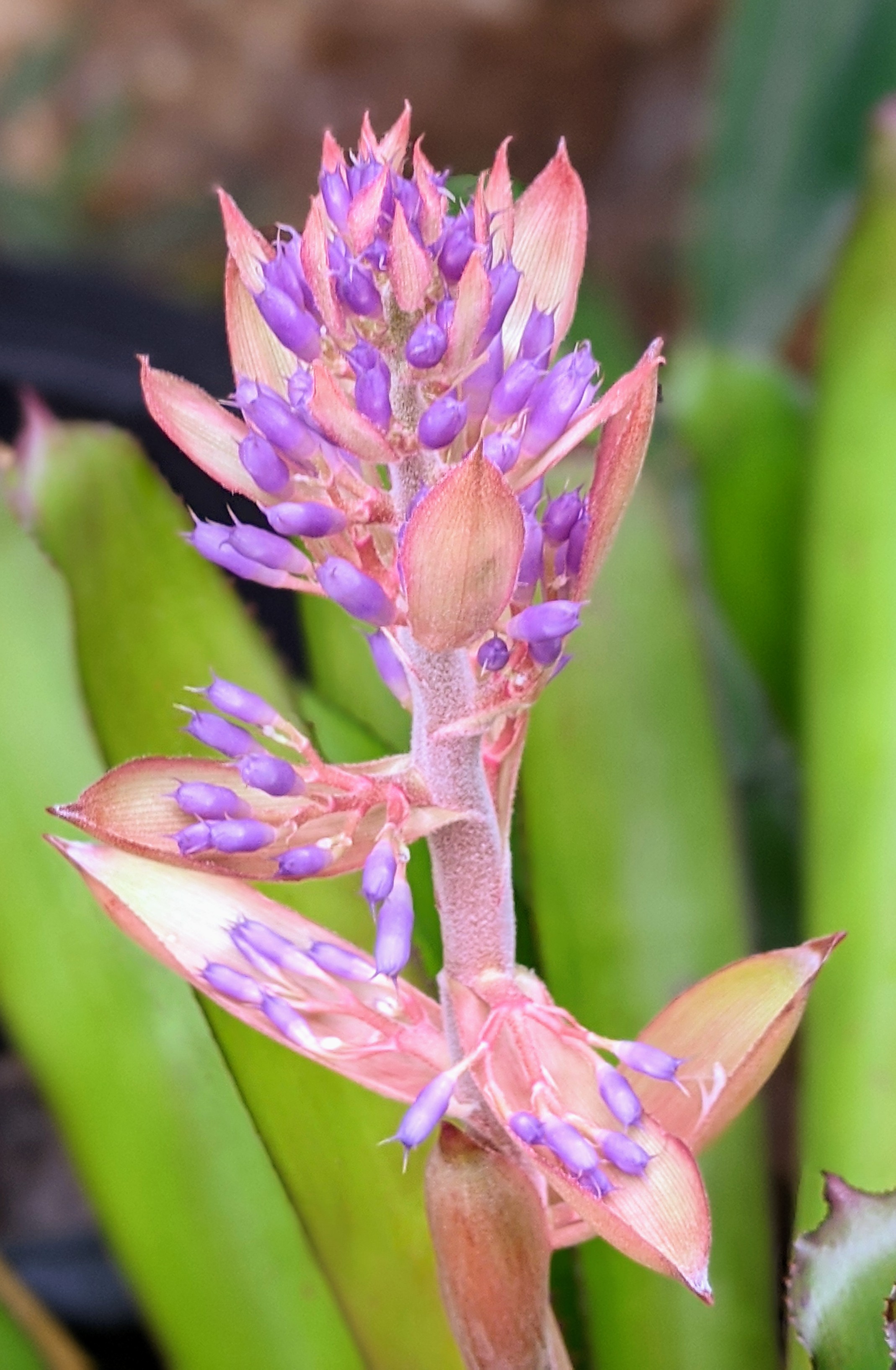
Not Summer arrived in South Florida on the first of November, I am only too happy to bid farewall to October and Summer. Not Summer brings lower temperatures, less humidity and Muhly Grass flowers, my garden is filled with flowing pink grasses. The candy is the purple Bromeliad flower – it is a Portea Bromeliad, the variety is Candy.

Welcome to the Jungle

I think there is too much Muhly Grass in the garden (with Bottle Palm in top of image) but I am really enjoying them this Fall/Not Summer.

A close up:

The purple flowers with a pink stem (how often do you get to say that?) is Portea ‘Candy’ Bromeliad, the off white spikes are Juba Bush (Iresine diffusa); Boston Fern (Nephrolepis exaltata) in the back; a purple and silver striped sprig of Wandering Jew (Transcandentia zebrina); and the Muhly Grass (Muhlbergia capillaris) in the background.

I have missed a couple of weeks caring for my husband, who is on the mend. Thanks to Cathy for hosting.

Visit Cathy at http://www.ramblinginthegarden.wordpress.com to see vases from around the world.

Happy Gardening.

Six on Saturday – The Orange Challenge

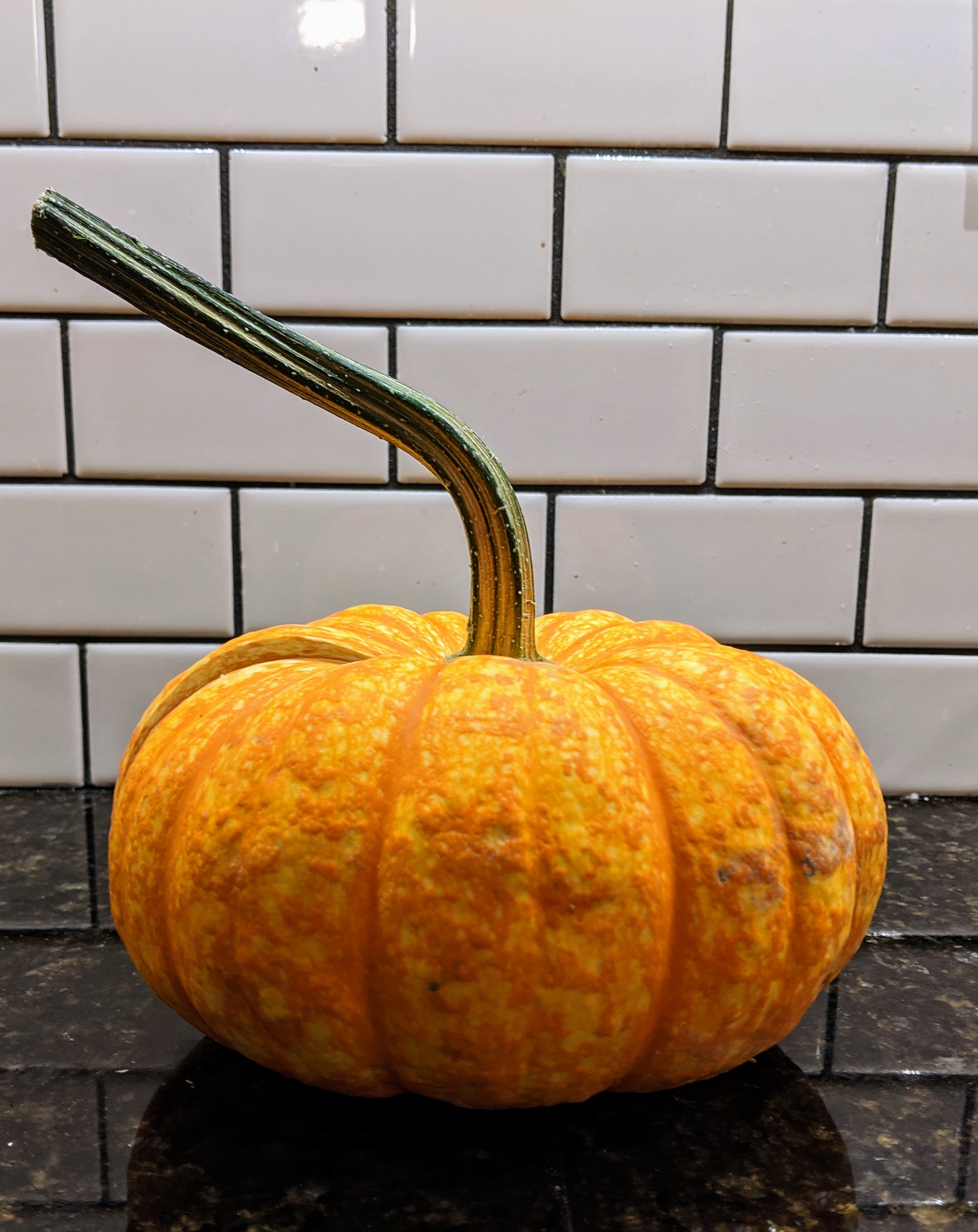
Today is Halloween in the US. There is a full moon and I am staying home today…I bought this pumpkin to celebrate and challenged myself to find five additional orange things in my garden.

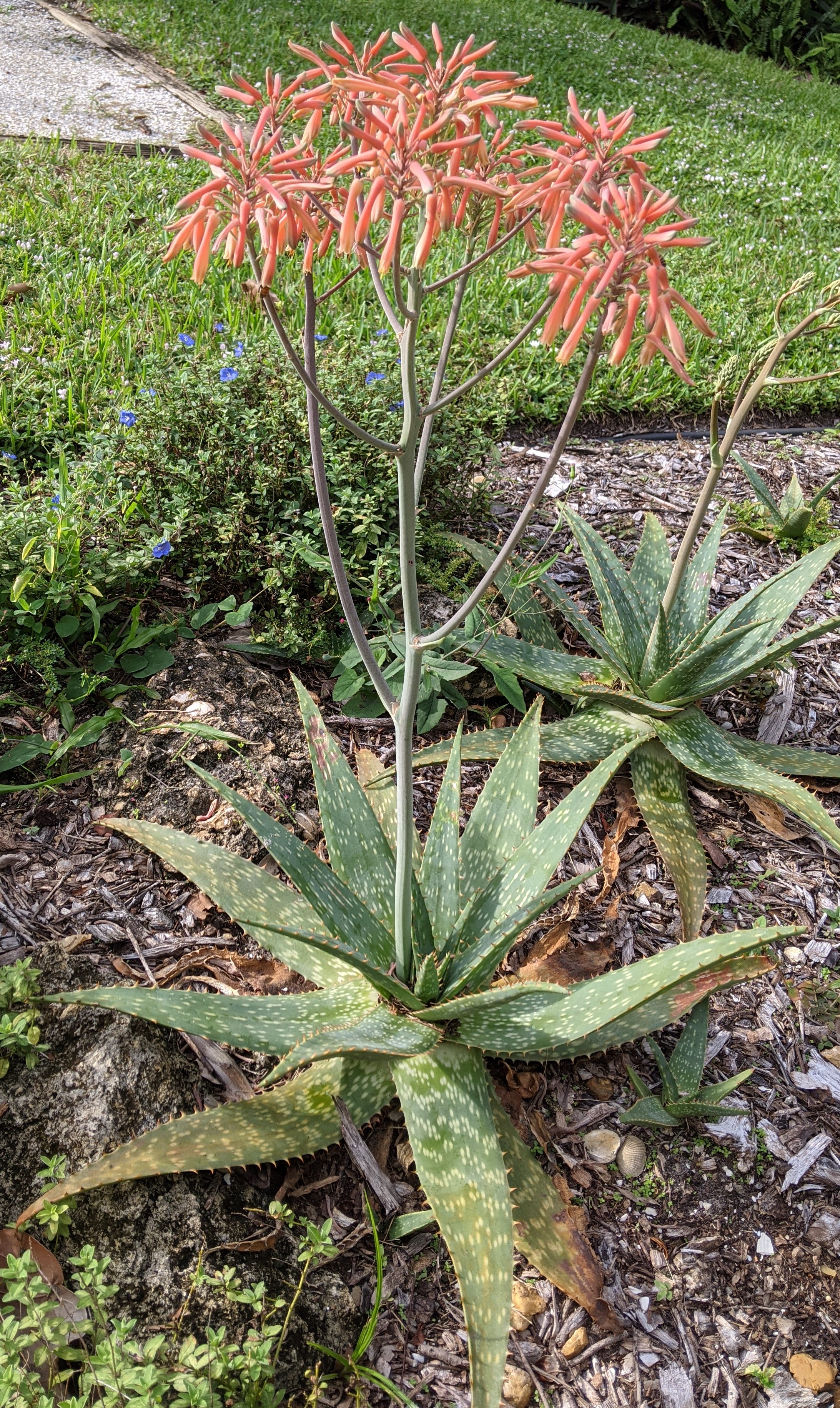
The Soap Aloe (Aloe saponaria) is flowering. A friend gave me one of these several years ago, now I have several and give them to friends. A native of South Africa, they can be used for shampoo – but are well known for causing allergic reactions, so I enjoy them in the garden and cut them for flower arrangements.

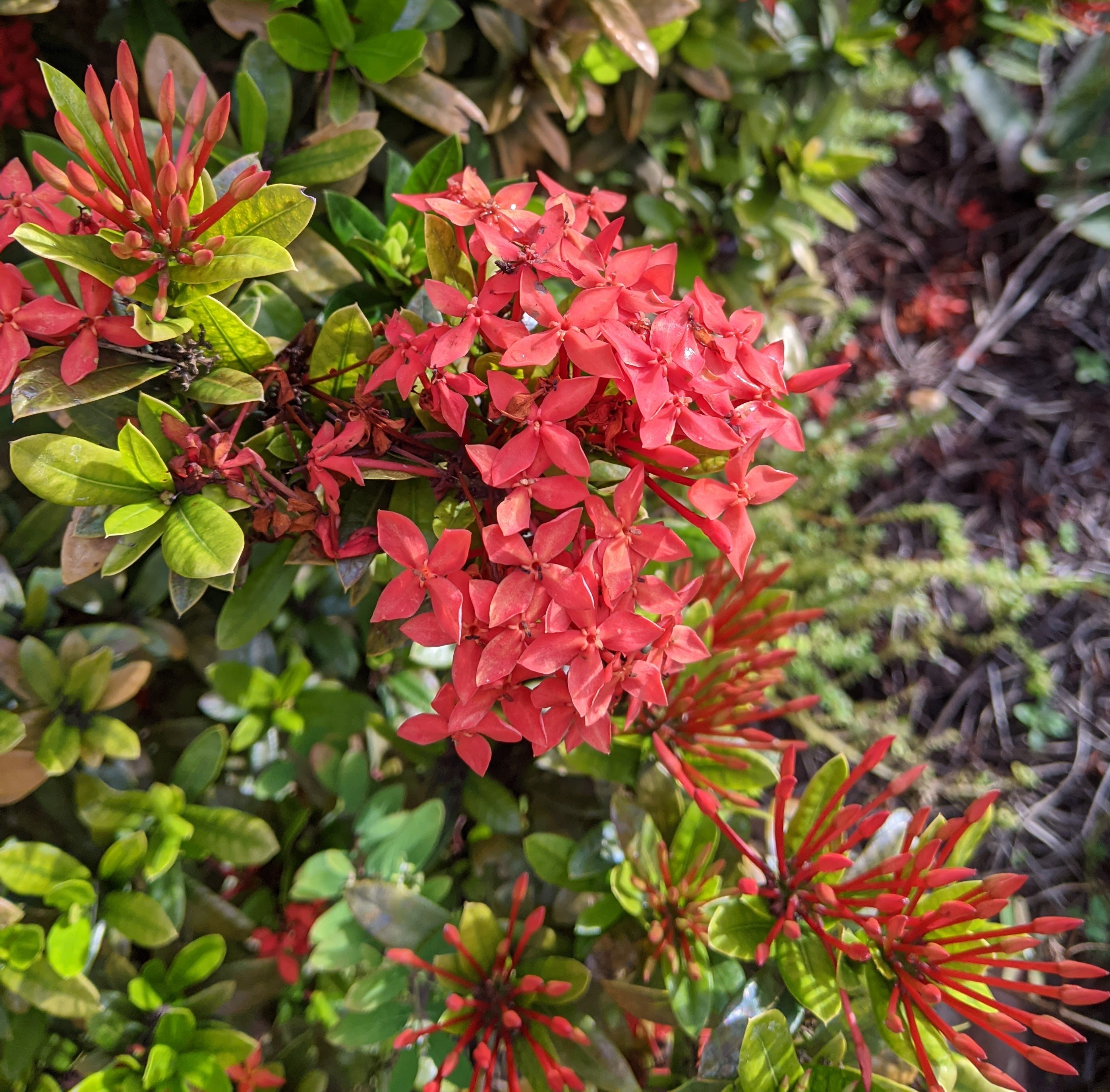
Dwarf Ixora (Ixora chinensis or taiwanensis) these flower nearly continuously through the summer and off and on during the winter. They are called Maui Red, but I think they are orange.

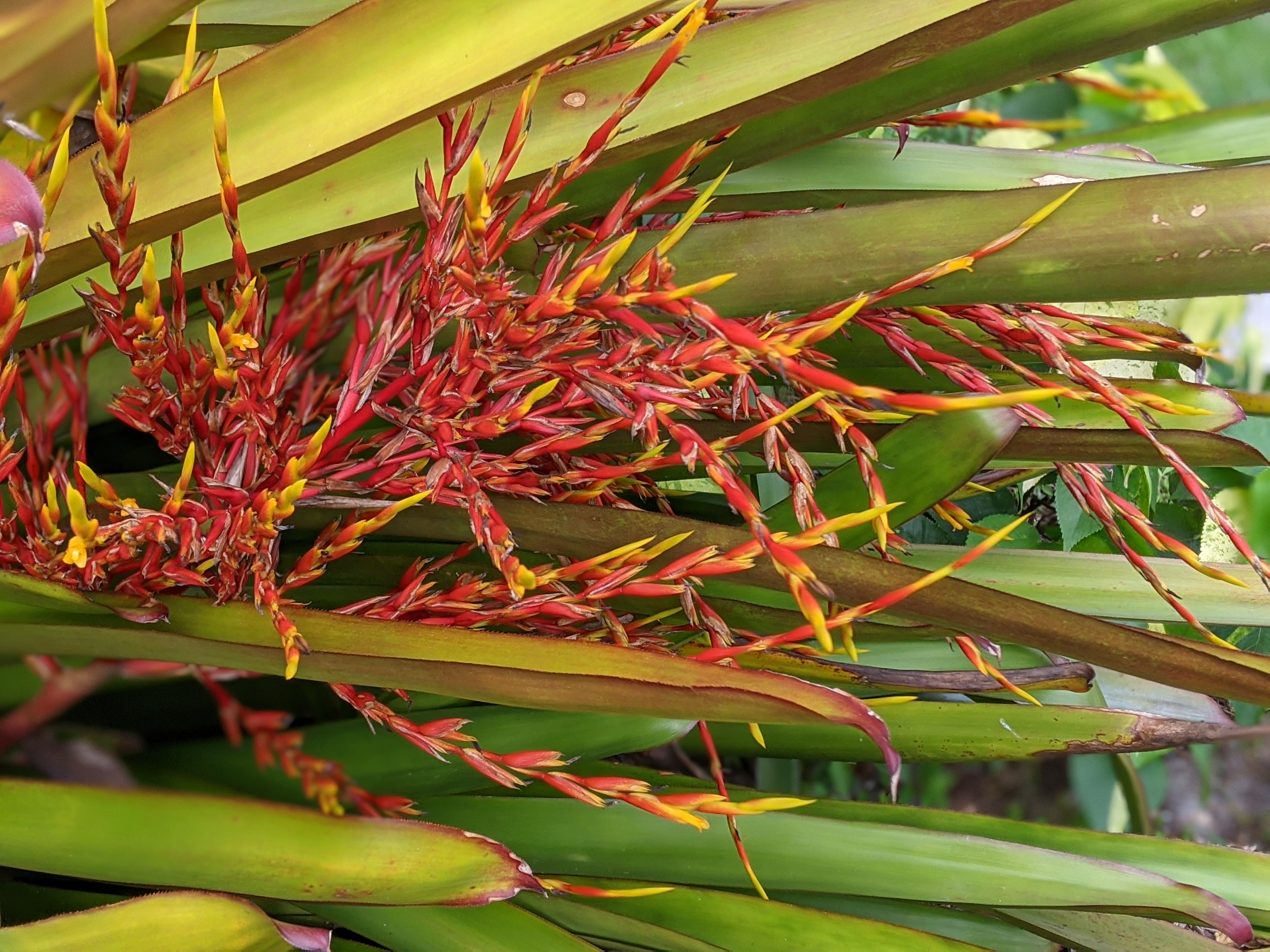
Blanchetiana Bromeliad flowers are getting bigger and bigger…sometimes called Lobster Claw, these are big Aechmeas – some are six feet tall.

Gallardias (Gallardia pulchella) just keep going. I foolishly tried to start some from seed in August, not realizing them come up in droves naturally in October…

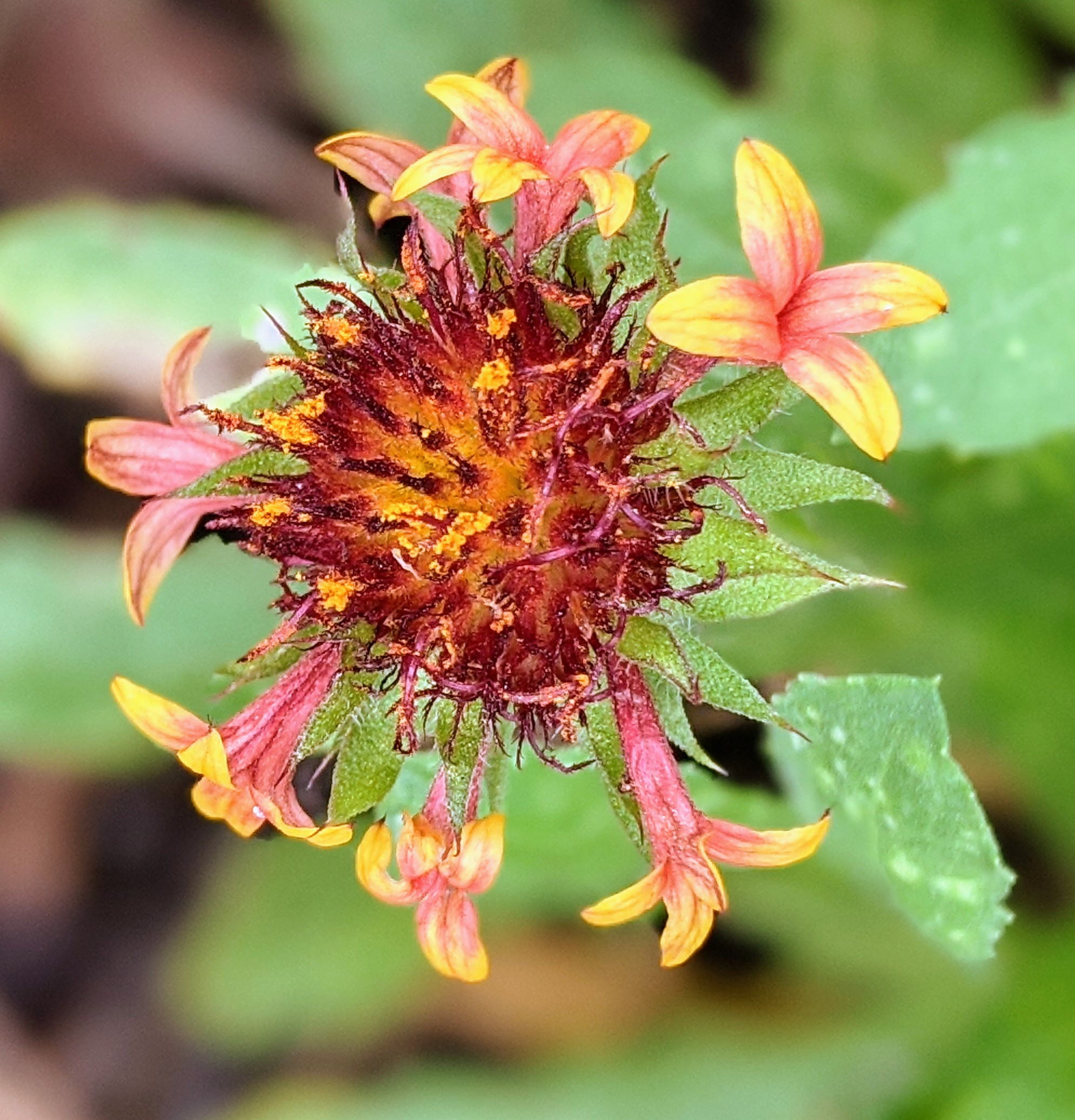
My favorite shrub, the Firebush (Hamelia patens var patens)

I am joining The Propagator for Six on Saturday – to see more posts, visit http://www.thepropagatorblog.wordpress.com.

Orange you glad for gardens!?

Happy Gardening!!
Six on Saturday – Roselles and Nematodes

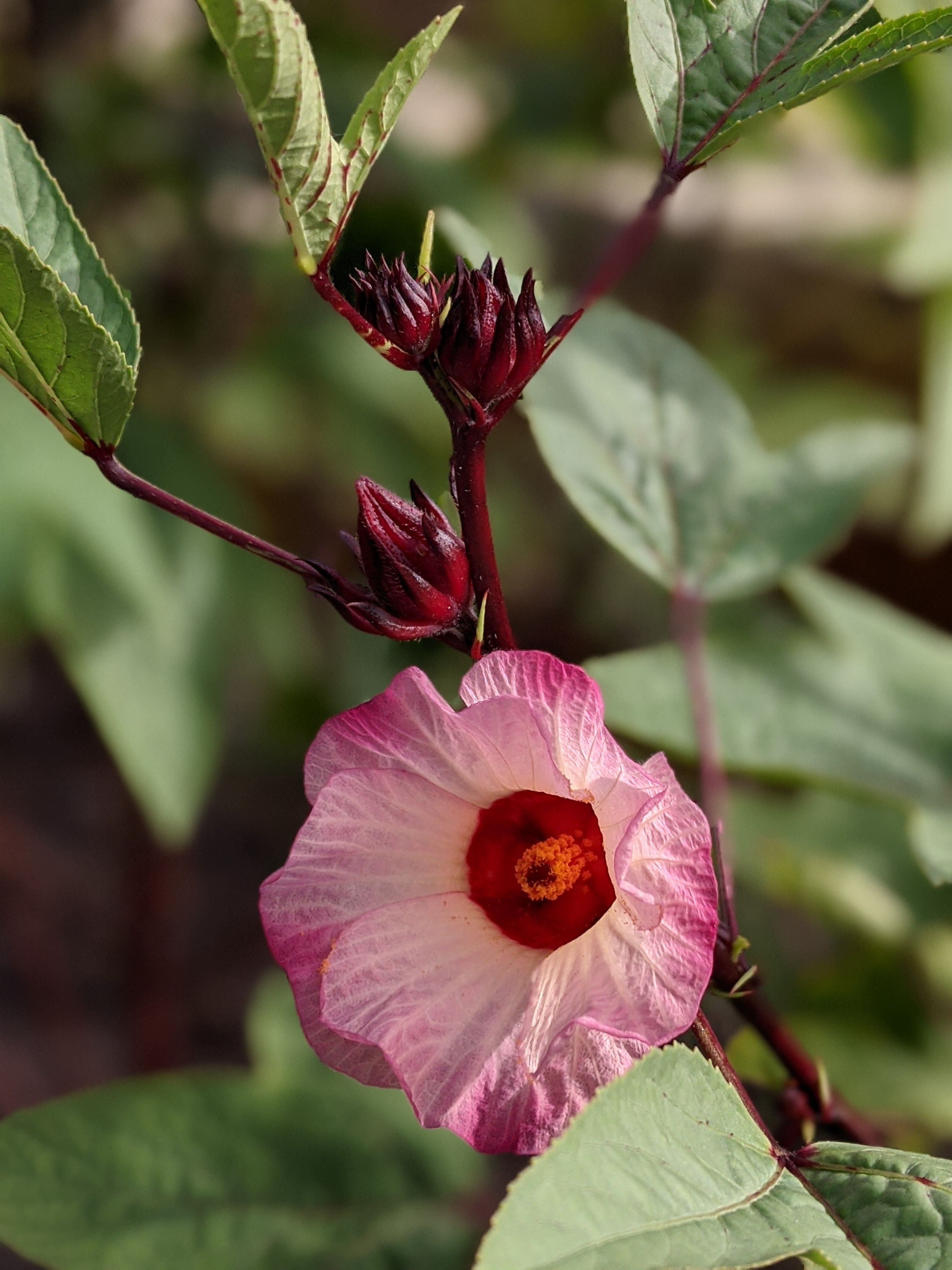
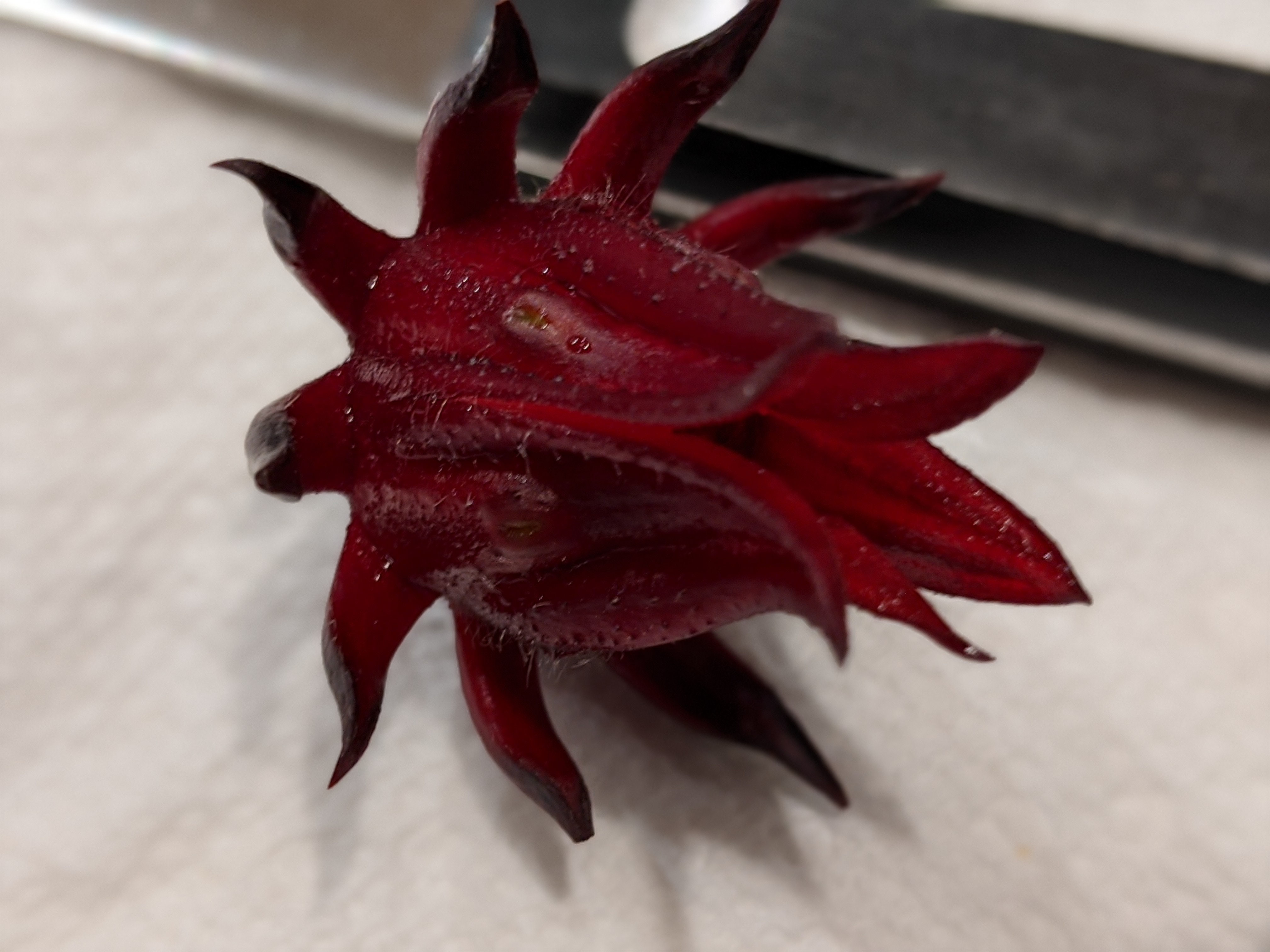
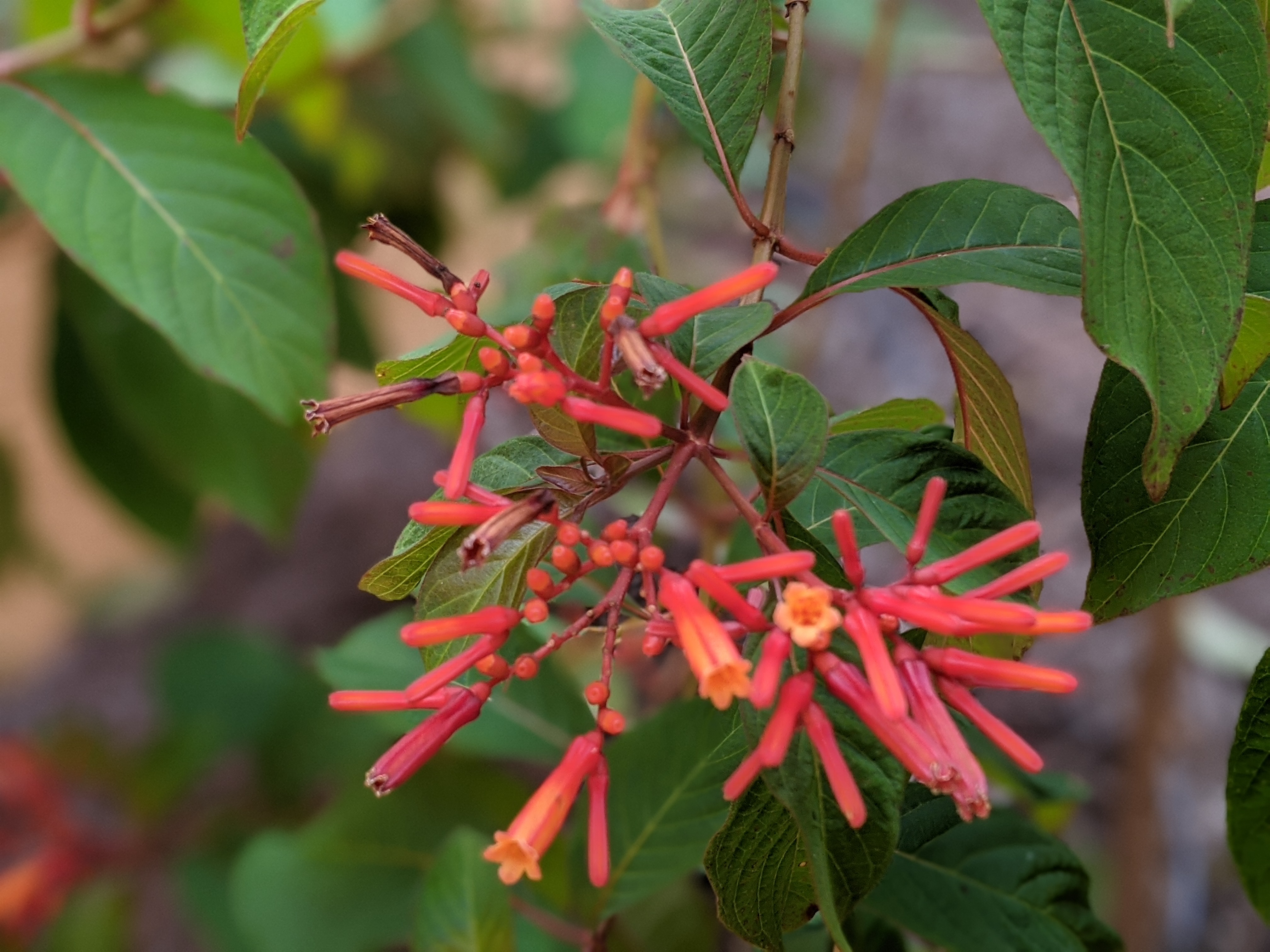
My Roselles started flowering in earnest this week. These are edible Hibiscus (Hibiscus sabdariffa) and grow in tropical areas. I planted the seedlings in April and they flower in late October. These are grown for their cranberry flavored calyx, but the rest of the plant can be eaten.

This one has just finished flowering. The directions I have found dictate waiting two to three weeks after the flower falls off to harvest the calyx. I picked one to try, having no idea when the flower fell off.

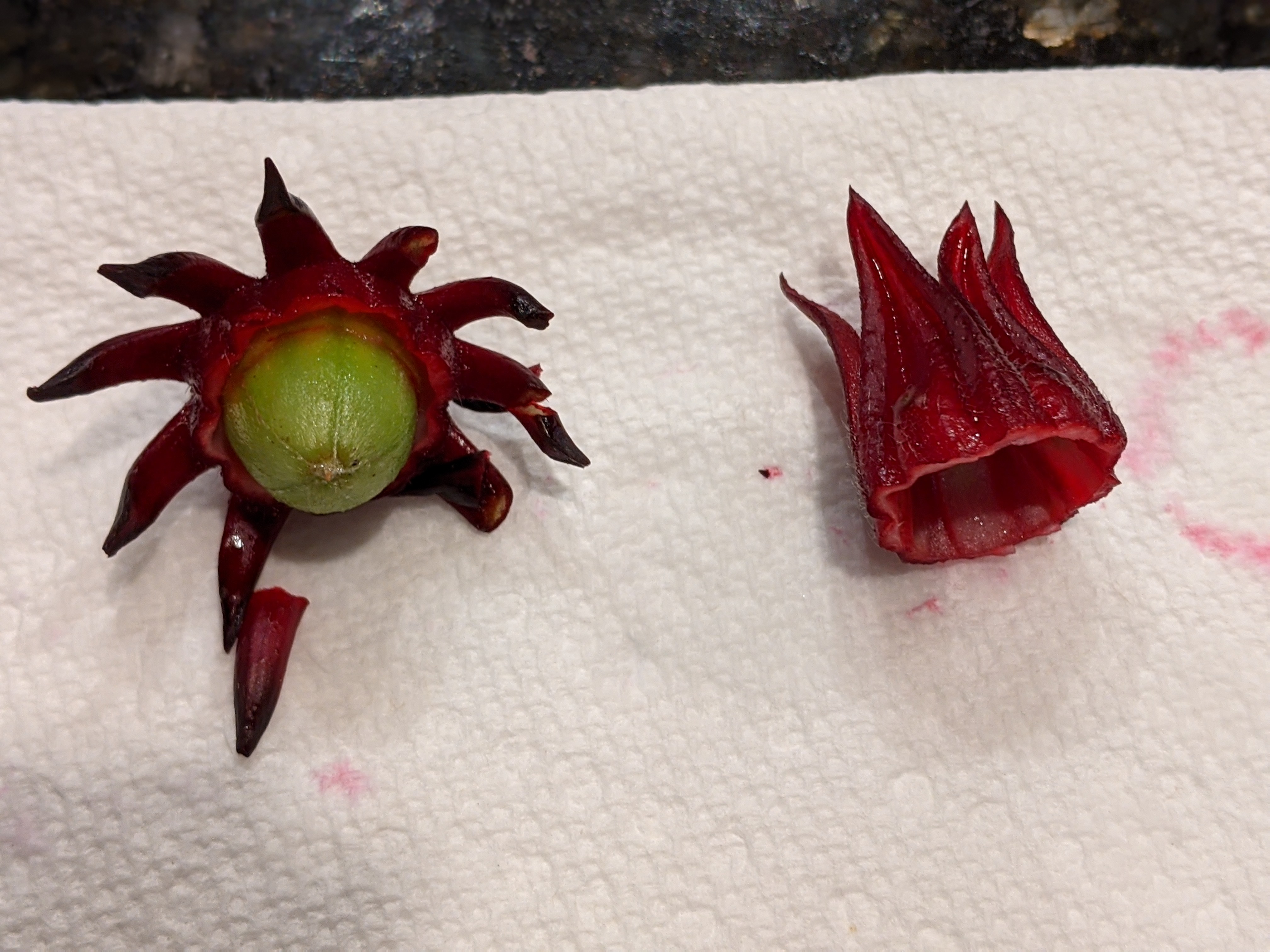
Watched a video about Roselles and found out I was going to eat the sepals – when you are supposed to eat the calyx. I had Botany about 40 years ago, I will forgive myself. Here it is cut if half.

These are usually dried but can be eaten raw. I am not sure if it was ripe as it was very sour with the barest hint of cranberry flavor.

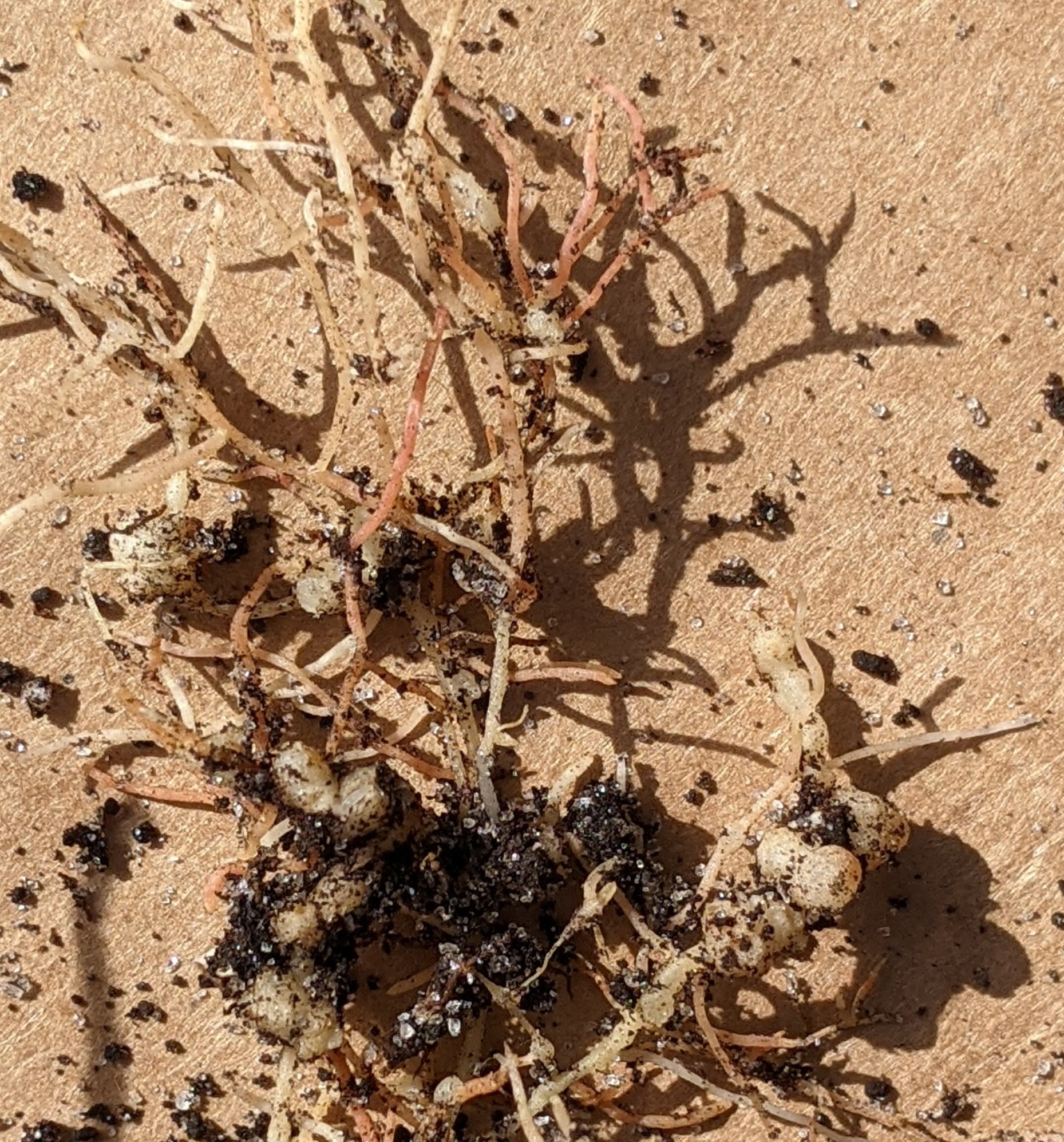
I posted about nematodes and worms to help combat them a couple of weeks ago. One of the Roselle plants was killed by root knot nematodes. Here is the body, I bagged the roots to prevent spreading the bugs. Root knot nematodes destroy the xylem and phloem leaving the plant unable to feed itself. This Roselle was 4 feet tall.

Here are the roots.

Ugh, I watered the area with food grade diatomaceous earth in hopes of getting rid of the nematodes. Though I will probably start another worm bed as they are pretty close to a Mango and Lime tree.

That’s my six for this Saturday. To see more posts visit http://www.thepropagatorblog.wordpress.com.

Happy Gardening…

Six on Saturday – Fall Flowers

It’s Saturday again and time to join The Propagator in his weekly meme about six items of interest in your garden. SOS. To see more of SOS, visit http://www.thepropagatorblog.wordpress.com.

The weather is finally turning lovely, I have almost finished planting my vegetable garden and fall flowers are showing their colors.

First up, the mad tropical Candy Portea Bromeliad is about half open. My neighbor says these look like sea creatures.

Second, the flowers of the Roselle, an edible Hibiscus. The cranberry colored calyx of the flowers is eaten and tastes like cranberries, these are not ripe yet.

Third, the flowers of the native Senna (Senna ligustrina). These are larval host plants for Sulphur Butterflies. If the caterpillar eats the flower, they are yellow, it they eat the foliage they turn green. The butterflies are always yellow.

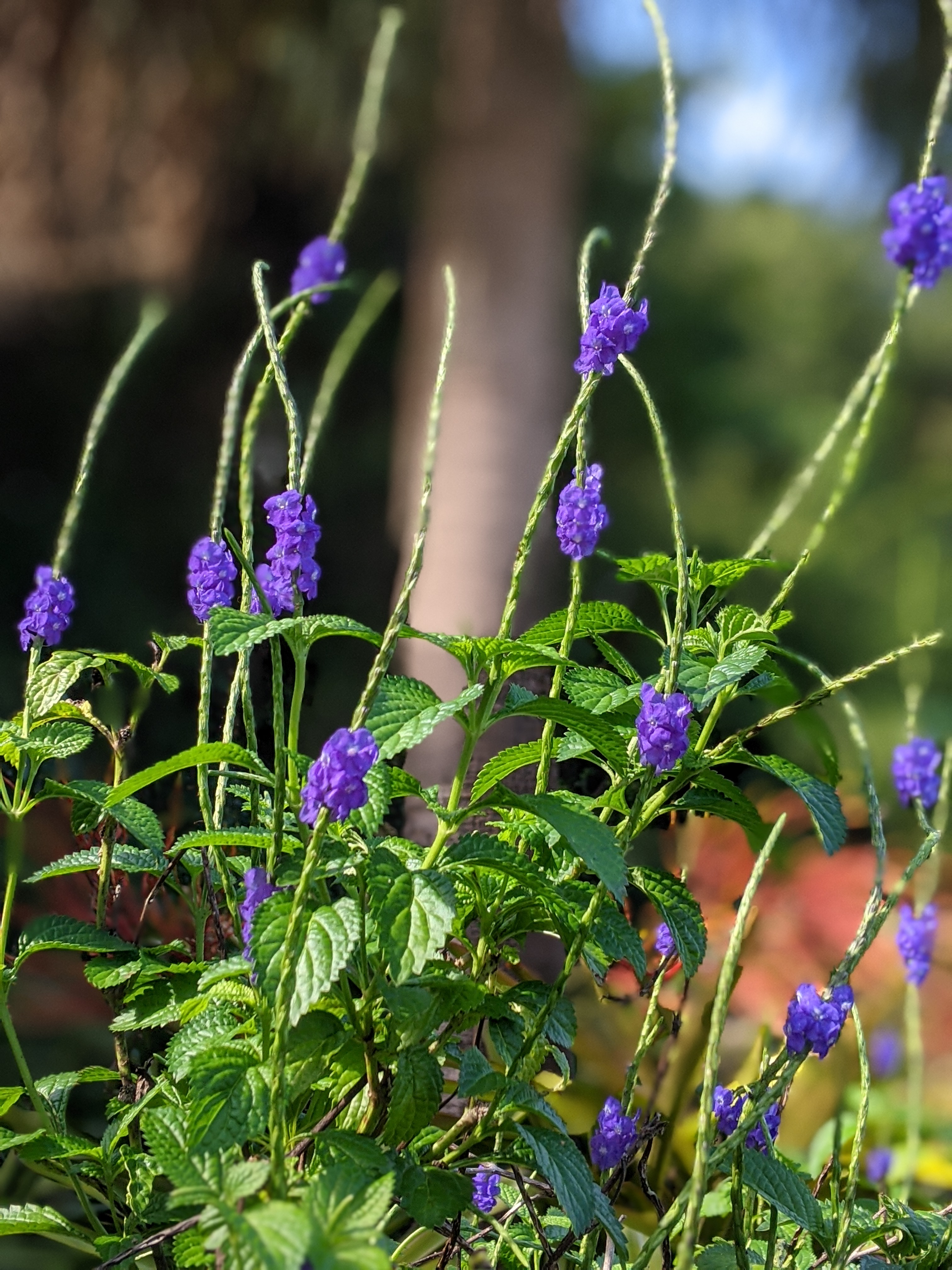
Fourth, Blue Porterweed (Stachytarpeta jamaicaensis). Another good butterfly plant for nectar. I think the abundant rainfall has made them extra beautiful this fall.

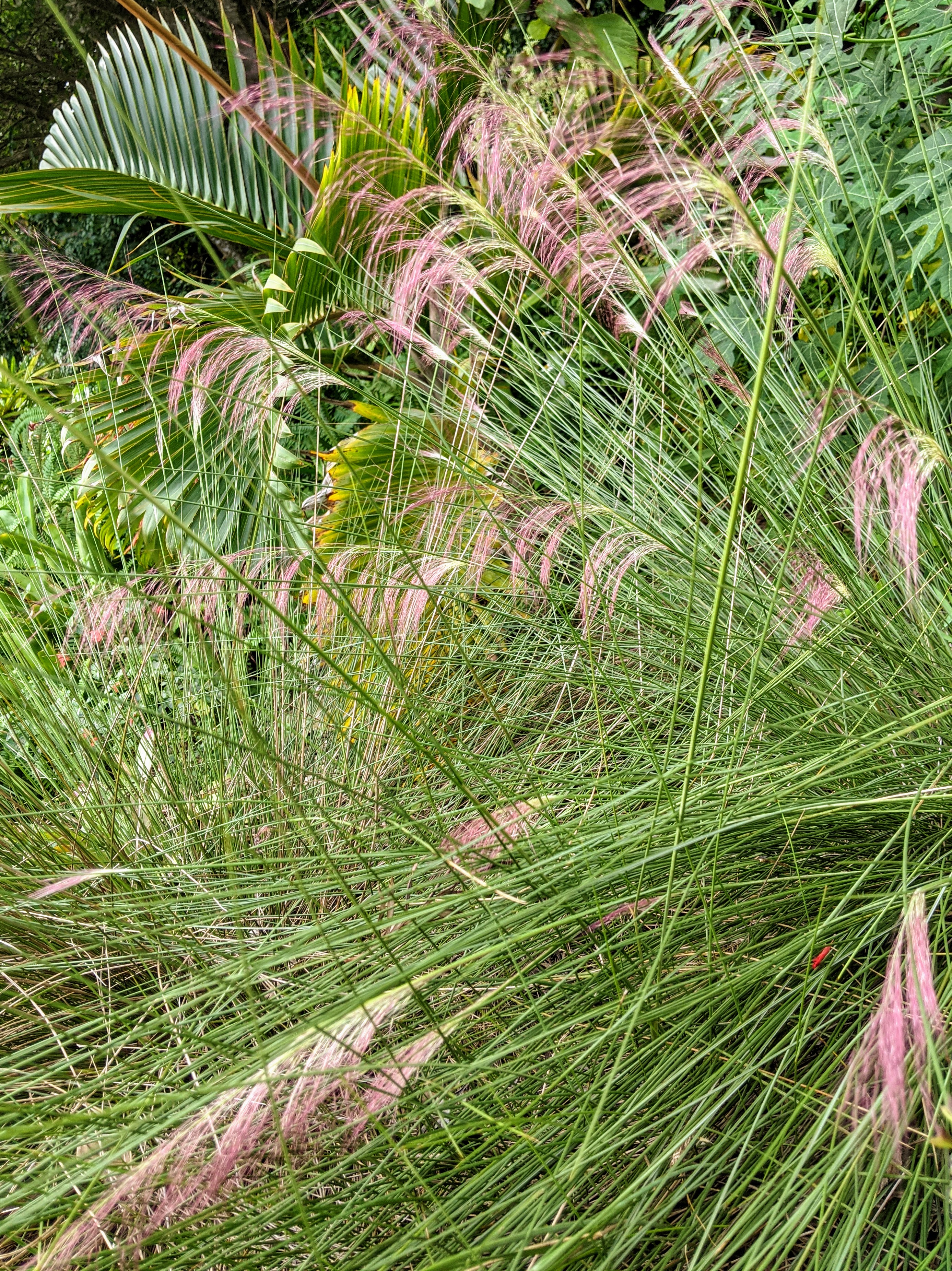
Muhly Grass (Muhlenbergia capillaris) is a true sign of fall, likely my favorite fall flower.

Finally, the mystery plant. This came up in a pot with some other seedlings. I think it is an Agastache or maybe Holy Basil. I did not plant either. The foliage has a light anise scent. Does anyone know?

Happy Gardening!
In a Vase on Monday – Muhly Blues

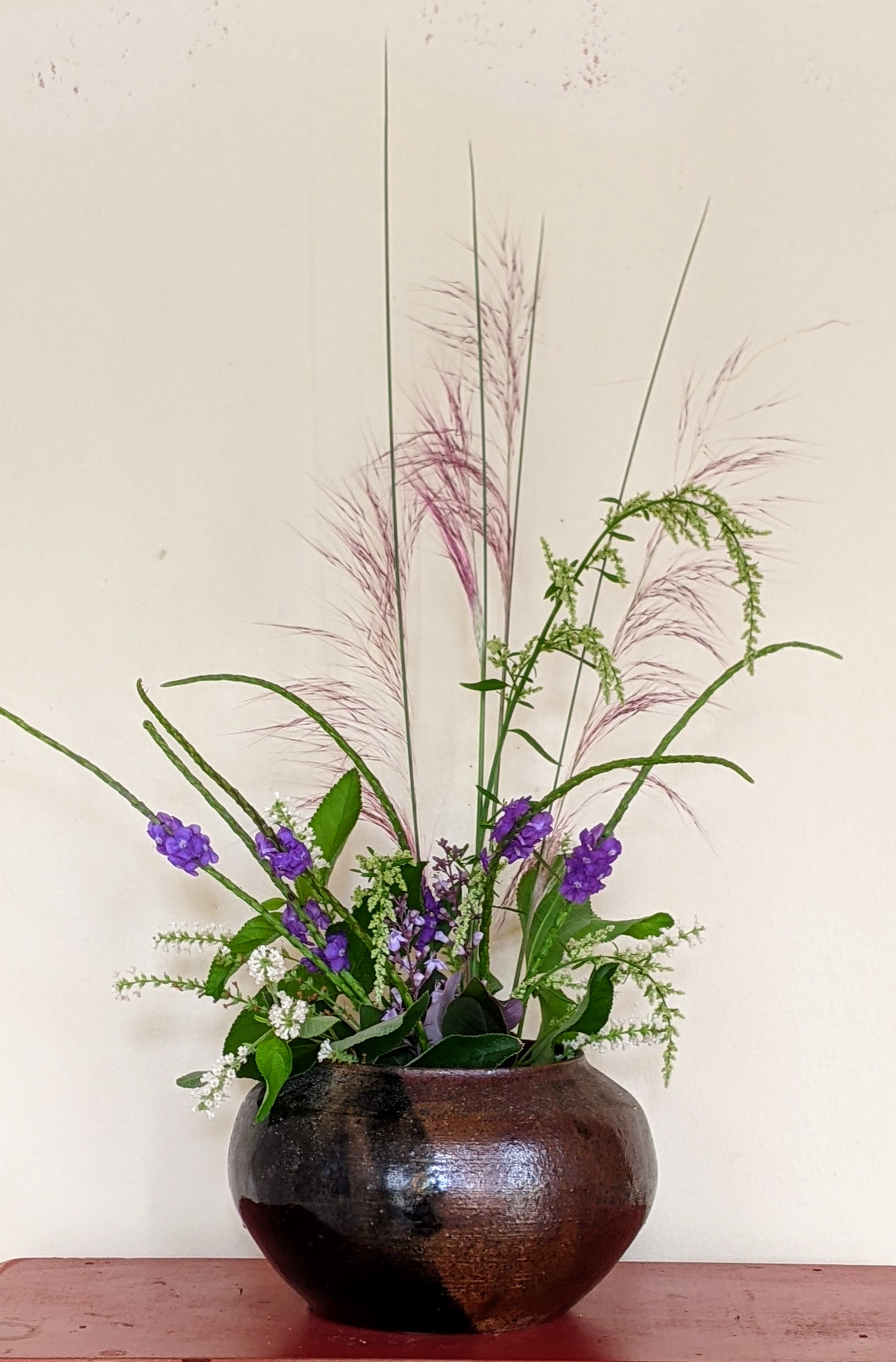
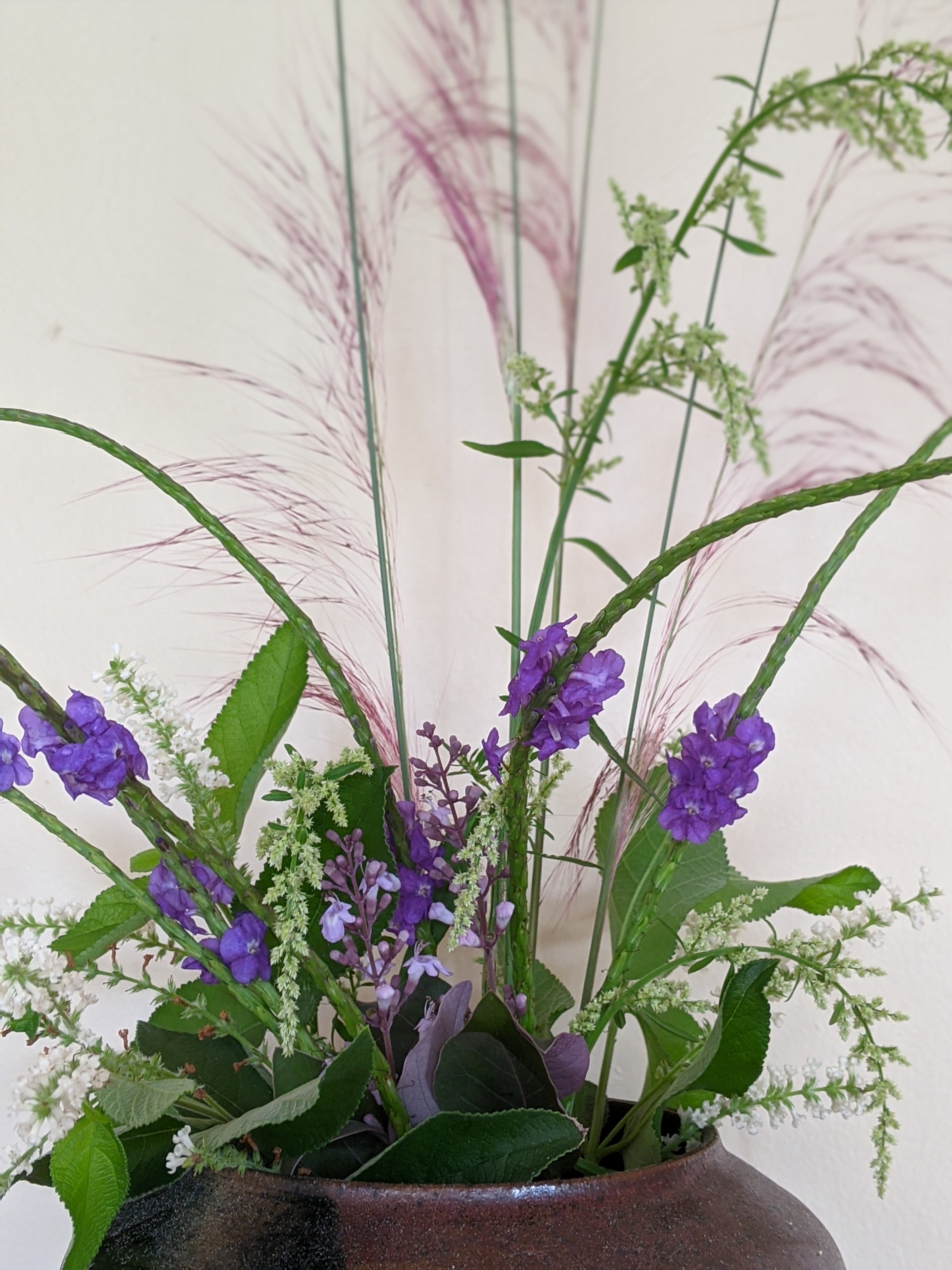
The Muhly Grass in my garden started sending up feathery pink spires this week. This is one of my fall favorites and I keep adding more to the garden. They reseed a bit and every plant gets moved to a new spot. I realized recently I am running out of spots and should stop before there is too much Muhly. Or I could add some drifts further back in the yard….can one ever have too much Muhly?

A closer view:

The pink is Muhly Grass (Muhlenbergia capillaris) – a Florida native that thrives in my garden; the deep blue flowers are Blue Porterweed (Stachytarpheta jamaicensis) having a banner year; light blue flowers are from Arabian Lilac (Vitx trifolia); white Sweet Almond (Aloysia virgata) adds some fragrance and graceful Juba Bush (Iresine diffusa) sways with the Muhly Grass.

Bountiful Blue Porterweed:

Another reason for the Muhly Blues. Alan the Greyhound, tail wagging, went over the Rainbow Bridge this week. The Rainbow Bridge is my favorite euphemism as I love the thought of all my departed Greyhounds waiting at the end of the bridge to join Alan in a joyful run into happy infinity…

Happy Gardening and thanks to Cathy at http://www.ramblinginthegarden.wordpress.com for hosting this weekly meme. Go visit Cathy and see a world of vases.

Six on Saturday – Veg and Vermiculture

The humidity in finally diminishing and I had my first celebratory glass of Chardonnay in the garden yesterday afternoon. Celebrating the solarization, addition of a vermiculture bed and rabbit fence installation in the vegetable garden.

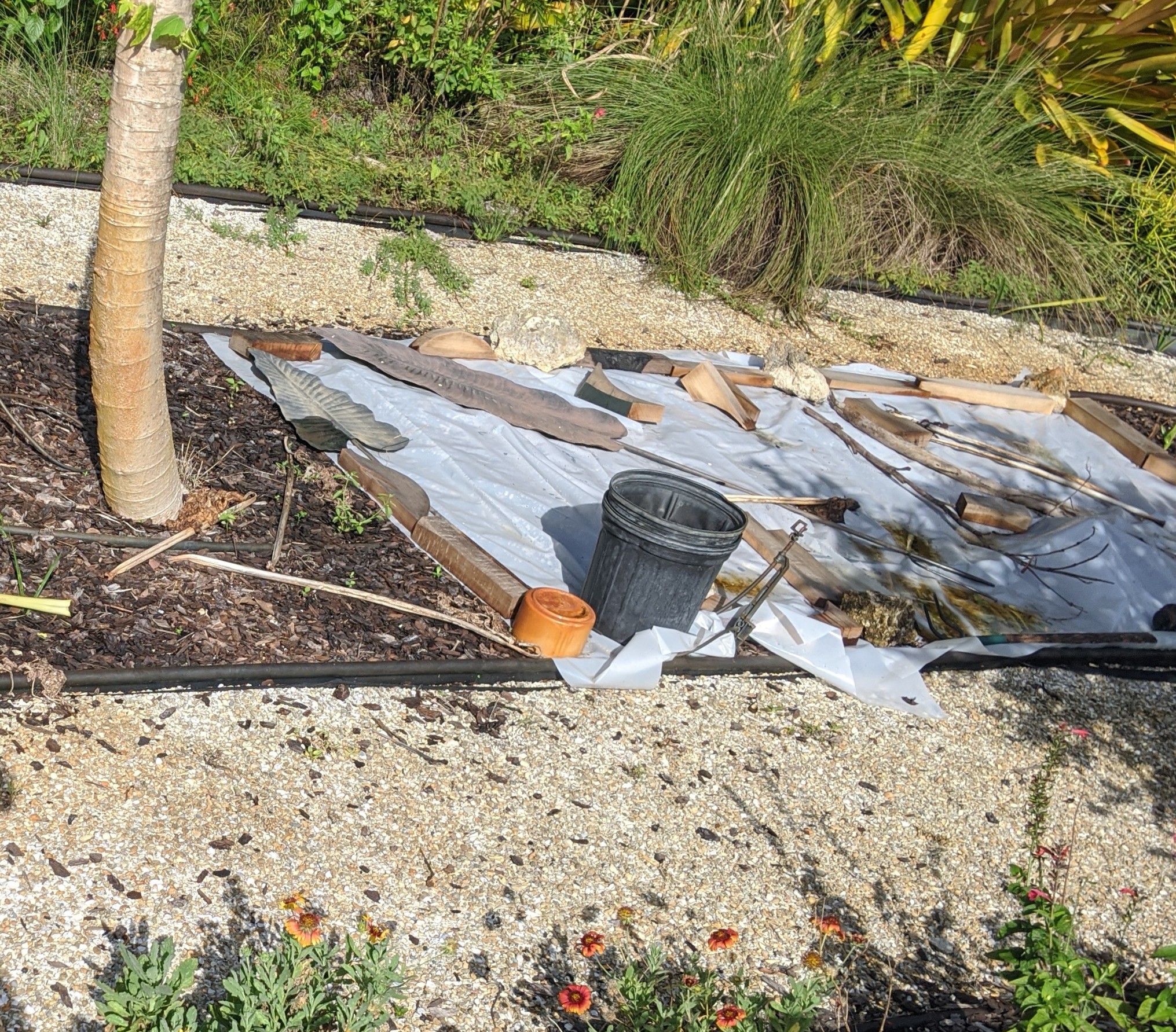
We have bad nematodes in South Florida – I have root knot nematodes in the vegetable garden. These are microscopic worms that feed on the roots of tomatoes and other vegetables eventually killing the plants. They are common in sandy soils and I was interested to learn recently adding compost and worms to the soil deters the nematodes. Solarization also helps. I solarized the bed during August and September, covering the bed with clear plastic held down with all kinds of junk.

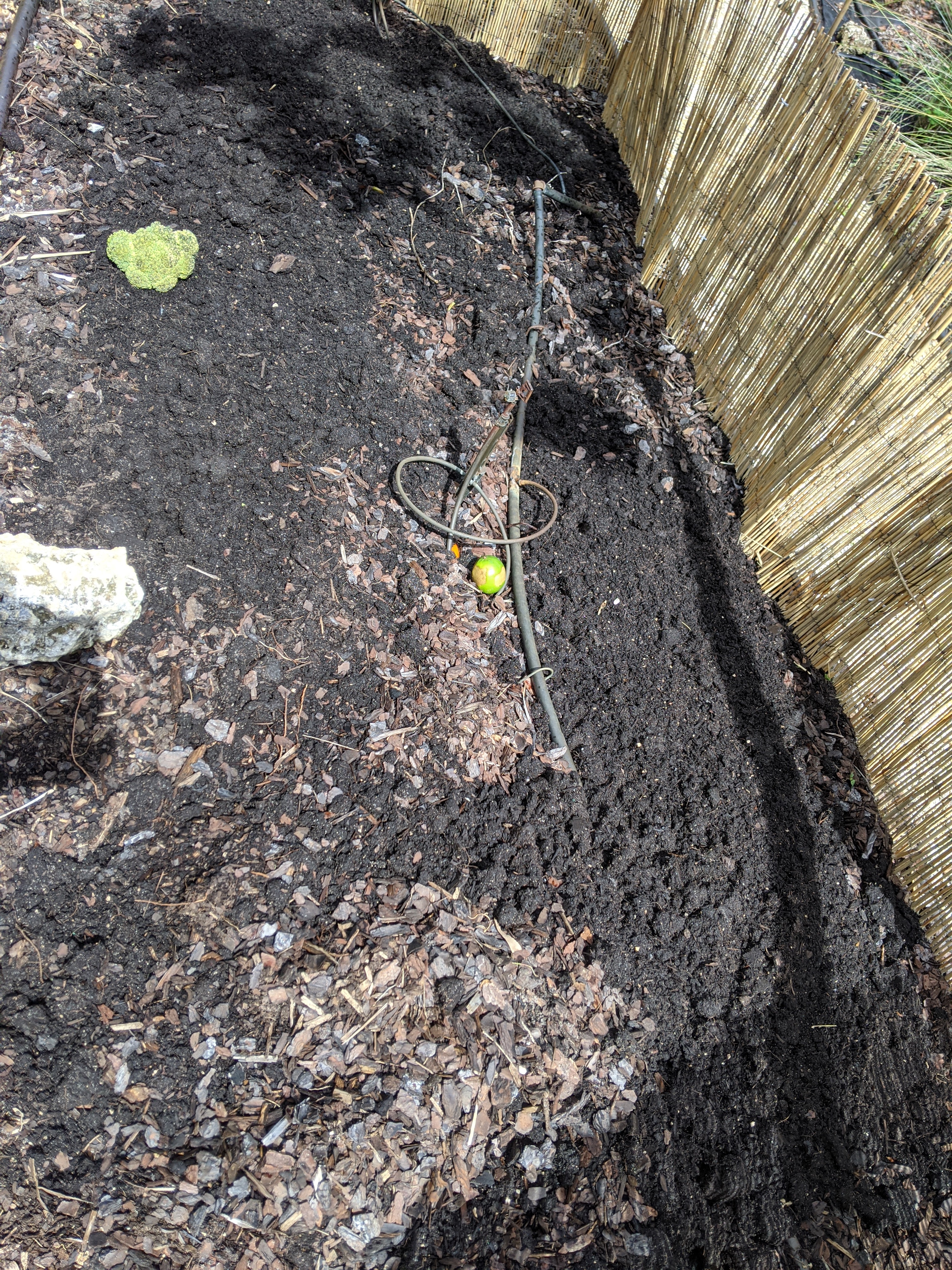
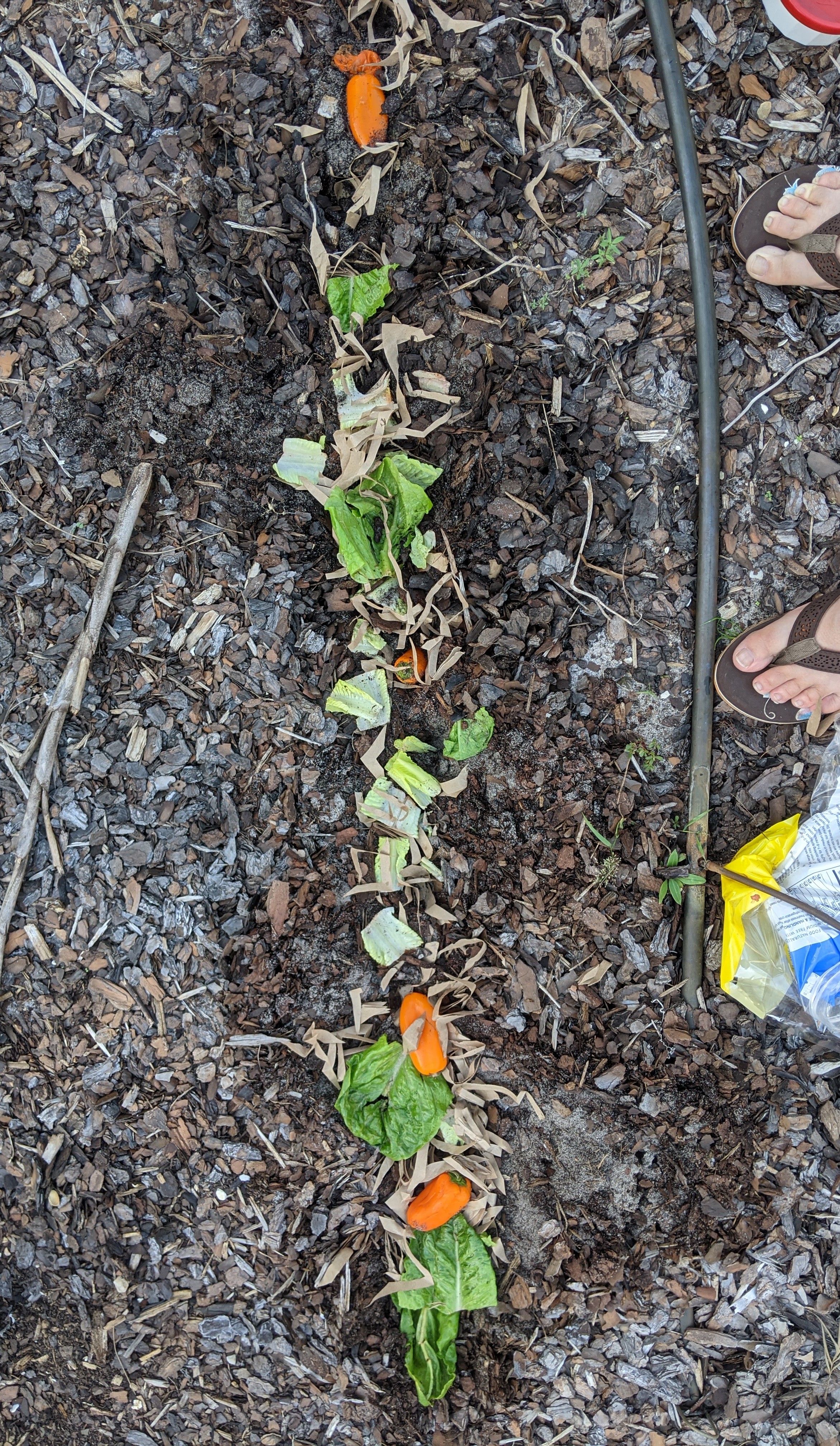
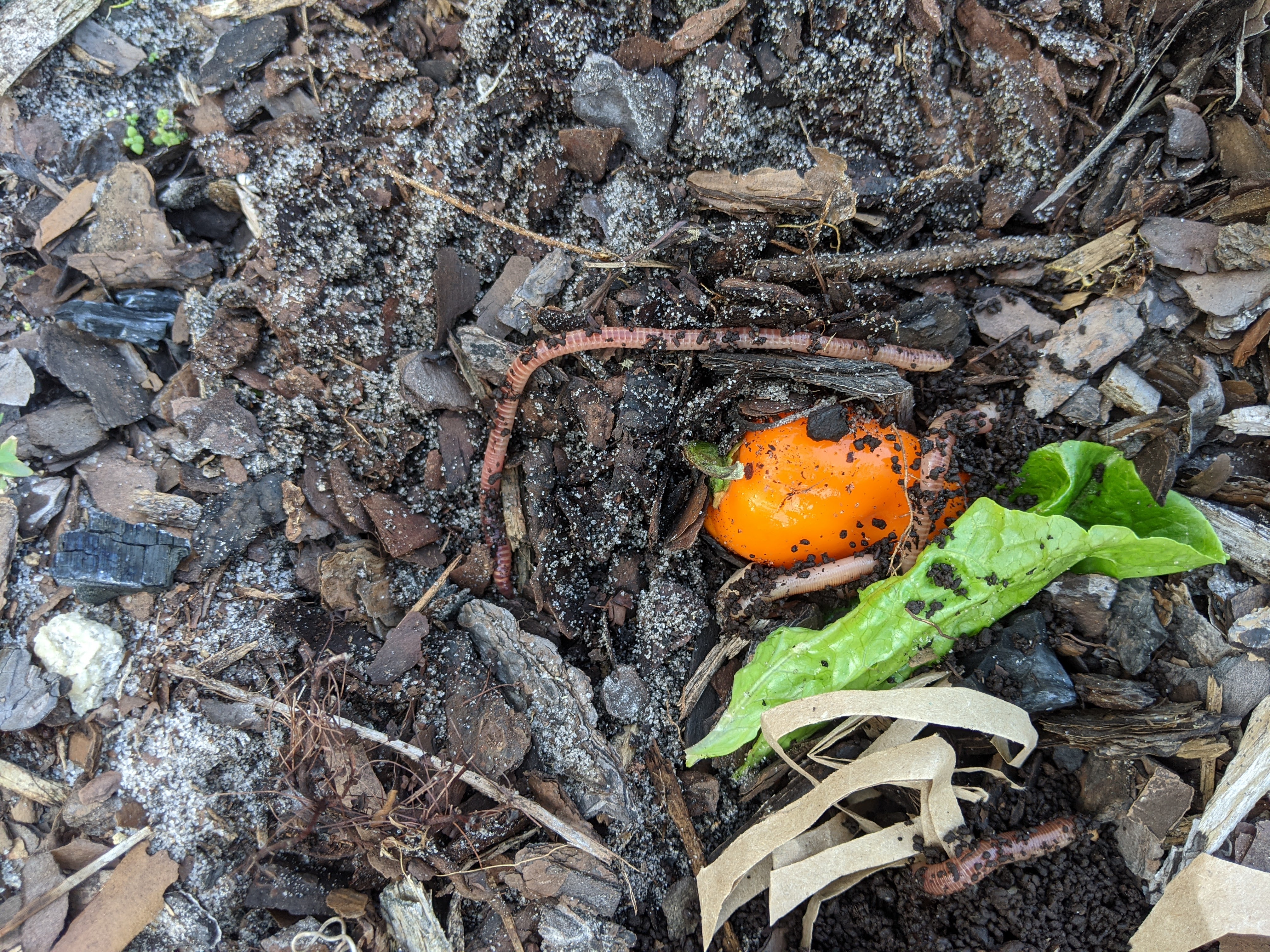
This week I took the plastic off and figured out how to add a worm bed – digging a trench in the middle of the bed, then adding chopped paper, raiding my refrigerator for rotting vegetables (there are always a few) and sending my husband to the bait store for red wigglers.

The red wigglers come in containers and are kept refrigerated. I let them warm up and then put them in the garden to devour the yummy rotting vegetables. They dug right in.

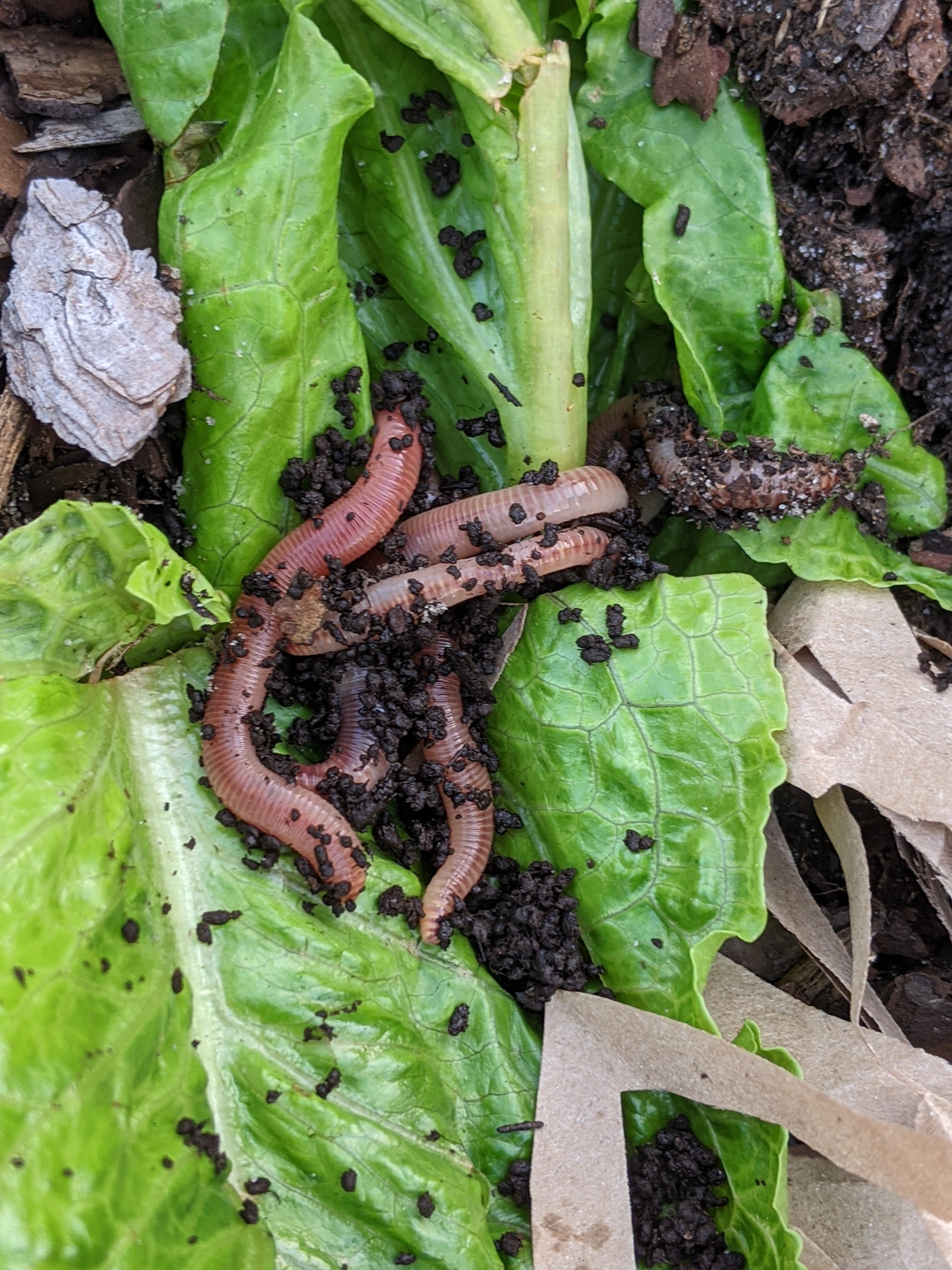
The red wigglers enjoying old Romaine lettuce.

The next thing to do is add seeds and plants and water in with food grade diatomaceous (4 tablespoons to the gallon). The DE also deters nematodes. There is some conflicting info on how it affects the good worms so time will tell. The rabbit fence is made of reeds and is 24″ high. The rabbits ate what the nematodes didn’t get last year.

Cheers to the veg and red wigglers!

Happy Gardening.

To see more Six on Saturday posts, visit Jon at http://www.thepropagatorblog.wordpress.com

In a Vase on Monday – Meadow Munchies

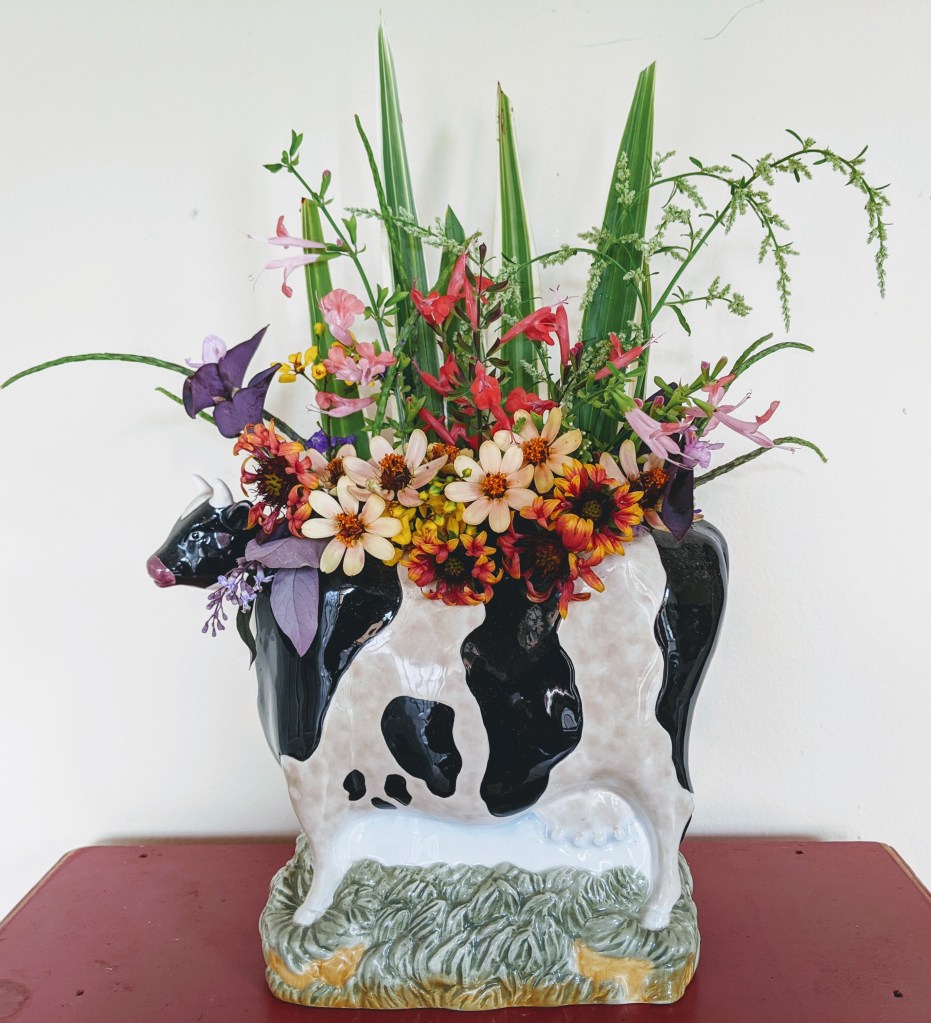
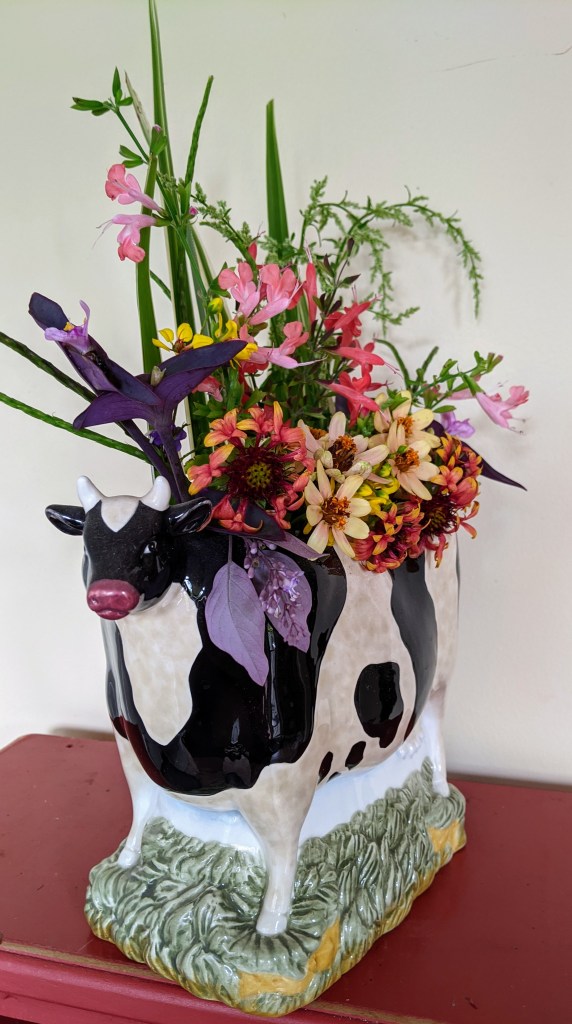
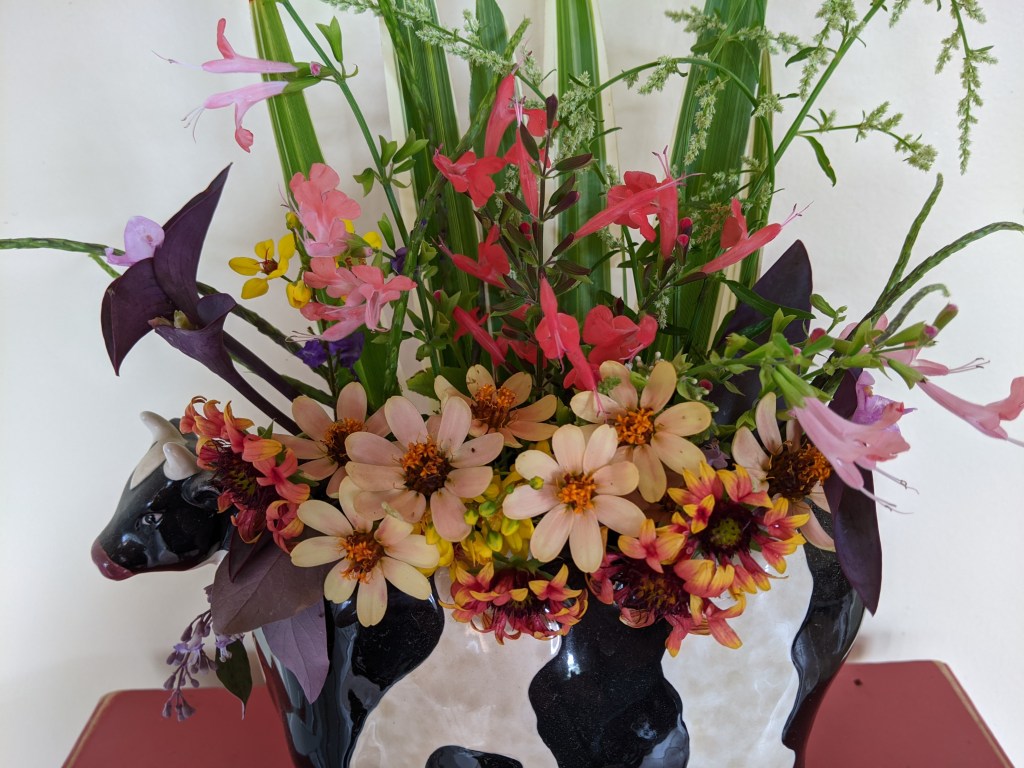
After the events of the past couple of weeks of (fill in the blank, ugh) I decided some whimsy was in order. My cow vase came off the shelf and was filled with flowers from the imaginary meadow where porcelain cows munch on flowers all day long. My imaginary cows produce strawberry and chocolate milk.

The view from the front and a closer view of the contents.

The ‘grass’ in the back of the vase is from Varigated Flax Lily (Dianella); orange and peach spike flowers are from Tropical Red Salvia (Salvia coccinea); peach flowers are Profusion Zinnias; two tone flowers at the edge are Gallardia (Gallardia pulchella); purple foliage is Setcreasea; lavendar foliage and flowers are from Arabian Lilac (Vitex trifolia); the gracefully bendy white flowers are Juba Bush (Iresine diffusa); textured stems are from Blue Porterweed (Stachytarpeta jamaicensis). These porcelain cows have a sophisticated palette.

I would like to thank everyone for their kind words about Alan the Greyhound. Alan is still here; his squirrel chases severely curtailed. My vet decided he had strained his back ( bouncing off the sliding glass door while chasing squirrels) and medication would help. After a few days on dog Ibuprofen, he is feeling much better. He still has bone cancer, in the early stages, but is resting comfortably on the lawn and many soft places in the house. I have not quite managed to convince him to leave the squirrels alone.

Happy Fall and Happy Gardening. Thanks to Cathy at http://www.ramblinginthegarden.wordpress.com for hosting. Follow the link to see more vases.