Slideshow from Treasure Coast Wetlands

This slideshow requires JavaScript.

I recently completed a class in Native Plants associated with Palm Beach State College. Here are some of the plants from our nearby wetlands. Most of the pictures are from Hawks Bluff in Jensen Beach.

Hopefully we will be able to save all these plants for our future generations to enjoy. For now I will take a hike in my neighborhood to visit.

Golden Shower – Cassia fistula

Some of Florida’s best summer flowering trees are starting to bloom. These Golden Shower trees are about halfway to full bloom. Everytime my husband hears the tree name he snickers, but who wouldn’t? The sausage like fruits are enough to make me laugh without hearing the name. Some of these tropical trees have peculiar fruit that tends to hang around and be fairly unattractive. The leaves on the tree fell off for the most part and the fruit turned brown. Here is the fruit last fall.

Golden Shower Fruit

Golden Shower Fruit

Here is the tree halfway into full bloom:

Golden Shower Tree

Golden Shower Tree

The leaves are filling back in on the tree and it will be fully green through the summer and then produce another set of fruit. I am thinking at some point someone has to pick up a lot of this fruit. But I really haven’t noticed it as they have a good maintenance crew and it is not in my yard.

The first one of these trees I encountered was planted alternating with Rainbow Shower trees as a streetscape planting in Maui, quite festive and tropical. The Rainbow Shower trees flower has a literal rainbow of color on it. Quite something to see and a bit overwhelming. It took me awhile to figure out what the trees were. My first thought was “it’s a Laburnum”, nooo, not in Hawaii. One of its common names is Indian Laburnum and Pudding Pipe Tree is another. Apparently this tree has a few medicinal uses, treating constipation, skin infections, and people in India smoke it – for what reason I am not sure.

Native to Southeast Asia, the Golden Shower is planted as a street tree in tropical climates the world over. I am glad we have a few in front of our library.

Collecting Treasure Coast Passalongs

It is entirely possible the term “Passalongs” is Southern American slang. In the Deep South gardeners typically pass along their favorite plants to friends and neighbors by seed, cutting or division. Once I was the happy recipient of an air layered old fashioned Gardenia. Hence the term Passalong Plants.

There are varying superstitions about proper receipt of these plants. One is you never say ‘Thank you’ because this will result in the plant’s immediate demise – this seems so strange to me as Southerns are, if anything, polite.

Many of these plants might be considered ‘Roadsidea’ as they are superhardy and likely to have been collected by an intrepid gardener for their outstanding flower or other characteristics.
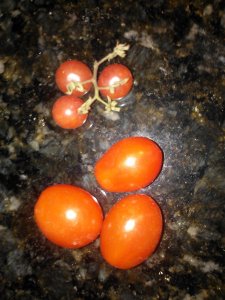
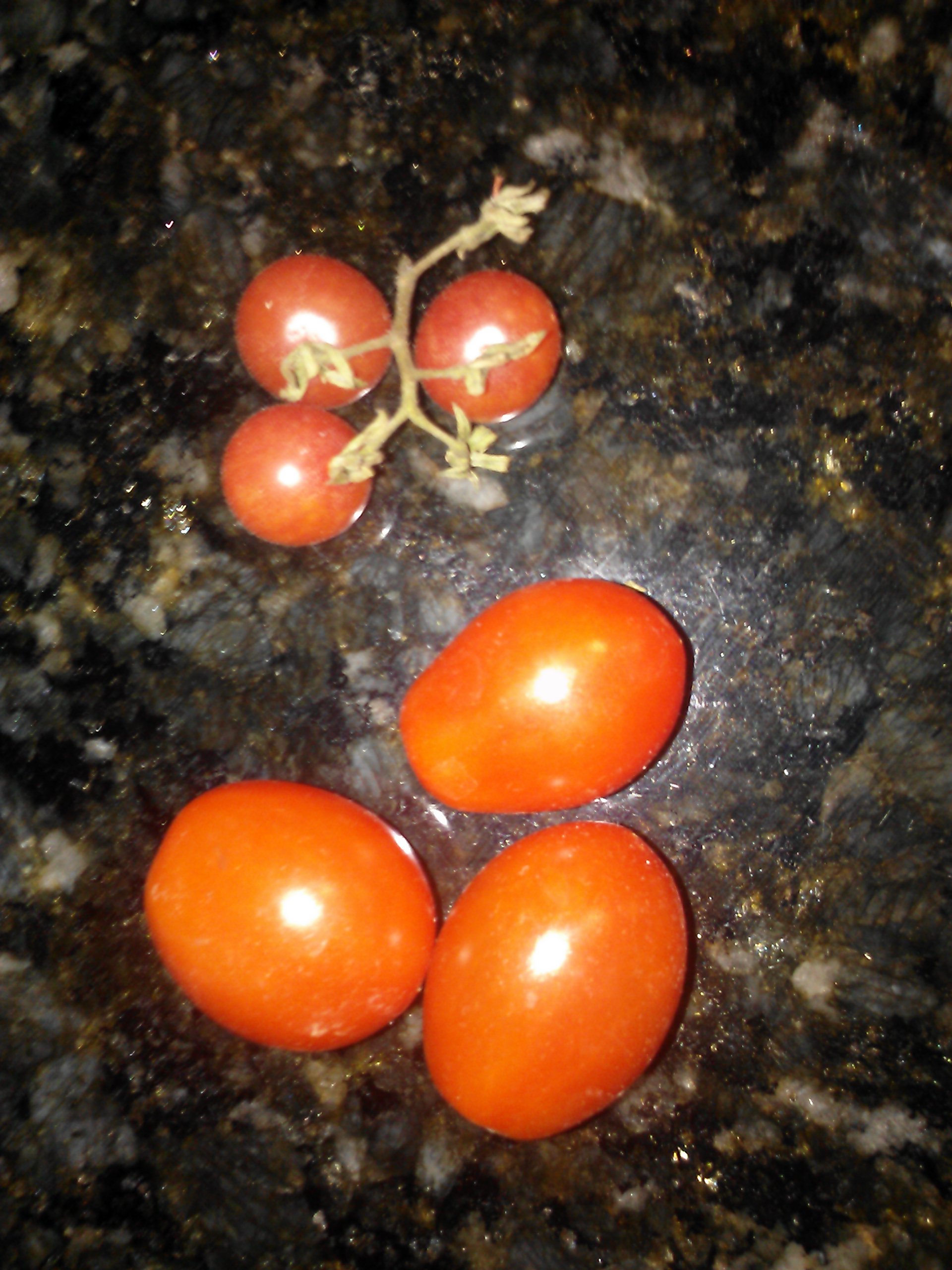
Everglades Tomatoes

Everglades Tomatoes

Here in South Florida, contrary to most of the Northern Hemisphere, the gardening season is winding down and gardeners are sharing plants for installation before the rainy season begins. In the case of the Everglades tomatoes, the seeds will be saved for planting next fall.

I am not so sure about the Everglades Tomato. They are the small tomato at the top of the picture, the bigger ones are Grape Tomatoes. These are native to the Everglades, hence the name, some people grow them year round. To me, they have a beefy taste and are too small to get the full tomato experience. I want a burst of sunshine when I bite into a tomato. I may have to stick with my favorite Sweet 100s.

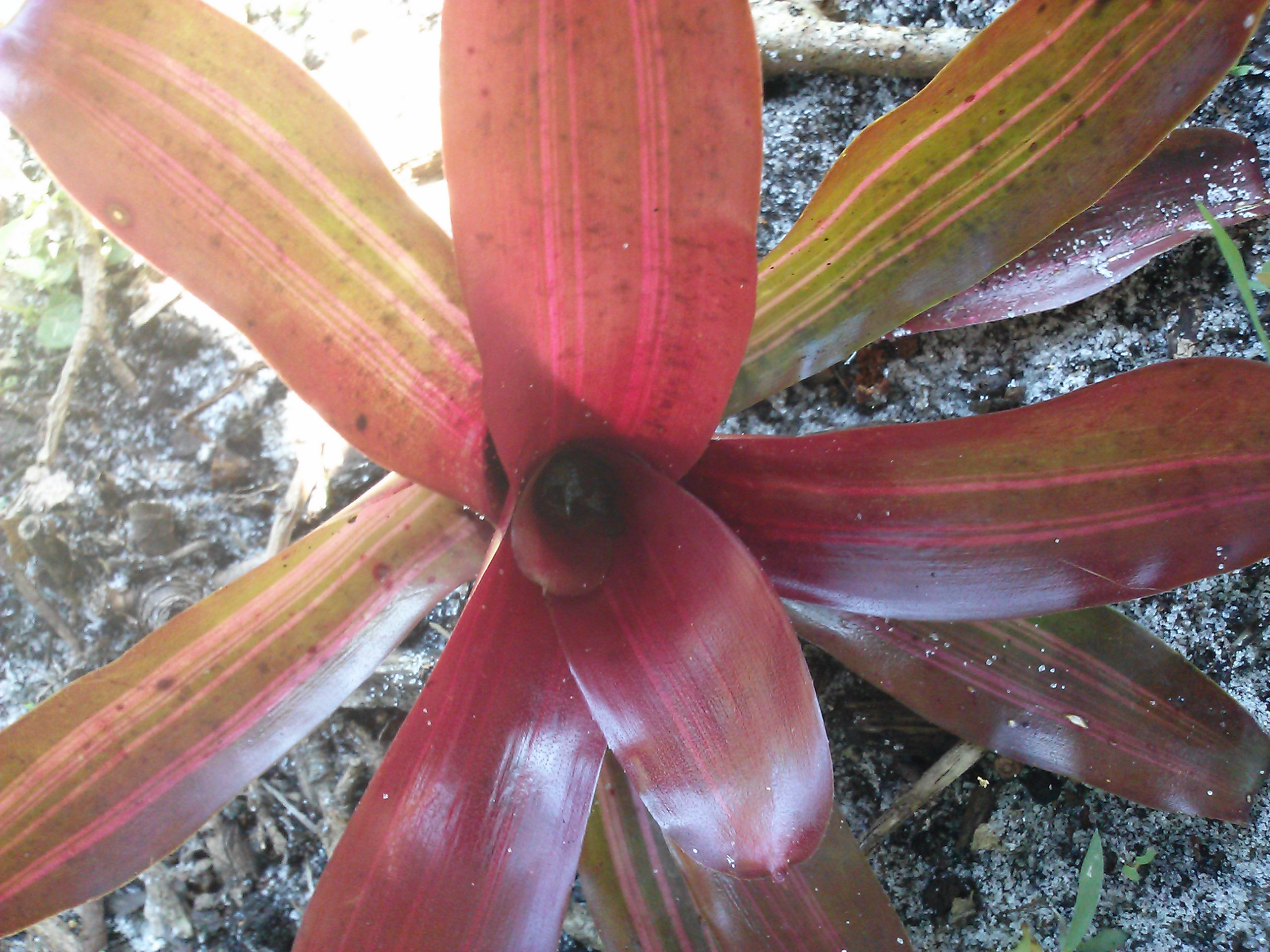
I call these Groundcover Bromeliads, they are some type of Fireball Neoregelia, maybe Atomic. Commonly sold at Garage Sales and passed along by division. I have striped, spotted and red. They spread and form a groundcover. I find that I am not worried as many gardeners about botanical nomenclature when I find a great deal at a garage sale. Please forgive me for spreading ambiguity.
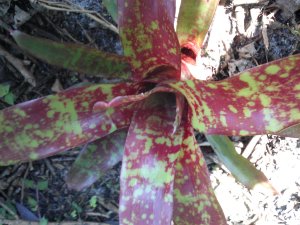
Groundcover Bromeliad
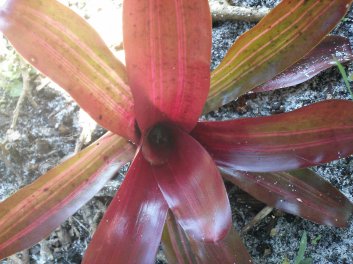
Groundcover Bromeliad
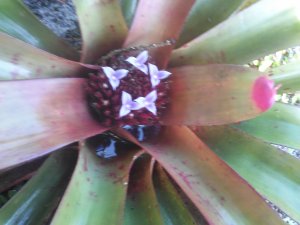
Groundcover Bromeliad

Groundcover Bromeliad

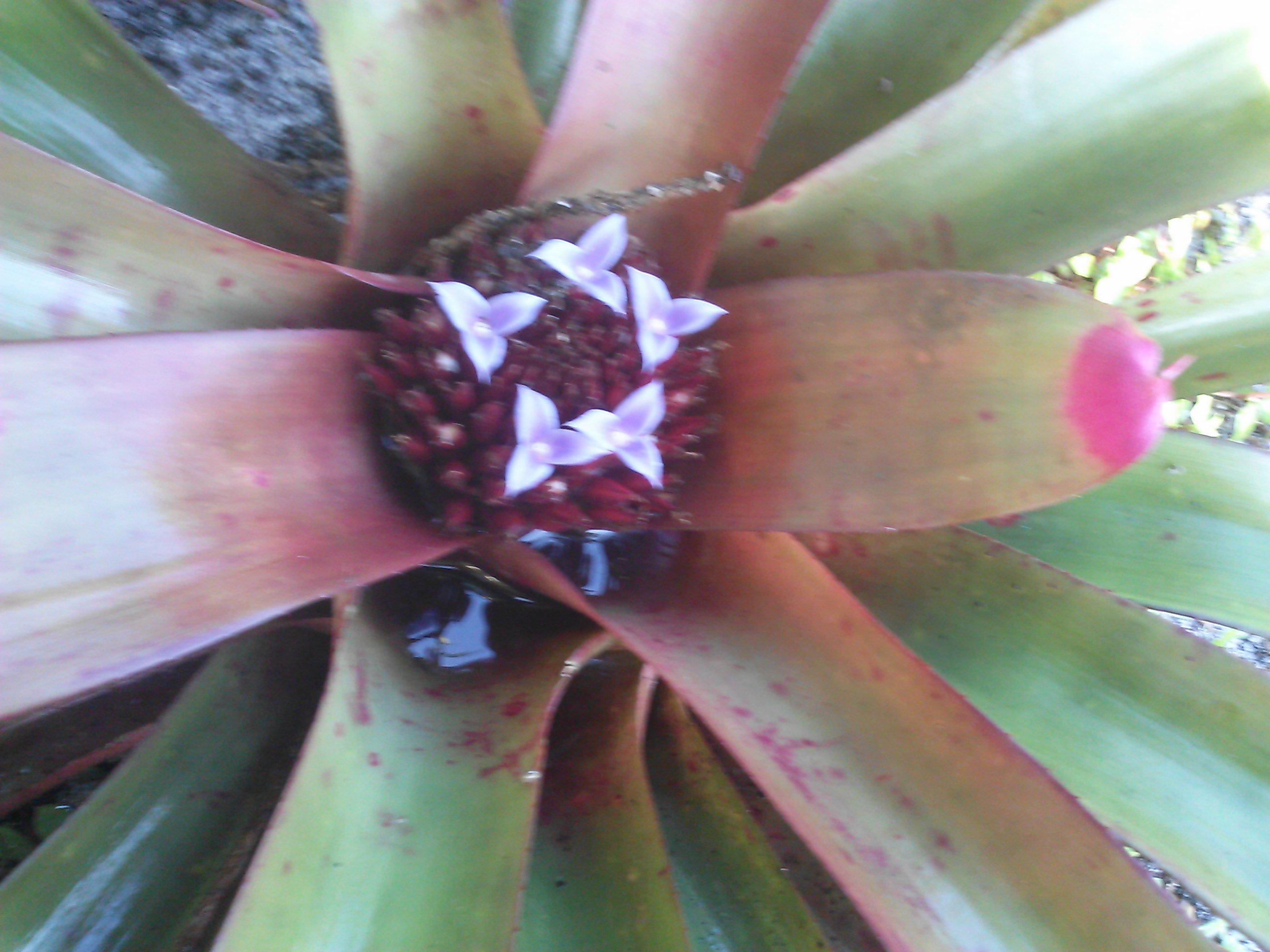
Painted Fingernail Bromeliad

Painted Fingernail Bromeliad

This is the aptly named Painted Fingernail Bromeliad, an Aechmea variety. My neighbor gave me a few pups from her plants. I saw these growing by the side of the road for a long time before I managed to find out what they were. Like many passalong plants, these prove to be pretty indestructible and will grow in sun or shade.

Succulents are another excellent passalong as they reproduce quickly with side shoots. Just break one off and replant in hot sun and infertile soil. They may need water once or twice. The Agave and Soap Aloe are from my friend, Eddie.

To a certain extent all of these plants are a double edged sword. Yes, they thrive in our difficult environment. Maybe a little too well. If not maintained through careful sharing, the garden could be at risk of being overrun. I wouldn’t mind with the Bromeliads, except they are pretty sharp as are the succulents. So, mine are kept at bay and cleared from the edges of walkways.

Now that I have collected all these plants, I have some ready to pass along, should anyone need a new plant or two t try. I do hate to throw plants away.

Avoiding the Technicolor Yawn

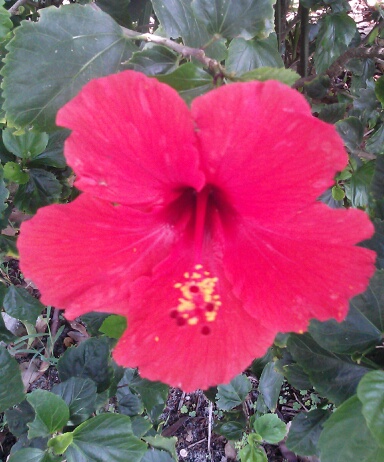
Red Hibiscus

Red Hibiscus Flower

One of my horticulturally oriented friends used to say “those annual beds look like Mickey Mouse threw up”. You know the ones; the aptly named “Cocktail Mix” Begonias backed up by Multi colored Caladiums. A kaleidoscope of red, pink, white and green so variegated you can’t focus and then start feeling queasy.

I realized the bed I was trying to use my entire assorted collection of plants waiting to be planted (that I bought because they were interesting or a great bargain or I had never seen one before or..) in was headed in that direction and decided to settle the colors down before I planted something ghastly. Colors were edited to this:

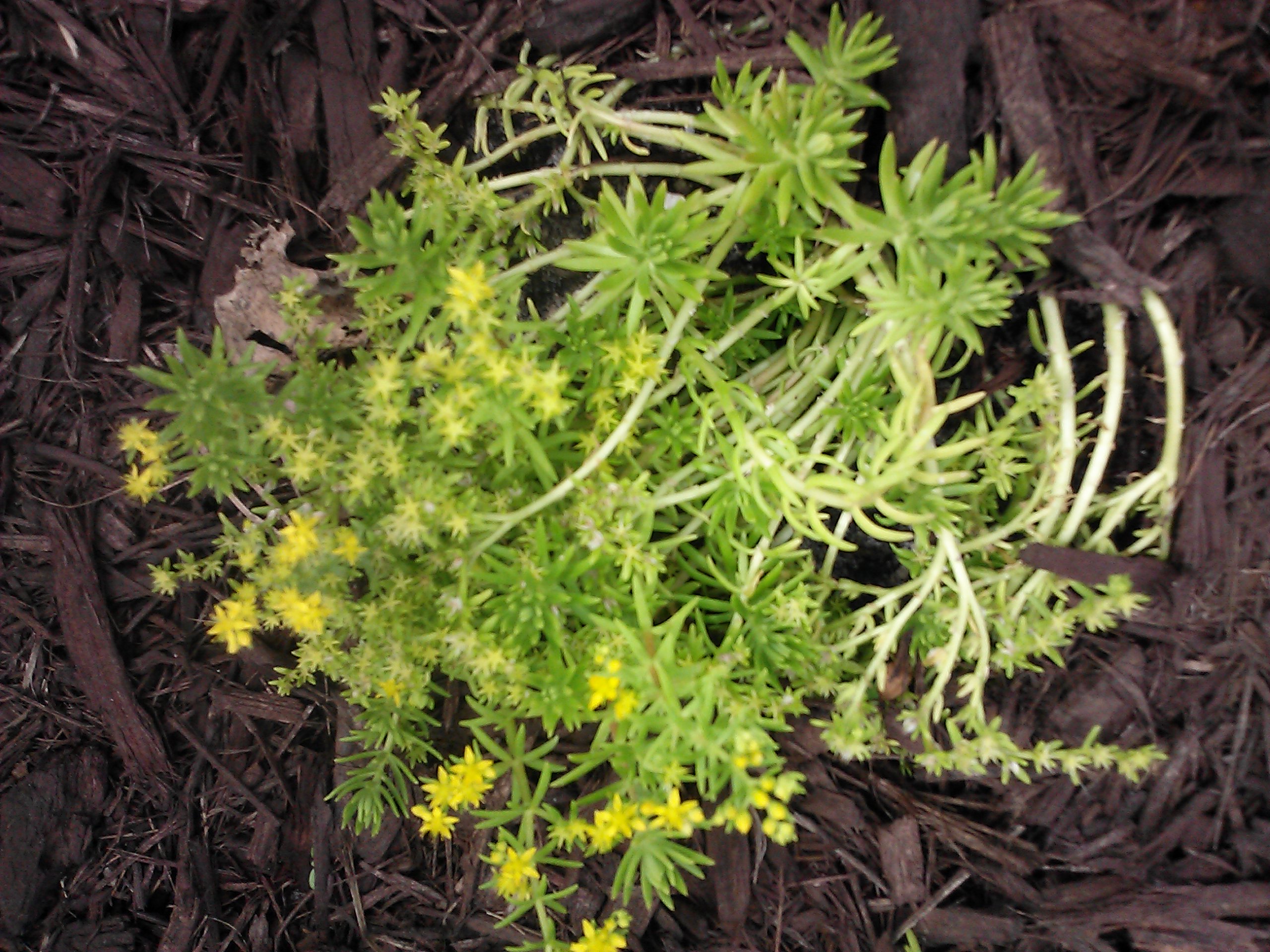
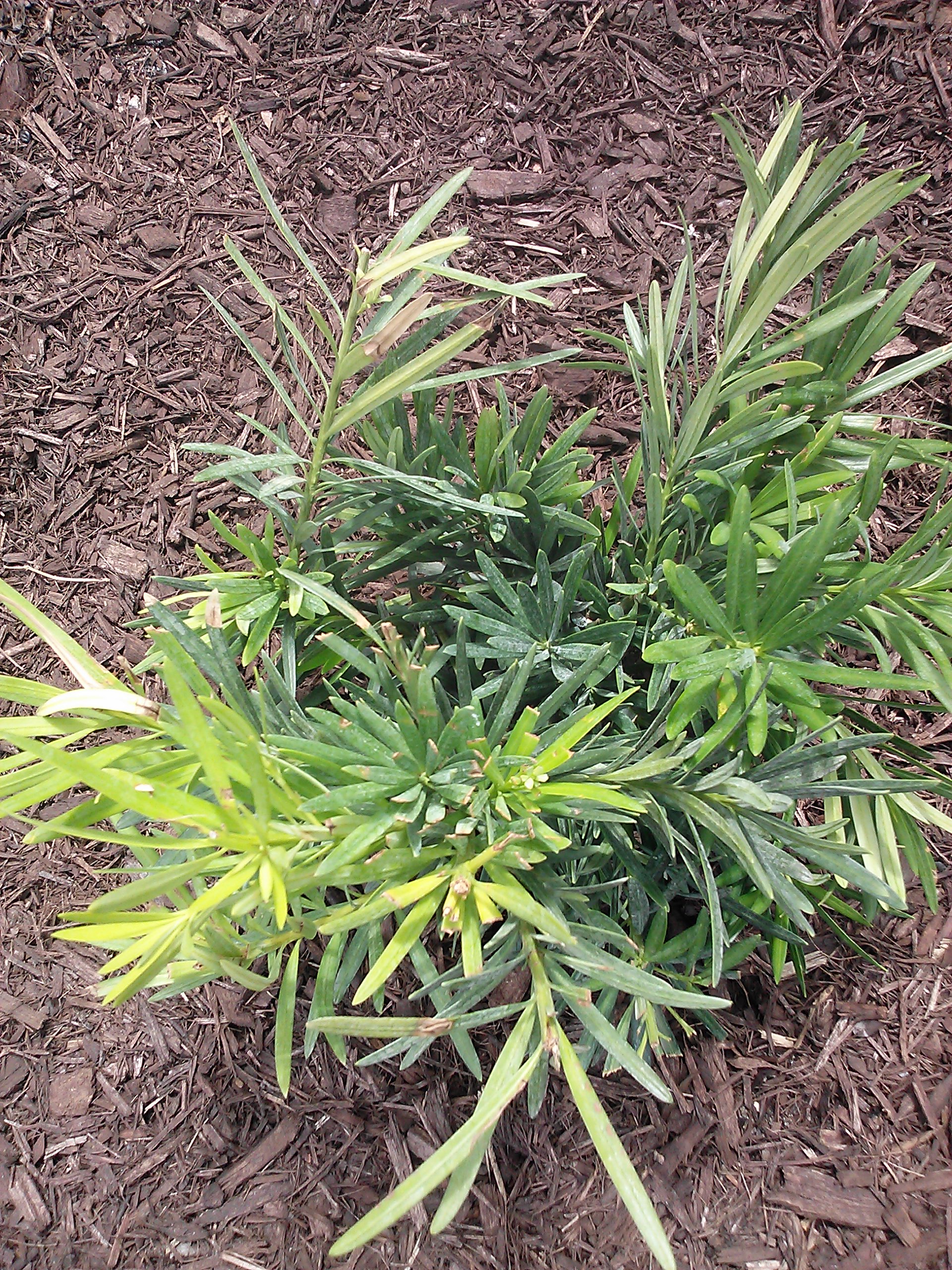
Then I added two green textures:

Sedum

Sedum

Pringles Dwarf Podocarpus

Pringles Dwarf Podocarpus

There is an ancient Red Hibiscus at the end of the bed (the top photo) it doesn’t bloom often, so I am hopeful no one ends up nauseated. My problem is I still have 10 or 15 assorted plants around and I just bought two more.