The Remains of the Day

I am thinking that the above was a movie title. Seems I didn’t care for it. So, we are currently experiencing the remains of what was once Hurricane Erika. The Hurricane from last week, Danny fizzled out, Erika was a Hurricane for a short period of time; forecast to hit the East coast of Florida (me) two days later it was going to hit the West coast of Florida (not me) then the entire state was going to be hit by a tropical storm and then Erika graciously dissapated and sent the mess north. As the farmers from Texas would say ‘it’s raining like a cow peeing on a flat rock’

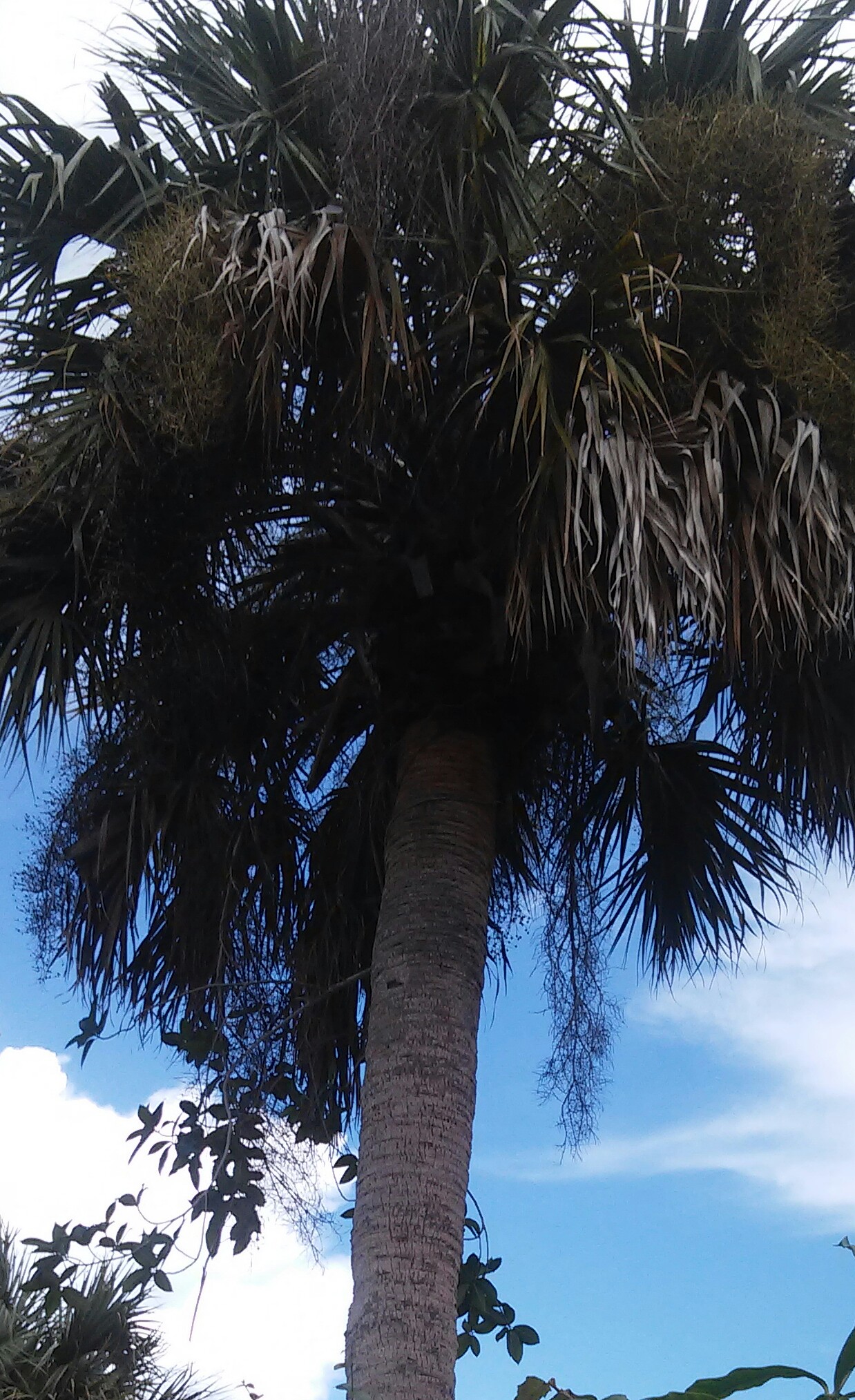
Adding to the sayings (cliches) when I first looked outside this morning, the sky was red – as in Red Sky in Morning Sailor’s Take Warning. My actually green Cabbage Palm looked red..reflection from the sky.
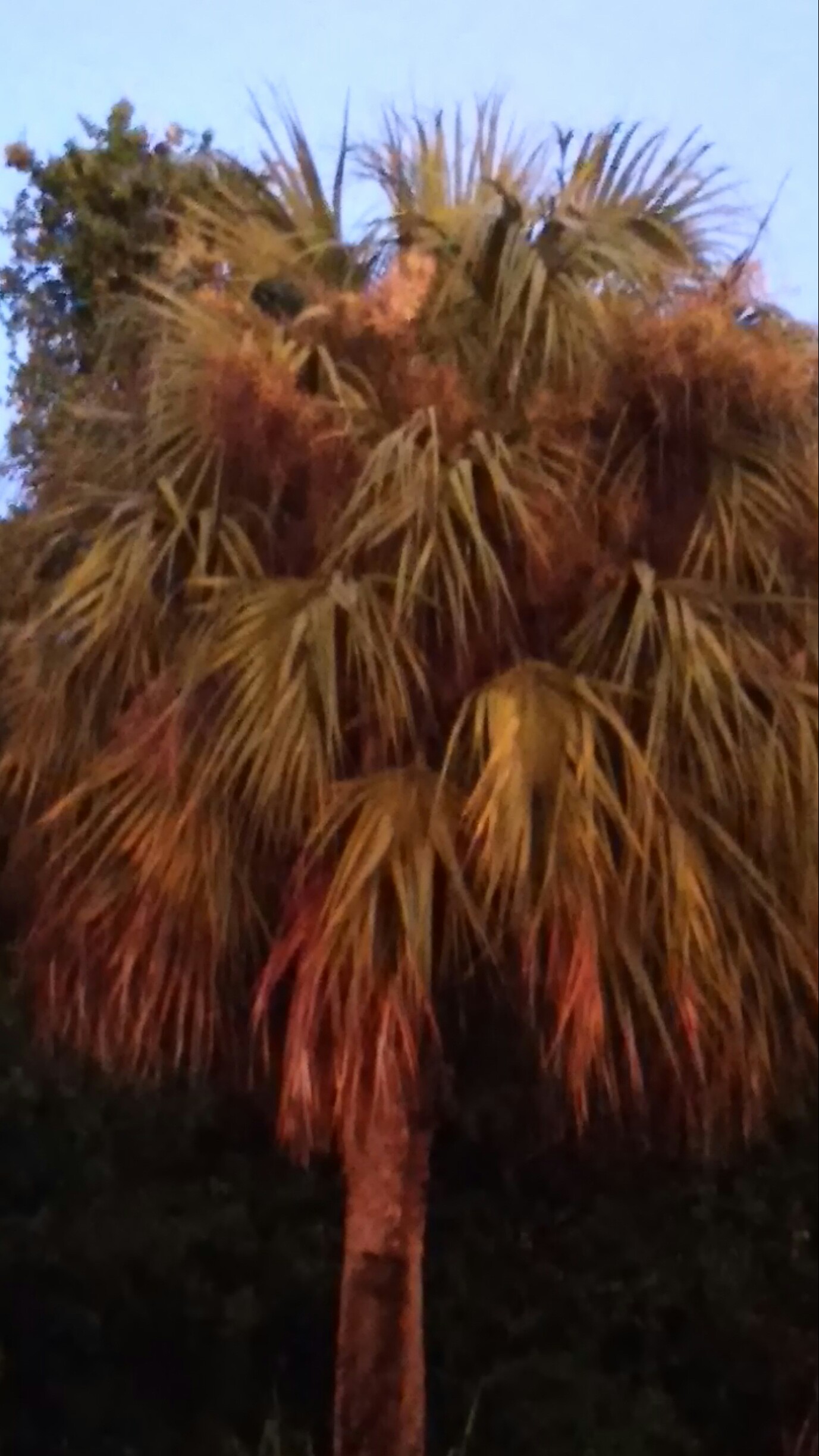
Apocalyptic Palm Tree

Apocalyptic Palm Tree

No gardening for me this Sunday, so I decided to bake Cocktail Nibbles, as it was too early for cocktails.

Cheese Puffs under Construction

Cheese Puffs under Construction

These nibbles are a great old Southern recipe I got from an former client’s grandmother who was 104 at the time. She claimed she had lived so long because she never watched the news. If she ate these all day long there must be something to that claim! Simple, but divine.

Cheese Puffs:

1 stick room temperature unsalted butter

8 0z. Shredded Sharp Cheddar (Shred it yourself!)

1 cup All Purpose Flour

1/4 tsp. Cayenne Pepper

1/2 tsp. Kosher Salt

Pecan Halves

Mix ingredients at Room temperature until a dough is formed. Roll into 1″ balls and flatten, top with a Pecan half. Bake at 350 degrees (F) for about 15 minutes until brown around the edges. Cool and store in an airtight container. Get a glass of wine.
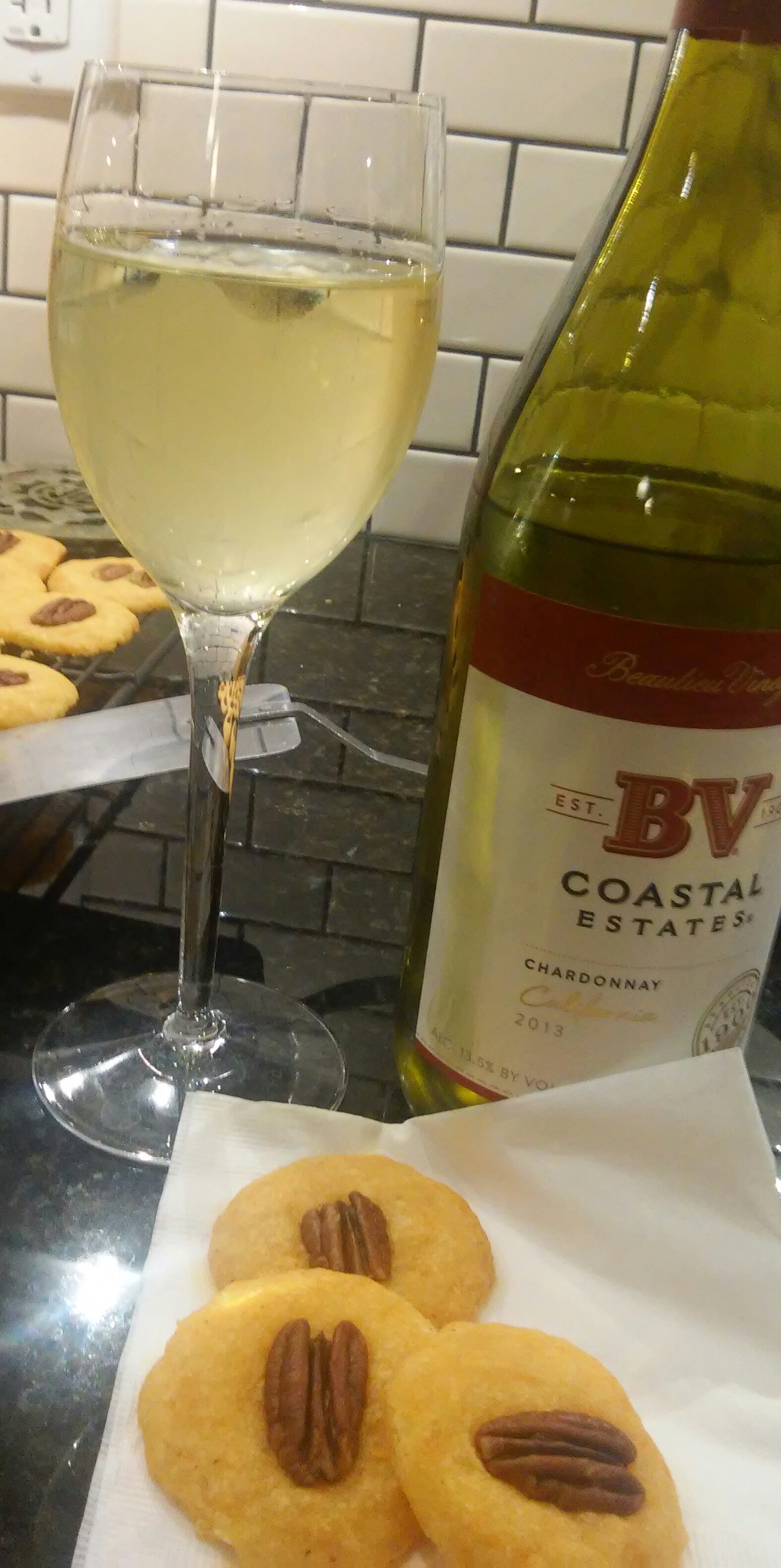
Cocktail Nibbles

Cocktail Nibbles

Have a glass of wine and think about how the aquifer is being recharged by the 3 inches of rain that is falling this hour, or maybe the nutgrass you should pull out of the front bed.

Perhaps I should mention the Atlantic Hurricane season peaks on September 10th. I am somewhat fascinated by the coastal weather and keep an eye on it. I’ll check. Oh, good, Hurricane Fred has formed in the Cape Verde Islands. Supposedly going out to sea. Maybe I need another glass of wine.


Hurricanes and Tequila

It just dawned on me that Hurricanes are a cocktail, but they don’t contain Tequila. The Hurricane cocktail contains enough rum that if you drink one you won’t care about the Hurricane and the next morning you will feel like you were hit by one.

The first Atlantic Hurricane of the season may or may not be forming in the Tropical Atlantic. There must be a special language school for the weather forecasters that work on these storms. It’s making statements without really stating any facts. Danny is the name of the storm brewing – he has already been designated a Tropical Storm and might possibly turn into a Hurricane. However, the key however is there is a lot of dry Saharan sand and air floating around out there and we are in an El Nino weather pattern. I could ask my Greyhounds for their storm predictions, but they are clearly too busy. So, we wait. To spare myself drama, I only read the Weather Underground.

Canines occupied

Canines occupied, they’ve put their car magazines on the Ottoman so they can nap

Agave americana

Agave americana

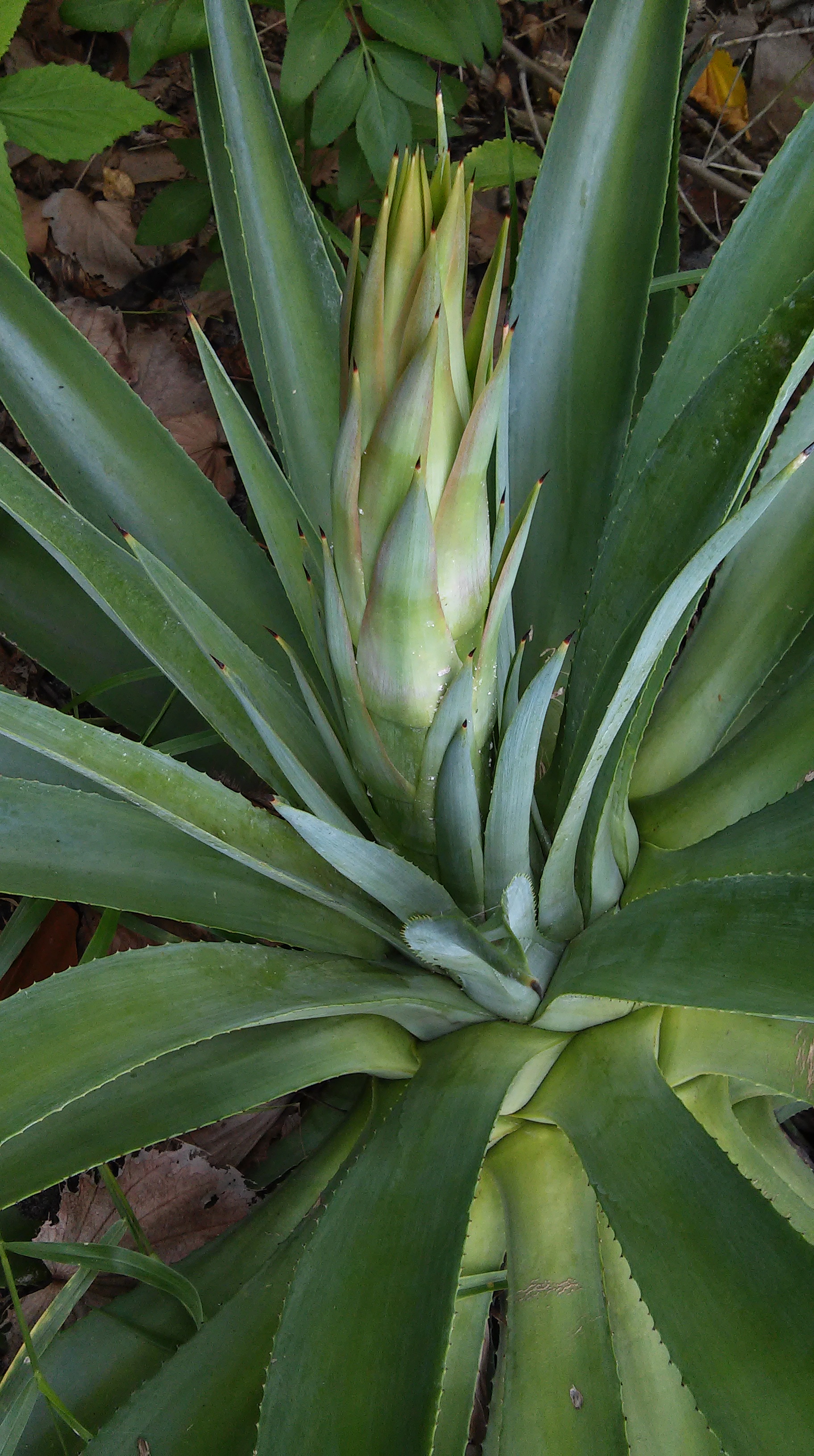
On to the tequila, I have discovered I have an Agave americana shooting up a bloom spike. I thought this was interesting as some of these are called Century Plants because they bloom every hundred years and this one has been around my garden for three years or so. Research has informed me that the bloom spike could be 15 feet tall (!) and indeed tequila is made from this plant. I love the color and texture of the Agave, a glaucous blue green with chocolate brown spines. A friend of mine grew this Agave and gave it to me with a warning ‘some people are allergic to the spines so be sure and cut them off the tips of the leaves’. Well, I decided to move the thing having put it in the wrong place and thought I had cut off all the spines. Later I found myself in the doctor’s office drawing a picture of the plant for her (she couldn’t figure out what could cause such a horrible bruise and reaction) and getting a prescription for Steroids. Yes, I am one of the allergic.

Given my lack of fondness for steroids and the fact that after the Agave americana flowers it dies – I believe it will be asked to leave the garden and I will replace it with a similar sized Bromeliad or Crinum or something lacking chocolate brown spines.

Interesting native plants currently doing their thing in my garden:

Sea Grapes - Coccoloba uvifera

Sea Grapes – Coccoloba uvifera

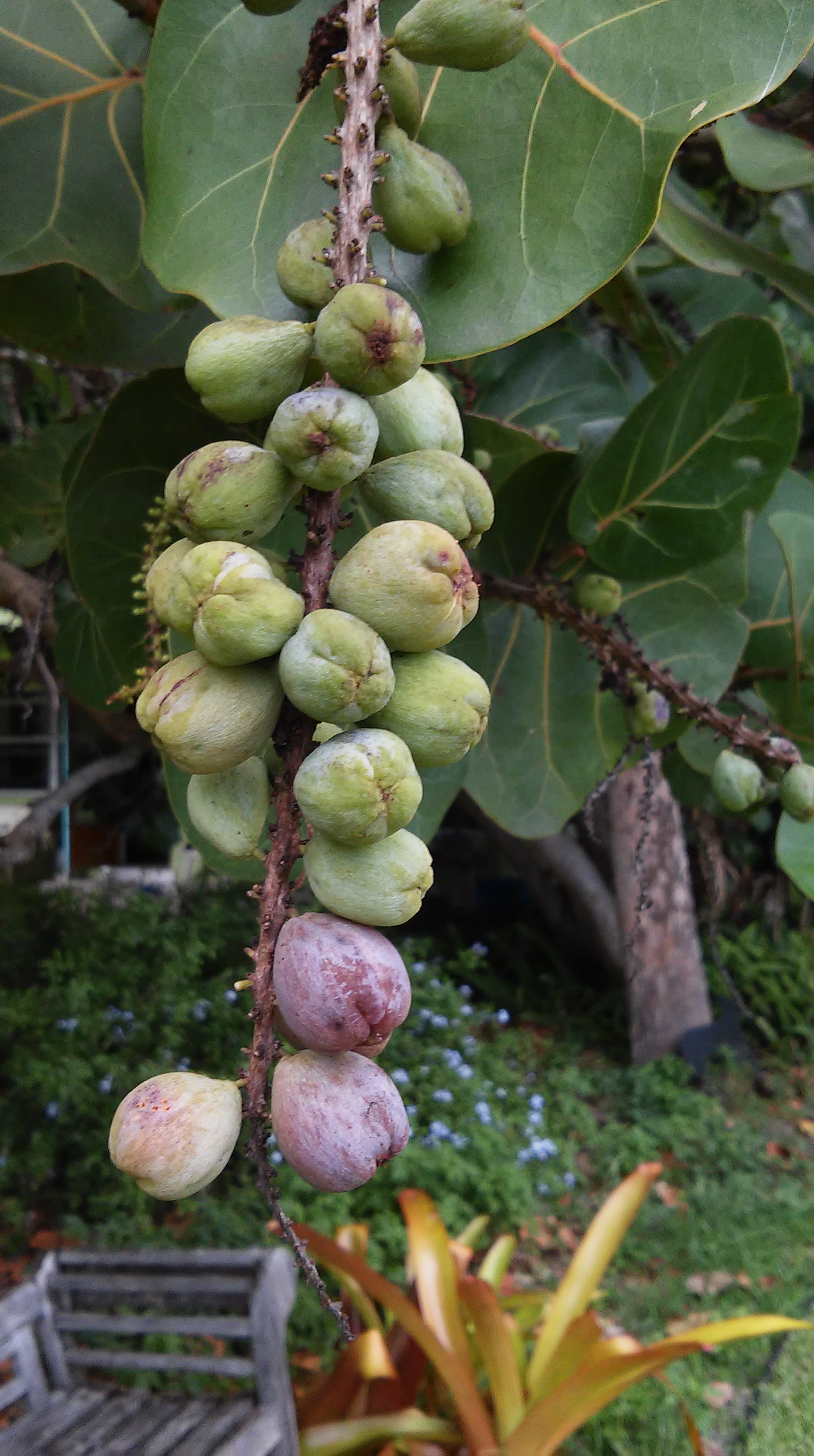
These are Sea Grapes, native to the beach and a bit beyond. The natives like to eat them, the bottom two are nearly ripe but, I haven’t really developed a taste for them and the seed is big. Mine go to the raccoons and birds.

Hymenocallis latifolia

Hymenocallis latifolia

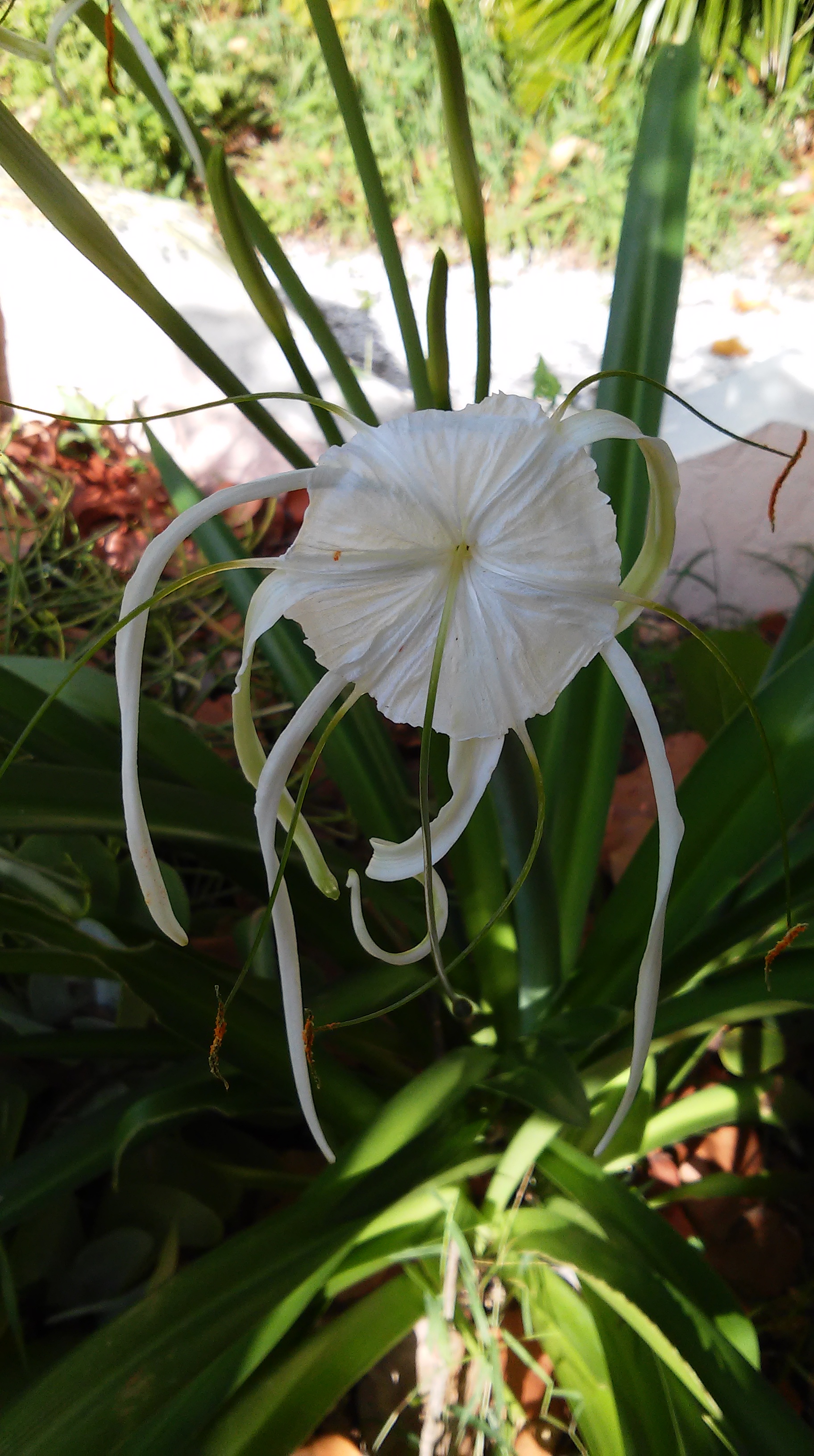
Natives of Florida call these Spider Lilies, I have seen other Hymenocallis called Peruvian Daffodils, clearly I am not in Peru. This is another Florida beachside native- these are easy to grow, but difficult to photograph. The anthers are very like Oriental Lilies, but hard to see. White flowers bloom in clusters, timing is staggered. These are interesting flowers and nearly indestructible.

My plan is to relax with the Greyhounds and await storm news, not eat any Sea Grapes or get stabbed by an Agave. A glass of Chardonnay, no Hurricanes or Tequila in my future, hopefully.

Bark for Bark’s Sake – Boots and Strangler Figs

I was looking at trees (perhaps an unfortunate habit) this morning as I walked my dogs and it occurred to me the bark on some of these tropical trees I pass everyday is different from bark in northern climes. Especially Palm Trees, palms do some funky things.

Cabbage Palm with Boots Palmetto sabal

Cabbage Palm with Boots
Palmetto sabal

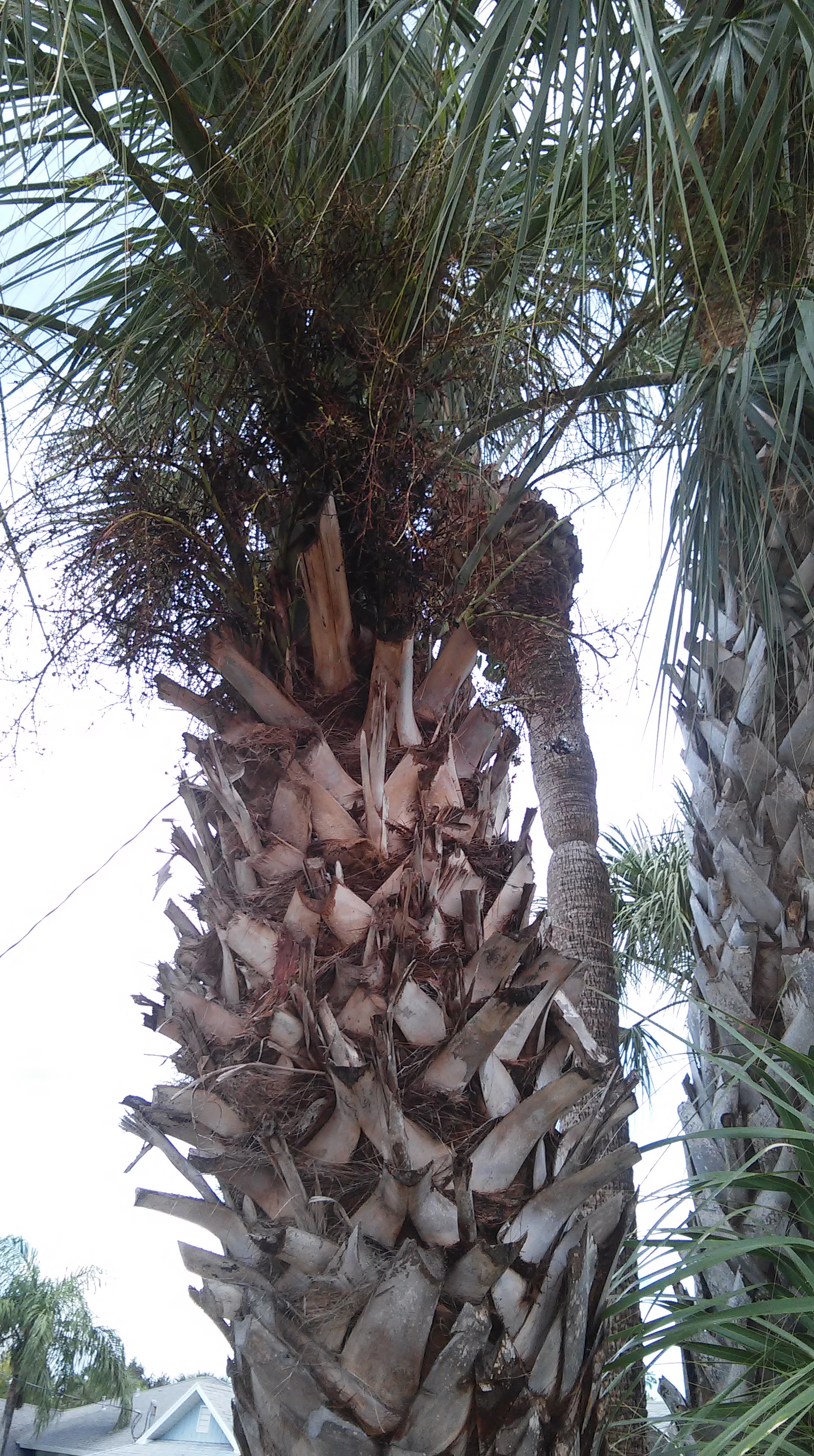
Palm trees are available in some varieties booted, which means the bases of the old leaves have been left on purpose. While it is graphically interesting, I think this looks kind of messy and a lot of weird plant and animal life tends to go into the boots and proliferate – I had my Cabbage Palm’s trunk cleared off and there was a 6 foot snake living in the trunk. Another peculiarity growing in the boots is the Strangler Fig.

Strangler Fig

Strangler Fig trunk

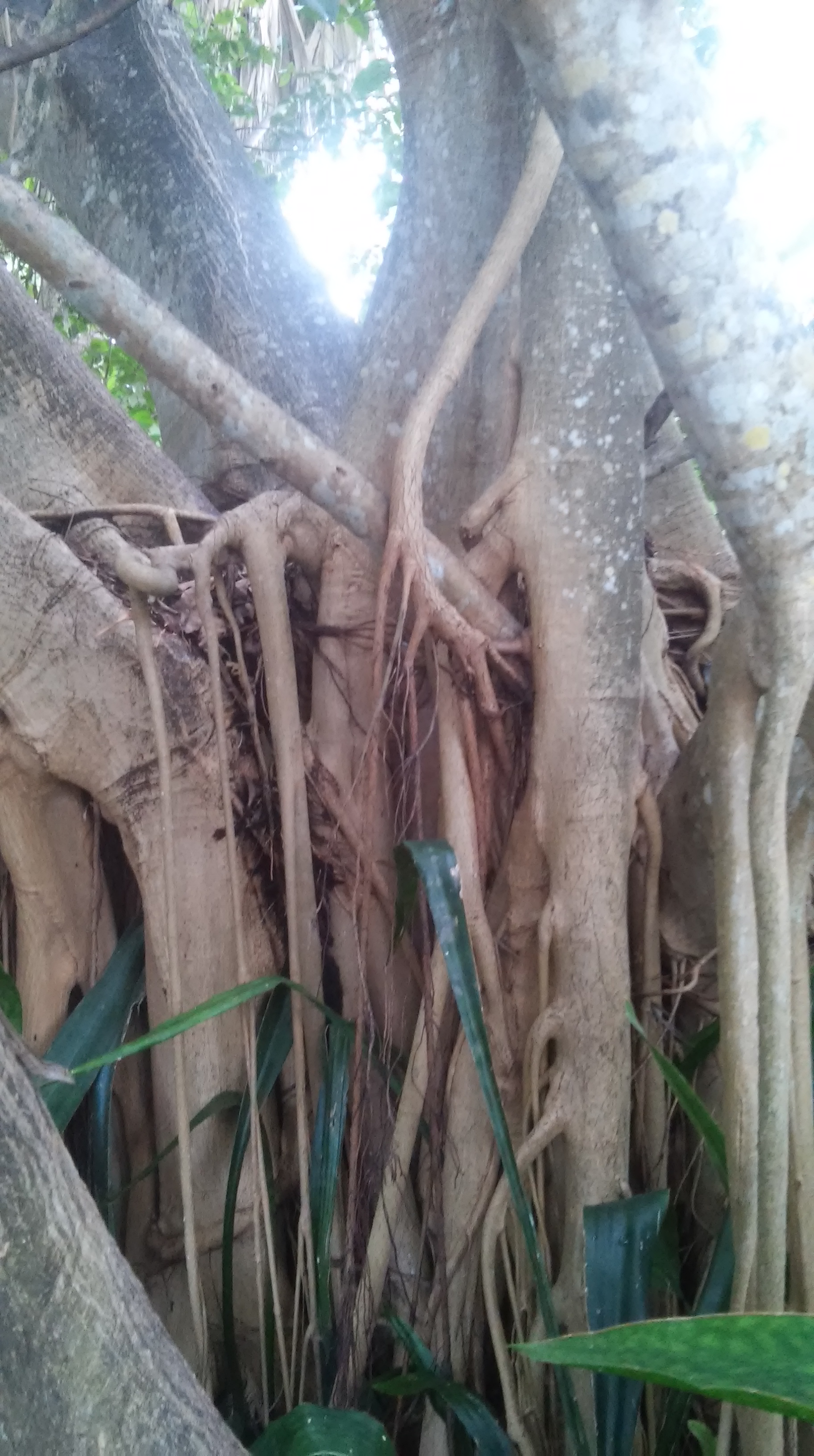
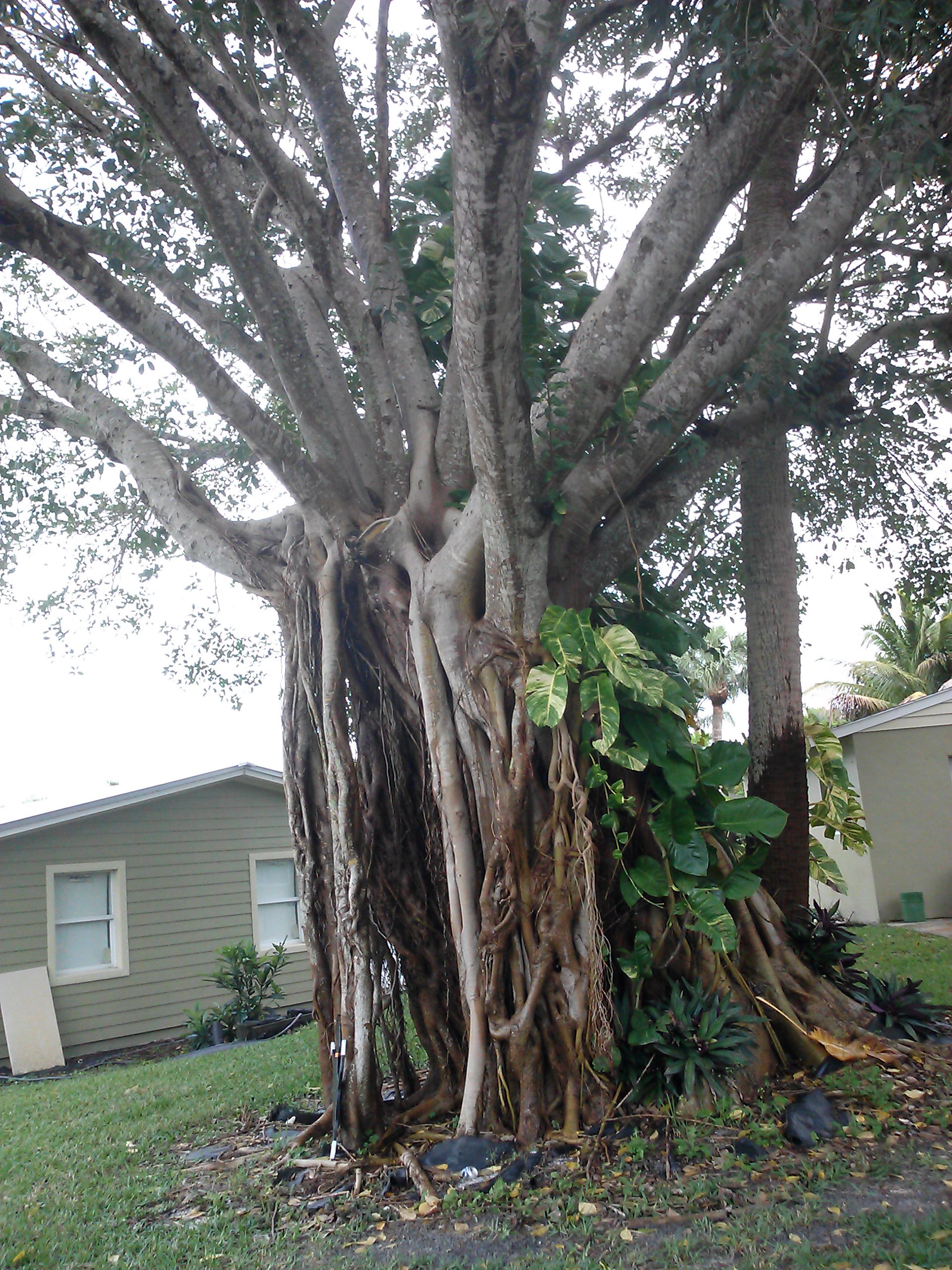
There is a big Strangler Fig (Ficus aurea) beside my house between me and my neighbor. It looks a bit like something that would be growing at Hogwarts, where Harry Potter went to school.

Ficus aurea Strangler Fig

Ficus aurea
Strangler Fig

The trunk is probably 10 or 15 feet wide, including its aerial rooted trunks, at least 50 feet wide and probably a bit less on the height. I would love to know how old it is.

These trees are native to South Florida on both coasts and common in several habitats but not in the trade. They start life in the boots of palms or in cups of Bromeliads growing on the ground. The fruit is produced copiously and is the size of blueberries, as with many tropical fruits, not particularly good to eat, but the birds enjoy it and transport it around to grow new Strangler Figs. The reason these are called Strangler Figs is they can literally strangle the palm as they grow down the trunk hit the ground and put roots down, then overwhelm the tree and grow over and around it eventually strangling it.

This is a photo of a Strangler Fig reaching down from the Cabbage Palm:

Fig coming down

Fig coming down

Sleeping under the shade of a palm doesn’t seem like such a good idea now…

Installing Orchids in the Strangler Fig

This is a story I started last year, when I was gifted some Orchids.

One of the joys of living in South Florida is growing things outside that are houseplants almost anywhere else in North America. My neighbor showed up with a box of Cattleya Orchids yesterday. She grows these in her trees mounted on the branches; it is a beautiful sight when the clouds of purple orchids are blooming in the summer. Some are fragrant and cast sweet scents through the garden.

Orchids Ready for Banyan Tree

Orchids Ready for  Tree

These Orchids were declared unkillable. If this is true these will be the first Orchids I have ever not killed. I think of Orchids more as a floral arrangement; not something that actually is perennialSo, I followed directions:

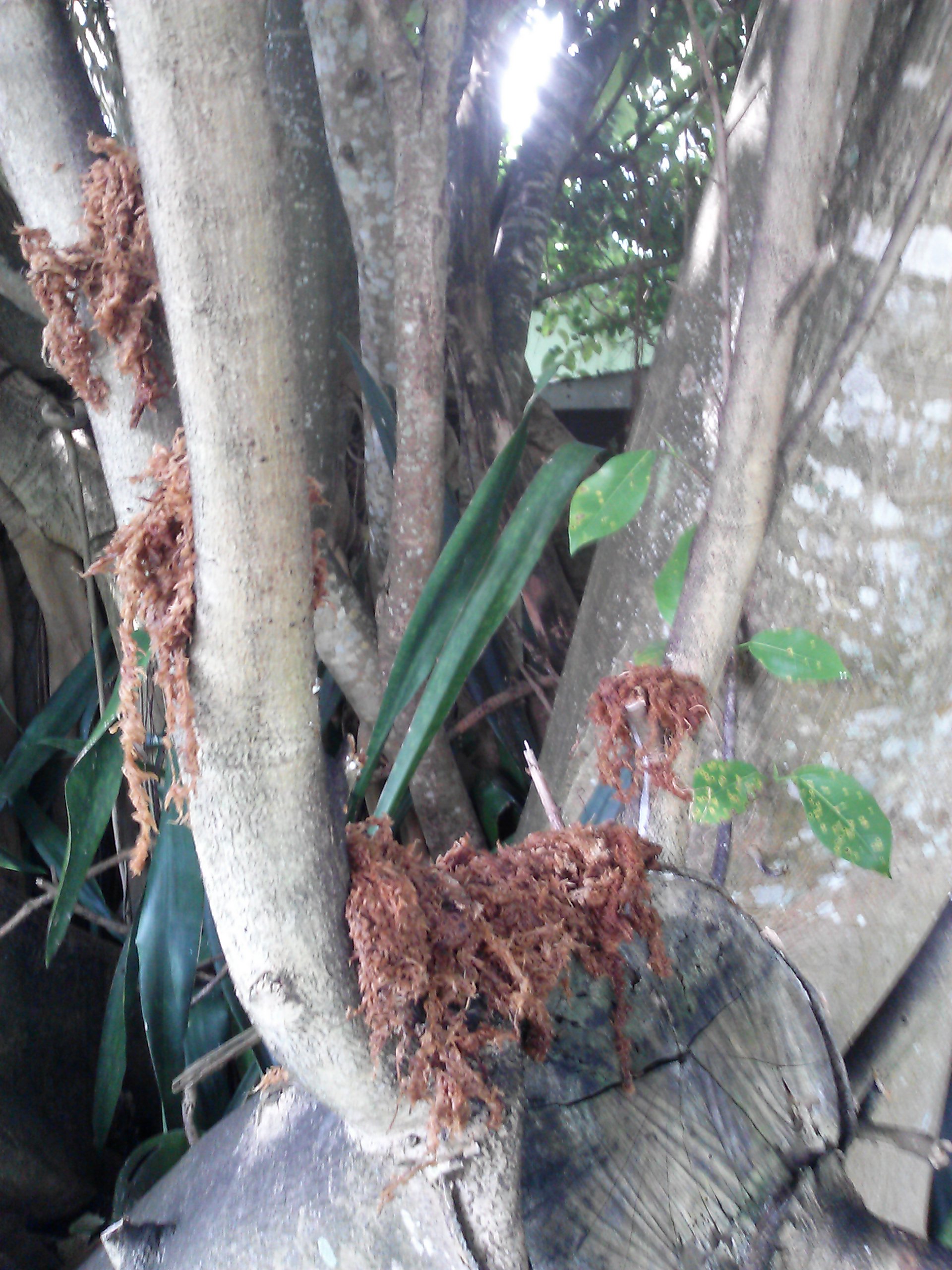
Cleared a slightly sunny spot in the base of a big Strangler Fig tree in my side yard. There are unfortunately some very poorly trained arborists (?!) around here who left this bad pruning job on my tree. A few orchids will spice things up here and cover the bald spot..

Banyan Tree Trunk

Fig Tree Trunk

I added some dampened Sphagnum Moss; trying to place the moss so it would drain and not cause any rot on the bark of the tree.

Spaghnum Moss

Spaghnum Moss

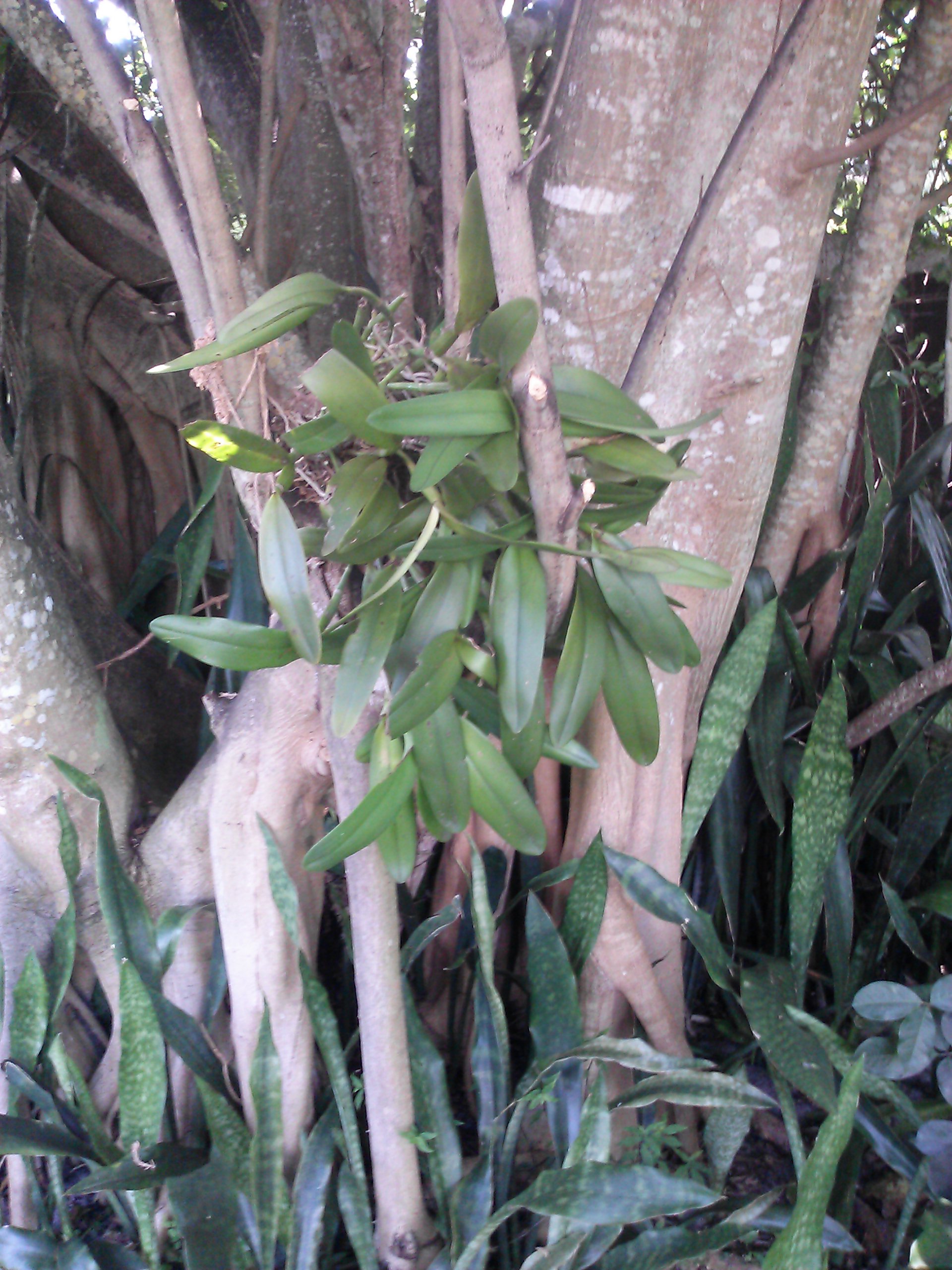
Then I hoisted the Orchids into the trunk and tied them to the tree with sisal twine. This takes a bit of jiggling and looping to make things secure, but I think they will stay in place.

The Finished Product

The Finished Product

Here are the Orchids in place. The idea is you water them (not too much) until establishment in the tree. Then maybe water every week during the dry season. Voila! Hopefully, I will get some of these next year; if these are truly unkillable!

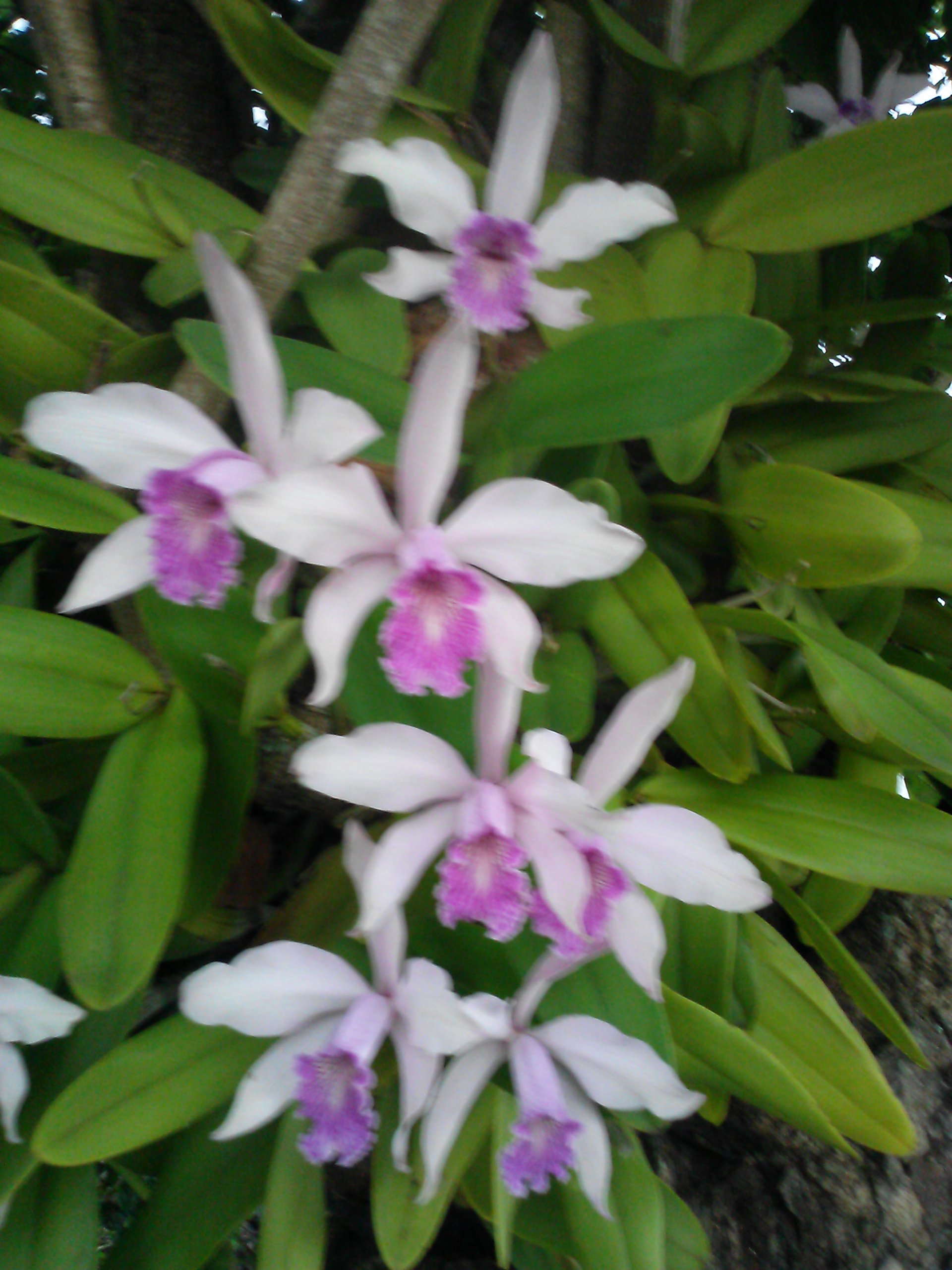
The update here is the Orchids are alive and well and are teasing me with new shoots – hopefully I get some flowers like the ones below. The good news is they do appear to be unkillable!

Cattleyas

Cattleyas

Mango, Tango – no Rain, Though

It is Mango season here in South Florida and eventually someone with a tree finds me, to my giddy delight. One of my neighbors is a Chef and has a tree. We have discussed what kind it is – he thinks a Haden – I think it might be a type locals call Peach Mango, it has the slightest aftertaste of peach. Whatever it is, it’s peachy  Maybe that is a Haden anyway. The locals call one of these a Strawberry Mango..

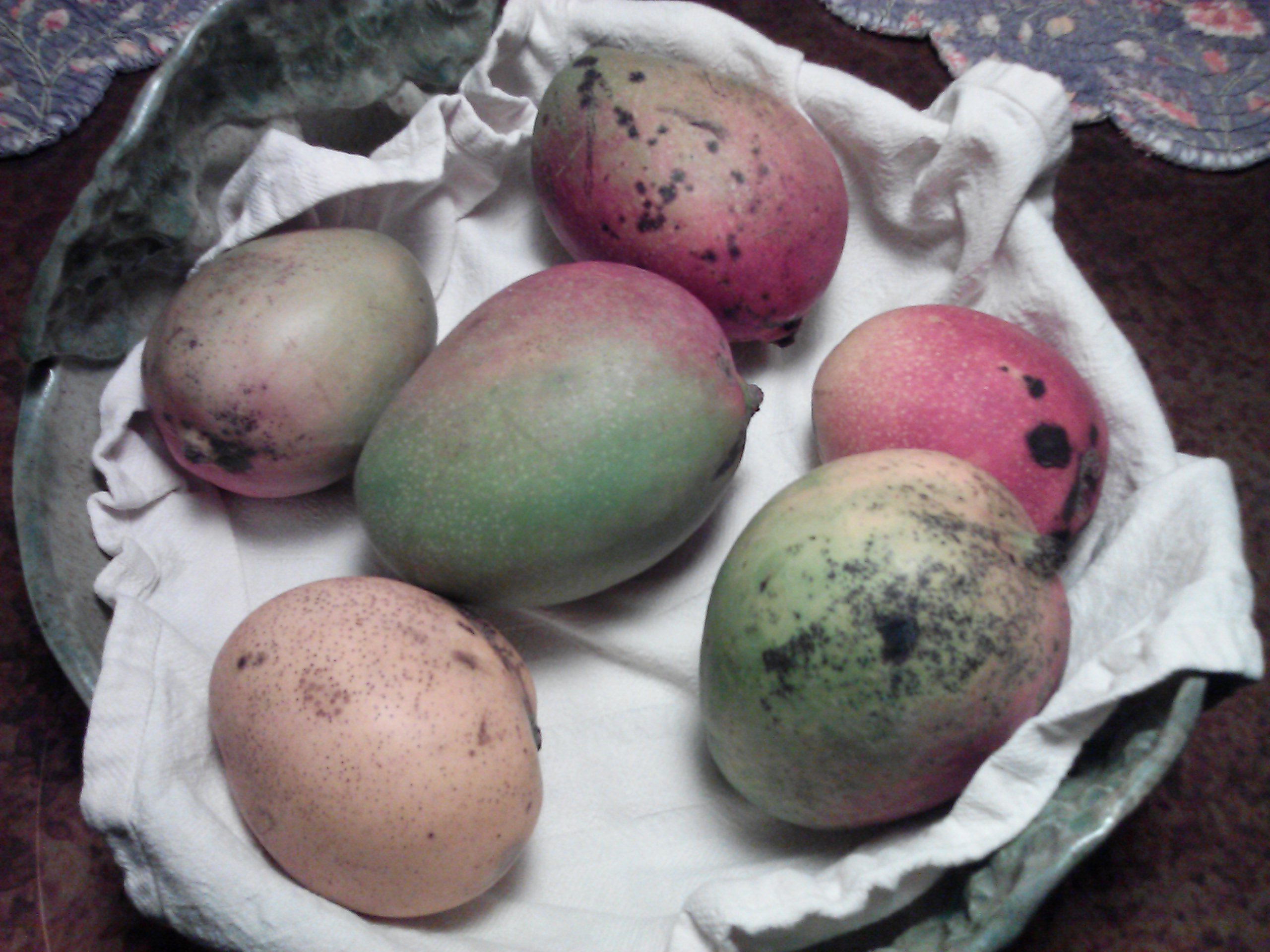
Here is a bowl of Mangoes from a guy down the street:

Assorted Mangoes

Assorted Mangoes

This included the Strawberry and Peach Mangoes – Peach I could tell, Strawberry not so much, although one had a redder colored interior. All were good and I devoured them, my husband had a bite, maybe two.

Chef Mangoes

Chef Mangoes              

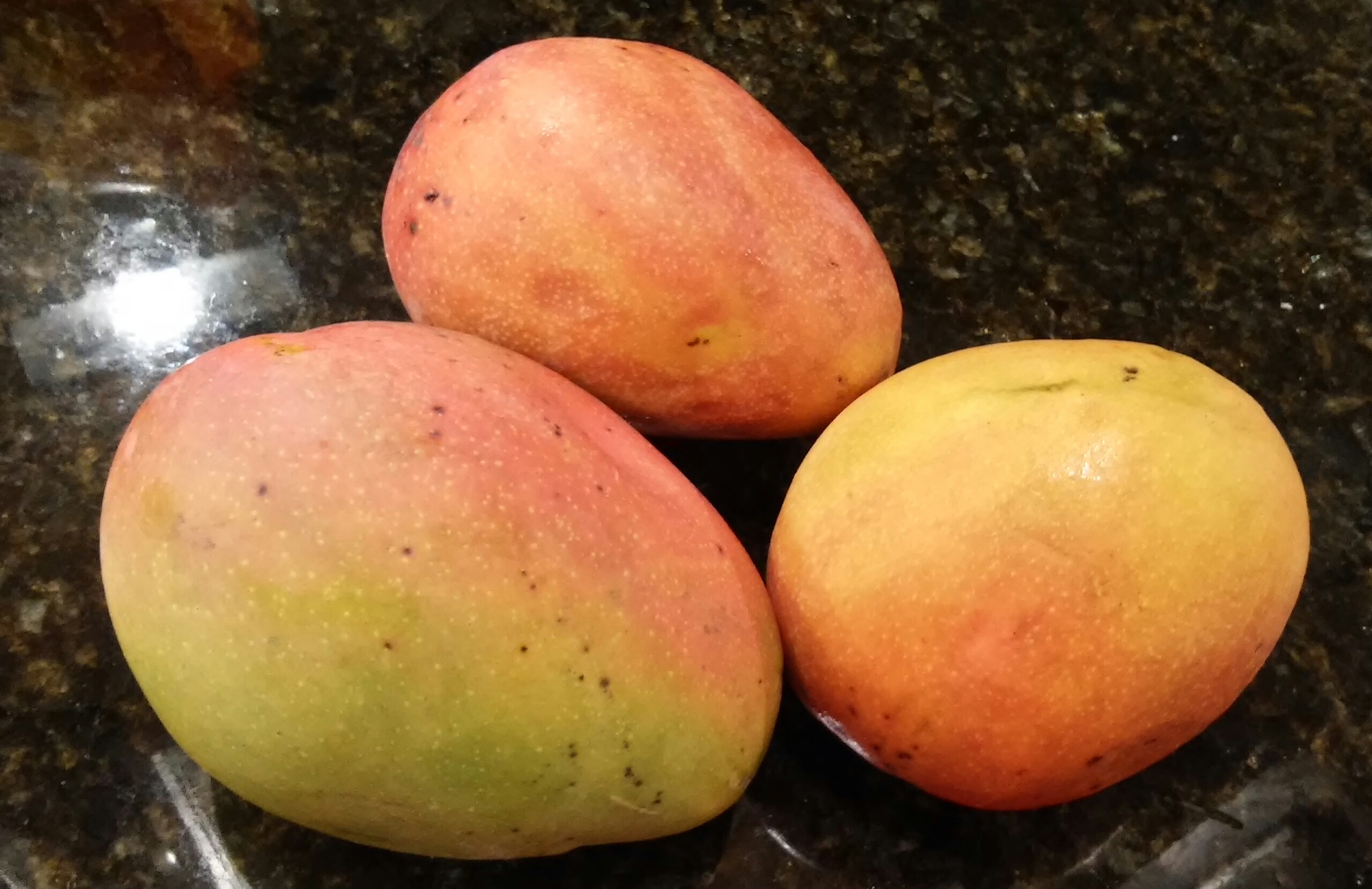
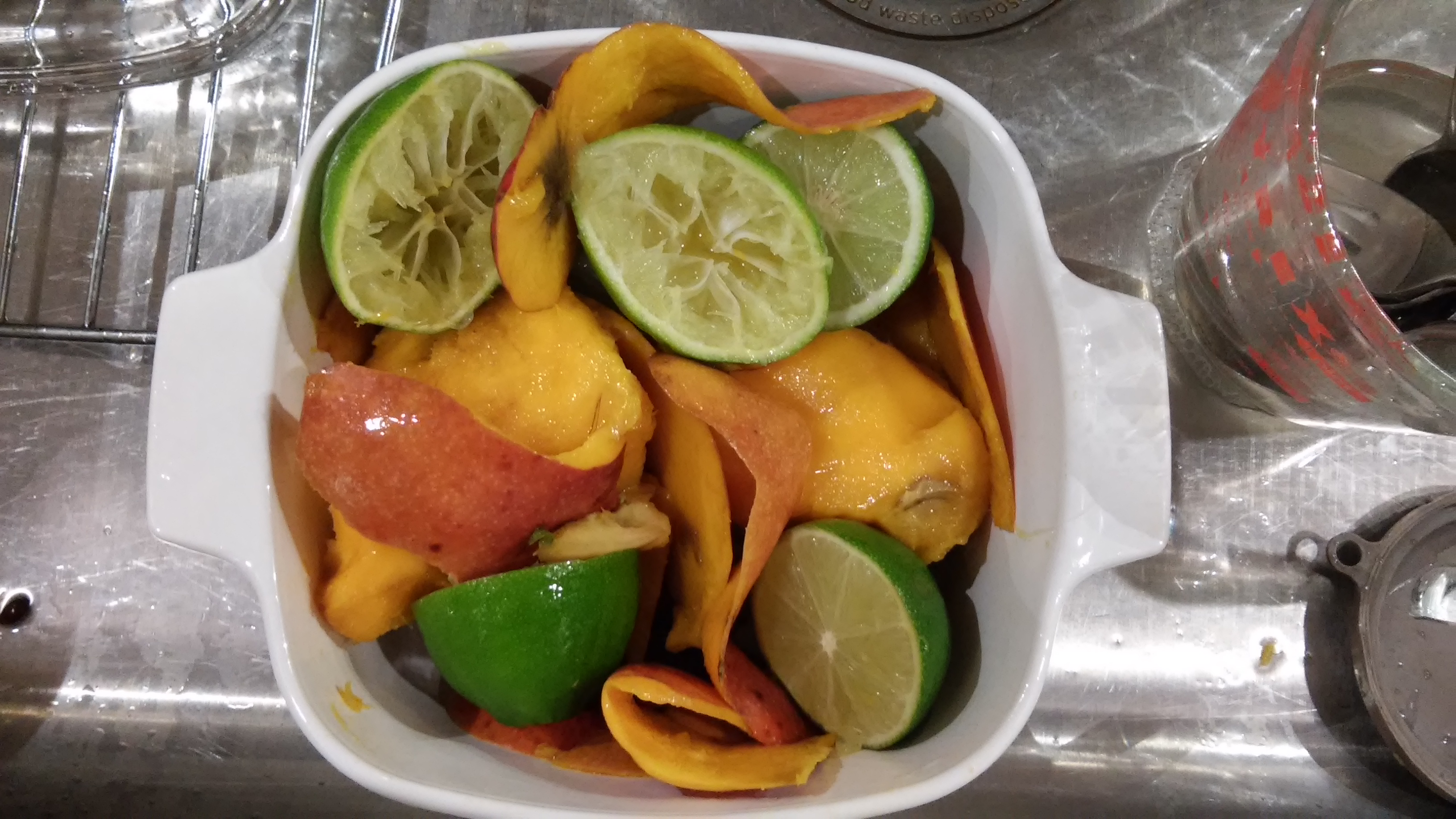
These are the Mangoes from the Chef, Peach, maybe..Haden variety. Divine, yes, after all the other Mangoes were devoured, I made Granita from two and a half of these. Granita is made by taking 3 and 1/2  cups chopped Mango, simple syrup made from raw Hawaiian Cane Sugar and the juice of one lime – put this in a blender, blend until smooth, then put it in the freezer in a shallow container and stir every half hour or so until the mixture is slushy. I keep mine in a Ziploc bag in the freezer and mush it up as I eat it.

Even the scraps for the compost heap were pretty:

Compost

Compost

It hasn’t rained here since June 30. Things were getting pretty dry and then our well (Irrigation water comes from a well) motor just died, on Saturday morning, of course. Murphy’s Law for gardeners at work here in South Florida. The well repair people aren’t bothered much if you have city water. So, they showed up Tuesday and took the motor away – we found not having water at all doesn’t bother these people much either. So, I have been running around with a pitcher, watering things. Ugh, I am however hearing thunder in the distance..

Think I will just have a little of that Mango Granita, the Chef says it is good with Rum..

The Heat is On

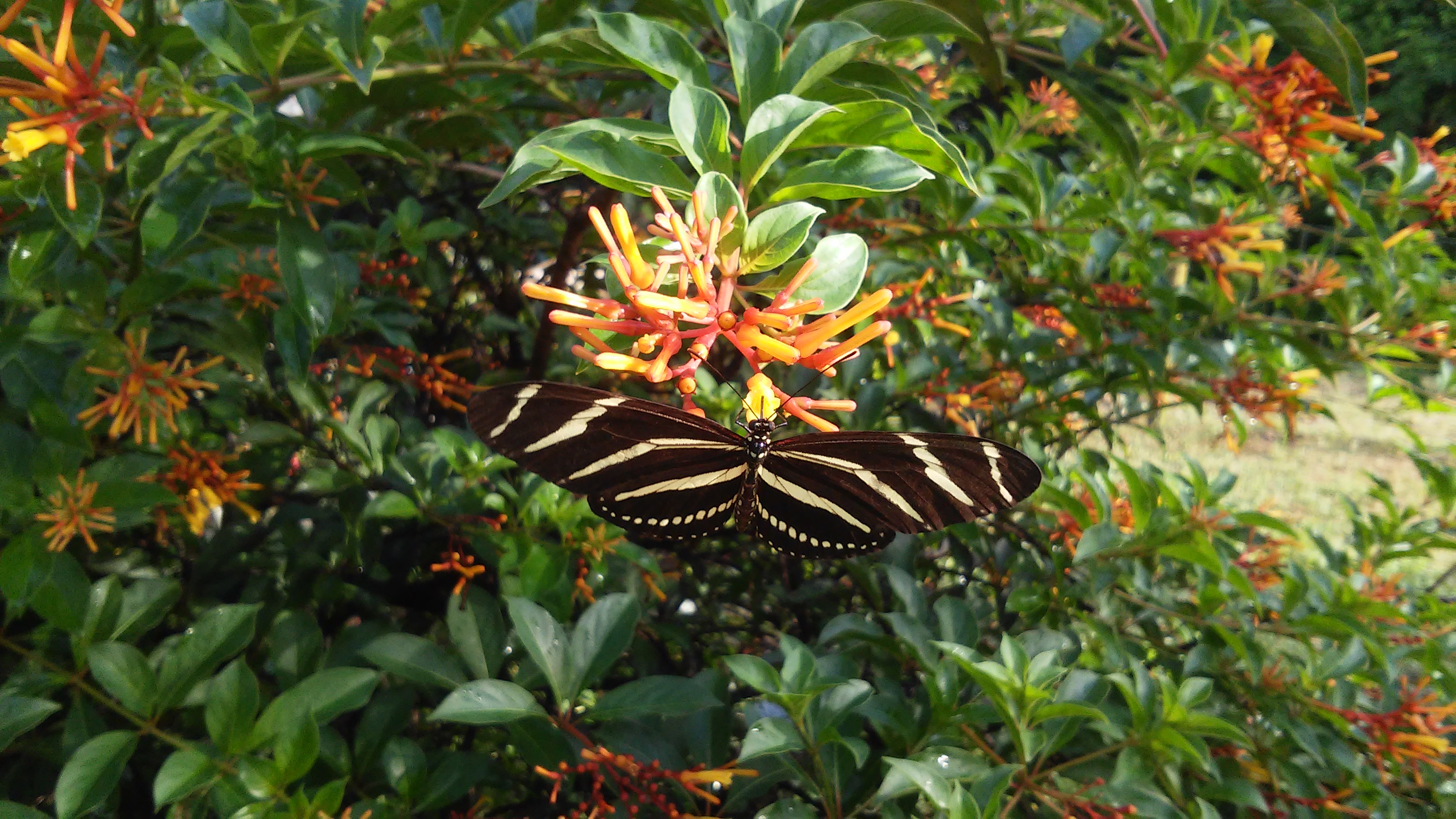
The rainy season officially started about a month ago here on the Treasure Coast in South Florida. It just didn’t start raining until the past week. Plants were getting crispy and I was having to provide supplemental water, even in the irrigated areas. My appreciation for the native plants has gone up. Here is the native shrub, Firebush, Hamelia patens, not missing a beat and attracting butterflies and a large selection of bees.

Firebush and Friend

Firebush and Friend

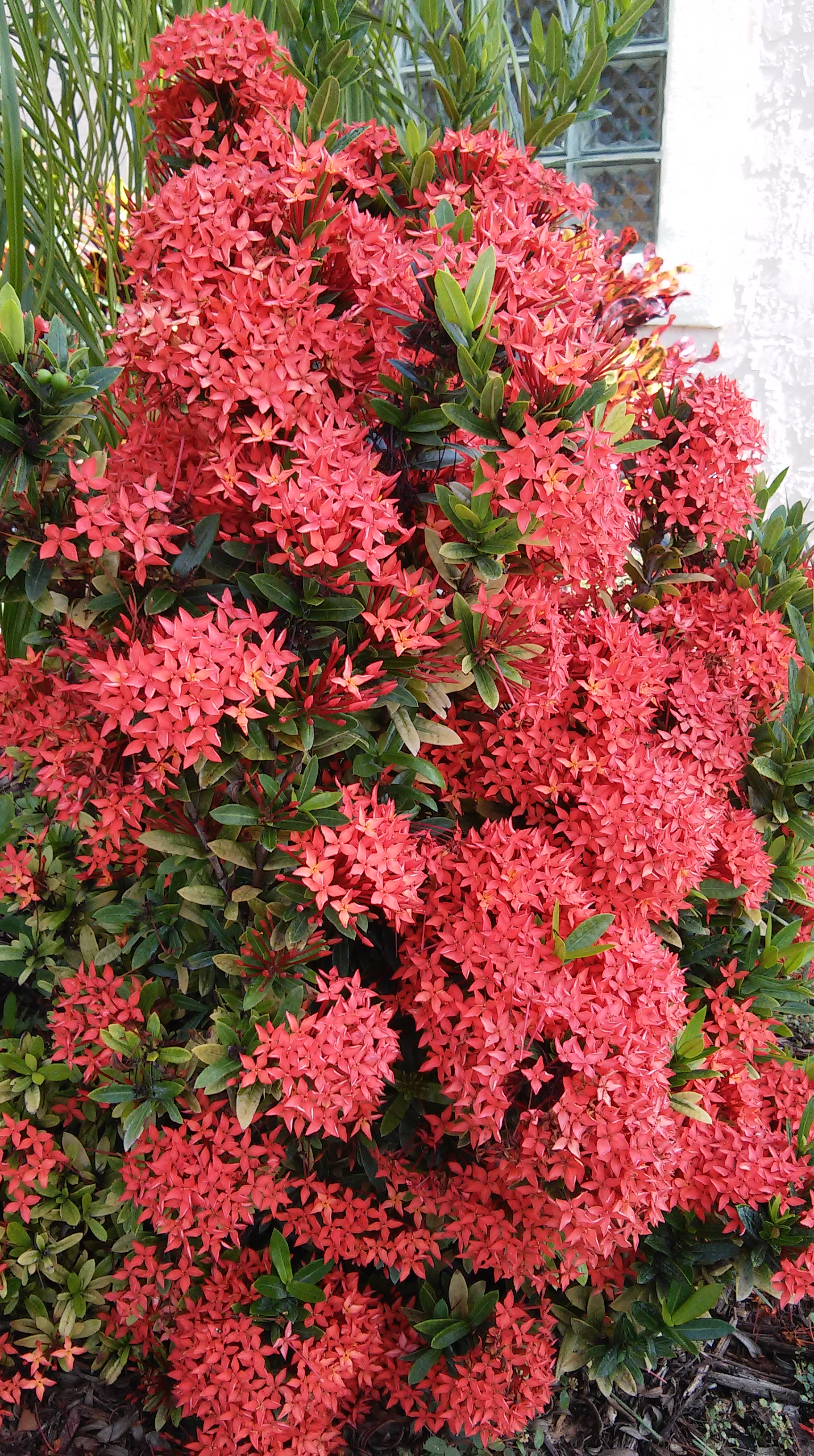
I have been waiting for precipitation to move plants around in the garden. Now the dilemma is the humidity – it has hit 100 percent several times already., not pleasant gardening weather. Some of the plants are enjoying the heat and humidity more than me. The Ixora burst forth as soon as the rain started, I take back all my grumbling about the special Ixora fertilizer I had been faithfully applying – it clearly works. I can’t recall having a shrub with more flowers, ever.

Dwarf Red Ixora

Dwarf Red Ixora

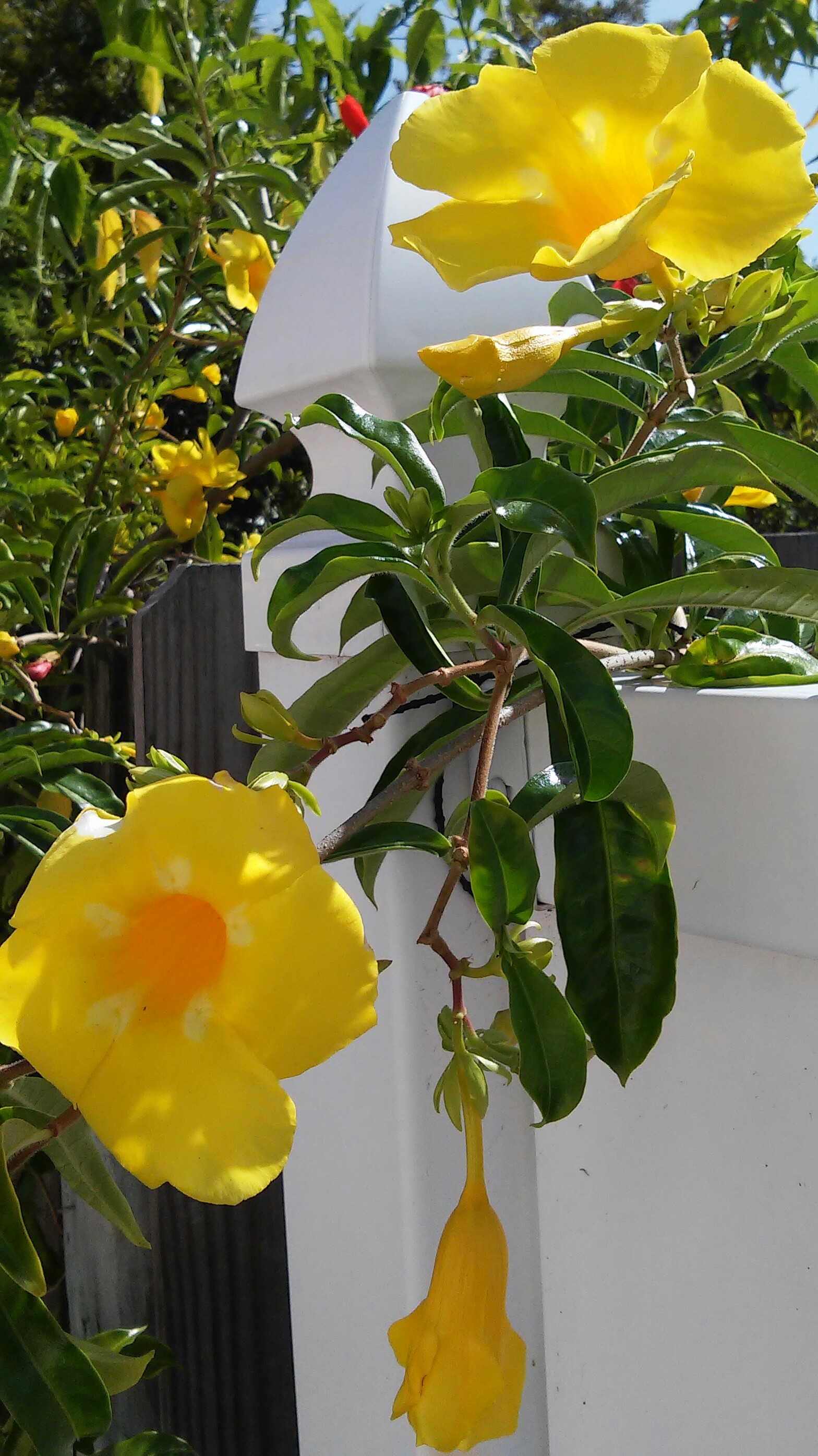
The Yellow Allamanda I trained to the fence liked the rain as well. Interestingly enough, the native version of this Allamanda was completely eaten by caterpillars! I think it hosts a good butterfly, so caterpillars were probably good.

Yellow Allamanda

Yellow Allamanda

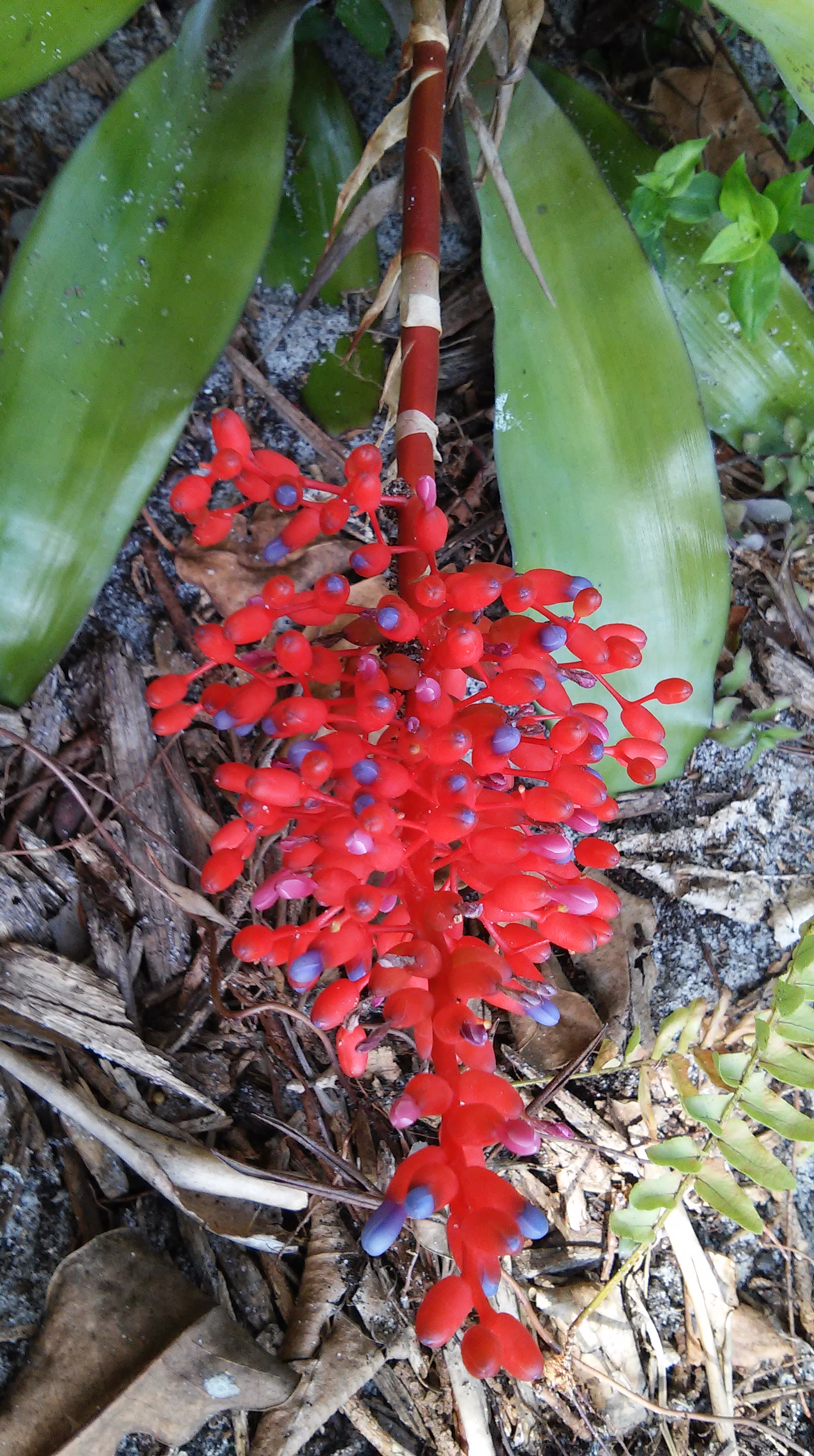
The rainforest Bromeliads also enjoy the summer. This is a Miniata Aechmea, it reminds me of red hots and is painfully easy to grow.

Miniata Bromeliad

Miniata Bromeliad

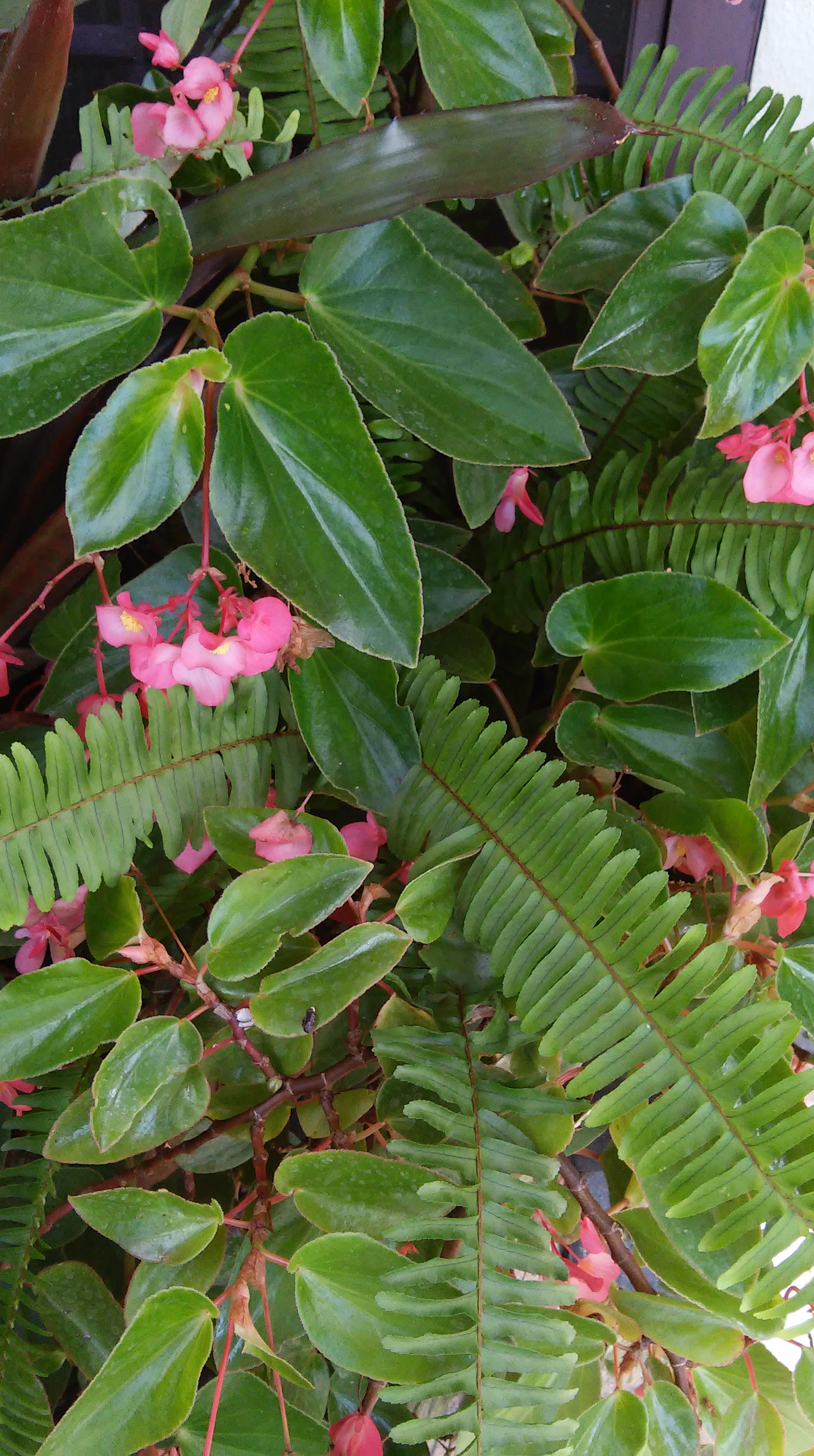
My final happy plant is a container garden actually. I have had this Dragonwing Begonia around for a couple of years, it was getting puny so I cut it back, found some Boston Fern in the yard (another wonderful native plant, it just comes up!) and put it on my front porch in part shade.

Dragon Wing Begonia and  Boston Fern.

Dragon Wing Begonia and Boston Fern.

Dragon Wings are a long time favorite of mine and I am happy I can grow them here, where they are apparently a perennial. I rooted some cuttings and they are quite happy as well. Heat and humidity are good for something!

I just looked at the weather app on my phone, it said 88 degrees but it feels like 108! I am going to stay inside and perhaps join my dogs on the cool tile floor. Although there is a promising looking group of clouds forming to the south.

Royal Ponciana – Delonix regia

The Flamboyant Tree

The Flamboyant Tree

If Tabebuia is the harbinger of spring in South Florida, then The Royal Ponciana (or Flamboyant Tree) is the harbinger of summer and the rainy season. I prefer not to use the H word in regards to seasons.

I have heard people refer to these trees as Flamboyants, and I always have to stop and think about what that is for a minute. They are pretty flamboyant. I think the trees look as if they are covered in sprays of red orchids. Ponciana starts blooming in May and then continue  into Summer the leaves seem to follow the flowers and are ferny, deep green and eventually cover the tree with a fine textured foliage providing shade for the sun weary Floridian. The floral display is followed by large pods like beans (this is a member of the bean family) In some Caribbean countries, Poncianas are called “Woman’s Tongue” because the pods rattle in the wind.

A native of Madagascar and India these trees are planted the world  over in the tropics for their fine floral display. Named for  M. DePoinci, a governor of the French West Indies in the 1700’s, the Ponciana is celebrated with a Fiesta and a Festival in Miami around the first week of June.

These trees lend a tropical flair to any landscape and eventually take on an umbrella form reminiscent of trees in the African savanna. There are numerous Poncianas in my area. Of course, most of the horticultural literature I have seen says they shouldn’t grow here. Generally, I see 10B as the hardiness zone limit, I am pretty sure this is 10A – the coastal area of Martin County. Gardening friends in Vero Beach report Ponciana do not do as well there and I have heard that Ft. Pierce is their northern limit.  The lady down the street who is a great gardener advised throwing all the books away and just giving things a try. A reasonable suggestion.

These trees should be placed in the sun and are not for the faint of heart. Fast growing and with the potential of attaining a size of 40 by 40 feet, they need some room to spread and also produce a deep shade that it is difficult to grow anything under. They are semi-deciduous; so if you are a Snowbird tired of raking leaves this tree is not for you. The pods also are pretty messy. I got in touch with my inner Southern Belle at Christmas by spray painting some Ponciana pods silver and using them as a front door decoration along with preserved Cabbage Palm fronds..

Throw the books away

The sunsets and the dogs on the beach are great reasons to live in South Florida. Trying to figure out how to garden here might be another story. Having spent most of my life 600 miles north of here, I thought I would be able to buy some books about what grows here and figure it out. Come to find out there really aren’t any good books.

The title sounds like something Hitler might have done. Actually, it was a bit of advice given to me by a longtime Treasure Coast gardener a few years ago. I had been lamenting the lack of good gardening information for our area and frustrated by what I had been reading in the Florida Gardening books. She said ‘throw the books away, they have no meaning here’.

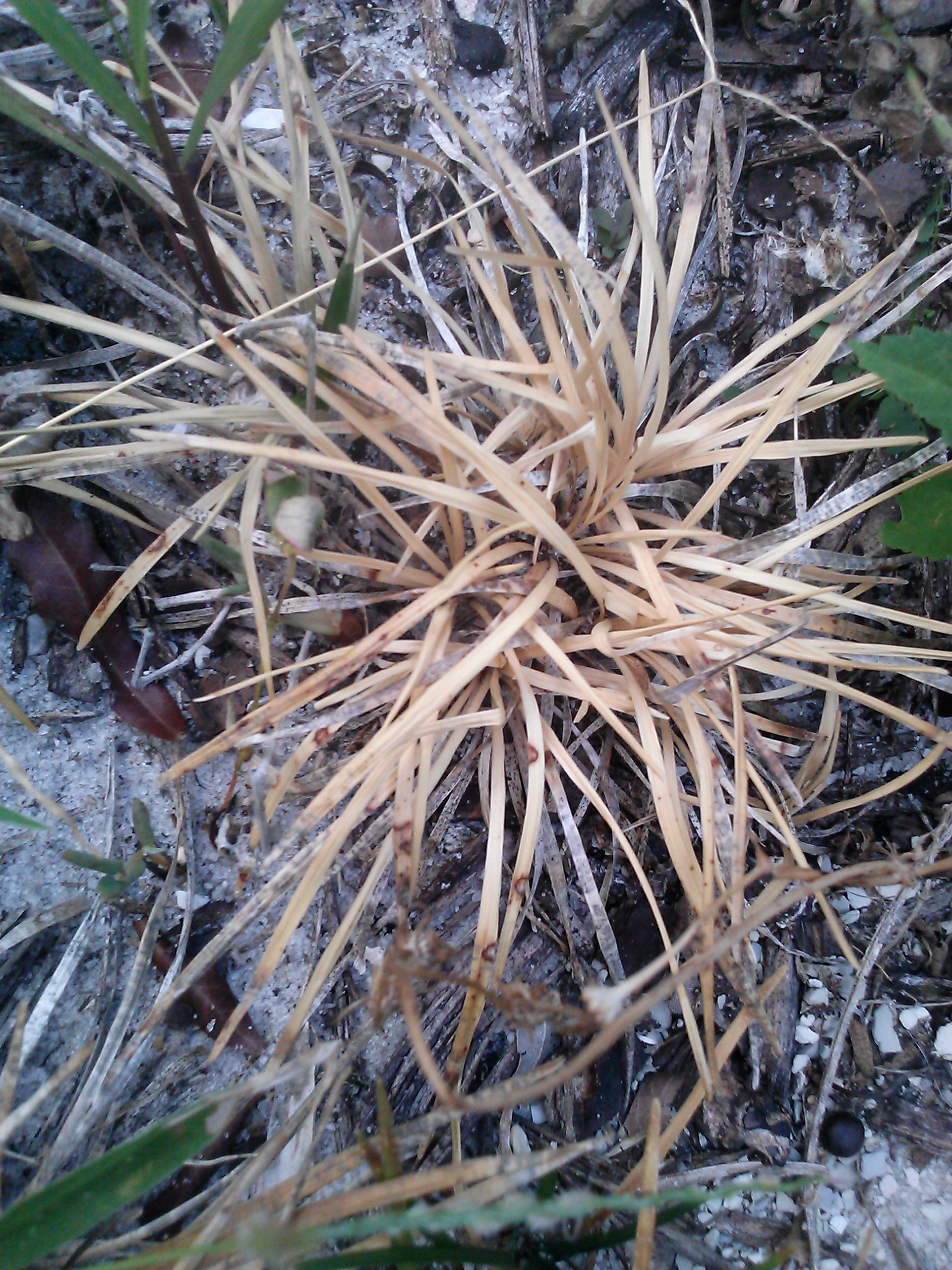
Mondo that has seen better days

Mondo that has seen better days

This kernel of knowledge proved correct and popped into my brain this morning as I was looking at the charred remains of my Mondo Grass (that supposedly grows in Zone 10 – where I live) My suspicion is Mondo Grass will grow in Zone 10 if you import soil and water for it and keep an umbrella over it at all times, otherwise, forget about it. I had Mondo Grass further north and it was a reliable nearly indestructible groundcover. It was used as lawn in places too shady for turfgrass.

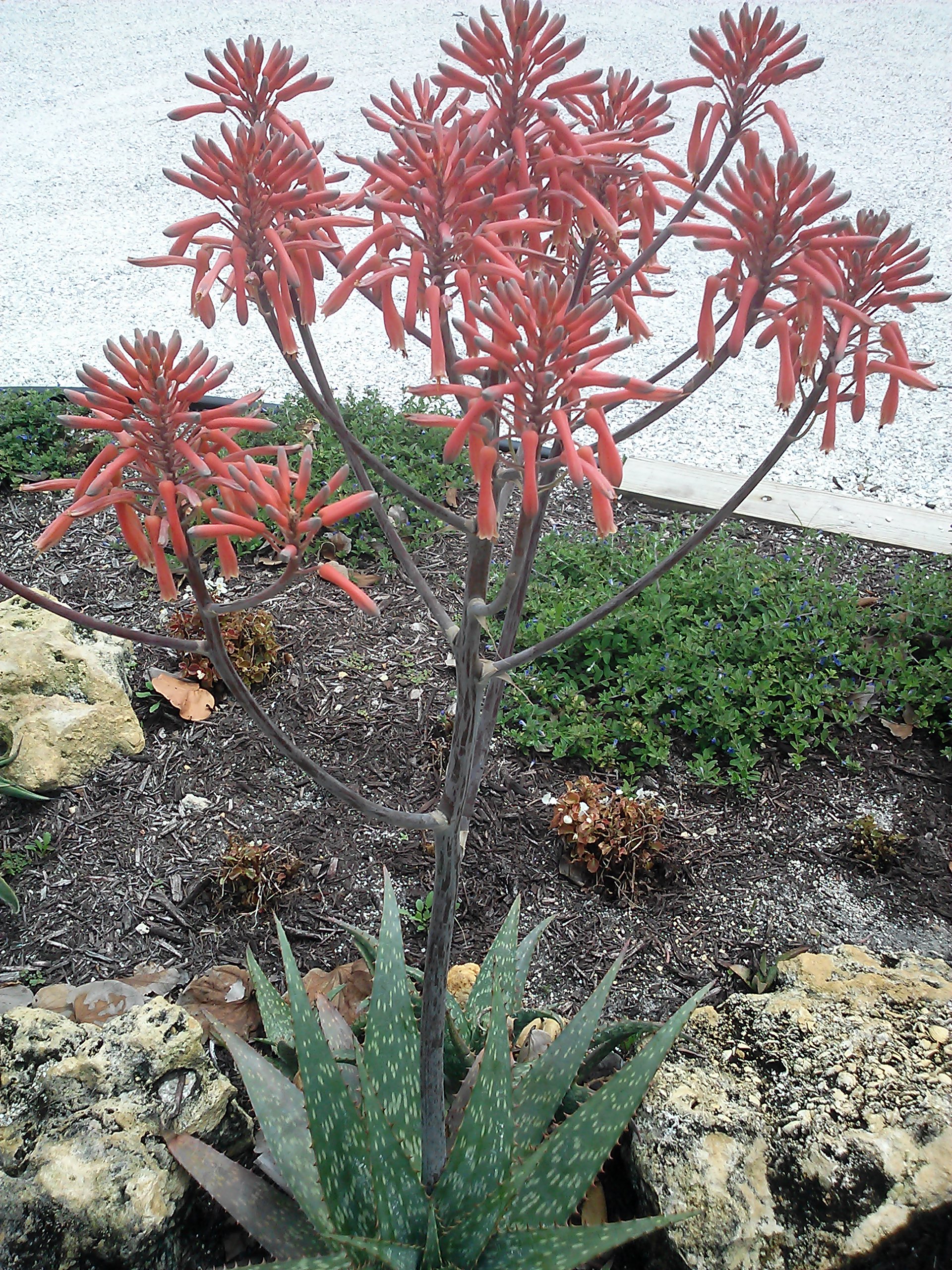
The Mondo Grass was my last rely on the books installation. My other major char broil was Bronzeleaf Begonias, which I did not even know could be burned up. I planted them in front of my Soap Aloe in my South facing front yard. Once the summer started they curled, browned, withered and unceremoniously died. The Aloe looked and still looks great. I feel bad about throwing away the offshoots sometimes, but not everybody wants a Soap Aloe. Instead of gaining sea legs on a ship, I am gaining sand legs in gardening. And usually end up covered in it.

Our Soapy Friend

Our Soapy Friend

This had left me wondering if it is really possible to write a useful gardening book with plant selection advice for a wide geographical area. I think not.

Golden Shower – Cassia fistula

Some of Florida’s best summer flowering trees are starting to bloom. These Golden Shower trees are about halfway to full bloom. Everytime my husband hears the tree name he snickers, but who wouldn’t? The sausage like fruits are enough to make me laugh without hearing the name. Some of these tropical trees have peculiar fruit that tends to hang around and be fairly unattractive. The leaves on the tree fell off for the most part and the fruit turned brown. Here is the fruit last fall.

Golden Shower Fruit

Golden Shower Fruit

Here is the tree halfway into full bloom:

Golden Shower Tree

Golden Shower Tree

The leaves are filling back in on the tree and it will be fully green through the summer and then produce another set of fruit. I am thinking at some point someone has to pick up a lot of this fruit. But I really haven’t noticed it as they have a good maintenance crew and it is not in my yard.

The first one of these trees I encountered was planted alternating with Rainbow Shower trees as a streetscape planting in Maui, quite festive and tropical. The Rainbow Shower trees flower has a literal rainbow of color on it. Quite something to see and a bit overwhelming. It took me awhile to figure out what the trees were. My first thought was “it’s a Laburnum”, nooo, not in Hawaii. One of its common names is Indian Laburnum and Pudding Pipe Tree is another. Apparently this tree has a few medicinal uses, treating constipation, skin infections, and people in India smoke it – for what reason I am not sure.

Native to Southeast Asia, the Golden Shower is planted as a street tree in tropical climates the world over. I am glad we have a few in front of our library.

Collecting Treasure Coast Passalongs

It is entirely possible the term “Passalongs” is Southern American slang. In the Deep South gardeners typically pass along their favorite plants to friends and neighbors by seed, cutting or division. Once I was the happy recipient of an air layered old fashioned Gardenia. Hence the term Passalong Plants.

There are varying superstitions about proper receipt of these plants. One is you never say ‘Thank you’ because this will result in the plant’s immediate demise – this seems so strange to me as Southerns are, if anything, polite.

Many of these plants might be considered ‘Roadsidea’ as they are superhardy and likely to have been collected by an intrepid gardener for their outstanding flower or other characteristics.

Everglades Tomatoes

Everglades Tomatoes

Here in South Florida, contrary to most of the Northern Hemisphere, the gardening season is winding down and gardeners are sharing plants for installation before the rainy season begins. In the case of the Everglades tomatoes, the seeds will be saved for planting next fall.

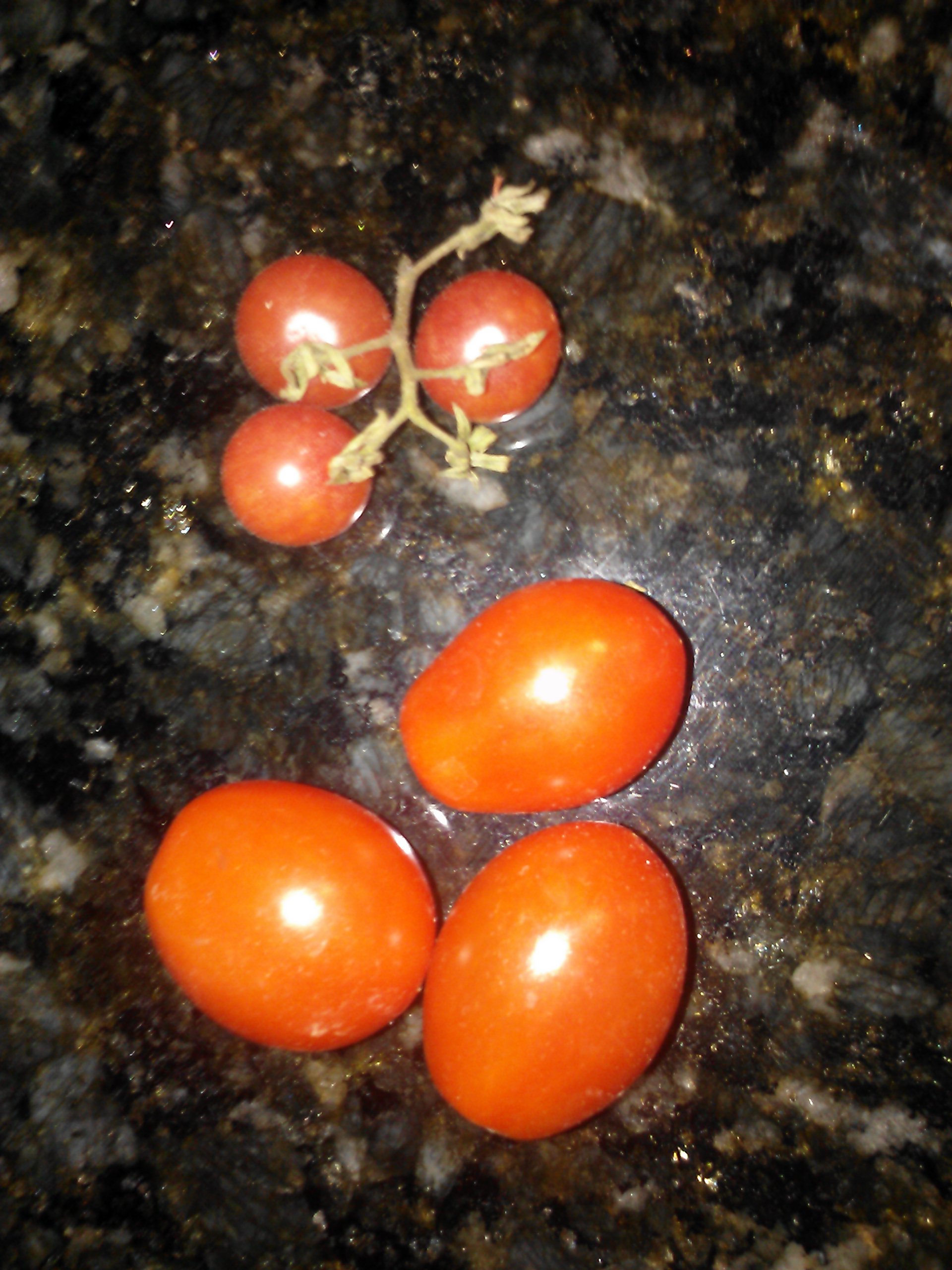
I am not so sure about the Everglades Tomato. They are the small tomato at the top of the picture, the bigger ones are Grape Tomatoes. These are native to the Everglades, hence the name, some people grow them year round. To me, they have a beefy taste and are too small to get the full tomato experience. I want a burst of sunshine when I bite into a tomato. I may have to stick with my favorite Sweet 100s.

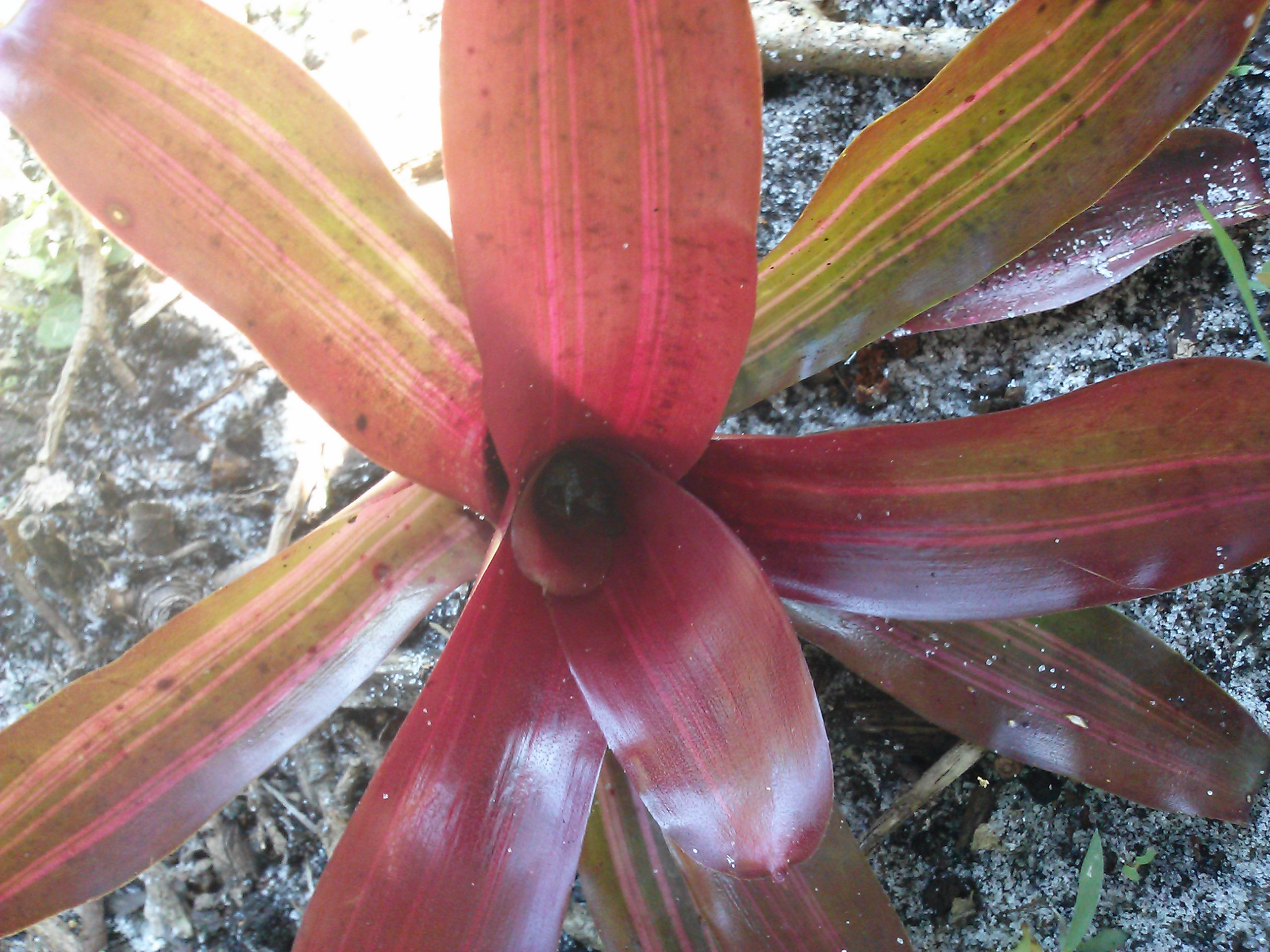
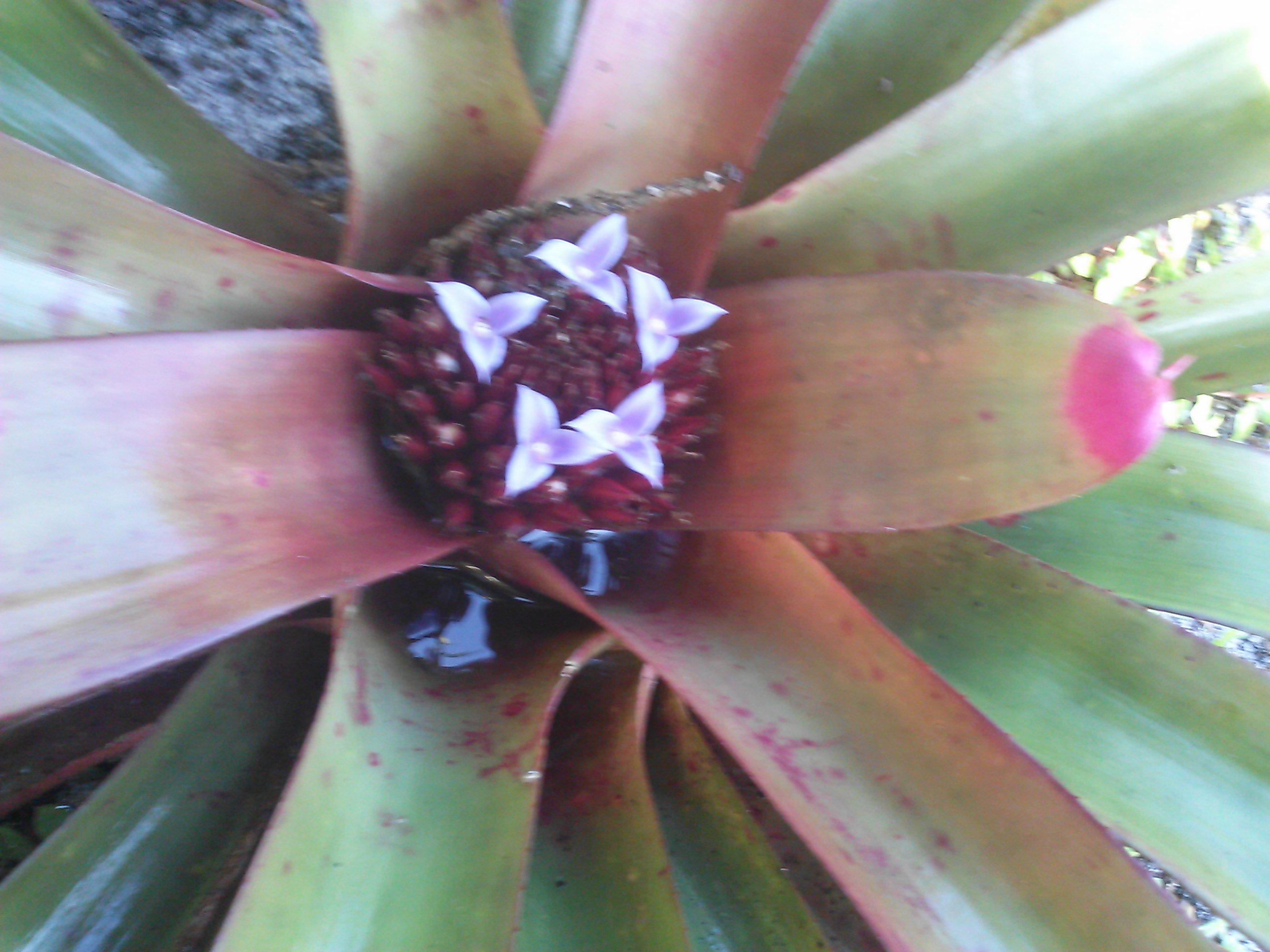
I call these Groundcover Bromeliads, they are some type of Fireball Neoregelia, maybe Atomic. Commonly sold at Garage Sales and passed along by division. I have striped, spotted and red. They spread and form a groundcover. I find that I am not worried as many gardeners about botanical nomenclature when I find a great deal at a garage sale. Please forgive me for spreading ambiguity.

Groundcover Bromeliad

Groundcover Bromeliad

Groundcover Bromeliad

Groundcover Bromeliad

Painted Fingernail Bromeliad

Painted Fingernail Bromeliad

This is the aptly named Painted Fingernail Bromeliad, an Aechmea variety. My neighbor gave me a few pups from her plants. I saw these growing by the side of the road for a long time before I managed to find out what they were. Like many passalong plants, these prove to be pretty indestructible and will grow in sun or shade.

Succulents are another excellent passalong as they reproduce quickly with side shoots. Just break one off and replant in hot sun and infertile soil. They may need water once or twice. The Agave and Soap Aloe are from my friend, Eddie.

To a certain extent all of these plants are a double edged sword. Yes, they thrive in our difficult environment. Maybe a little too well. If not maintained through careful sharing, the garden could be at risk of being overrun. I wouldn’t mind with the Bromeliads, except they are pretty sharp as are the succulents. So, mine are kept at bay and cleared from the edges of walkways.

Now that I have collected all these plants, I have some ready to pass along, should anyone need a new plant or two t try. I do hate to throw plants away.